The BMW M1 owes its existence to a racing rule. In the late 1970s, BMW Motorsport wanted to enter a class that required manufacturers to build 400 road-going versions of their race car within twenty-four months. That was easier said than done. BMW knew how to turn out hundreds of thousands of sedans, but hand-building a few hundred mid-engined sports cars was another matter. Rather than set up a whole new production line, it went looking for someone who already had one.
The company it chose was Lamborghini, which turned out to be in much worse financial trouble than BMW had realized. Before long, the contract was cancelled and the prototypes were locked inside a factory full of creditors. BMW eventually got its car built, though not until the racing series it was meant for had slipped out of reach. The M1 still became the first BMW M car, despite much of the work being done outside Germany.
BMW Needed 400 Cars And Couldn't Build Them
Jochen Neerpasch, the man running BMW Motorsport, wanted a mid-engined sports car that could take on Porsche. The problem was getting enough road cars built to qualify for racing. Under the homologation rules, BMW needed 400 matching examples within two years, and its existing factories weren't set up for that kind of small production run. Hiring somebody else to build them seemed like the sensible solution.
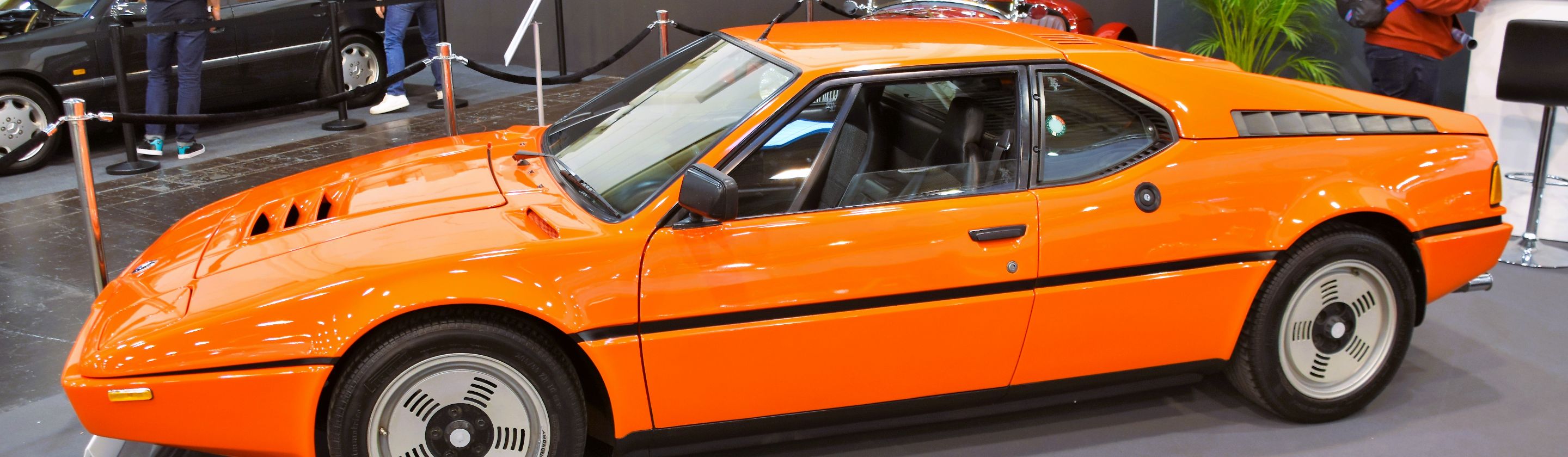
Giorgetto Giugiaro of Italdesign drew the body, taking inspiration from a BMW concept car shown in 1972. He gave the M1 its low wedge shape and fiberglass panels. For the engineering and assembly, Neerpasch turned to Lamborghini in Sant'Agata Bolognese. The Italian company had plenty of experience building exotic cars, and its factory was running well below capacity because sales had dried up. On paper, it looked like a good deal for everyone.
Lamborghini was supposed to develop the chassis and assemble the finished cars, with engineer Gian Paolo Dallara designing the tubular spaceframe. The company also secured more than a million pounds in Italian government funding to help keep its workers employed. Unfortunately, much of that money went toward another project, a military off-road vehicle called the Cheetah. That vehicle went nowhere, and BMW's supercar was about to run into trouble of its own.
Lamborghini Ran Out Of Money First
Problems appeared almost immediately. Lamborghini was struggling to pay its suppliers, who eventually stopped sending parts to the factory. Every missed delivery pushed the M1 further behind schedule. By the time BMW expected finished cars to start arriving, Lamborghini had managed just seven prototypes, with plenty of engineering work still unfinished. BMW had a racing program waiting for a car that was nowhere near ready.
On April 19, 1978, BMW cancelled the contract. Lamborghini then kept the prototypes and manufacturing tools locked inside its factory, leaving BMW in a particularly awkward position. The usual account says the Germans managed to get their equipment out of Italy before Lamborghini's creditors could claim it. Exactly how they pulled that off remains unclear, and nobody involved has ever given much of a public explanation. It's a strange little episode in a story that was already going badly.
Lamborghini went into receivership that same year. Fortunately for BMW, some of its former engineers weren't ready to abandon the M1. They formed a company called Italengineering a few miles from the Lamborghini factory and finished the development work. That took care of the engineering, but BMW still needed someone to actually build the cars. With the original factory out of the picture, the company ended up spreading production across several different workshops.
The Car Was Assembled Across Two Countries
Making an M1 now involved quite a bit of traveling. Marchesi in Modena built the tubular frames, while another Italian company, Trasformazione Italiana Resina, made the fiberglass body panels. Both sets of parts went to Italdesign in Turin, where workers attached the body to the frame and fitted the interior. At that point, the cars still couldn't go anywhere under their own power. Their engines were being built separately in Munich.
From Turin, the unfinished M1s traveled to Stuttgart, where coachbuilder Baur, better known for its BMW convertibles, installed the engines and completed assembly. The finished cars then went to Munich for inspection and final approval by BMW Motorsport. What was supposed to be a straightforward job at one Italian factory had become a production tour of Italy and Germany. Somehow, the arrangement worked. One M1 even found its way into Andy Warhol's hands in 1979, when he painted it as a BMW Art Car.
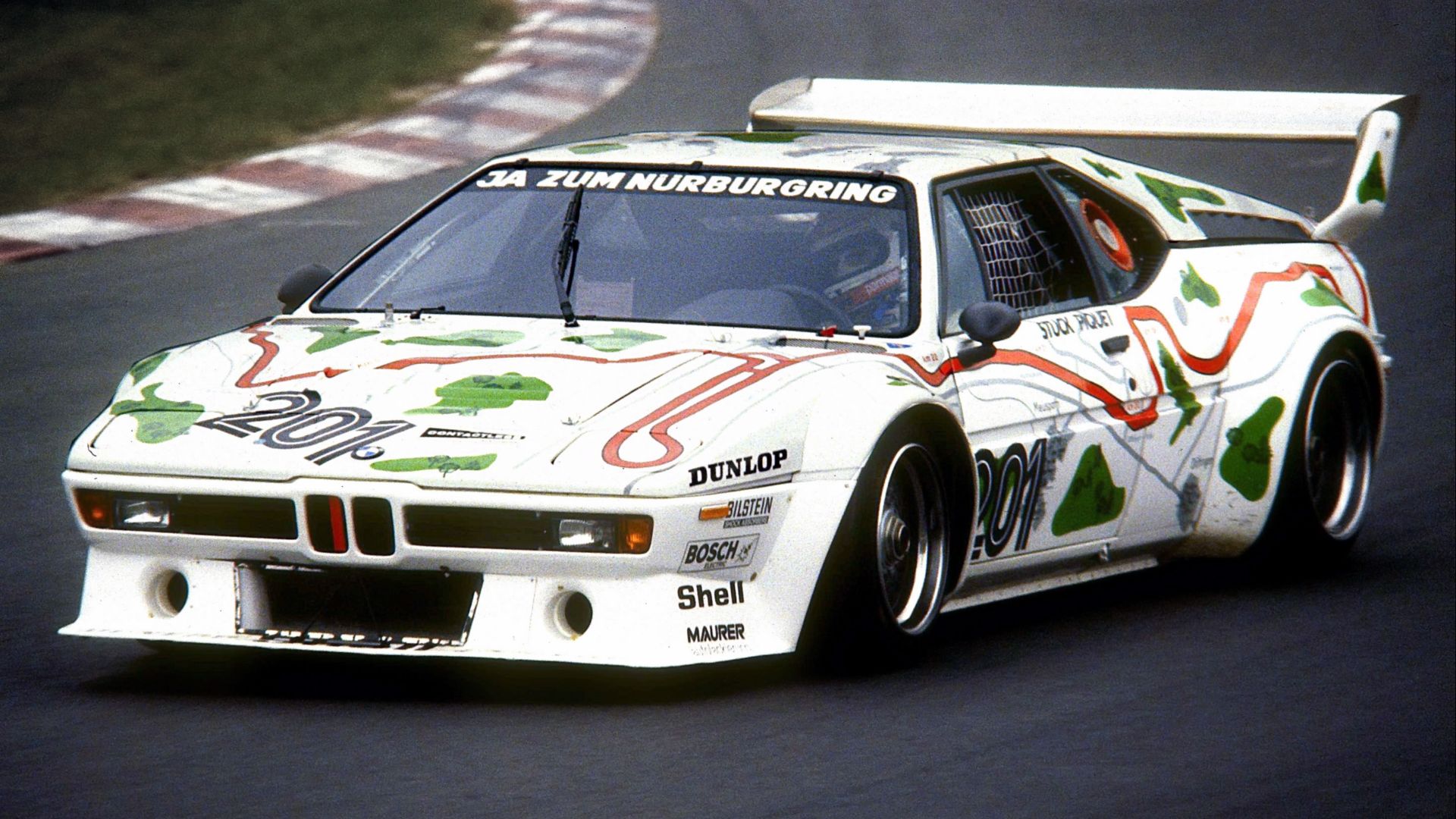
Unfortunately, the racing rules had changed while BMW was trying to get the M1 built. FISA revised its homologation requirements, and the finished car arrived too late for the competition Neerpasch had originally targeted. BMW came up with its own solution, launching the Procar championship as a support series at Formula One weekends. Grand Prix drivers raced identical M1s, with Niki Lauda winning the 1979 championship and Nelson Piquet taking the title in 1980. Production ended in 1981 after 453 cars, leaving BMW with a supercar that had taken a remarkably complicated route into existence.