10 Heavy Cars That Handle Surprisingly Well & 10 Light Cars That Feel Clumsy
10 Heavy Cars That Handle Surprisingly Well & 10 Light Cars That Feel Clumsy
Where The Mass Sits Beats What It Weighs
Car companies love bragging about how much weight they've shaved off, as though lighter automatically means better to drive. But the number on the spec sheet only tells part of the story. Where that weight sits and how the suspension handles it can make a heavy car feel surprisingly agile, while a much lighter one can feel clumsy. Here are 10 heavy cars that feel lighter than they are, and 10 light cars that drive like they're carrying extra weight.
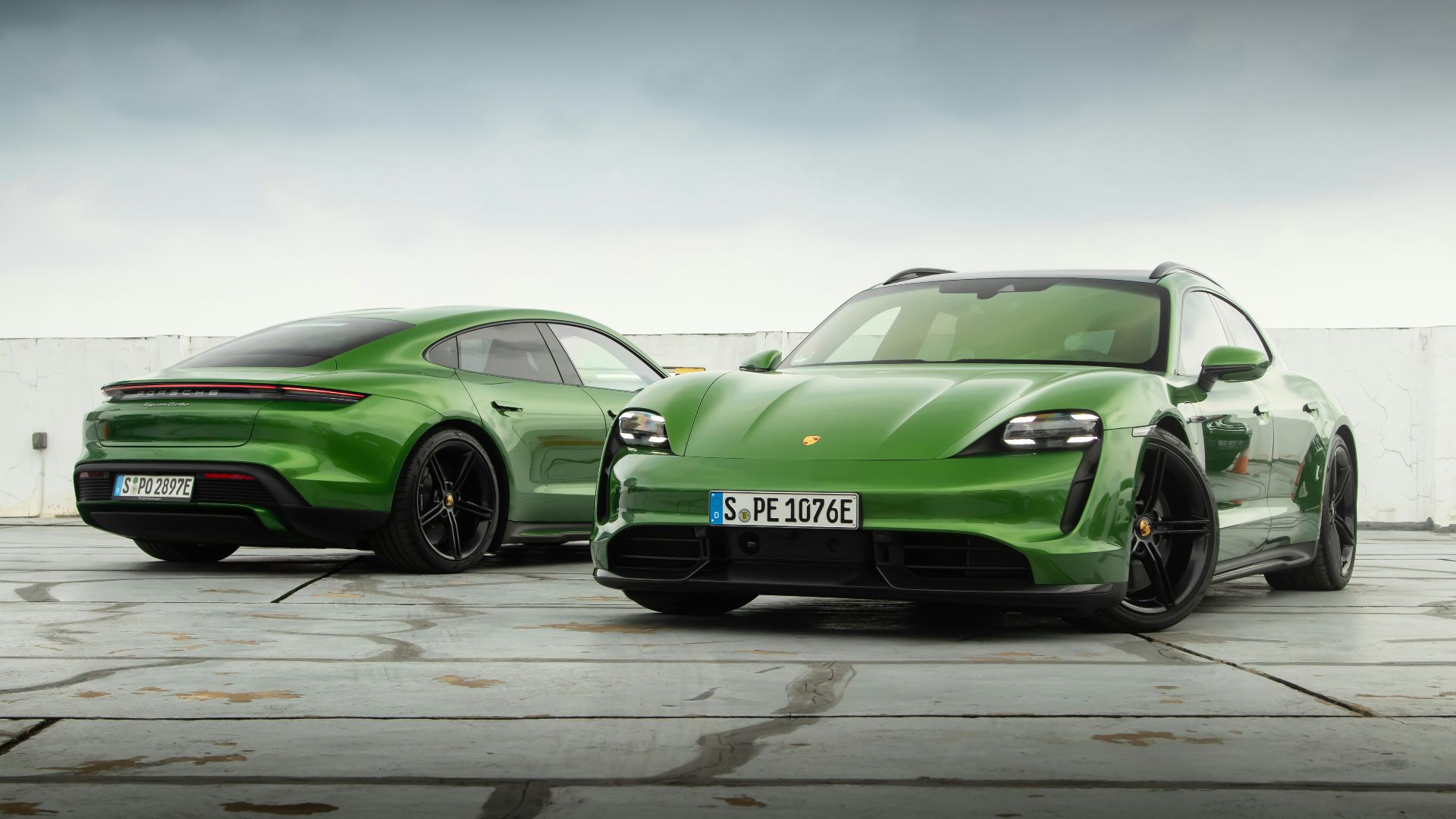
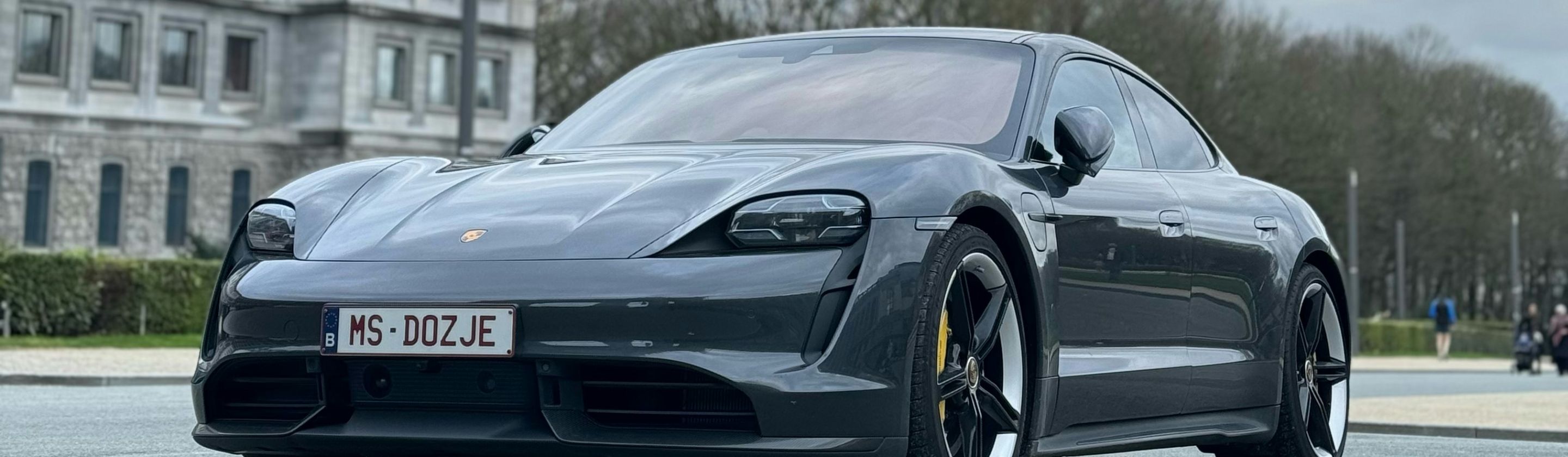
1. Porsche Taycan Turbo S
The Turbo S weighs over 5,100 pounds and still changes direction like something much smaller. The trick is where the battery sits, flat along the floor under your feet. That drops the mass lower than any combustion sports sedan manages. Weight down low behaves completely differently from the same weight carried up high. Nothing else about the car explains it.
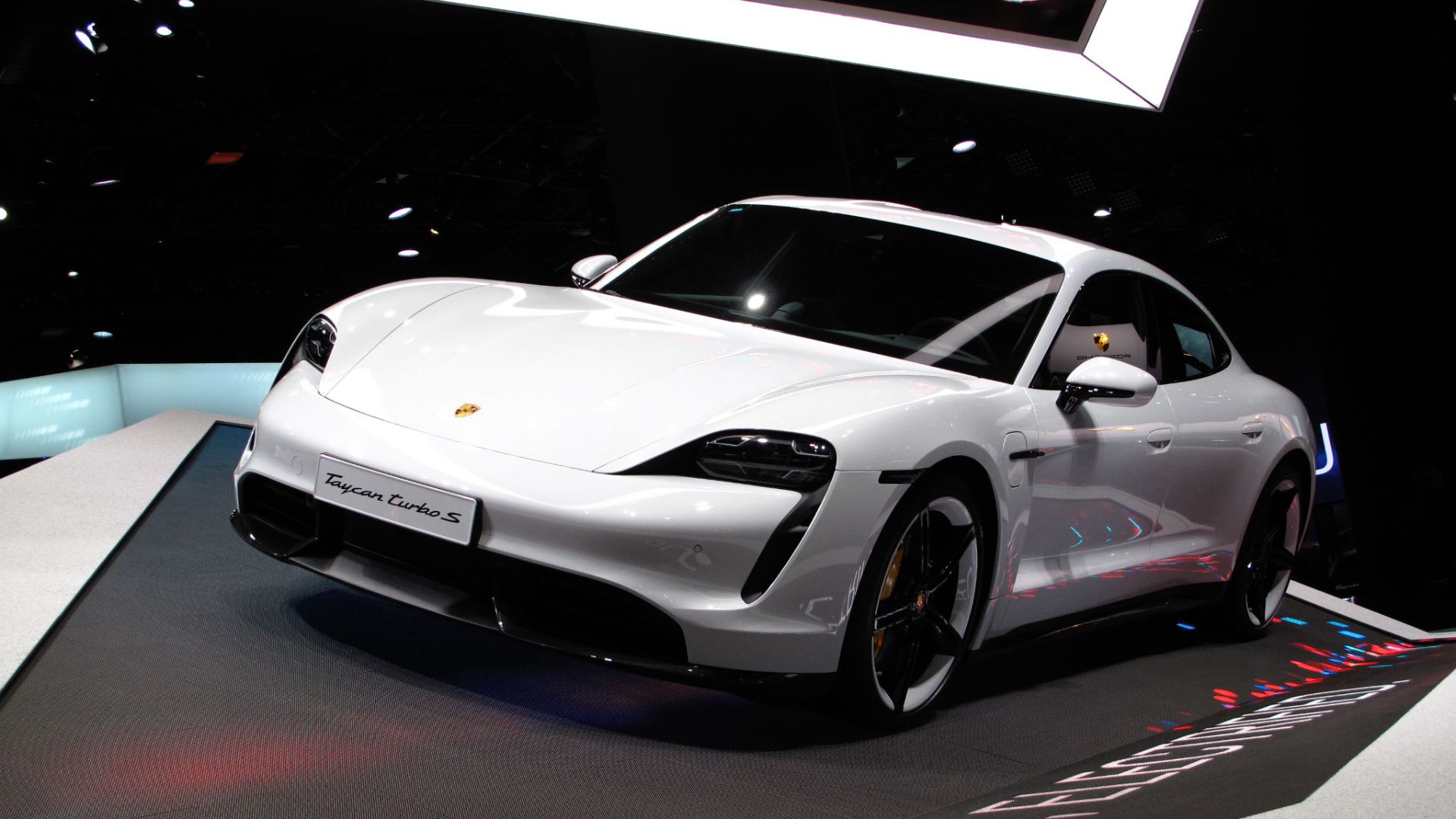 Rutger van der Maar from Leiden, The Netherlands on Wikimedia
2. Alfa Romeo Stelvio Quadrifoglio
An SUV at 4,367 pounds turned a 7:51.7 at the Nordschleife, which stood as an SUV record, beating a Range Rover Sport SVR that was over 600 kilos heavier and 23 seconds slower. Alfa leaned on a carbon driveshaft and an even front-to-rear split. Being the lighter heavy car was the whole advantage.
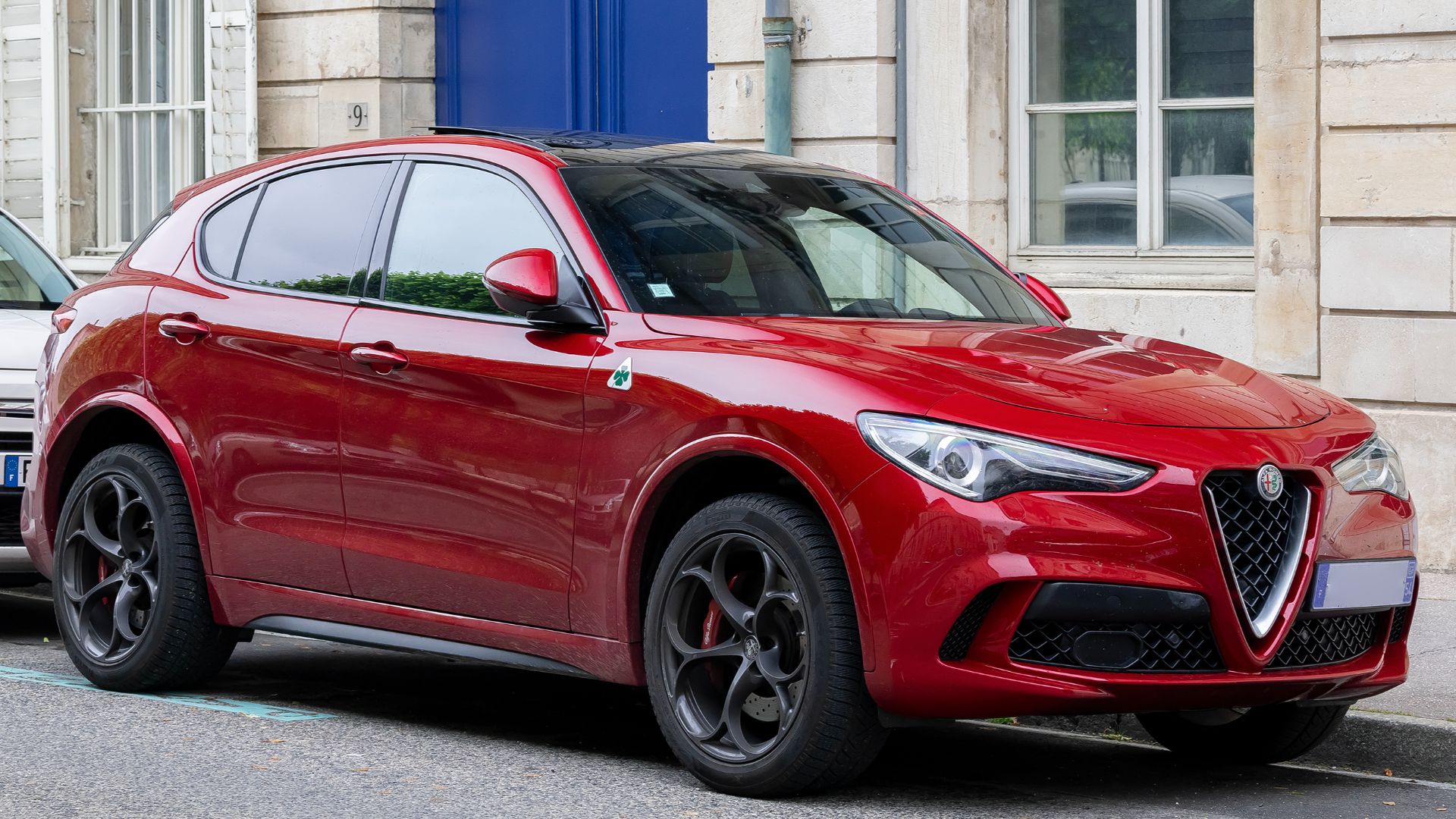
3. Chevrolet Camaro ZL1 1LE
The 1LE package weighs around 3,850 pounds, which is a lot for a track special. It turned a 7:16.04 on the Nordschleife anyway, ahead of a Ferrari 488 GTB and a Nissan GT-R. The suspension did most of that, a spool-valve damper setup borrowed from motorsport. Chevy charged under seventy thousand dollars for the whole thing.
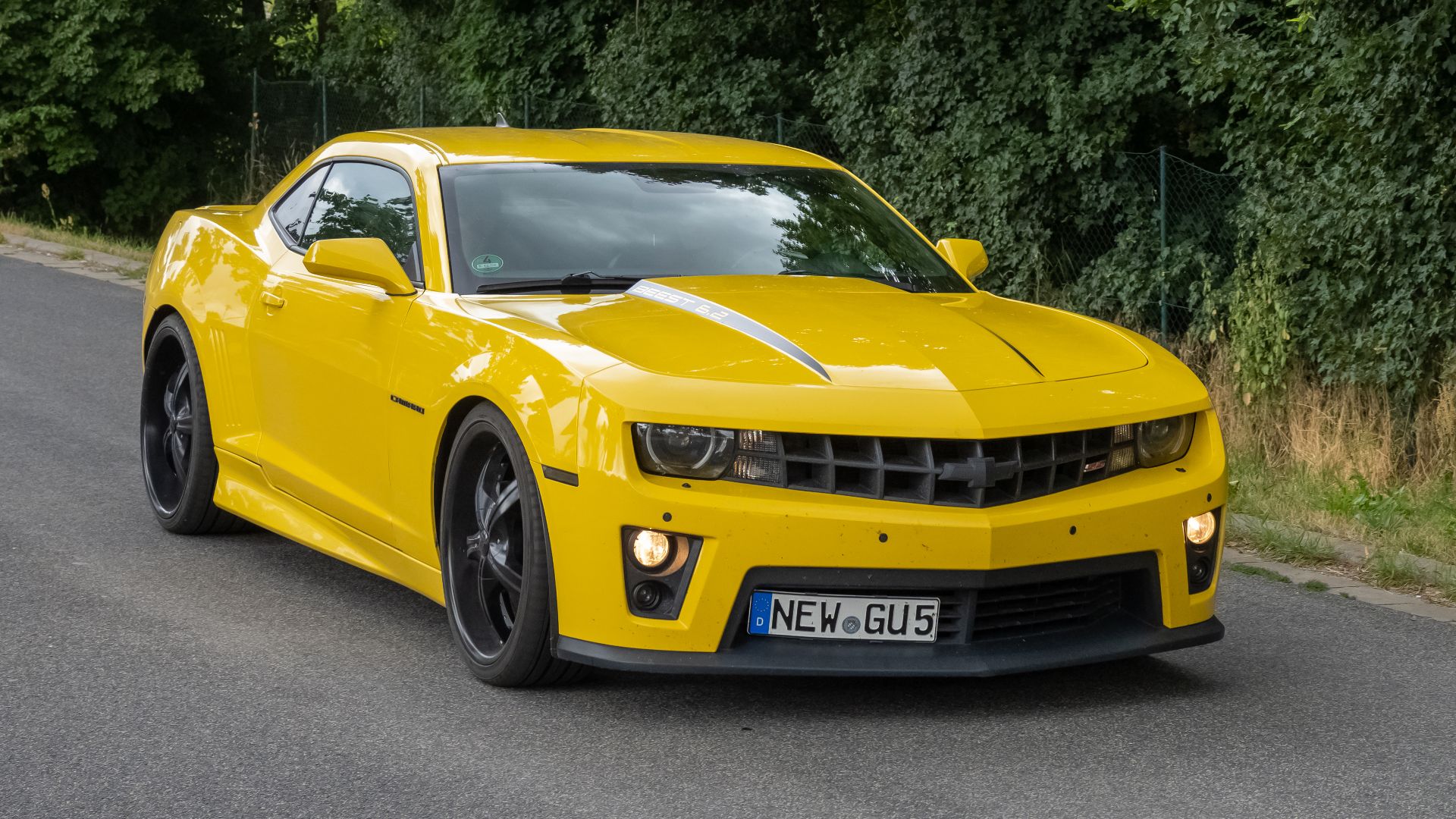
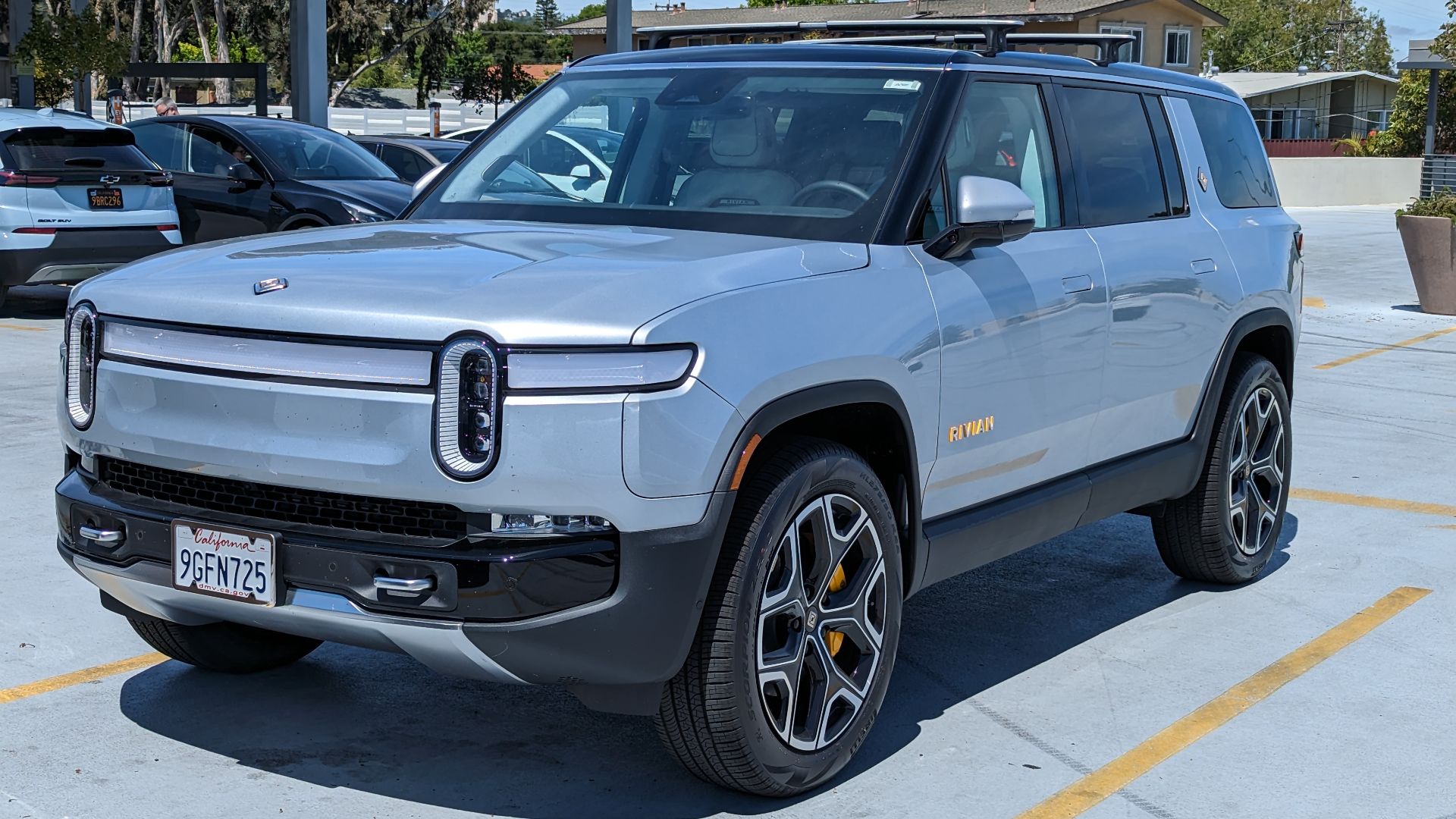
4. Rivian R1S
Seven thousand pounds of electric SUV should not work at all. The quad-motor version has a motor at each corner. It can send torque to individual wheels and rotate the car on throttle alone. Software is doing something no mechanical differential can. The weight hasn't gone anywhere, you just stop noticing it mid-corner.
5. Porsche Cayenne
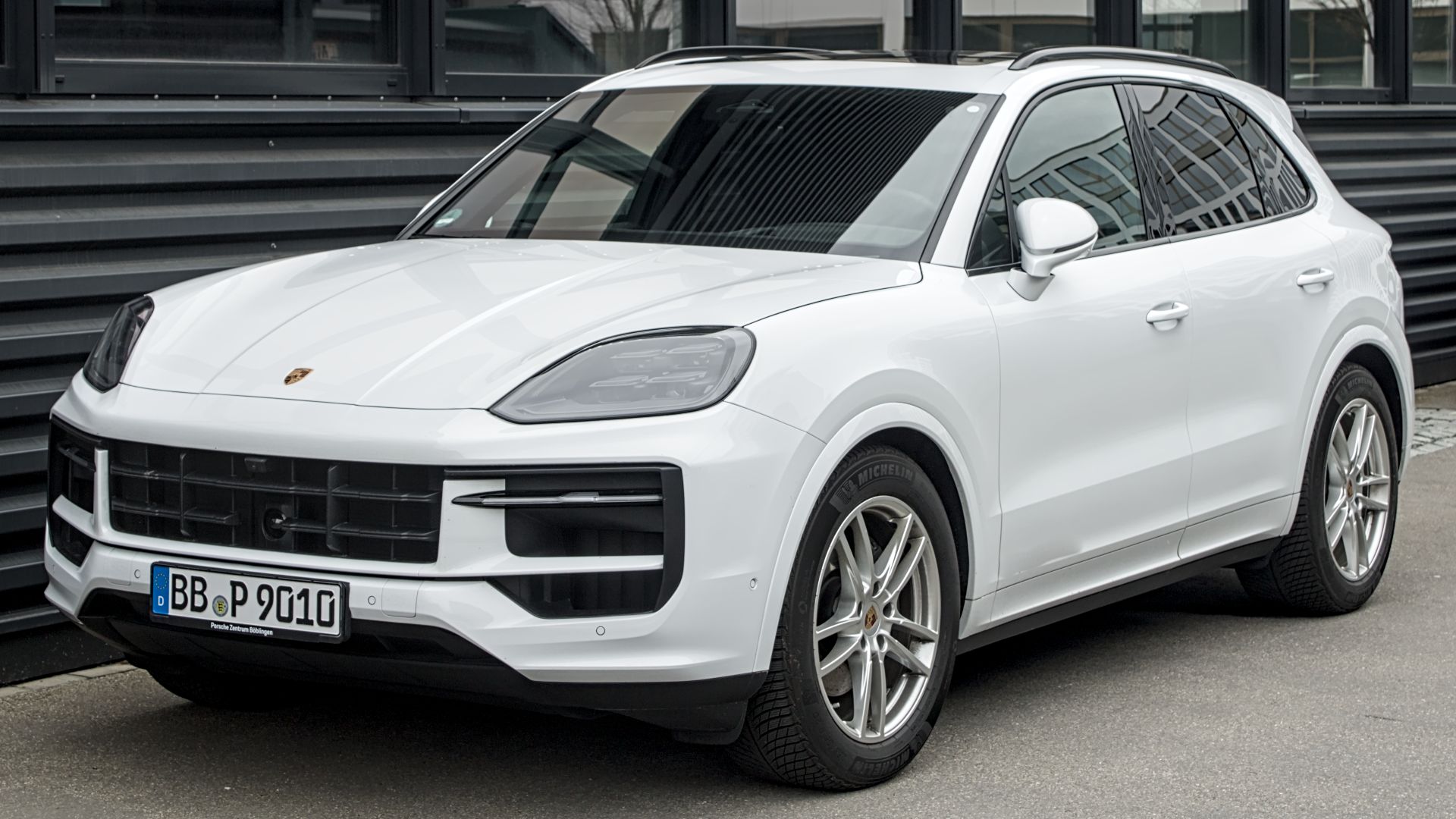
Porsche spent twenty years proving an SUV could steer, and the electric Turbo is now the heaviest vehicle the company has built at 5,831 pounds. Air suspension and active anti-roll bars do the real work. The body simply refuses to lean. None of it feels like two and a half tons from the driver's seat.
6. BMW E39 M5
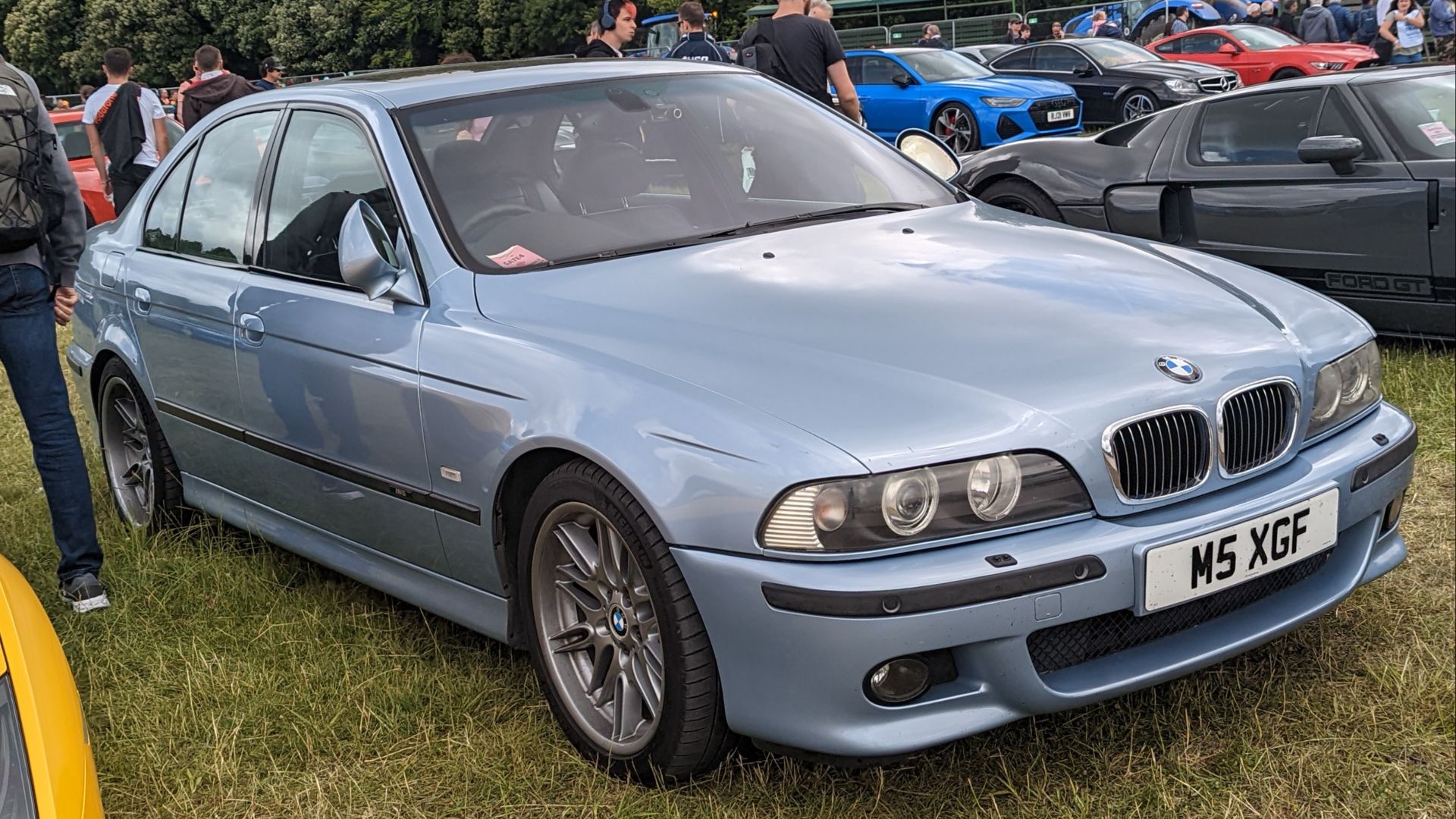
The late-nineties M5 weighed close to two tons, which was considered enormous then, and its steering was hydraulic and geared slowly on purpose. Nobody who drove one complained about the weight, because the car told you what the front tires were doing at all times. Modern electric racks still get compared against it.
7. Nissan GT-R
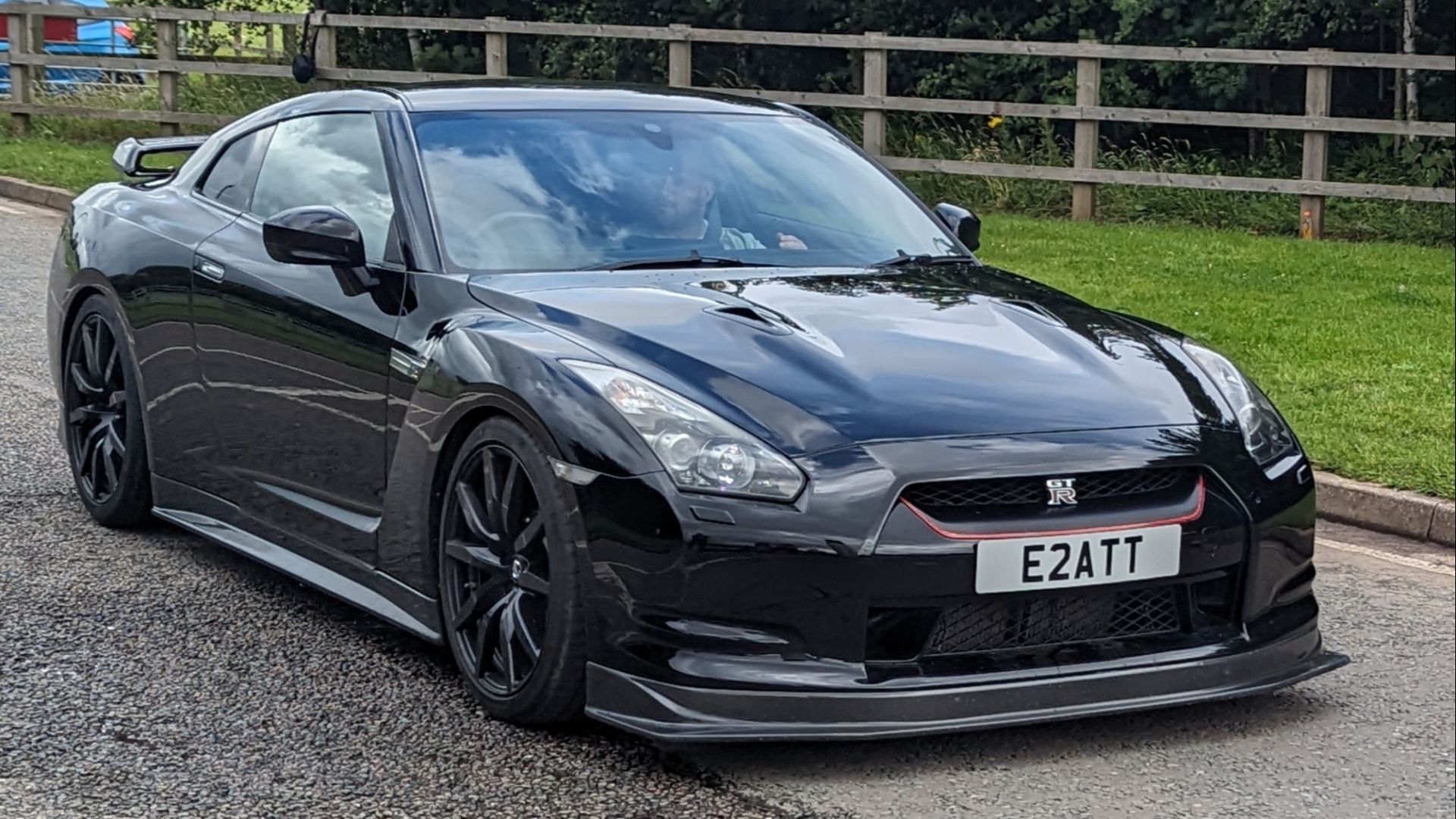
Close to 3,900 pounds, which made it heavier than most of what it beat. The GT-R ran 7:19 round the Nürburgring and spent a decade embarrassing cars costing three times as much. Its all-wheel-drive system shuffles torque around constantly. Reviewers kept calling it a video game, which was partly a complaint about how easy it felt.
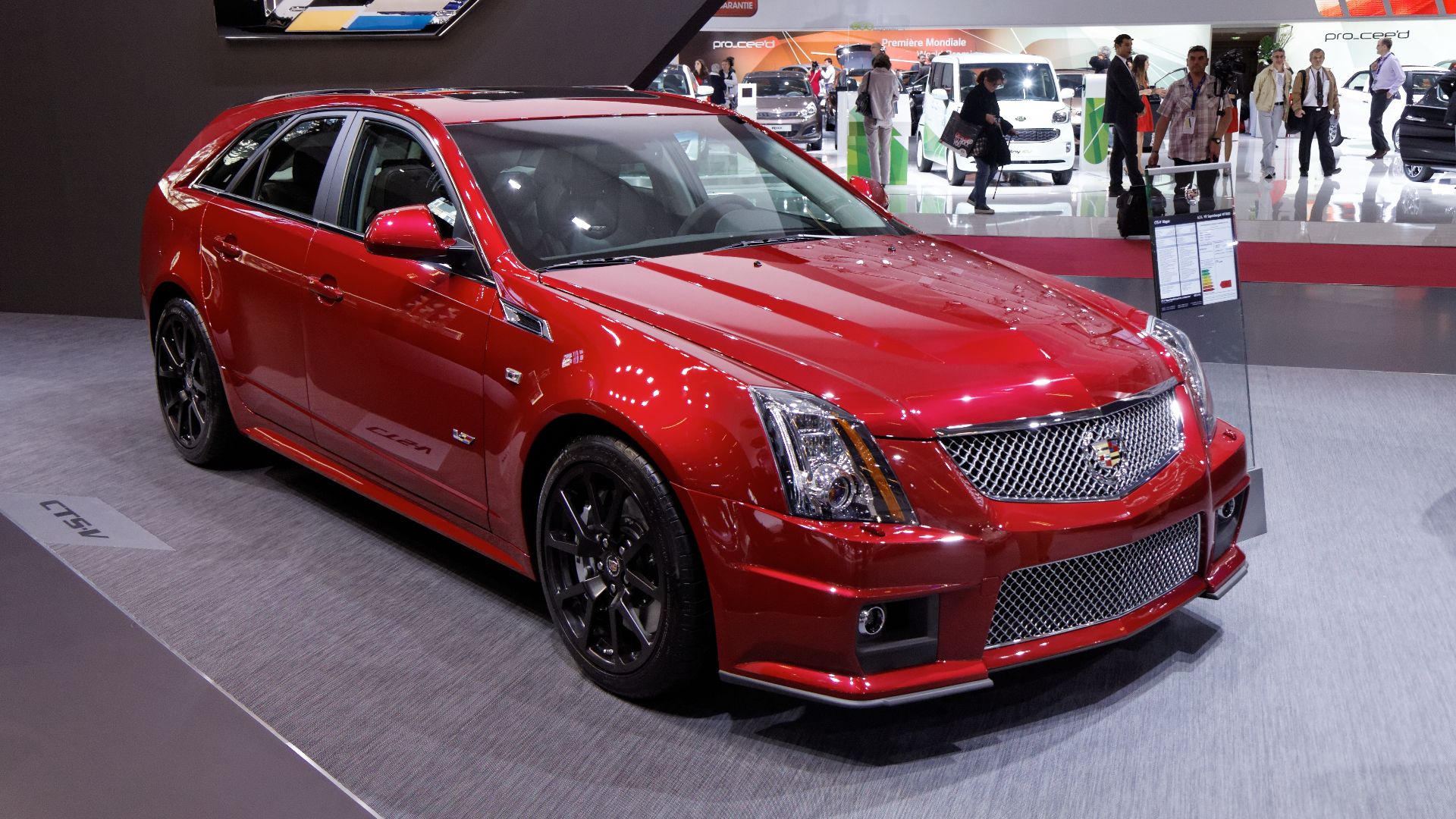
8. Cadillac CTS-V
Cadillac's V cars were heavy sedans with big American engines and a European chassis brief, which sounds like it shouldn't work. Magnetic dampers made the difference, reading the road and changing stiffness faster than a mechanical valve can. You feel it under braking. It mostly disappears everywhere else, and GM kept the system for twenty years.
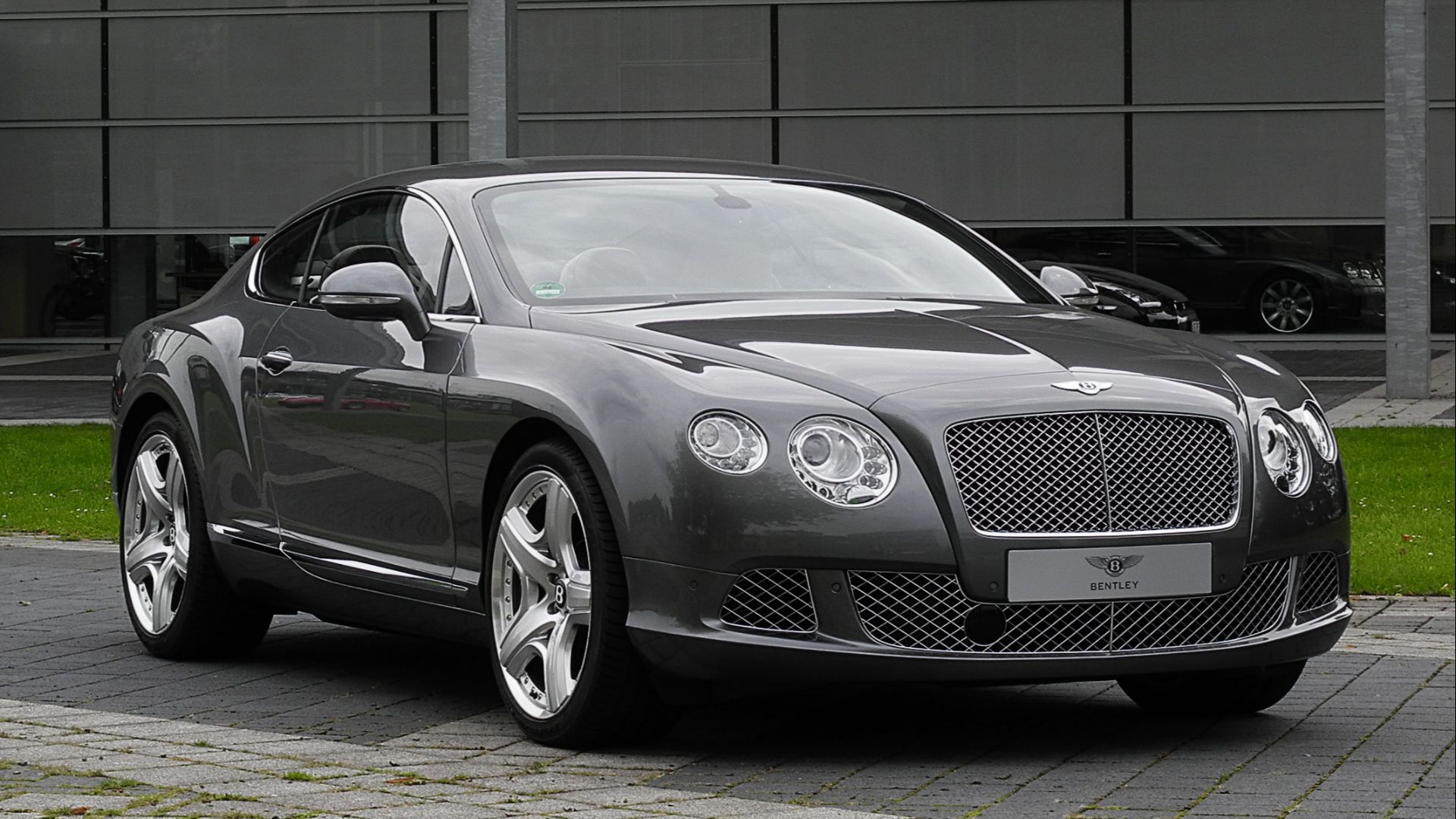
9. Bentley Continental GT
With a W12 engine and a cabin full of leather, this Bentley weighs well over 5,000 pounds, yet it handles corners with surprising precision. Rear-wheel steering helps it turn, while active anti-roll bars keep the body from leaning too much. You never forget it's a big, heavy car, but it rarely feels clumsy behind the wheel.
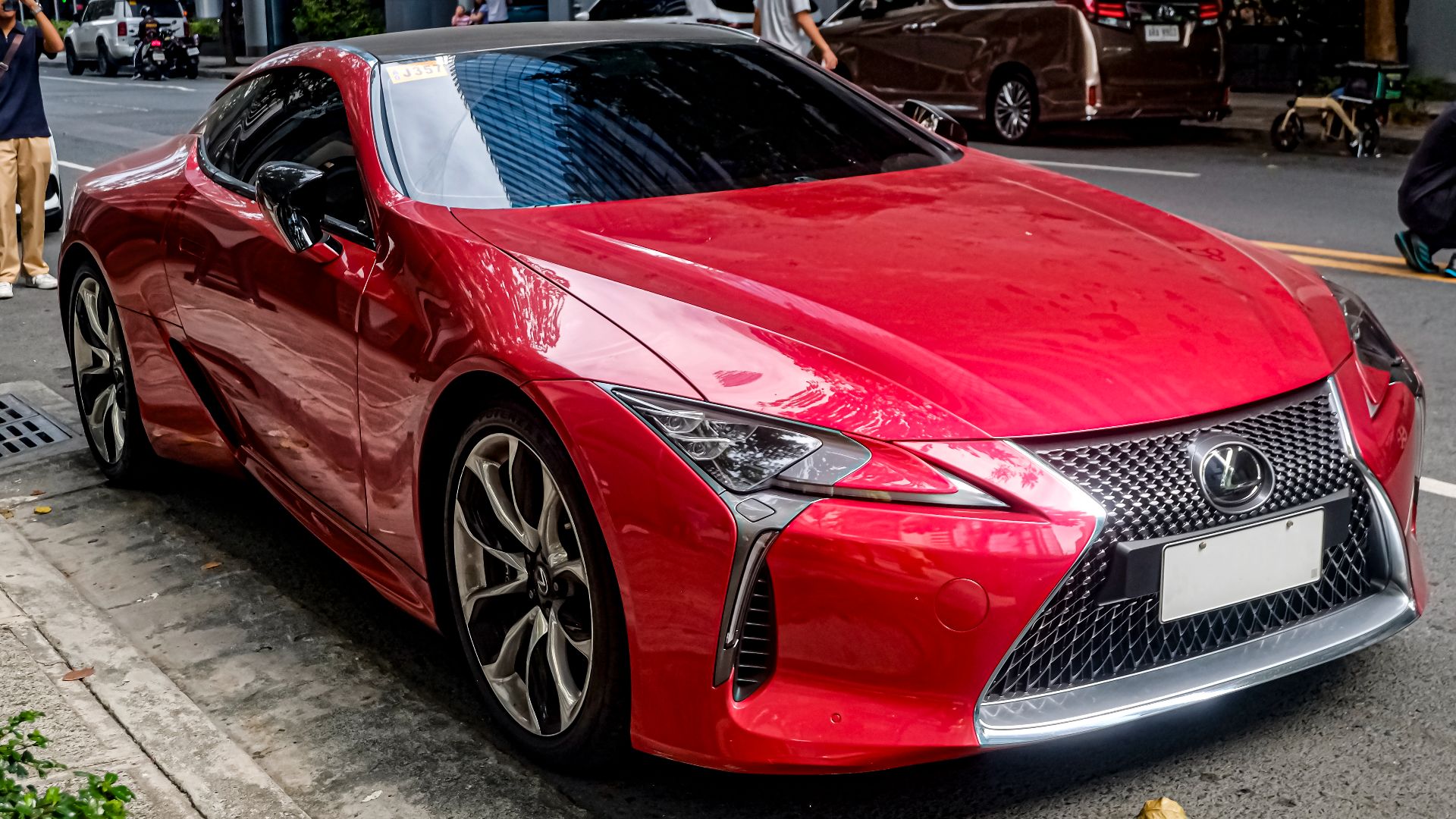
10. Lexus LC 500
The Lexus LC 500 weighs more than two tons, but its low center of gravity and stiff chassis help it feel remarkably composed. It's not especially quick by modern performance-car standards, but it stays settled through corners without the extra bouncing and swaying you'd expect from a heavy grand tourer. Lexus makes the weight feel controlled rather than cumbersome.
Now, here are 10 lighter cars that feel heavier than they are.
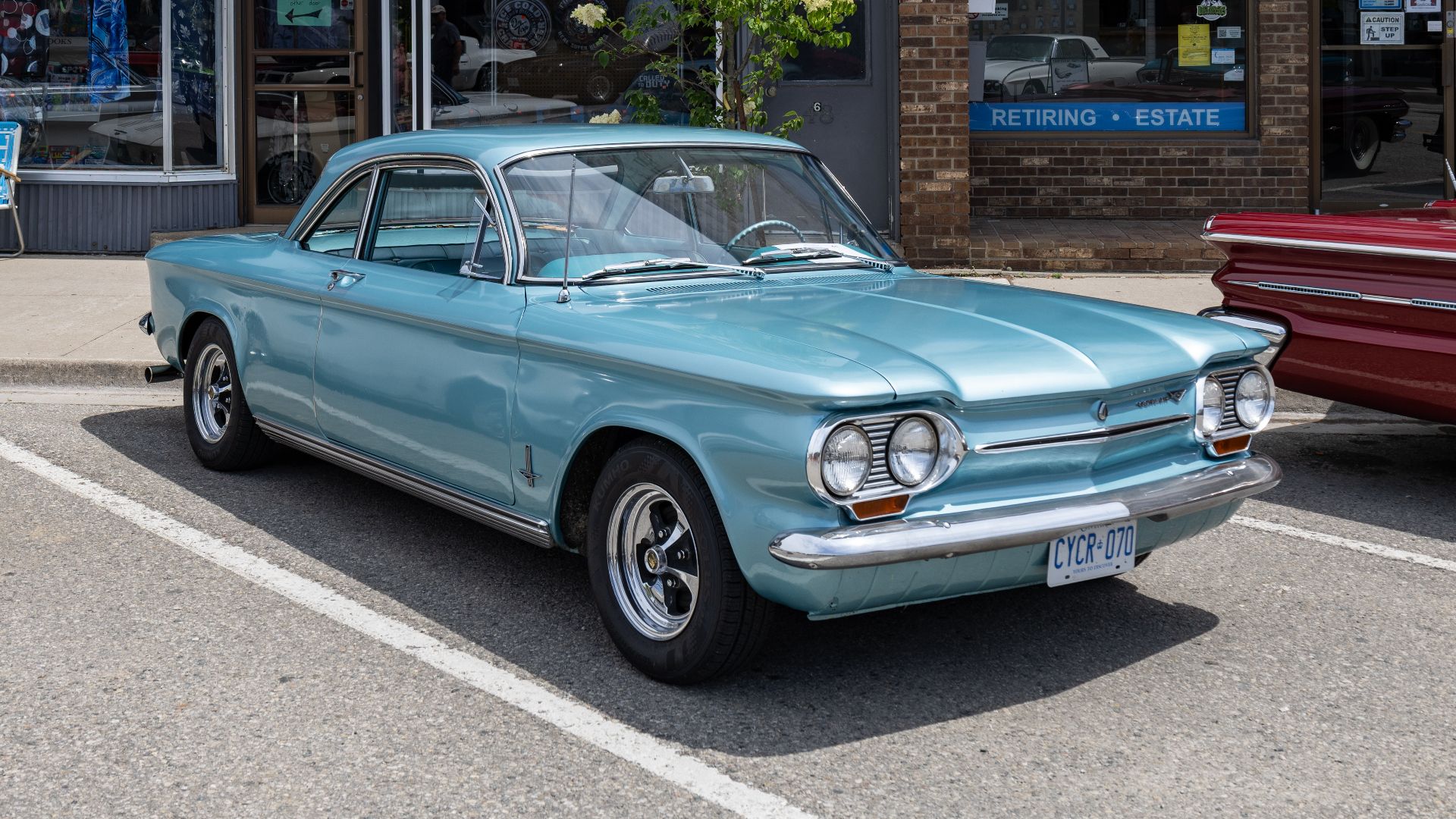
1. Chevrolet Corvair
The first Corvairs put an air-cooled six behind the rear axle and hung it on single-jointed swing axles. Push one hard enough and the outside rear wheel tucks under the body, lifting the back and making everything worse. Chevy had also left out the front anti-roll bar. The 1965 redesign fixed the suspension properly.
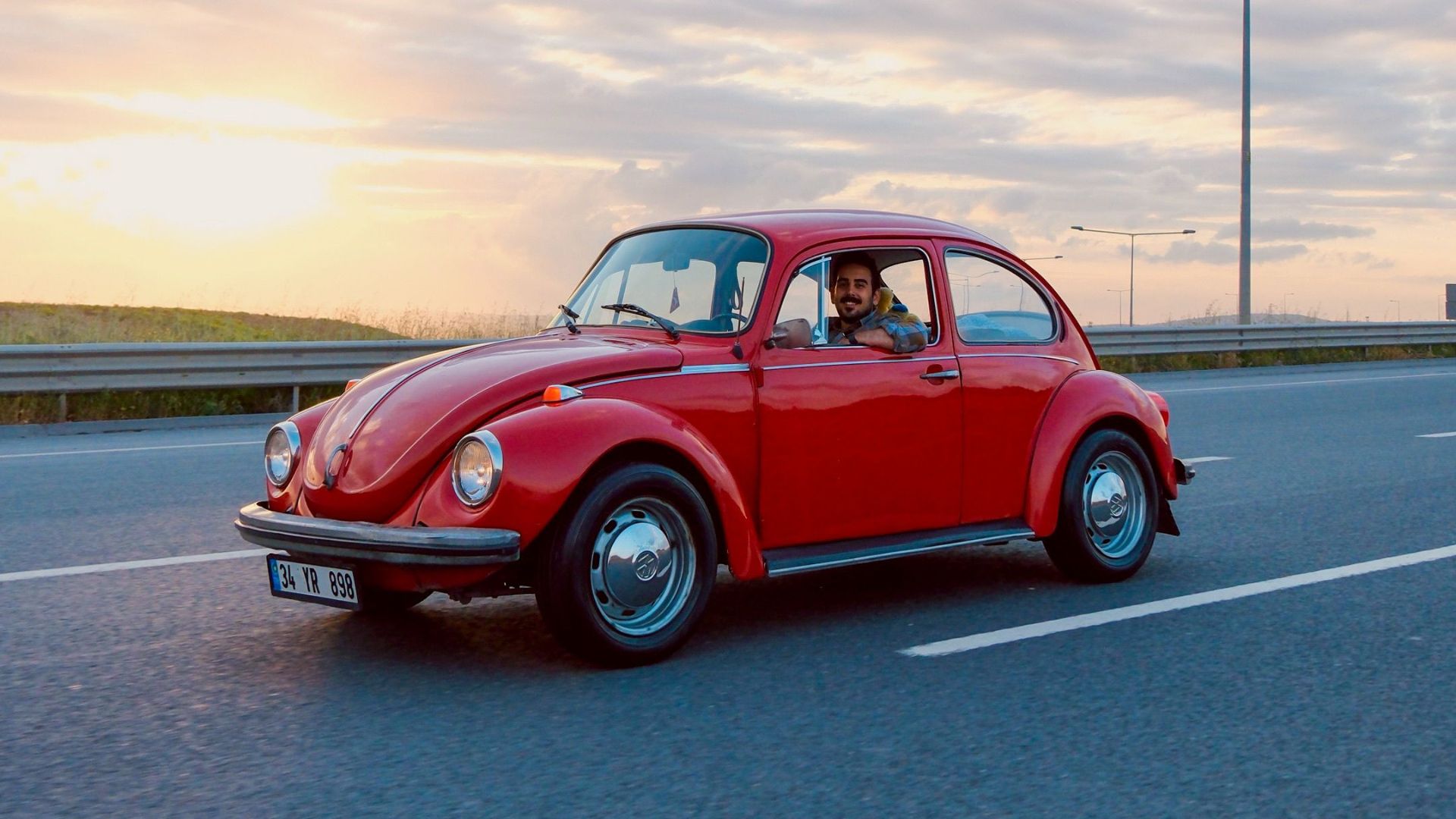
2. Volkswagen Beetle
The Beetle used the same swing-axle layout and got away with it, mostly because it was light and slow. The geometry is still there. Push one on cold tires and you can find the same snap. Plenty ended up backwards in ditches as a result. Porsche spent decades engineering around the identical problem.
3. Suzuki Samurai
Consumer Reports ran a Samurai through an avoidance maneuver in 1988 and watched it tip up onto outriggers. The magazine rated it Not Acceptable. Sales fell around seventy percent. Suzuki sued eight years later, and regulators in several countries had already rejected the test method. A short wheelbase under a tall body is not forgiving either way.

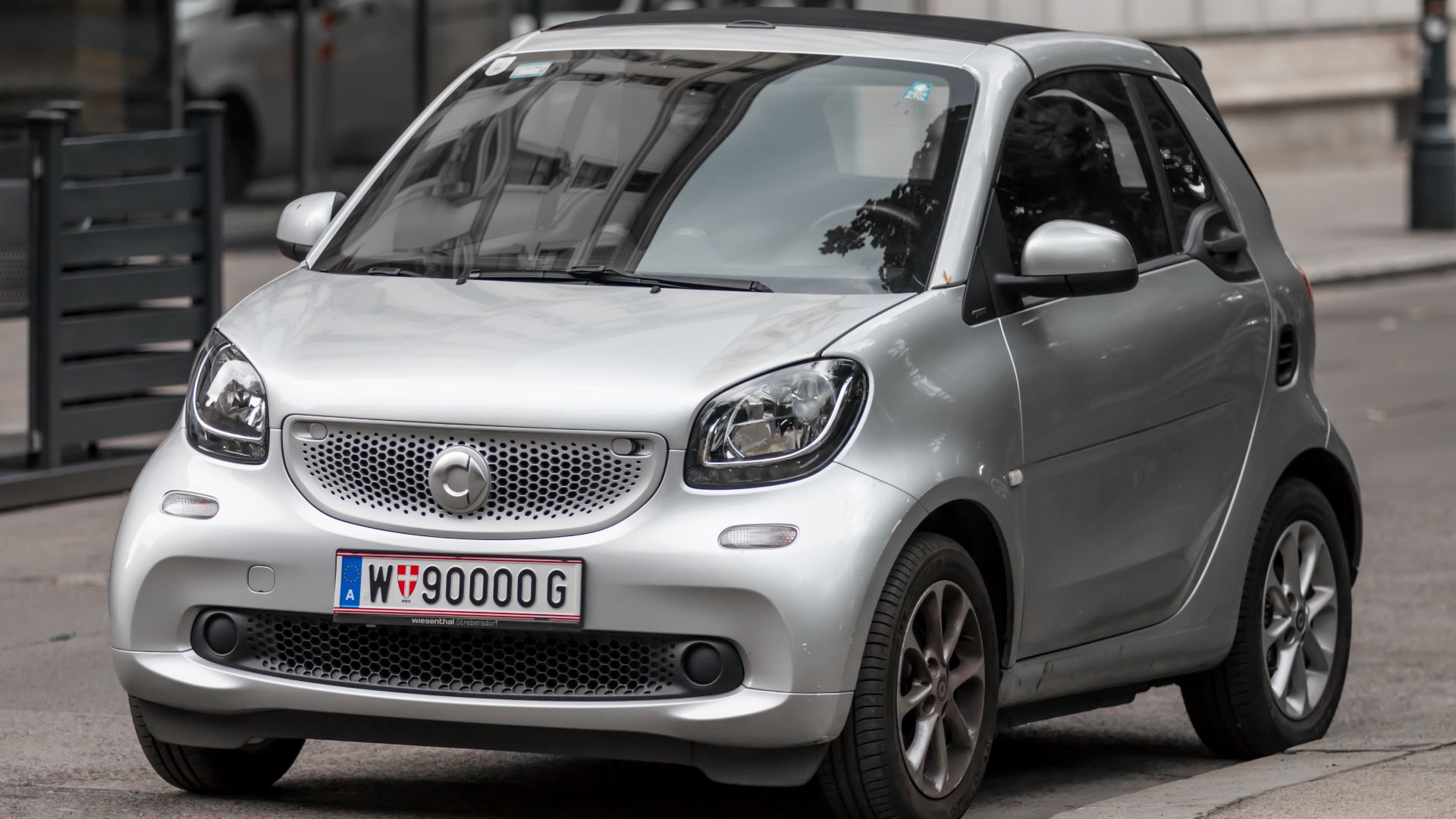
4. Smart Fortwo
The Smart Fortwo is one of the lightest cars on the road, but its short wheelbase and tall body make it feel surprisingly unstable. Crosswinds push it around, bumps unsettle the ride, and the stability control often steps in to keep things under control. Despite its tiny size, it can feel more cumbersome to drive than cars twice its weight.
 Johannes Maximilian on Wikimedia
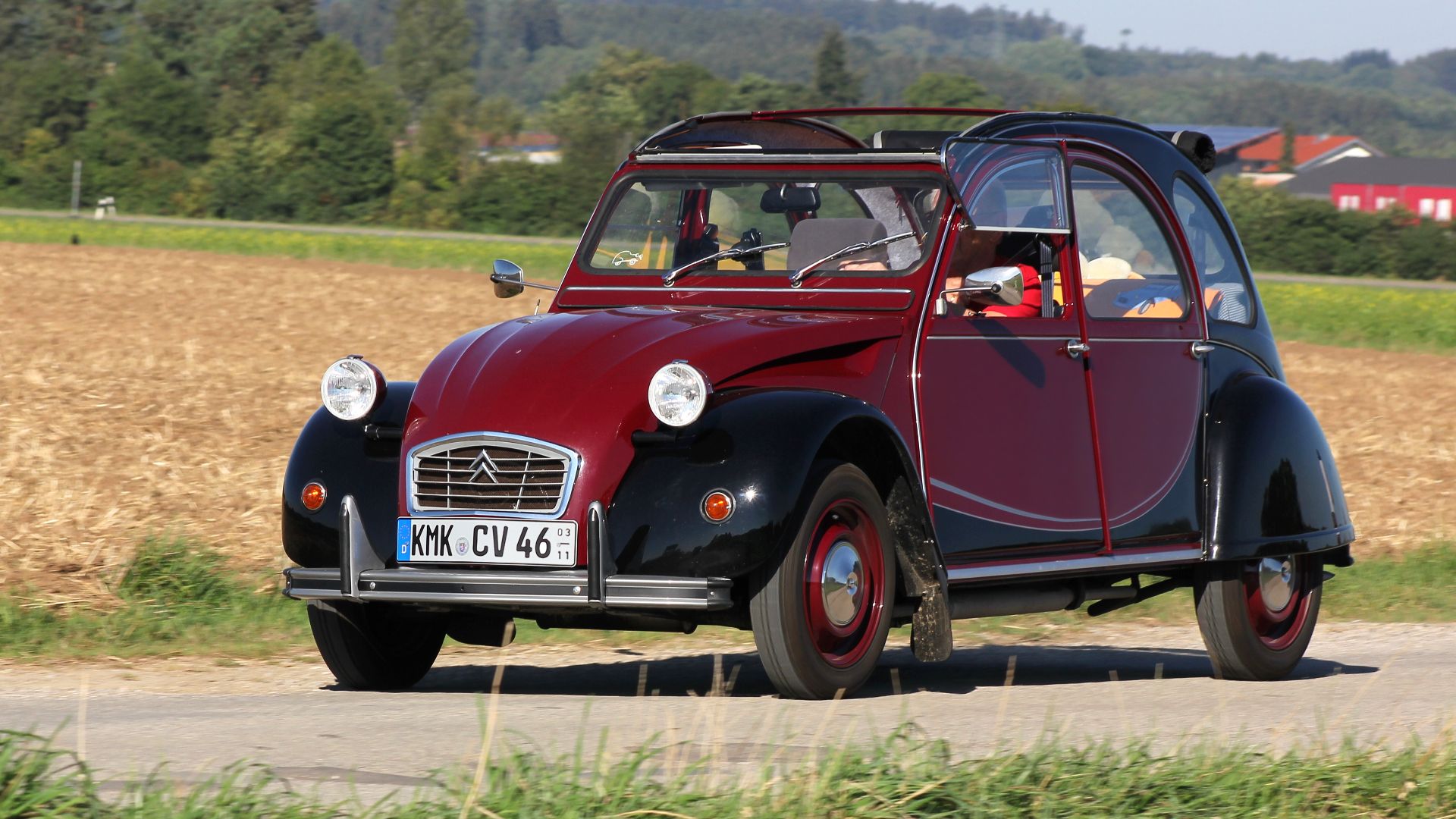
5. Citroën 2CV
The 2CV was built to carry eggs across a ploughed field, so the suspension has enormous travel and almost no roll stiffness. It leans to angles that look alarming from outside. It also grips, because the wheels stay planted while the body does all the moving. The thing feels clumsy while being quite capable.
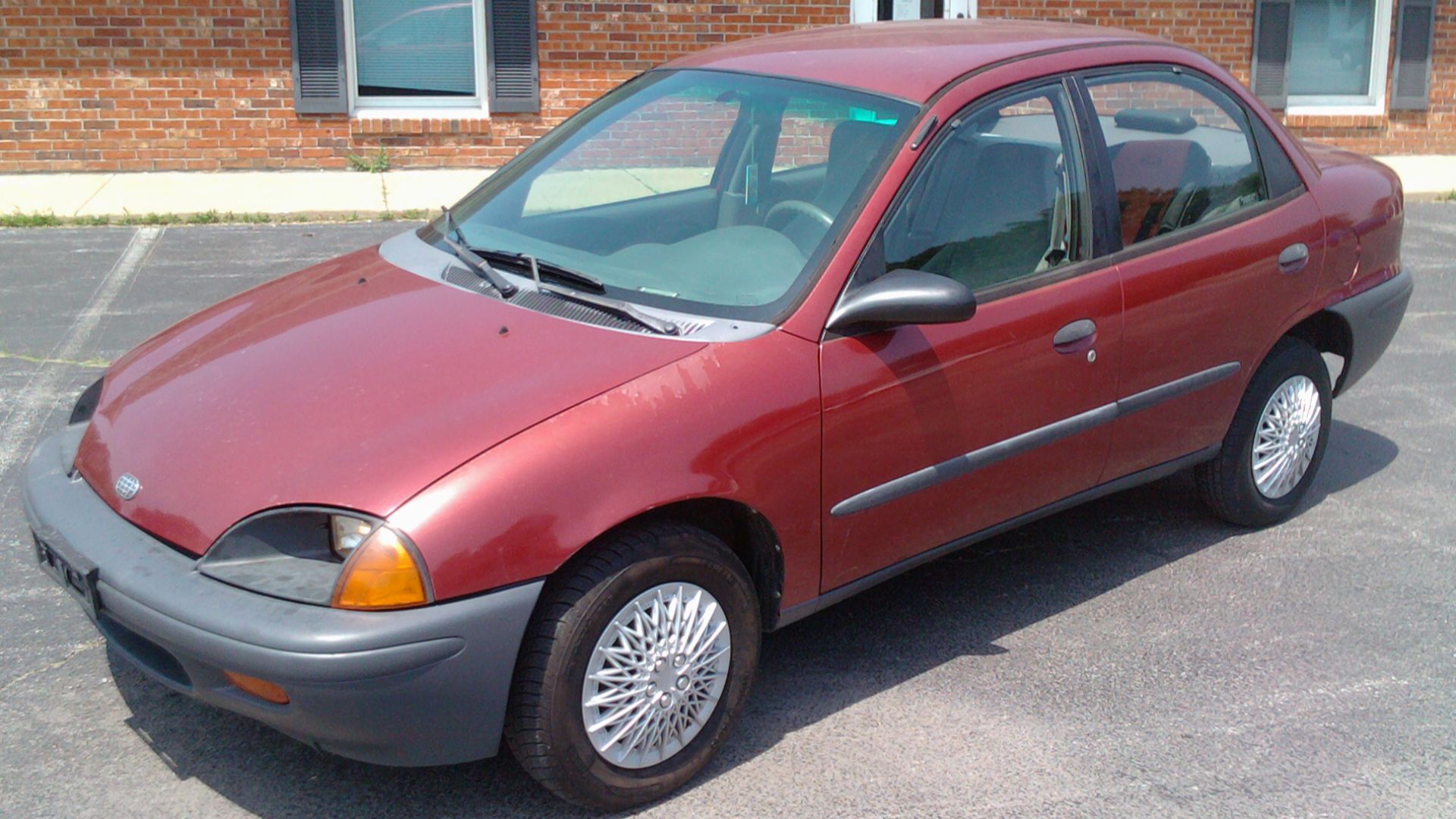
6. Geo Metro
Under two thousand pounds, three cylinders, and a structure that flexed over bumps. The Metro went where you pointed it and then kept adjusting. The body wasn't stiff enough to give the suspension a stable platform. A soft shell undoes good geometry. A stiff one is what lets suspension do its job at all.
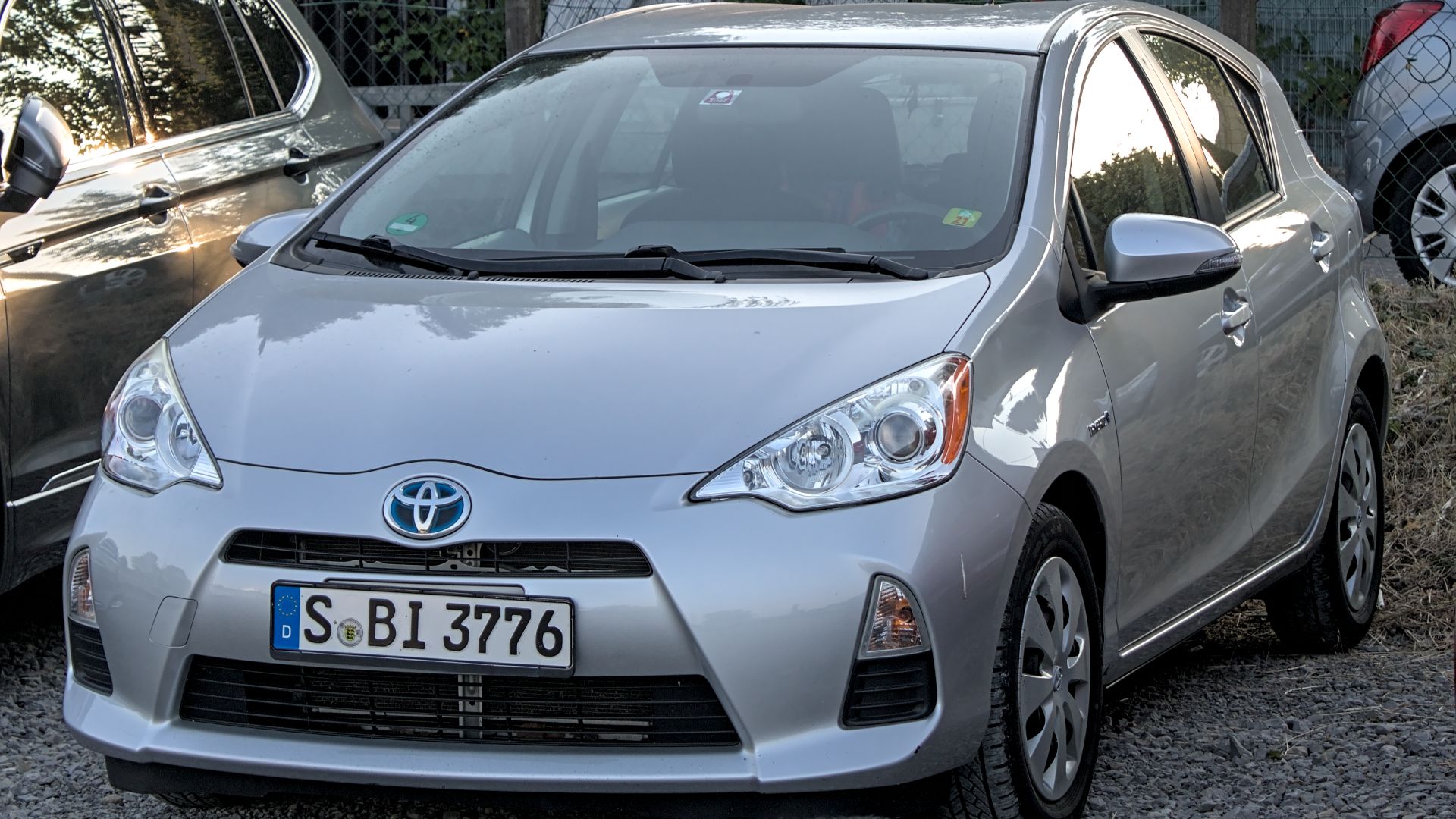
7. Toyota Prius
Early Prius generations weren't especially light, but they felt it in the worst way. Electric power steering tuned for efficiency gave almost no feedback, and the low-rolling-resistance tires gave up early. The chassis underneath was perfectly competent. Everything bolted to it had been optimized for the fuel numbers rather than for feel.
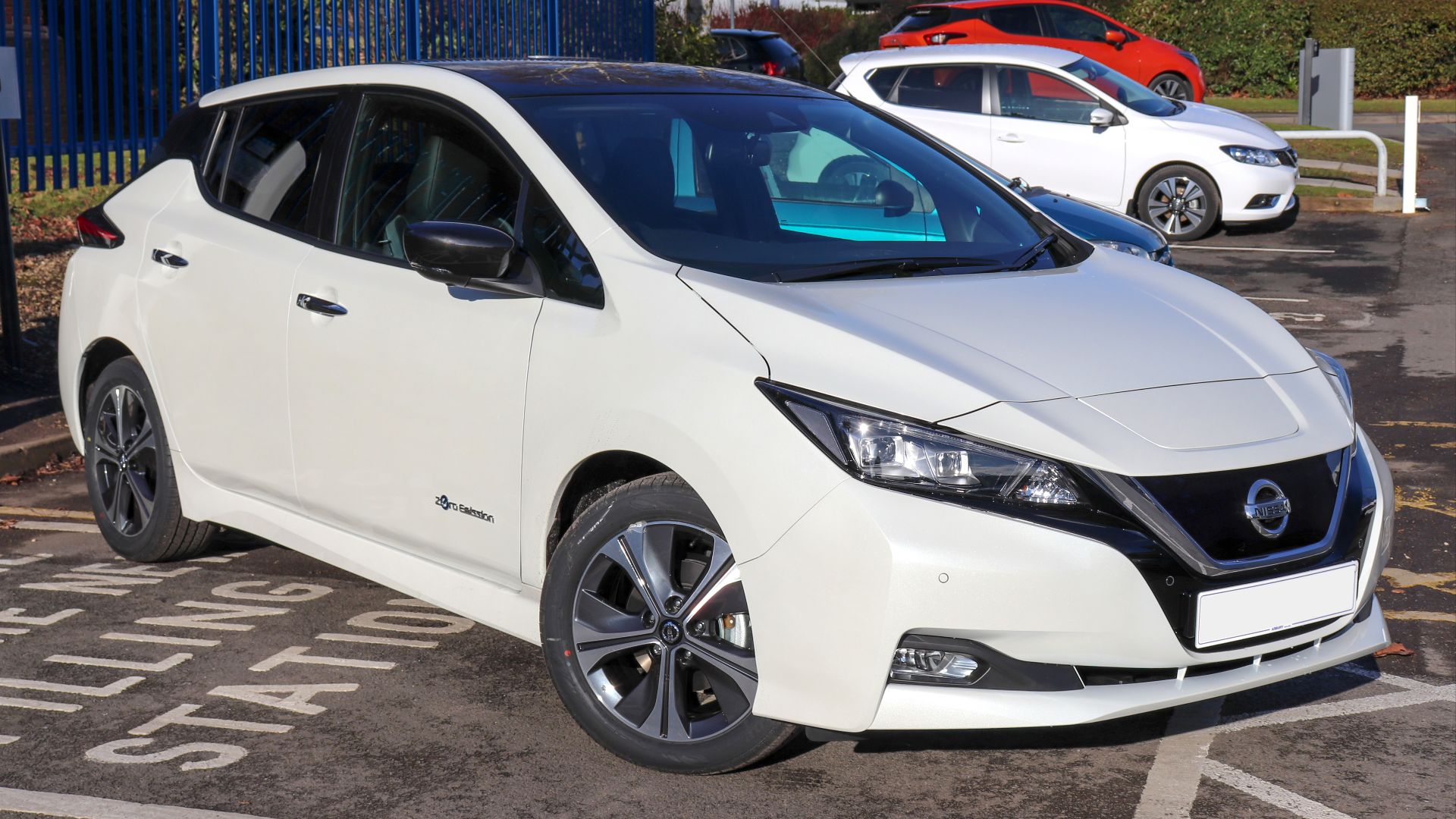
8. Nissan Leaf
The first Leaf had its battery low down, which should have helped. It didn't, since the car rode on narrow eco tires and the suspension was tuned soft. Sitting that low with no grip is a strange sensation. The car corners flat and runs out of road anyway. Battery placement alone won't save you.
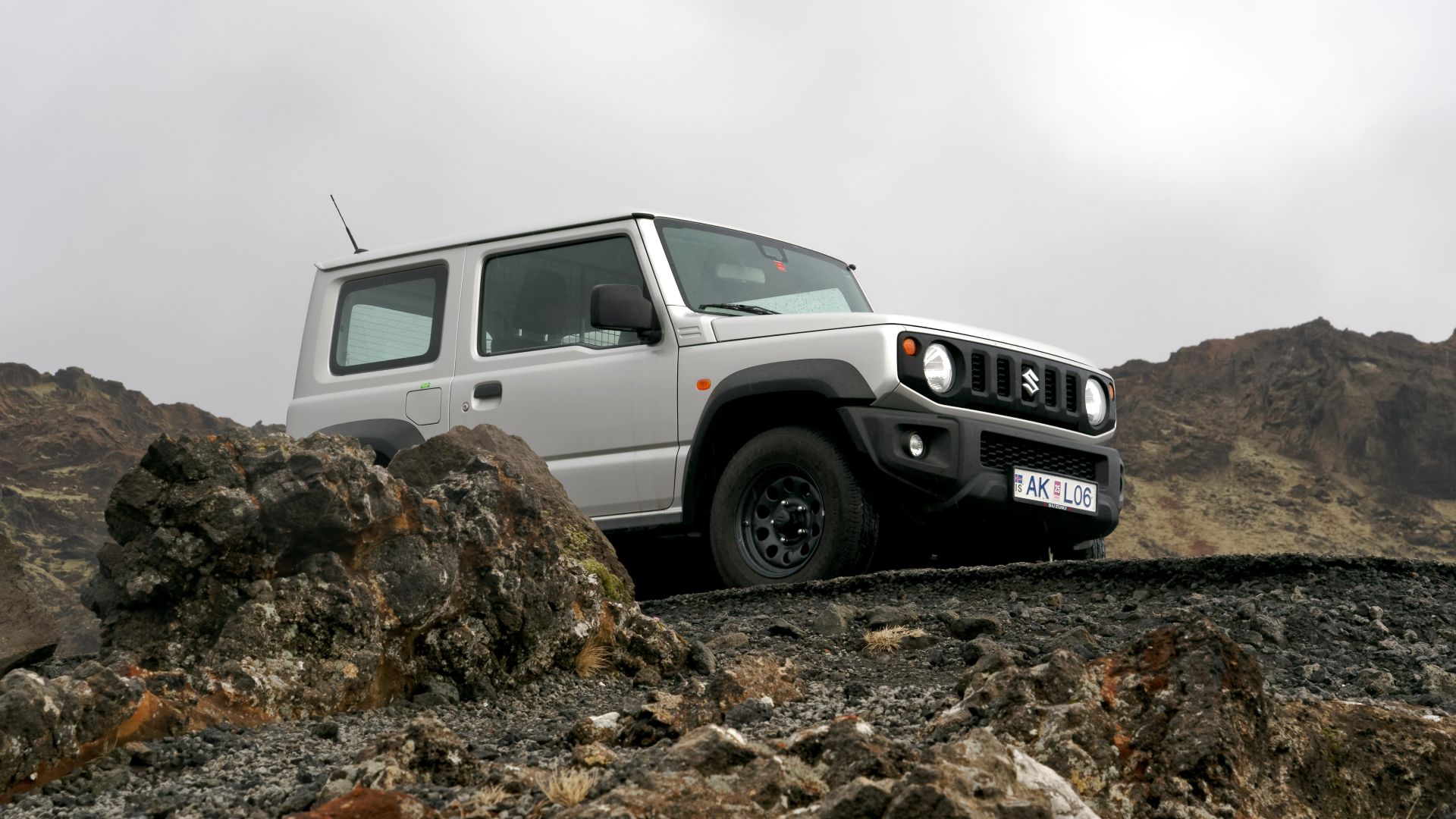
9. Suzuki Jimny
The current Jimny weighs about as much as a small hatchback and handles like a truck, because underneath it is one. It runs a ladder frame and live axles, with recirculating ball steering on top. All of that is deliberate. Off road it's brilliant. On a motorway it wanders and tells you very little about the front wheels.
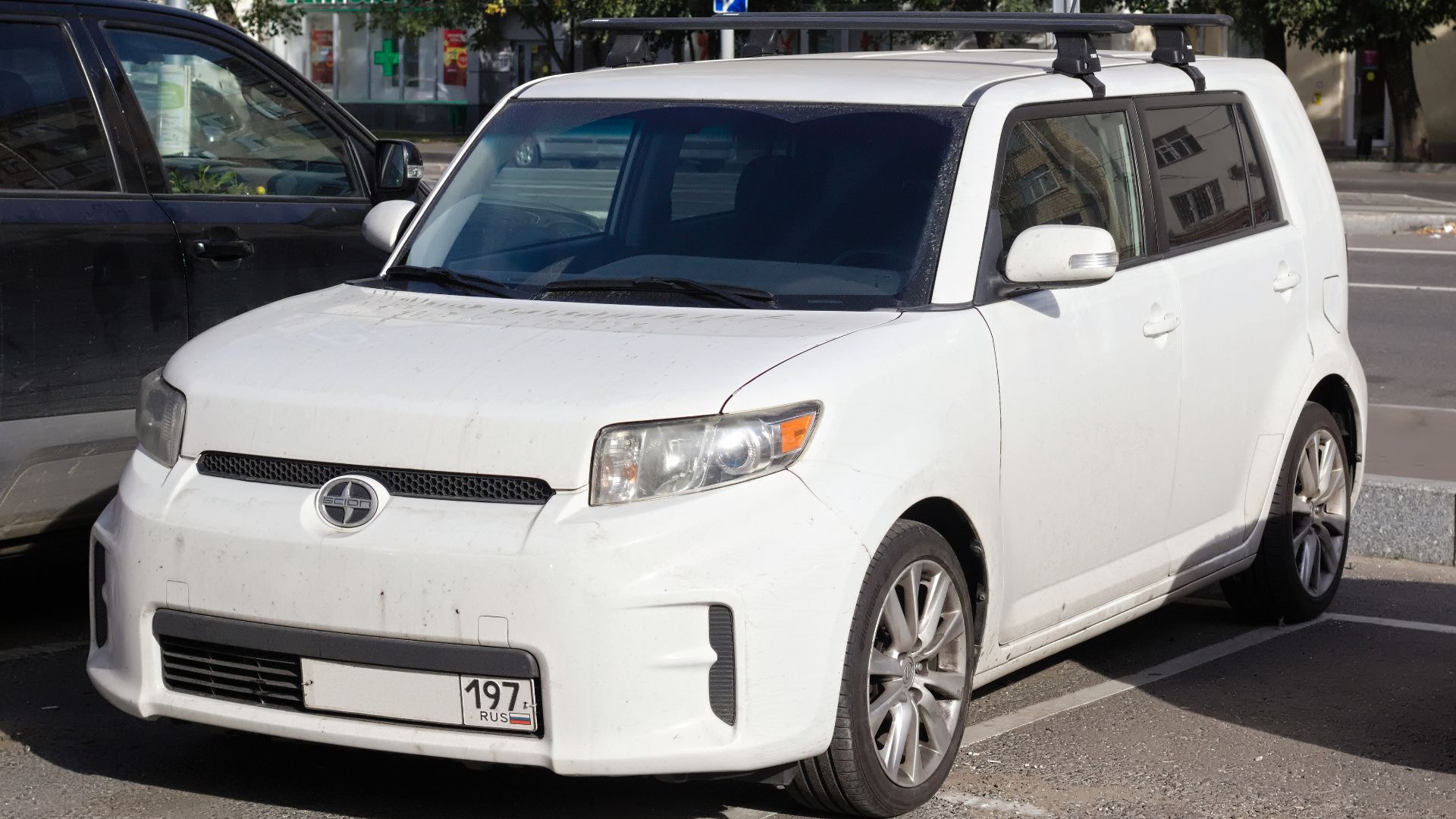
10. Scion xB
The original xB was a light tall box on narrow tires, which puts its mass in the wrong place. Body roll arrives immediately and then keeps going. The steering manages to be light and vague at the same time. Being under 2,500 pounds does nothing for you if the weight is up by your shoulders.
 Retired electrician on Wikimedia