
The Tiny Engine Part That Can Destroy an Entire Motor When It Fails

You might assume that the most expensive engine failures involve major components like pistons, crankshafts, or cylinder heads. However, some of the worst mechanical disasters actually start with something much smaller and far less impressive. A tiny component that most drivers have probably never heard of can cause thousands of dollars in damage, sometimes leaving an otherwise healthy engine beyond repair.
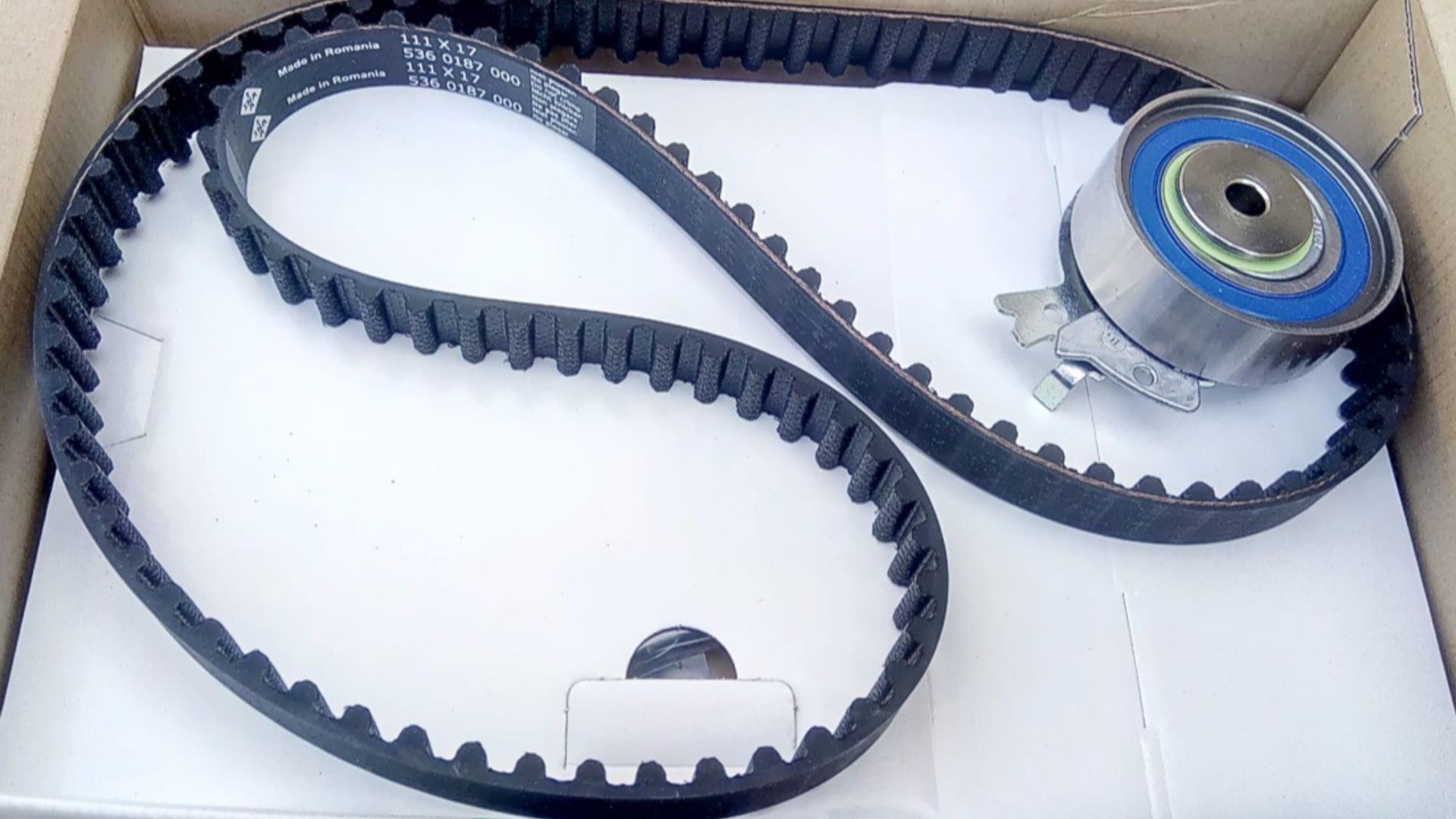
One particularly troublesome example is the timing belt tensioner, a relatively simple part that keeps an engine's timing belt properly tightened. Although it doesn't generate horsepower or attract much attention when working correctly, its failure can have devastating consequences. Understanding what this often-overlooked component does could save you from a shocking repair bill.
The Small Component Keeping Your Engine Running
Your engine relies on precise coordination between its moving parts, particularly the crankshaft and camshaft. The crankshaft controls the movement of the pistons, while the camshaft operates the valves that let air into the cylinders and exhaust gases out. In engines equipped with timing belts, these components are synchronized by a reinforced belt that needs to maintain the correct tension to work properly.
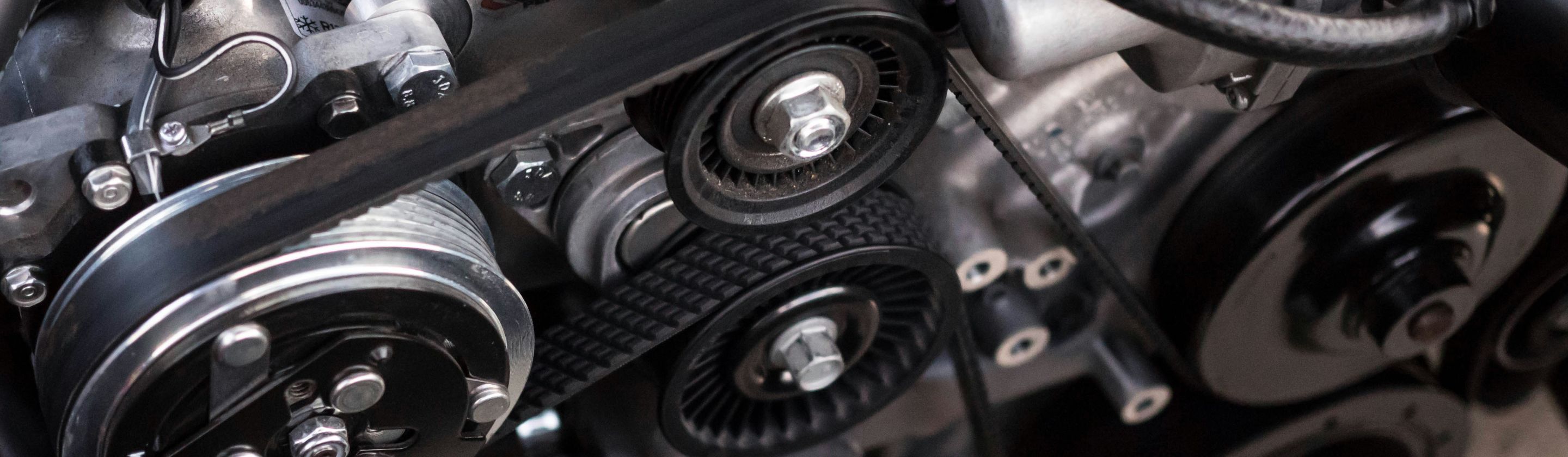
That's where the tensioner comes in, which consists of a pulley and a mechanical or hydraulic mechanism to keep the belt appropriately tightened. Without it, the belt could loosen, slip across its toothed gears, or wear out prematurely. Even a relatively small change in timing can interfere with combustion and affect how smoothly your engine runs.
Unfortunately, tensioners can develop mechanical problems over time, especially as their bearings and internal mechanisms begin to wear. A damaged bearing might start making unusual noises, while a failing tensioning mechanism can gradually lose its ability to maintain the necessary pressure. Because these components are typically hidden behind protective covers, drivers might not realize anything's wrong until their engine starts acting up.
How One Small Failure Can Destroy an Engine
When a timing belt tensioner fails completely, things can go wrong surprisingly quickly. If the belt becomes too loose, it can jump teeth on its gears or come off entirely, throwing the crankshaft and camshaft out of sync. What happens next largely depends on whether your vehicle has an interference or non-interference engine.
In an interference engine, the pistons and valves occupy overlapping areas of the cylinders at different points during normal operation. They're designed to avoid hitting each other because the engine's timing system keeps their movements carefully coordinated. However, when that synchronization is lost, a piston can slam into an open valve with considerable force, bending or breaking internal components almost instantly.
Unfortunately, the damage doesn't necessarily stop at a few bent valves, especially if the engine was running at higher speeds when the failure occurred. Pistons can crack, valve guides may become damaged, and the cylinder head might need extensive repairs or even replacement. In particularly severe cases, rebuilding the engine can cost so much that installing a replacement motor becomes the more sensible financial decision.
That said, not every tensioner failure results in catastrophic engine damage. Non-interference engines generally have enough clearance to prevent pistons and valves from colliding when timing is lost, although the vehicle will still stop running. Unfortunately, many modern engines feature interference designs, making proper timing system maintenance especially important for keeping them on the road.
The Warning Signs You Shouldn't Ignore
One of the most frustrating things about timing belt tensioner problems is that they don't always come with obvious warning signs. Depending on the issue, you might hear rattling, ticking, or whining noises coming from the timing belt area, particularly when starting your car or accelerating. Rough idling, misfires, and reduced engine performance can also suggest something's wrong with the timing system, although these symptoms can have other causes.
If your engine suddenly stops running and won't restart, a failed timing system is one possible explanation. Repeatedly trying to start the vehicle could make things worse if the pistons and valves are no longer properly synchronized. Instead of continuing to crank the engine, your safest option is to arrange a tow and have a qualified mechanic figure out what's happened.
Of course, preventive maintenance is much more appealing than finding out what happens when a tensioner suddenly gives up. Mechanics generally recommend replacing the tensioner alongside the timing belt, since both components wear over time and often require similar labor to access. Replacement intervals vary considerably between manufacturers, so consulting your owner's manual is more useful than relying on a one-size-fits-all mileage recommendation.
It's also important to remember that not every vehicle uses a timing belt, as many engines have timing chains instead. These systems come with their own tensioners, which can cause equally serious mechanical problems if they fail and allow the chain to lose proper synchronization. Knowing which system your vehicle uses can help you stay on top of its maintenance requirements and spot potential trouble before it's too late.
The timing belt tensioner proves that even the smallest engine components deserve some attention. Replacing one during scheduled maintenance might seem unnecessary when your car is running perfectly, but waiting until something breaks can turn into an incredibly expensive decision. A little preventive care could mean the difference between a routine service appointment and having to replace your entire engine.