10 Cars With Small Engines That Punch Above Their Weight & 10 With Big Engines That Disappoint
10 Cars With Small Engines That Punch Above Their Weight & 10 With Big Engines That Disappoint
Why Engine Size Stopped Predicting Speed
Engine size used to be a decent guide to how fast a car would go. Turbocharging and improved fuel systems helped smaller engines produce more power, while 1970s emissions regulations cut the output of many large V8s. Today, a 2.0-liter four-cylinder can outperform an engine twice its size from that era. Displacement still affects how an engine delivers power, but a bigger engine no longer guarantees a faster car. Here are 10 small engines that deliver far more than their size suggests, and 10 big ones that never lived up to theirs.
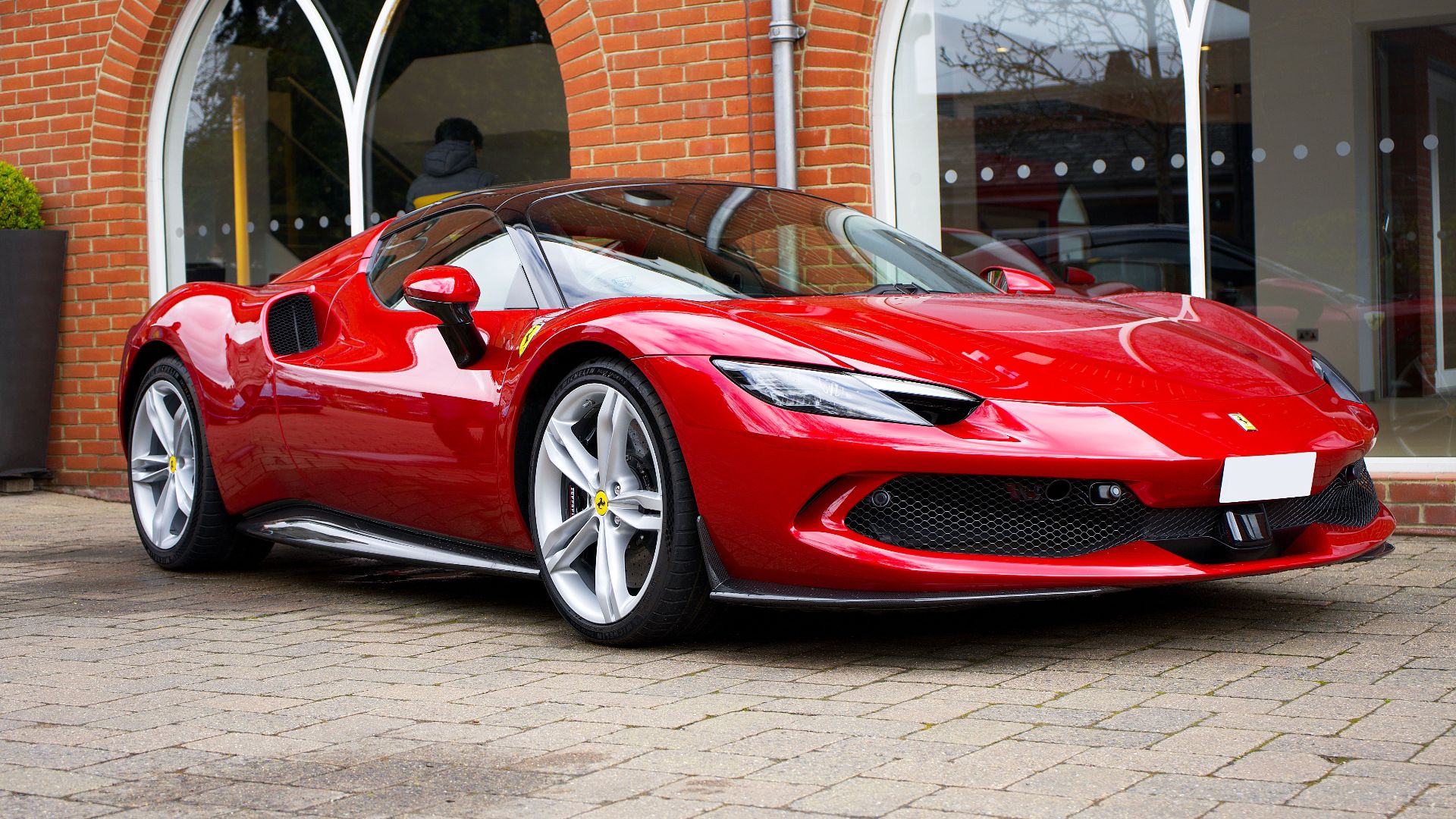
1. The AMG A45 S Makes 416 HP From Two Liters
A single technician assembles each of these Mercedes-AMG 2.0-liter four-cylinder engines by hand. Despite its small displacement, it produces 416 horsepower, or 208 horsepower per liter. When it debuted in 2019, Mercedes called it the most powerful four-cylinder engine in series production.
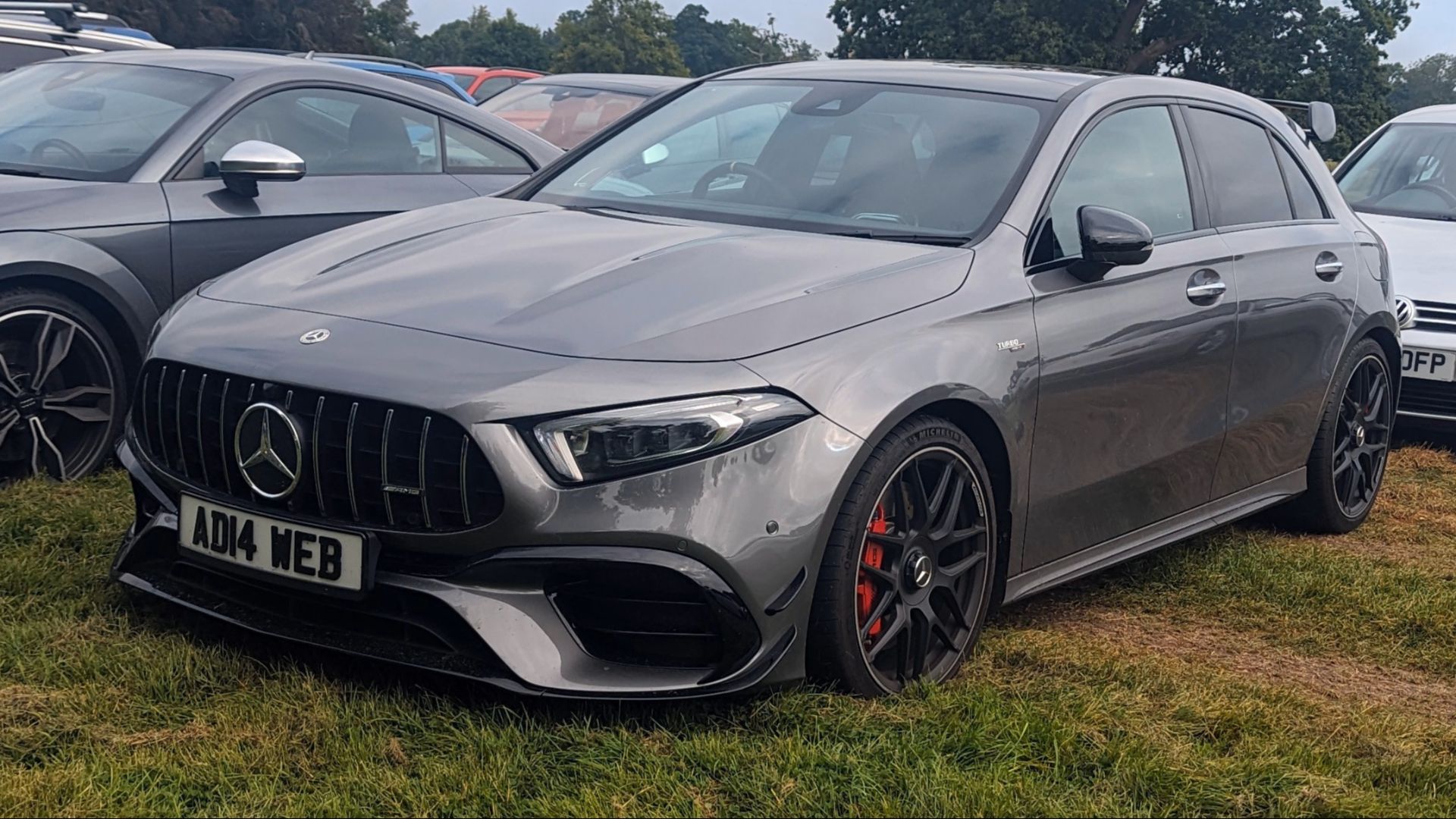
2. Koenigsegg Gets 600 HP From Three Cylinders
Koenigsegg's Gemera uses a three-cylinder engine the company nicknamed the Tiny Friendly Giant. Despite displacing just two liters and weighing around 70 kilograms, the engine produces 600 horsepower without any electric assistance. Three electric motors bring the car's combined output to 1,700 horsepower.
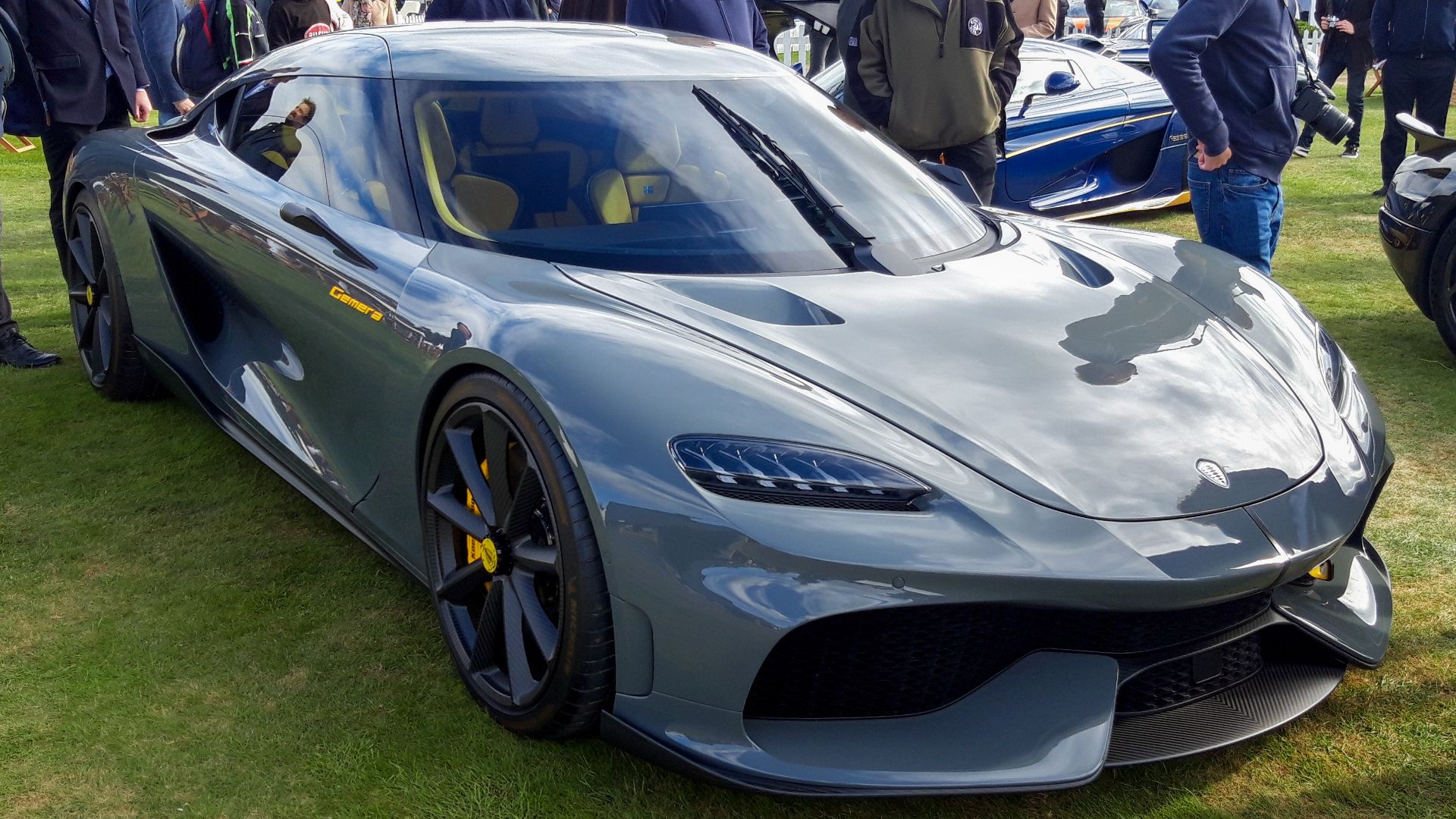
3. The Honda S2000 Revved To 9,000 RPM
The S2000's naturally aspirated two-liter engine delivered 240 horsepower in American cars, with a redline of 9,000 rpm. Most ordinary engines run out of revs well before 7,000. Its 120 horsepower per liter remained a production-car record for a naturally aspirated engine for a decade, until Ferrari surpassed it in 2010.
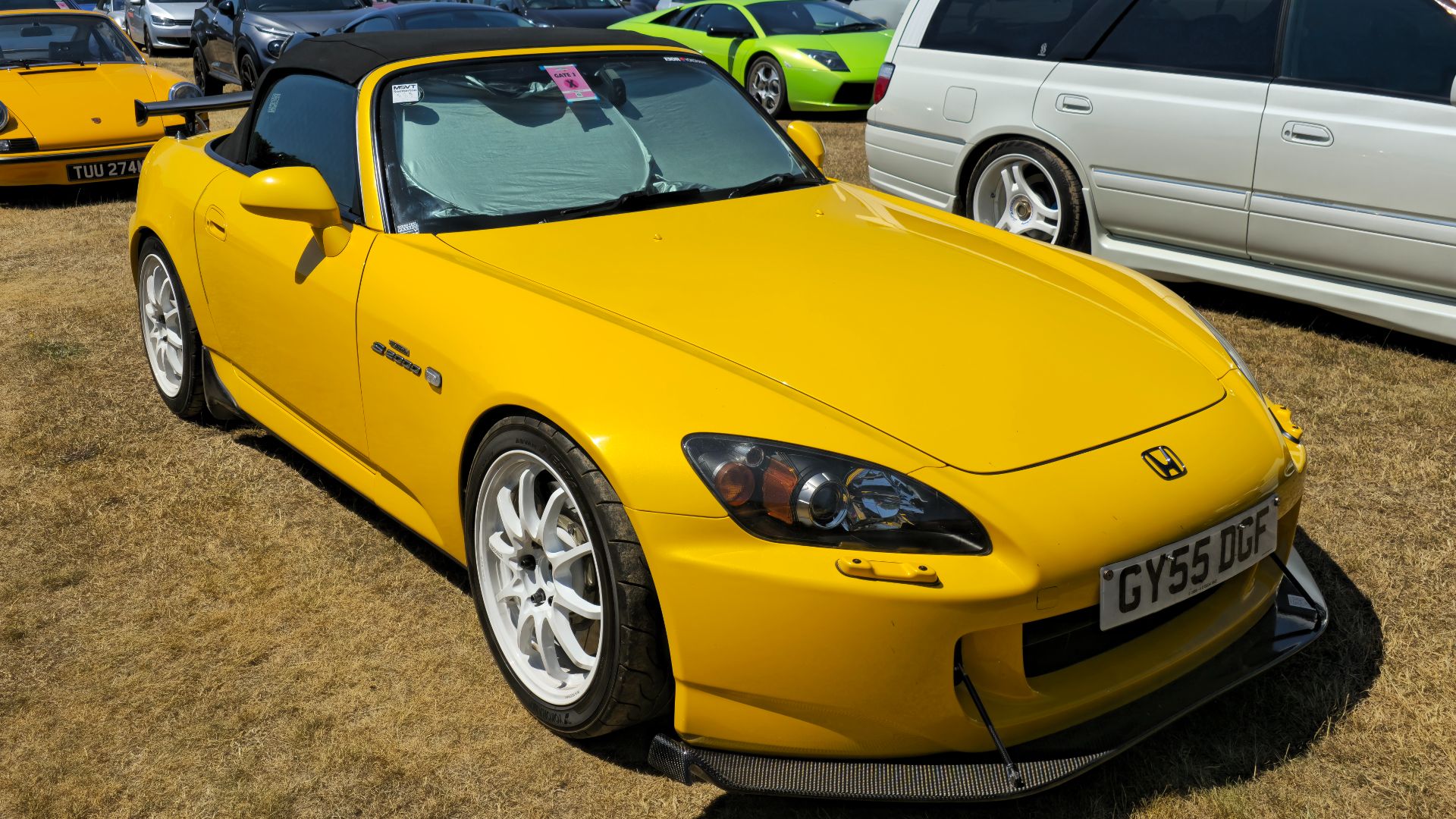
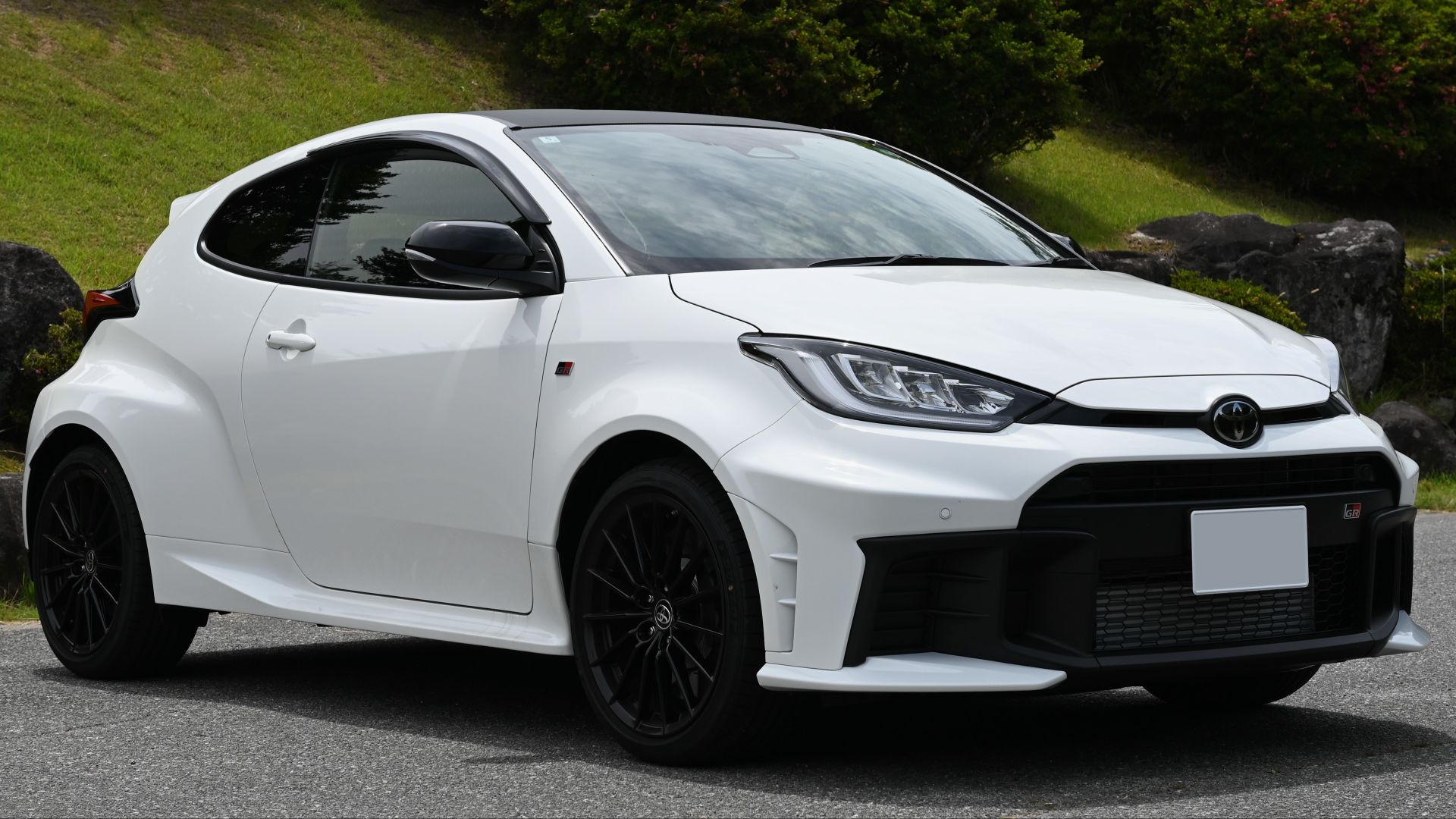
4. Toyota Built A 1.6-Liter Triple For Rally Racing
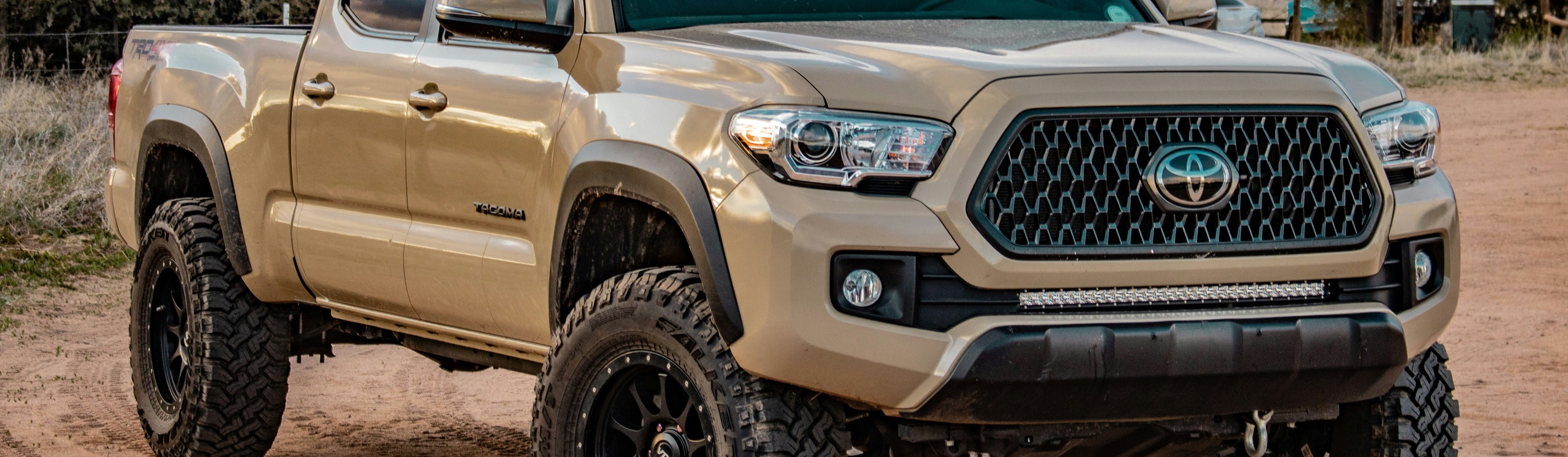
Toyota built the GR Yaris in 2020 around a 1.6-liter three-cylinder to qualify its rally car for competition. European models were rated at 257 horsepower and Japanese versions at 268, while the GR Corolla later pushed the figure to 300. An Australian tuning shop has extracted more than 700 horsepower from one without opening up the bottom end.
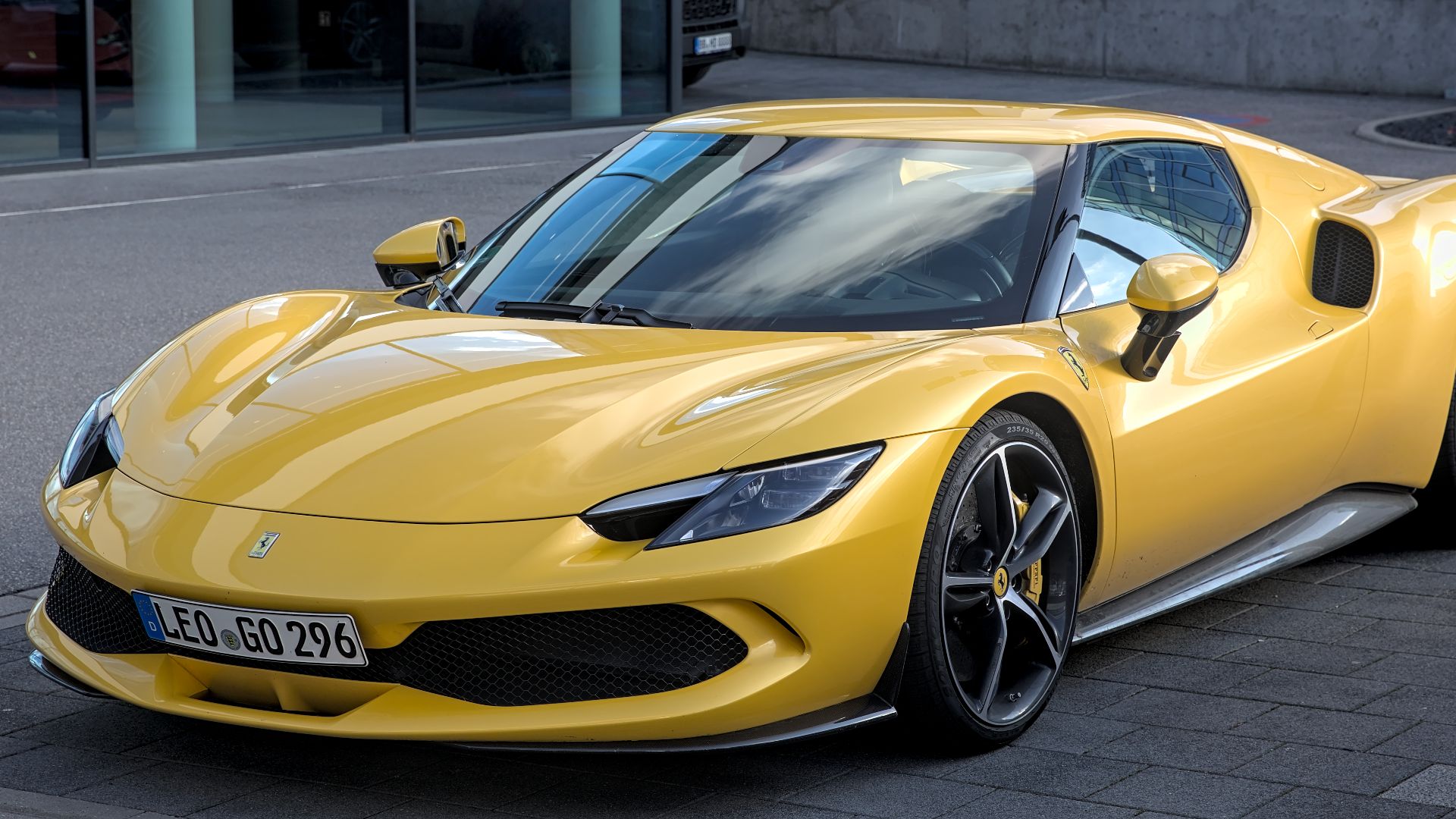
5. Ferrari's V6 Set A Record For Power Per Liter
The 296 GTB's 2.9-liter V6 produces 654 horsepower, which Ferrari claims is a specific-output record for a production road car. An electric motor contributes another 165 horsepower, bringing the combined figure to 819. The model name describes the engine rather than its output, since 296 stands for 2.9 liters and six cylinders.
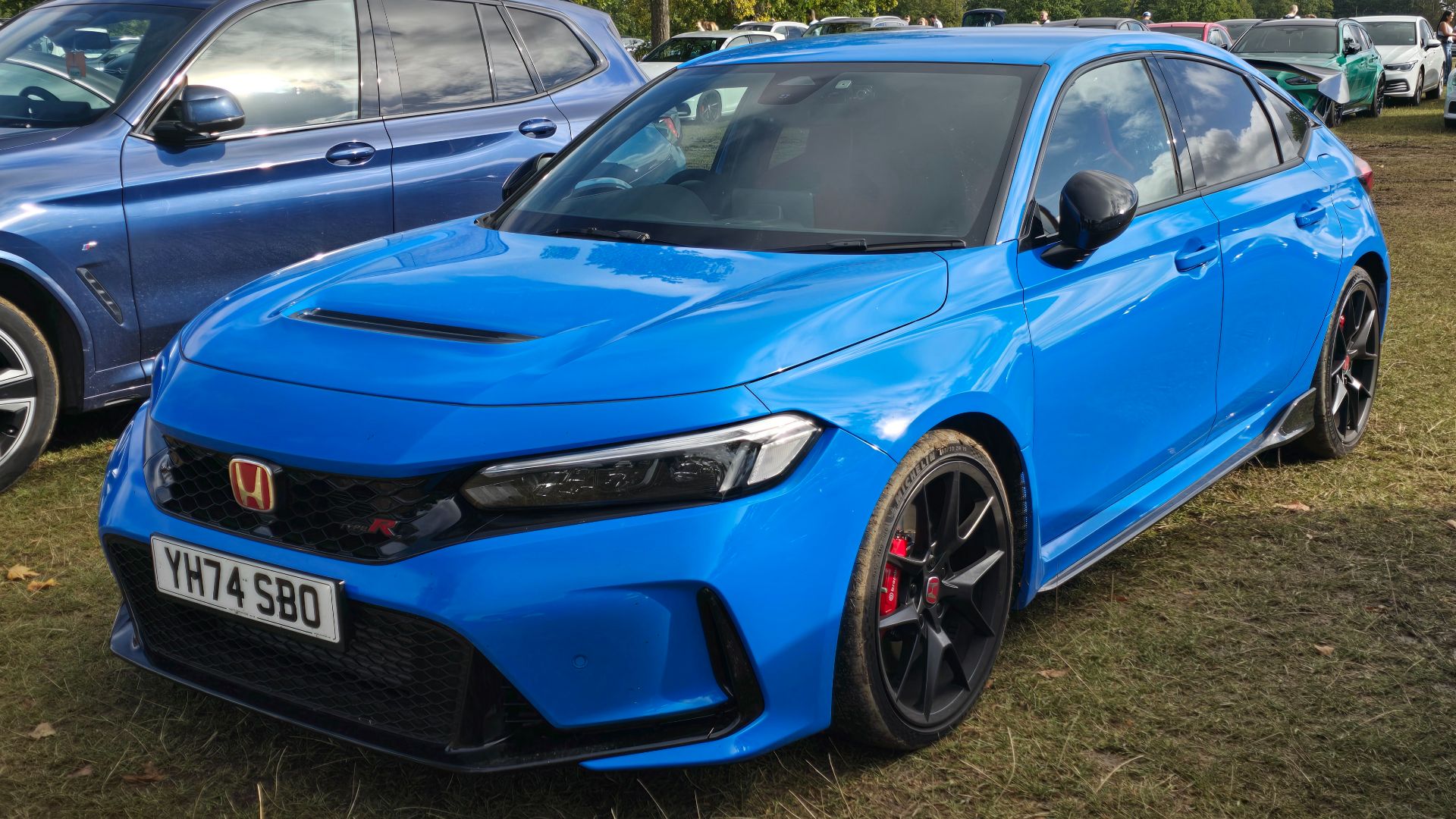
6. The Civic Type R Outguns Every Honda Sold In America
The Civic Type R sends 315 horsepower from its two-liter turbocharged four-cylinder to the front wheels. Honda says no Honda-badged car it has sold in America has ever offered more power. The Type R also went to Japan's Suzuka circuit and set a lap record for front-wheel-drive production cars.
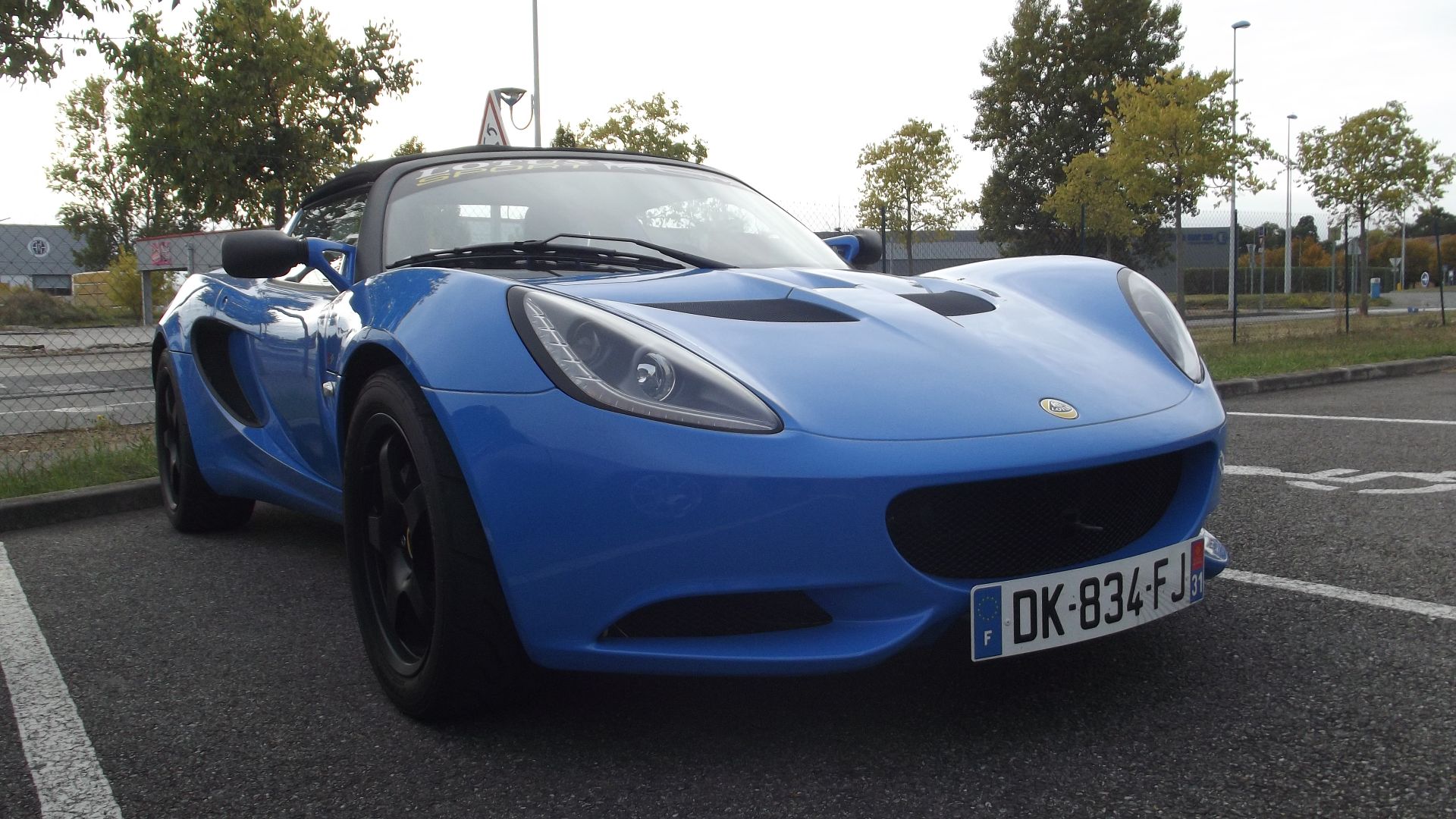
7. The Lotus Elise Needed Only 118 Horsepower
The first Elise had a 118-horsepower Rover engine and still reached 60 mph in under six seconds. Weight was the secret, since an aluminum frame and plastic body panels kept the whole car around 1,600 pounds. It could keep up with cars carrying far more powerful engines simply because there was so little mass to move.
 Handelsgeselschaft on Wikimedia
8. The BMW 2002 Turbo Started The Trend
BMW fitted a turbocharger to its two-liter four-cylinder in 1973, raising output to 170 horsepower and creating Europe's first production turbocharged car. The 2002 Turbo weighed under 2,400 pounds and reached 62 mph in less than seven seconds. The oil crisis arrived the same year, and BMW sold just 1,672 examples.
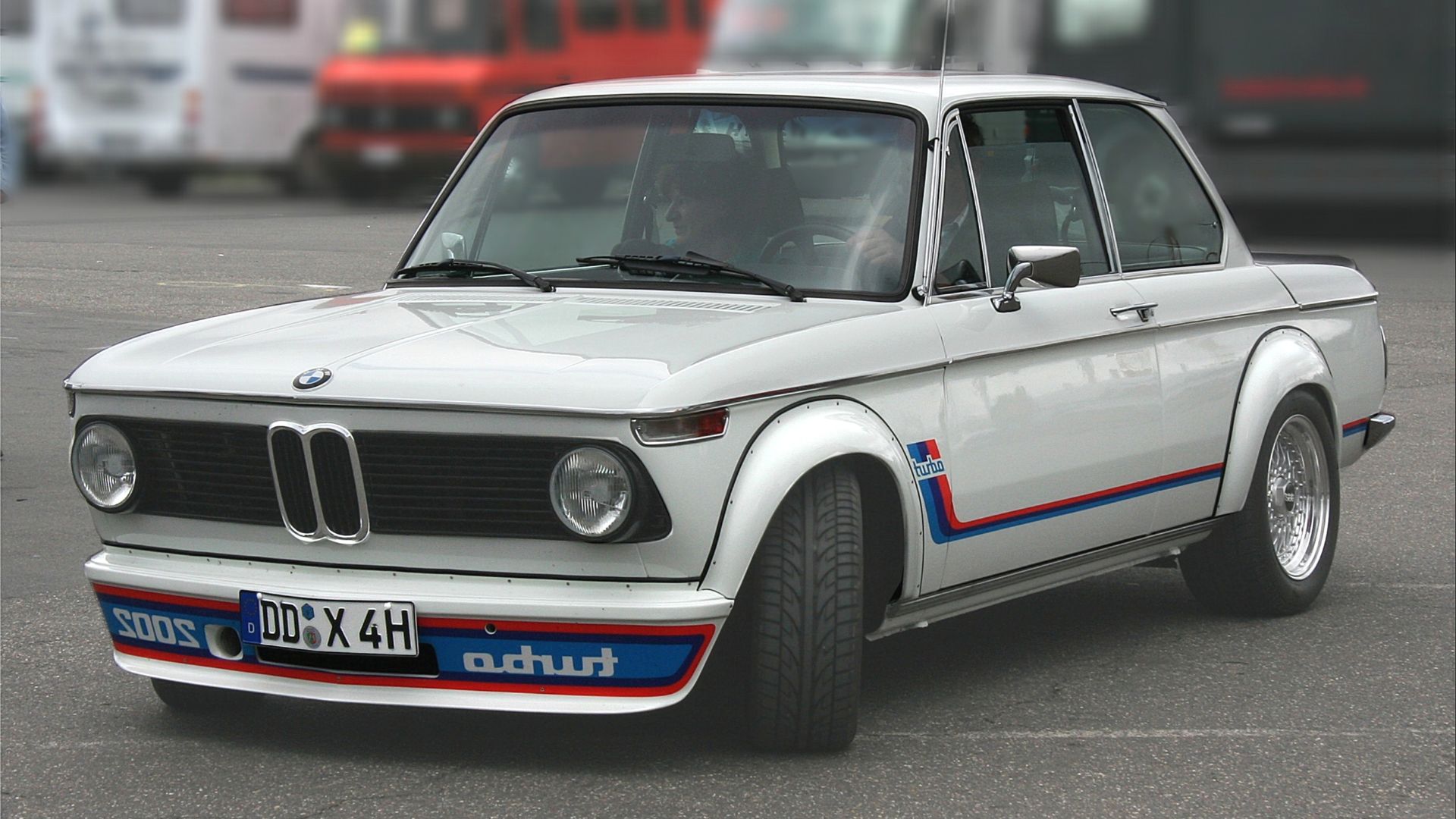 Spurzem - Lothar Spurzem on Wikimedia
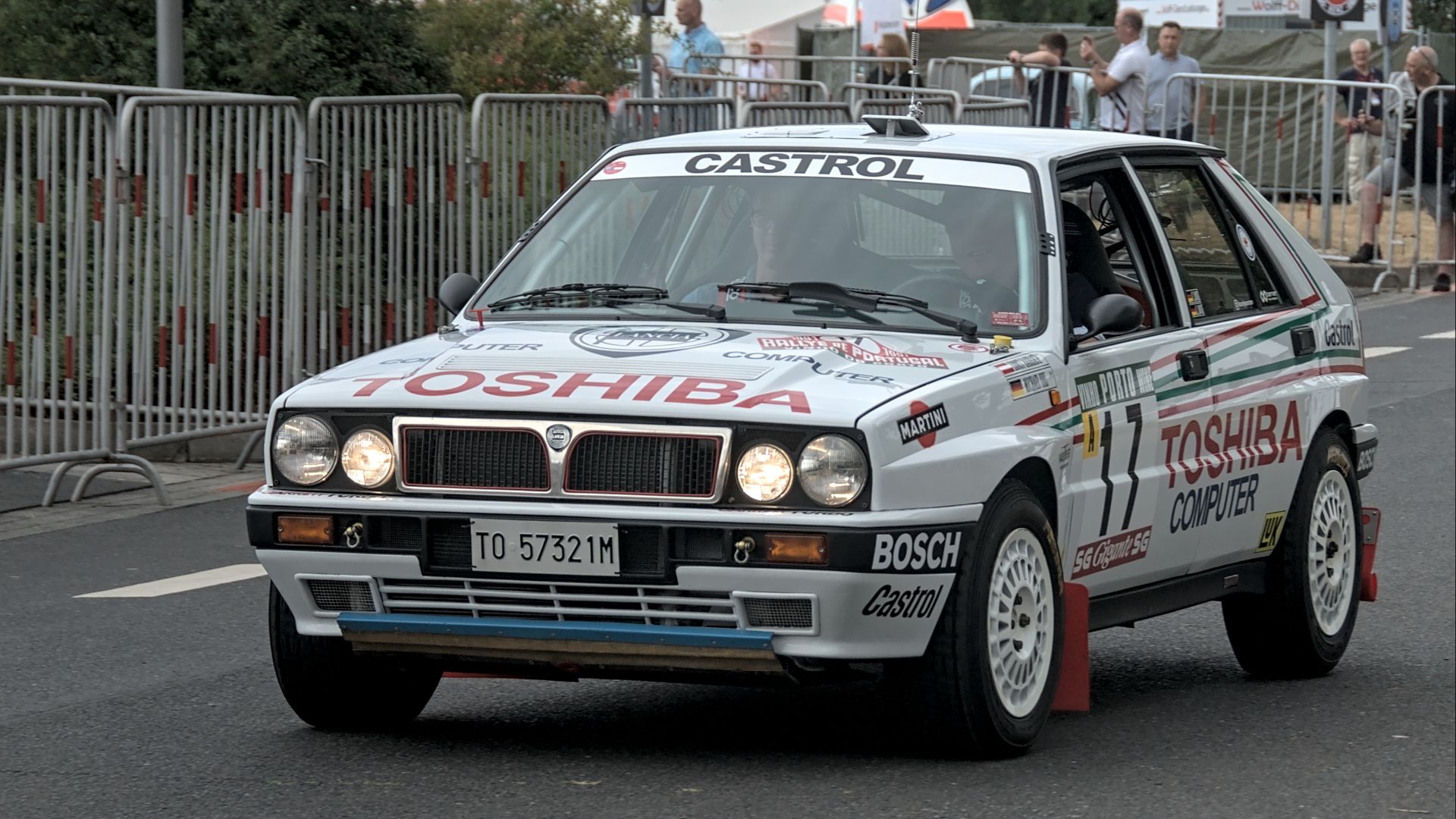
9. The Lancia Delta Integrale Won Six Titles In A Row
Roadgoing versions of the Lancia Delta Integrale offered up to 215 horsepower from a two-liter turbocharged four-cylinder. In competition, the Delta won six consecutive World Rally Championship manufacturers' titles between 1987 and 1992, along with 46 individual rally victories.
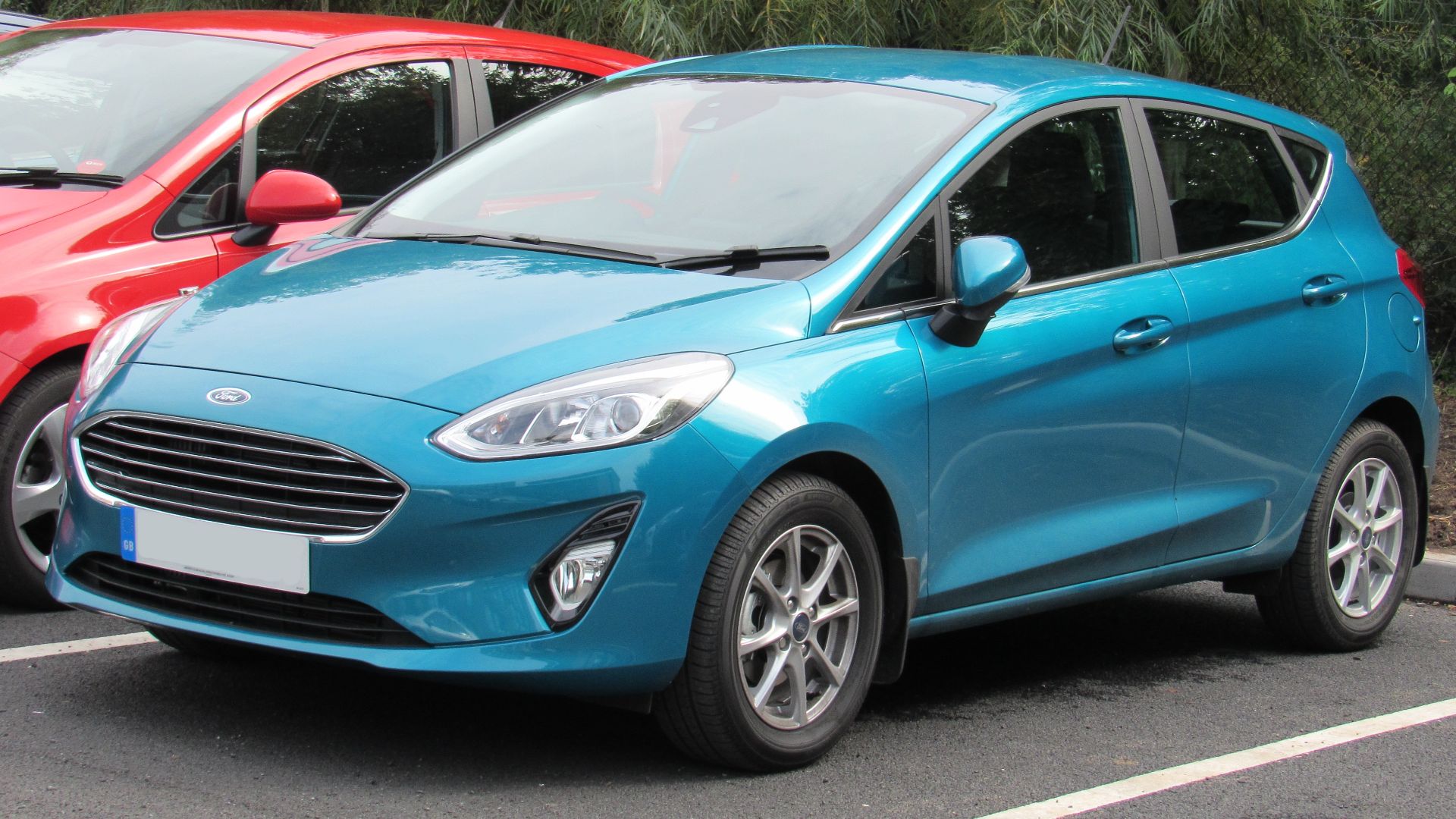
10. The Fiesta ST Lost A Cylinder And Kept Its Power
Ford replaced the Fiesta ST's 1.6-liter four-cylinder with a 1.5-liter three-cylinder in 2017 without sacrificing any of its 197 horsepower. The newer car reached 62 mph in 6.5 seconds. Its engine could also deactivate one cylinder under light loads to save fuel, something the older four-cylinder couldn't do.
Now for 10 big engines that disappoint.
1. The 1975 Corvette Had Just 165 HP From 5.7 Liters
Chevrolet's 1975 Corvette came with a 5.7-liter V8 rated at just 165 horsepower, the model's lowest output in two decades. Contemporary road tests recorded roughly 9.6 seconds to reach 60 mph and more than 17 seconds to cover a quarter mile. Buyers could pay extra for a 205-horsepower version.
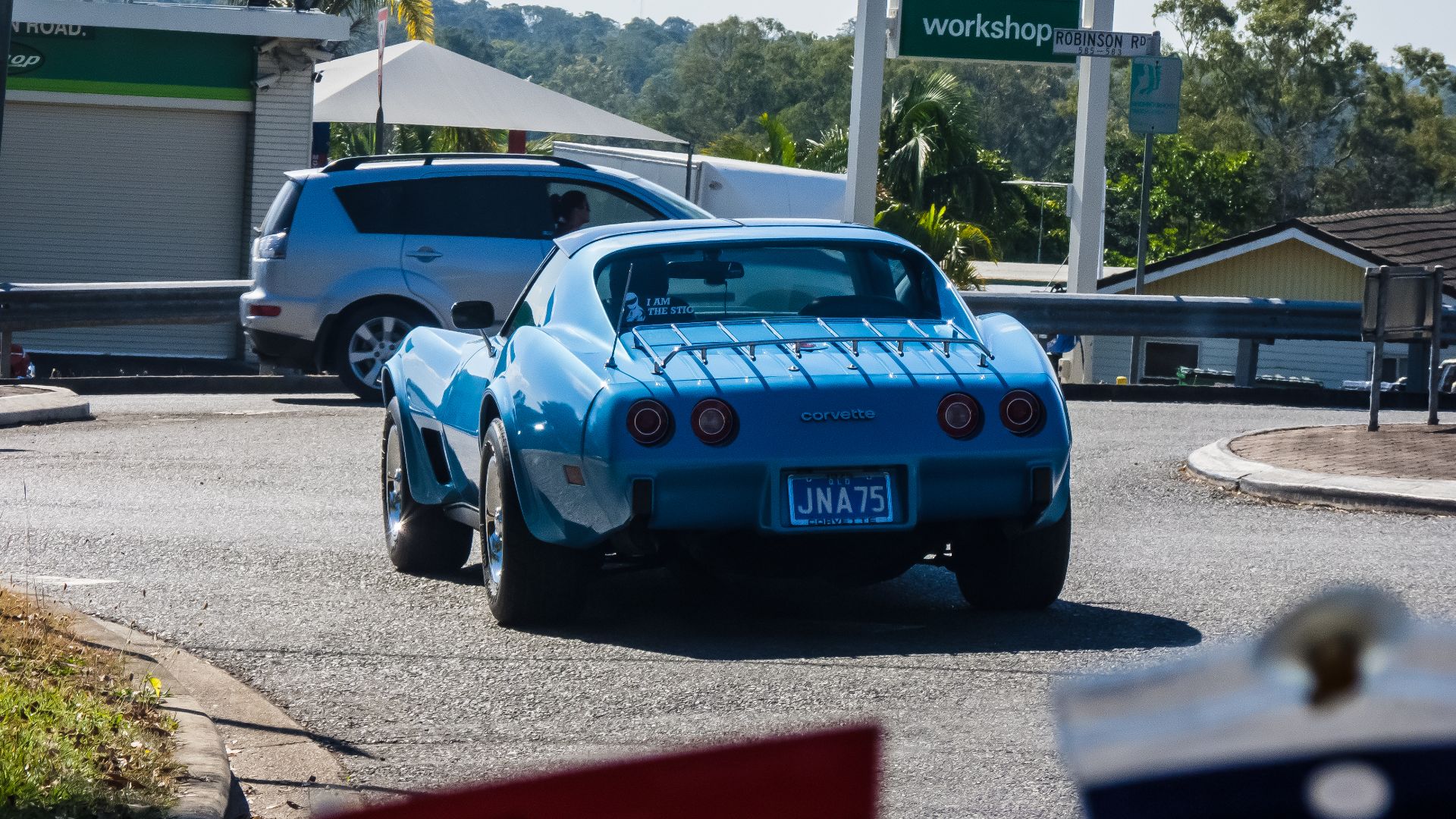 John Robert McPherson on Wikimedia
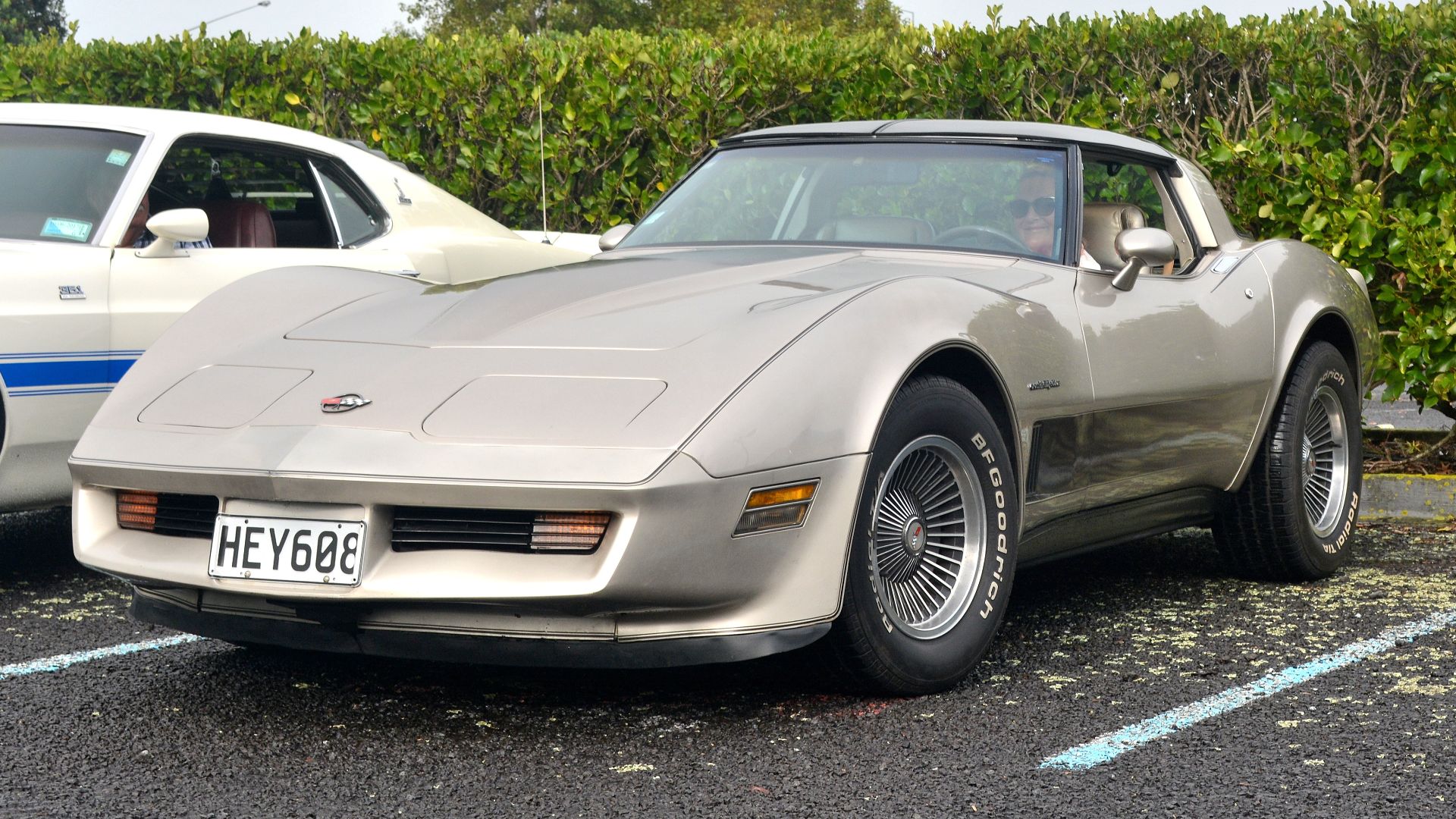
2. The 1982 Corvette Came Only As An Automatic
Corvette buyers in 1982 had no engine or transmission choices. Every car came with a 5.7-liter V8 rated at 200 horsepower and a four-speed automatic. A new fuel injection system added ten horsepower over the previous year, but it also proved troublesome almost immediately.
 GPS 56 from New Zealand on Wikimedia
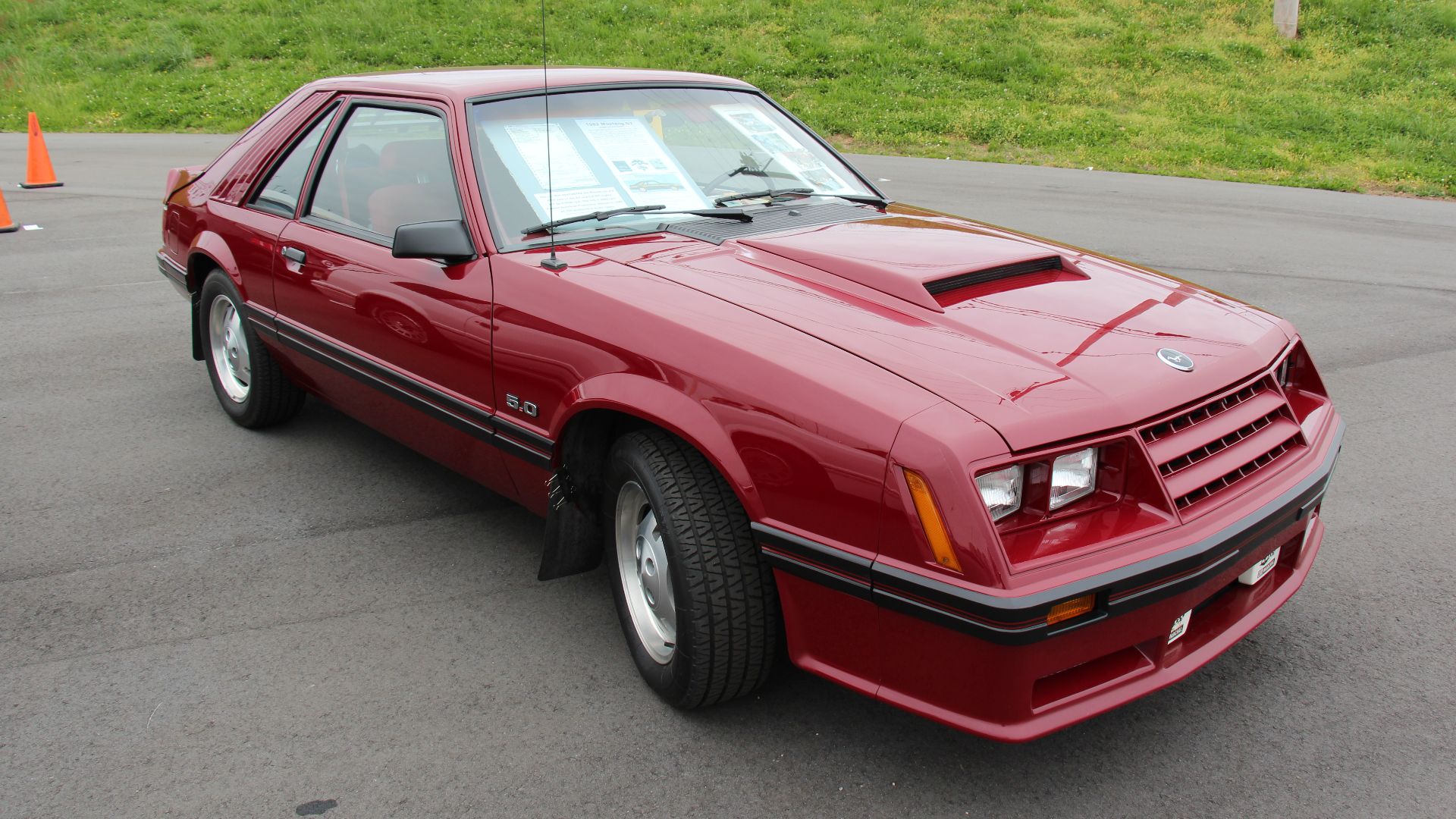
3. The 1980 Mustang V8 Managed 119 Horsepower
Ford dropped the 5.0-liter V8 from the Mustang for 1980 and replaced it with a smaller 4.2-liter version rated at just 119 horsepower. It remains the least powerful V8 ever fitted to a Mustang and came only with a three-speed automatic. Even the turbocharged four-cylinder in that year's Cobra offered more horsepower.
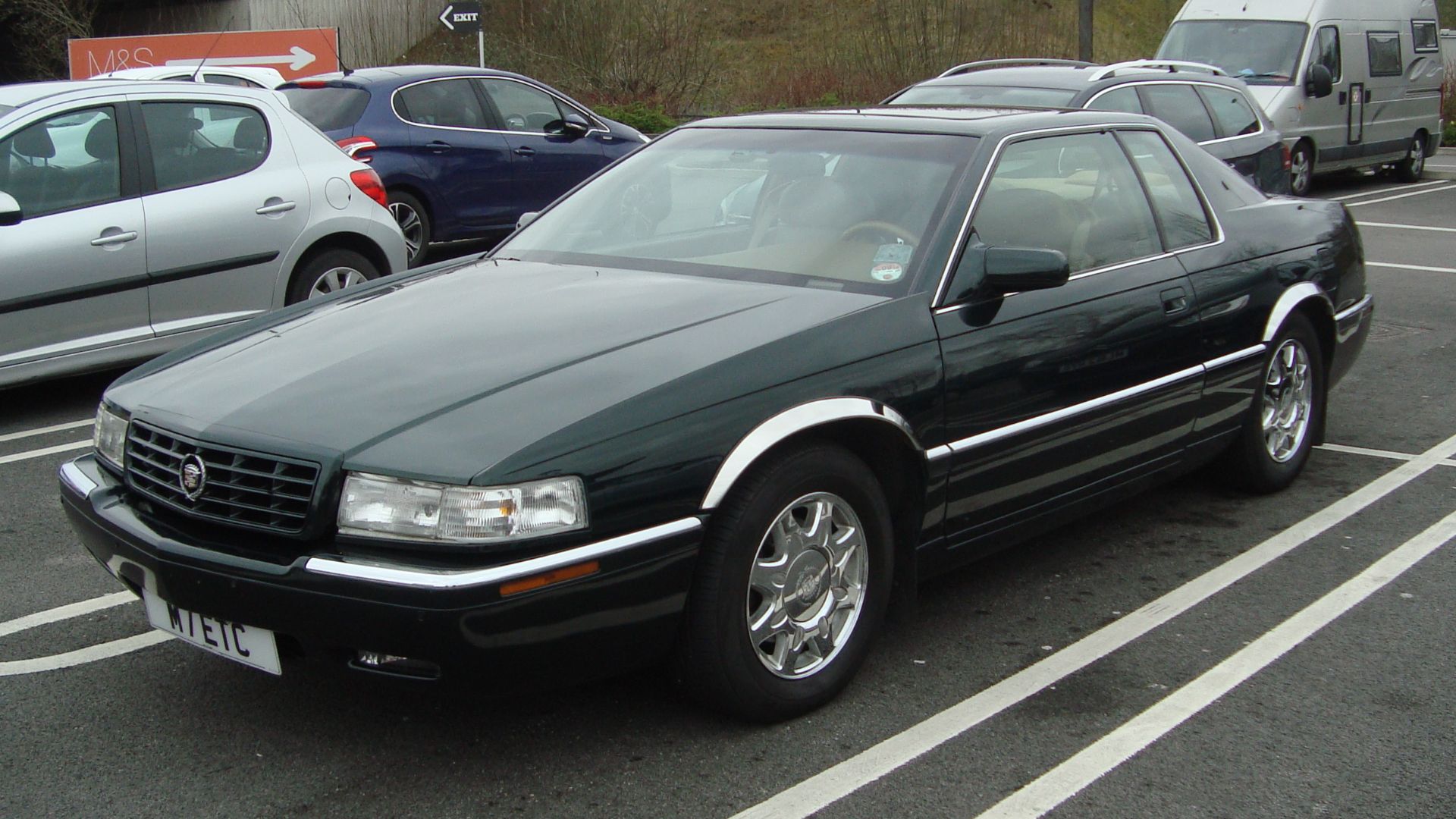
4. Cadillac's V8-6-4 Kept Switching Itself Off
Cadillac's 6.0-liter V8 for 1981 could shut down cylinders to save fuel, switching between four, six, and eight depending on demand. Even with all eight working, output was limited to 140 horsepower. The computer controlling the system struggled to manage the transitions, and the engine quickly earned a reputation for problems. Cadillac offered it for just one model year.
 Kieran White from Manchester, England on Wikimedia
5. An 8.2-Liter Cadillac Had Only 190 Horsepower
Cadillac's 500-cubic-inch V8 was among the largest engines ever fitted to a postwar passenger car, yet its output had fallen to 190 horsepower by 1976. Strong low-speed torque helped move the enormous Eldorado, which weighed 5,150 pounds and topped out at 109 mph. With that much weight to haul around, the extra displacement was doing plenty of work.
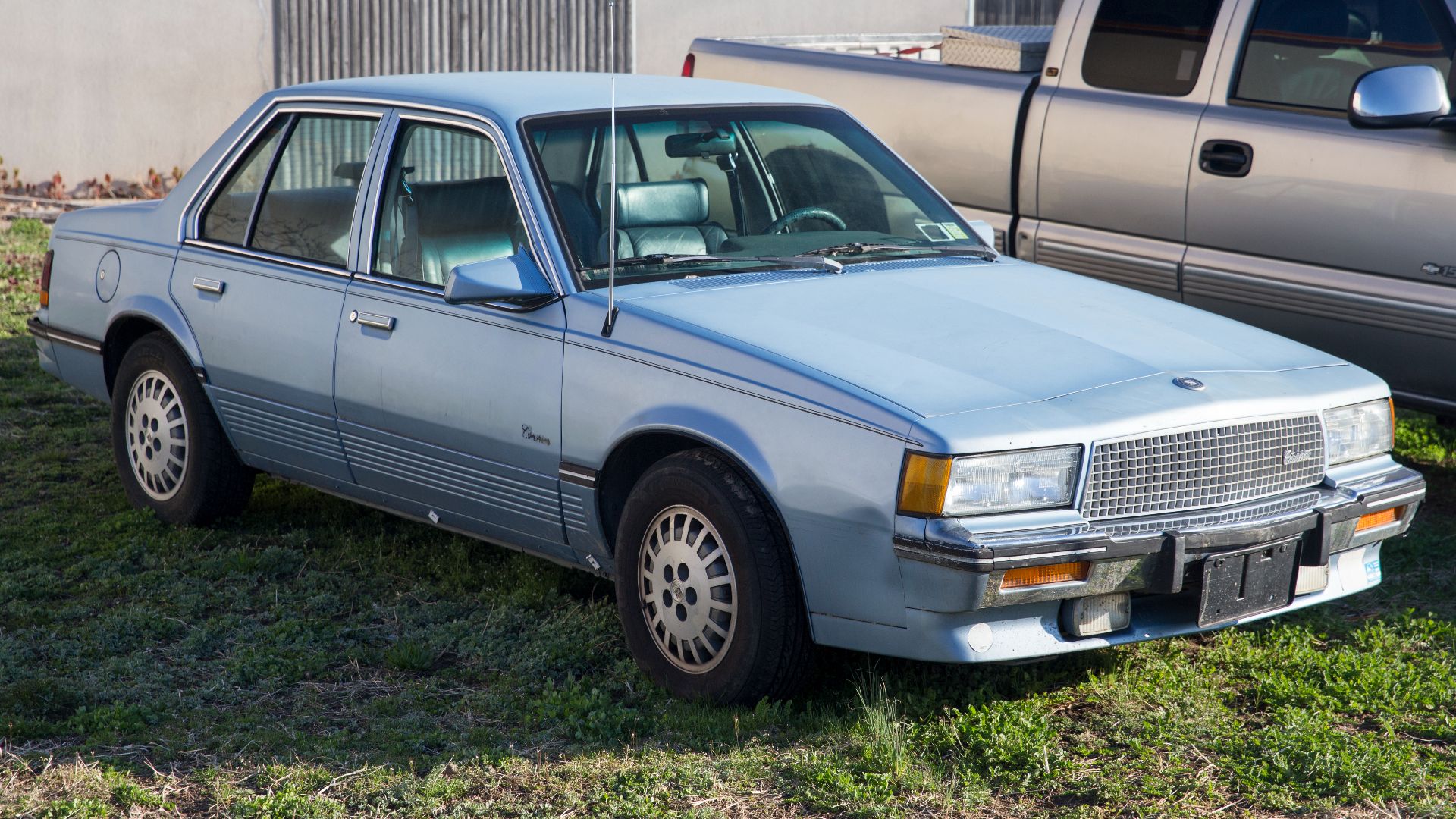
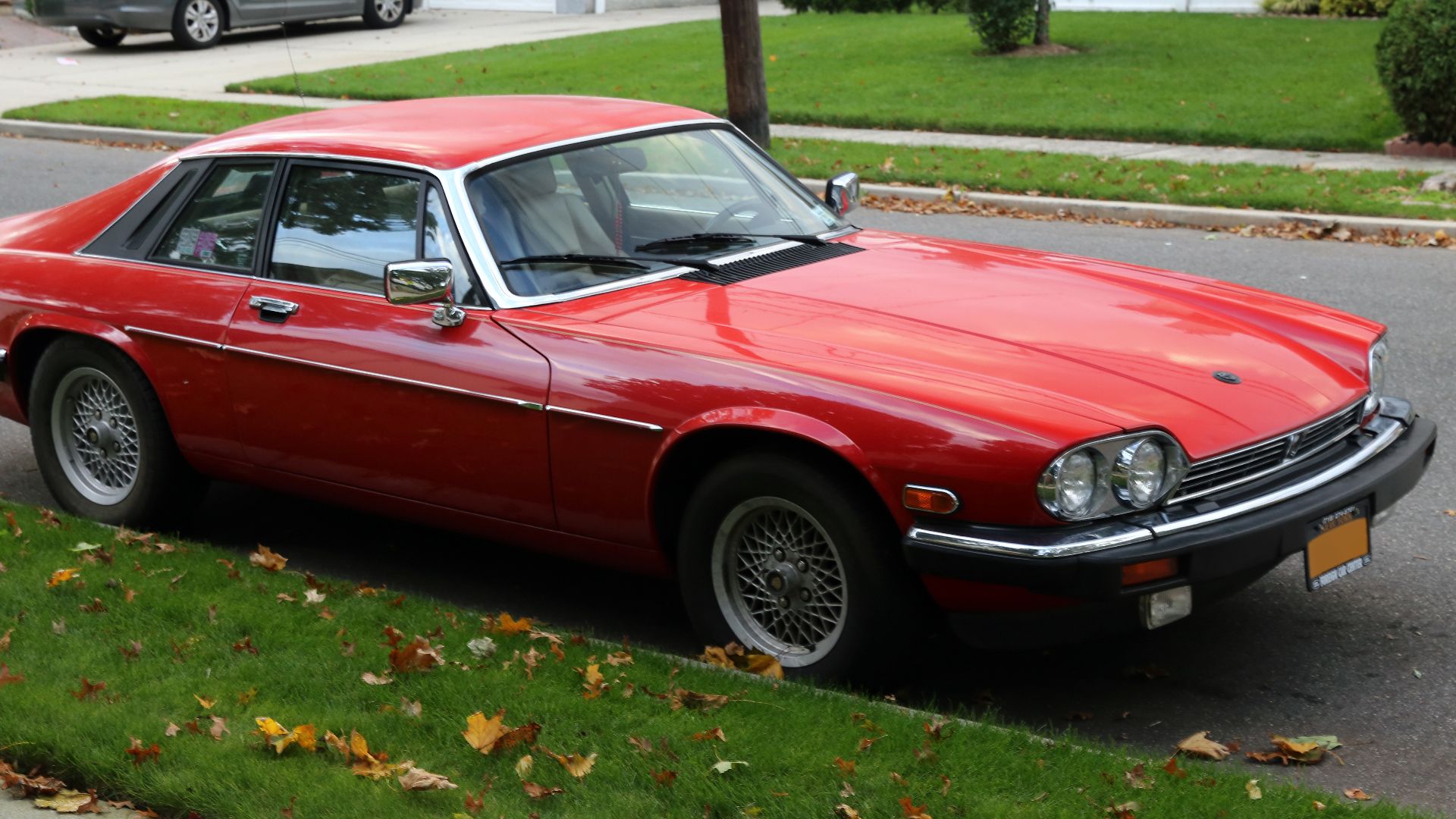
6. The American Jaguar XJ-S Got 244 HP From Twelve Cylinders
Jaguar rated its 5.3-liter V12 at 272 horsepower in Europe, but American XJ-S models were limited to 244 under tighter emissions requirements. The car needed roughly eight seconds to reach 60 mph, respectable for the period but hardly what twelve cylinders might suggest. Fuel consumption, meanwhile, remained every bit as high as buyers would expect from a V12.
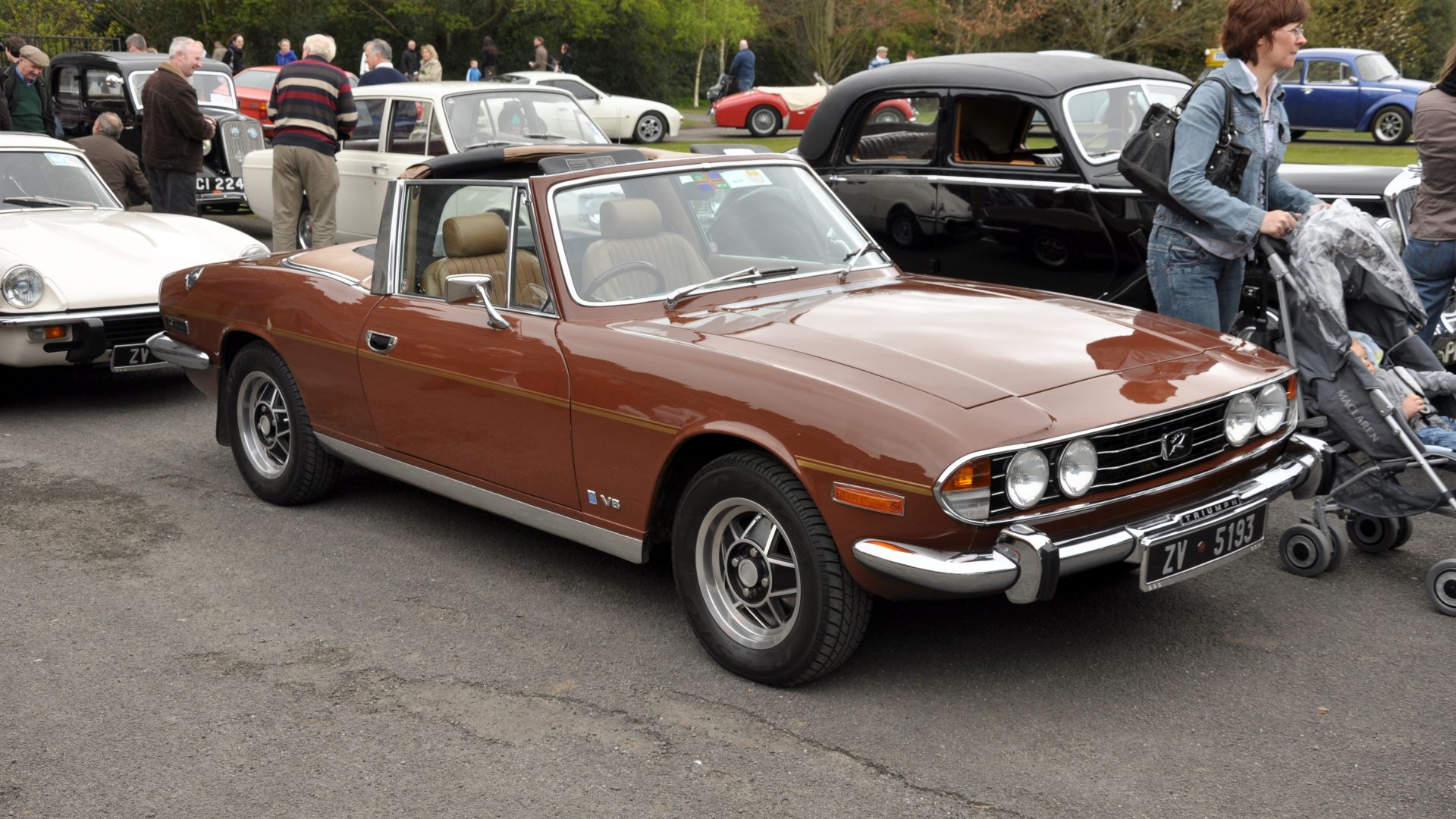
7. The Triumph Stag's V8 Ruined The Car
Triumph developed its own 3.0-liter V8 for the Stag, offering 145 horsepower along with a reputation for warped cylinder heads and undersized bearings. British Leyland never properly redesigned the engine, instead fitting a higher-pressure cooling system that raised the boiling point without solving the underlying problems. Many owners swapped in Rover V8s or Triumph six-cylinders, and fewer than 26,000 Stags sold over seven years.
 Stephen Hanafin from Kilkenny, Ireland on Wikimedia
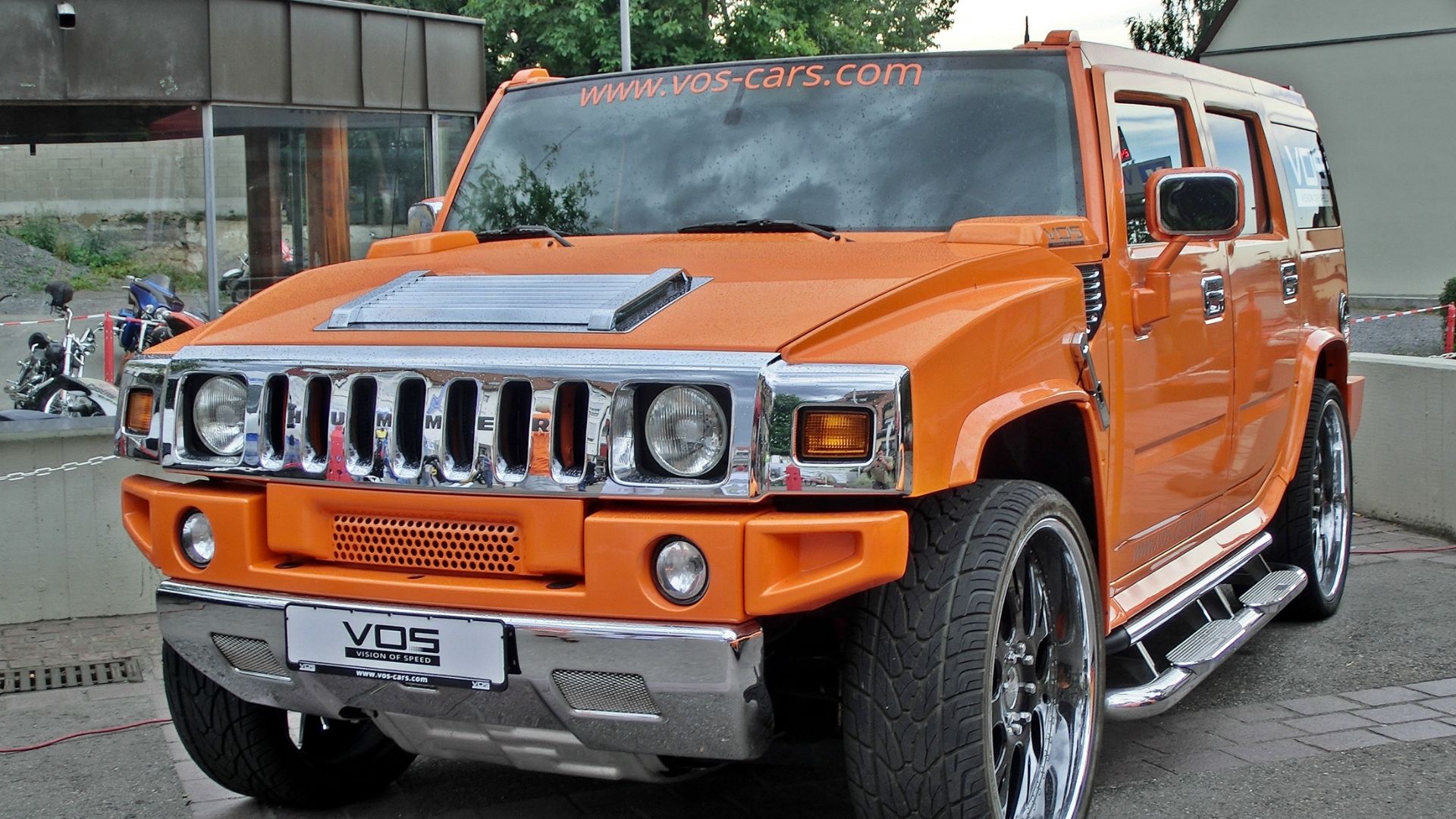
8. The Hummer H2 Needed Ten Seconds To Reach 60
The Hummer H2 came with a 6.0-liter V8 rated at 316 horsepower, but it also weighed around 6,400 pounds. Road tests recorded approximately ten seconds to reach 60 mph, nearly four seconds slower than the original Lotus Elise with its modest 118-horsepower engine. The Hummer had nearly three times the power and roughly four times the weight.
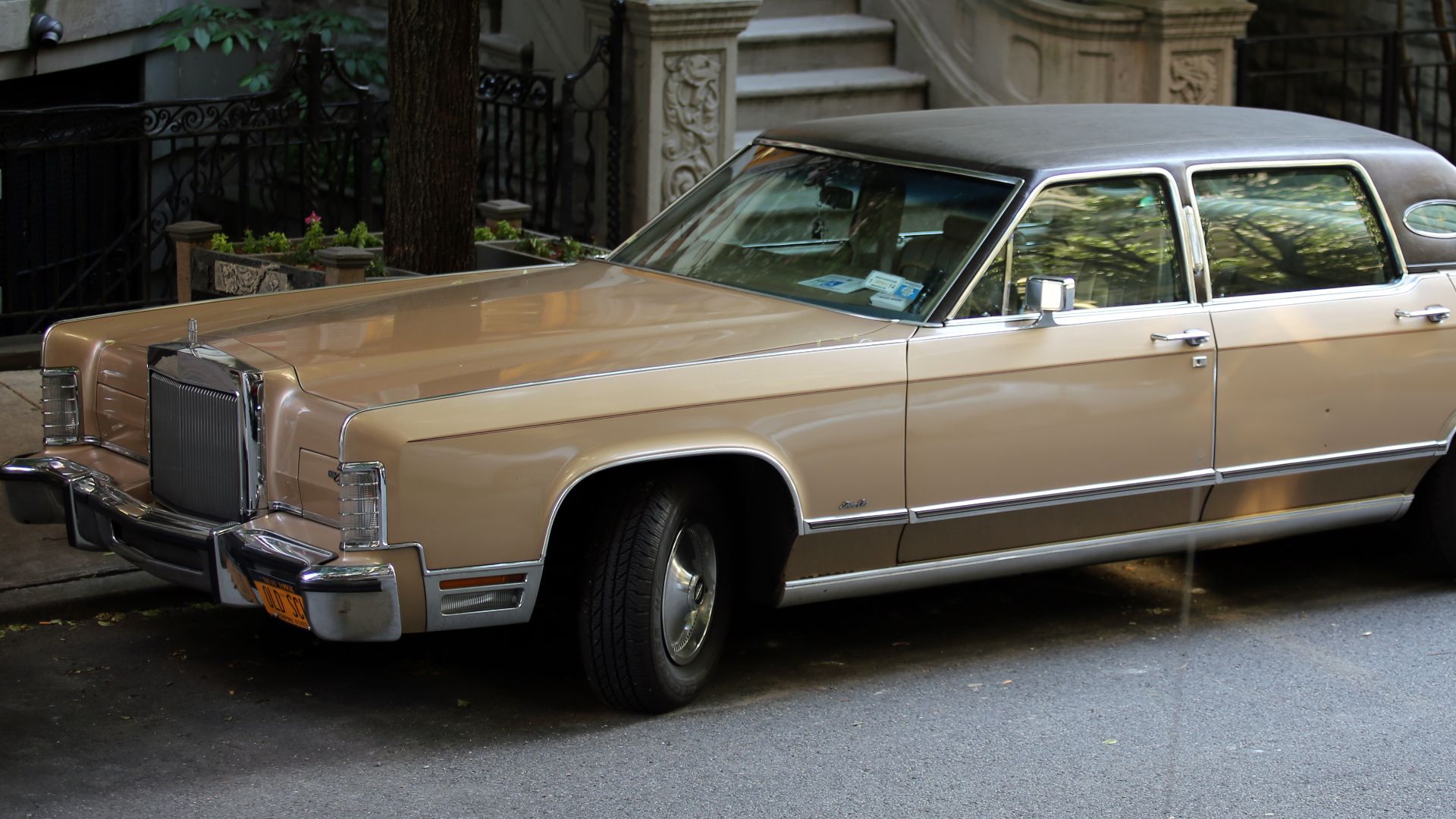
9. Lincoln's 7.5-Liter V8 Was Rated At 202 Horsepower
By 1976, Lincoln's enormous 7.5-liter V8 was down to 202 horsepower, having been advertised at 365 just a few years earlier. The industry had switched from gross to net horsepower ratings in the meantime, so the numbers aren't directly comparable, although the engine had lost real power as well. The Continental Mark IV it powered weighed 5,264 pounds, and Lincoln dropped the engine after that year.
 commons.wikimedia.org on Google
10. The Lexus LS 600h L Added Engine For Nothing
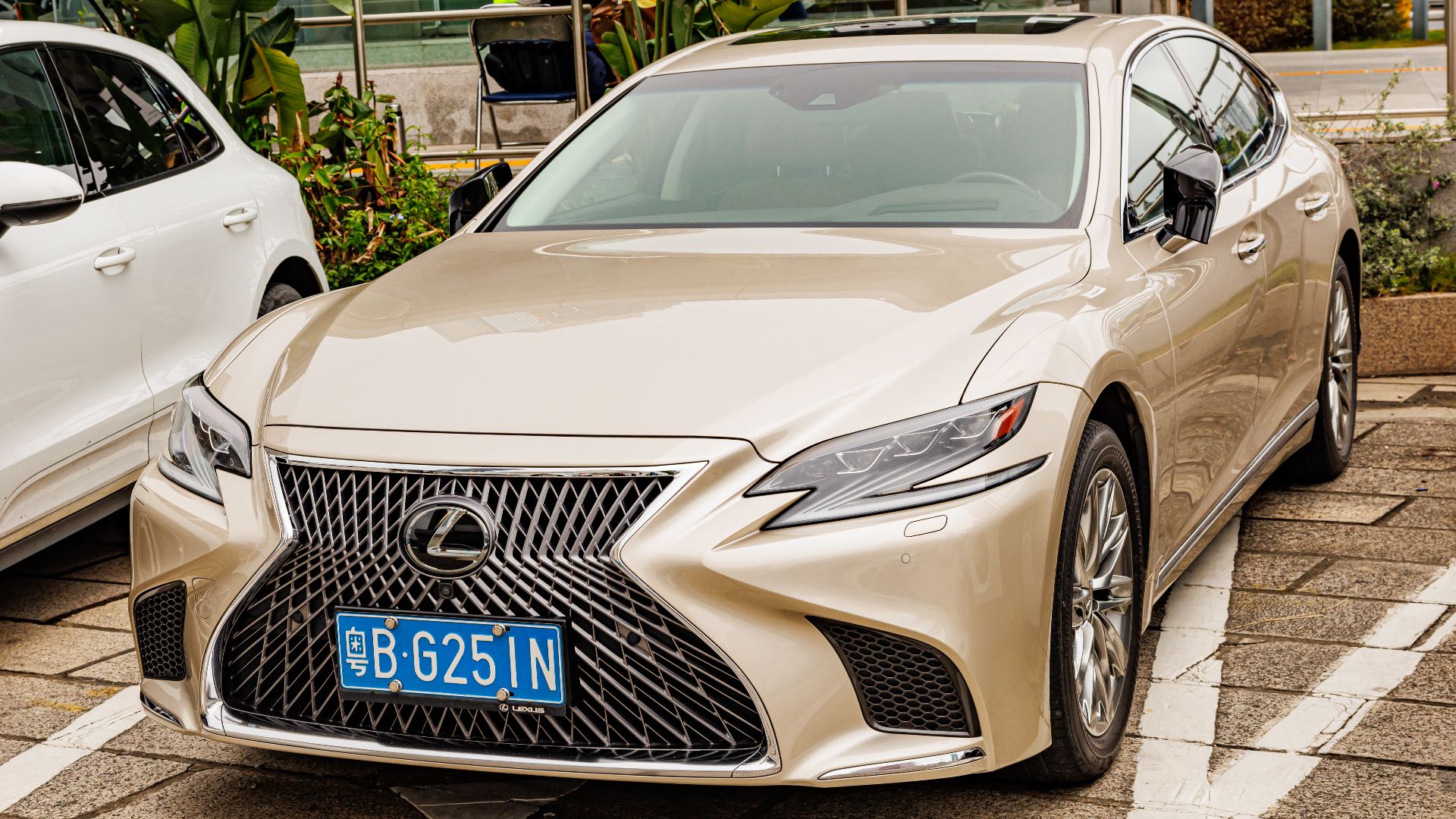
Lexus equipped its hybrid flagship with a 5.0-liter V8 and two electric motors, giving it a combined output of 438 horsepower. The ordinary LS 460 offered 380 horsepower from a smaller 4.6-liter V8, yet both reached 60 mph in roughly the same time. The hybrid's extra weight and all-wheel-drive system largely canceled out its power advantage.