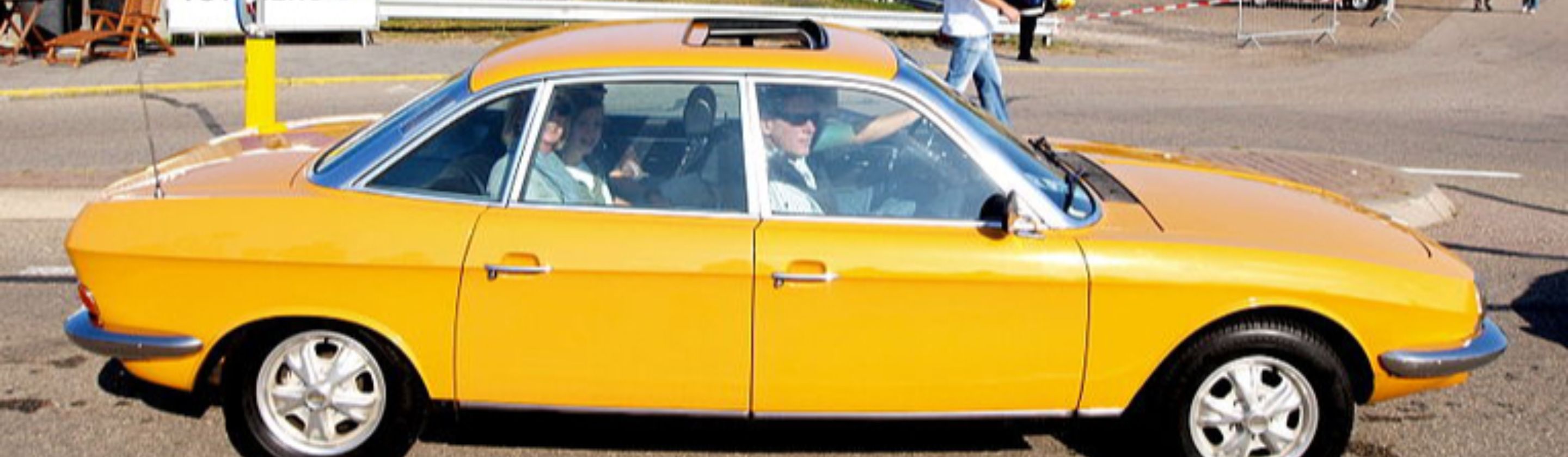
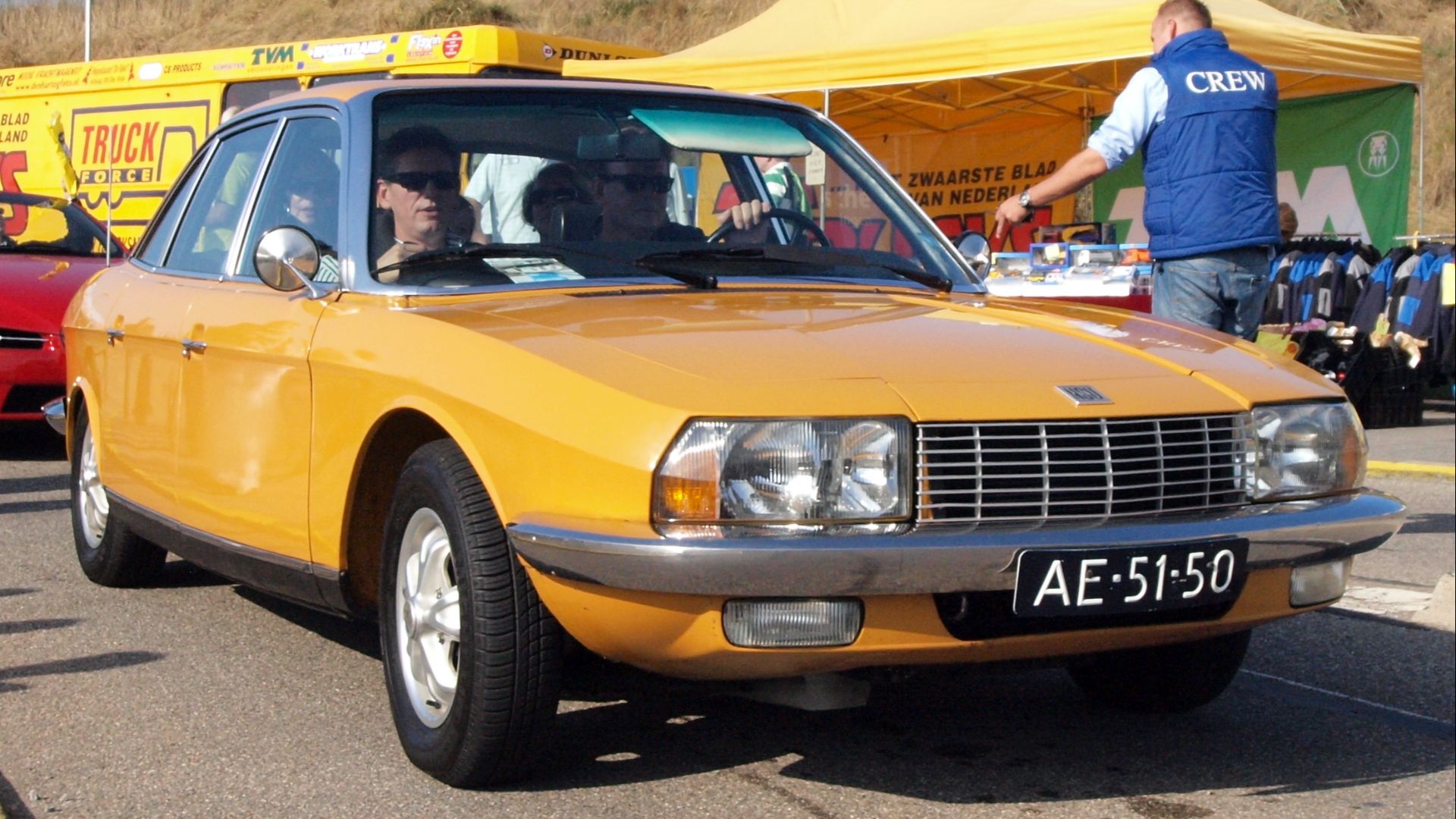
In 1967 a small German company called NSU unveiled a sedan that looked like it had arrived from the future. The Ro 80 had a low wedge of a body and an engine with no pistons in it at all. Critics loved it, and within two years it had helped push the company that built it into the arms of Volkswagen.
The engine was the Wankel rotary, and NSU had bet more on it than anyone. That bet produced one of the most admired cars of its era, along with a warranty bill the company couldn't absorb. The NSU name didn't outlast the decade, although a surprising amount of what it built is still around.
An Engine Without Pistons
Felix Wankel conceived his rotary engine in 1924. Instead of pistons pumping up and down, a triangular rotor spins inside an oval housing, and each of its three faces does the job a piston would. NSU signed a contract with Wankel in 1951, and the first test engine started up on February 1, 1957. Sealing problems showed up after 15 hours of running.
The payoff was a compact engine that ran far more smoothly than a piston engine of similar output, and the licensing business boomed. General Motors took a license, and so did Toyo Kogyo, the Japanese company known today as Mazda. The design even left the ground in 1970, when Wright Aeronautical fitted rotaries to a Cessna and a helicopter for flight testing.
NSU unveiled the first production rotary car, the Wankel Spider, at the 1963 Frankfurt show (an open two-seater, and about as far from a family sedan as NSU could get). Its engine sat under the rear floor and made about as little noise as a six-cylinder. The car had a trunk at each end and sold for around 8,500 German marks, and NSU had built 2,375 of them by July 1967.
The Ro 80 And Its Apex Seals
After five years of development, the Ro 80 appeared at the Frankfurt show in September 1967 as the first production car with a twin-rotor Wankel. The name was a plain description, with Ro standing for rotary piston and 80 for the type number. It drove the front wheels through a semi-automatic gearbox, and time in the wind tunnel gave it a drag coefficient of 0.35. About a year after launch, trade journalists voted it Car of the Year, the first German car to win.
The advertising leaned hard on the future. One 1967 poster put NSU cars in a category beyond both yesterday's cars and today's, and in 1971 that boast was condensed into Vorsprung durch Technik, the slogan Audi still runs. NSU backed the launch with more than 80 pages of material explaining how the engine worked. The car drew crowds and admiration without becoming the sales hit NSU needed.
The weak point was the apex seals, the strips at each tip of the rotor that keep the chambers sealed against the housing. On early cars they wore out fast, and some engines failed as early as 24,000 kilometers, around 15,000 miles. Even carefully kept cars rarely made it past 50,000 kilometers. NSU replaced hundreds of engines under warranty. Fuel economy was poor as well, at 13 to 16 liters per 100 kilometers, roughly 15 to 18 miles per gallon.
What Was Left Of NSU
The warranty bills pushed a company already heading for trouble toward insolvency, and Volkswagen stepped in. On March 10, 1969, NSU signed a merger agreement with Volkswagen's Auto Union, creating Audi NSU Auto Union AG with its registered offices in Neckarsulm. The deal was backdated to take effect from January 1.
A material change for the 1970 model year finally sorted out the seals, by which point NSU was building just one model. The 1973 oil crisis then pushed fuel prices up and sent buyers toward thriftier cars, and that ended both the rotary and the Ro 80. When the last of 37,374 cars left the line in April 1977, the NSU brand went with it.
Mazda, meanwhile, beat the seal problem on its own with seals of high-strength carbon infused with aluminum, and its 1967 Cosmo Sport became the first volume production sports car with a two-rotor engine. Audi kept the 1971 slogan and the Neckarsulm factory, where the Audi 100 had taken over most of the capacity by the time the Ro 80 ended. The plant builds the A6 and A8 today.