Some Cars Let You See the Road and Some Hide It
Most people shopping for a car check the price and cargo space before giving much thought to the windows. But thick pillars and smaller rear windows have made it harder to see out of plenty of newer models. Roof-strength requirements and sleek styling have both played a part, leaving drivers with bigger blind spots than they might expect. Cameras and sensors help, but there's still no substitute for a clear view. Here are 10 cars that make it easy to see what's around you, followed by 10 that leave you guessing.
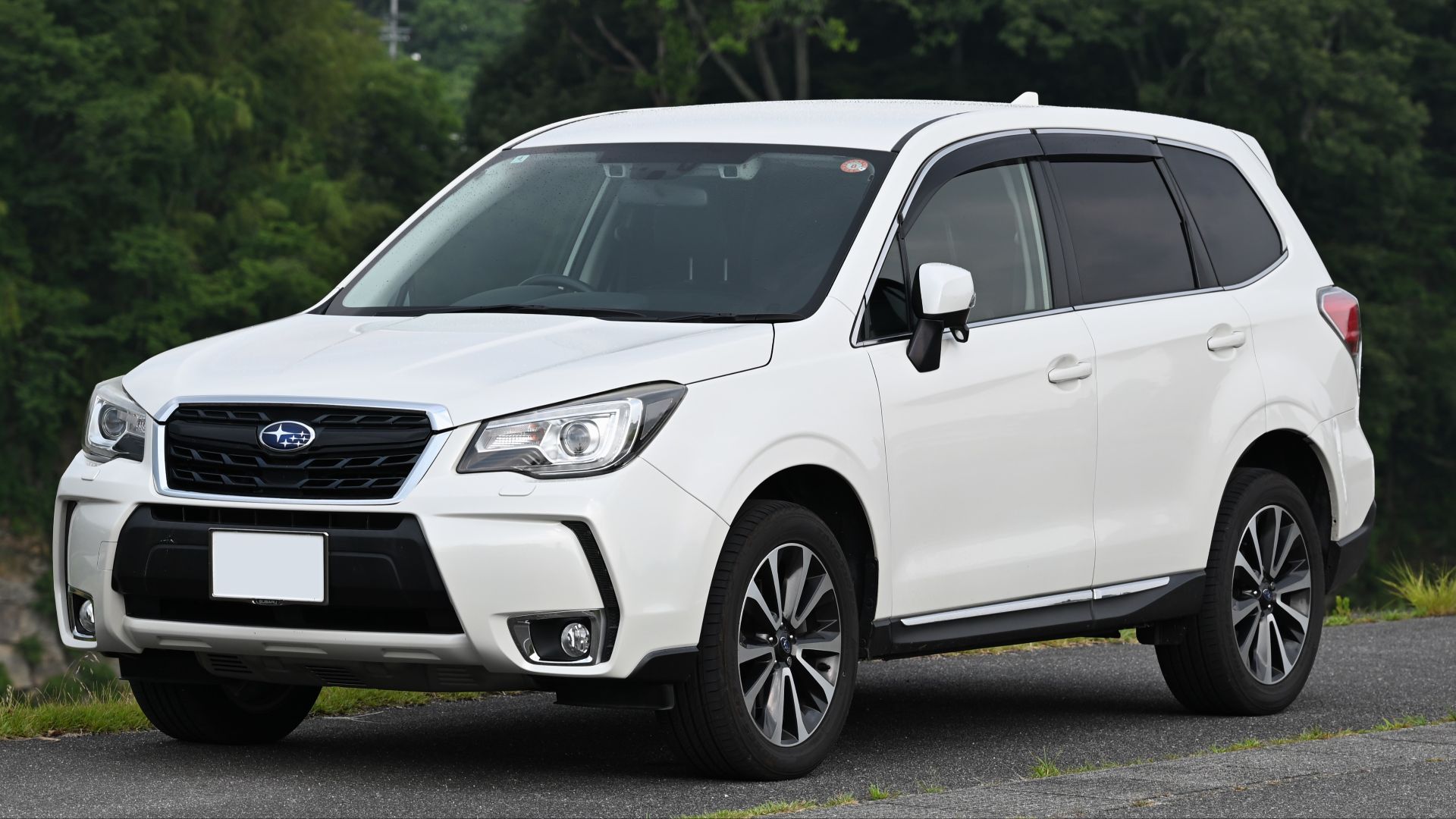
1. The Subaru Forester Pairs Thin Pillars With Tall Glass
The Forester has built its reputation on outward visibility for several generations. Testers singled out its slim roof pillars and tall windows when naming it a top pick for 2026. You sit fairly high, and the side glass comes down low enough to keep the lane beside you in view.
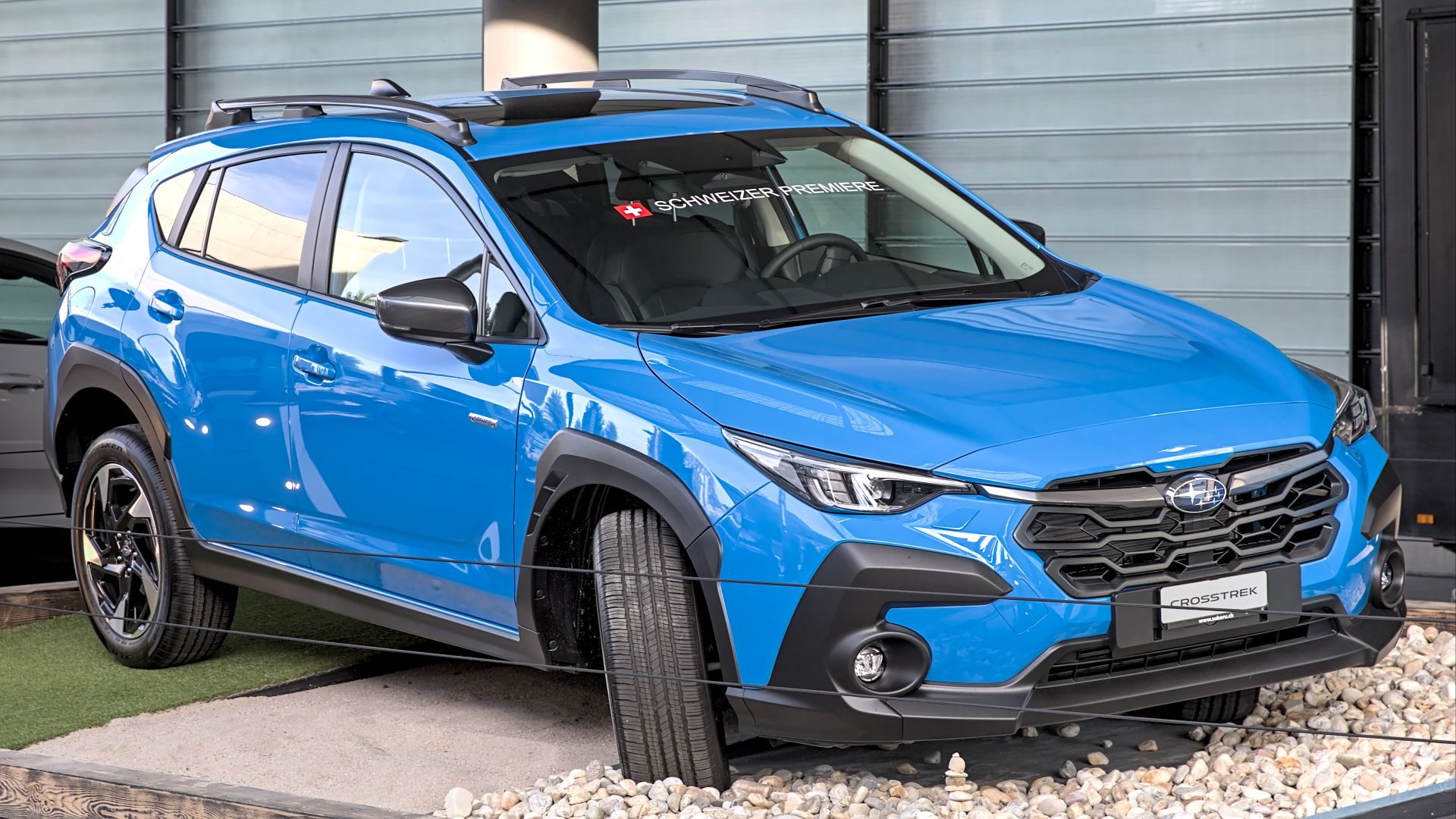
2. The Subaru Crosstrek Is Easy to See Out of in Tight Spaces
One testing group bought a 2026 Crosstrek Sport for $32,819 and rated its outward visibility excellent. Its generous glass and slim front pillars sit around an elevated seat, and it ranked first of 13 subcompact SUVs in the same testing. Testers said the small footprint and airy view made it simple to slip into tight parking spaces.
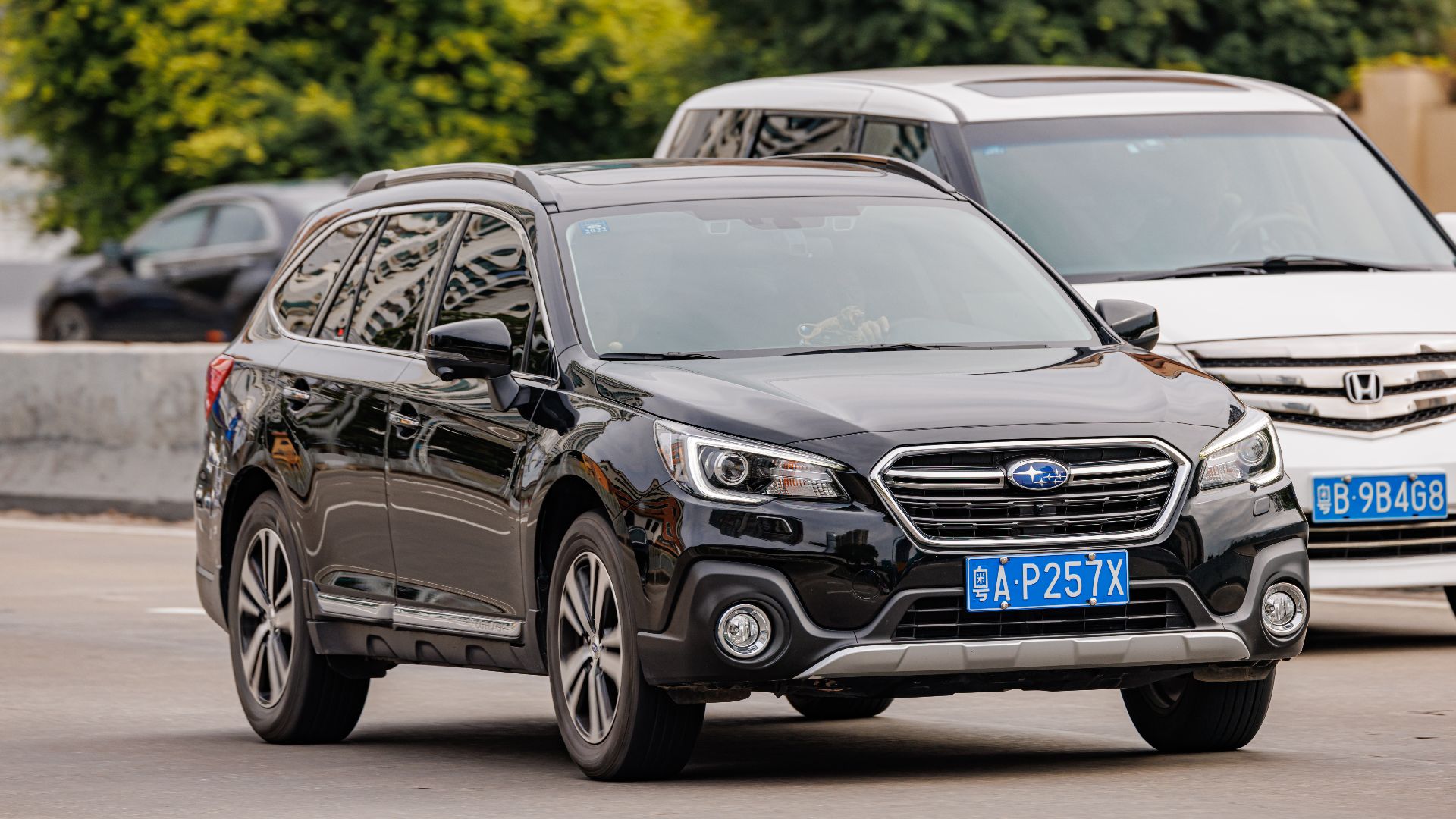
3. The Redesigned Subaru Outback Kept Its Wide View
Subaru made the 2026 Outback boxier, and its pillars got thicker in the process. Reviewers worried the change might cost the wagon the sightlines Subarus are known for. Once testing wrapped up, it still earned marks for excellent outward visibility and placed third out of 10 midsized SUVs.
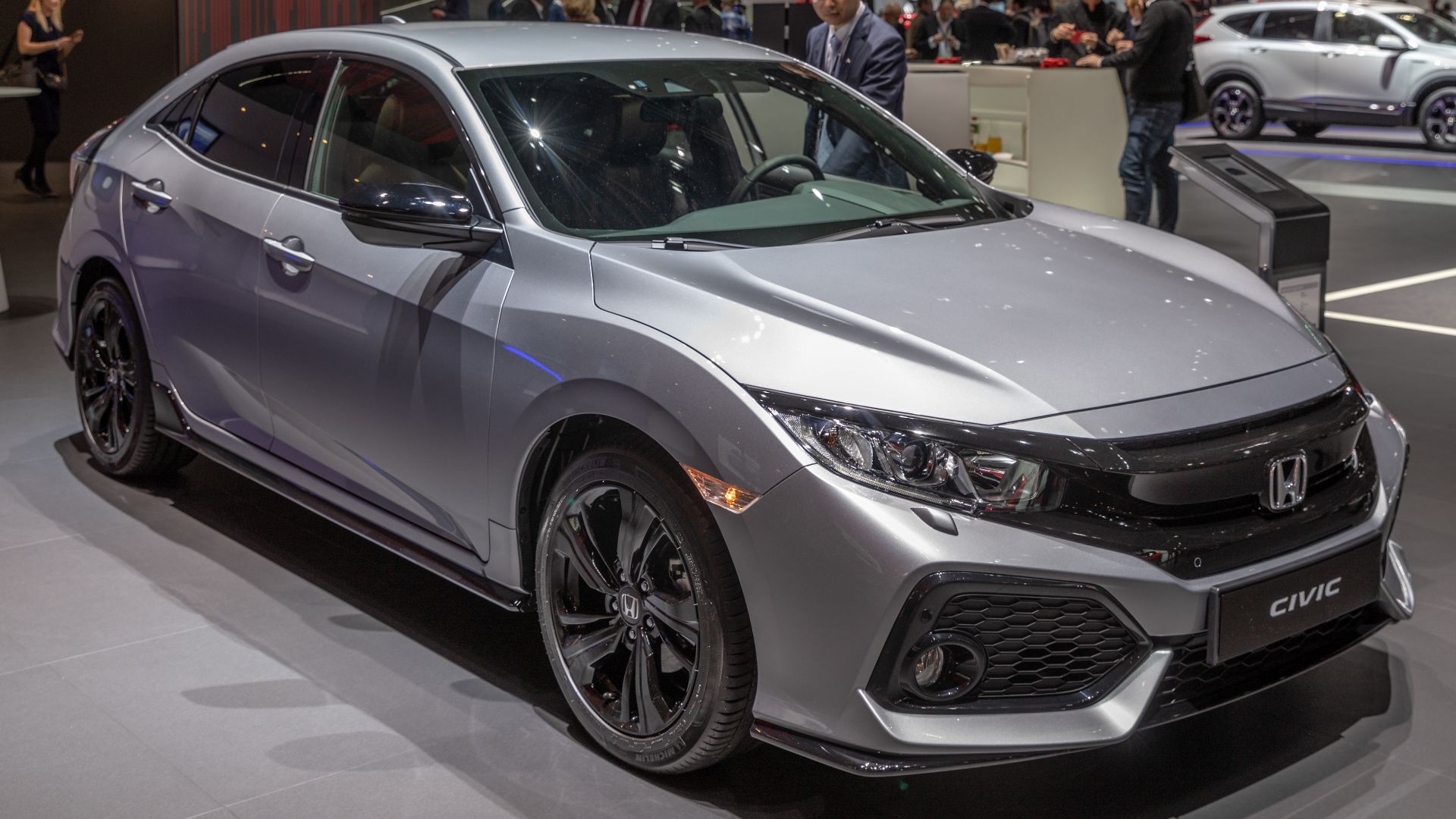
4. The Honda Civic Moved Its Mirrors to the Doors
Honda mounts the Civic's side mirrors on the doors themselves, which frees up a clear patch of glass beside the windshield pillars. Those pillars are narrow too, so the forward view at intersections stays open. The dashboard sits low enough that you can see the road just past the hood.
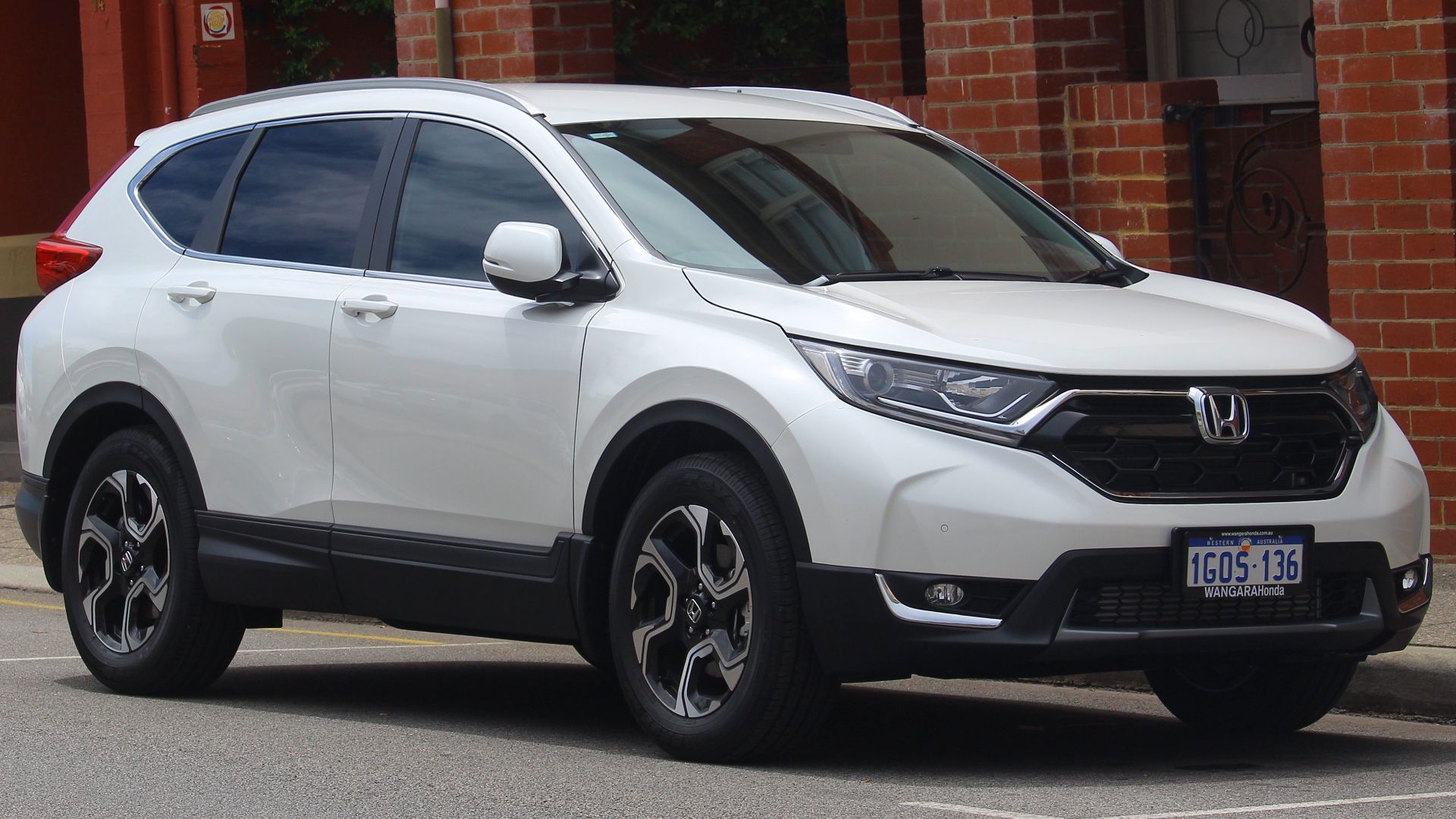
5. The Honda CR-V Offers a Low Dash and Large Windows
The CR-V uses the same door-mounted mirror setup, along with thin front pillars and a low dashboard. Reviewers routinely call its outward visibility excellent, and its side windows are tall enough to help with shoulder checks. The view straight back is weaker, since the rear pillars are fairly wide.
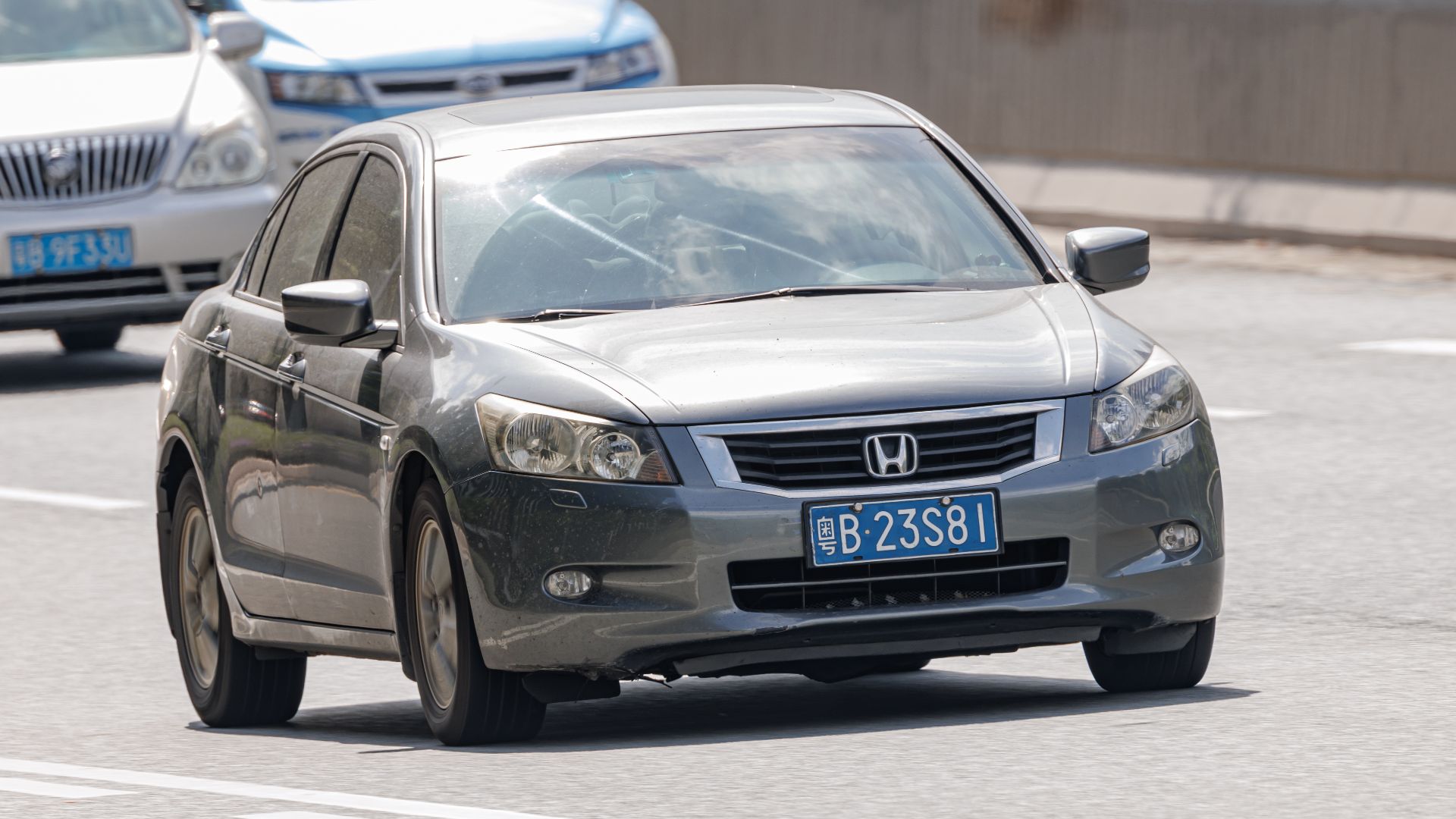
6. The Honda Accord Kept Nearly All of Its Forward View
A June 2025 study measured how much of the road drivers could see within about 33 feet of the front bumper across decades of popular models. Some SUVs in the study lost up to 58% of that view between 1997 and 2023. The Accord lost less than 8% over the same stretch, so its low hood still shows you most of the pavement right in front of the car.
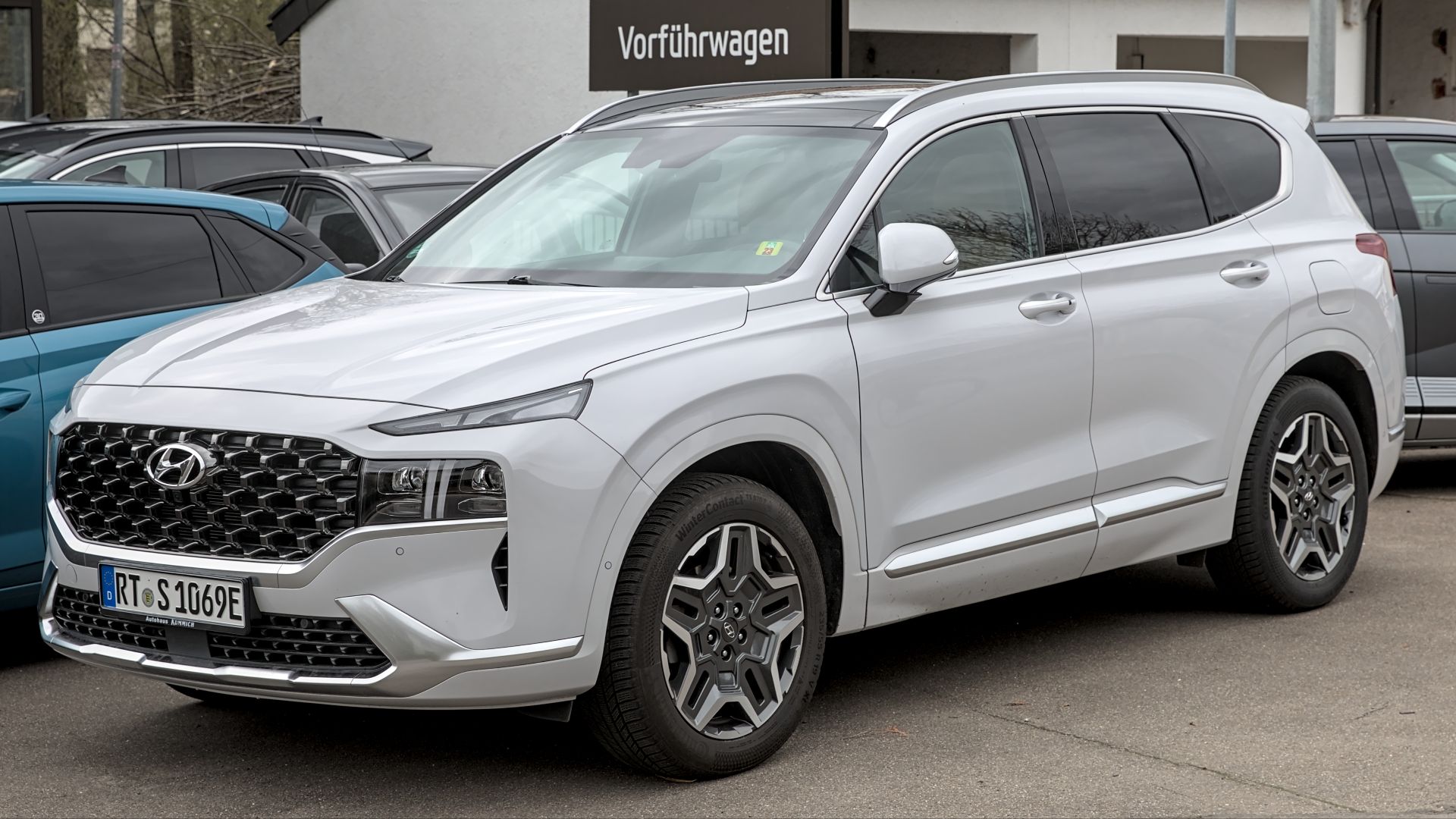
7. The Hyundai Santa Fe Went Boxy and Gained Sightlines
Hyundai redesigned the Santa Fe for 2024 with a squared-off shape that people regularly mistake for a Land Rover. The upright body brought tall windows in every direction, including the windshield. Reviewers credited that boxy styling for most of the improvement over the rounder model it replaced.
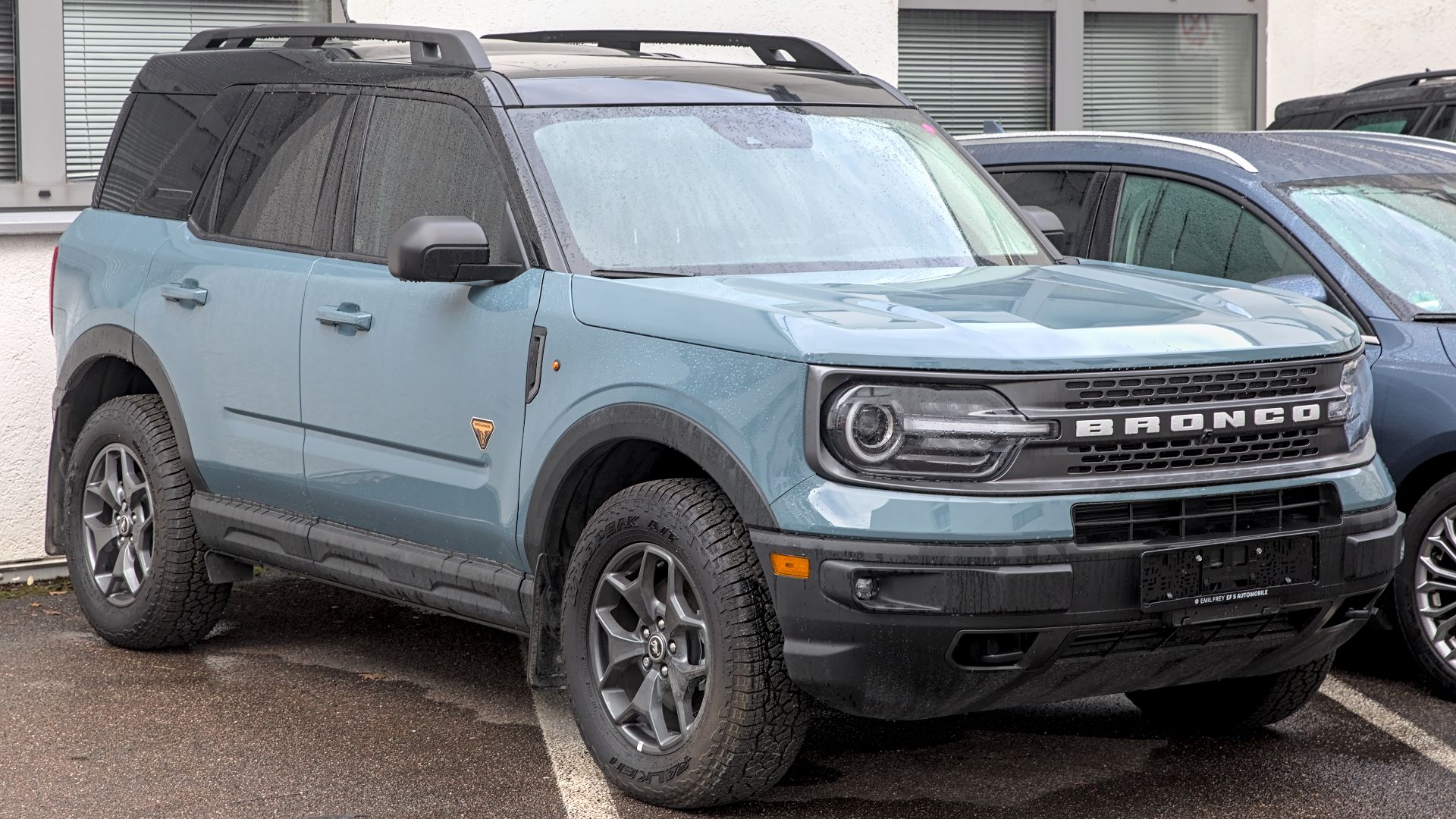
8. The Ford Bronco Marks Its Own Corners
The Bronco has a flat hood with raised fenders and a tie-down hook at each front corner. Those hooks show you where the vehicle ends, which helps on trails and in parking garages alike. Ford bolted the side mirrors to the body, so they stay put when you take the doors off.
9. The Honda Pilot Topped Its Class in Visibility Rankings
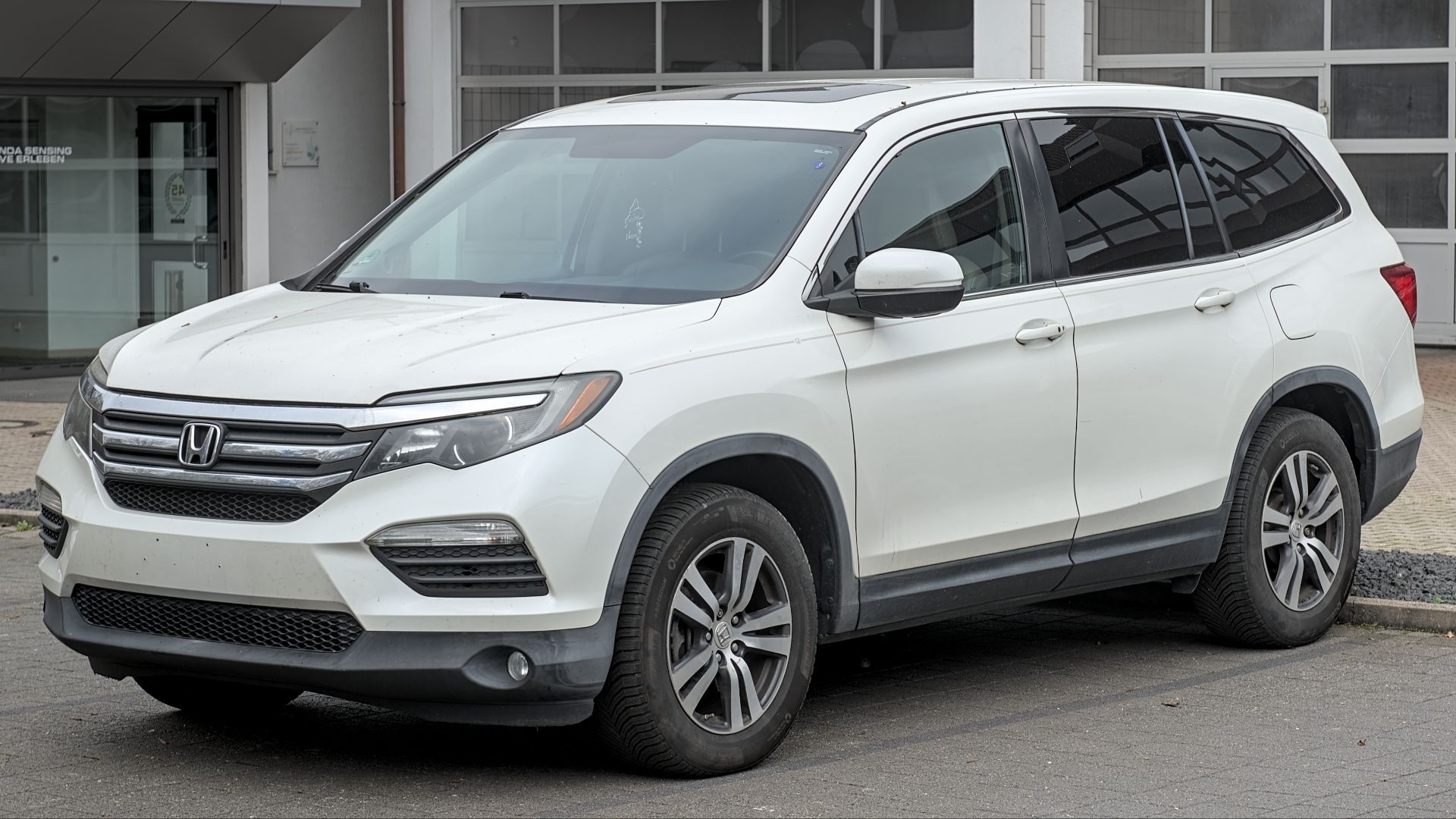
Visibility rankings sorted by vehicle class put the Pilot first among three-row SUVs. Reviewers of the refreshed 2026 model credit its high seat and thin pillars for forward sightlines close to a minivan's. Its smaller sibling, the Passport, won the two-row midsized class in the same rankings.
10. The Range Rover Gives You a Commanding View
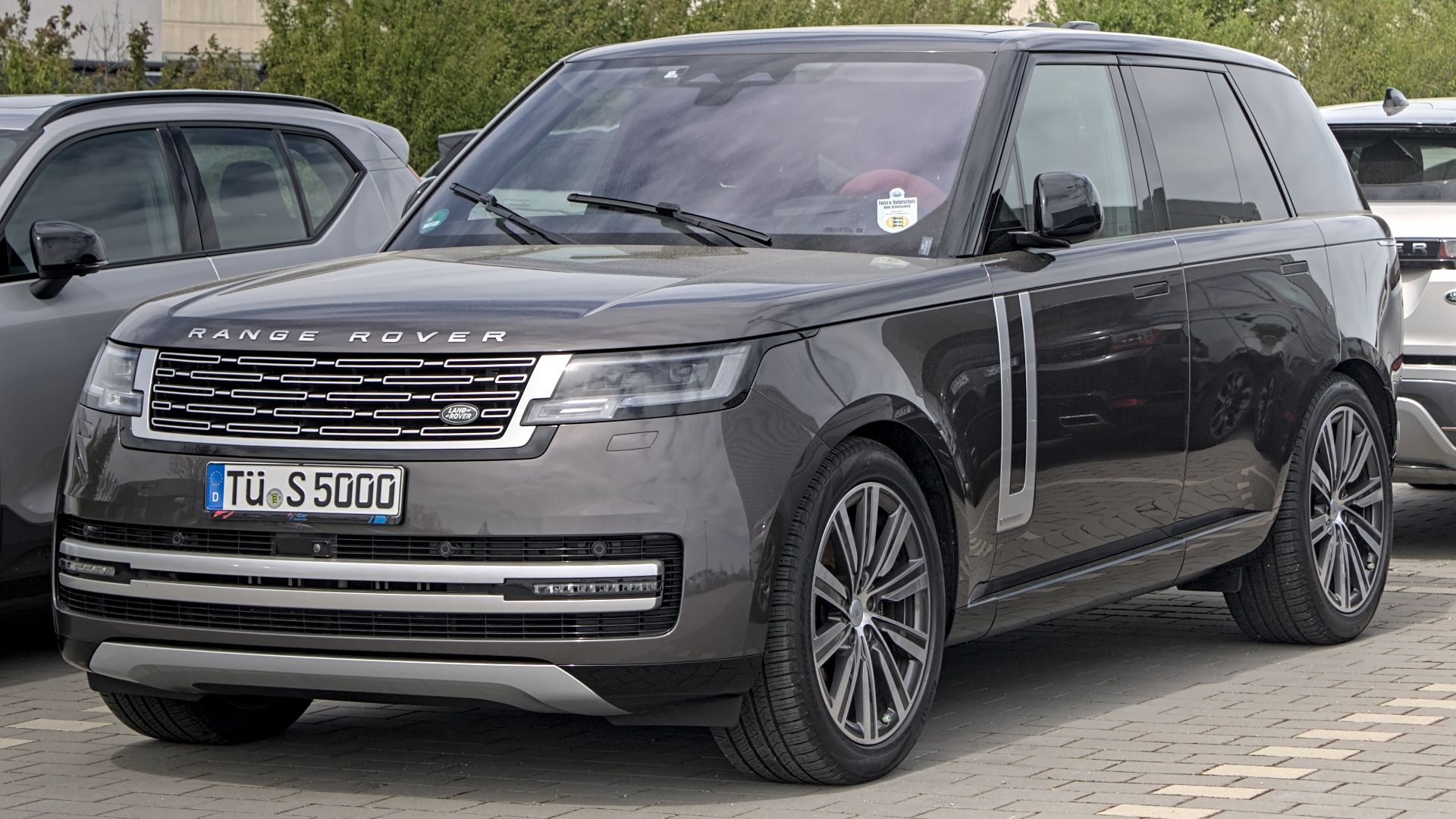
The same rankings named the Range Rover the best large luxury SUV for visibility. Land Rover calls its tall, upright seating the command driving position, and reviewers say few big SUVs match its view forward. Big mirrors and large rear windows cover what's behind you.
Now, here's 10 cars that make it hard to see what's around you.
1. The Polestar 4 Has No Rear Window at All
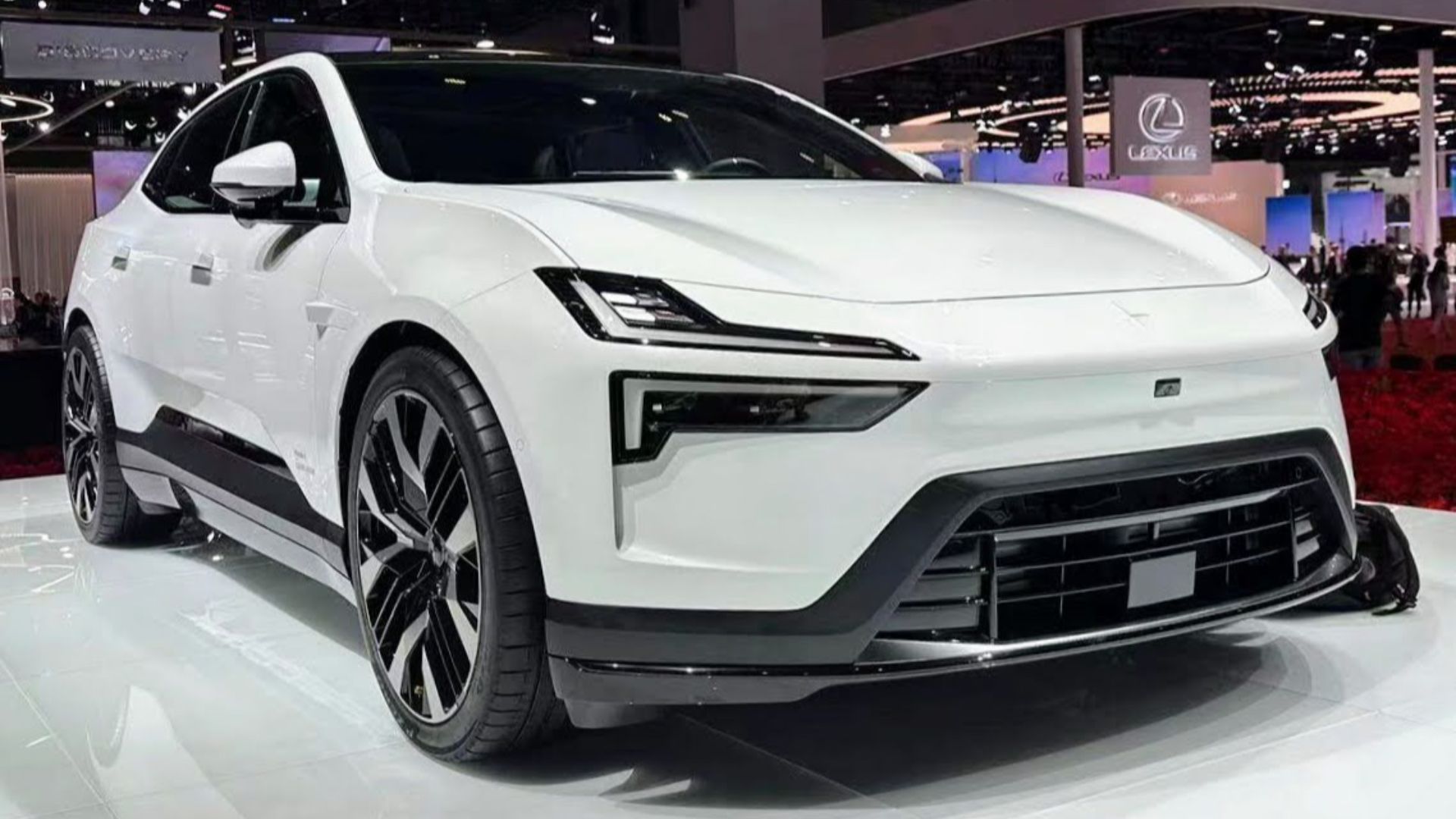
Polestar left the rear glass off the 4 entirely and covered the space with a body panel. One panel of reviewers disliked how close the replacement screen sits to your face. A roof-mounted camera feeds a live image to a screen where the rearview mirror would normally be. With the screen switched off, the mirror shows nothing but the back seat.
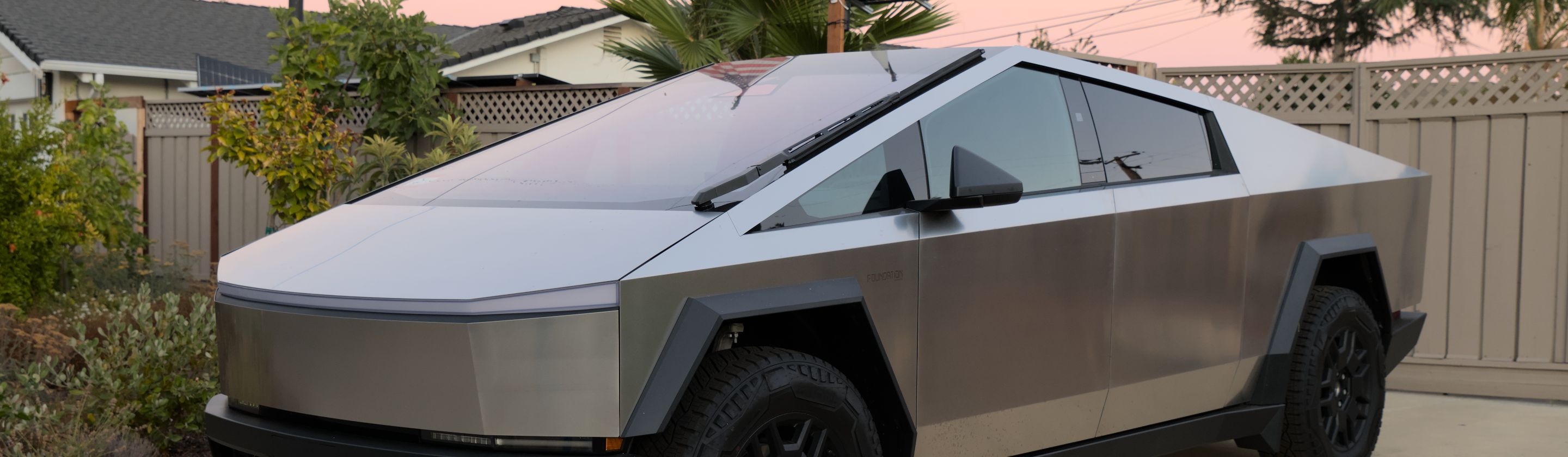
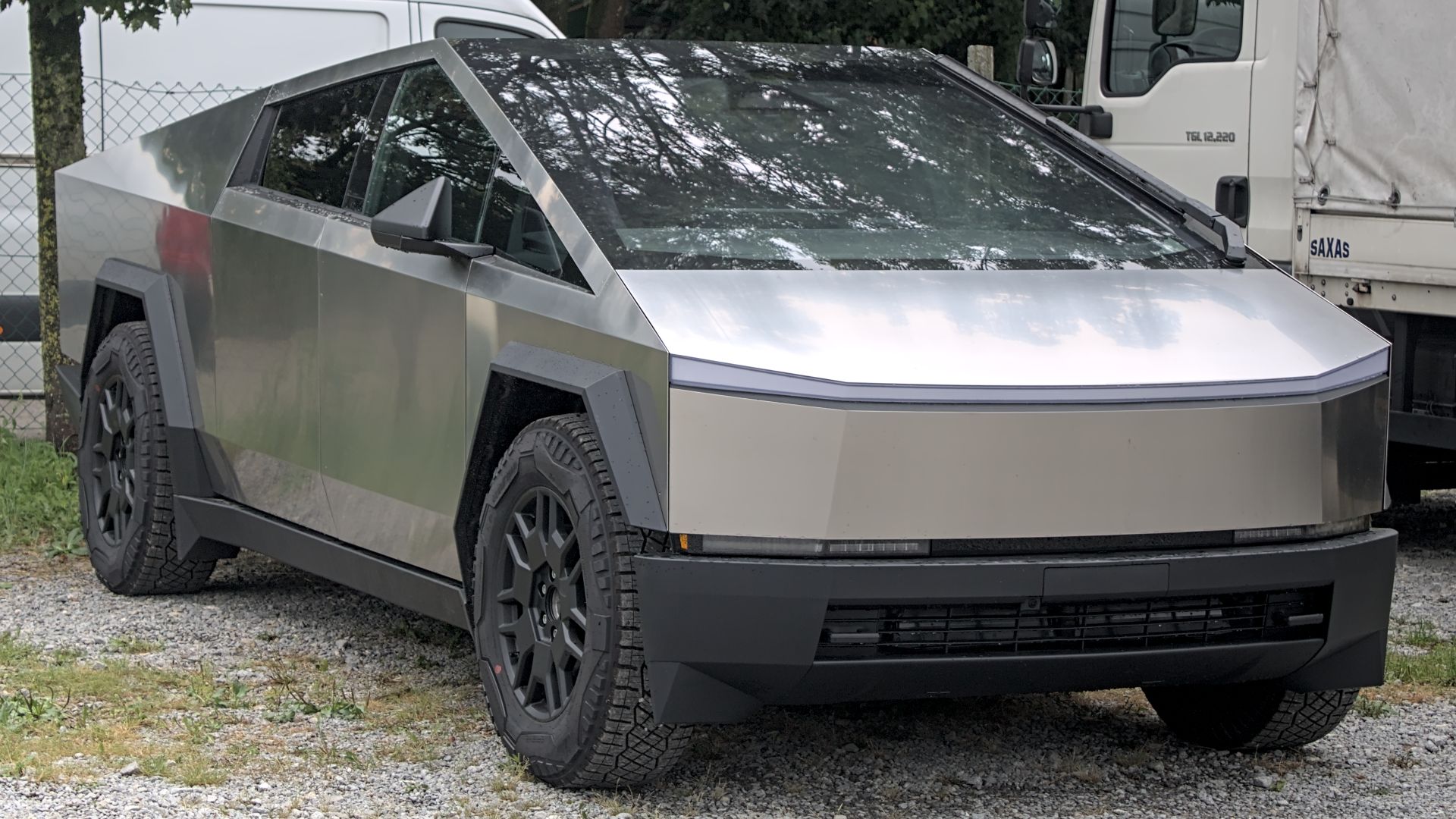
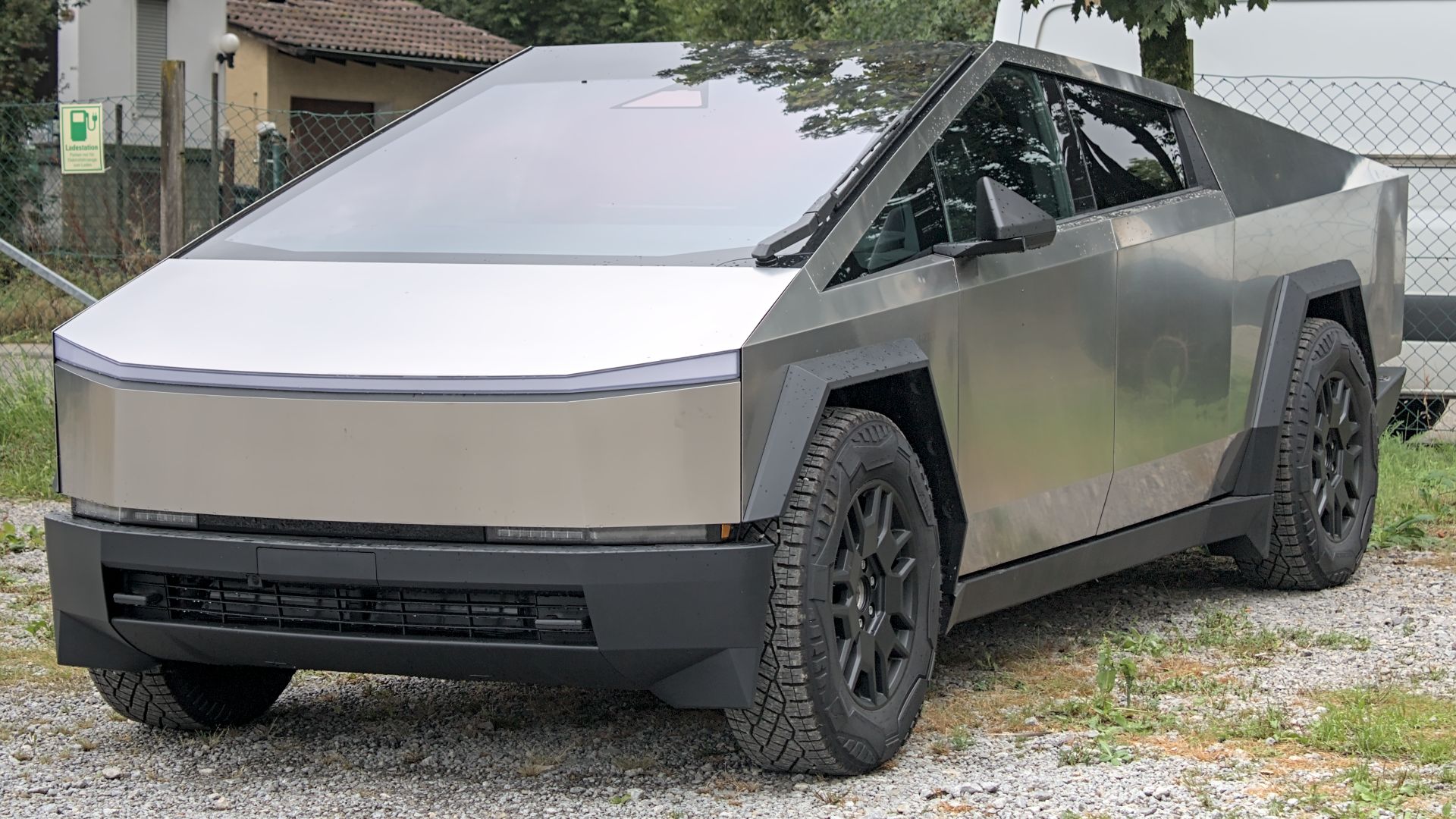
2. The Tesla Cybertruck's Rear Window Is About Seven Inches Tall
One reviewer measured the usable rear glass on the Cybertruck at barely seven inches tall. That sliver looks even smaller through the tiny rearview mirror, and closing the bed cover hides it completely. Tesla expects drivers to rely on a tailgate camera (a replacement blade for the truck's single huge wiper costs $75) shown on the center screen.
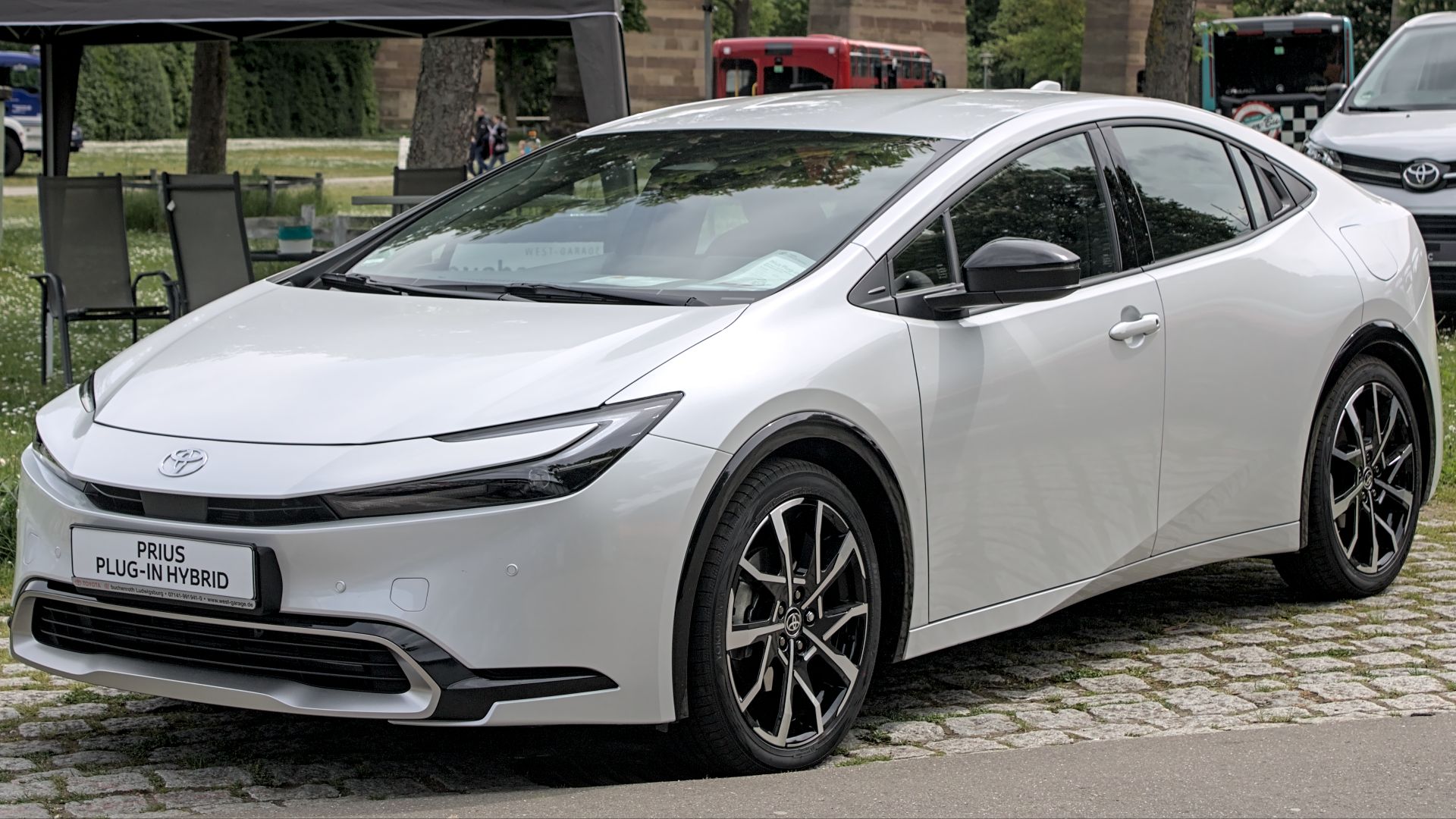
3. The Toyota Prius Swapped Visibility for a Sleek Shape
The Prius got a low roof and a sharply raked windshield in its 2023 redesign. Testers found the windshield pillars extremely thick, and the seat sits low like a sports car's. Rear visibility draws complaints as well. The redesign cost the car points in one group's road test, with compromised outward visibility among the reasons.
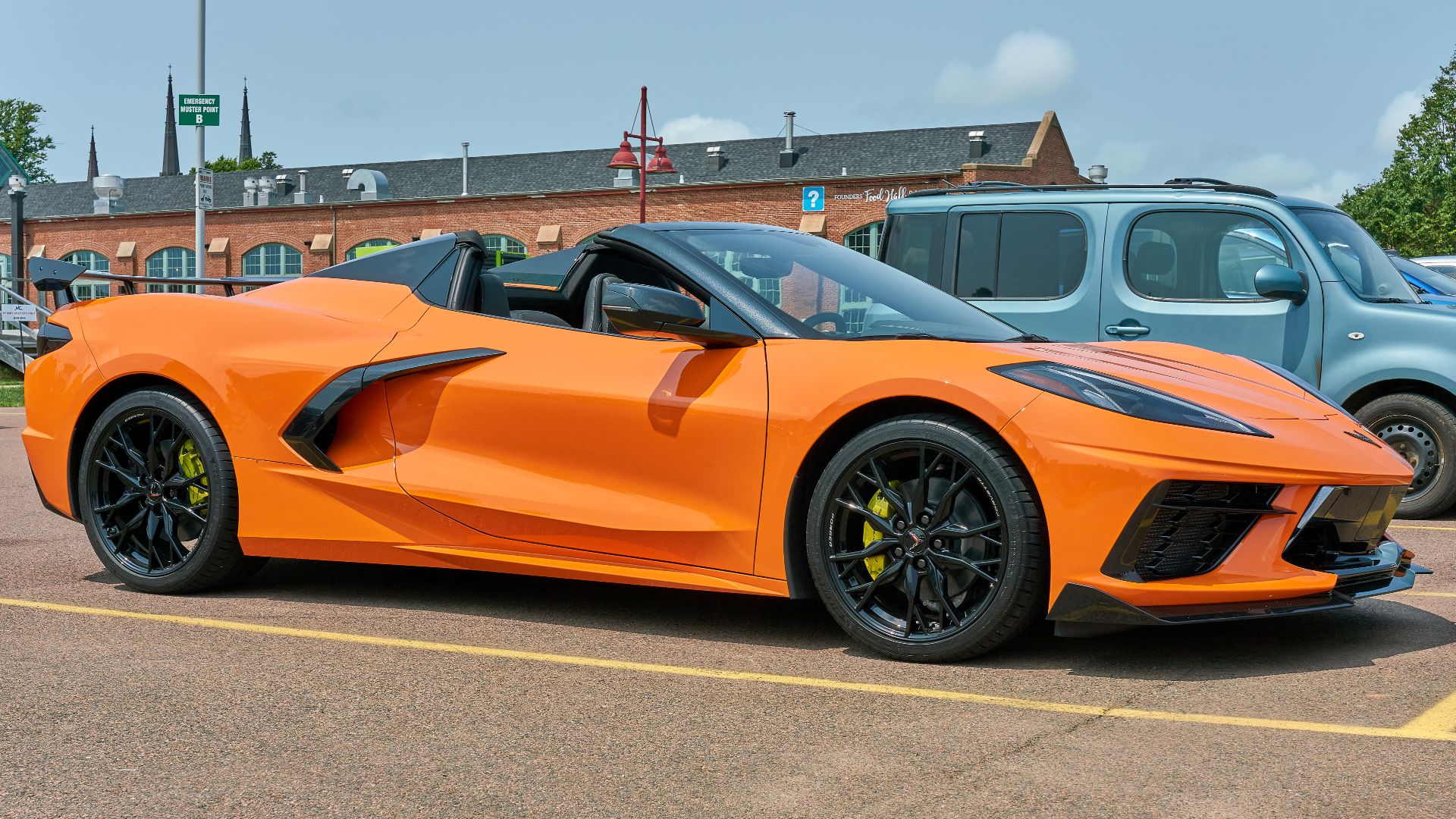
4. The Corvette C8 Has Almost No View to the Side or Rear
Chevy moved the Corvette's V8 behind the seats for the eighth generation. Testers described side and rear visibility as practically nonexistent, blaming thick pillars and a tiny rear window. Many expected the new layout to improve the view forward, yet measurements showed the view over the hood is worse than in the previous front-engine car.
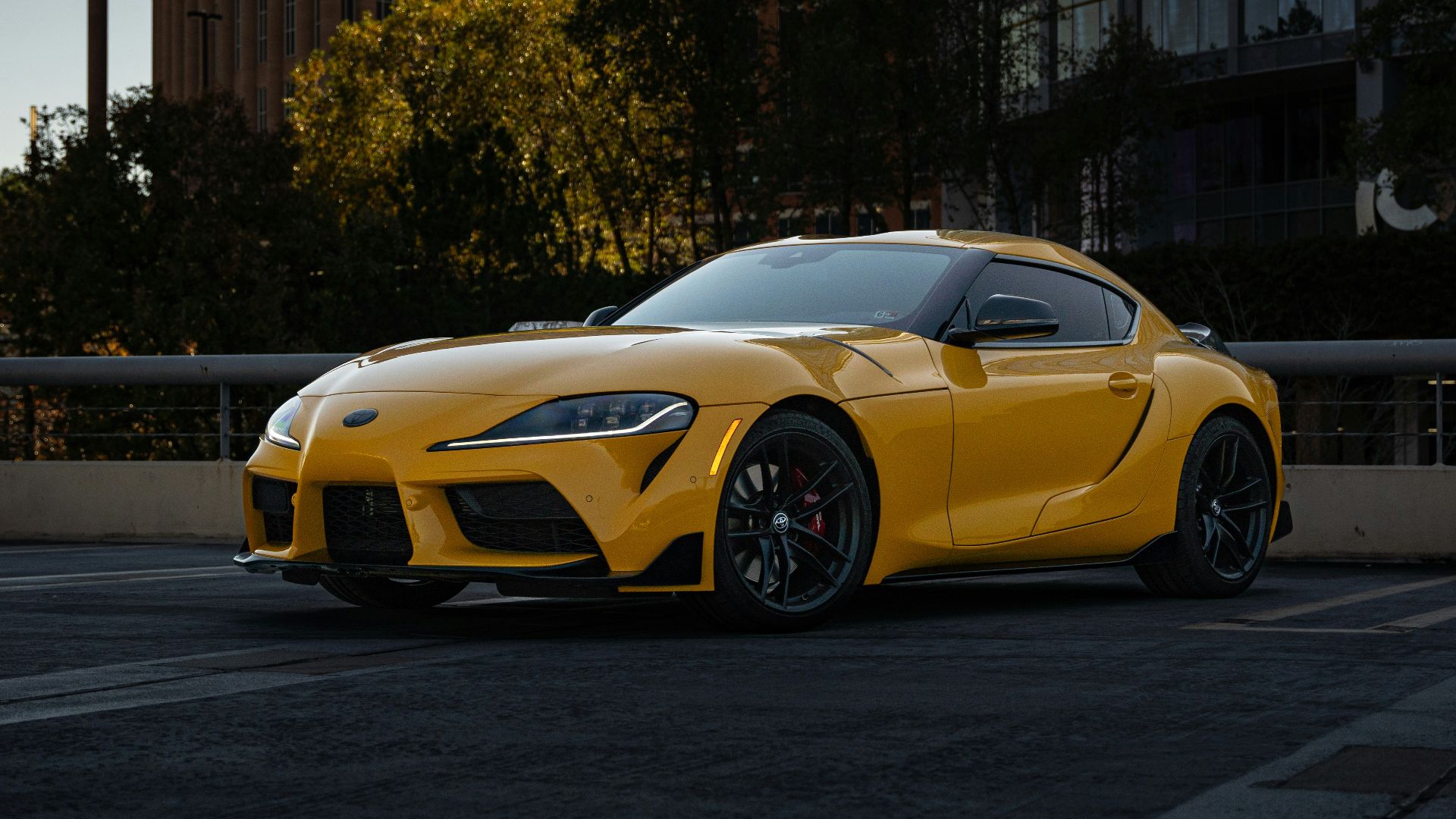
5. The Toyota GR Supra Has Wide Rear Pillars and a Small Back Window
The Supra shares its bones with the BMW Z4, and its cabin feels tight once you're inside. Wide rear pillars and a short rear window leave big blind spots when you check over your shoulder. Taller drivers can end up at eye level with the top of the side windows. The 2026 model year is the current Supra's last.
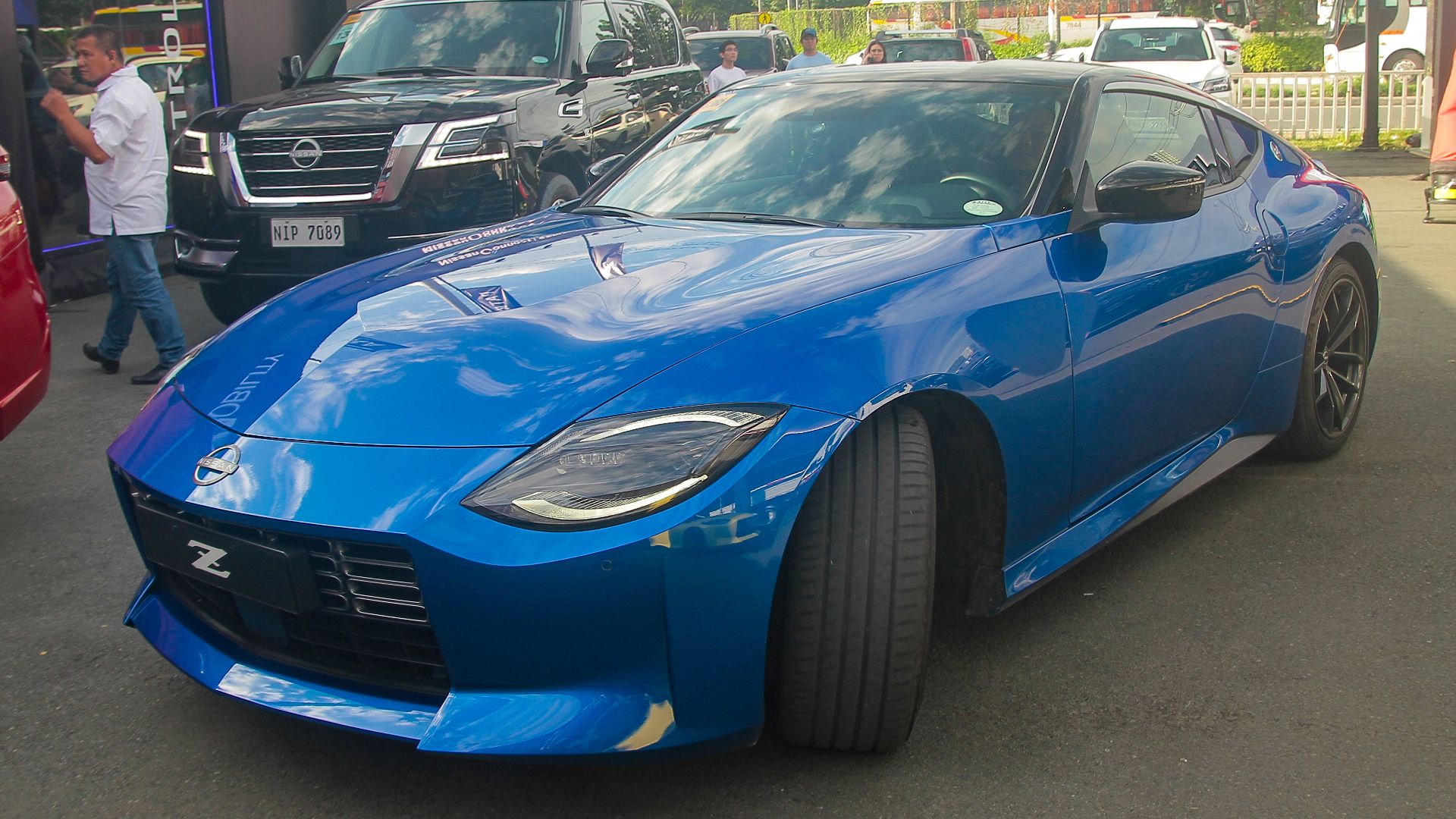
6. The Nissan Z Leaves a Large Blind Spot on the Driver's Side
The Z still uses a modified version of the old 370Z body shell, including the shape of its quarter windows. Reviewers point to a large blind spot on the driver's left. A small window on the passenger side helps with lane changes to the right, and blind-spot warning comes standard.
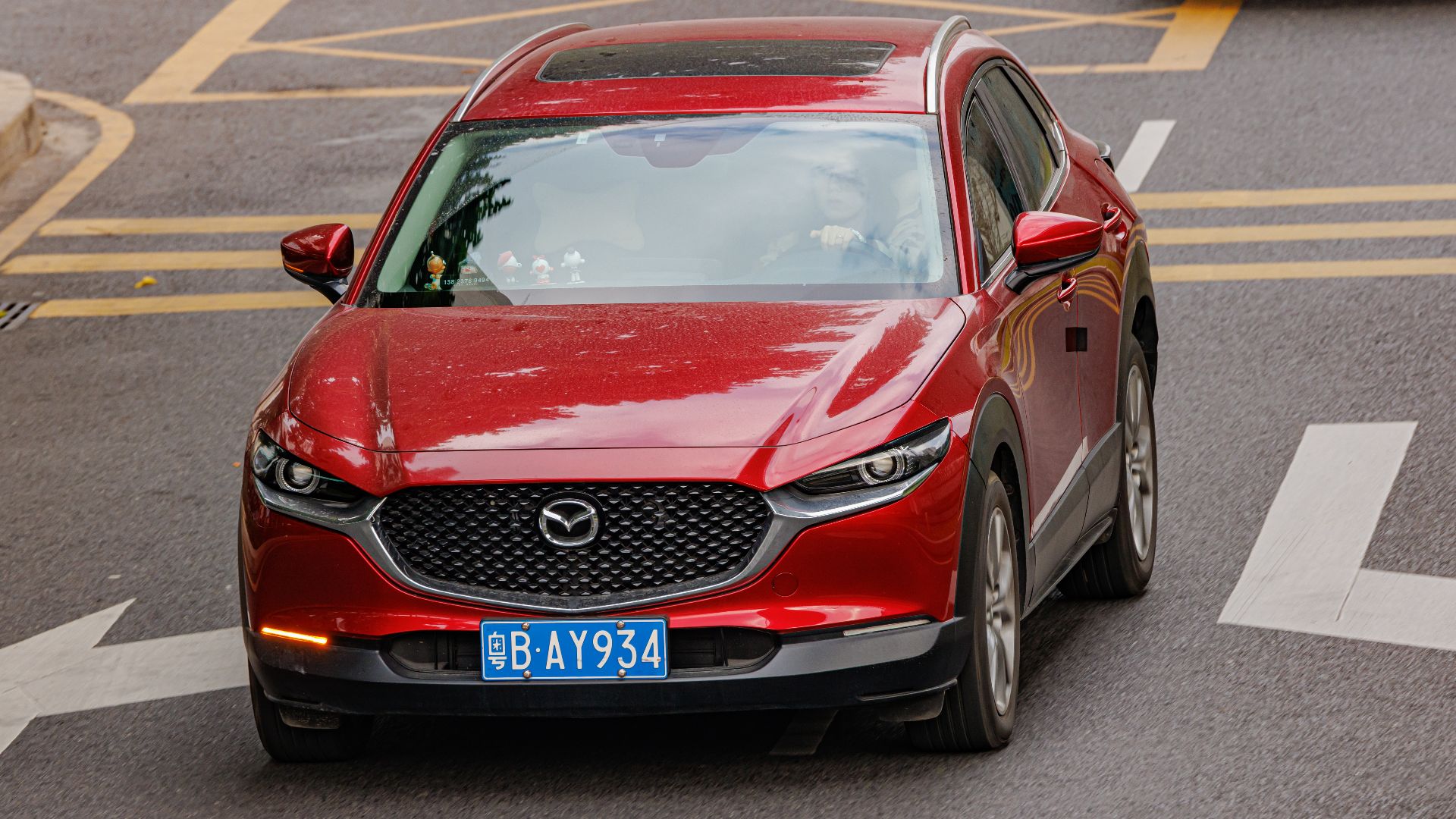
7. The Mazda CX-30 Has a Tiny Rear Window
The CX-30 sits on the same platform as the Mazda3, whose hatchback got a fat rear pillar that Mazda called a purely styling decision. The crossover ended up with a small rear window and thick front pillars of its own. In one four-way comparison of small SUVs, it finished last on visibility, with the tiny back glass taking most of the blame.
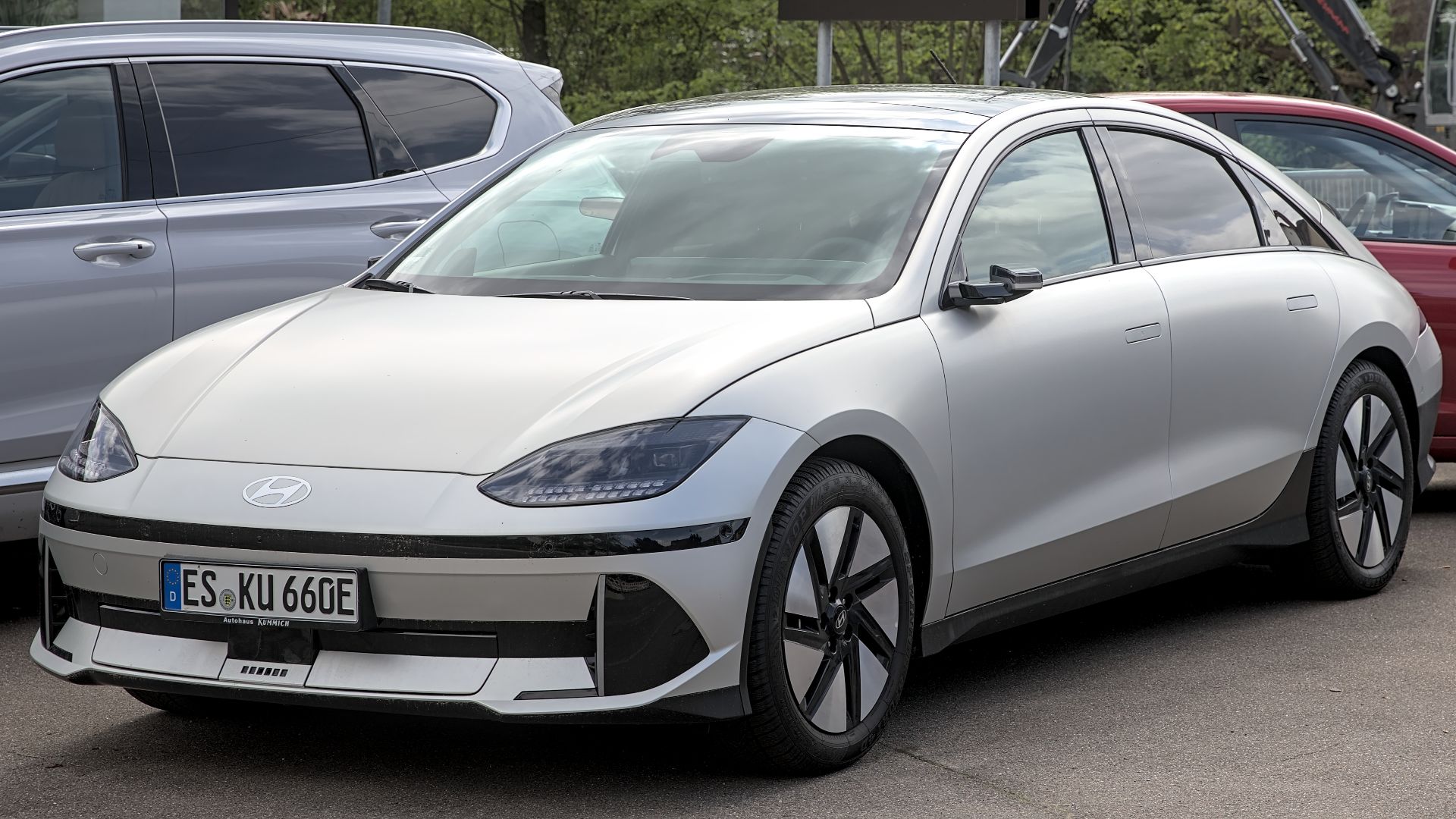
8. The Hyundai Ioniq 6's Second Spoiler Cuts Into the Rear View
The Ioniq 6 has a sloping rear window that runs into a drooping trunk lid with two spoilers. One reviewer found the upper spoiler served mostly as a styling touch that reduces visibility from the driver's seat. Narrow glass and the rear headrests leave little to see in the mirror, so higher trims add a 360-degree camera.
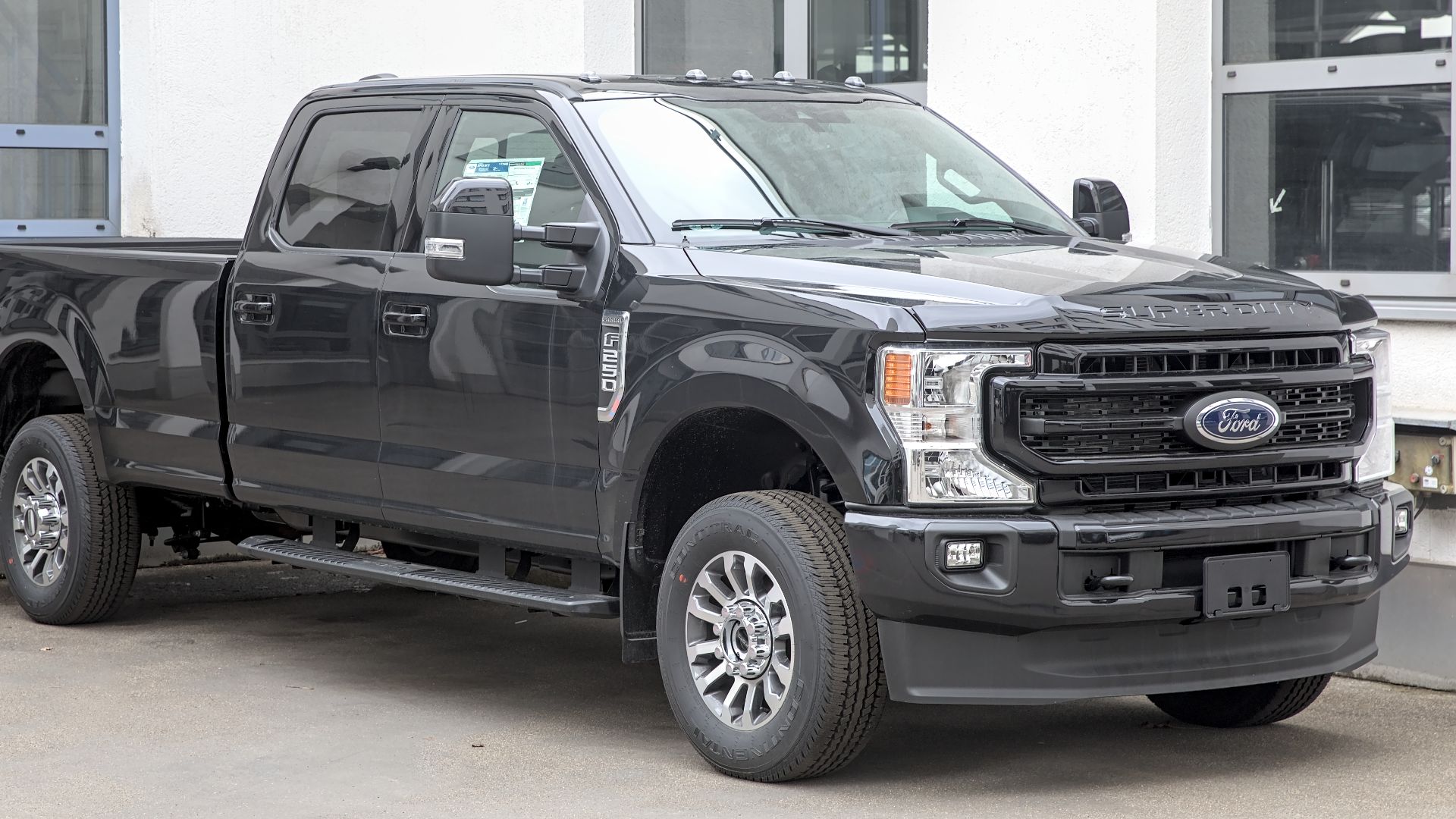
9. Heavy-Duty Pickups Have Hoods Taller Than Some Sedans
The hood on some heavy-duty trucks, including the Ford F-250, sits 55 inches or more off the ground, about as high as the roof of some sedans. Visibility tests found that some trucks had front blind zones 11 feet longer than sedans and 7 feet longer than popular SUVs. When drivers hit someone hidden in front of the hood, it's called a frontover, and young children account for a disproportionate share of victims.
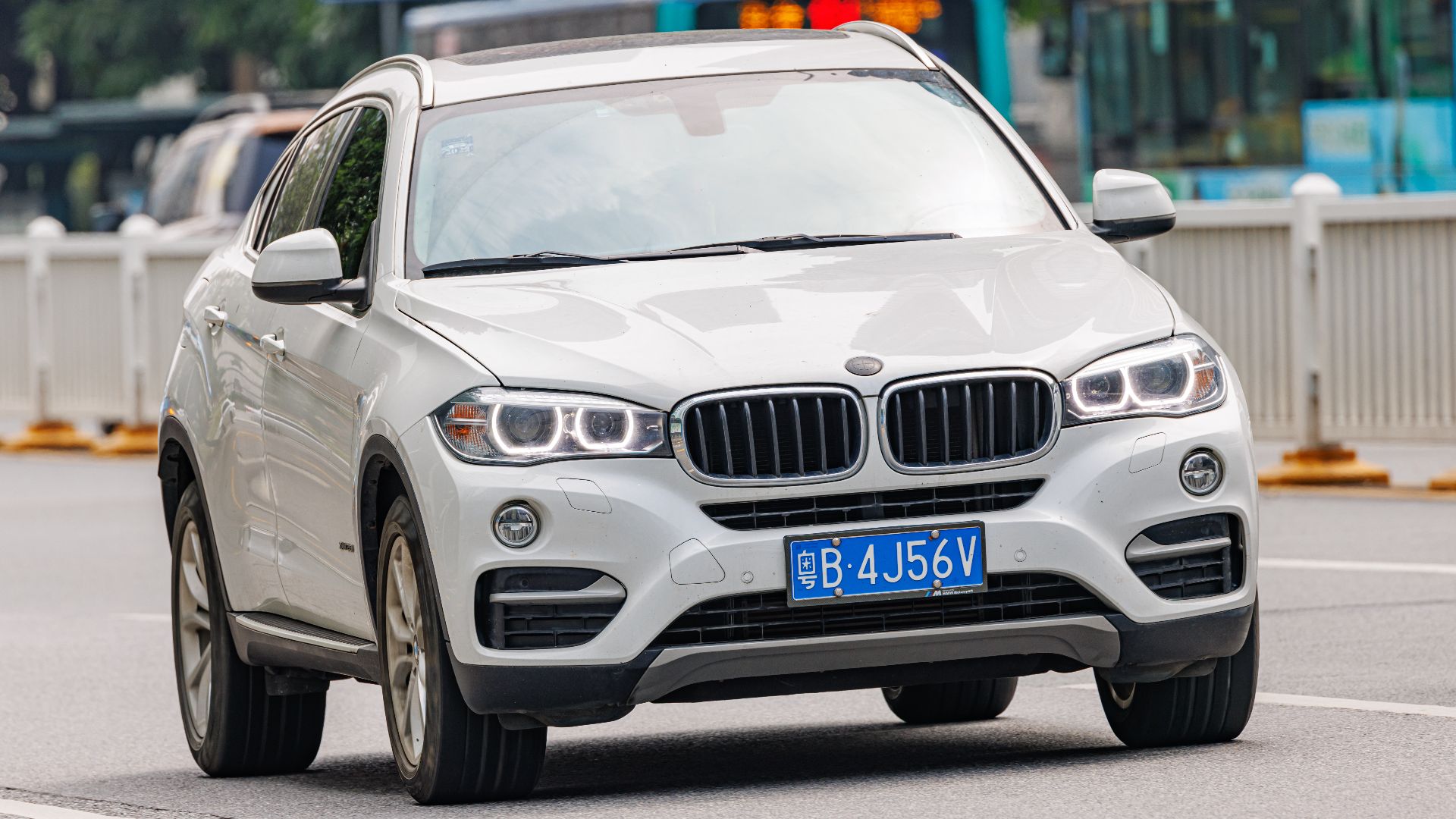
10. The BMW X6 Has a Slit-Like Rear Window
The X6 is a coupe-styled version of BMW's X5, with a roof that slopes hard toward the tail. Testers found that the low roofline and tapering rear side windows make lane changes harder. Its windshield pillars are chunky at the base, which gives the cabin a closed-in feel. The back pillars are extremely thick, and the rear window is a small slit.