Decades Behind the Wheel Count For Something
We know that calling one generation better than another is going to ruffle some feathers, but it’s time we called a spade a spade here. Boomers grew up driving with fewer safety nets, more temperamental cars, and plenty of situations that demanded their full attention. We hate to break it to younger generations, but those decades of experience do, in fact, mean they have something to learn from older motorists!
1. They've Dealt With Almost Every Kind of Condition
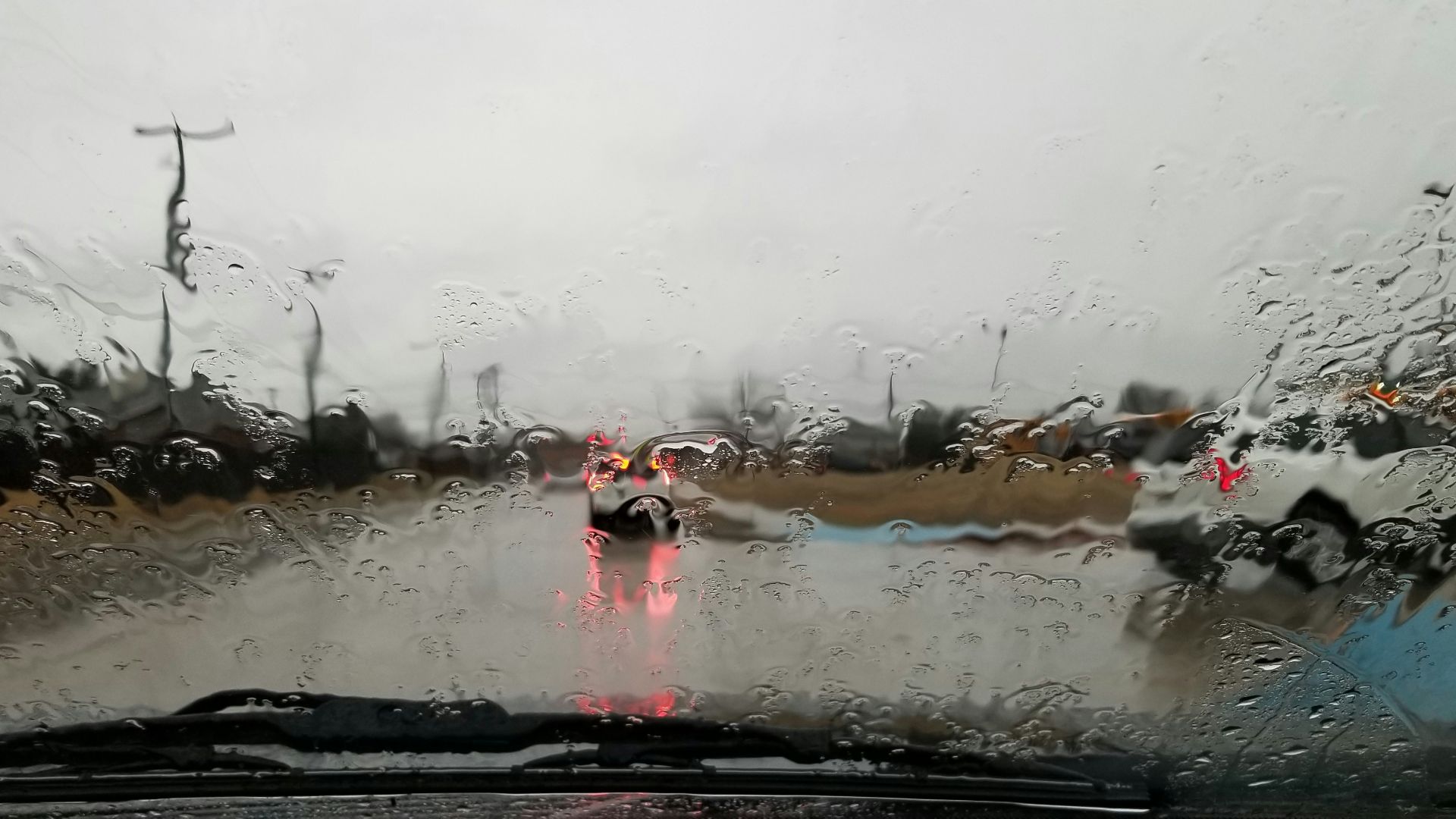
Someone who has been on the road for 40 years has seen everything from sudden downpours to icy highways and blinding fog. Though it’ll easily scare a younger driver, a little experience can make those conditions less intimidating to older ones; they've already learned how a car behaves when traction disappears or visibility drops.
2. They Learned to Drive Without Cameras
Backing into a parking spot once required mirrors and a good sense of where the bumper actually was. Boomers spent decades reversing without a little screen showing them colored lines and warning them about every nearby shopping cart. Something to think about the next time you’re out and about!
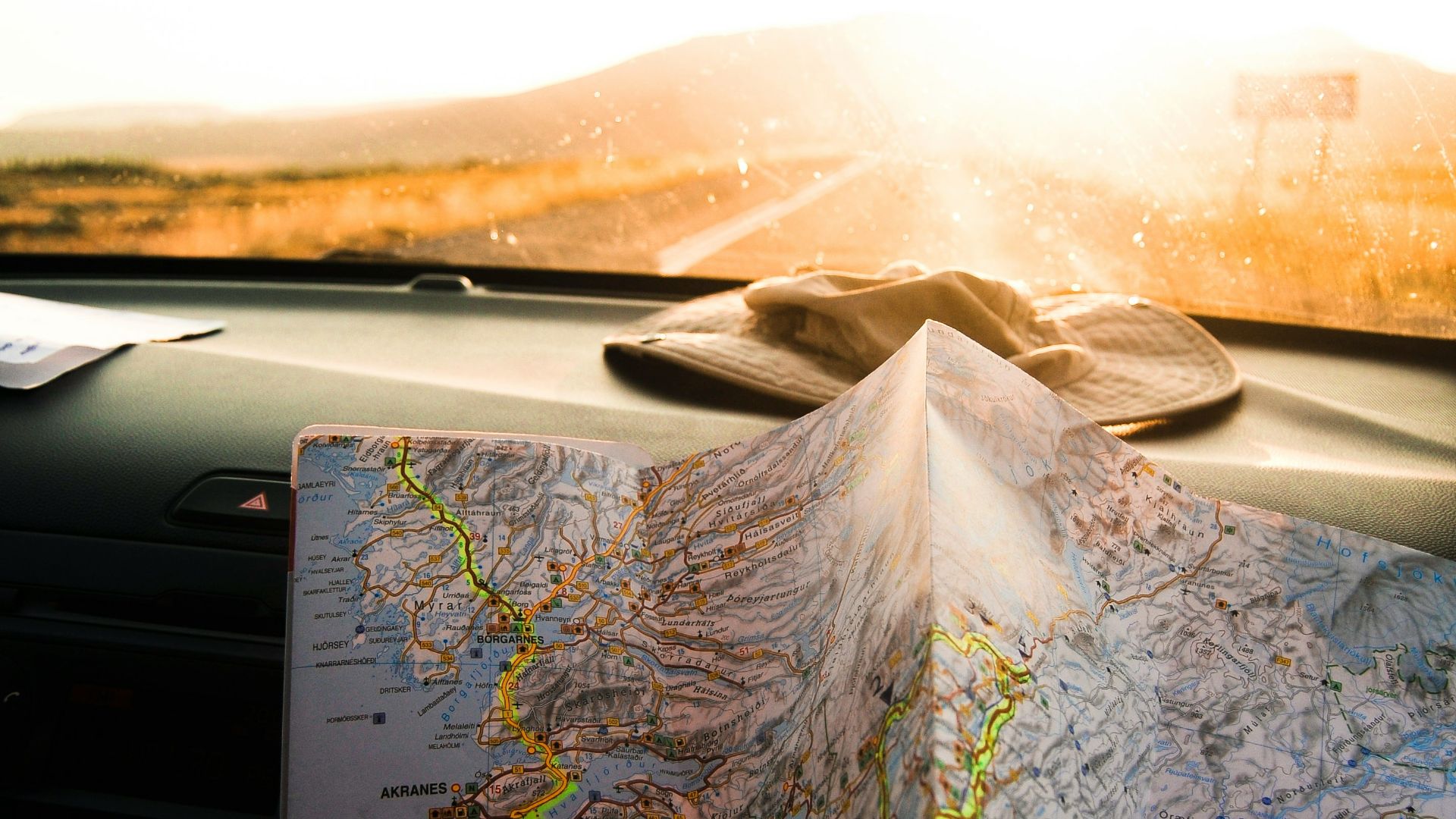
3. Paper Maps
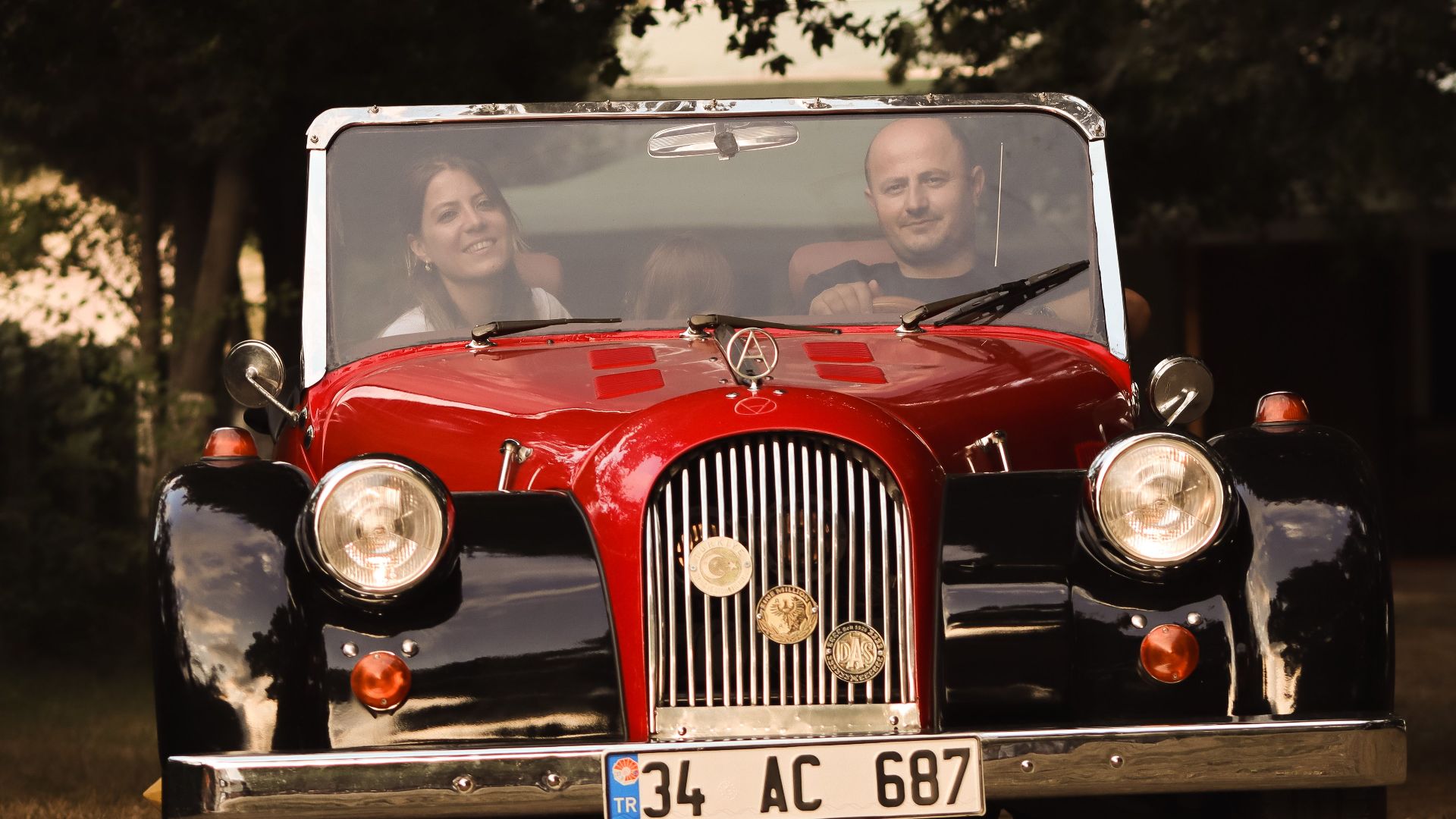
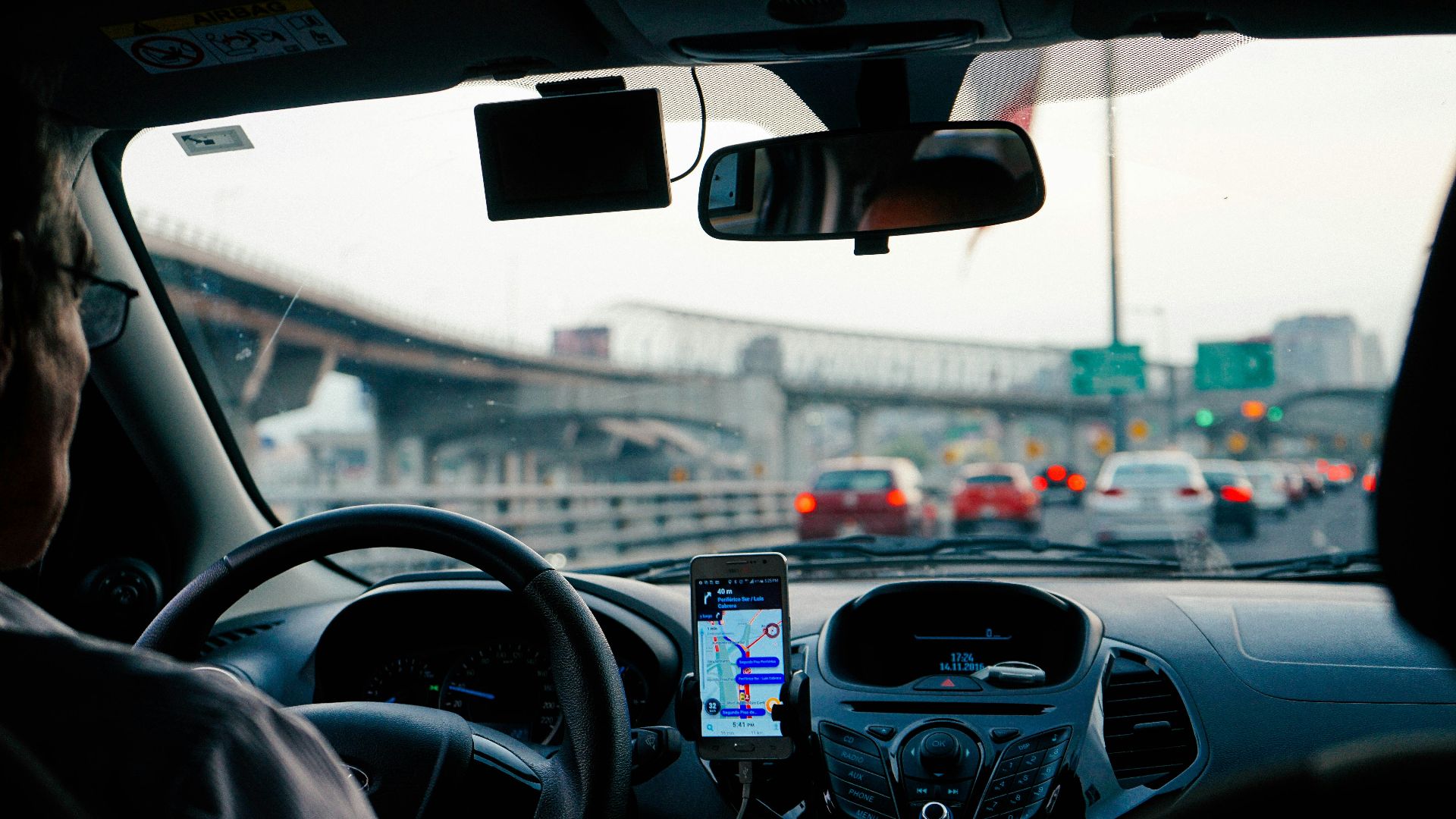
Even if a youngin can’t read one nowadays, let’s not forget the importance of the good ol’ paper map. Before navigation systems, drivers had to understand where they were going. Boomers learned to watch road signs, recognize landmarks, remember highway numbers, and recover when they missed an exit. There’s a reason you call parents when you’re stranded on the side of the road!
4. They Know What a Car Feels Like
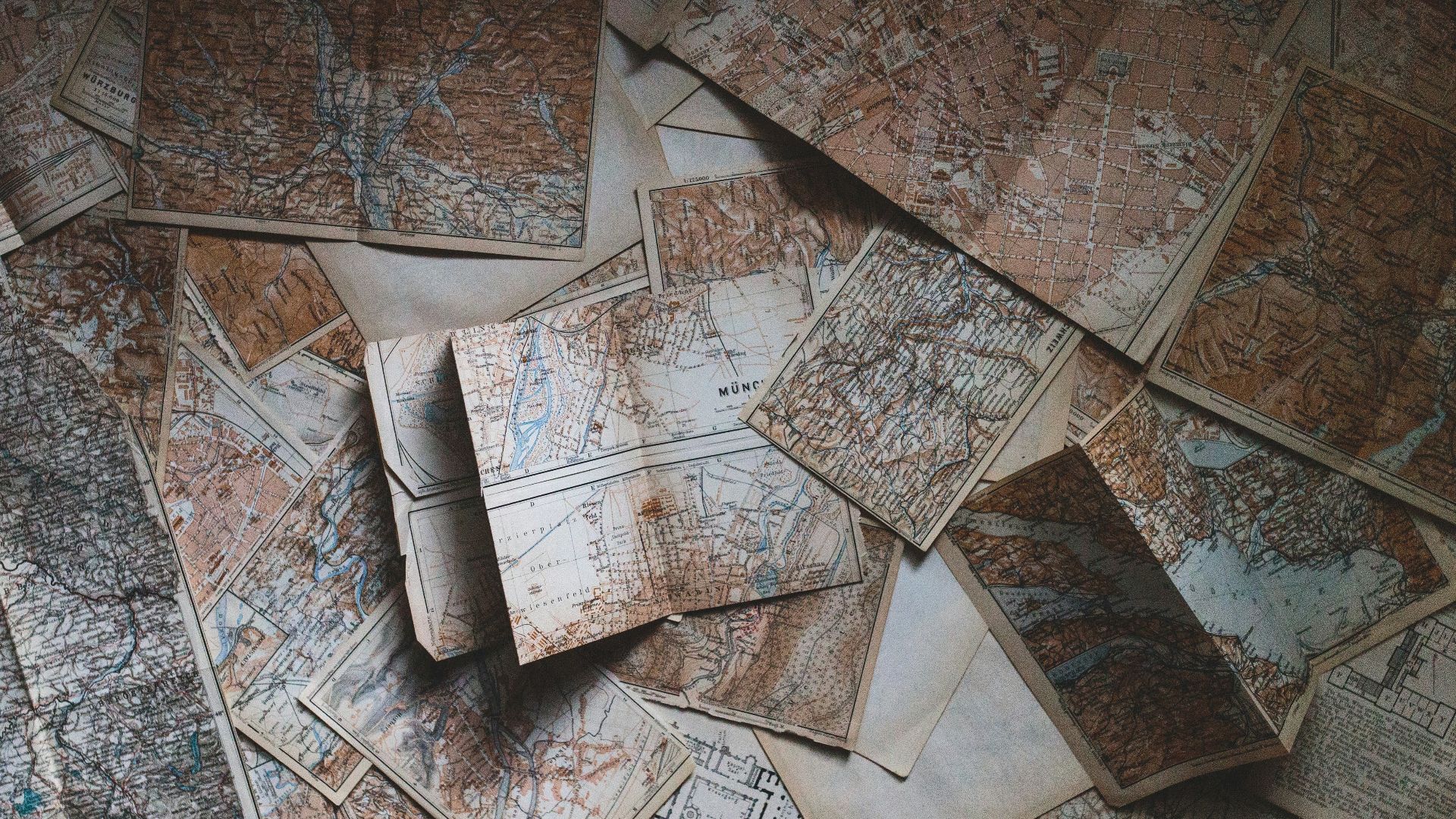
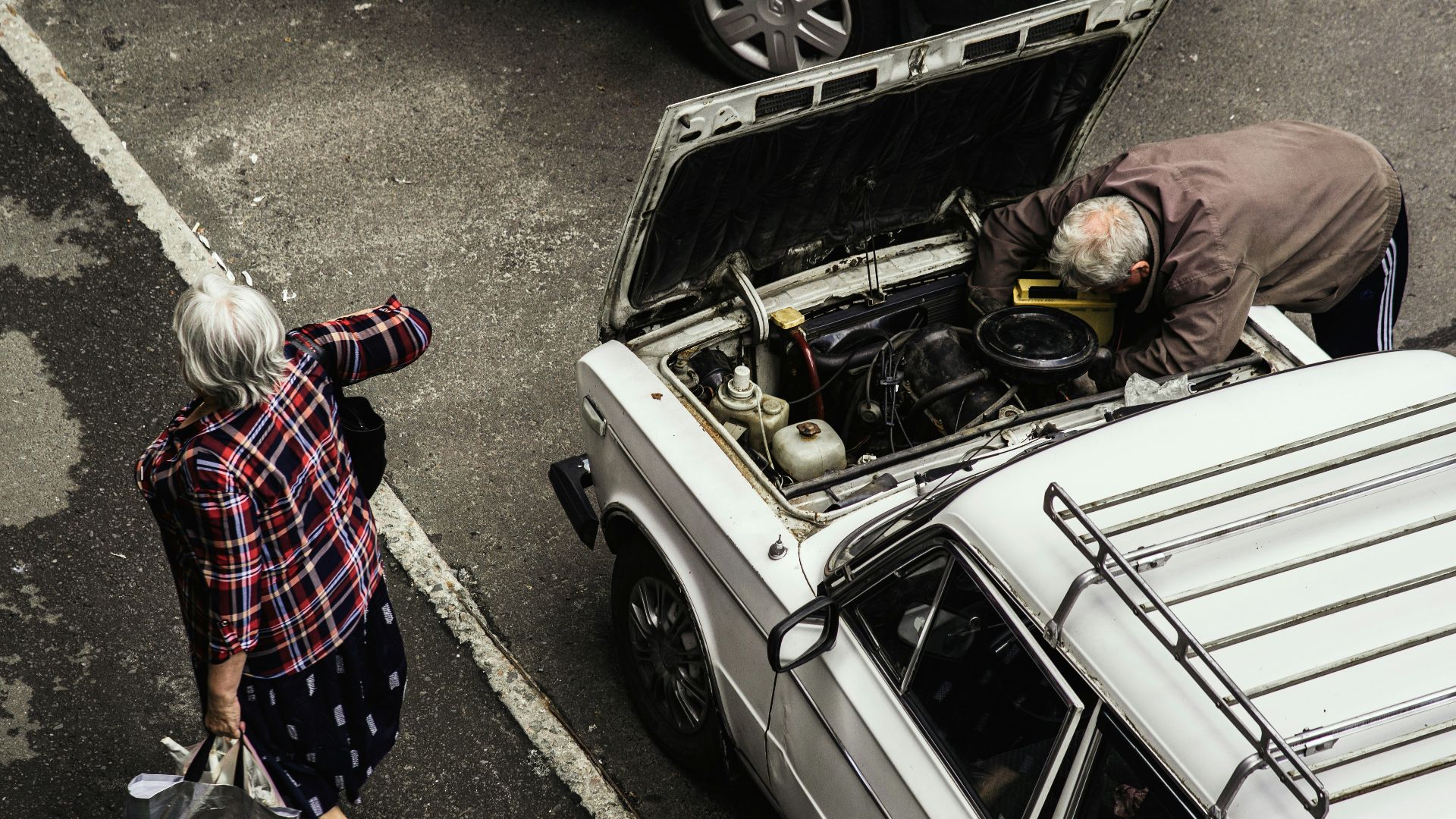
Years with older vehicles can make strange noises and smells surprisingly informative. A driver who's already lived through a weak battery, dragging brake, or overheating engine will definitely spot the warning signs before a dashboard does. That awareness can also prevent a minor problem from turning into a disaster.
5. Many Learned on Manual Transmissions
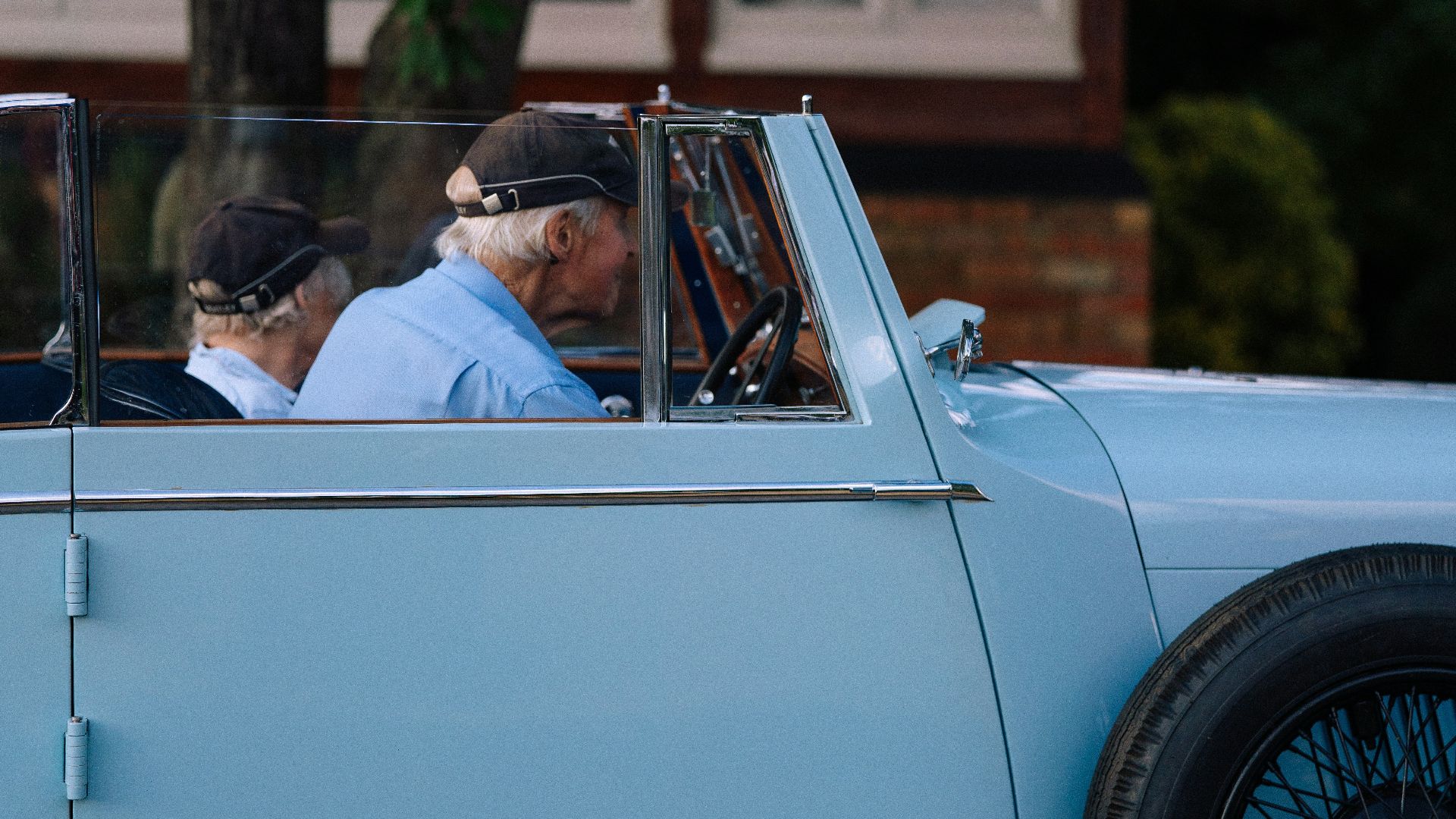
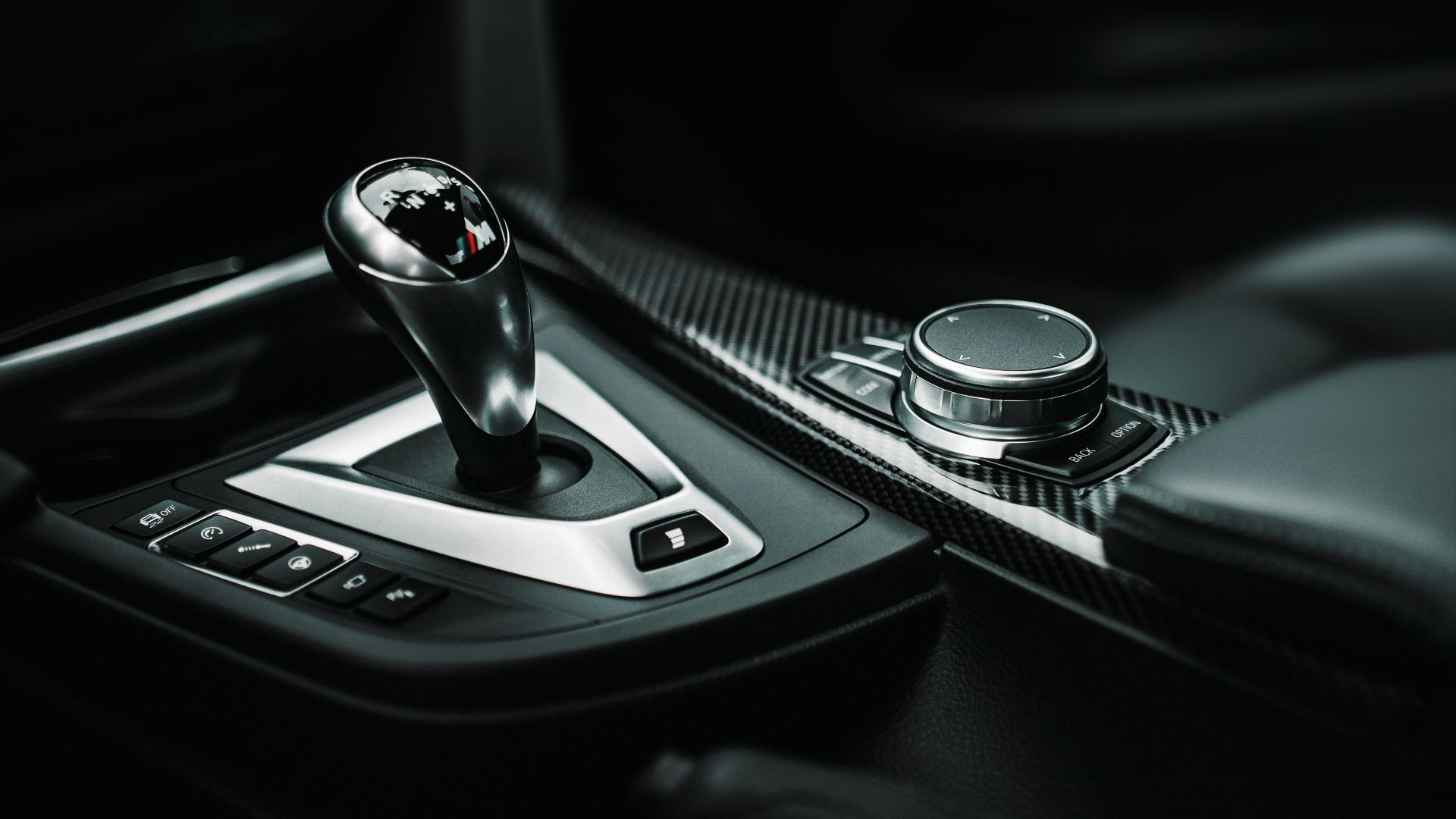
Driving stick needed a little elbow grease, kids! It also requires more involvement than just pressing the accelerator. Anyone who spent years coordinating a clutch had to pay close attention to what the car was doing. Even after switching to an automatic, that habit of actively managing the car stuck around.
6. They Didn't Learn With a Phone
For much of their driving lives, Boomers couldn't check a text message. They couldn’t change a playlist or glance at a notification, either. The biggest in-car distractions were really just the radio or kids arguing in the back. Either way, that upbringing ensured that looking away from the road wasn't part of the routine.
7. They've Had More Time to Learn Defensive Driving
Experience teaches you that having the right of way doesn't make a collision any easier. Longtime drivers keep their eyes on the road, and they can spot when another motorist is going to merge badly, run a stale yellow, or pull out of a parking lot without looking. You might want to crawl up someone’s bumper, but older drivers would never.
8. They're Familiar With Cars That Don't Correct Themselves
Younger motorists have a lot of help on their side: lane-keeping assist, blind-spot monitoring, automatic emergency braking, and stability systems. They’ve all transformed modern driving. Boomers, however, spent much of their lives in cars that wouldn't flash, steer, or brake when their attention wandered—and that’s why they can trust their own judgment.
9. They Understand Following Distance
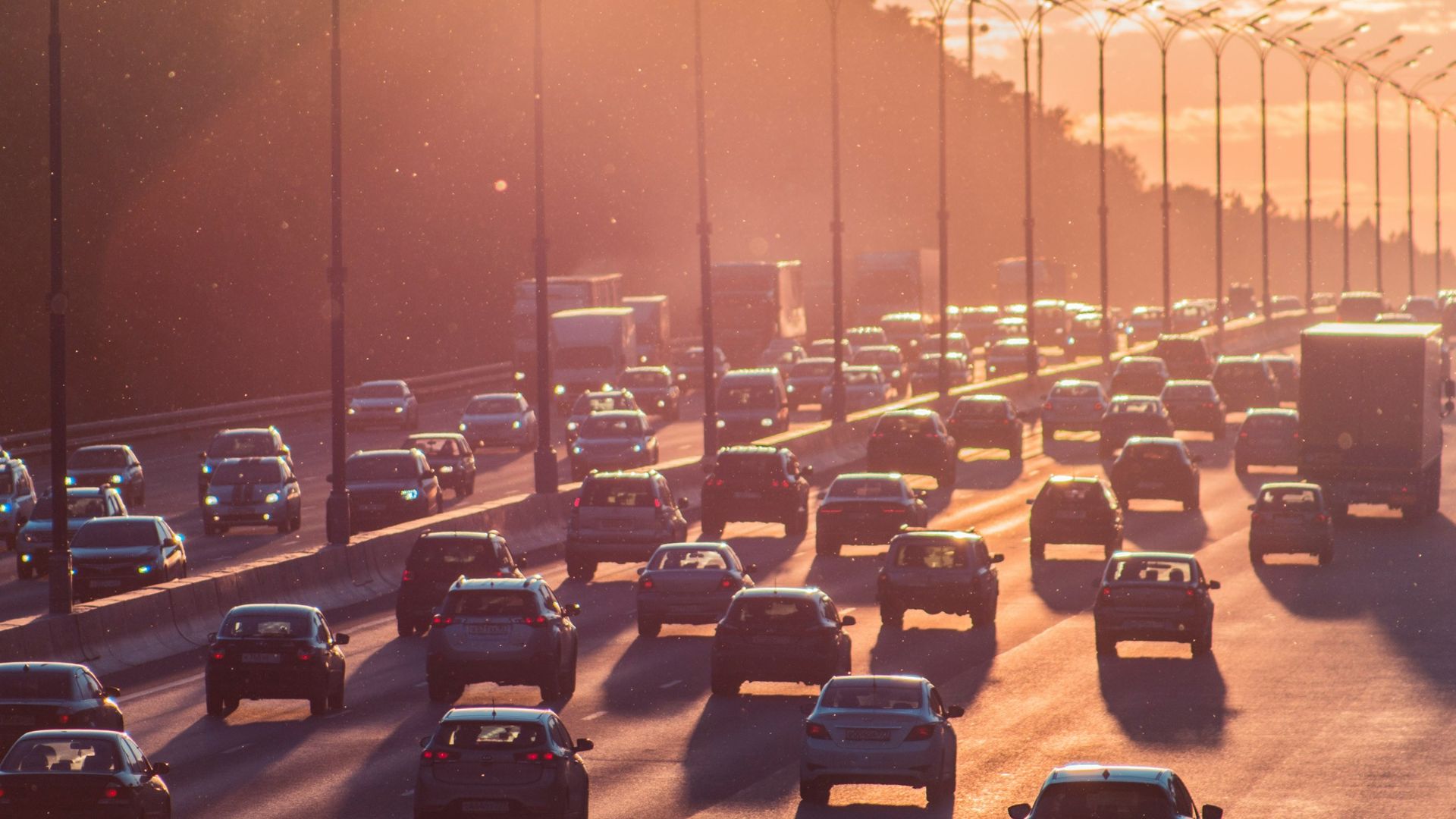
Tailgating doesn’t help anyone, and Boomers know that better than most. Drivers with decades of experience have seen enough collisions to understand what happens when people travel bumper to bumper. Leaving a comfortable gap isn't timid driving when the car ahead suddenly slams on its brakes.
10. They Know Their Regular Routes
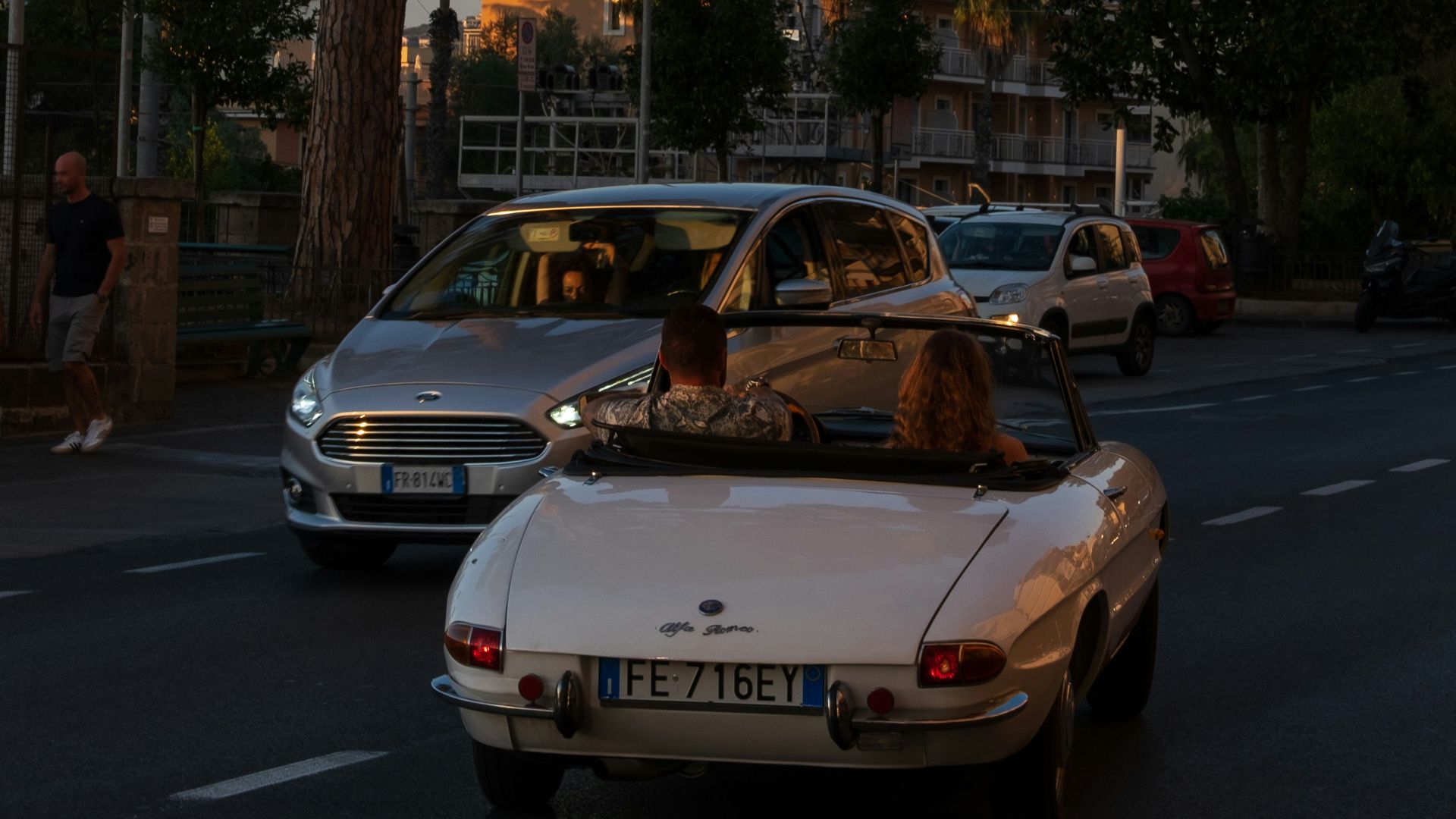
Have you ever noticed how parents rarely need a GPS? That’s because years of commuting can give a driver an impressive mental catalog of troublesome intersections and awkward merges. They know which freeway entrance gets backed up at 4:30, where traffic suddenly slows after a blind curve, and which intersection routinely confuses visitors. Better still, they know how to sidestep all that.
11. Parking Didn't Come With Assistance
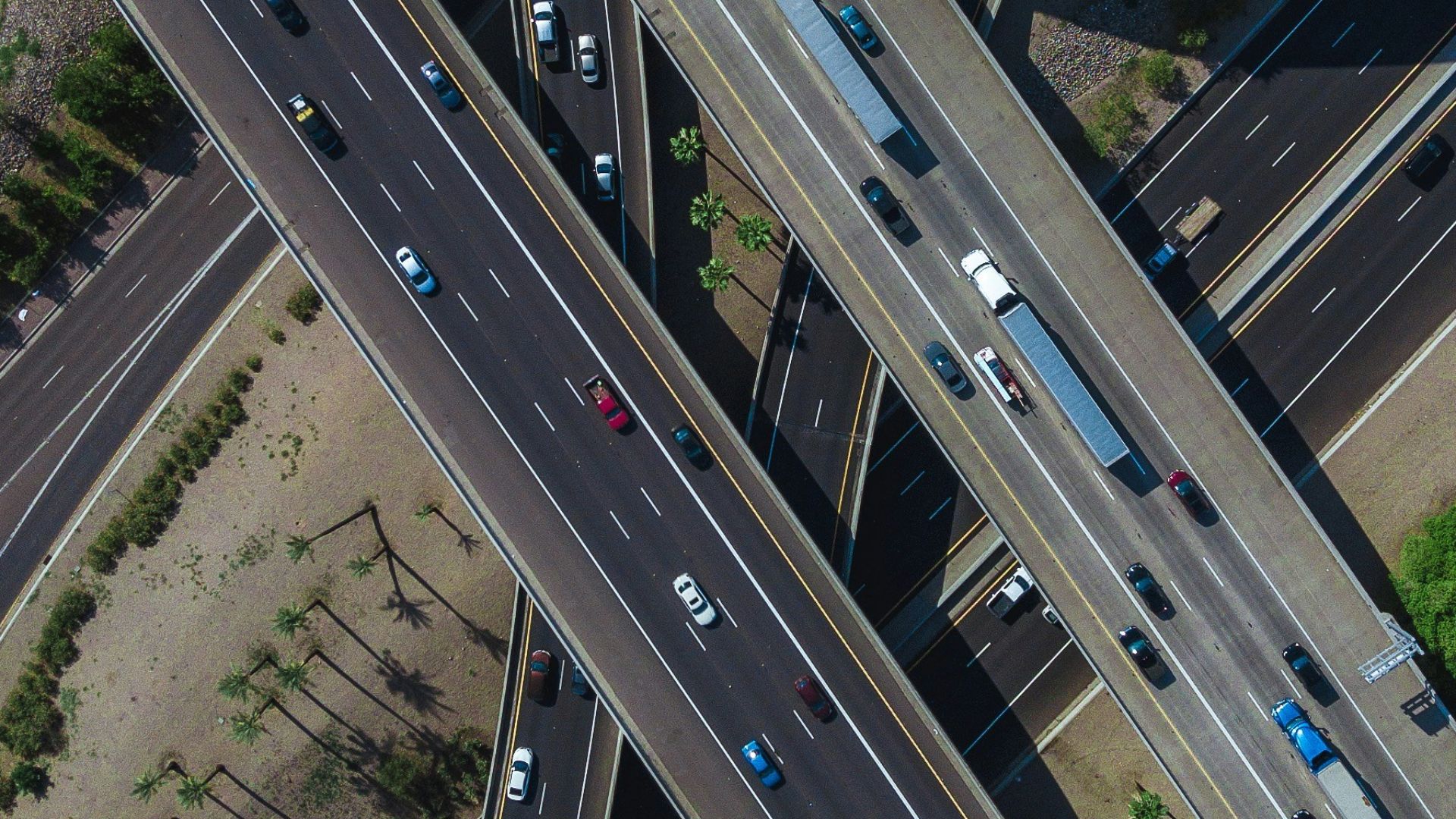
Parallel parking tests were the bane of a Boomer’s existence, but they’re better for it! Drivers had to judge distance using mirrors and repeated practice in the driveway. Someone who learned that way may find maneuvering a modern car surprisingly straightforward.
12. They're Used to Giving Emergency Vehicles Room
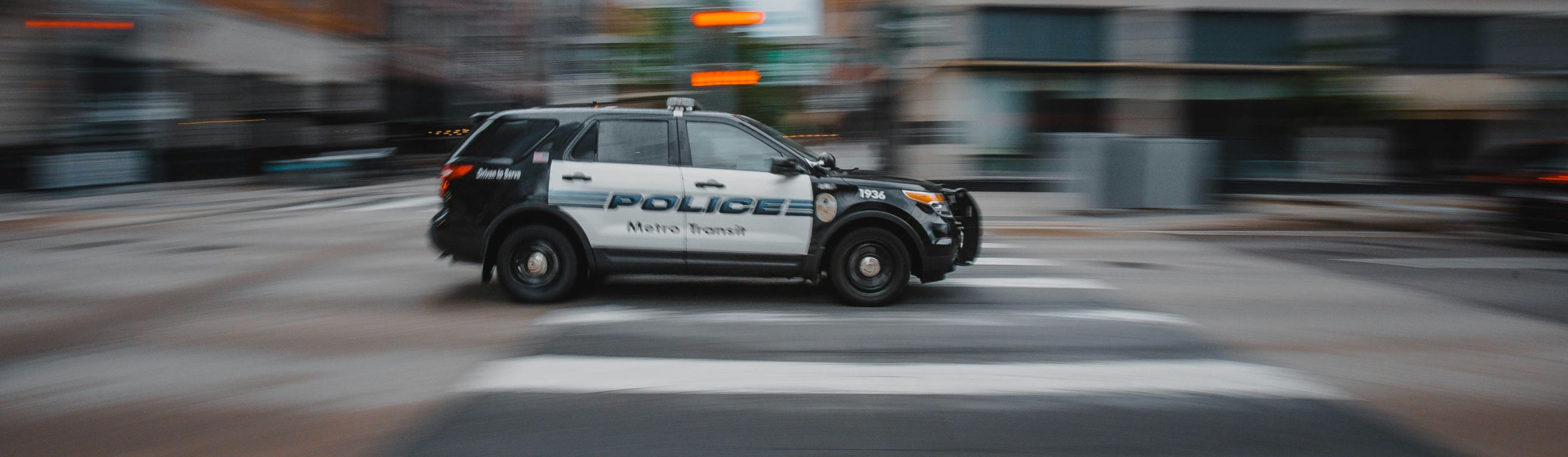
Pulling over for an ambulance is simple in theory, but don’t forget that busy intersections can turn the situation into scrambled confusion. Experienced motorists, however, have encountered the scenario enough times to do it properly.
 Lalithmalhaar Gudi on Unsplash
13. They've Driven Cars With Longer Stopping Distances
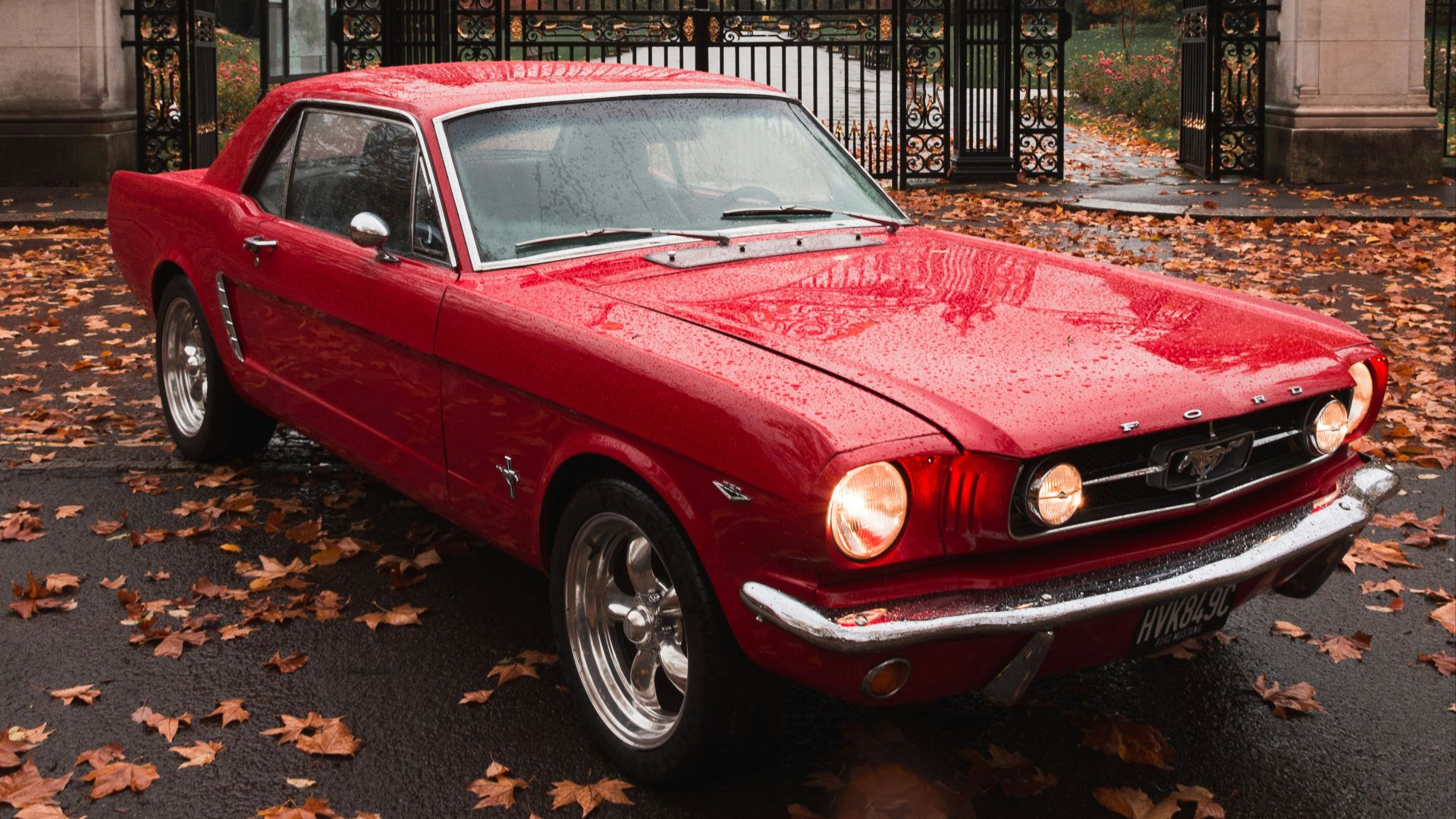
Make no mistake: modern features and safety systems hide just how much planning older vehicles demanded. Drivers who remember large sedans without today's sophisticated tech learned that stopping safely begins well before you reach the obstacle. That lesson also encourages earlier braking instead of treating every stoplight like some kind of emergency.
14. They Take Maintenance Seriously
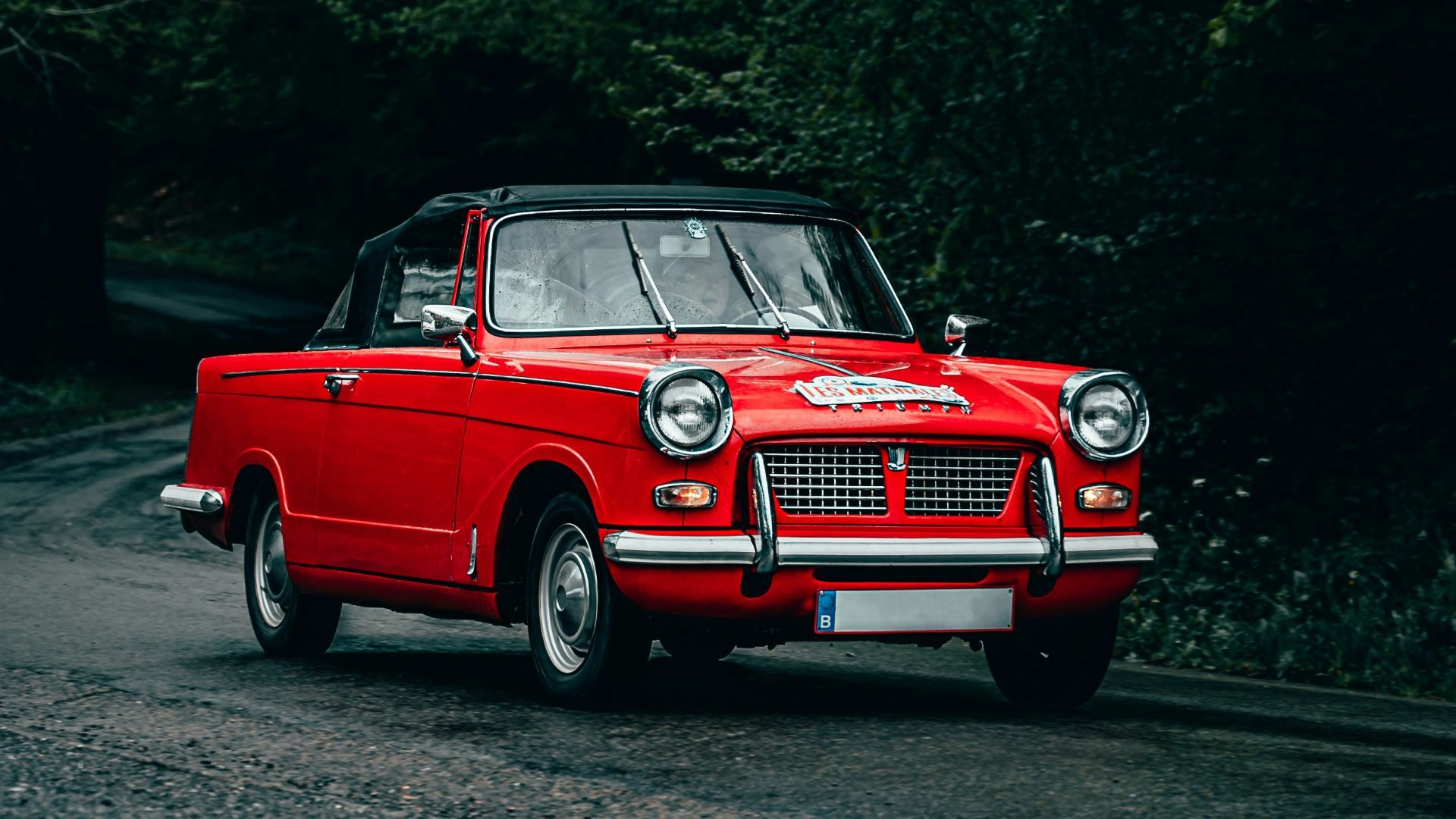
Make fun of them all you want, but for many Boomers, paying attention to their car wasn’t a specialist activity. Vehicles required more routine attention back then, so ignoring basic maintenance wasn’t in the cards (unless you wanted a giant bill down the road). A driver who still checks the tires before a long trip is carrying forward a habit worth keeping.
15. They Know Speed Isn't the Only Measure of Good Driving
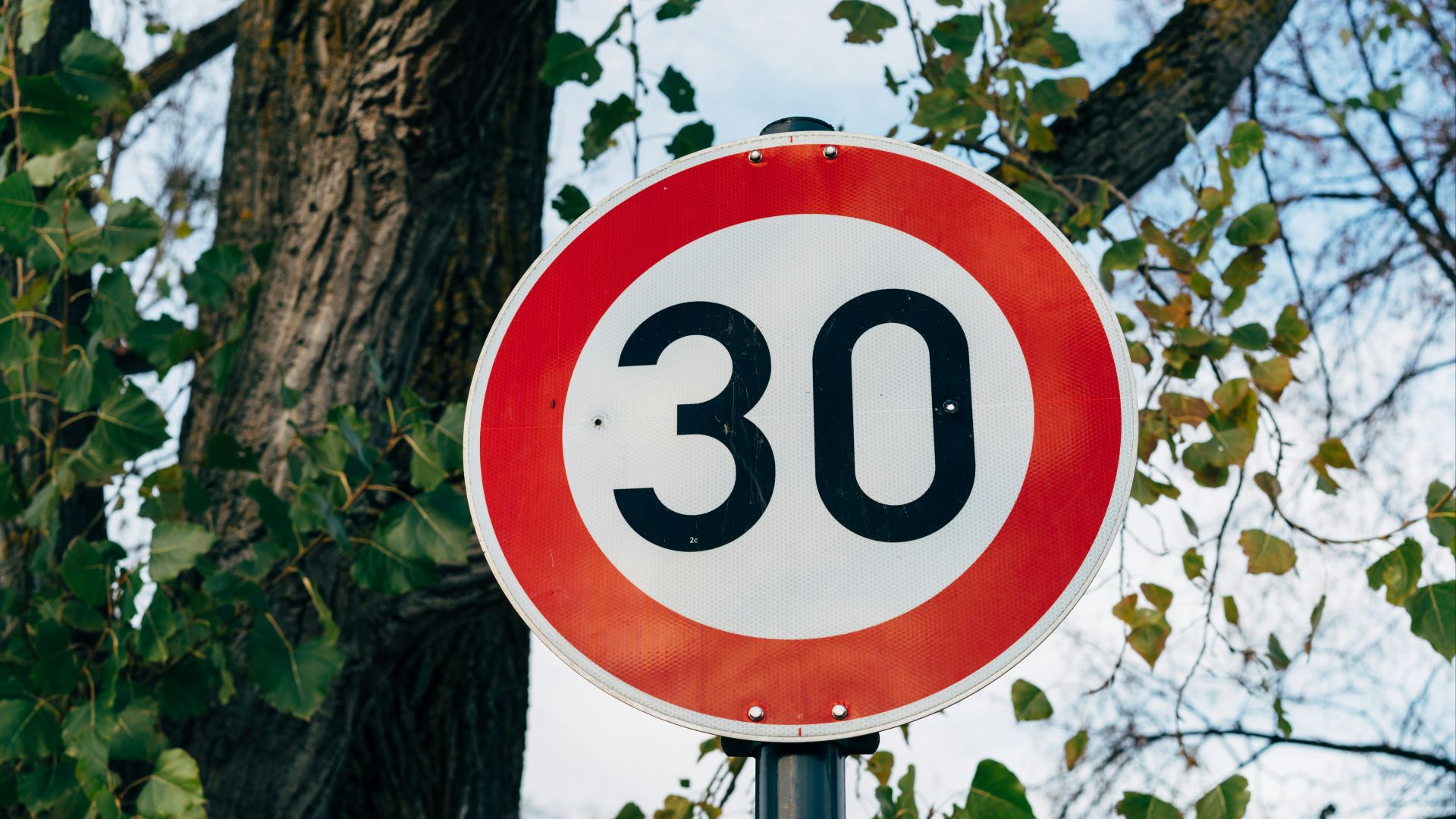
Younger drivers mistake confidence for speed, especially after they've gained enough experience to stop being jittery behind the wheel. The thing is, decades of driving reveal how little time aggressive lane changes and constant passing actually save on an ordinary trip. Arriving calmly becomes more appealing than getting there a few minutes earlier.
16. They've Navigated Without Technology
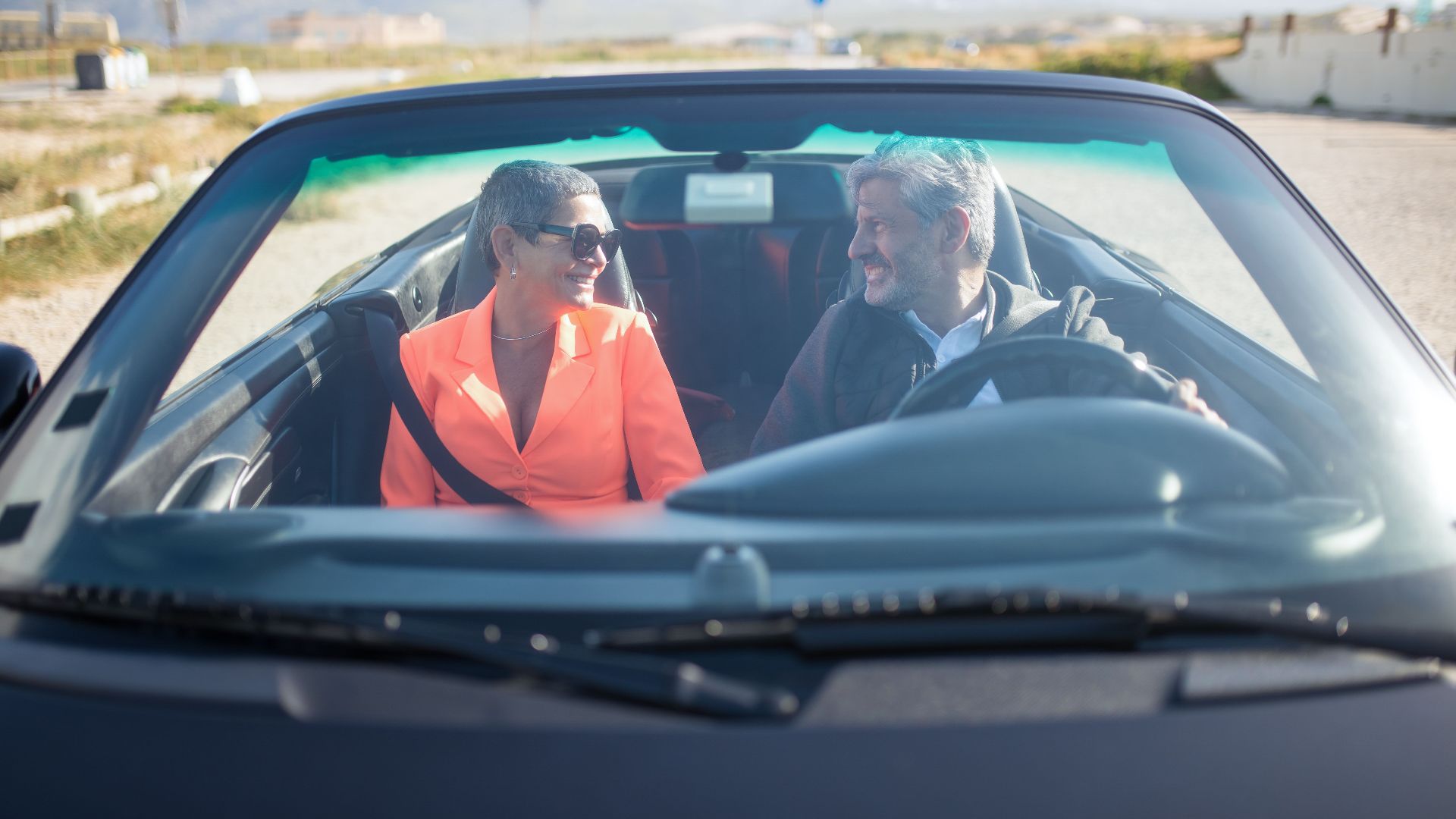
Cruise control once meant maintaining a set speed, not asking the vehicle to automatically slow. Boomers know that, and that’s why they became accustomed to congestion and changing speed limits without systems stepping in. Those habits can keep a driver engaged instead of assuming the car will handle every developing situation.
17. They Expect the Unexpected
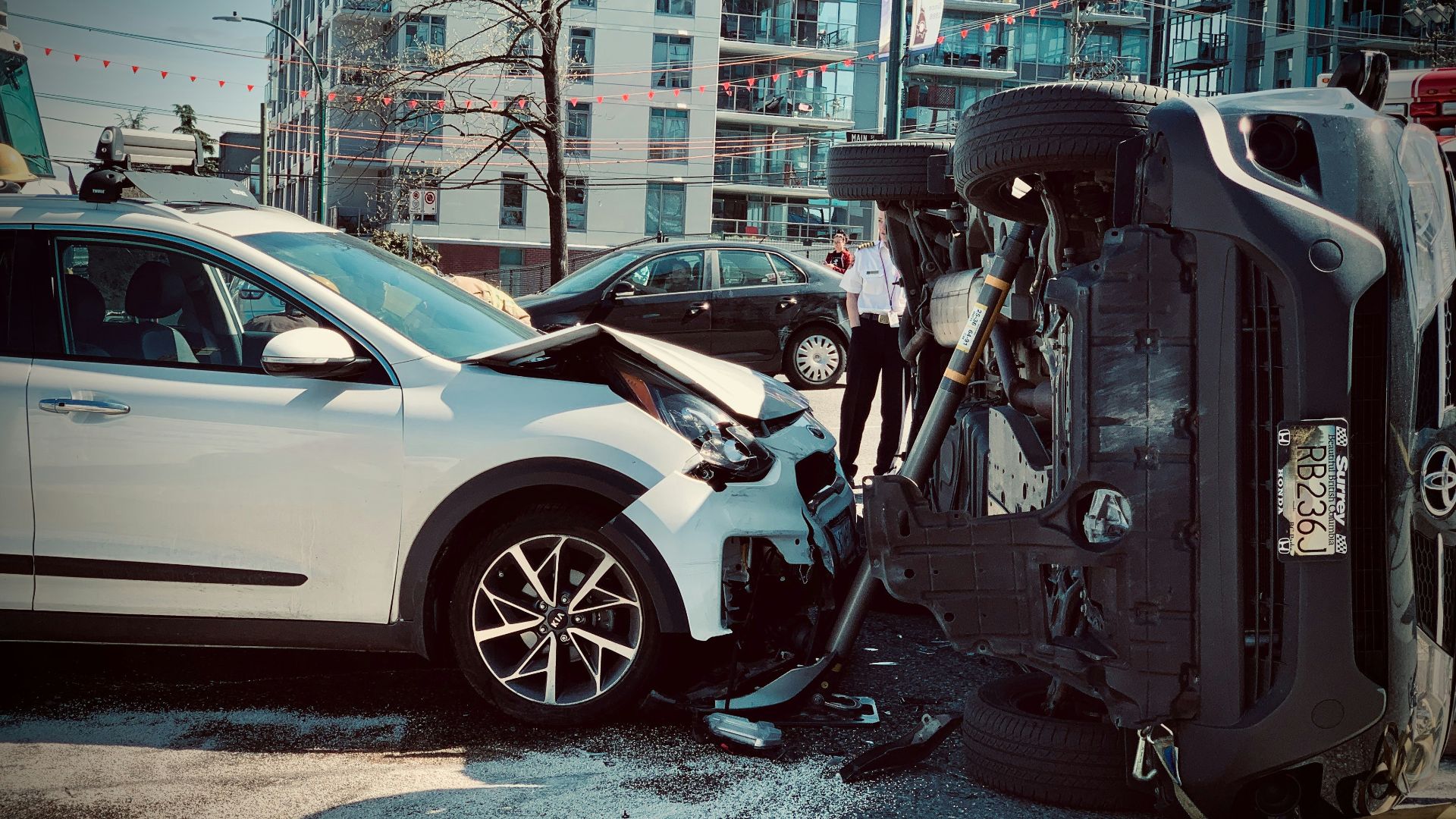
Spend enough years on public roads, and you'll see someone reverse onto a highway or stop at a random spot in the road. Those experiences can create a healthy suspicion of what nearby motorists might do next. Seasoned drivers are always watching, and you can’t blame them!
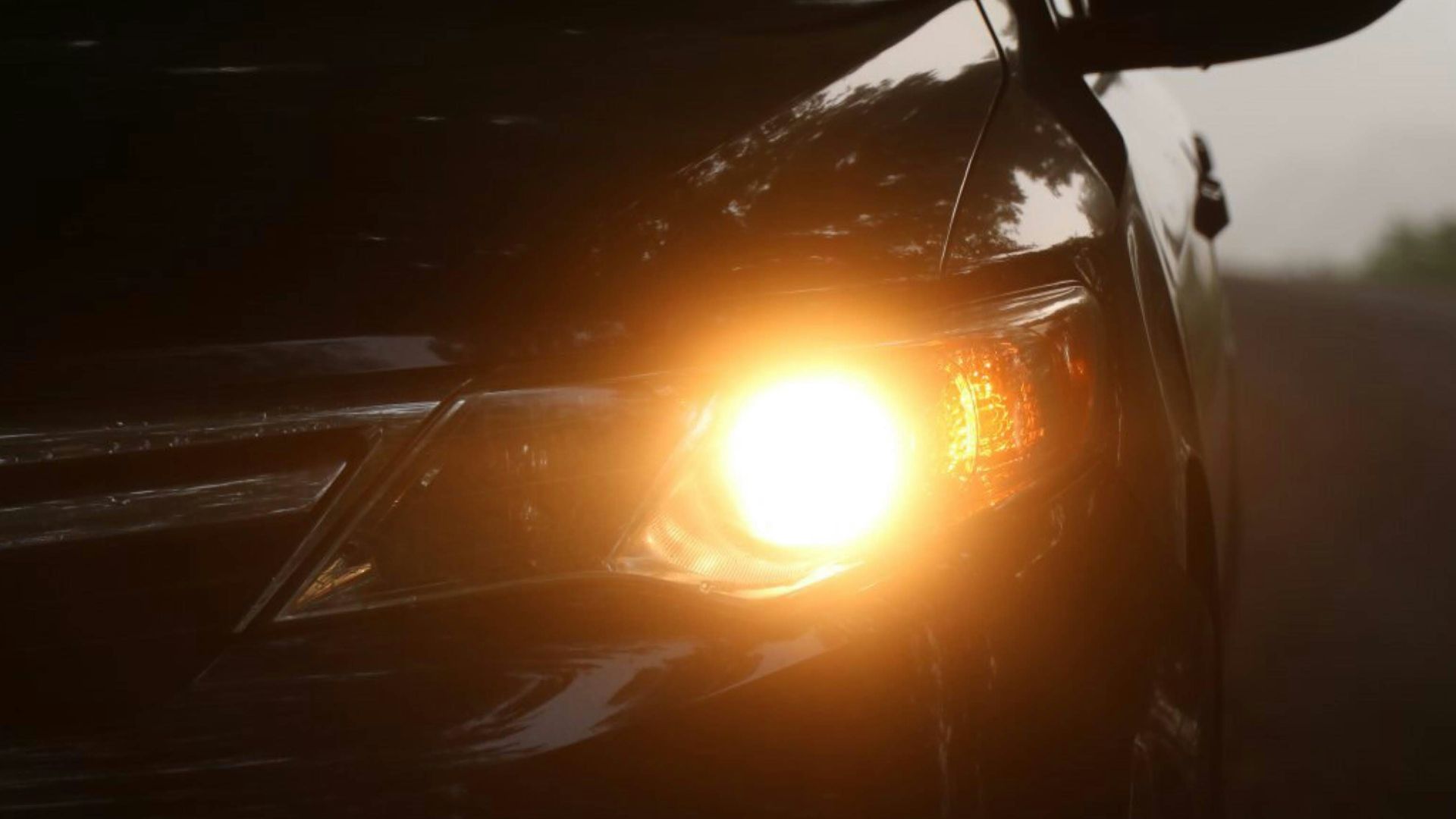
18. They Remember Old Headlights
Automatic headlights have made it easy to forget that the driver’s ultimately responsible for being visible. Older motorists spent years manually turning lights on at dusk, during storms, and whenever conditions made visibility impossible. Many still instinctively check whether their lights are actually on, and that’s a good habit.
19. Long Road Trips Taught Them Patience
Family vacations involved hours of driving without podcasts or a navigation system constantly calculating arrival time. That meant accepting traffic as it came. It also meant construction zones and slow-moving stretches were ordinary parts of getting somewhere. A driver accustomed to that pace is far less tempted to weave aggressively through traffic now.
 Julentto Photography on Unsplash
20. They've Had More Practice
At the end of the day, there's no substitute for hours behind the wheel. A Boomer who started driving at 16 could now have more than half a century of experience. Younger generations have plenty of advantages of their own, but accumulated experience is one area where time gives older drivers an edge.