
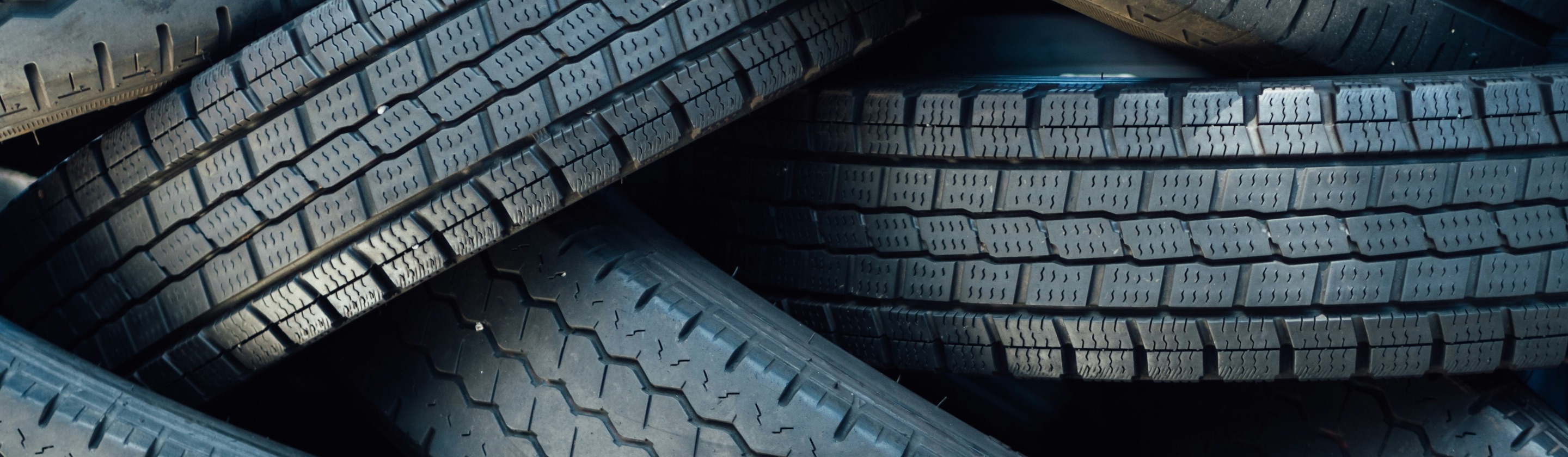
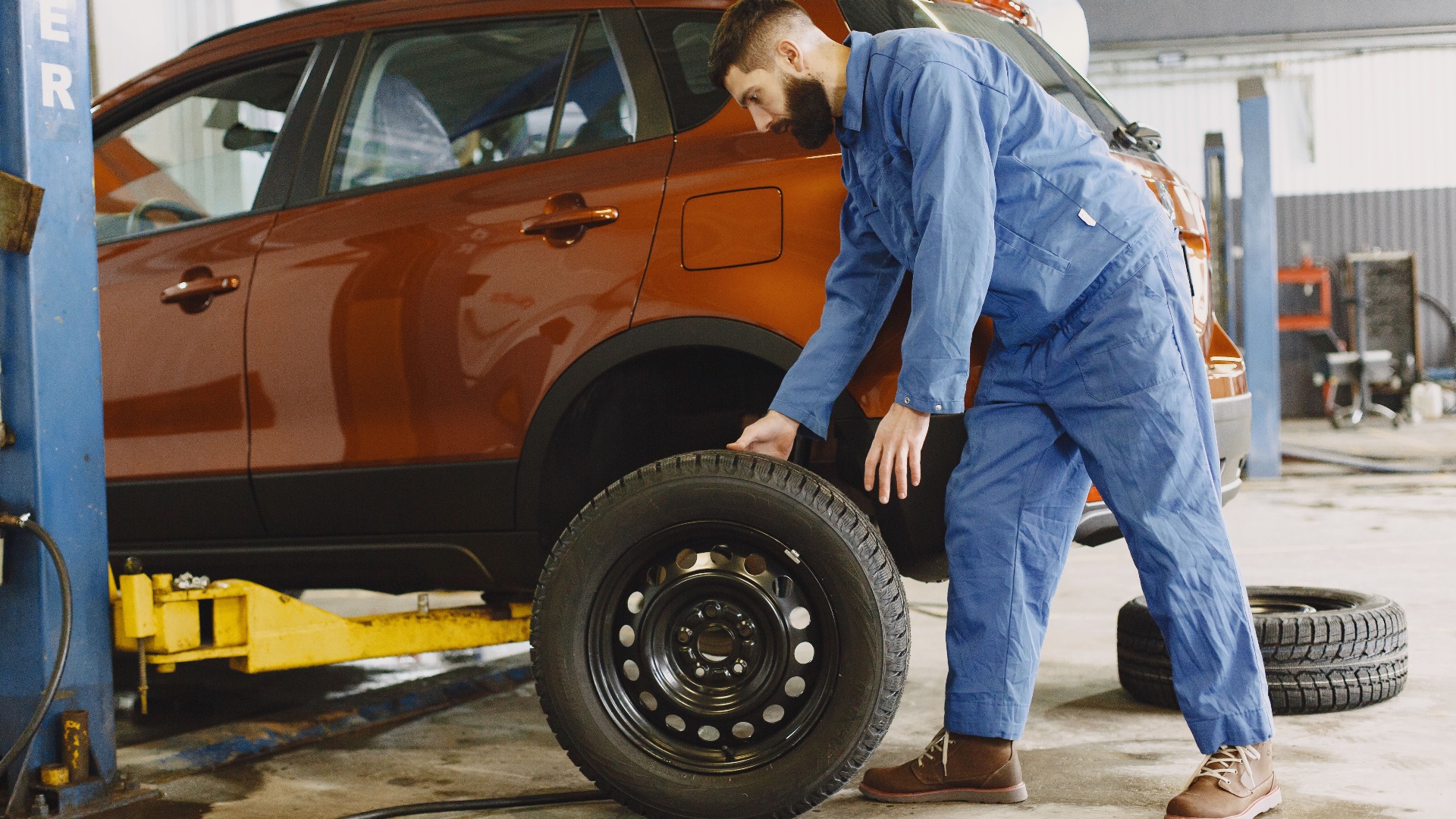
You might not know it, but your tires take a beating every single day. Between the miles you rack up on your daily commute and how you handle twists and turns (and parking), not to mention the occasional pothole you can't avoid, your tires are constantly absorbing stress that gradually shortens their lifespan. Worse yet, most drivers don't think about tire wear until it's too late.
As you'll see, though, a lot of premature tire wear comes down to a handful of preventable factors. It doesn't have to get as bad as it does, and as long as you know what not to do, you can minimize the damage your tires face daily and make small adjustments that keep them in better shape for longer. Ready for better wheels? Pay attention to these three common culprits.
Improper Tire Pressure
Tire pressure might seem like a minor detail, but it's actually one of the most common reasons tires wear out faster than they should. When a tire is underinflated, a larger portion of its surface makes contact with the road than it's designed to, which increases friction and causes the edges of the tread to wear down unevenly. Unfortunately, that's not the only downside to under-inflated tires: they can also lead to increased rolling resistance, which puts extra strain on your engine and consumes more fuel. Over time, this can leave your tires looking cupped or scalloped along the outer edges.
Then, there's the opposite problem—overinflation. Over-inflated tires can result in reduced traction and also cause uneven wear, compromising your safety on the road. Instead of wearing only along the edges, an overinflated tire tends to wear more heavily in the center of the tread.
All this to say: make sure you check your tire pressure regularly. It's best to do this when the tires are cold; heat from driving can cause pressure readings to fluctuate. Most manufacturers list the recommended pressure on a sticker inside the driver's door, so after checking each tire with a gauge, compare the numbers against that.
Wheel Misalignment
Sometimes, it's not a pressure issue but a misalignment. Despite being a major factor behind uneven and premature tire wear, misaligned wheels are often harder to spot. After all, the wear patterns it produces can look quite different depending on what's causing the asymmetry in the first place. In some cases, you'll notice one side of the tread wearing down faster than the other; in others, the wear shows up as a diagonal or feathered pattern across the tire.
One specific type of alignment-related wear is known as camber wear. This one-sided shoulder tire wear means the inside or outside shoulder rib of the tread is significantly more worn than the other ribs, which is often caused by excessive positive or negative camber, hence its name. Since the wear also tends to develop gradually, you might not notice it until you're inspecting your tires closely or a technician points it out. It's why you should always check your tread periodically to catch these patterns early. If anything looks off, send it in to have it looked at.
Aggressive Driving and Rough Road Conditions
Sometimes, worn tires are simply a result of how aggressively you drive. If you routinely accelerate hard, hit the brakes hard, or drive on gravel roads, your tires will wear out prematurely. Every sudden stop or aggressive launch from a red light puts extra stress on your tread, and that stress adds up over time. And if you're guilty of dry-steering, meaning you twist the wheel while the car is stopped, you'll only be doubling the wear.
Of course, it's not always you. Road conditions matter just as much as driving style, especially if your daily route includes rough pavement or unpaved surfaces. Driving on pothole-riddled roads, gravel paths, or uneven surfaces can considerably impact your tires' lifespan and performance, and potholes specifically can cause sidewall damage or air loss. If you frequently drive on these kinds of roads, it's worth inspecting your tires more often.
Speed regularly? You might want to curb your habits. High driving speed causes your tires to heat up, which also results in premature wear. If you speed on rough or uneven roads, that's double the damage. Do your wheels a favor: slow down.
At the end of the day, tire wear is rarely caused by just one thing. Whether it's pressure problems, alignment issues, or driving habits, bad habits and neglect will only make things worse. The upside is that all three of these factors are within your control—all you need to do is check your pressure monthly, make sure to schedule regular alignment checks, or simply ease off the gas a little more often. You'd be surprised how these small changes can add thousands of miles to your tires' lifespan and keep you safer on the road in the process.