Purchasing your dream car may be a momentous financial milestone. But your new vehicle’s resale value might not share in your enthusiasm. There’s a certain stigma attached to being labeled a used car, and for luxury vehicles, that stigma can come with precipitous first-year depreciation. According to Kelley Blue Book, many vehicles lose 20% or more of their value during their first year of ownership. The rate of depreciation can vary widely between models, though.
The famous idea that a car loses a huge chunk of its value the instant you drive away isn't literally the same for every vehicle. However, there is a real economic reason that a newly purchased luxury car may be worth substantially less if you tried to sell it immediately. The distinction between being "new" and "used," along with dealer margins, taxes, demand, and the number of similar cars available, all play a role.
If you purchase a brand-new luxury car, you’re buying the benefits of the latest model year, zero miles driven or anything off the factory (unless you have it modified), the full new-car experience, and the knowledge that you get to pick out your exact vehicle and options. Once you've taken ownership and driven it away, another buyer no longer receives that same experience from your particular car.
That matters because buyers looking for used cars are typically only willing to pay less than they would for a similar new vehicle. A lightly driven luxury sedan may offer nearly all the benefits of a new one but lacks that brand-new-owner appeal.
Let’s say you purchased a brand-new luxury car today and changed your mind the second you drove off the lot. Your local dealership isn’t likely to just give you all your money back. Remember, the dealer now has to sell your car to someone else. In order to do that, it needs to buy the car at one price and have enough left over to resell it at retail and still make a profit.
That's one reason an immediate trade-in offer can be surprisingly low even when the car has barely been driven. Dealers account for the fact that a recently purchased vehicle is now used inventory and must be priced accordingly. The difference isn't necessarily evidence that something is wrong with the car; it's part of how the used-car market operates.
Taxes And Fees Don't Come Back
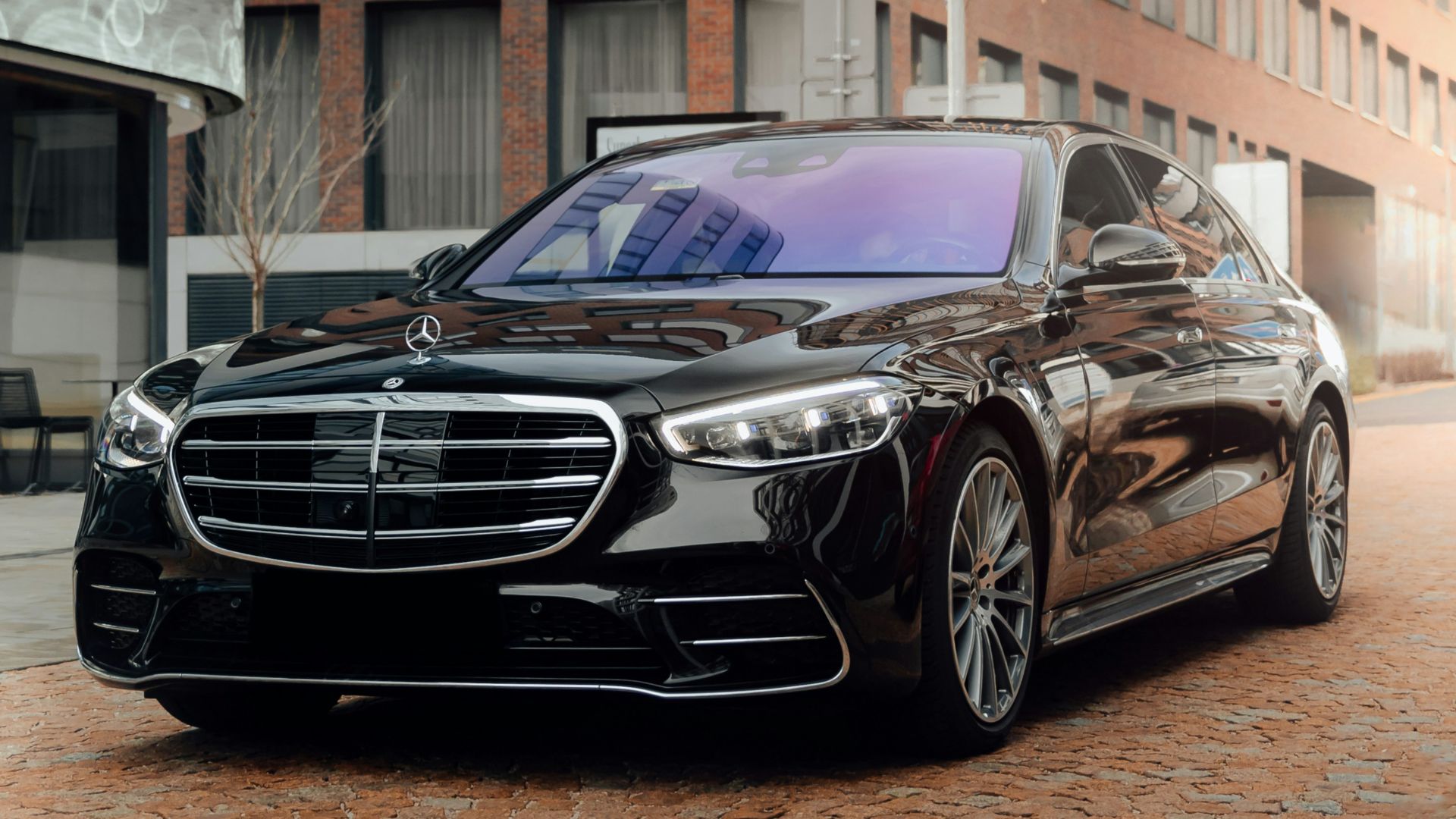
There's another unpleasant detail hiding behind the phrase, "I just bought it." When you purchase a vehicle, your total out-of-pocket cost can include sales tax, registration expenses, documentation fees, and other charges that aren't necessarily reflected in the car's resale value.
If you sell the vehicle shortly afterward, those costs generally don't transform into additional value for the next buyer. You're therefore comparing what you actually spent with what the market is willing to pay for the vehicle itself. That gap can make an immediate resale look dramatically worse than the change in the car's underlying market value alone.
Luxury cars also start off depreciating from much higher prices than average cars, so their dollar loss is greater even with a similar percentage. A 20% decline on a $30,000 vehicle is $6,000, while the same percentage on a $100,000 vehicle represents $20,000.
New vehicles lose an average of 23.5% of MSRP after one year, although its data shows a very broad range depending on the individual vehicle. So while there's no magic luxury-car depreciation figure, expensive cars have more to lose when they take a hit.
Luxury manufacturers often offer extensive option lists, allowing buyers to spend thousands on upgraded interiors, technology, wheels, audio systems, and other extras. Unfortunately, the used market doesn't always reward every dollar that was spent configuring a new vehicle.
A buyer looking at a three-year-old luxury car may appreciate those features, but they aren't necessarily willing to pay their original retail price for them. Technology can also become outdated as newer versions appear, making yesterday's premium equipment less valuable than it seemed when the car was ordered.
Age isn’t the only factor in depreciation. Kelley Blue Book notes that supply and demand, as well as general market conditions, play significant roles in resale values. That’s part of the reason some cars hold their value extraordinarily well, while others falter. Luxury vehicle buyers also face an unusually broad selection. This is especially true when one manufacturer offers multiple vehicles that overlap substantially in features and capabilities. When lots of nearly identical new or near-new luxury cars are for sale, sellers have less negotiating power. An ultra-desirable model that's difficult to find can behave very differently than a luxury vehicle that's discounted heavily and sold everywhere.
The First Owner Usually Takes The Biggest Hit
One of the most important things to understand is that depreciation usually isn't a perfectly straight line. The first year tends to produce the largest decline, after which the annual percentage loss generally becomes smaller. Kelley Blue Book's current depreciation data illustrates this pattern, with estimated losses becoming progressively smaller through the fifth year.
That creates an unusual situation for luxury-car shoppers. Someone who buys new may absorb the steepest portion of the depreciation curve, while someone who buys the same vehicle after its first few years may get considerably more car for the money. The second buyer isn't necessarily getting an inferior vehicle; they're simply letting someone else absorb the initial value drop.
That's why a lightly used luxury car can look so enticing. It may still have that luxurious interior, performance, technology, and style you fell in love with when it was new, but the price you'll pay for it now has likely already accounted for a large chunk of that new-car depreciation. A similarly equipped luxury car brand new will come with a much higher price tag and the biggest hit of depreciation.
Of course, depreciation isn't the only ownership cost worth considering. Maintenance, insurance, repairs, fuel, financing, and the vehicle's condition all affect the actual cost of ownership, and luxury vehicles may carry higher expenses in some of these areas. A cheaper purchase price doesn't automatically make every used luxury car a bargain.