
A Better Road Trip Starts Before You Start The Car
Long road trips can create lots of memories, but hours of driving place steady demands on your attention, posture, and energy. Fatigue is a genuine safety concern, and transportation authorities recommend adequate sleep, regular breaks, and avoiding driving when you're sleepy rather than relying on temporary tricks to stay alert. A bit of planning also reduces unnecessary decisions once you're underway, which makes the whole trip feel more manageable and enjoyable. These are 20 road trip habits that make long drives less exhausting.

1. Get a Full Night of Sleep
Trying to get an extra hour on the road by cutting sleep is never a smart idea. Adequate rest before departure is one of the most important defenses against drowsy driving, since caffeine can't replace a lack of sleep. Plan your departure so you're rested rather than simply leaving at sunrise.

2. Depart at a Time That Suits You
A very early start isn't automatically the smartest choice if it's usually at a time when you're typically sleeping. Drowsiness-related crashes occur more often between midnight and 6 a.m. and during the late afternoon, when natural alertness can decline.

3. Take Regular Breaks From Driving
Waiting until you're stiff, hungry, or tired to stop makes a long drive harder than necessary. Safety guidance commonly recommends taking breaks during extended trips, with about every two hours serving as a useful general benchmark. It's best to step out of the car, stretch, walk briefly, and give your attention a genuine reset.

4. Plan Stops Before They're Necessary
Searching for a gas station or rest area at the last moment adds needless stress, particularly on unfamiliar highways. Mark a few likely fuel, food, and restroom stops before leaving so you know roughly where and when breaks will happen.
5. Adjust Your Seat Before Driving
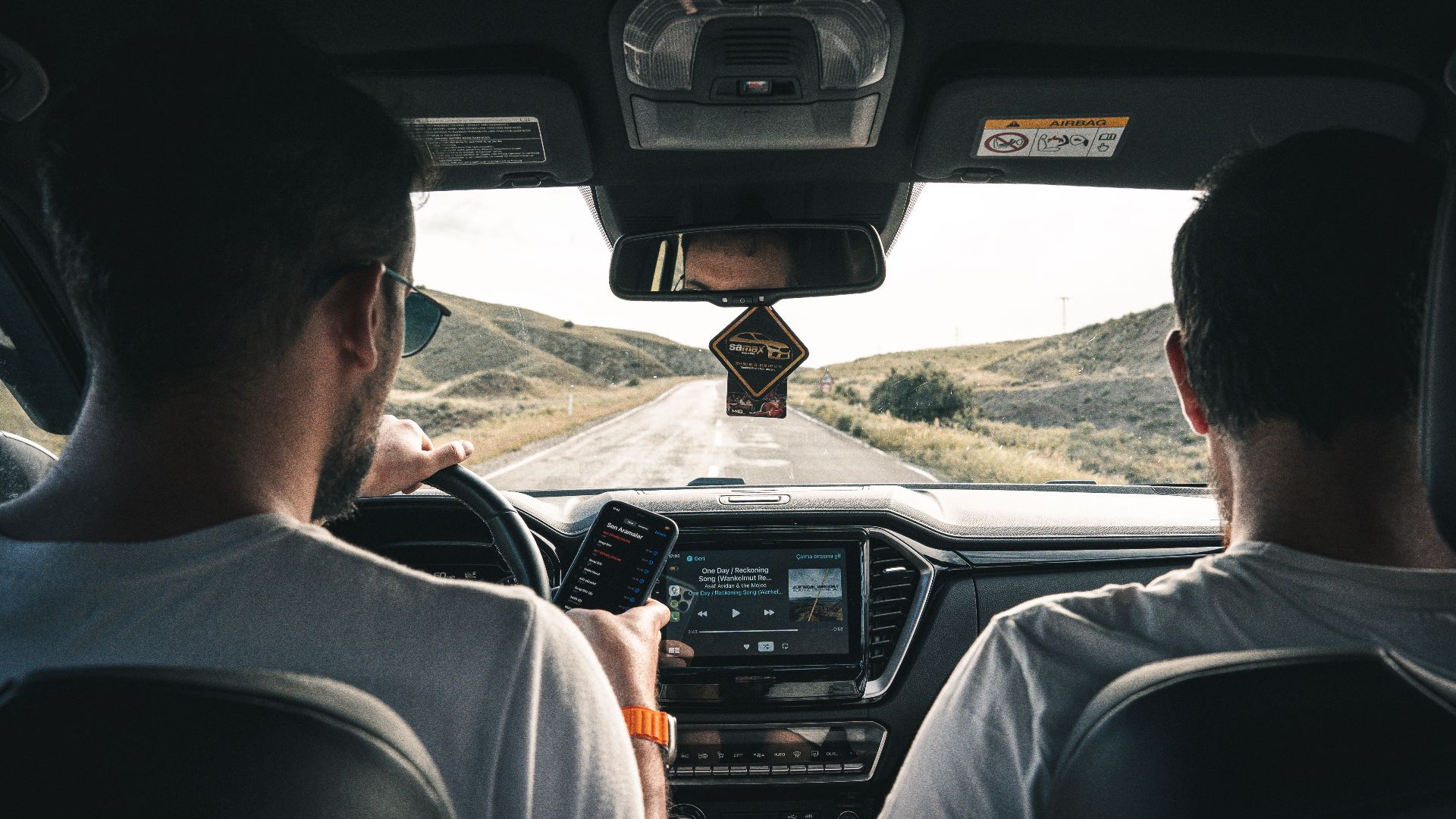
A poorly positioned seat can make your back, shoulders, and legs uncomfortable surprisingly quickly. Set the seat so you can reach the pedals and steering wheel without stretching while maintaining a comfortable, supported posture.
6. Keep Frequently Used Items Accessible
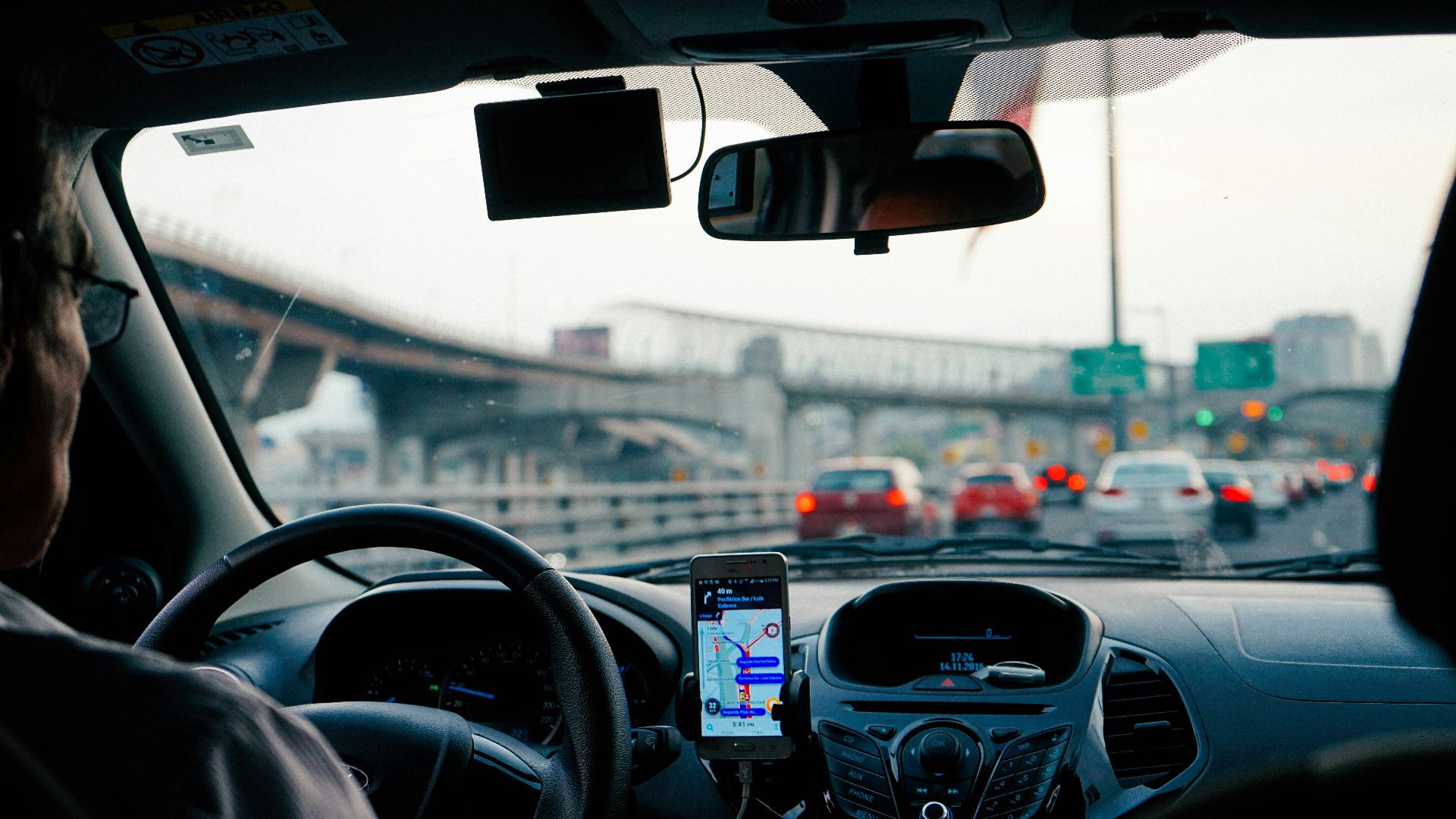
Sunglasses, tissues, toll fees, and charging cables shouldn't require digging through luggage while you're moving. Organize the front of the vehicle before departure and secure anything that could potentially roll around. Less searching means fewer distractions and a calmer driving environment.

7. Pack Water Where You Can Reach It Safely
Having water available makes it easier to drink regularly without turning every stop into a long shopping trip. Choose a bottle that fits in your cup holder and won't require complicated opening while driving.

8. Choose Lighter Meals While Driving
A huge meal can leave some travelers feeling sleepy and uncomfortable when they immediately return to the driver's seat. Moderate portions with protein, fruits and vegetables, and other familiar foods are often easier to manage during a day of driving. Save the especially large meal for after you've finished driving if that's what leaves you feeling best.

9. Don’t Depend on Sugar for Alertness
Candy and sweet drinks are convenient road-trip purchases, but they can't act as a substitute for sleep or proper breaks. A snack may satisfy hunger, yet genuine drowsiness calls for rest rather than another quick source of calories. Pack foods you actually enjoy while keeping expectations realistic about what snacks can accomplish.

10. Share the Driving When Possible
If another licensed, rested driver is with you and ready to take the wheel, taking turns can reduce the amount of continuous concentration each person must maintain. Switch before the current driver becomes noticeably tired rather than waiting for exhaustion to set in.

11. Let Passengers Handle the Phone
Navigation changes, restaurant searches, messages, and playlist adjustments are better left to a passenger whenever possible. Distracted driving doesn't become safe simply because the task seems quick and easy.
12. Download Directions Before Leaving
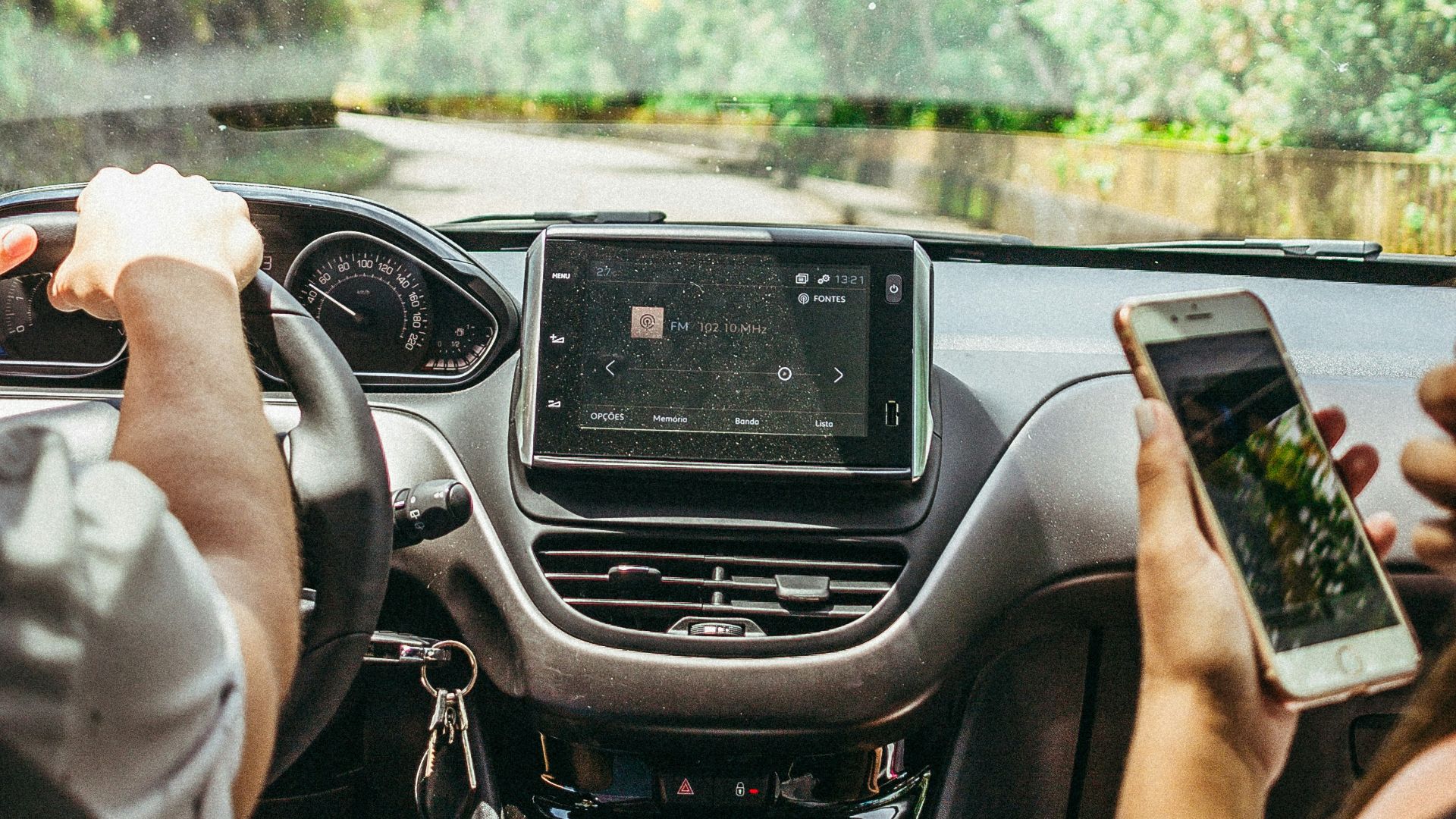
Cell service isn't guaranteed on every highway, especially through rural or remote areas. Downloading directions before leaving can keep navigation working even when coverage disappears.
13. Keep the Cabin Comfortable
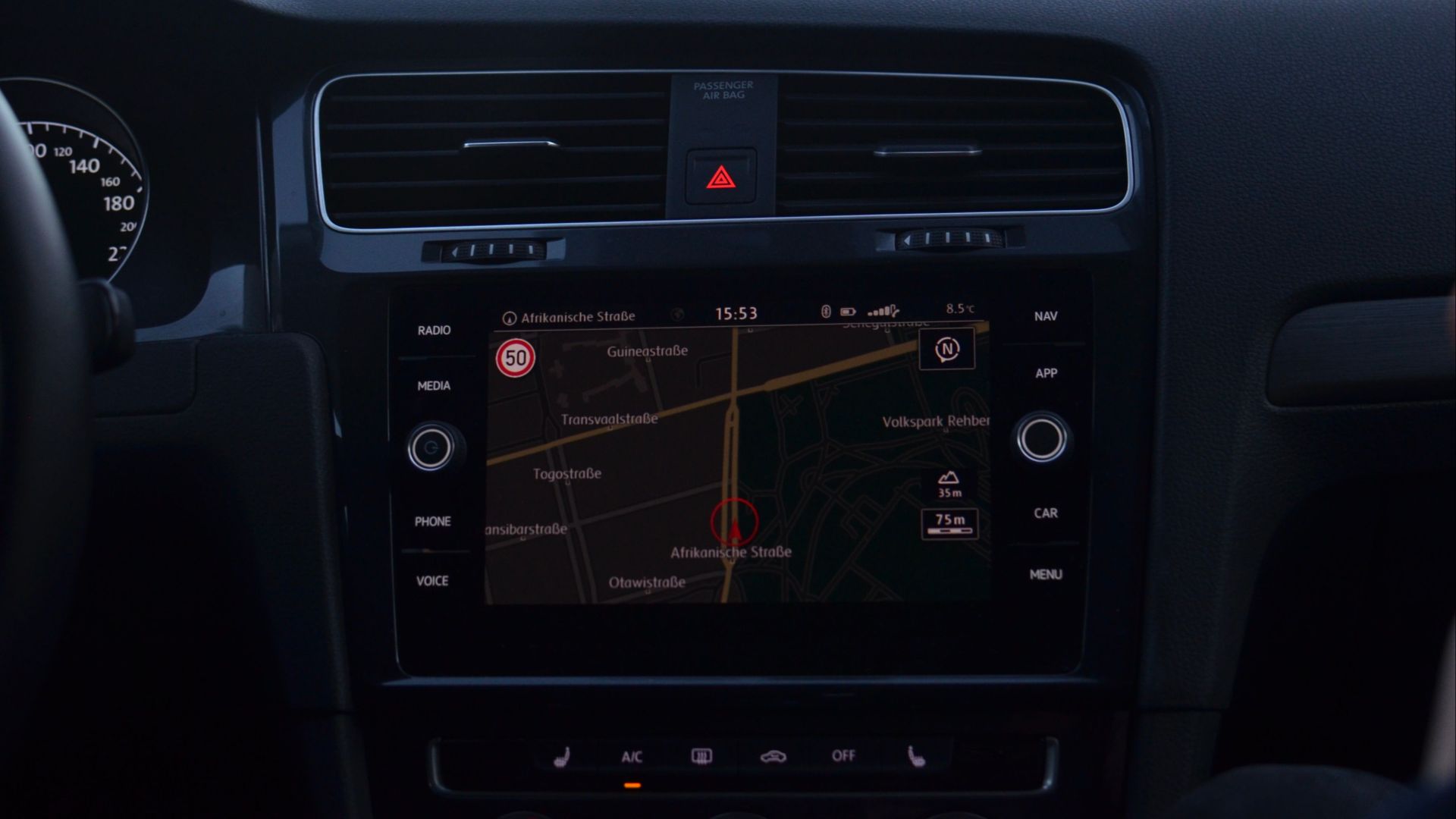
A cabin that's too hot, cold, bright, or noisy can make several hours in the car needlessly uncomfortable. Set the climate before conditions become distracting and use sun protection such as sunglasses where appropriate.
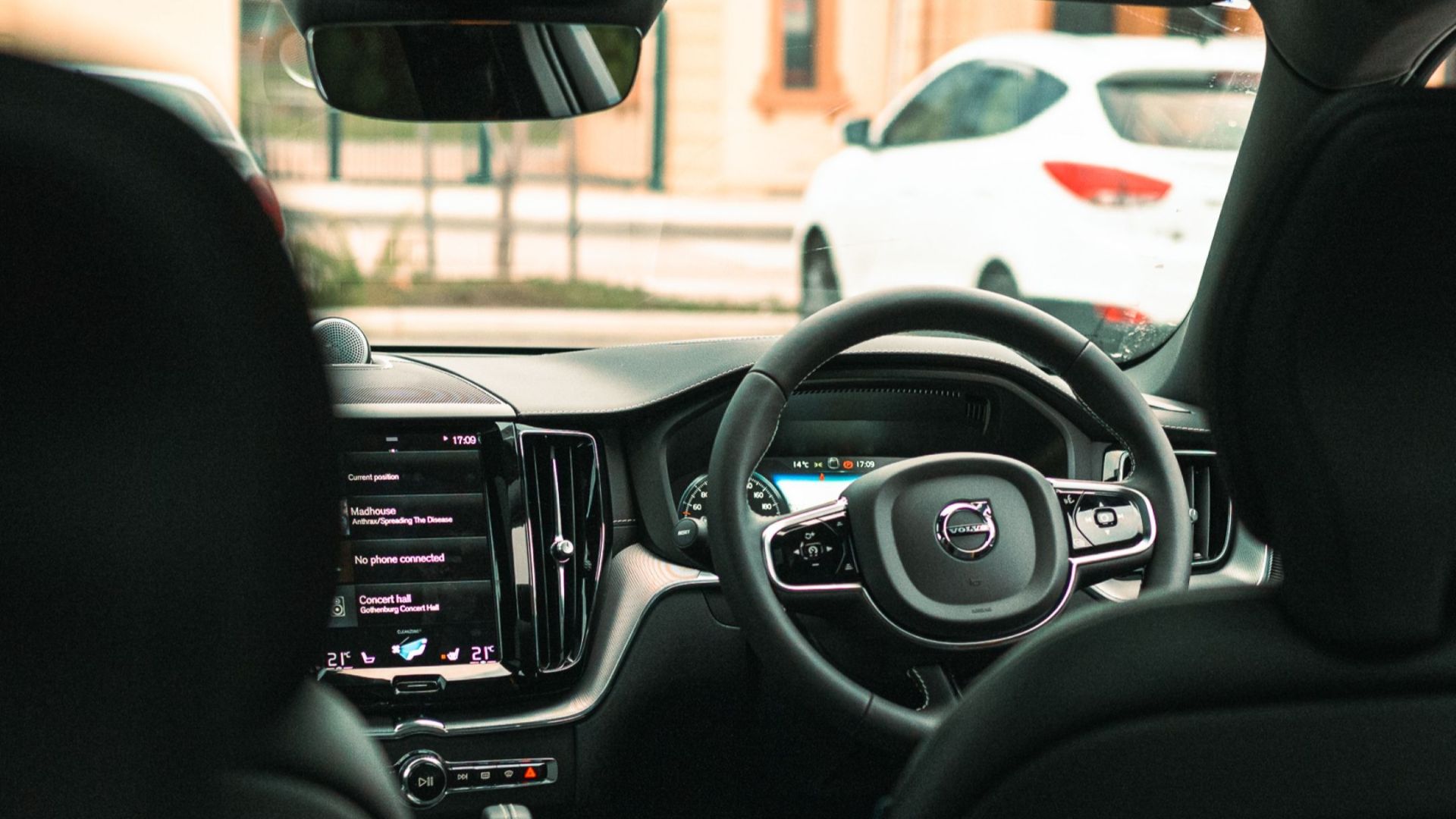
14. Change Your Audio Occasionally
Listening to the same type of content for many hours can become monotonous even if you typically enjoy it. Rotate among music, podcasts, audiobooks, and quieter periods according to what helps you remain comfortably attentive. Audio should support the drive rather than become so absorbing that it distracts you.
15. Keep Fuel From Getting Too Low
Driving past available stations while hoping for a cheaper one farther ahead can create unnecessary anxiety. A fuel stop also provides a convenient opportunity to stretch.

16. Pay Attention to Early Signs of Drowsiness
Frequent yawning, heavy eyelids, wandering across lane markings, or difficulty remembering the last few miles shouldn't be dismissed. Those signs indicate that continuing to drive may be unsafe, regardless of how close you are to the next destination.

17. Take a Short Nap if You Become Sleepy
If drowsiness develops, safely stopping for a brief nap can temporarily improve alertness. NHTSA notes that a roughly 20-minute nap, sometimes paired with caffeine, can help for a limited period.

18. Don't Drink Alcohol Before Driving
Even a road-trip lunch or vacation stop isn't the time to become casual about alcohol if you're returning to the driver's seat. Alcohol can impair driving ability and can compound sleepiness, making fatigue more dangerous.
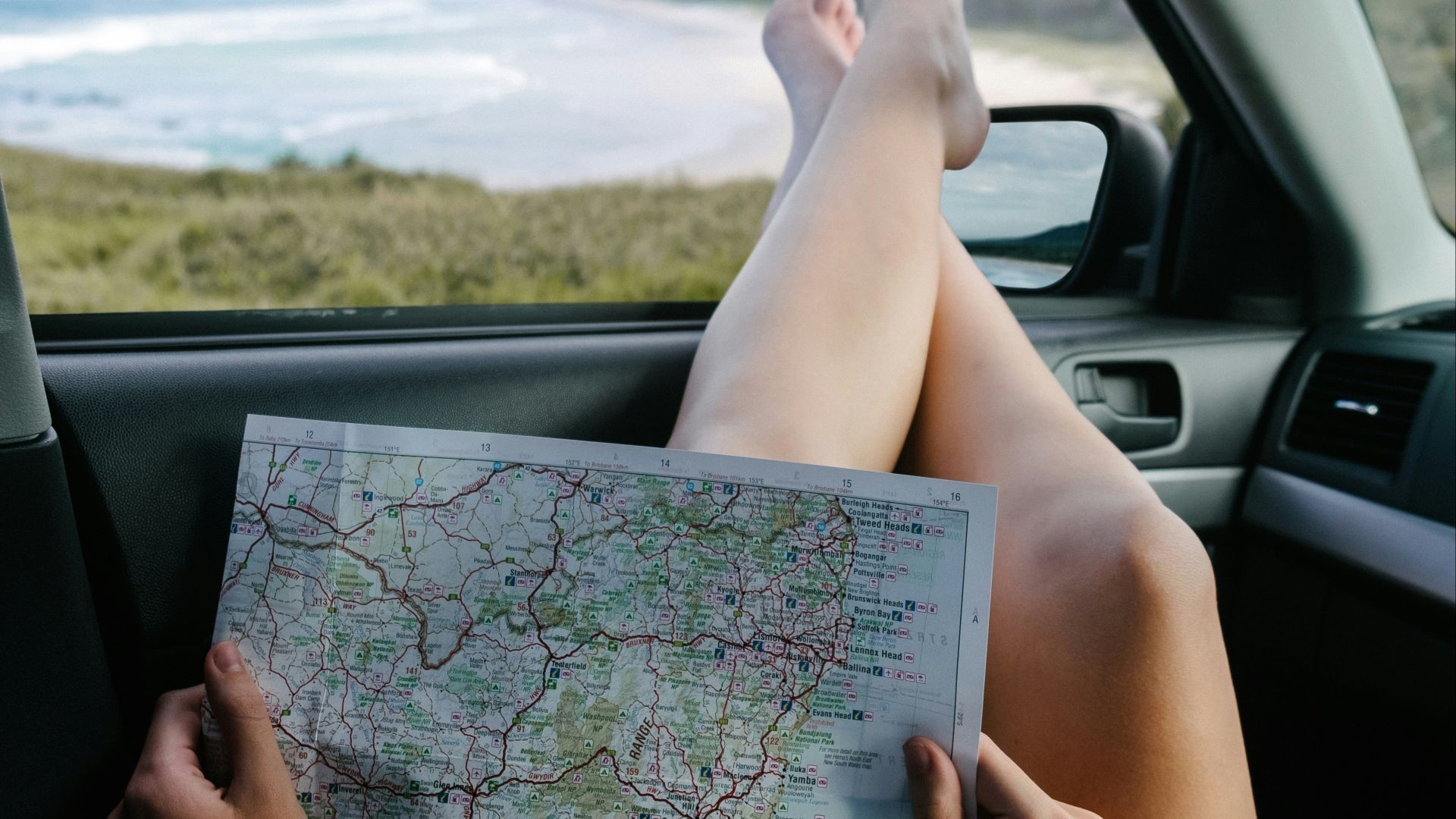
19. Check Medications Before Departure
Some prescription and over-the-counter medicines can cause drowsiness or otherwise affect driving ability. Read warning labels and ask a pharmacist or health care professional if you're unsure how a medication may affect you.

20. Know When to End the Driving Day
A hotel stop may seem inconvenient when the destination is only a few hours farther, but there comes a point when continuing isn't worth the risk. Arriving later is preferable to pushing through serious fatigue simply to keep the original schedule.