
You've probably experienced it more than once on the road: you're innocently driving, minding your business, when another car suddenly starts moving into your lane. Their turn signal is flashing, but there isn't enough space for them to merge safely. Apparently, that doesn’t matter to them, though, and they think what so many other terrible drivers think. That the little blinking light means everyone else has to get out of their way.
It's a surprisingly common misunderstanding, and one that can lead to dangerous situations on the road. Using your turn signal doesn't automatically give you the right-of-way, regardless of how long you've had it flashing. Here's why drivers need to understand the difference between announcing their intentions and actually having permission to proceed.
Your Turn Signal Isn't a Free Pass
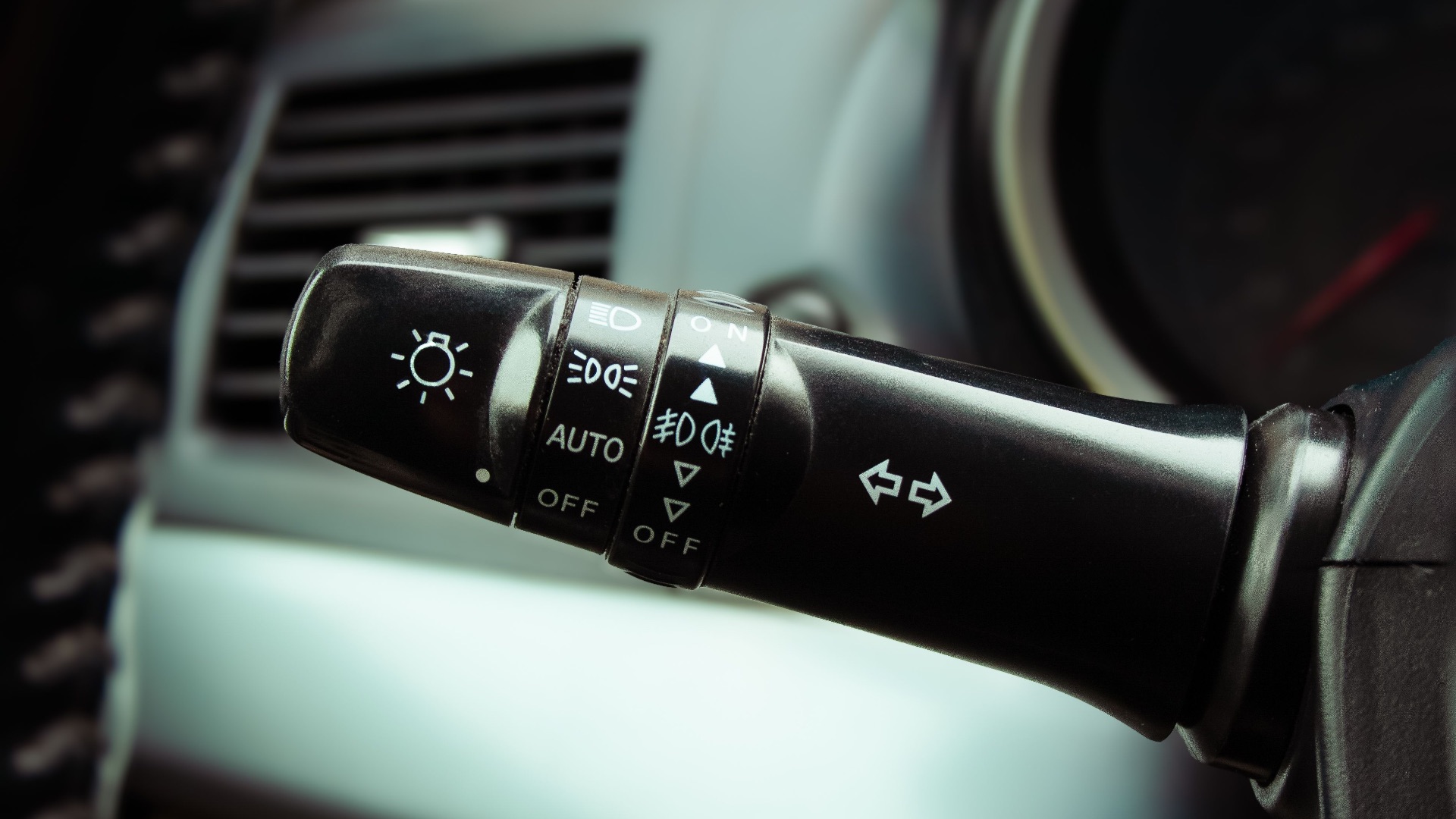
Turn signals serve a simple purpose: letting other road users know what you're planning to do. Whether you're changing lanes, turning at an intersection, or merging onto a highway, signaling gives surrounding drivers time to anticipate your movements. Getting people to turn it on in those simple instances is hard enough, but as it turns out, our signals can highlight an even bigger issue.
Consider what happens when you're traveling in the right lane, and someone beside you activates their blinker. They might want to move over immediately, but that doesn't mean you're suddenly obligated to brake and let them through. The responsibility falls on the driver changing lanes to make sure there's enough room to complete the maneuver safely—even if they don’t think so.
But regardless of what impatient motorists think, that distinction matters. Drivers sometimes mistake communicating their intentions for receiving permission. Someone might signal for several seconds before attempting to squeeze into a gap that's clearly too small for their vehicle. Waiting longer doesn't magically make that maneuver legal or safe.
The same principle applies when you're approaching an intersection and preparing to turn. Activating your left turn signal doesn't mean oncoming traffic needs to grind to a halt so you can cross its path. Unless traffic signals or specific right-of-way rules say otherwise, you're expected to yield to approaching vehicles that are close enough to present a hazard. Nice try, though!
Where Drivers Get It Wrong
Highway merging is one of the most frustrating examples of this misunderstanding (or any road misunderstanding, when you think about it). A driver entering from an acceleration lane might activate their signal and immediately expect vehicles already traveling on the highway to make room. Don’t get us wrong, it's courteous for other drivers to create space when possible, but entering drivers still need to yield to traffic already occupying the roadway.
Another common problem involves drivers trying to make last-minute exits. Imagine someone traveling in the middle lane who suddenly realizes their exit is approaching and switches on their right blinker. Rather than continuing to the next exit, they attempt to cross several lanes of traffic, expecting everyone else to accommodate their mistake.
Busy city streets introduce their own complications, too, particularly when vehicles are all scrambling for limited space. A motorist trying to pull away from a curb might assume that signaling requires approaching traffic to stop. Again, that’s really not the case. In reality, drivers entering an active lane must check for traffic and wait until they can pull out safely.
Don’t even get us started on roundabouts! If you thought highways were bad, these simple little paths also expose confusion about signaling and right-of-way—despite all the signs. The general rule of thumb is that drivers approaching a roundabout need to yield to vehicles already circulating, regardless of whether they've activated their turn signals. Sure, signaling your intended exit is useful, but it doesn't give you the right of way in an unsafe lane change. It certainly doesn’t give you priority over another vehicle, either.
What You're Actually Supposed to Do

Fortunately, avoiding these misunderstandings doesn't mean you need to hit the books or retake your test. It all boils down to paying attention and knowing the rules. Before changing lanes, check your mirrors, look over your shoulder for vehicles in your blind spot, and identify a suitable opening. Signal early enough to communicate your intentions, but wait until you can move without forcing another driver into an unsafe situation.
It's also important to remember that other motorists might not notice your signal immediately. Someone beside you could be concentrating on traffic ahead (as they should be) or simply unable to see your indicator clearly. Assuming they've acknowledged your intentions can create unnecessary risks, so don’t just assume that if it’s obvious to you, it’s also obvious to them.
Of course, having the right-of-way doesn't mean you should stubbornly refuse to cooperate with other drivers. If someone needs to merge and you can safely create additional space, doing so can help traffic move more smoothly. Courtesy is always valuable—and rare— on the road, but it should never involve sudden braking, unpredictability, or putting other vehicles in danger.
The safest approach is to treat your turn signal as a warning rather than a demand. You're telling other drivers what you intend to do, not ordering them to change their speed or direction to accommodate you. Ultimately, right-of-way depends on traffic laws and road conditions, not how confidently you operate your blinker.