
What You Say Matters
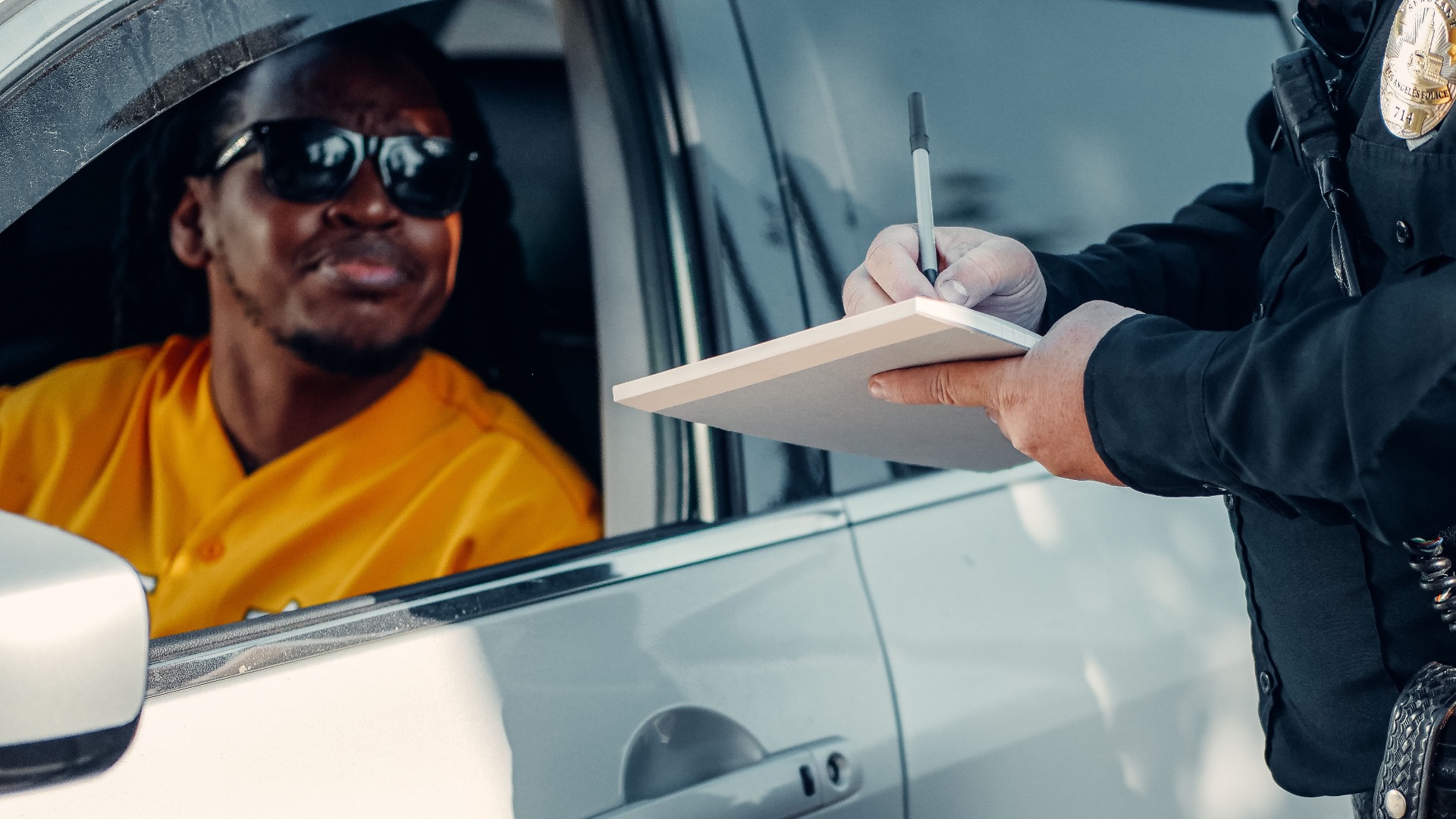
Getting pulled over is rarely pleasant, especially when you're unsure why the officer stopped you to begin with. While most traffic stops end with a warning or a ticket, most of us put our feet in our mouths when we’re nervous, and those little ticks can be used against us. Knowing what to avoid saying can help you protect your rights, remain respectful, and handle the encounter without making matters worse. Come with us as we explore 20 faux pas you should avoid when you see those lights in the mirror.

1. Admitting You Were Speeding
When an officer asks how fast you were driving, admitting that you were zooming over the limit could work against you. We know it makes sense to come clean, but even a casual acknowledgment may become evidence if you decide to challenge the ticket. You're usually not required to answer questions about your actual speed, so there's no reason to volunteer that information.
2. Saying You Didn't Know Why You Were Stopped
There's nothing wrong with being legitimately confused, but feigning ignorance is something different. Insisting you have no idea what's happening after knowingly running a red light could undermine your credibility, so there’s no real point in lying. Rather than making a potentially false statement, just allow the officer to explain why you were pulled over.
 King's Church International on Unsplash
3. Claiming You Know Someone Important
Now’s really not the time to name drop. Telling an officer that your brother works for the police department or that you're friends with the mayor isn't going to change the laws. If anything, it’ll just irk them more.

4. Threatening to Sue
You have every right to challenge unlawful police conduct, but threatening a lawsuit during a traffic stop probably won’t do much. Not to mention, announcing that you'll sue the officer personally just creates unnecessary confrontation without resolving anything. If you believe your rights were truly violated, documenting the encounter and seeking legal advice afterward is the smarter move.
5. Mentioning How Much You've Had to Drink
Let’s get one thing straight right away: you should never drive inebriated. But volunteering that you had three beers at dinner will only put you in hotter water. Even if you think you're below the legal limit, your estimate doesn't establish whether you're actually impaired. This one’s dicey, too, because you're generally allowed to decline investigative questions, but refusing a legally required test can have separate consequences depending on your state.

6. Admitting You Were Using Your Phone
Explaining that you were only reading a quick text might seem reasonable, but it’ll also amount to distracted driving. Many states restrict handheld cellphone use, and saying you were openly on your phone will only provide evidence of a violation. There's little benefit in supplying details that the officer hasn't established independently.

7. Saying Everyone Else Was Breaking the Law
When you’re pulled over for speeding, crying that everyone else was doing it won’t help. Don’t forget that traffic laws apply individually, regardless of what everyone else was doing. Arguing that the officer should have stopped someone else can also distract from the actual reason you're being questioned.

8. Refusing to Identify Yourself
Telling an officer that you don't have to provide ID is…problematic. Licensed drivers are required to produce their driver's license, registration, and proof of insurance during a lawful traffic stop. So, fighting a cop for no reason will only make things worse for you.

9. Offering Permission to Search Your Vehicle
It’s tough to keep track of your rights, but you should know the basic ones. Police usually can’t go rummaging through your car, and in many circumstances, they can only conduct a search based on your voluntary consent, even without another legal justification. You're generally entitled to decline, although officers may still have independent legal grounds to search.
10. Threatening to Drive Away
Wow, this is a terrible idea! Drivers usually need to stick around until they're legally permitted to go, and leaving ahead of time can lead to additional charges. If you're uncertain whether the traffic stop is actually over, just ask whether you're free to go.

11. Making False Statements About Your Identity
Make no mistake—providing a fake name can create legal trouble far beyond the original violation. An officer can usually verify your information through official records alone, making a dishonest explanation even riskier. Depending on the circumstances and state law, knowingly supplying false identification information can also result in separate charges.
12. Admitting Your License Is Suspended
You shouldn’t get behind the wheel if your license is suspended, but volunteering that you knowingly drove anyway will supply evidence against you. Driving with a suspended license can carry serious penalties, too: fines, points on your license, and possible criminal consequences. You need to provide the documents legally required during the stop, but you generally don't have to offer explanations about suspected offenses.

13. Insulting the Officer
This is only a good idea if you’re trying to make life hard. Okay, sure, verbal criticism of police is often constitutionally protected, but deliberately escalating an already tense encounter won’t do you any favors. It’ll make you look suspicious, it’ll upset police, and it could land you in a world of trouble.
14. Claiming You Were Driving Recklessly For a Good Reason
Telling the cops that you were doing 90 mph because you were late for a meeting just establishes that you knowingly exceeded the limit. Even so-called understandable explanations don't really provide a legal defense for dangerous driving. If there's a genuine emergency, however, communicate that clearly so the officer can respond appropriately.

15. Making Jokes About Having Weapons
Joking in a time like this—especially about weapons—is about as wise as joking in an airport. Officers take potential threats seriously, and a misleading statement can easily prompt an immediate safety response. On the other hand, if you're legally carrying a firearm, follow applicable disclosure requirements and communicate that calmly and honestly when required.

16. Accusing the Officer Without Evidence
Suggesting that an officer stopped you for biased reasons can introduce conflict before you've established what happened. Concerns about discriminatory enforcement are serious, but an unsupported accusation during the stop won’t help you address them effectively. If you suspect improper treatment, record relevant details and pursue the complaint process afterward.
17. Discussing Previous Traffic Violations
Bringing up the three speeding tickets you received last year? Yeah, that just gives the officer information that may have nothing to do with your current stop. Focus on the present encounter rather than offering a detailed account of every mistake you've made behind the wheel.

18. Lying About Where You've Been
Inventing a story about your whereabouts is a terrible idea, much like inventing a fake name. Although drivers generally don't have to answer routine questions about their destination or recent activities, deliberately making false statements can create additional risks. If you don’t want to talk about your travels, calmly invoke your right to remain silent.

19. Telling the Officer You Refuse to Cooperate
Announcing that you won't cooperate creates confusion about whether you're asserting your rights or refusing lawful instructions. Never forget that there's an important difference between declining optional questioning and refusing to provide documents or comply with a lawful order to exit the vehicle. Make your intentions clear by respectfully invoking specific rights while following instructions you're legally required to obey.

20. Admitting to Other Crimes
Nervous drivers are blabbermouths, and they sometimes volunteer unrelated information (as we’ve discussed). Such disclosures can significantly change the nature of the encounter and potentially lead to criminal charges. You usually have the right to remain silent about suspected criminal activity, and requesting legal counsel is a lot smarter than making unnecessary statements that could be used against you.