Judged From the Curb
A valet has about eight seconds with your car, from the moment it stops to the moment the keys change hands. That's enough. Park four hundred cars on a Saturday night and the badge on the hood stops meaning much, while a dozen smaller things start telling you everything about the driver. Most of those things are ones people stopped seeing in their own car years ago. Here's 20 things a valet notices immediately.
1. How You Pull Up
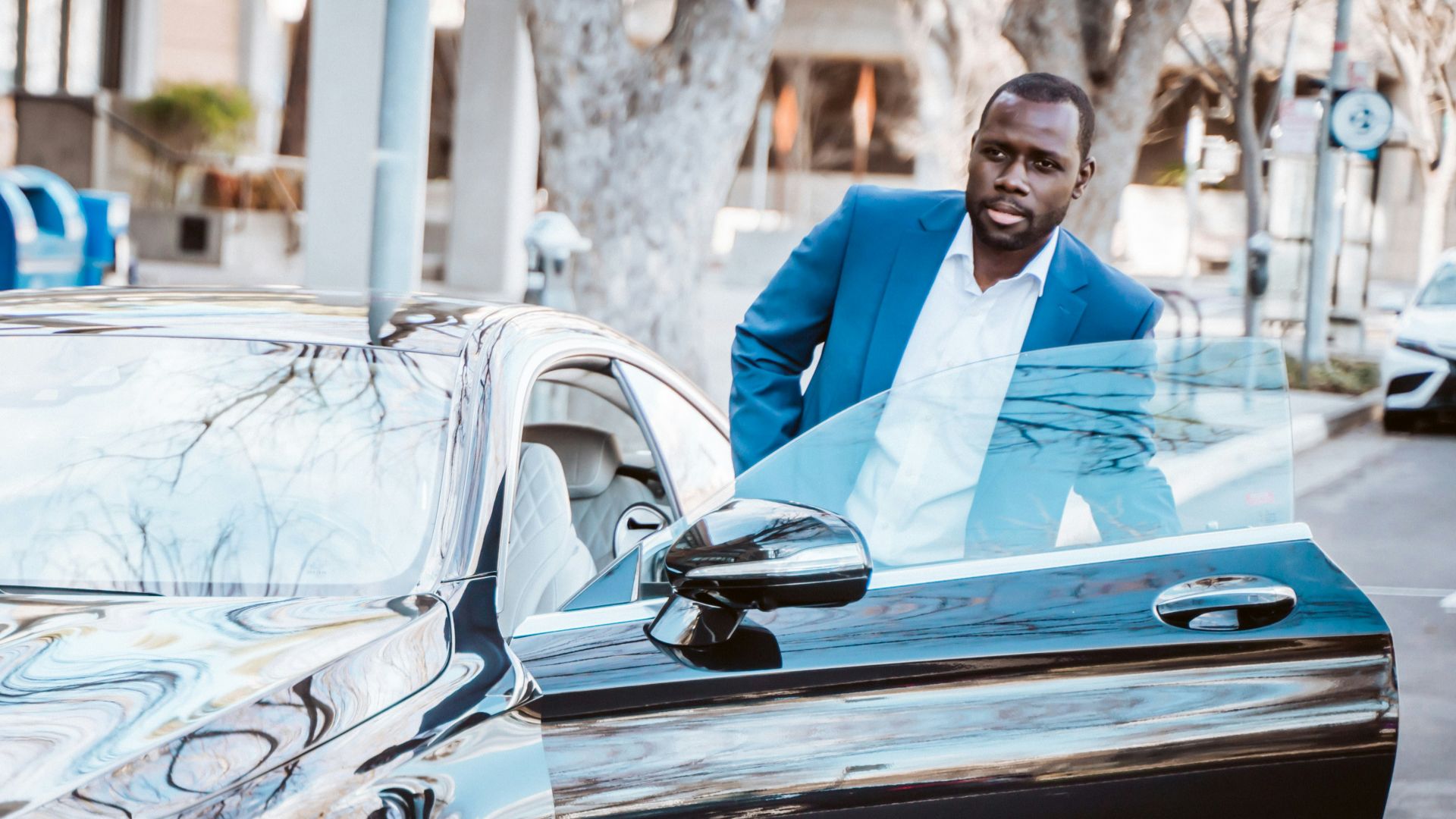
Stopping square to the stand, far enough out that the door swings clear of the podium, marks somebody who has done this before. Drivers who come in at an angle, or stop six feet short and then inch forward while everyone waits, turn a ten-second handoff into a negotiation. There is usually a line of cars behind you watching it happen.
2. Whether You Put It in Park
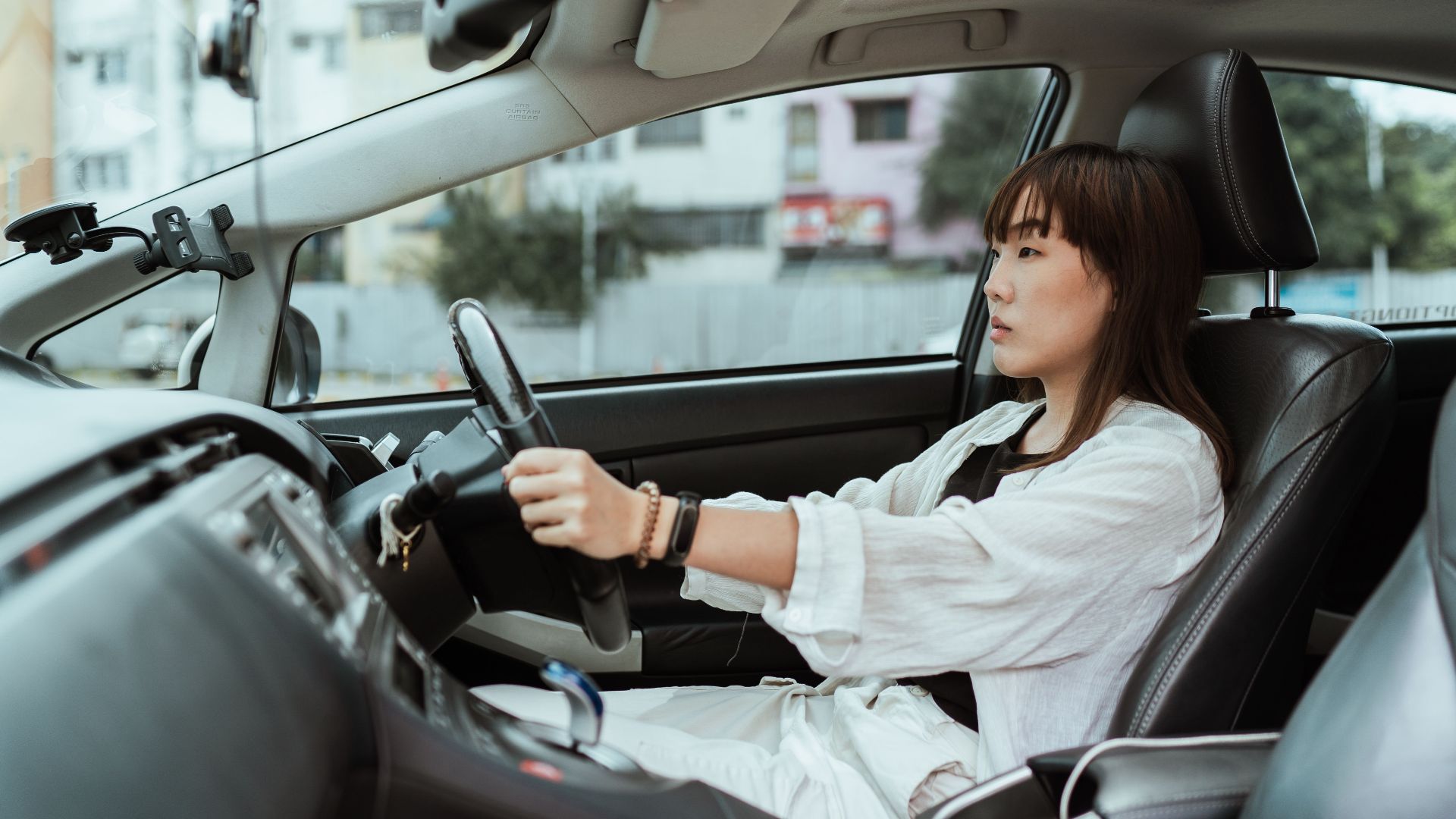
More people than you'd think step out with the car still in drive. Nobody walks in front of a running car until they've seen the shifter move, because an automatic left in gear starts creeping the second the driver's foot leaves the brake.
3. Your Tires
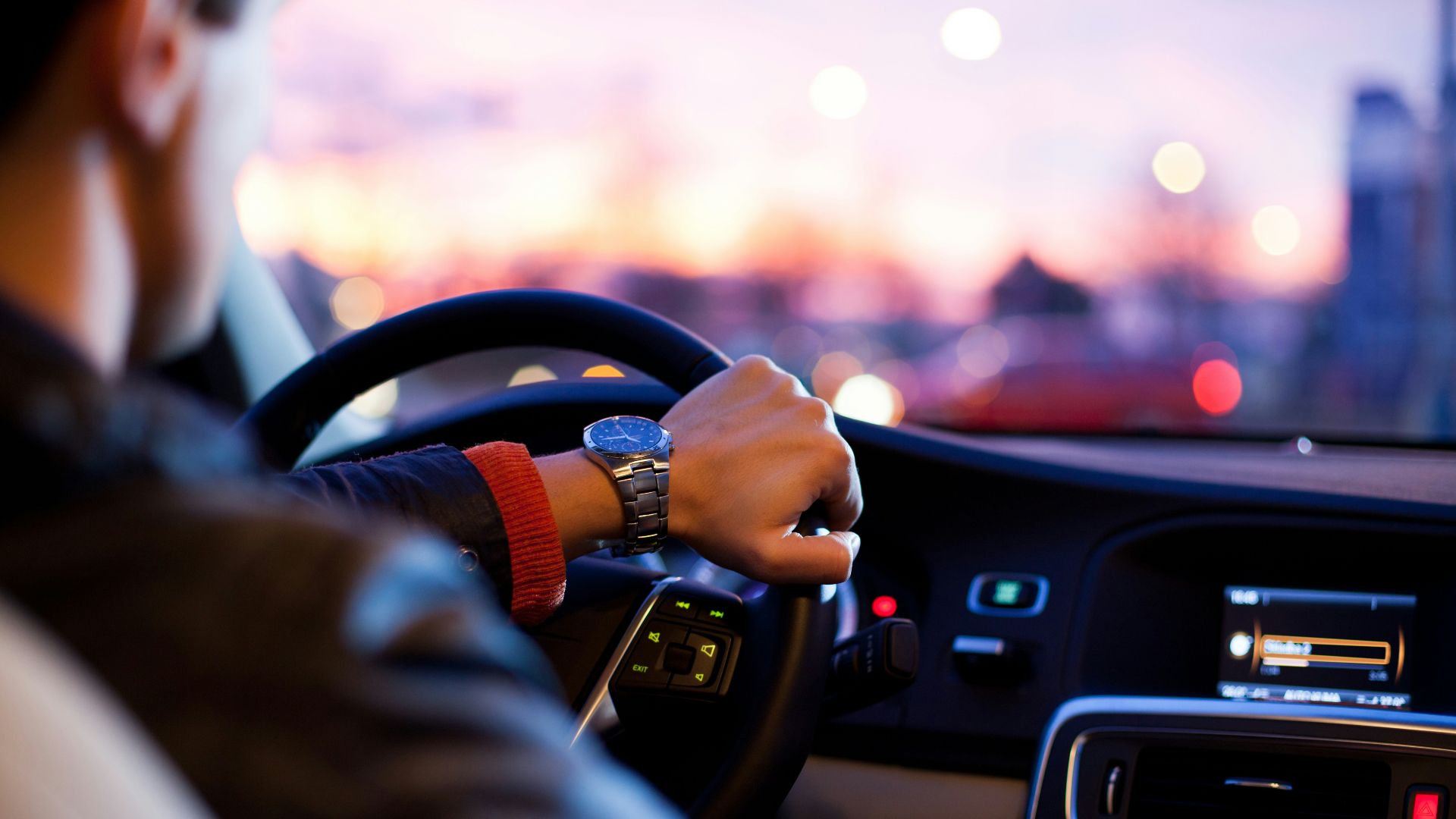
Tread depth says more about how somebody treats a car than anything else visible from outside it. Twenty-inch wheels wrapped in tires worn to the wear bars read a particular way to somebody who sees a few hundred cars a week. It suggests the money went into the look and stopped short of the maintenance.
4. What's on the Passenger Seat
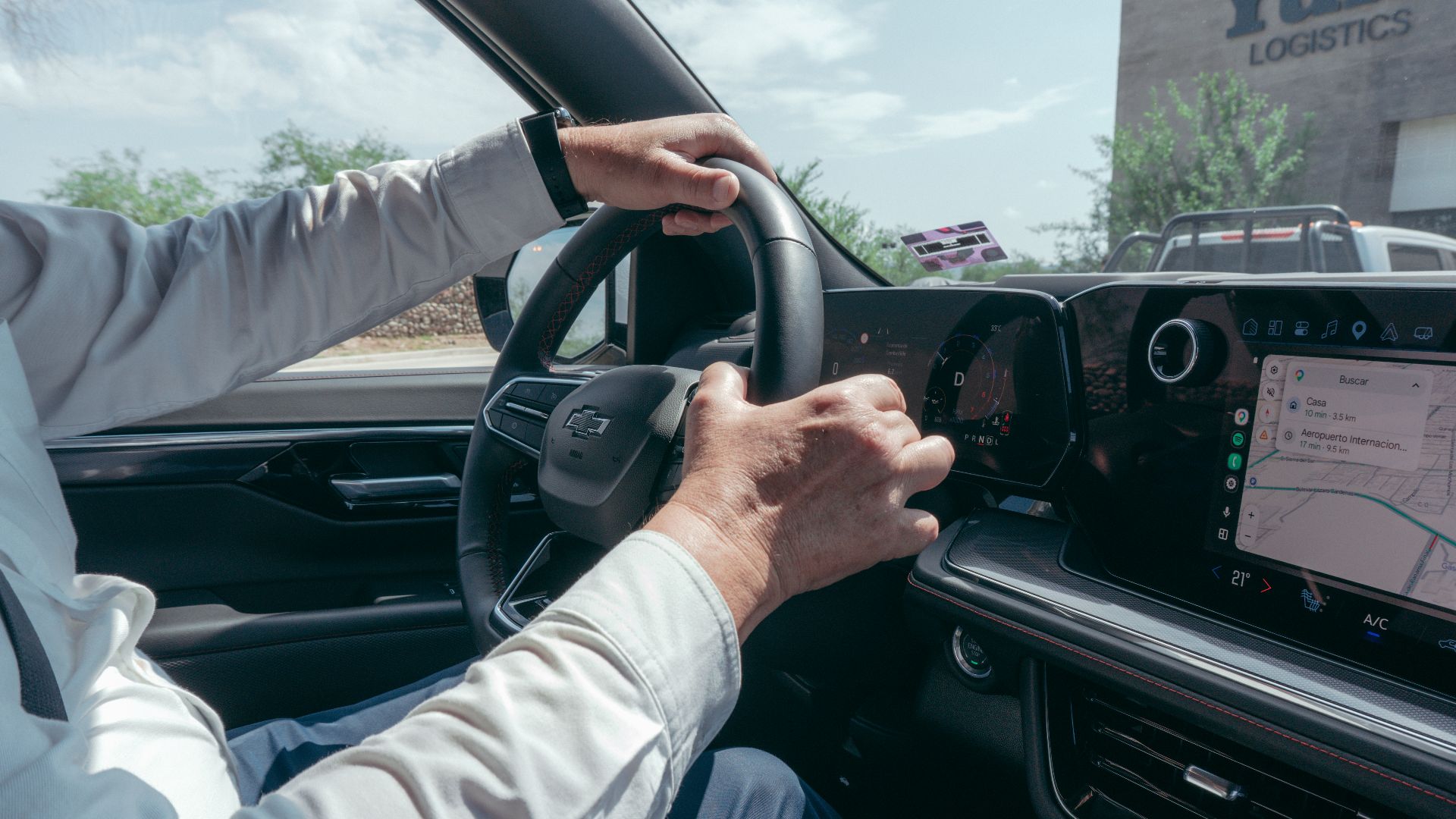
A laptop bag or a purse left in plain view is going to sit there for three hours in a lot with a chain-link fence and one camera pointed the wrong way. Somebody has to raise it with you, and nobody enjoys that conversation. Most valets would rather you carried the thing inside than have it become their problem at midnight.
5. The Warning Lights
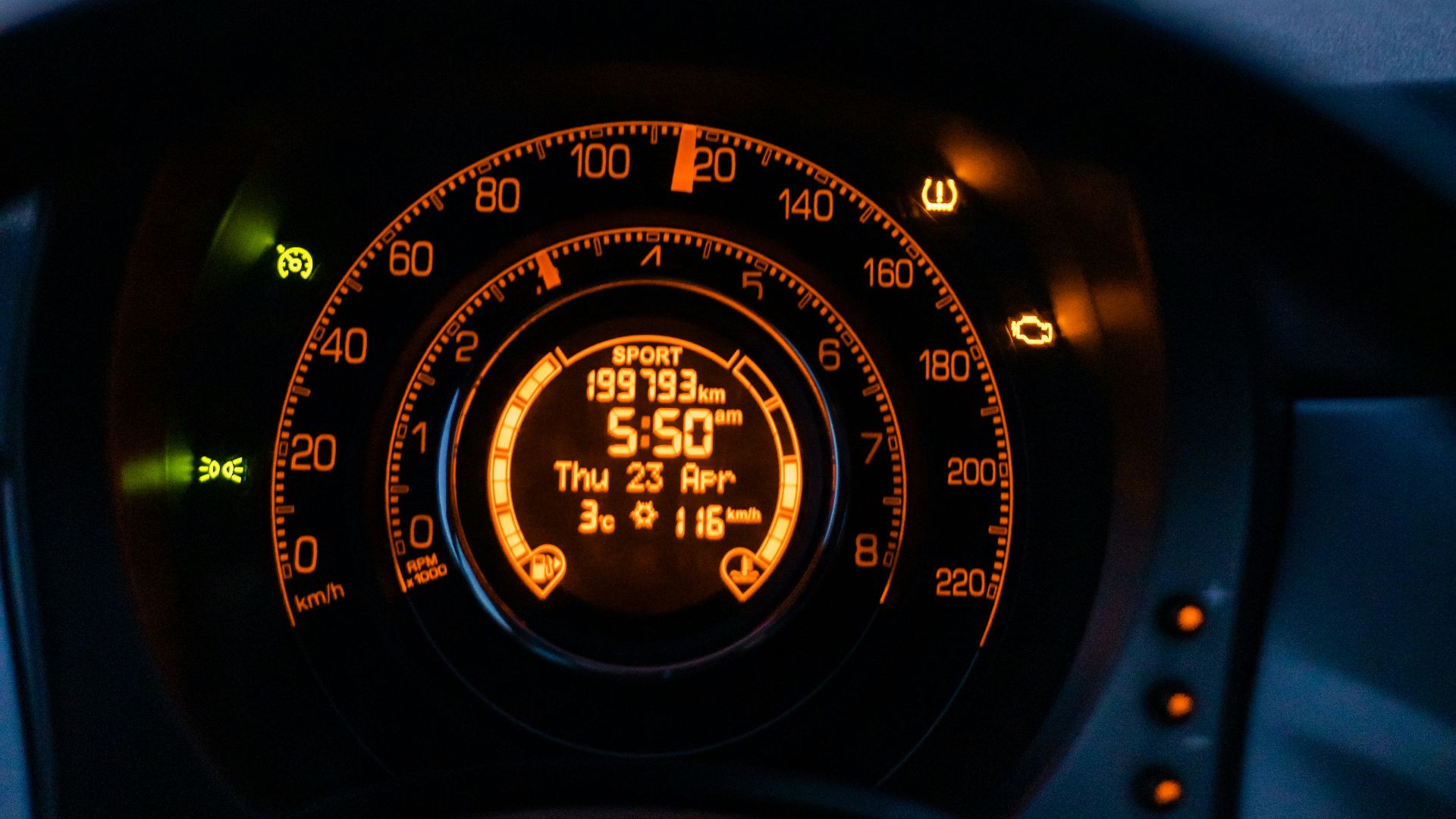
A dashboard lit up with a check engine light tells them what might happen when they go to bring it back. A tire pressure light matters less than it sounds, since half the cars in December are showing one. The low fuel light is the one that changes the math on which lot the car gets sent to and how far it has to come back.
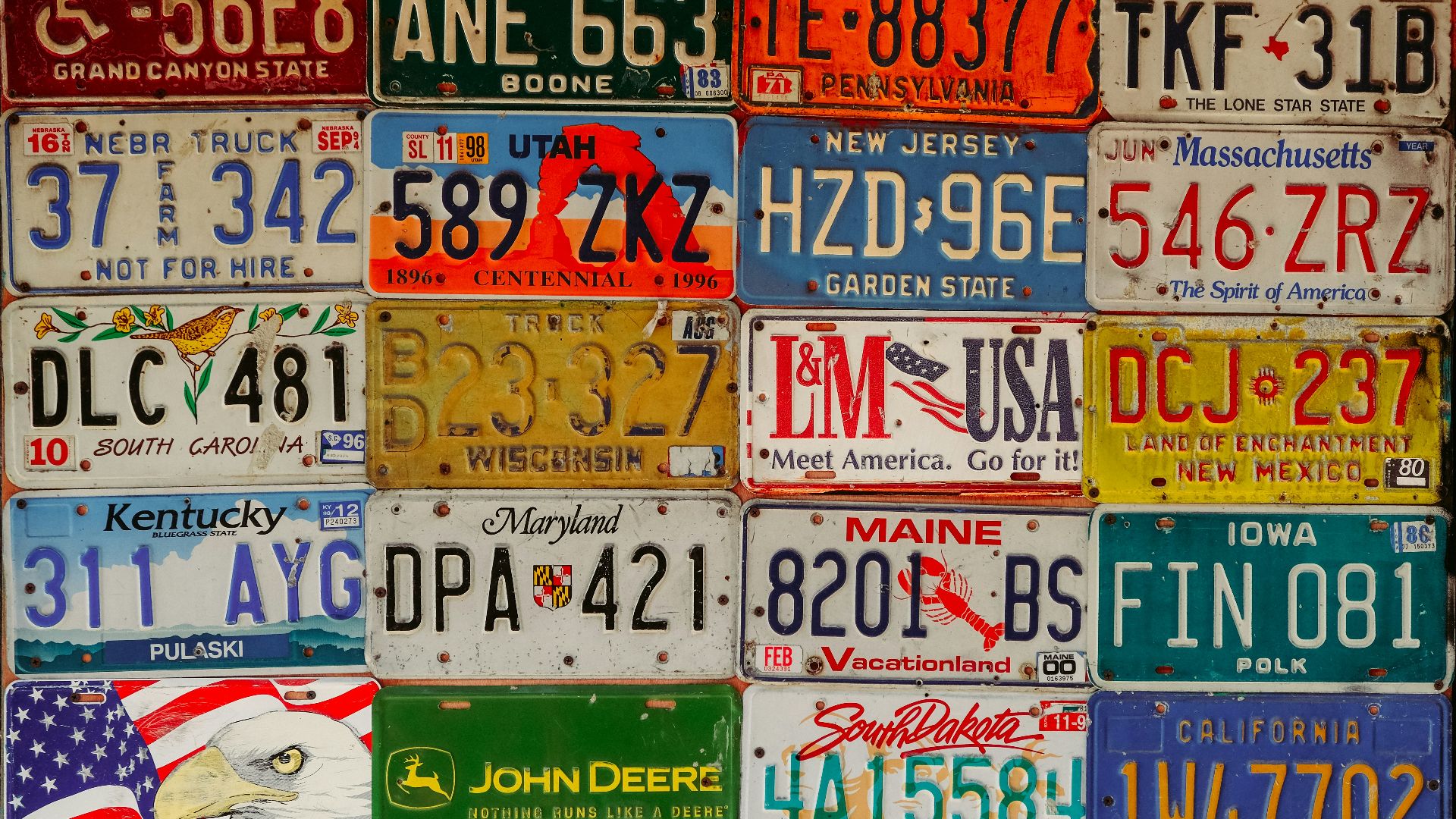
6. Out-of-State Plates
Plates from three states away usually mean a hotel guest rather than a local, which means the car is sitting overnight rather than for the length of a dinner. That changes where it gets parked. It also flags a driver who has no idea how long the garage takes, which changes how the return gets explained.
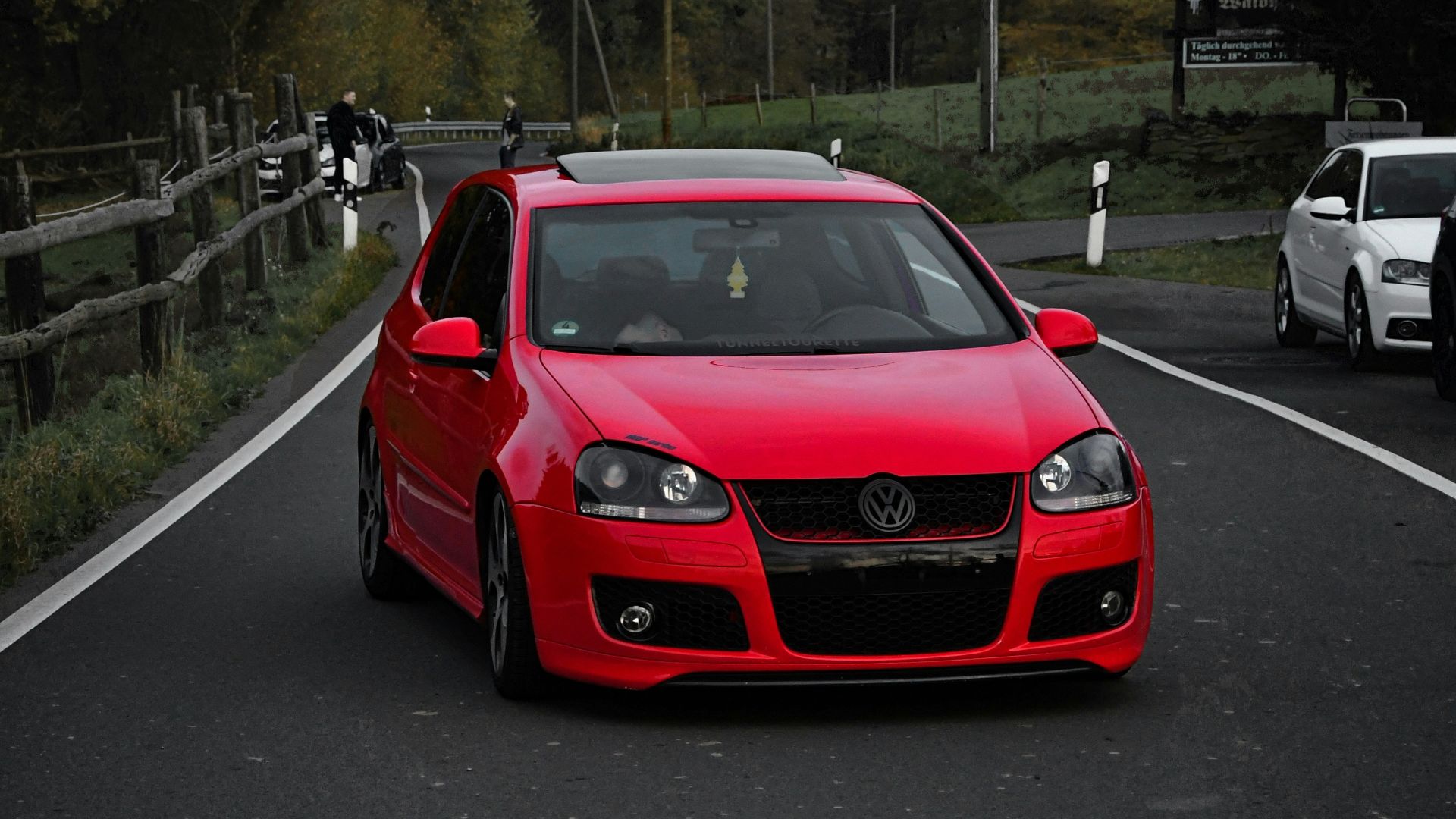
7. Aftermarket Anything
Lowered suspension changes the angle the car has to take coming off the driveway lip, and a straight-piped exhaust means the entire block hears the trip to the lot. Owners of modified cars are also the ones most likely to stand on the curb and watch the whole drive, which is the fact that actually changes how it gets driven.
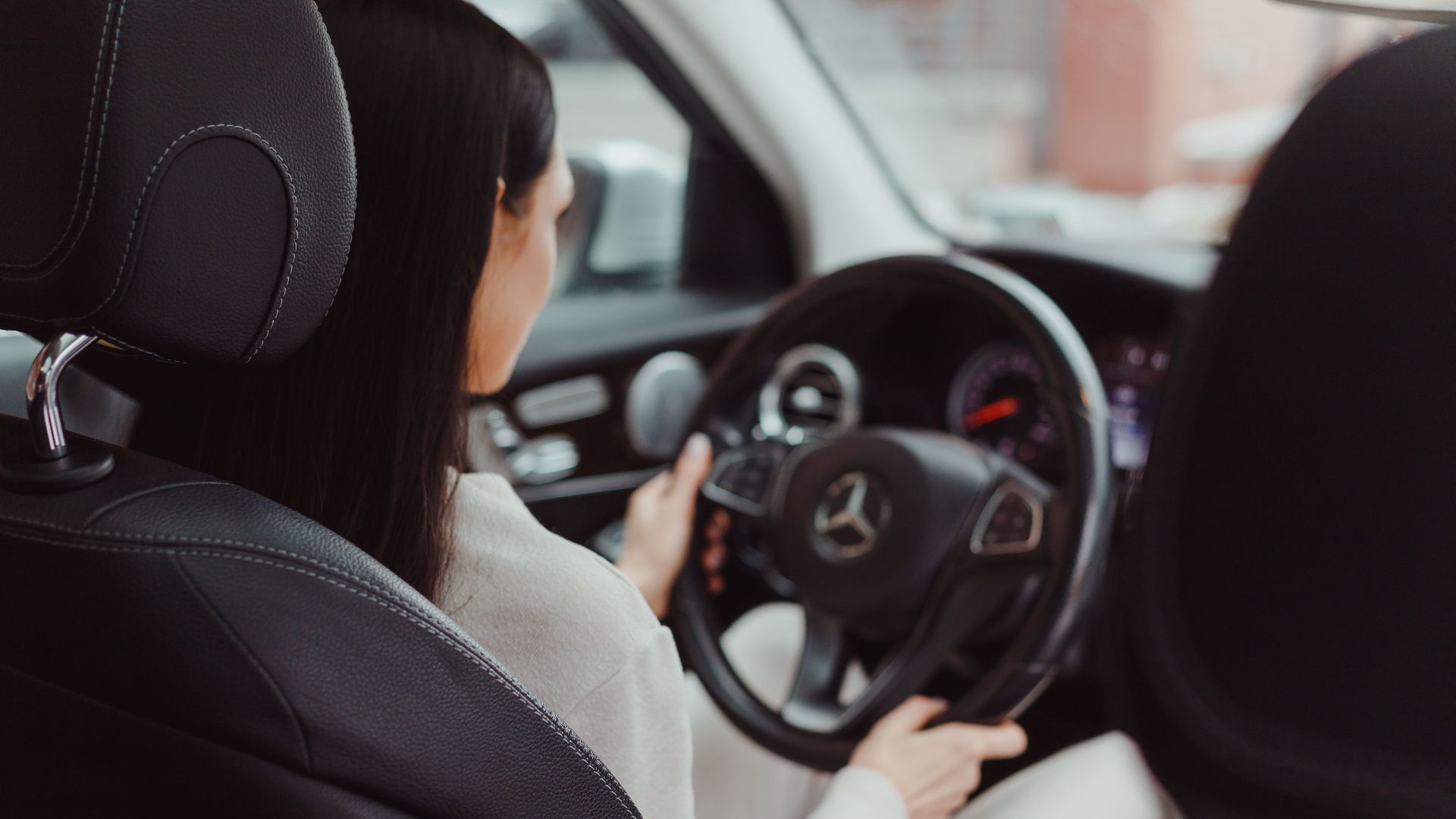
8. Your Seat Position
The seat has to move for anybody who isn't within a couple of inches of the driver's height, and returning it to where it started is part of the job. A seat racked all the way forward or dropped into a full recline is the version that gets remembered. Memory buttons solve the whole problem and virtually nobody sets them up.
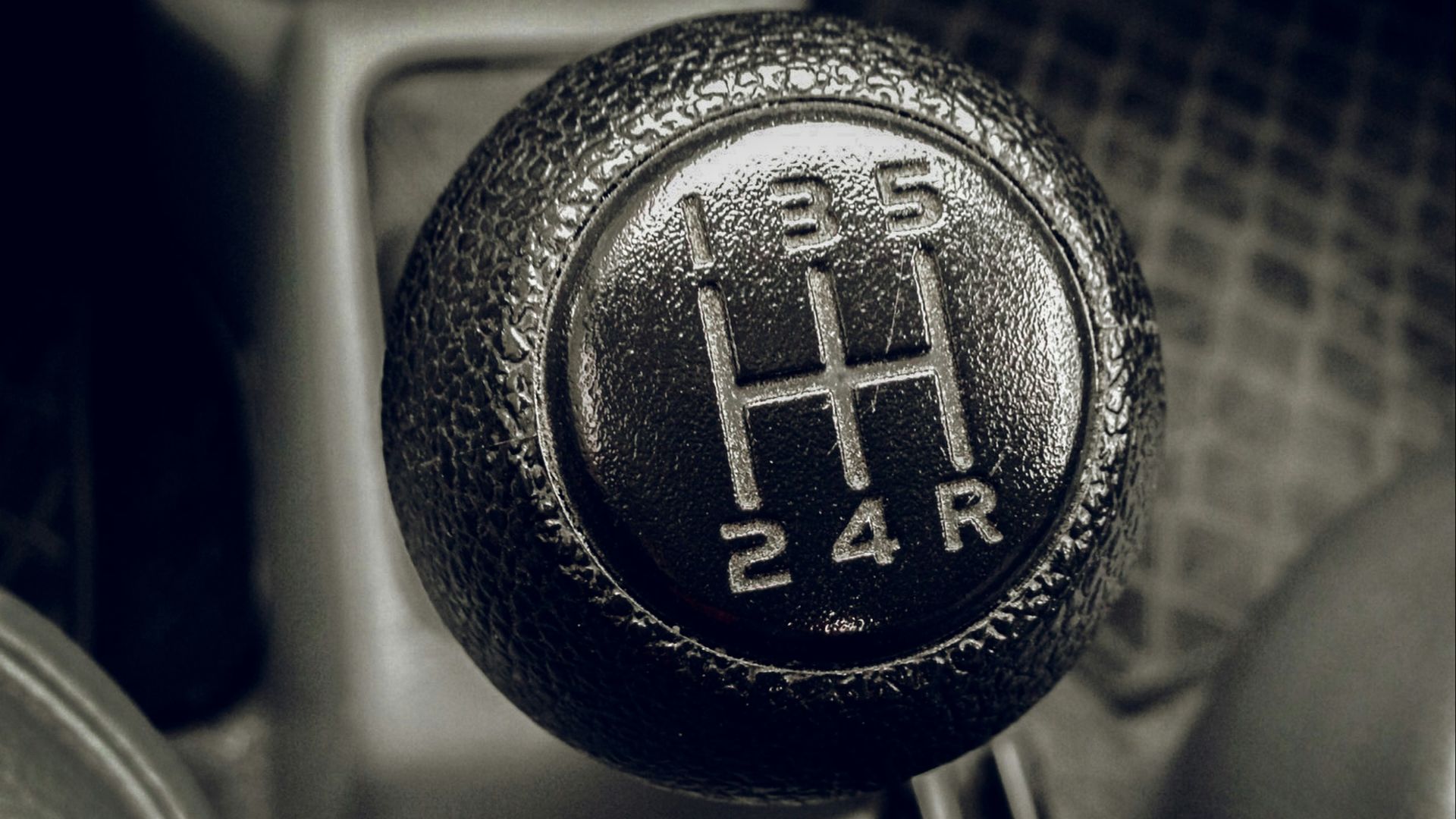
9. Manual Transmission
Not everyone working a stand can drive a stick, which turns a manual into a staffing question rather than a fun detail about your car. Some will ask you directly. Some find out halfway up the ramp, which is a bad place to learn.
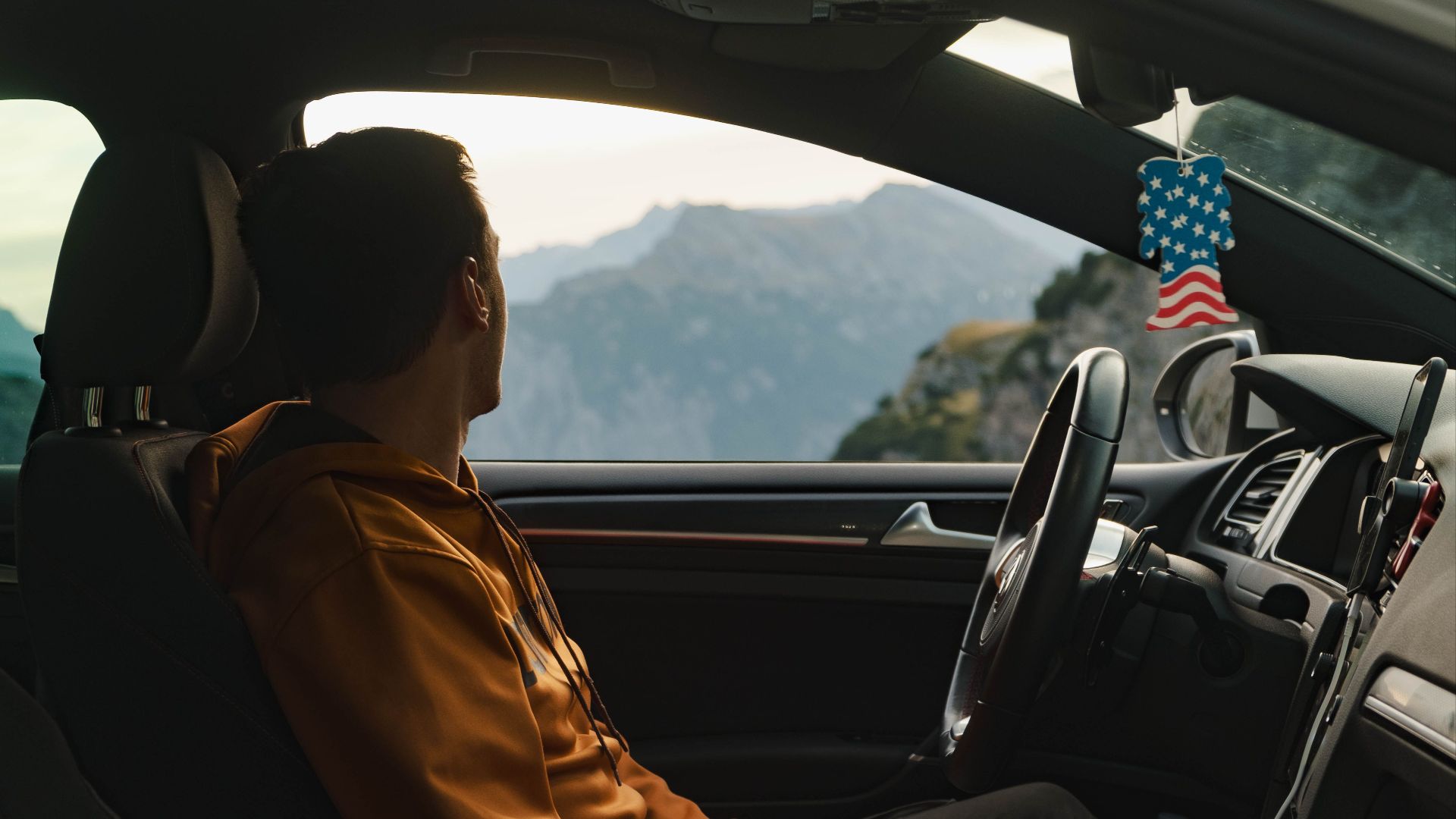
10. The Smell
Cigarette smoke and wet dog both land within a second of the door opening. Nobody says a word about it, though it decides how long anyone wants to sit in there with the windows up on a July night.
 Nicholas Derio Palacios on Pexels
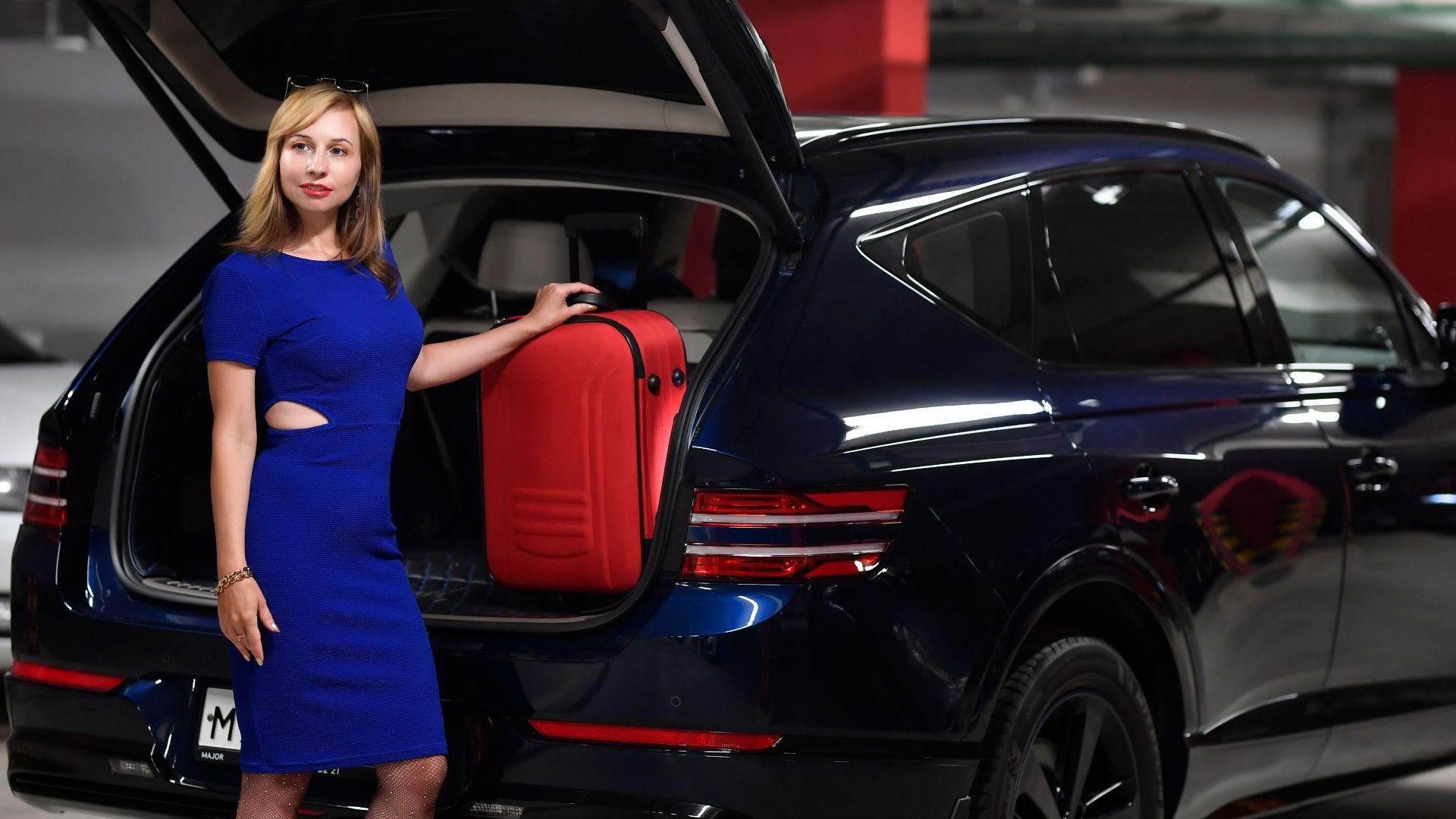
11. How Full the Trunk Is
Hotel valets see the trunk on arrival, because that's where the luggage comes out. Four bags for two people means a long stay and a heavy cart. One overnight bag means the car is coming back tomorrow morning.
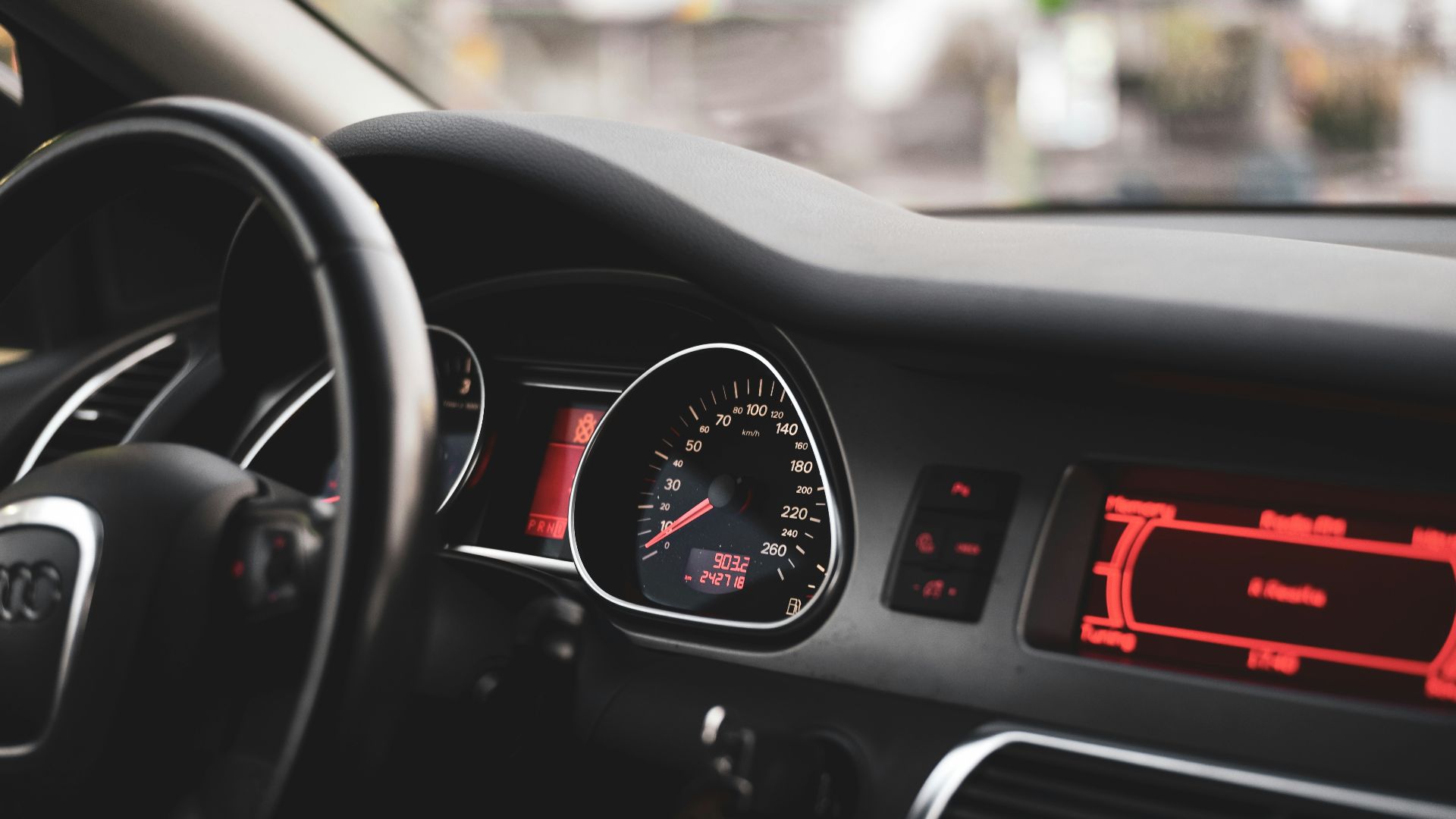
12. Dashboard Dust
Dust across the top of the dash and a film on the inside of the windshield both point to a car that mostly sits in a driveway. Cars that mostly sit are the ones that don't turn over at eleven at night, and a jump start in a packed garage ruins the last hour of a shift.
 Frames For Your Heart on Unsplash
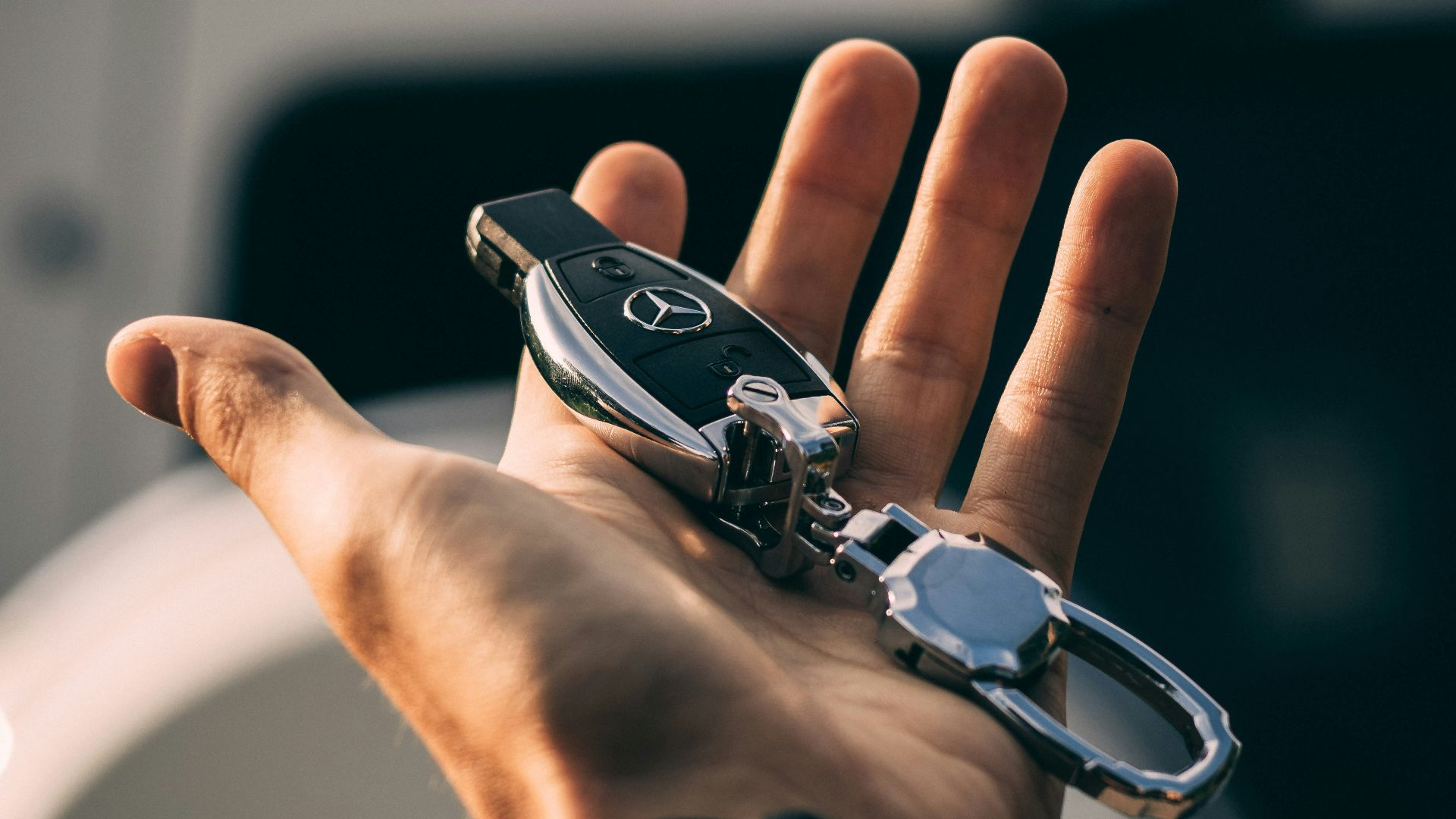
13. Your Keys
A key on a ring with fifteen others and a carabiner attached slows down every single step of the process. It has to be tagged and hung on a board, then located again in the dark by somebody who didn't park it. A key on its own ring is the most considerate thing a driver can hand over, and almost nobody separates them.
14. Whether the Windows Are Down
Leaving a window or a sunroof cracked puts the car outside for hours with a way in, and closing it falls to whoever parked it. Rain in the forecast turns that from a courtesy into a scramble. Convertibles carry their own set of decisions nobody has time to come ask you about.

15. Damage That Was Already There
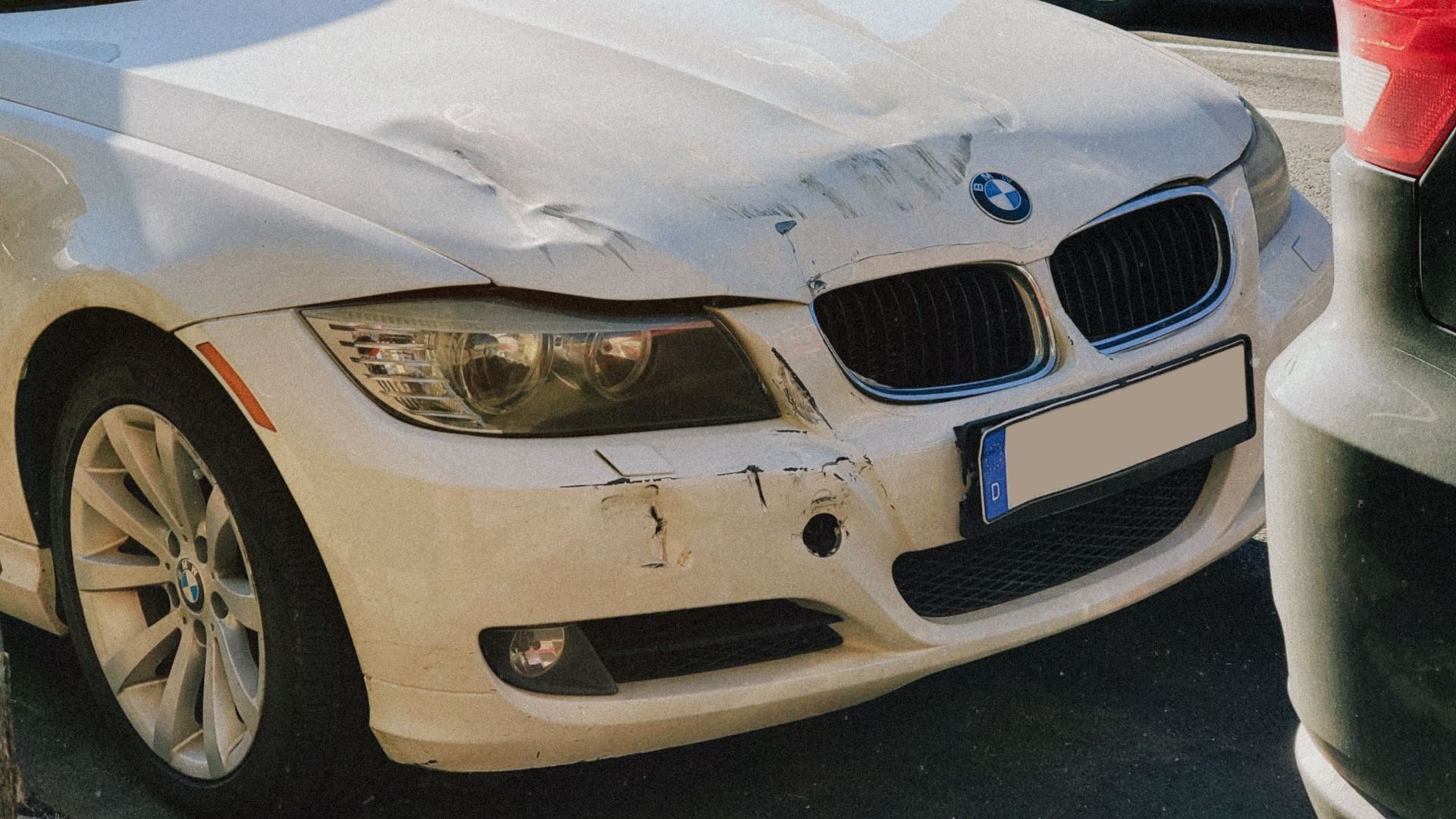
Existing scratches and dents get logged immediately, because that's the argument waiting at the end of the night. The scan happens whether or not anyone is filling out a damage diagram, and a fresh scrape on a bumper gets a second look.
16. Car Seats in the Back
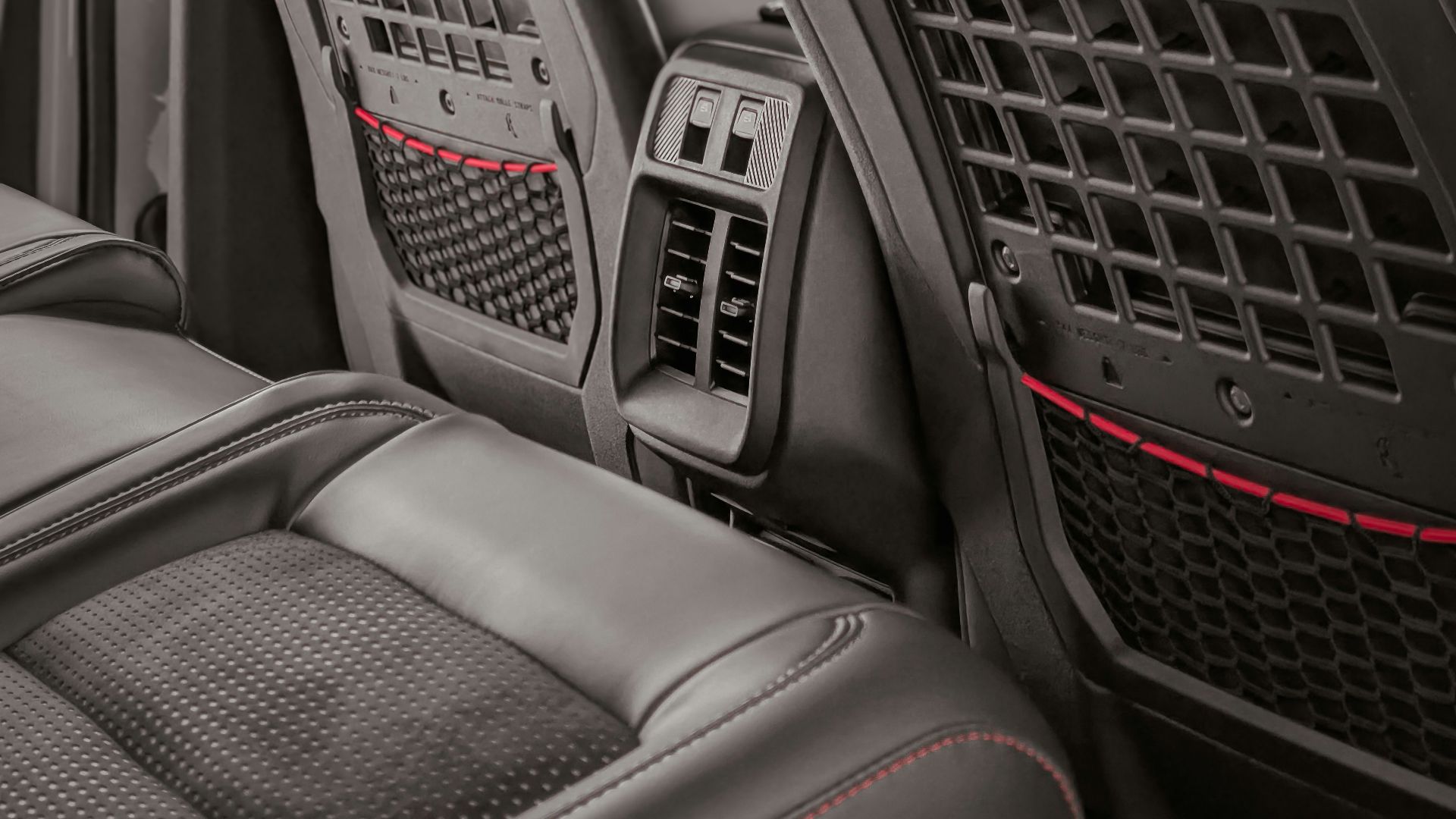
A child seat means the car is coming back to somebody who will notice immediately if anything got moved. It also means the driver ahead of you took the speed bumps at walking pace. Those cars tend to end up parked closer to the stand, where they can be pulled fast when a tired kid decides the night is over.
17. Rental Barcodes
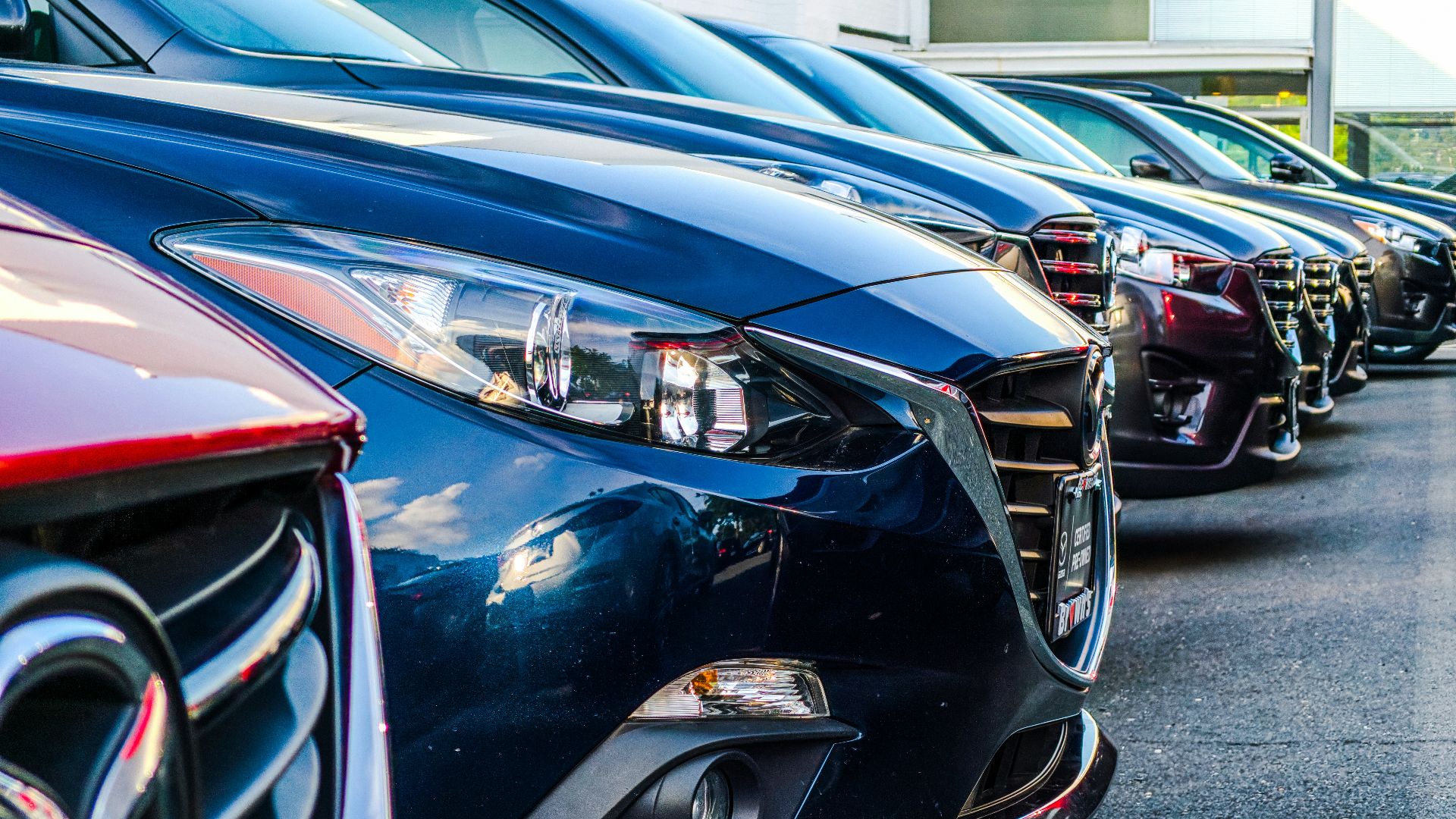
Barcodes in the corner of the windshield mean the driver doesn't know this car either, and rentals turn up with controls nobody has located and a parking brake hidden somewhere new. They also get handled with a little less ceremony, which is human enough.
18. What's Playing
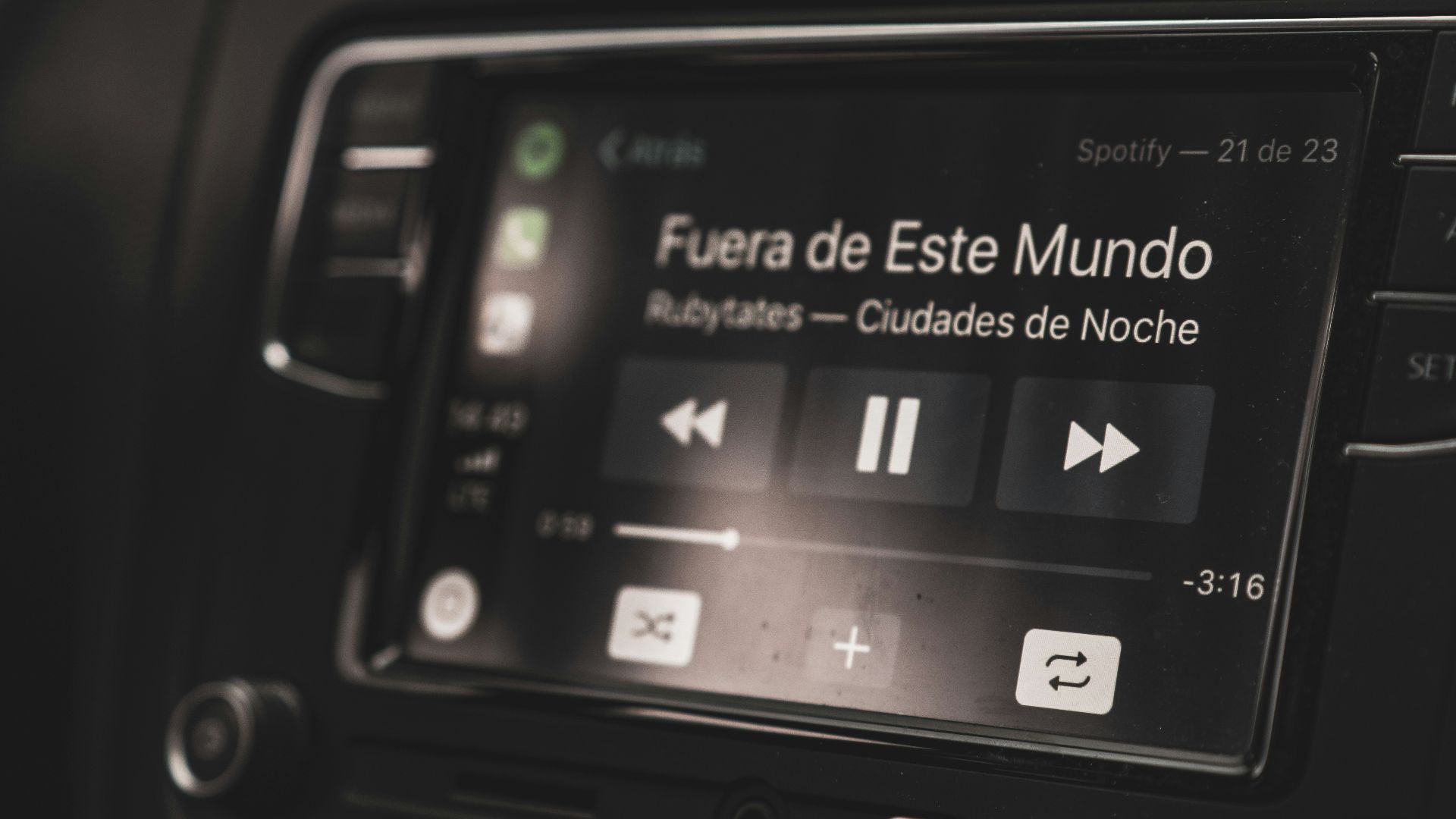
Whatever you had playing comes through the moment the door opens, at exactly the volume you left it. Talk radio and podcasts stand out more than music, since a voice mid-sentence is harder to ignore. Most valets turn the volume down before bringing it back.
19. Your Fuel Gauge
Pulling up with the needle on the peg leaves the valet hoping the lot is close, since nobody is putting gas in it for you. A quarter tank is the informal line between fine and inconvenient. Below that, somebody is doing arithmetic about the distance to the lot.
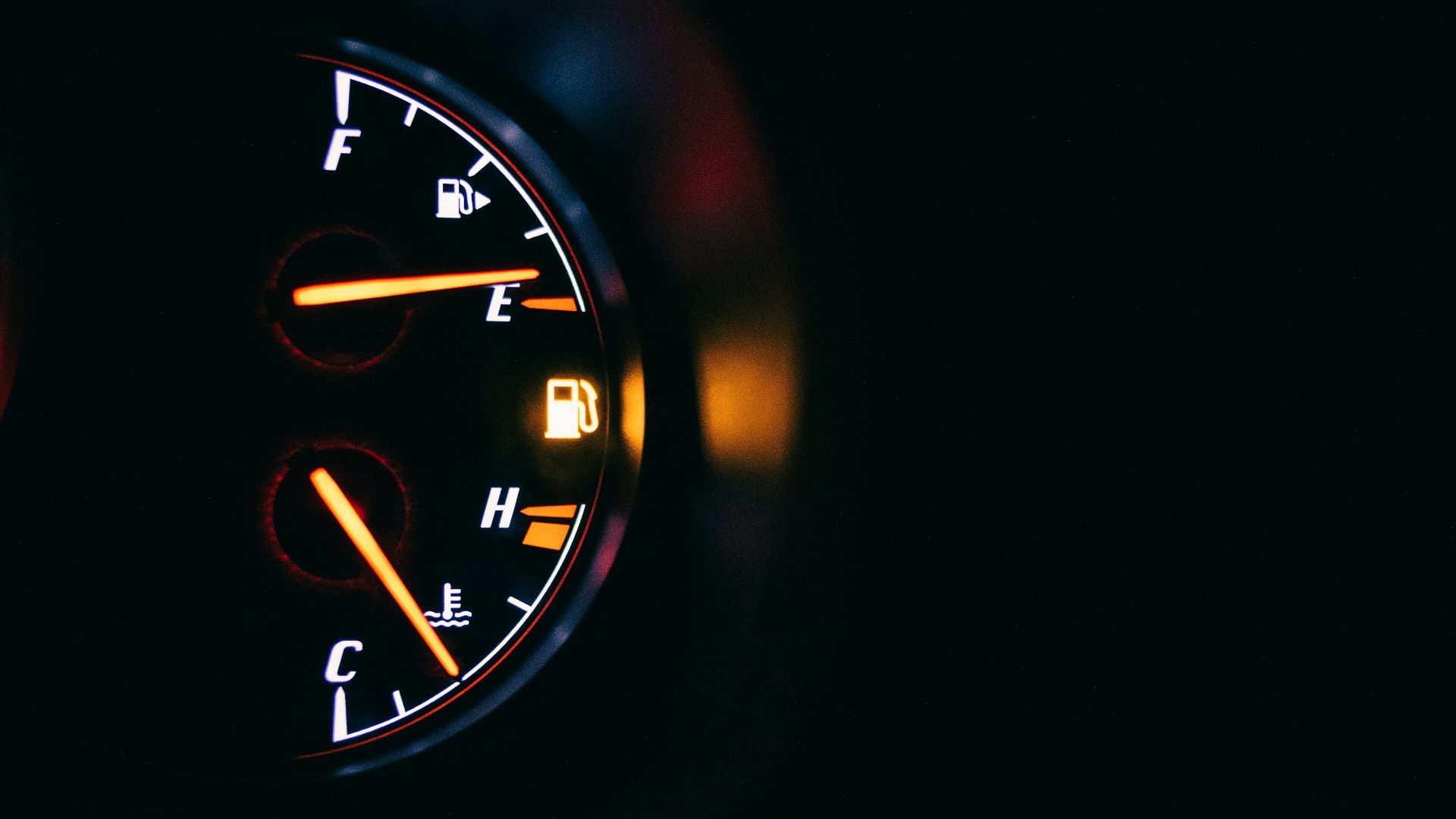
20. How You Hand Over the Keys
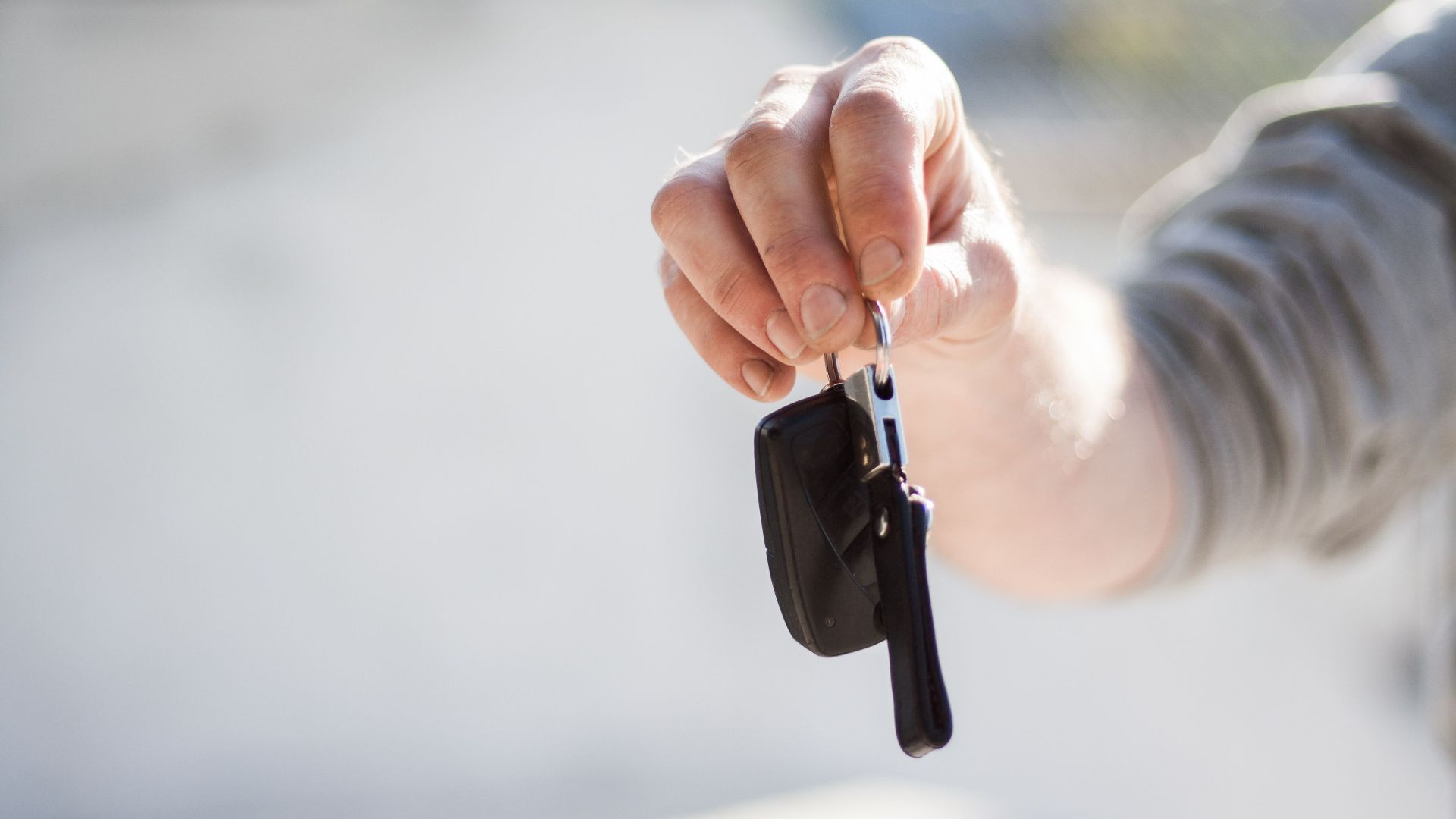
Putting the keys into an open hand while looking at the person is a different transaction than dropping them on the podium and walking off mid-sentence. Four hours later, when a hundred cars have come and gone, the ones who did the second thing are still remembered for it.