The Prancing Horse Guarantees Nothing
Buying a Ferrari is one of the few purchases where the badge tells you almost nothing about what you're getting. Some of these cars hold their value for decades and drive well enough to justify the price. Others spend six weeks in a specialist's shop while somebody pulls the engine to reach a belt, and the bill comes to more than a used Honda. The difference usually comes down to what Ferrari was building for at the time. Here are 10 that earn the money, followed by 10 that will eat it.
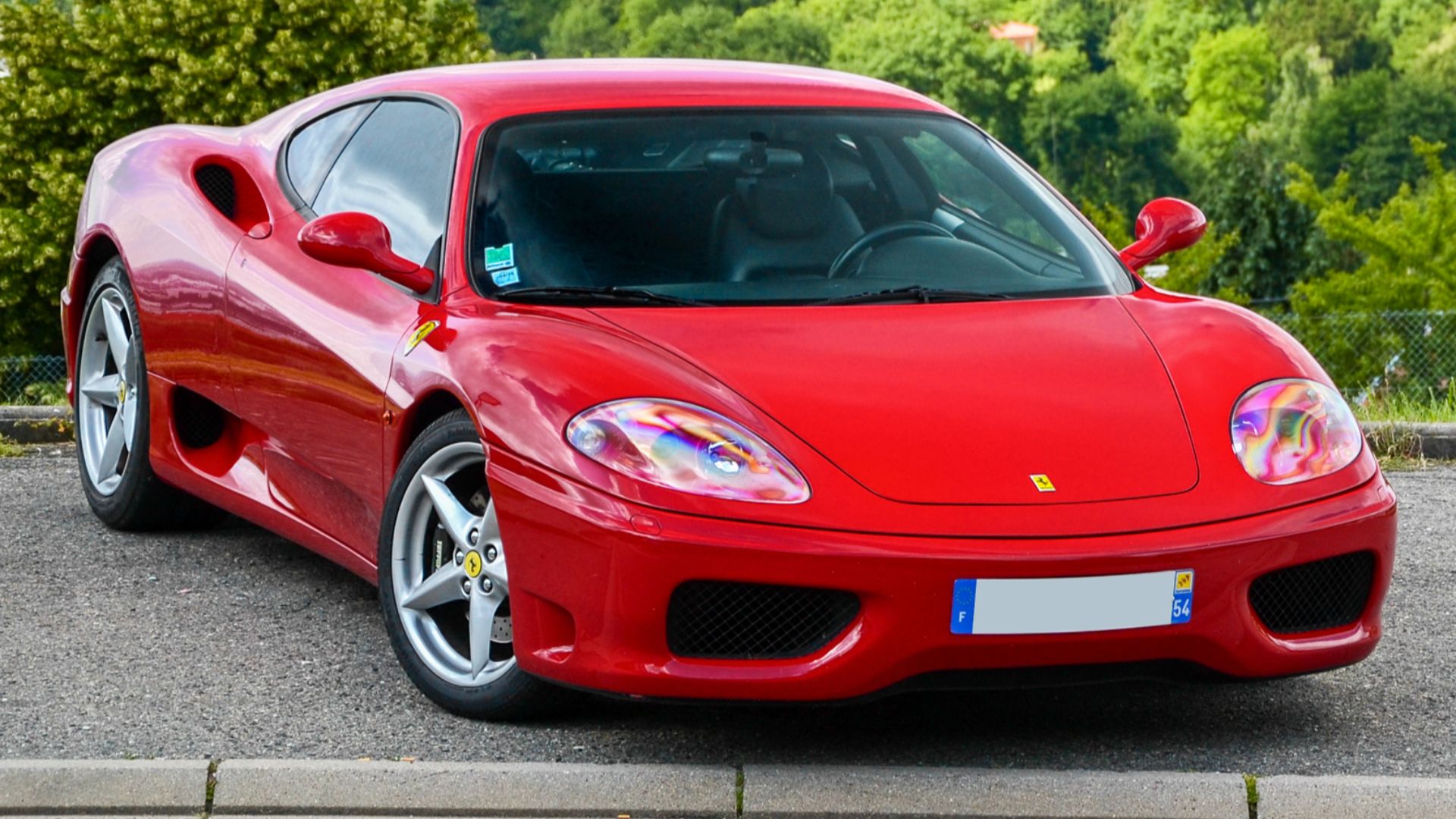 Alexandre Prévot from Nancy, France on Wikimedia
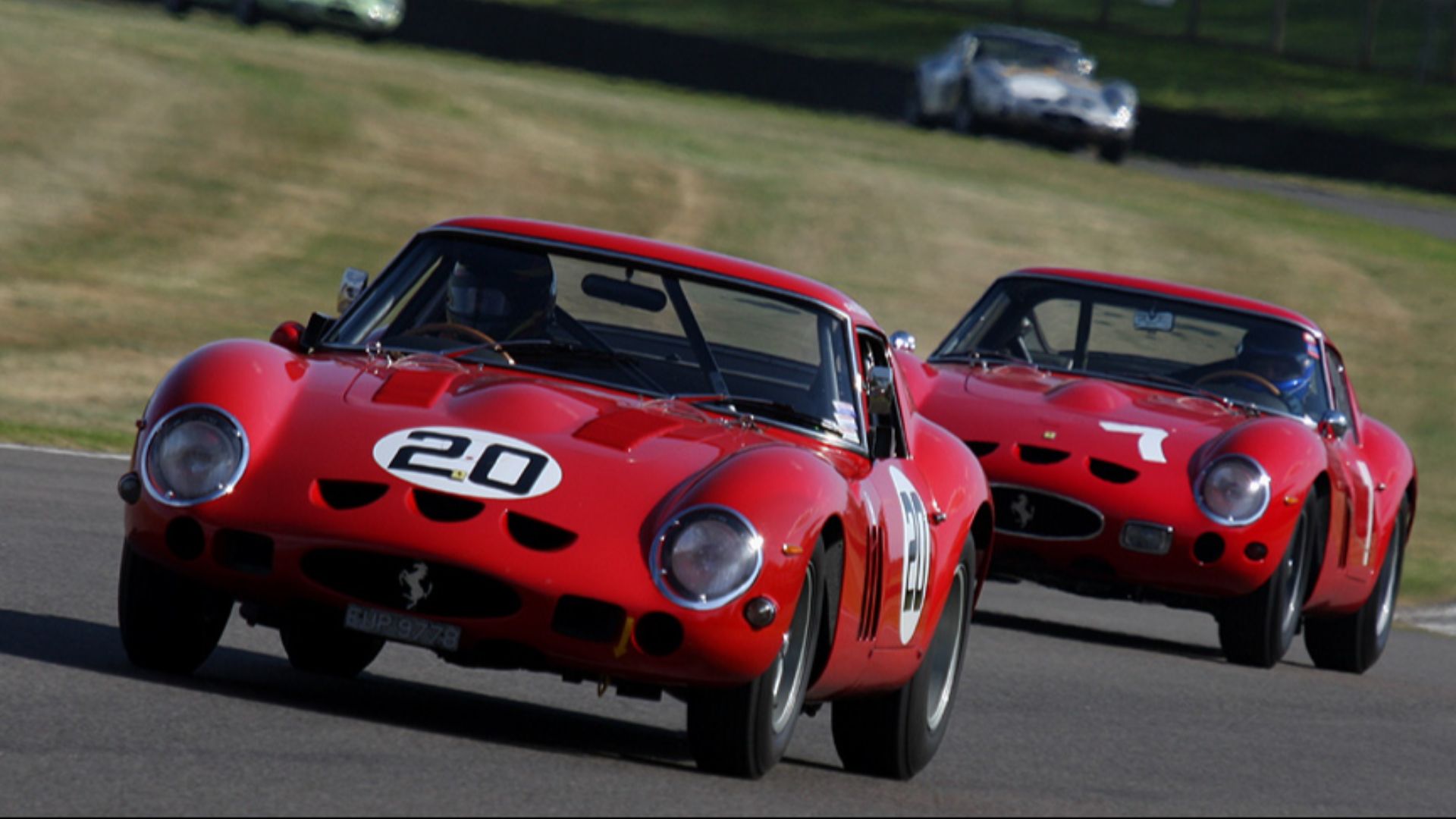
1. 250 GTO
Thirty-six were built between 1962 and 1964, and one changed hands privately in 2018 for a reported $70 million. Enzo Ferrari vetted buyers himself, so getting one originally required his blessing rather than a large check. Every example ever made is still accounted for, which almost never happens with cars of that age.
 PSParrot from England on Wikimedia
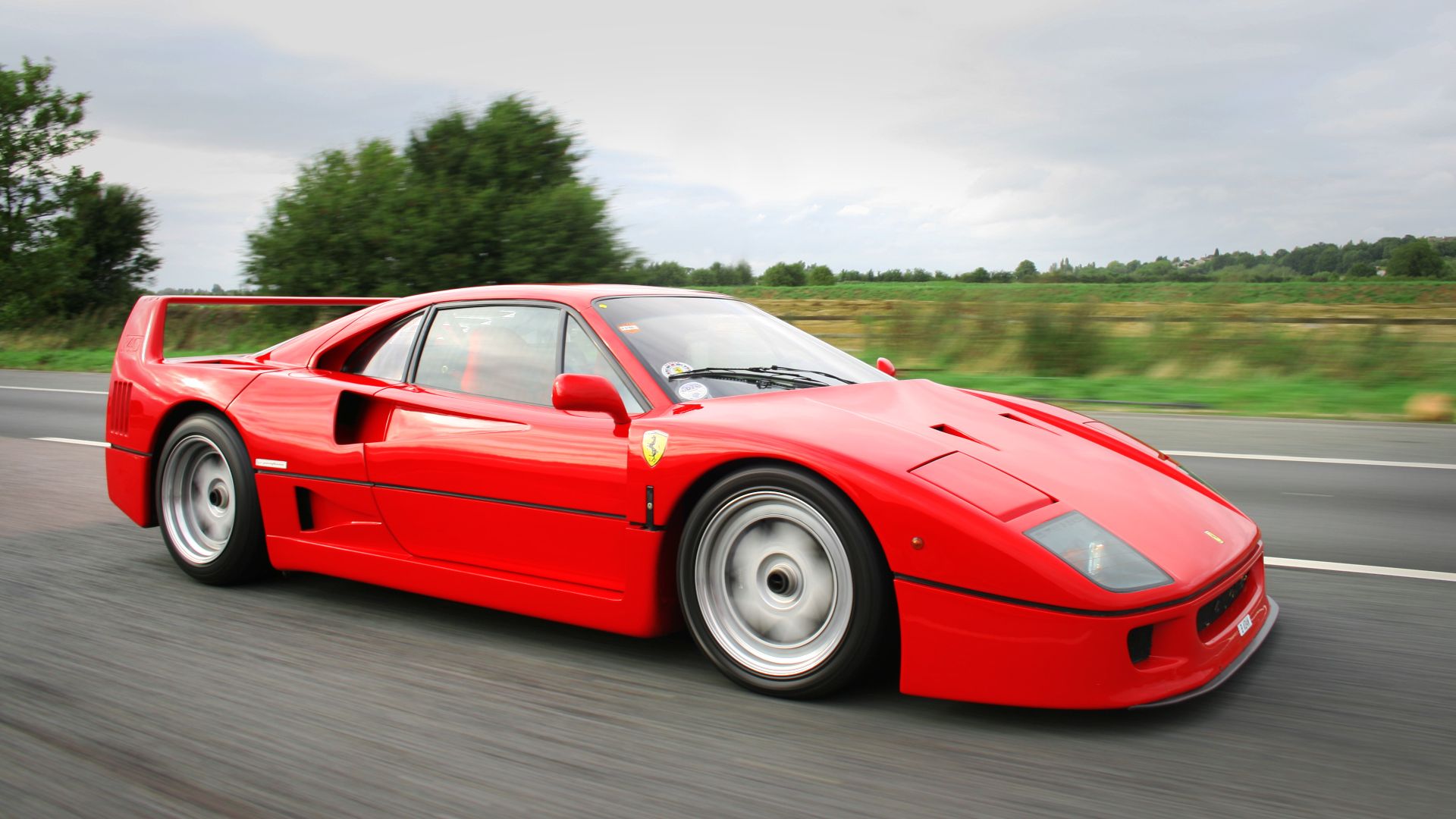
2. F40
Enzo signed off on this one shortly before he died, and it was built to mark the company's fortieth year. You get a twin-turbo V8, a body made largely of Kevlar and carbon fiber, and none of the driver aids that showed up a few years later. Values have pushed past $3 million, and owners still drive them, because leaving it in the garage turns out to be impossible.
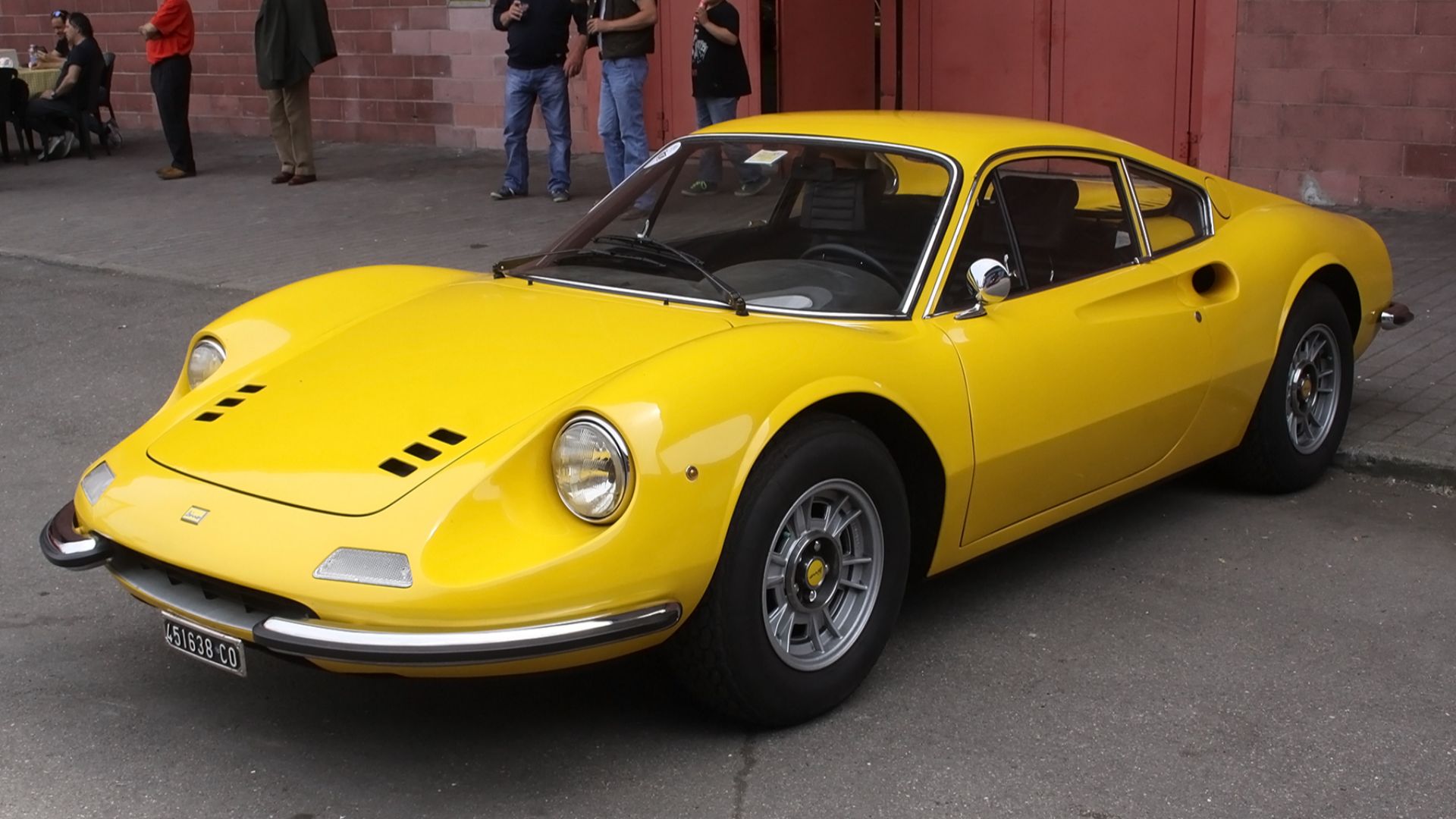
3. Dino 246 GT
Purists once refused to count this as a Ferrari at all, since it wore Dino badges and hid a V6 behind the seats. Nobody bothers with that argument anymore. The unassisted steering is beautifully weighted, and the car actually rewards you at legal speeds, which most of the marque does not.
 Marco 56, edited by Cloverleaf II on Wikimedia
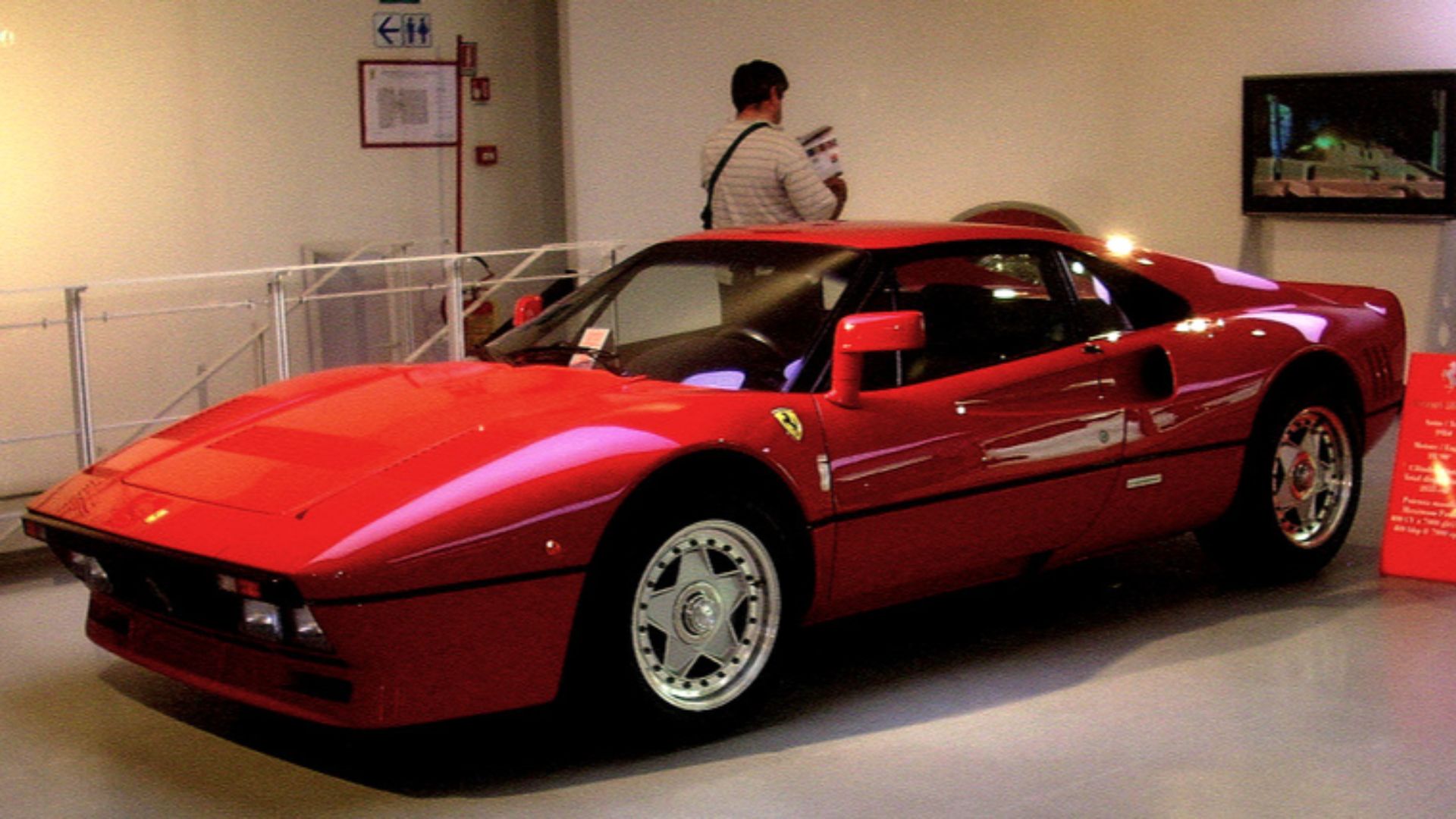
4. 288 GTO
Ferrari built 272 to qualify for a Group B racing class that fell apart before the car ever entered a race. What survived was a homologation special with nowhere to compete and no purpose beyond going extremely fast. It looks like a 308 from twenty feet away, and that's part of why people love it.
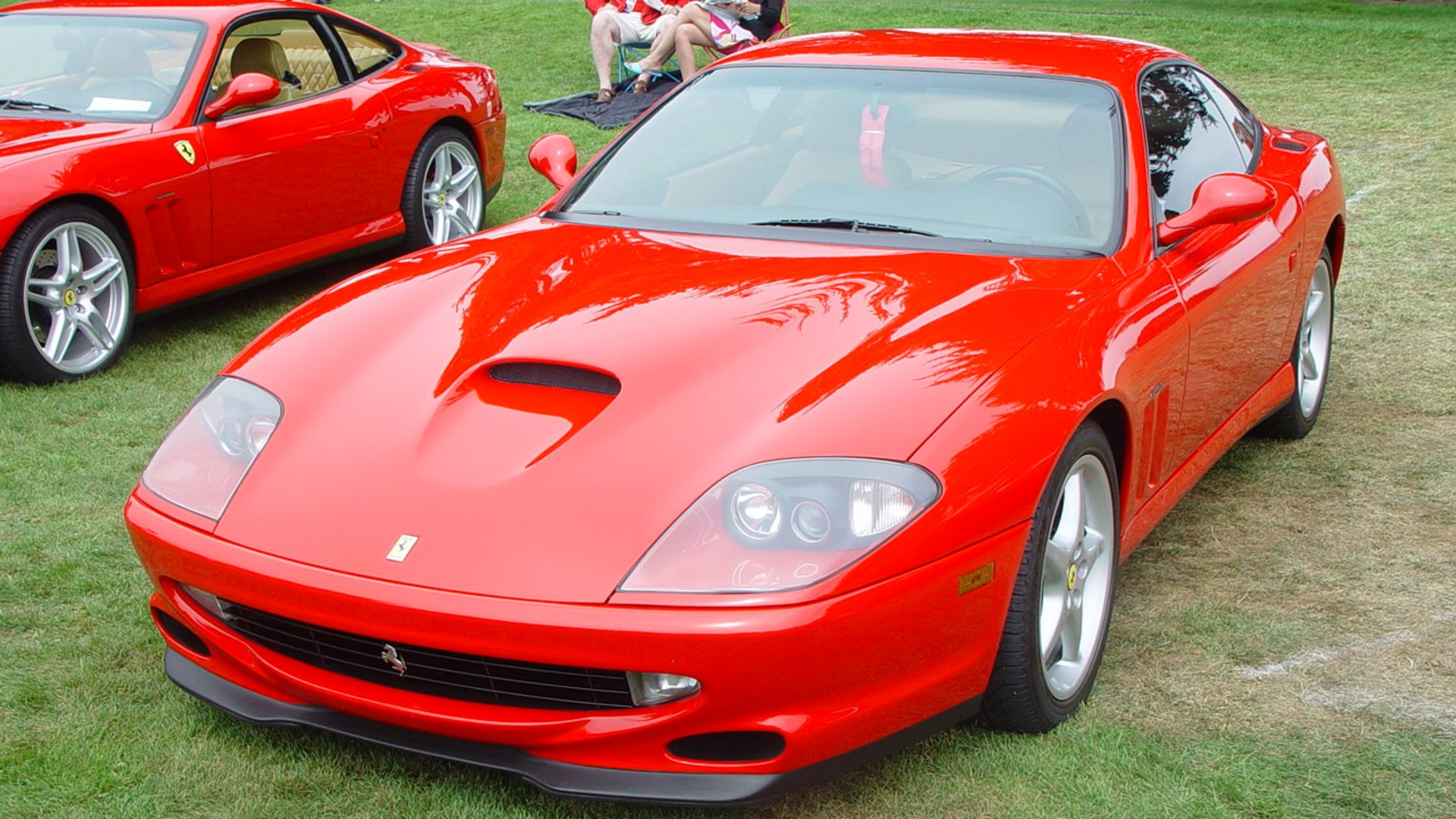
5. 550 Maranello
A front-engined V12, a gated six-speed manual, and enough room behind the seats for actual luggage. Prices sat flat for a decade before buyers realized that combination is gone for good at any price. Servicing is reasonable by the standards of the brand, since the timing runs on chains instead of belts.
 Craig Howell from San Carlos, CA, USA on Wikimedia
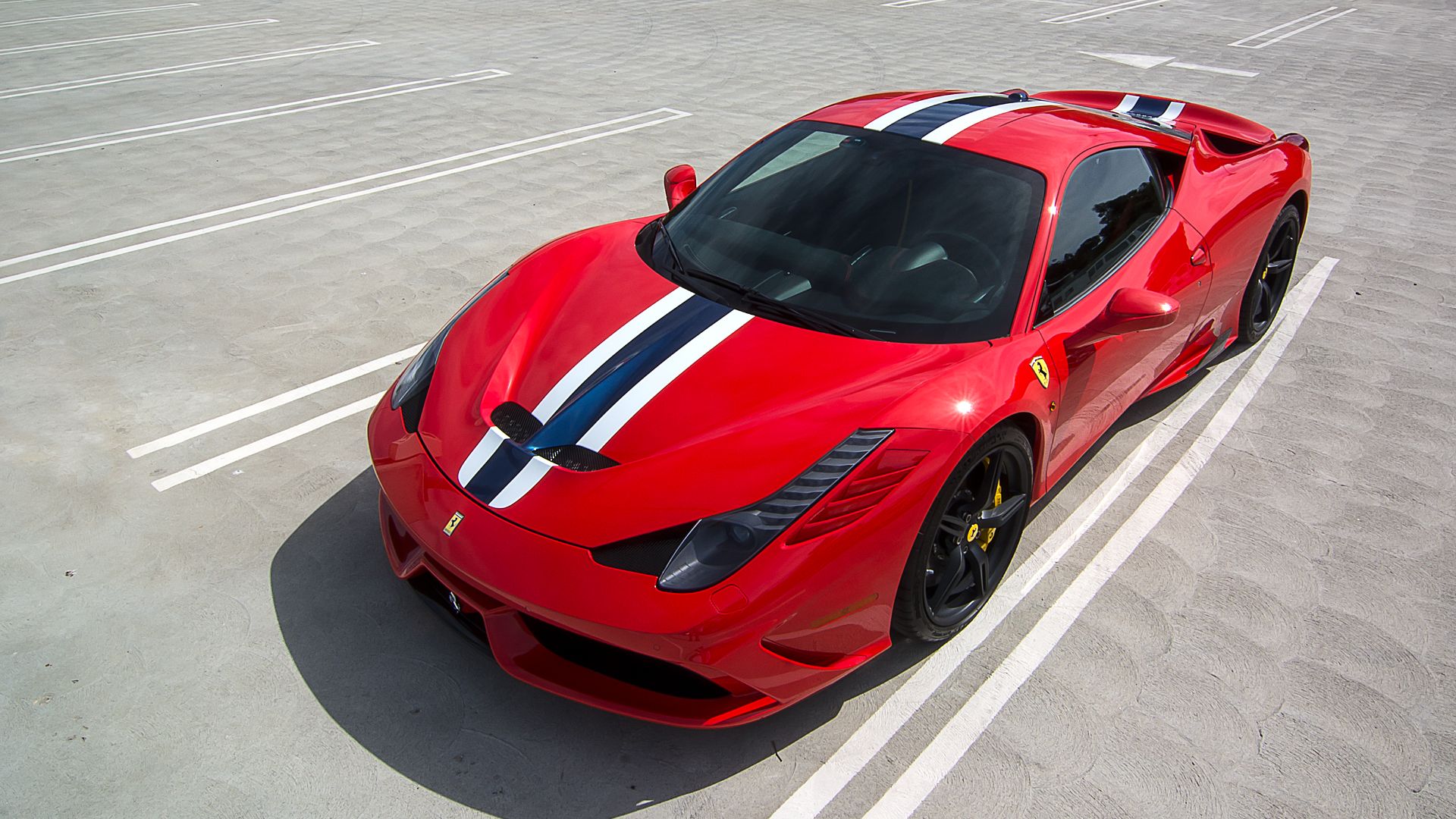
6. 458 Speciale
This was the last naturally aspirated V8 in a mid-engine Ferrari, and the 488 that replaced it made the case retroactively. It spins to 9,000 rpm and produces a sound no turbocharged engine has managed to imitate. Values climbed rather than fell the moment its successor arrived.
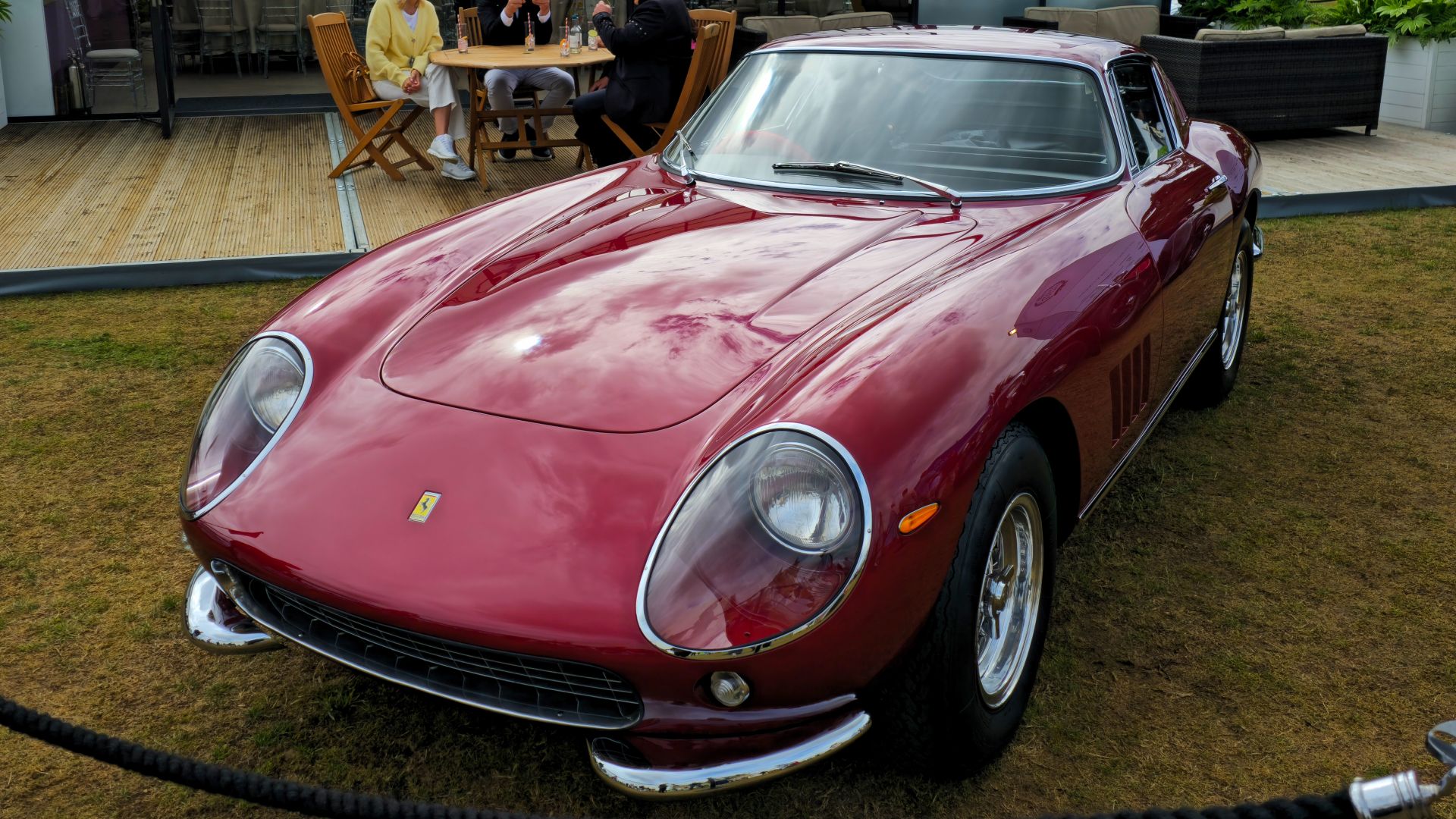
7. 275 GTB/4
The four refers to camshafts, and this was the first road Ferrari with a four-cam V12. Steve McQueen bought one, which has never hurt the market. Moving the gearbox to the rear axle gave it a balance the earlier front-engine cars kept missing.
8. 360 Modena
Get the gated manual and walk away from the automated F1 version. The 360 was Ferrari's first aluminum spaceframe car, and it delivered a level of daily usability the 355 could never manage. Belts and clutches can be reached without pulling the engine, which makes it one of the cheapest modern Ferraris to keep.
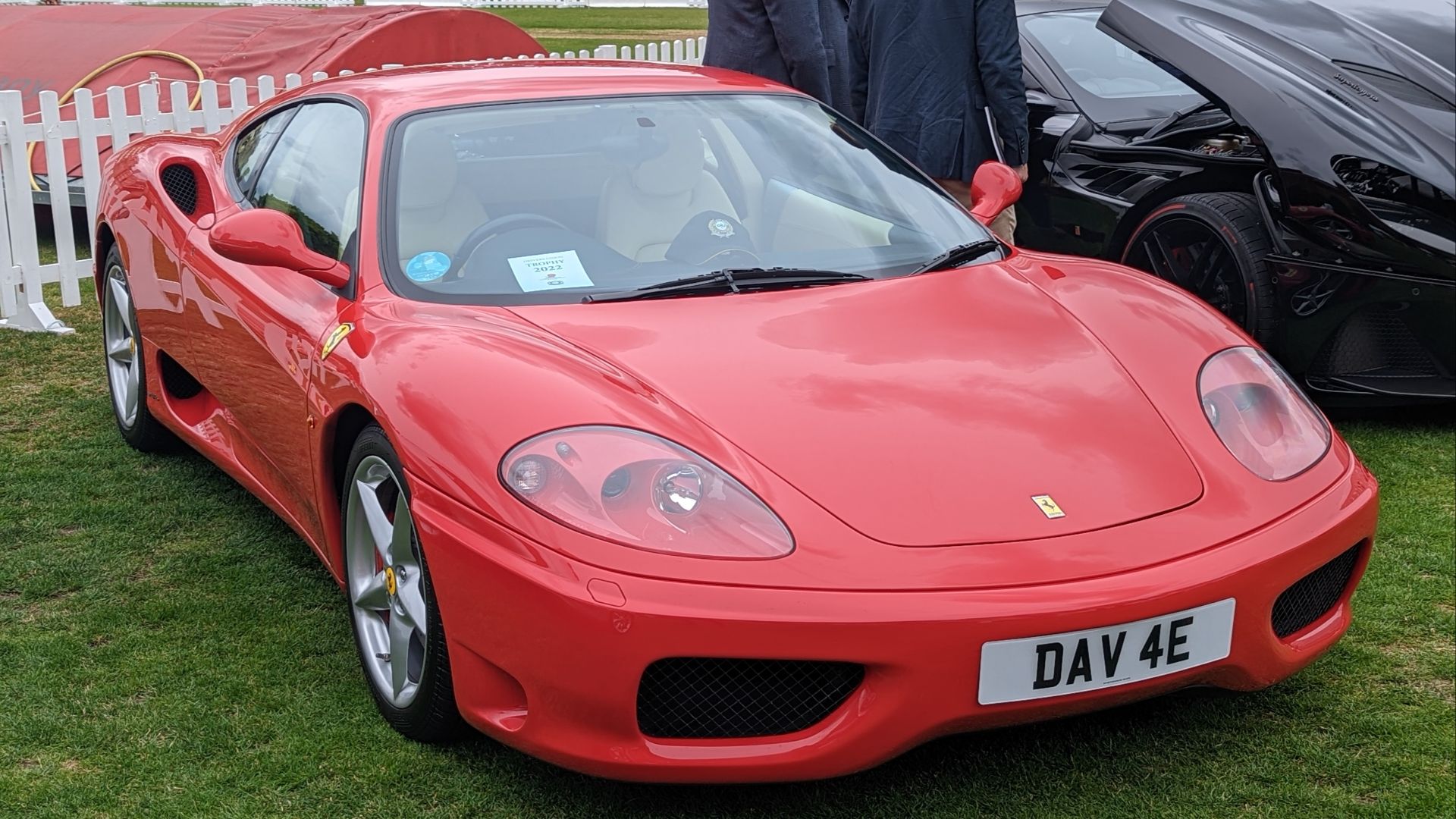
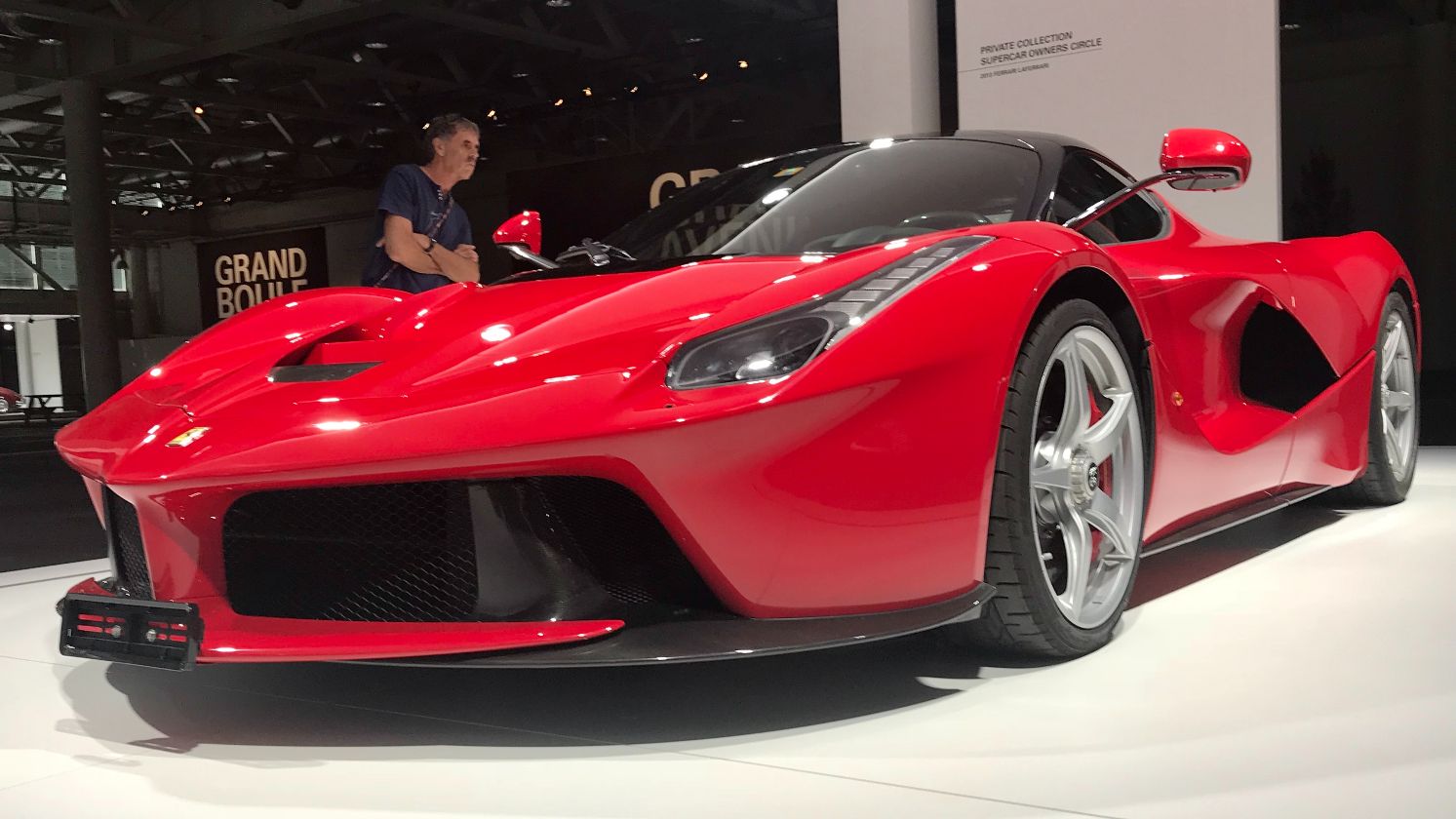
9. LaFerrari
Only 499 coupes were made, allocated to existing customers instead of sold openly, at roughly $1.4 million each. The hybrid system came out of Formula One energy recovery work and exists to add power, not to save fuel. No example has ever resold below its original sticker.
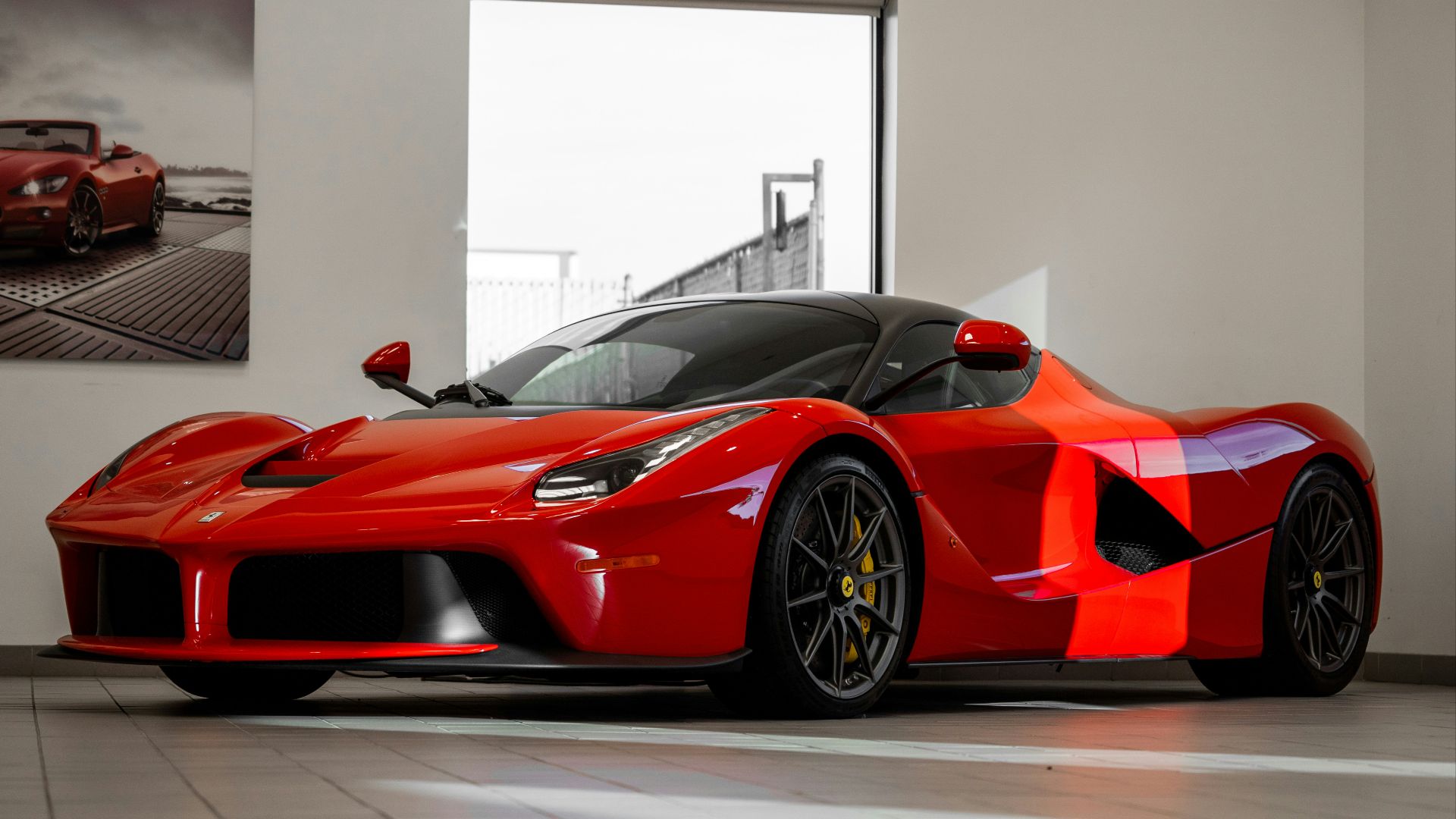
10. 430 Scuderia
Michael Schumacher had a hand in developing it, and the result cuts 220 pounds from an F430 and sharpens the V8 considerably. Owners complain about the ride on rough pavement, which is a fair complaint and also entirely the point. The market figured that out years ago.
Now, here's 10 that don't earn their keep.
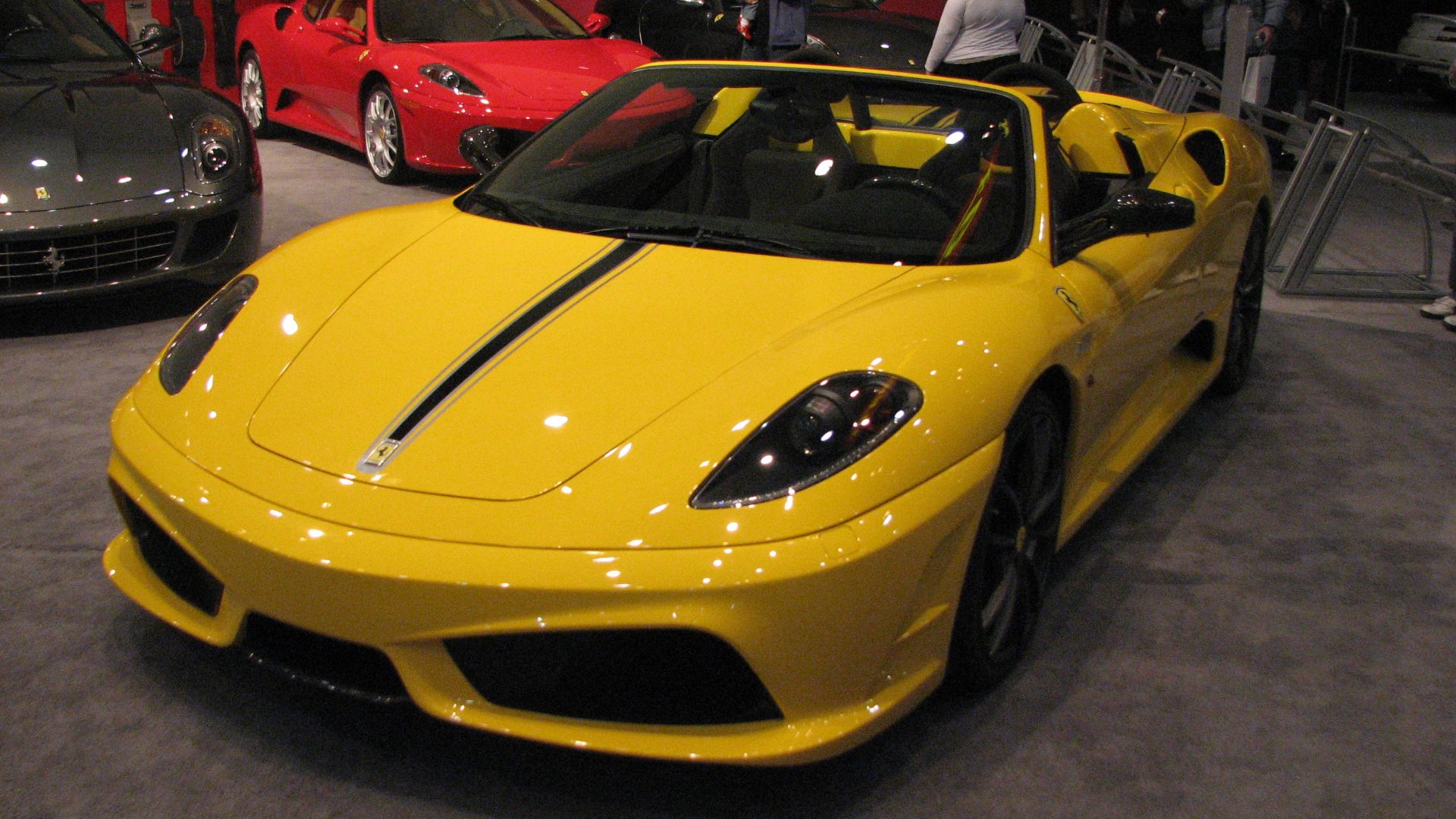
1. 348
Fragile electrics, twitchy handling, and a press launch that did the car no favors at all. Reaching the belts means taking the engine out, a job that runs well into five figures before a single part gets replaced. It's the cheapest door into a mid-engine V8 Ferrari, and the reasons for that are not a mystery.
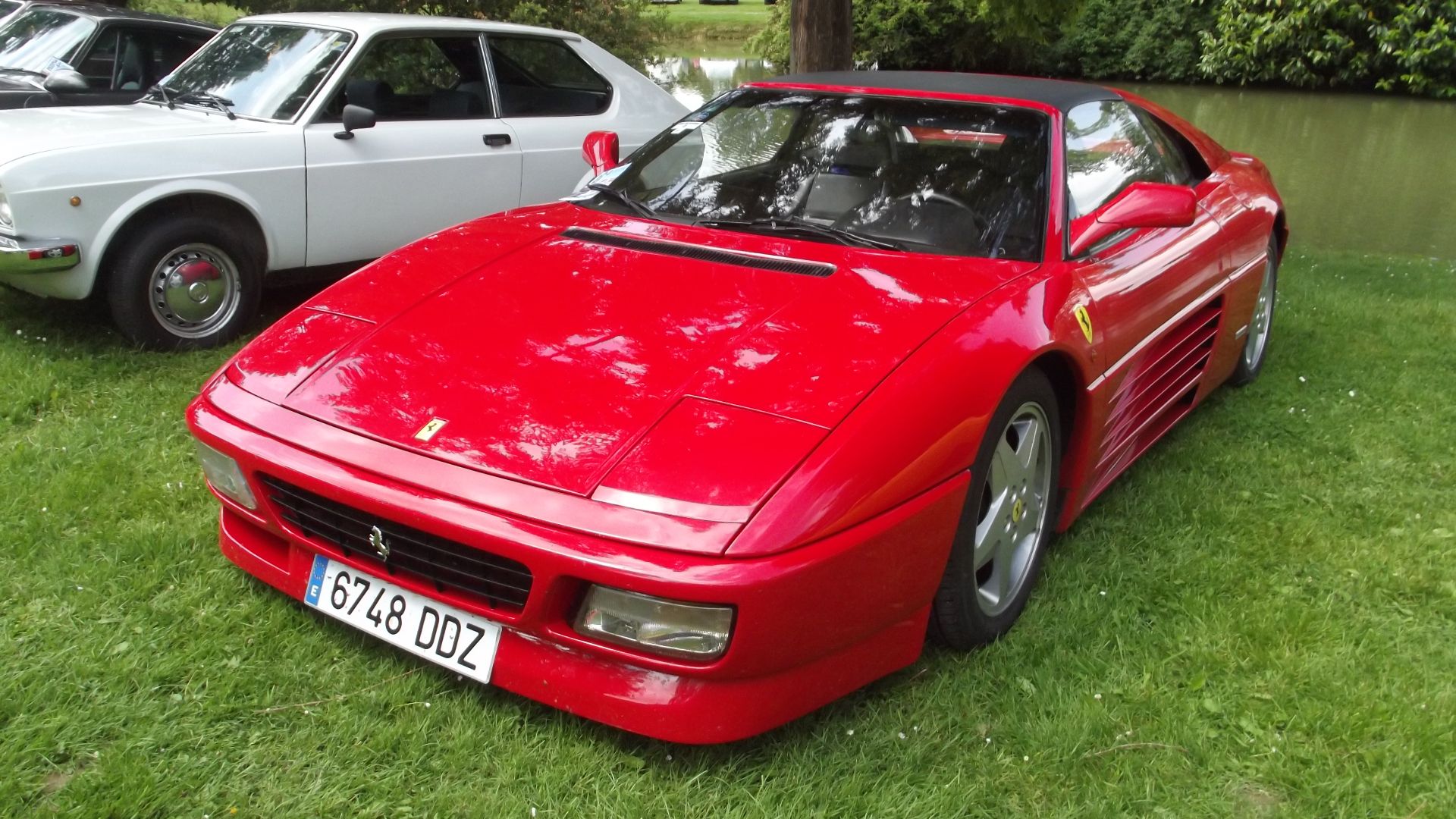 Handelsgeselschaft on Wikimedia
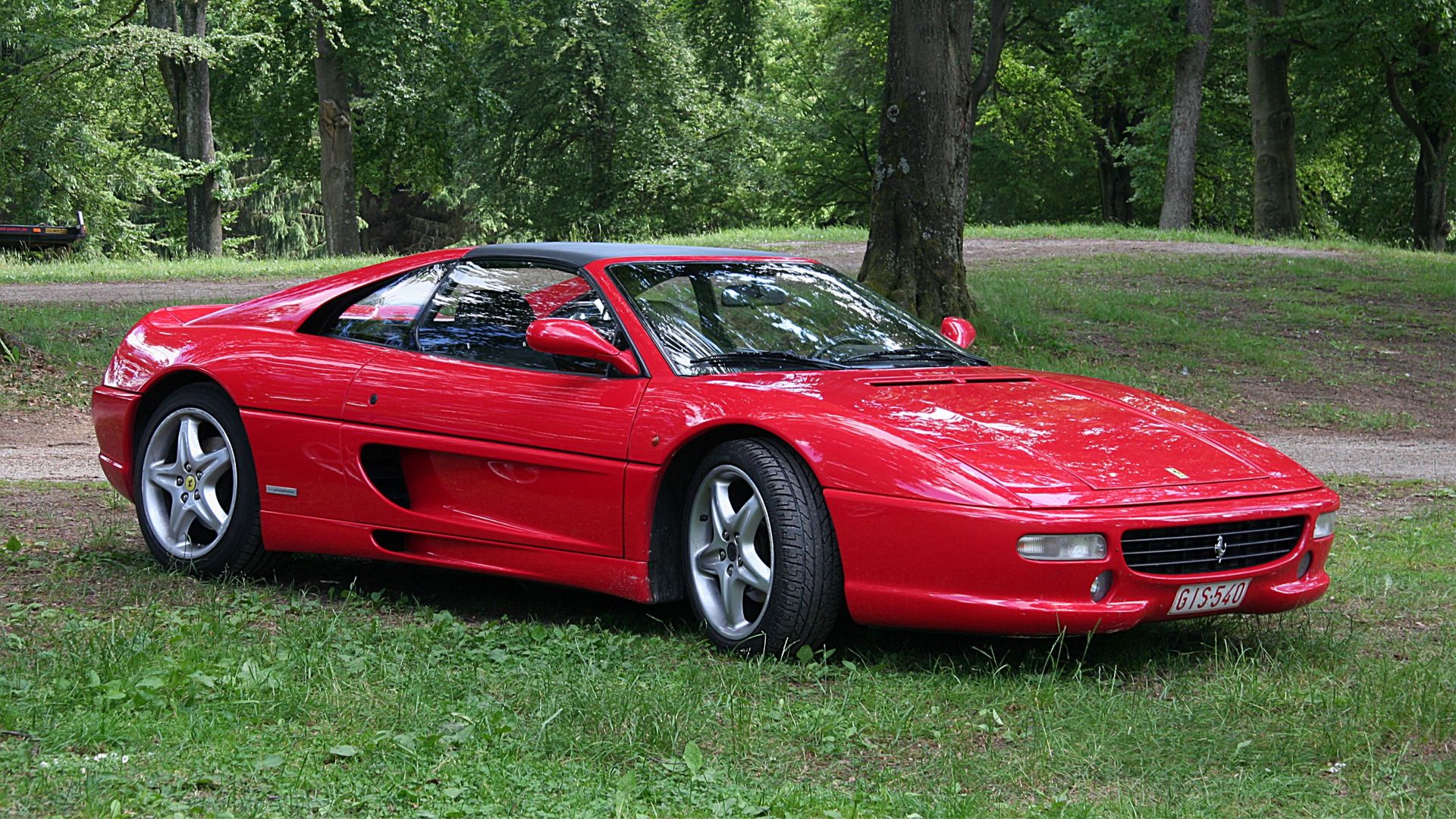
2. F355
Soft valve guides wear out and drop, and doing the repair properly means a full engine rebuild. Many cars have already been through it, but the ones that haven't are still out there waiting for a new owner. Even a healthy example wants an engine-out service every three to five years.
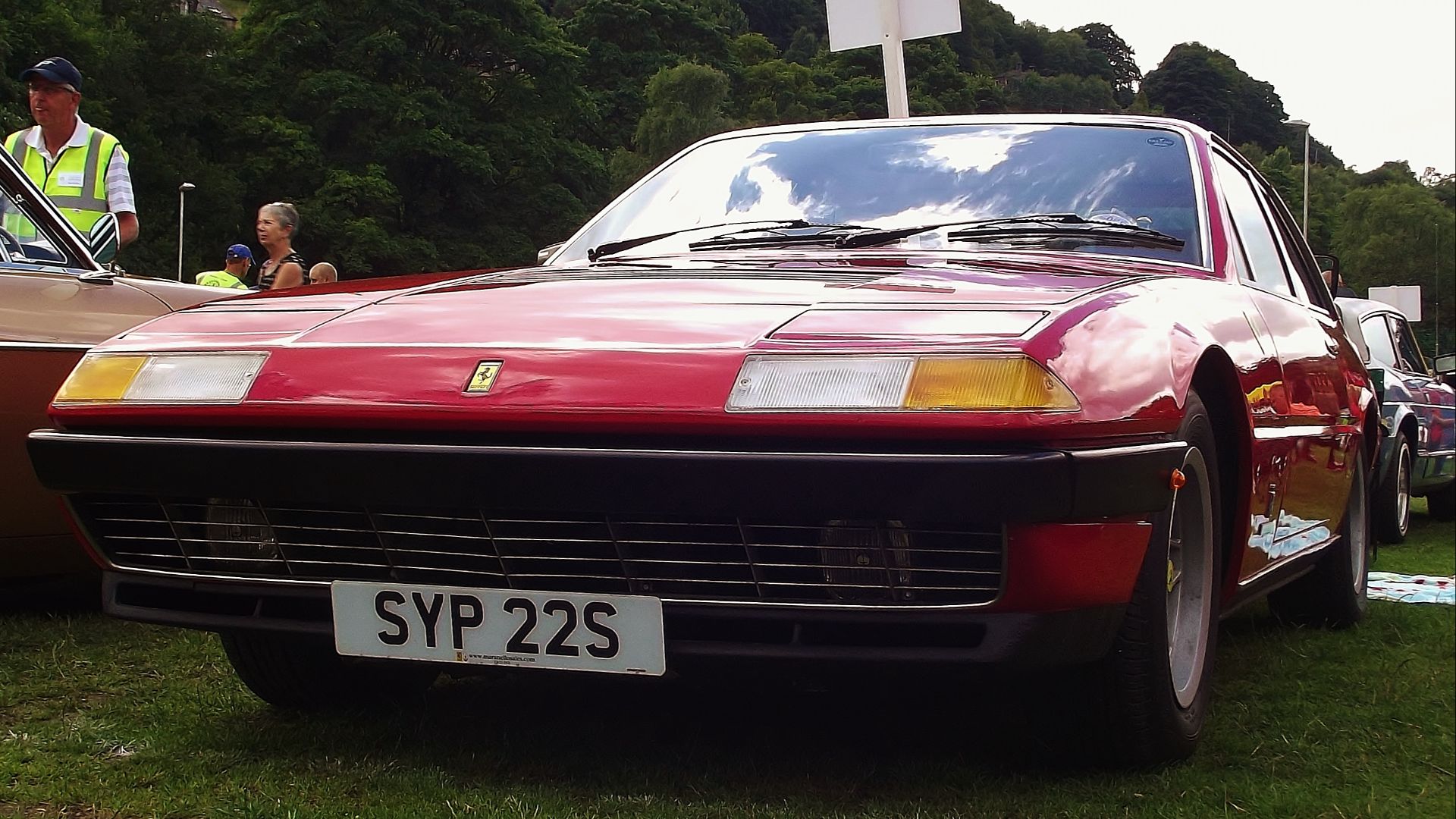
3. 400i
Someone at Ferrari decided a V12 grand tourer should have a three-speed General Motors automatic bolted to it. Fuel economy in the low teens passed as acceptable in 1979. The cars sat at the bottom of the market for thirty years while parts prices went the other direction.
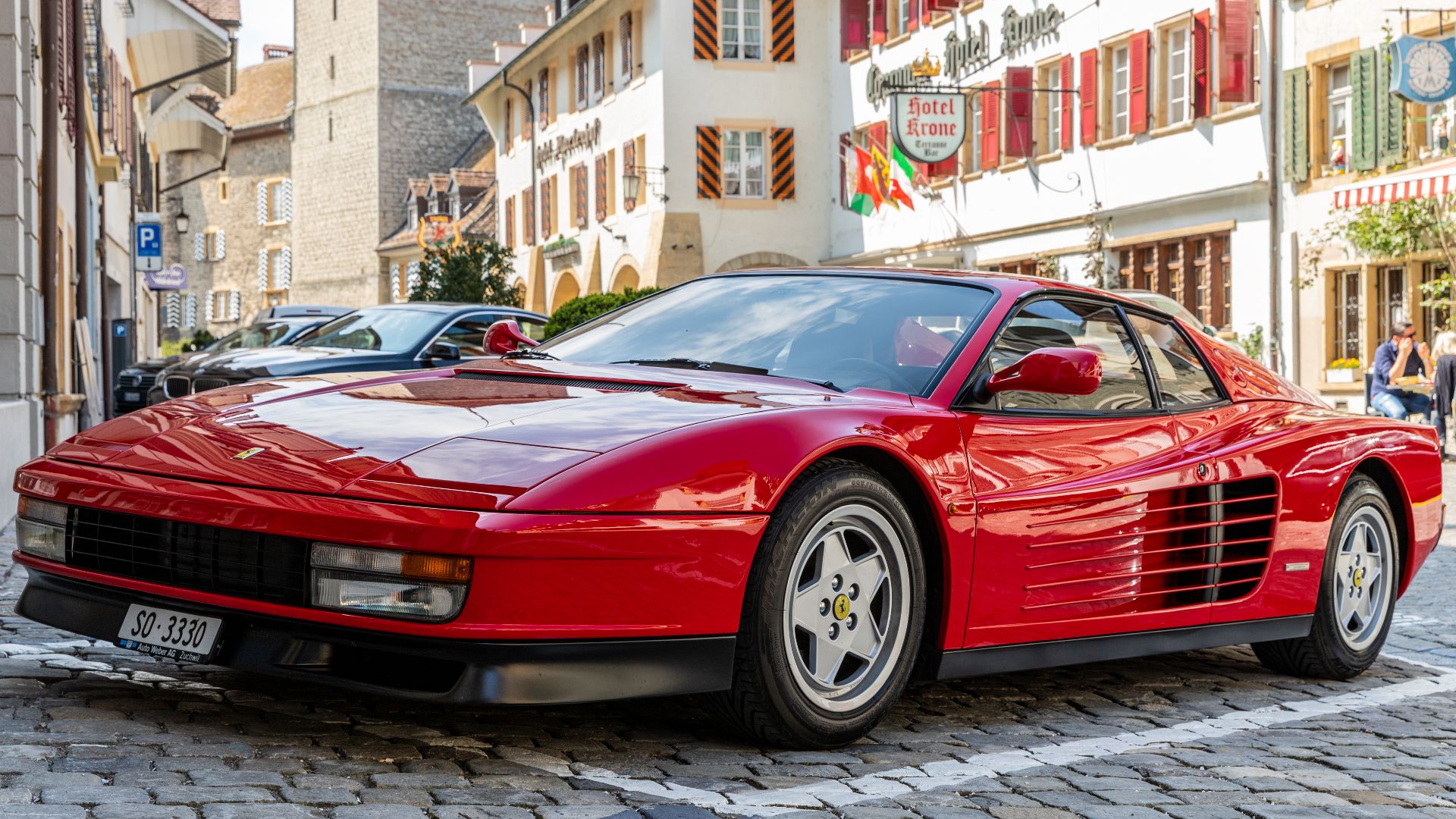
4. Testarossa
Miami Vice turned it into the most recognizable car of the decade, and the fame keeps asking prices high. The flat-twelve underneath needs the engine out for major service, and the clutch wears faster than owners tend to expect. Ask what a replacement side mirror costs before you commit to anything.
 JoachimKohlerBremen on Wikimedia
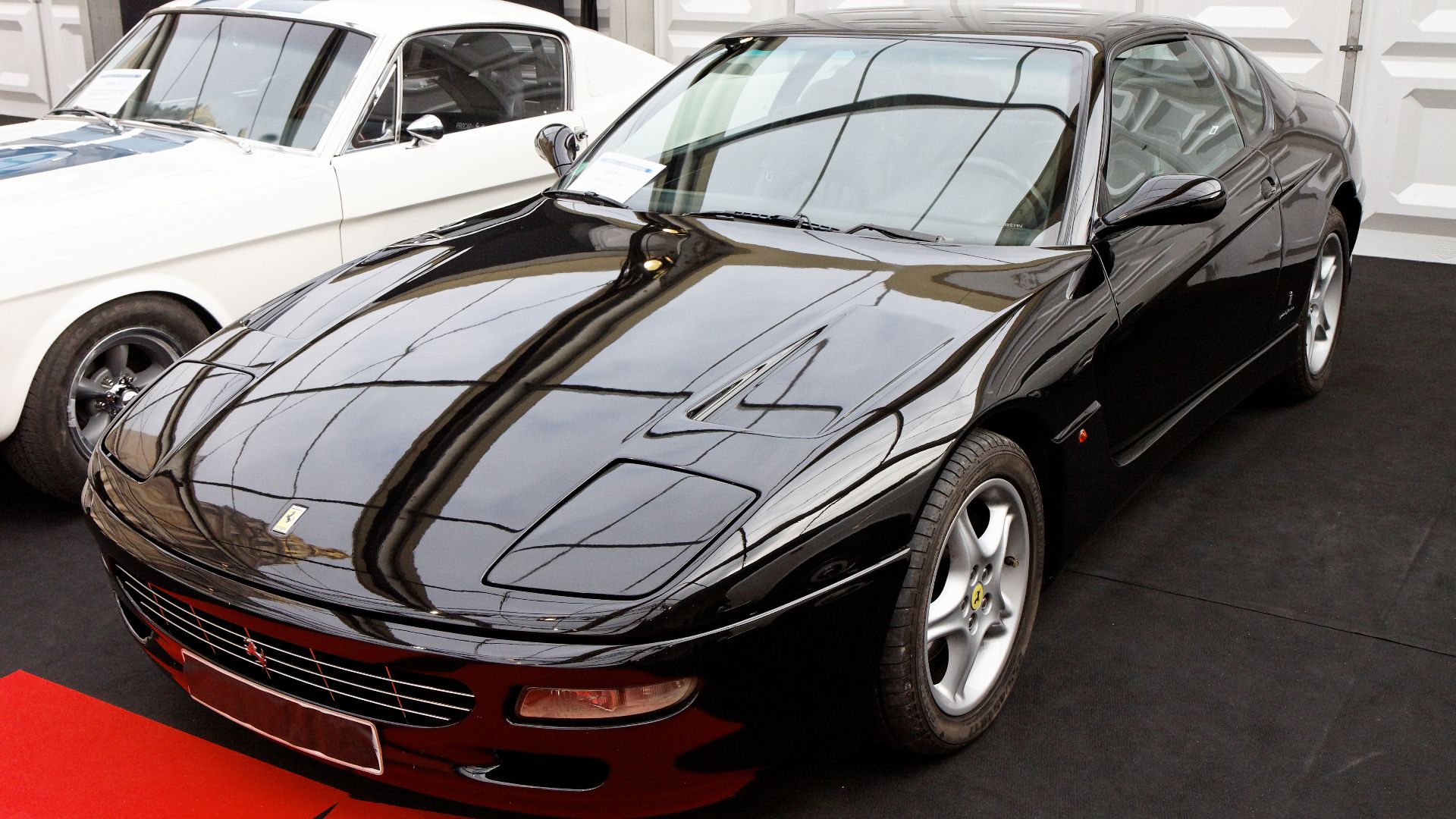
5. 456 GT
The shape is one of the loveliest Ferrari ever built, and the maintenance schedule has broken more than a few optimists. Hydraulic suspension leaks, the electronics are exactly as good as 1990s electronics were, and V12 work is priced accordingly. A decent one costs about what a new pickup does, which is the market telling you something.
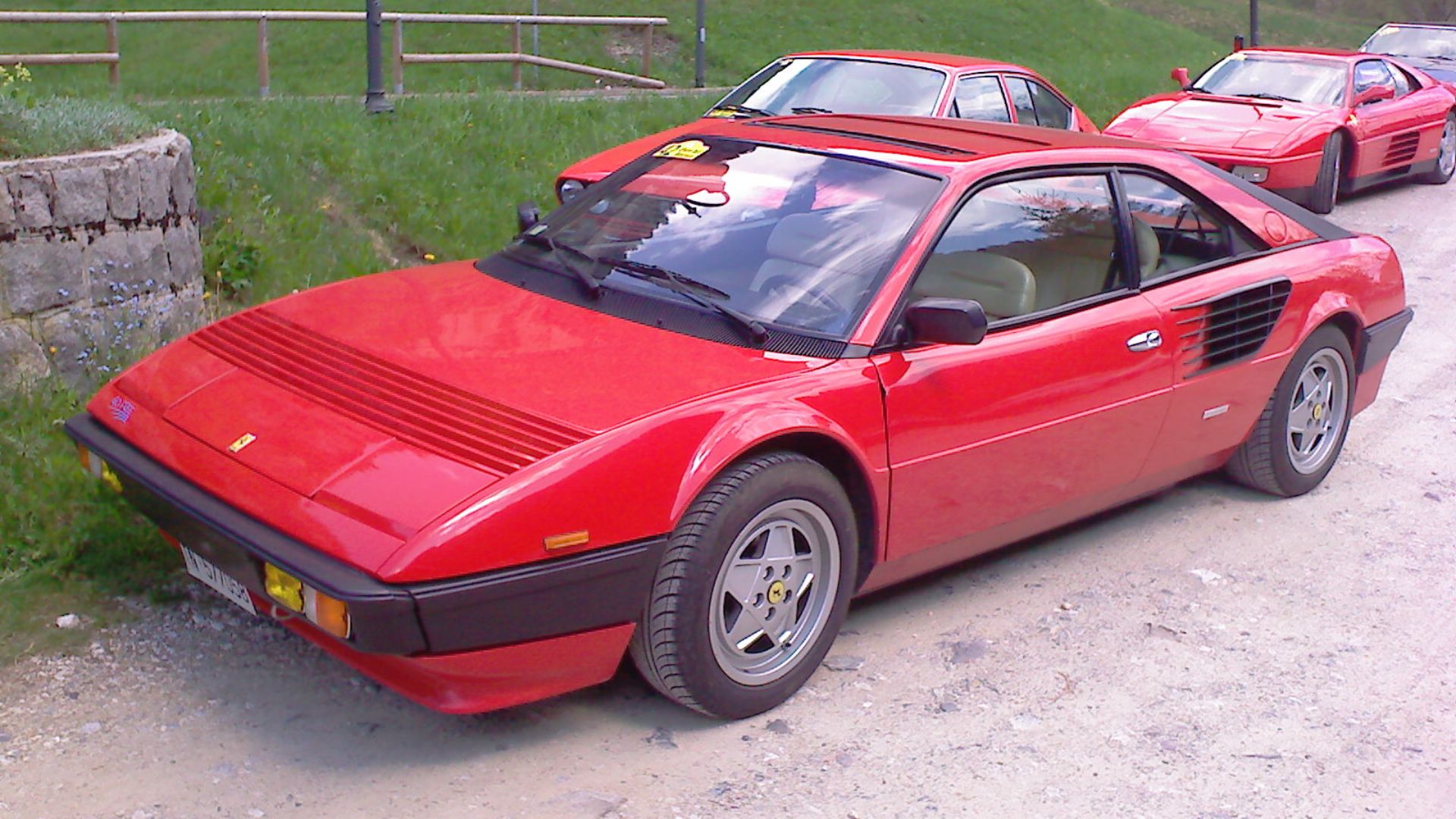
6. Mondial 8
Two hundred fourteen horsepower moving more than 3,000 pounds produced reviews that Ferrari would rather forget. Later versions fixed most of it, though the reputation attached itself to the whole family and never let go. The service bills arrive on schedule regardless of how slow the car is.
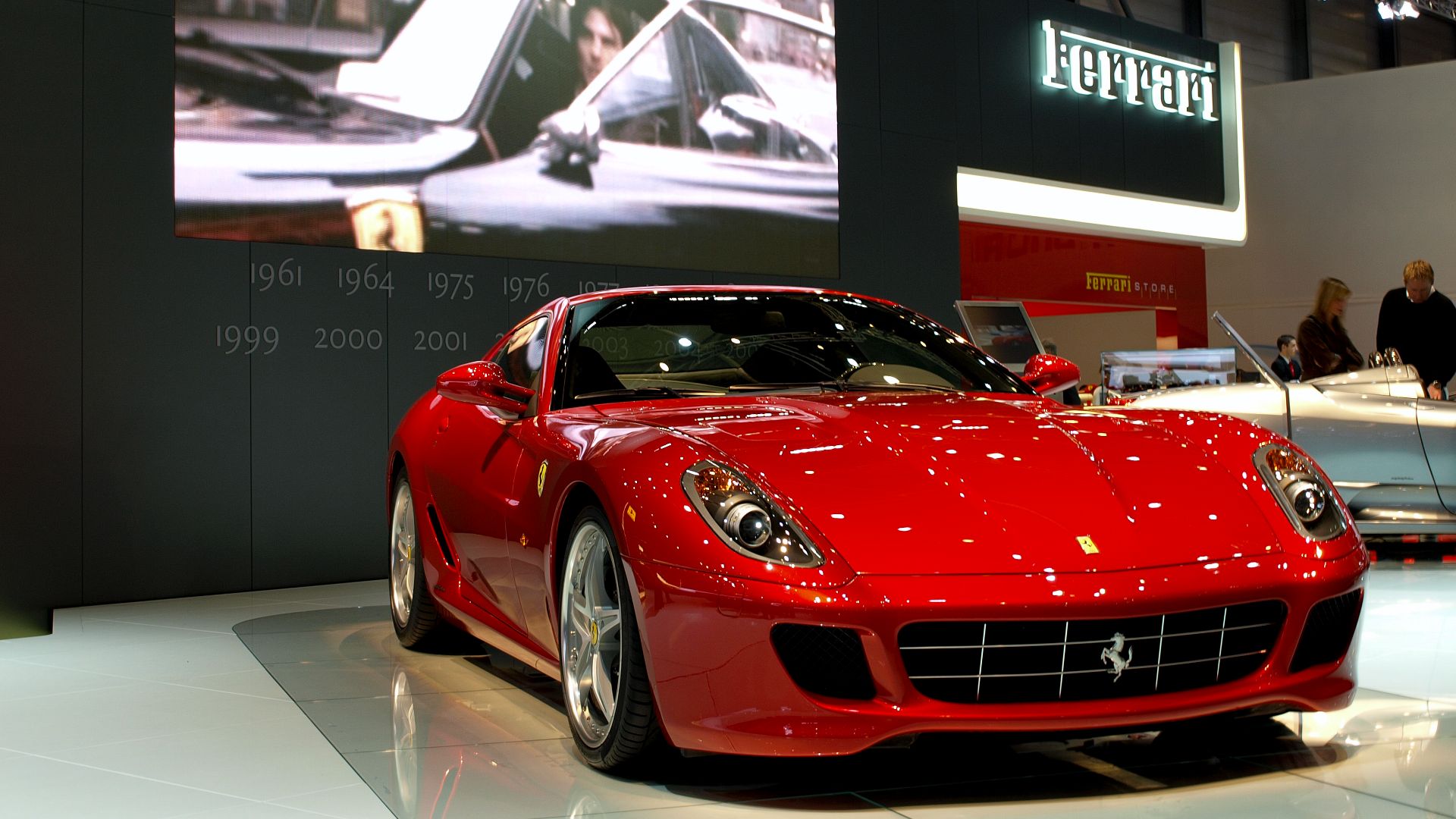
7. 612 Scaglietti
Aluminum bodywork sounds like a premium feature until a fender gets creased and the shop explains that aluminum repair requires its own certification. Most examples came with the F1 automated manual, which brings gearbox and clutch bills to match. Depreciation has been savage while the running costs held firm.
 Matthias from Västerås, Sweden on Wikimedia
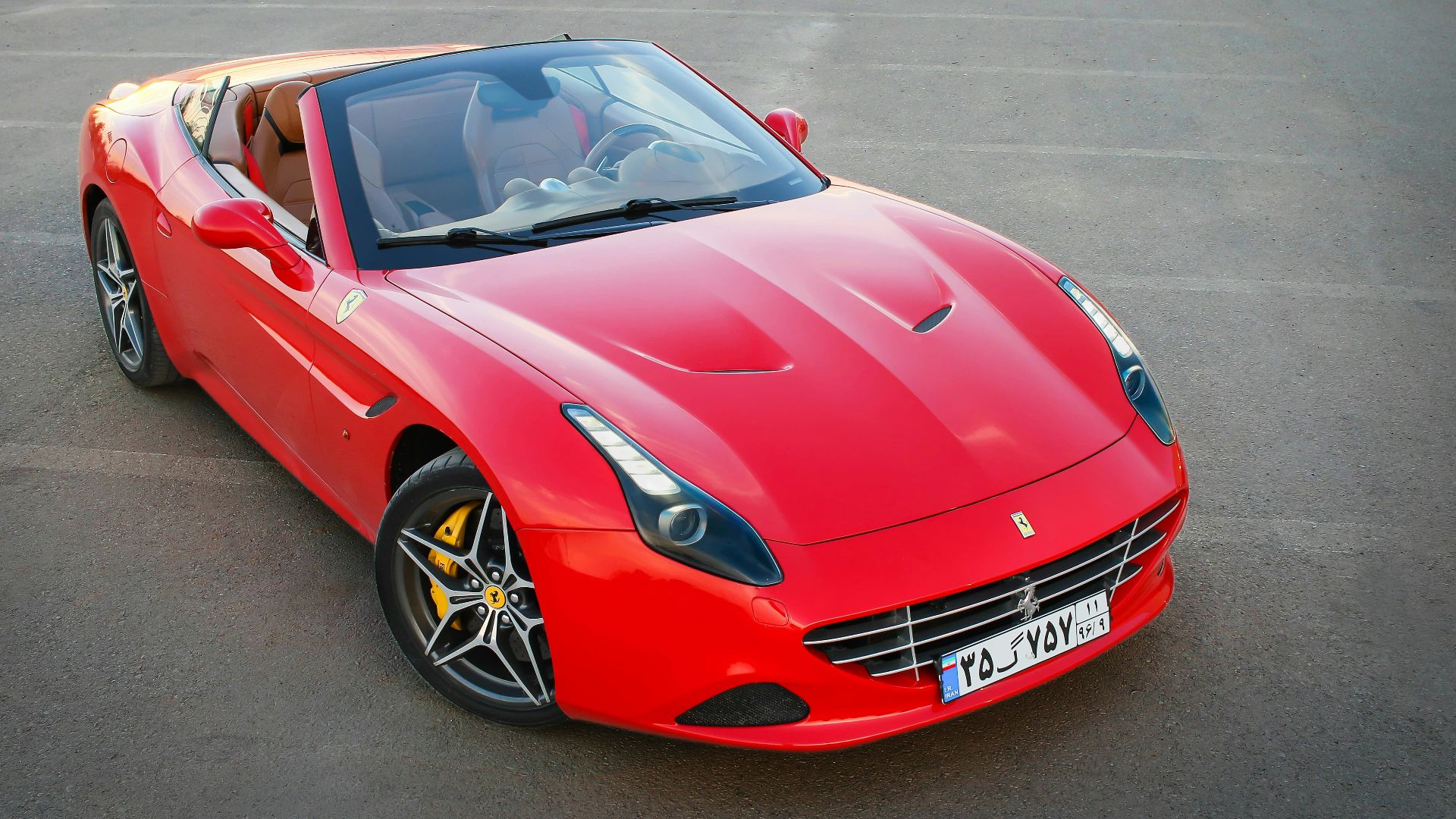
8. California
The folding hard top brought in a wave of first-time Ferrari buyers who wanted something easier to live with. That roof has a great many moving parts, and it sits on a car that spends most of its life exposed to weather. Values dropped hard, and nobody at Maranello adjusted the service schedule to match.
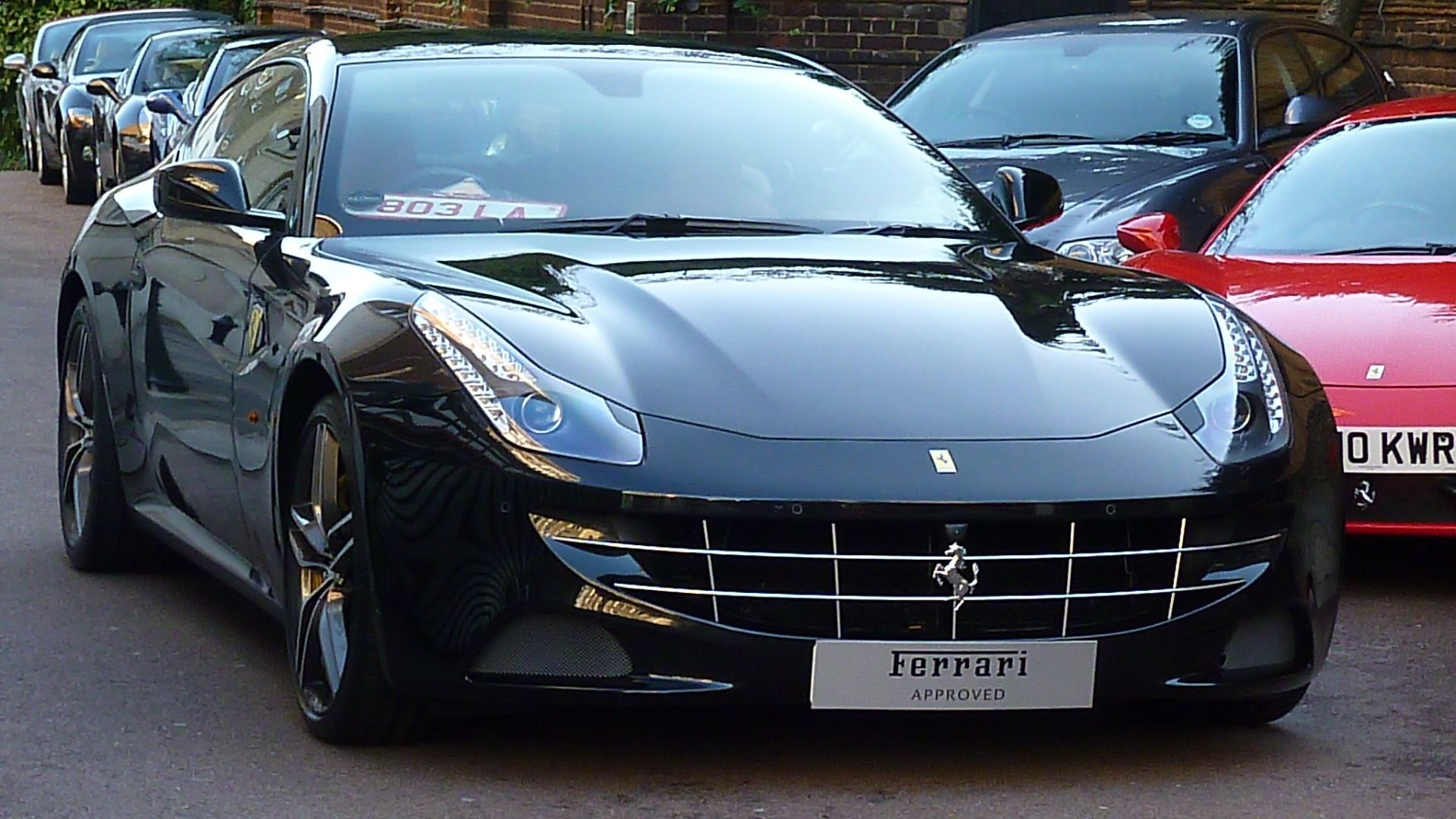
9. FF
Putting all-wheel drive on a V12 meant inventing a second gearbox and mounting it at the front of the engine. Nothing else on the road uses that system, so independent shops mostly refuse to touch it. Buying one without paperwork is a mistake you only get to make once.
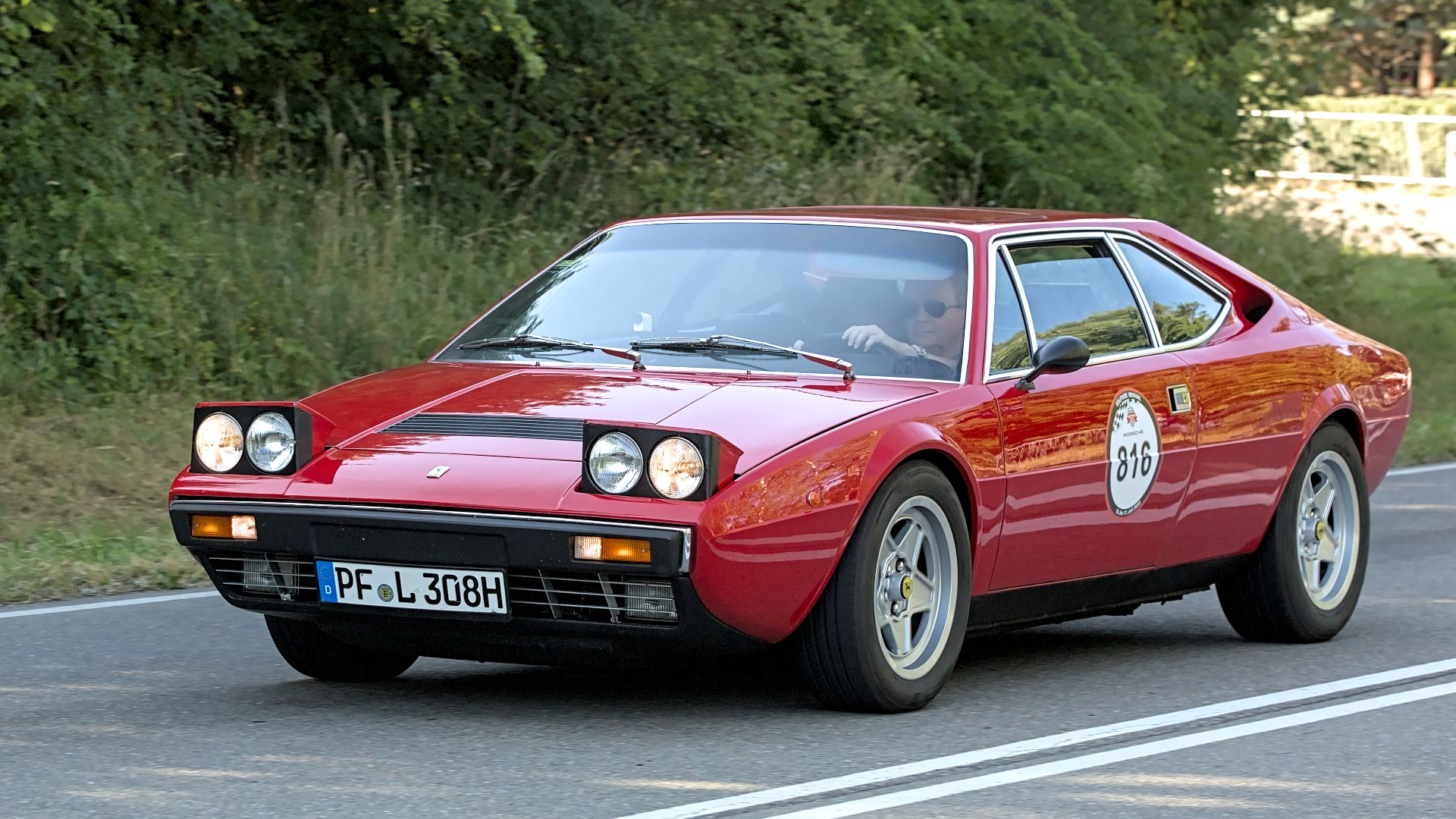
10. 308 GT4
Bertone got the design job instead of Pininfarina, and the wedge shape went over so poorly that Ferrari sold early cars wearing Dino badges. Underneath is the same engine-out belt service the rest of the family demands. Prices have crept up lately, though not far enough to cover what the car asks for every year.