The First Ten Minutes Tell You Everything
A driving instructor spends most of the day in a passenger seat with dual controls, and the patterns gets obvious fast. Most of what separates a nervous student from a dangerous one shows up before the car leaves the parking lot, in things the student has no idea anyone is tracking. Here's 20 things an instructor picks up on before the first lesson is over.
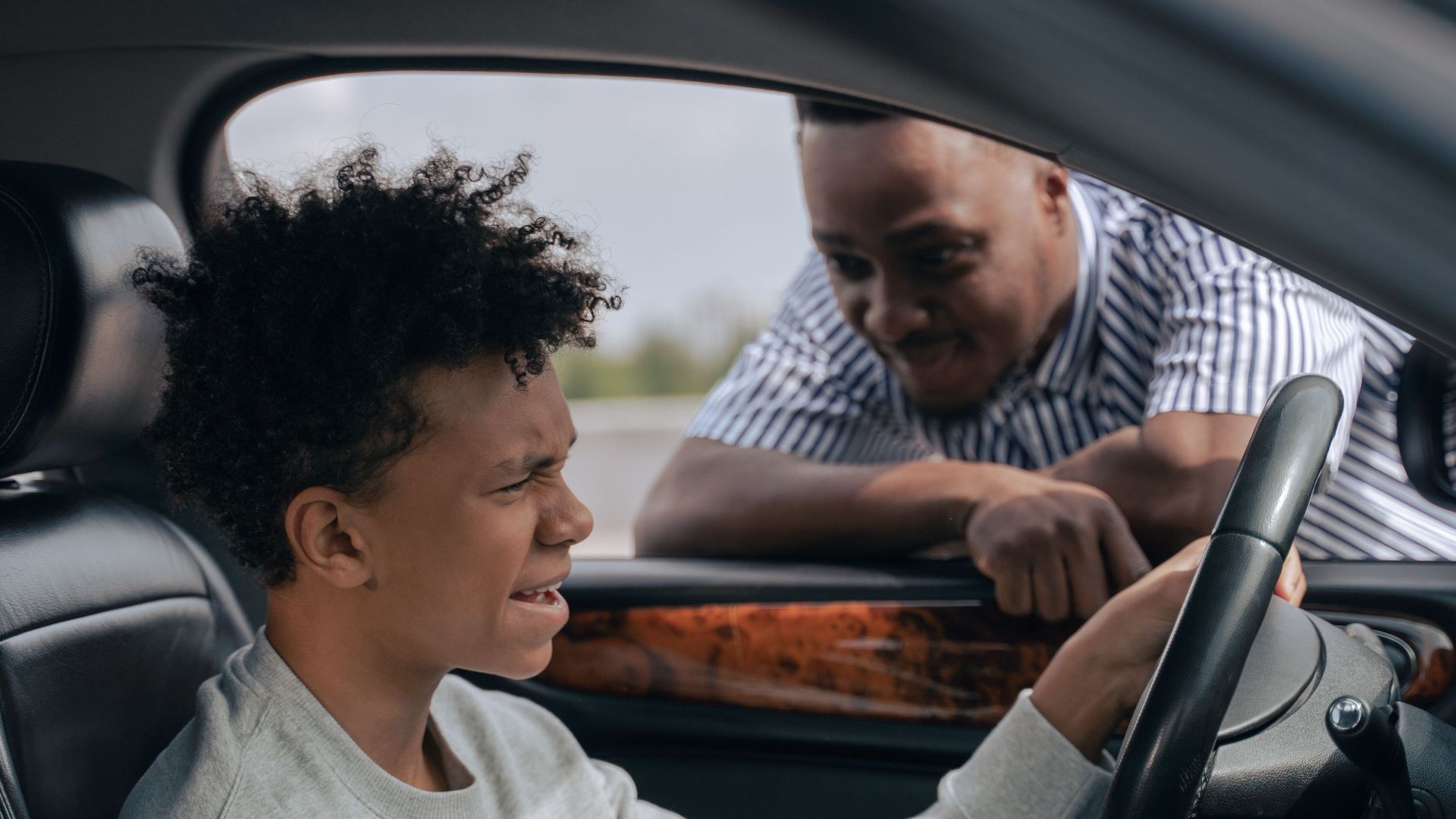
1. Where Your Eyes Go
New drivers stare at the hood, roughly ten feet in front of the bumper. Experienced ones look a block ahead and let peripheral vision handle the lane. Fixing that one habit corrects half a dozen other problems by itself, which is why instructors go after it in the first hour rather than working through the symptoms one at a time.

2. How You Hold the Wheel
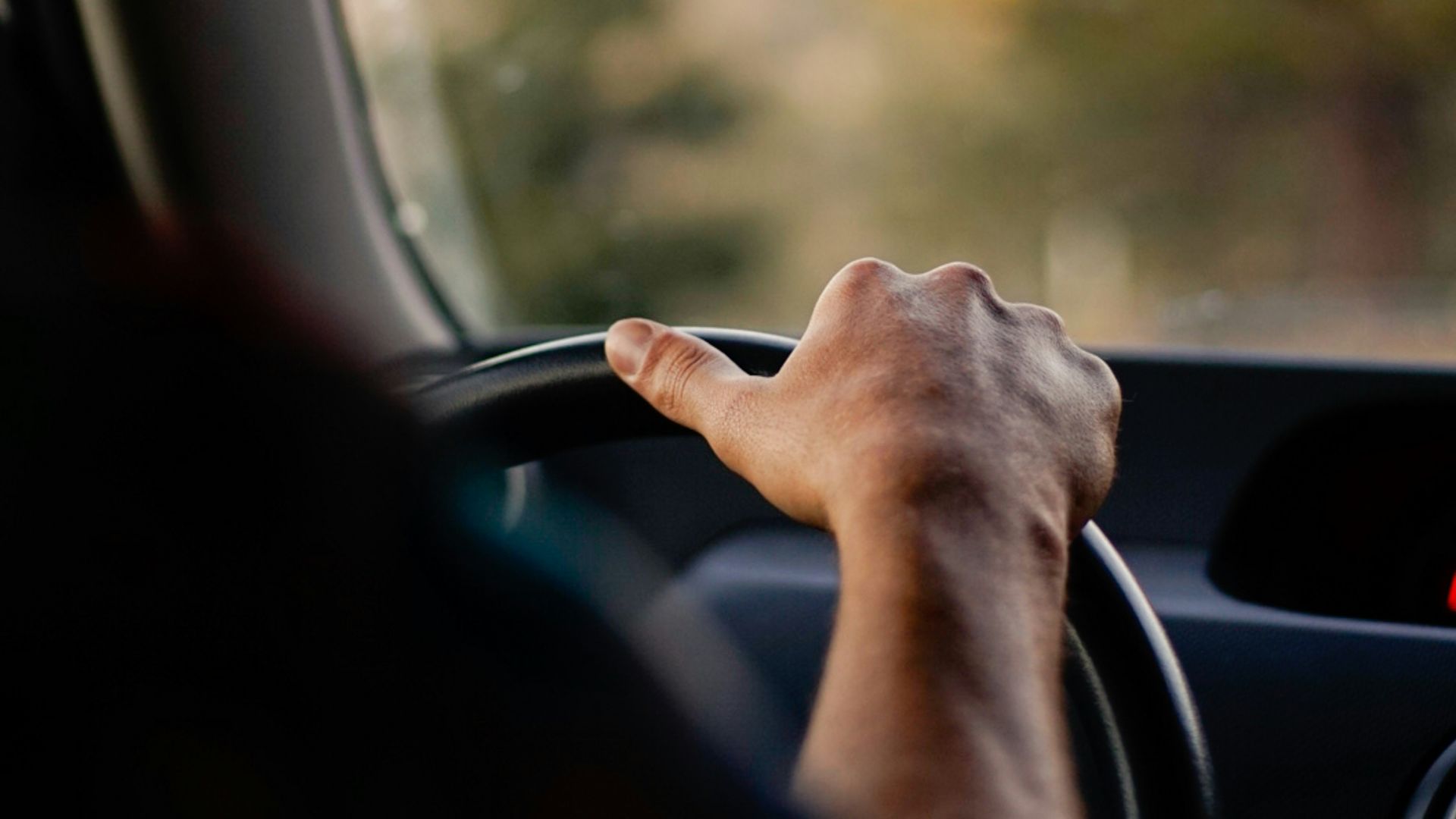
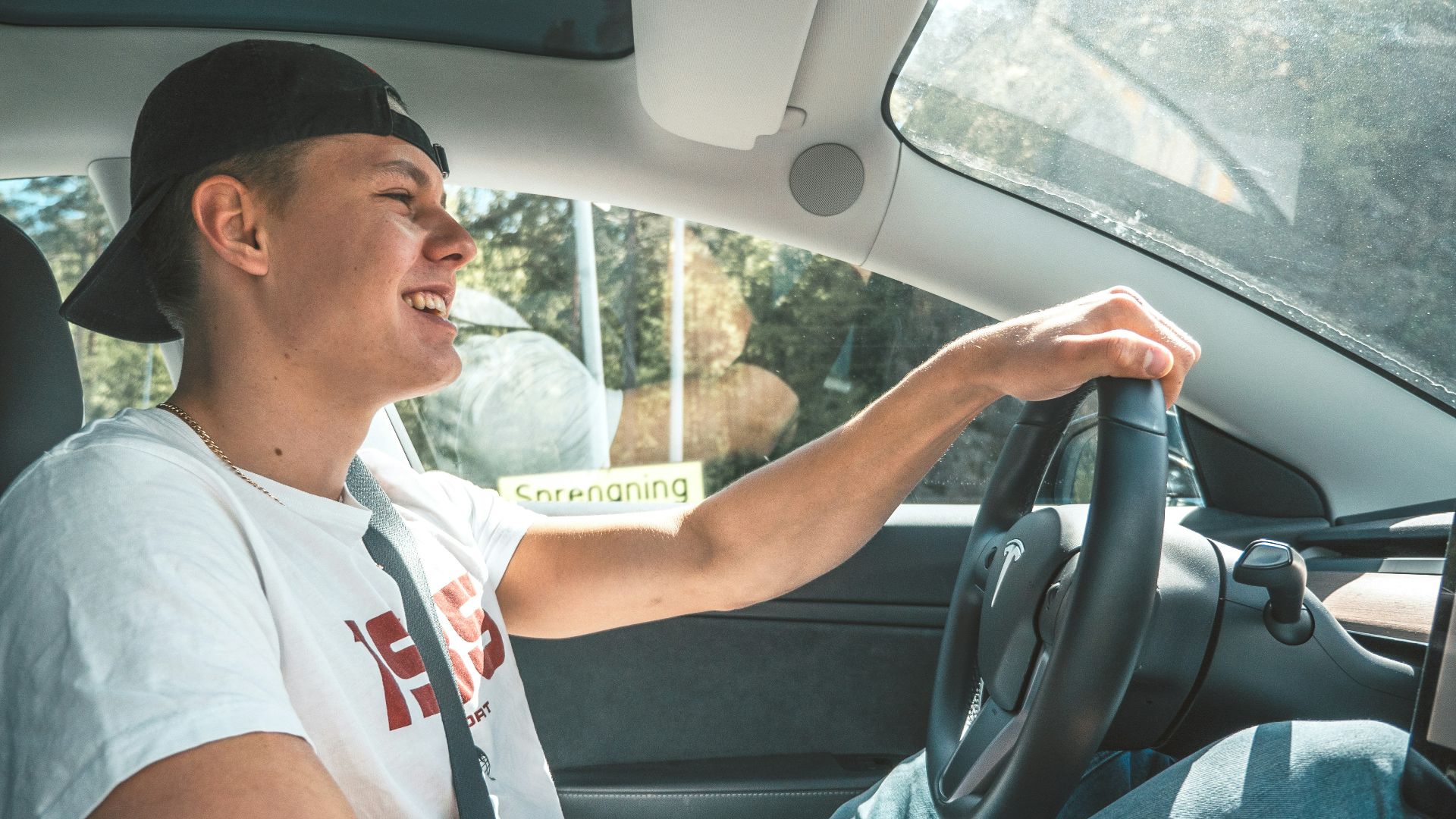
A white-knuckle grip at ten and two says more about nerves than technique. Hands at nine and three, elbows loose, means somebody has either practiced or watched carefully. Drivers who have one wrist draped over the top of the wheel by the second lesson are confident in a way the skill doesn't support yet.
3. Whether You Adjust Anything Before Moving
Mirrors and seat position should be settled before the key turns. Students who put the car in gear without touching any of it have skipped a step nobody ever taught them to think of as a step. It takes twenty seconds and it changes what they can see for the rest of the drive.
4. Your Foot on the Brake
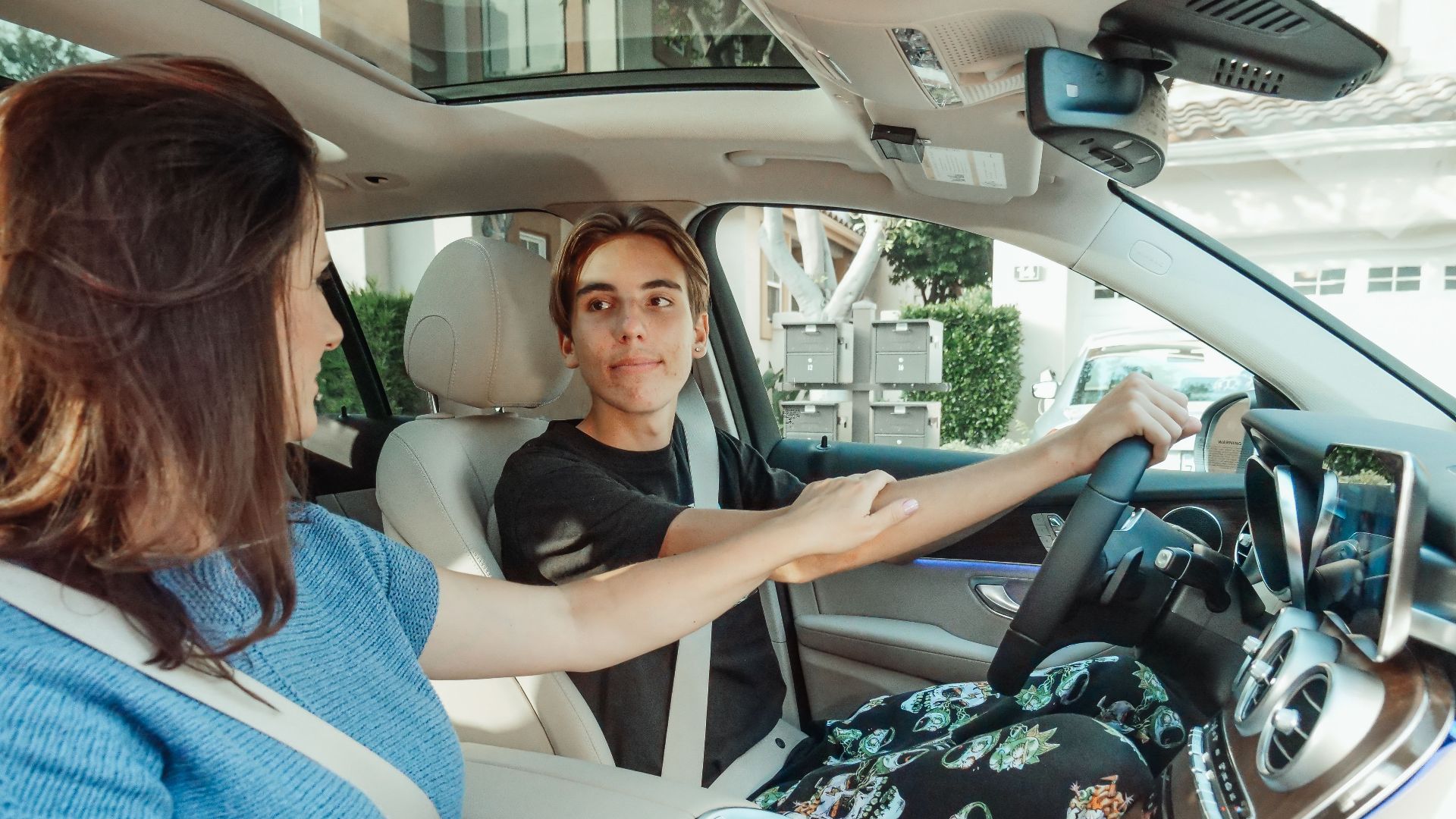
Braking in one long squeeze is a learned skill. Beginners tend to arrive at a stop and then stomp, which throws everyone forward and tells the instructor they aren't reading distance yet. The fix is almost never about pressing more gently. It comes from spotting the stop earlier and starting the whole process sooner.

5. What You Do at a Green Light
A green light tells you that you may go and tells you nothing about whether cross traffic agrees. Rolling through one without a glance either way is the most common blind spot at this stage. Instructors watch for the head turn, and most students don't make one for weeks.
6. Mirror Checks
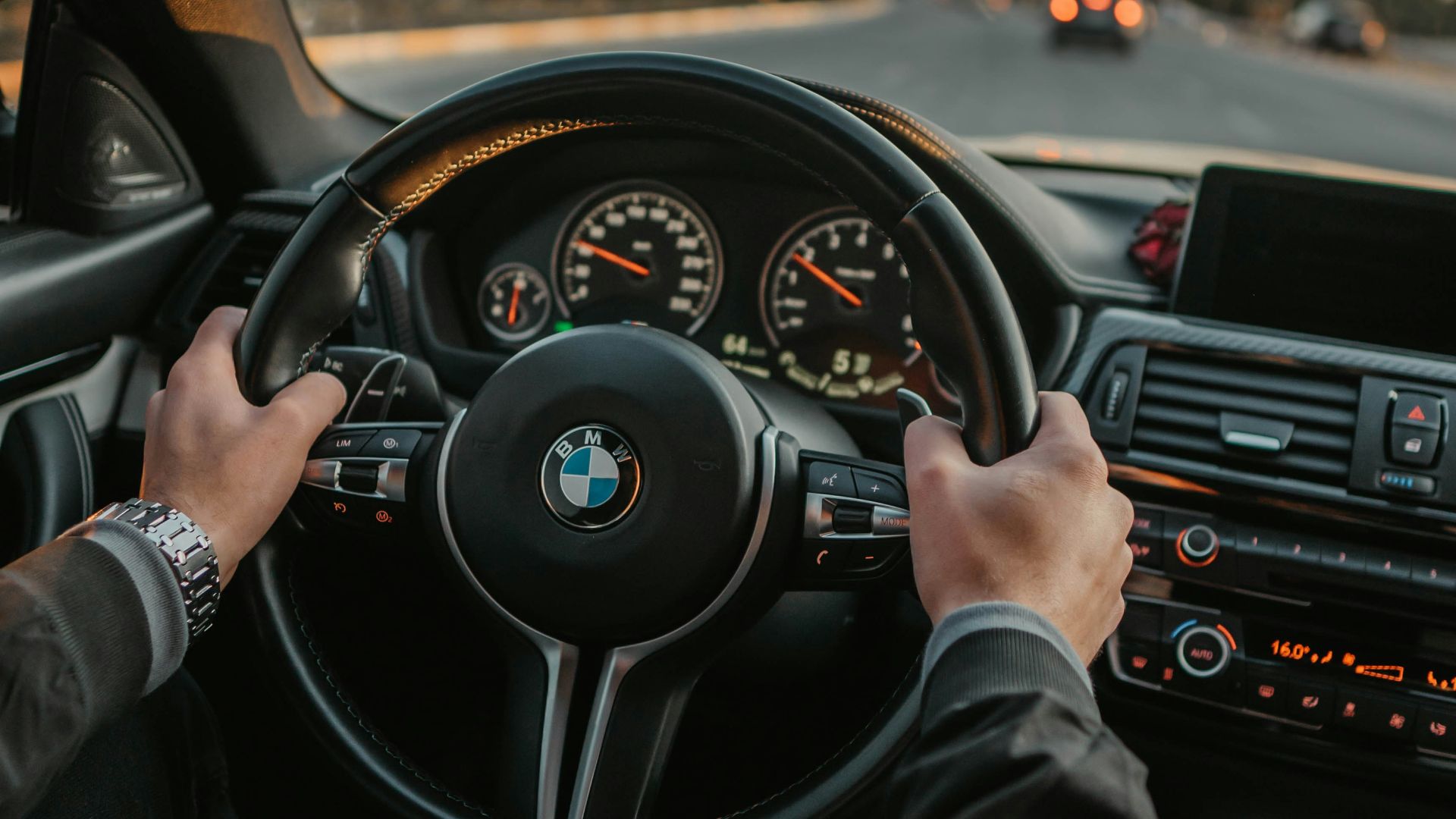
Every few seconds is the standard, and beginners either never check or check constantly while missing what's in front. The tell is a mirror glance that lasts too long. Somebody who looks at the mirror for a full second has taken their eyes off the road for about sixty feet at city speed.
7. How Wide You Take a Turn
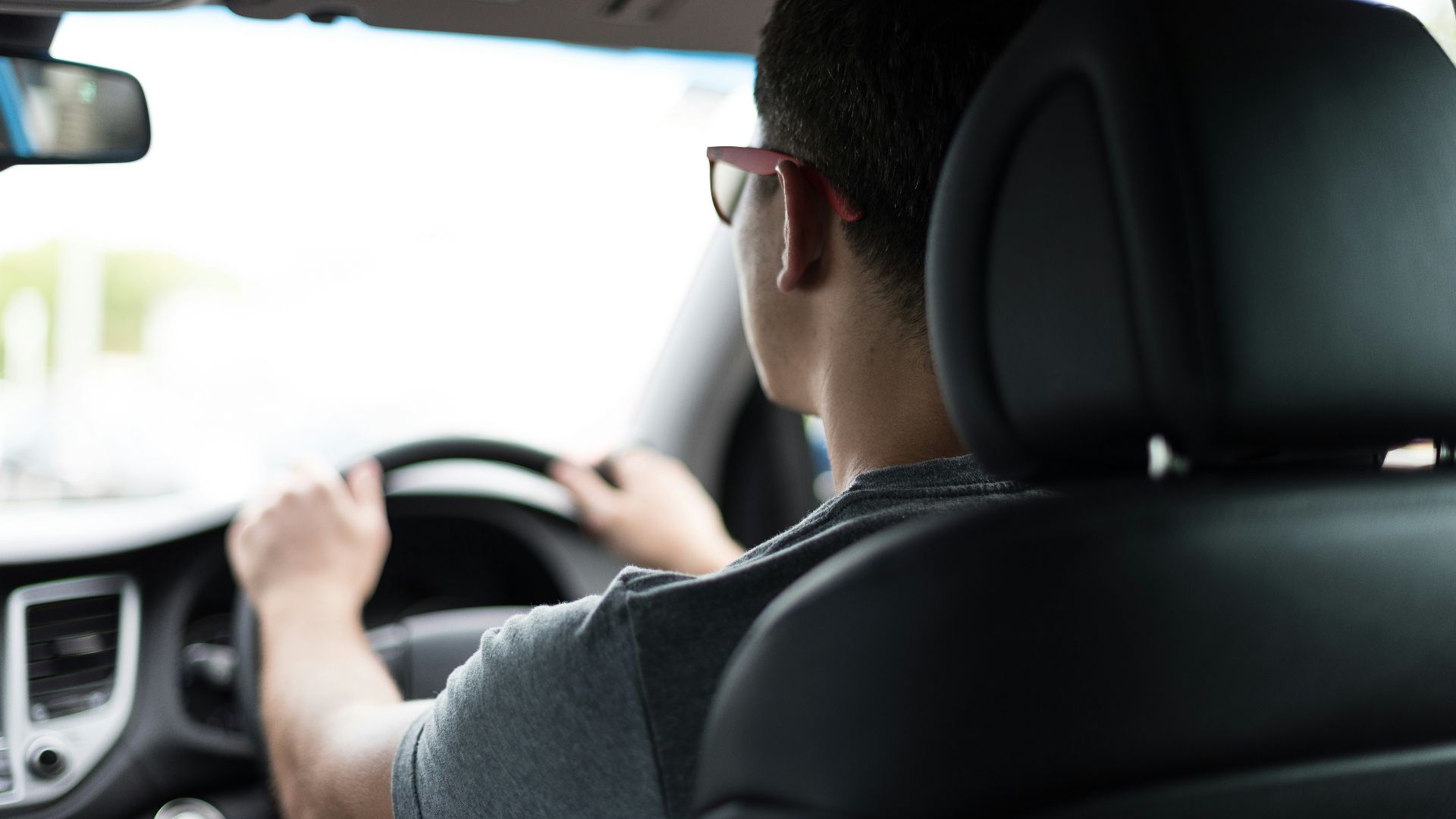
Right turns get cut short when somebody steers from the front of the car without accounting for where the back wheels track. It puts a tire over the line and occasionally over a curb. Turning too wide means the opposite problem and comes from the same missing sense of the car's size.
8. Whether You Talk While Driving
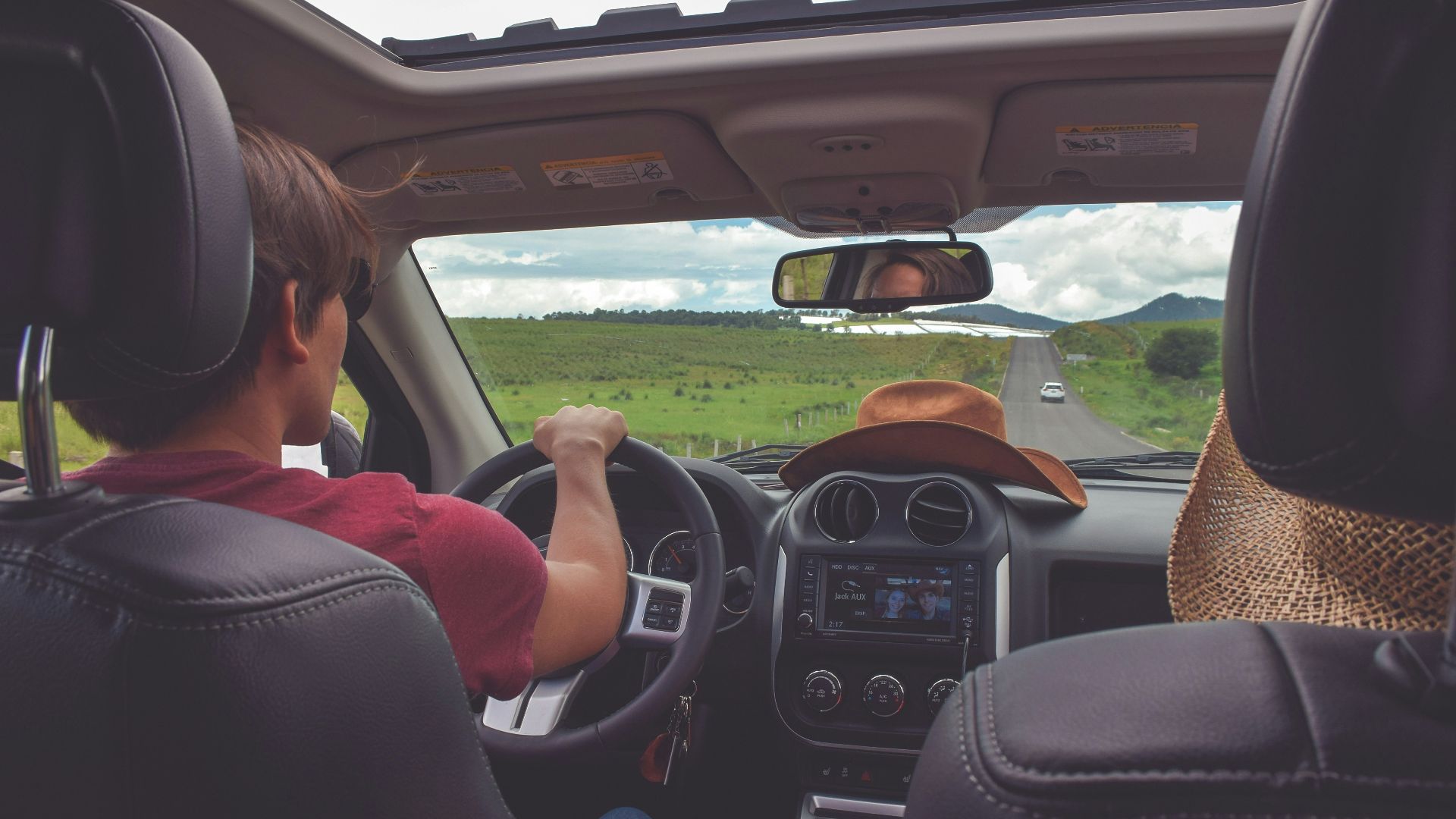
Some students go silent the moment the car moves, which usually means every bit of attention is going to basic operation. Others chatter through the whole lesson and miss a stop sign. Neither one is disqualifying, and both show an instructor how much attention the basics are still eating up.
9. Signaling Habits
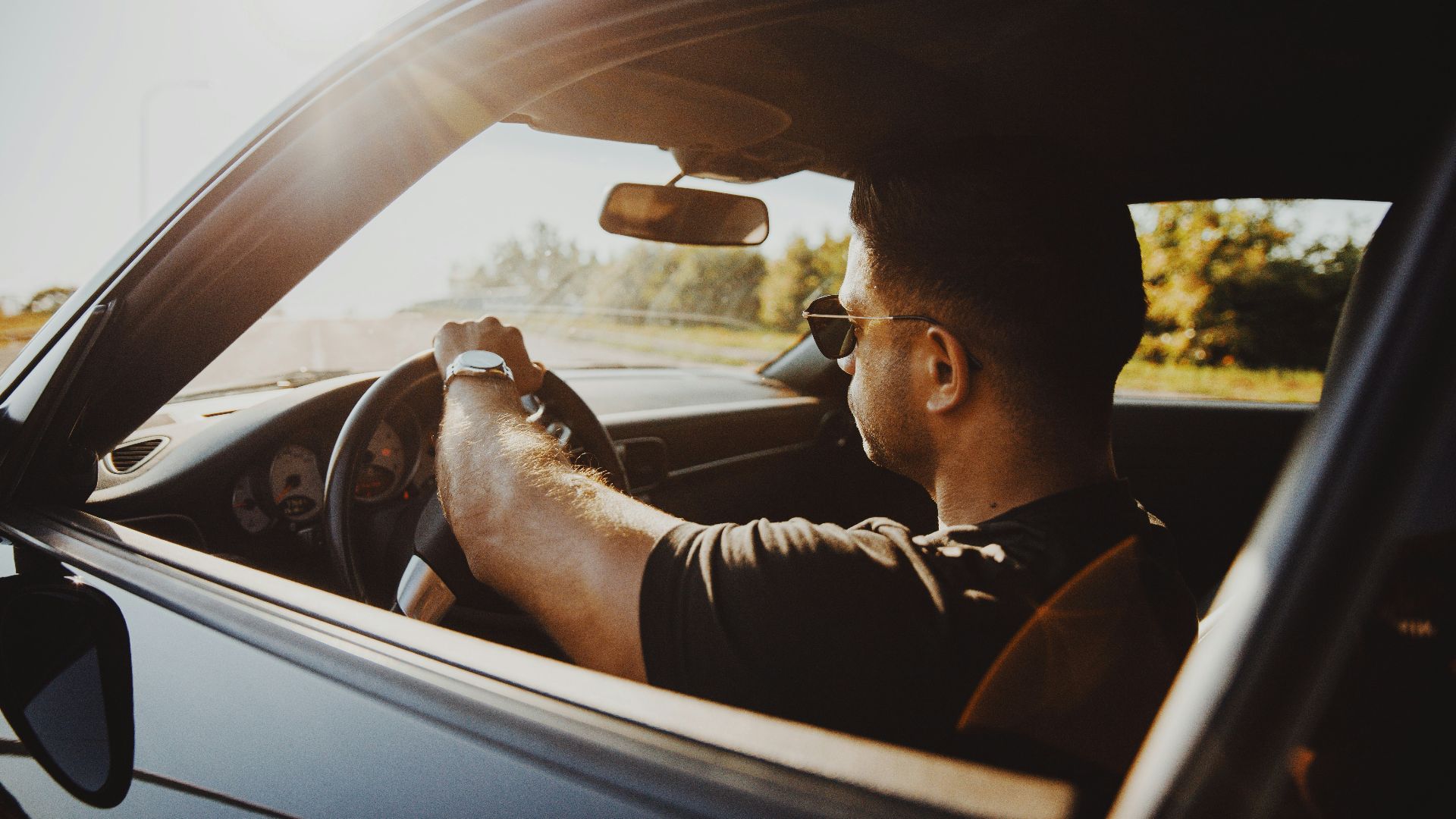
Signaling after starting the turn defeats the point of signaling at all. Beginners often treat it as a report on what they're doing instead of a warning about what they're about to do. Empty roads make it worse, since nobody feels silly signaling to nobody until it becomes automatic.
10. Speed on a Residential Street
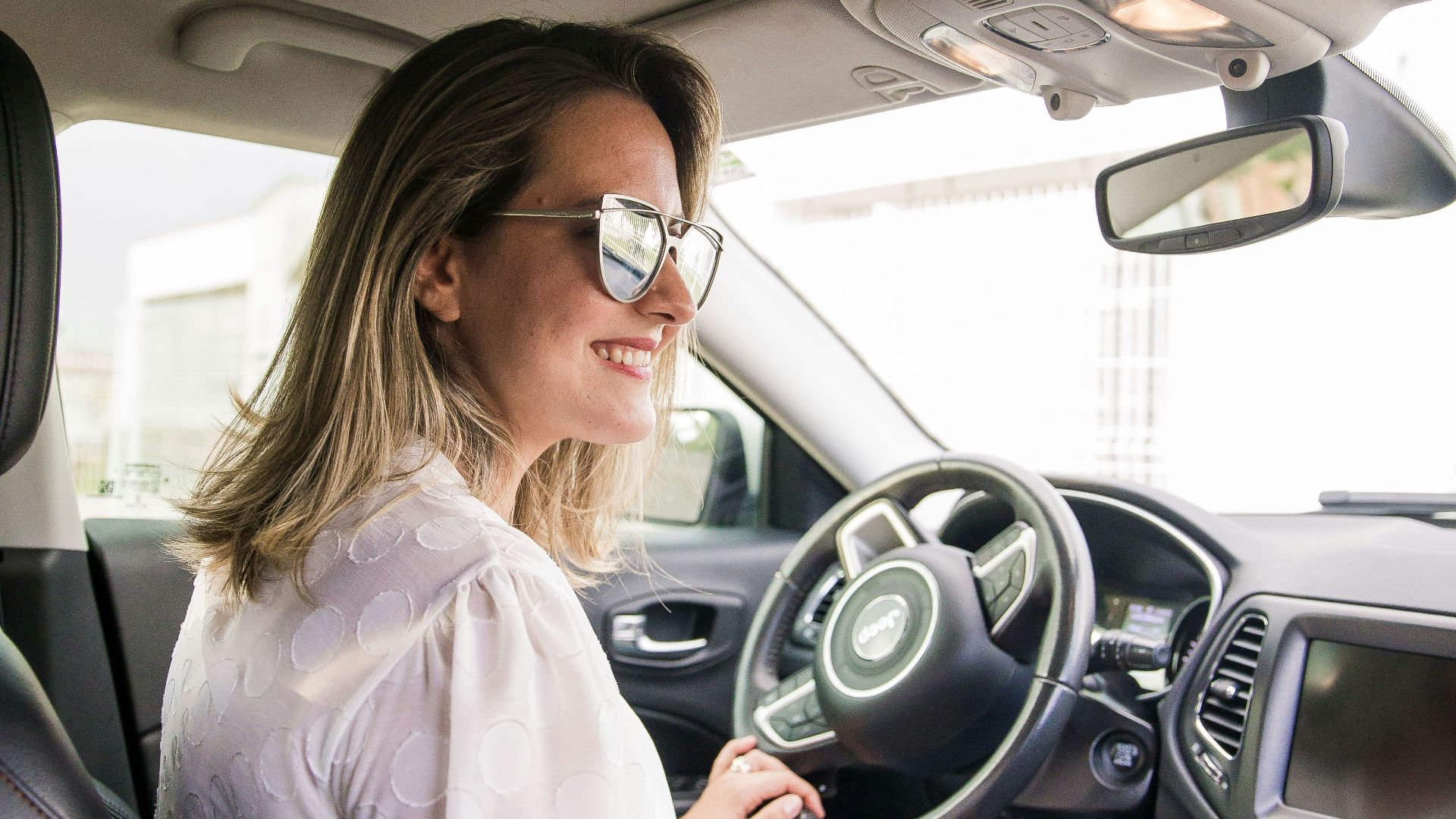
Ten under the limit is not the safe choice students believe it to be. Traffic backing up behind a nervous driver creates the exact pressure that causes bad decisions. Comfort with the actual speed limit usually takes a few hours behind the wheel.

11. How You Handle Being Honked At
A horn behind them makes some students freeze up and makes others angry. Everybody flinches the first time, so the flinch itself means nothing and the recovery means everything. Students who spend the next five minutes rattled and driving worse are showing you something worth working on.
12. Parking Lot Behavior
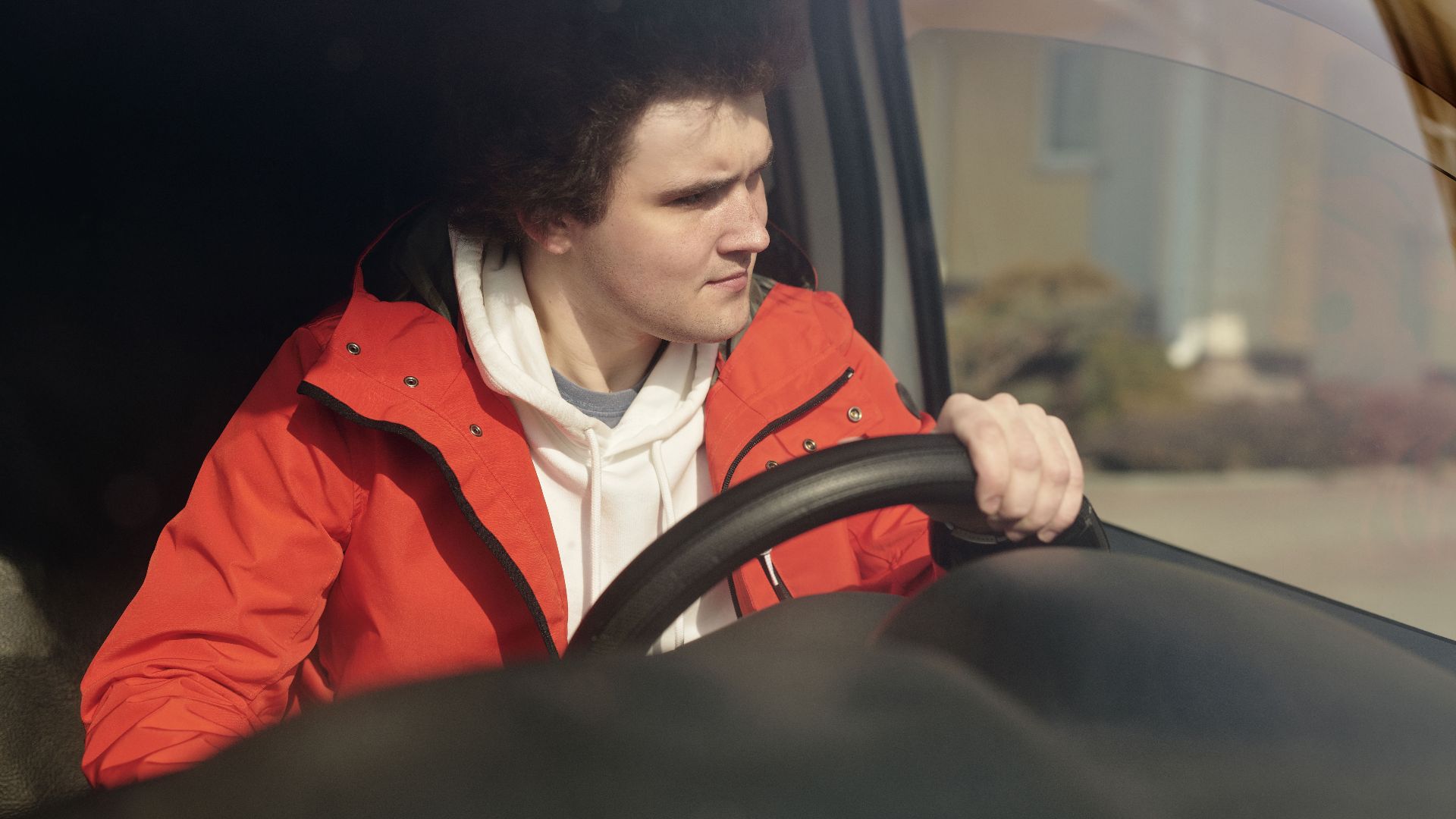
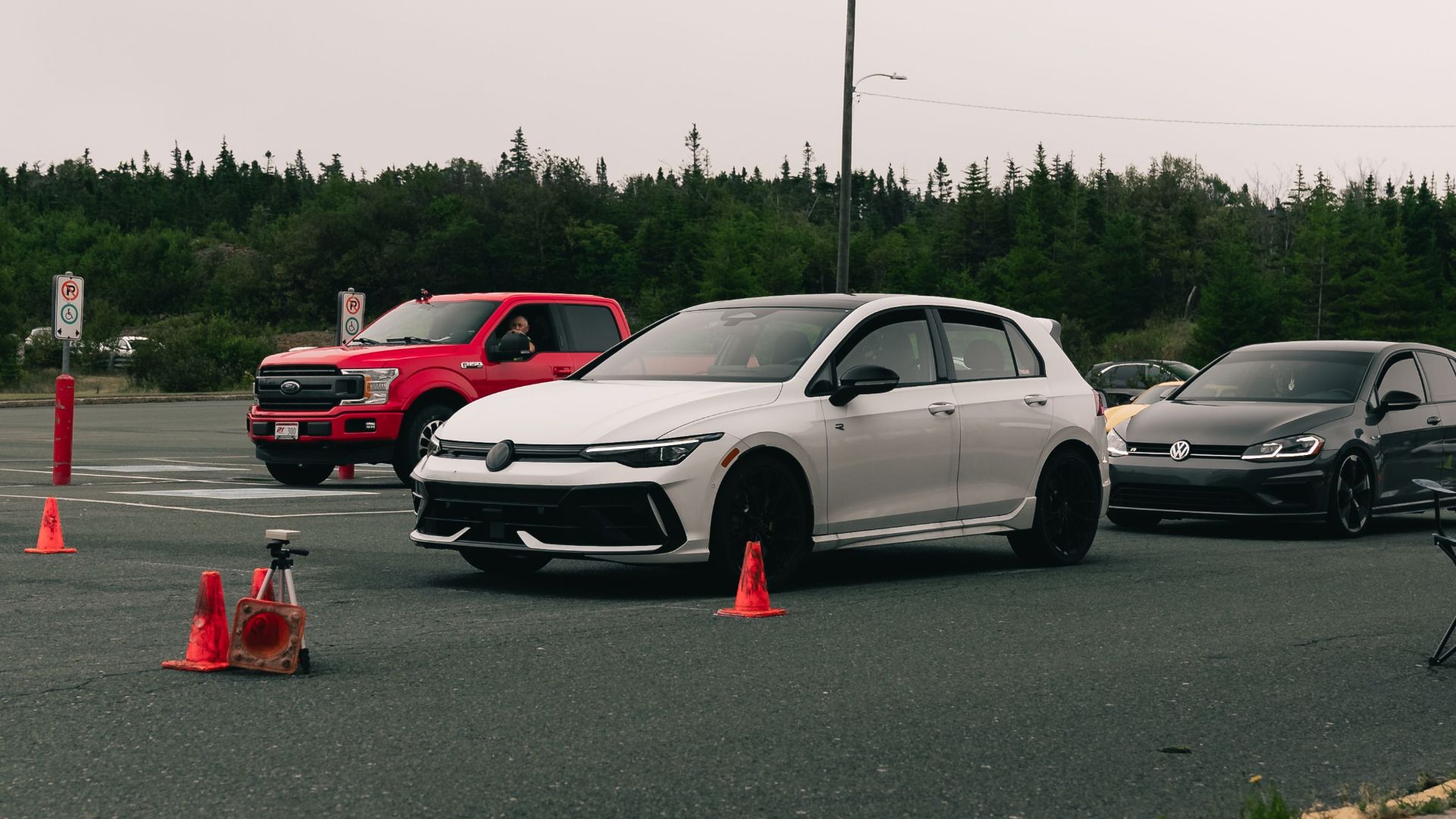
Lots are where instructors see the most sloppiness, because the speeds feel harmless. Backing out without looking over a shoulder happens constantly. Low speeds keep the damage cosmetic, which is the only reason parking lot habits take so long to correct.
13. Your Following Distance
Two seconds is the minimum and almost nobody leaves it at first. New drivers tend to sit close enough that they're reacting to brake lights rather than to traffic ahead of the car in front. The correction is dull to practice and buys more safety than anything else on this list.

14. Whether You Coast to Red Lights
Red lights get treated as a surprise by most beginners, who arrive at full speed and brake hard at the end. It wears out brake pads and assumes the light will still be red when they get there. Lifting off early and rolling toward it means somebody is thinking a few seconds ahead. Instructors notice this one early because it's rare in beginners.

15. Lane Position
Drifting toward the center line usually means the student is steering by watching that line. The car goes where the eyes go, which is also why staring at an obstacle tends to end badly. Sitting slightly right of center in the lane is where you want to be, and it takes practice to feel natural.

16. How You React to a Mistake
Everybody misses a turn eventually, and everybody takes an exit they didn't want. What separates good students from bad is whether they keep driving the car while dealing with it. Turning to apologize to the instructor while the vehicle is still moving is a reflex that has to be trained out.

17. Merging Confidence
Merging requires committing to a speed and a gap and then doing it. Hesitating on an on-ramp is more dangerous than being slightly too aggressive, and hesitation is what beginners default to. The ramp exists to get you up to highway speed, and plenty of students treat it as a place to slow down and look.

18. Your Phone
Where the phone sits during the lesson says a lot. Face-down in a bag is one answer, and mounted on the dash within reach is another. Students who check it at a red light are showing an instructor exactly what will happen the moment there's no adult in the passenger seat.
19. Posture
Sitting too far back with arms extended looks relaxed and costs you steering control. Sitting almost against the wheel is the nervous version and hurts your view over the hood. There is a middle position, and most students find it only after being physically moved into it.

20. Whether You Ask Questions
Students who ask why something is done a particular way tend to progress faster than students who only follow instructions. Understanding that you signal for the benefit of drivers you can't see sticks better than being told to signal. Instructors would rather answer questions for an hour than repeat a correction for six weeks.