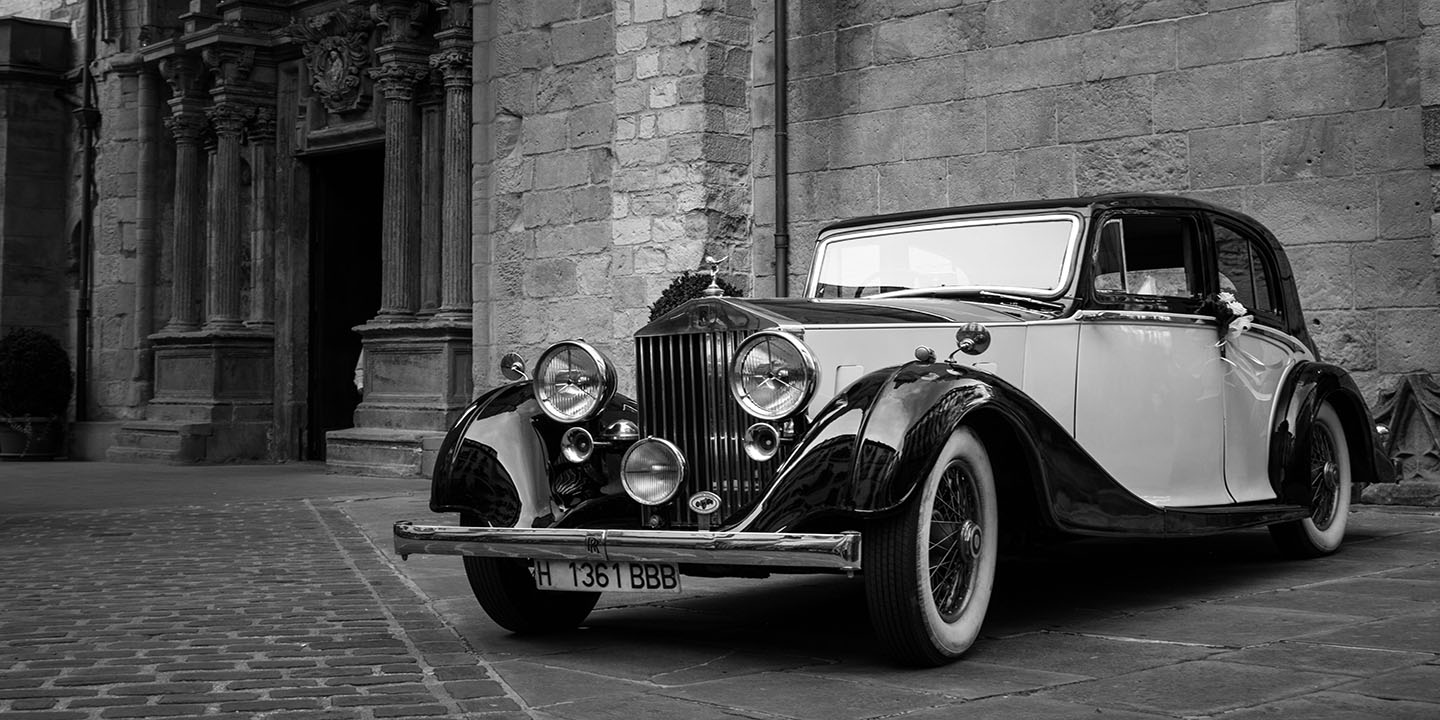
From Punchline to Podium
Hyundai spent most of the 1980s and '90s as the setup to a joke. The cars were cheap, they drove like it, and late-night hosts got a decade of easy material out of them. Then something shifted around 2009, and by the time the Palisade and the Ioniq 5 arrived, the same company was winning comparison tests against Honda and Toyota. Both versions of Hyundai are real, and the gap between them is one of the strangest arcs in modern car history. Here are 10 that earned the turnaround, and 10 that explain the old stigma.
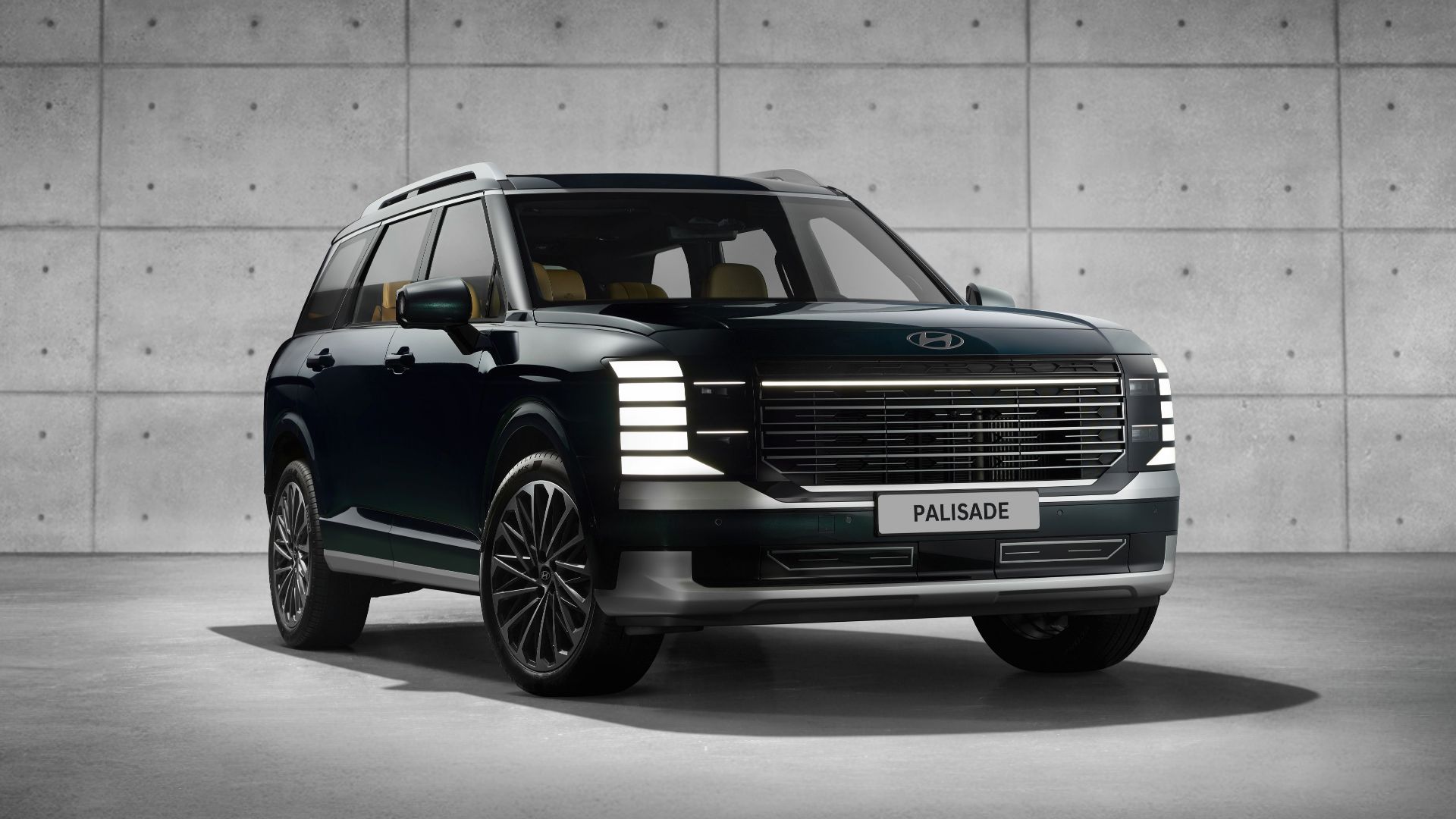
1. 2009 Genesis Sedan
A rear-drive luxury sedan with a V8 priced under $40,000 made little sense coming from a company known for economy hatchbacks. It won North American Car of the Year anyway. Shoppers who cross-shopped it against a 5 Series gave up some refinement and kept a substantial amount of money.
 問題無い en:user:Cherry Blossom OK on Wikimedia
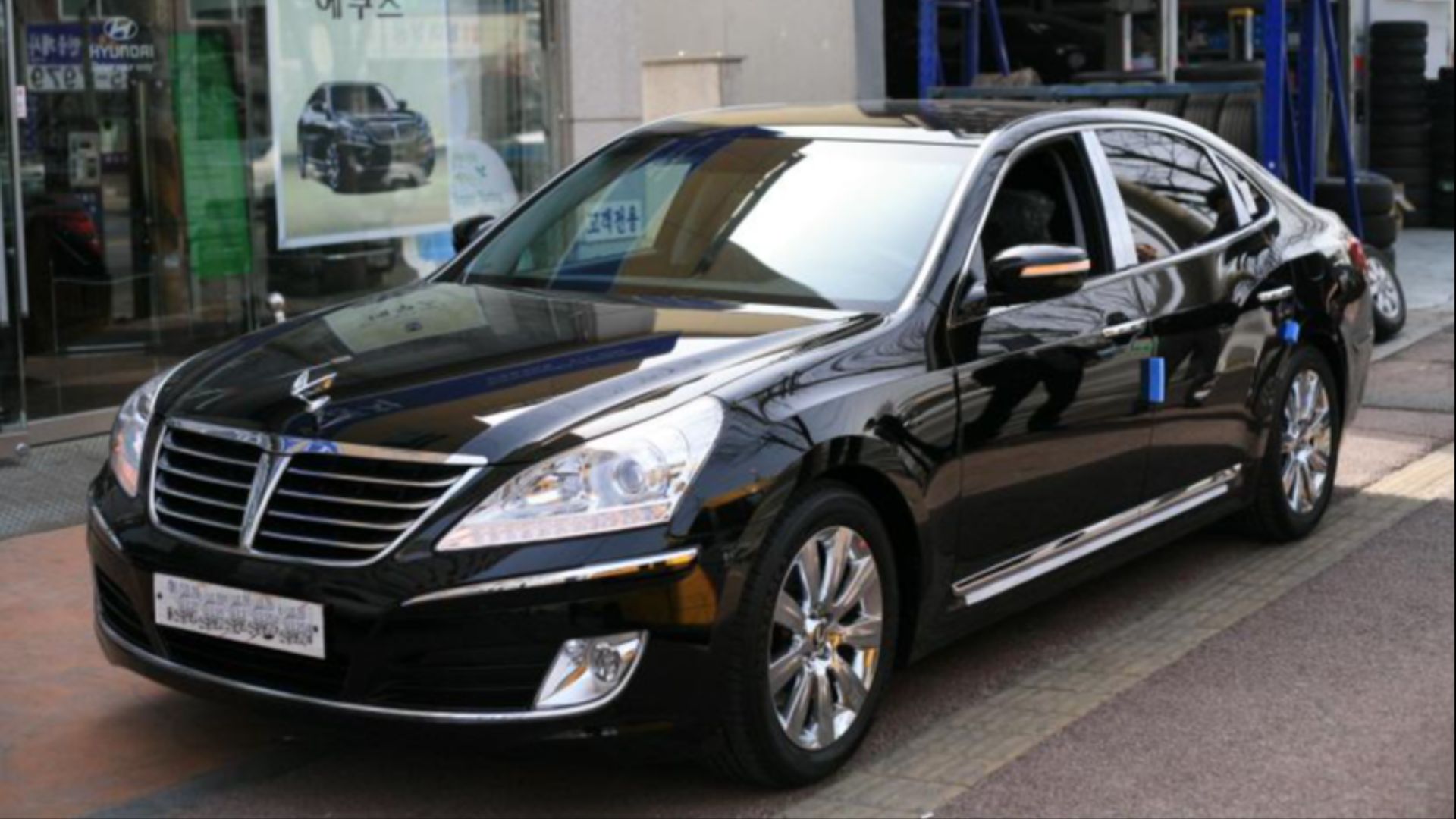
2. 2011 Sonata
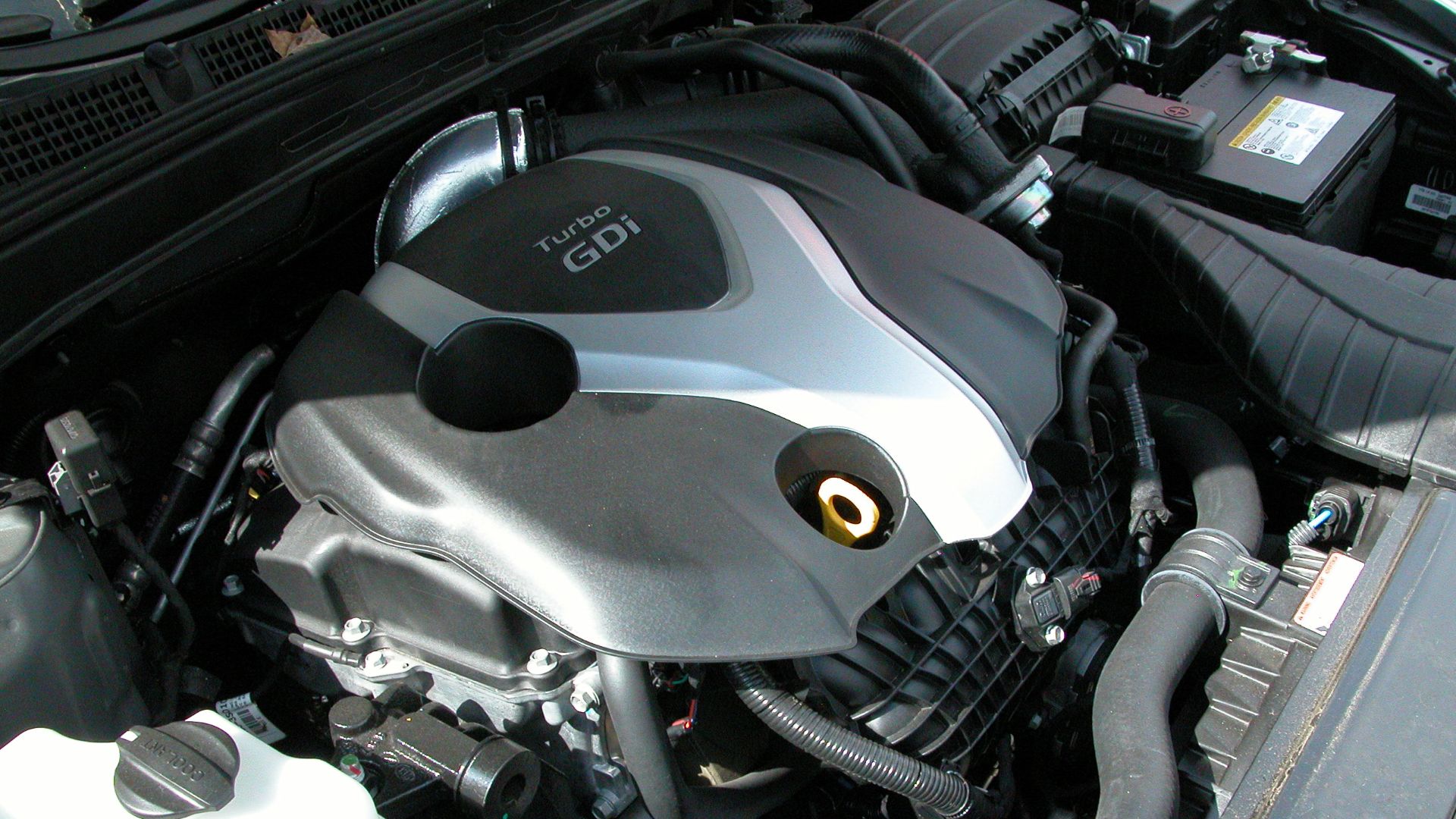
The sixth-generation Sonata showed up with a swooping roofline that looked expensive parked next to a Camry. Hyundai dropped the V6 entirely and made a turbocharged four the top engine, which put it ahead of most of the segment. It stopped being the value pick.
 Mariordo Mario Roberto Duran Ortiz on Wikimedia
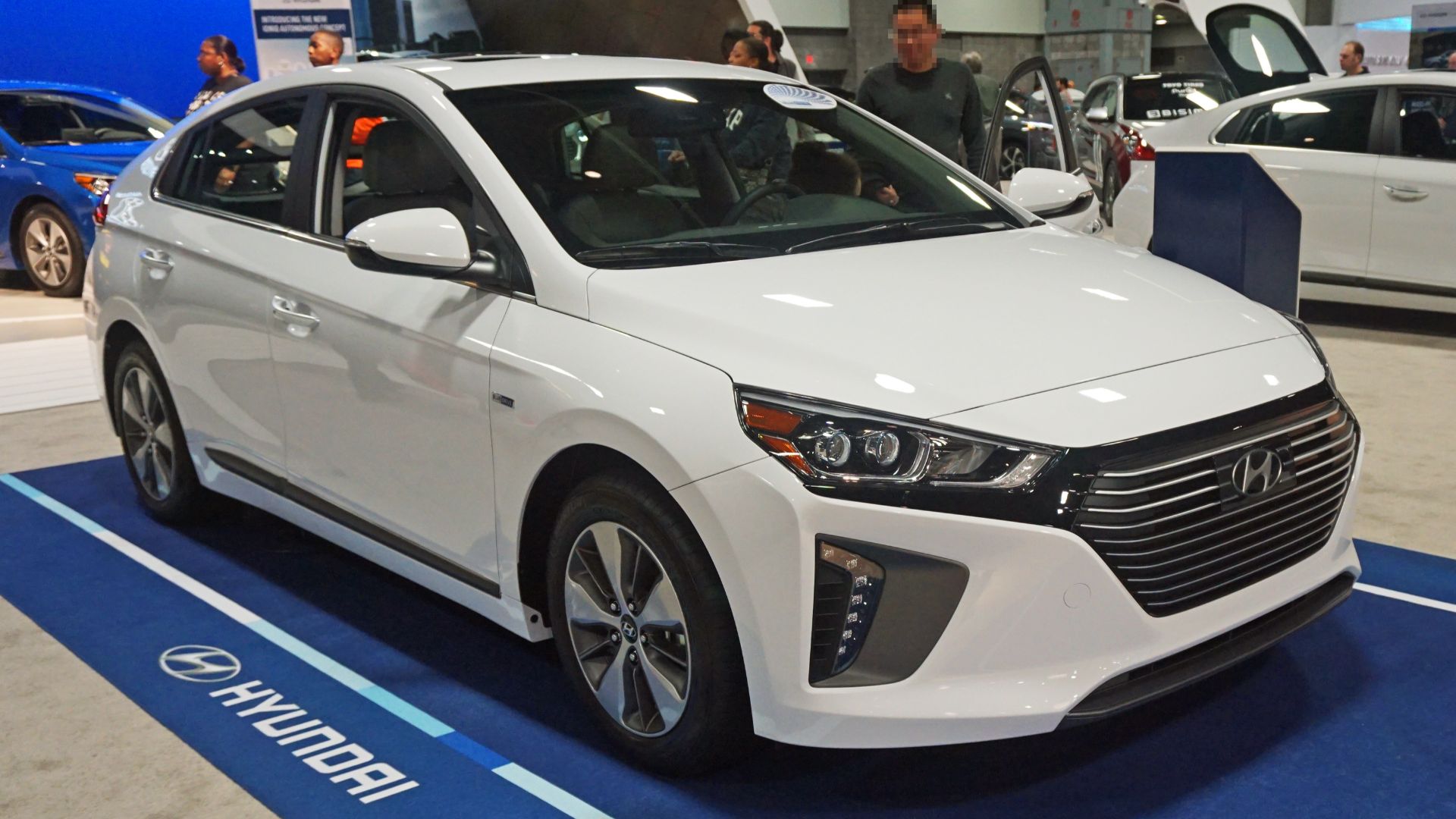
3. 2017 Ioniq
Hyundai built hybrid, plug-in, and full electric versions off a single platform at a price nobody else was matching. The hybrid posted EPA efficiency numbers that put it at the top of its class. Most shoppers never noticed the car existed.
 Mariordo (Mario Roberto Durán Ortiz) on Wikimedia
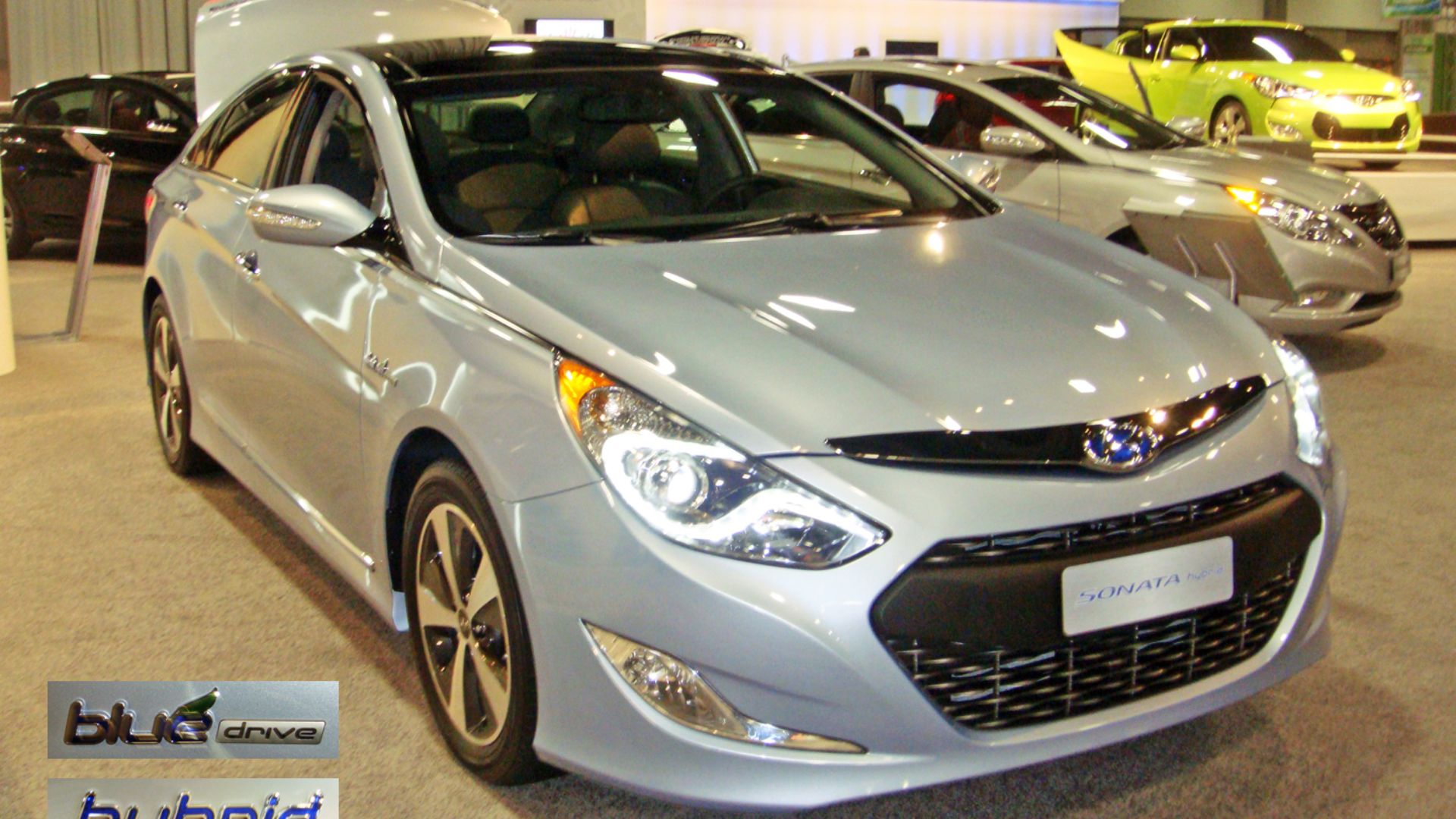
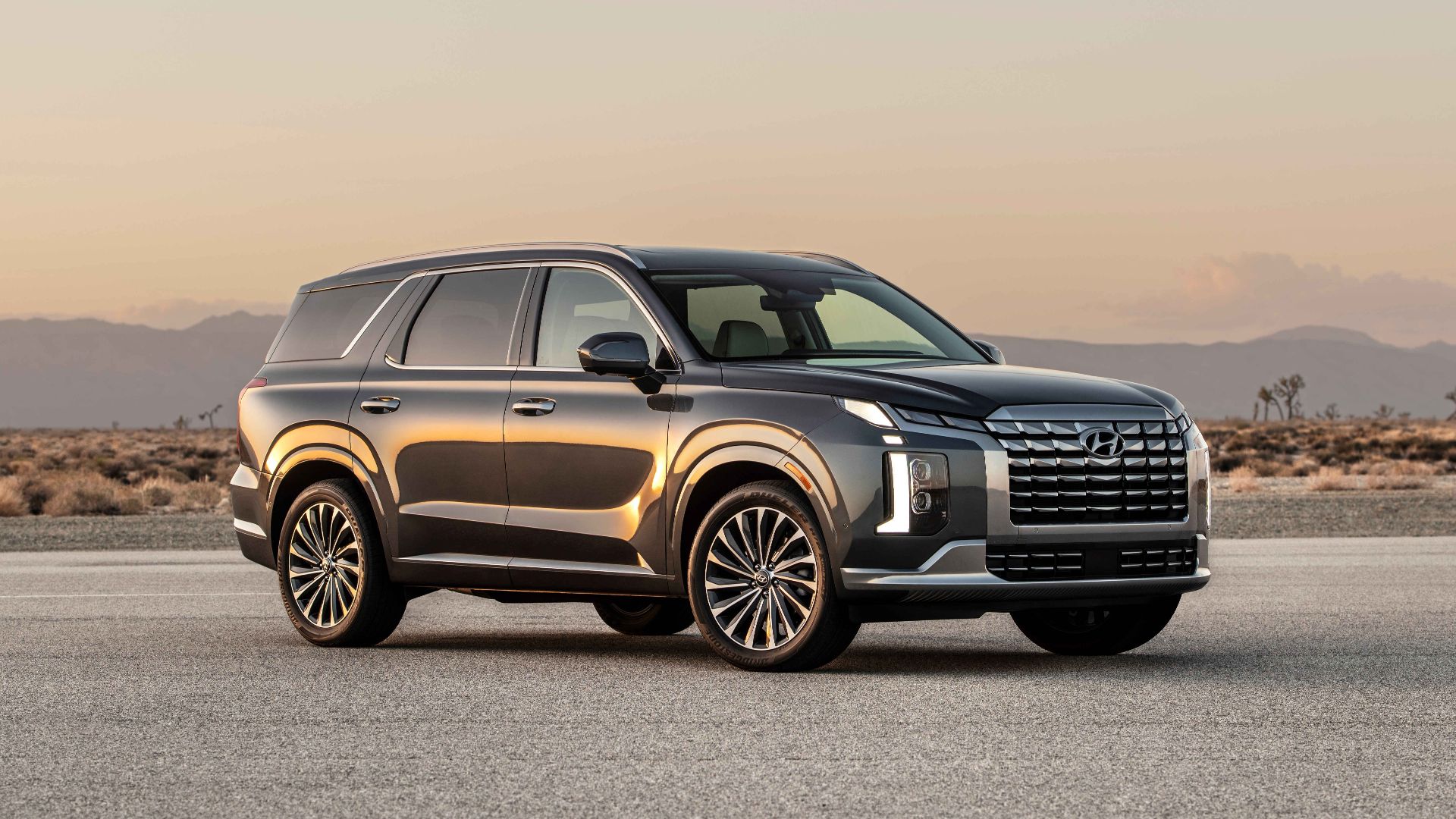
4. 2020 Palisade
Three-row SUVs are where families spend serious money, and the Palisade arrived with a cabin that felt a full segment above its sticker. The quilted leather and second-row captain's chairs in the Calligraphy trim drew comparisons to vehicles costing far more. Dealers struggled to keep them in stock for the first two years.
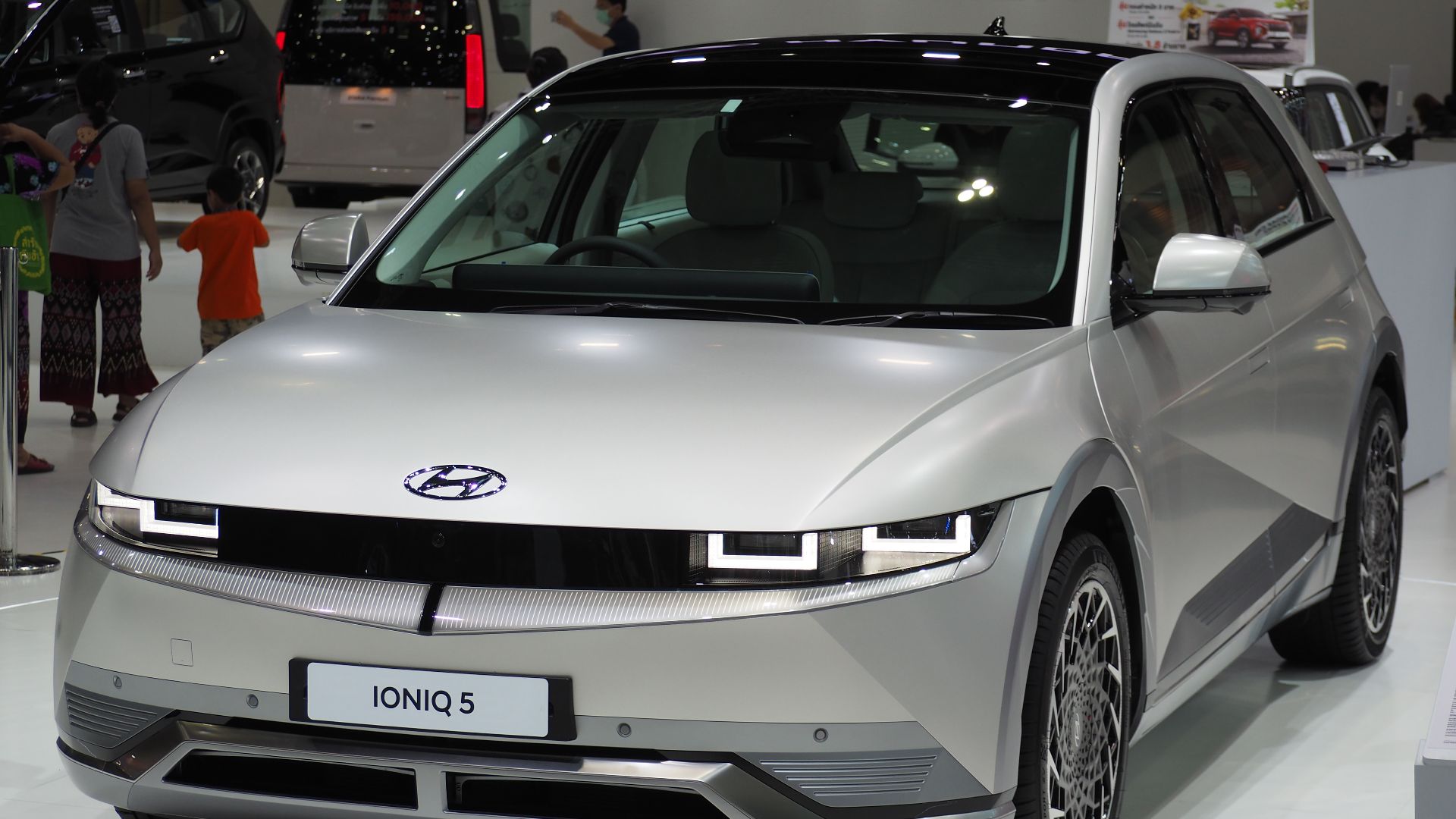
5. 2022 Ioniq 5
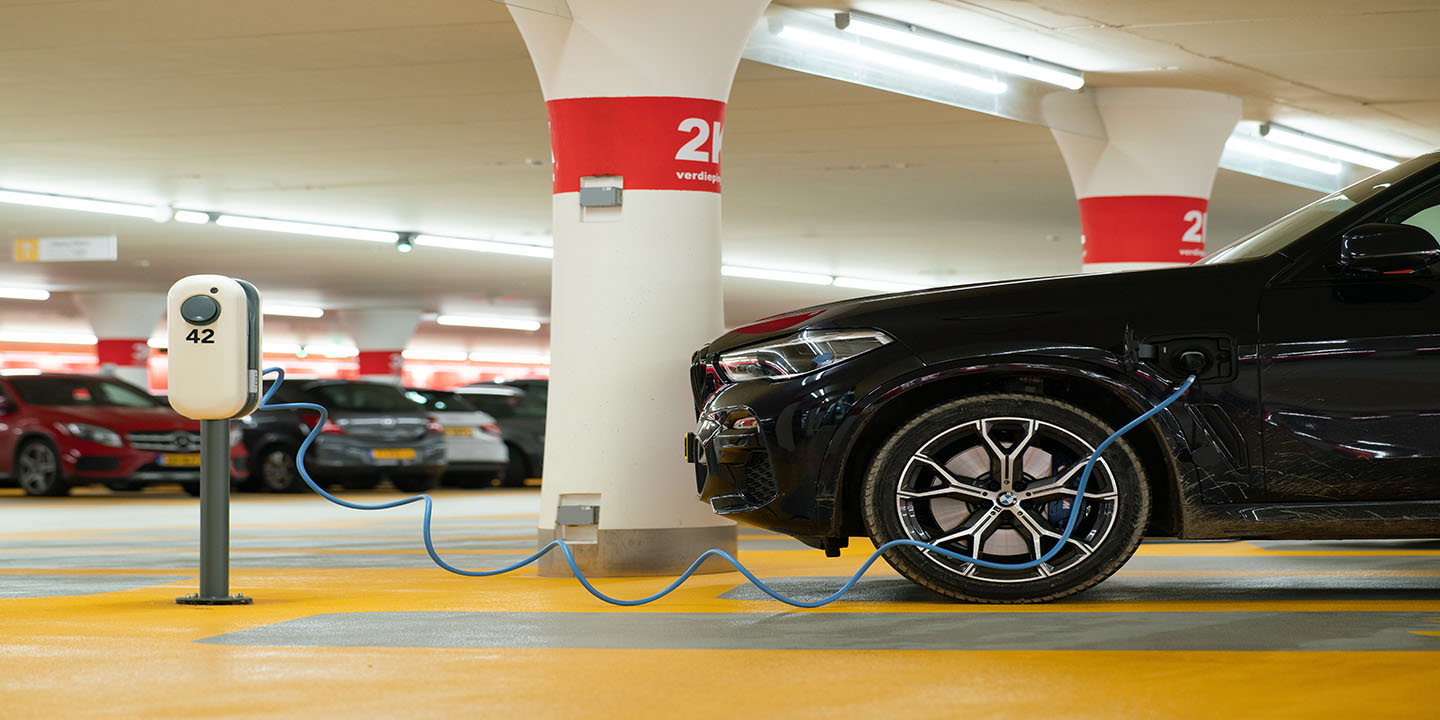
Nothing else on the road looked like it, all hard creases and pixelated lighting wrapped around an enormous back seat. Its 800-volt architecture allowed charging speeds most competitors couldn't touch at launch. It won World Car of the Year.
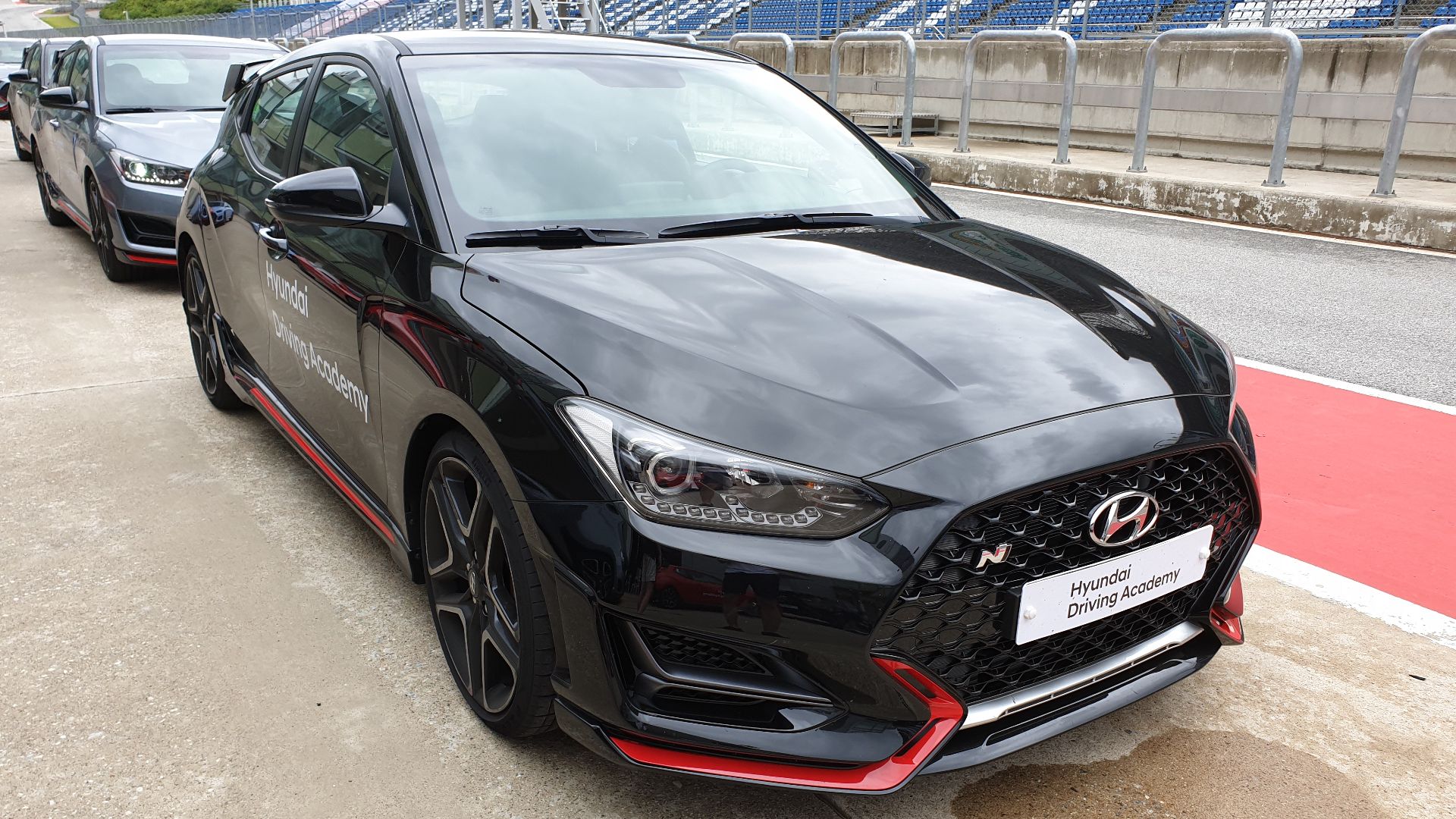
6. 2019 Veloster N
Hyundai's N division built a hot hatch that enthusiasts took seriously, which nobody saw coming. The exhaust crackled on overrun and the limited-slip differential did real work. Reviewers began mentioning it alongside the Civic Type R without any hedging.
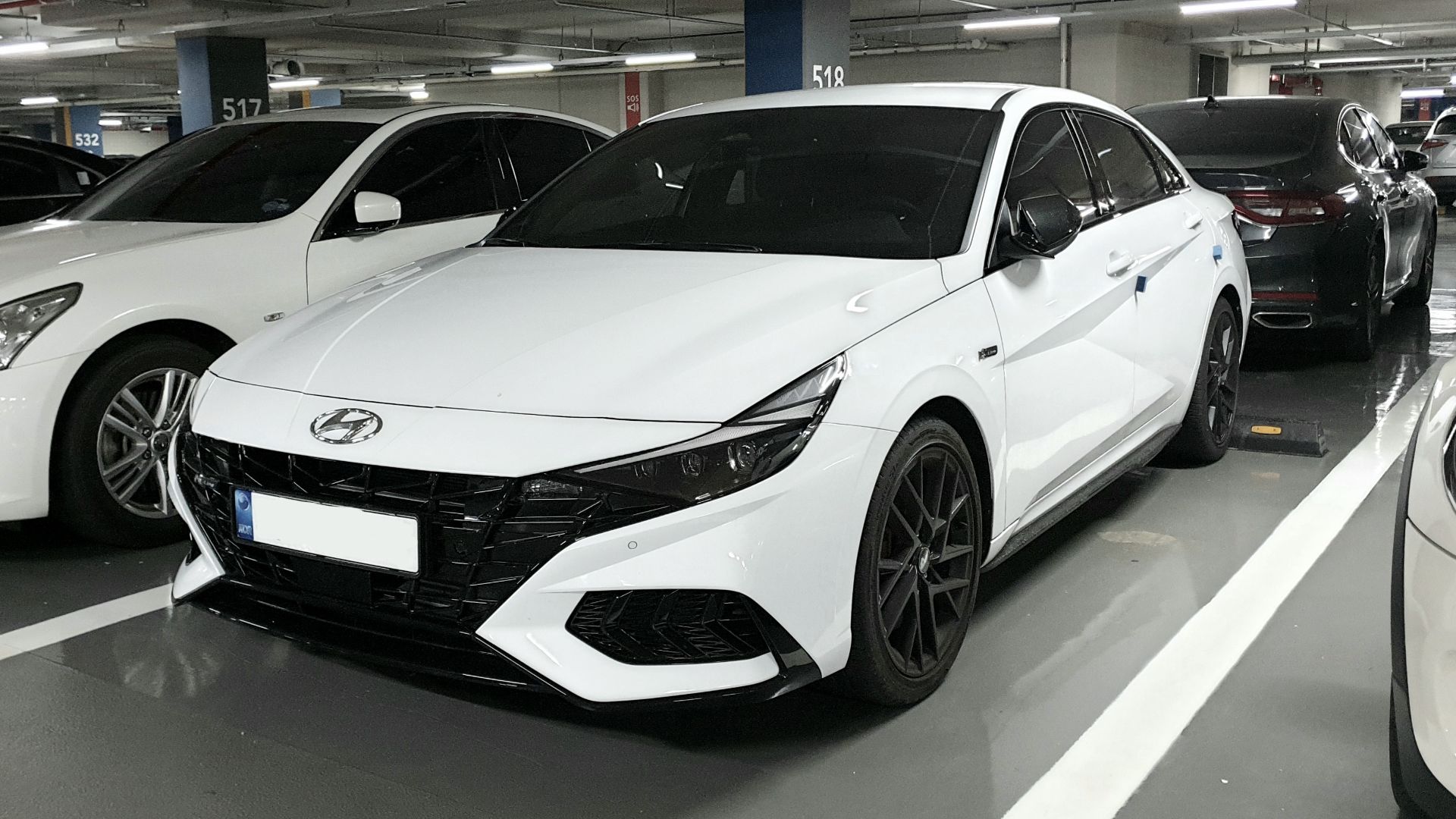
7. 2021 Elantra N Line
The Elantra had spent decades as pure transportation, so a version with roughly 200 horsepower and a reworked suspension felt like a different car wearing the same badge. It undercut the Civic Si while delivering something close to the same experience. Plenty of first-time buyers ended up with more car than they'd planned on.
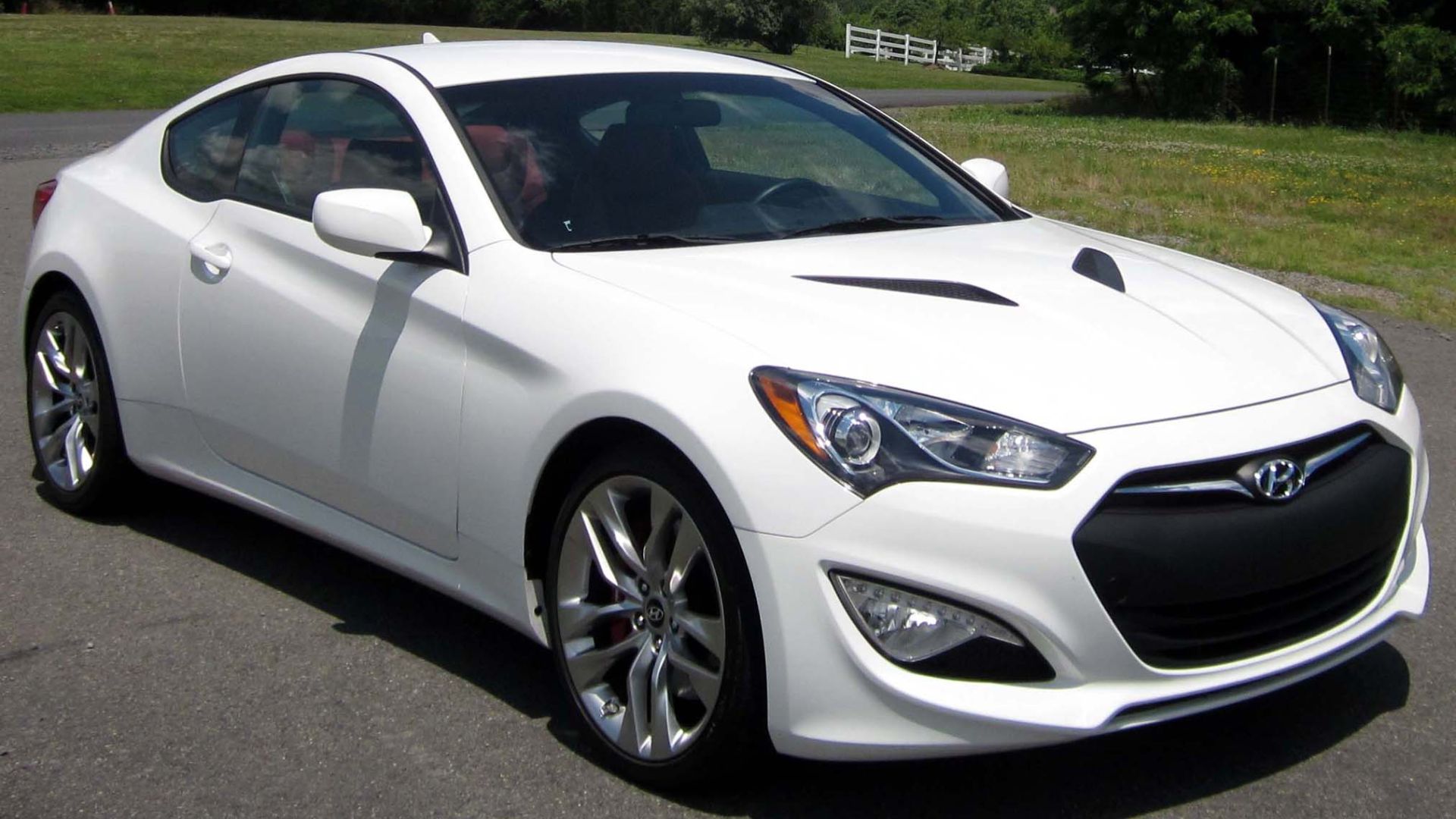
8. 2015 Genesis Coupe
The Genesis Coupe never sold in volume, though the 3.8-liter V6 version delivered rear-wheel drive and well over 300 horsepower for Mustang money. Track-day regulars bought them used for years after production ended. It aged into a bargain.
 commons.wikimedia.org on Google
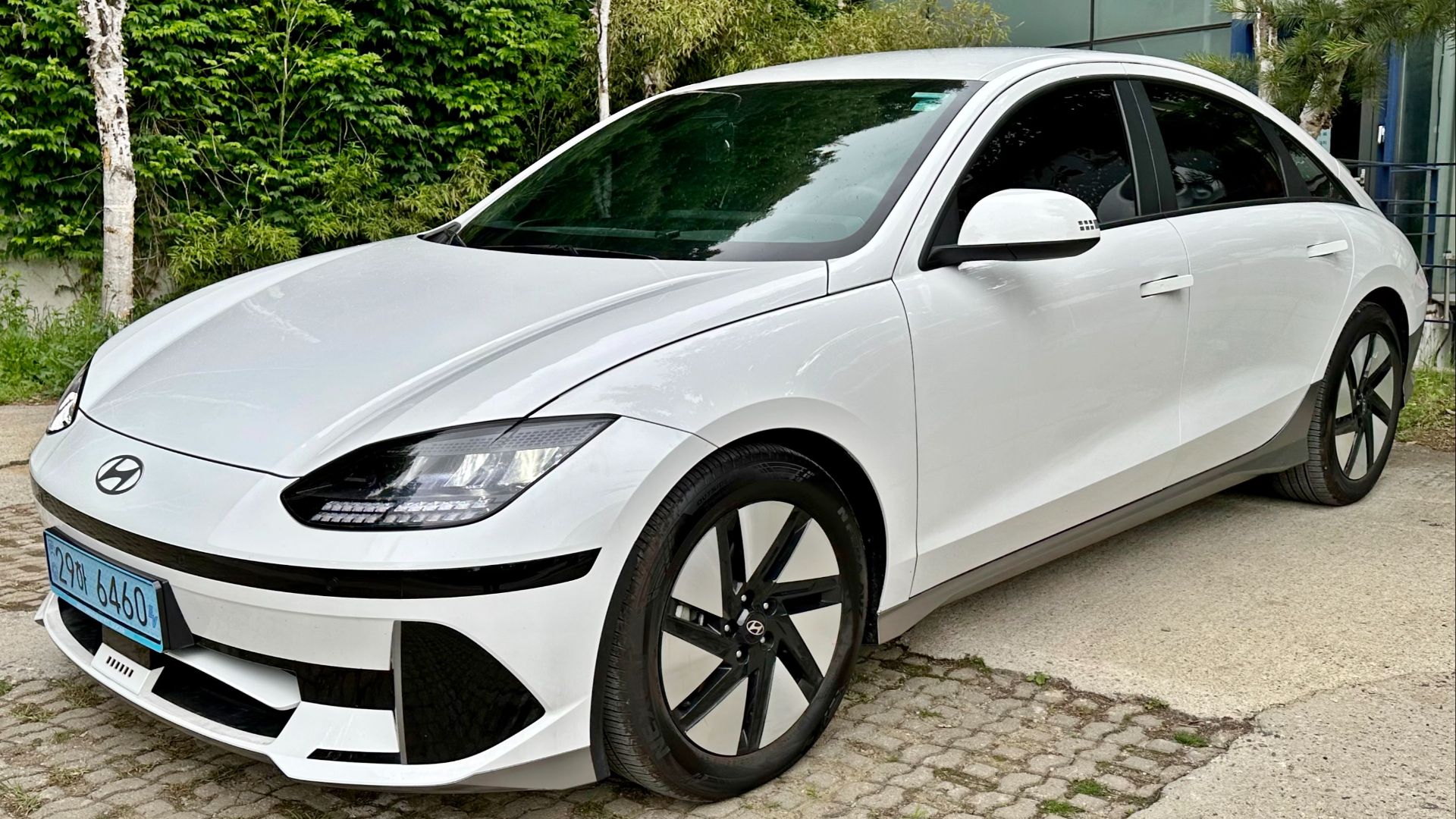
9. 2023 Ioniq 6
A drag coefficient of 0.22 put it among the slipperiest production cars ever sold. That efficiency turned into range figures that embarrassed several EVs costing considerably more. The styling split opinion, but the numbers didn't.
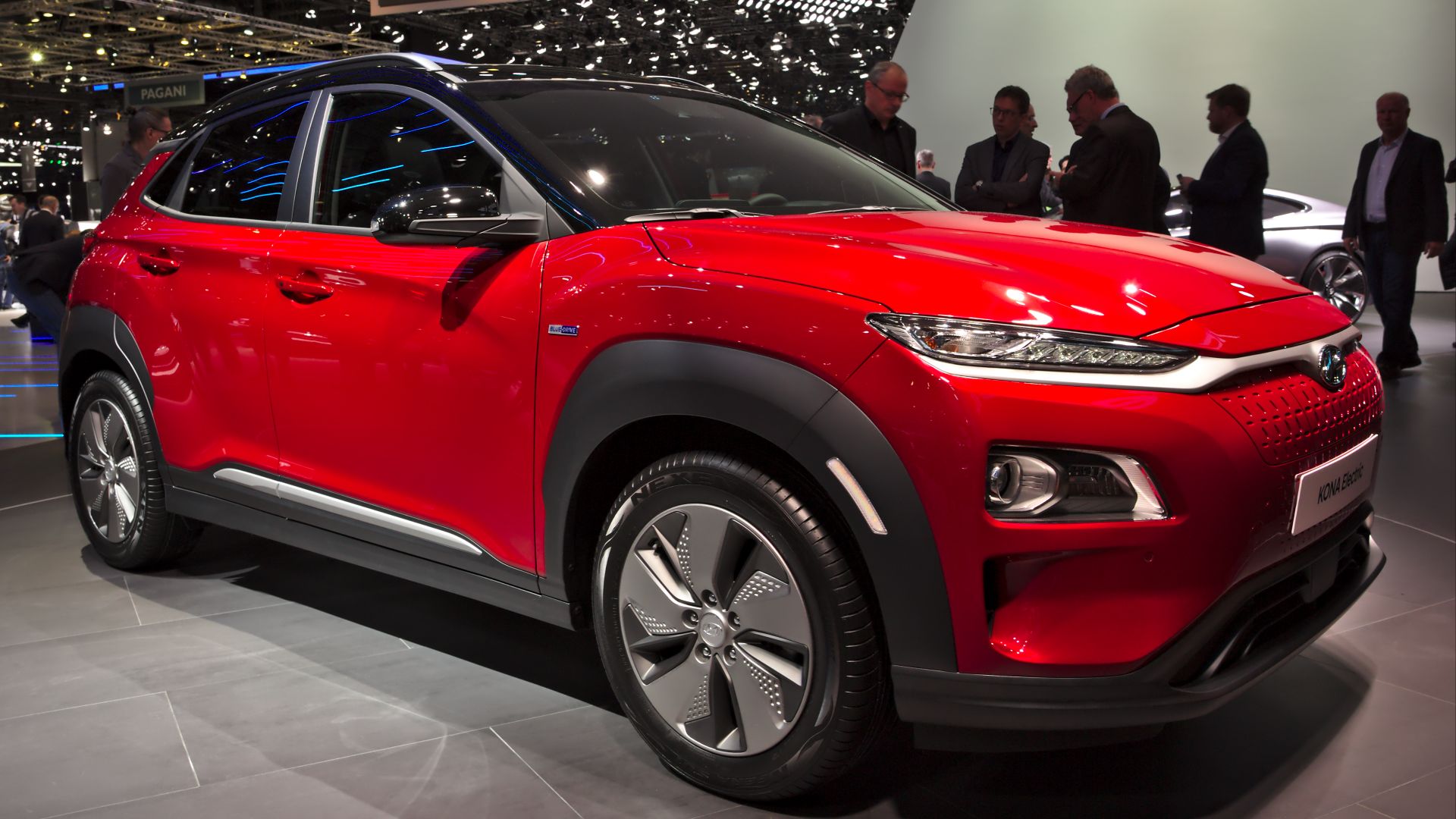
10. 2018 Kona
Subcompact crossovers were mostly forgettable until the Kona showed up with aggressive lighting and a chassis that handled better than the class deserved. The electric version launched with range figures that belonged to much more expensive cars. It made the segment interesting for about a year.
Now, here's 10 that explain where the reputation came from.
1. 1986 Excel
The Excel moved over 160,000 units in its first American year, almost entirely on a price that started under $5,000. Owners found out within two years that the engine, the transmission, and the body panels had all been built to that number. Resale collapsed so completely that dealers stopped accepting them in trade.
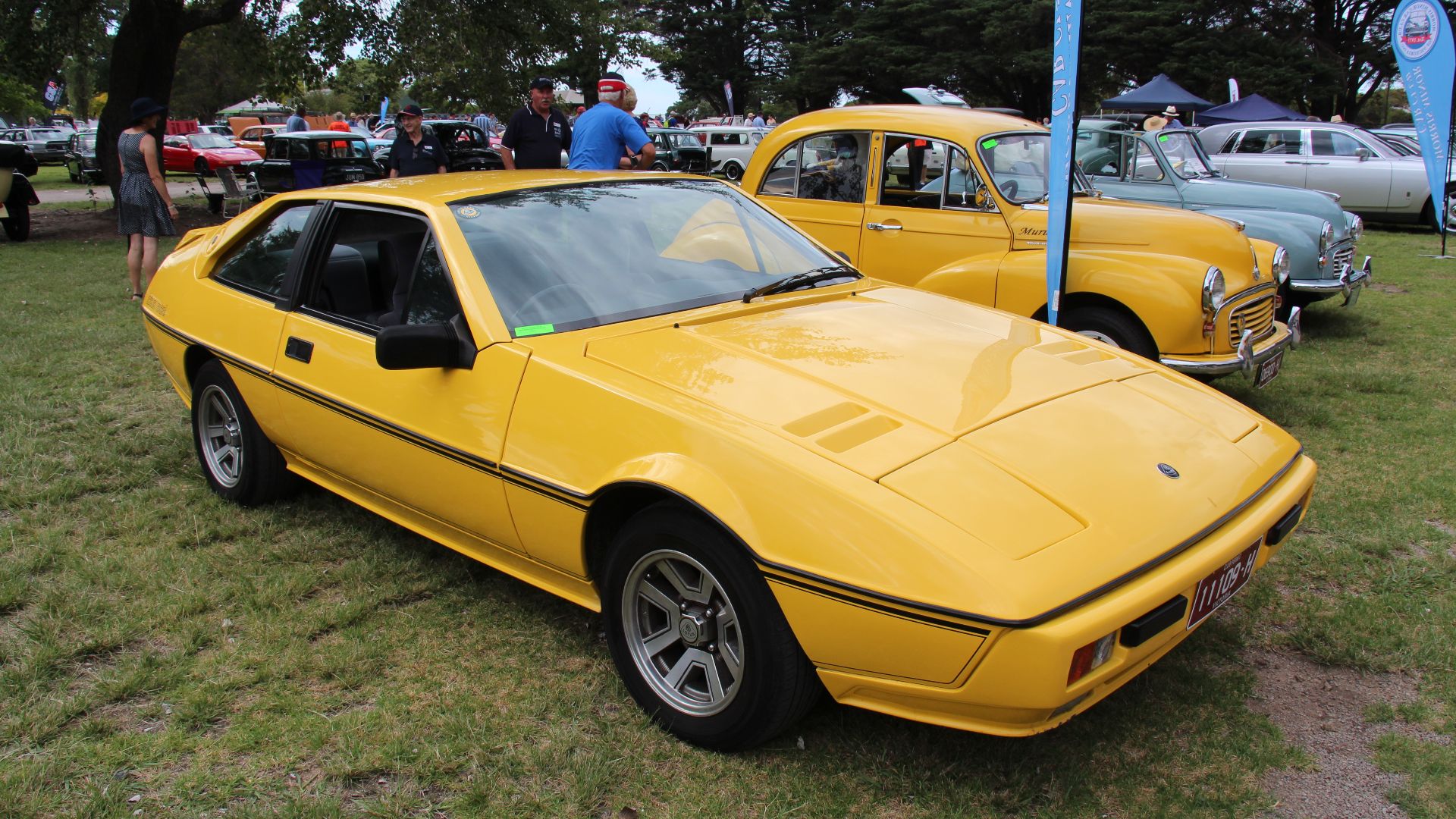
2. 1990 Scoupe
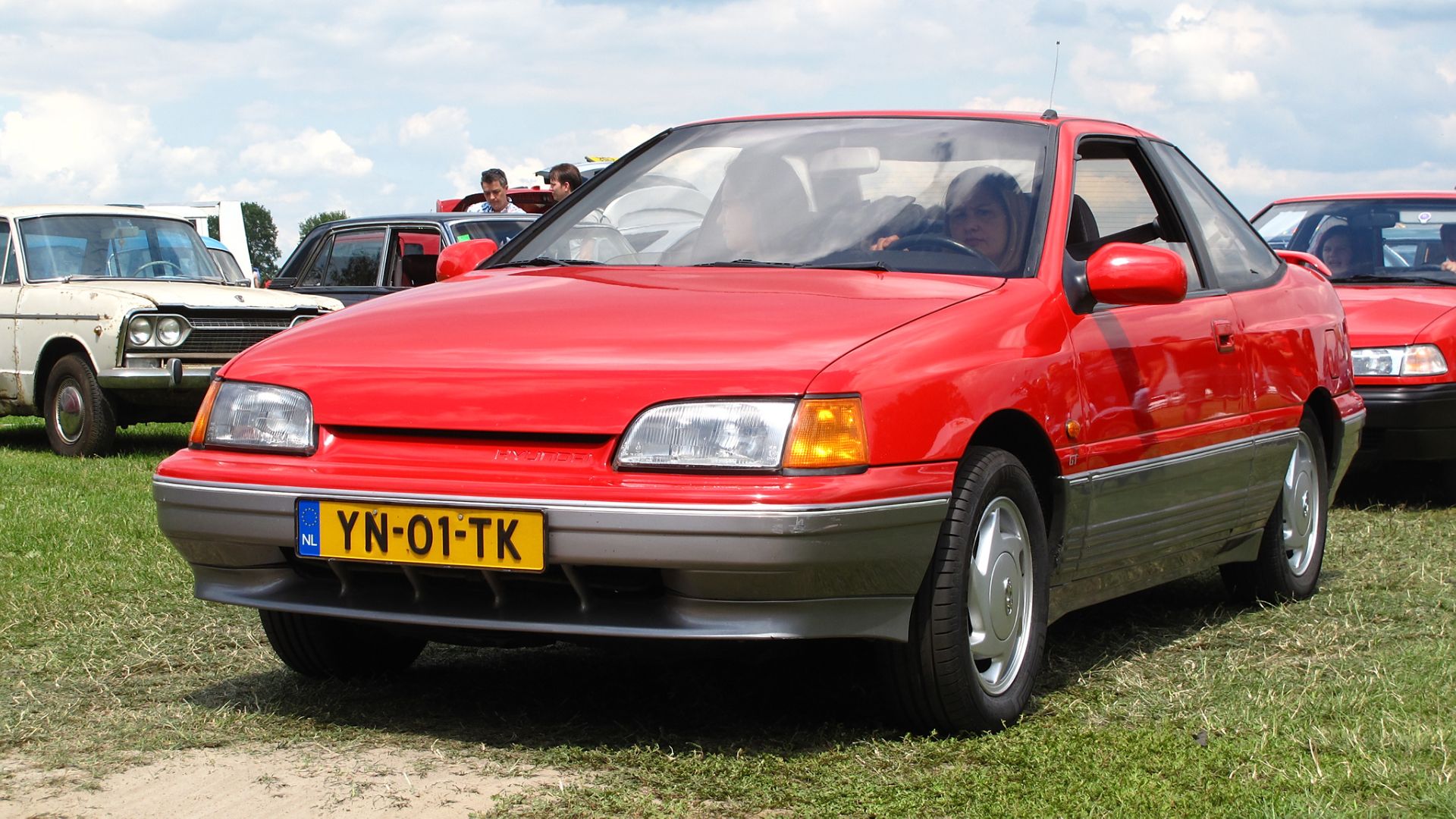
A sport coupe making around 80 horsepower is difficult to defend on any grounds. The Scoupe looked the part from across a parking lot and fell apart under closer inspection, with interior plastics that cracked after a few hot summers. It's mostly remembered as the car that made the joke stick.
 Rutger van der Maar on Wikimedia
3. 1995 Accent
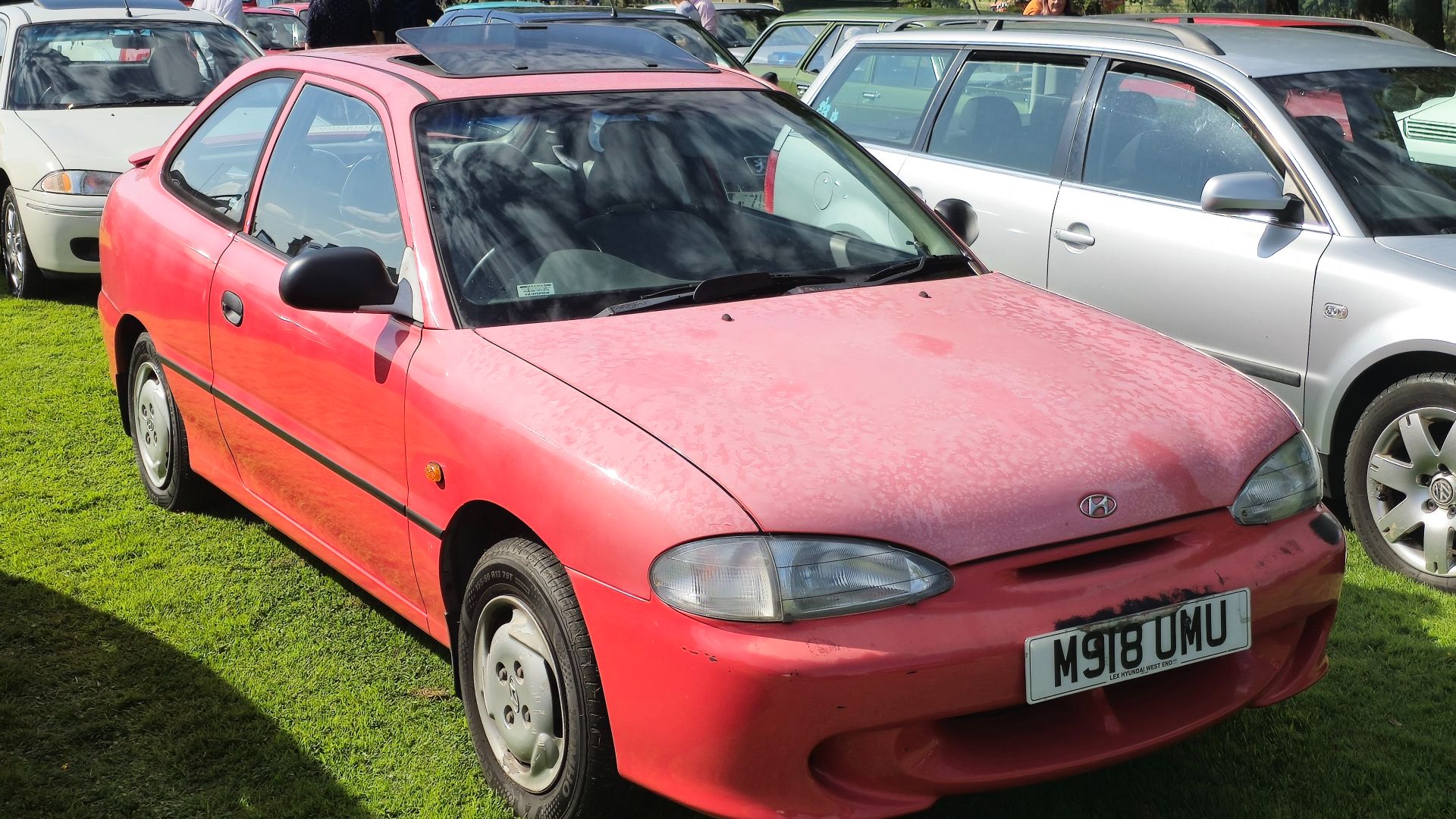
The Accent replaced the Excel and inherited most of its problems, including automatic transmissions with a reputation for failing well short of 100,000 miles. Cheap to buy, expensive to keep. A lot of them were abandoned at independent shops once the repair quote passed the car's value.
4. 1993 Elantra
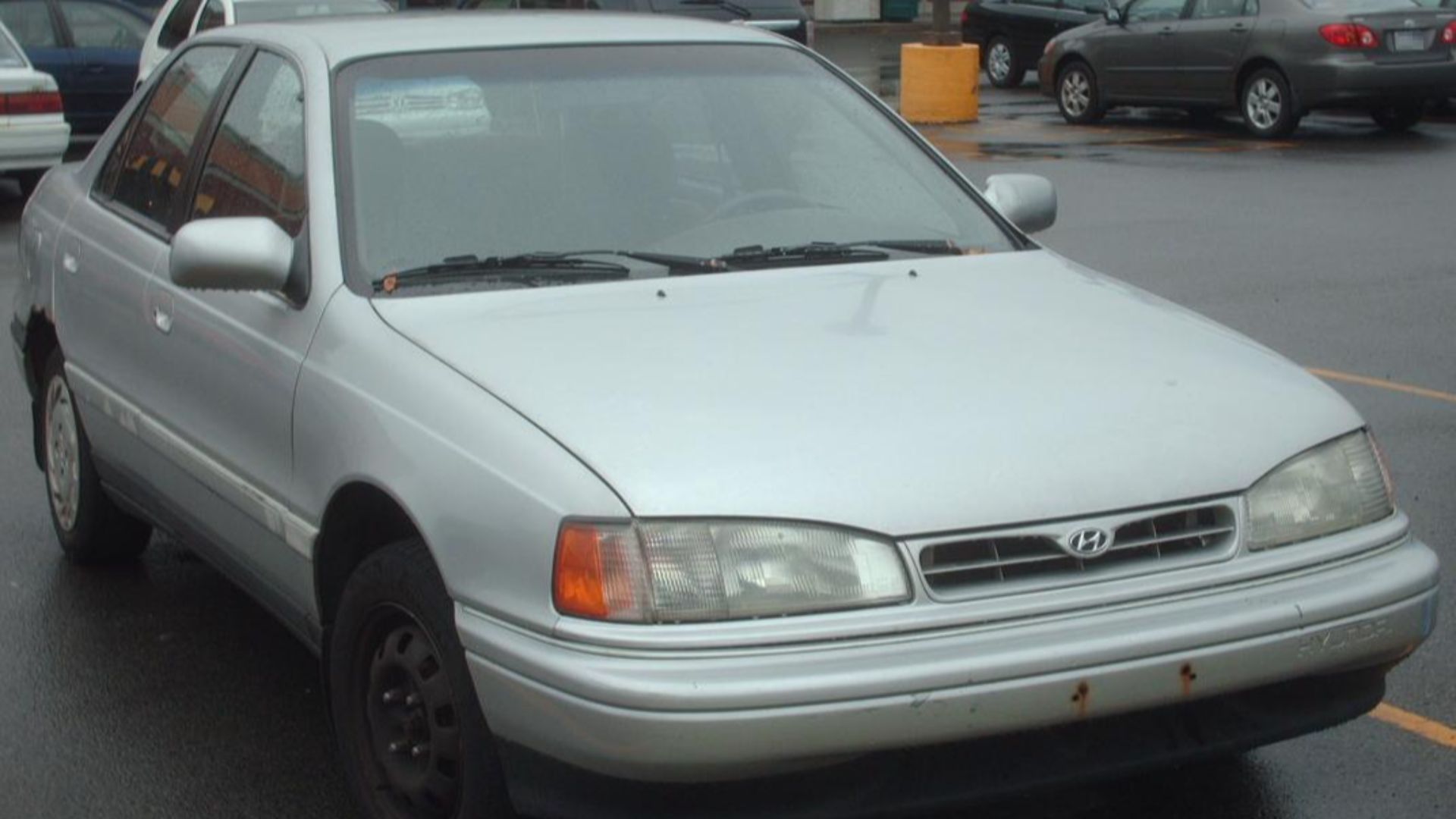
Early Elantras burned oil and had a cooling system that seemed to fail on a schedule. Head gasket problems were common enough that mechanics could identify the car by the complaint. Warranty coverage in that era didn't extend far enough to help.
5. 1997 Tiburon
The Tiburon replaced the Scoupe with sharper styling and a slightly better chassis, which raised expectations the car couldn't meet. Suspension bushings wore fast, and the interior developed rattles that owner forums cataloged in detail. It looked like a sports car and drove like a rental.
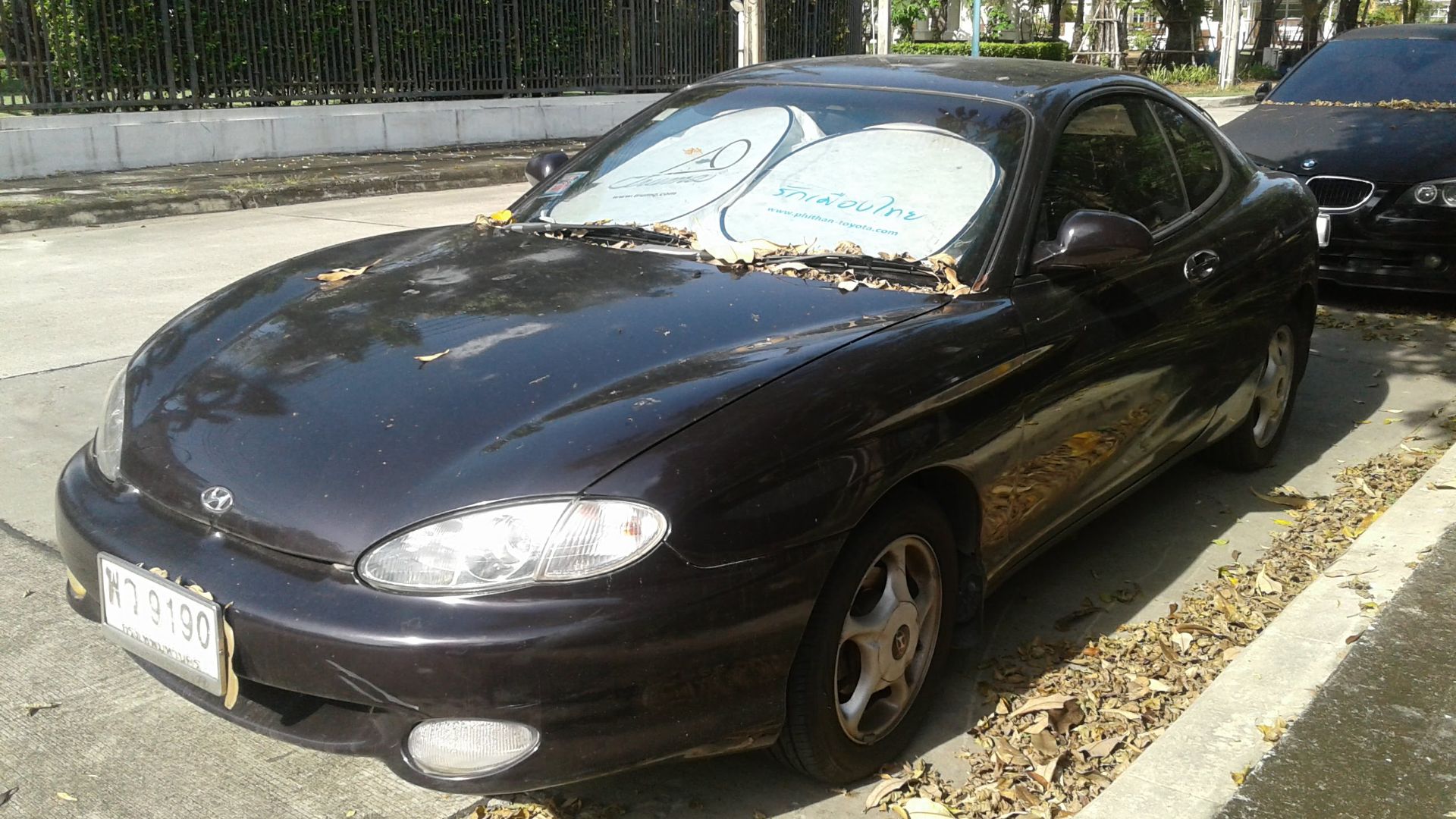 Jirapat Chroenkeskij on Wikimedia
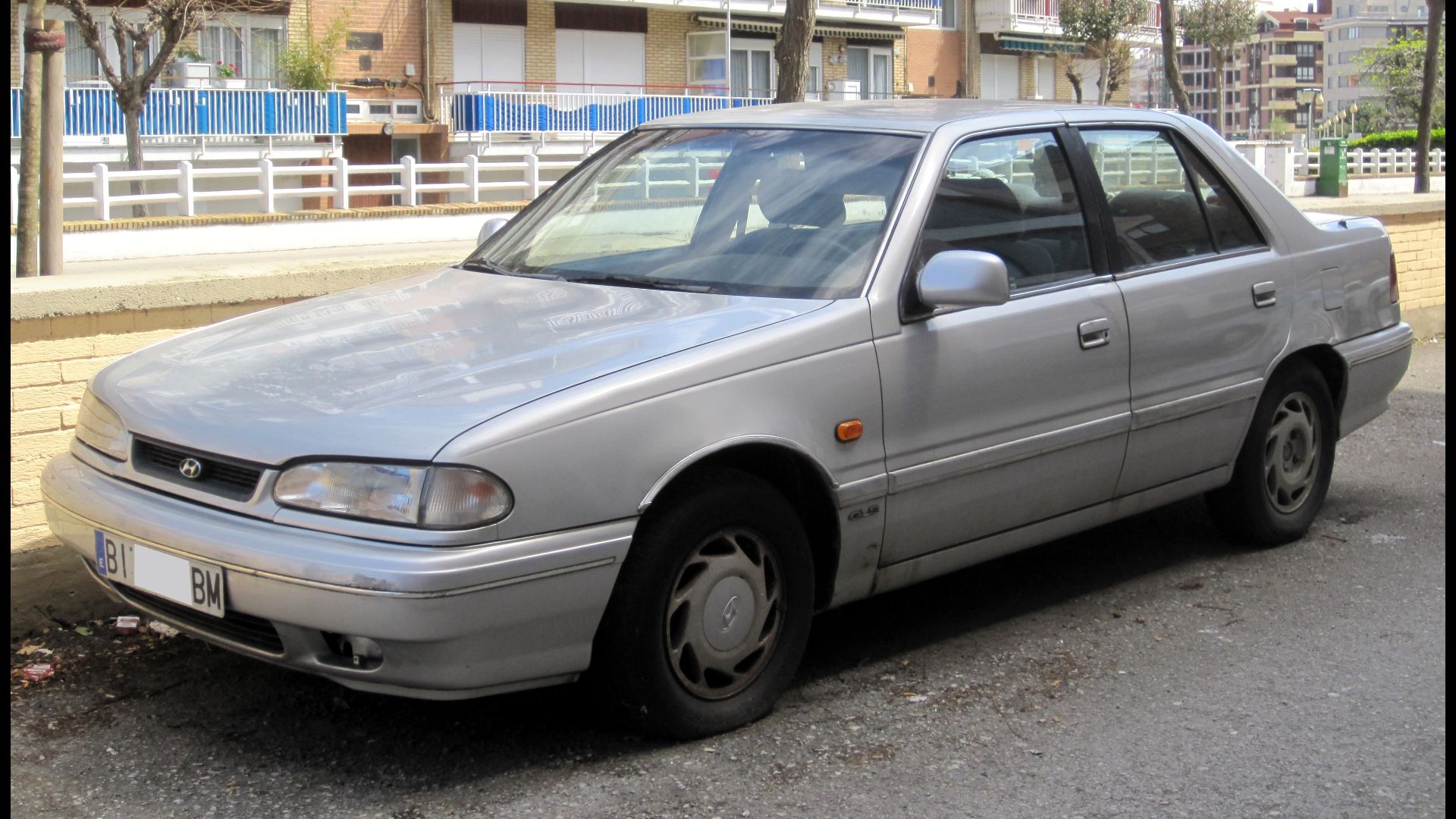
6. 1992 Sonata
This Sonata used a Mitsubishi-sourced V6 that was fine on its own, then wrapped it in a body and interior that weren't. Door seals leaked and power windows failed early. Hyundai wouldn't figure out how to build a competitive midsize sedan for another fifteen years.
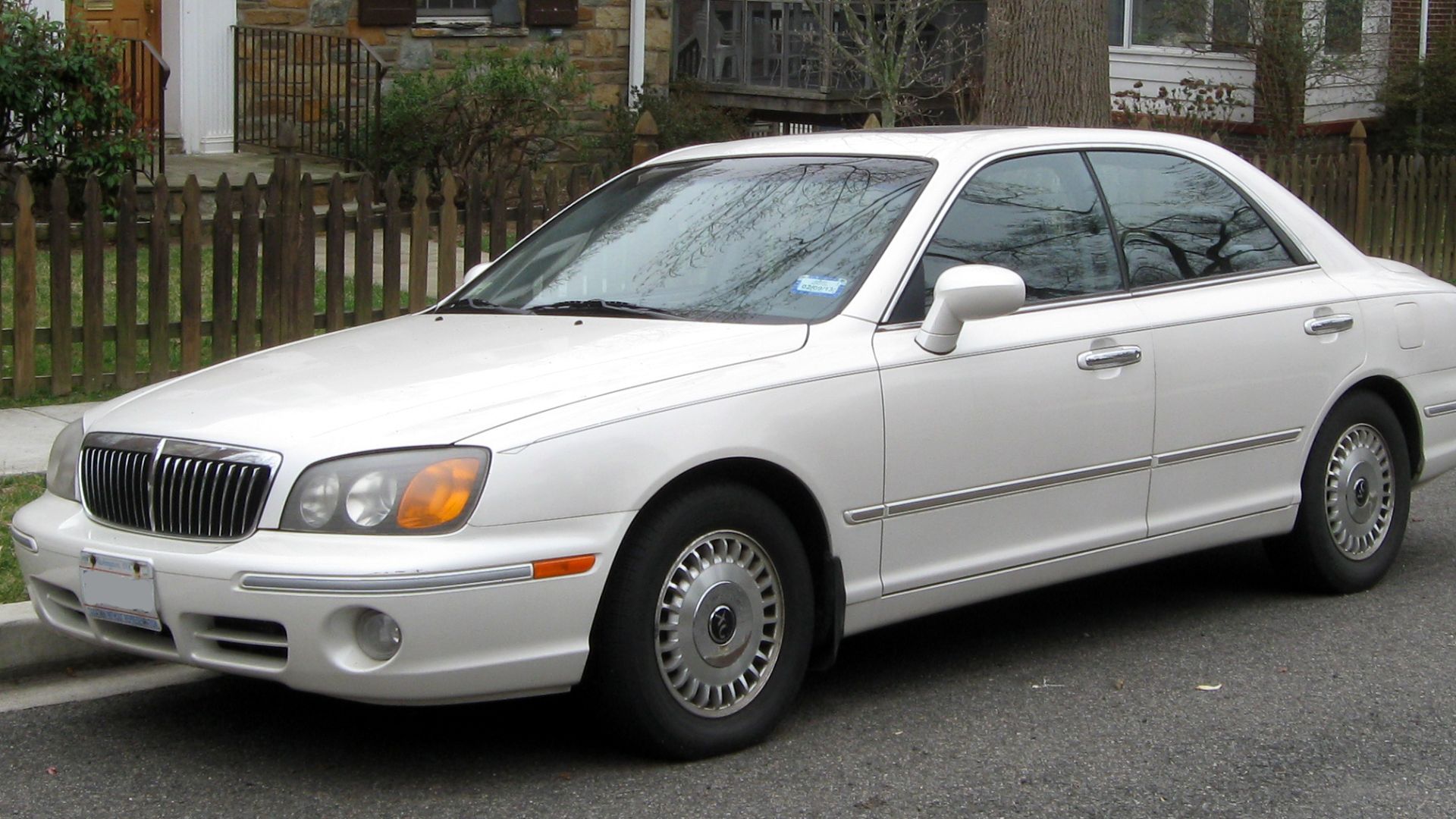
7. 2001 XG300
Hyundai's first attempt at a near-luxury sedan came with wood trim that looked printed, largely because it was. The V6 was adequate. The transmission wasn't, and the car disappeared after two model years.
8. 1999 Accent
An improvement over the first Accent, though that bar sat close to the pavement. Cabin insulation was thin enough that highway conversation meant raising your voice. The manual's clutch had a reputation for going soft early, which surprised nobody who'd owned one.
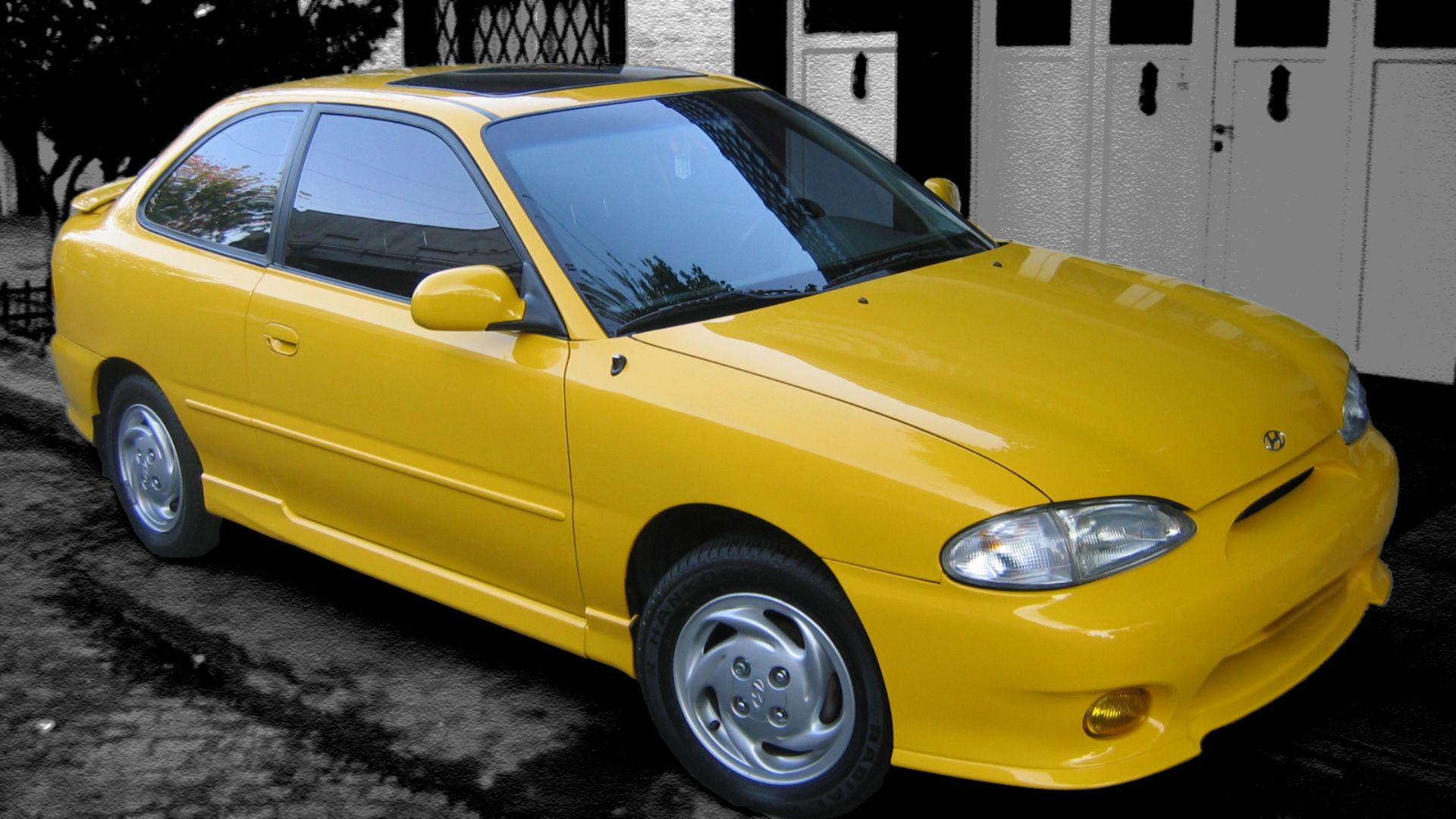 Sir_Kuryaki (Sir _Kuryaki) on Wikimedia
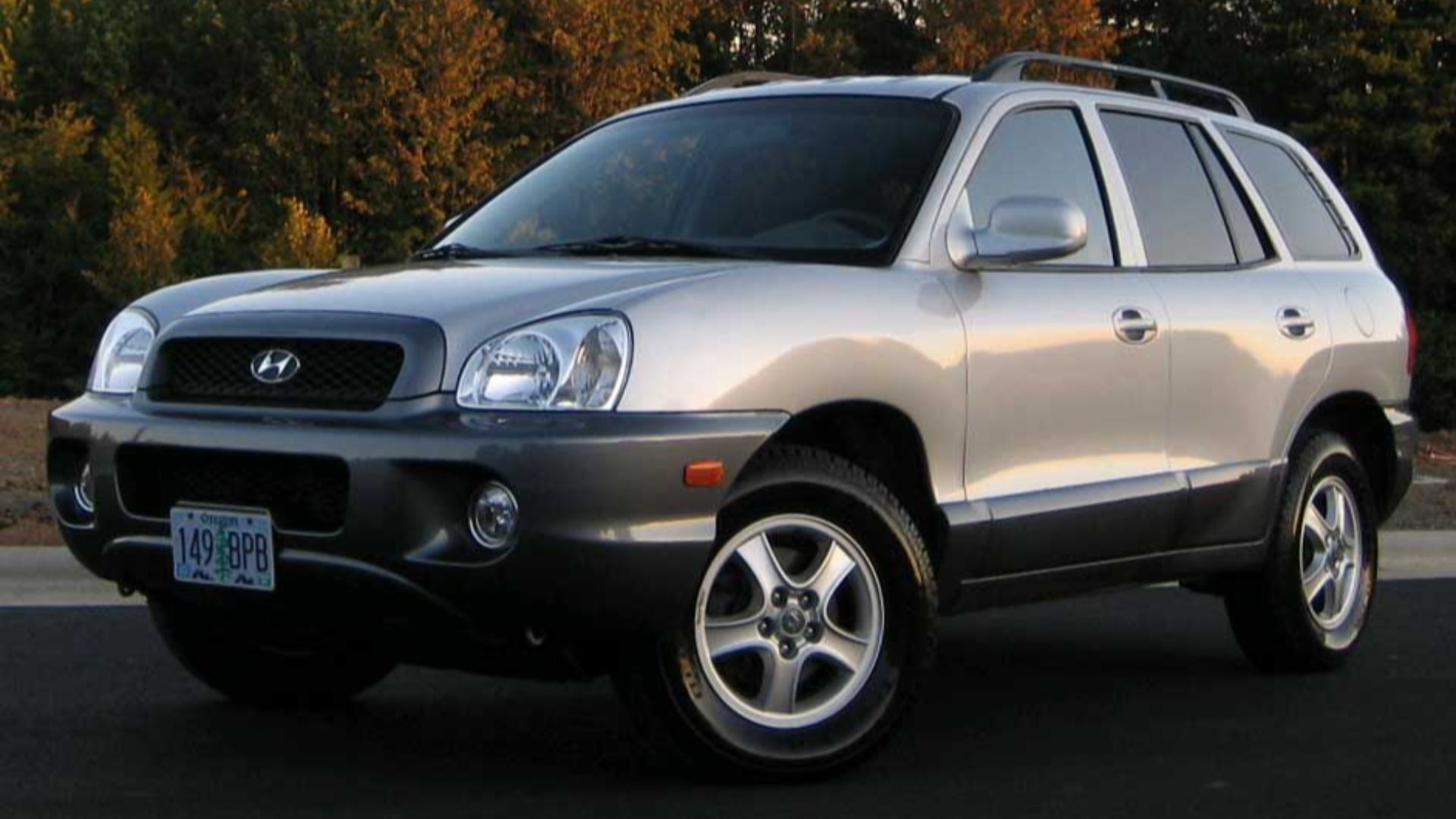
9. 2004 Santa Fe
The original Santa Fe sold well and gave Hyundai a real foothold in SUVs, but later examples developed serious corrosion around the rear subframe. Owners in salt-belt states were finding structural rust at eight or nine years old. It cost the model most of the goodwill it had built.
 Deloreanman14 at English Wikipedia on Wikimedia
10. 2011 Sonata Theta II Engine
The same generation that reinvented the Sonata carried a Theta II engine with a manufacturing defect that caused bearing failure, and in some cases fires. Hyundai and Kia recalled an enormous number of vehicles across multiple model years and settled a class-action suit in 2020. The car was excellent otherwise, which made the engine problem land harder.