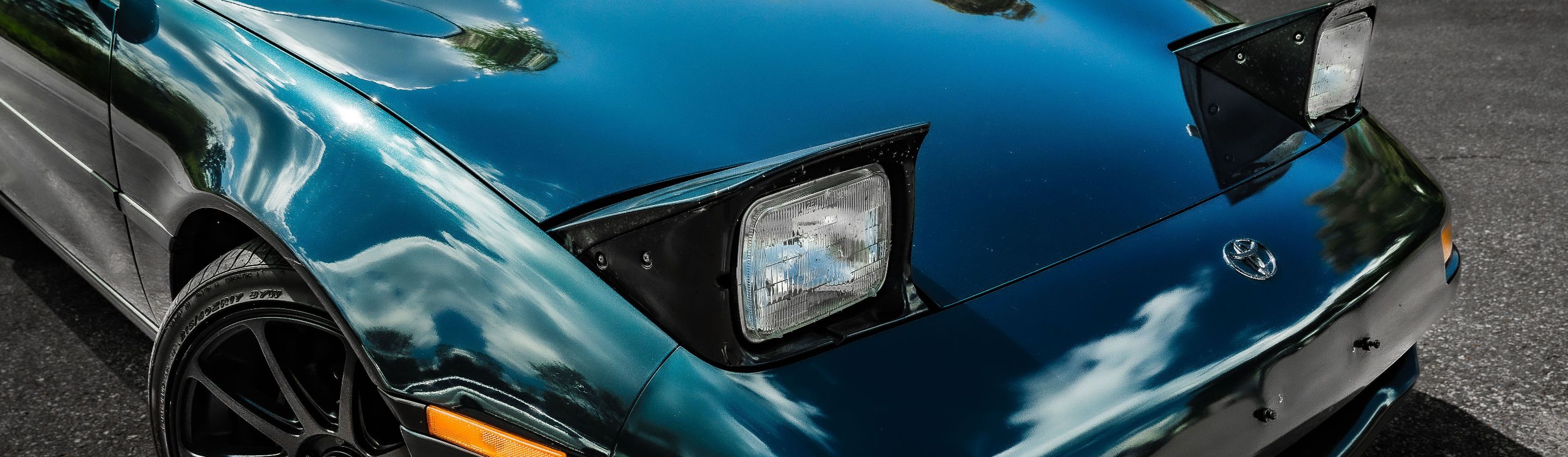
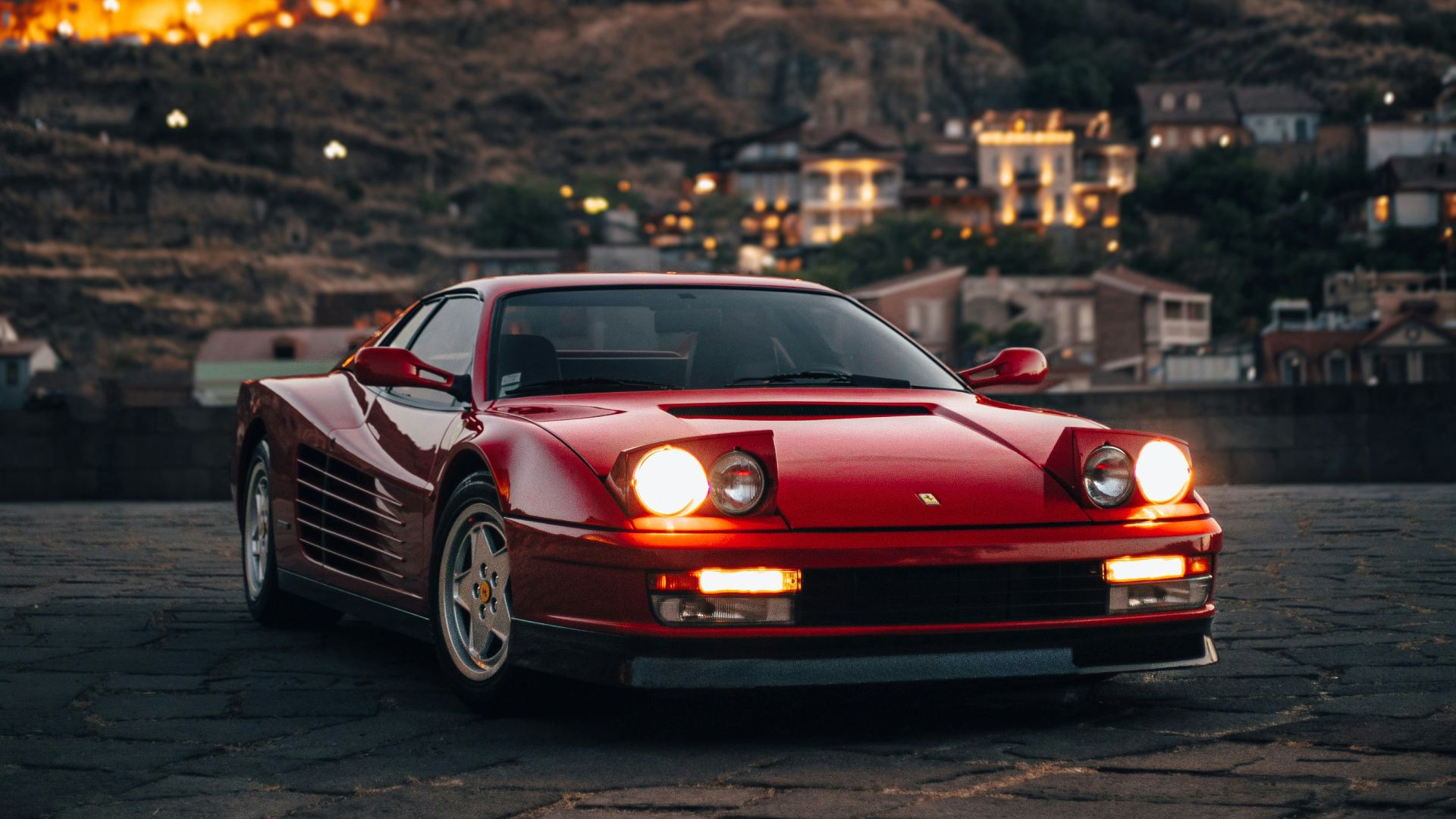
There was a time when headlights did more than just light up the road ahead. On certain sports cars, they actually popped out of the hood when you switched them on, which was not only a neat little mechanism, but it made cars look kind of adorable. Pop-up headlights became especially popular throughout the 1970s, 1980s, and 1990s, appearing on everything from affordable Japanese sports cars to high-end European exotics.
Despite their popularity, this style of headlights gradually disappeared from new vehicles, with the last mainstream production examples arriving in 2004. Their disappearance wasn't simply a matter of changing tastes; several practical problems made them increasingly difficult to justify. From evolving safety regulations to advances in lighting technology, here's why automakers eventually decided to leave them behind.
A Clever Design That Came With Problems
Pop-up headlights first appeared on the Cord 810 in the 1930s, although they didn't become especially common until several decades later. During the 1960s and 1970s, American regulations regarding headlight shapes and mounting heights created challenges for manufacturers designing low sports cars. Retractable headlights offered a practical solution, allowing designers to maintain a sleek front end while still meeting lighting requirements.
By the 1980s, models including the Mazda RX-7, Toyota MR2, and Ferrari Testarossa had helped make the feature a recognizable automotive trend. Drivers loved how the headlights could disappear into the bodywork when they weren't in use, giving cars a cleaner appearance. Unfortunately, the mechanisms that made this possible weren't nearly as straightforward as they appeared.
Unlike conventional headlights, retractable units relied on electric motors, mechanical linkages, and additional electrical components to function properly. Over time, these moving parts endured years of vibration, temperature changes, and moisture, making mechanical failures more likely. As vehicles got older, repairs could become costly, especially when replacement components were difficult to track down.
Anyone who's owned an older car with pop-up headlights might be familiar with the frustrating sight of one light rising while the other stays closed. Electrical problems and worn mechanisms could cause this uneven operation, sometimes preventing drivers from using their headlights correctly. Aside from being annoying, a malfunctioning assembly could create a serious visibility issue when driving at night.
Aerodynamics introduced another complication that manufacturers couldn't completely ignore. While concealed headlights helped create smoother bodywork when lowered, raising them added surfaces that interrupted airflow. This could increase aerodynamic drag at highway speeds, reducing some of the efficiency advantages that made the original design so appealing.
Safety Regulations Changed Everything
As automotive safety standards developed, manufacturers started paying more attention to what happened when vehicles collided with pedestrians. European pedestrian-protection requirements introduced during the 2000s encouraged front-end designs that could better absorb energy during impacts. Unfortunately, retractable headlights had rigid housings and raised structures that made these goals harder to accomplish.
When activated, traditional pop-up headlights created protrusions above the surrounding hood, potentially increasing the risk of injury during certain collisions. Engineers had to figure out how to incorporate these assemblies without compromising increasingly strict safety expectations. Meeting those requirements wasn't necessarily impossible, but doing so meant additional engineering work and higher expenses.
Interestingly, many people mistakenly believe that governments completely banned pop-up headlights. No universal regulation specifically prohibited the design, and American law doesn't outright ban retractable lighting systems. Instead, changing safety standards made conventional pop-up arrangements far less practical for manufacturers producing vehicles for several international markets.
Automakers also needed to consider how moving headlights influenced the overall structure of a vehicle's front end. Modern pedestrian-protection designs rely on carefully engineered spaces and components that help manage collision forces. Fitting bulky headlight mechanisms into these areas could complicate the process, particularly on sports cars with limited space beneath their hoods.
By the early 2000s, these safety concerns had become increasingly difficult to overlook. Manufacturers had to balance styling preferences with engineering requirements, production costs, and more complicated vehicle development. Spending extra money to preserve a feature that offered few practical advantages was becoming harder to justify.
Modern Technology Made Them Unnecessary
Although safety regulations contributed to their decline, improvements in headlight technology eventually removed much of the original need for retractable designs. Changes to American lighting regulations during the 1980s gave manufacturers more freedom to experiment with aerodynamic headlight shapes. Designers could finally integrate fixed headlights into streamlined bodywork without depending on complicated mechanical systems.
Developments in projector lighting, high-intensity discharge systems, and eventually LEDs opened up even more possibilities. These technologies allowed manufacturers to produce increasingly compact lighting assemblies while improving visibility and efficiency. As a result, creating a low, attractive front end no longer meant installing headlights that had to physically move into place.
Cost was another major factor in determining which designs stuck around. Fixed headlights typically needed fewer mechanical components, making production simpler while reducing potential maintenance issues. For automakers manufacturing thousands of vehicles every year, eliminating unnecessary complexity could lead to significant savings.
The final mainstream production cars featuring traditional pop-up headlights were the Chevrolet Corvette C5 and Lotus Esprit, both of which ended production in 2004. Their departure marked the end of an era when retractable lighting had been a defining feature of sports car design. Newer generations adopted fixed headlights that better matched modern styling and engineering priorities.
Could pop-up headlights ever make a comeback? Technically, manufacturers could create modern versions capable of meeting current safety and lighting requirements, although the added expense would be difficult to justify. Today's lighting systems already provide excellent performance without complicated moving parts, meaning retractable headlights would mostly appeal to nostalgia. Still, for enthusiasts who remember watching those distinctive lights rise into position, there's something undeniably charming about a feature that modern cars have left behind.