Most people treat car washing as something they get around to eventually, like when the grime becomes too obvious to ignore, or when a seagull decides to rain on your parade. Even then, sometimes, you might wait until the next downpour does the job for you. But washing your car isn't really optional. In fact, it's a maintenance habit that directly affects the condition of your paint, your vehicle's resale value, and even your safety on the road.
So, how often should you be washing your car? That depends. The frequency often relies on several factors, including where you live, how much you drive, and what conditions your vehicle is regularly exposed to. There's no single universal answer, but there are some well-established guidelines that can help you figure out the right schedule for your situation, so keep reading.
The General Rule of Thumb: Every Two Weeks
For most drivers, washing your car every two weeks is a solid baseline. This frequency is enough to prevent dirt, dust, and other surface contaminants from bonding to your paint over time, which can make them significantly harder to remove later. It's a manageable routine that keeps your car in good shape without demanding too much of your schedule. Even a quick wipe-down and spray can be good enough.
That said, a two-week interval assumes fairly average driving conditions: think urban or suburban commuting without heavy exposure to road salt, tree sap, or industrial fallout. If your car mostly sits in a garage and you're not putting on many miles, you might be able to stretch that interval a little more to, say, every three or four weeks. But note that extending the time between washes too much, however, can still allow contaminants to accumulate even on a vehicle that isn't being driven frequently.
Bird droppings and tree sap, in particular, are two contaminants that shouldn't wait for your next scheduled wash, regardless of your usual routine. Both are highly acidic and can begin etching into your clear coat within days if left untreated, especially if left in sunlight. Spotting and addressing these quickly, rather than waiting for your next wash day, can save you from costly paint correction down the line.
When You Should Be Washing More Frequently
If you live somewhere that experiences harsh winters, your car is likely being exposed to road salt on a regular basis. Salt is one of the most corrosive substances your vehicle encounters, and it can accelerate rust formation on your undercarriage, wheel wells, and any exposed metal surfaces. During winter months, washing your car every week—and paying special attention to the undercarriage—is a reasonable and worthwhile precaution.
Drivers who frequently travel on dirt roads, gravel, or unpaved surfaces also benefit from more frequent washing. These conditions kick up abrasive particles that can scratch your paint if they're allowed to sit and shift across the surface. Rinsing your car after these kinds of trips, even without a full wash, can help prevent that kind of gradual surface damage.
Coastal environments present their own set of challenges; salt air deposits a fine residue on your car's exterior that's corrosive in much the same way road salt is. If you live near the ocean or park outdoors in a coastal area, once a week is likely a better target than every two weeks. The combination of sun exposure and salt air can also speed up oxidation, which is another reason why regular washing matters in these climates.
When You Can Probably Wash Less Often
Of course, not every driver needs to be washing their car once a week. As mentioned, if your vehicle is garaged most of the time, you live in a mild climate with low humidity, and you're not regularly driving through rain or on dirty roads, then washing every three to four weeks may be perfectly sufficient. The key is paying attention to what your car is actually being exposed to rather than following a rigid schedule that doesn't reflect your real-world conditions.
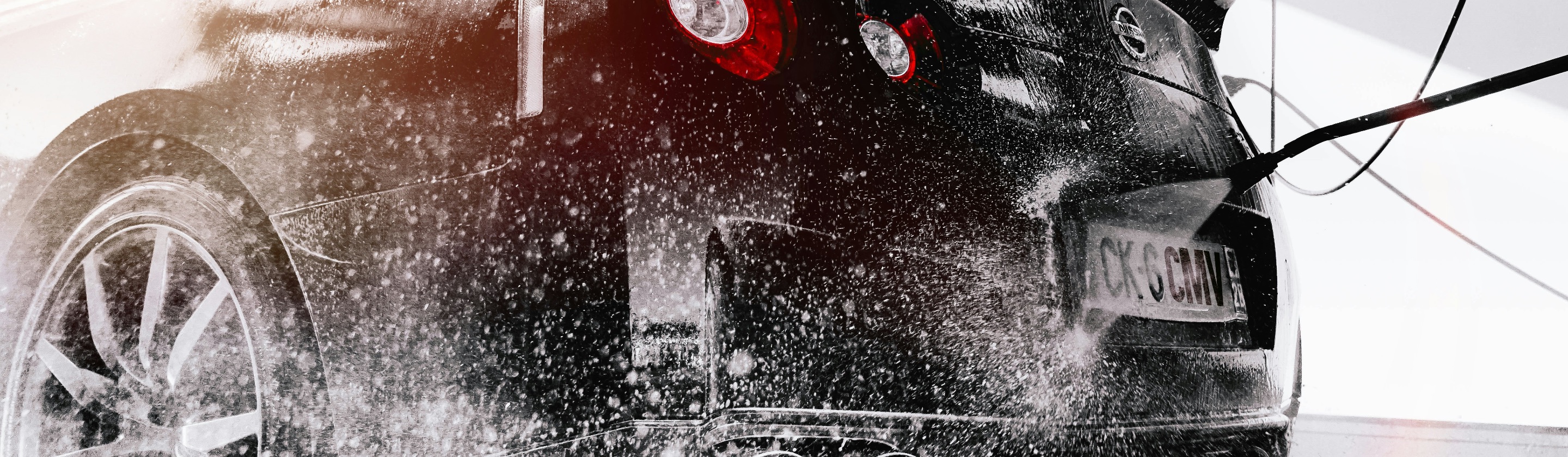
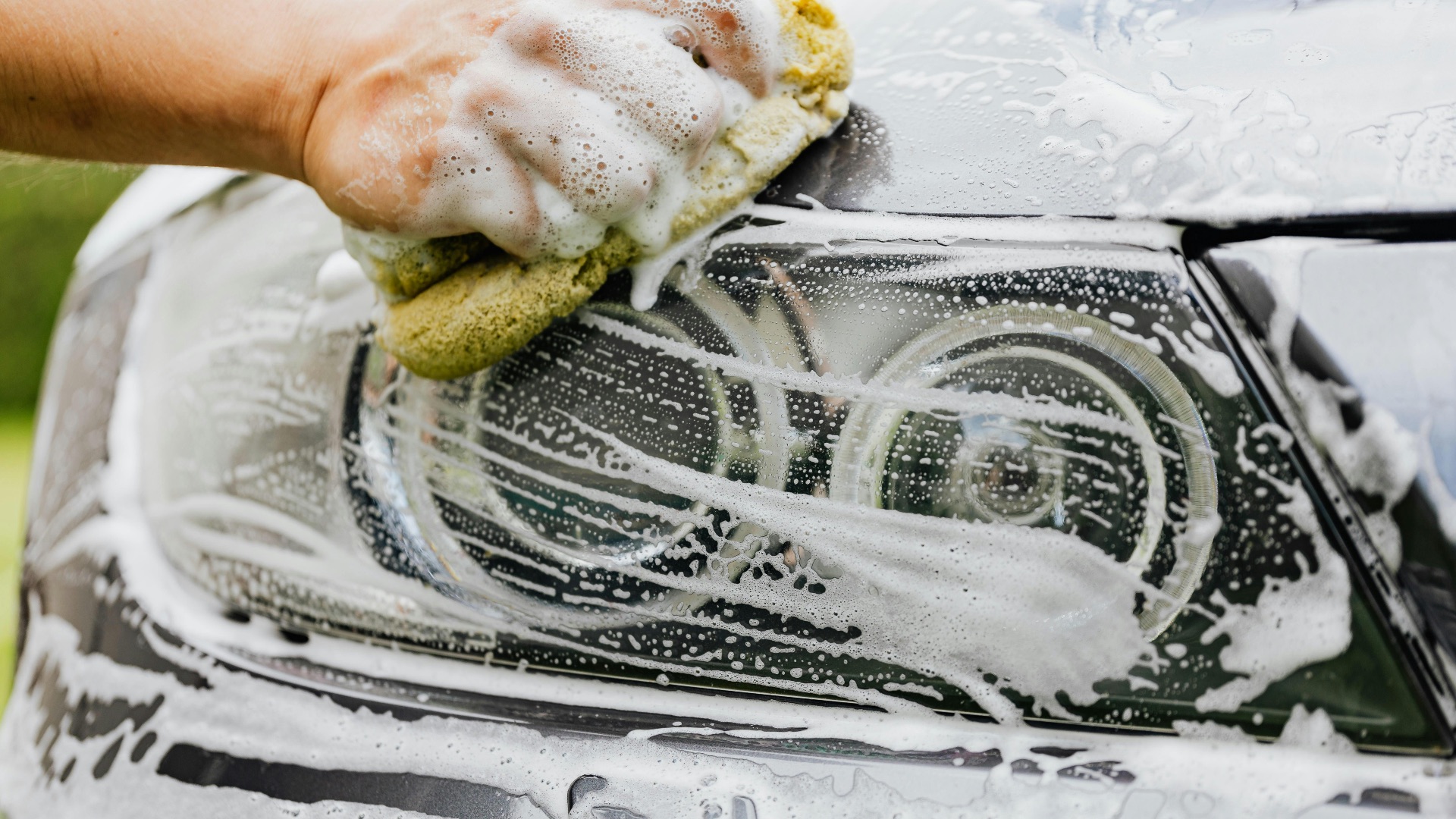
It's also important to note how you wash your vehicle. Automated car washes are a convenient option for many drivers, sure, but they're not all created equal. Touchless car washes, for example, are generally safer for your paint than brush-style machines, which can introduce fine scratches over time, particularly on darker-colored vehicles. But the best method is still hand washing, as it's widely considered the gentlest and most effective technique for maintaining your paint's condition long-term.
Ultimately, the right car washing schedule is one you can actually stick to. Paying attention to your environment, your driving habits, and the visible condition of your car will always give you a more accurate picture than any fixed rule. A little consistency goes a long way when it comes to keeping your vehicle shiny and looking its best.