Simple Engines, Easy Repairs, and Zero Touchscreen Drama
Gen X learned to trust cars before every minor problem required a specialist’s help. Plenty of newer vehicles are quicker, cleaner, and safer, which is all fine until one sensor turns the dashboard into a holiday light display. For many drivers who grew up around mechanical cars, reliability still means an engine bay you can understand, parts you can actually find, and repairs you can do yourself. These models aren't perfect, and age matters with any used car, though they've earned loyal followings because they're durable, familiar, and easy to keep alive.
 Evgeni Adutskevich on Unsplash
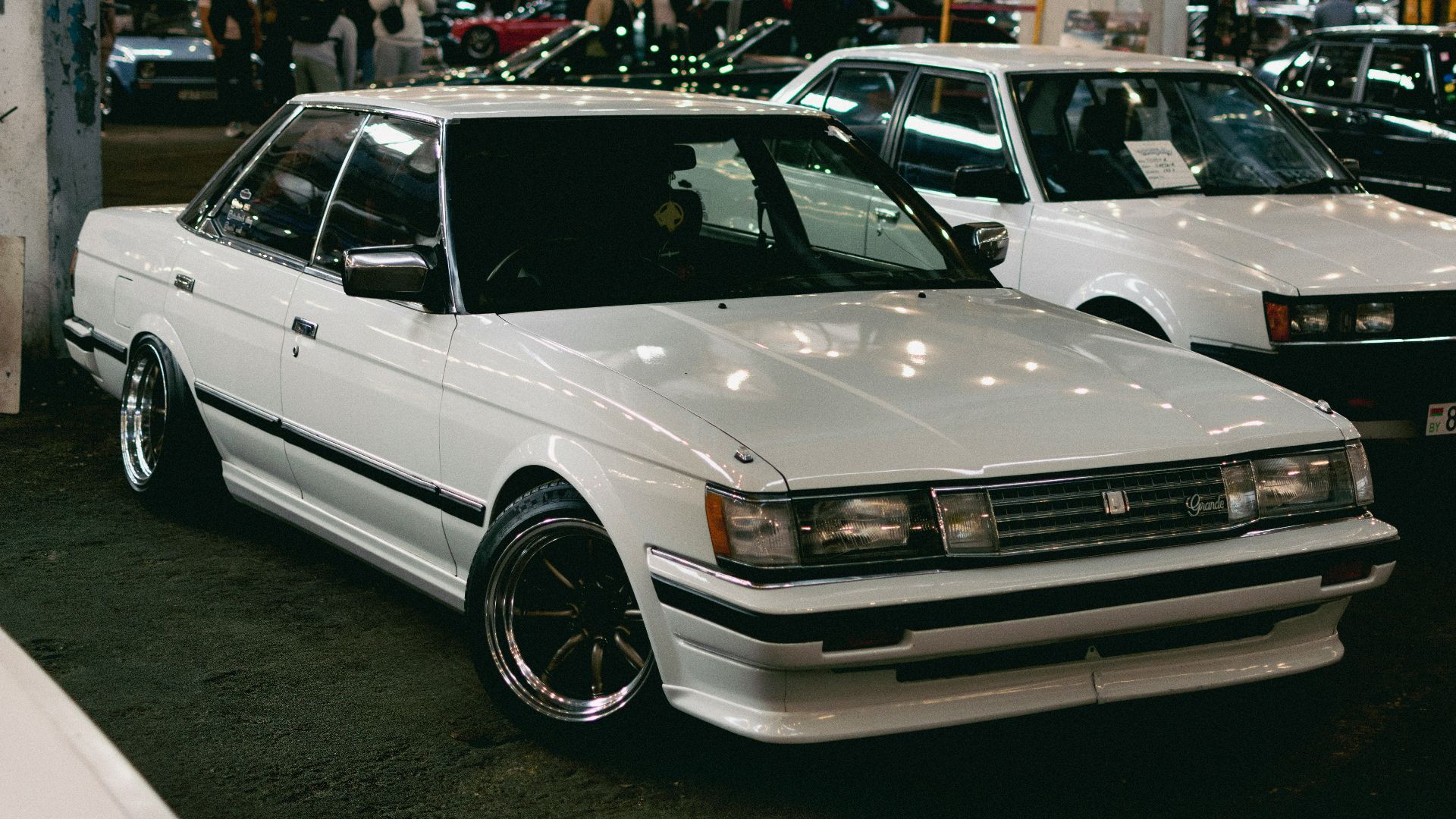
1. Toyota Camry (1992-2006)
The Camry from this era built its reputation by doing ordinary things extremely well. Straightforward four-cylinder and V6 choices across these years made it the kind of sedan people kept driving long after the paint lost its shine and the interior picked up a few coffee-related stains.
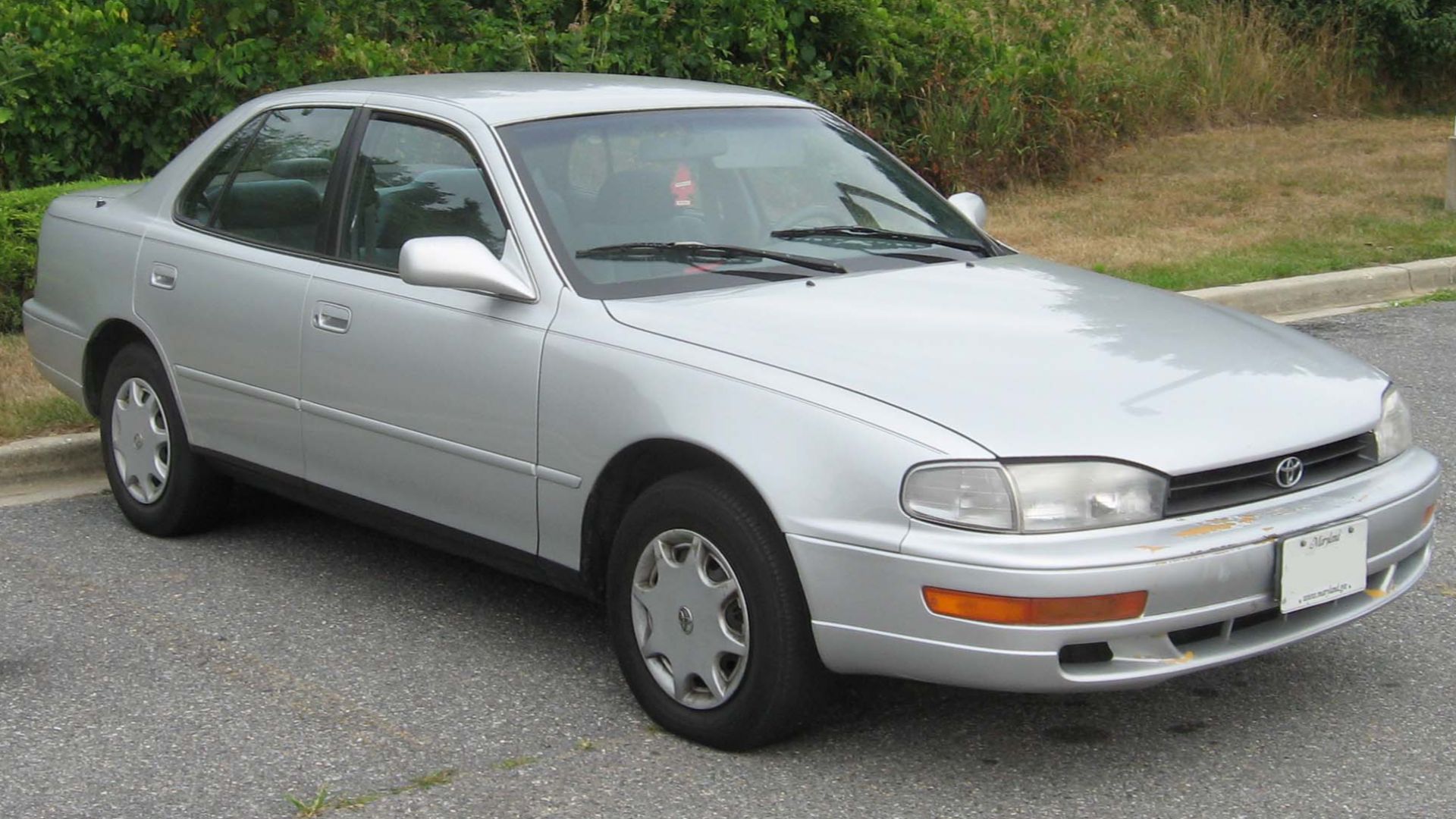
2. Honda Accord (1990-2002)
The Accord hit a sweet spot where it felt refined without becoming fussy. Common four-cylinder engines, available manual transmissions, and sturdy reliability made it a favorite for drivers who wanted something practical that still felt sharper than the average family sedan.
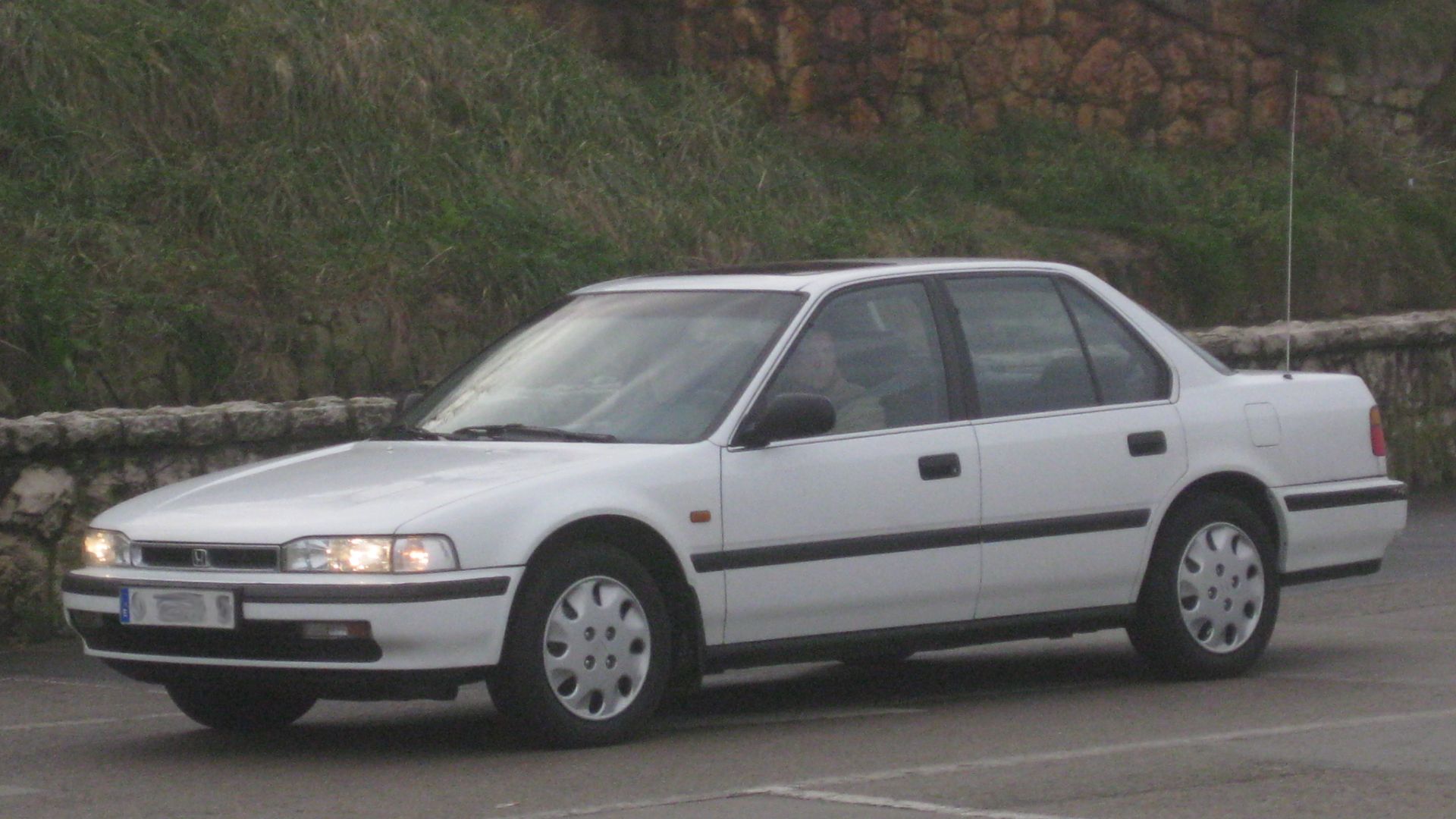
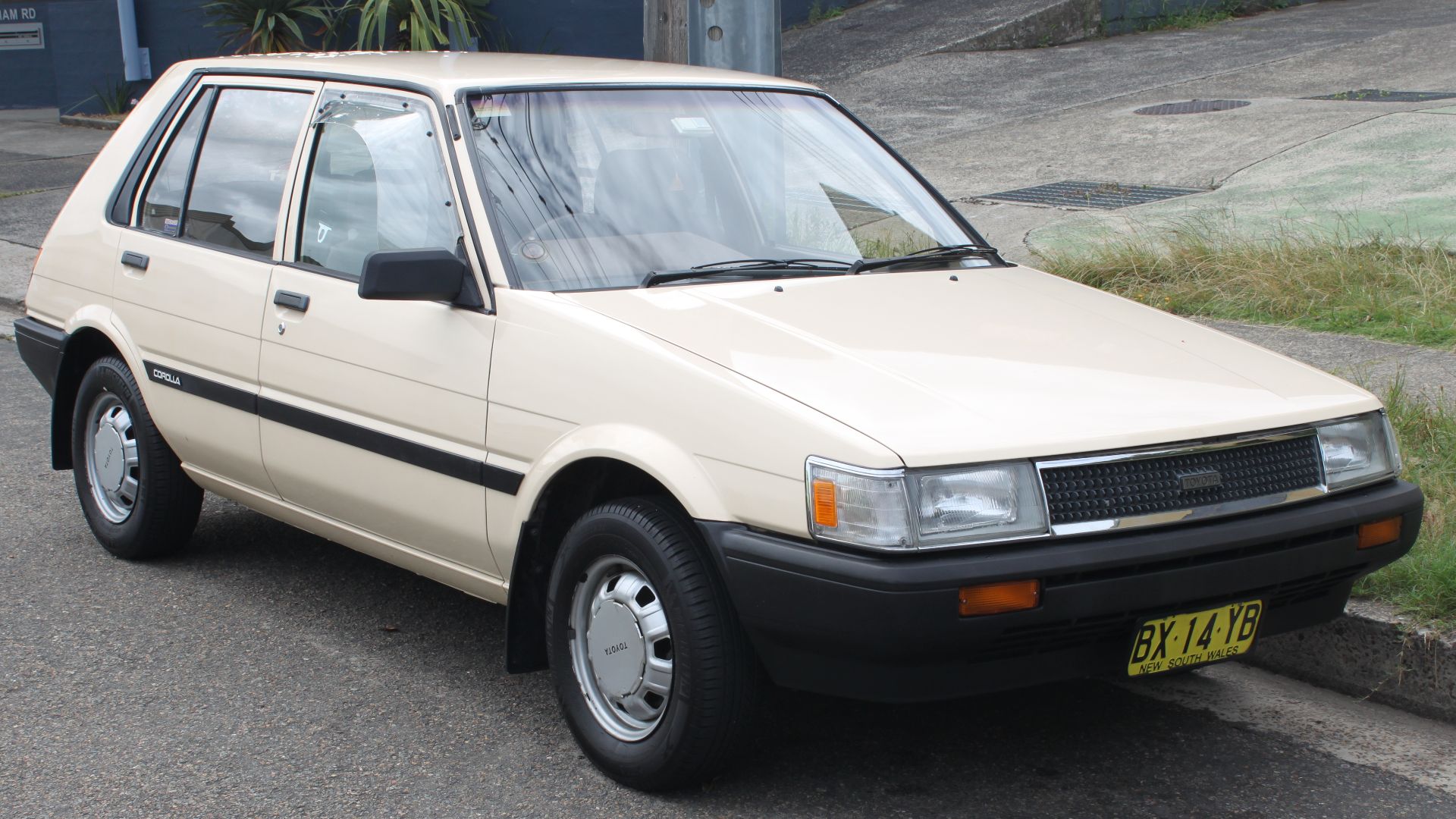
3. Toyota Corolla (1987-2002)
Older Corollas proved that basic transportation could be cheap, simple, and hard to ruin. They weren't glamorous, unless your idea of glamour is getting to work every morning without drama.
 Jeremy from Sydney, Australia on Wikimedia
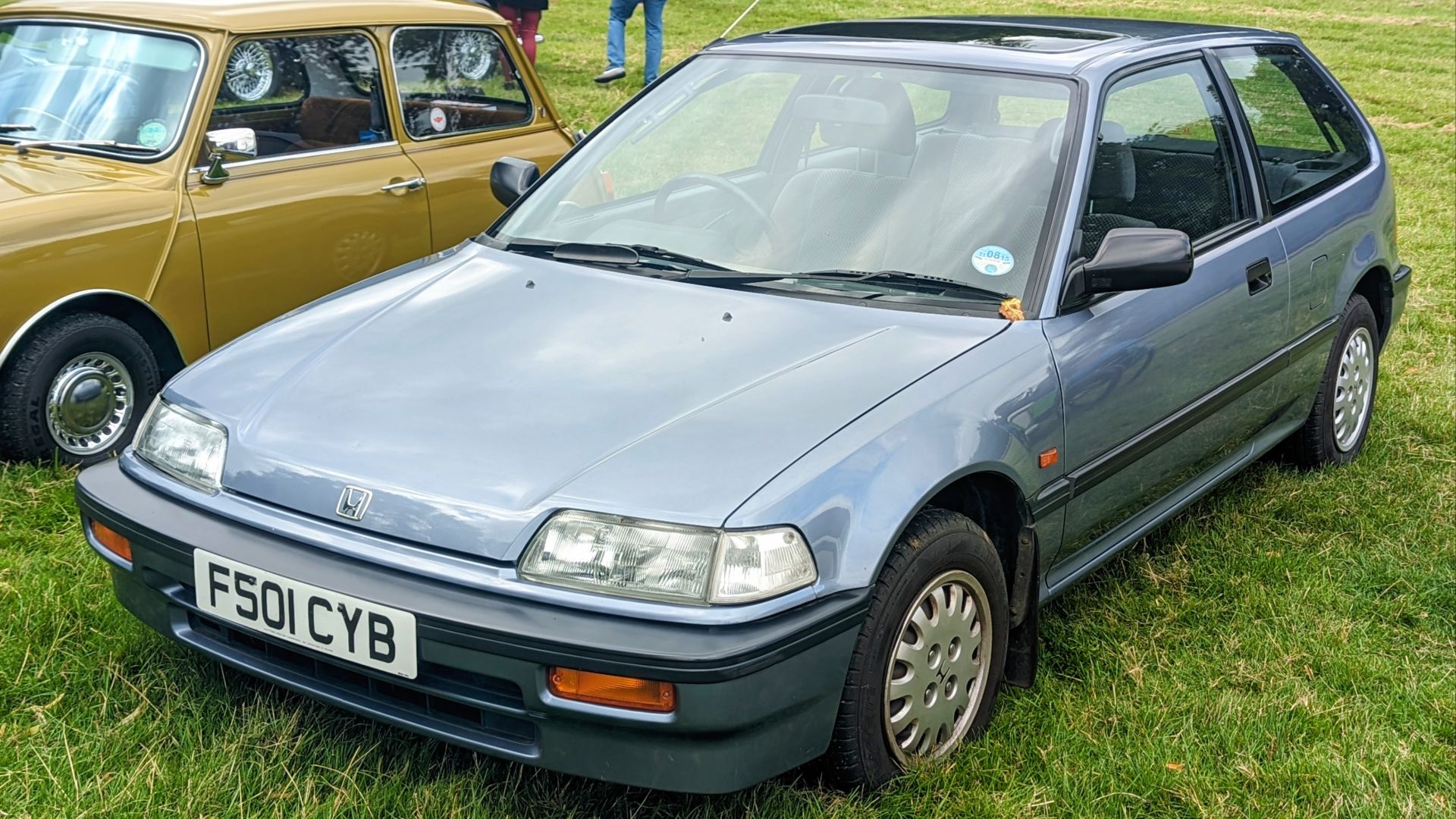
4. Honda Civic (1988-2005)
This run of Civic gave owners easy maintenance, strong parts support, and enough personality to keep things from feeling completely appliance-like. The common D-series models were especially loved because they were simple, efficient, and forgiving in ways many modern compact cars aren't.
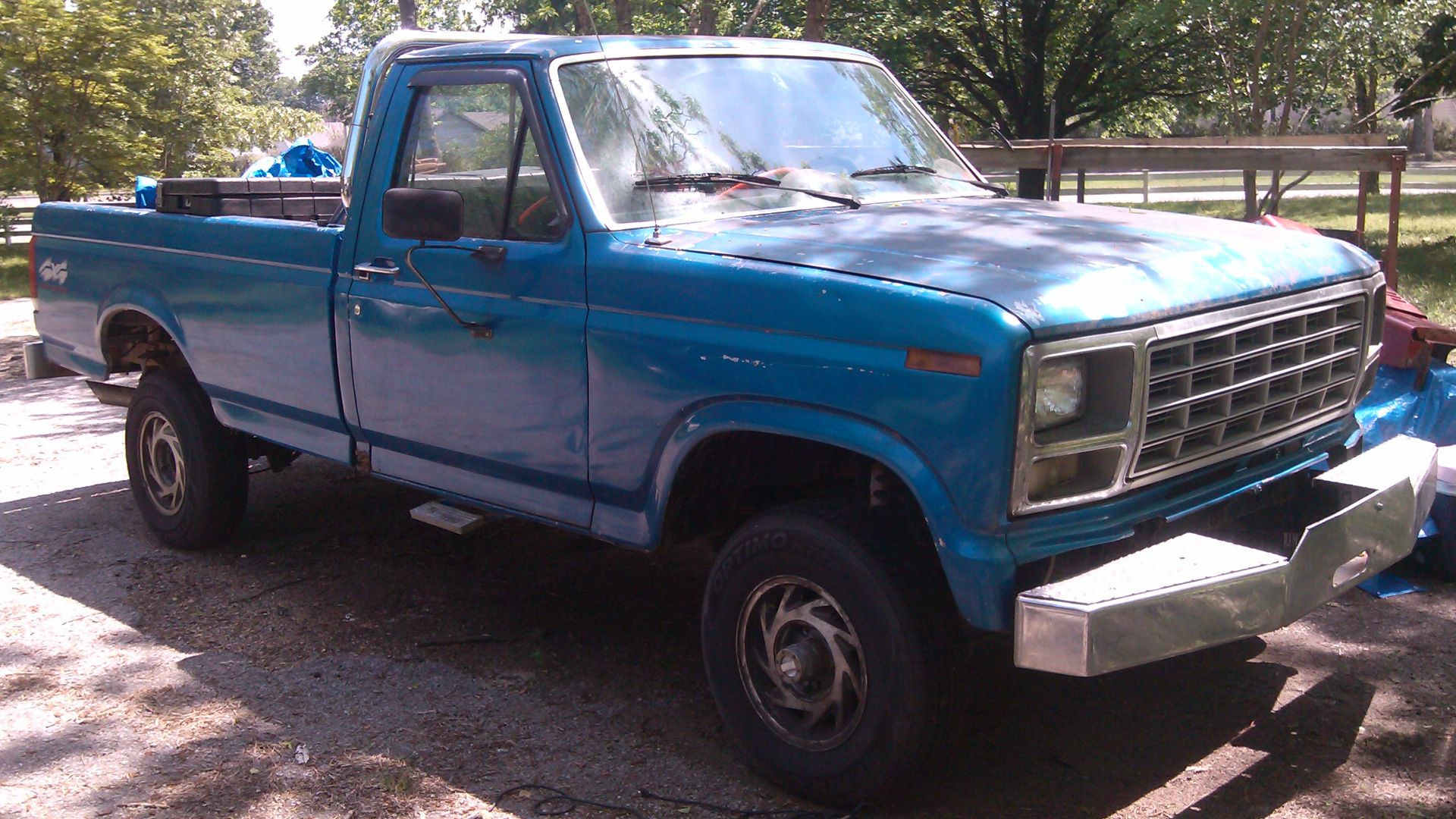
5. Ford F-150 (1980-1996)
The older F-150 still feels trustworthy to people who want a truck that behaves like a tool. Models with the 300 inline-six or 5.0-liter V8 are especially respected because they're simple, durable, and easy for real-world mechanics to work on without special equipment.
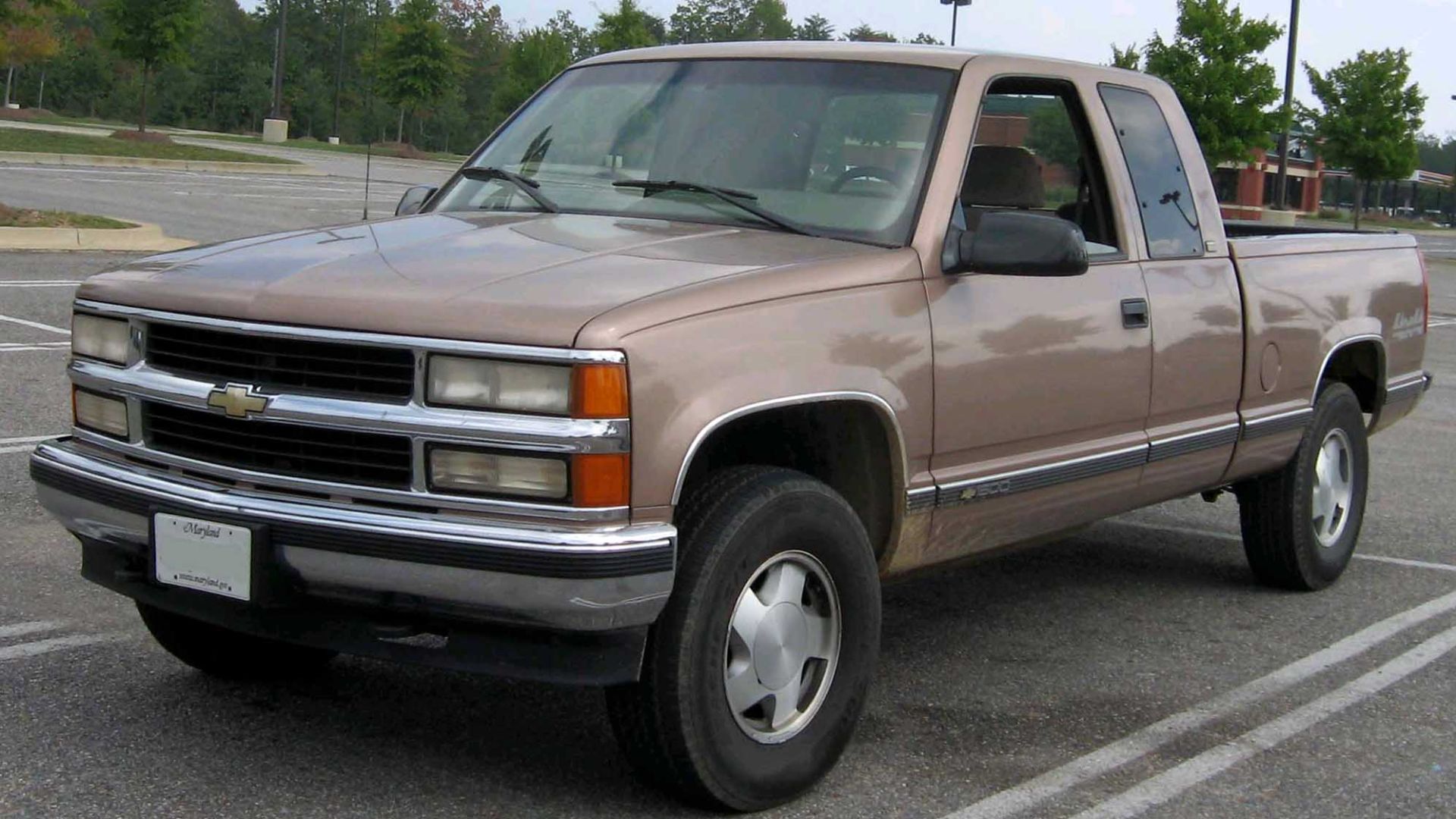
6. Chevrolet C/K Trucks (1988-1998)
The GMT400-era Chevy trucks have a straightforward toughness that keeps them in driveways, fields, and job sites for decades. Early throttle-body-injected models and later Vortec-powered trucks both appeal to owners who prefer proven small-block hardware over more complicated modern systems.
7. Toyota 4Runner (1984-2002)
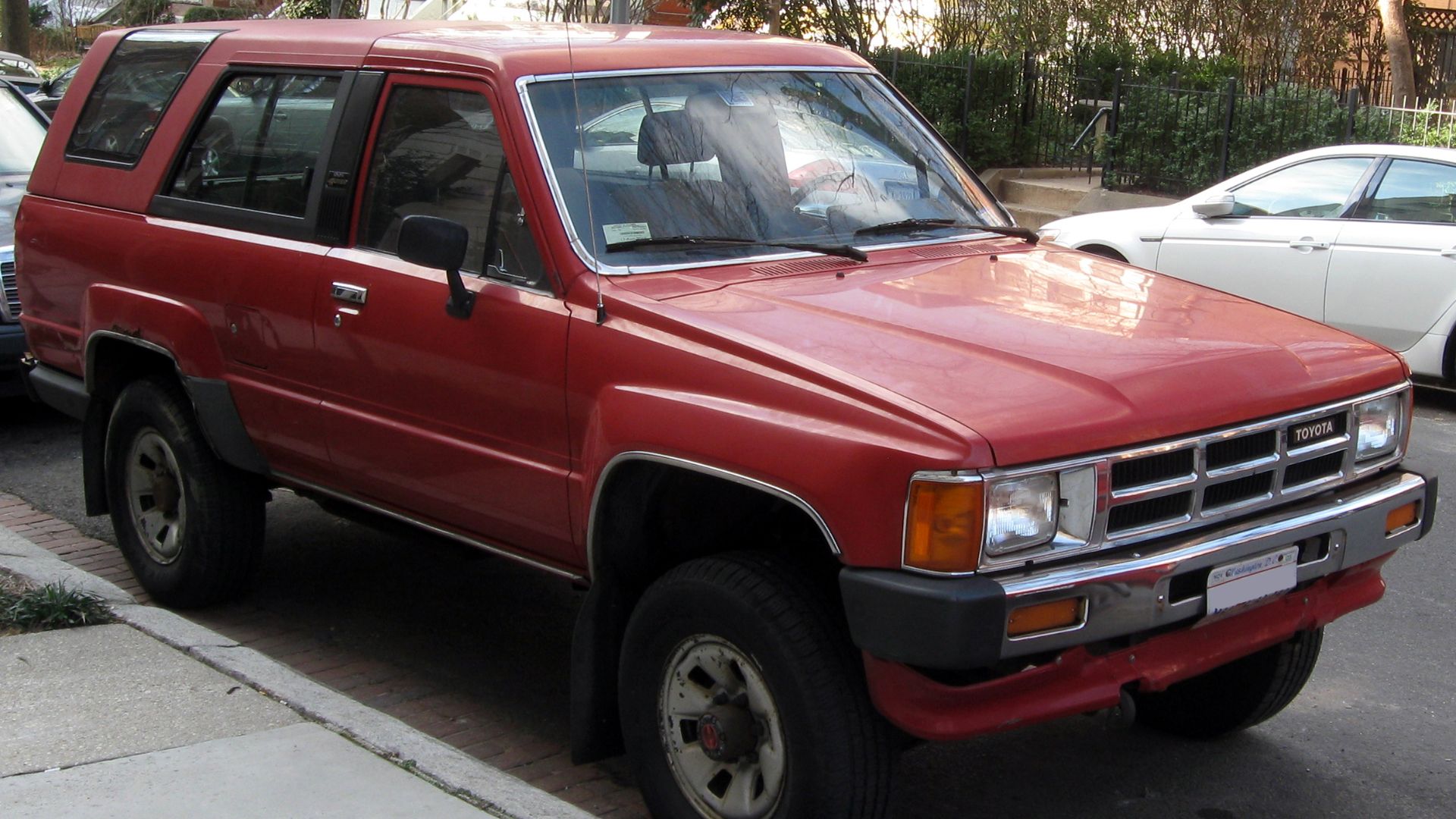
The 4Runner earned trust because it mixed everyday usefulness with real truck-based toughness. Early examples carry extra off-road appeal, while later body-on-frame versions kept the rugged feel even as the model grew more comfortable and family-friendly over time.
8. Jeep Cherokee XJ (1984-2001)
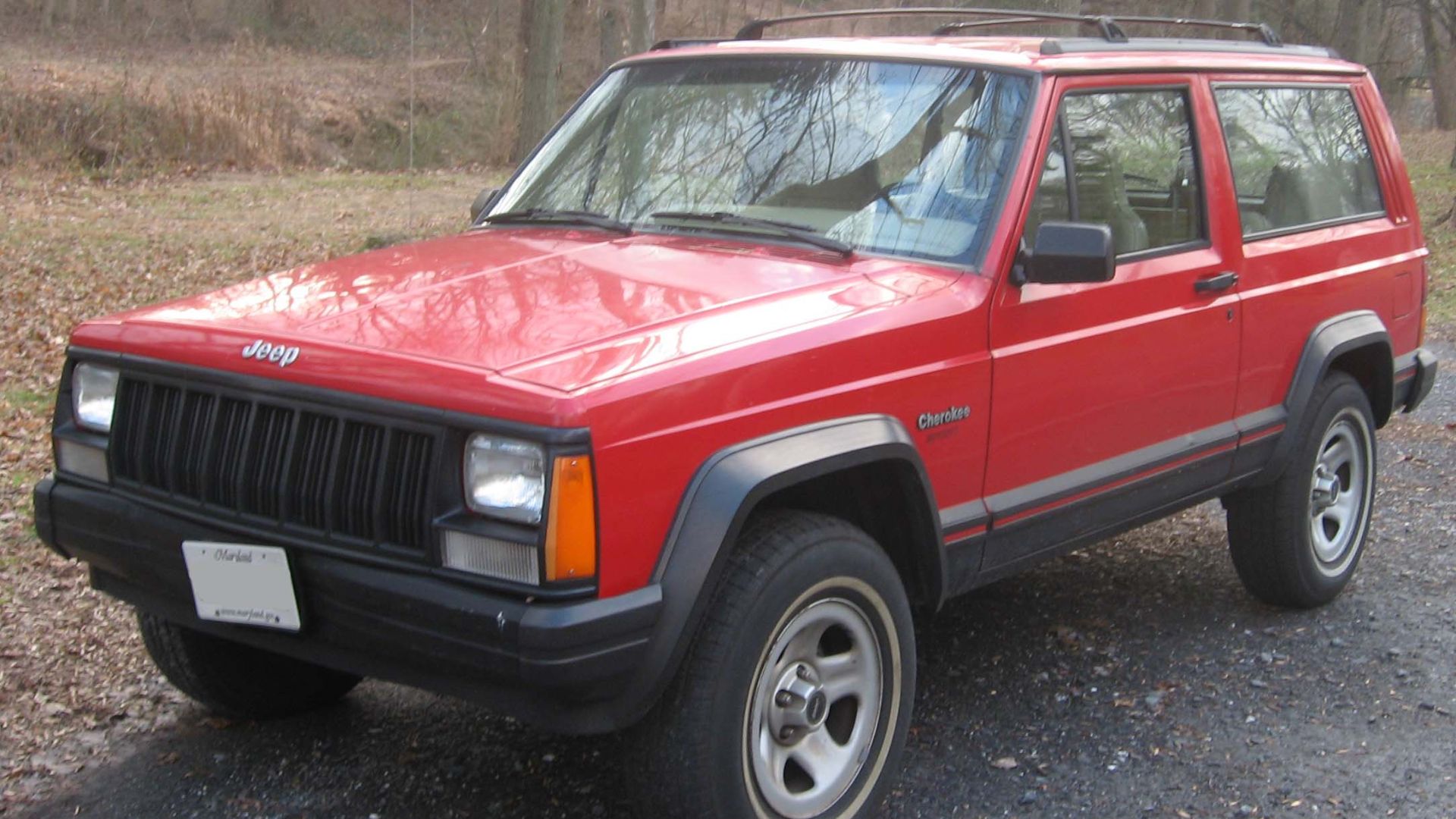
The Cherokee XJ is boxy, compact, and deeply useful, which is apparently all a vehicle needs to become immortal among trail people. Its 4.0-liter inline-six and available AW4 automatic helped build a durability reputation that still holds, especially for drivers who wanted a capable SUV without layers of electronic complexity.
9. Mazda MX-5 Miata NA/NB (1989-2005)
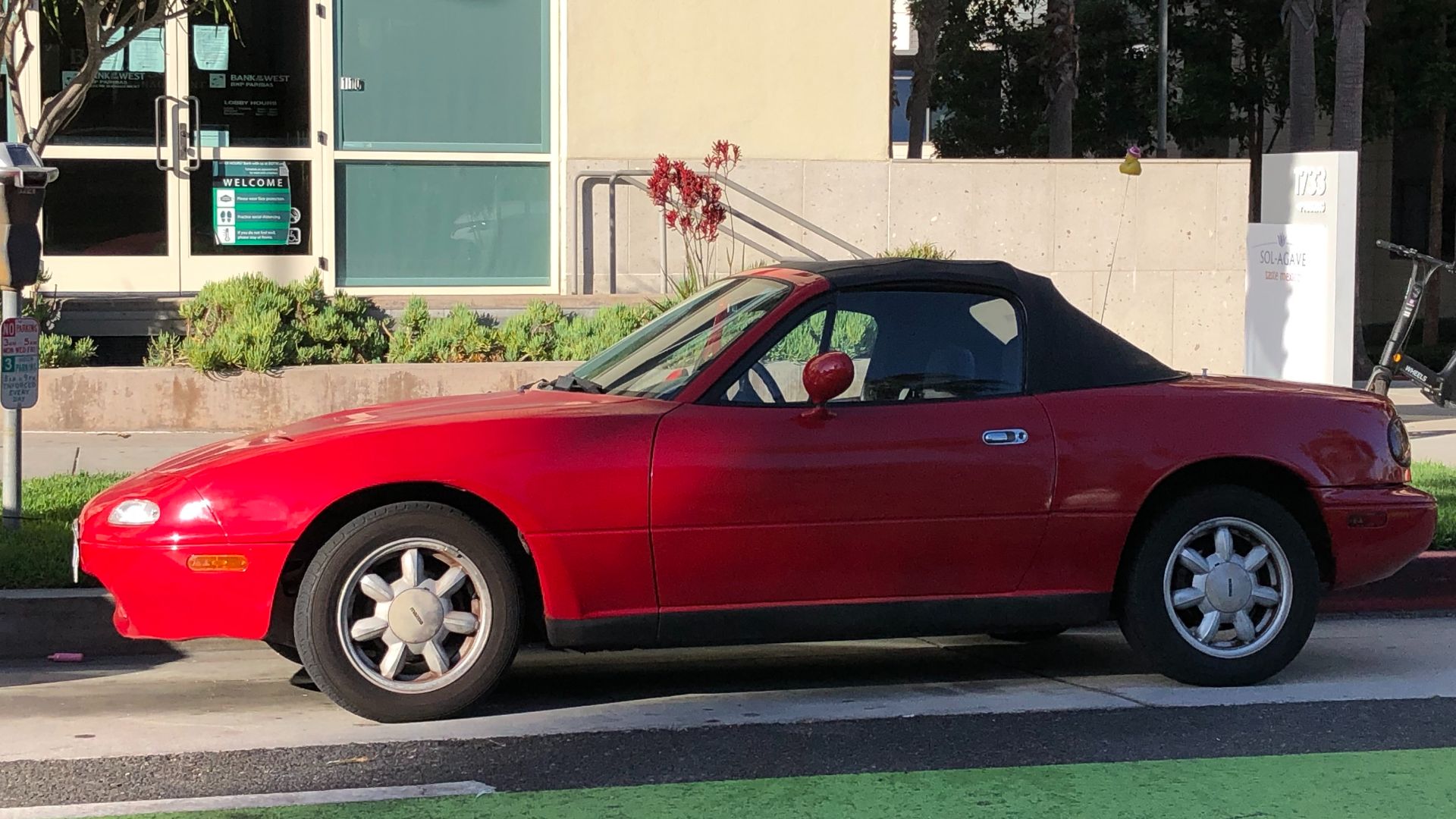
The early Miata didn't need big horsepower to become well-loved. With a light chassis, early 1.6-liter engines, later 1.8-liter engines, and a wonderfully direct driving feel, the NA and NB models still remind people that fun cars don't have to be complicated.
10. BMW E36 3 Series (1992-1999)
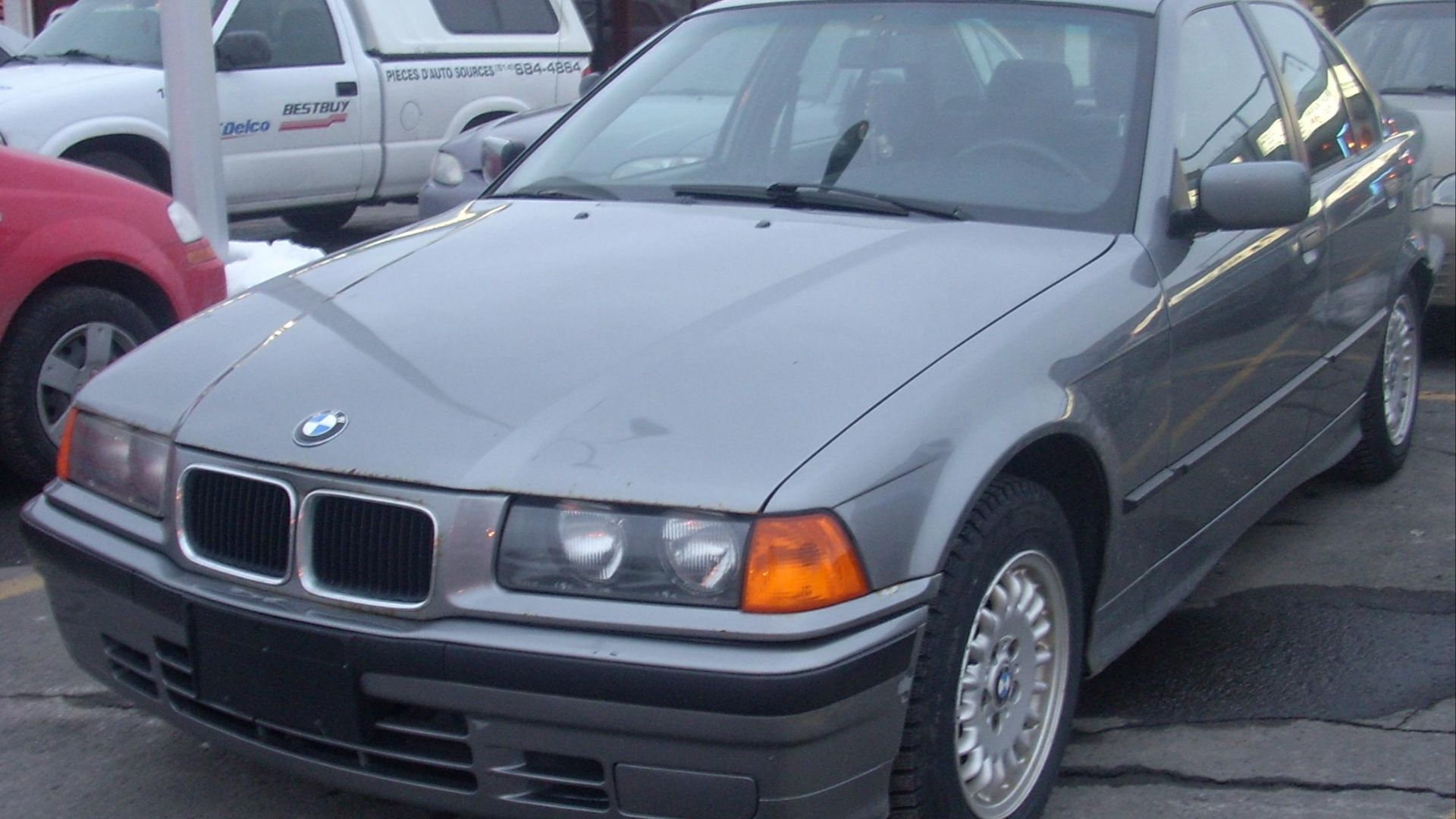
The E36 sits in that sweet old-BMW zone where steering feel and inline-six smoothness mattered more than screen size. Some versions brought more complexity than others, though the overall package still feels refreshingly mechanical compared with newer sport sedans.
11. Volvo 240 (1975-1993)
The Volvo 240 looks like it was designed by someone who distrusted curves, and that's part of its charm. Its redblock four-cylinder engines, practical shape, and stubborn durability made it a favorite for people who wanted a car that felt more like household infrastructure than a fashion statement.
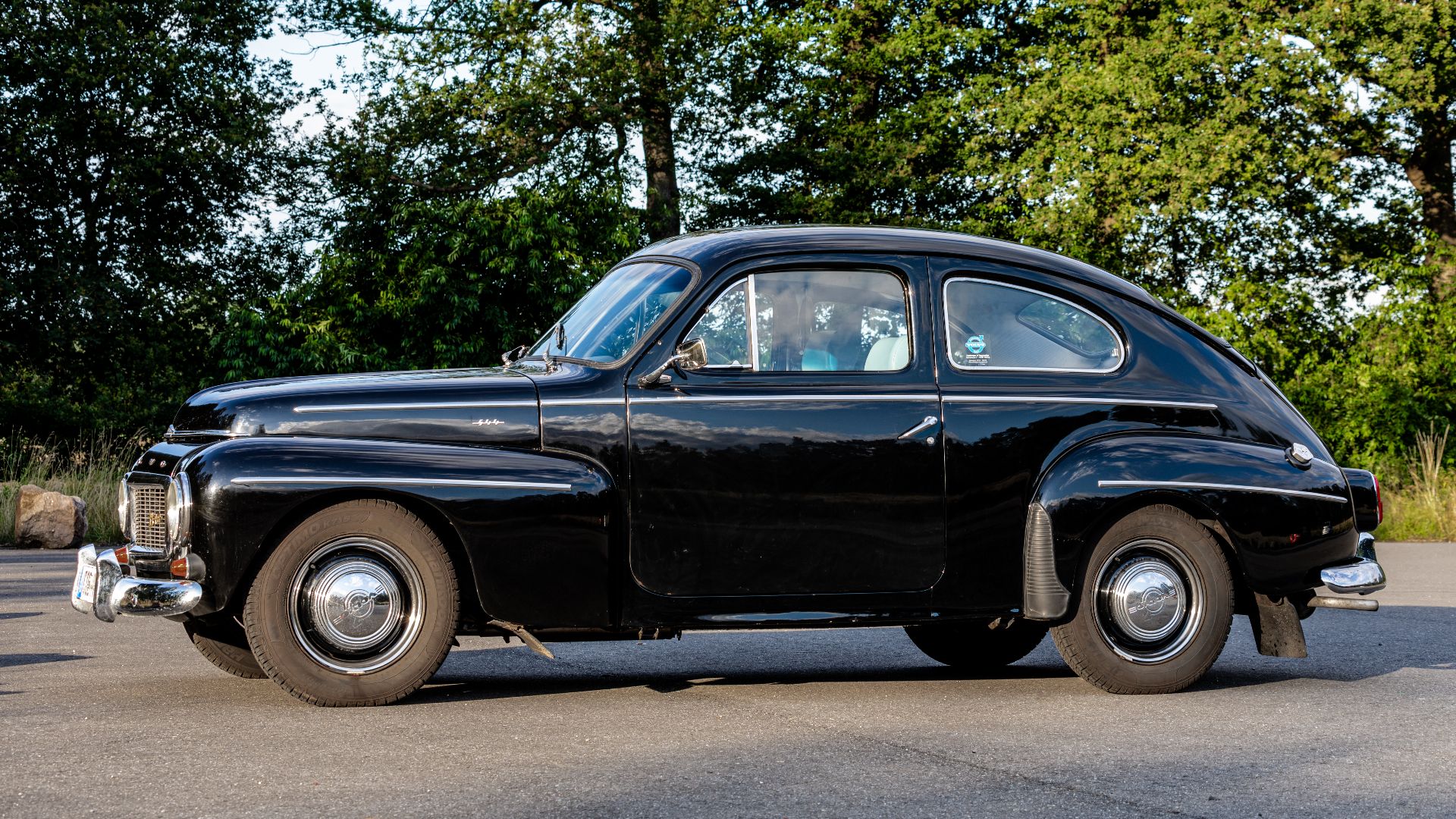
12. Mercedes-Benz W124 (1985-1995)
The W124 comes from an era when Mercedes sedans still felt deeply overbuilt. Gas and diesel versions both have loyal followings, and the car's quiet, solid feel keeps it appealing to drivers who miss luxury cars that were more about engineering than showroom theatrics.
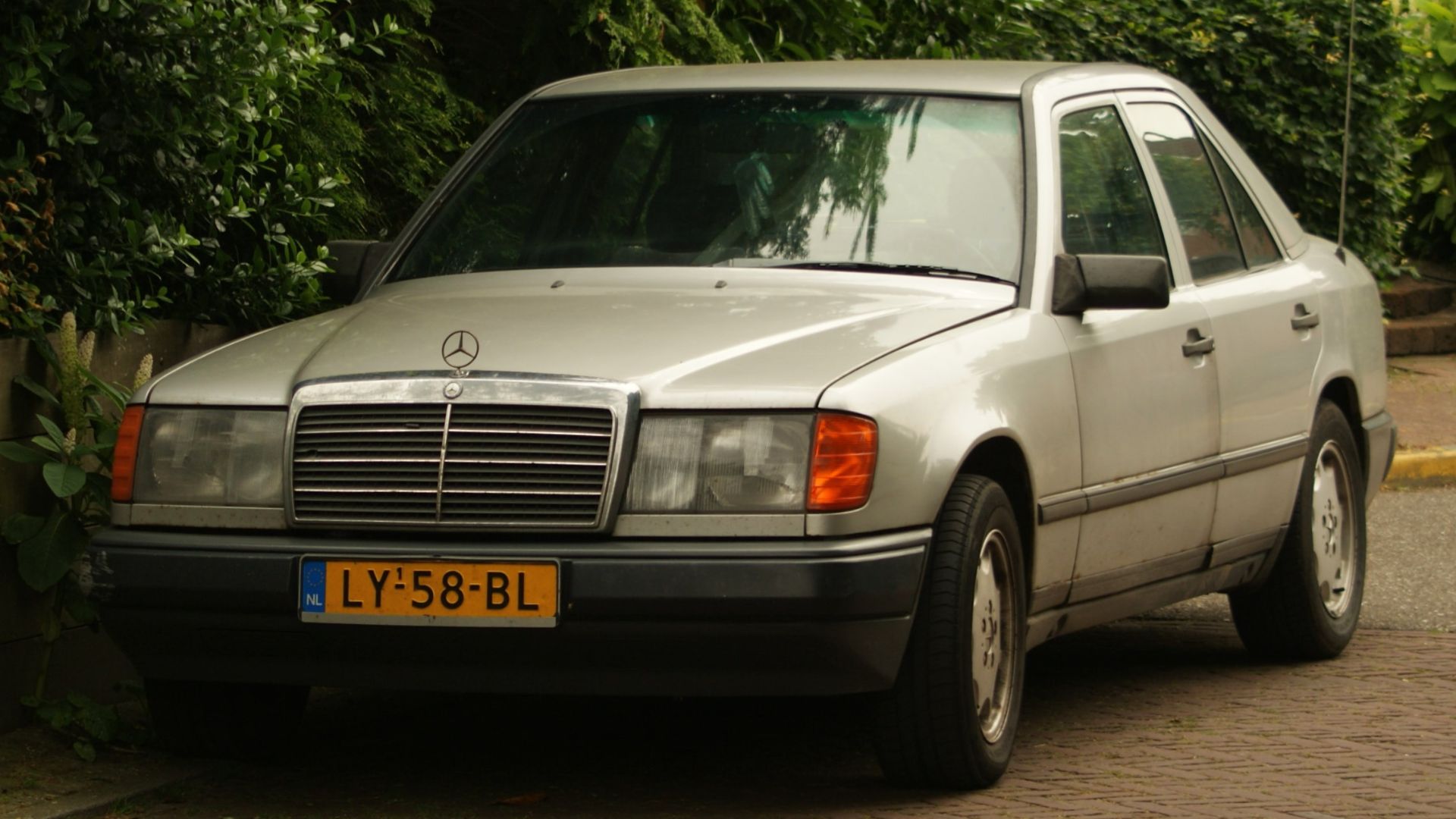 Niels de Wit from Lunteren, The Netherlands on Wikimedia
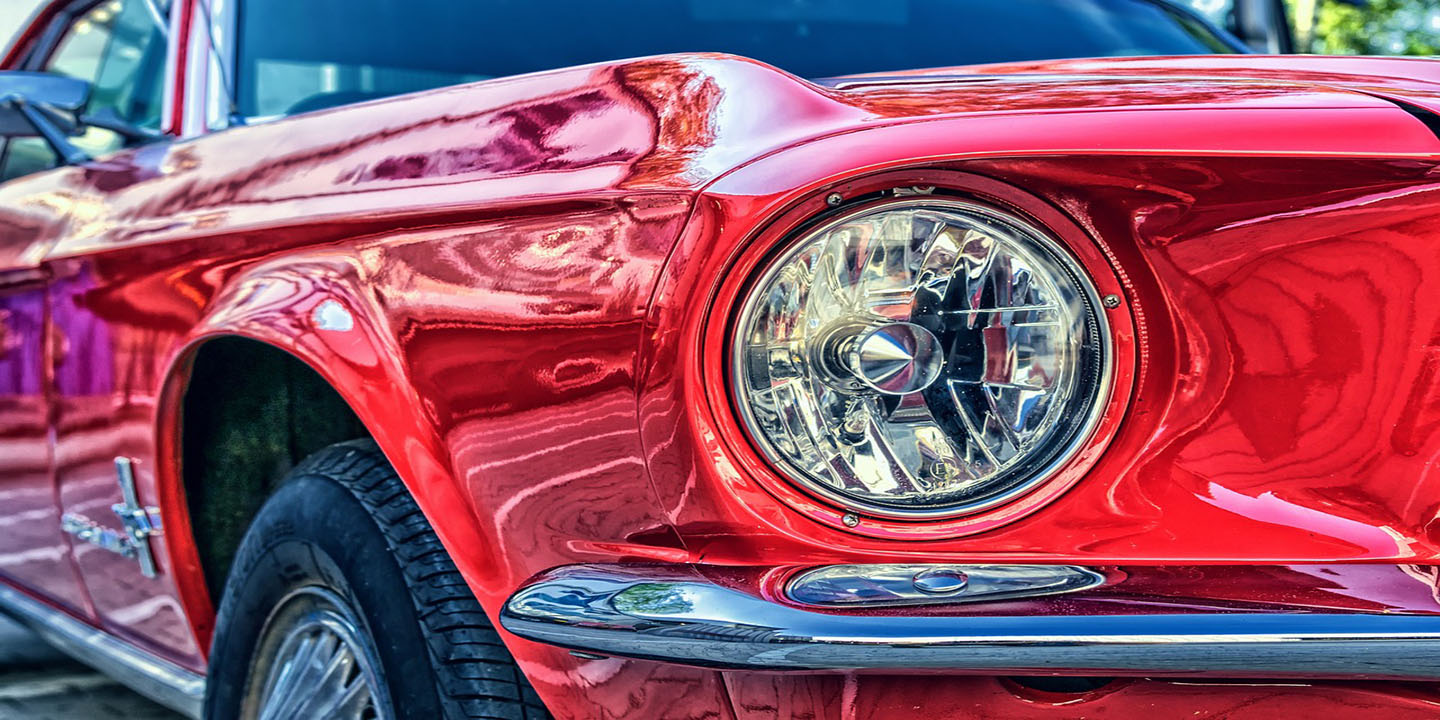
13. Ford Mustang Fox Body (1979-1993)
The Fox Body is simple, light by modern muscle-car standards, and endlessly supported by the aftermarket. The 5.0-liter V8 models are especially trusted because they're easy to modify, easy to repair, and still deliver that old-school Mustang attitude without overcomplicating the formula.
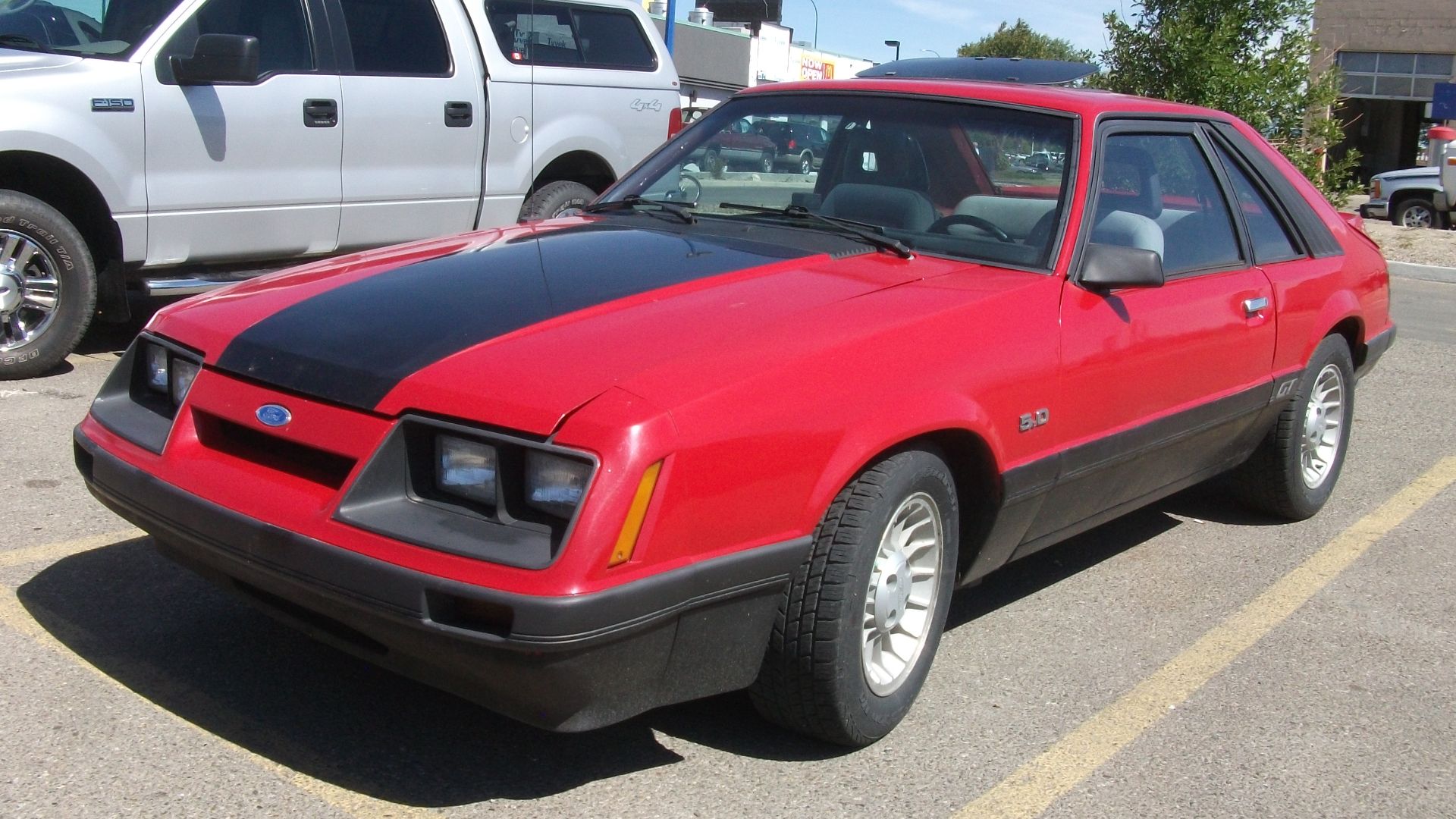 dave_7 from Lethbridge, Canada on Wikimedia
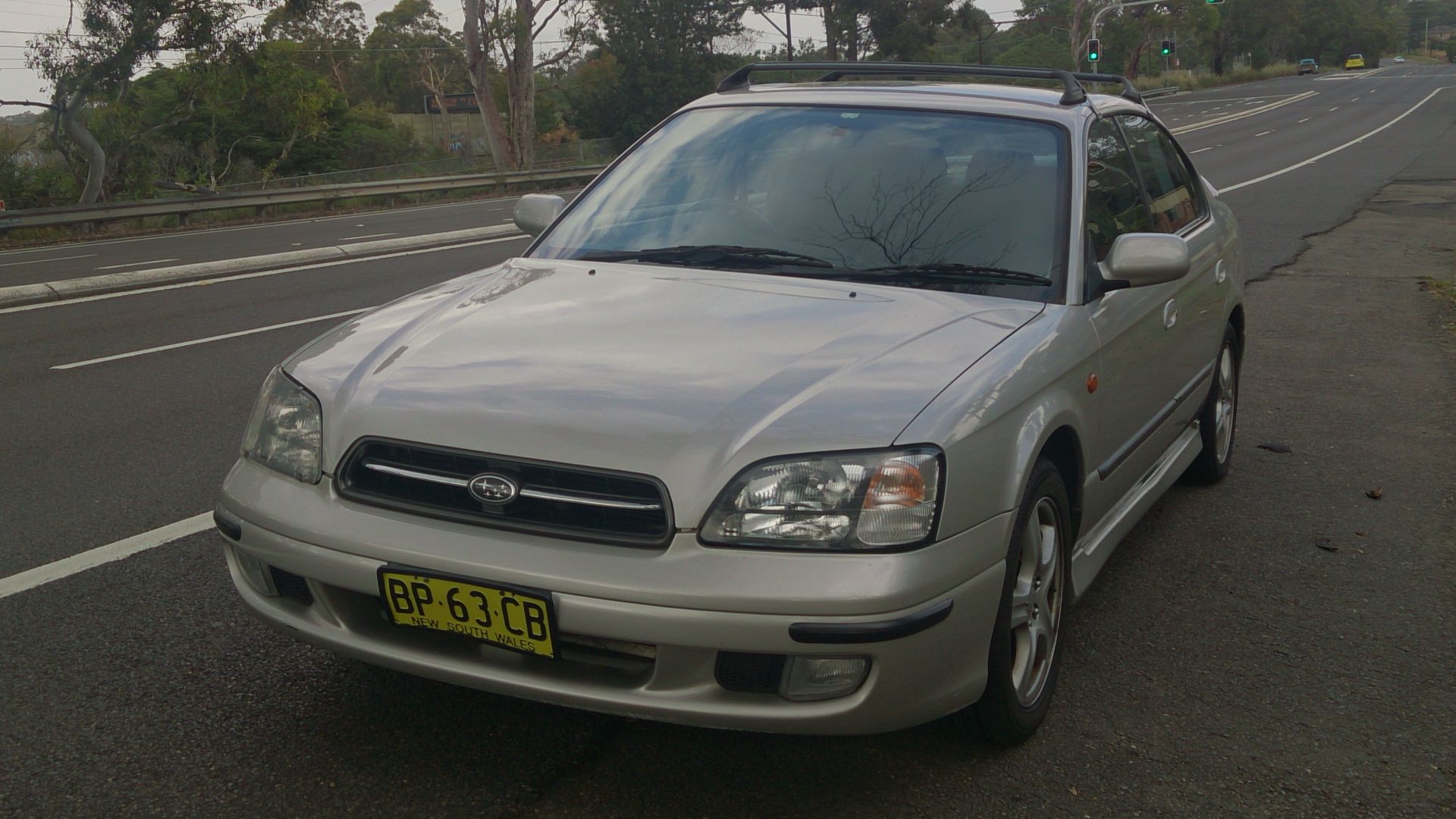
14. Subaru Legacy And Early Outback (1989-1999)
The early Legacy and first Outback gave practical drivers all-weather confidence before crossovers swallowed the entire market. Their EJ-series flat-fours and wagon-friendly layouts made them useful and appealing to people who wanted traction and space without a giant SUV.
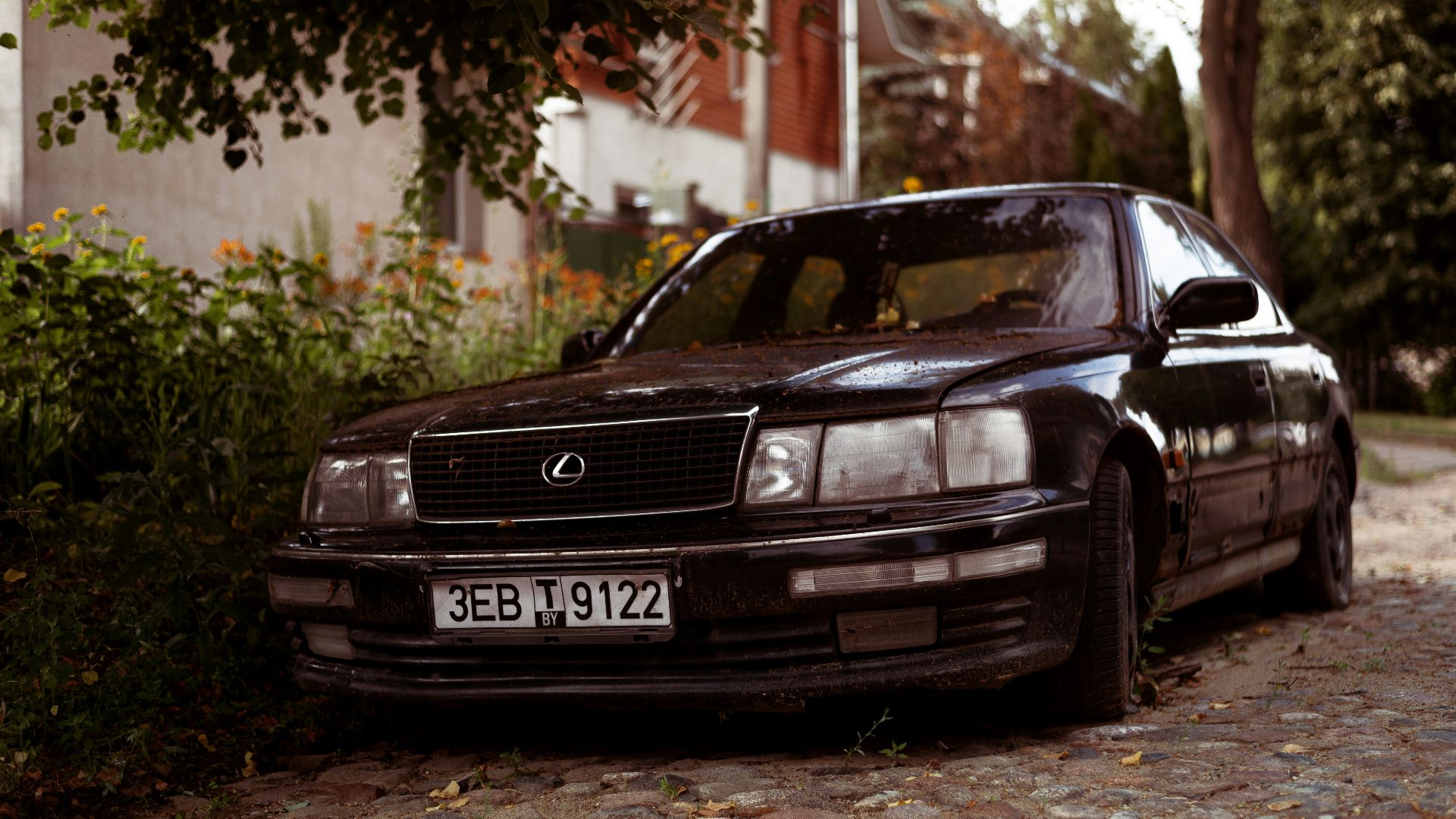
15. Lexus LS400 (1989-2000)
The LS400 showed that luxury could feel calm, precise, and dependable all at once. Its 1UZ-FE V8, quiet cabin, and restrained design gave owners a flagship sedan that didn't seem determined to punish them for enjoying comfort.
 Vitali Adutskevich on Unsplash
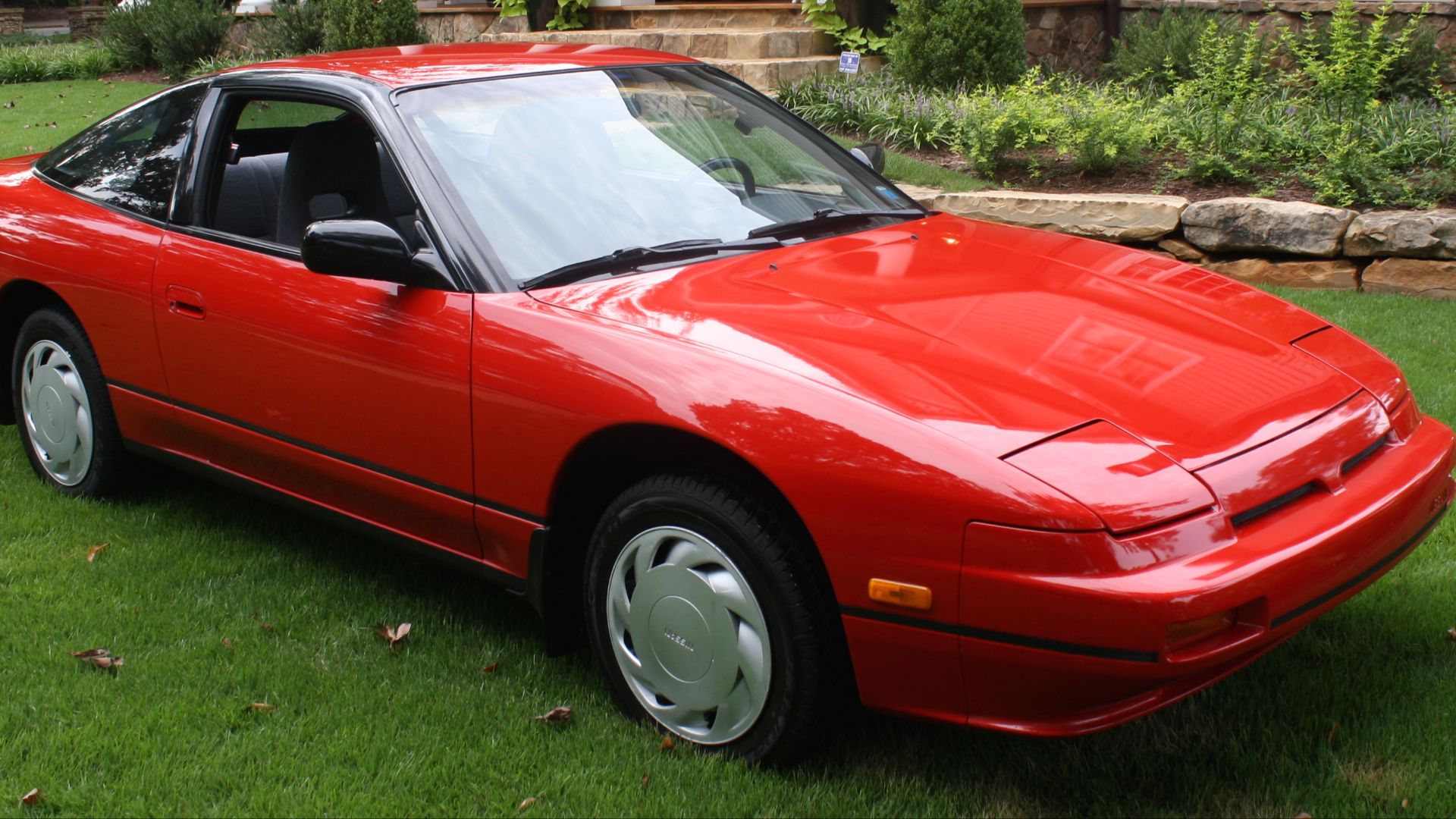
16. Nissan 240SX S13/S14 (1989-1998)
The 240SX became trusted for a different reason: it was simple, rear-wheel drive, and easy to make your own. In the U.S., its KA-series engines helped define the stock platform, while years of swap culture turned it into a favorite for drivers who wanted a car with real handling potential.
 The pun stops here on Wikimedia
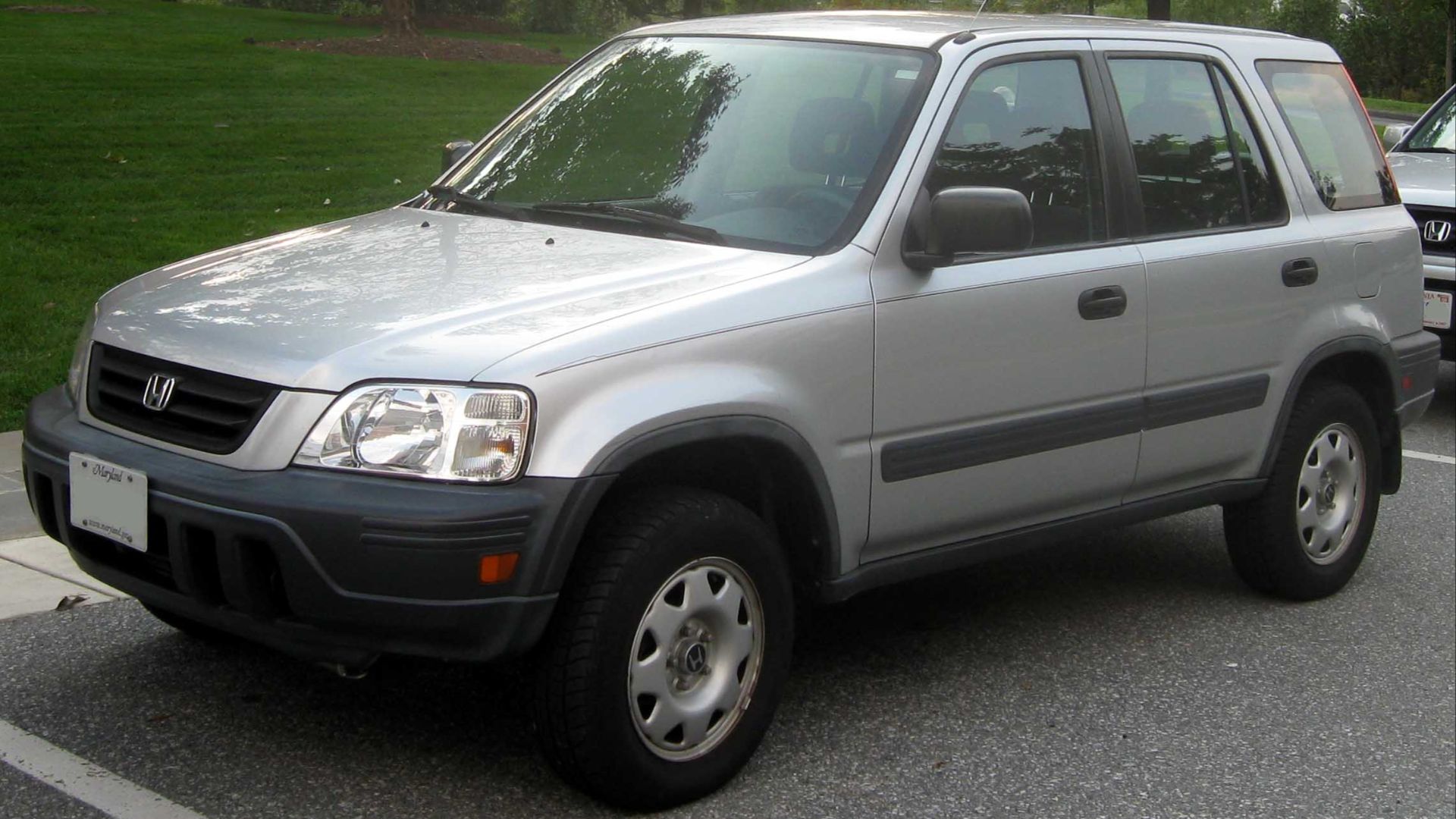
17. Honda CR-V First Generation (1997-2001)
The first CR-V was the perfect size before modern SUVs took over. Its B-series-based engine, roomy interior, and simple layout made it easy to live with, easy to maintain, and charmingly practical in a way later versions drifted away from.
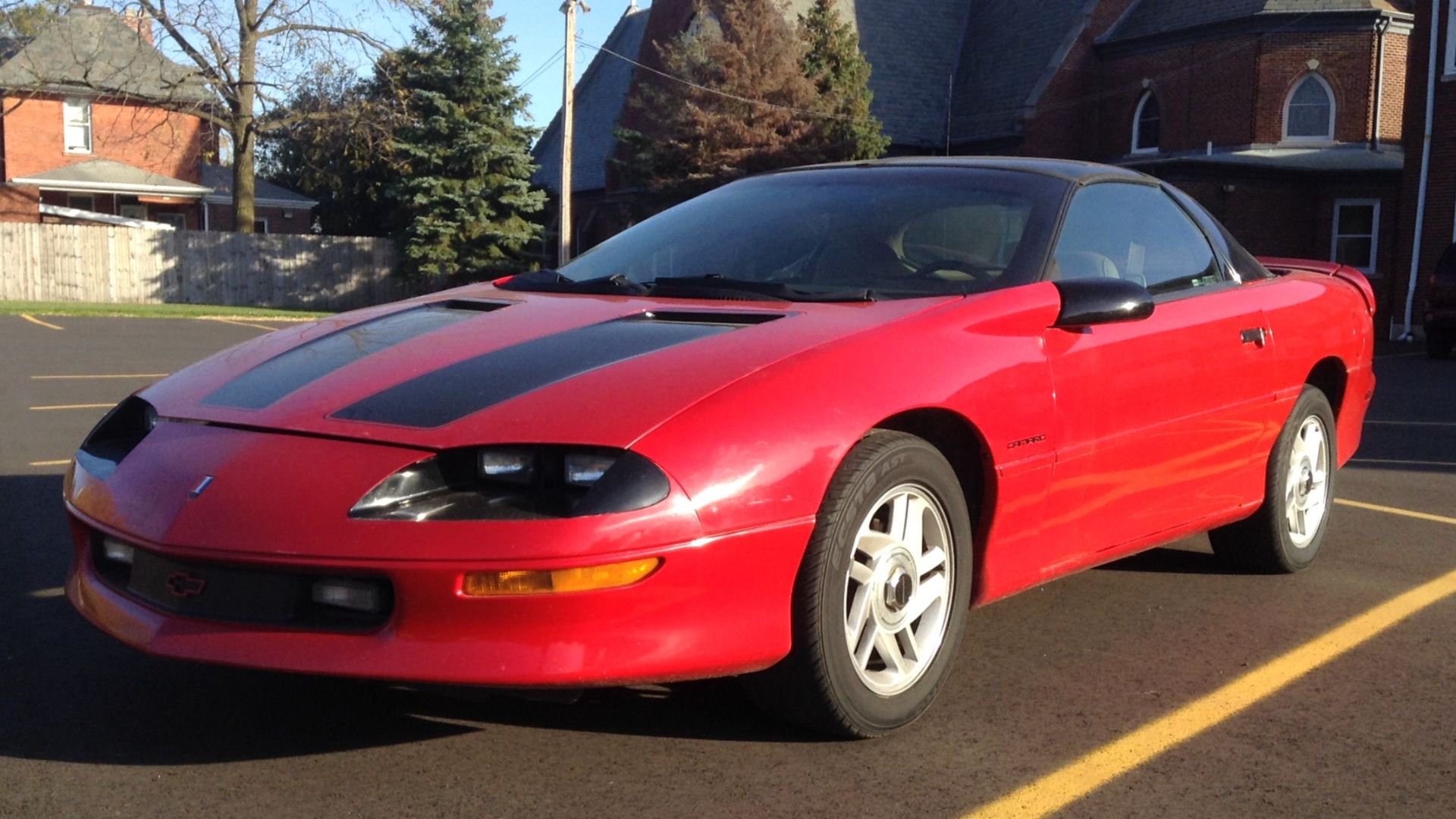
18. Chevrolet Camaro Fourth Generation (1993-2002)
The fourth-gen Camaro was loud in spirit even when sitting still. LT1-powered earlier models and LS1-powered later models gave drivers strong V8 performance in a package that still feels more direct than many newer performance cars.
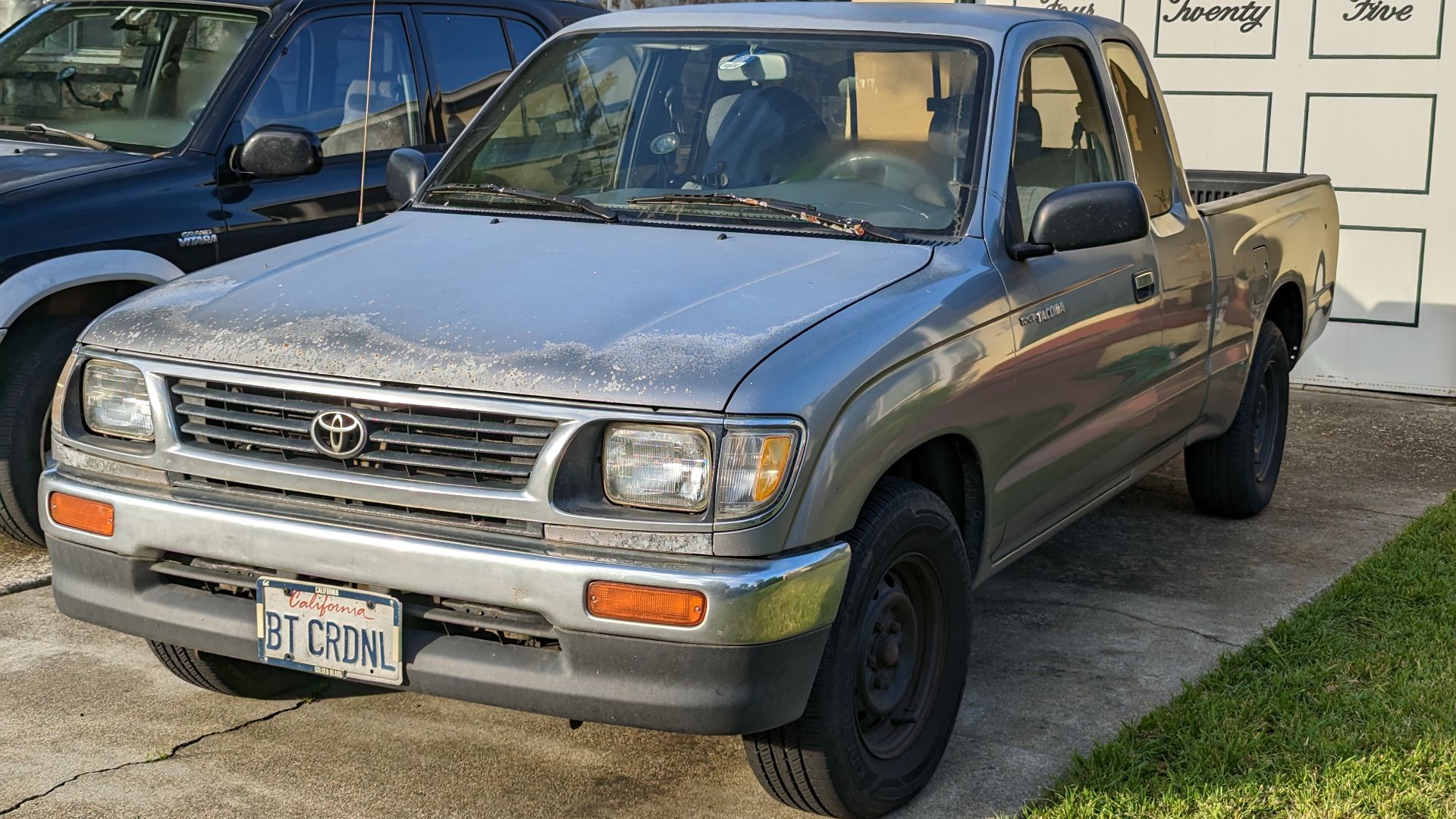
19. Toyota Tacoma First Generation (1995-2004)
The first Tacoma earned loyalty by being more useful than fancy, which is exactly what many truck buyers actually want. Its four-cylinder and V6 options, manageable size, and simple construction helped it become one of those pickups people hang onto long after newer trucks start looking a little too clean.
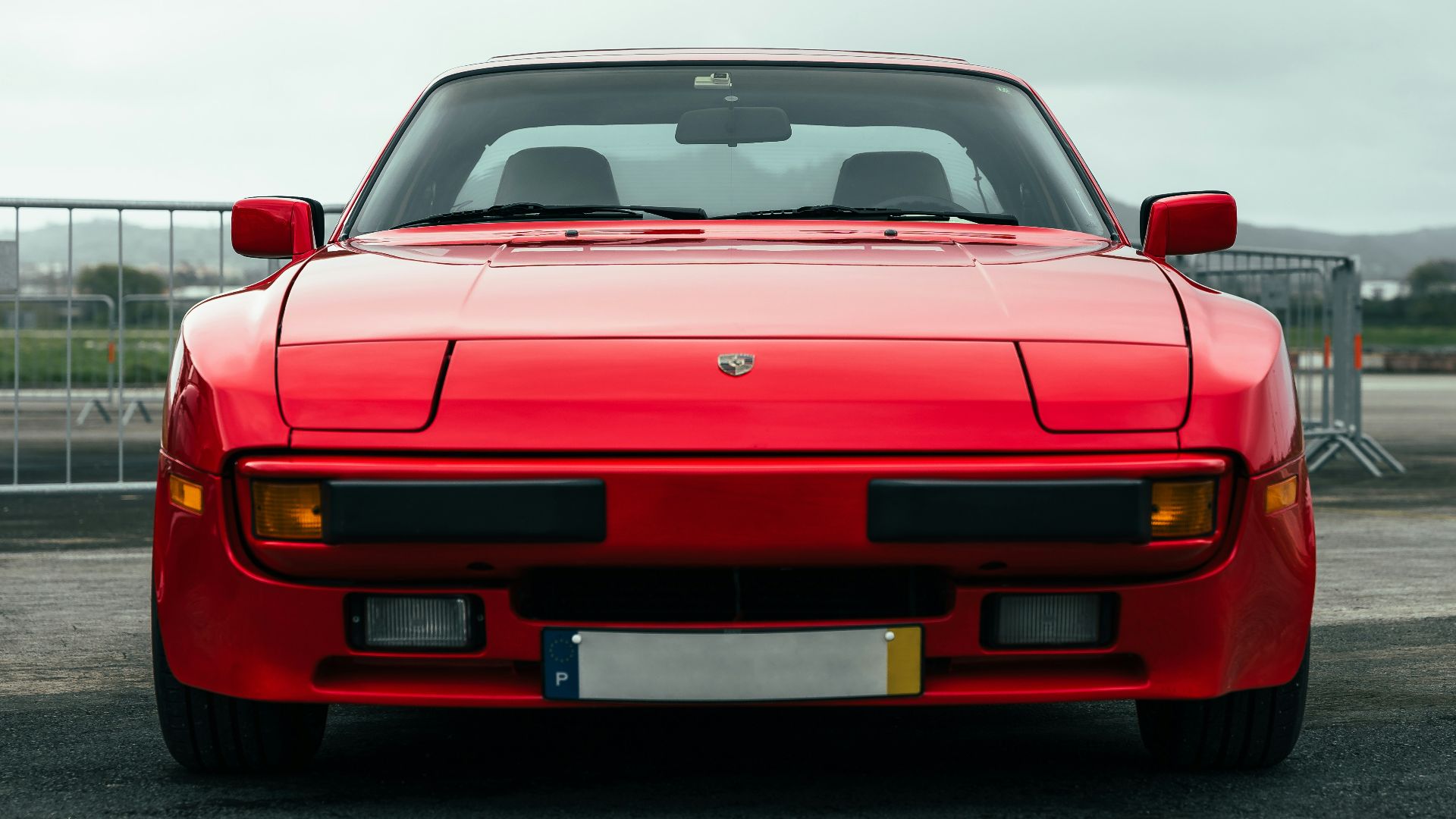
20. Porsche 944 (1982-1991)
The 944 gave Porsche fans real character and a front-engine, rear-transaxle layout that still feels special. That transaxle design helped create confident handling, while the inline-four engine family gave it a personality that modern performance cars don't really replicate.