Getting the Most Value From Your Vehicle Trade-In
Trading in a vehicle can make buying your next car much simpler, but many drivers unknowingly leave money on the table. Dealerships evaluate vehicles based on condition, market demand, mileage, and resale potential, so preparation can make a real difference. Taking a few practical steps before visiting a dealer can improve how your car is assessed and even strengthen your negotiating position. These 20 trade-in tricks can help you maximize the value you receive.

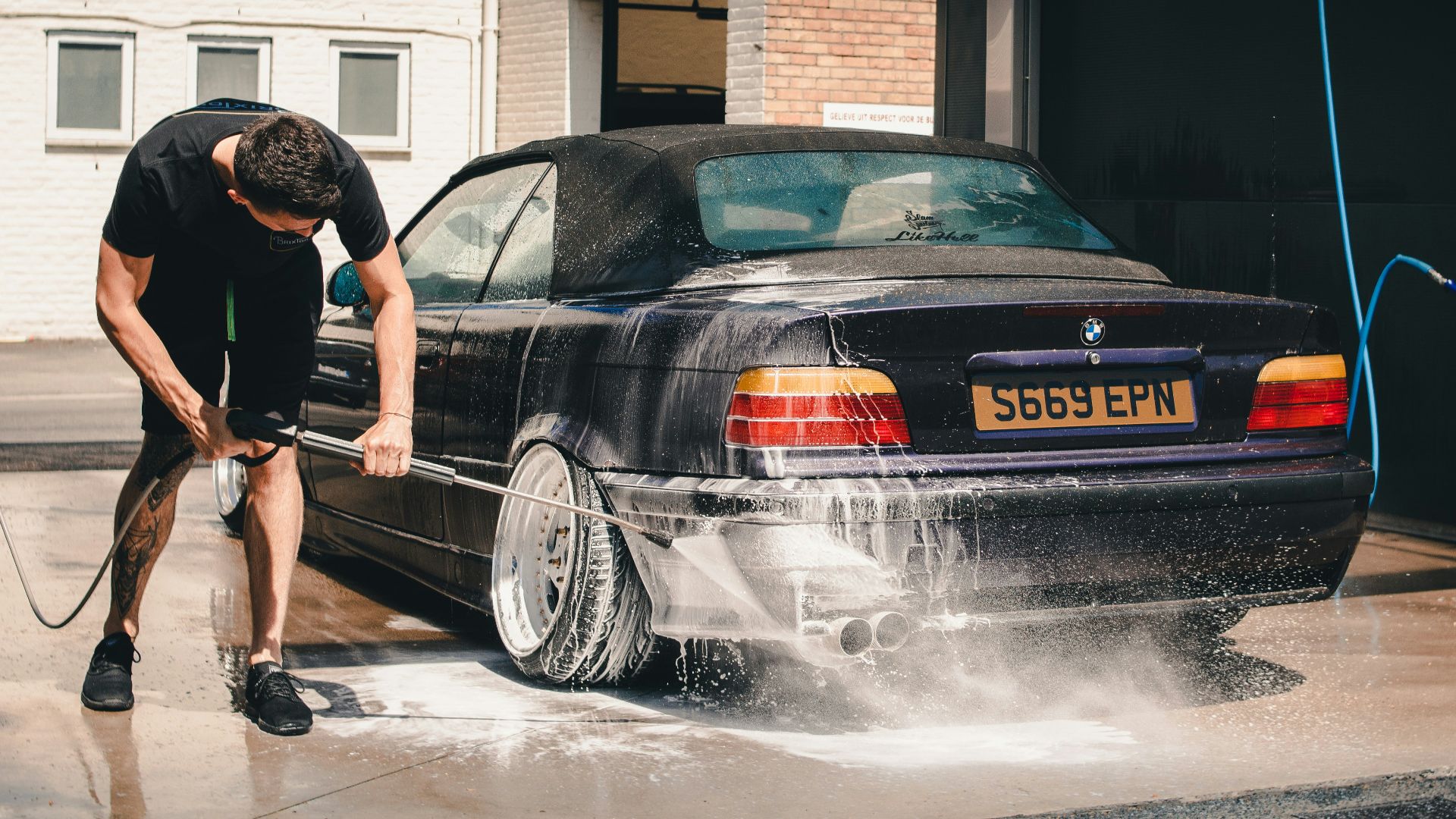
1. Clean the Vehicle Inside and Out
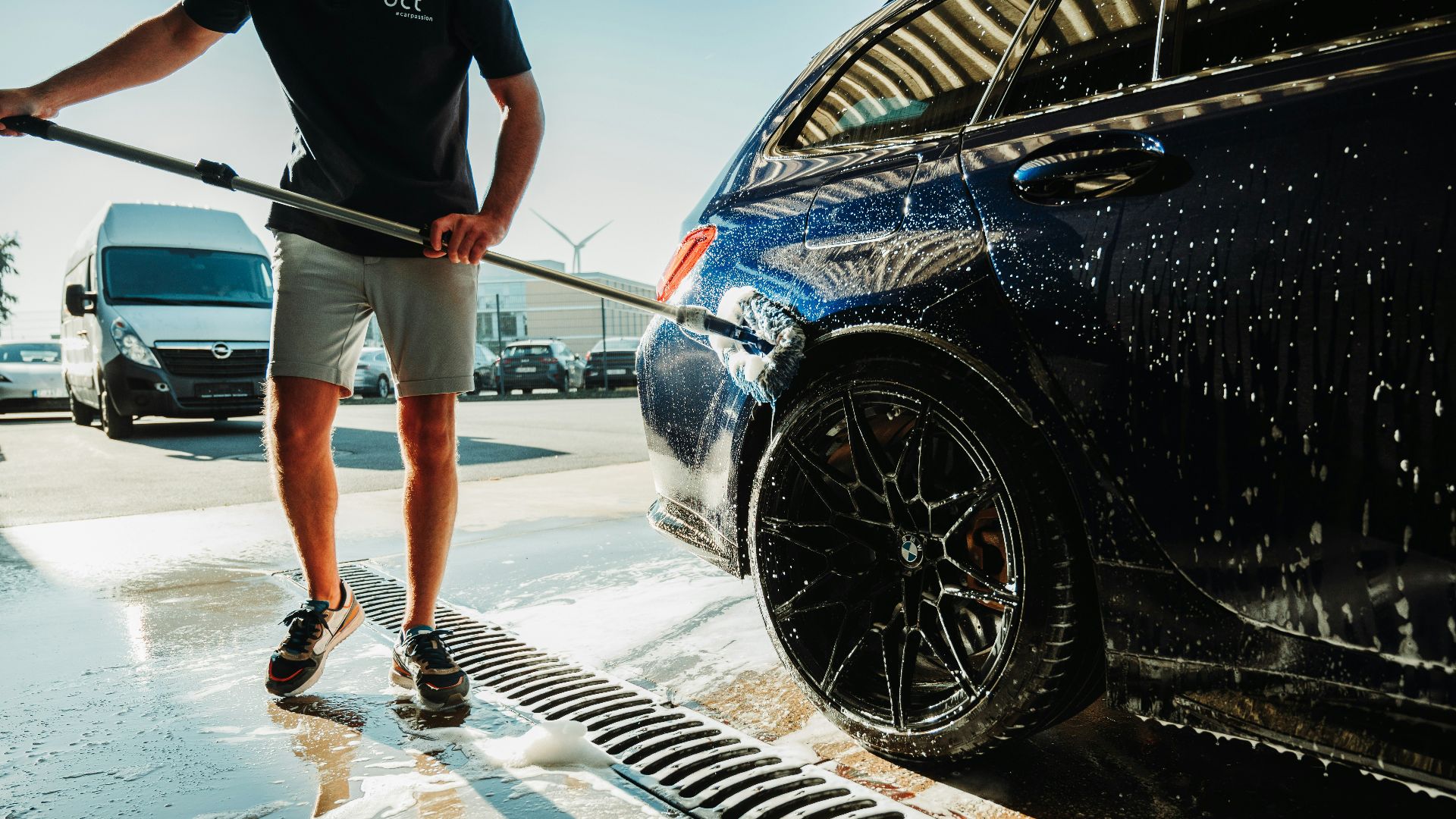
A clean car creates a stronger first impression during an appraisal. Dirt, stains, and clutter can make a vehicle appear poorly maintained even if it runs well. Washing the exterior, vacuuming the interior, and wiping surfaces can improve presentation quickly. A well-presented vehicle often receives a more favorable evaluation.
2. Gather All Maintenance Records
Maintenance documentation helps prove the vehicle has been properly cared for. Oil change receipts, tire replacements, and service records demonstrate consistent upkeep. Dealerships value vehicles with clear maintenance histories because they suggest fewer hidden issues. Organized records can help support a higher offer.

3. Fix Minor Cosmetic Issues
Small problems like burned-out bulbs, worn wiper blades, or minor scratches can reduce perceived value. These inexpensive fixes are often worth addressing before a trade-in inspection. A car that looks fully functional tends to receive a stronger appraisal. Minor repairs can sometimes produce a noticeable difference in the offer.

4. Know Your Vehicle’s Market Value
Researching current prices for similar vehicles helps set realistic expectations. Online valuation tools and used car listings provide a range of trade-in values based on mileage, condition, and location. Understanding these estimates gives you better negotiating confidence. It also helps you recognize whether an offer is reasonable.

5. Check Tire Condition
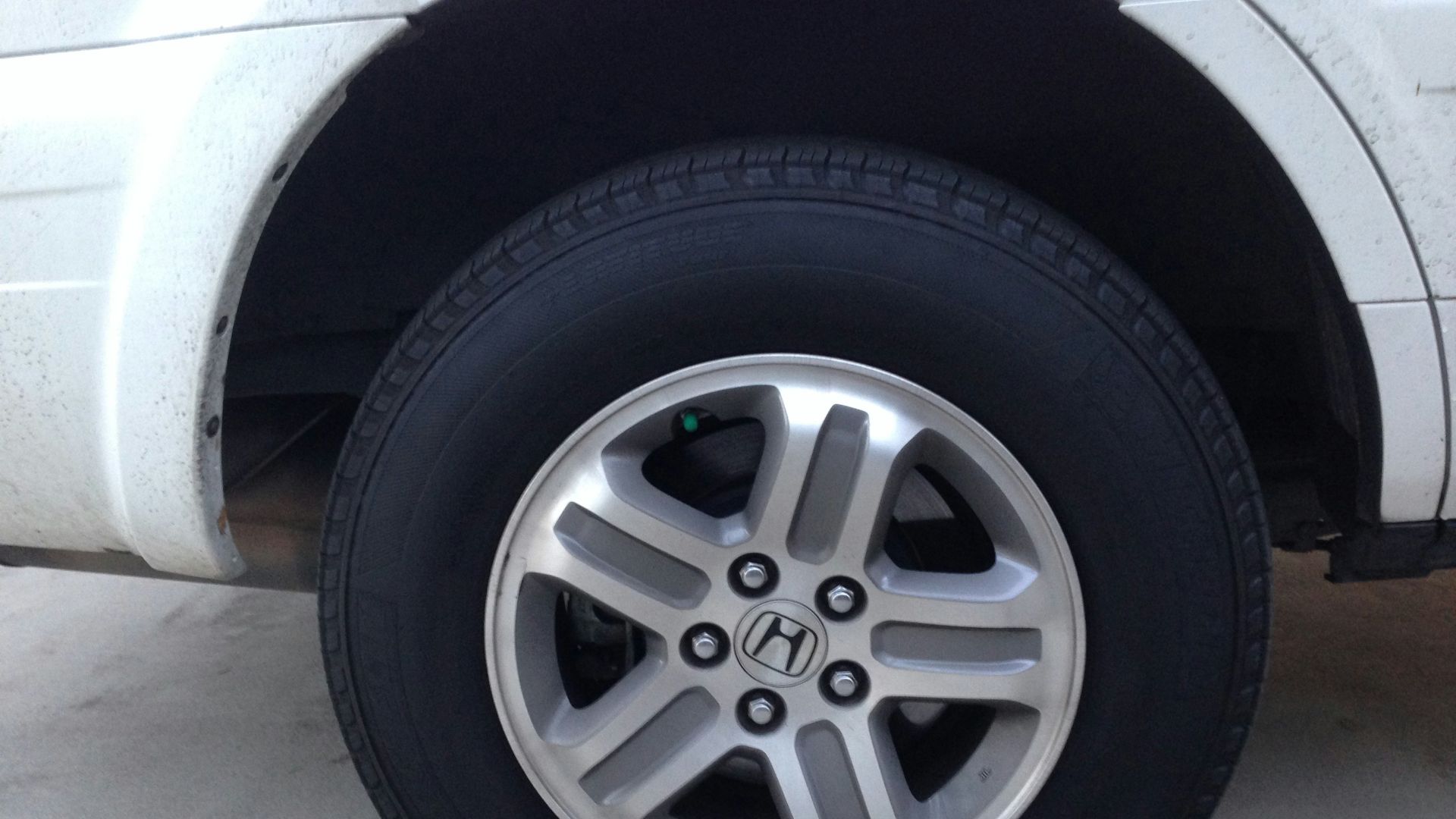
Worn tires can quickly lower a trade-in value because replacements are expensive. If the tread is still in good condition, make sure it’s visible during inspection. Properly inflated and clean tires also improve the overall appearance of the vehicle. If tires are severely worn, replacing them may be worth considering.
6. Remove Personal Items and Clutter
Dealers need to inspect the vehicle thoroughly, including storage areas and the trunk. Personal belongings can make the car look disorganized and distract from its condition. Clearing out the vehicle allows the appraiser to focus on its features and maintenance. A clean interior also signals careful ownership.

7. Trade In at the Right Time
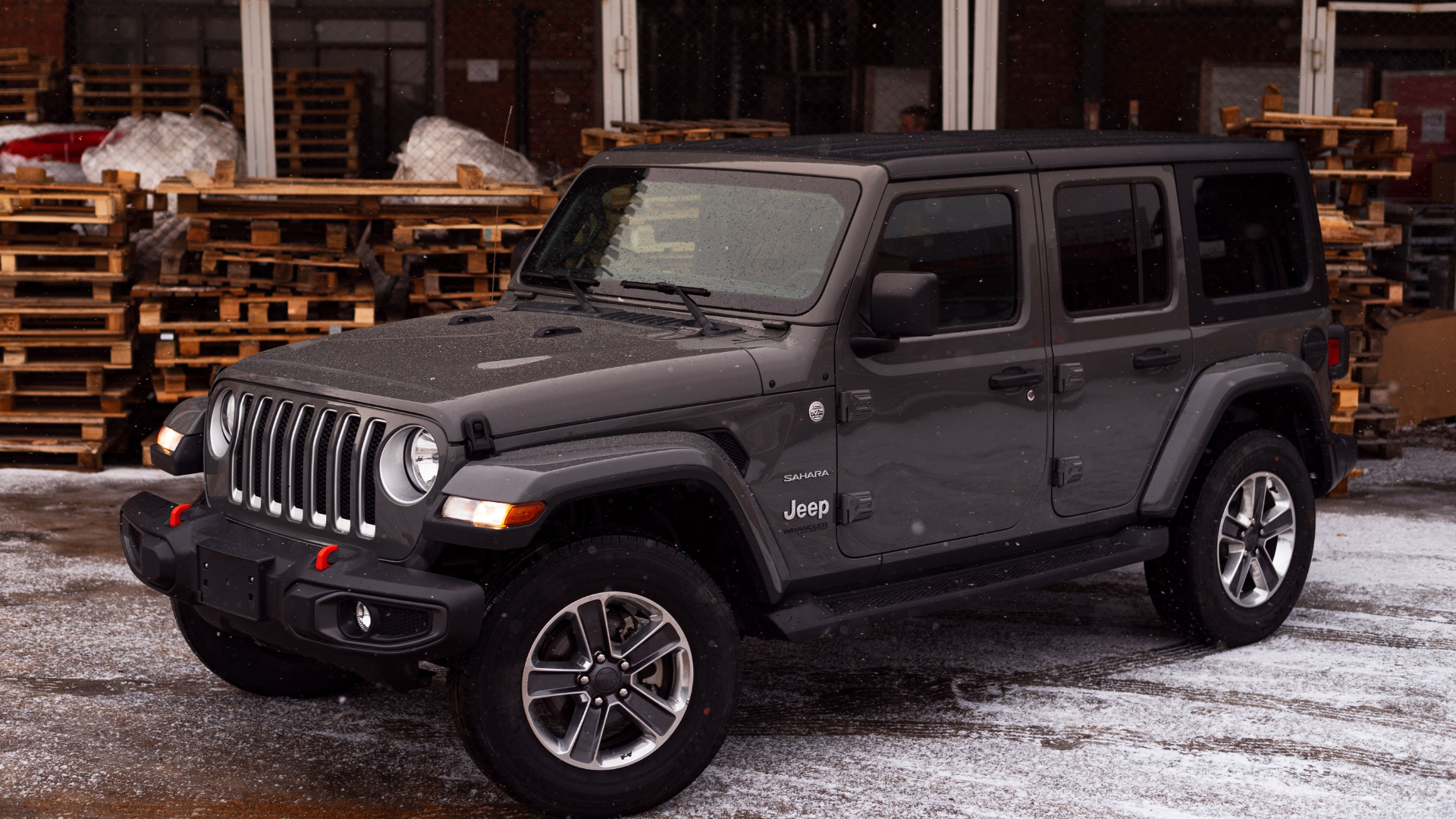
Market timing can influence vehicle value. Convertibles and sports cars often sell better in warmer months, while four-wheel-drive vehicles may gain value before winter. Trading in during periods of stronger demand can increase the offer. Paying attention to seasonal trends can be beneficial.
 Antoni Shkraba Studio on Pexels
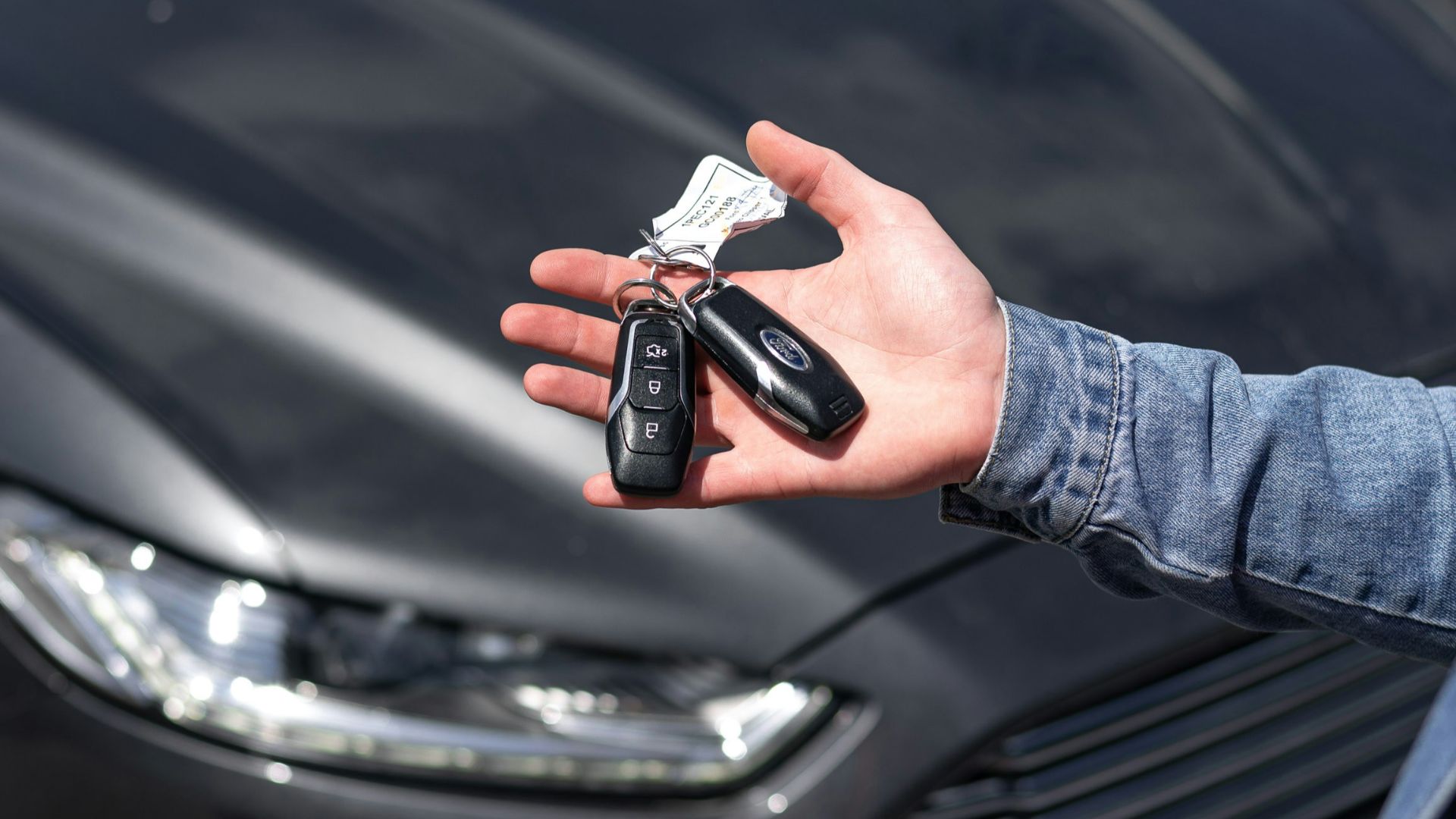
8. Bring All Keys and Remotes
Missing keys or remotes can reduce trade-in value because replacements can be expensive. Providing every key fob and spare key that came with the vehicle adds convenience for the dealership. It also indicates that the vehicle is complete. This small detail can help maintain the car’s full value.
9. Avoid Mentioning Trade-In Too Early
When negotiating a vehicle purchase, some buyers prefer to discuss the new car price before mentioning their trade-in. This approach helps separate the two transactions.
 Antoni Shkraba Studio on Pexels
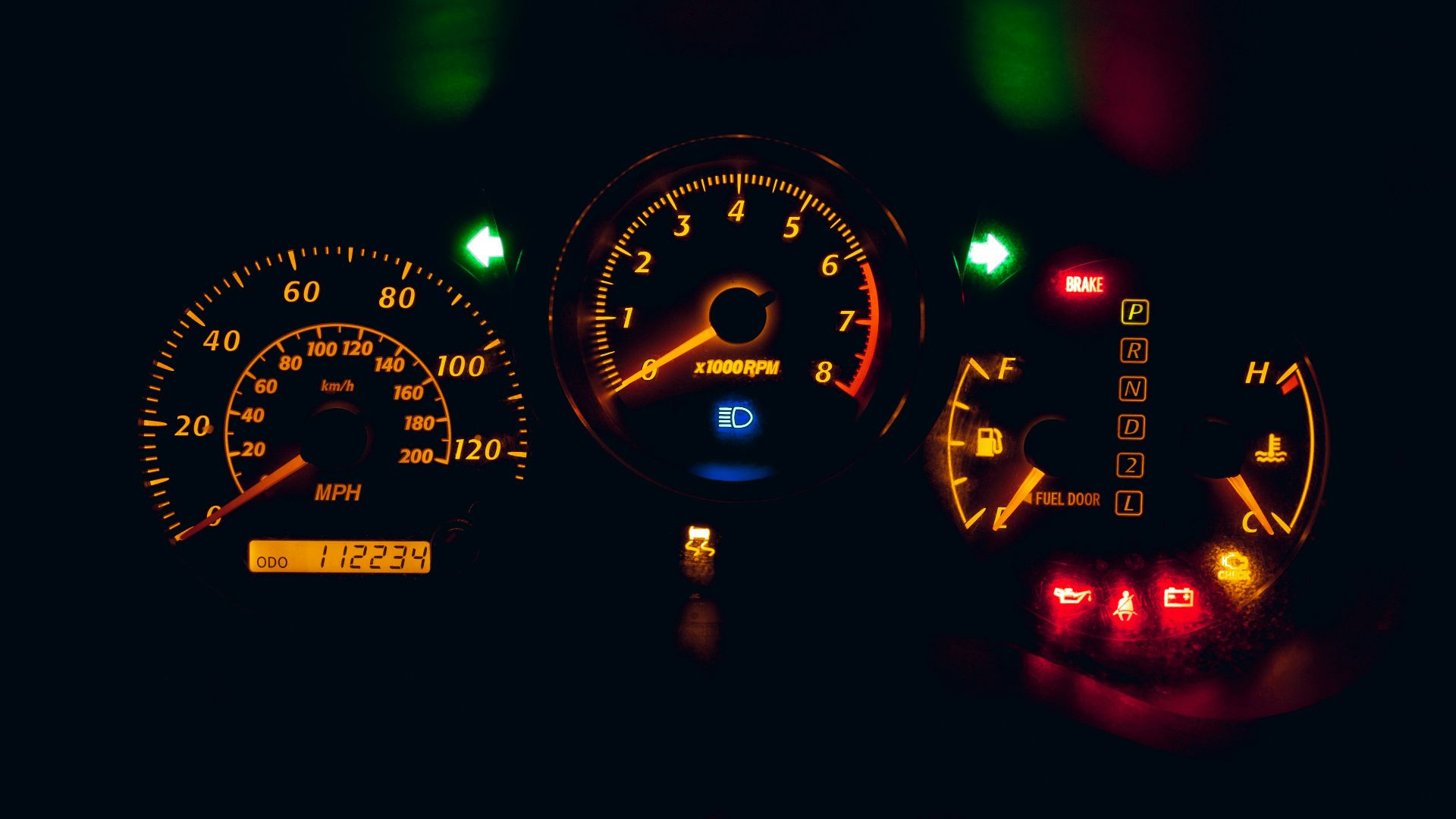
10. Address Warning Lights Before Appraisal
Dashboard warning lights can significantly reduce a vehicle’s value. Even a simple issue like a loose gas cap can trigger a warning light.
11. Wash the Engine Bay Carefully
A lightly cleaned engine bay can make the vehicle appear better maintained. Removing surface dust and debris allows the evaluator to inspect components more easily. However, aggressive cleaning or heavy water use should be avoided.
12. Bring the Owner’s Manual
Providing the original owner’s manual and documentation shows attention to detail. Many dealerships appreciate having the manual available for future buyers. It also reinforces the impression that the car has been carefully maintained. Small details like this can help the vehicle appear more complete.
 Antoni Shkraba Studio on Pexels
13. Limit Aftermarket Modifications
Highly customized vehicles sometimes receive lower trade-in offers. Dealers often prefer stock vehicles because they appeal to a broader range of buyers.

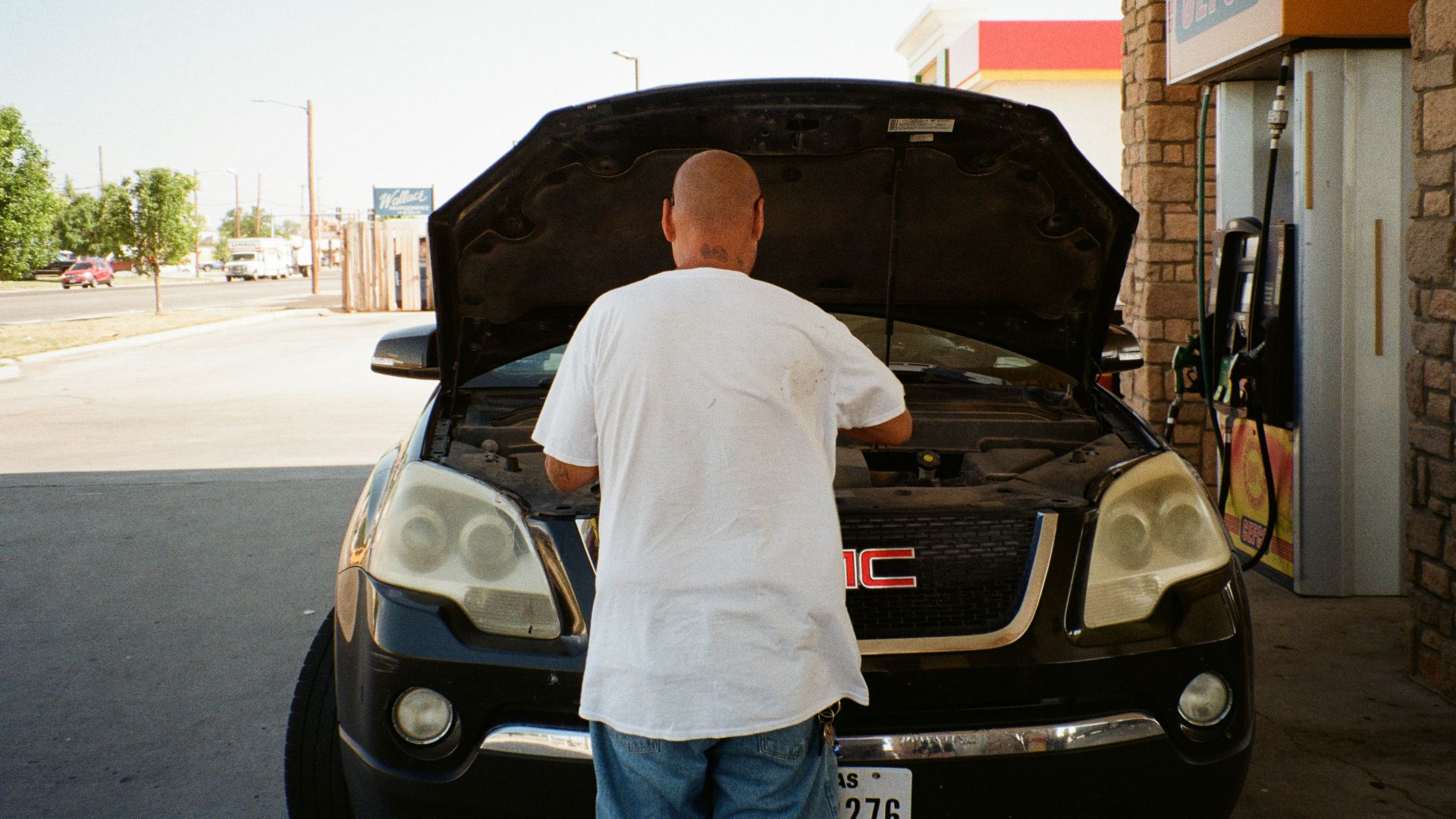
14. Check Fluid Levels Before Inspection
Low fluid levels may suggest neglect, even if the vehicle runs properly. Ensuring that oil, coolant, and washer fluid are topped up helps demonstrate basic maintenance.
15. Avoid Trading in Right After an Accident
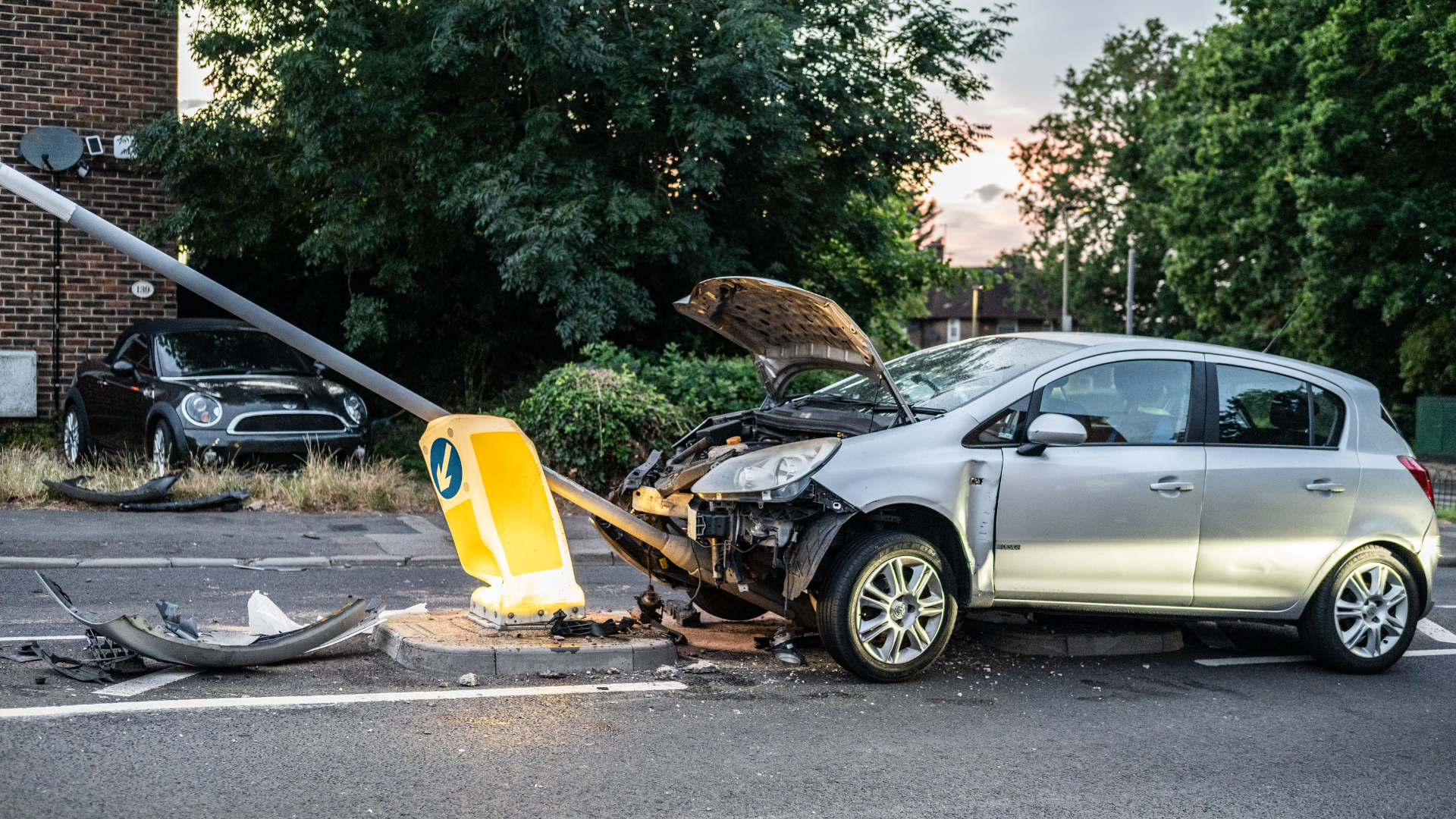
Vehicles that were recently involved in accidents may receive lower offers. Even after repairs, accident history reports can affect resale value. Waiting until repairs are completed and documentation is available may help stabilize the vehicle’s appraisal. A well-documented repair can reassure buyers.

16. Understand Mileage Impact
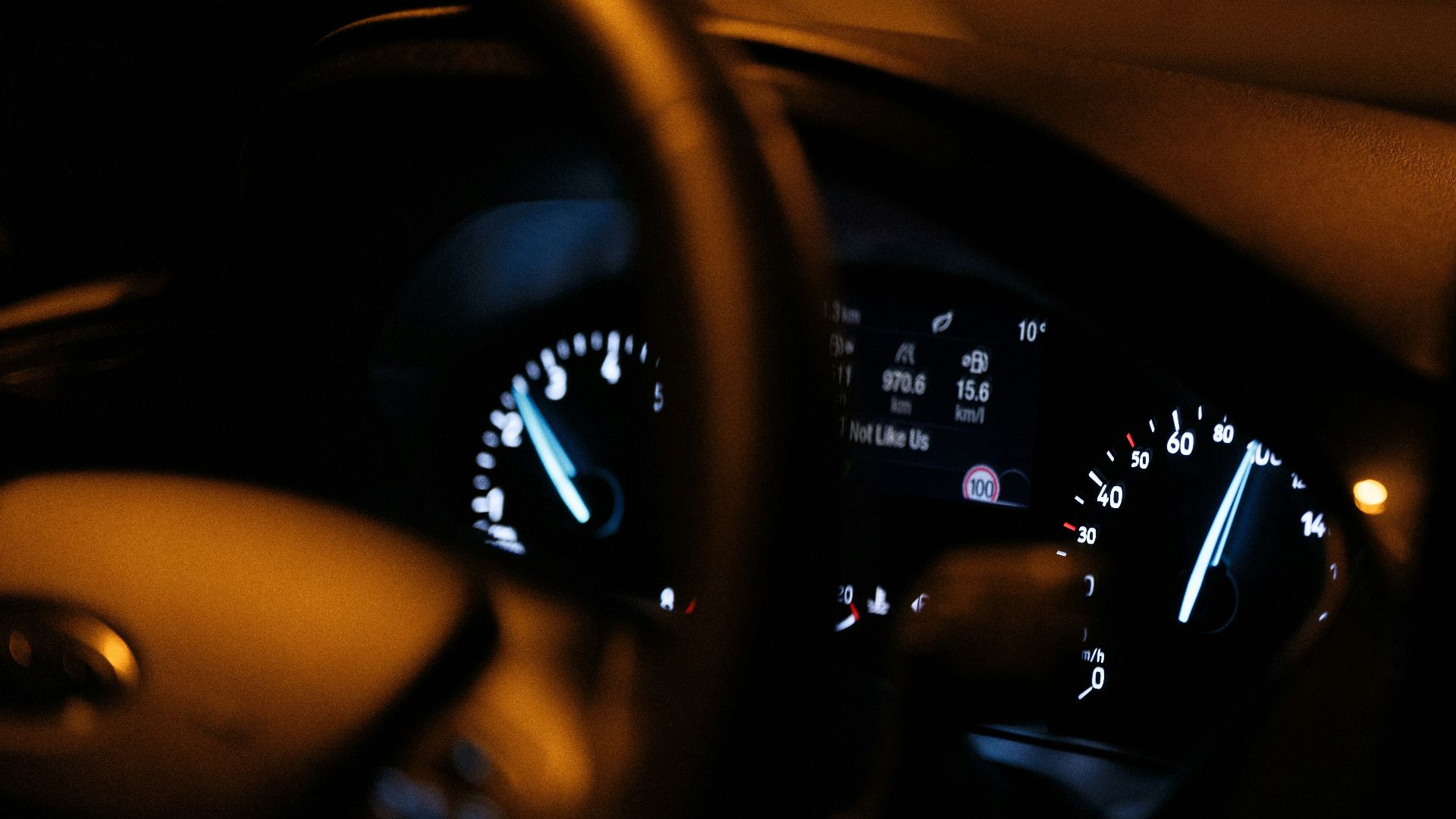
Mileage is one of the biggest factors affecting trade-in value. Vehicles with lower mileage often command higher offers because they suggest a longer remaining lifespan.
17. Get Multiple Trade-In Quotes
Different dealerships may offer different values for the same vehicle. Visiting more than one dealership or using online appraisal tools can reveal the best offer. Having multiple quotes also gives you leverage during negotiations. Competition can sometimes increase the final trade-in value.
 Antoni Shkraba Studio on Pexels
18. Consider Independent Appraisals
Some buyers choose to get an independent appraisal before visiting a dealership. This professional estimate can provide an objective valuation.

19. Bring the Vehicle Registration and Title
Having the correct documents ready speeds up the trade-in process. Dealers need proof of ownership and registration details to complete the transaction.

20. Negotiate the Trade-In Separately
Combining the purchase price and trade-in value in a single negotiation can make the numbers confusing. Separating these discussions helps you clearly understand both parts of the deal.