The Trans-Siberian Highway: What It’s Like To Drive Across The World’s Most Dangerous Road
The Trans-Siberian Highway: What It’s Like To Drive Across The World’s Most Dangerous Road
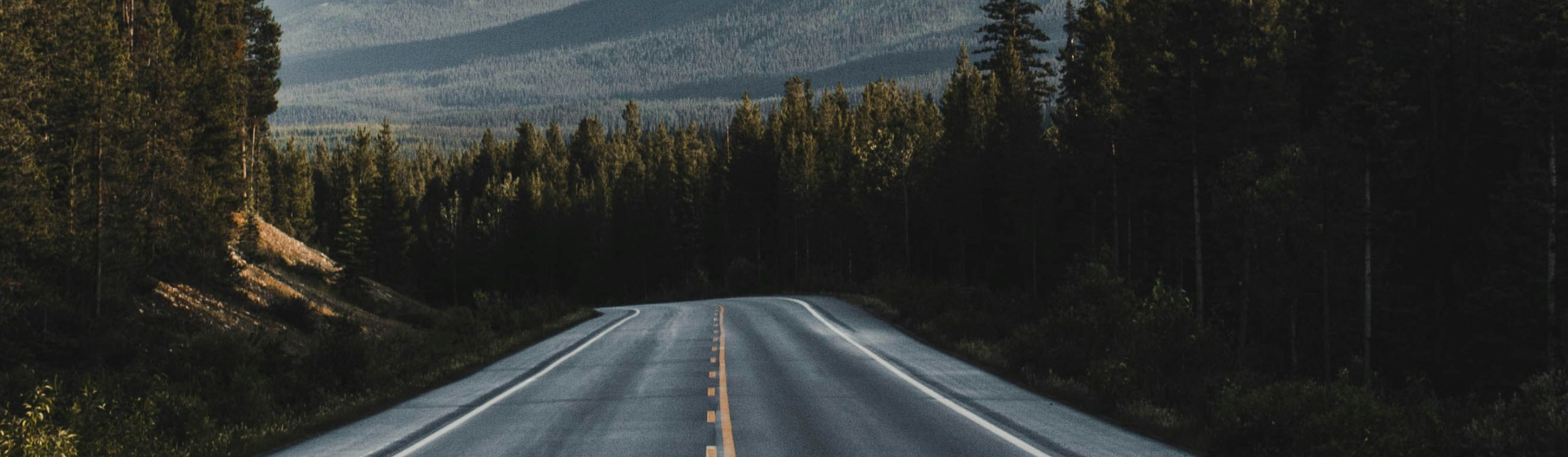
Stretching across the vast expanse of the Russian wilderness, the Trans-Siberian Highway isn't just a road; it’s a grueling test of human endurance and mechanical fortitude. You're looking at a journey that spans over 6,800 miles, connecting St. Petersburg in the west to Vladivostok on the Pacific coast. While the name might suggest a singular, sleek interstate, it’s actually a network of several federal highways that weave through some of the most remote territory on the planet. It’s a route that promises breathtaking scenery alongside some of the most unpredictable driving conditions you’ll ever encounter in your life.
Setting out on this cross-continental trek requires more than just a full tank of gas and a sense of adventure. You’ll find yourself navigating through seven different time zones and climates that can swing from sweltering heat to bone-chilling sub-zero temperatures within a matter of weeks. The sheer scale of the landscape is enough to make even the most seasoned traveler feel small against the backdrop of the Ural Mountains and the endless taiga. It’s a road where the infrastructure can vary wildly, transitioning from modern asphalt to treacherous, unpaved gravel tracks that haven't changed much in decades.
Navigating the Perils of the Pavement
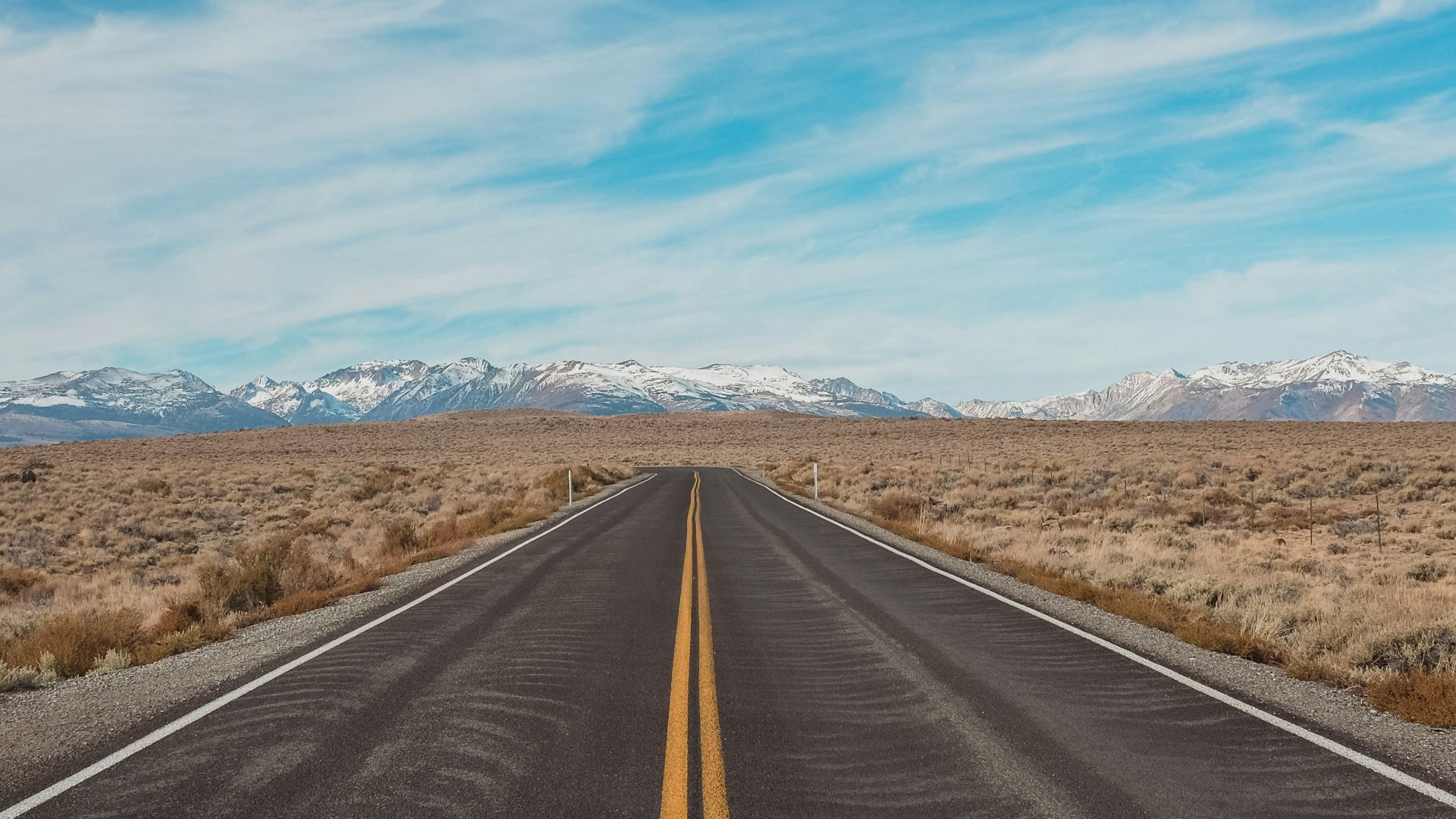
The physical condition of the highway is perhaps the most notorious aspect of the entire journey across the Russian interior. While major sections near the big cities are well-maintained, the remote stretches in the Amur region are famous for their "waves" of shifting permafrost. You’ll find that the ground literally heaves beneath the road, creating massive swells that can launch a speeding car into the air if you aren't paying close attention. It’s a constant battle between the engineers and the elements, and the elements usually have the upper hand during the spring thaw.
Beyond the buckling asphalt, the lack of basic safety features like guardrails or lighting in the wilderness adds a layer of genuine peril to your trip. You might drive for hundreds of miles without seeing a single soul, which means a mechanical breakdown or a blown tire can quickly turn into a serious survival situation. The dust kicked up by massive long-haul trucks can reduce visibility to near zero, forcing you to drive through clouds of grit. It’s an environment that demands your total concentration every second you’re behind the wheel, as there’s very little room for error when help is half a day away.
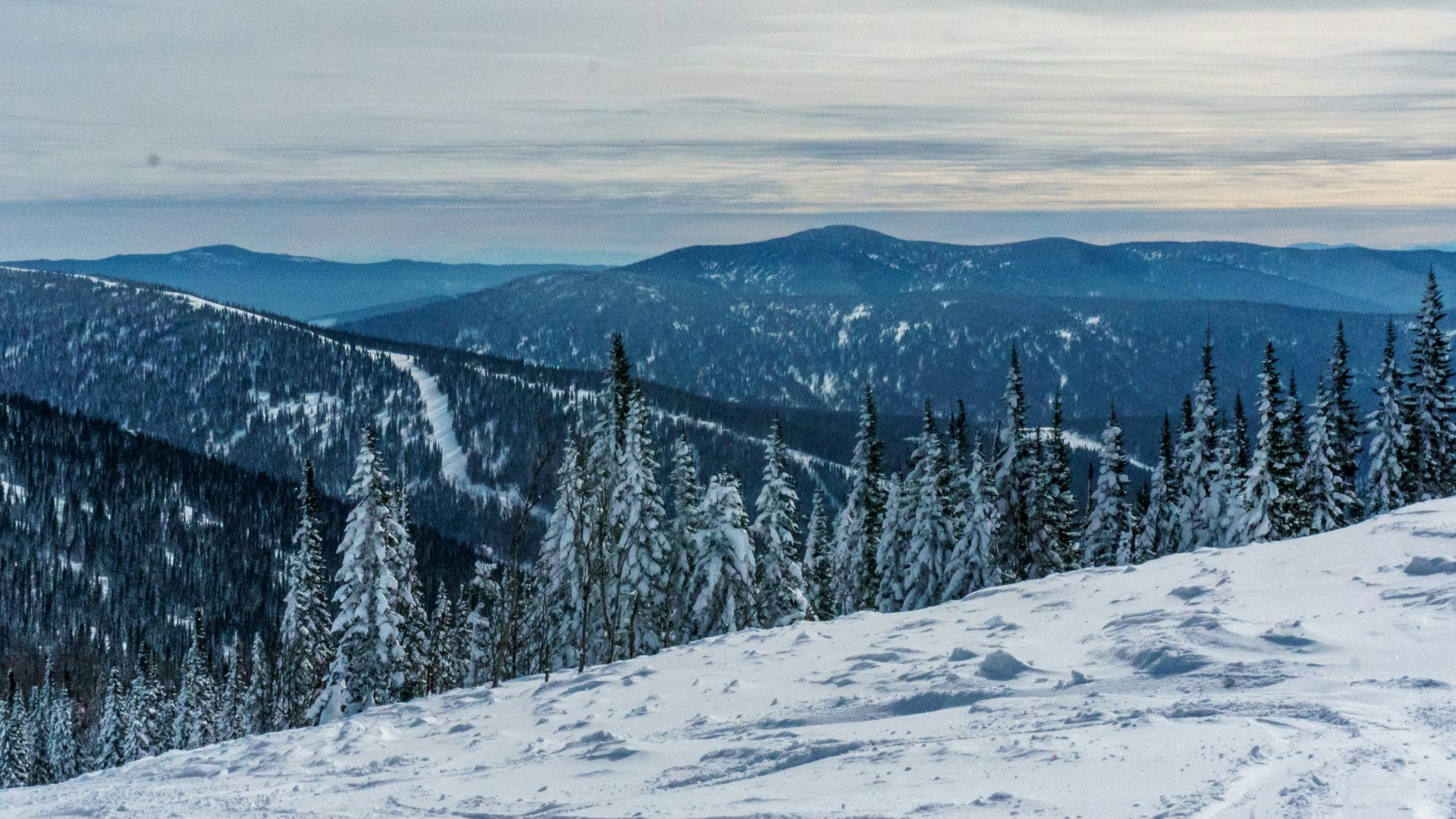
Winter brings an entirely different set of challenges that can make the Trans-Siberian Highway feel like a frozen nightmare. The temperatures often plummet to levels where diesel fuel can turn into a thick gel, effectively stranding vehicles in the middle of nowhere. You have to keep your engine running for days at a time just to prevent the fluids from freezing solid, which creates a surreal landscape of idling trucks lined up at roadside stops. It’s a stark reminder that nature still dictates the rules of travel in this part of the world, regardless of how much modern technology is available.
The Unique Roadside Culture and Logistics
Driving the longest highway in the world would be impossible without surviving off Soviet-style “kafe” found periodically along the roadside. The diners range from homemade kitchens serving boiling bowls of borscht to semi-decent restaurants complete with shower facilities. The people who inhabit these truck stops are often hospitable and willing to fill you in on current road conditions such as potential closures or police checkpoints. Stay at these refuges for as long as needed, Siberia waits for no one.
Planning fuel runs is another challenge that must be overcome if the journey coast to coast is to be completed. There are long distances where no gas stations appear for miles at a time, requiring additional fuel cans to be carried in the vehicle. Gas quality is not guaranteed at many informal gas stations, so drivers often filter fuel through special containers with built-in charcoal filters. Navigating through the Russian forest can be difficult, but with enough preparation, fuel shortages can usually be managed along the way.
The people are what make the road unique. There is an unspoken bond between drivers who share the experience of traveling this highway. If someone’s car is stopped with the hood up, others stop to help, knowing they may one day be in the same situation. Travelers often form connections more quickly than expected, creating friendships that can last a lifetime. It’s common to meet more supportive people at a muddy truck stop in Siberia than on major highways elsewhere over the course of an entire year.
The dangers of driving the Trans-Siberian Highway are abundant, but the reward is access to some of the most stunning landscapes on the planet. The open plains of the west gradually shift into the sharp mountain ridges of the Urals and eventually into the ice-blue waters of Lake Baikal. The lake is one of the most spectacular places on Earth and contains about 20% of the world’s unfrozen freshwater. Baikal is surrounded by colossal mountains, and watching a sunset over the Siberian taiga is an experience that must be seen to be fully appreciated.