Parking is one of those driving skills that nobody really talks about after you pass your test, yet it's something most drivers deal with every single day. Whether you're squeezing into a tight spot at a busy mall or attempting parallel parking on a narrow street, the pressure to get it right is real. After all, you don't want to be that person who's on their fifth attempt while everyone on the road watches, traffic backed up because of you.
Most drivers assume that parking ability is just a matter of experience, but that's not entirely true. Plenty of people have been driving for years and still feel anxious every time they need to reverse into a space or park at an angle. So, what's the trick to getting good at it without relying solely on your backup camera and sensors? Read on: we've got just the advice.
Find Your Personal Reference Points
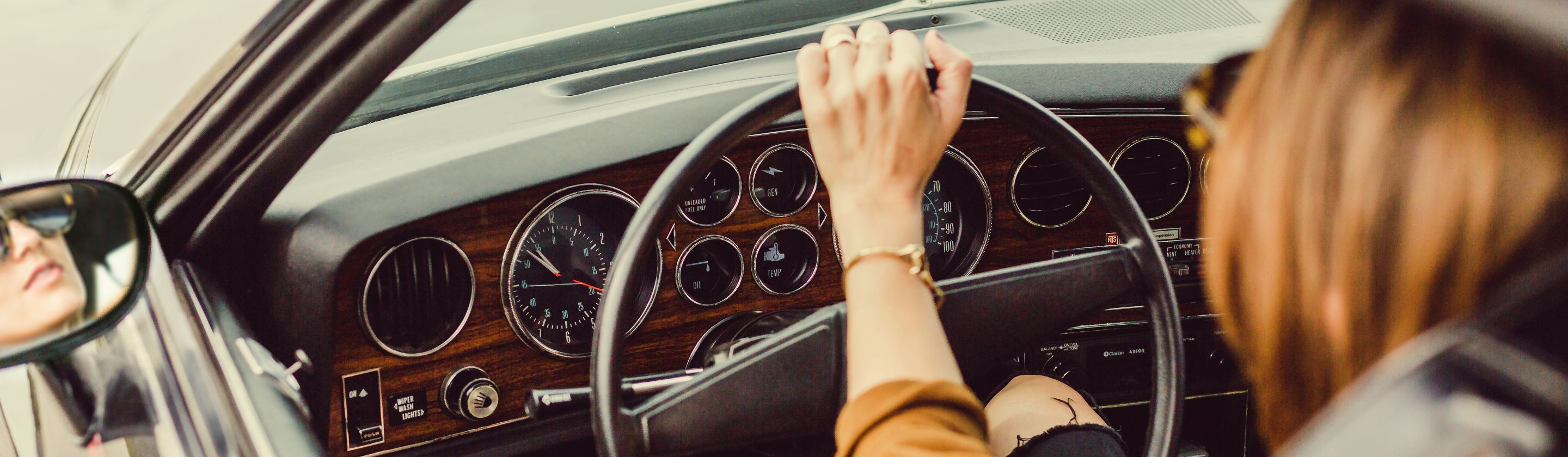
One of the most underrated aspects of parking well is learning your own unique reference points. Because vehicle sizes vary and every driver adjusts their seat, steering wheel, and mirrors differently, the visual cues that help one person park perfectly may not work for another. Your reference points are essentially the spots on your car's interior that align with specific points outside the vehicle, helping you gauge distance and positioning without guessing.
To find yours, start by getting comfortable in your normal driving position before making any adjustments. From there, practice pulling up slowly to a curb or a marked line and noting exactly where that line appears on your hood or window from your seated perspective. Once you've identified that visual marker, you can use it consistently every time you park, which removes a lot of the uncertainty that leads to crooked or poorly positioned stops.
It's also worth finding a front reference point that tells you when you're close enough to the car ahead without risking contact. Many driving instructors recommend using a fixed point on your dashboard or bonnet as a guide for distance judgments; taking 20 to 30 minutes in an empty parking lot to experiment with these cues will pay off considerably more than years of parking by instinct alone. It's also important to remember that parking spaces vary, too, so your references and methods are not a one-size-fits-all.
Watch Videos That Break Down Tricky Maneuvers
There's a reason driving instructors increasingly recommend video learning as a supplement to hands-on practice: seeing a maneuver from a bird's-eye or in-car perspective can clarify spatial concepts that are genuinely difficult to grasp from behind the wheel alone. Parallel parking, 45-degree angle parking, and reversing to the left are all maneuvers that involve a sequence of very specific steps, and watching someone walk through them in real time can help you internalize that sequence before you attempt it yourself.
If you don't want to take refresher lessons or have an instructor walk you through it, find some tutorials online that cover the exact scenarios in detail. Channels run by certified driving instructors often include overhead diagrams alongside in-car footage, so you can see how the car is moving in relation to the surrounding space. If it helps, take notes, then put your newfound knowledge into action by practicing yourself in an empty lot until you get it right.
The great thing about using video clips to improve your skills is that you can always come back to them whenever you get rusty or forget the reference points you've set. Hopefully you won't need to do that repeatedly (muscle memory often takes over once you've done something enough times), but it's still a convenient backup. It's a good thing, too, that these resources are often completely free.
Practice Parking More Between Other Cars
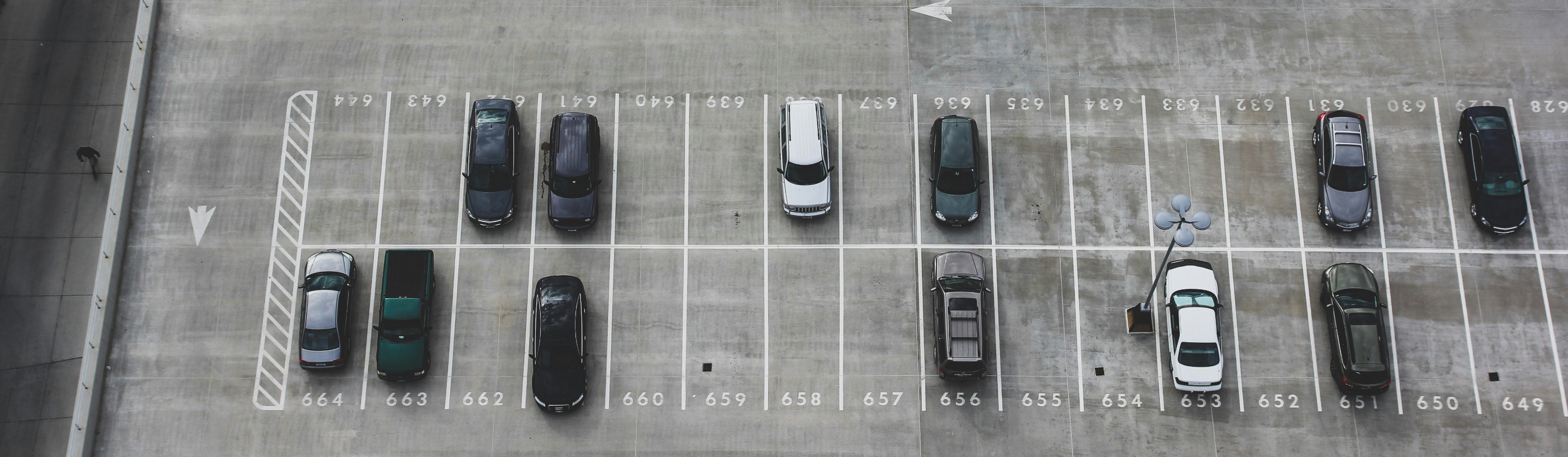
It might seem counterintuitive, but parking in a spot flanked by other vehicles on both sides is actually better practice than choosing an isolated space with room to spare. When there are no cars nearby, you don't have the visual reference that helps you gauge whether you're centered or drifting too close to one side. Empty spaces can therefore give you a false sense of confidence that crumbles as soon as other cars show up.
Parking between other cars forces you to pay attention to your positioning in a way that open spaces simply don't require. You start reading the gaps on each side more carefully, adjusting your approach angle, and becoming more deliberate about your steering inputs. Over time, as you get used to parking between vehicles, you'll be less anxious to attempt it when you're in a busy lot with lots of traffic.
Ultimately, the more you practice following these three tips in mind, the more improvement you'll start seeing. Parking can be extremely stressful and tricky, but it doesn't have to be. Once you get the maneuvers down, you'll wonder why you were so nervous about it in the first place.