Some cars get discontinued and just... fade away. They end up as old brochure paper in a garage somewhere, forgotten. But others? They get louder the moment the factory doors close. It's like the second the production line stops, the car stops being just a car. Once that happens, even the people who walked right past it at the dealership start looking at it differently.
And honestly, it's rarely about the specs. It's about memory. It's about scarcity. It's about timing. A car that gets discontinued can suddenly mean something it never quite managed to mean while it was still on sale. The Aztek, the Viper, the Crown Victoria. Three wildly different cars, all proving the same quiet little truth: you don't always know what you had until you can't have it anymore.
When The Supply Freezes, Everything Changes
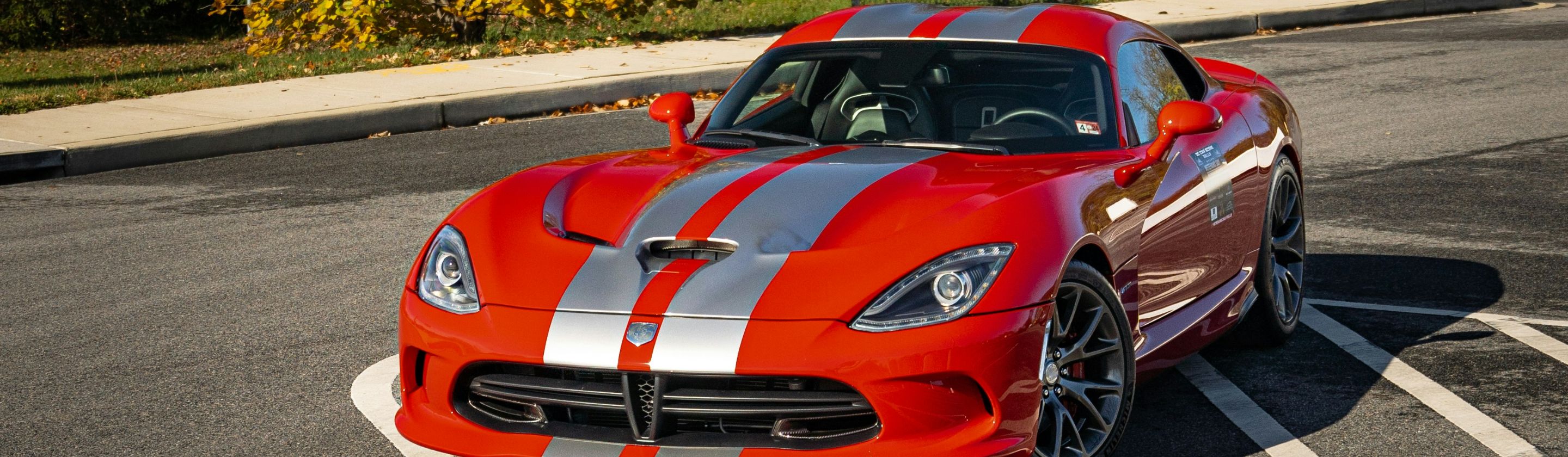
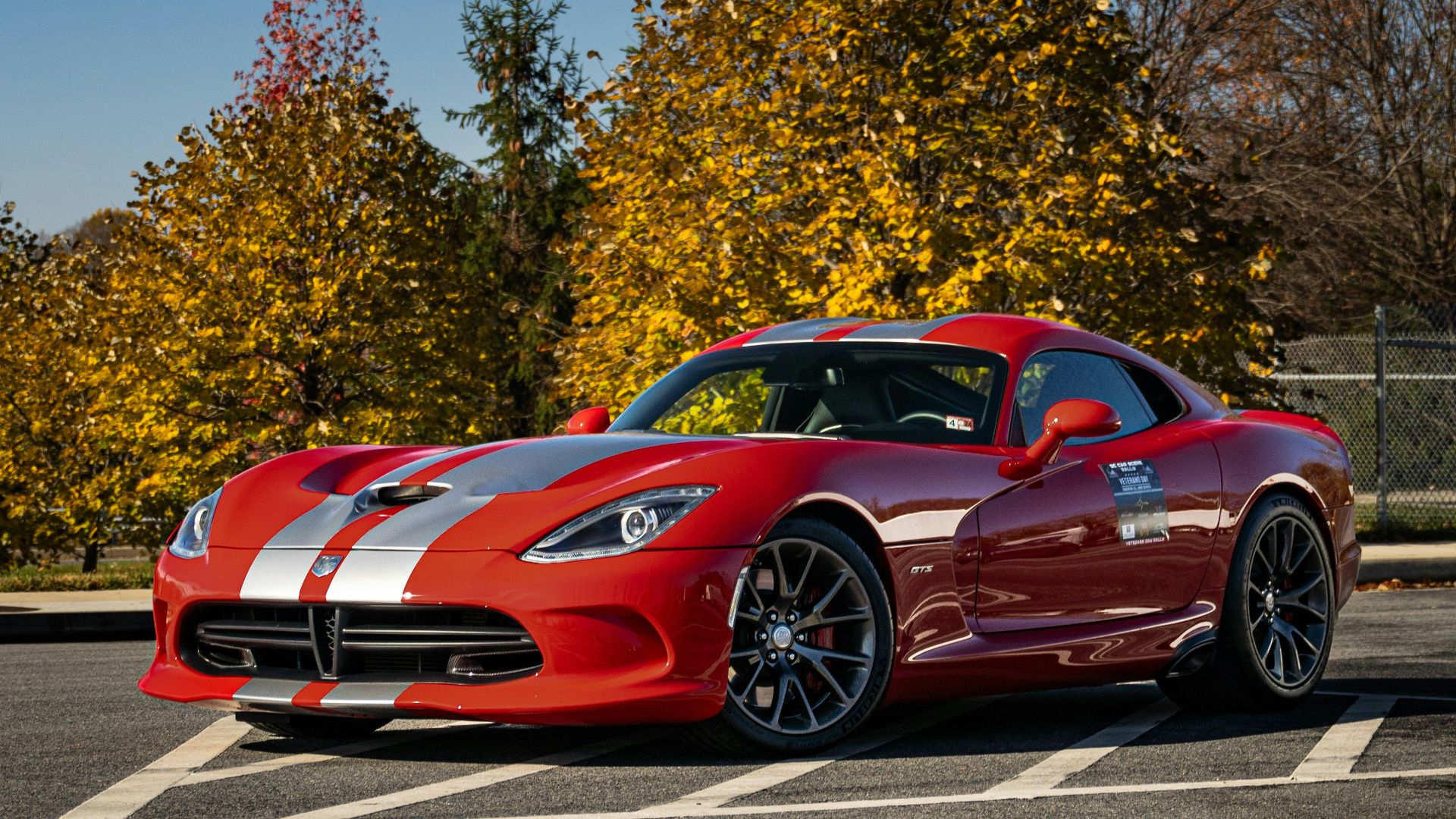
The first thing that happens when a car gets discontinued is, obviously, stock plummets. That changes the whole emotional temperature around it almost overnight. Dodge knew exactly what they were doing in the Viper's final year. They marked the 25th anniversary with five serialized special editions and made it absolutely clear that 2017 was the end of the line. Once a car stops being something you can just go order and becomes something you have to hunt down, ordinary interest flips into collector behavior
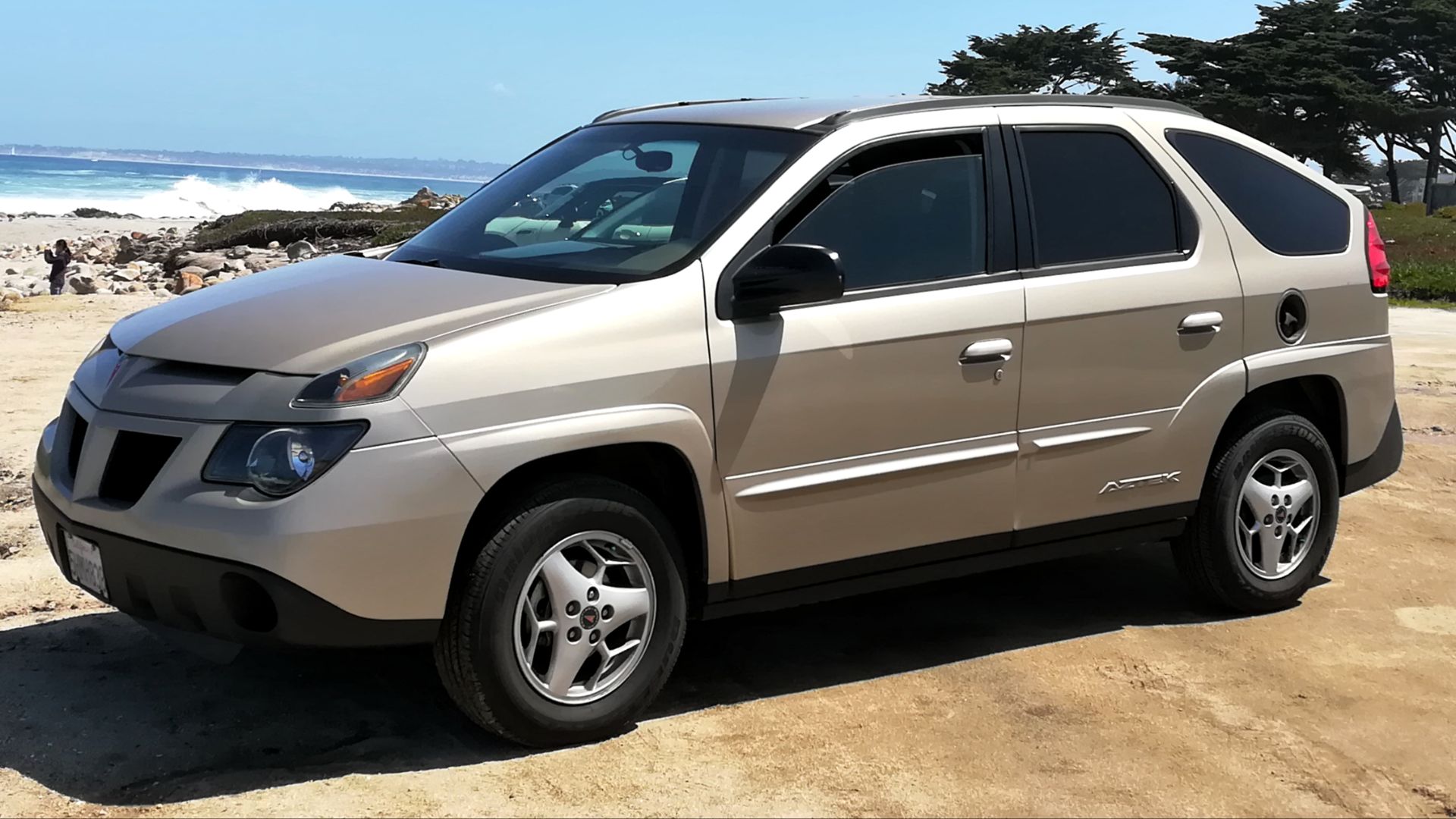
The Pontiac Aztek is a funny reminder that scarcity doesn't have to start with success. Pontiac only sold it from 2001 to 2005, and included a camper tent, an air mattress, a removable cooler console, and asliding rear cargo tray. The thing was practically begging people to love it. Nobody really did, at the time. But that short run matters now because the Aztek doesn't read like a failed sales pitch anymore. It reads like a strange, specific little artifact from an era when carmakers still let themselves get weird.
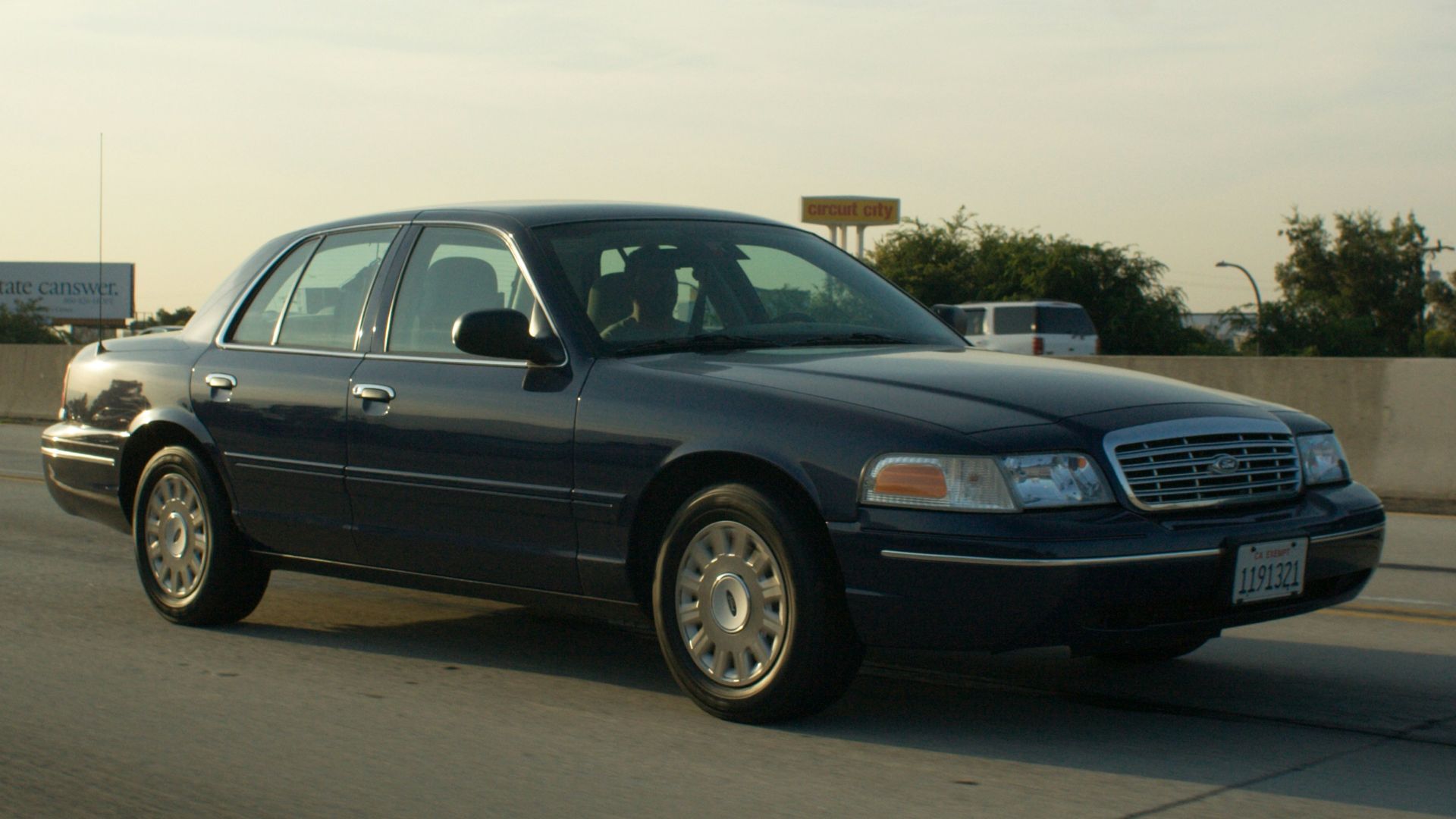
The Crown Victoria got to rarity by a completely different route, which is part of what makes its story so interesting. Ford built it into a fleet institution, then retired the Crown Victoria Police Interceptor as they moved to a next-generation lineup. That left behind a shape that had spent years being worked on, not preserved. When a car was once absolutely everywhere and then suddenly isn't, the survivors start to feel more important than anyone expected.
Culture Gives A Car A Whole Second Life
A discontinued car is so much easier to mythologize when it already carried a real role in public life. Racing, police duty, taxi fleets, TV appearances. Those things don't just keep a car visible; they turn sheet metal into a character. That's why the Viper's Nürburgring record, the Crown Vic's law enforcement history, and the Aztek's strange television afterlife still matter long after the production lines went cold.
The Aztek might be the funniest case, which feels right given how brutally it got mocked when it was new. The original brochure was selling a practical, active-life crossover, but pop culture ended up doing the real rehabilitation when the car got tied to Walter White in Breaking Bad. Seen through that lens, the Aztek stopped being just a styling punchline and became perfect visual shorthand for a very particular kind of American suburban disappointment.
The Viper and the Crown Vic built their reputations in a more traditional way, though neither one was subtle about it. Dodge's own material framed the Viper as a milestone car in its final year, and they'd already cemented the track image years earlier with the Viper ACR's 7:12.13 lap at the Nürburgring in 2011. Ford, meanwhile, spent decades making the Crown Vic part of the American streetscape.
Replacements Rarely Replace The Feeling
Here's another thing that feeds the legend: replacements rarely replace the exact feeling people were attached to in the first place. Newer cars are faster, safer, cleaner, and more capable. But once a model is gone, people tend to remember the sensation it offered, not the compromises they grumbled after purchase.
That's especially true when a discontinued car represented a format the industry has mostly walked away from. The Viper was still a hand-built American supercar with a massive V10 and very little interest in softening its edges for you. The Crown Victoria Police Interceptor ran on rear-wheel drive, body-on-frame construction, and a V8 in a segment that just doesn't work that way anymore. Even the Aztek, for all its awkwardness, looks newly interesting now because it packaged camping gear, genuine utility, and crossover practicality in a way that felt ahead of its time.
And once production ends, the market loses its chance to smooth out a car's reputation. No facelift. No smarter replacement. No better second act. What's left is just the strongest version of the story people want to tell. The Viper is the last unapologetically savage Dodge halo car. The Crown Vic is the durable sedan nobody ever really replaced. The Aztek was the misfit that aged into something like cult status.
Cars become legends after discontinuation because absence edits them, memory flatters them, and the road slowly gets emptier of the exact thing they used to be.