
Every Funk Tells A Story
A weird car smell just absolutely loves to make your life just a little bit worse. One minute you're headed to work with coffee in the cupholder, and the next you're cracking the window in 40-degree weather because something in the cabin smells faintly... wrong. Some odors come from everyday mess, some point to moisture or neglect, and some are the car's less-than-graceful way of telling you a part is getting ready to fail. These 20 common culprits cover the smells that tend to show up, hang around, and make every ride feel a little less civilized.
1. Mold In The A/C System
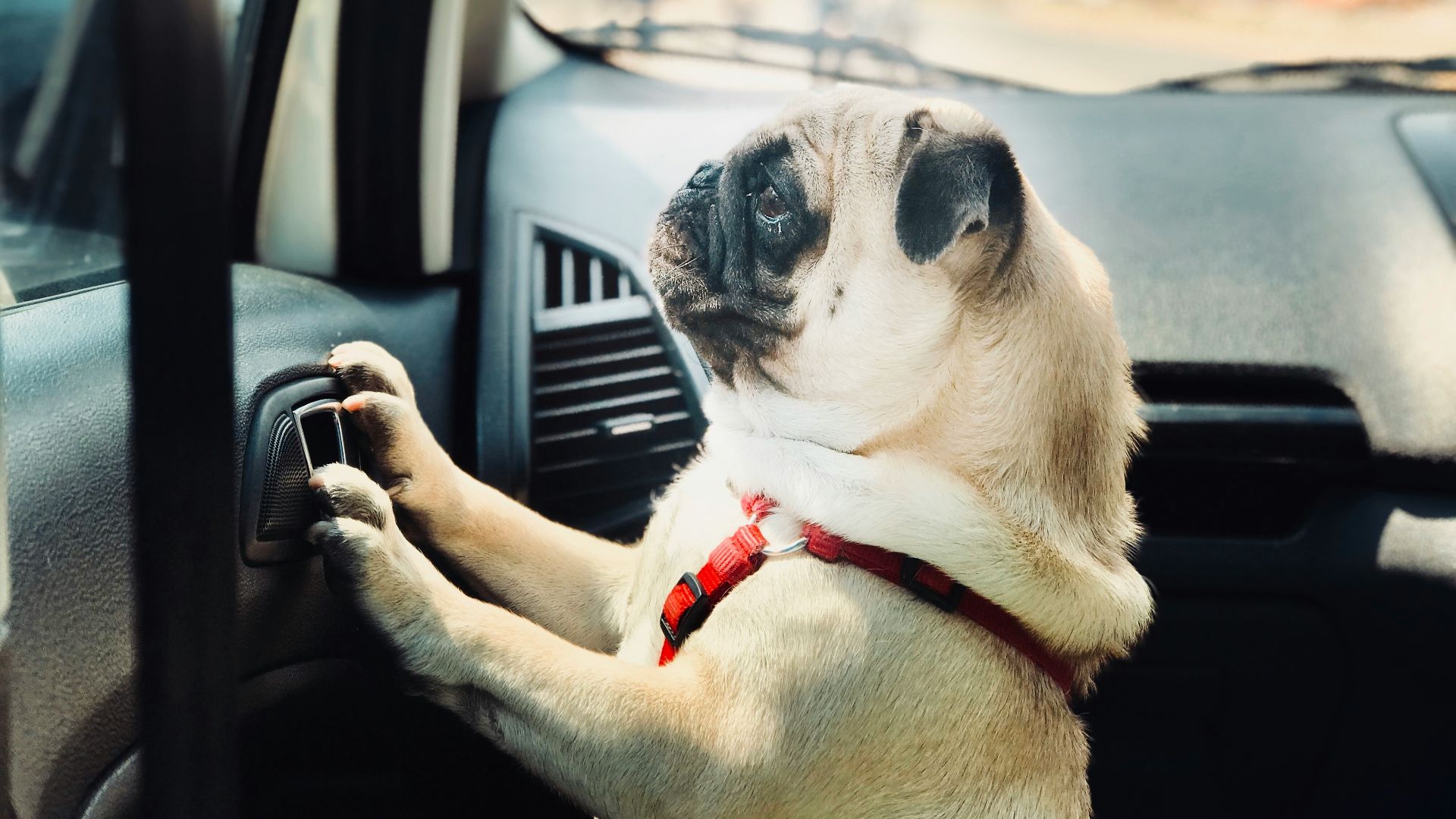
If your car smells musty a few minutes after the air conditioning kicks on, moisture trapped in the evaporator housing is usually the problem. That damp, stale scent tends to get worse on humid days, especially in cars that do a lot of short trips. Shorter trips mean your car never gets to dry out properly.

2. A Cabin Air Filter
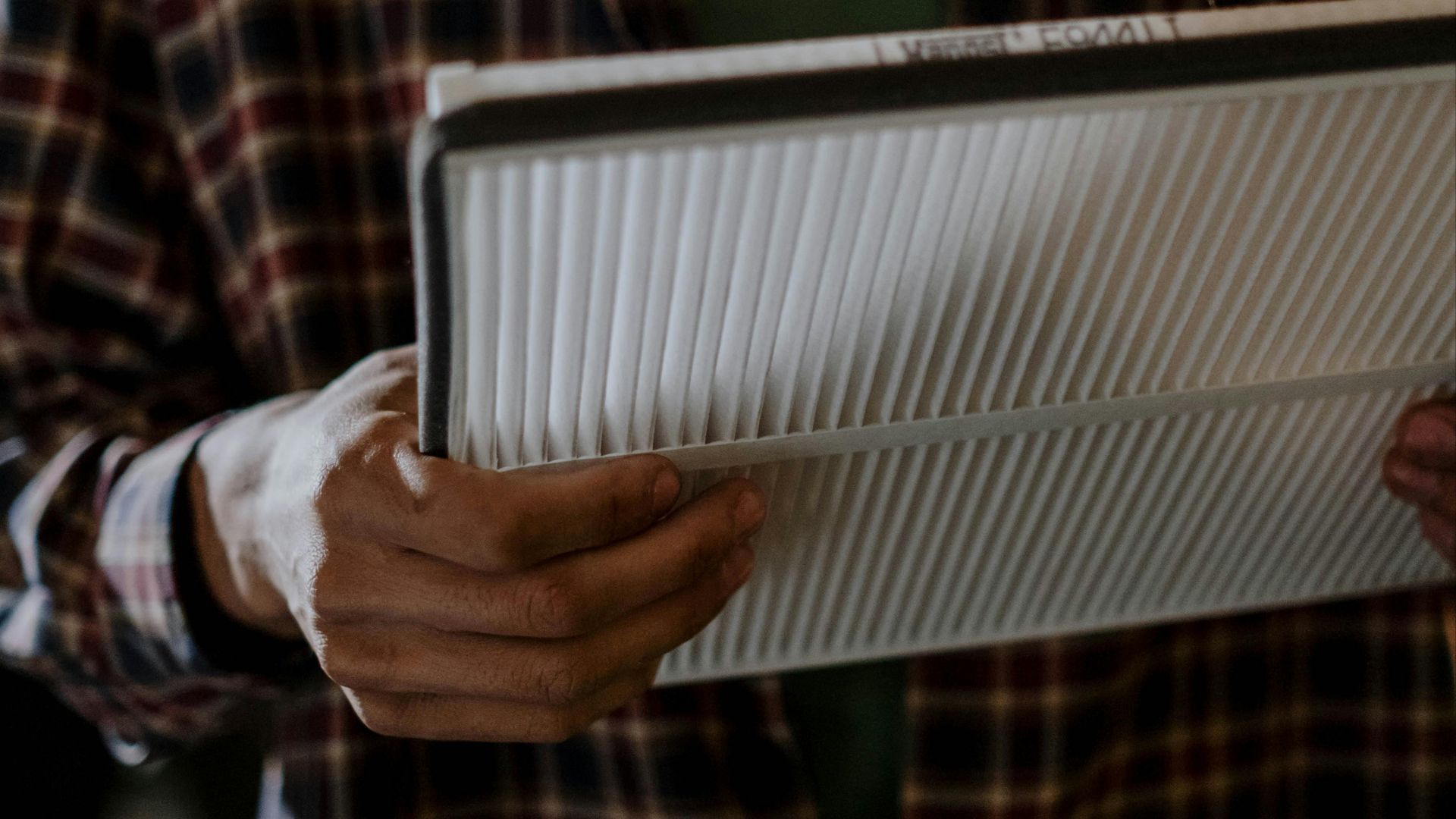
A dirty cabin filter holds onto dust, moisture, leaves, and whatever else the outside world blew in over the last several seasons. Once it’s accumulated enough buildup, every fan setting becomes a delivery system for the smell.
3. Spilled Milk
Milk is one of those innocent-looking spills that turns ugly once it soaks into the seat foam or carpet padding. Even a small splash can leave behind that familiar, sour, heavy odor that seems to wake right back up every time the cabin heats up.

4. Old Food
A forgotten fry, a dropped apple slice, or the remains of a backseat snack can create a smell far bigger than the item itself. Food scraps have a talent for disappearing into seat rails and tight crevices, where they sit in silence until the cabin starts smelling like a sad lunch box.

5. Pet Smells
Wet fur, pet dander, and the occasional accident can linger in fabric long after your fur baby has left the car. Cars with cloth seats hold onto that smell especially well, so be prepared to complete your morning commute smelling like a damp retriever.

6. Cigarette Smoke
Smoke does not float out the window and disappear; it settles into the headliner, seat fabric, and vents, where it leaves behind that stale, stubborn smell that hangs around long after the last cigarette is gone.

7. Gasoline
If your car smells like raw gas, treat that as more than a minor annoyance. Fuel vapors can come from a loose gas cap, a leak in the fuel system, or a problem near the tank or injectors, and none of those are things you want to live with.

8. That Rotten Egg Smell
That sulfur smell, the one that makes you think someone smuggled bad eggs into the trunk, often points to a catalytic converter issue or a fuel mixture problem. It tends to show up after the engine has been running a while, and it is one of those odors that feels aggressively memorable.

9. Burning Rubber
A slipping belt or a rubber hose touching a hot engine part can create that sharp, hot smell that reminds you of a mechanic shop. It can also happen after hard driving if a tire gets hotter than it should. If you’re smelling it off the bat, it might be a good idea to double-check that your parking brake is off.

10. Burning Oil
Oil that leaks onto engine parts does not stay subtle for long. Once it hits a hot surface, it comes through rich and acrid, and it often shows up at stoplights or after you park, and the heat lingers under the hood.

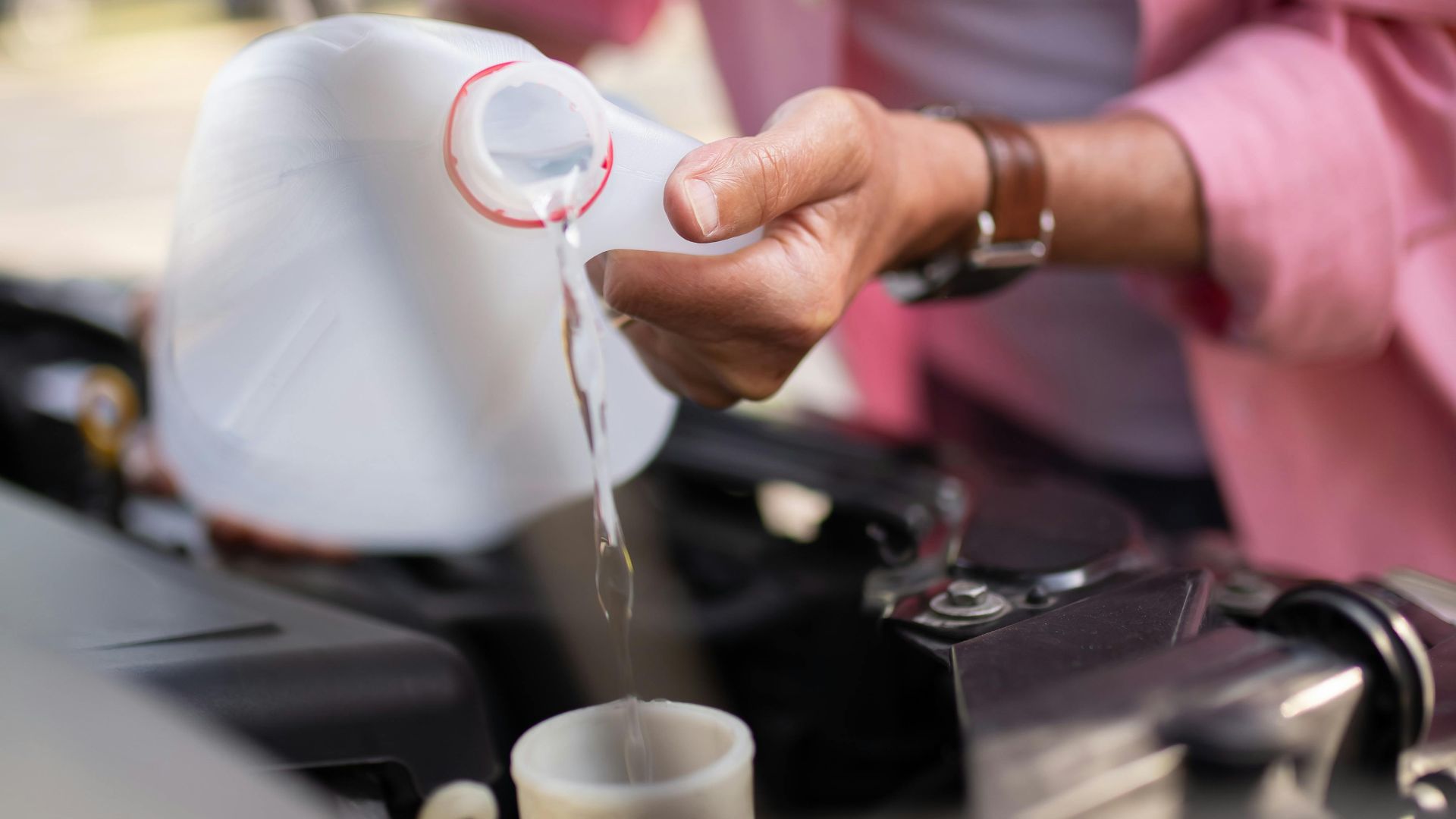
11. Coolant
Coolant has a strangely sweet smell that can seem almost harmless until you realize it absolutely should not be floating around the interior. If you notice that syrupy scent near the vents or the passenger-side floor, a heater core leak or cooling system issue may be behind it.
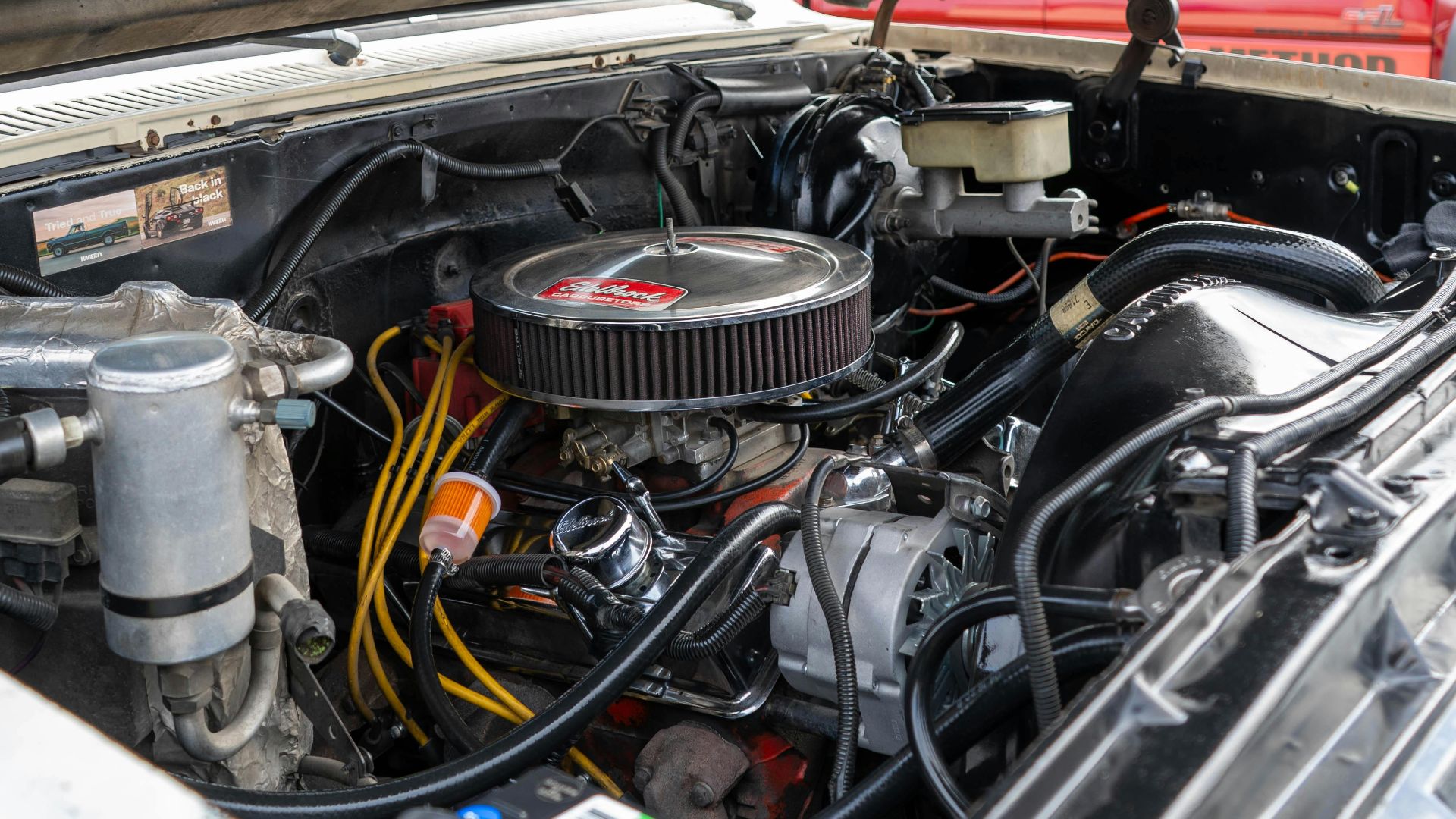
12. Burning Plastic Or Hot Wiring
An electrical smell should grab your attention immediately. Overheating wires, a struggling blower motor, or a failing A/C component can produce a hot plastic odor that nobody wants to deal with.
13. Overheated Brakes
Brakes that smell hot after a steep hill, or heavy stop-and-go traffic, may be working harder than usual, or not releasing the way they should. The odor is dry, harsh, and hard to miss, and it often arrives with the unpleasant realization that one wheel may be running much hotter than the others.

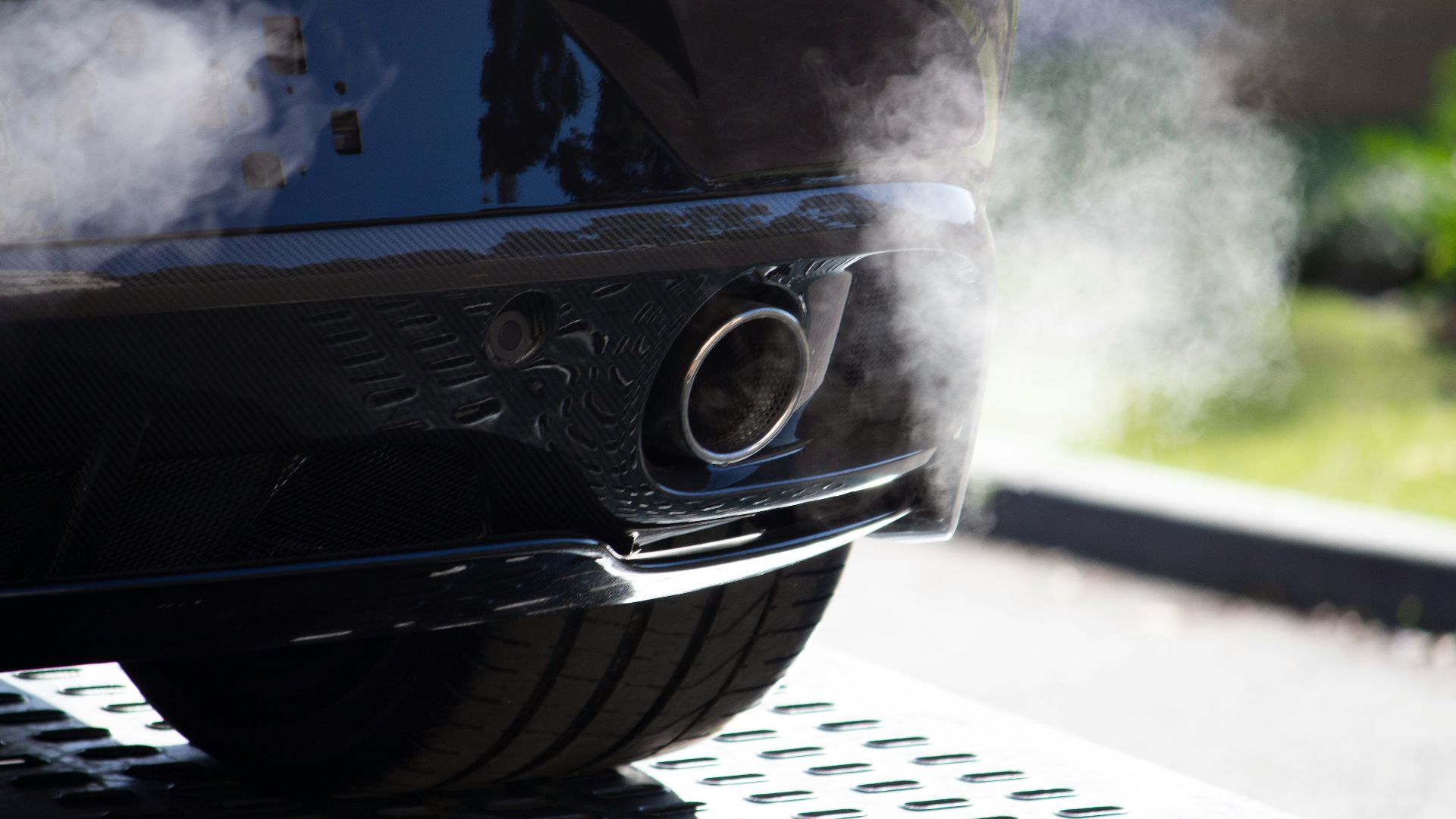
14. Exhaust Fumes
Exhaust fumes inside the car should be dealt with immediately. A leak in the exhaust or worn seals around the cabin let fumes in that you shouldn’t be smelling.
15. A Clogged A/C Drain
When the A/C drain gets blocked, moisture has nowhere to go, which means dampness starts collecting inside the vehicle. That can create a sour, vinegary smell that feels especially noticeable when the fan first kicks on.
16. Water Leaks
A damp carpet smell often means water has been sneaking in through a bad seal, a clogged sunroof drain, or a trunk leak that went unnoticed for too long. Once padding gets wet and stays wet, the whole cabin takes on that closed-up, rainy-day odor.
17. Transmission Fluid
Overheated transmission fluid can smell sharp and sulfur-like, and it usually doesn't show up without some mechanical stress behind it. If that odor appears after heavy driving or towing, your car likely needs some maintenance.

18. A Dead Mouse Or Nesting Mess
Rodents don't need much space to create a significant amount of odor. A nest in the ventilation system, chewed insulation, or a small animal that didn't make it out can produce a fishy, foul smell that no amount of air freshener will outsmart.

19. Cleaner Residue
Sometimes the weird smell isn't from damage or decay at all, at least not at first. Interior cleaners, disinfectants, or deodorizing sprays can mix with lingering moisture in the ducts and produce a chemical scent that feels strangely synthetic and oddly sticky in the air.
20. Dust And Debris Burning Off
A hot oil or hot metal smell right after startup can come from dust, leaves, or grime heating up on engine parts. It may fade quickly, especially after the car has been sitting a while, but if it keeps coming back, there is usually more going on than a little harmless burn-off.