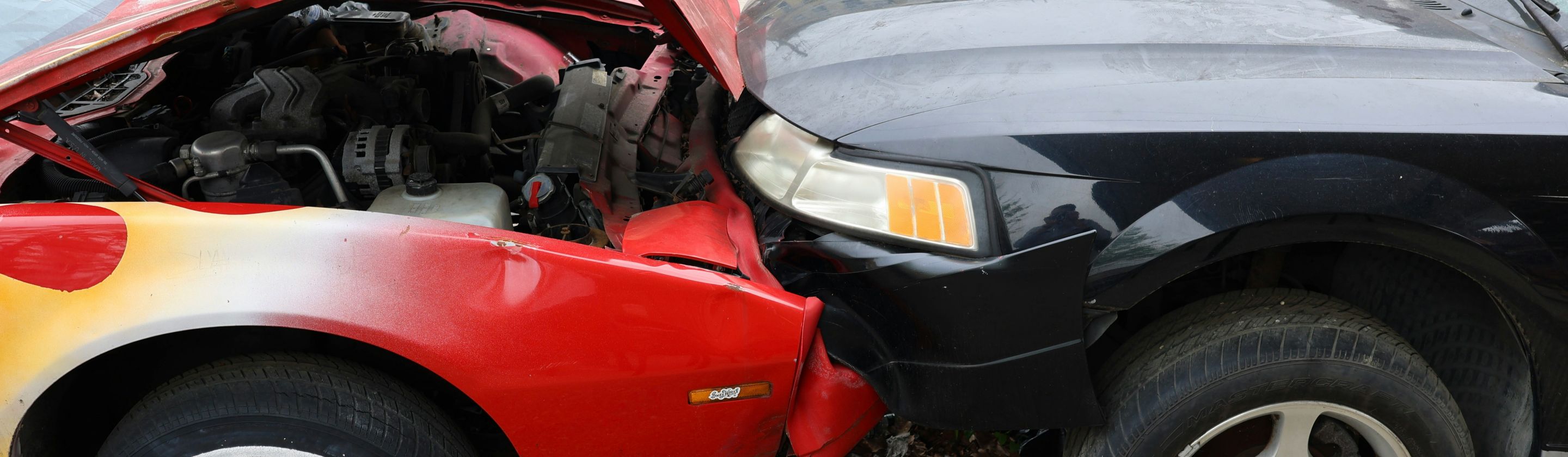
The One Tiny Crash Detail That Usually Decides Who's at Fault
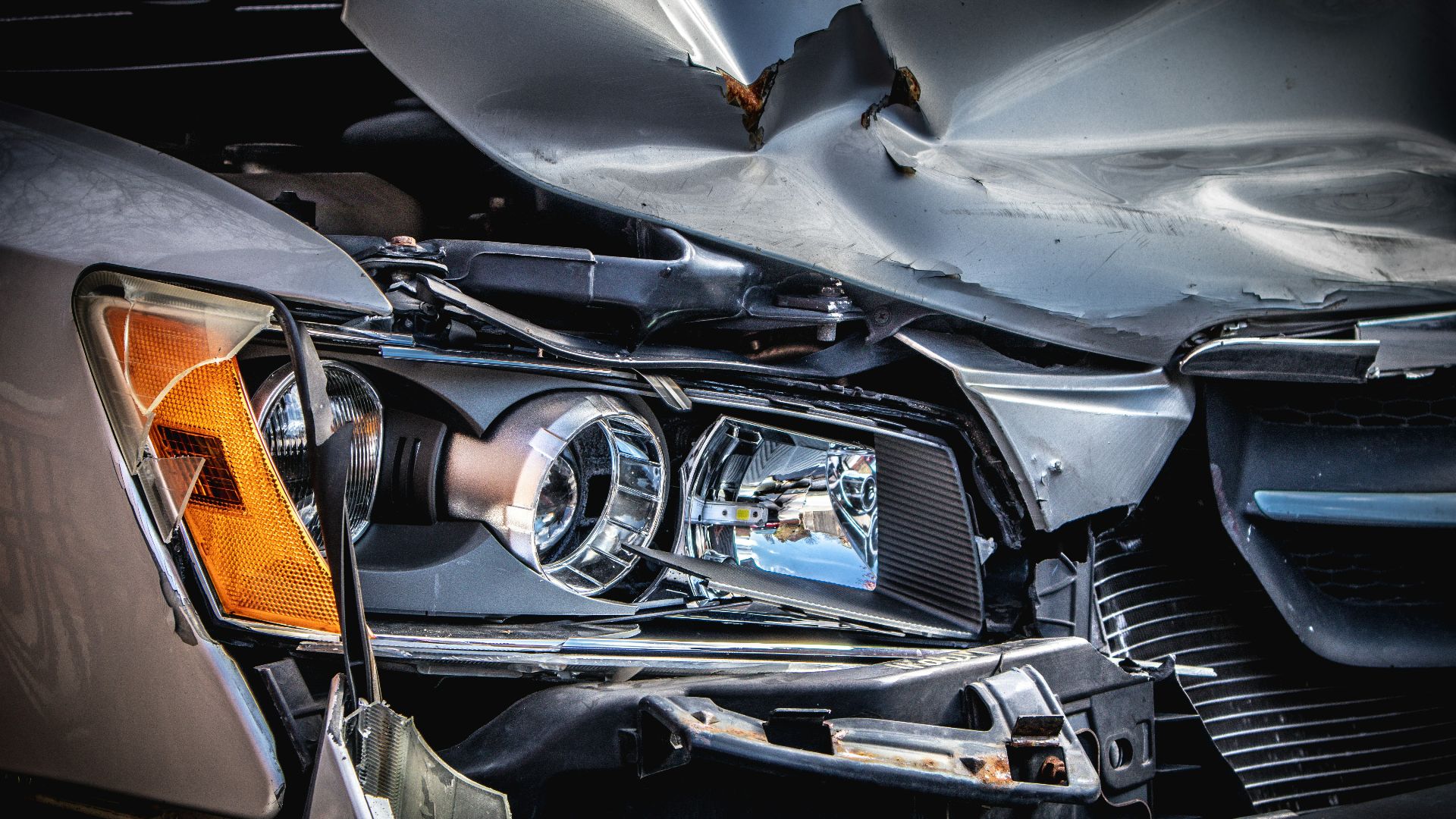 Clark Van Der Beken on Unsplash
After a crash, people tend to focus on the dramatic parts first. They remember the noise, the panic, the sudden stop, and the extremely confident version of events the other driver starts delivering within thirty seconds. What often matters more, though, isn't the loudest story at the scene. It's the small physical detail that keeps telling the truth after everybody has calmed down.
In many ordinary collisions, that detail is the point of impact. Where the damage shows up on each vehicle often helps insurers, adjusters, police, and attorneys figure out who was where, who entered whose path, and who likely failed to yield or change lanes safely. It doesn't settle every case by itself, and fault still depends on state law and the full set of facts, but it's one of the most useful clues in the whole mess.
Why the Damage Location Matters So Much
The point of impact matters because crashes are really geometry with emotions attached. If one car has damage centered on its side and the other has damage on its front corner, that usually tells a clearer story than two drivers arguing. Investigators pinpoint this spot using fixed objects like traffic poles or lane lines to map it accurately. They also routinely look at vehicle damage, photos, witness accounts, and police reports together because the physical contact points often support or undermine what each driver says happened.
Side-impact crashes are a perfect example of this. Progressive’s explanation of side-impact collisions notes that fault depends on the specific circumstances, but the investigation typically includes photos of the vehicle damage along with reports and statements. In practice, that means the exact area that got hit can reveal whether someone was turning across traffic, running a light, or drifting into a lane they did not fully own yet.
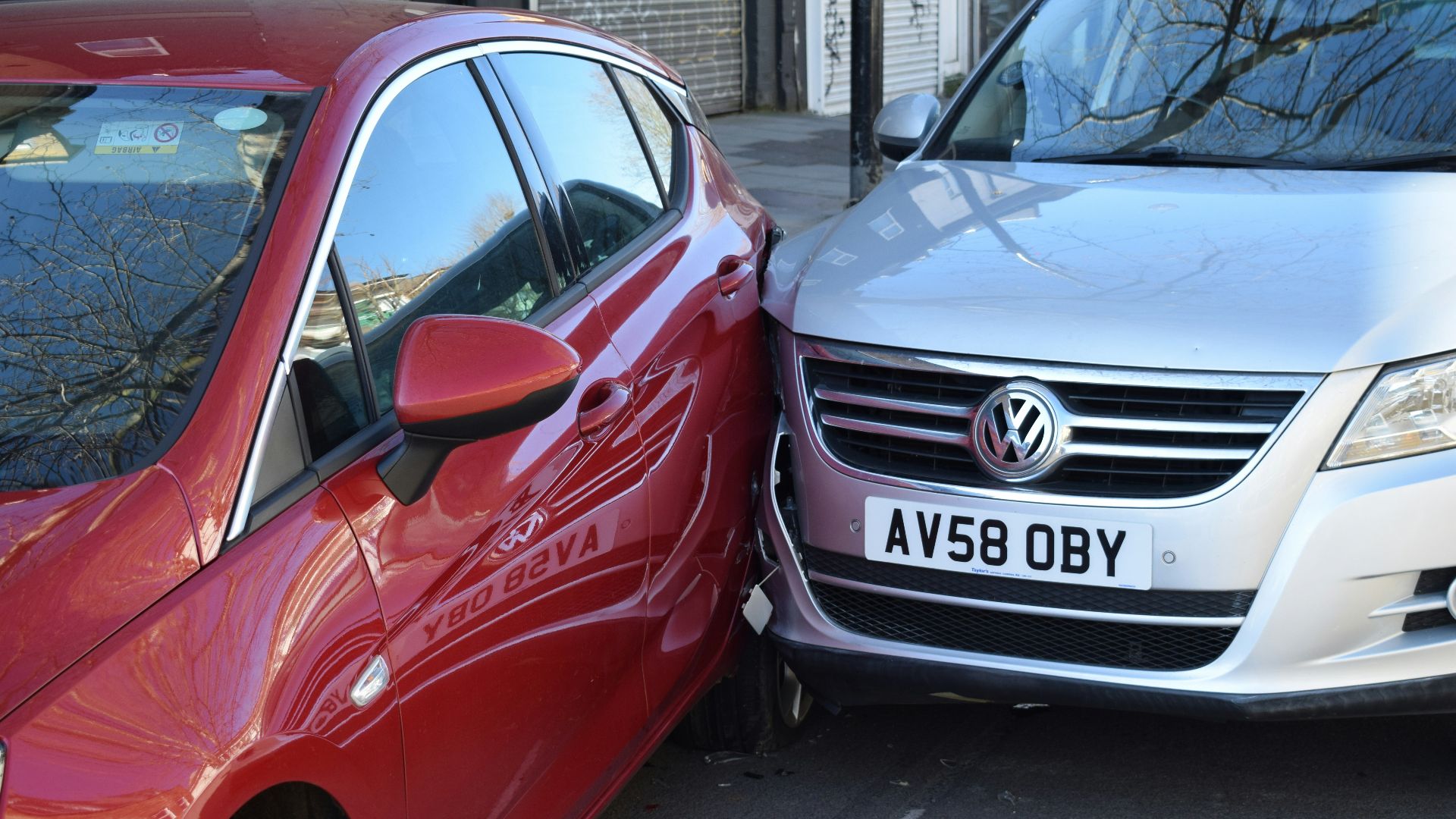
This is also why the smallest-looking details can matter more than people expect. A scraped rear quarter panel suggests a different story than a crushed front door, and a hit to the back corner of a car often points toward a lane merge or late-entry problem rather than a clean broadside. What it all comes down to is that the metal usually has fewer reasons to lie than the humans do.
What the Point of Impact Usually Reveals
In lane-change crashes, the damage often tells you who moved into whom. If your car is struck along the side while another vehicle has front-corner damage, that can suggest the other driver entered your lane and hit an already-established vehicle. That doesn't automatically end the case, but it's exactly the sort of physical evidence an insurance investigation uses to sort out conflicting stories.
At intersections, the impact location can be just as revealing. A hit to the side of one car from the front of another often supports a failure-to-yield or red-light theory, especially when combined with scene evidence and witness statements. Allstate’s fault overview makes the broader point that fault is based on the facts of the accident and state law, which is why those physical facts matter so much when accounts don't match.
Rear-end crashes work a little differently, but the same principle still applies. Damage concentrated at the rear of one vehicle and the front of another tends to support the ordinary assumption that the trailing driver didn't stop in time, though exceptions do exist. The key point is that the exact contact pattern helps investigators decide whether this was a straightforward following-too-closely case or something more complicated, like a multi-car chain reaction or a sudden, unsafe maneuver.
Why This Tiny Detail Still Isn't the Whole Story
The point of impact is powerful, but it's not magical. Progressive specifically notes that fault is determined by the circumstances of the accident and the relevant law, and GEICO describes a liability investigation as a process that involves contacting everyone involved, reviewing coverage, and gathering all the facts. In other words, the damage pattern is a major clue, not a complete verdict carved into steel.
That's why crash photos matter so much after the fact. If you can safely document where each vehicle was hit, the final resting positions, skid marks, road signs, lane markings, and intersection layout, you give the adjuster something more useful than a nervous memory. The physical scene, the damage points, and the timing of each driver’s movement often fit together into a much clearer sequence once someone investigates it carefully.
So the one tiny crash detail that usually decides who's at fault is often the simplest one: where the cars actually touched. Not because it answers every question by itself, but because it anchors the story in something concrete when everyone else is busy editing their version of events. If you remember anything after a crash, remember this: the point of impact is often the detail that turns a confusing argument into a solvable puzzle.