Why These Nameplates Disappeared
Car lineups move fast, and the 2020s have been especially ruthless to anything that’s a slow seller, too niche, or simply out of step with where automakers want to go next. Some of these cars bowed out because buyers shifted hard toward SUVs and trucks, while others got nudged aside by electrification plans and tighter business priorities.
 Marius Christensen on Unsplash
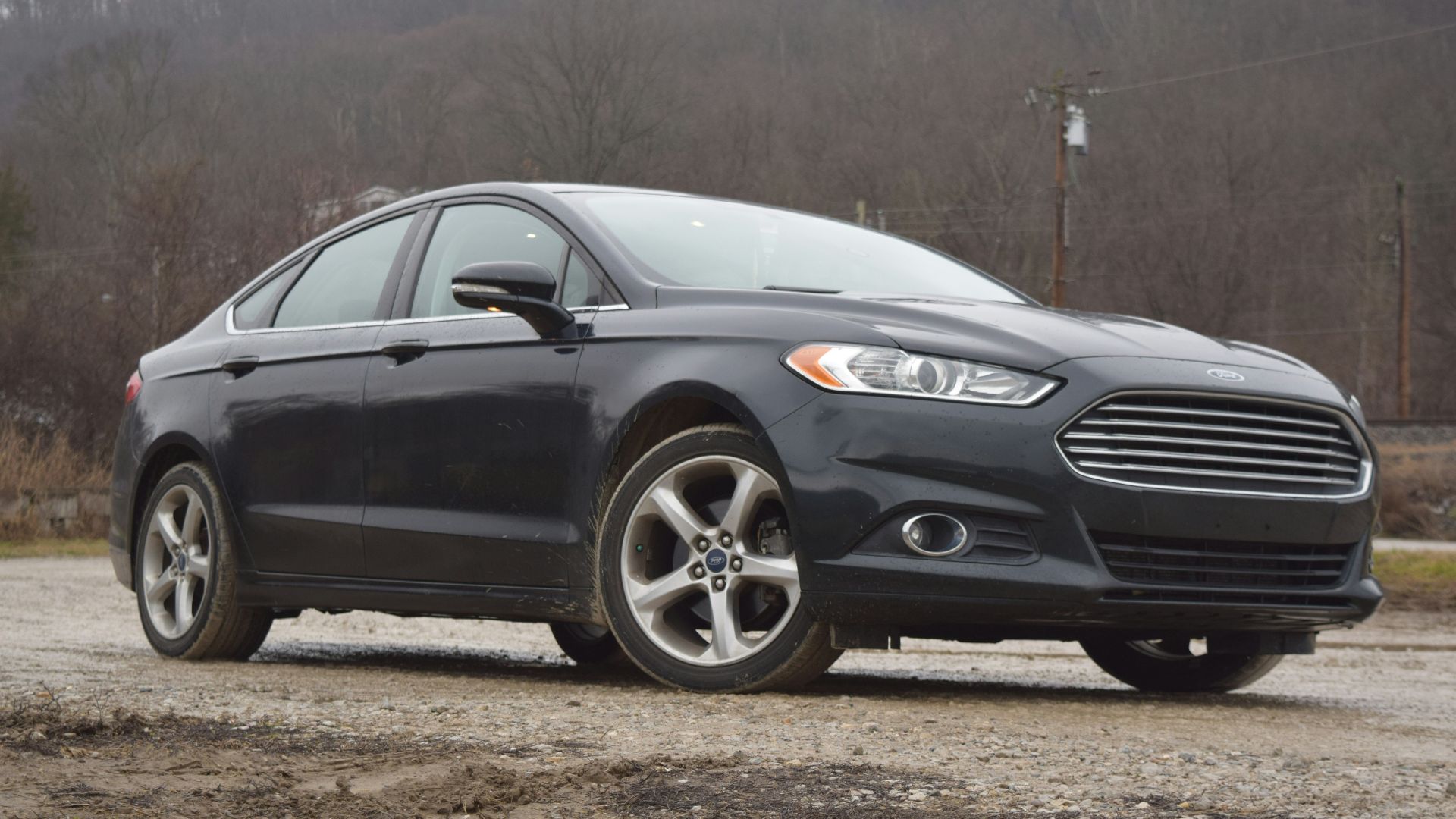
1. Ford Fusion
Ford ended Fusion production in 2020, closing the book on a midsize sedan that spent years as one of the company’s staples. If you liked a comfortable cabin and easy highway manners, the Fusion checked those boxes easily. Now, if you want a Ford with that family-friendly vibe, you’re mostly looking at crossovers instead.
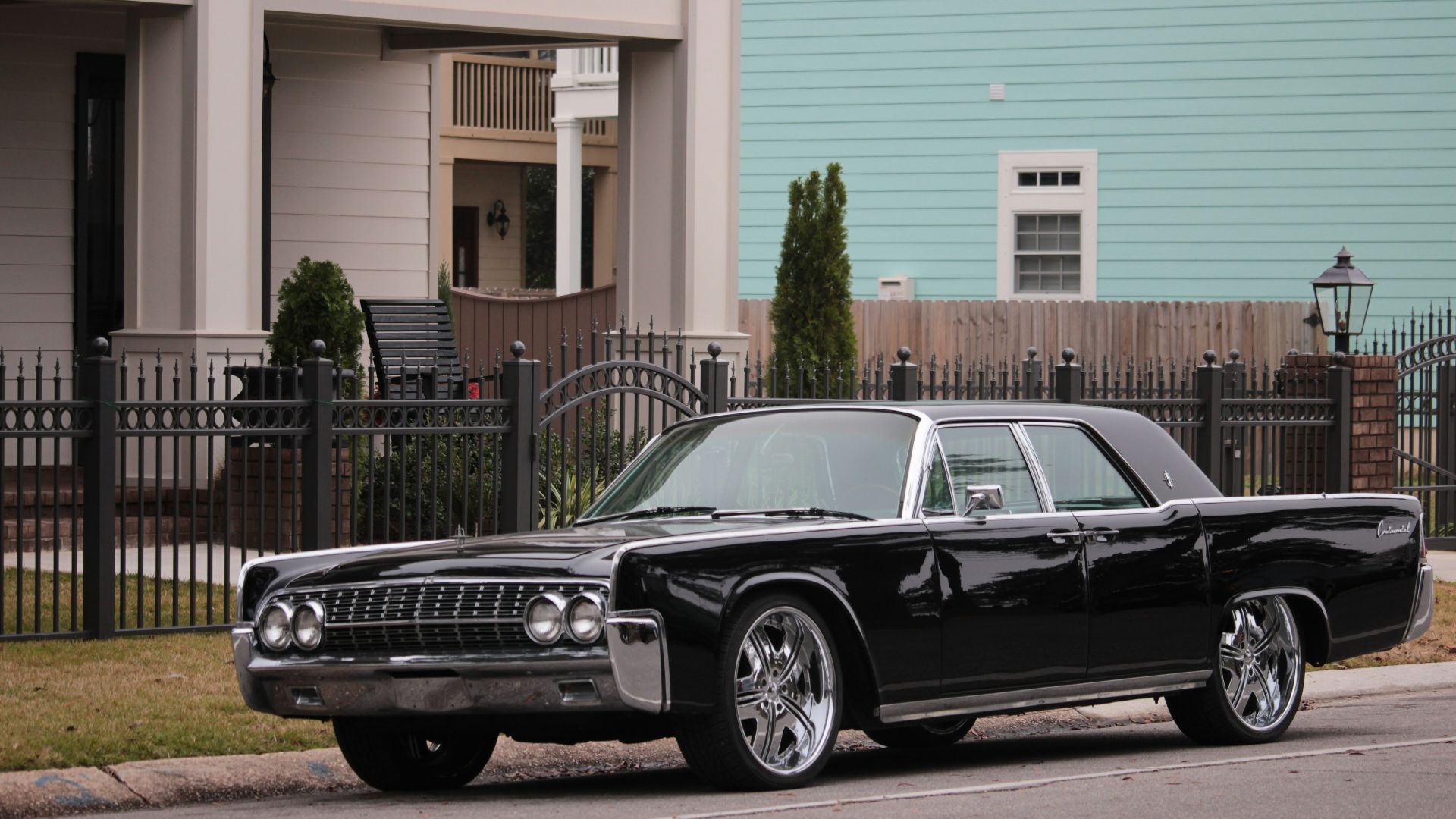
2. Lincoln Continental
The Continental wrapped up after the 2020 model year as Lincoln doubled down on an SUV-only strategy. While the car was loved for its luxurious vibe, the market just wasn’t rewarding big sedans the way it used to.
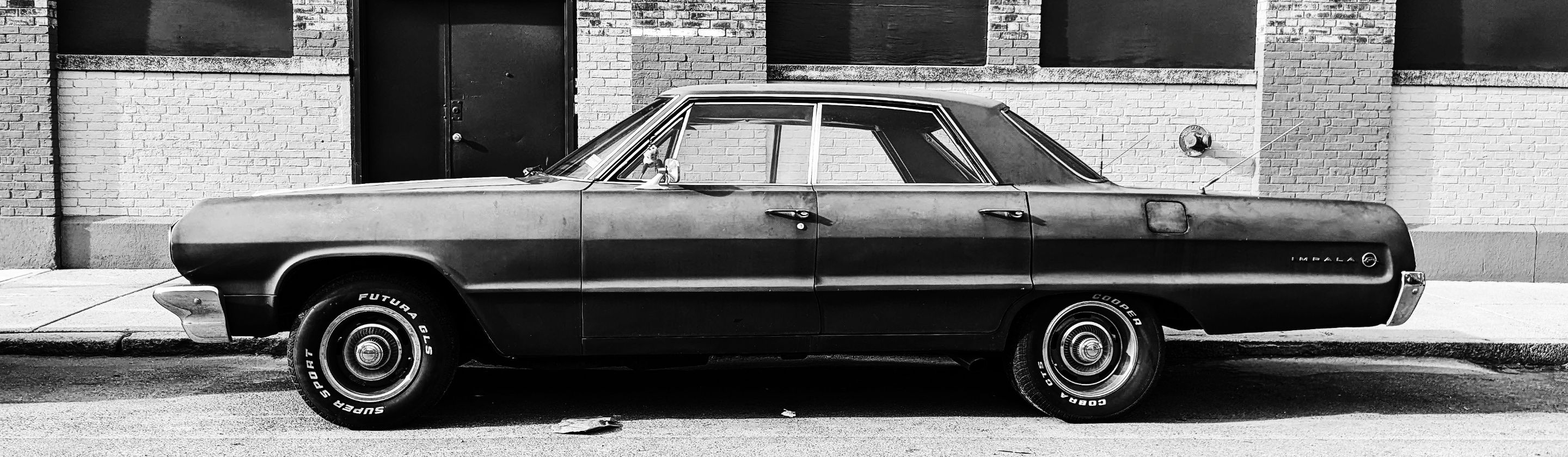
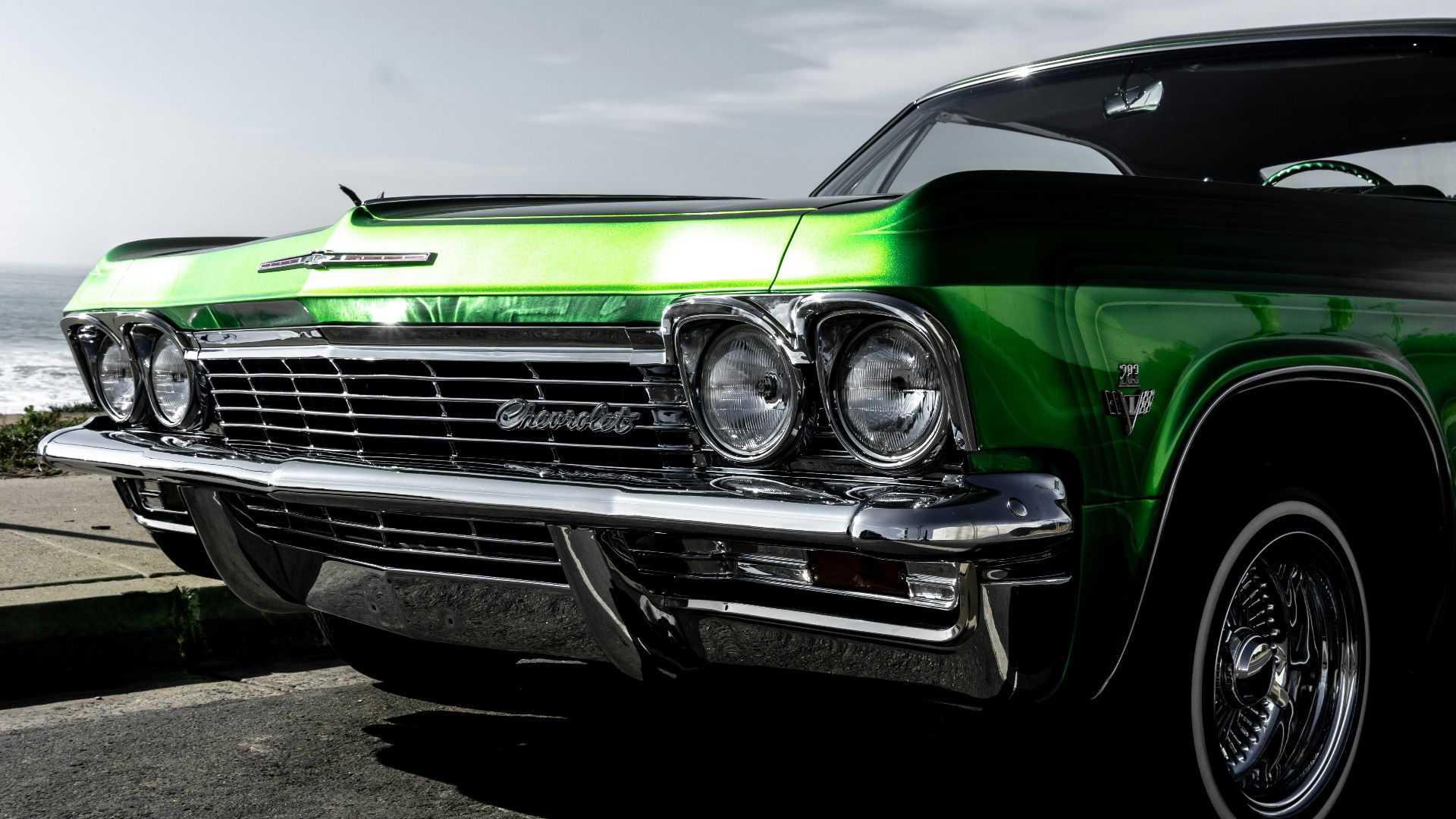
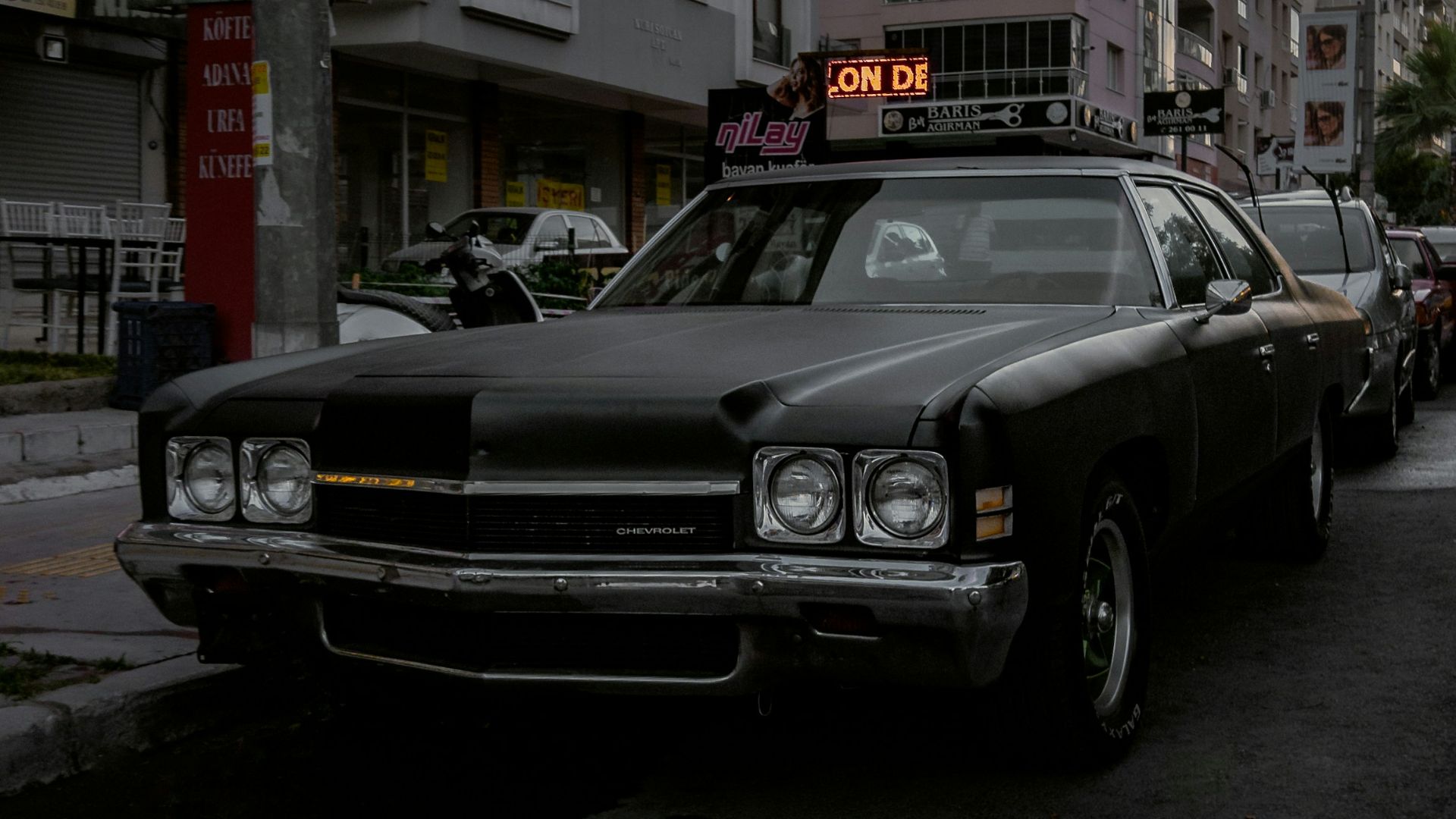
3. Chevrolet Impala
Chevy’s long-running Impala ended with the 2020 model year. While the newer versions didn’t keep that iconic square hood and bumper look, it was roomy, straightforward, and pretty iconic. Since its discontinuation, Chevy’s mainstream lineup leaned even harder into crossovers.
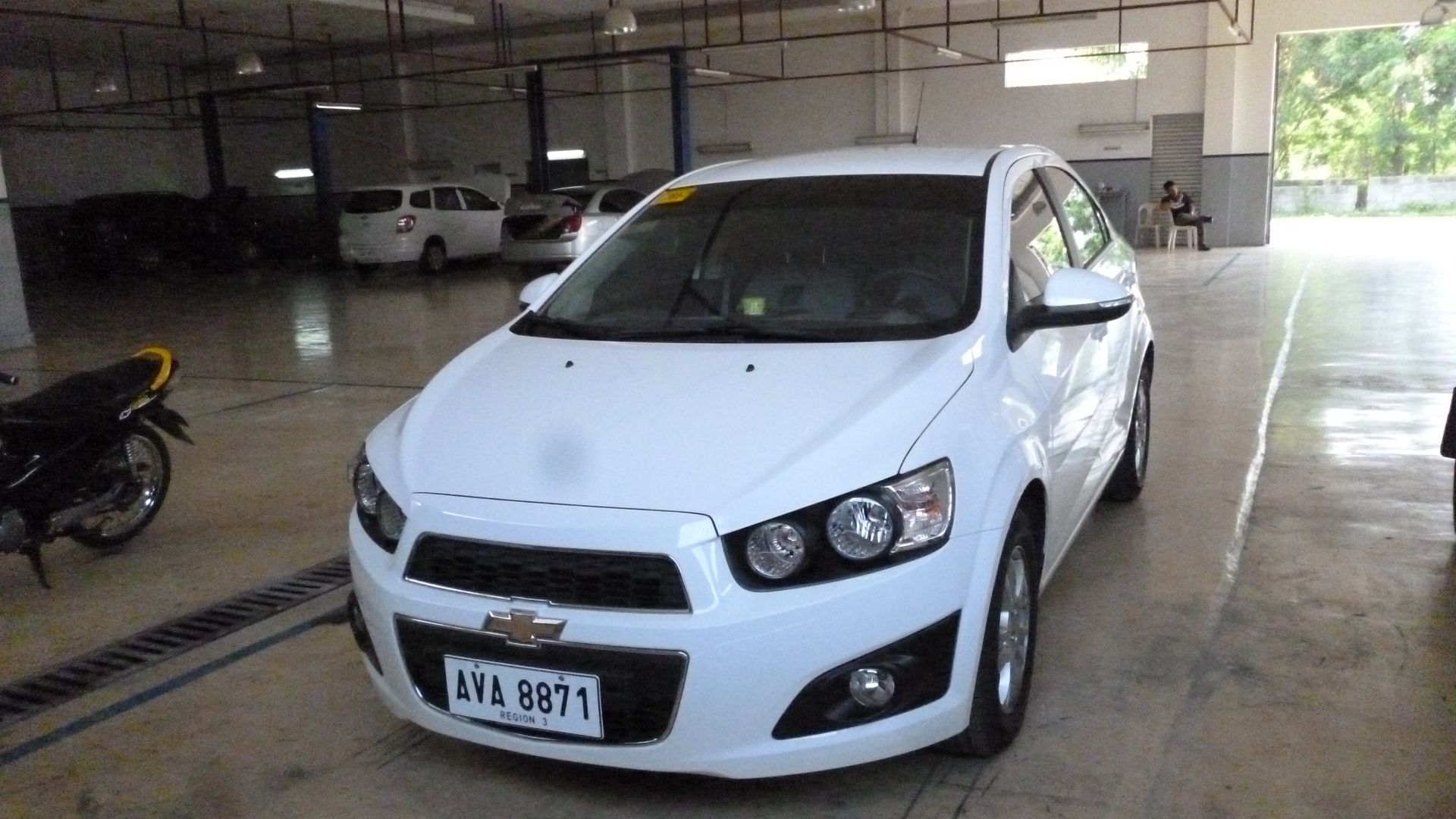
4. Chevrolet Sonic
The Sonic didn’t survive past 2020, and it’s a perfect example of small cars getting squeezed out from all sides. Buyers wanted more space, and automakers wanted better profit margins. It’s understandable, we suppose. Sales for Sonic models dropped from 93,000 to around 14,000 between 2014 and 2019.
 Captainmorlypogi1959 on Wikimedia
5. Acura RLX
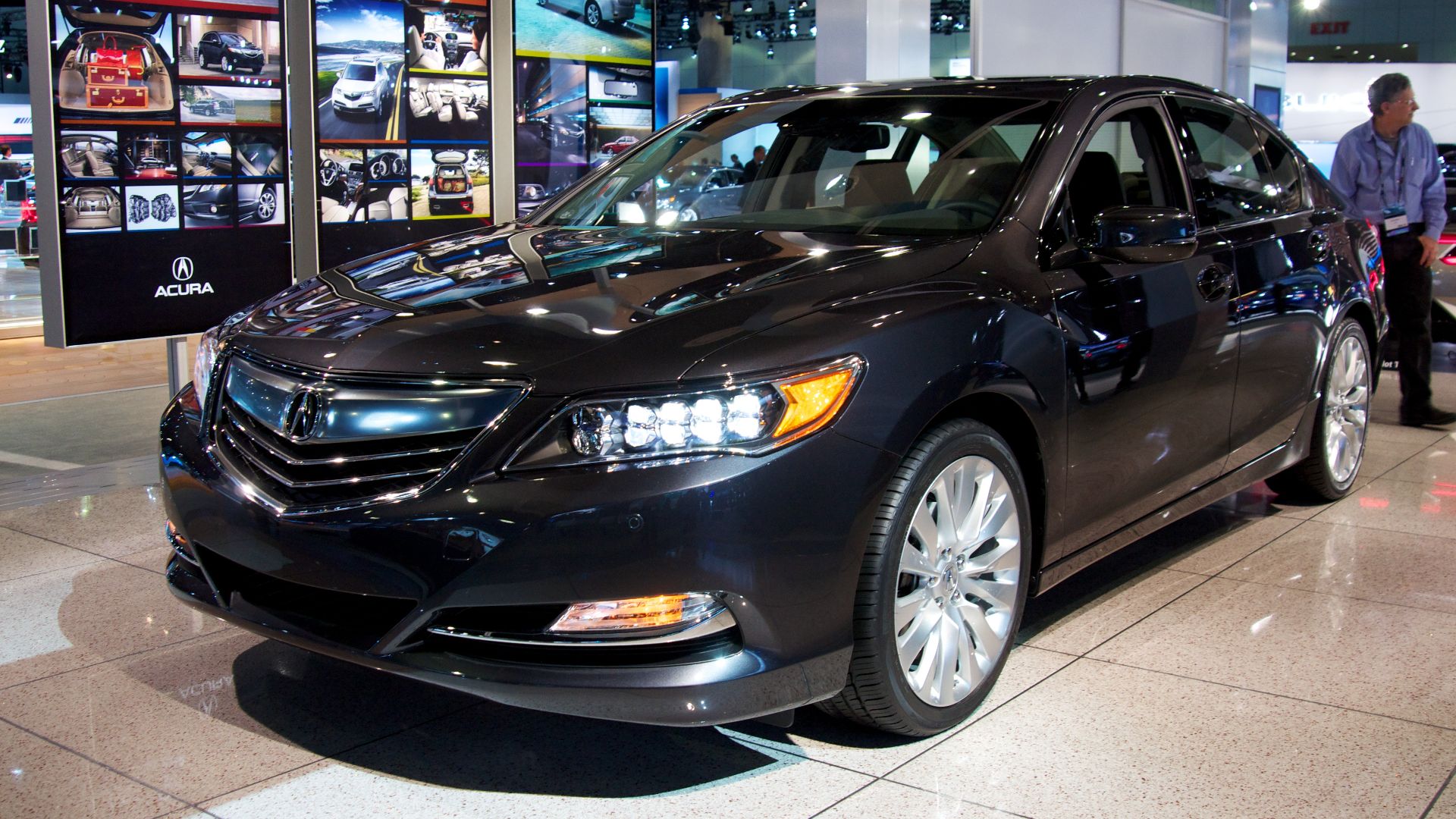
Acura dropped the RLX after the 2020 model year, ending its run as the brand’s flagship sedan. It aimed for comfort and tech-forward features, but it never became a must-have in its segment. These days, Acura’s energy is clearly aimed at SUVs and performance-leaning nameplates.
 steve lyon from los angeles, ca, usa on Wikimedia
6. BMW i8
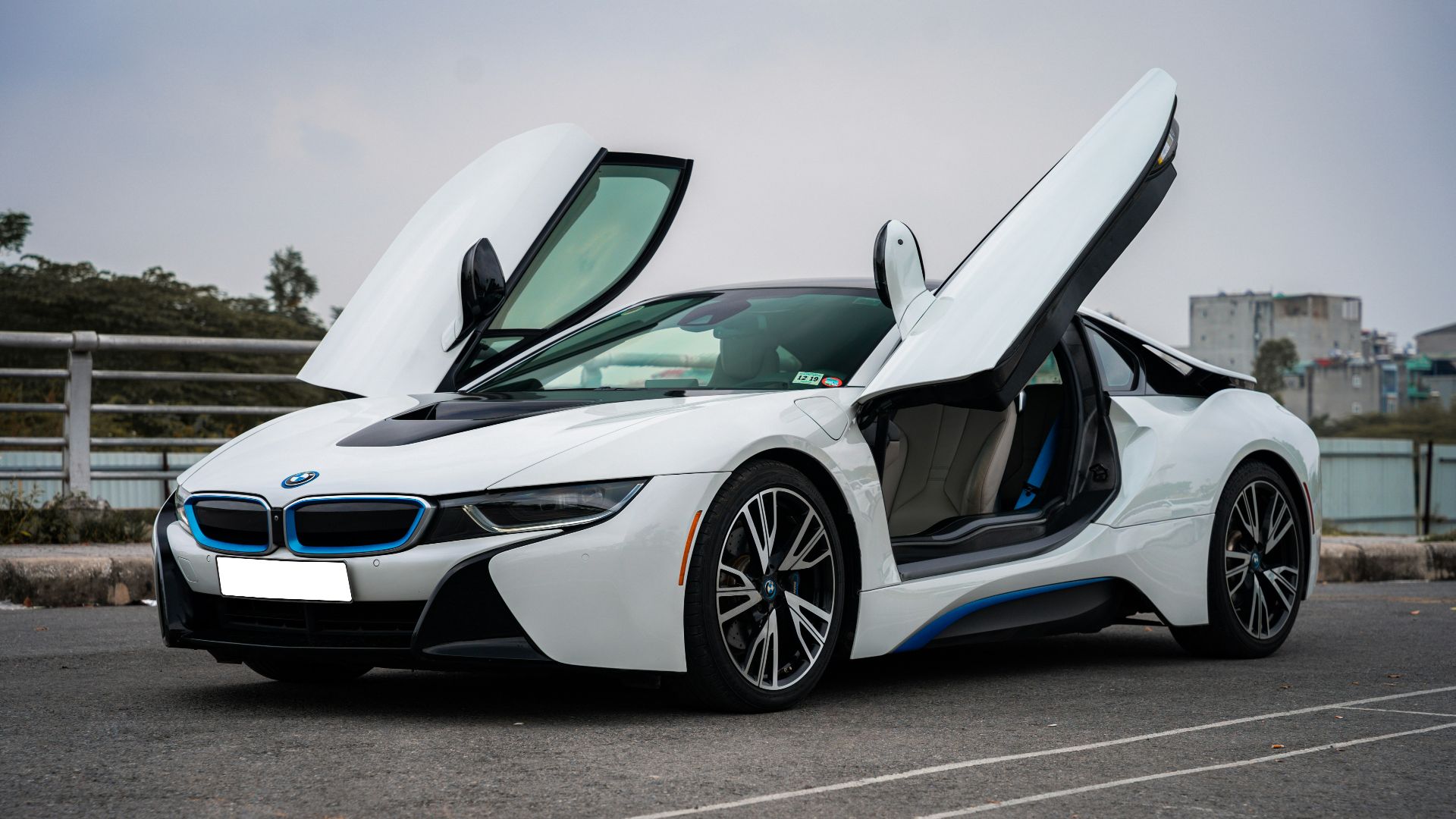
BMW ended i8 production in 2020 after the company decided to move into fully electric vehicle production. It also didn’t help that the car cost well over 100,000 for something that, frankly, wasn’t worth that amount of money.
7. Mercedes-Benz SLC
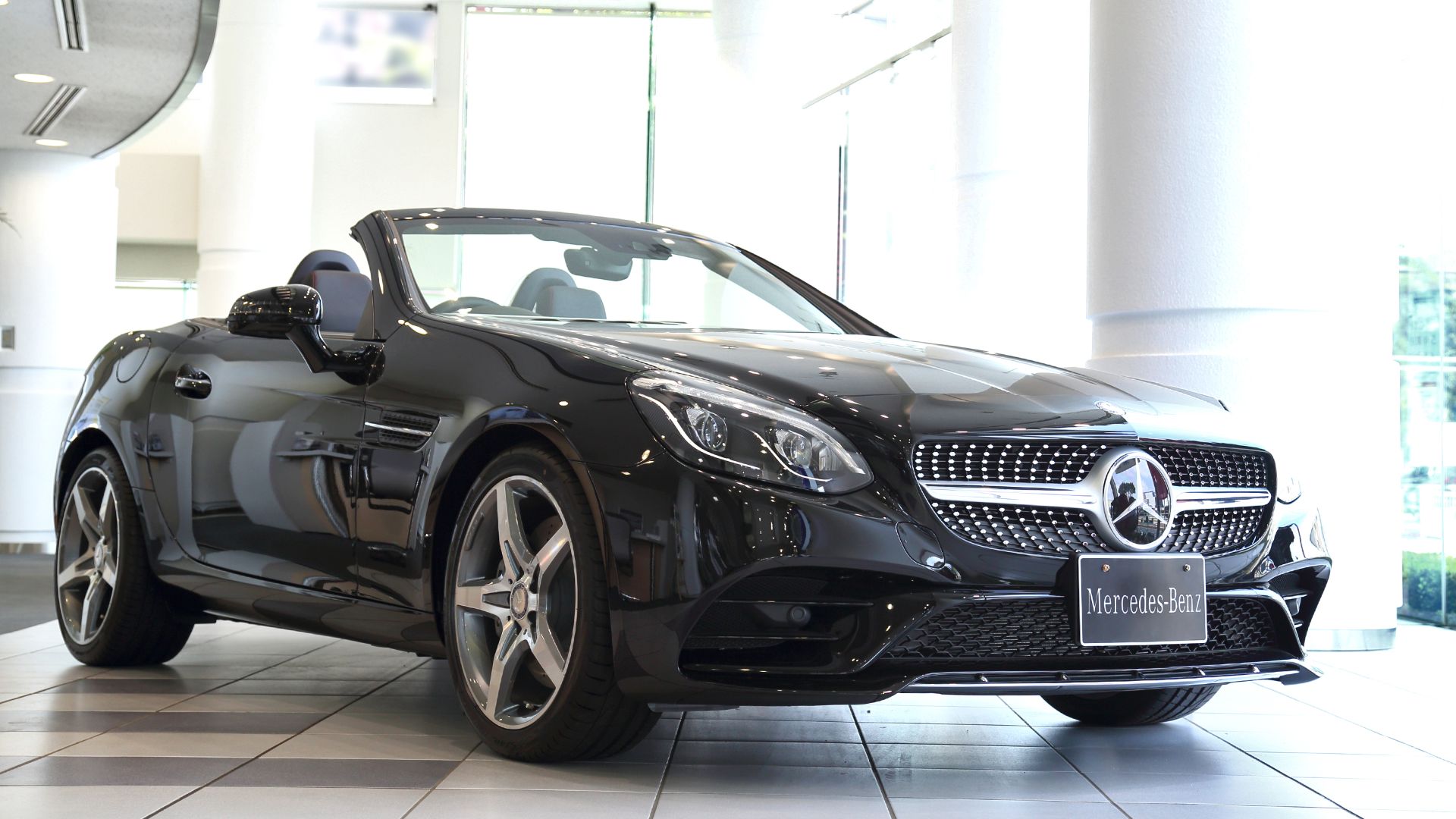
Mercedes pulled the plug on the SLC roadster, effectively closing out that compact convertible lane for the brand. While it had all the pros you’d expect from a luxury convertible. The appetite for smaller two-seaters has thinned out.
 根川孝太郎 (Kotaro Negawa) on Wikimedia
8. Toyota Avalon
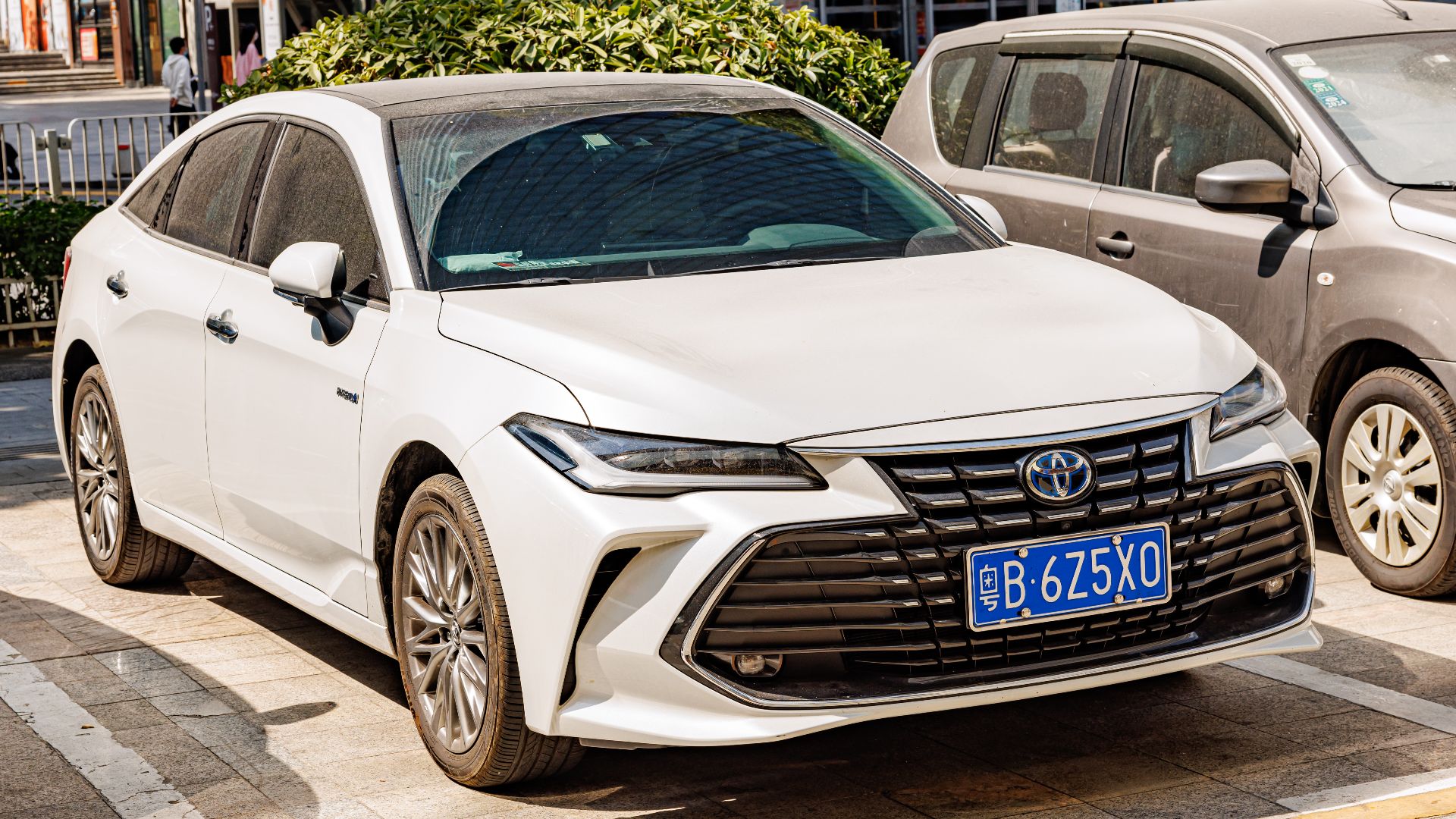
Toyota ended the Avalon after the 2022 model year, trimming a big, comfort-first sedan from its lineup. It was a favorite for drivers who wanted quiet cruising and a premium feel without stepping into a luxury badge. If you loved the Avalons, the alternatives are mostly SUVs or pricier sedans.
9. Honda Insight
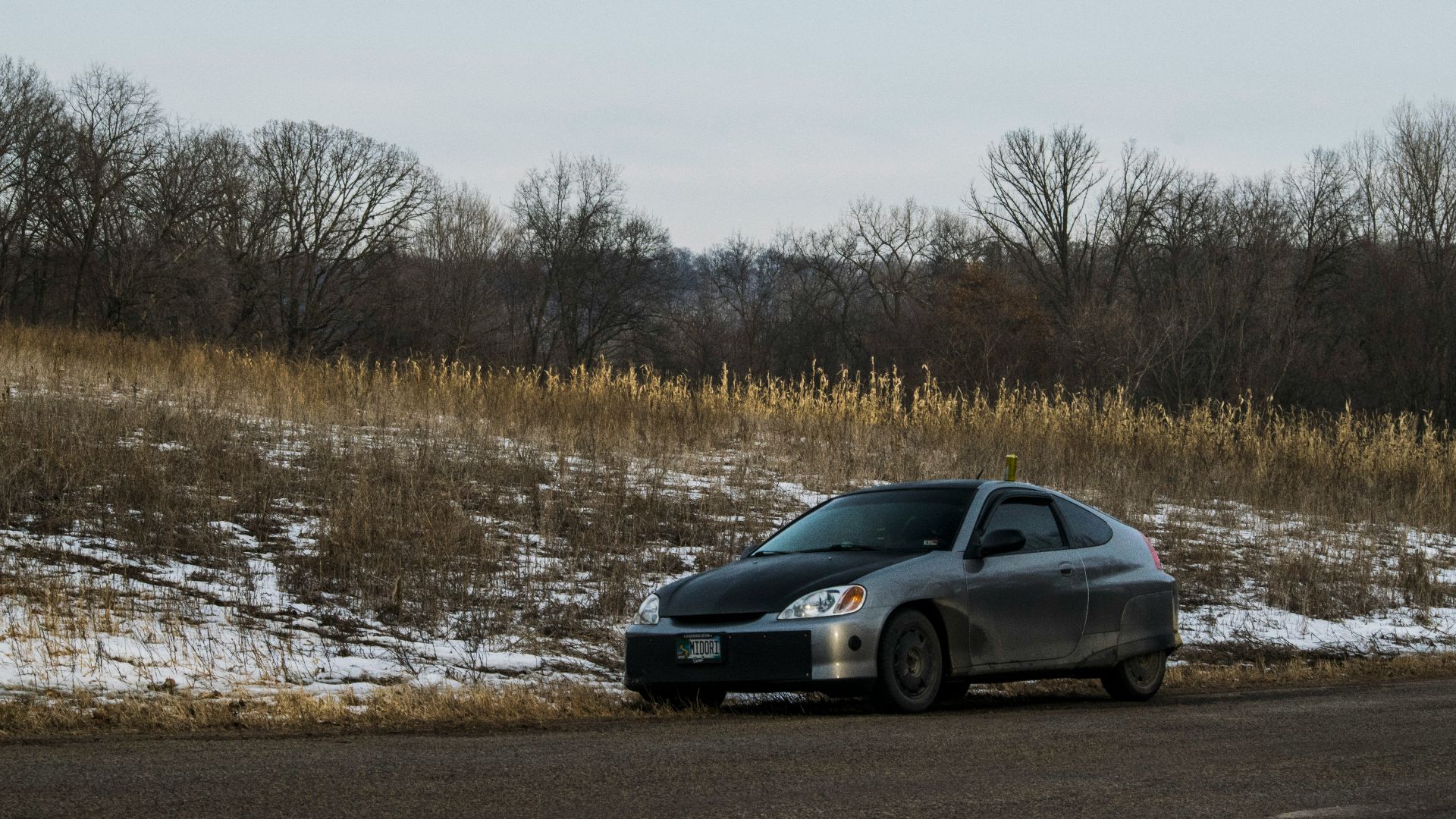
Honda discontinued the Insight after the 2022 model year as it reshaped its hybrid strategy. While the Insight delivered strong fuel economy, Honda’s future hybrid focus shifted toward core nameplates. Sadly, this meant the Insight had to go.
10. BMW i3
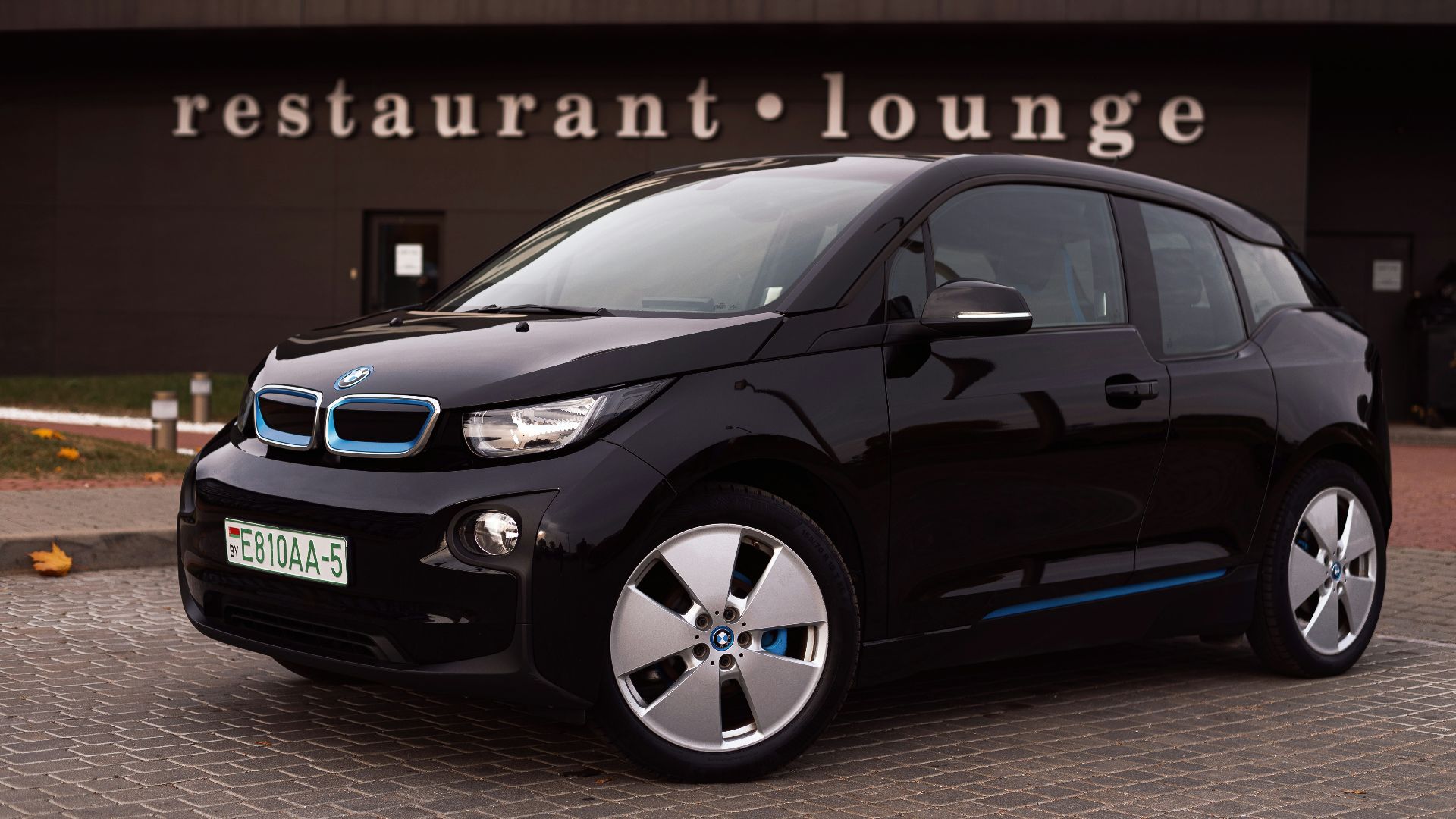
BMW ended i3 production in 2022, retiring one of the earlier mainstream EV experiments that truly had its own personality. It was compact, city-friendly, and instantly recognizable, but simply wasn’t hitting the standards it should’ve.
 Vitali Adutskevich on Unsplash
11. Chevrolet Spark
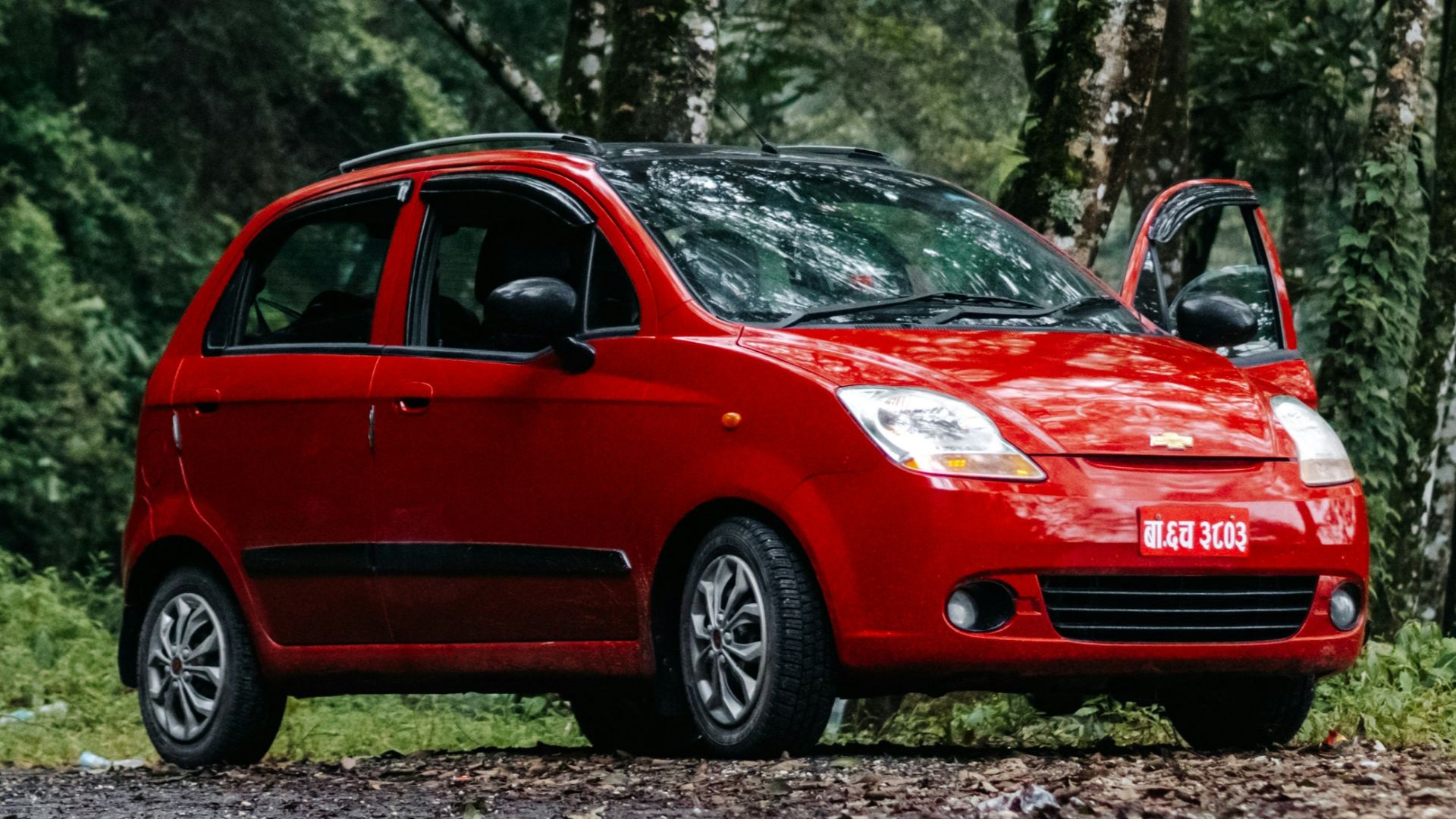
The Spark was dropped after the 2022 model year, continuing the industry’s steady retreat from tiny, budget cars. It was simple transportation that did exactly what it promised, and plenty of drivers appreciated that.
12. Hyundai Veloster
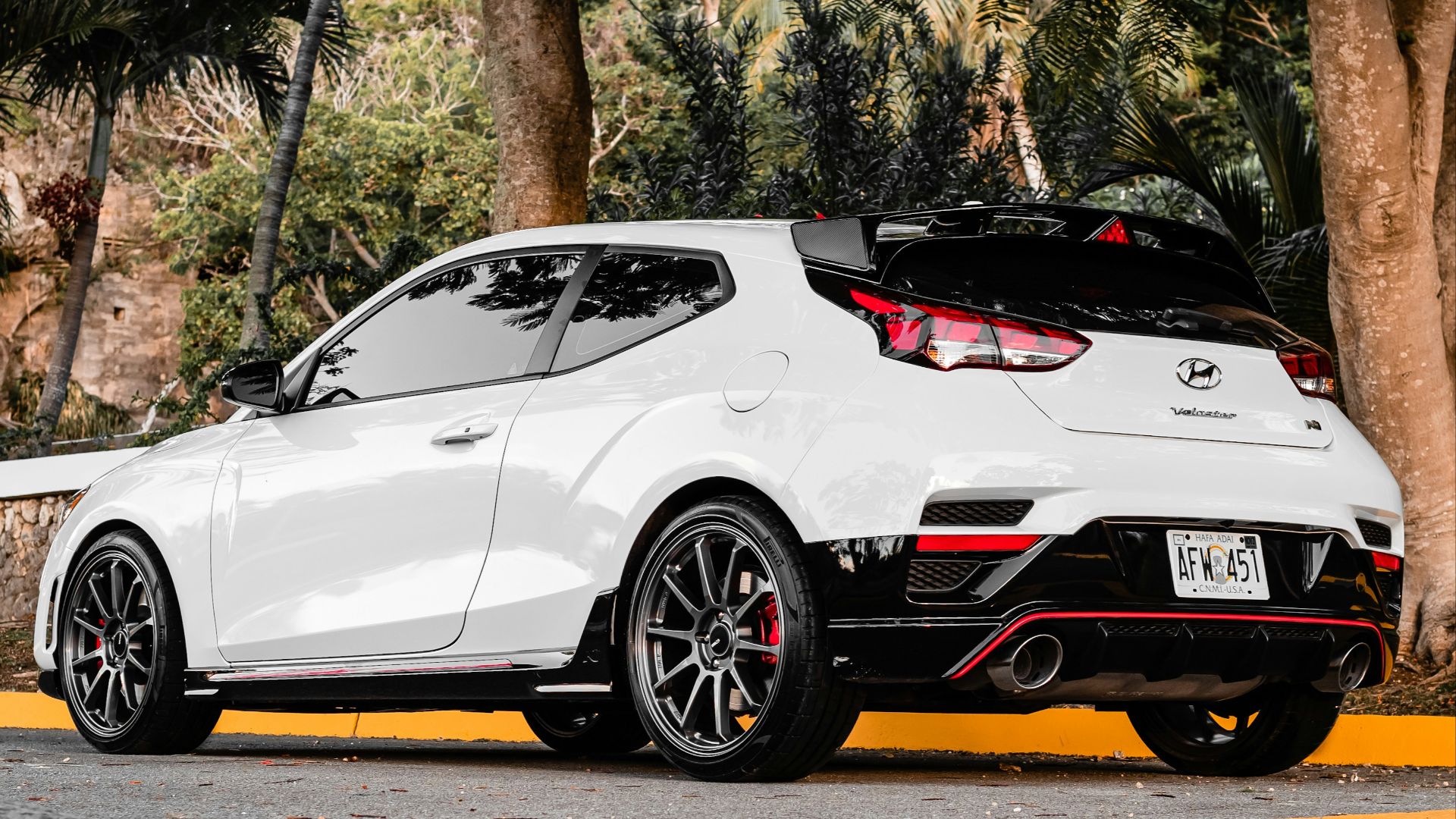
Hyundai discontinued the Veloster after the 2022 model year, and fans definitely noticed. It offered quirky styling and a playful driving feel that stood out in a practical brand lineup. Without it, the “affordable oddball hatch” space got a little emptier.
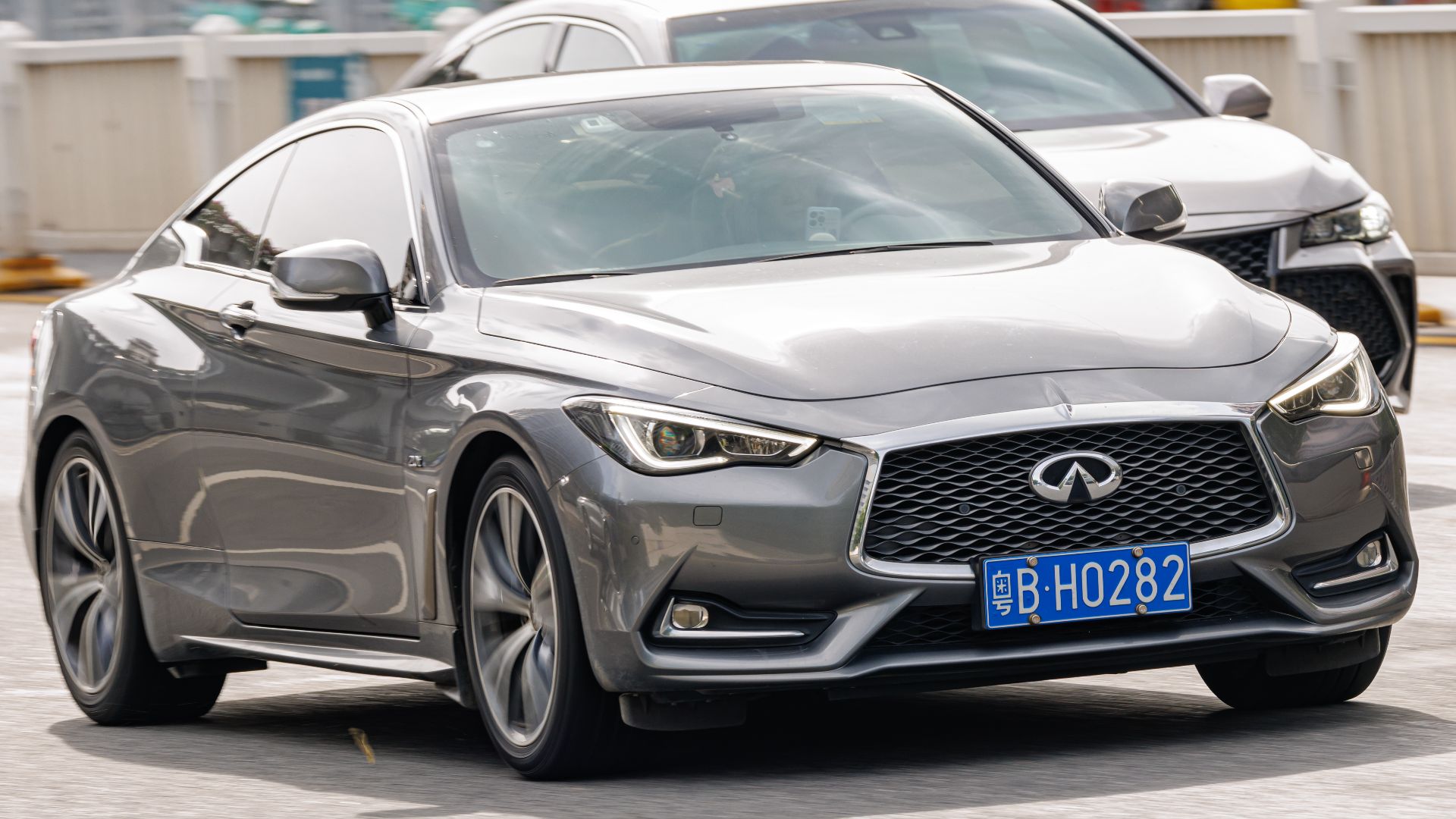
13. Infiniti Q60
Infiniti ended Q60 availability after the 2022 model year, trimming another coupe from the market. It delivered a sleek look and a sporty-ish attitude, even if it wasn’t the newest design in the room. Infiniti’s lineup has since leaned heavily into crossovers, where the demand actually is.
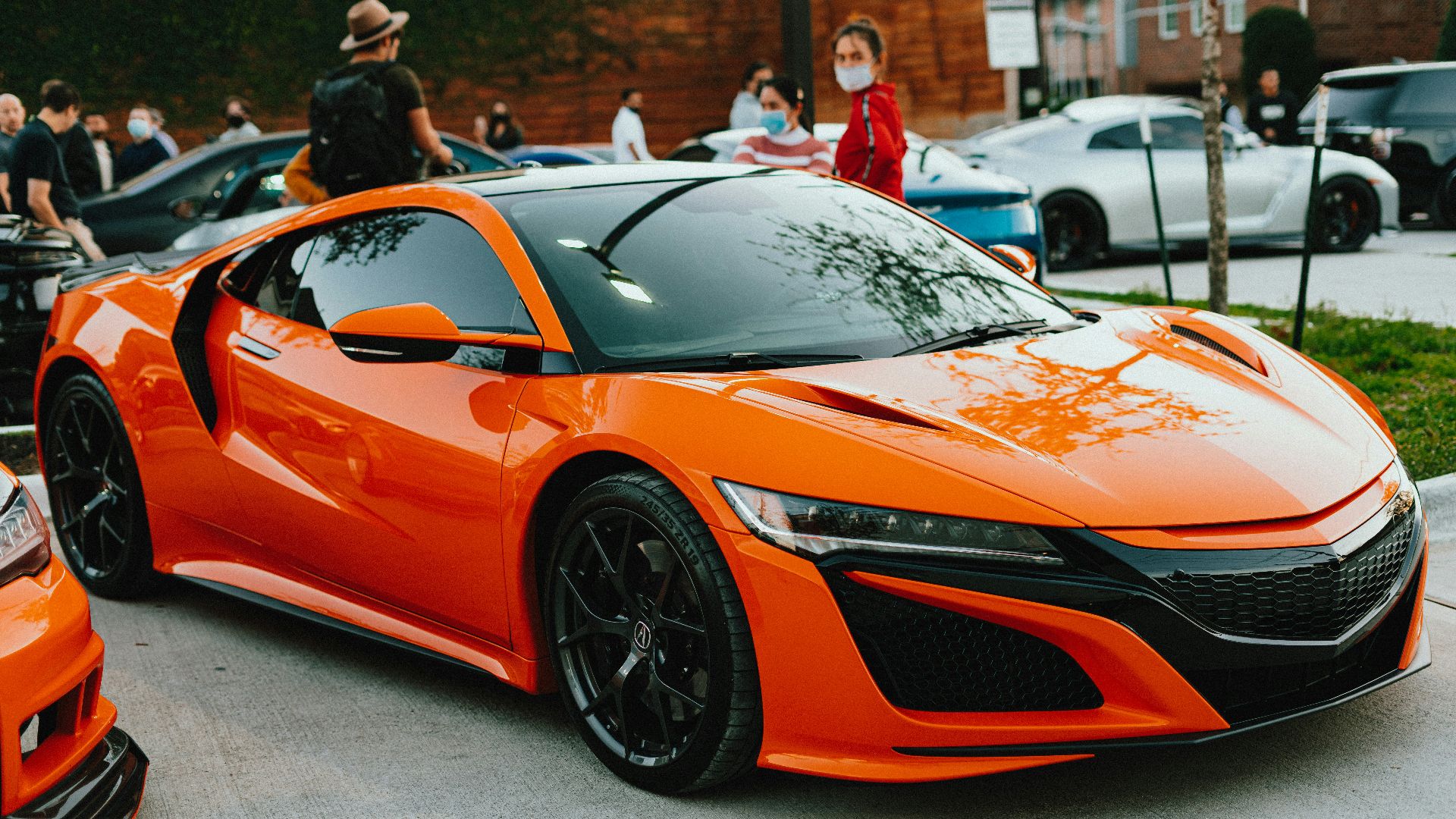
14. Acura NSX
Acura completed production of the modern NSX in 2022, closing out its hybrid supercar chapter. It was a tech-heavy performance car that tried to do speed and sophistication at the same time, but sadly, it wasn’t enough to maintain popularity with the brand.
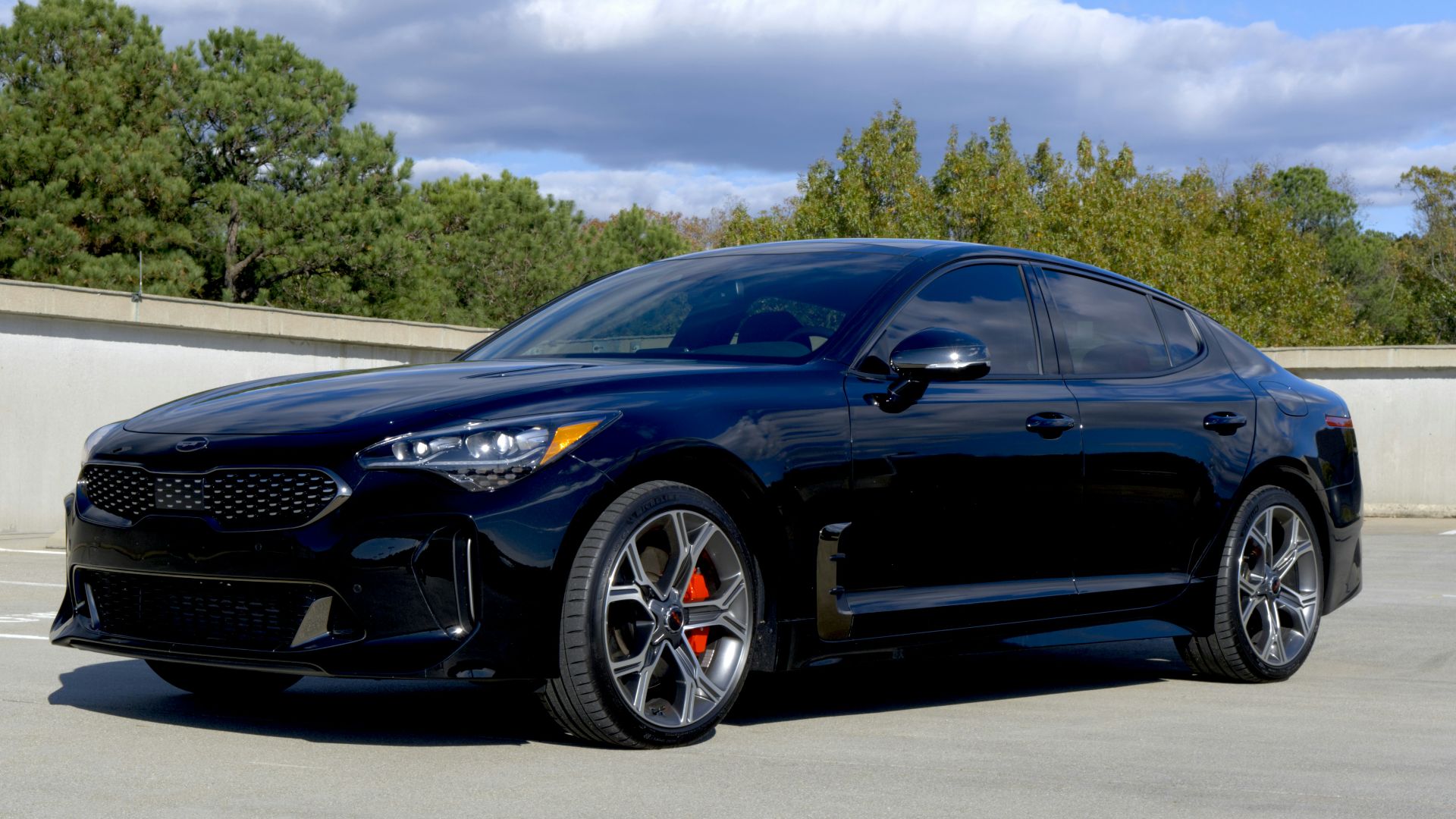
15. Kia Stinger
Kia confirmed Stinger production would end after the 2023 model year, which stung because it was genuinely a personality car. It gave Kia a real grand-touring vibe, with power and style that surprised people who hadn’t updated their opinions in a decade. If you liked the idea of a sporty sedan that didn’t look like everyone else’s, the Stinger’s exit was a loss.
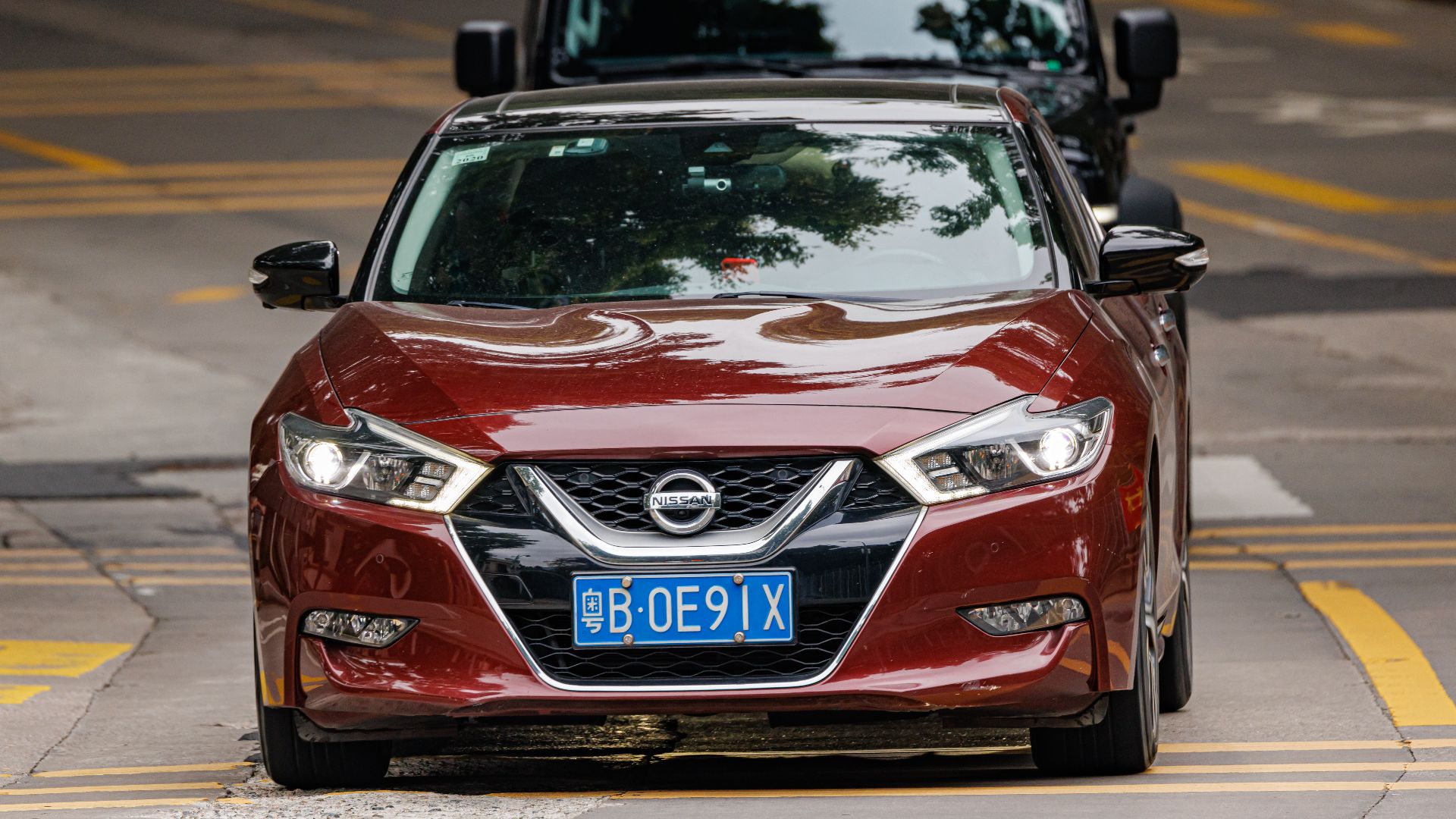
16. Nissan Maxima
Nissan confirmed Maxima production would end in mid-2023, closing out a decades-long run. It held onto a “big sedan with attitude” identity even as the segment shrank around it. If you’re attached to that kind of flagship four-door, you’re mostly used to shopping now.
17. Chrysler 300
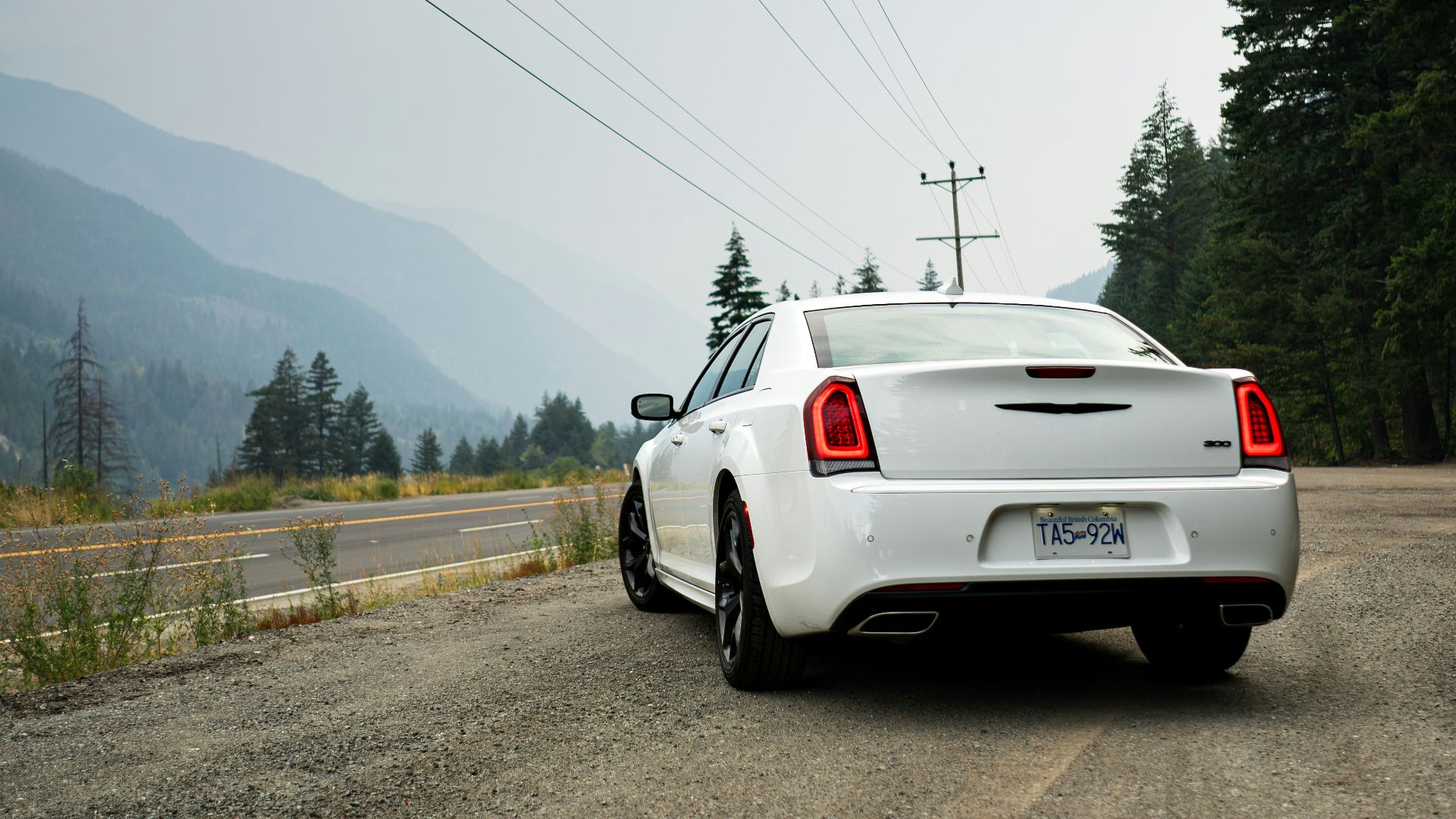
Production of the Chrysler 300 ended in 2023, marking the end of one of the last old-school American full-size sedans. Despite it being well-loved by customers, parent company Stellantis has opted for a full-scale reboot towards fully electric vehicles.
18. Audi TT
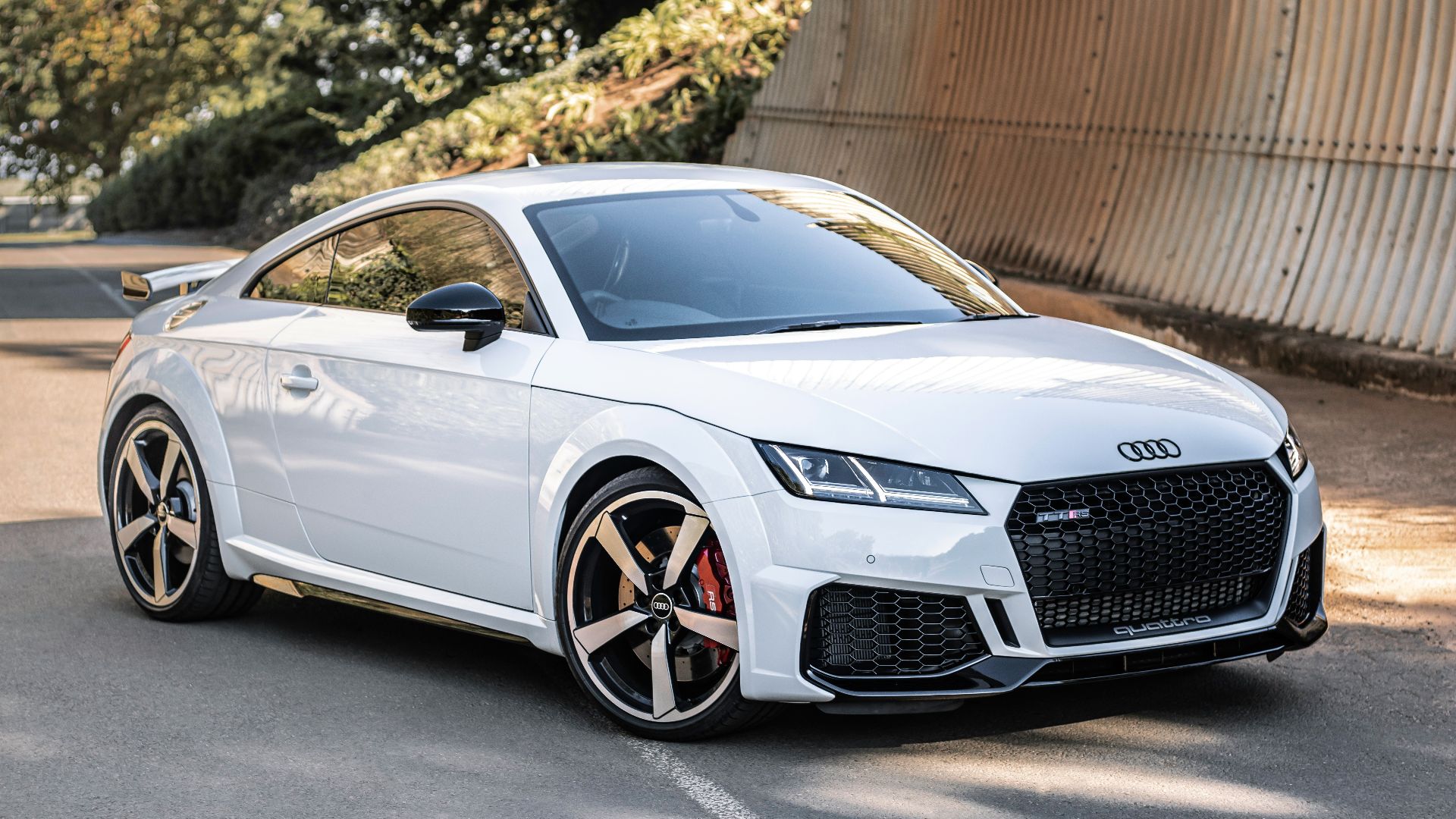
Audi’s TT ended production in 2023 after a long run that made it an icon for design-forward sporty coupes. It wasn’t just about speed; it was about looking sharp without being impractical. Like many other companies in this list, Audi is making some major switches to fully electric vehicles.
19. MINI Clubman
The MINI Clubman’s production ended in early 2024, closing out that quirky wagon-ish niche with the split rear doors. It was practical by MINI standards and still had that styled, cheeky charm people buy MINIs for. With it gone, MINI’s lineup looks a lot more conventional than it used to.

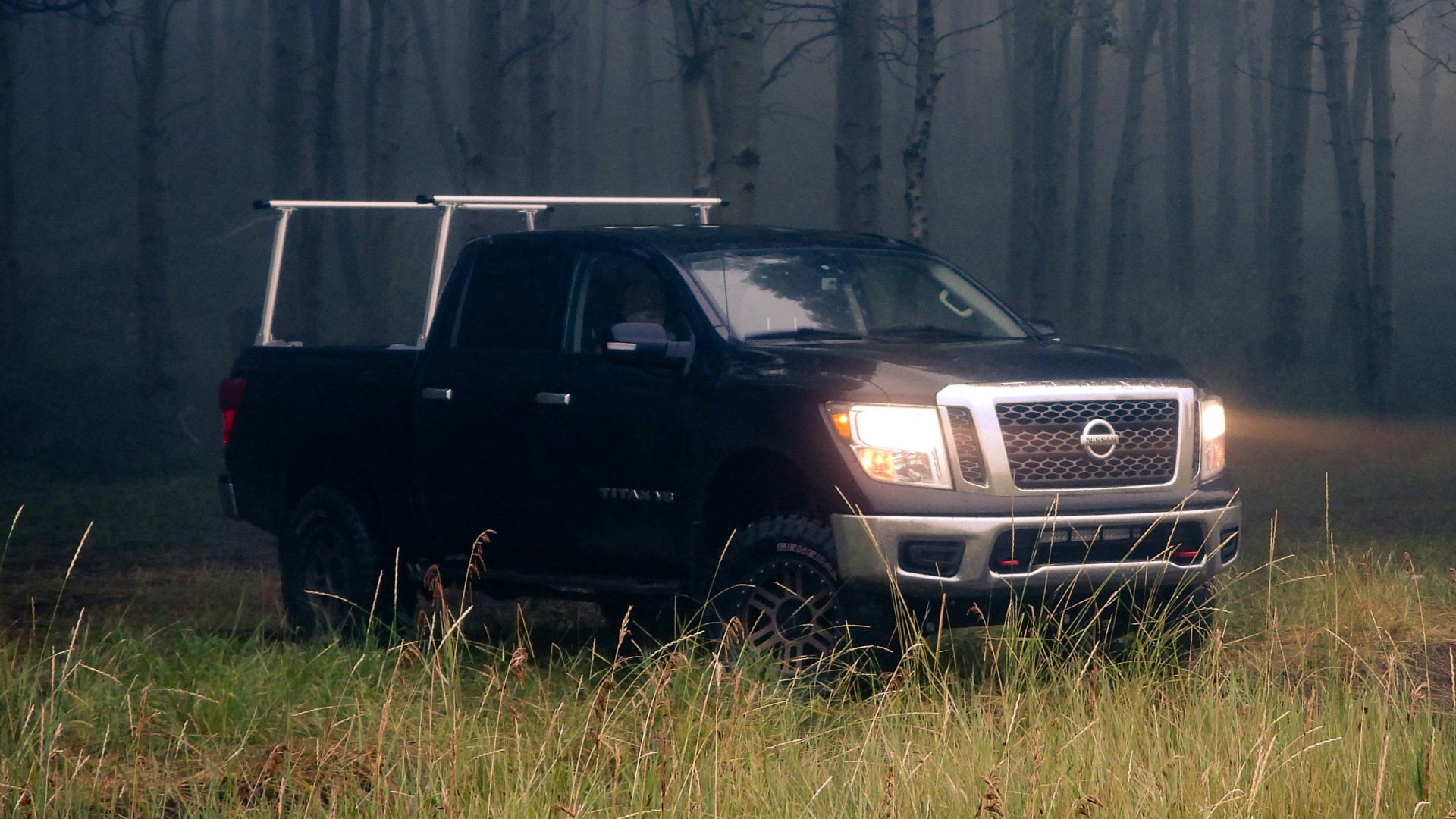
20. Nissan Titan
Nissan confirmed the Titan would end with the 2024 model year, stepping away from the full-size pickup fight. It had loyal fans, but it never grabbed the market share needed to justify sticking around.