10 Ways Modern Cars Track You And 10 Reasons Manufacturers Say It’s Fine
10 Ways Modern Cars Track You And 10 Reasons Manufacturers Say It’s Fine
What Gets Logged, Who Gets Access
Modern cars behave less like isolated machines and more like connected devices that happen to move at highway speed. The tracking isn’t always sinister in intent, yet it’s often broader than people assume, partly because so many features depend on data flowing out of the car. Location is the most obvious data point, but it’s rarely the only one. A typical vehicle can also generate a steady stream of behavioral data, cabin data, and device-linked data that turns a simple drive into a detailed record. If the system feels invisible, that’s by design, because the whole experience is supposed to feel effortless. Here are ten common ways modern cars track you, followed by ten reasons manufacturers say it’s acceptable.
1. Telematics That Reports Location
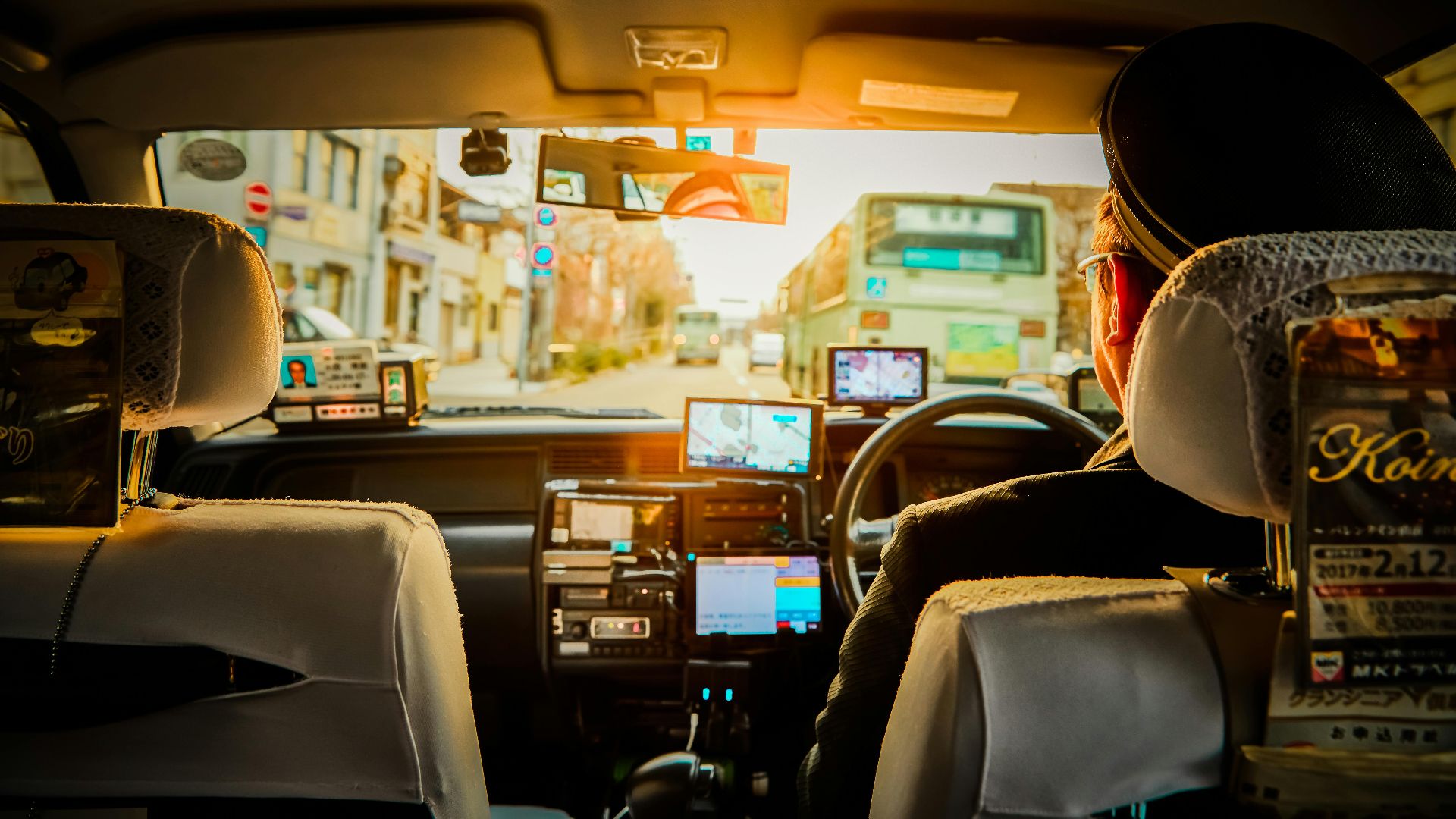
Many vehicles have an embedded modem that connects to cellular networks, even if you never open the companion app. That connection can support services like emergency response and remote commands, and it can also transmit location and trip-related data. The practical point is that tracking can happen without your phone being involved.

2. Navigation And Map Services
Factory navigation often keeps a history of recent destinations, saved places, and routes. That information can live in the car’s system, and in connected setups it can also sync to an account tied to your name or email. A “home” address saved for convenience is also a very clear identifier.

3. Driving Behavior Monitoring Through Sensors
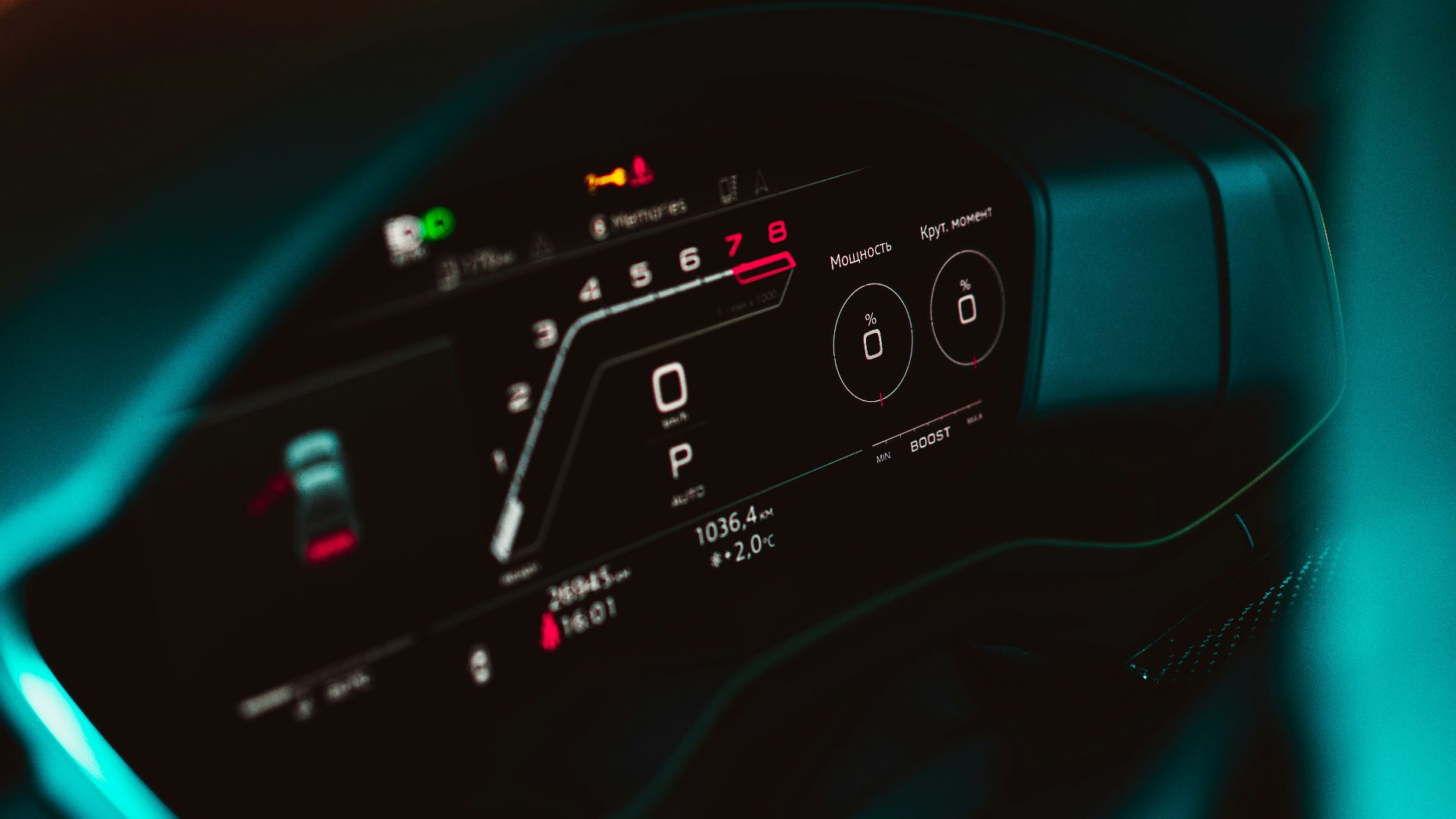
Modern cars measure braking patterns, acceleration, speed changes, and steering inputs because those signals support safety features and diagnostics. The same signals can be summarized into a driving style profile that’s useful for scoring, coaching, or reporting. Once the data exists, it becomes tempting to reuse it for purposes beyond basic vehicle function.

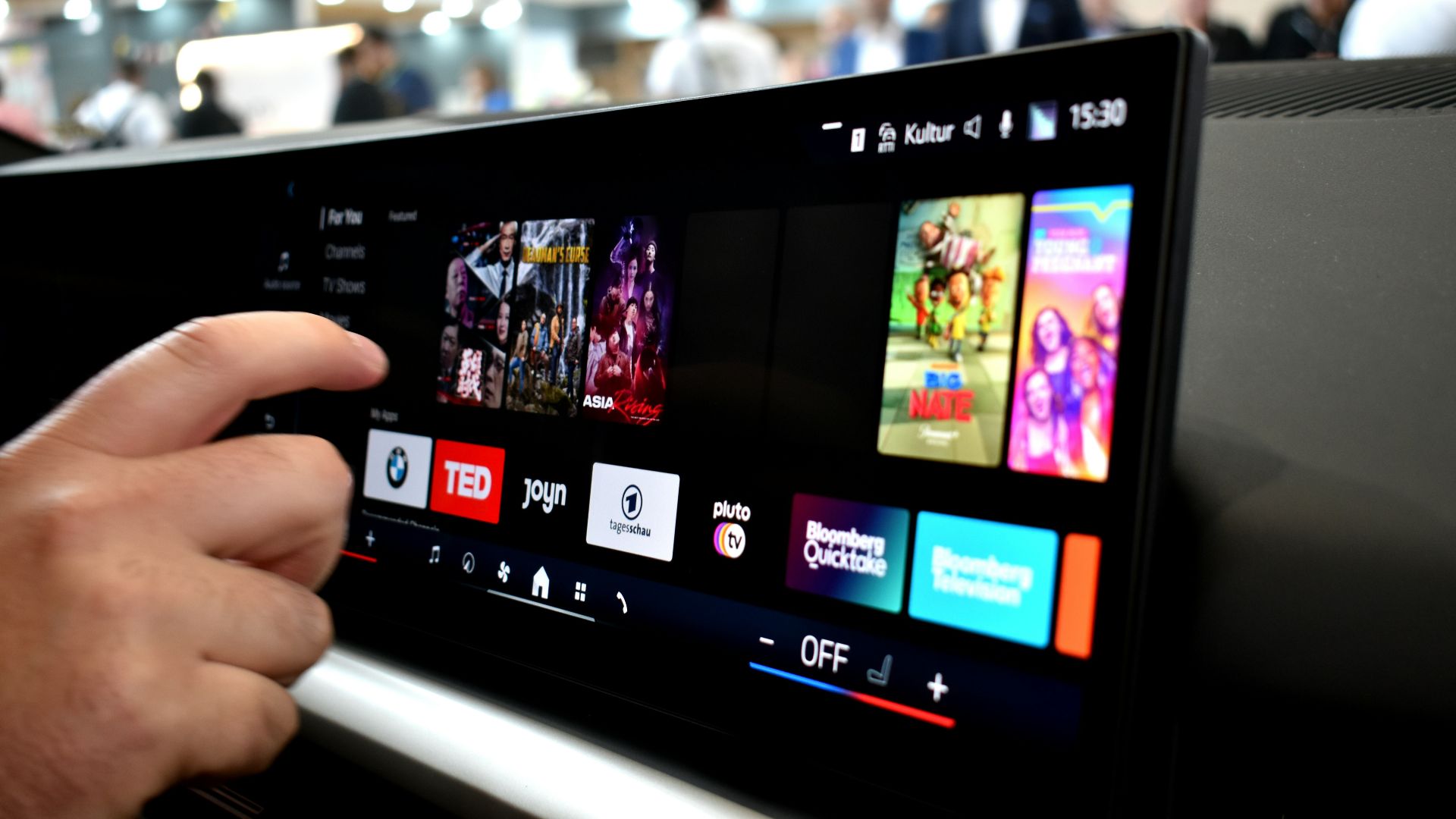
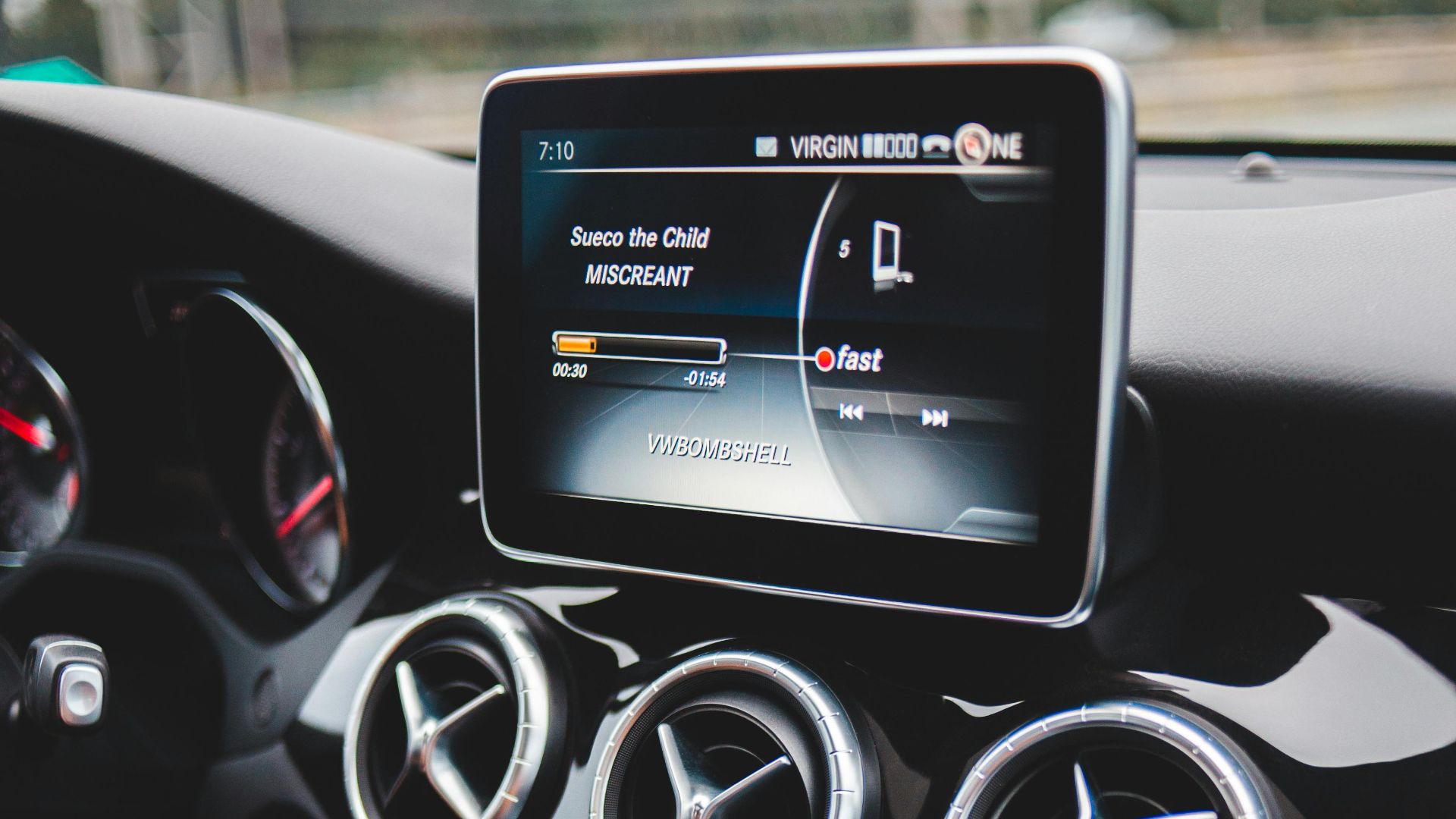
4. Infotainment Systems Logging Your History
The infotainment unit is a computer that can record how you use it, including media choices and navigation searches. Even if the data seems harmless, it can be tied to a driver profile, a connected account, or the device you pair. Over time, that creates a habit map of how you spend time in the car.
5. Phone Pairing That Pulls In Call Log
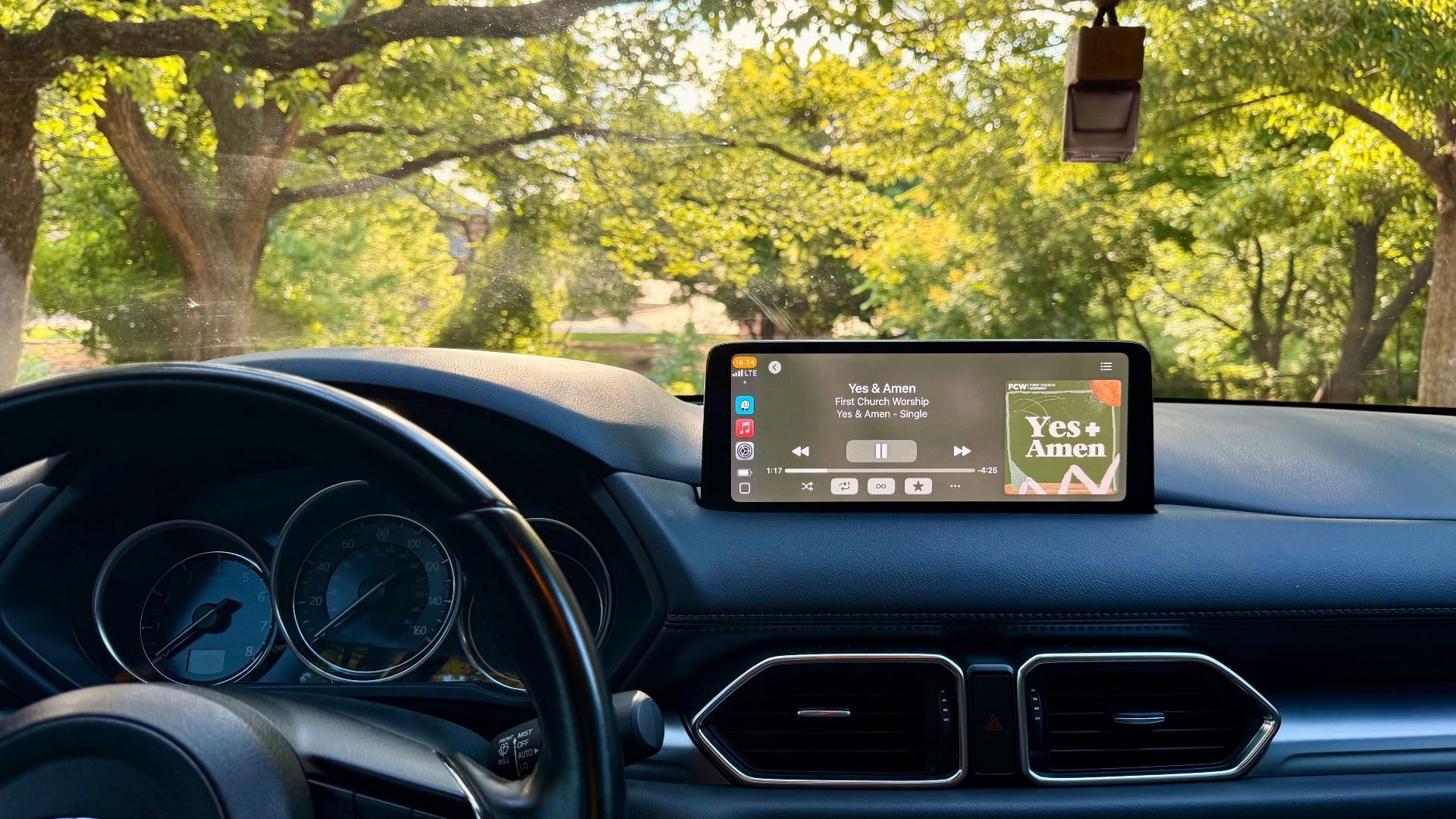
Bluetooth pairing and in-car integrations can request access to contacts and communications metadata so hands-free features work smoothly. Some systems cache that data in the vehicle, which matters if multiple people drive the car or if you sell it later. The tracking isn’t only about where you go, it can also include who you communicate with while you’re moving.

6. Companion Apps That Track Your Route
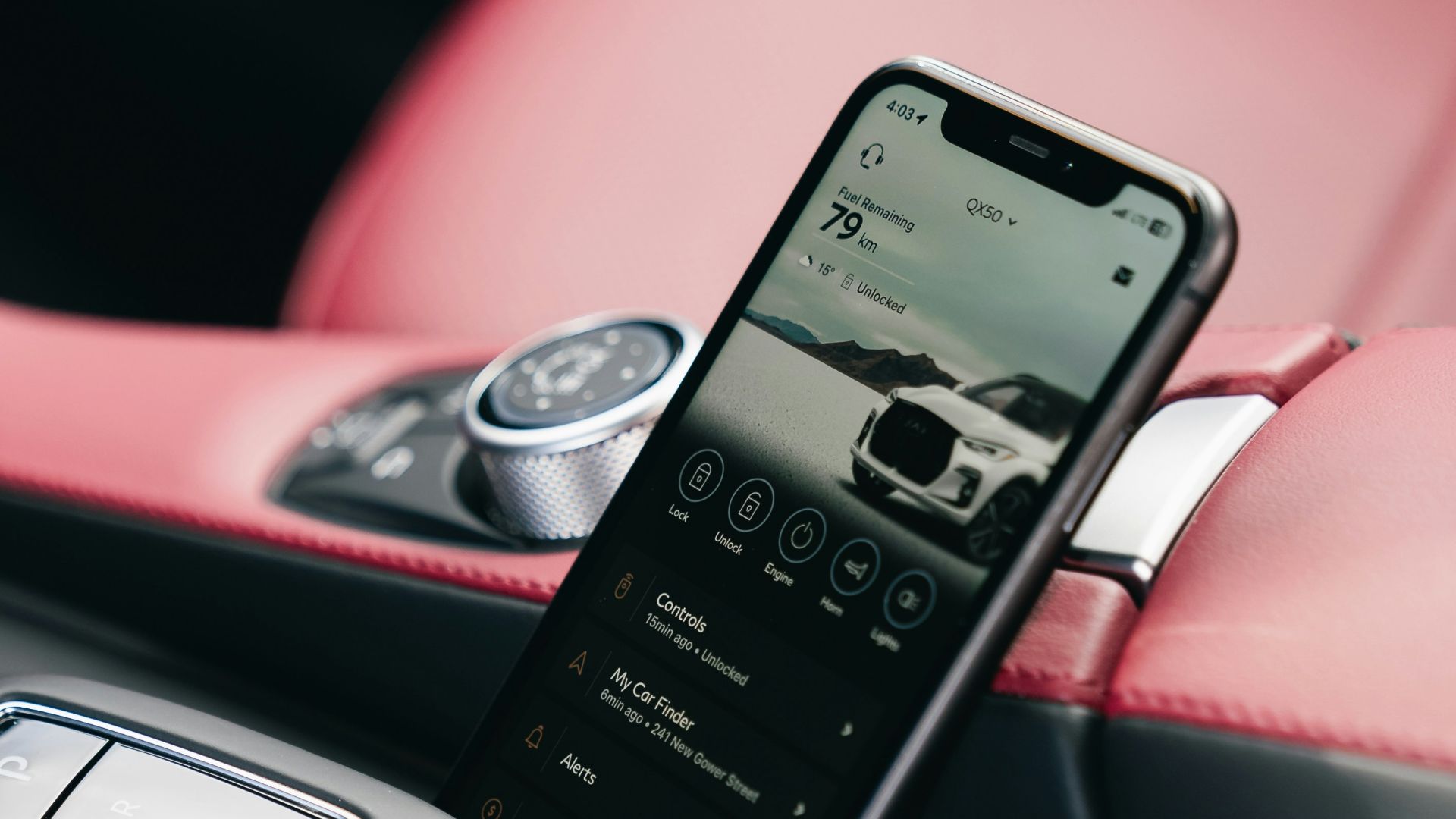
Remote start, lock control, charging management, and vehicle locator tools often rely on location and time-stamped events. The app can show where the car is parked, when it moved, and sometimes how it was driven, depending on the brand and features you enabled. In practice, the phone becomes a second tracking channel that is easier to update and expand.
7. Voice Systems And Microphones Capturing Metadata
Voice commands require audio input, and many cars now support always-ready wake features. Even when recordings are not stored long-term, systems can still retain transcripts, timestamps, and usage patterns. That can reveal routines, preferences, and the moments you tend to be distracted enough to use voice instead of buttons.
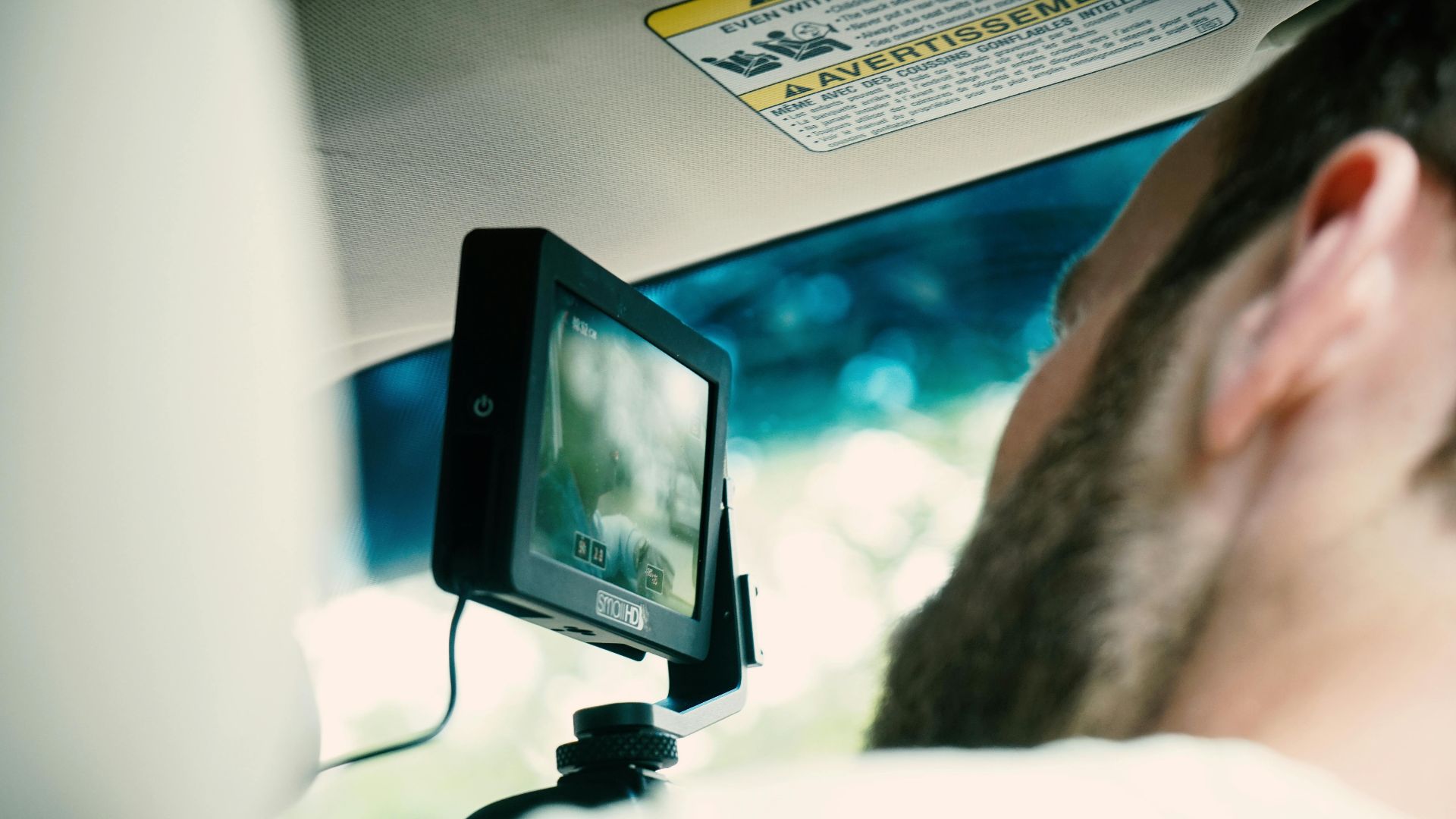
8. Driver Monitoring And Cabin Cameras
Some vehicles use cameras to support attention monitoring, safety features, or anti-theft measures. A camera system can generate sensitive information even without saving video, because it can infer behavior, presence, and alertness. If the camera integrates with accounts or cloud services, the privacy risk increases quickly.
9. Event Data Recorders
Many vehicles include event data recorders that store technical snapshots around certain events, like sudden deceleration or a crash. These systems are generally described as supporting safety research and crash investigation, and they can log details about vehicle behavior in the moments before impact. That’s useful in a serious incident, and it is also a form of tracking that most drivers never think about day to day.
 Clark Van Der Beken on Unsplash
10. Software Updates And Diagnostics
Connected cars can transmit diagnostic trouble codes, system status, and update success reports. Manufacturers argue this keeps cars safer and more reliable, which is sometimes true, yet the data can also include time, location, and usage context. Even a simple alert about a battery issue can become another data point tied to your routine.
A manufacturer’s defense usually sounds calm and reasonable, because many of these systems do provide real convenience and safety benefits. Here are ten counterarguments.
1. Emergency Needs to Know Your Location
Automakers point to crash response services that contact emergency support with vehicle location. In a serious collision, speed matters, and location is the difference between fast help and a long wait. From their perspective, that alone justifies connected tracking.

2. Stolen Vehicle Recovery Depends On Tracking
Tracking is often marketed as a direct consumer benefit when a vehicle is stolen. Recovery services require a location signal and a way to communicate with the vehicle. Manufacturers frame this as a feature you’d miss immediately if it were gone.

3. Predictive Maintenance Can Reduce Breakdowns
Companies argue that diagnostic data helps identify failures earlier and guides repairs faster. A connected alert can bring you in for service before a small problem turns into a dangerous one. This is also a way to keep warranty costs under control, which aligns the business interest with reliability.

4. Safety Features Improve With Real-World Data
Automakers say they need real driving data to refine driver assistance systems and to investigate rare failures. When a system behaves oddly in the field, aggregated logs can help engineers reproduce the issue. The pitch is that data collection is part of continuous safety improvement.

5. Navigation And Traffic Features Require Location
Real-time routing, traffic overlays, and map corrections rely on location signals. Manufacturers argue that people expect these services to behave like phone navigation, and that requires data moving between the car and servers. Opting out can mean losing features many drivers now treat as basic.

6. Personalization Makes Shared Cars Easier To Live With
Driver profiles that remember seat position, climate settings, and media preferences depend on stored user data. In households with multiple drivers, personalization can reduce daily friction. Automakers present this as harmless convenience, not surveillance.

7. Usage-Based Insurance Is Optional
Some programs are framed as opt-in discounts based on driving behavior. The argument is simple: if you choose to share data, you might pay less. Critics worry about how optional it really is over time, yet manufacturers keep the focus on consumer choice and savings.

8. Cybersecurity Requires Monitoring For Abnormal Activity
Connected vehicles face real security risks, and detecting suspicious behavior can require collecting system telemetry. Companies argue that monitoring helps prevent hacking, tampering, and fraud tied to digital keys or remote features. In their view, less data can mean weaker defenses.

9. Data Is Often Described As Aggregated Or De-Identified
Manufacturers frequently claim they anonymize or aggregate data to reduce privacy risk. The idea is that patterns can be useful without tying every record to a specific person. The problem is that location and routine data can be hard to truly anonymize, yet the de-identification claim remains a standard defense.

10. Consent Screens And Settings Are Adequate
Automakers tend to point to privacy policies, in-car toggles, and app permissions as proof that drivers have control. The reality is that these controls can be scattered and confusing, especially when multiple services are bundled together. Still, the industry’s core argument is that disclosure and opt-out options make the overall system acceptable.