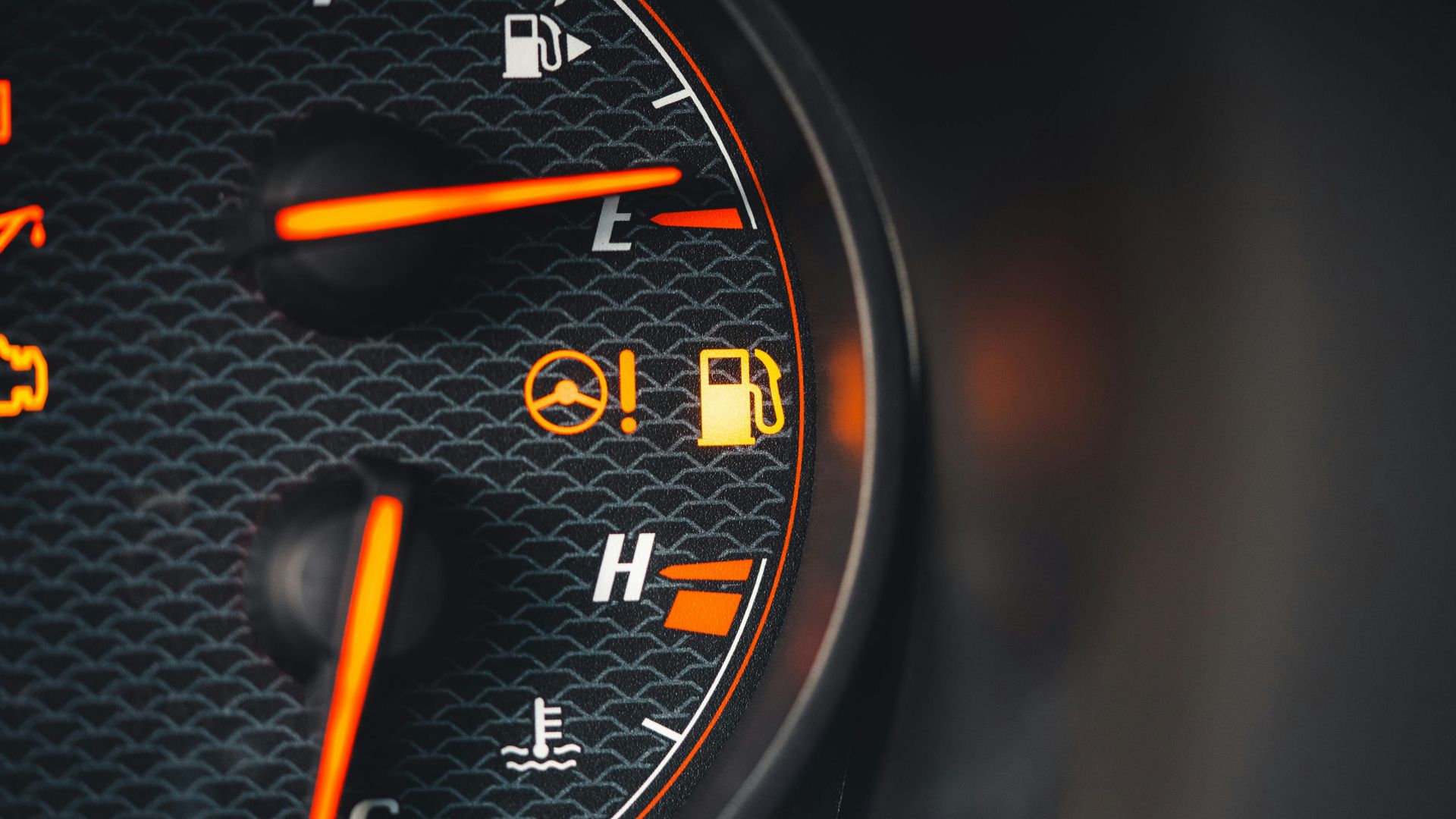
Dashboard Warnings Aren't As Complicated As They Seem
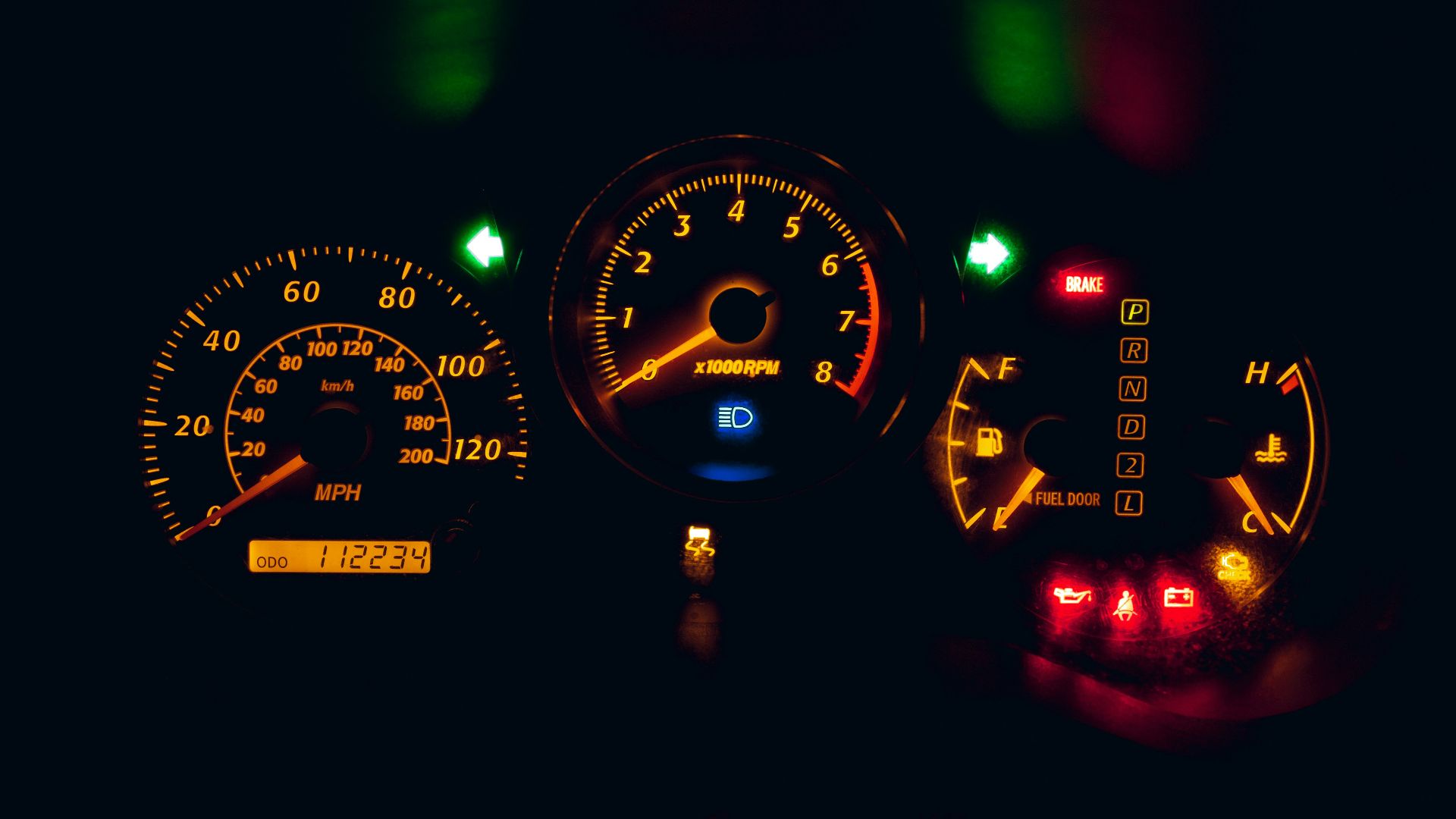
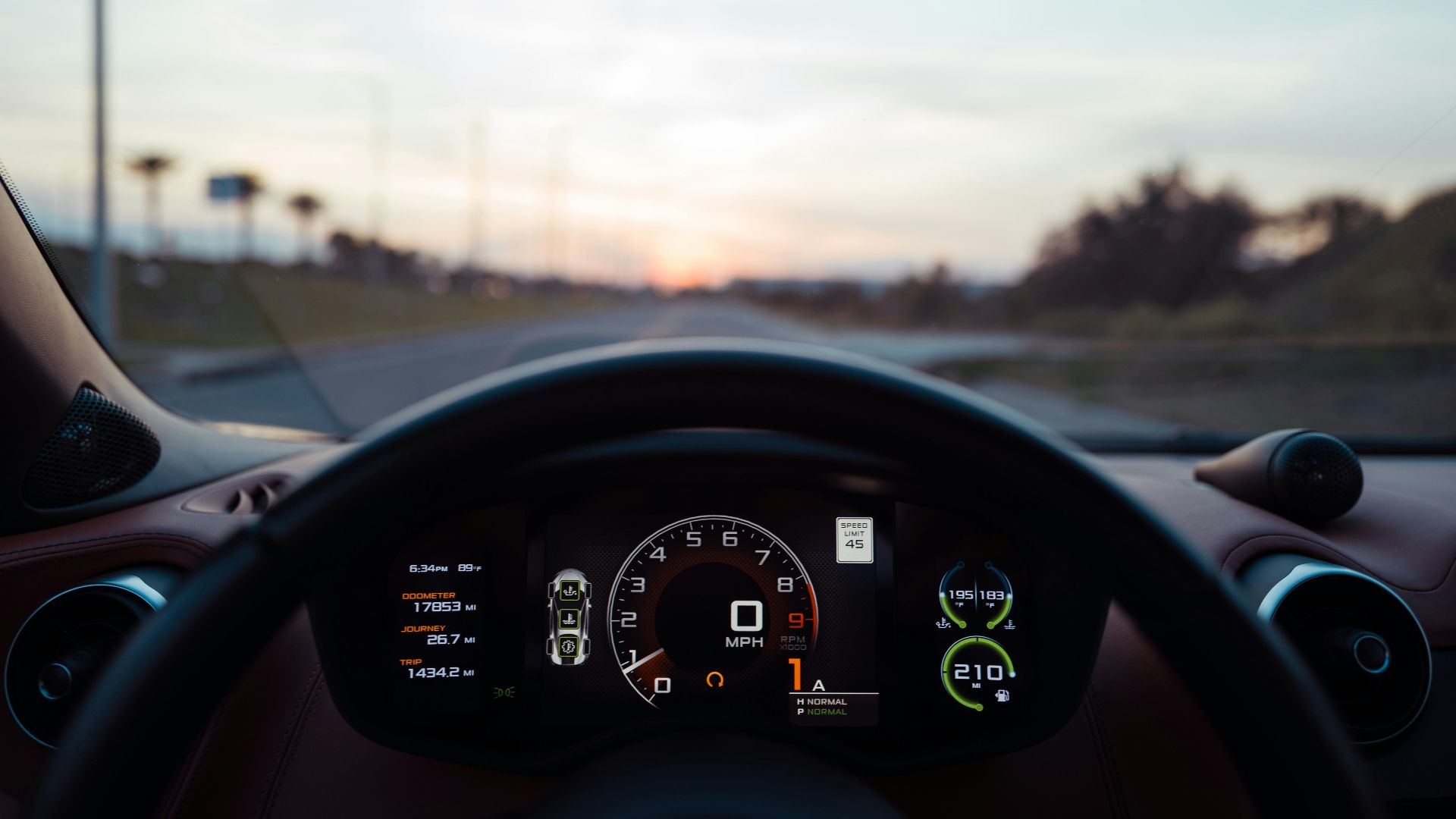
The check engine light has a way of showing up at the worst possible moment, usually when everything else in life already feels slightly off balance. It might appear during a quiet commute, right after filling the gas tank, or halfway through a long drive when stopping feels inconvenient. The frustrating part is that the car often feels completely normal, which makes the glowing symbol easy to ignore and strangely hard to forget. Here are 20 reasons your check engine light might be on.
1. Loose Or Faulty Gas Cap
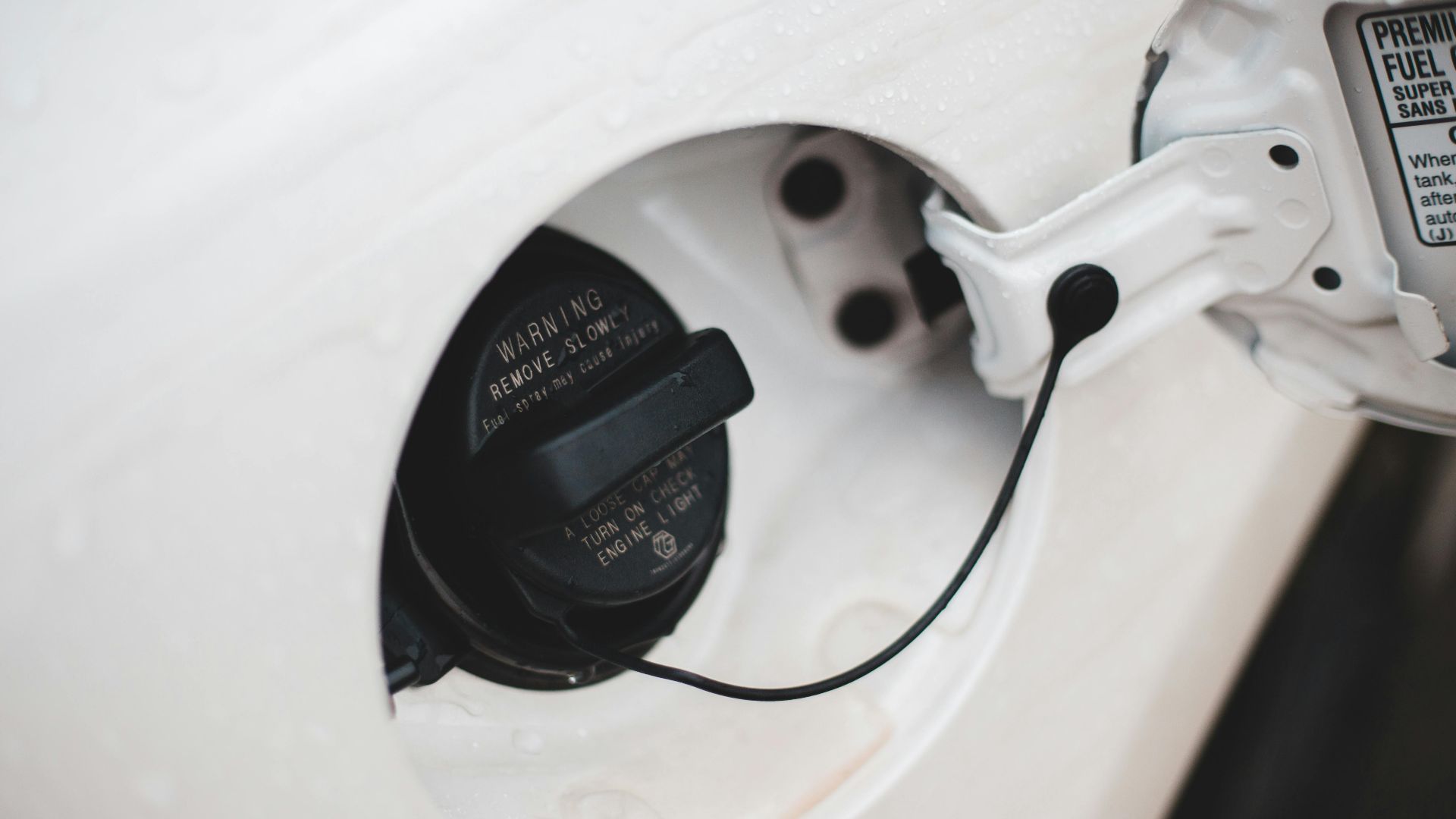
A loose gas cap is one of the most common triggers for a check engine light, and it often appears shortly after refueling. Modern vehicles monitor fuel vapor containment closely, and a cap that does not seal properly can disrupt the emissions system. Tightening it until it clicks or replacing a worn cap often resolves the issue within a few minutes of driving.
2. Failing Oxygen Sensor
The oxygen sensor measures how much unburned oxygen exits the exhaust, helping the engine adjust fuel delivery. When it fails, the engine may run richer than necessary, which increases fuel consumption and emissions.
3. Worn Spark Plugs
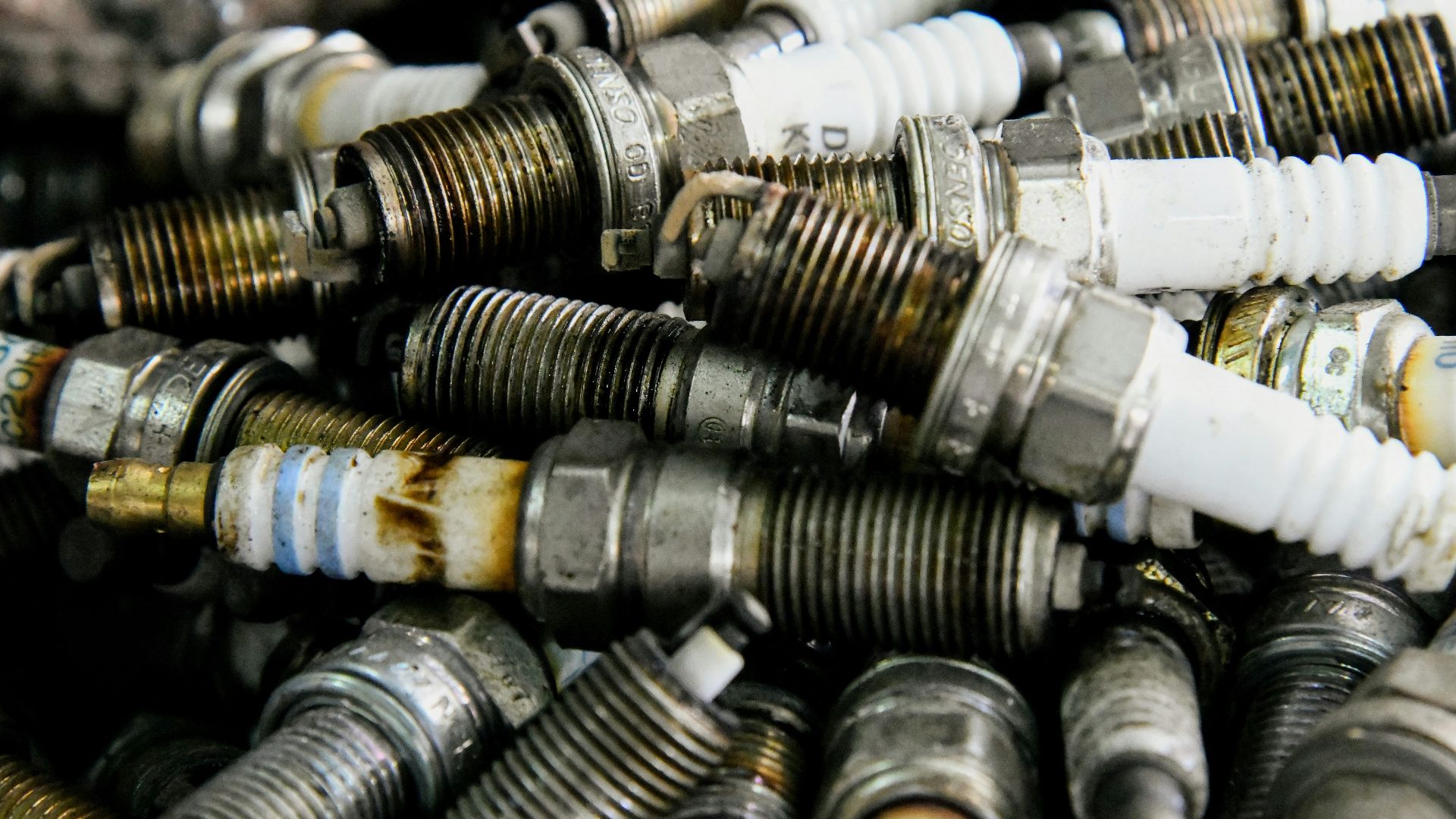
Spark plugs ignite the fuel-air mixture inside the engine, and worn plugs cause misfires that disrupt combustion. This often leads to rough idling, sluggish acceleration, or reduced efficiency. Many manufacturers recommend replacing spark plugs at specific mileage intervals to prevent these issues.
4. Bad Ignition Coils
Ignition coils deliver the electrical charge that allows spark plugs to function properly. When a coil starts failing, the engine may misfire intermittently, especially under load. This type of problem can worsen quickly and lead to damage if left unaddressed.
5. Faulty Mass Air Flow Sensor
The mass air flow sensor calculates how much air enters the engine, so fuel delivery stays balanced. When it malfunctions, the engine can hesitate, stall, or struggle during acceleration. This sensor is particularly sensitive to dirt buildup, which is why air filter maintenance matters more than many drivers realize.
 Samuele Errico Piccarini on Unsplash
6. Catalytic Converter Issues
The catalytic converter reduces harmful emissions by converting exhaust gases into less toxic substances. When it fails, performance often drops, and fuel efficiency suffers. Replacing a catalytic converter is expensive, which is why unresolved engine problems can quickly become costly later.
7. Evaporative Emissions System Leak
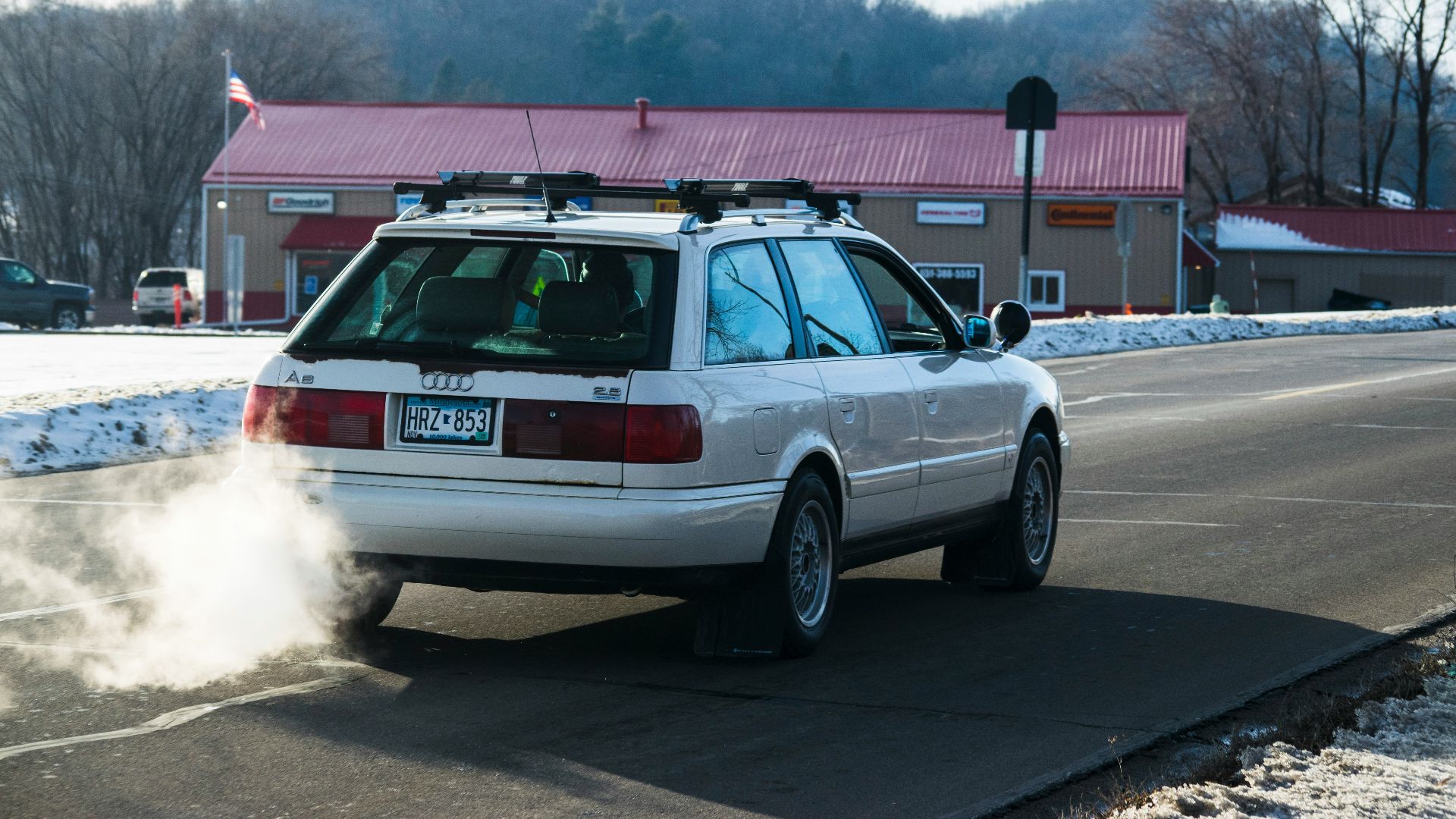
The evaporative emissions system captures fuel vapors before they escape into the air. A cracked hose or faulty valve can trigger the check engine light without obvious symptoms. These leaks are common in older vehicles and are often discovered during emissions testing.
8. Weak Or Failing Battery
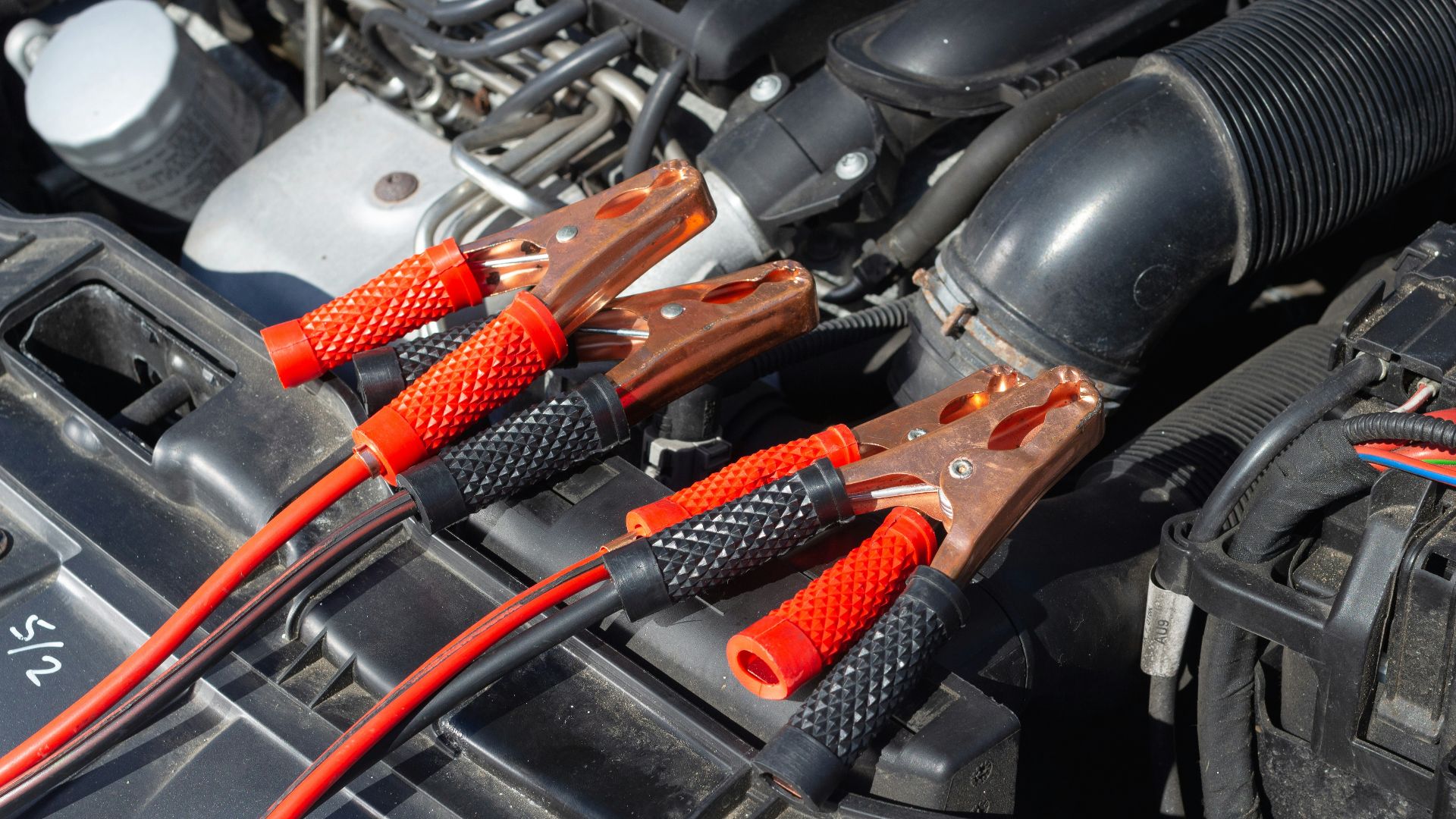
Modern vehicles rely on stable voltage for sensors and onboard computers to function correctly. A weakening battery can cause irregular readings that confuse the system. This often leads to warning lights that disappear after the battery is replaced.
 Daniel @ bestjumpstarterreview.com on Unsplash
9. Alternator Problems
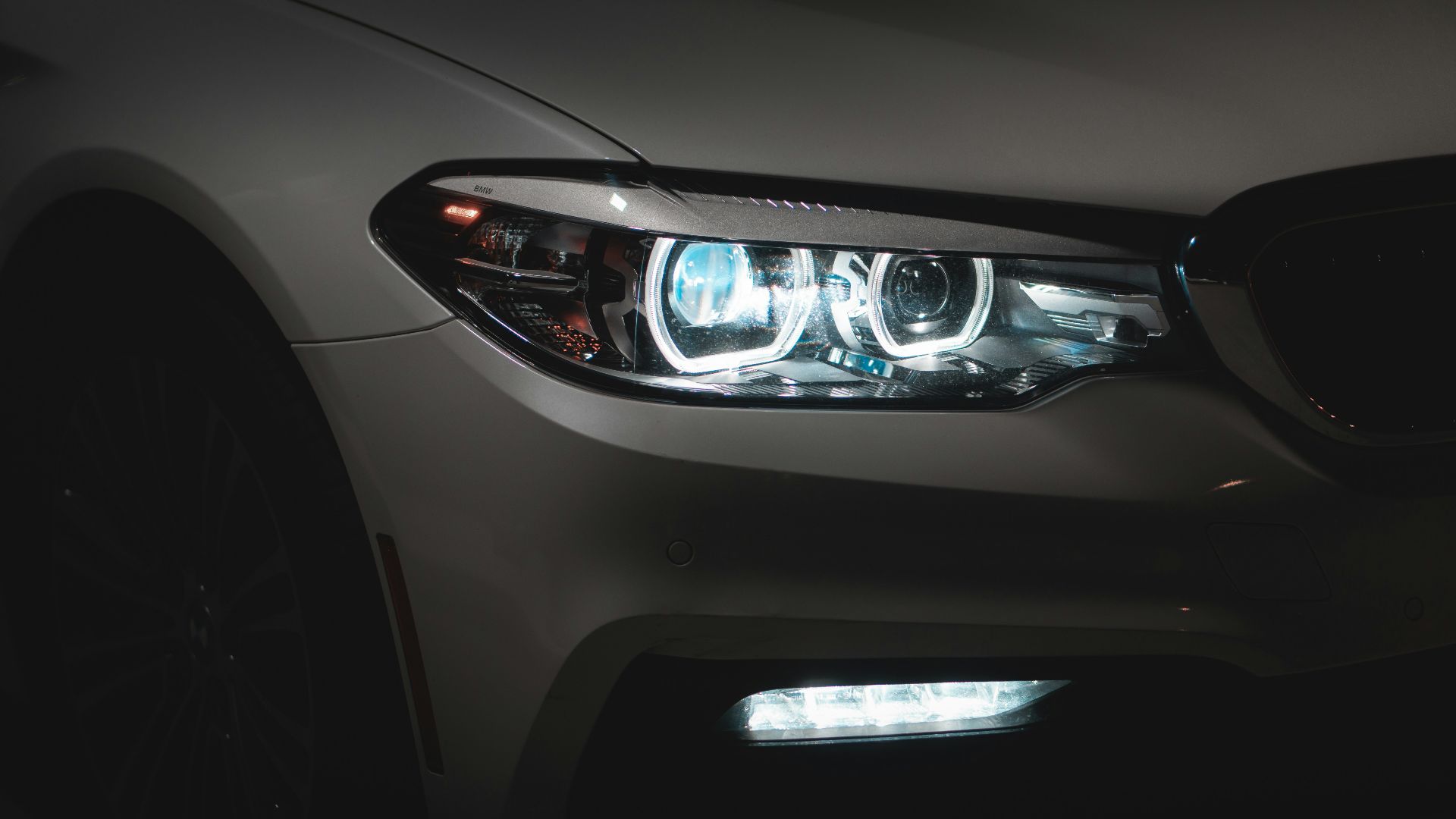
The alternator keeps the battery charged while the engine runs and powers electrical systems. When it begins to fail, voltage drops can affect engine management systems. This issue may also cause dim headlights or dashboard flickering alongside the warning light.
10. Vacuum Leaks
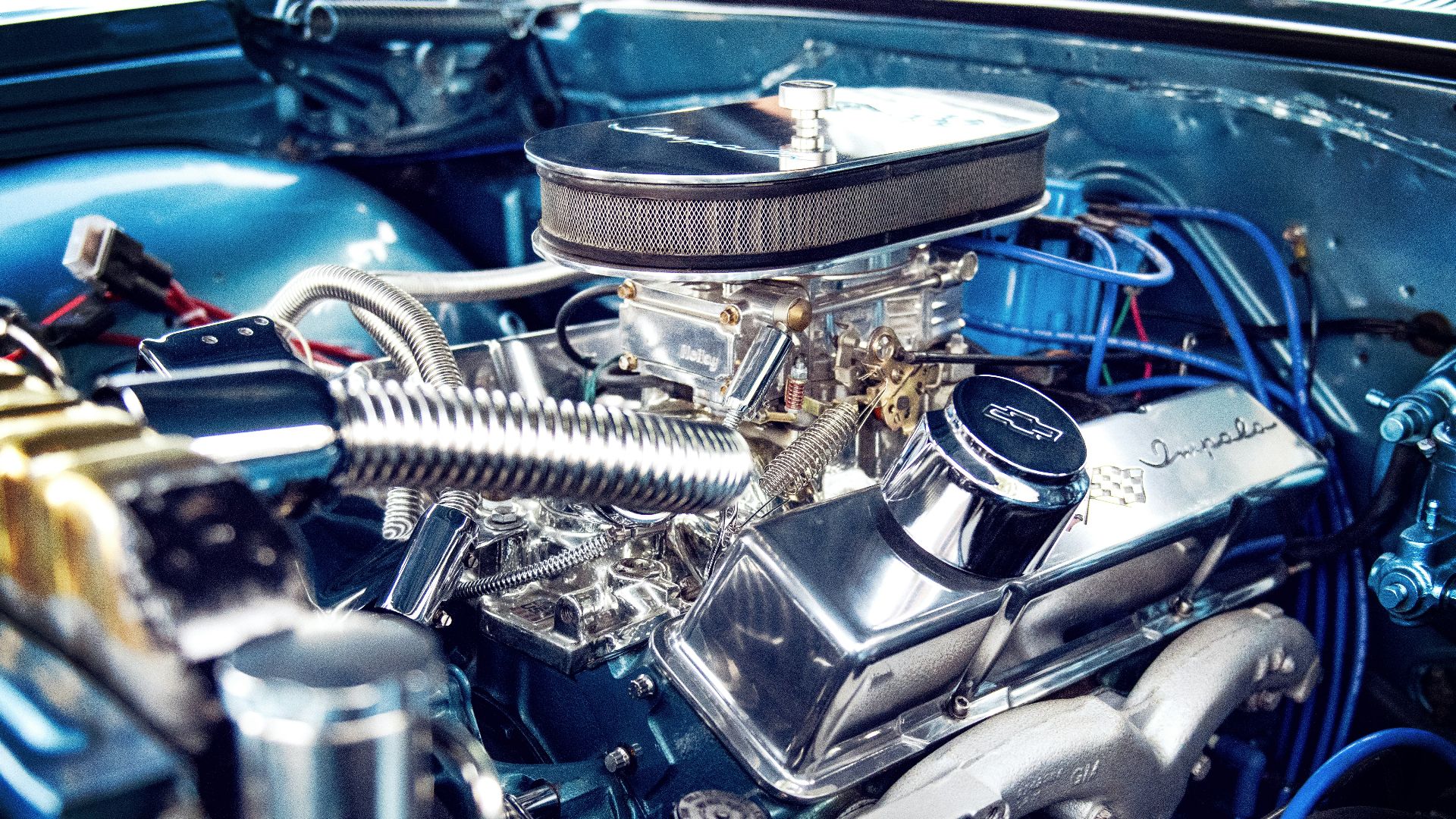
Vacuum hoses regulate airflow and pressure throughout the engine. Over time, these hoses crack or loosen due to heat and age. Even a small leak can disrupt engine balance enough to trigger a warning.
11. Faulty Engine Coolant Temperature Sensor
This sensor monitors engine temperature and helps regulate fuel delivery during warm-up. When it fails, the engine may run too rich or too lean, depending on the false readings. Cold starts often become less predictable as a result.
12. Clogged Or Failing Fuel Injectors
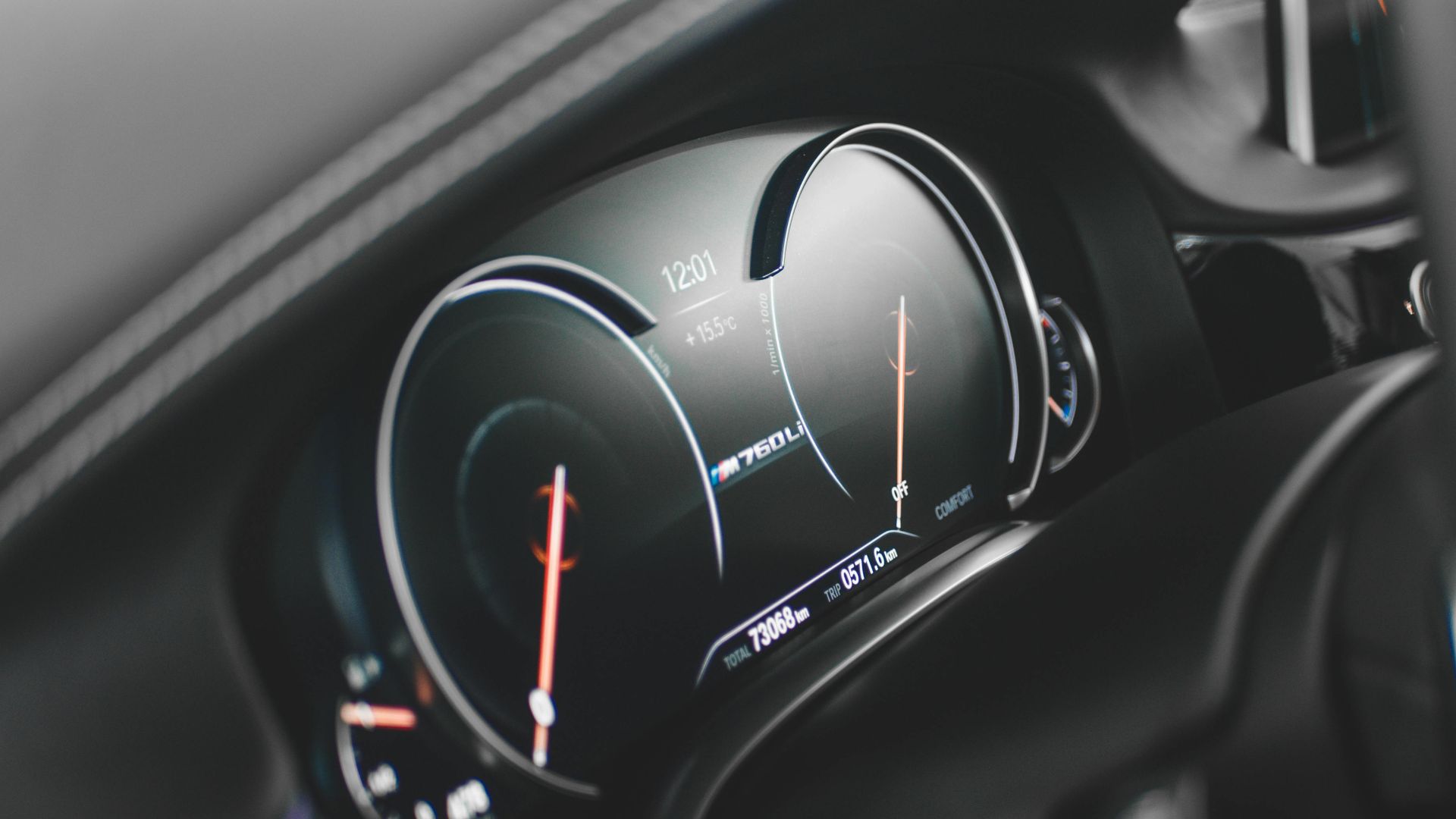
Fuel injectors deliver precise amounts of fuel into the engine cylinders. Dirt buildup or wear can interfere with proper spray patterns. This leads to rough idling, hesitation, and inconsistent performance that the system flags as abnormal.

13. Transmission Sensor Issues
Many modern transmissions use sensors to monitor gear position and shift timing. When one fails, the engine computer may receive conflicting data. This can trigger the check engine light even if the vehicle still drives normally.
14. Aftermarket Modifications
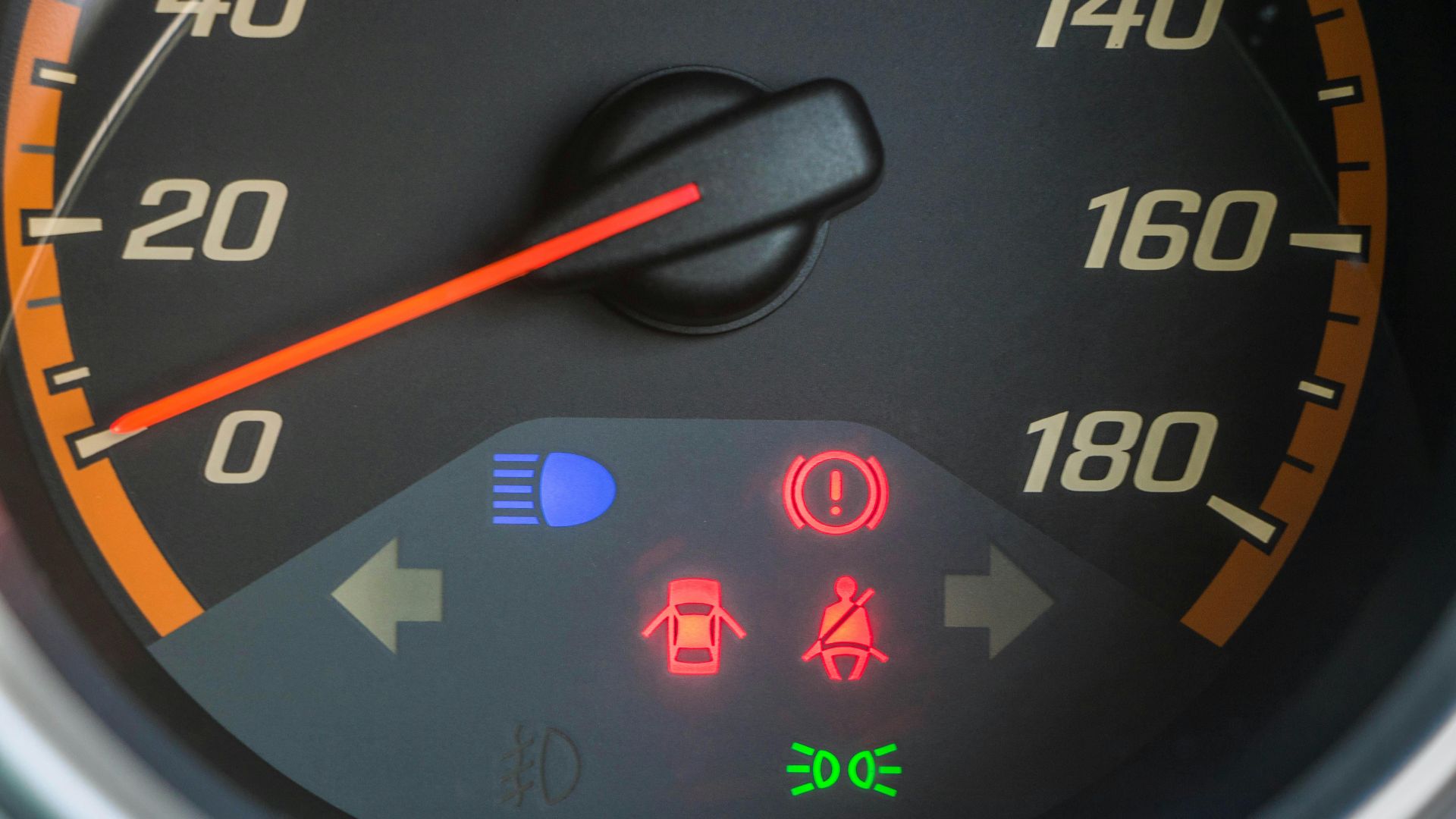
Performance parts, exhaust changes, or non-standard air intake systems can confuse factory sensors. Even well-installed modifications sometimes alter airflow or emissions readings beyond expected limits.
15. Software Or Calibration Errors
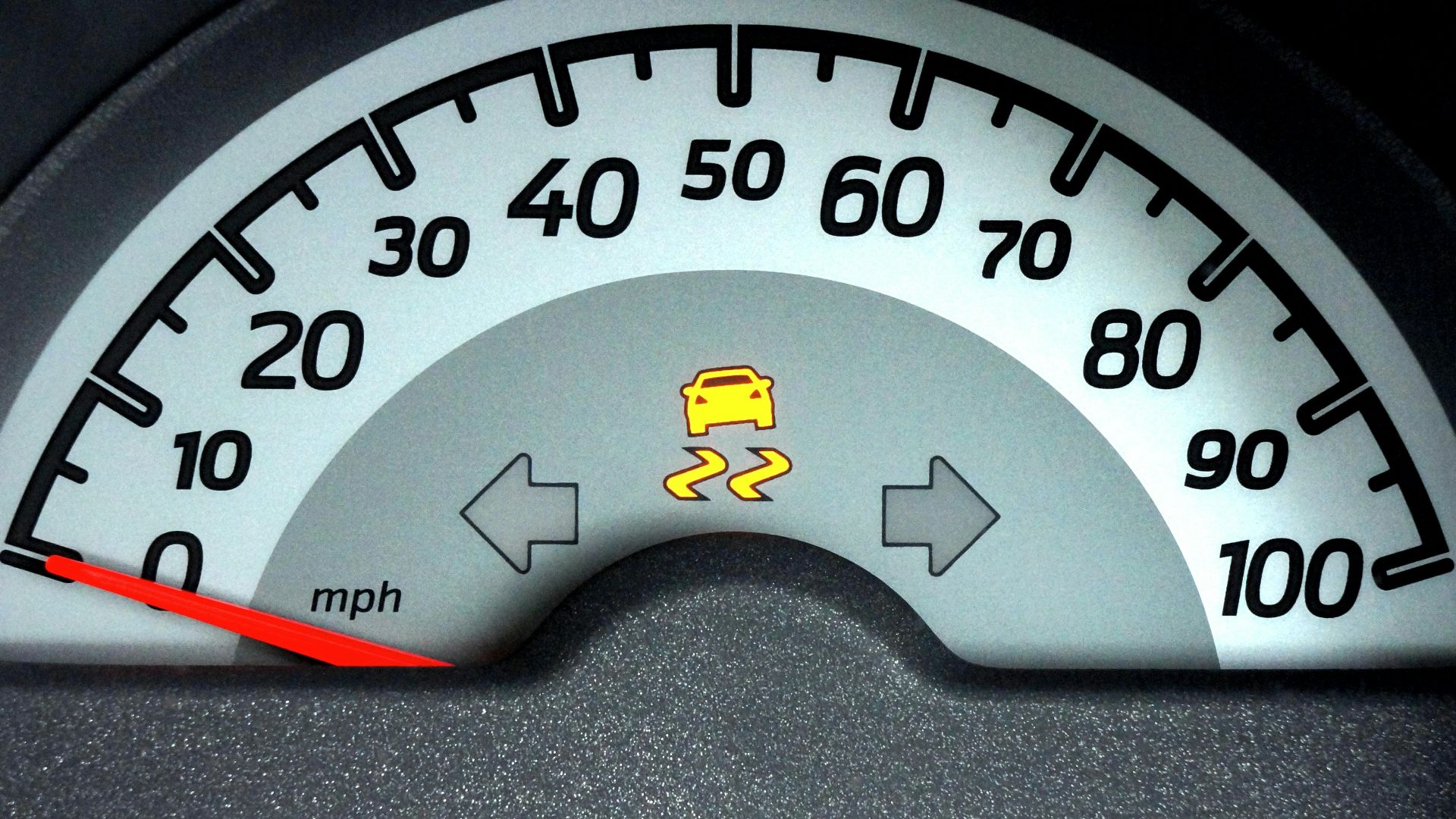
Vehicle computers rely on software that occasionally requires updates or recalibration. Manufacturers issue technical service bulletins when known issues arise. A dealership scan can sometimes resolve the warning without replacing physical components.
16. Exhaust System Leaks
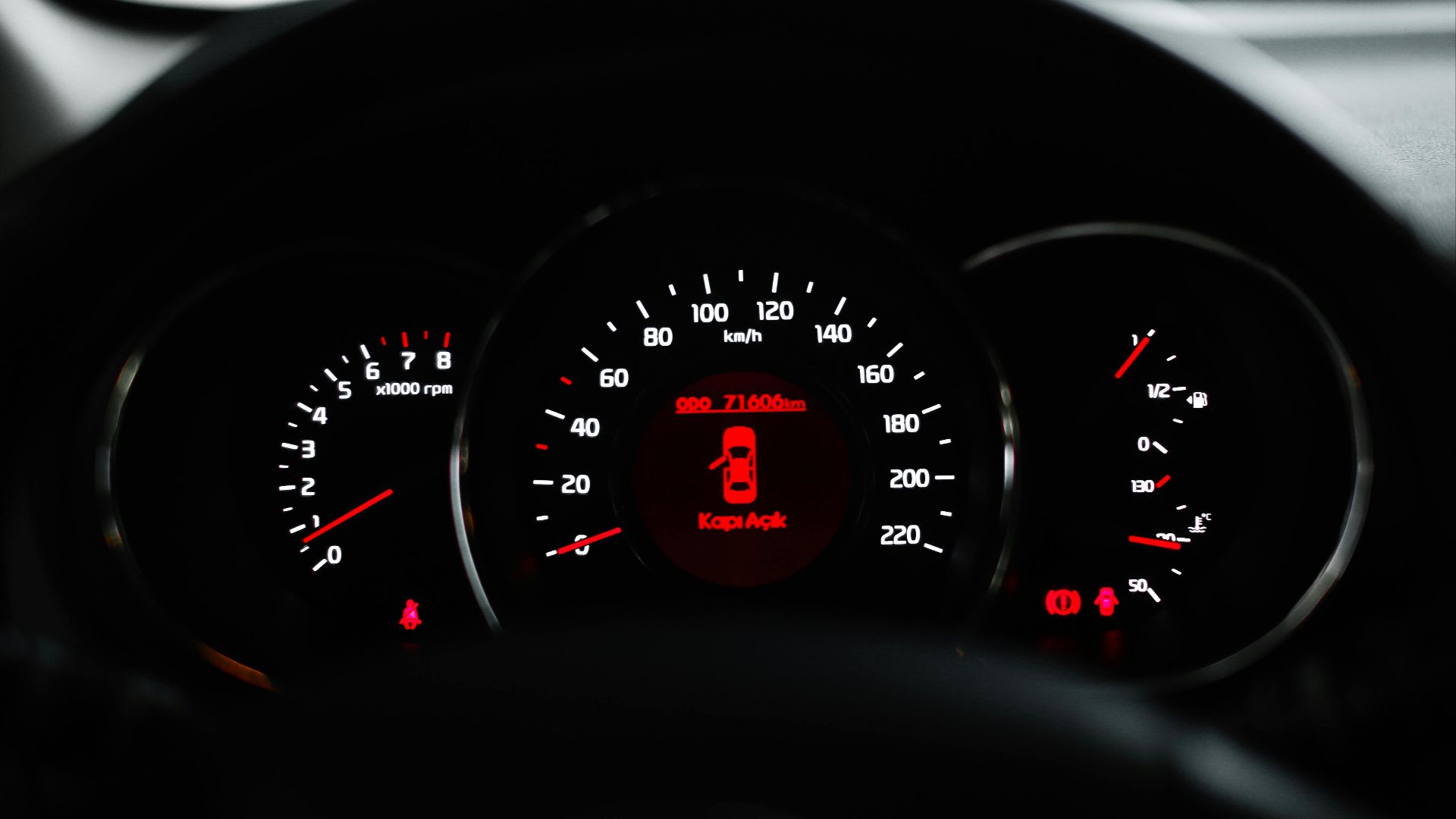
Leaks before or near the catalytic converter can affect oxygen sensor readings. Rusted pipes and failing gaskets are common culprits, especially in regions with harsh winters. These leaks often develop gradually, making them easy to overlook.

17. Faulty Throttle Body
The throttle body controls how much air enters the engine based on accelerator input. Carbon buildup can restrict movement or interfere with sensors. This often results in delayed acceleration and inconsistent engine response.

18. Emissions System Age And Wear
Emissions components are designed to last, but not forever. Valves, sensors, and hoses degrade slowly over time. The check engine light often appears as these parts reach the end of their usable life.
19. Engine Misfires Under Load
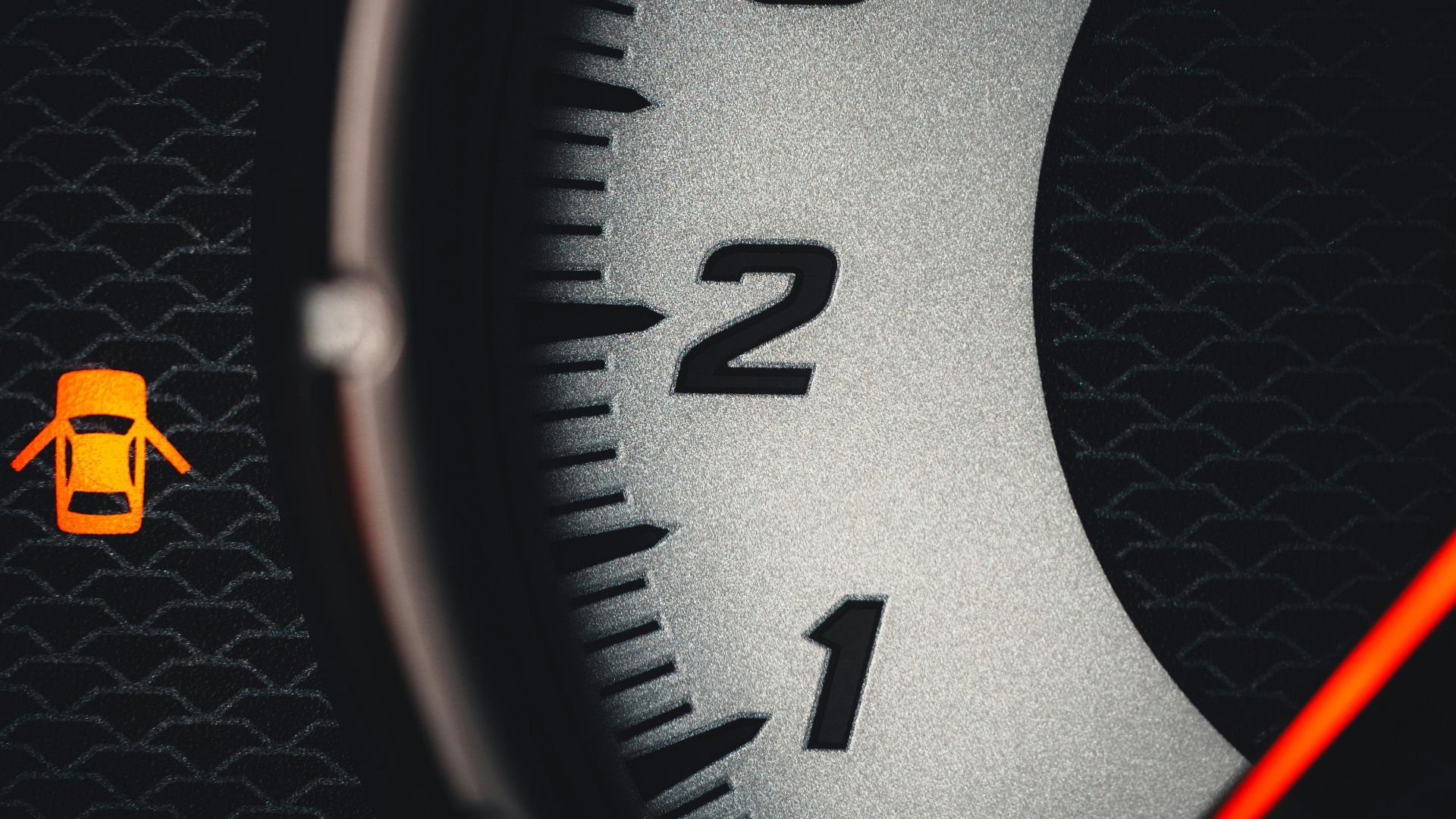
Misfires that occur only during acceleration or uphill driving can be difficult to detect. The onboard computer tracks these irregularities even when they feel subtle. Over time, repeated misfires increase wear on critical engine components.
20. Random Sensor Failure
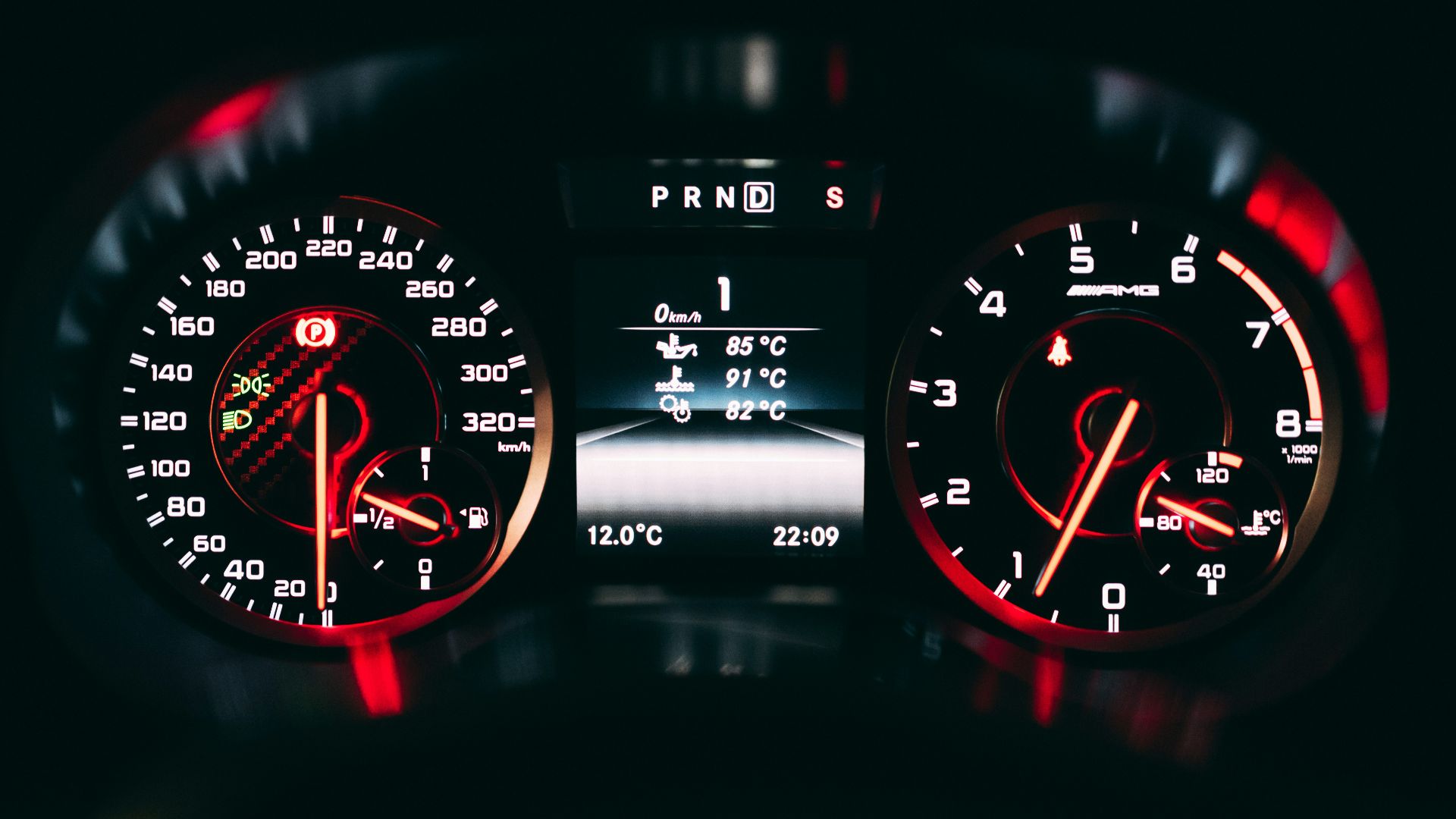
Vehicles contain dozens of sensors, and not all failures announce themselves clearly. Some sensors fail intermittently, triggering the warning light without consistent symptoms.