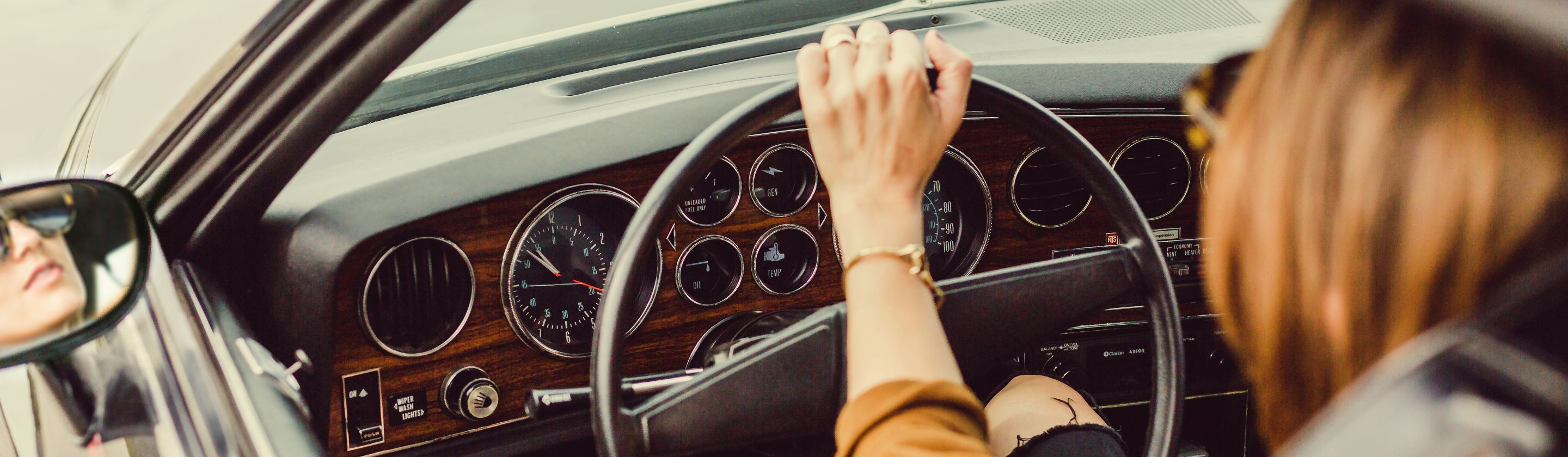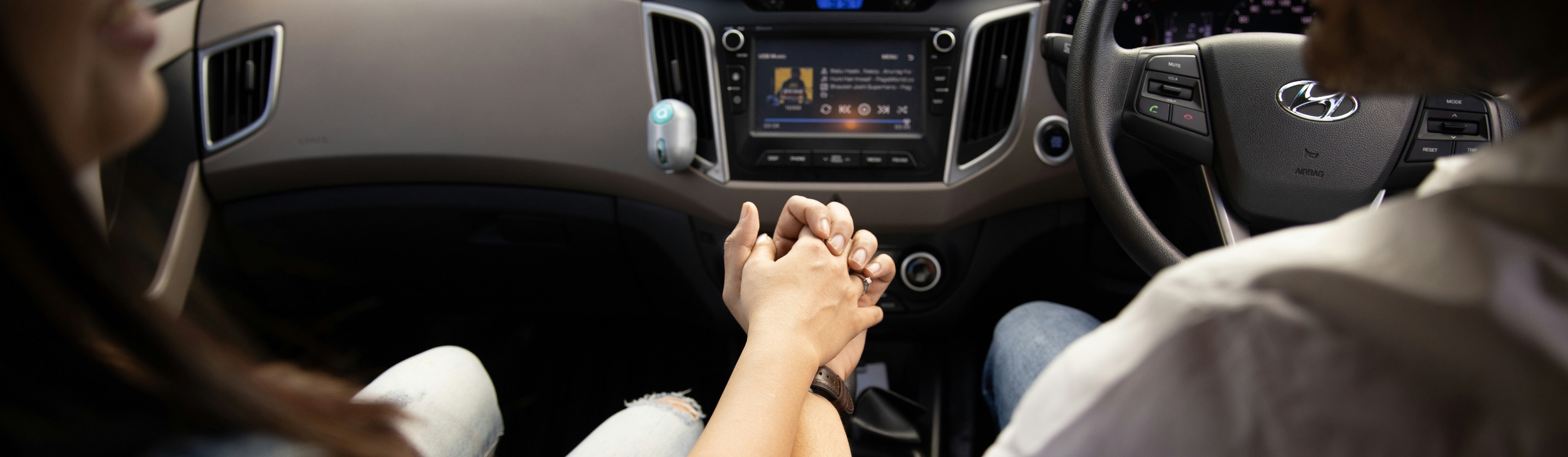
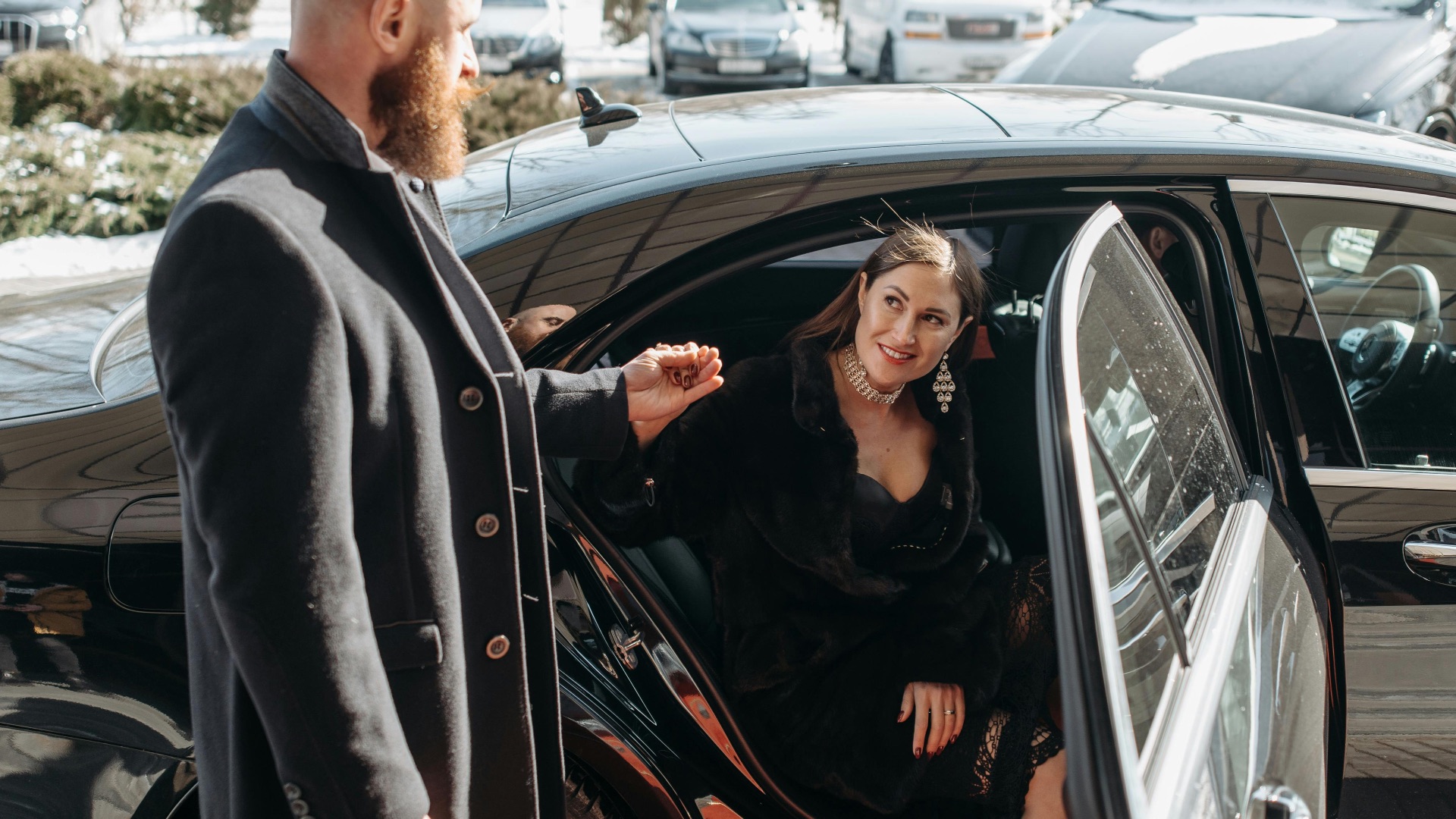
If you've spent any time on TikTok or Instagram in the past couple of years, you've almost certainly come across the term "passenger princess." According to Merriam-Webster, a passenger princess is a playful slang term for someone who gets chauffeured around by their partner, riding comfortably while someone else handles all the driving. The trend exploded on social media with countless videos showing women lounging in the passenger seat, iced coffee in hand, controlling the aux cord, and enjoying the ride without a care in the world.
On the surface, there's nothing wrong with sitting back and letting your partner drive. It can be a sweet, affectionate dynamic, and for many couples, it works perfectly well. But being a "passenger princess" might not always be a good thing. In fact, leaning too hard into this lifestyle may slowly chip away at your independence, your safety, and even the health of your relationship, and that's something no amount of TikTok content is going to tell you.
You're Deprived of a Critical Life Skill
Given that driving is one of those practical skills that most adults in the U.S. rely on daily, choosing never to learn, or letting your abilities lapse, can put you in a difficult position. Picture this: if your partner is unavailable, unwell, or simply no longer in the picture, you could find yourself stranded without a reliable way to get to work, medical appointments, or even a grocery store. The ability to drive isn't just a convenience; for many people, it's a cornerstone of their independence and daily functioning.
There's also a safety element to consider that often gets overlooked. In an emergency, whether that's a sudden medical situation, a family crisis, or any scenario where you need to act fast, not being able to drive can cost precious time. The reality is that you can't always count on someone else being available at the exact moment you need them, and that's a vulnerability worth taking seriously.
Beyond those two reasons, going long stretches without driving means your skills can start to deteriorate. Road confidence, spatial awareness, and the ability to navigate unfamiliar routes all require regular practice to maintain. If you've avoided the driver's seat for years, getting back behind the wheel can feel far more daunting than it would have had you kept up with it, which, unfortunately, only makes the cycle of avoidance even harder to break.
The Roles Can Put an Unfair Strain on Your Relationship
Sure, maybe you and your partner are completely compliant with this arrangement. But when one person in a relationship consistently takes on a specific role, like always being the driver, it can create an imbalance that both partners may not even notice at first. Over time, the person doing all the driving and navigating may begin to feel like a personal chauffeur, especially if the arrangement is never acknowledged or reciprocated in some other way. Relationship experts note that healthy partnerships thrive on mutual interdependence, where both people maintain their own capabilities and contribute equally, so one person picking up the slack indefinitely can introduce a strain that's hard to mend.
There's also the issue of what happens when the dynamic shifts. Relationships change, circumstances change, and people change. If you've built your entire routine around someone else driving you everywhere, you're setting yourself up to be completely unprepared the moment that arrangement is disrupted, whether by a breakup, a move, or a change in your partner's schedule or health. Relying on one person for a basic daily function is a fragile setup, no matter how solid the relationship feels right now.
It's also worth recognizing that emotional or practical dependency on a partner, even when it starts out small, can gradually expand into other areas of life. A pattern of letting someone else handle the wheel can reflect, or even reinforce, a broader habit of pushing responsibilities onto others that you're perfectly capable of managing yourself. You might not think too deeply about it now, but that kind of dynamic can eventually erode your confidence and your sense of self over time.
The Idea of Opting Out
The passenger princess aesthetic is cute on social media, but what it actually celebrates at its core is the idea of opting out. Letting someone else navigate, plan the route, deal with the traffic, and handle the unexpected isn't just about sitting back and relaxing; it's about choosing not to engage. When that attitude bleeds out of the car and into other parts of life, it can become a genuine obstacle to your own growth and capability.
There's also a broader conversation worth having about the way this trend plays into certain gender dynamics. The "passenger princess" label is almost exclusively applied to women, and it leans into the idea that being driven around and pampered is aspirational. While there's absolutely nothing wrong with enjoying that occasionally, framing passivity as a personality trait or a lifestyle goal doesn't exactly send a message of empowerment. After all, you deserve to be someone who can handle things yourself without needing to stay reliant on a partner, and you should believe you're more than capable of doing so.
Ultimately, the goal isn't to never enjoy being a passenger, but that it should be a choice rather than a default. There's a real difference between occasionally sitting back because you prefer it and being physically unable or emotionally unwilling to take the wheel when the situation calls for it. Keeping your own skills sharp, maintaining your autonomy, and contributing actively to shared responsibilities all make for a more balanced, confident version of yourself—both in and out of the car.