If you take a stroll through a crowded parking lot in any American city, you are likely looking at a sea of vehicles. The manual transmission, once the standard for nearly every car on the road, has rapidly retreated into a niche corner of the automotive market. For many young drivers today, the sight of a third pedal and a gear shifter is as foreign as a rotary phone or a floppy disk. It is a shift in car culture that has transformed a once-essential life skill into a specialized hobby for enthusiasts.
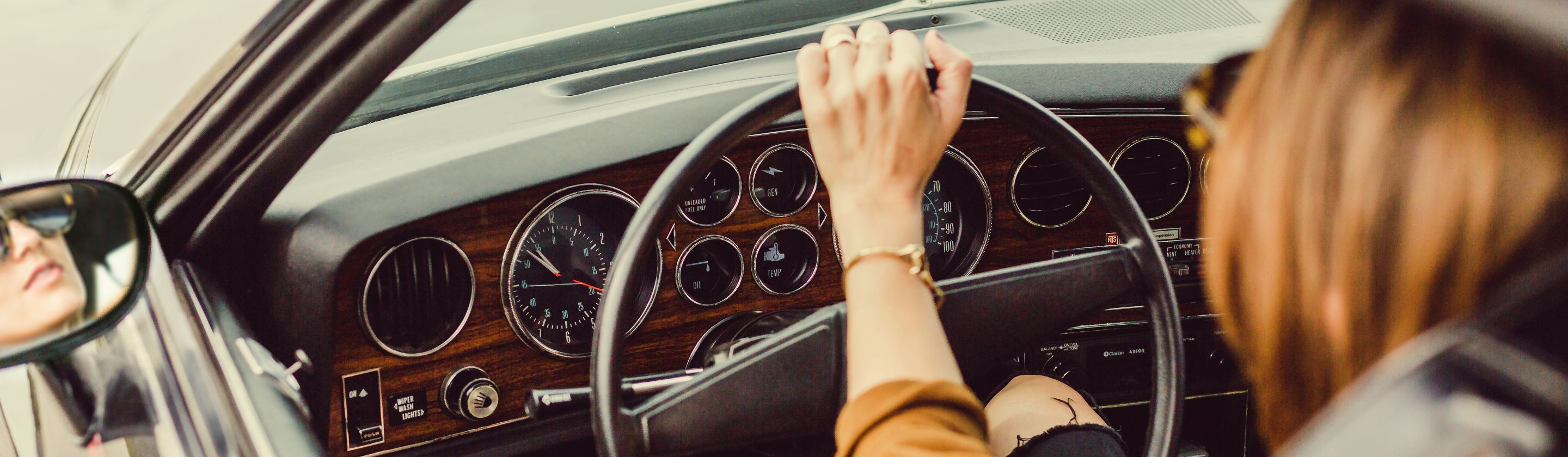
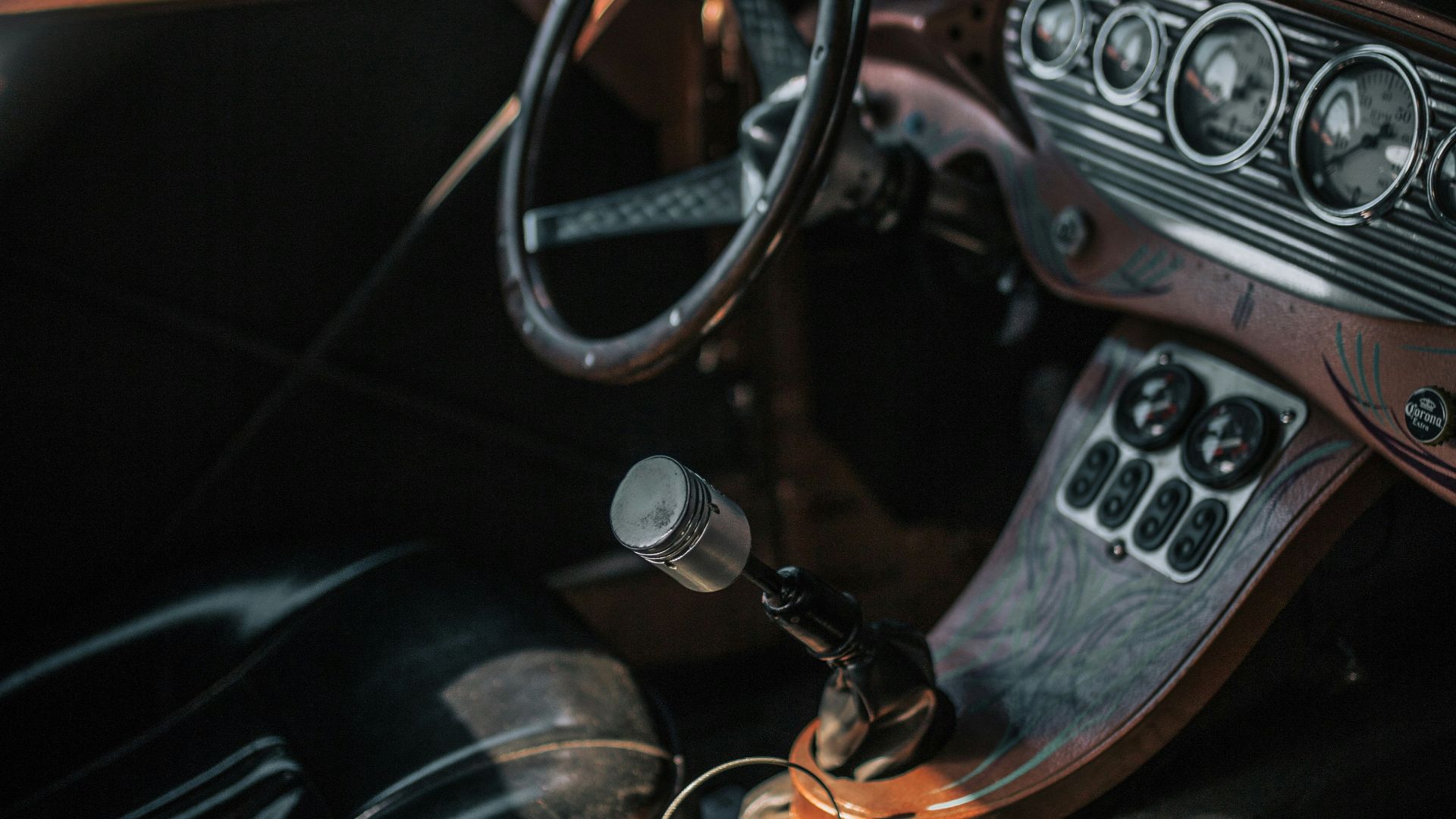
The decline of the "stick shift" isn't just about a change in what we buy, but a fundamental change in how we relate to our machines. Driving used to be an active, physical process that required a rhythmic dance between your left foot and your right hand. Now, it has largely become a passive experience, where the car makes all the difficult decisions while you simply point the steering wheel. As we move deeper into an era of automation and effortless travel, the mechanical connection of the manual gearbox is fading into the rearview mirror.
The Rise of the Intelligent Automatic
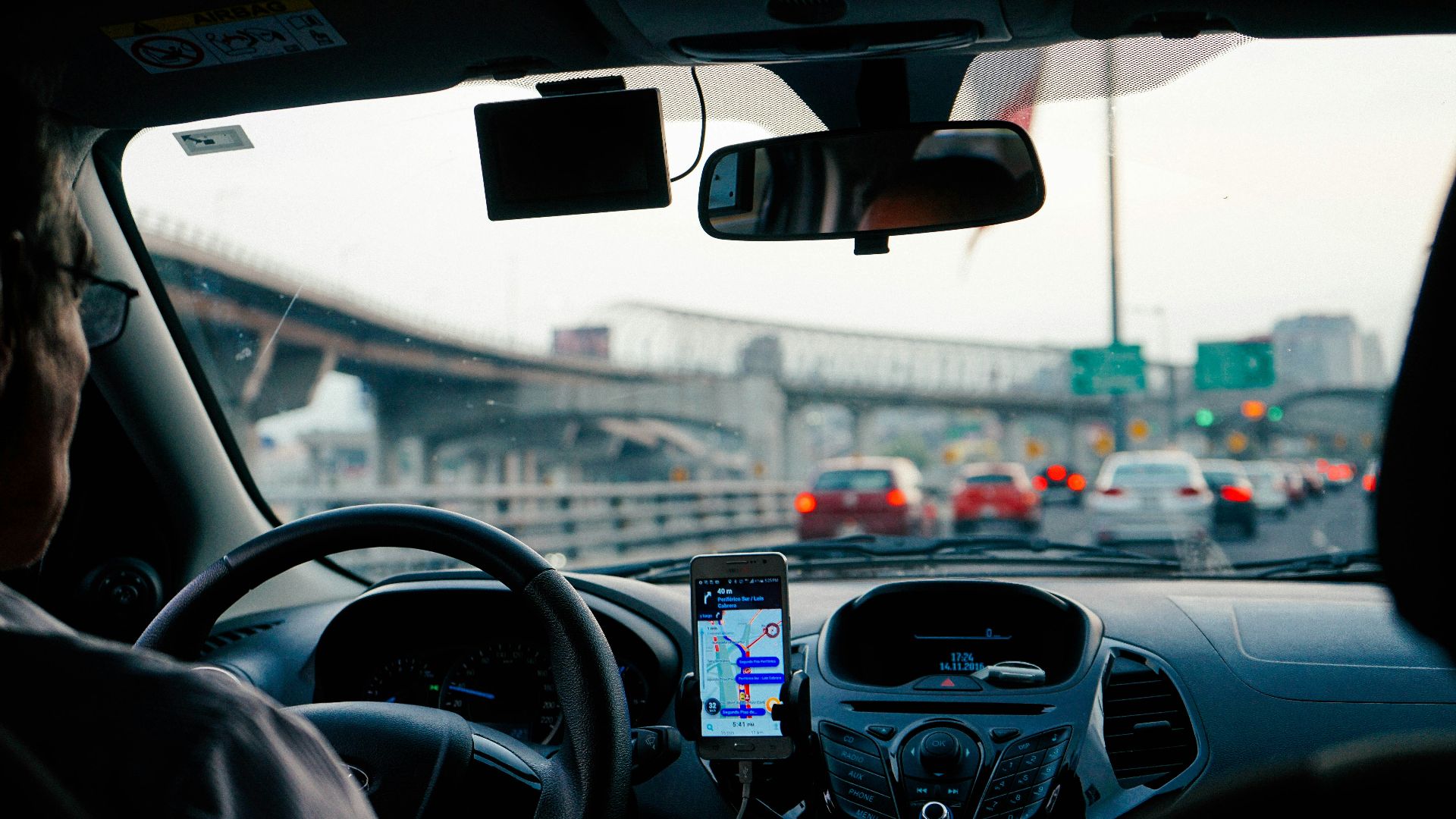
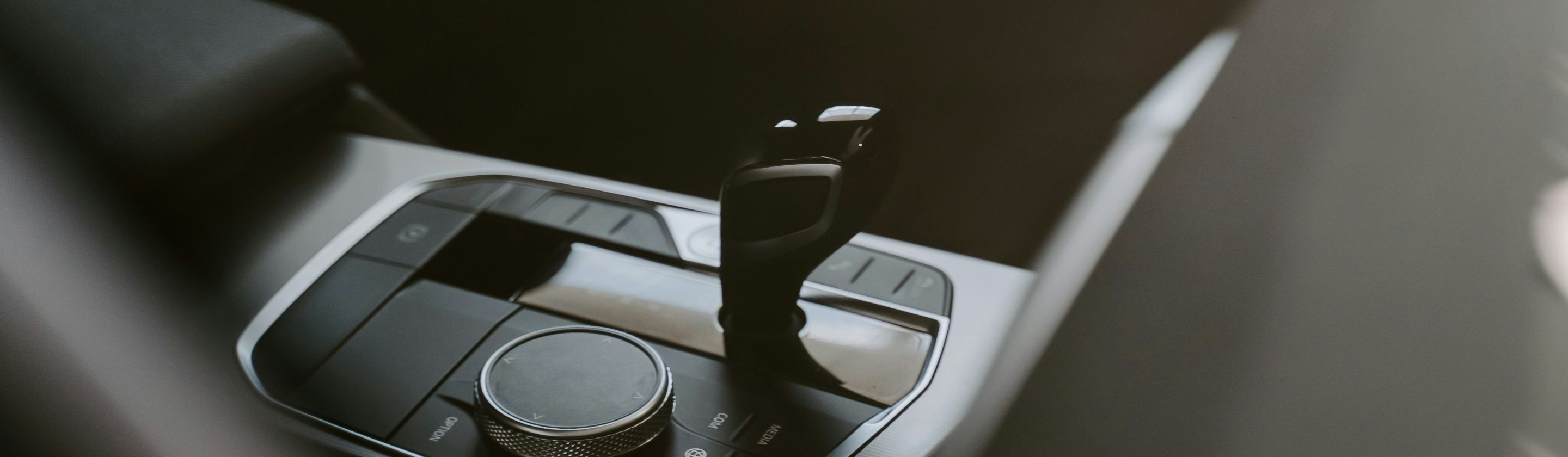
Manual transmissions used to be justified because they shifted faster and more efficiently than automatic cars. Newer dual-clutch and multi-speed automatics have reversed that paradigm entirely. They can shift gears in milliseconds that would take a human driver longer to move the stick. They’re typically better on gas as well. Because a computer can precisely control each shift for optimal power or fuel economy, the old "standard" transmission no longer has a technological advantage.
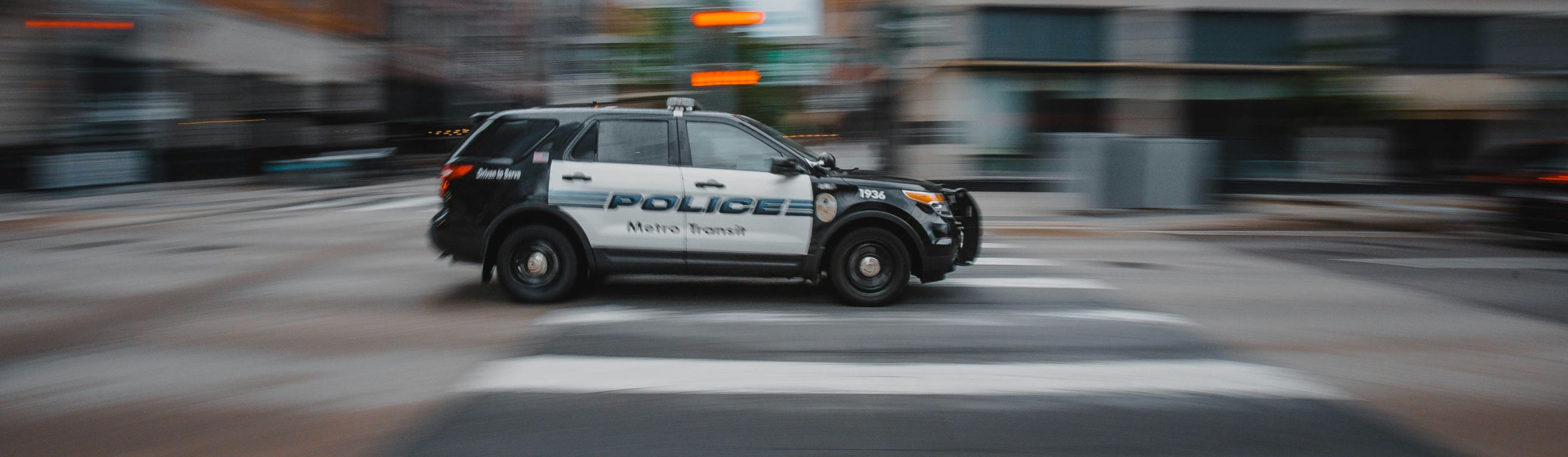
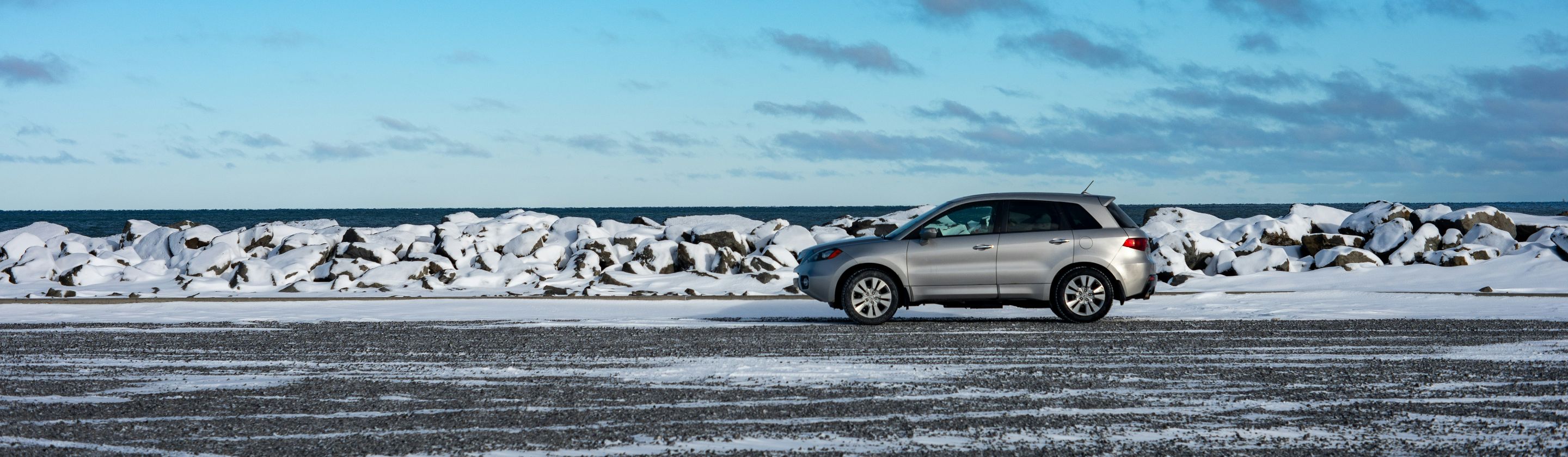
It’s also become significantly easier for automakers to include safety tech like adaptive cruise control and automatic emergency braking with an automatic transmission. Programming your car to stop itself at traffic lights is much harder when you add a clutch that could potentially stall the engine. Auto manufacturers have been simplifying production by building only what people want. Sure, you can still get a sports car with a manual gearbox, but when it comes to family cars and SUVs, the automatic has already won the battle.
Speaking of fighting, shifting through heavy traffic is annoying, and most drivers don’t want to struggle with their commute every day. You’re cruising along the highway at five miles per hour, at the whim of some random driver who feels the need to creep. When your transmission is doing the work for you, it’s not so stressful. Americans have chosen the easier way almost every time they buy a new car.
The Electric Revolution and the Death of Gears
The shift to electric vehicles will also make the idea of a multi-speed transmission technically irrelevant. The majority of EVs are already single-speed direct drive since the electric motor creates instant torque from zero RPM to an extremely high RPM, essentially eliminating the need for gears. Because electric motors don’t need to operate within a certain “power band” like gasoline engines do, you no longer need a clutch or shifter. So, if you’re in the market for a new car within the next ten years, there’s a good chance it will have zero gears for you to shift at all.
This transition to electrification represents the final nail in the coffin for the manual transmission in the mainstream market. Even hybrid vehicles, which still use internal combustion engines, almost always rely on complex electronic transmissions to manage the flow of power between the motor and the battery. While some companies have experimented with "simulated" manuals for electric sports cars, these are often just software tricks designed to mimic a feeling that isn't actually there. The mechanical reality of a gearbox is slowly being replaced by lines of code and silent, high-tech motors.
For the younger generation of drivers, the lack of exposure to manual cars means there is very little incentive to learn the skill in the first place. When nearly 99 percent of the new cars on the lot are automatics, the "lost art" of the stick shift starts to feel like a burden rather than a benefit. Most driving schools have even phased out manual lessons because the demand has simply dried up over the last few years. You can't really blame a new driver for not wanting to learn a difficult skill that they will likely never have to use in their daily life.
The Survival of the Enthusiast Niche
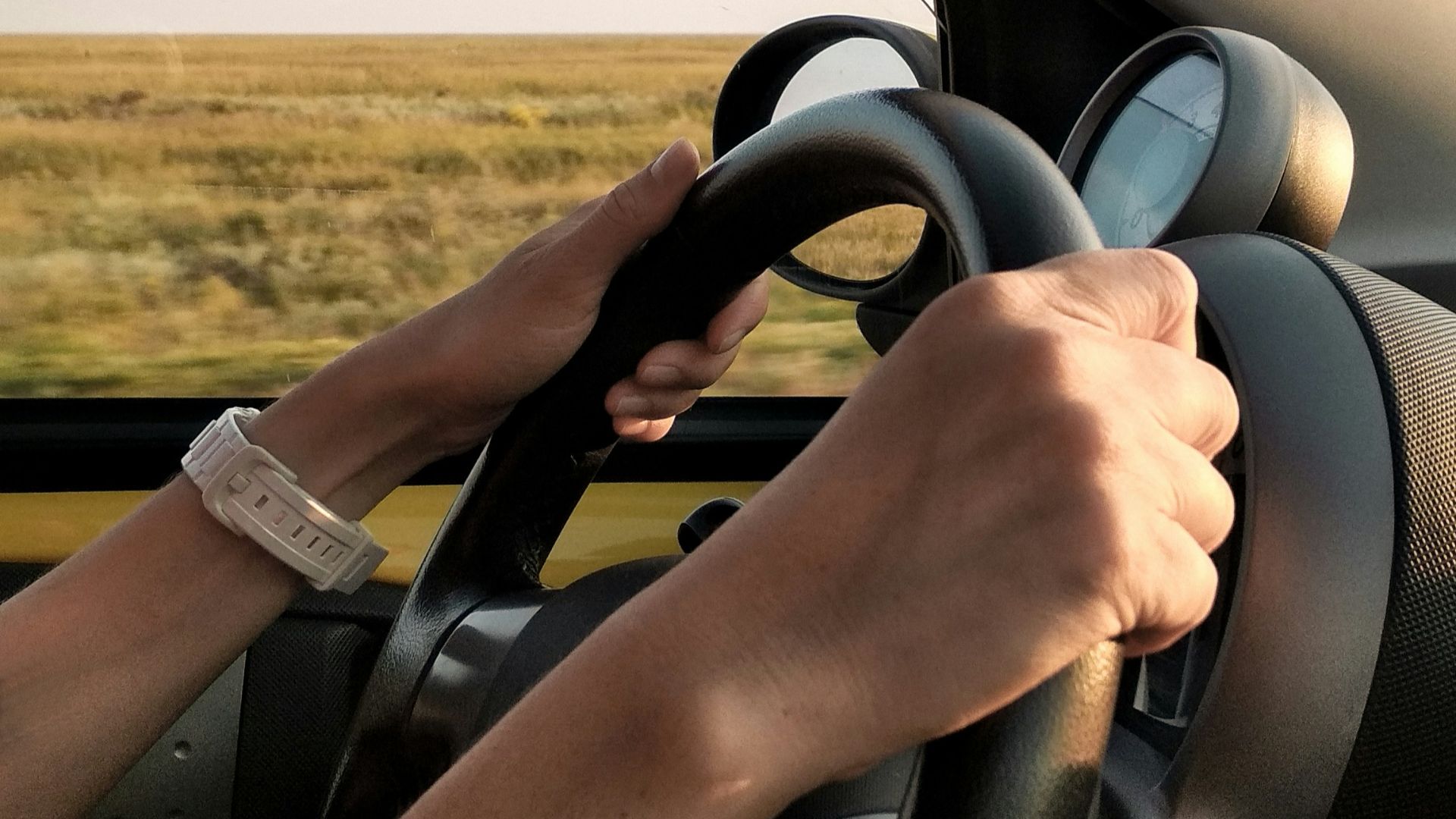
Ultimately, driving a stick shift is becoming a specialized talent, much like riding a horse or sailing a boat. It is no longer how most of us get around, but it remains a rewarding way to experience the open road for those who are willing to put in the effort. While the art of the manual might be fading from the American mainstream, its legacy will continue to live on in the hearts of those who refuse to let go of the shifter. As long as there are people who love the drive more than the destination, the third pedal will always have a place on the floorboard.