10 Performance Myths People Still Believe & 10 That Actually Make You Faster
10 Performance Myths People Still Believe & 10 That Actually Make You Faster
Grip And Reliability Beat Flashy Mods
People talk about horsepower like it's the only thing that matters, treating individual bolt-on parts as transformative upgrades. But lap times tell a different story—they respond to less glamorous factors. The fastest cars on track aren't usually the ones with the most dramatic modifications. They're the ones that brake later, maintain speed through corners, and repeat that performance lap after lap without overheating tires or fluids. That's why serious performance enthusiasts focus on fundamentals: tire selection, brake temperatures, alignment, and driver consistency. Here are ten common myths about modifications and ten that actually improve lap times.
1. More Horsepower Automatically Makes The Car Fast
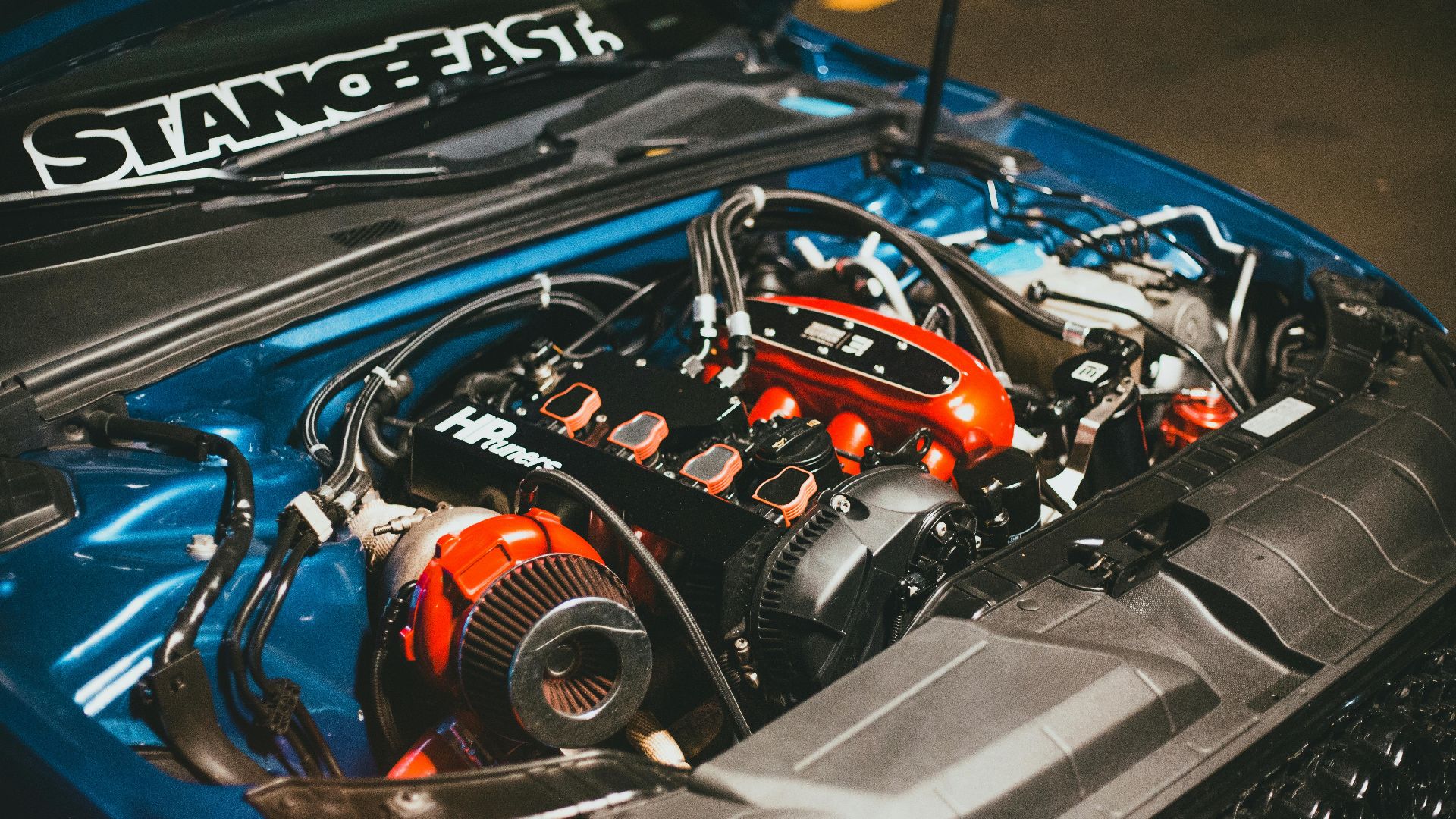
Horsepower helps, yet it doesn’t cancel traction limits, gearing, or the fact that you still have to slow down for corners. A big power bump that overwhelms the tires can make the car harder to drive cleanly, which often means slower laps even if the dyno sheet looks amazing. Speed comes from how much of the power you can actually use.
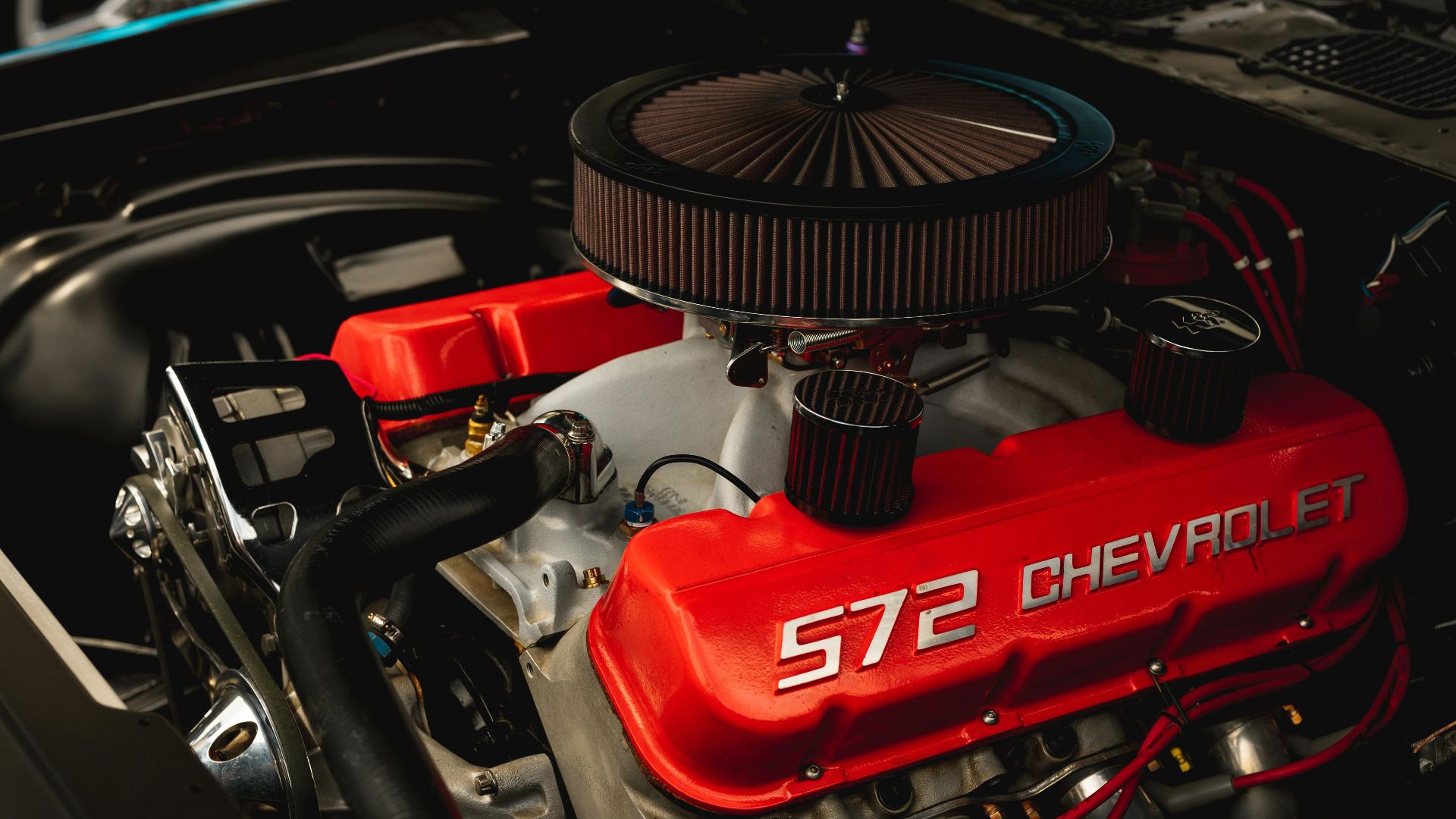
2. A Cold Air Intake Always Adds Real Power
A well-designed intake can help in specific cases, yet many aftermarket intakes mainly add noise and a sharper throttle feel. If the factory system already pulls cool air and flows well, the gains are often tiny outside of a full tune and supporting mods. The placebo effect is strong when the engine sounds angrier.
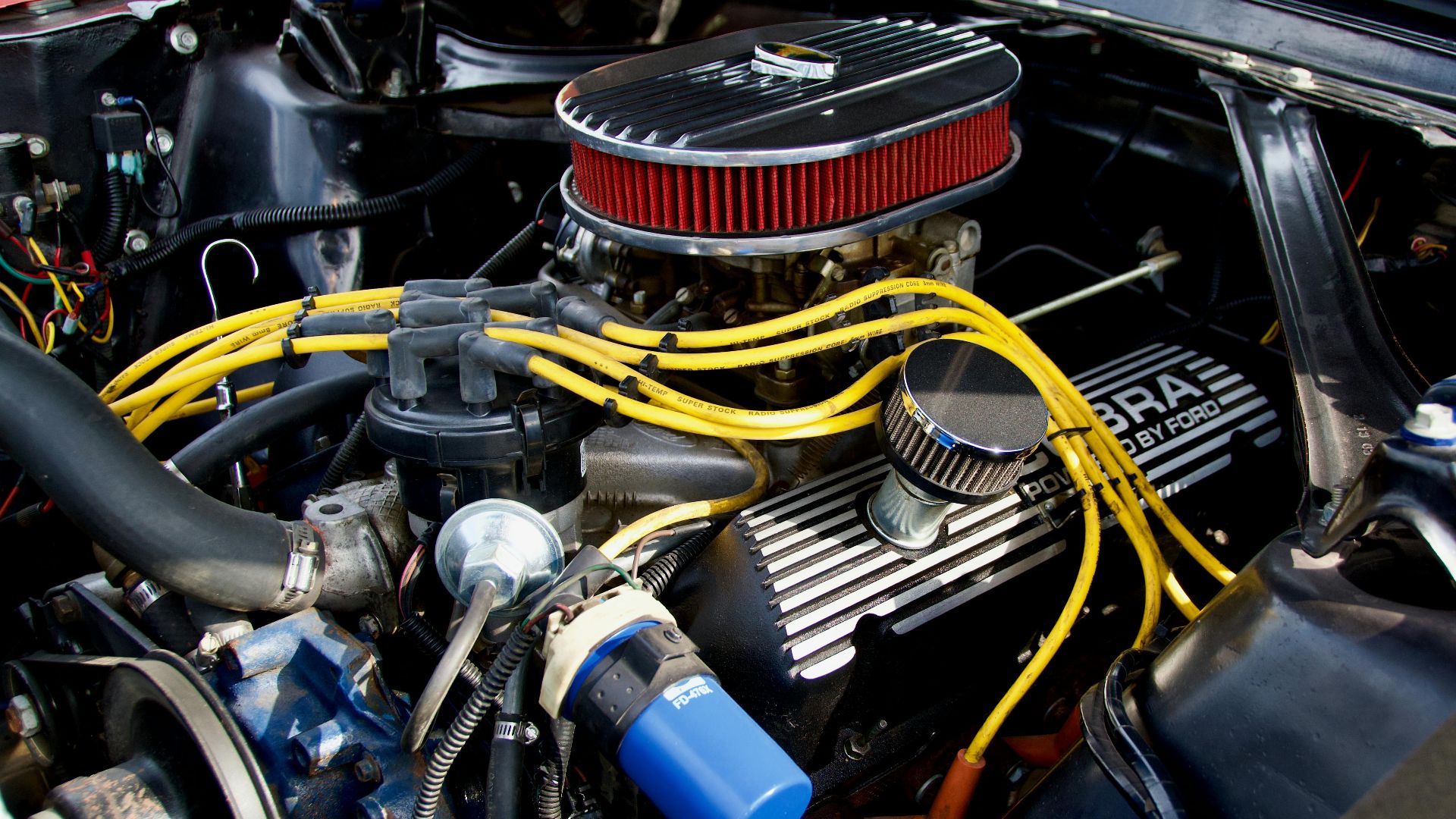
3. Louder Exhaust Equals Faster Car
A loud exhaust can make the car feel more urgent, especially at part throttle, where sound tricks the brain into hearing acceleration. Modern engines are heavily tuned around emissions and backpressure targets, so random exhaust changes can sometimes reduce low-end torque or create annoying drone without meaningful speed. Noise is not a performance metric.
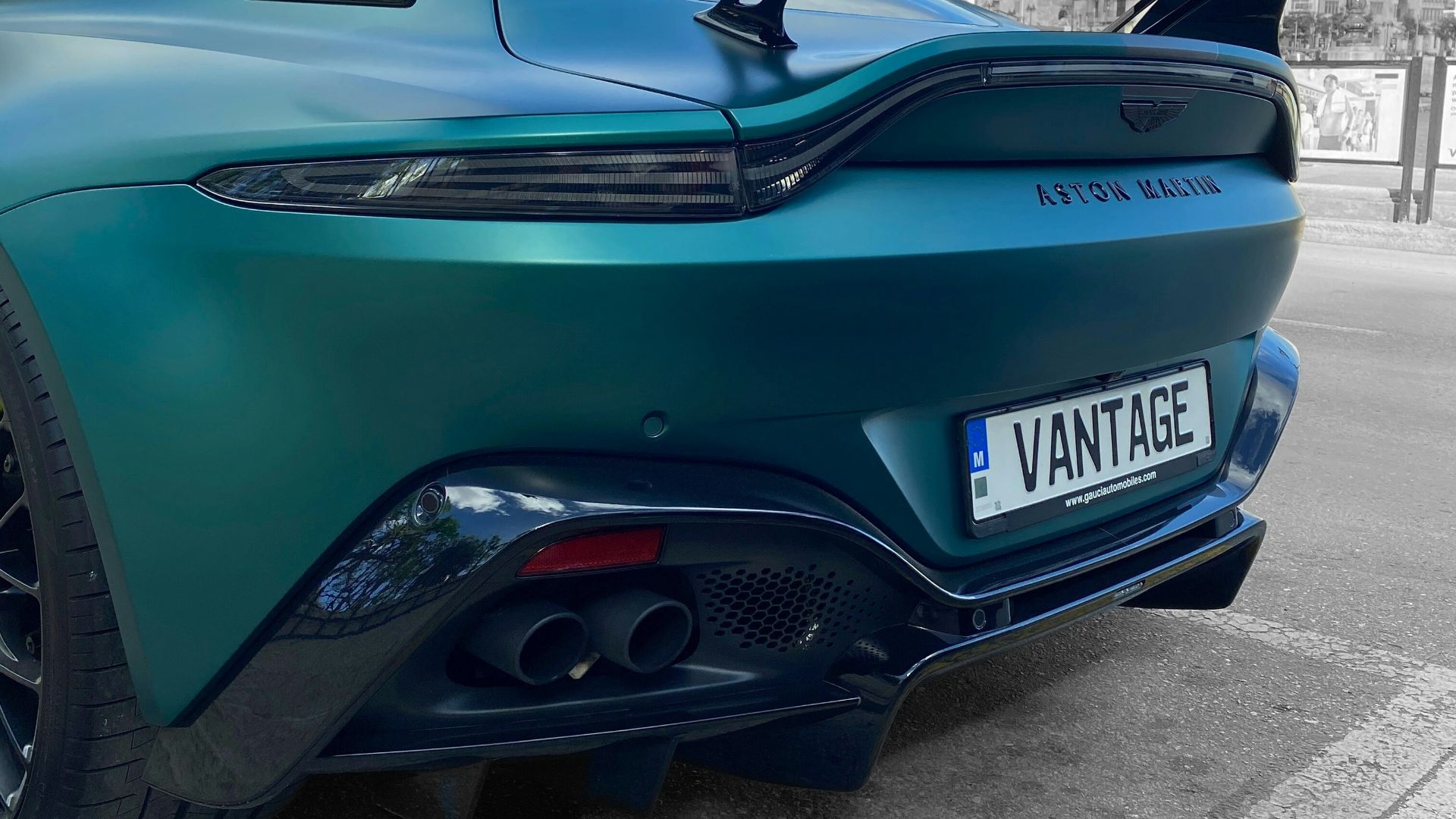
4. Bigger Wheels Are Always Better
Huge wheels look aggressive, yet they often add rotational mass and reduce sidewall compliance, which can hurt acceleration and ride quality. Once the tire’s ability to conform to the pavement gets worse, grip can drop on real surfaces that aren’t perfectly smooth. A wheel that looks fast can still be a slower choice.
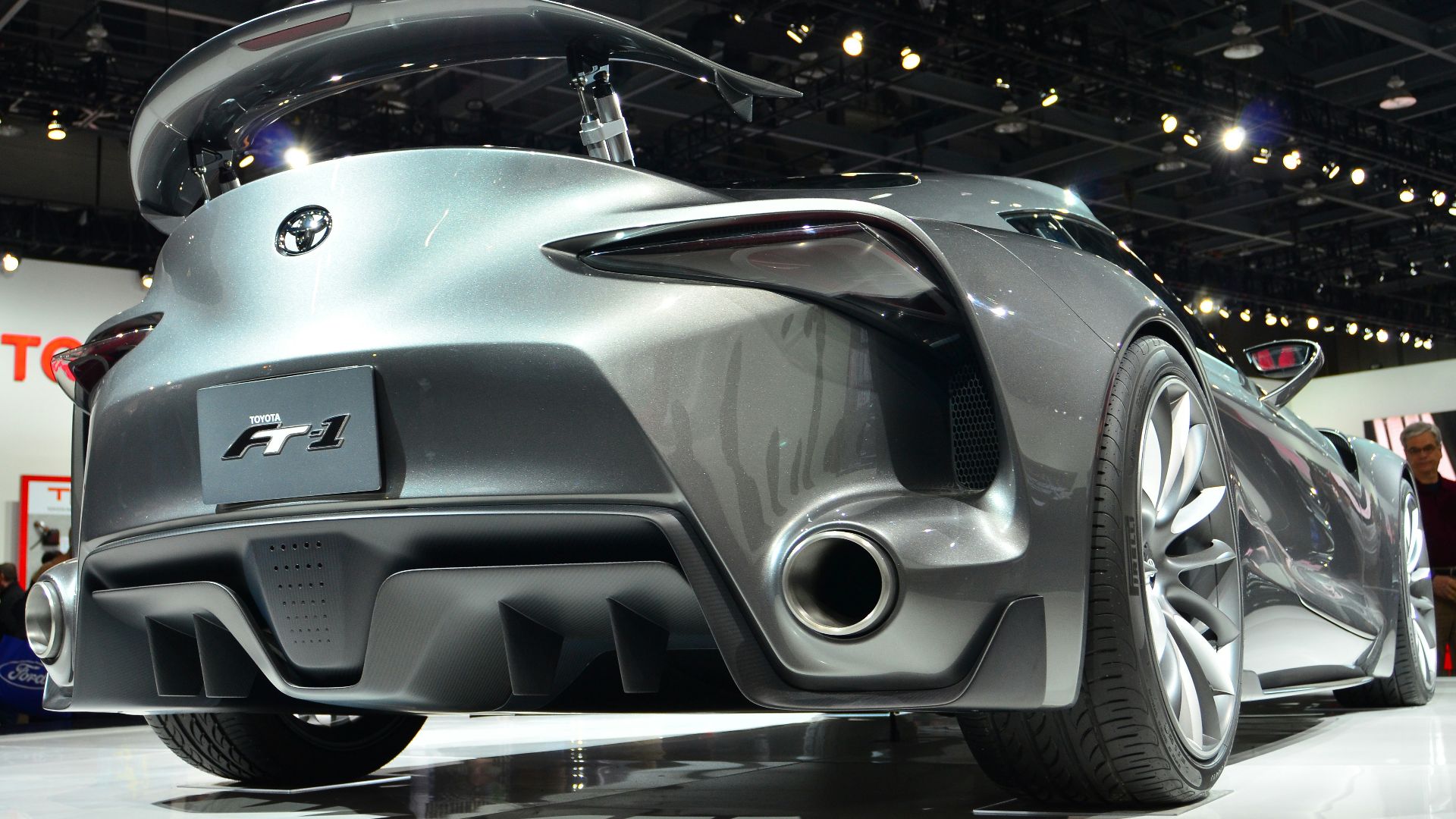
5. Lowering Springs Alone Improve Handling
Dropping ride height changes geometry, and without addressing alignment and damper control, the car can end up with worse grip and a harsher, bouncier response. A lowered car that crashes onto bump stops is not composed, it’s just low. Handling improves when the suspension works through its travel properly.
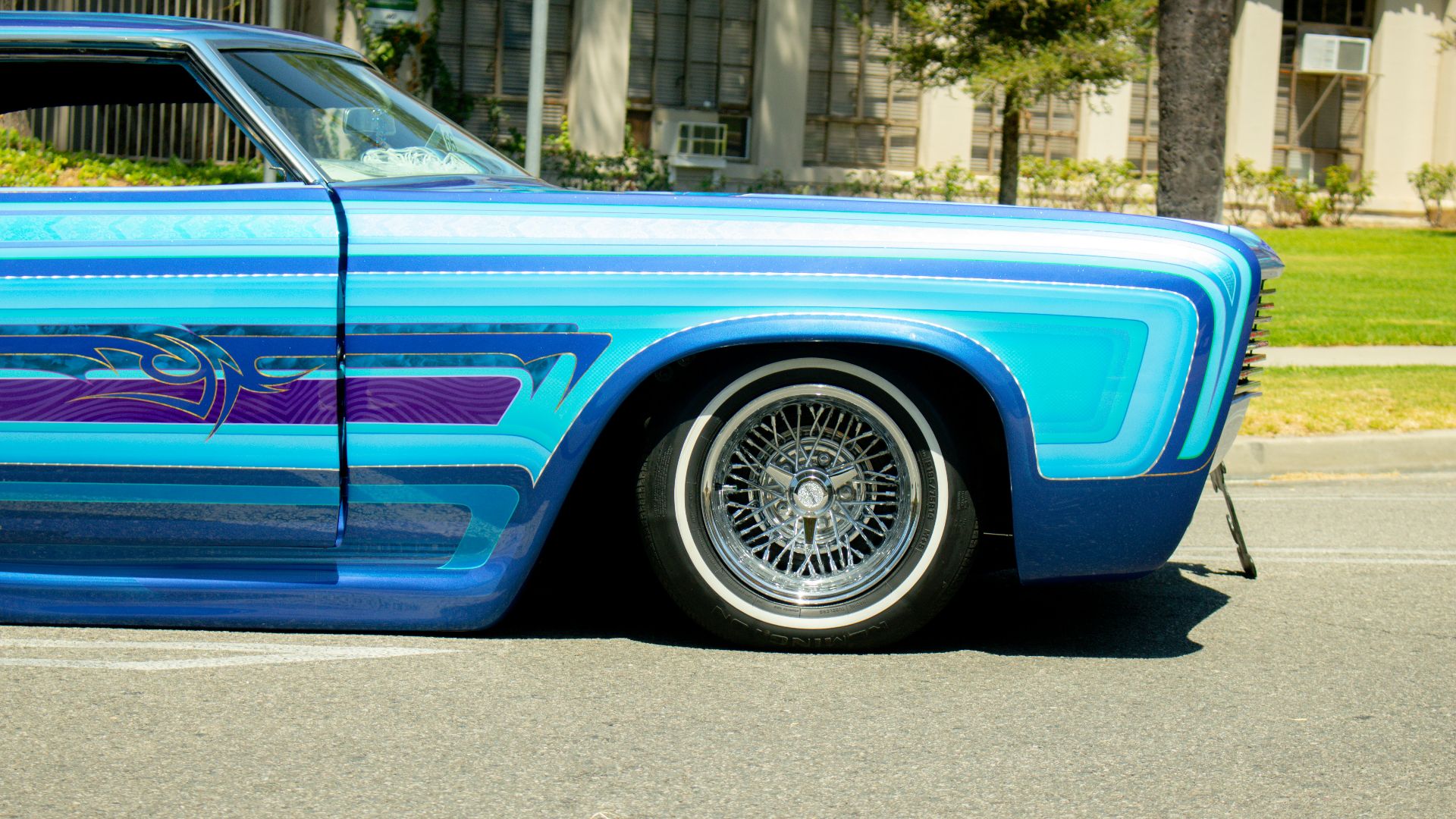
6. Stiffer Is Always Faster
Stiff suspension can feel sharp in a parking lot, yet too much stiffness reduces mechanical grip on imperfect pavement. Track surfaces aren’t glass-smooth everywhere, and a car that can’t keep the tire planted is a car that can’t use its grip. Balance beats brute stiffness.
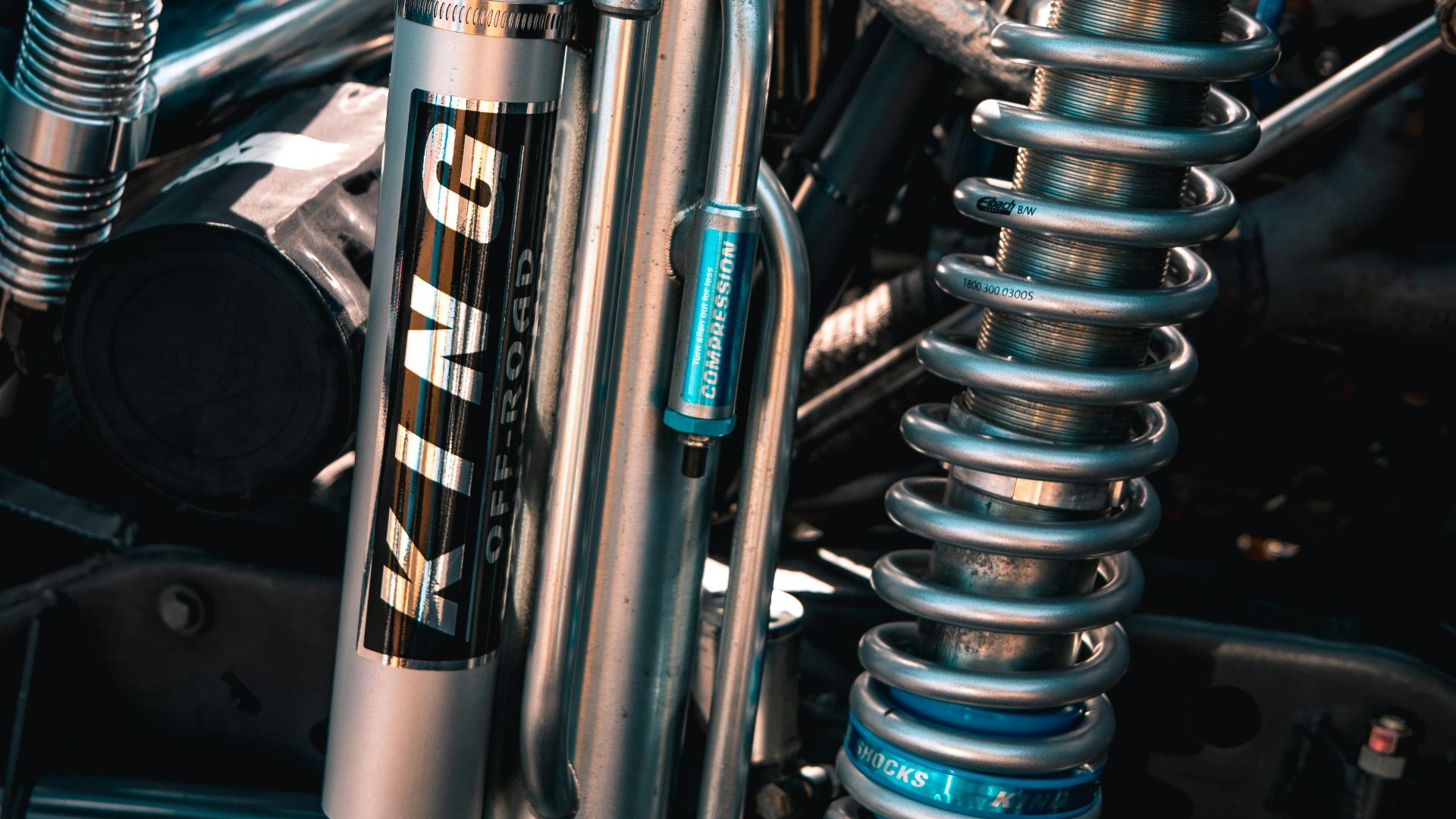
7. All-Season Tires Are Fine If The Car Has Big Power
All-season tires are designed for compromise, and compromise shows up most clearly when you demand maximum braking and cornering. A powerful car on mediocre tires is still limited by the tire’s compound and construction, especially once temperatures rise. The car’s potential gets capped by the part that touches the ground.
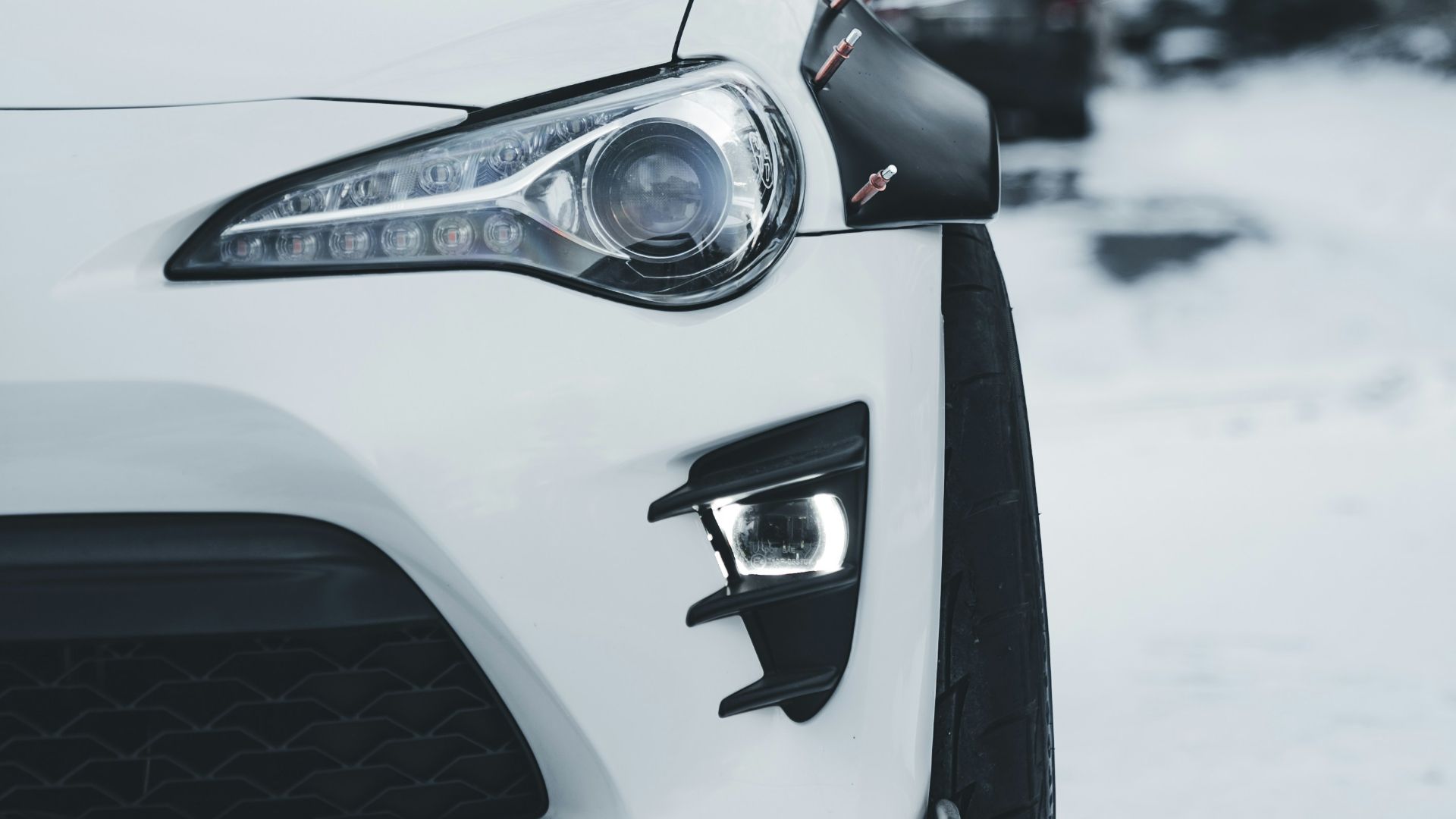
8. Brakes Only Matter For Stopping, Not For Going Faster
If you can’t brake confidently and repeatedly, you’ll start braking early, and every early brake point is time you never get back. Fading fluid, overheated pads, and long pedal travel also make a driver cautious, even if they don’t admit it out loud. Faster laps often start with better braking consistency.
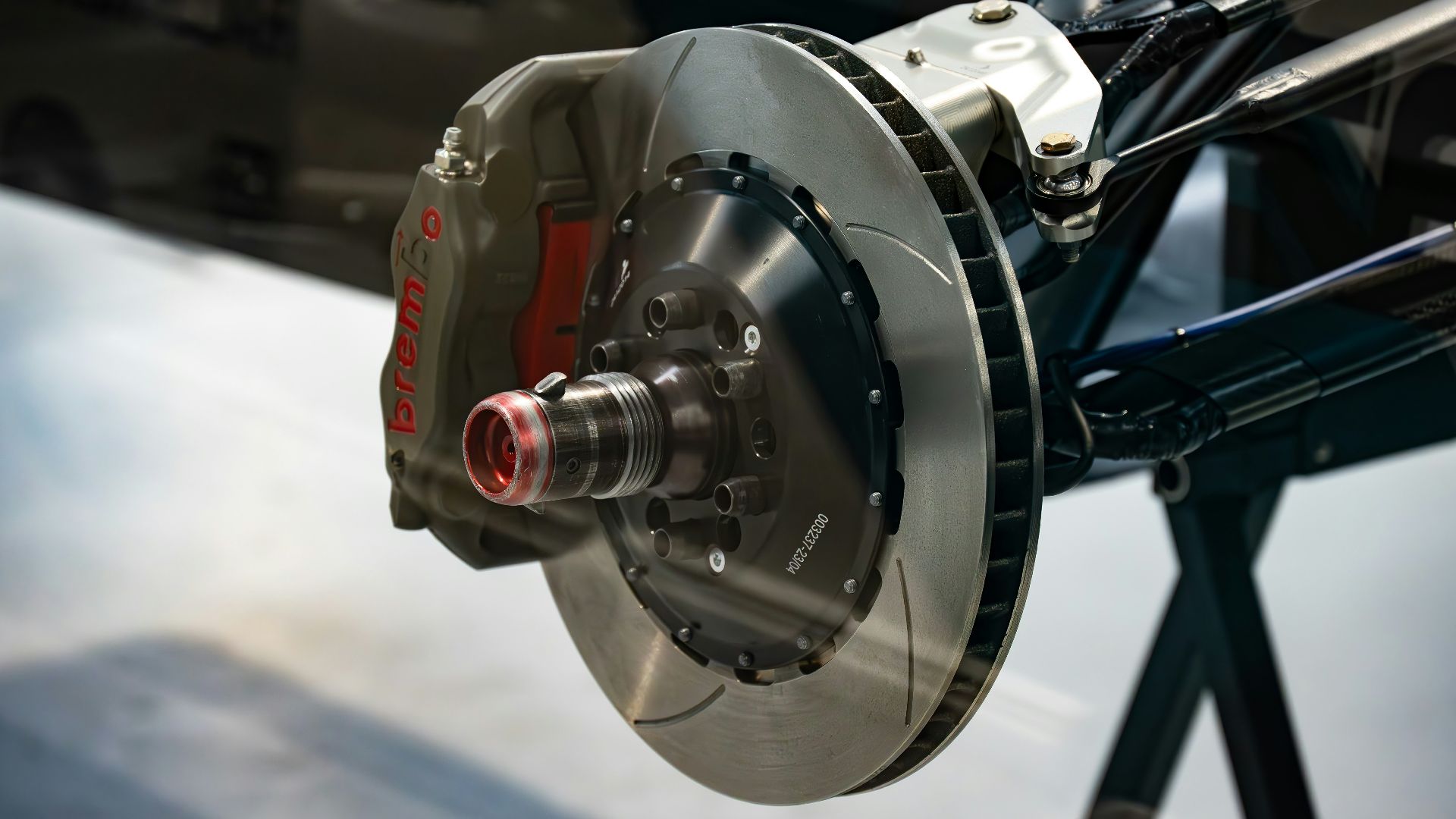
9. Electronic Aids Always Slow You Down
Modern stability control and traction systems can be genuinely quick, especially on street tires or in mixed conditions, because they react faster than most humans can. In motorsports, drivers and teams sometimes adjust or reduce these aids, yet the idea that turning everything off automatically makes you faster is usually fantasy. The fastest setting is the one that lets you put power down cleanly.

10. The Best Mod Is Whatever A Forum Loves This Month
Car communities can turn a part into a trend overnight, and trends tend to skip the boring context of goals, budget, and usage. What works for a turbo track build may be pointless for a daily-driven naturally aspirated car, and vice versa. The hype cycle is not the same thing as a plan.
The myths are loud because they sell excitement, and the next 10 are quieter because they work.

1. Tires That Match The Job
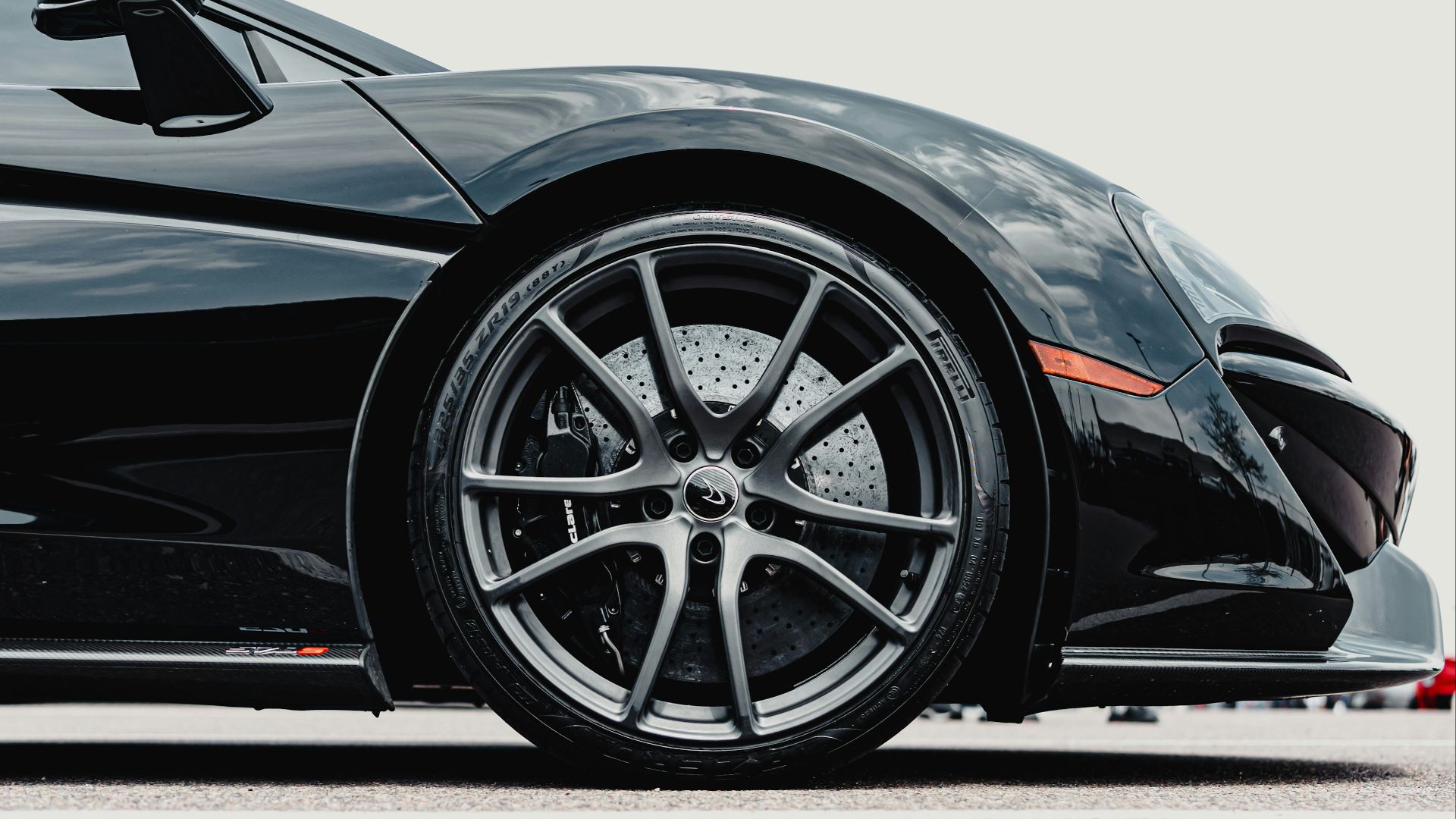
If the goal is going faster, tire choice is usually the biggest lever because it changes braking distance, cornering speed, and how early you can get on throttle. A good summer performance tire or a proper track-focused tire can transform the car’s behavior without touching the engine. Grip is the foundation every other upgrade depends on.
 LOGAN WEAVER | @LGNWVR on Unsplash
2. Fresh, High-Temperature Brake Fluid
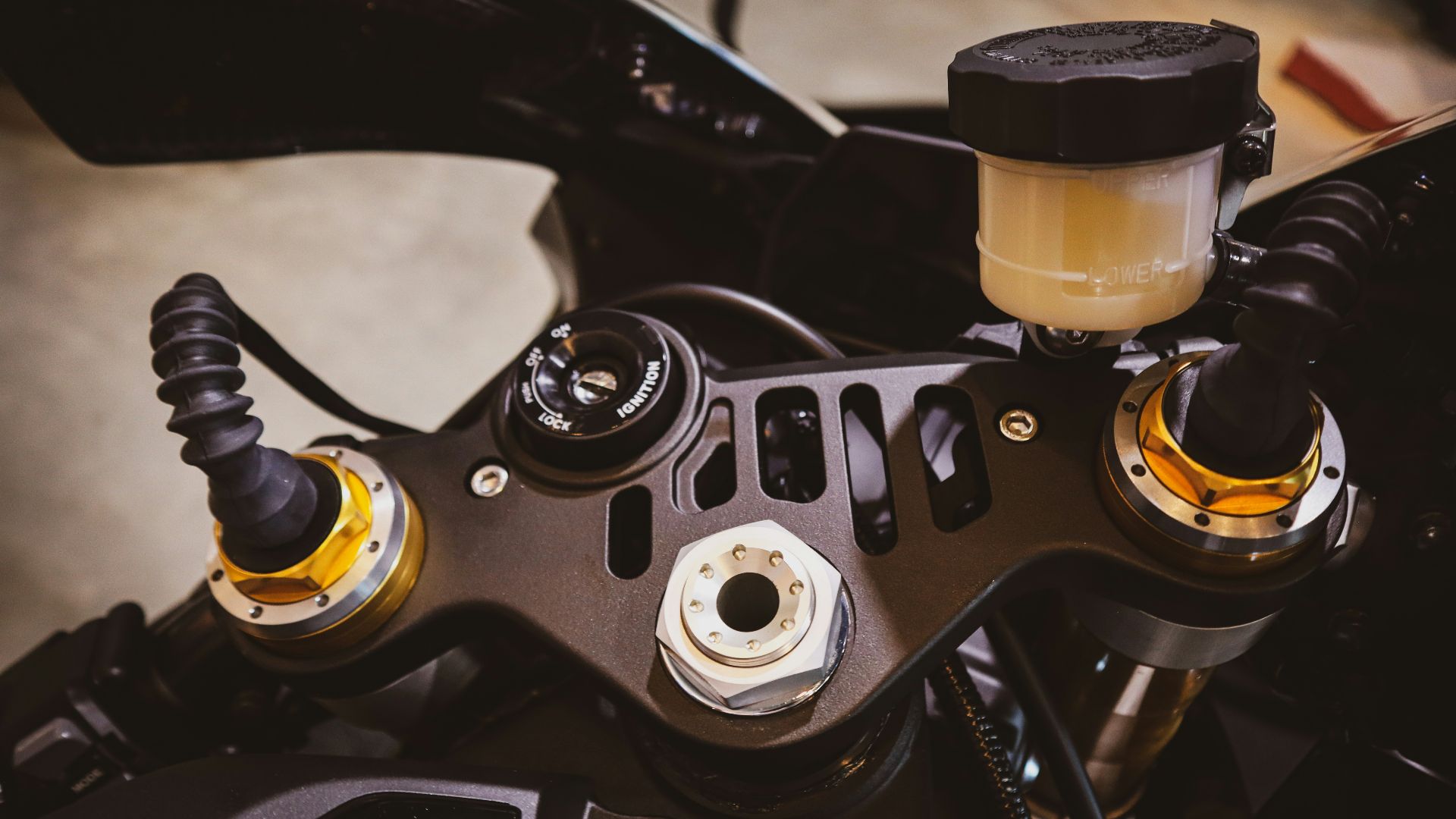
Brake fluid that can handle heat is a small change that pays off the moment you start pushing harder for longer than a single stoplight pull. High temperatures can boil old fluid, and boiling turns the pedal into a warning sign. Confidence under braking is speed you can repeat.
3. Pads Designed For Your Actual Use
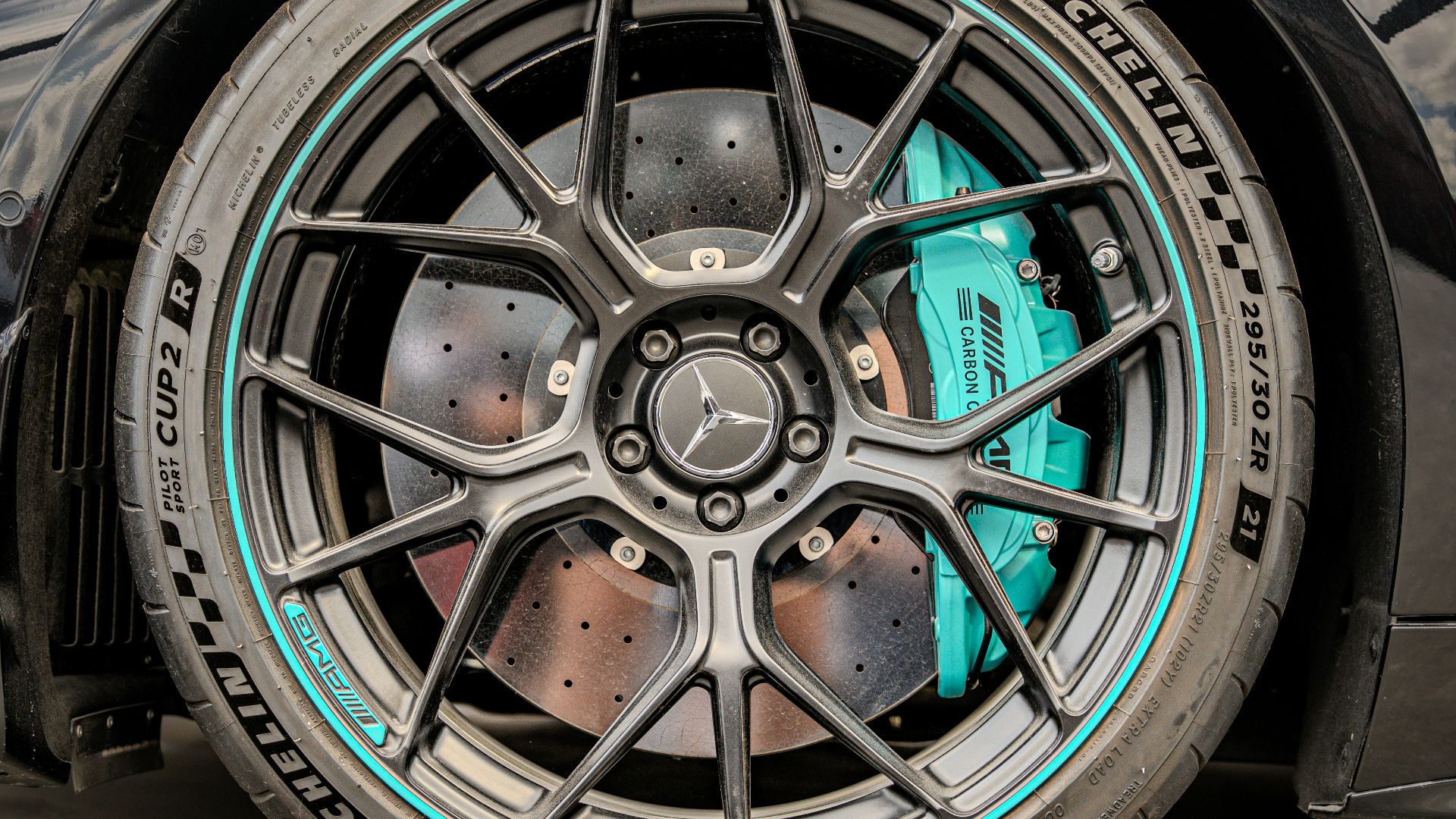
The right pads make a car feel predictable, and predictability is what lets you brake later without drama. Track-capable pads handle heat better, yet they can squeal or dust more, so the best choice depends on whether the car lives on the street, the track, or both. Matching the pad to the job prevents fade and frustration.
4. A Real Alignment, Not Just A Quick Adjustment
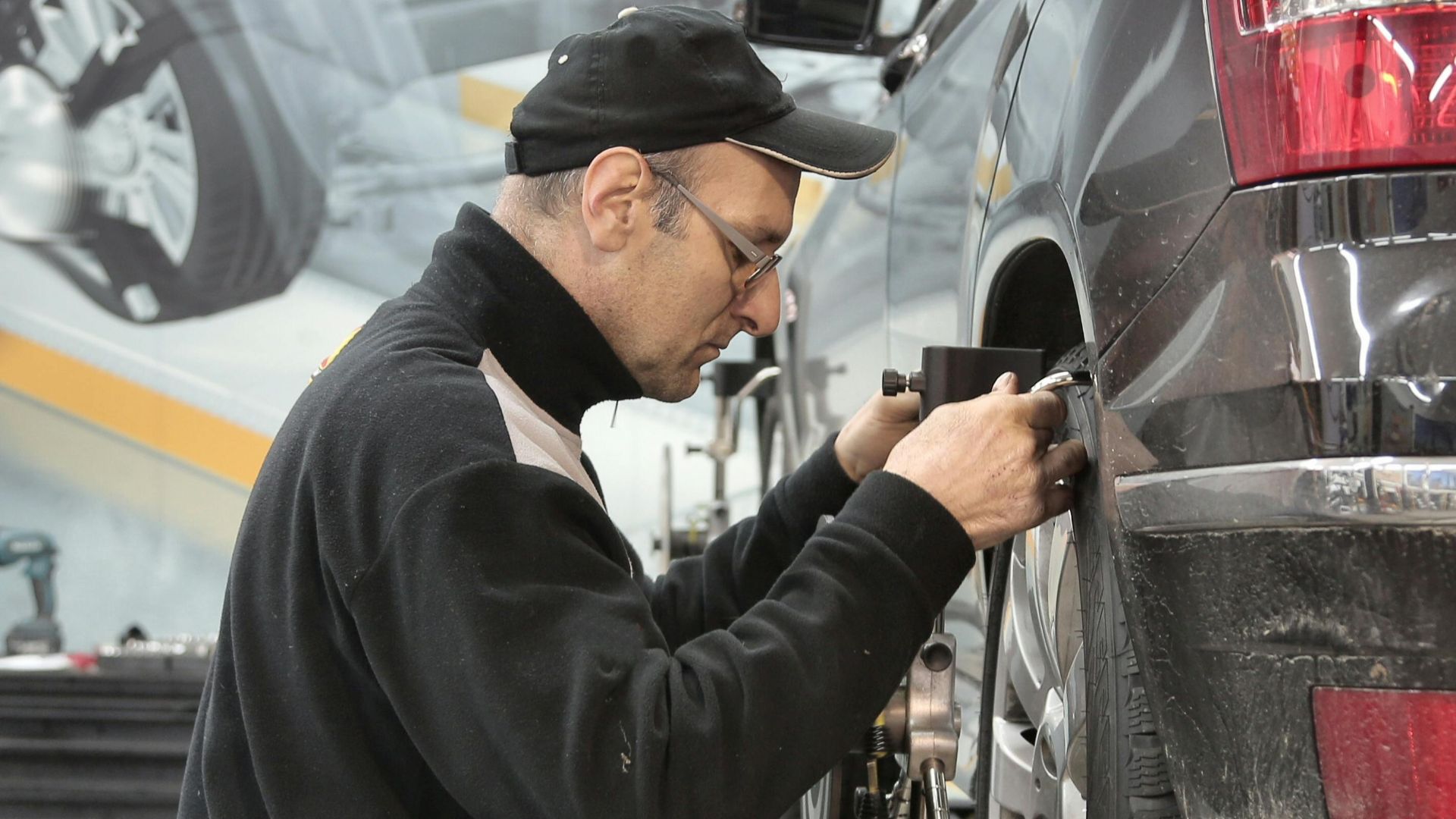
Alignment settings change how the tire meets the pavement, and that affects turn-in, mid-corner grip, and tire wear. A performance-focused alignment, often with more negative camber, helps the tire stay planted under cornering loads. It’s one of the least flashy ways to make a car feel immediately more capable.
5. Cooling That Prevents Heat Soak
Heat is a quiet thief, and once intake temps climb or oil temps get out of control, power and consistency drop. Better intercooling on forced-induction cars, healthy radiators, and clean airflow paths help the car deliver the same performance lap after lap. Speed improves when the car stops wilting under stress.
6. Suspension Upgrades As A System
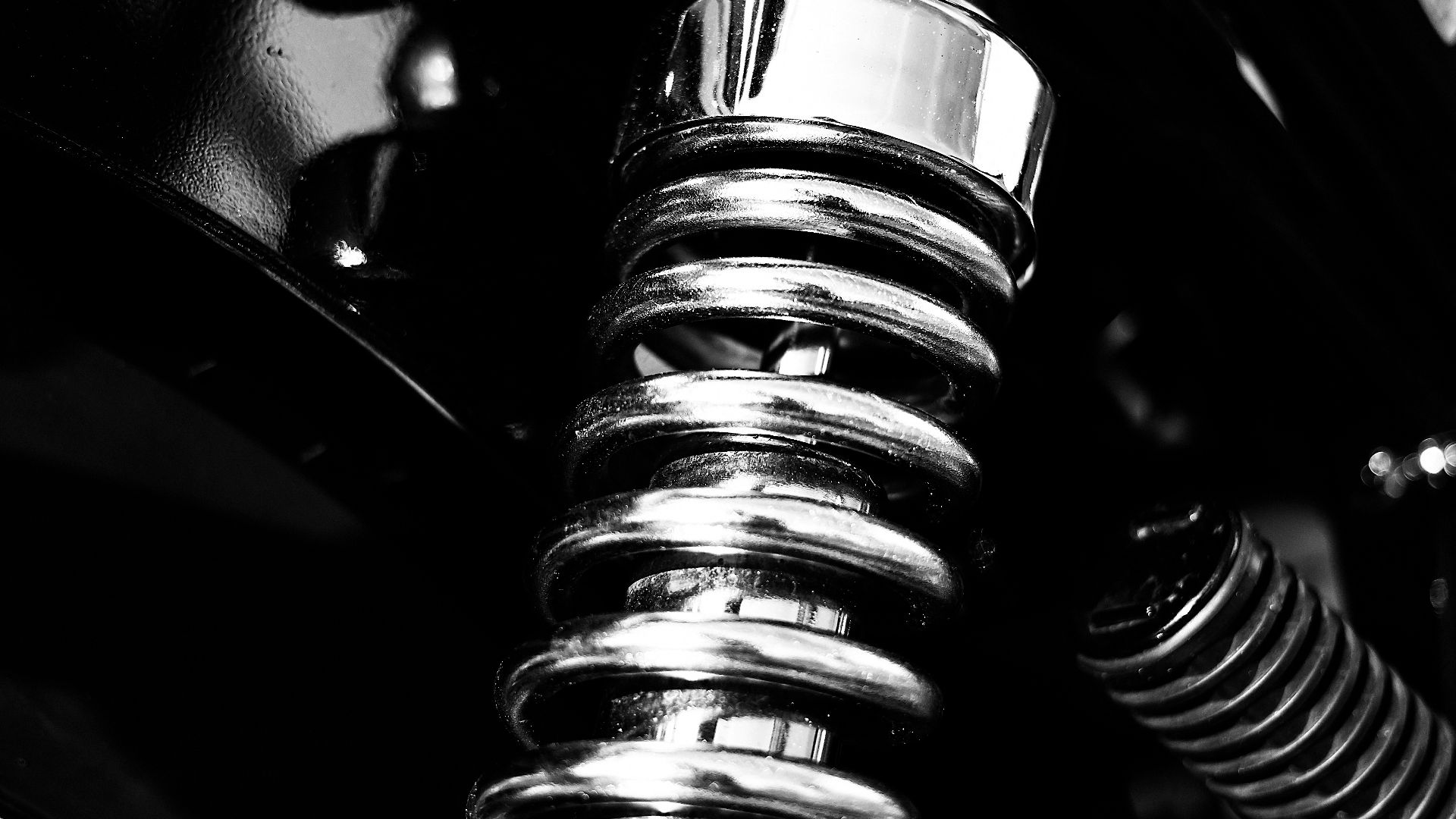
A well-matched setup, springs, dampers, and bushings that make sense together, can improve grip and stability without turning the ride into punishment. Quality dampers control motion, which keeps weight transfer predictable and tires happier. The win is not harshness, it’s composure.
7. Weight Reduction In Smart, Honest Places
Dropping unnecessary weight helps acceleration, braking, and cornering, and it also reduces strain on tires and brakes. The best approach keeps the car safe and structurally sound, focusing on removable or redundant items rather than sketchy shortcuts. A lighter car feels more responsive everywhere, not just on straights.
8. Power Mods With Data And Tuning
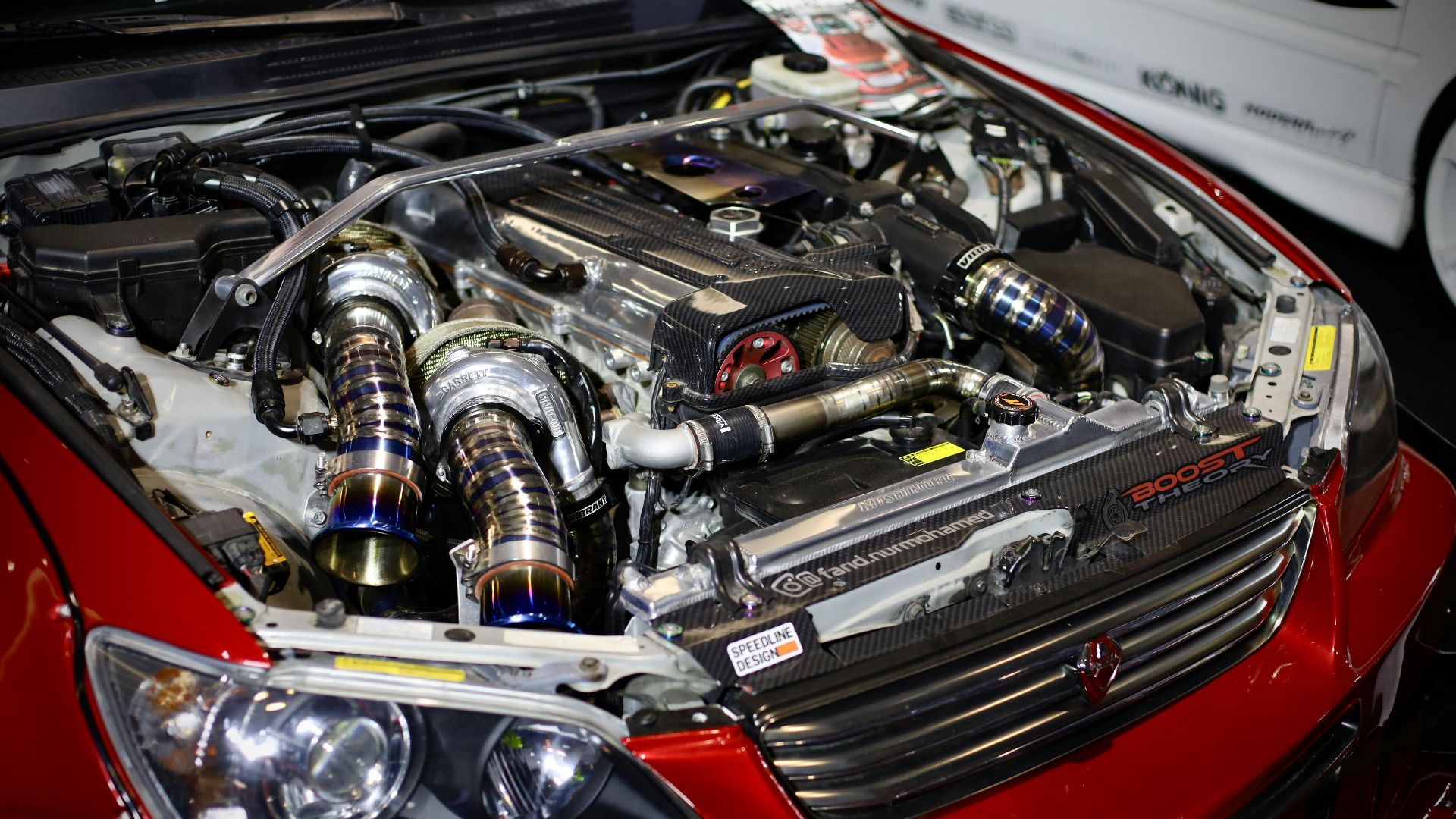
If you’re adding power, a proper tune from a reputable shop and supporting hardware keeps the engine operating safely and consistently. Modern ECUs are complex, and a generic approach can lead to heat issues, knock, or weird drivability that makes the car harder to push. Reliable power is faster than fragile power.
9. Driver Coaching And Seat Time
A driver who learns braking technique, vision, and smooth inputs can find seconds without touching a wrench. Coaching also helps you understand why the car behaves the way it does, which makes every future mod decision smarter. In most amateur track environments, the driver is still the biggest variable.

10. Basic Maintenance Done Like Performance Prep
Fresh oil, healthy ignition components, properly torqued wheels, and good bushings are not glamorous, yet they prevent the small failures that ruin fast days. Performance driving punishes weak links, and a car that feels solid invites confidence. The fastest car is often the one that simply keeps doing what it did on the first lap.