Same Wheels, Different Rules
Car culture looks universal until you land somewhere new and realize the road has its own social code, its own money math, and its own idea of what counts as normal. In one place, the dream is a tiny hatchback that slips into a space the size of a closet, and in another, people treat a full-size pickup like basic transportation. Laws, fuel prices, weather, and city design all shape what drivers buy and how they behave, and those differences show up in little moments like how close people park, how often they wash their cars, and what they carry in the trunk. These 20 snapshots show how much car culture shifts once you cross a border.
1. Kei Cars Dominate Japan
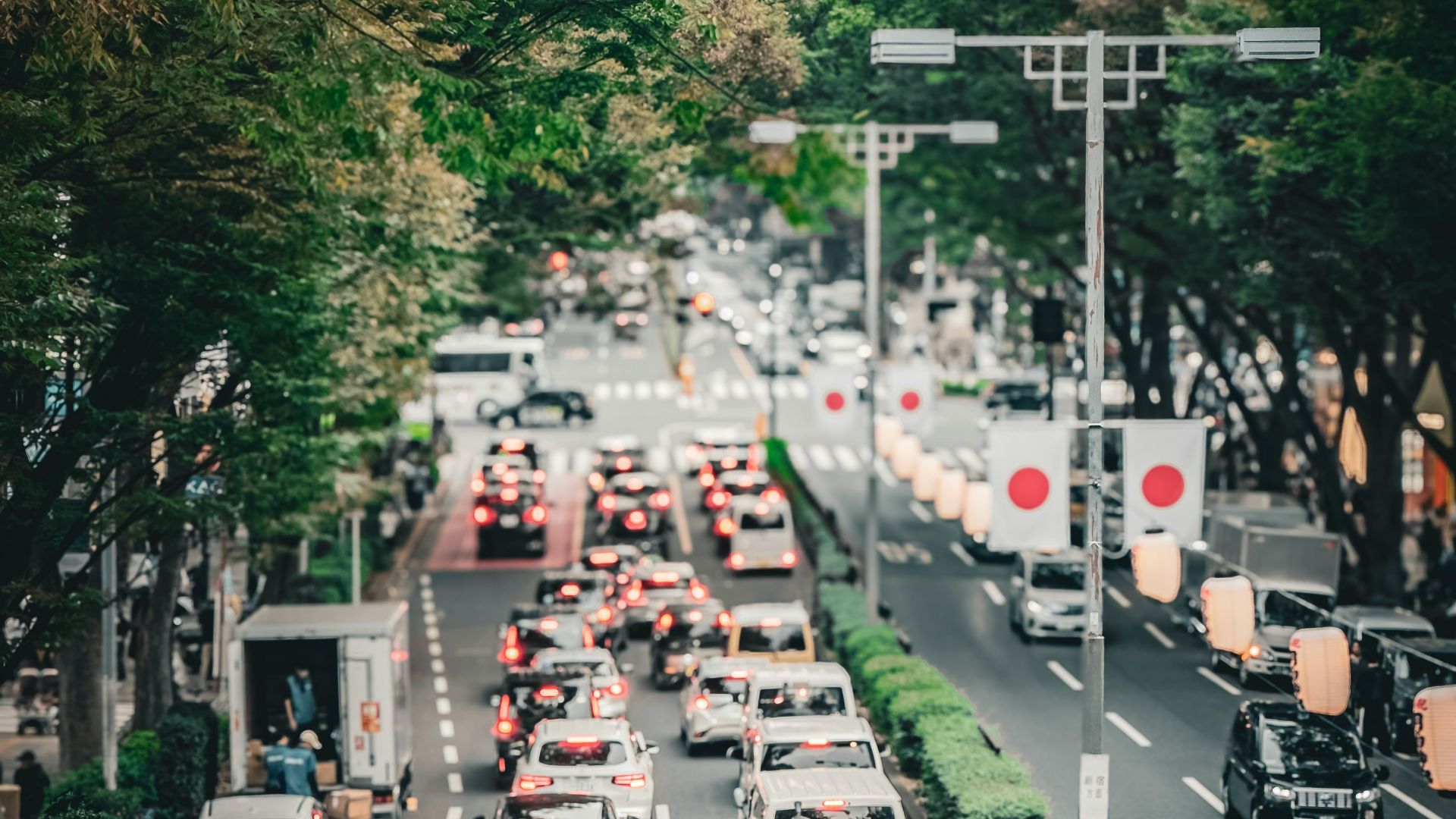
Japan’s kei-car class has tightly defined size and engine limits, and that policy has helped keep micro-sized cars genuinely mainstream. In many cities, proof of off-street parking is part of ownership, so the decision to buy a car can start with your driveway situation, not your wishlist.
2. Autobahn Driving Feels Different
On stretches of Germany’s Autobahn without a speed limit, lane discipline tends to matter more than bravado, and drivers expect you to treat the left lane like a passing lane. You’ll notice how quickly people correct small mistakes, since closing speeds can be high and patience runs out fast.
3. America Runs On Long Distances
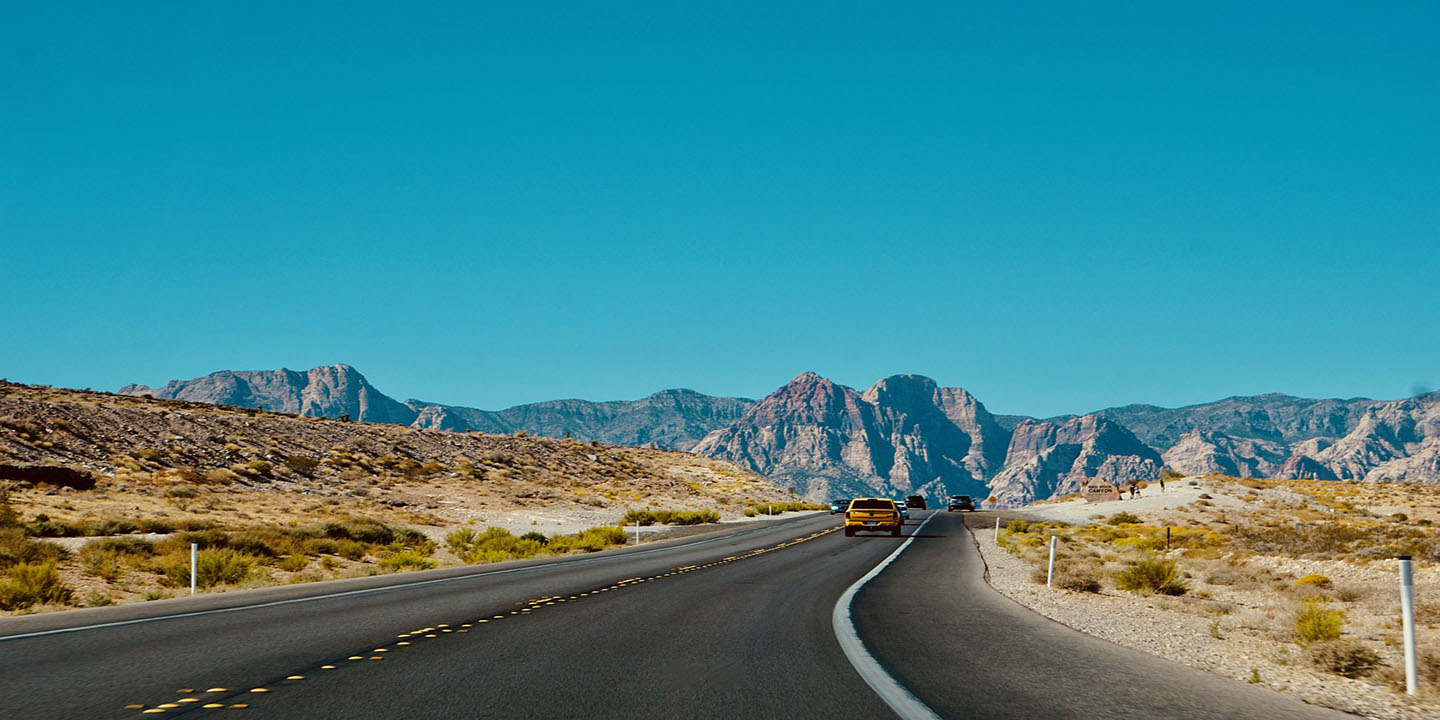
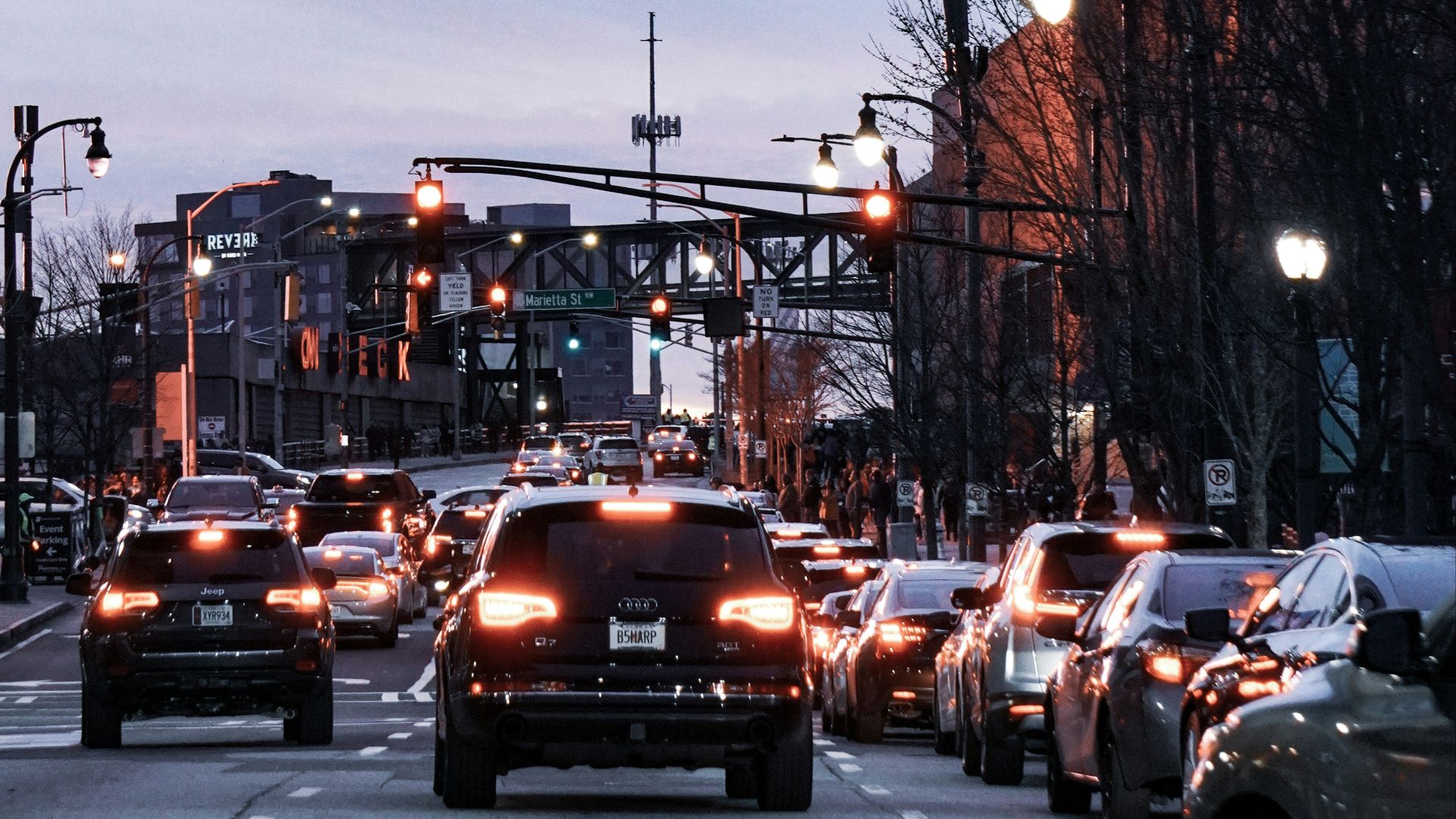
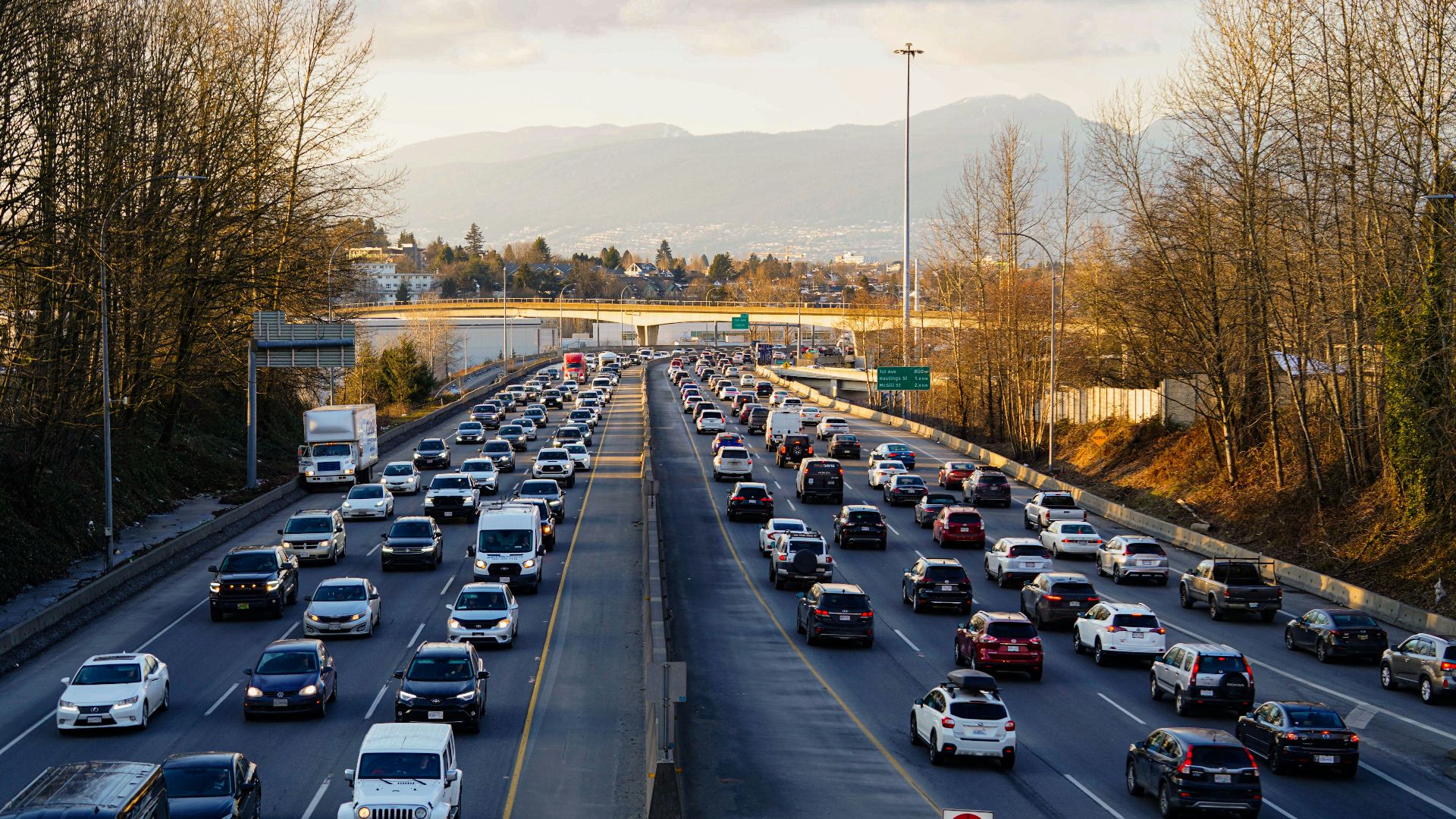
In much of the United States, driving is stitched into daily life because commutes can be long and transit coverage can be uneven outside major hubs. That reality helps explain why comfort features, cupholders, and highway manners get so much attention in reviews and casual conversations.
 Koushalya Karthikeyan on Unsplash
4. Italy Makes Small Cars Practical
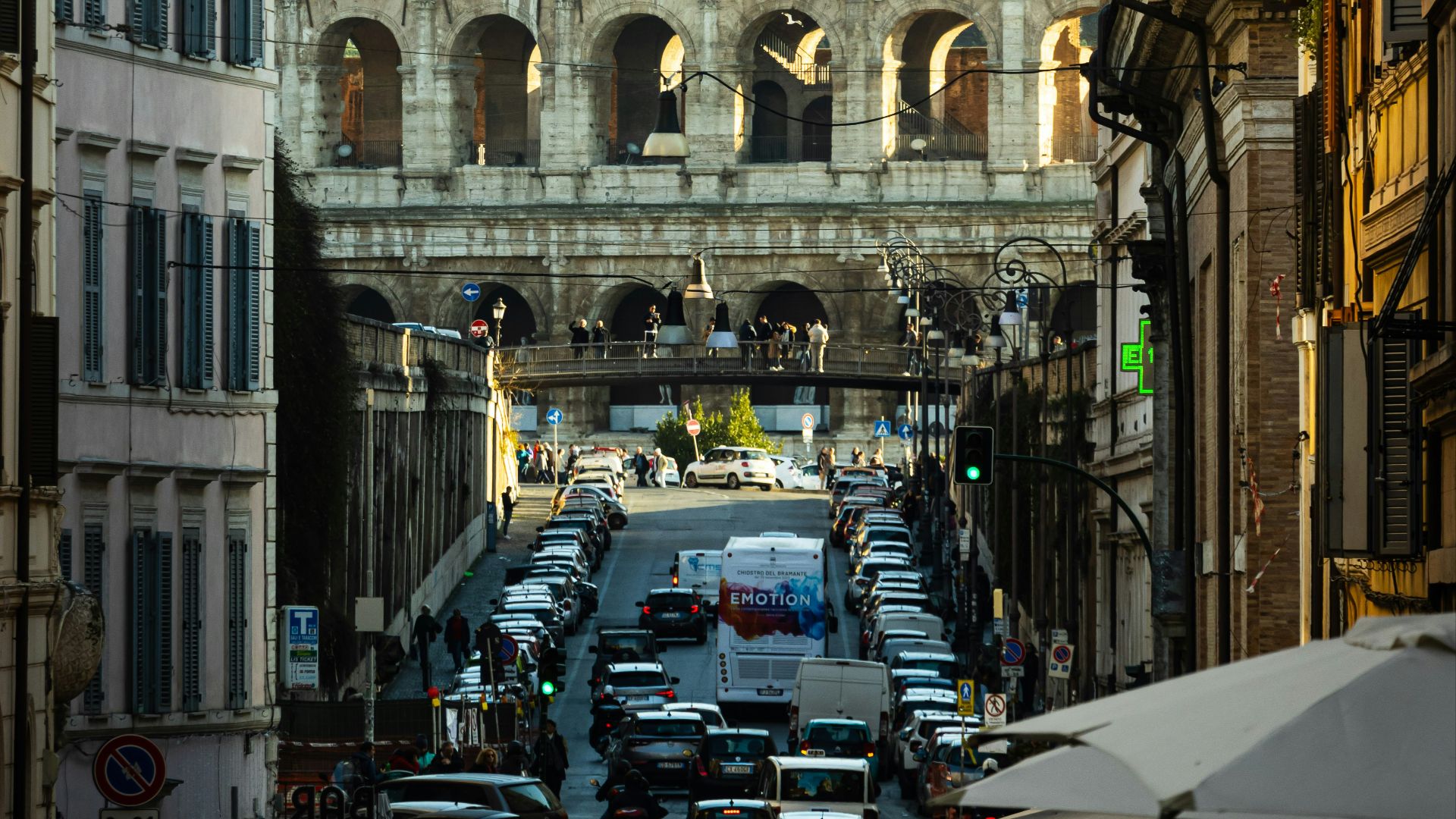
Italian towns can be tight, and many streets were not designed for modern vehicle widths, so small cars stay popular for reasons that have nothing to do with trends. You’ll often see parking that looks impossibly close, and drivers treat a few scuffs as an acceptable cost of city life.
5. France Has A Diesel Hangover
For years, diesel cars were widely adopted in parts of Europe due to pricing policies and efficiency, and France became one of the places where diesel felt normal. More recently, many urban areas have leaned into air-quality rules that restrict older vehicles, which changes what people shop for and how they plan trips into city centers.

6. The UK Loves Small Performance
The U.K. has narrow roads, limited parking in many neighborhoods, and a strong market for compact cars that still feel lively. Annual roadworthiness testing is a fact of life for most owners, so maintenance talk is less optional and more routine.

7. Scandinavia Prepares For Winter
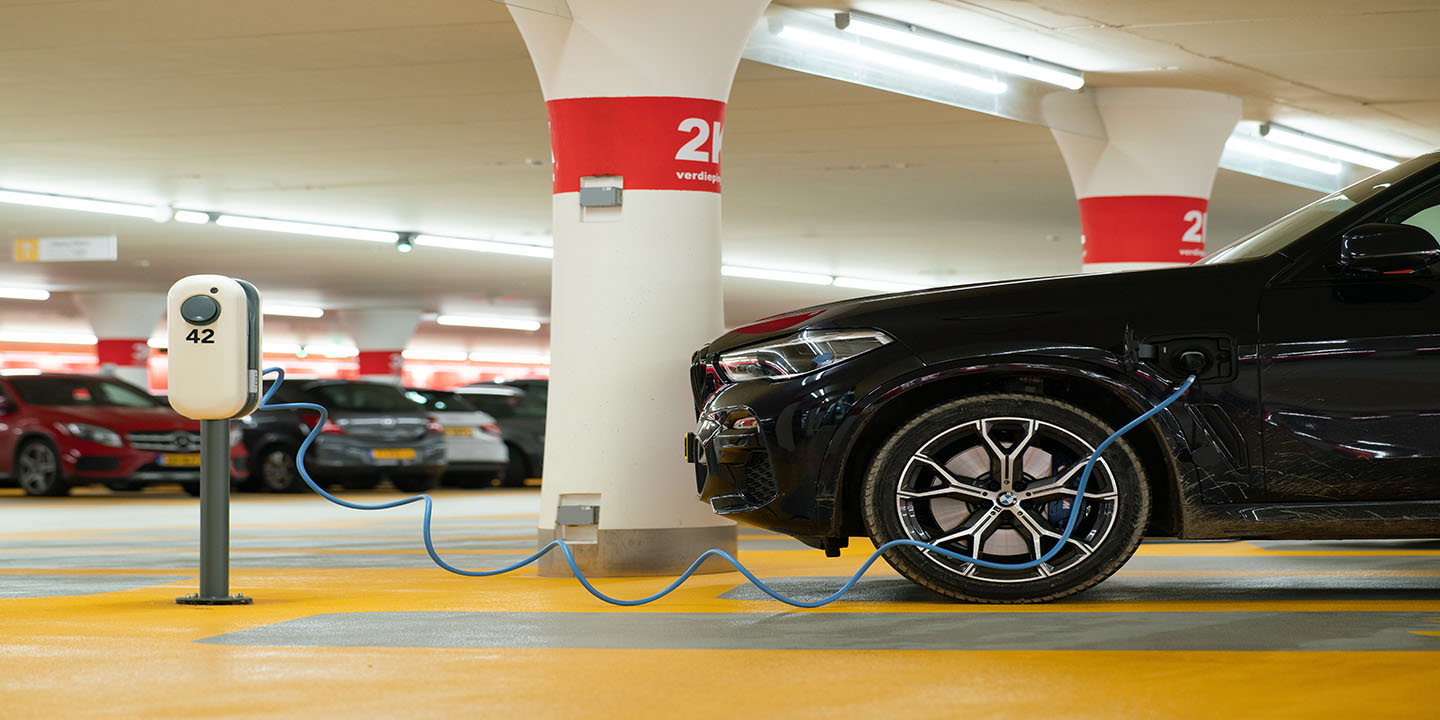
In Nordic countries, seasonal tire swaps are not a hobby; they’re a normal part of the calendar, and everyone seems to have a system. In places like Norway, electric cars have become everyday choices at a scale that surprises visitors, helped by a mix of policy and practical charging habits.
8. Brazil Treats Fuel As Flexible
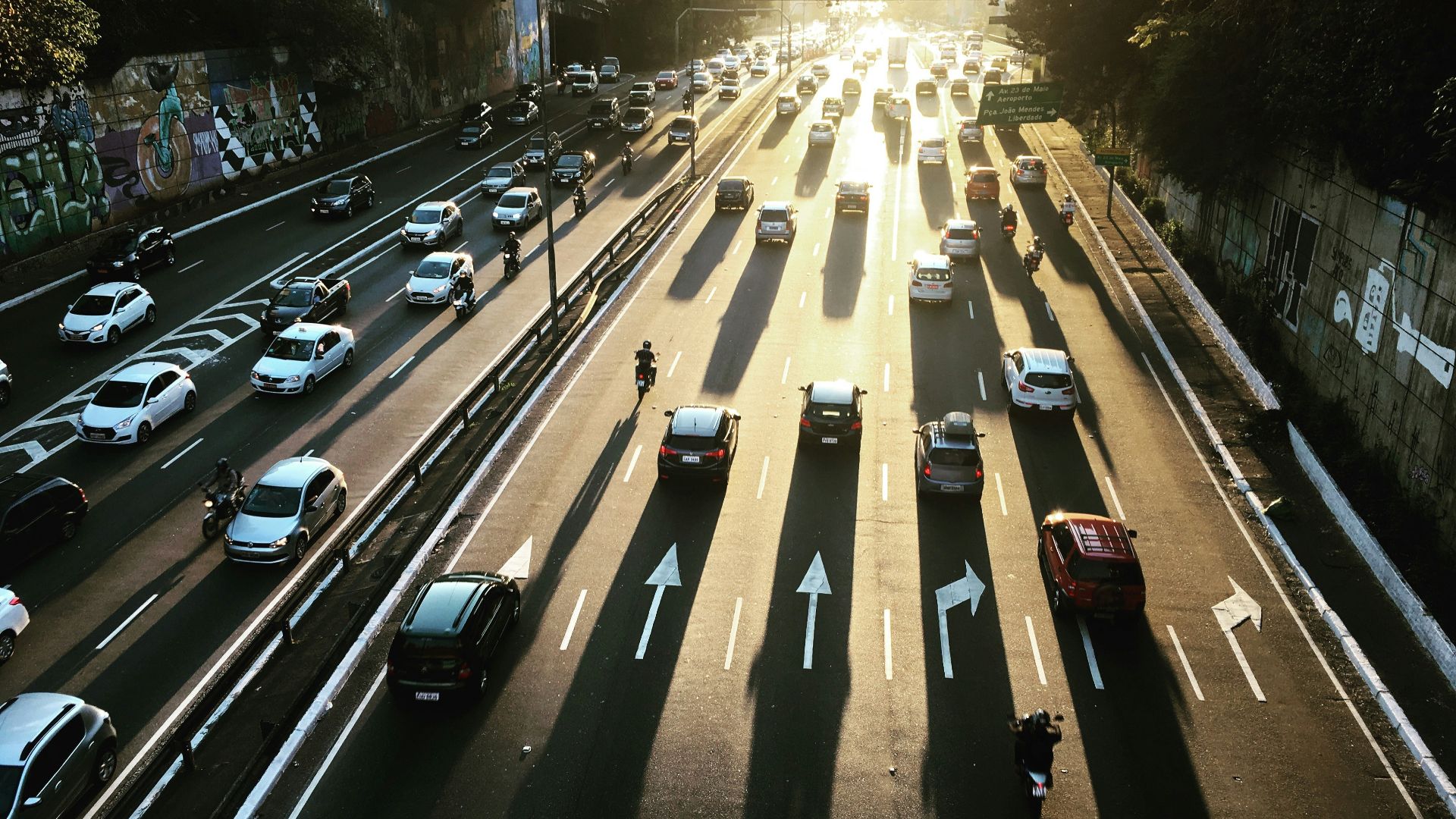
Brazil is known for ethanol use made from sugarcane, and flex-fuel cars became common enough that fuel choice can feel like a weekly decision. That creates a driving culture where people pay close attention to pump prices and mileage tradeoffs in a way that’s more hands-on than in many markets.
 Victor Sánchez Berruezo on Unsplash
9. India Drives As A Team Sport
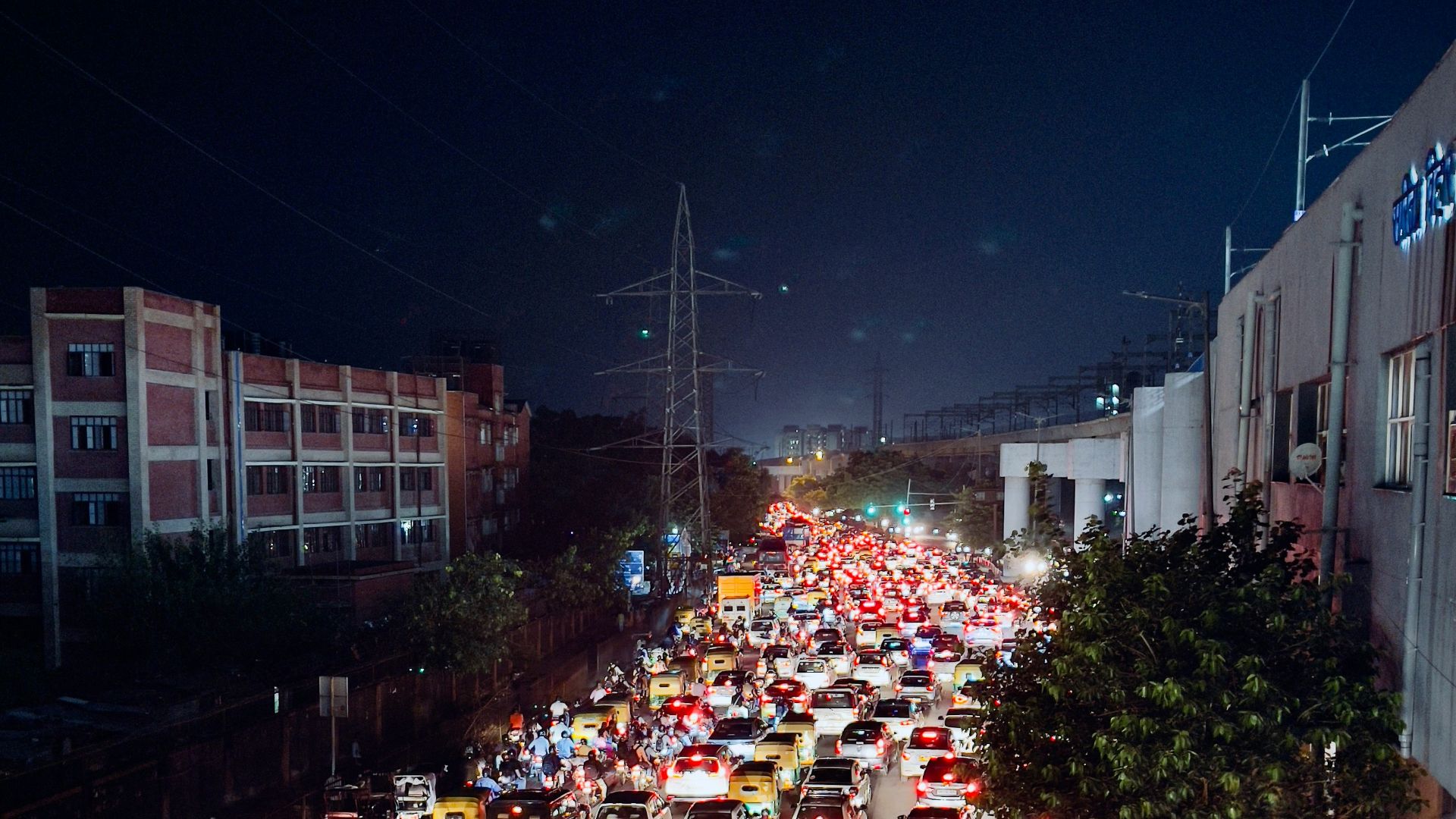
Indian roads can be packed, and drivers rely heavily on horns and constant negotiation, especially in dense cities where lanes are more suggestions than rules. Two-wheelers shape the flow of traffic, so cars often move within a larger mix of scooters, motorcycles, and small commercial vehicles.
10. China Makes Plates A Big Deal
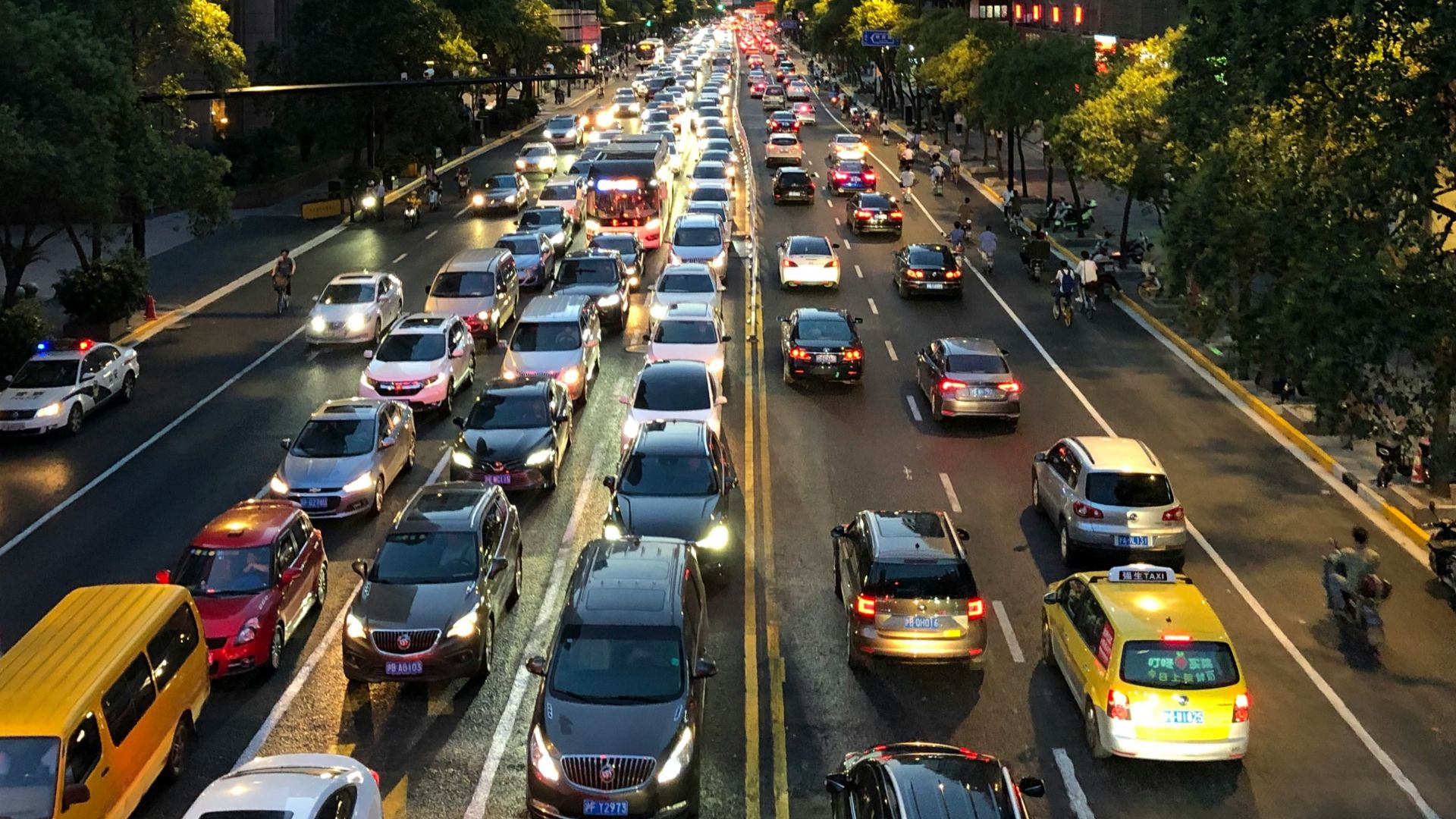
In several Chinese cities, getting a license plate can be expensive or restricted through lotteries and auctions, which turns ownership into a planning project. That pressure influences what people buy and when they buy it, and it also feeds interest in alternatives like ride services and electric vehicles.

11. Singapore Treats Cars As Luxury
Singapore’s system for controlling car numbers includes a time-limited ownership certificate that can cost more than the vehicle itself. That reality changes everything, from how people maintain cars to how long they keep them, since depreciation hits hard and quickly.

12. The UAE Goes Big And Clean
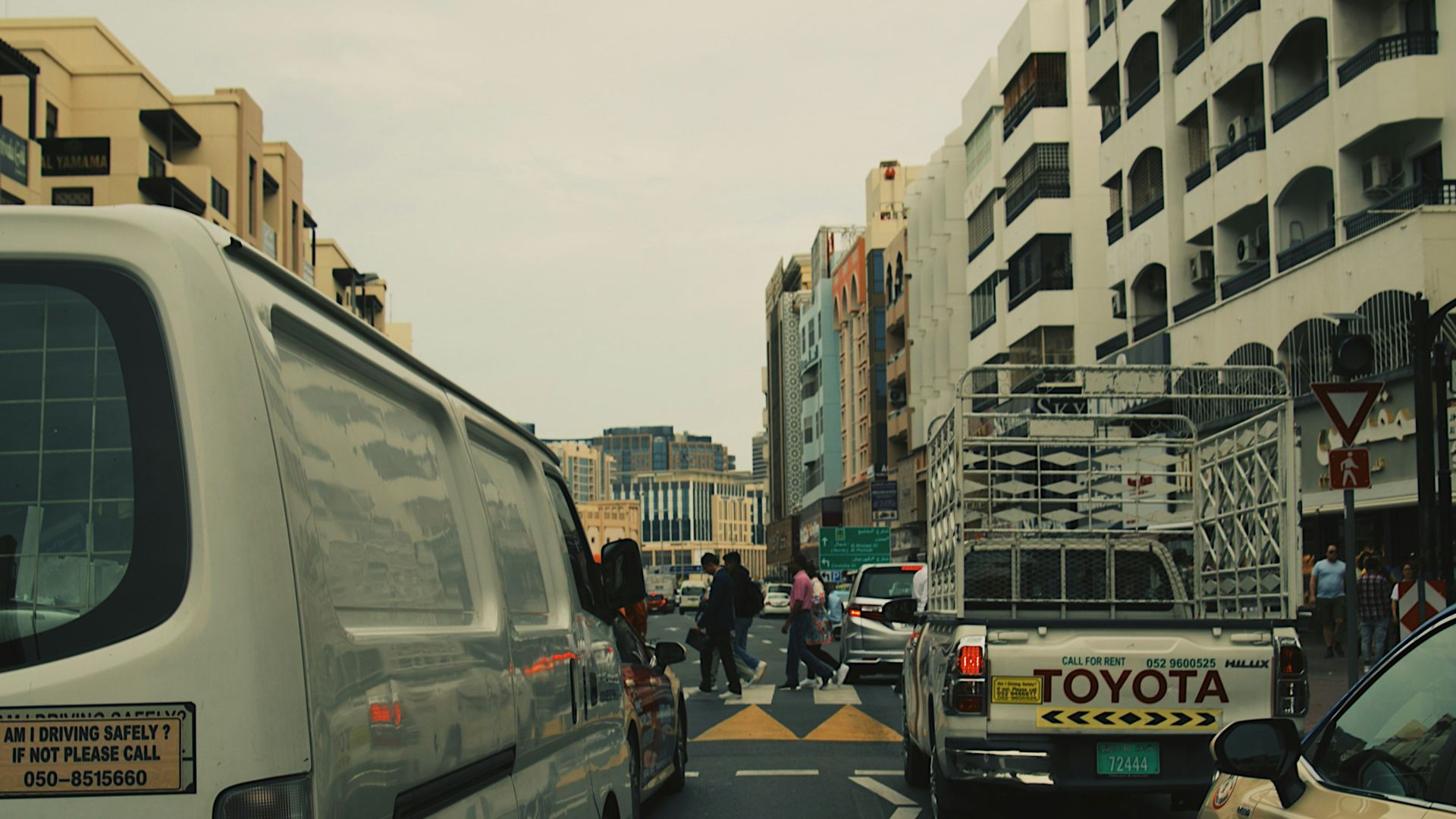
In the UAE, fuel has often been relatively affordable, and wide roads make large SUVs and high-powered cars feel easy to live with. Heat shapes habits, so tint, strong air conditioning, and careful interior care become part of the ownership routine.
13. Australia Builds Around Utes
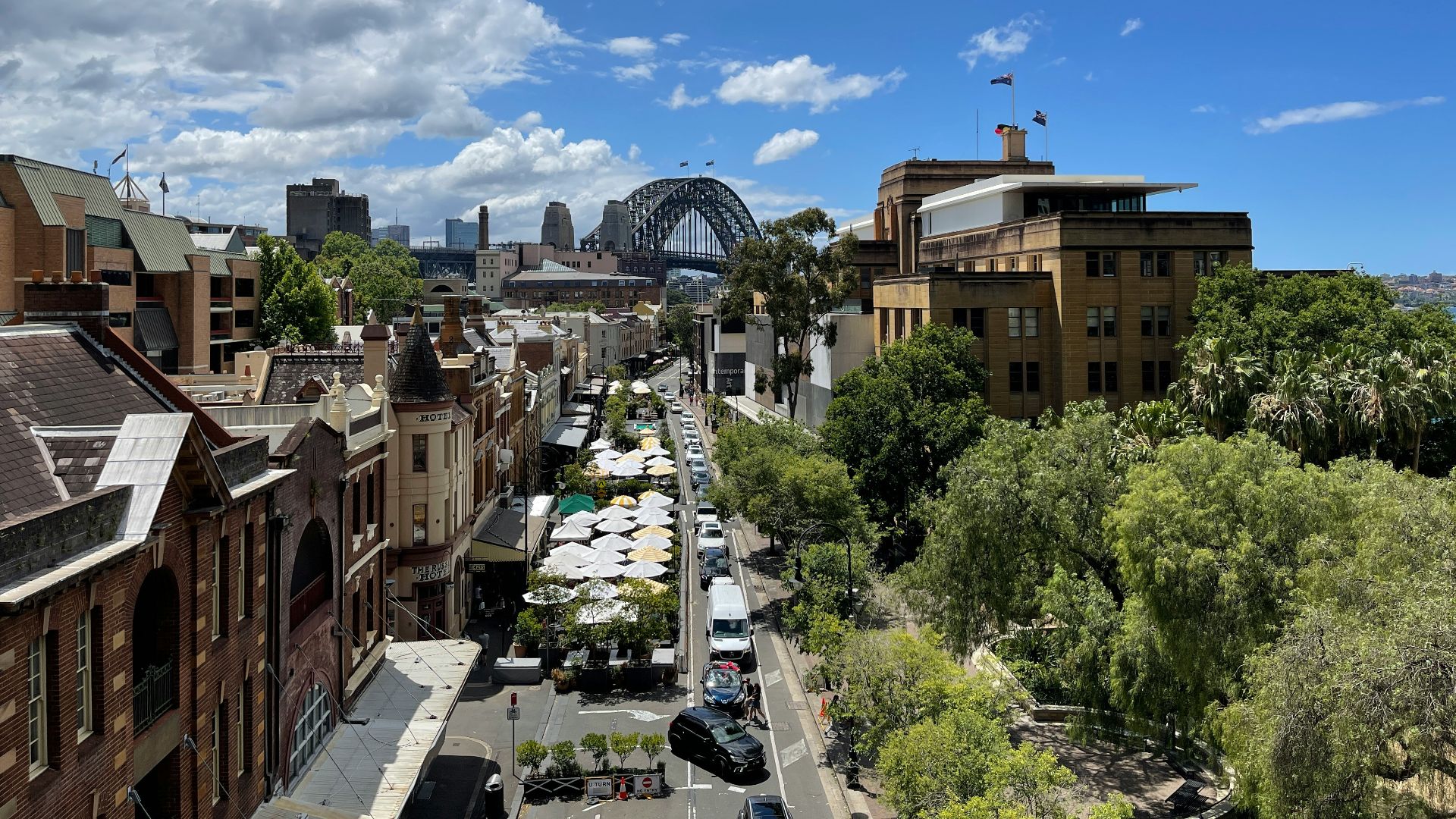
Australia’s love for utes and pickups is tied to work needs, open space, and long highway stretches between towns. You’ll also notice practical add-ons that reflect real driving conditions, including protection against animals on rural roads.
14. South Africa Prioritizes Utility
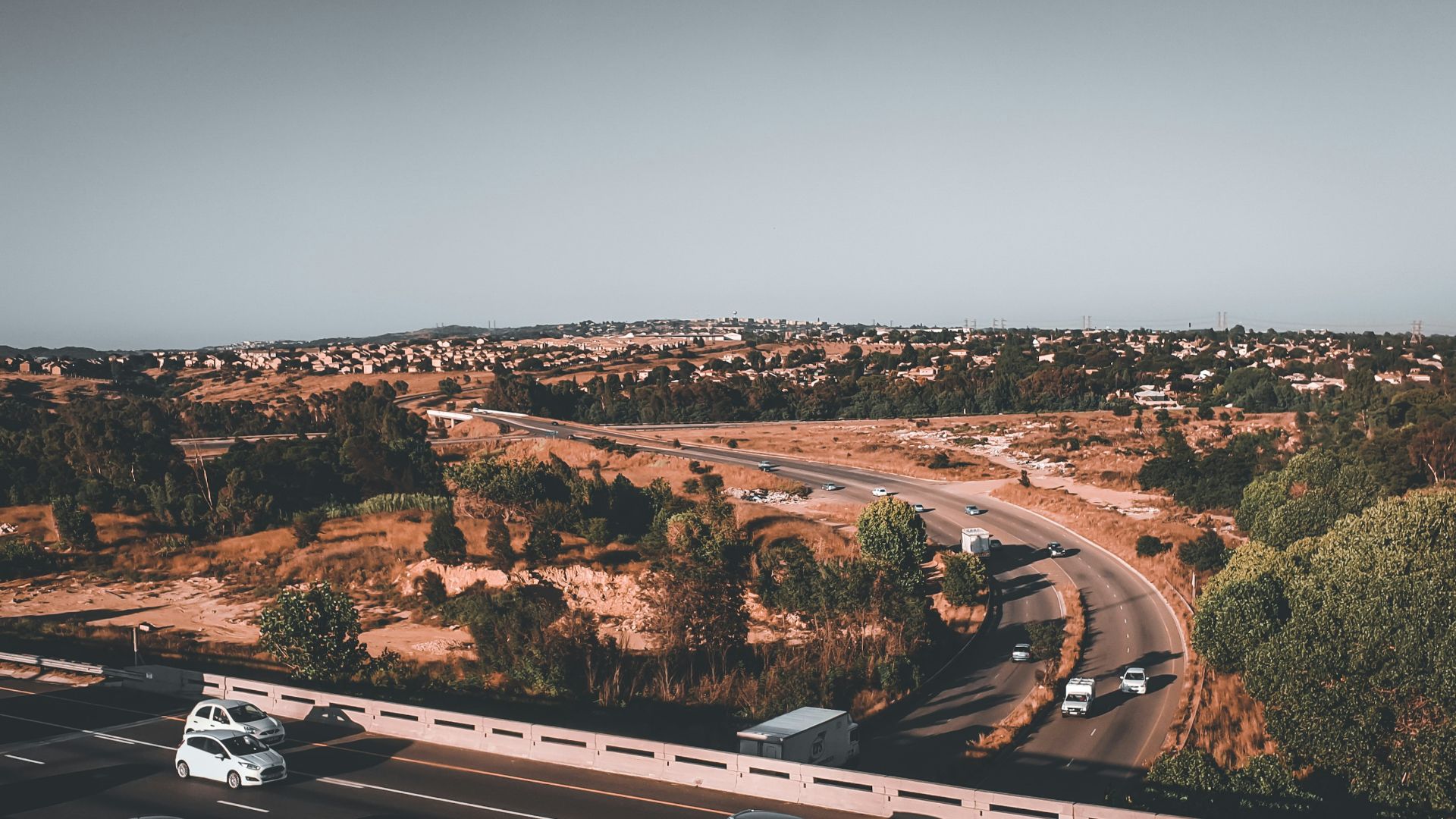
In South Africa, bakkies are common because they handle work tasks and rougher roads with fewer complaints. Safety and security concerns can shape everything from where people park to which features they value most.
 Tembinkosi Sikupela on Unsplash
15. Mexico Celebrates Personal Style
In many parts of Mexico, car ownership can include a strong personalization streak, from paint to interior touches, often shaped by local scenes and family traditions. Lowrider culture has deep roots, especially in the north, and it’s treated as a craft rather than a quick mod job.

16. Cuba Keeps Classics Alive
Cuba is famous for older American cars still running decades after production ended, largely because imports and parts were limited for a long time. Owners and mechanics became experts at repair ingenuity, using whatever can be sourced or fabricated locally to keep cars on the road.

17. Canada Lives With Cold Starts
In much of Canada, winter readiness includes block heaters, proper tires, and routines that make morning starts less stressful. Remote starters and heated features are not indulgences in many regions; they’re quality-of-life equipment.
18. The Netherlands Drives Less Often
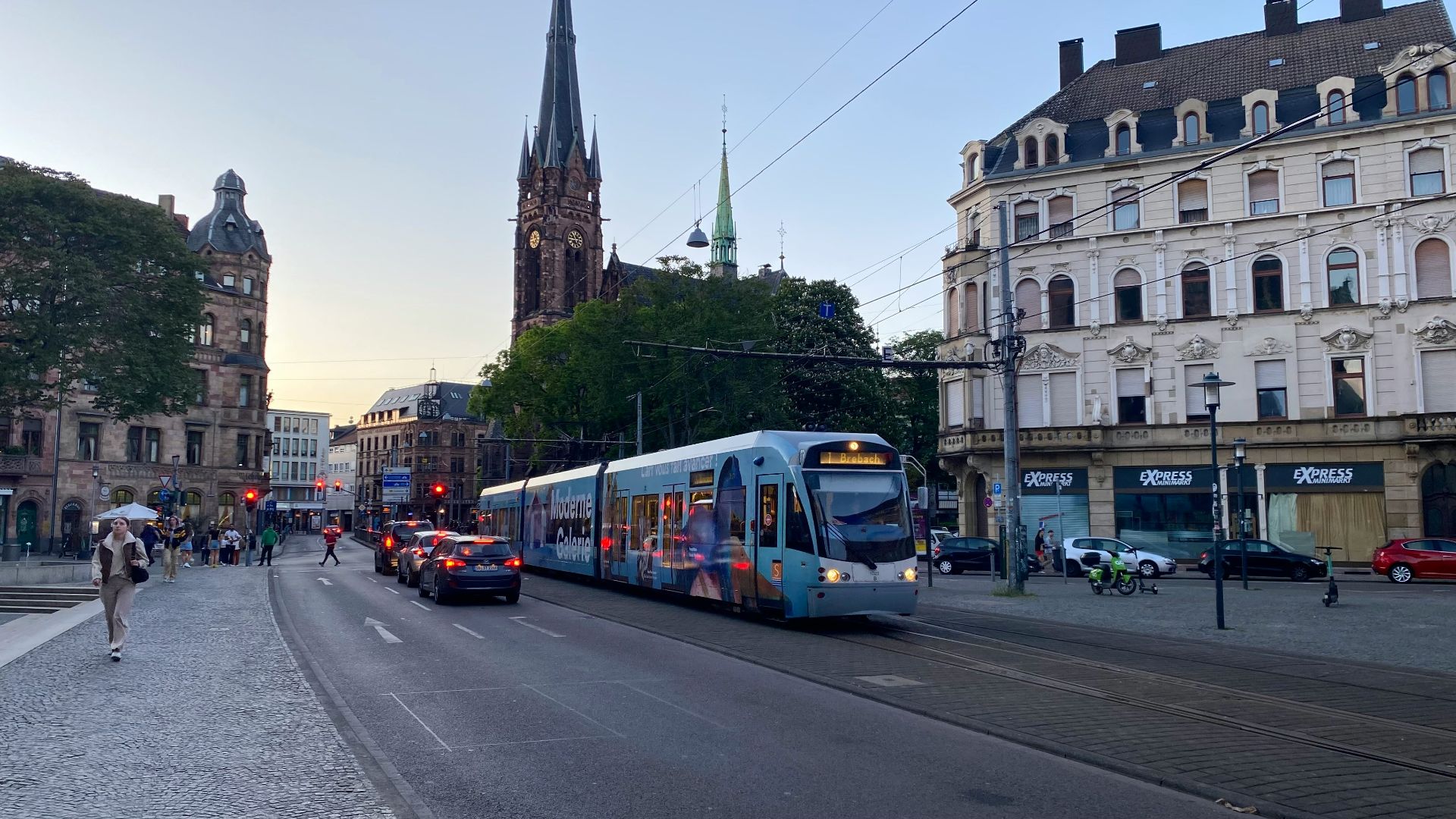
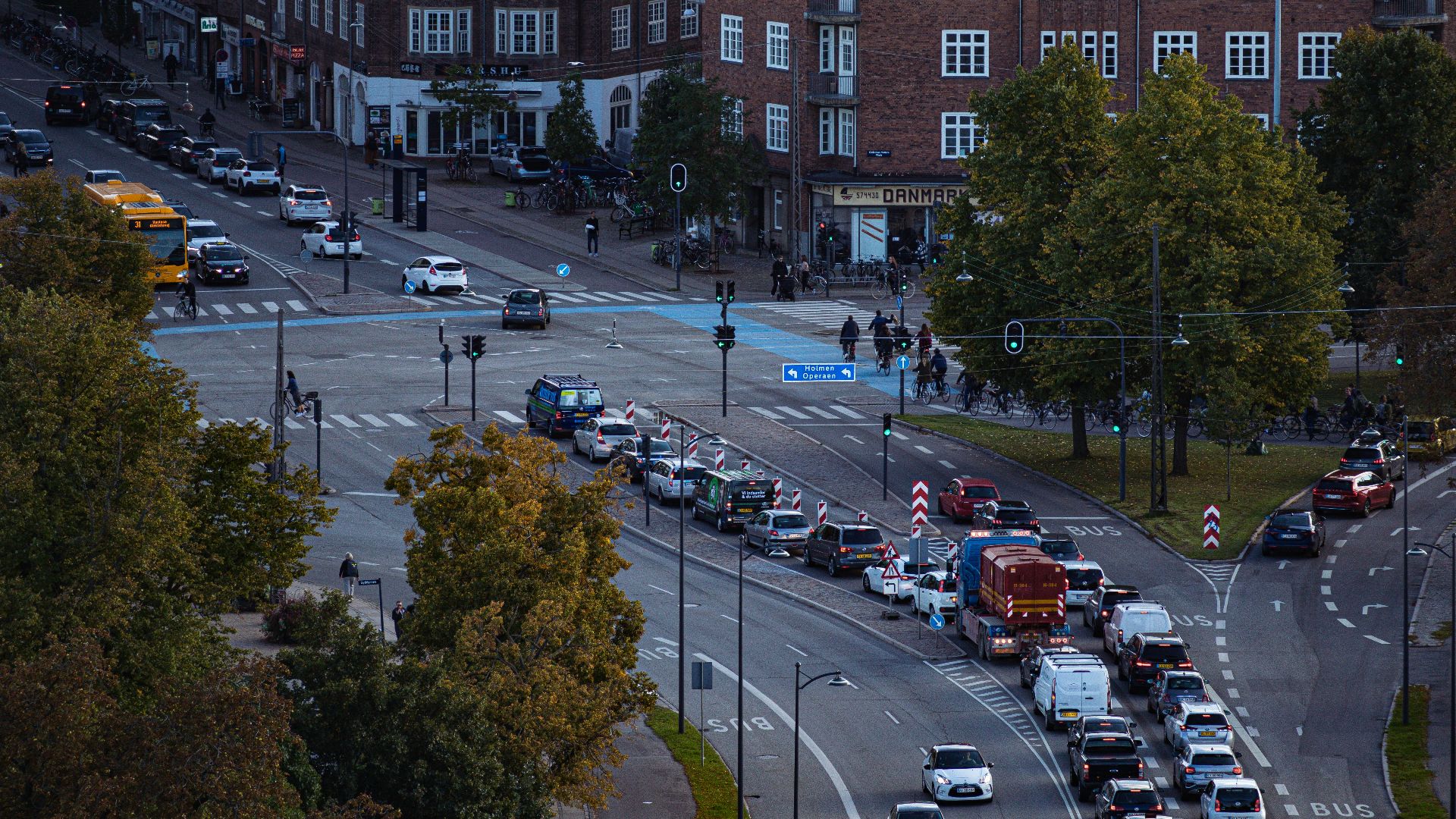
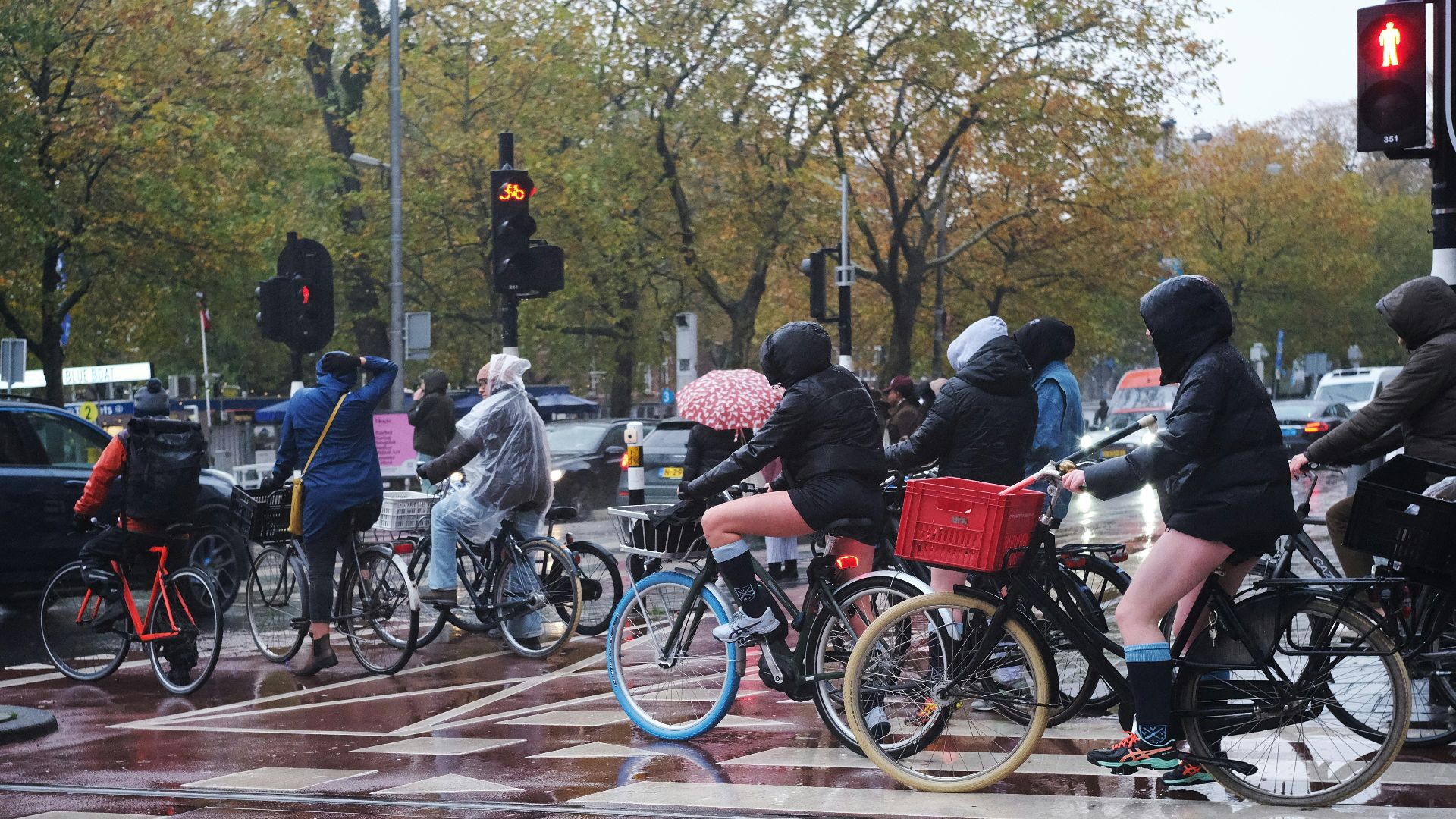
The Netherlands has a strong cycling infrastructure, so many households treat cars as occasional tools rather than daily necessities. Compact cars and hatchbacks fit better with tight parking and urban design, and car sharing is more normal than it is in places built around driving everywhere.
19. Switzerland Enforces Speed Aggressively
Switzerland is known for strict speed enforcement and meaningful penalties, which change how people drive even on open roads. You’ll notice calmer pacing, more attention to posted limits, and fewer risky passes, since the consequences are real and predictable. That environment shapes a culture where restraint is part of being a competent driver.

20. Southeast Asia Centers Two Wheels
In many parts of Southeast Asia, motorcycles and scooters dominate daily mobility, and cars often carry a heavier status signal because they cost more to buy and operate. Urban traffic can be dense, so drivers value compact footprints and strong air conditioning when they do move to four wheels. The car scene can still be lively, yet it often sits alongside a larger two-wheeler culture that sets the tone for how streets actually work.