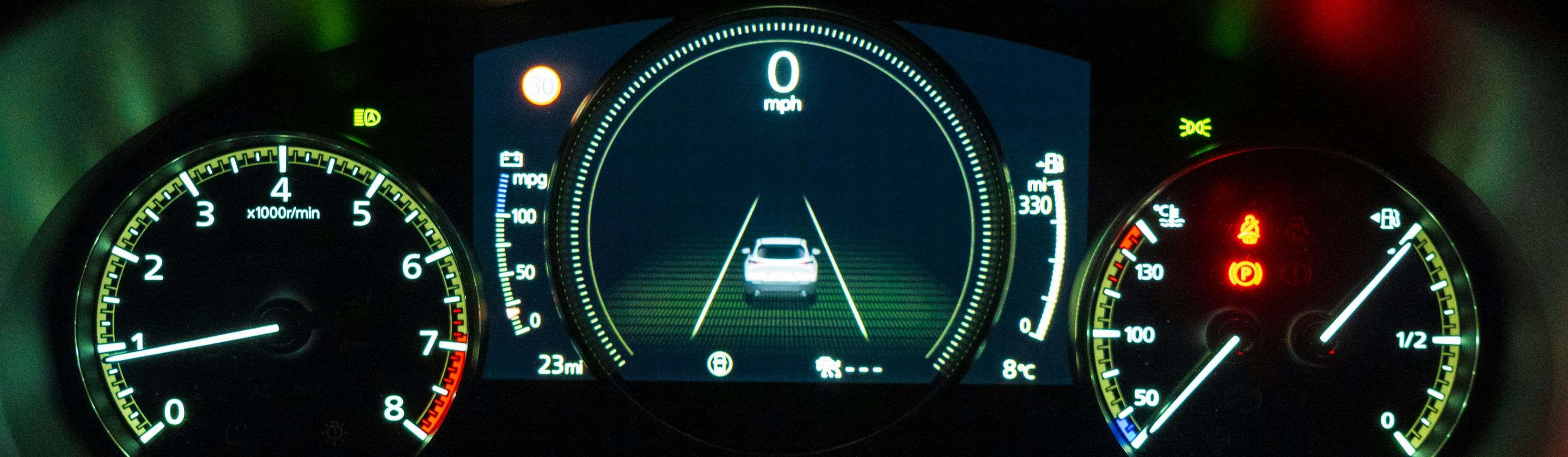
Dashboards Are Smarter Than Ever
Car dashboards have quietly become some of the most advanced personal tech spaces we interact with every day. In 2026, they’re no longer just about speedometers and radio knobs, but about safety, personalization, and reducing mental load while driving. The best dashboard gadgets don’t feel flashy or distracting; they work in the background and surface information only when it matters. These upgrades are designed to make driving smoother without demanding constant attention. Here are the 20 coolest dashboard gadgets of 2026.

1. Augmented Reality Head-Up Displays
Augmented reality head-up displays project navigation cues directly onto the road ahead. Instead of glancing down, you see turn arrows and lane guidance aligned with the street itself. After a short adjustment period, it feels surprisingly intuitive. This tech is especially helpful in unfamiliar cities or complex interchanges.
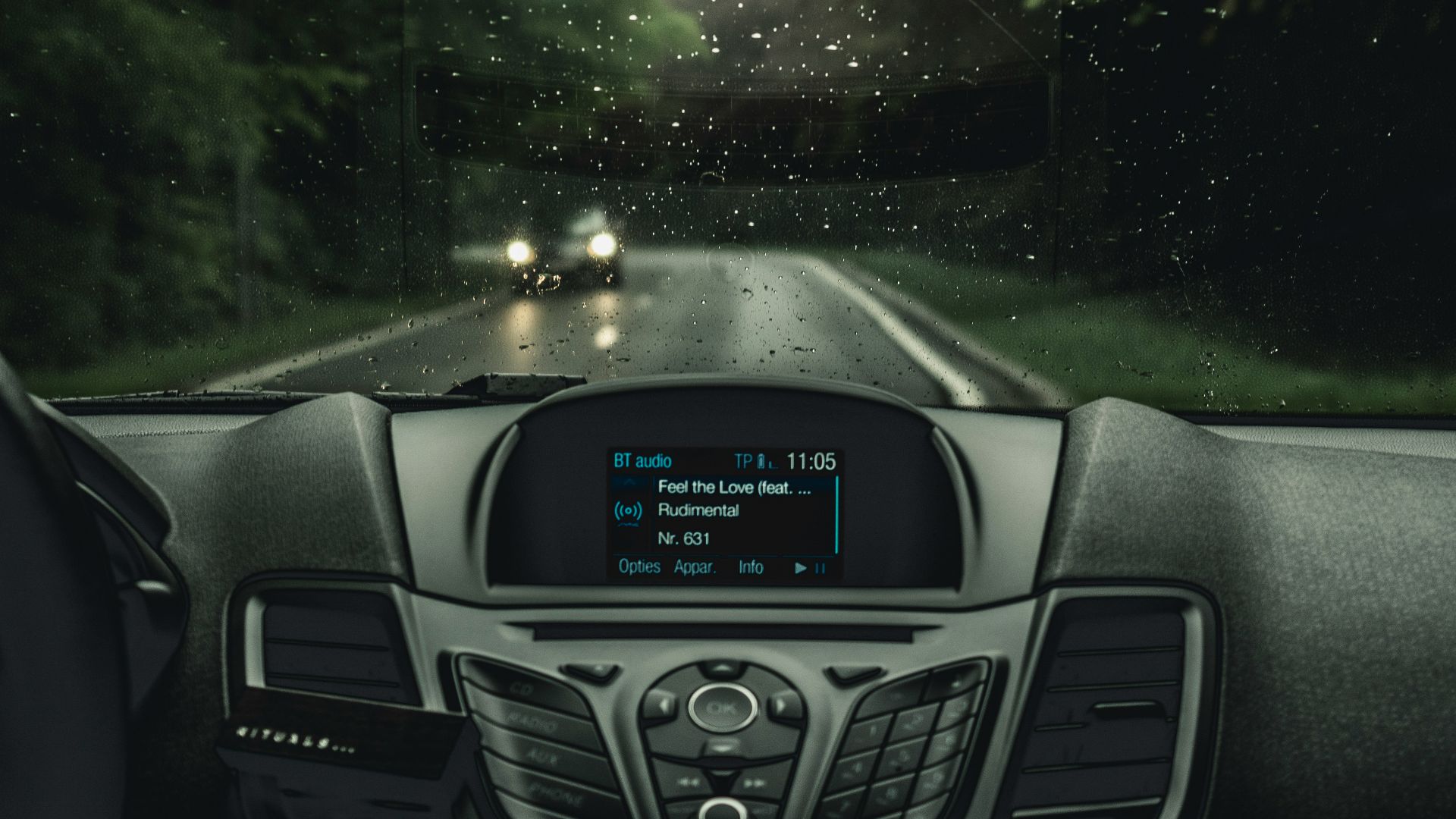
2. AI-Powered Driver Monitoring Cameras
Driver monitoring cameras track eye movement, head position, and alertness in real time. If you appear drowsy or distracted, the system issues gentle reminders rather than harsh alarms. The goal is correction, not punishment. Over time, the alerts feel less intrusive and more supportive, and make you a far better and safer driver.
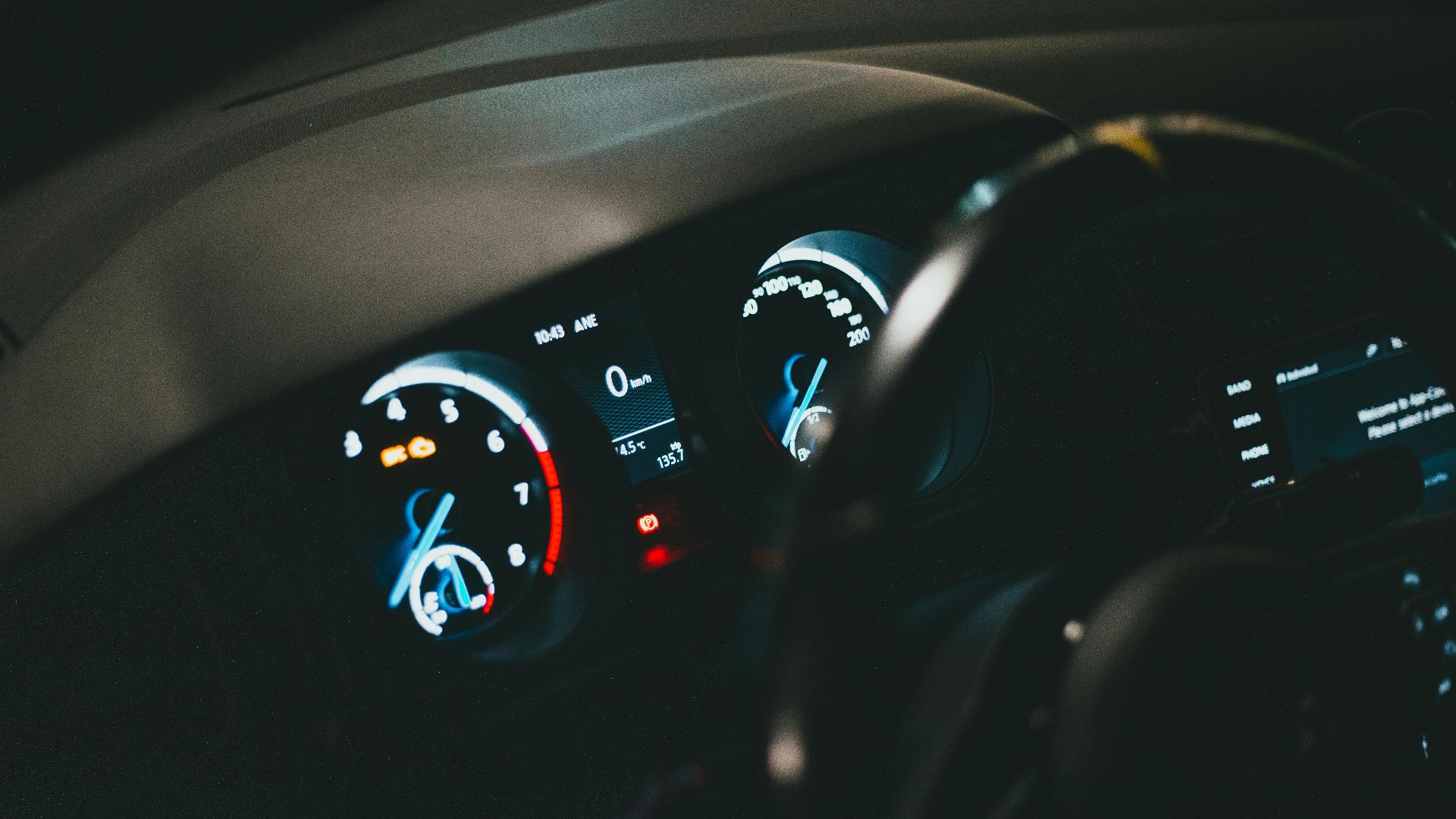
3. Smart Climate Zone Controllers
Smart climate systems now adjust airflow and temperature based on seat occupancy. The dashboard shows personalized climate data for each passenger without cluttering the screen. Preferences are remembered automatically. This makes long trips far more comfortable without constant adjustments.
4. Adaptive Touchscreen Interfaces
Touchscreens now change layout based on driving conditions. When you’re stopped, more options appear, while movement simplifies the interface automatically. This reduces visual overload at speed. It’s one of the quietest safety improvements on modern dashboards.
5. Built-In Voice Assistants
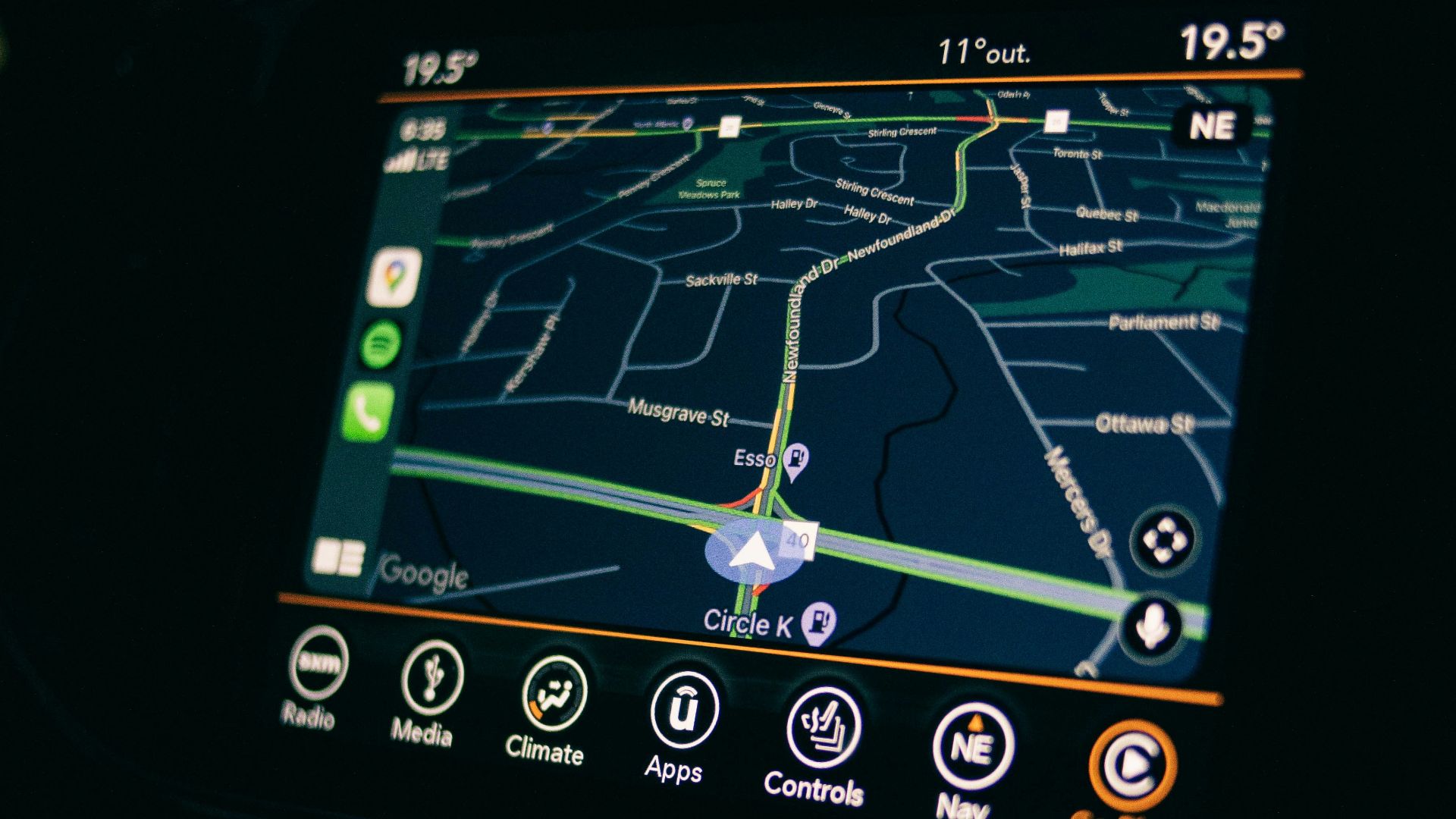
Voice assistants in 2026 understand conversational language much better than earlier versions. You can speak naturally without memorizing command phrases. Responses are faster and less robotic, making hands-free control genuinely useful instead of frustrating.
6. Wireless Multi-Device Charging Pads
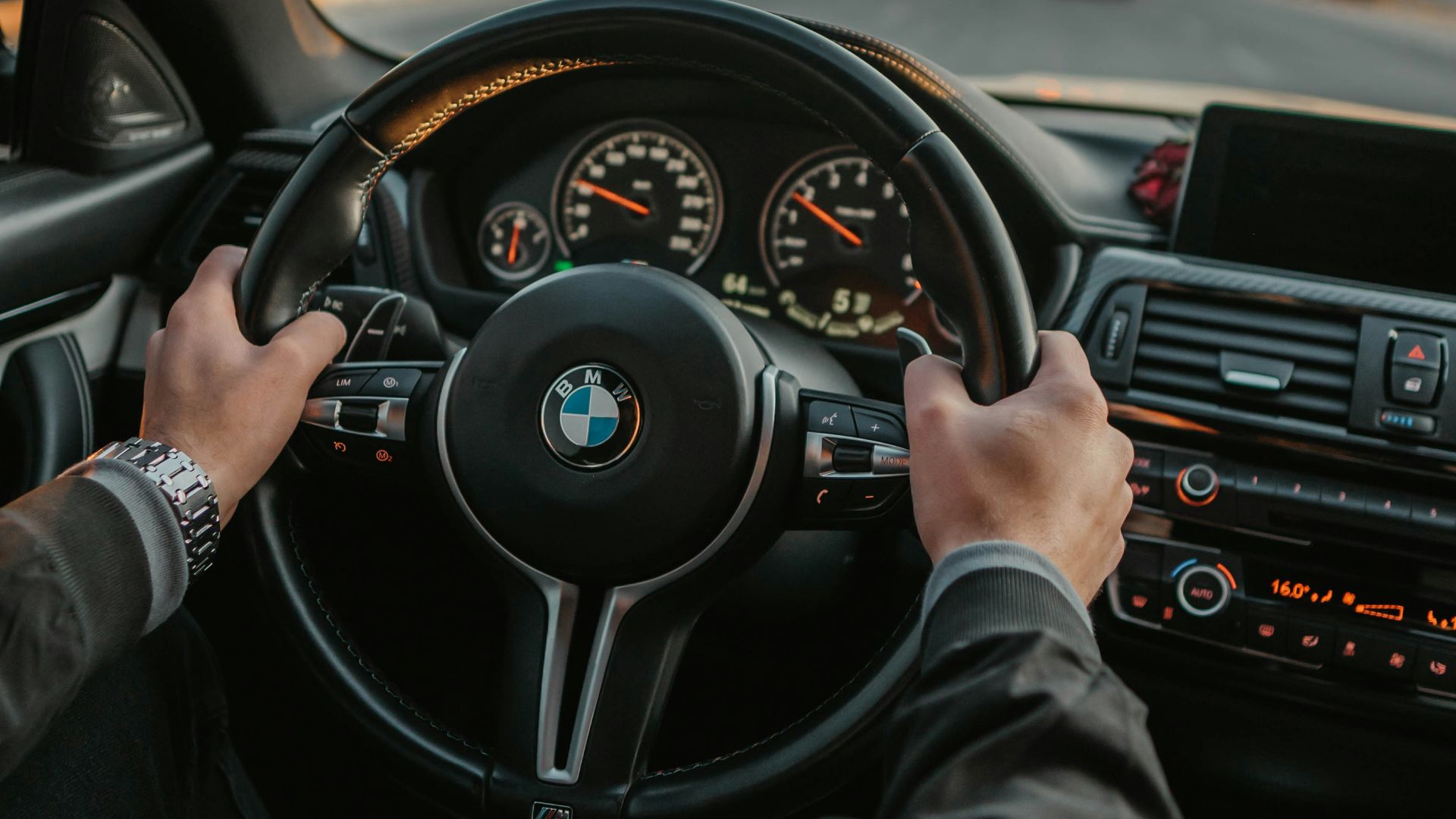
Dashboard charging pads now support multiple devices at once. Phones, earbuds, and smartwatches can all charge wirelessly in the same space. Power delivery is faster and more reliable than earlier versions. Cable clutter finally feels like a solved problem.
7. Real-Time Vehicle Health Dashboards
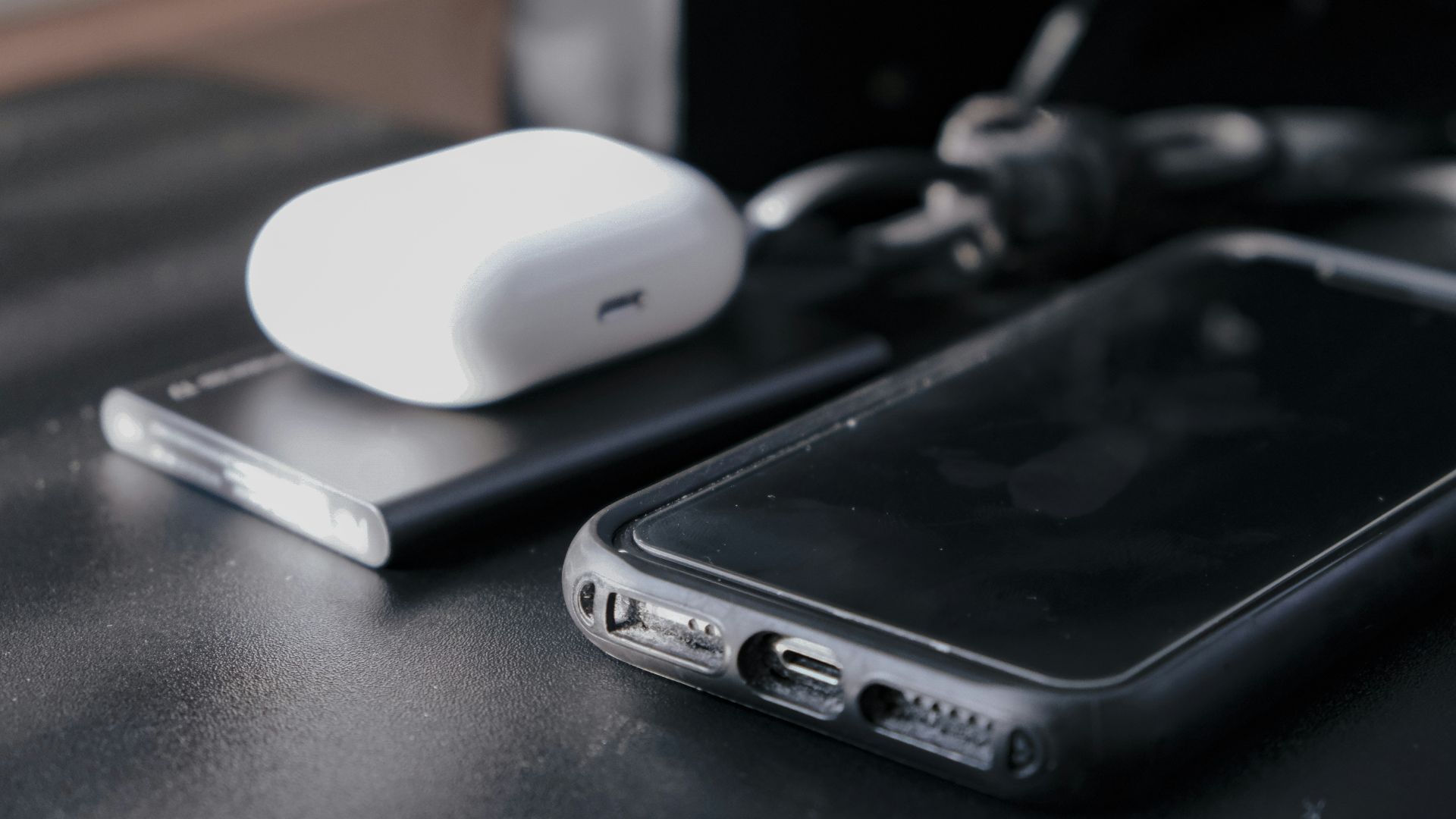
Vehicle health dashboards translate technical issues into plain language. Instead of cryptic warning lights, you see clear explanations and urgency levels. Maintenance feels less intimidating this way. It also helps drivers make smarter decisions without panic.
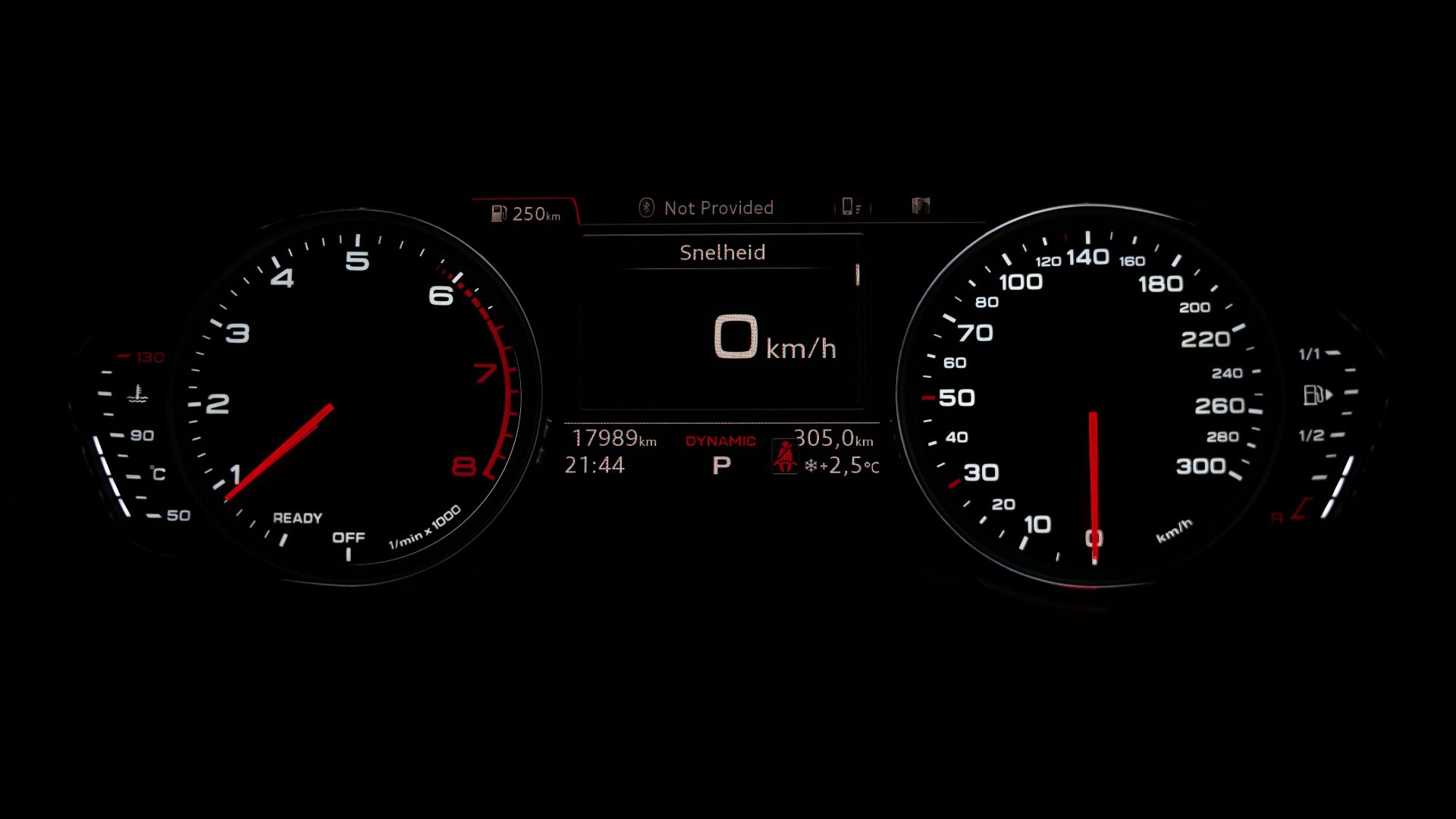
8. Customizable Digital Gauge Clusters
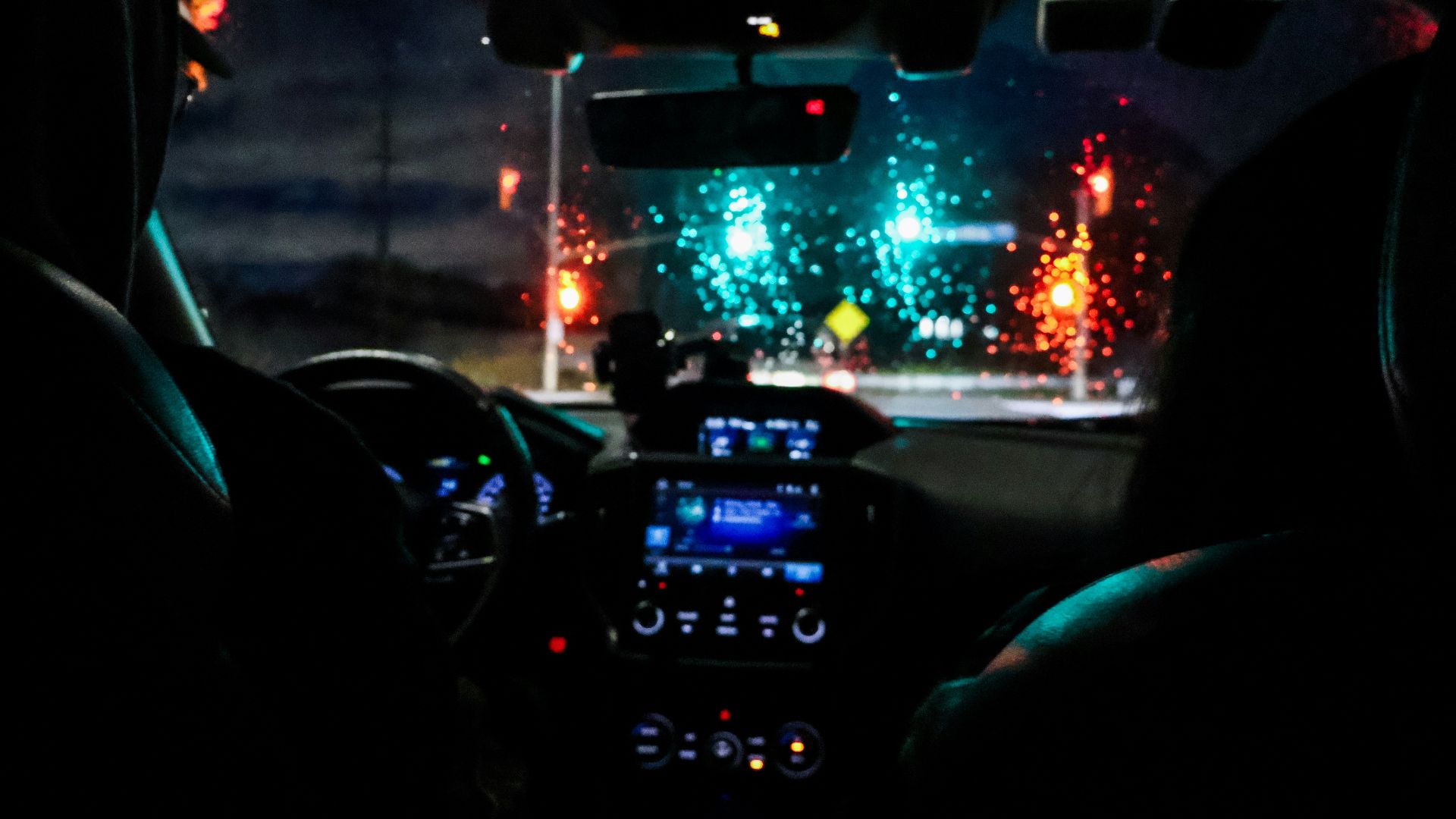
Digital gauge clusters let you prioritize the information you care about most. Speed, navigation, efficiency, or minimalist layouts are all options. Switching views takes seconds. This flexibility helps different drivers feel equally comfortable.
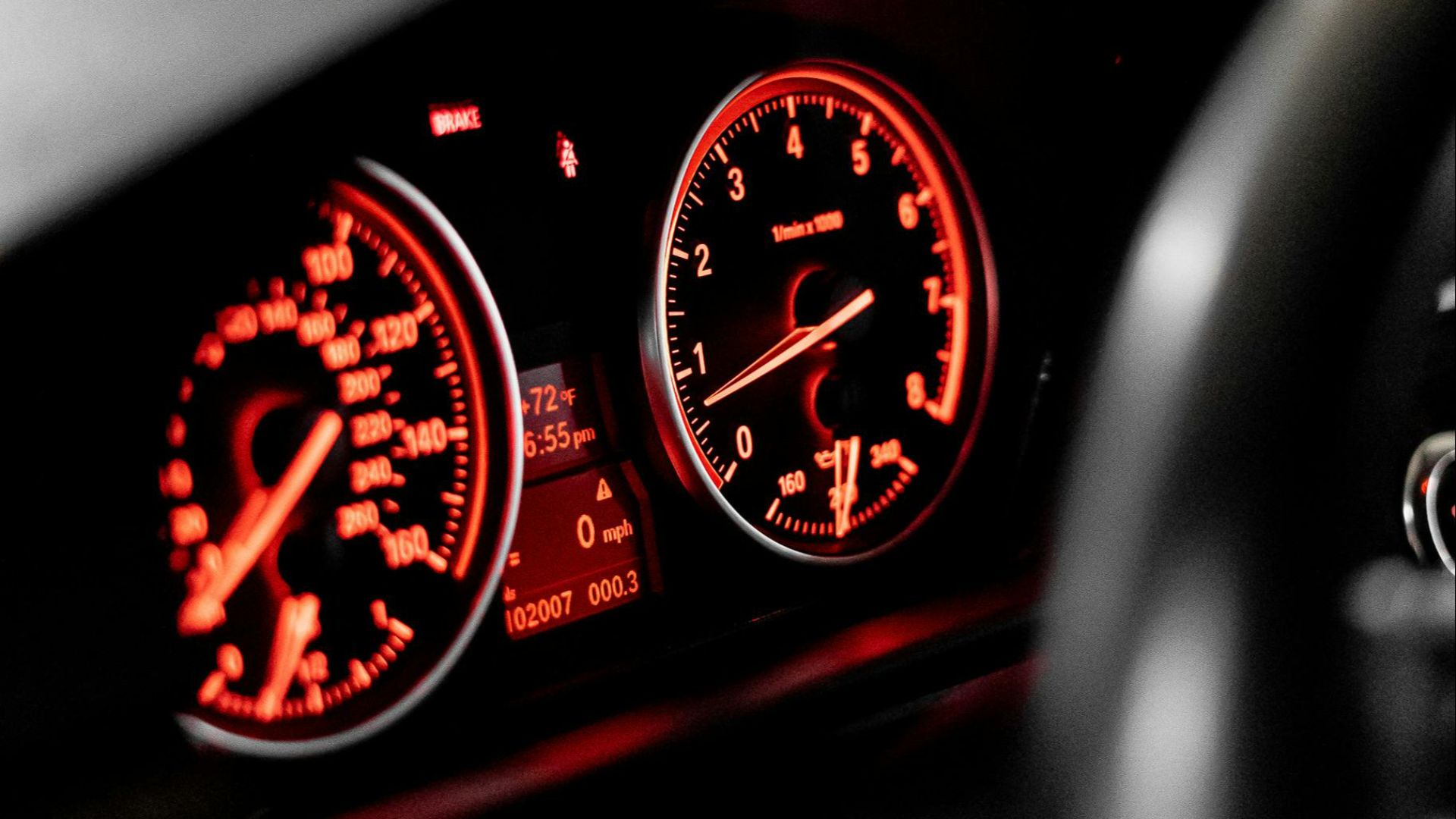
9. Gesture Control Systems
Gesture controls allow simple hand movements to adjust volume or accept calls. They work best for quick, repetitive actions rather than deep menu navigation. When calibrated properly, they feel natural. Poor gestures are filtered out to prevent accidental inputs.
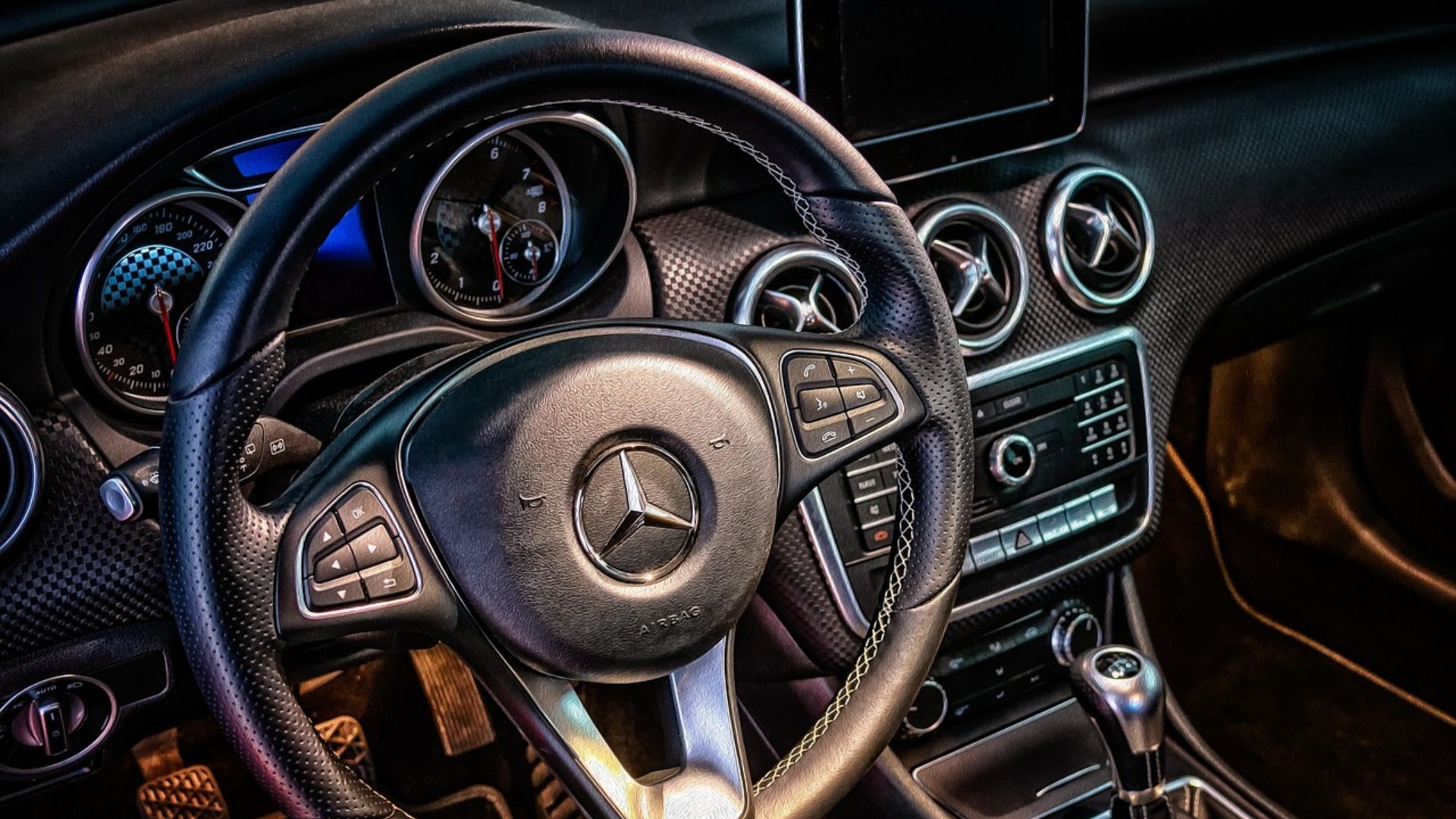
10. Integrated Dash Cameras
Dash cameras are now fully built into the dashboard design. Recording starts automatically, and footage is stored securely. You never need to remember to activate it. The clean integration keeps the windshield free of extra hardware.
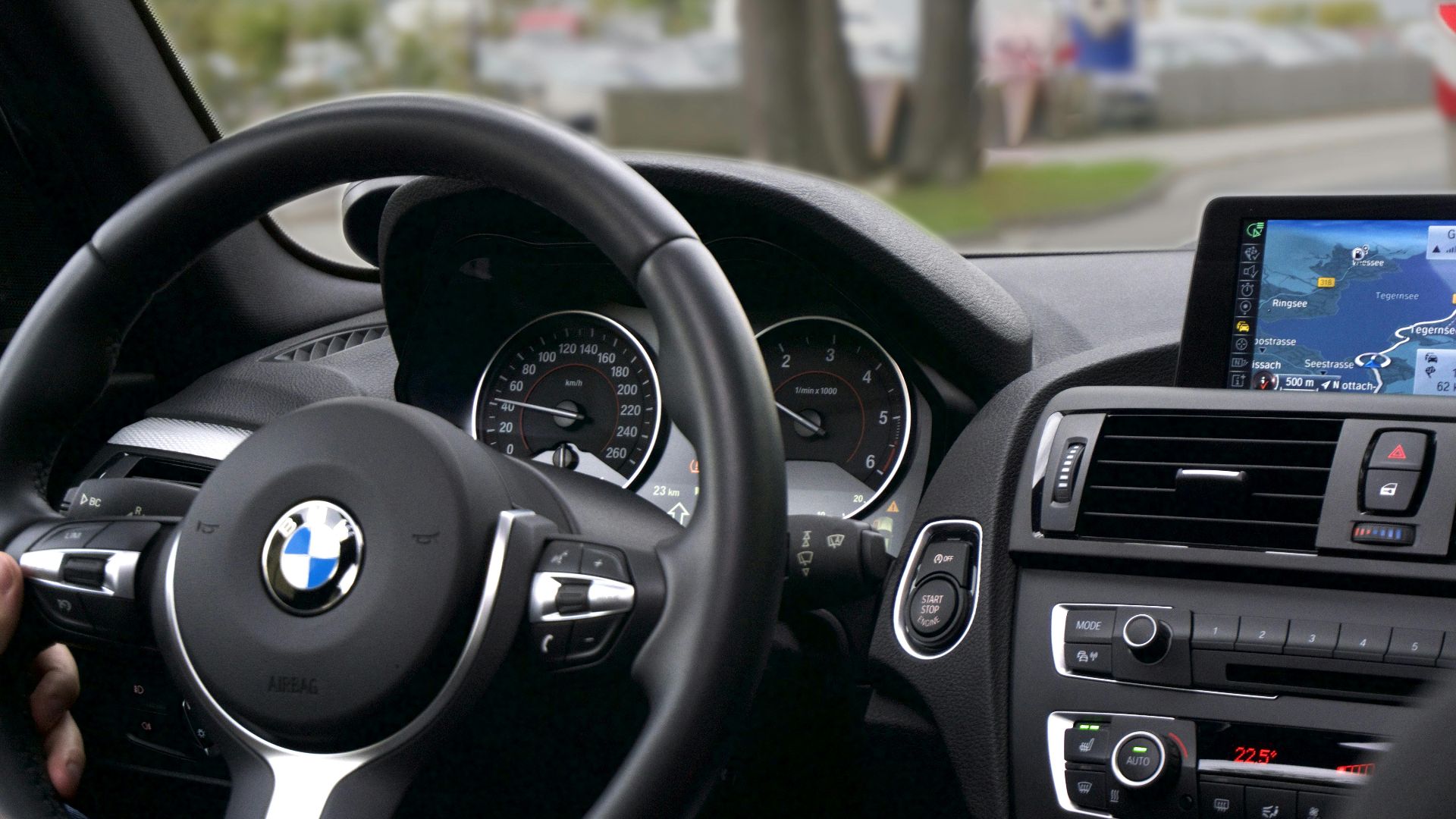
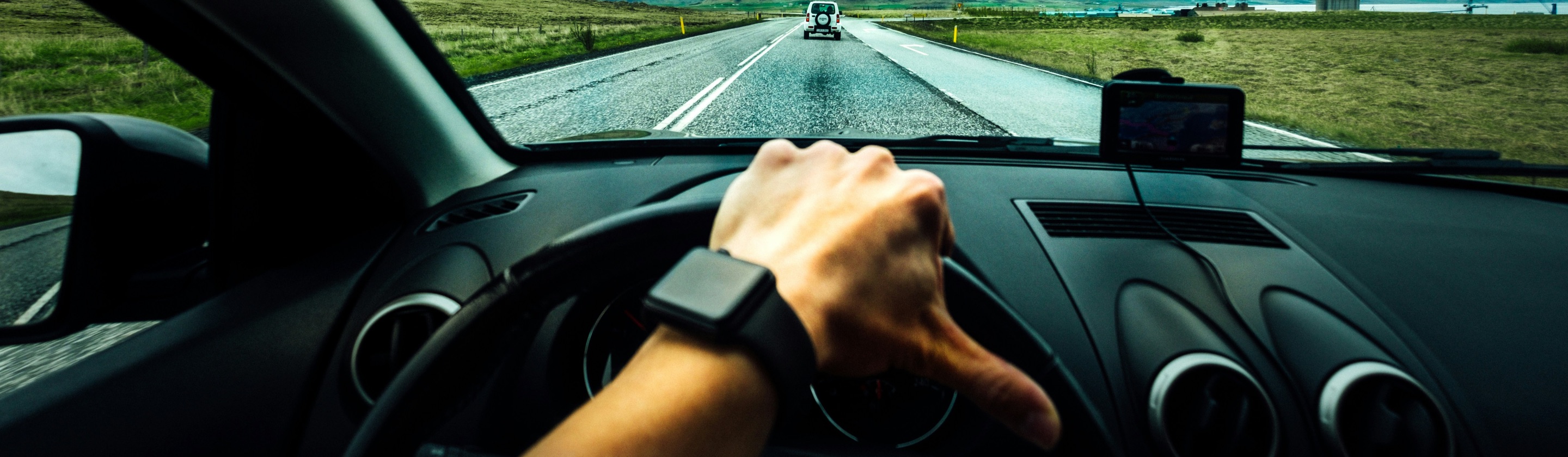
11. Context-Aware Navigation Systems
Navigation systems now factor in traffic behavior, weather, and driver habits. Routes adapt quietly without constant rerouting alerts. The guidance feels calmer and more human. This reduces decision fatigue on longer drives.
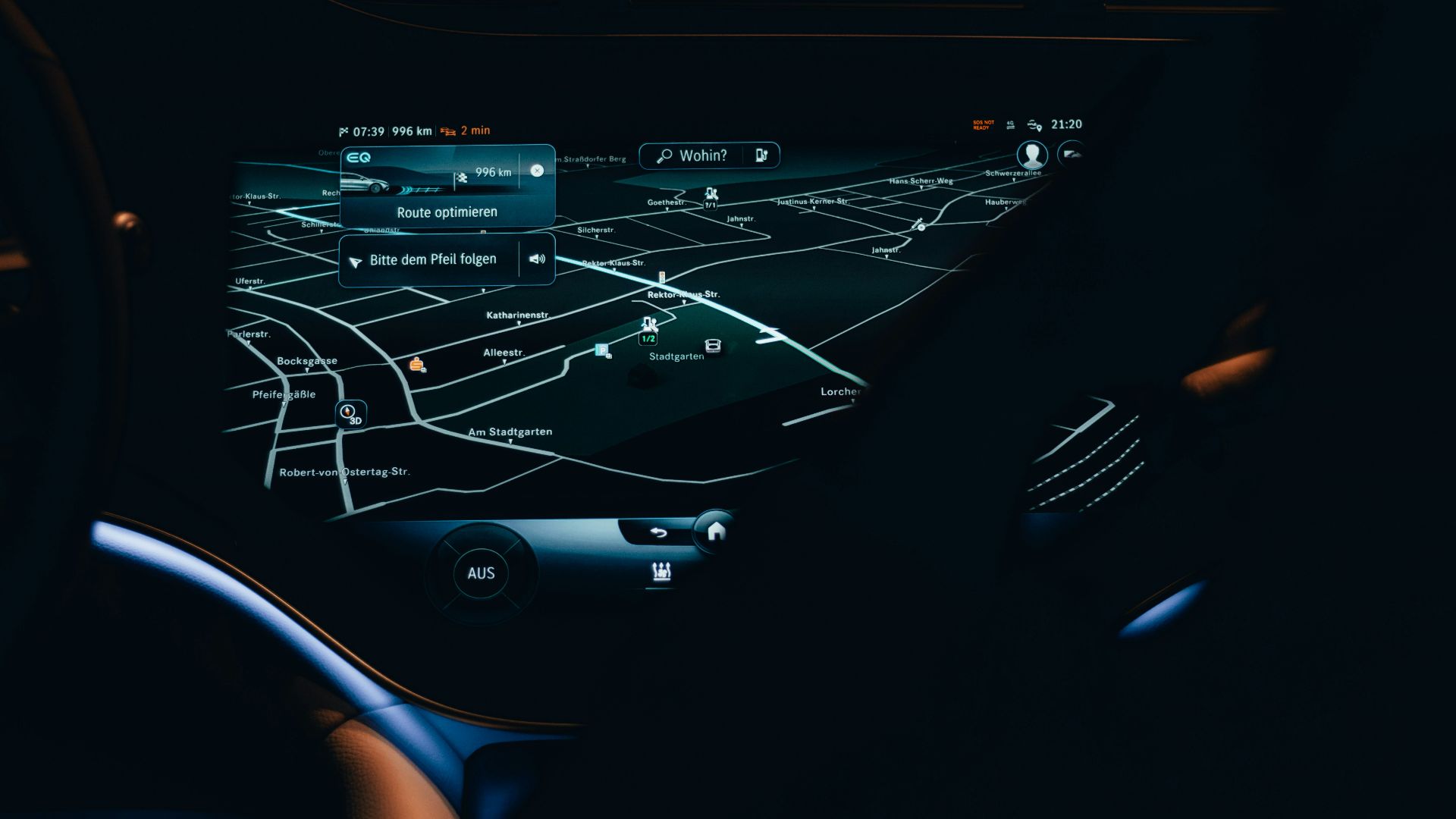 Christian Wiediger on Unsplash
12. Advanced Cabin Air Quality Sensors
Cabin air sensors monitor pollutants, allergens, and carbon dioxide levels. The system adjusts filtration automatically when air quality drops. Visual indicators remain subtle rather than alarming. This is especially useful in heavy traffic or wildfire-prone areas.
13. Predictive Fuel And Range Displays
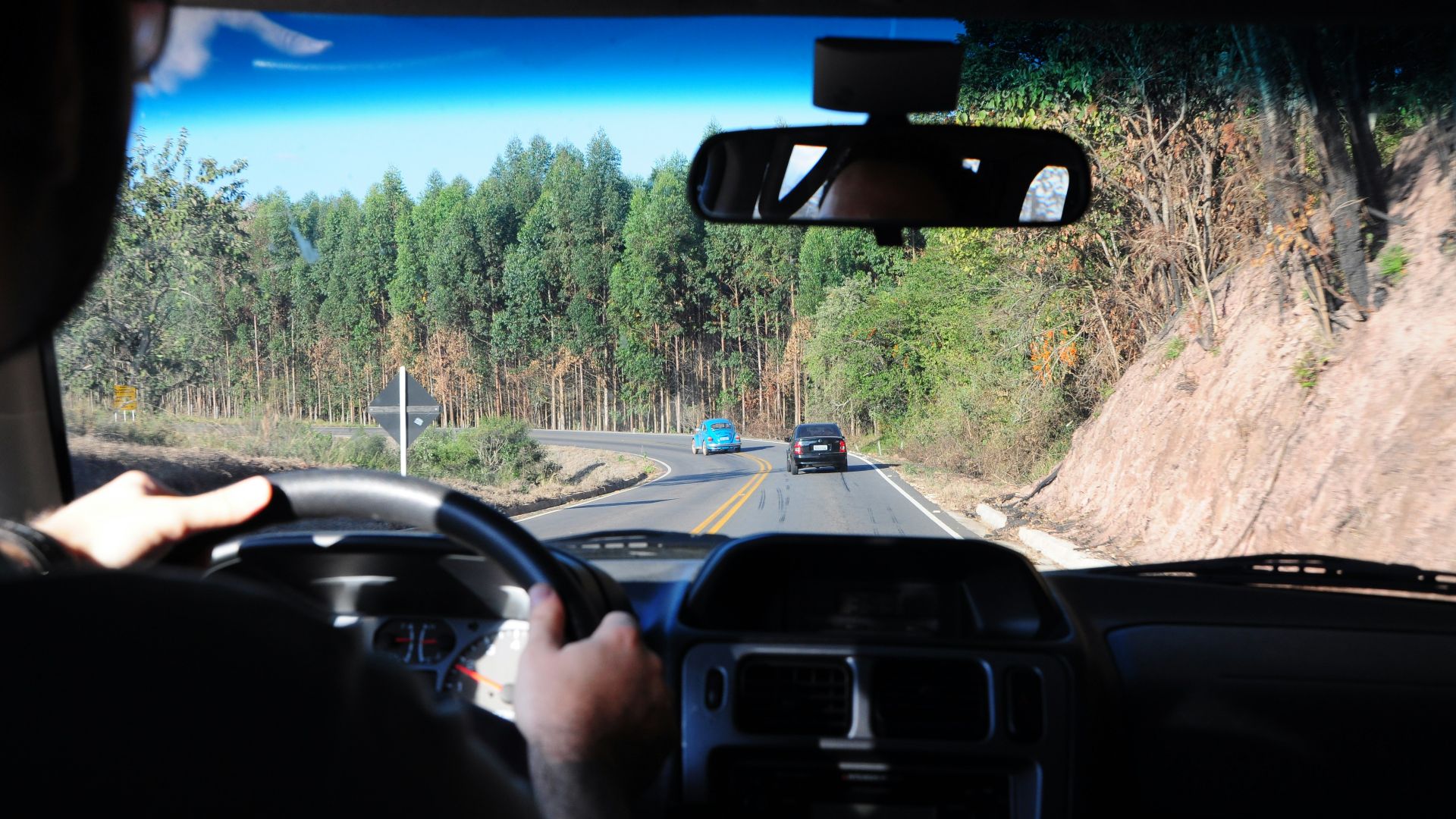
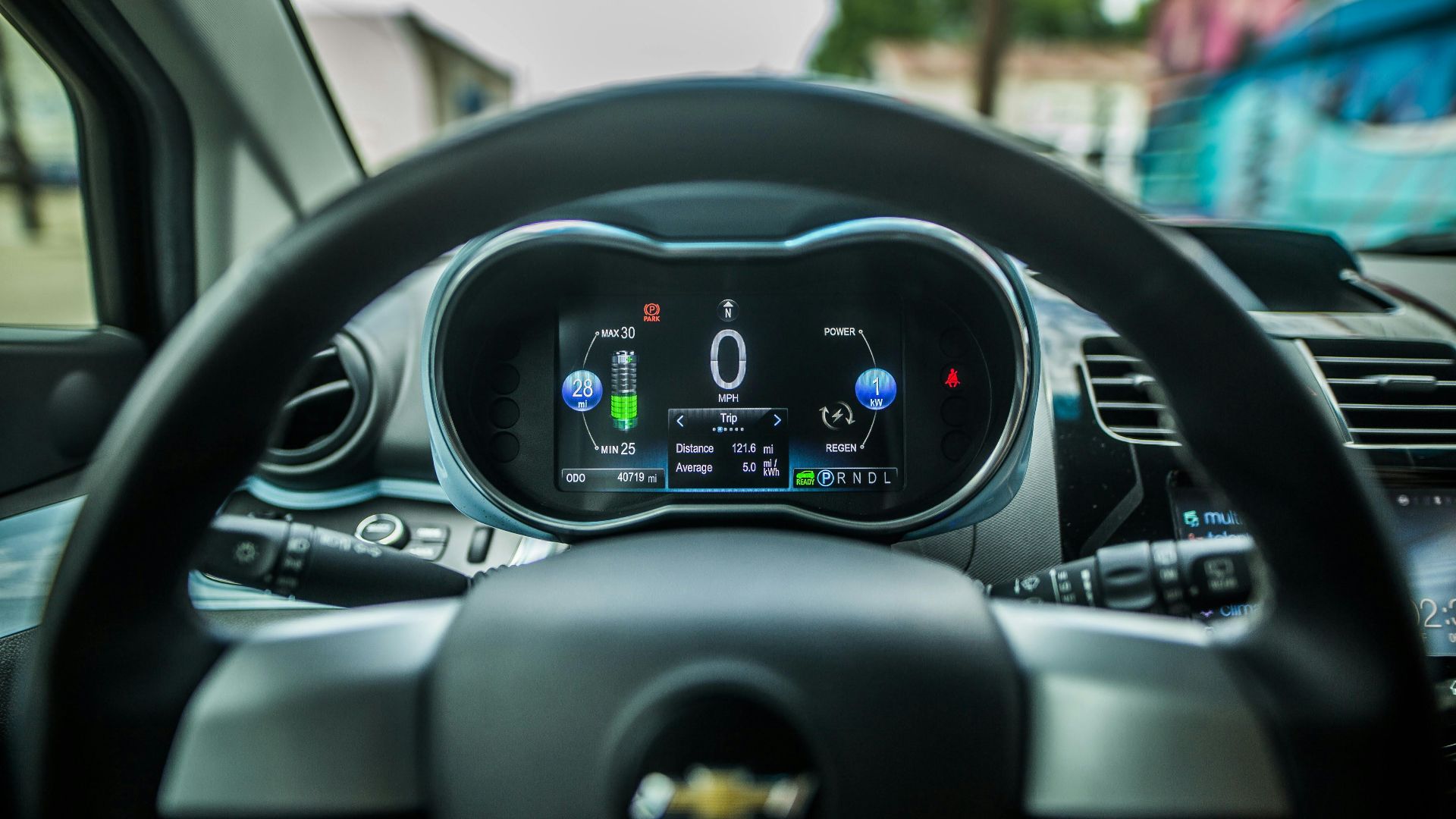
Range estimates now use predictive modeling instead of static calculations. Terrain, driving style, and traffic patterns are all considered. Accuracy has improved significantly, making trip planning less stressful.
14. Smart Notification Filtering
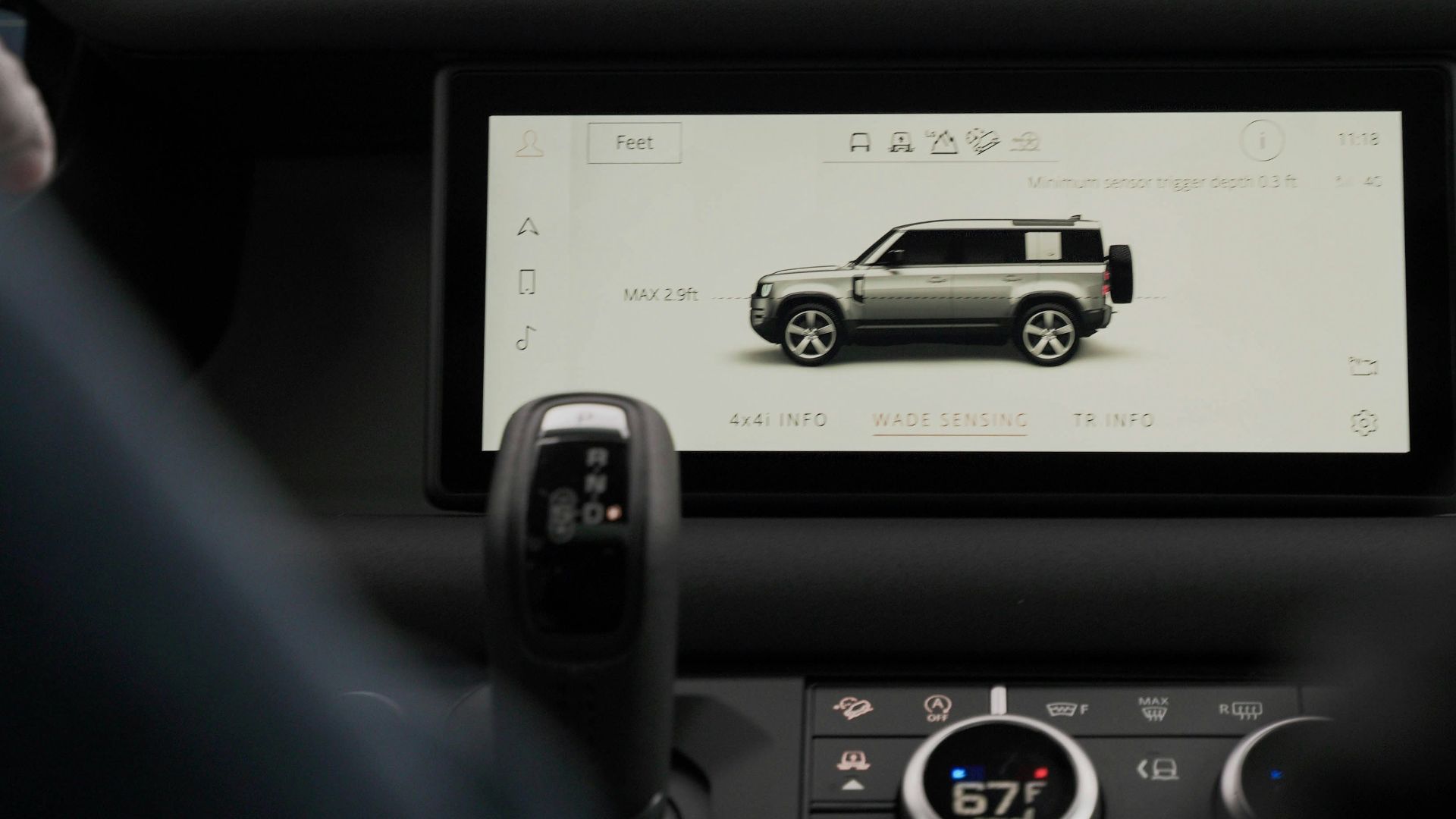
Only high-priority notifications reach the dashboard screen. Messages and alerts are filtered based on urgency and driving context. Nonessential distractions are delayed automatically. The result is a calmer driving experience.
15. Integrated Streaming Dashboards
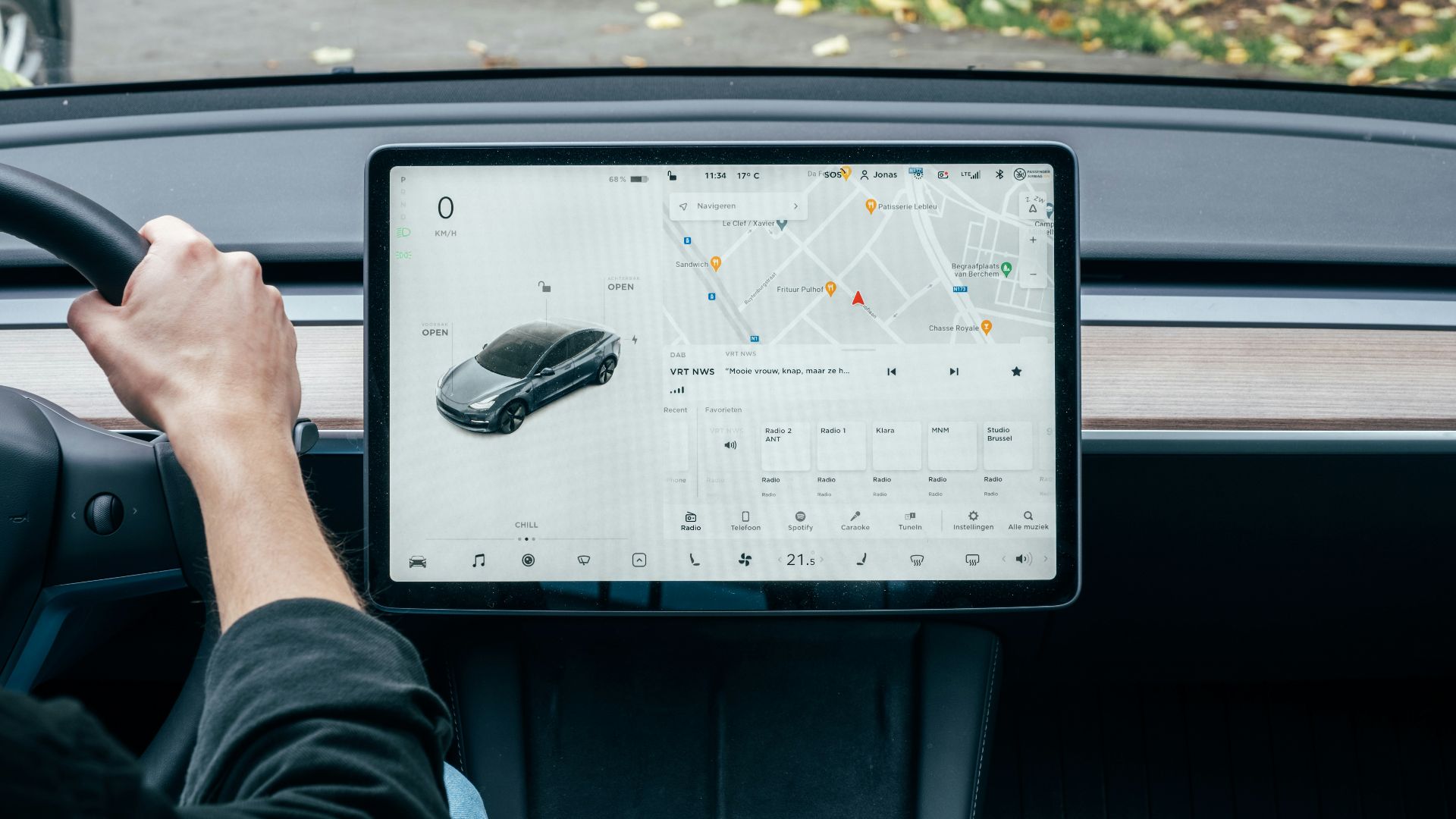
Streaming apps are now deeply integrated for parked use. Music, podcasts, and video platforms are optimized for dashboard displays. The interface locks automatically once the vehicle moves. This makes waiting in the car more enjoyable without safety risks.
16. Driver Profile Recognition
Dashboards can now recognize drivers automatically. Seat position, mirrors, climate, and display preferences adjust instantly. Switching drivers no longer requires manual setup. It feels seamless and surprisingly personal.
17. Over-The-Air Feature Updates
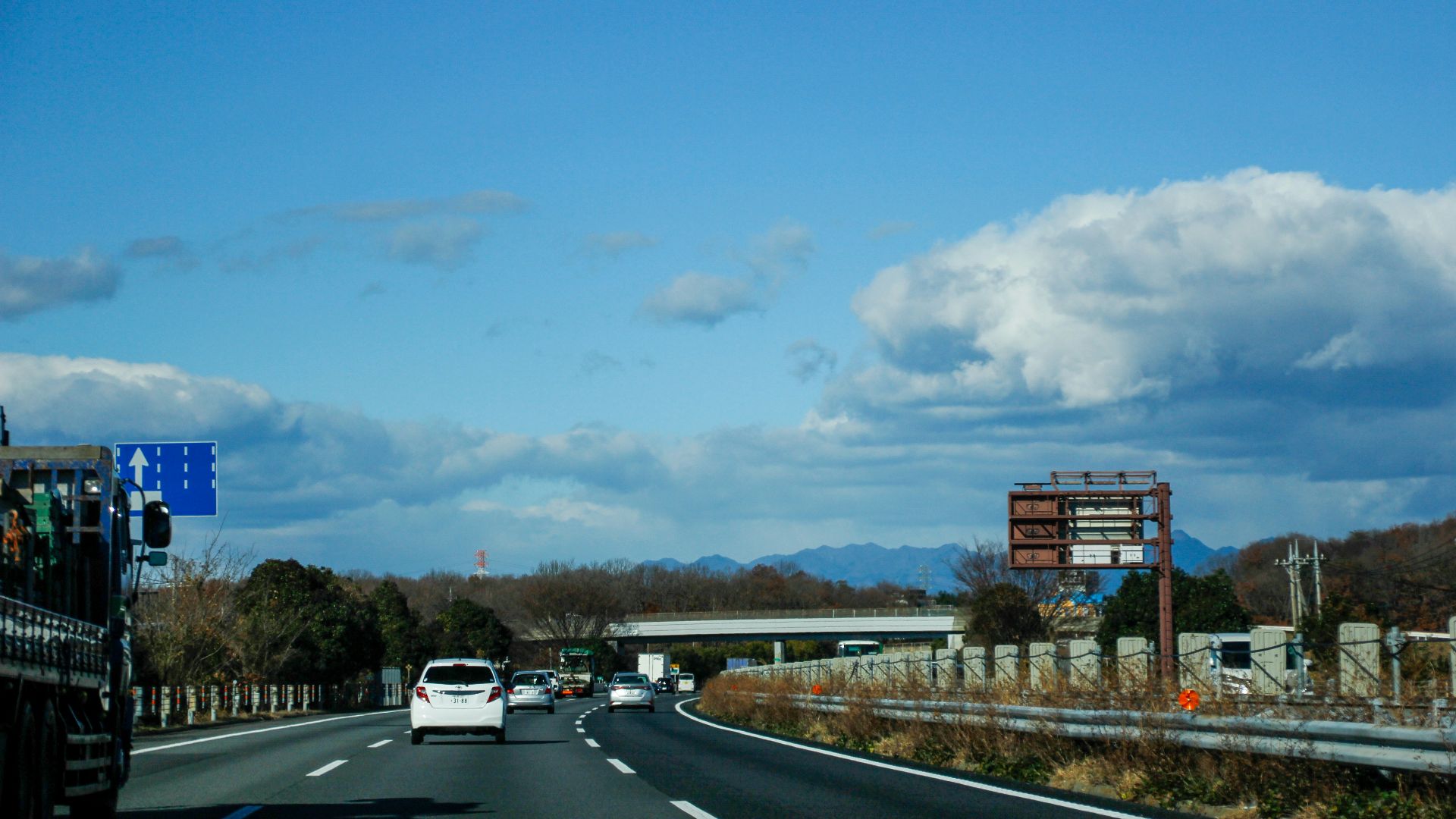
Dashboard features now improve through regular software updates. New functions and refinements arrive without dealership visits. The system evolves, keeping cars feeling current for longer.
18. Smart Energy Usage Displays
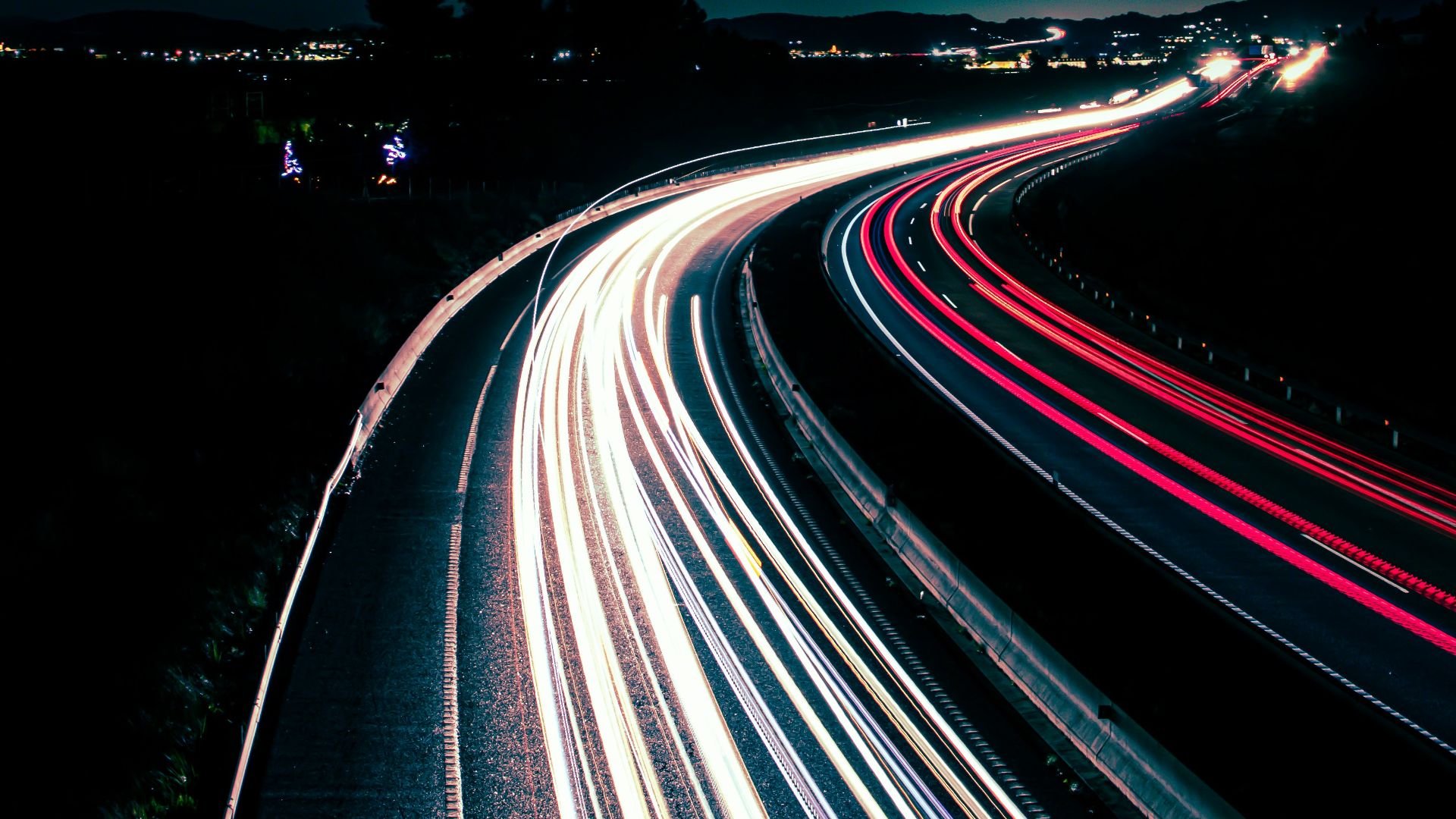
Energy dashboards show how systems like climate control affect efficiency. Visual feedback encourages smarter driving habits, and small changes feel more rewarding when you can see the impact. This is especially useful in electric vehicles.
 Hyundai Motor Group on Unsplash
19. Integrated Emergency Response Tools
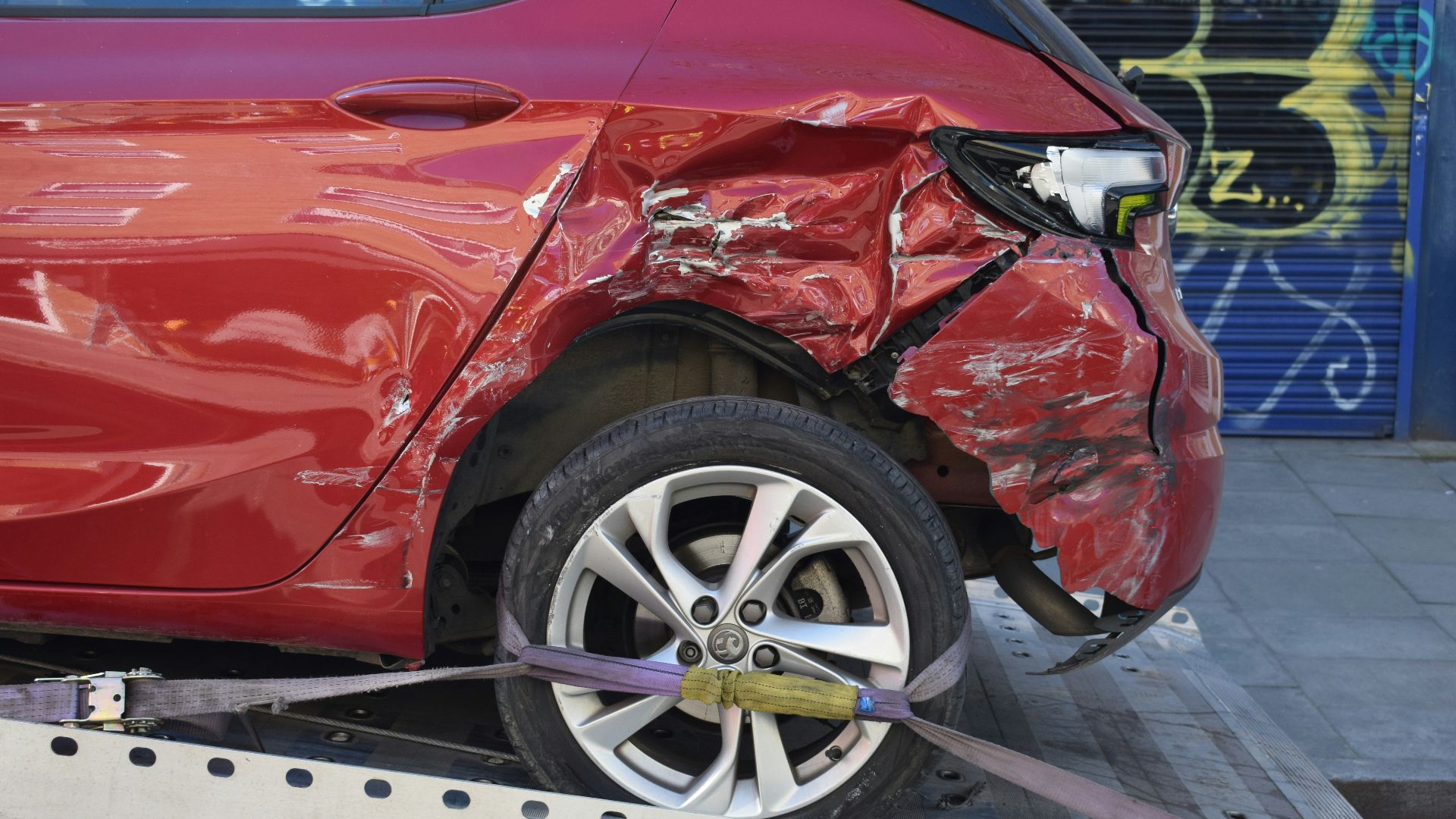
Dashboards now coordinate emergency response automatically after serious incidents. Location, vehicle data, and status are shared instantly. Manual input isn’t required in stressful moments. It adds peace of mind without being visible day to day.
20. Minimalist Night Mode Displays
Night modes reduce brightness and visual clutter after dark. Colors shift to softer tones that are easier on the eyes. Important information stays visible without glare, making long nighttime drives noticeably less tiring.