Responsible by Default, Interesting by Choice
Volvo has one of the most coherent identities in automotive history, which is both its greatest strength and its recurring problem. For decades the company built cars that were genuinely safer than almost everything else on the road, and it found ways to make that safety feel intentional and even desirable. But for every model that managed to be interesting, there were others that seemed designed specifically for people who had stopped caring about driving. Here's 10 Volvos that made the brand worth loving, and 10 that were just a little too responsible for their own good.
1. 1800ES (1971)
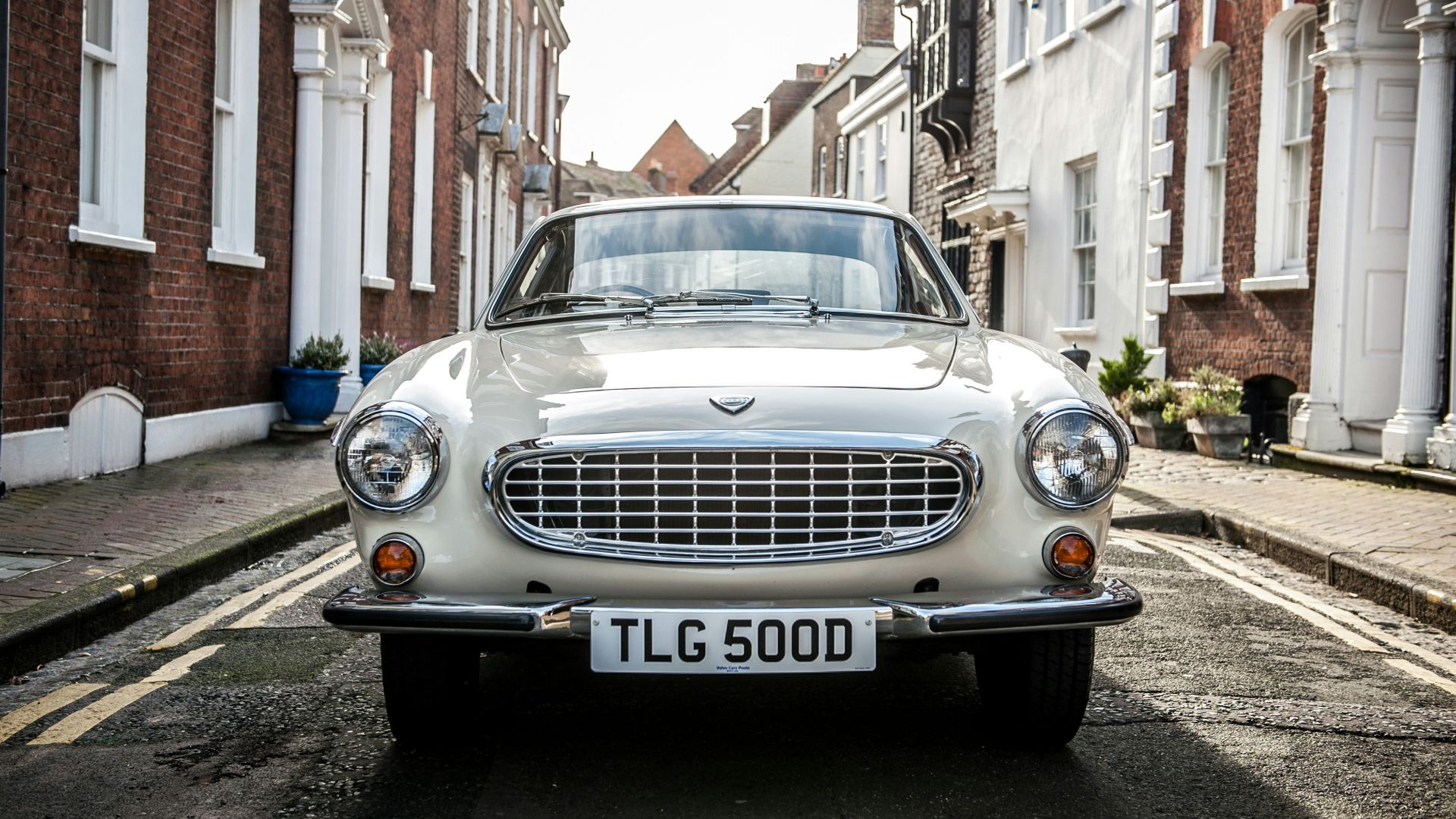
The 1800ES is the car that proves Volvo was never just about sensibility. It's a shooting brake with a full glass rear hatch, clean Scandinavian lines, and enough visual confidence to hold its own against anything coming out of Italy at the time. Roger Moore drove the coupe version in The Saint, and the ES somehow managed to be even more elegant.
2. P1800 (1961)
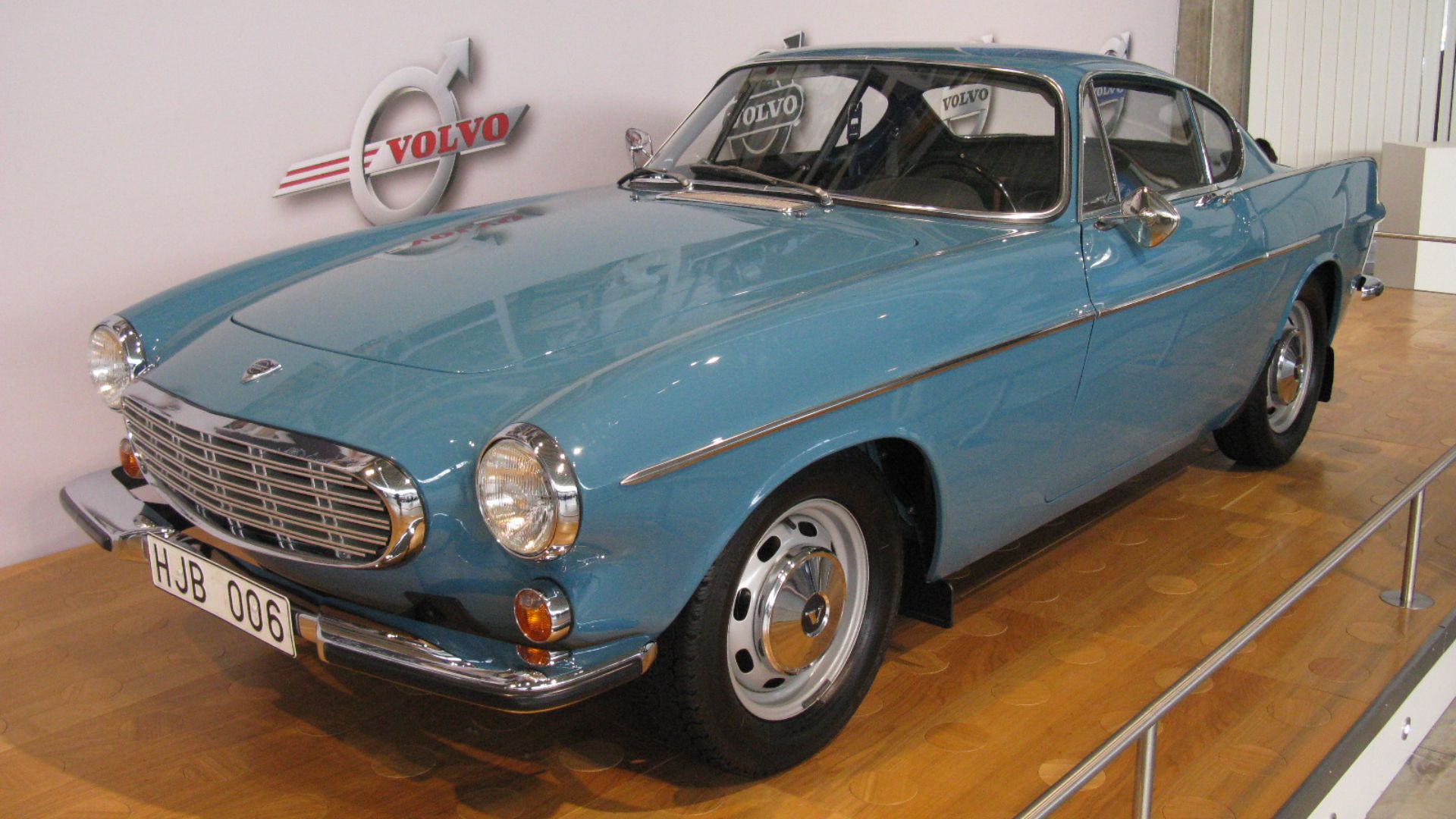
Before the ES came the original P1800, a genuine sports car that looked like it belonged at a concours rather than a commuter lot. It had a long hood, curved bodywork, and a face that still turns heads today. Volvo built it to prove the brand could do more than station wagons, and it made the point convincingly.
3. 240 Turbo (1981)
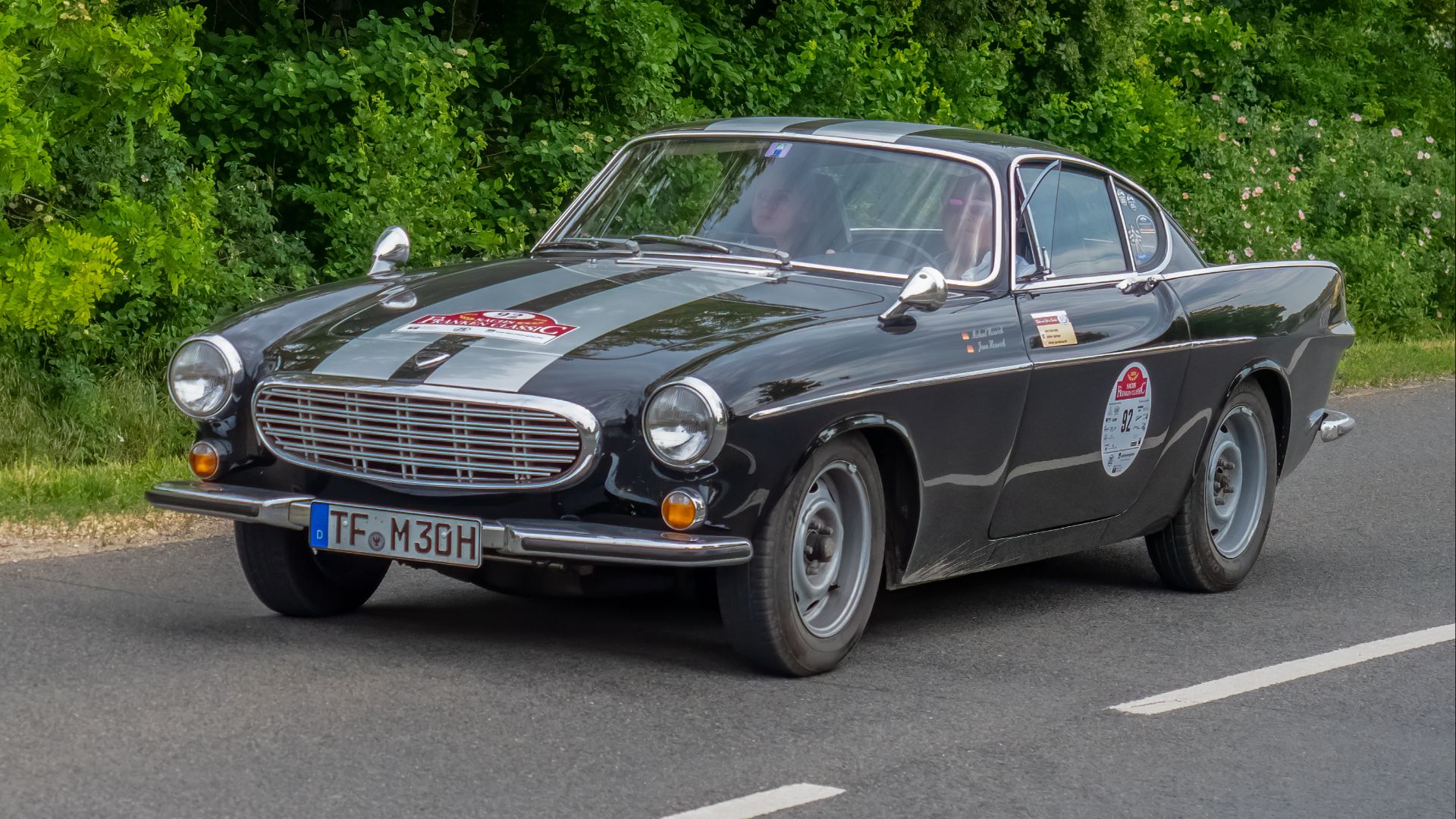
The 240 was already one of the safest cars on the road when Volvo dropped a turbocharger into it and sent it racing. The 240 Turbo won the European Touring Car Championship in 1985, which was not the outcome most people expected from a boxy Swedish family sedan. It earned genuine respect from people who cared about performance and not just crash ratings.
4. 850 T-5R (1995)
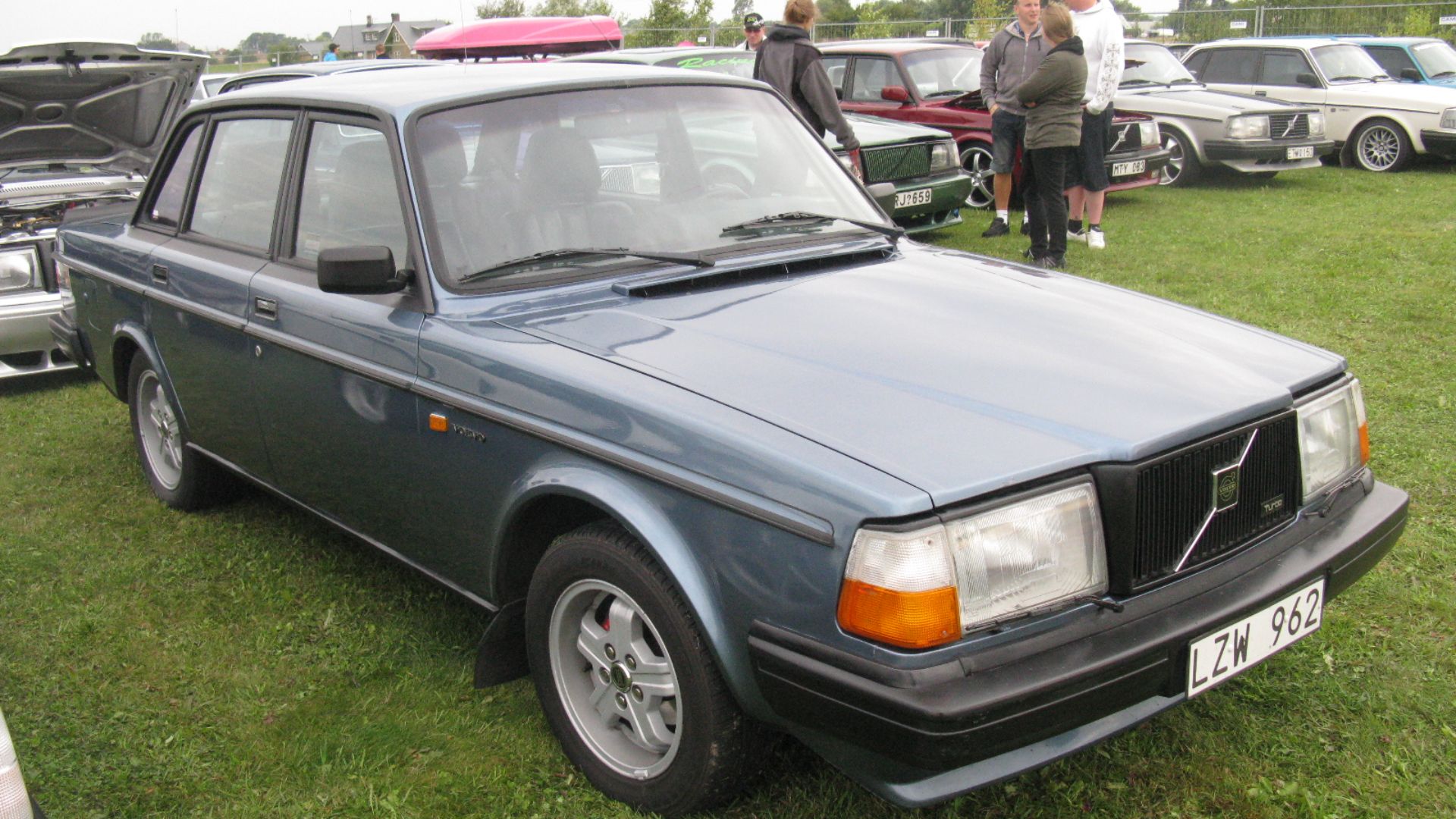
The 850 was Volvo's first front-wheel-drive car, and instead of playing it safe with the launch, they went racing in the British Touring Car Championship with a bright yellow estate wagon. The T-5R that followed for the road came in matte yellow or black, had a five-cylinder turbo engine with real bite, and made it very clear that Volvo was done apologizing for being interesting.
5. C70 Coupe (1997)
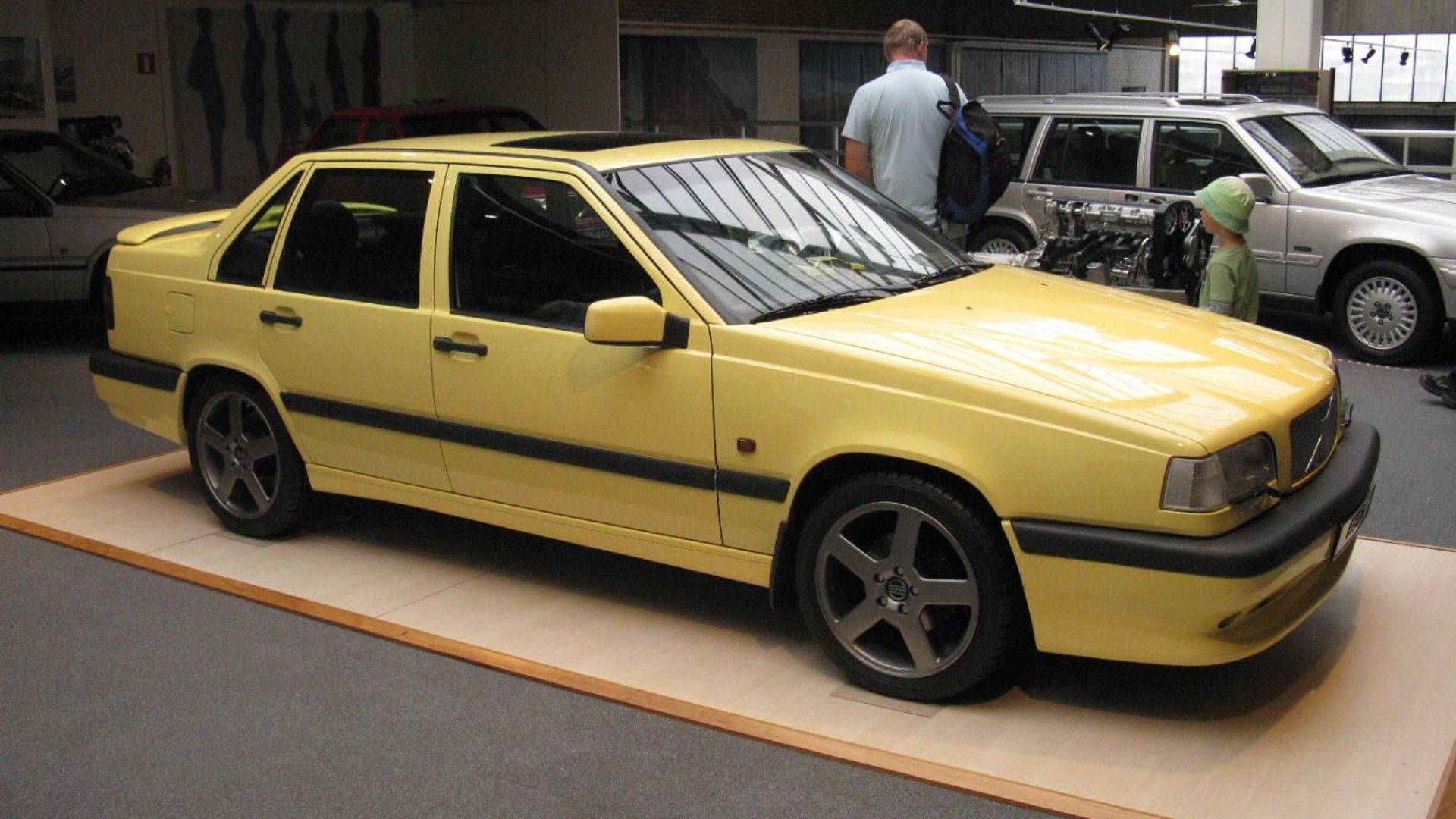
The first-generation C70 was styled by Peter Horbury at a moment when Volvo was actively trying to shed its boxy reputation. It had a long, low roofline, a beautifully proportioned interior, and a turbocharged inline-five that made it quick enough to take seriously. It felt like a genuine grand tourer rather than a safety appliance with a sunroof.
6. XC90 First Generation (2002)
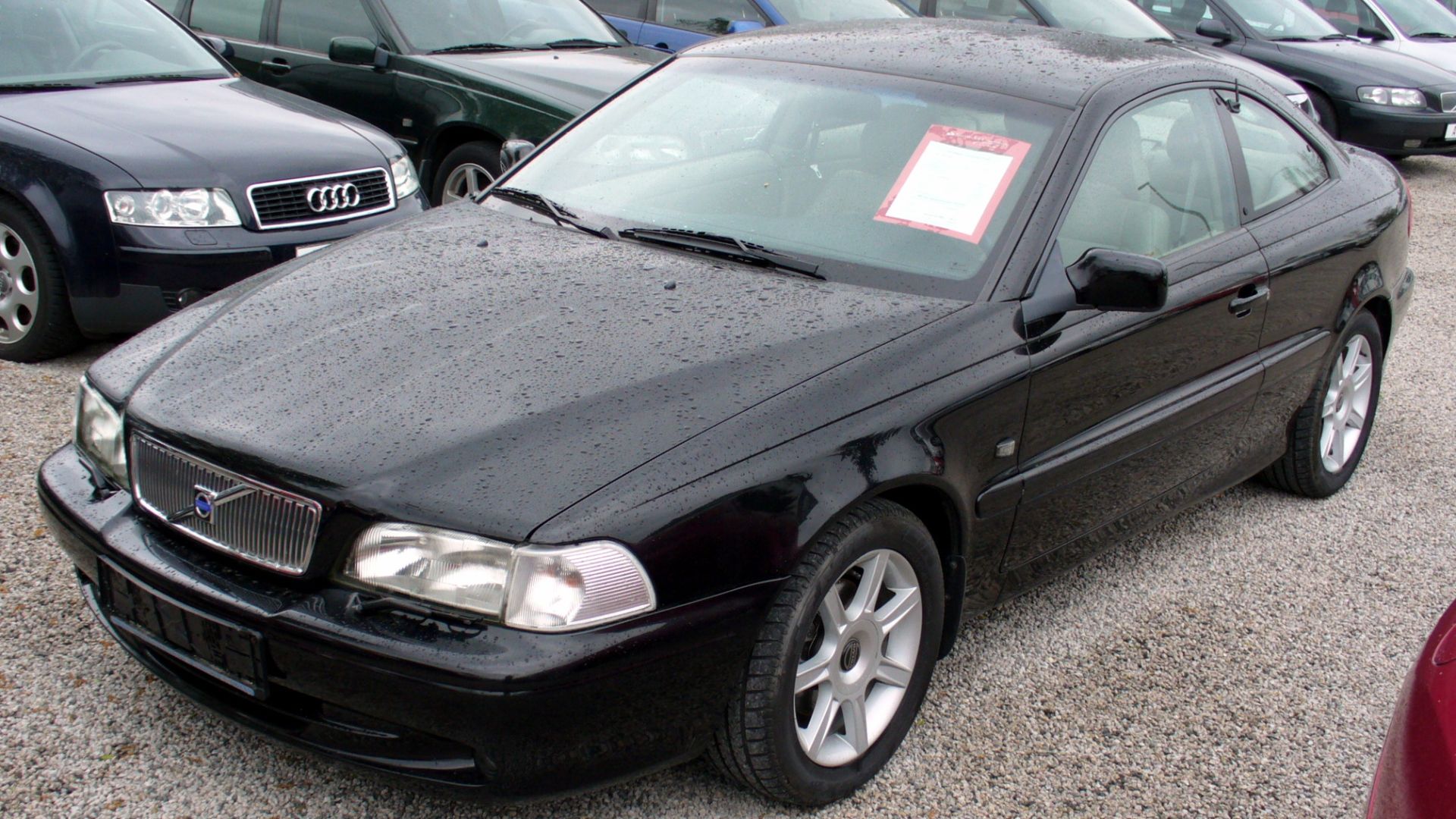
When the original XC90 arrived, it redefined what a family SUV could look like. It was substantial without being aggressive, well-designed without being flashy, and it offered three rows of seating before most European brands had figured out the format. It also introduced Roll Stability Control as standard equipment, which was the kind of move that made safety feel like a feature rather than a footnote.

7. V70 R (2003)
The V70 R took a practical estate wagon and gave it all-wheel drive, a 300-horsepower turbocharged engine, and four-corner adjustable dampers. It was one of the fastest and most capable wagons available anywhere in the world at the time, and it looked almost completely stock from the outside. That restraint was part of the appeal.
8. S60 R (2003)
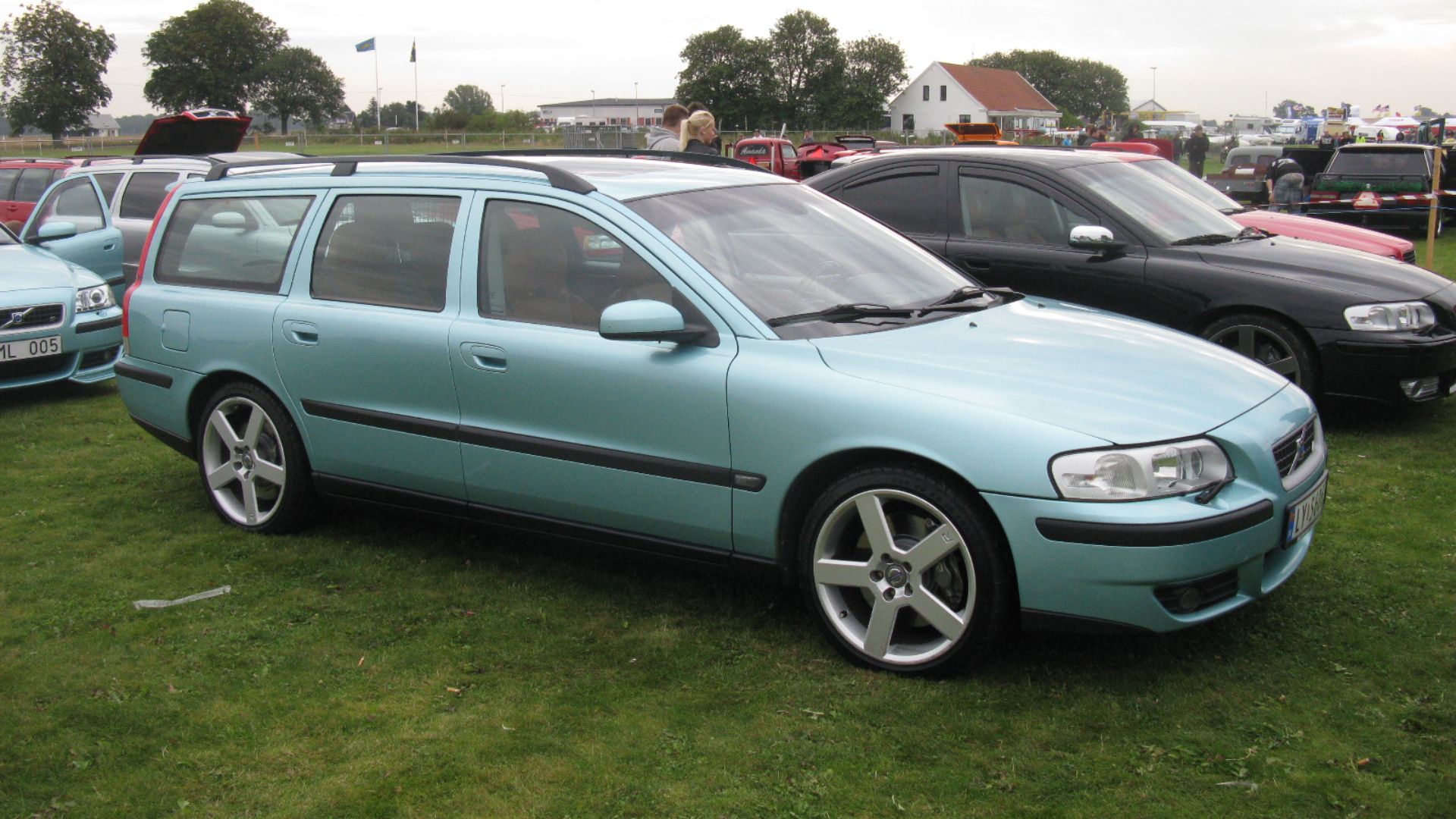
Everything the V70 R offered in wagon form, the S60 R delivered as a sport sedan. The chassis was taut, the engine pulled hard through the rev range, and the interior had just enough differentiation to feel intentional without being gaudy. It was the kind of car that rewarded people who knew what they were looking at.
9. C30 (2006)
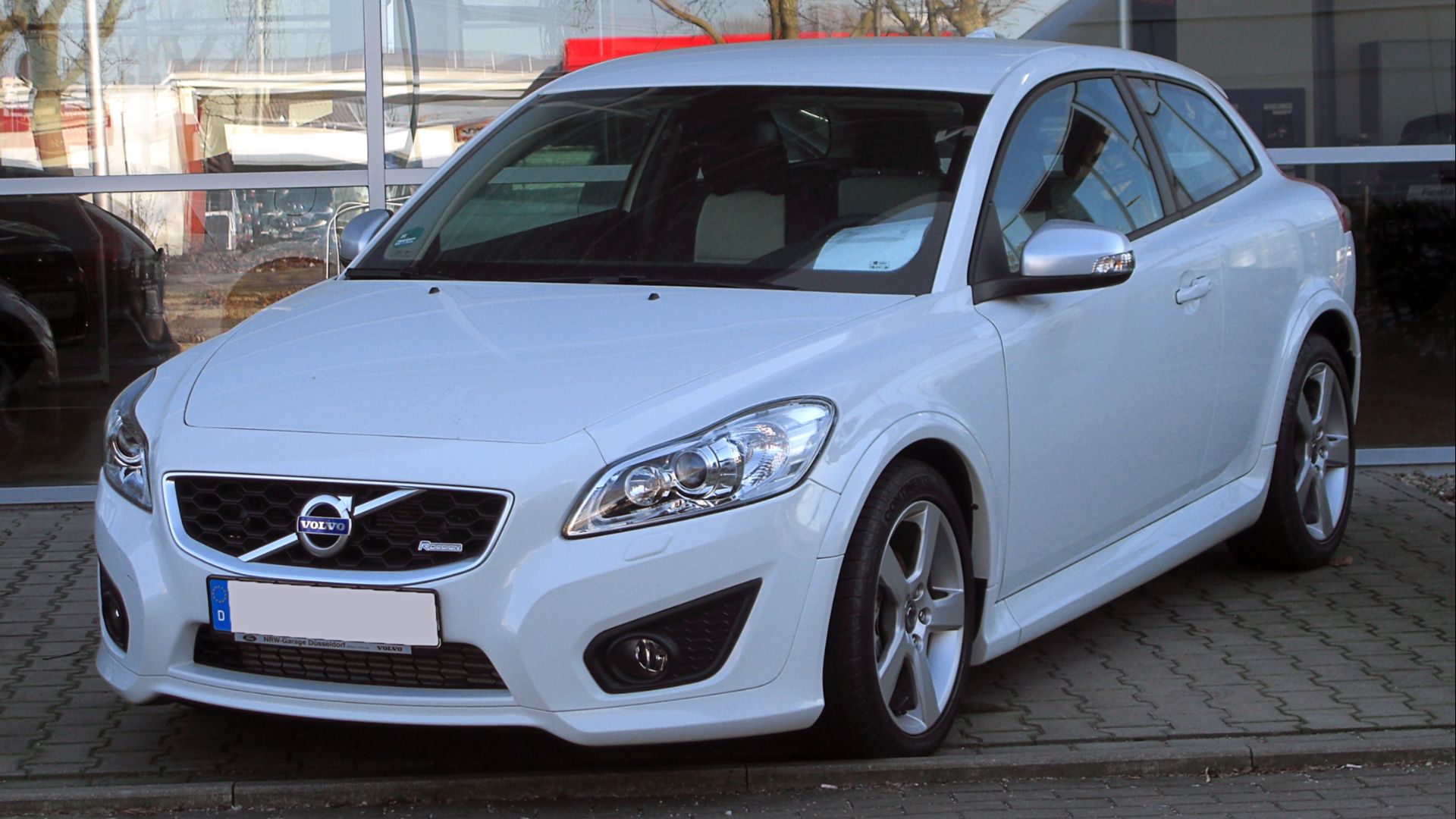
The C30 was a small three-door hatchback with a fastback rear inspired by the 1800ES, and it arrived at a moment when most small cars looked completely forgettable. The interior was well-designed, the floating center console was genuinely distinctive, and the T5 version had enough power to make it entertaining. It sold modestly and deserved better.
10. Polestar-Tuned V60 (2014)
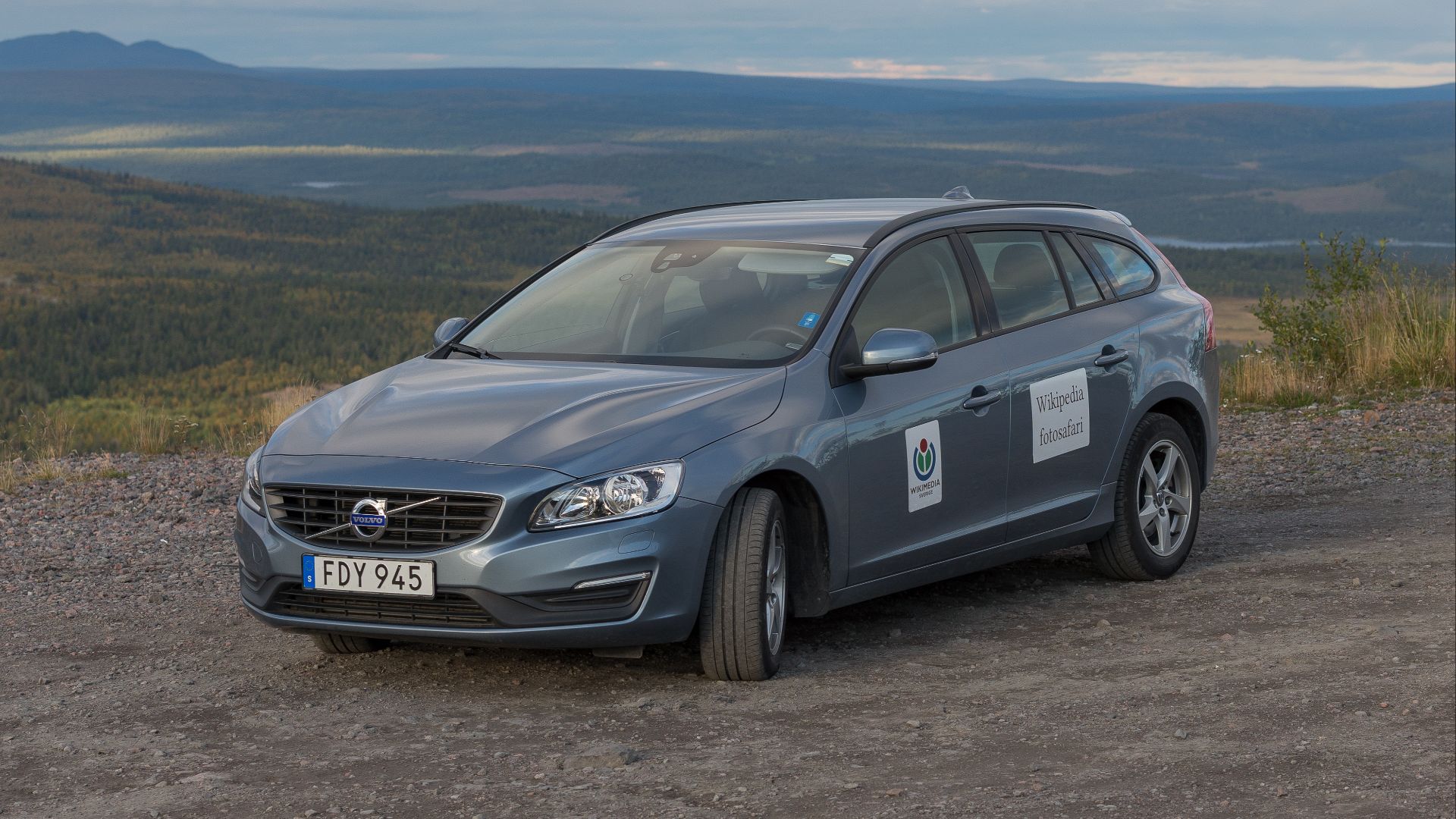
Before Polestar became its own brand, it worked as Volvo's performance division, and the V60 it tuned is probably the best thing to come out of that arrangement. It made 345 horsepower from a six-cylinder engine, came standard with Öhlins suspension, and was sold in limited numbers in a handful of markets. It remains one of the most complete performance wagons ever built.
Here's 10 that were a little too sensible to stick.
1. 244 (1974)
The 244 was safe, durable, and completely devoid of visual ambition. It was a box on wheels at a moment when other manufacturers were at least trying to round their corners, and it seemed to wear its plainness as a badge of honor. Owners loved them for lasting forever. Nobody loved them for looking at them.
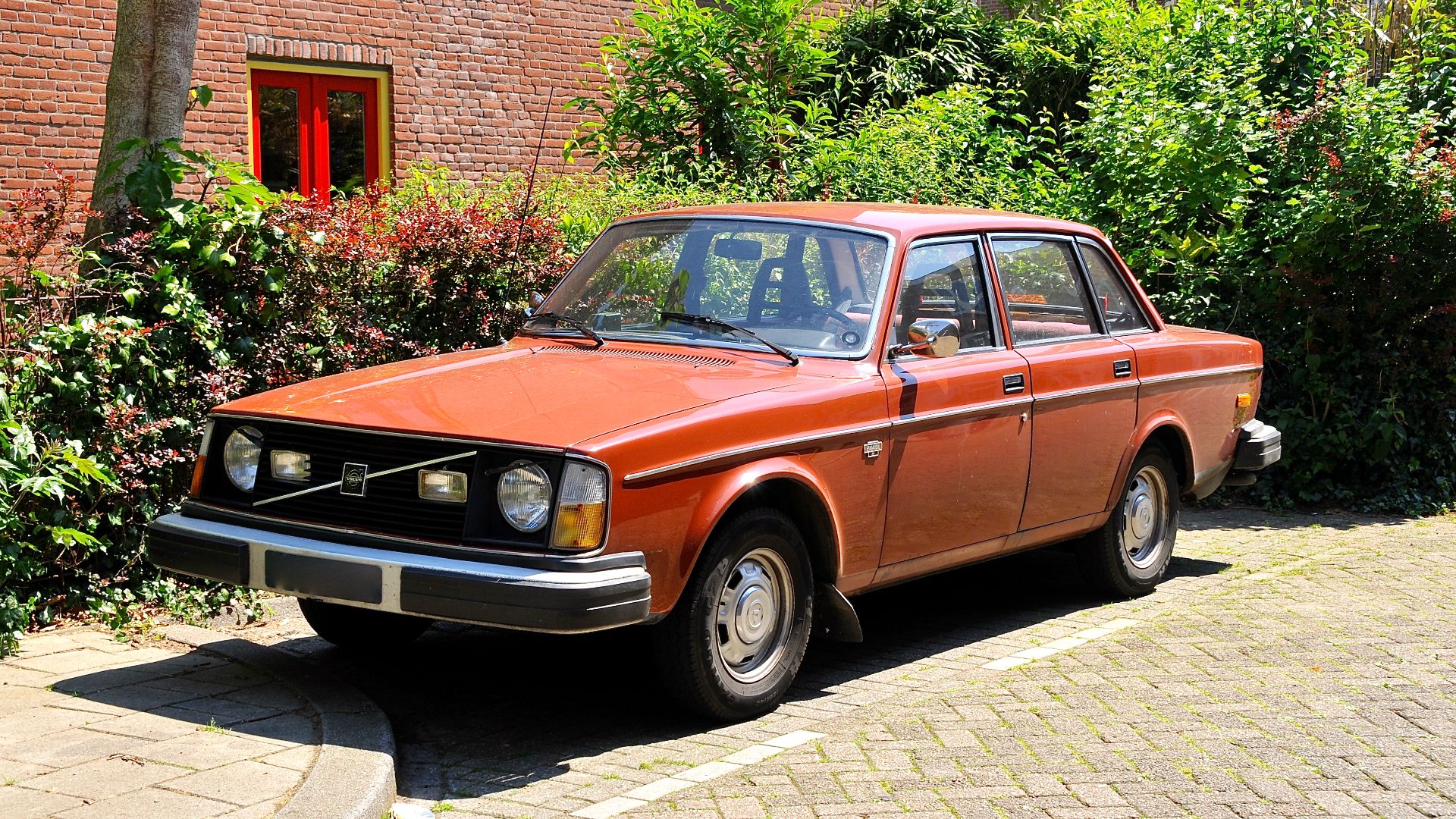 FaceMePLS from The Hague, The Netherlands on Wikimedia
2. 264 (1974)
The 264 was the six-cylinder version of the 244, which meant more power but the same uncompromising exterior. It was positioned as the luxury variant, and Volvo did add some interior refinements, but putting nicer seats in a rectangle doesn't change the fundamental character of the rectangle.
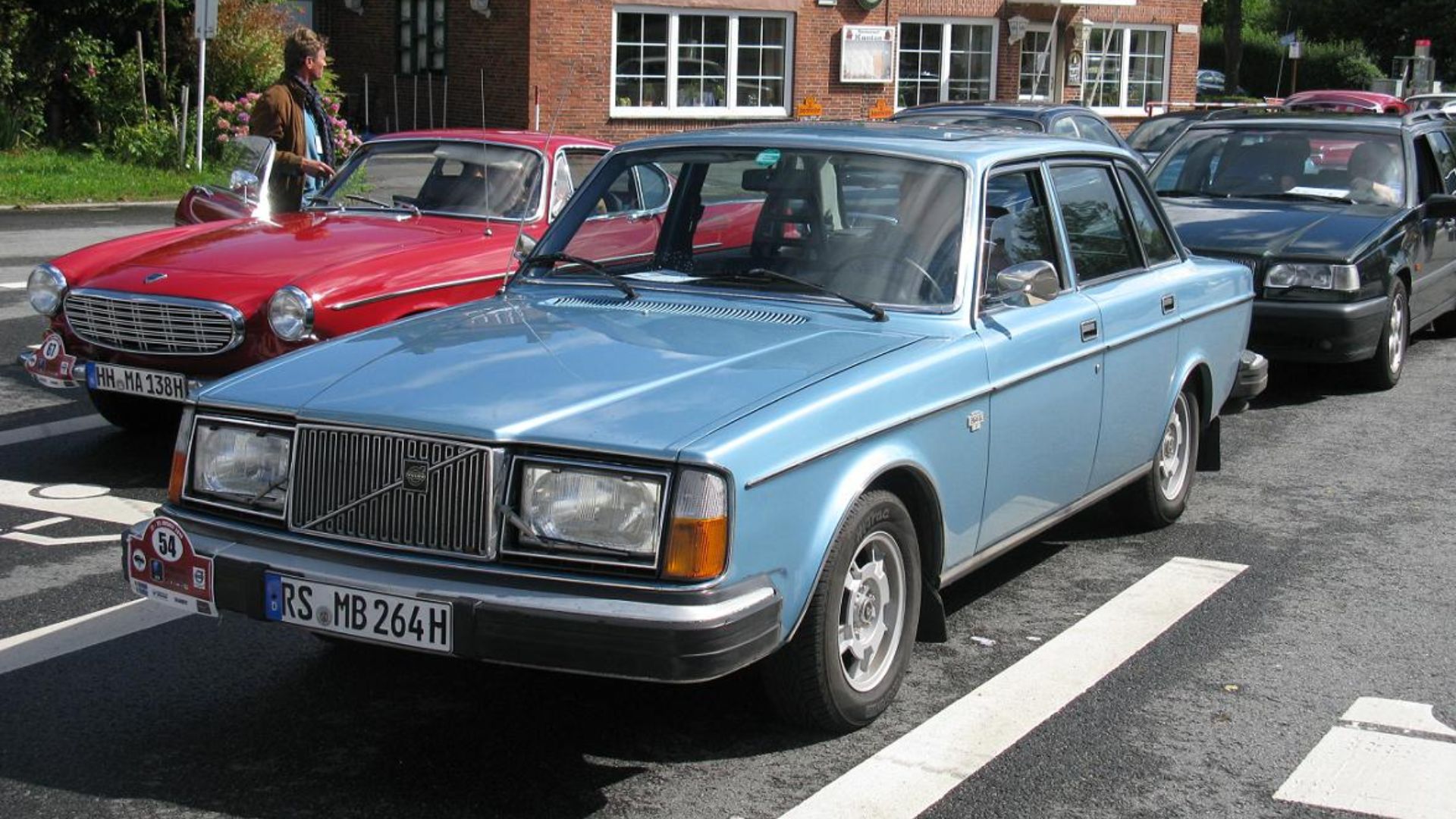
3. 340 (1976)
The 340 was a smaller, cheaper Volvo built on a platform originally developed by DAF, a Dutch manufacturer best known for cars with continuously variable transmissions. It had rear-wheel drive and almost nothing else to recommend it. It was the Volvo for people who wanted a Volvo but couldn't quite afford one, and it felt like it.
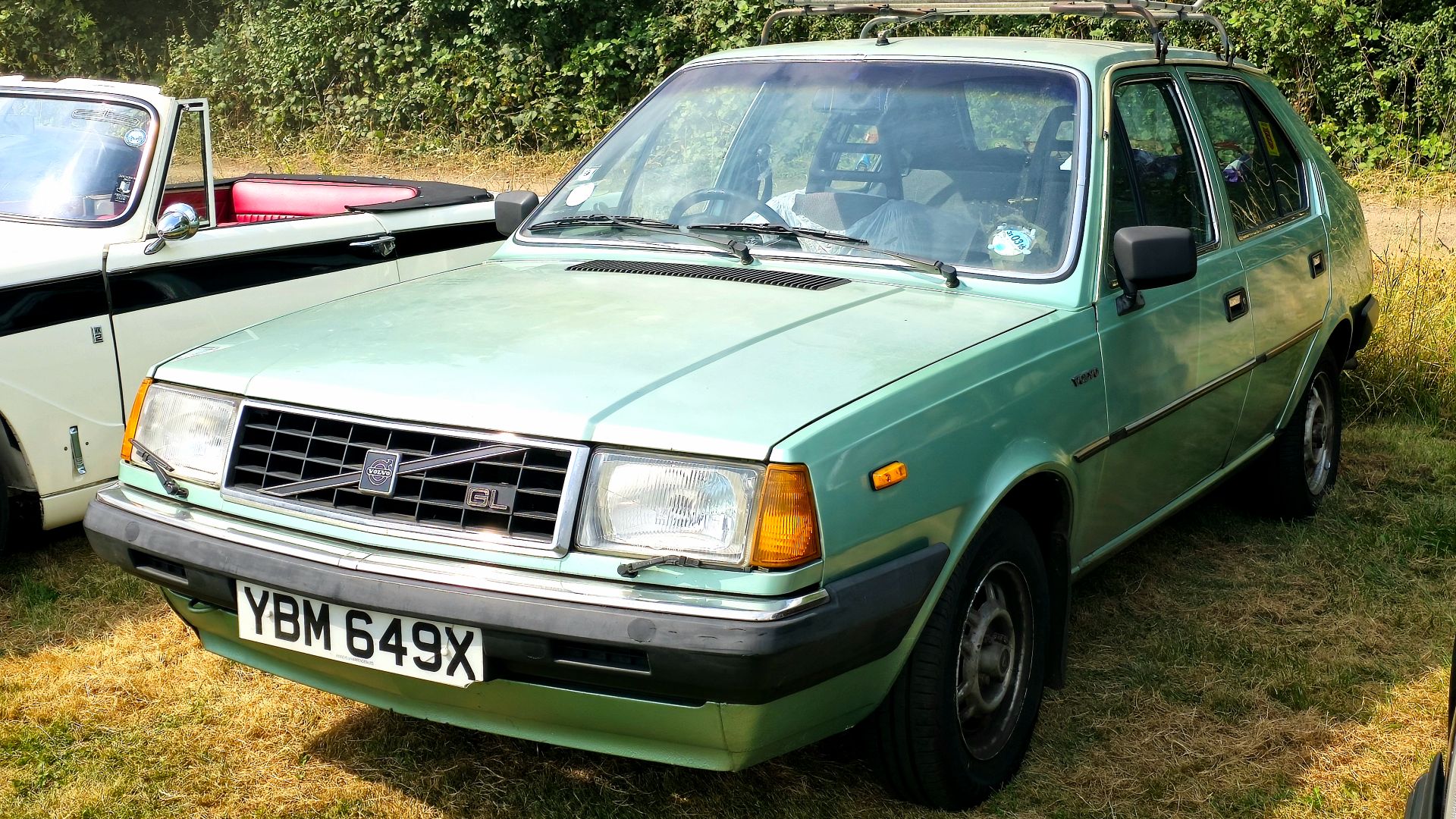
4. 760 GLE (1982)
The 760 was supposed to be Volvo's flagship, and in terms of safety and engineering it delivered. In terms of excitement it was another matter entirely. It had a tall, upright profile, a formal interior that felt more waiting room than driver's seat, and a presence that read more "company car" than "considered choice."
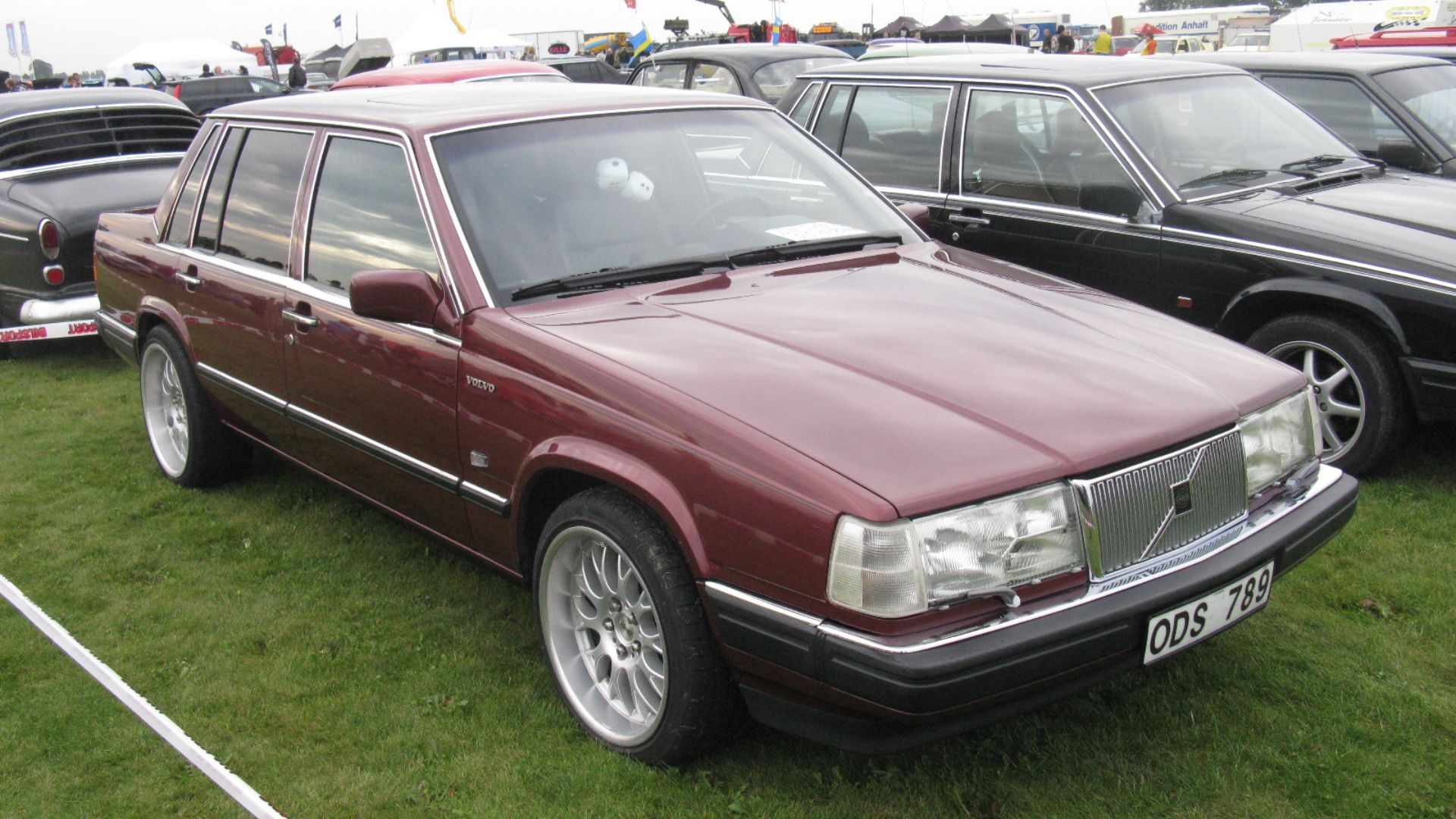
5. 440 (1988)
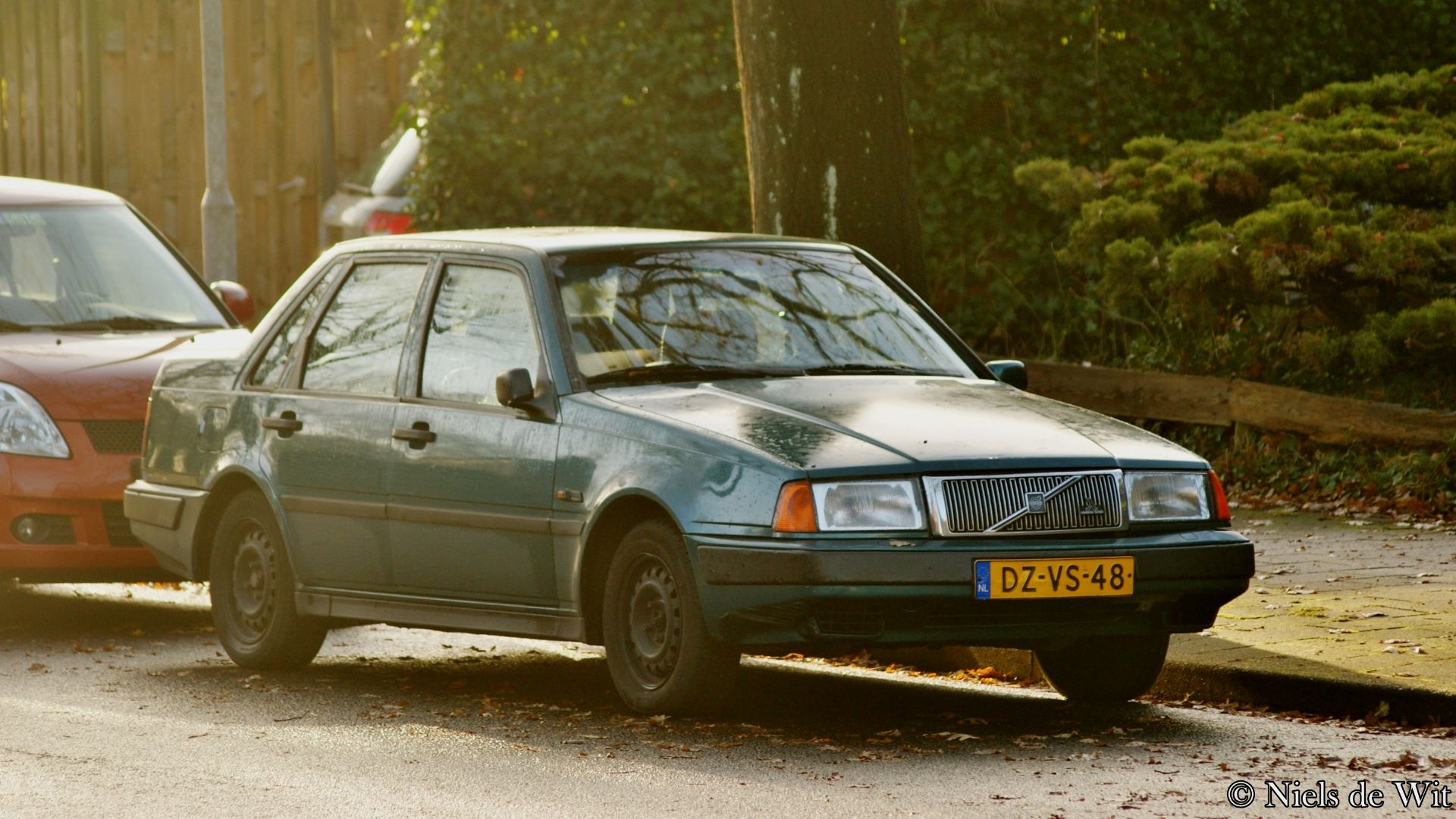
The 440 was a front-wheel-drive hatchback that never quite figured out what it wanted to be. It wasn't sporty enough to attract driving enthusiasts, wasn't practical enough to satisfy wagon buyers, and wasn't distinctive enough to stand out in the compact segment. It existed, reliably, and that was mostly what it had going for it.
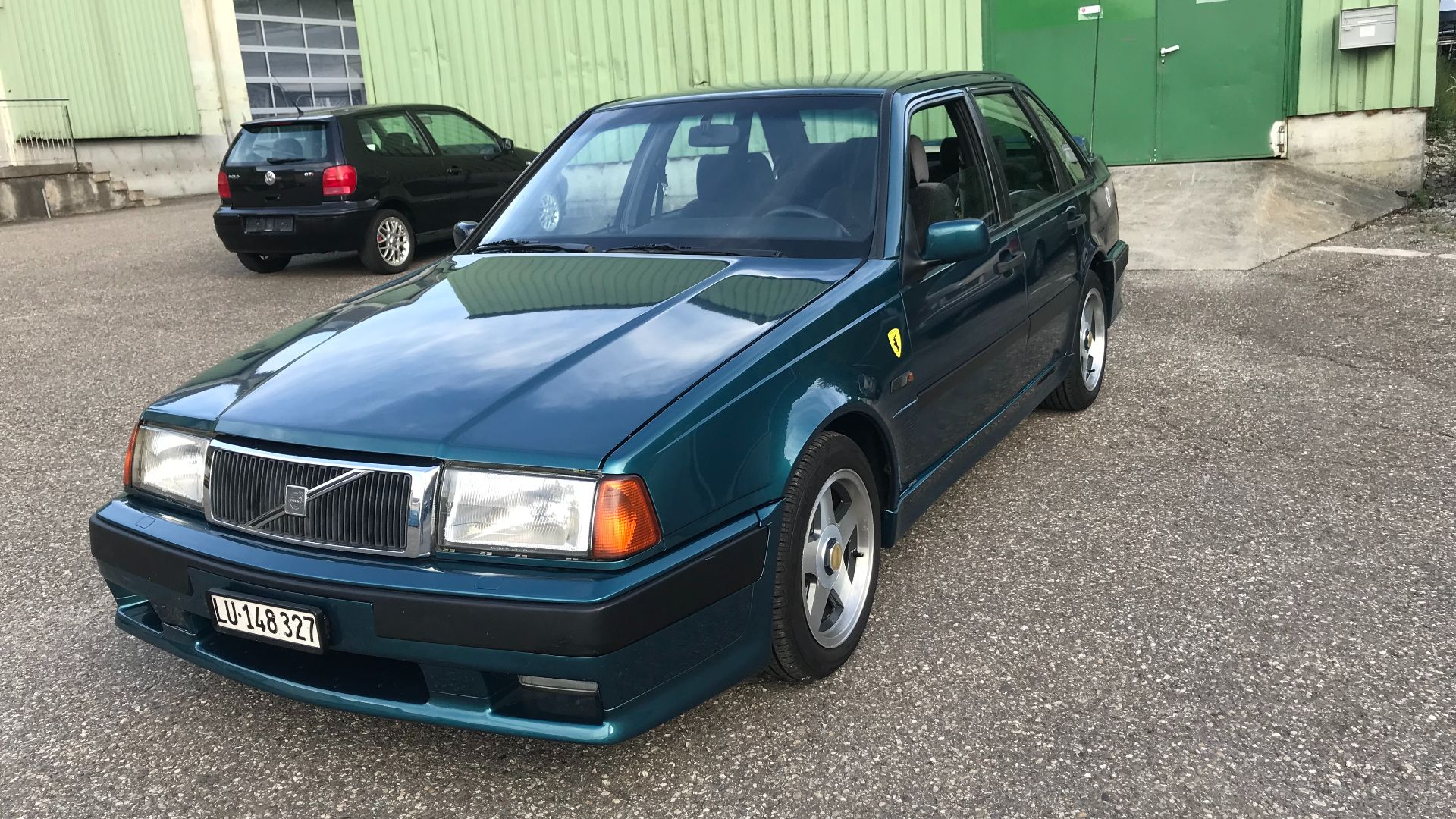
6. 460 (1989)
The 460 was a notchback sedan version of the 440, which is to say it took a car that was already struggling to make an impression and gave it a trunk. The profile was awkward, the proportions never quite resolved, and it felt like a model that existed to fill a segment gap rather than meet any actual demand.
 Niels de Wit from Lunteren, The Netherlands on Wikimedia
7. S40 First Generation (1995)
The first S40 was a competent small sedan that arrived without much personality and left the same way. It shared its platform with the Mitsubishi Carisma, and you could feel that partnership in the way it drove: inoffensive, predictable, and forgettable. It was the kind of car people bought because they needed a car.
8. V40 First Generation (1995)
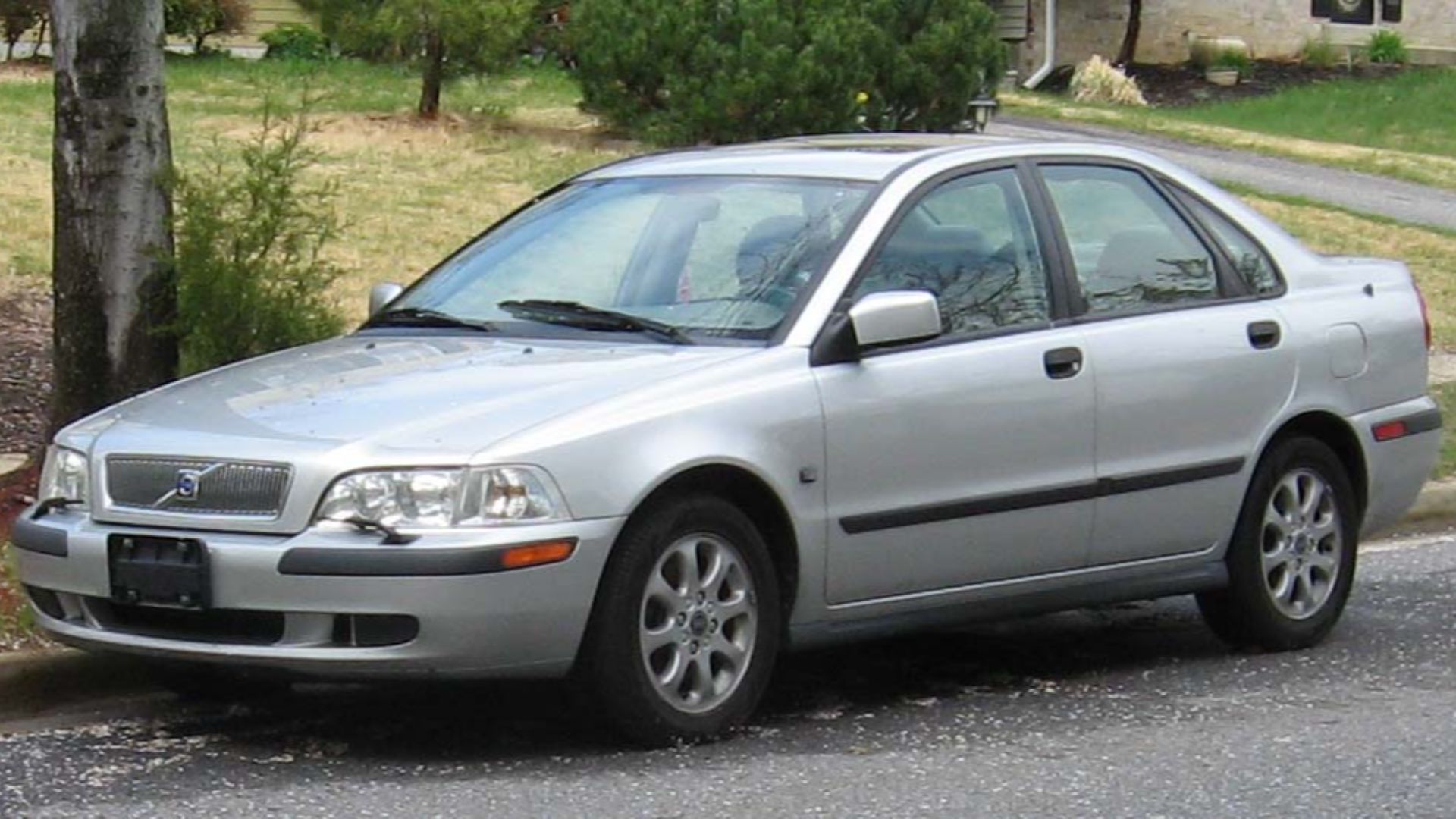
The wagon version of the S40 had slightly more practicality going for it, but not enough to offset the general blandness of the package. Volvo station wagons at their best feel purposeful and even a little charismatic. This one felt like it was completing an assignment.
9. S80 First Generation (1998)
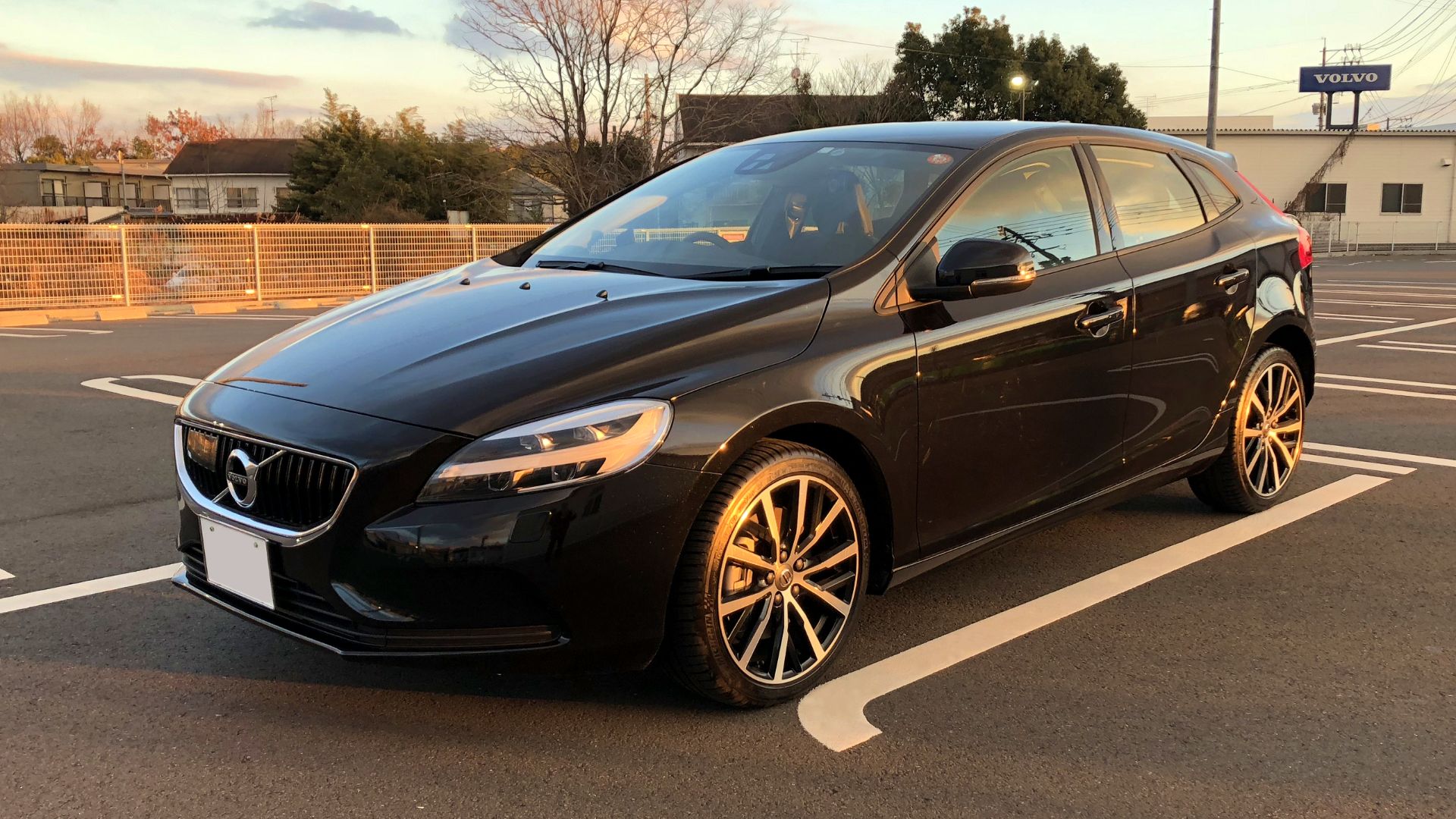
The S80 was Volvo's attempt at a proper luxury sedan, and it had some genuinely interesting engineering underneath. But the exterior styling was polarizing in a way that didn't age well, and the front-wheel-drive layout felt like an odd choice for a car trying to compete with rear-drive German rivals. It tried hard and landed somewhere short of convincing.
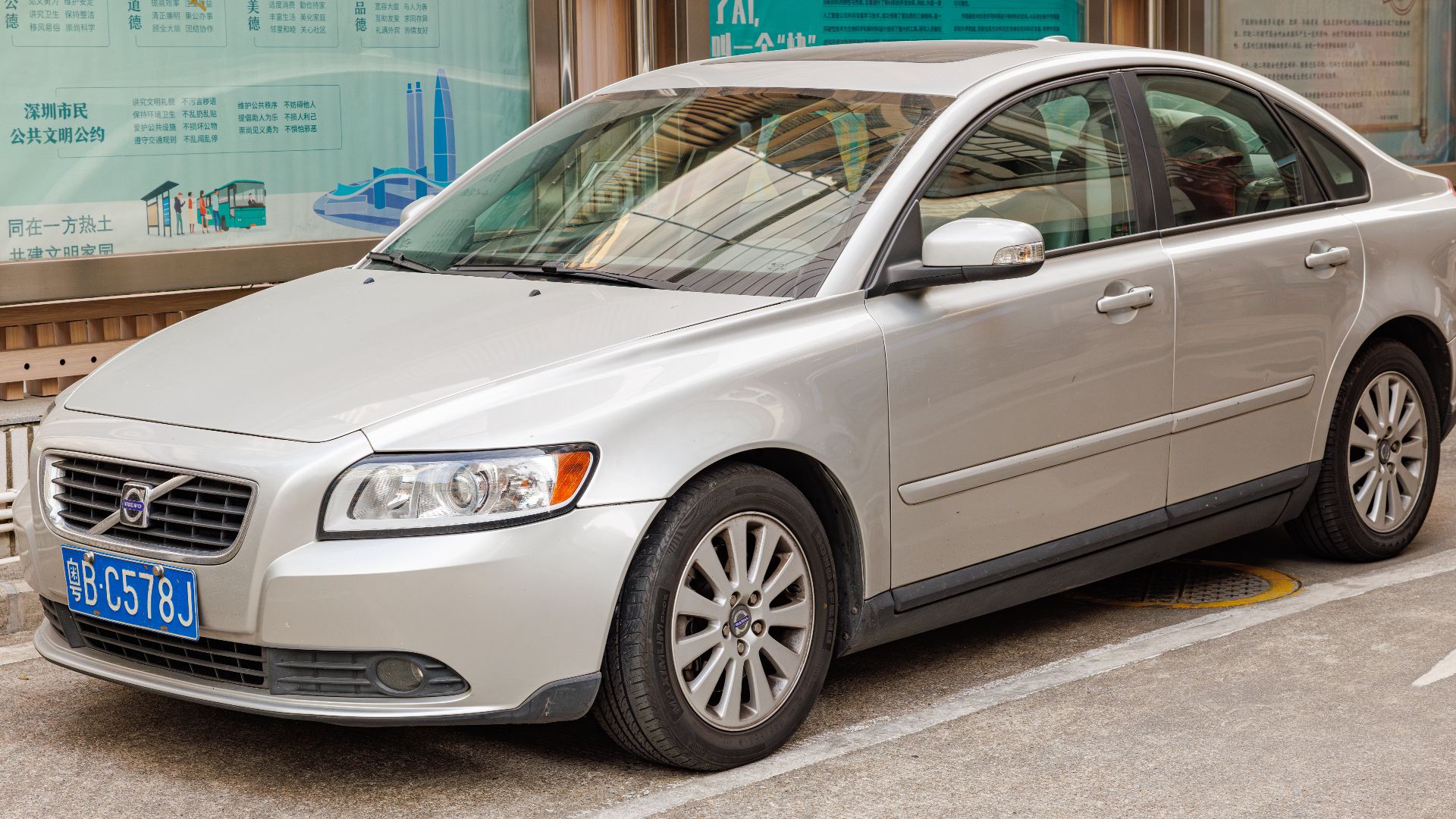
10. V50 (2004)
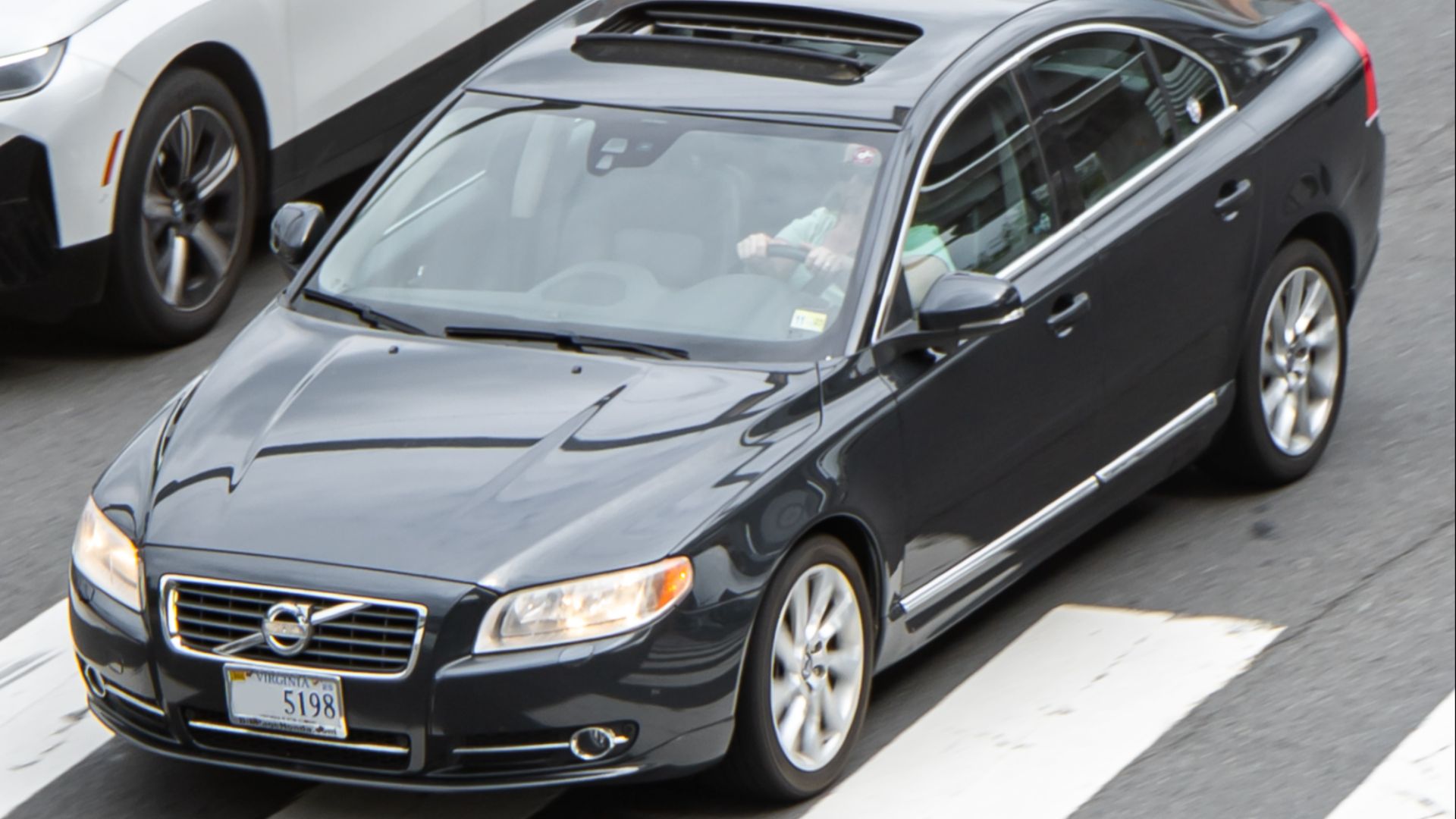
The V50 was a small estate version of the second-generation S40, and it was perfectly decent in almost every measurable way. It drove acceptably, it was well-built, and it offered reasonable practicality for its size. But it existed in a segment where acceptable and reasonable aren't quite enough, and it never gave anyone a strong reason to choose it over a Golf estate or a Focus wagon.