A Brand Built on Prestige, Innovation, and the Occasional Misstep
Mercedes-Benz has spent more than a century establishing itself as one of the world's most respected luxury automakers. The company has introduced groundbreaking technology, set standards for comfort and safety, and produced some of the most desirable vehicles ever built. However, not every model has lived up to that reputation, and a few have struggled to meet the expectations associated with the famous three-pointed star. Here are 10 Mercedes-Benz models that defined luxury and 10 that missed the mark.
1. Mercedes-Benz 600 Pullman
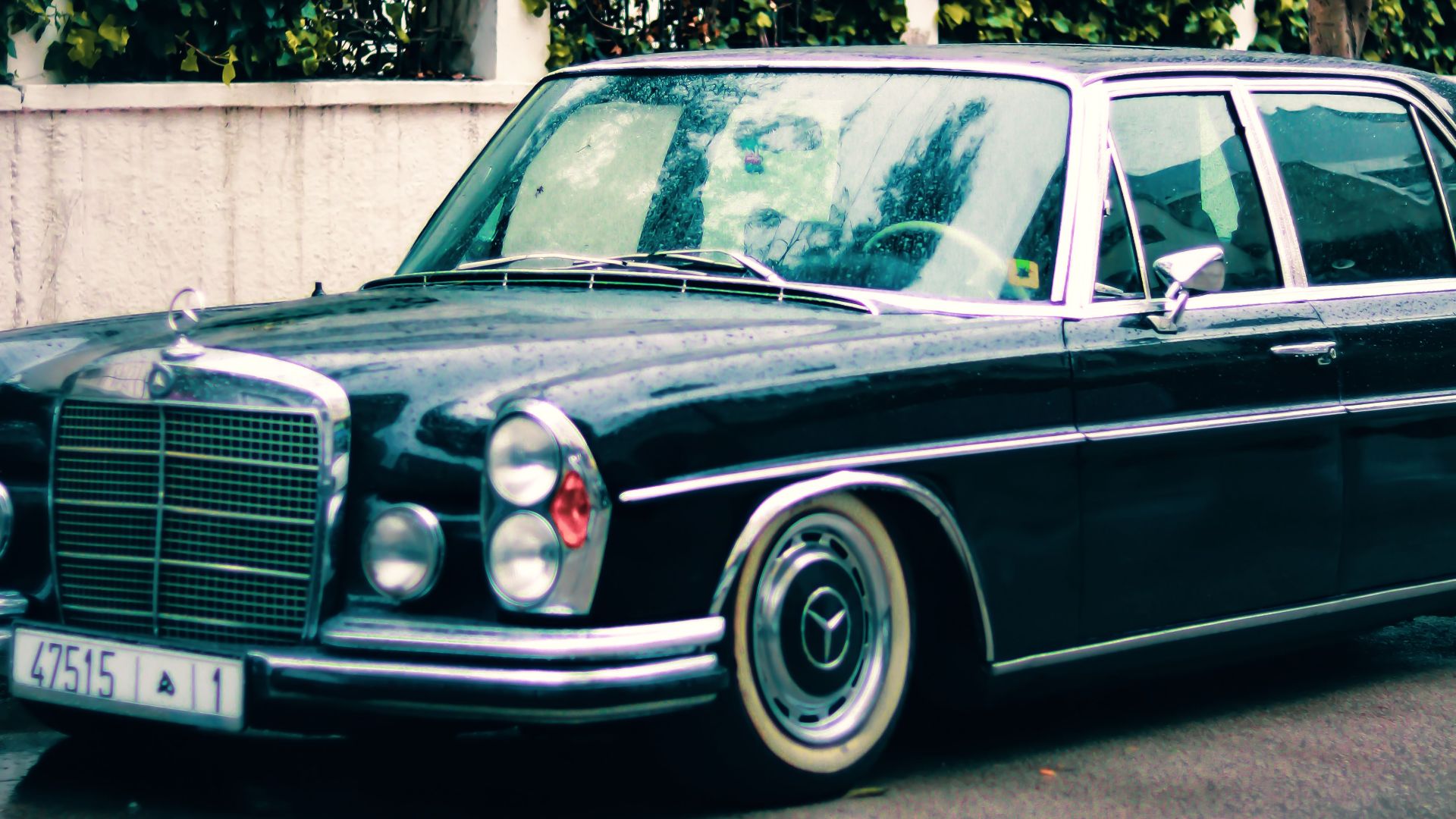
Introduced in the 1960s, the 600 Pullman became the transportation choice of heads of state, celebrities, and business leaders. Its advanced hydraulic systems, spacious interior, and exceptional craftsmanship made it one of the most prestigious automobiles of its era.
2. Mercedes-Benz W126 S-Class
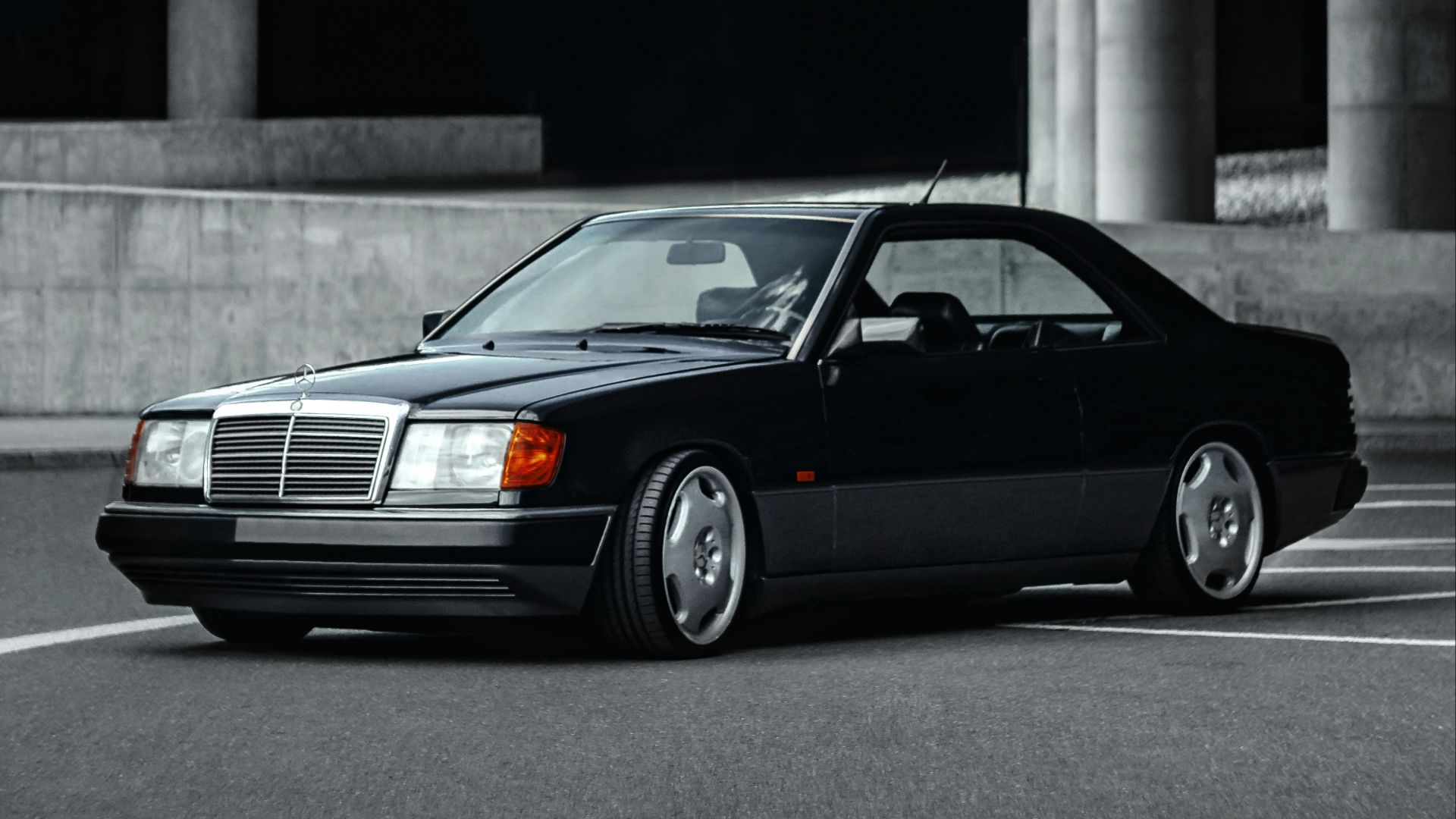
The W126 generation helped establish the modern luxury sedan formula. It combined comfort, safety innovations, refined engineering, and understated styling in a package that appealed to buyers around the world. Many enthusiasts still consider it one of the finest S-Class models ever produced.
3. Mercedes-Benz W140 S-Class
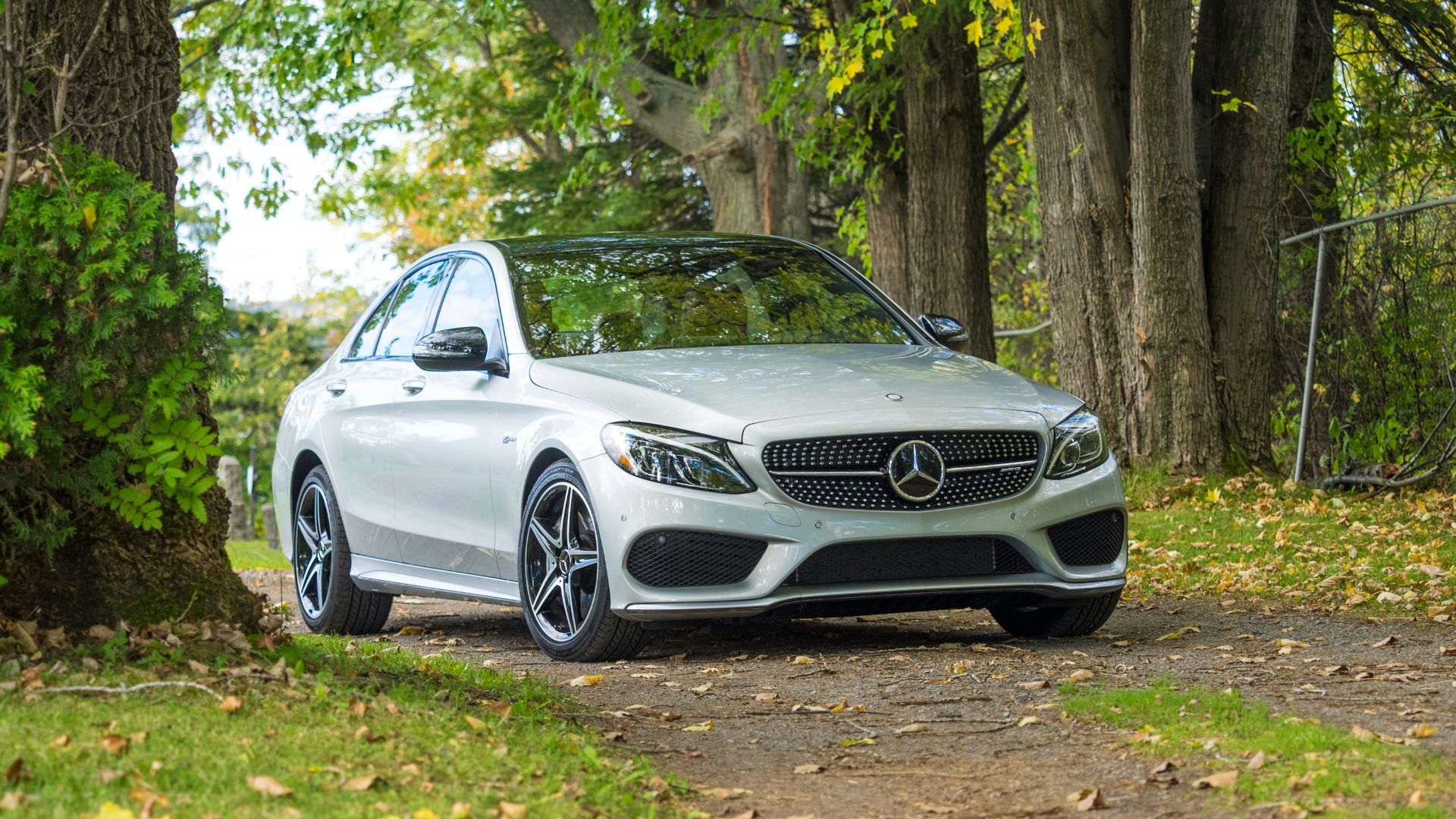
Nicknamed "the last over-engineered Mercedes" by many fans, the W140 prioritized quality above cost considerations. Features such as double-pane windows, soft-close doors, and advanced electronics showcased the company's engineering ambitions. It became a benchmark for luxury in the 1990s.
4. Mercedes-Benz 300SL Gullwing
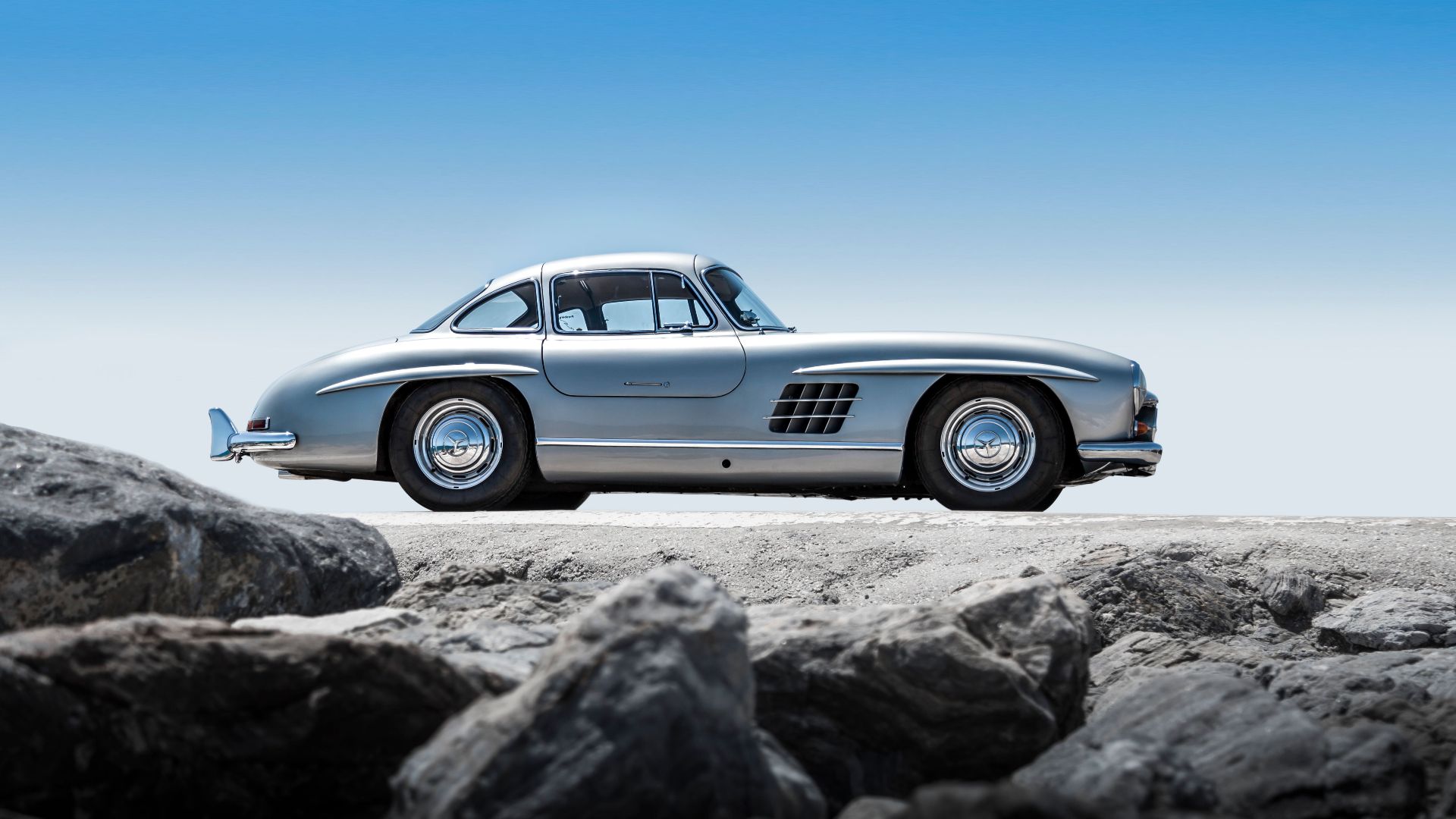
Although remembered primarily as a sports car, the 300SL also demonstrated Mercedes-Benz's ability to blend performance with exclusivity. Its distinctive upward-opening doors and advanced engineering made it an instant icon. The model remains one of the most collectible automobiles ever built.
5. Mercedes-Benz W116 S-Class
The W116 was the first vehicle officially marketed as an S-Class. It introduced numerous safety advancements and established the model line as Mercedes-Benz's flagship luxury sedan. Its influence can still be seen in luxury cars today.
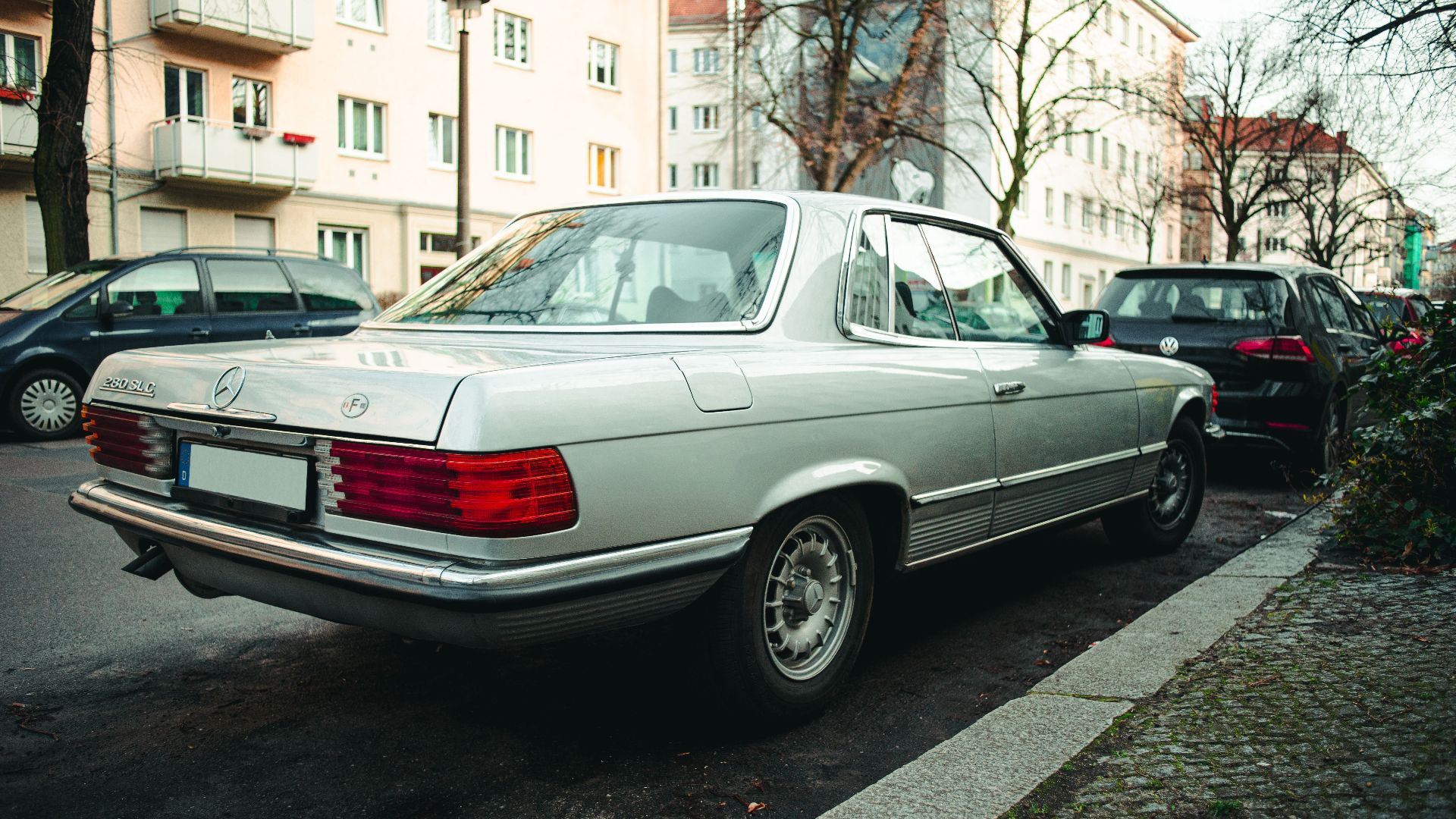
6. Mercedes-Benz Maybach S-Class
The modern Maybach versions of the S-Class elevated luxury even further. Rear-seat passengers enjoy features that rival those found in private jets, including extensive comfort options and premium materials. The model reinforced Mercedes-Benz's position at the highest end of the luxury market.
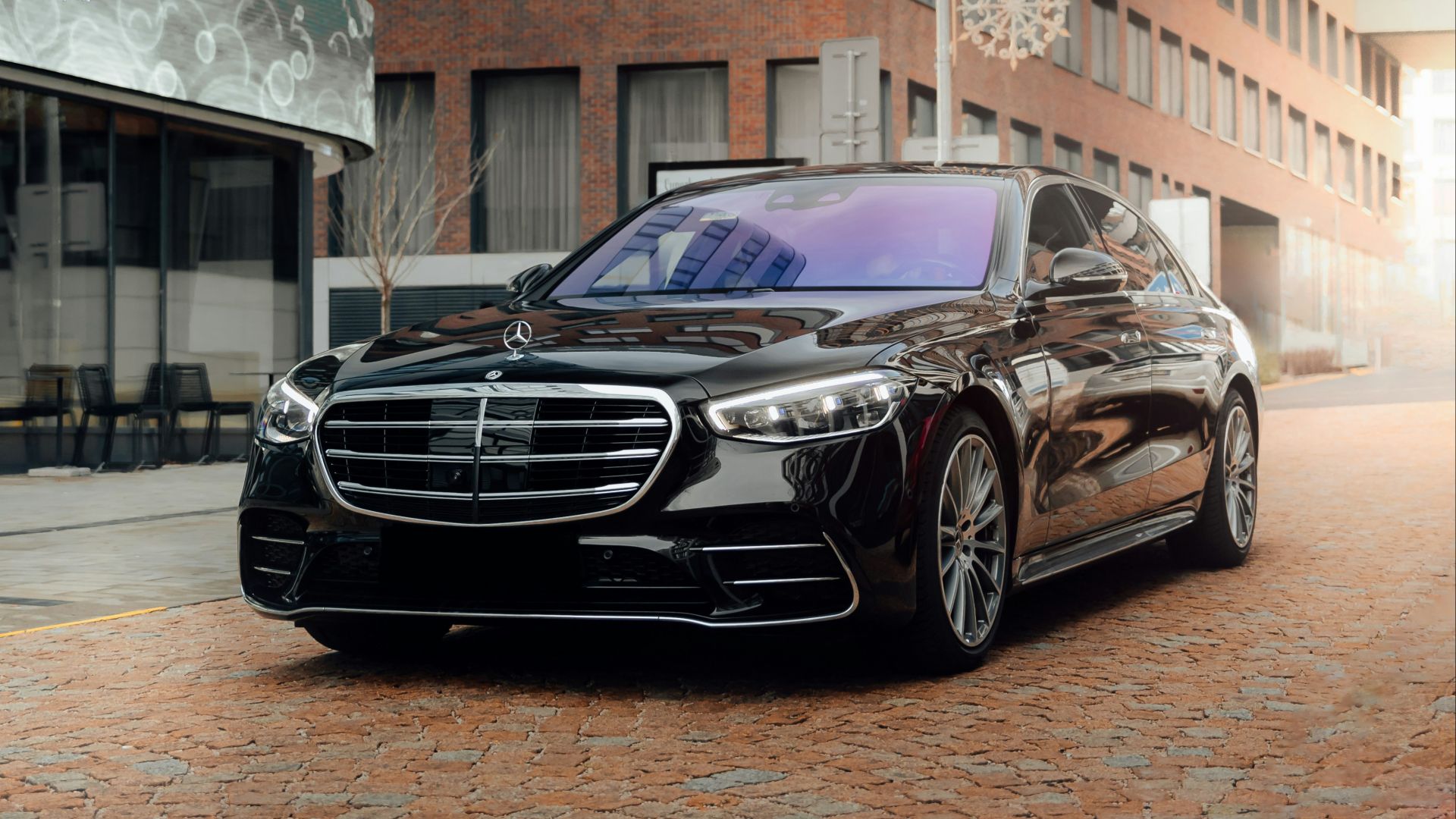
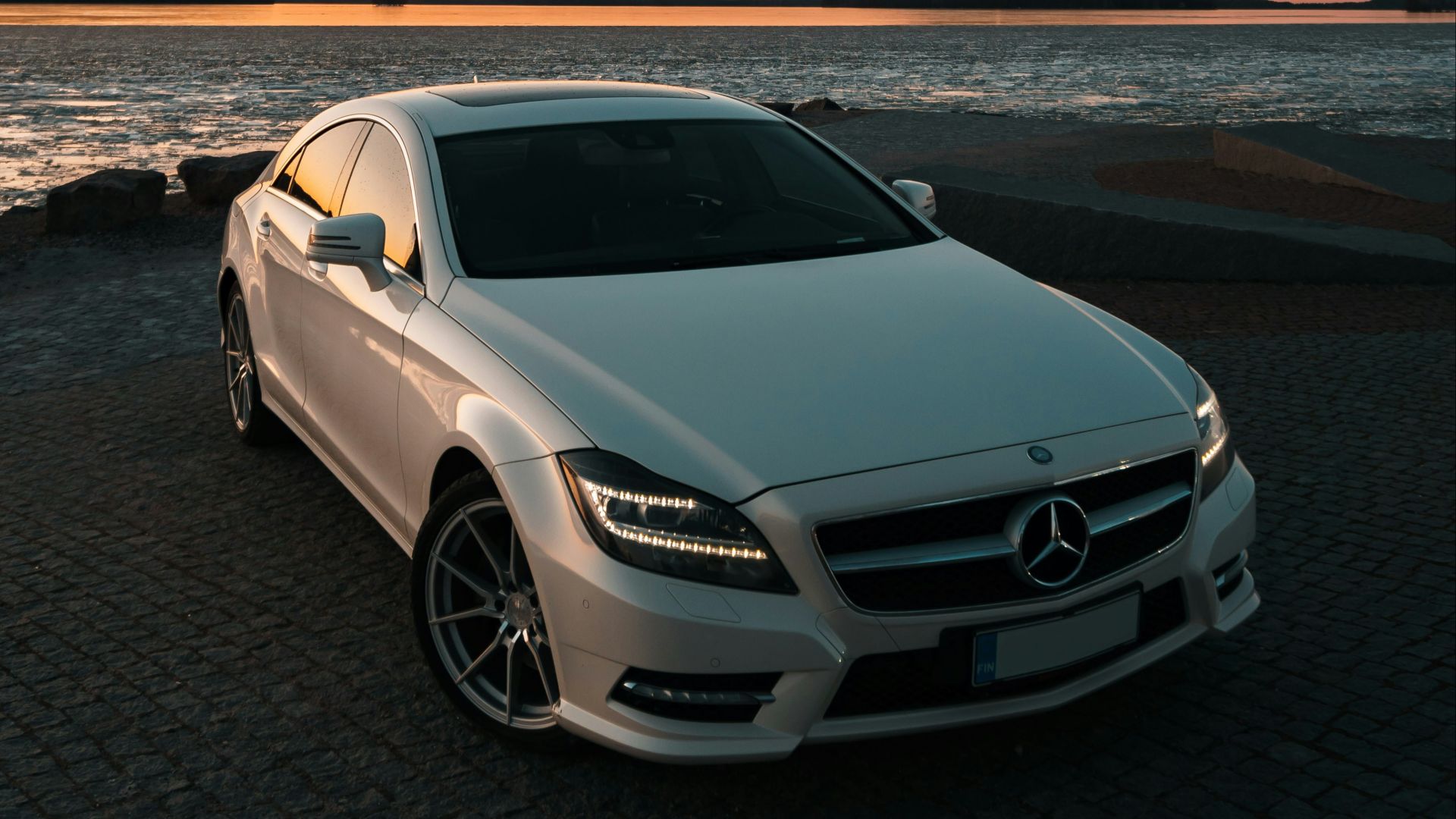
7. Mercedes-Benz CLS
When it debuted in 2004, the CLS created the modern four-door coupe segment. It offered the practicality of a sedan while delivering a sleeker and more emotional design. Competitors quickly followed its formula.
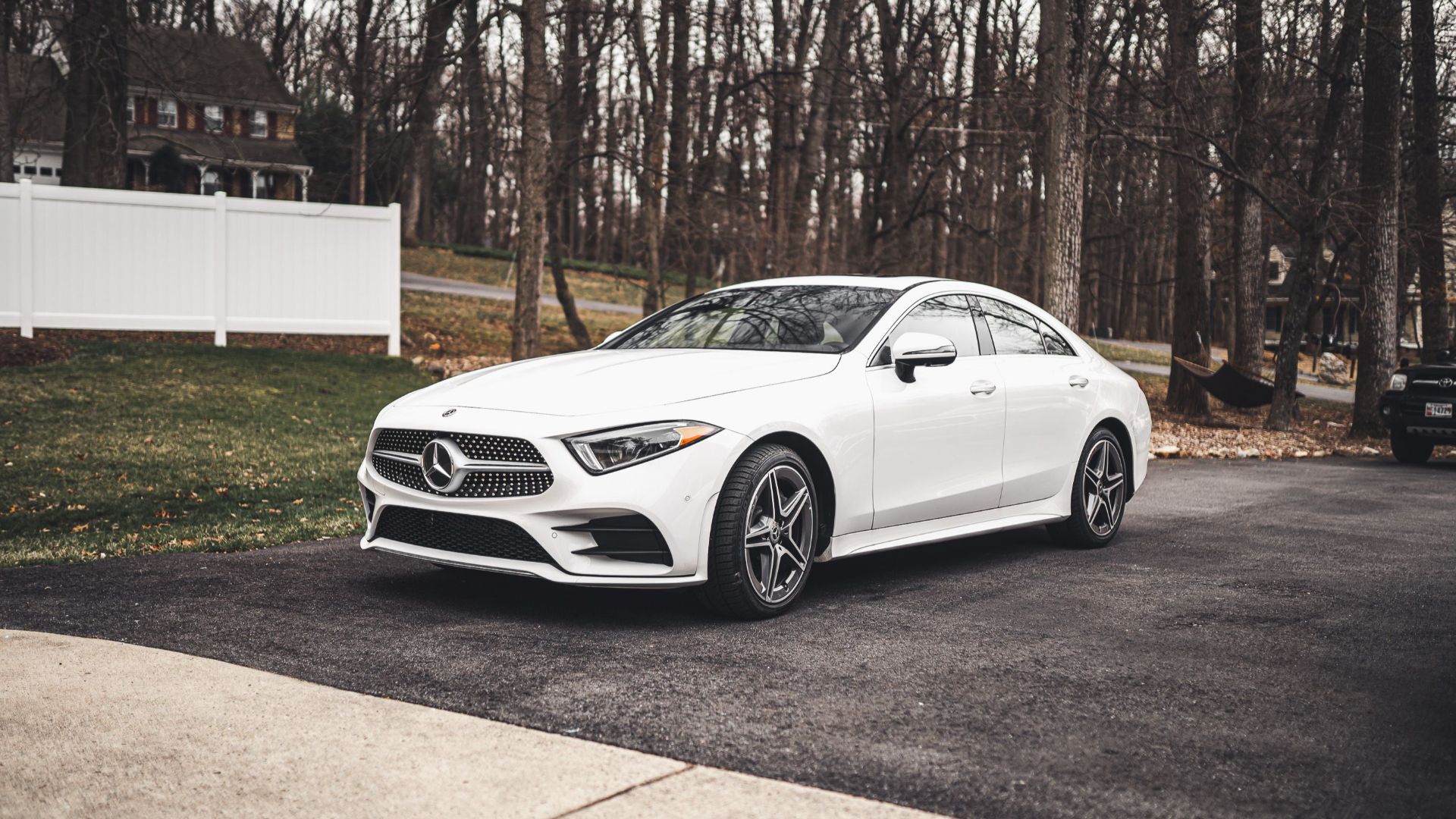
8. Mercedes-Benz W124 E-Class
The W124 earned a reputation for durability, comfort, and engineering excellence. Owners frequently kept these vehicles for hundreds of thousands of miles due to their reliability. Its solid construction helped strengthen the brand's luxury image.
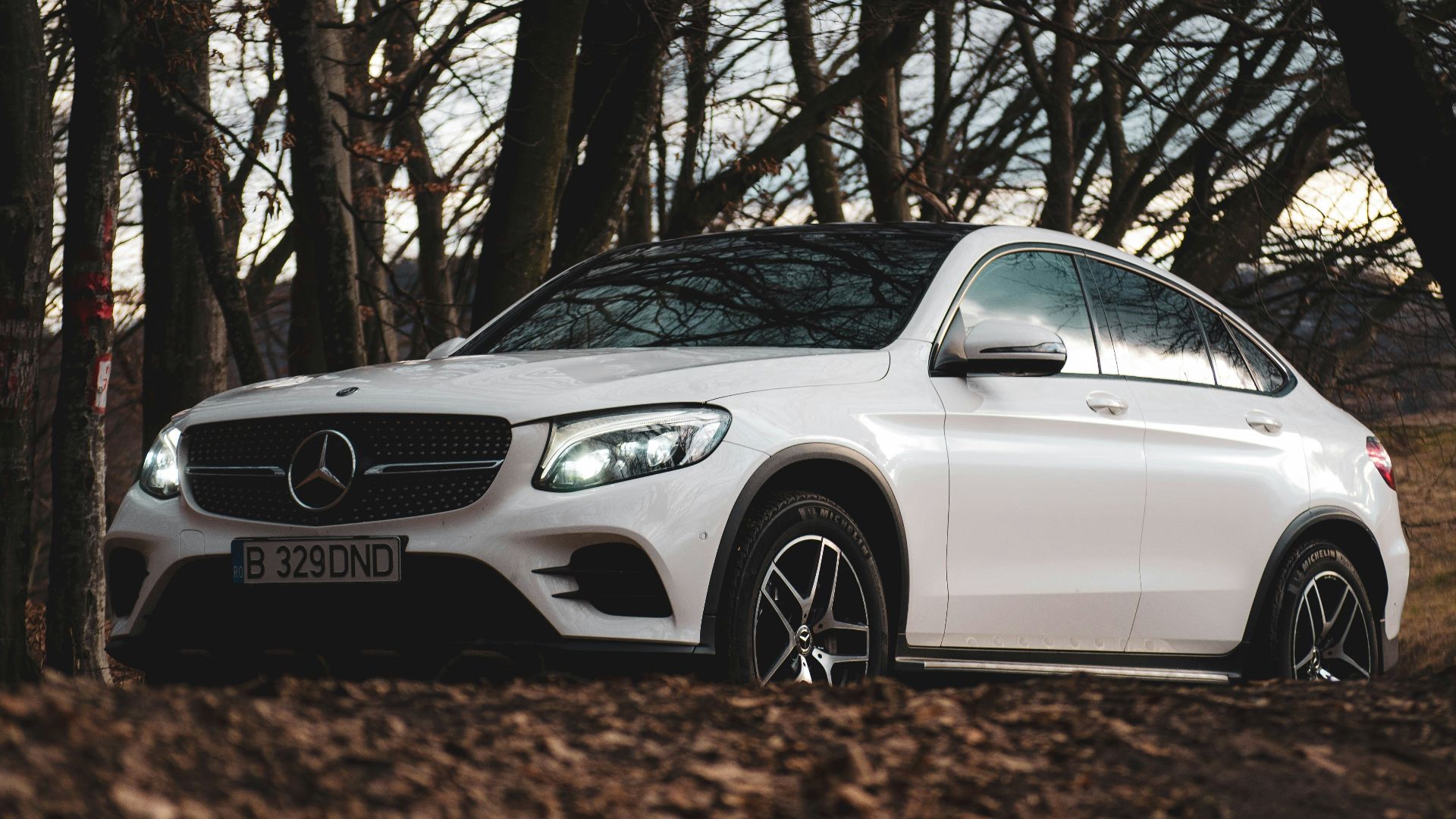 June Andrei George on Unsplash
9. Mercedes-Benz SL Roadster (R107)
Produced for nearly two decades, the R107 combined luxury touring with timeless styling. It became especially popular among affluent buyers seeking comfort rather than outright performance. Its long production run reflected its enduring appeal.
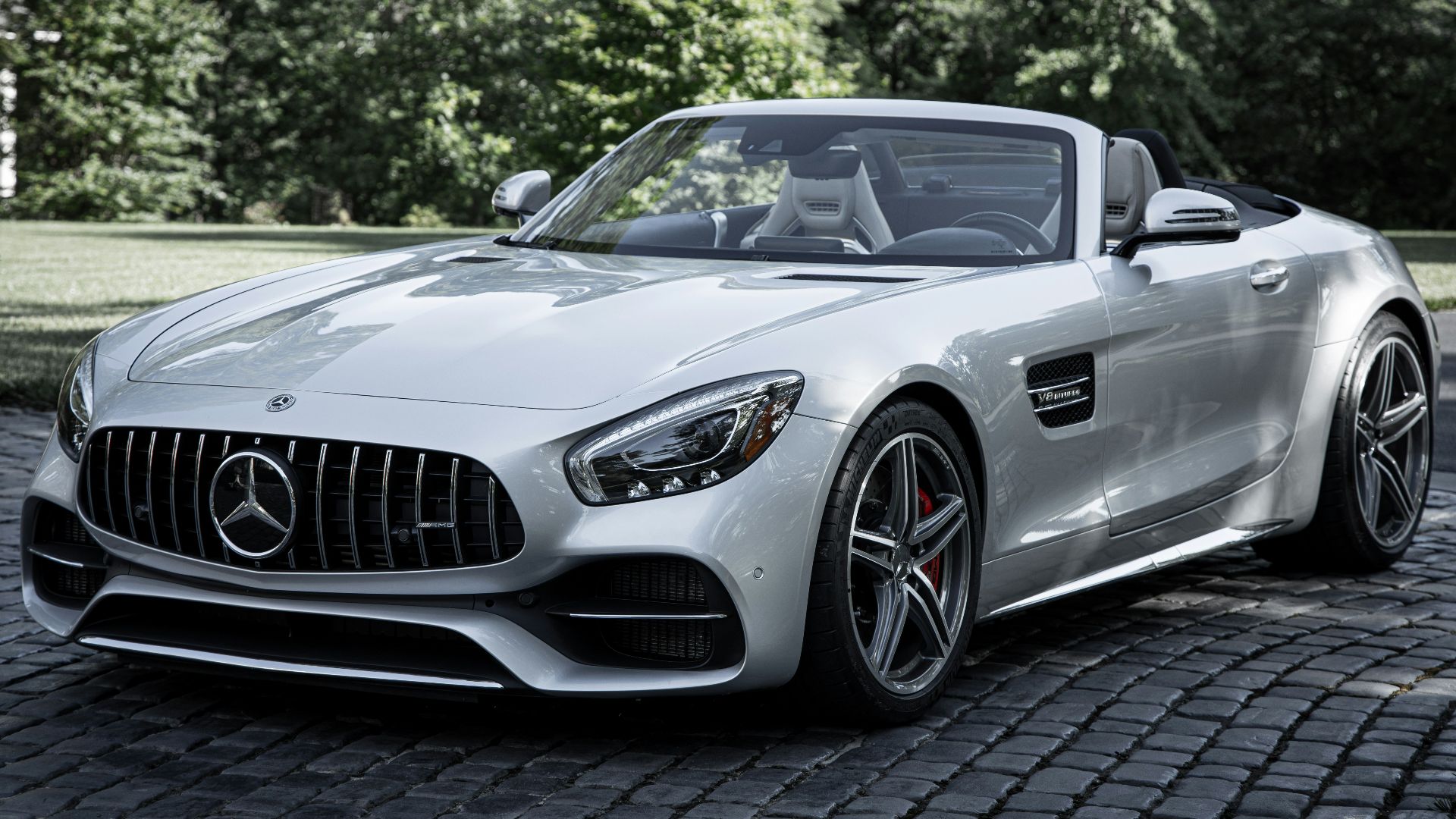
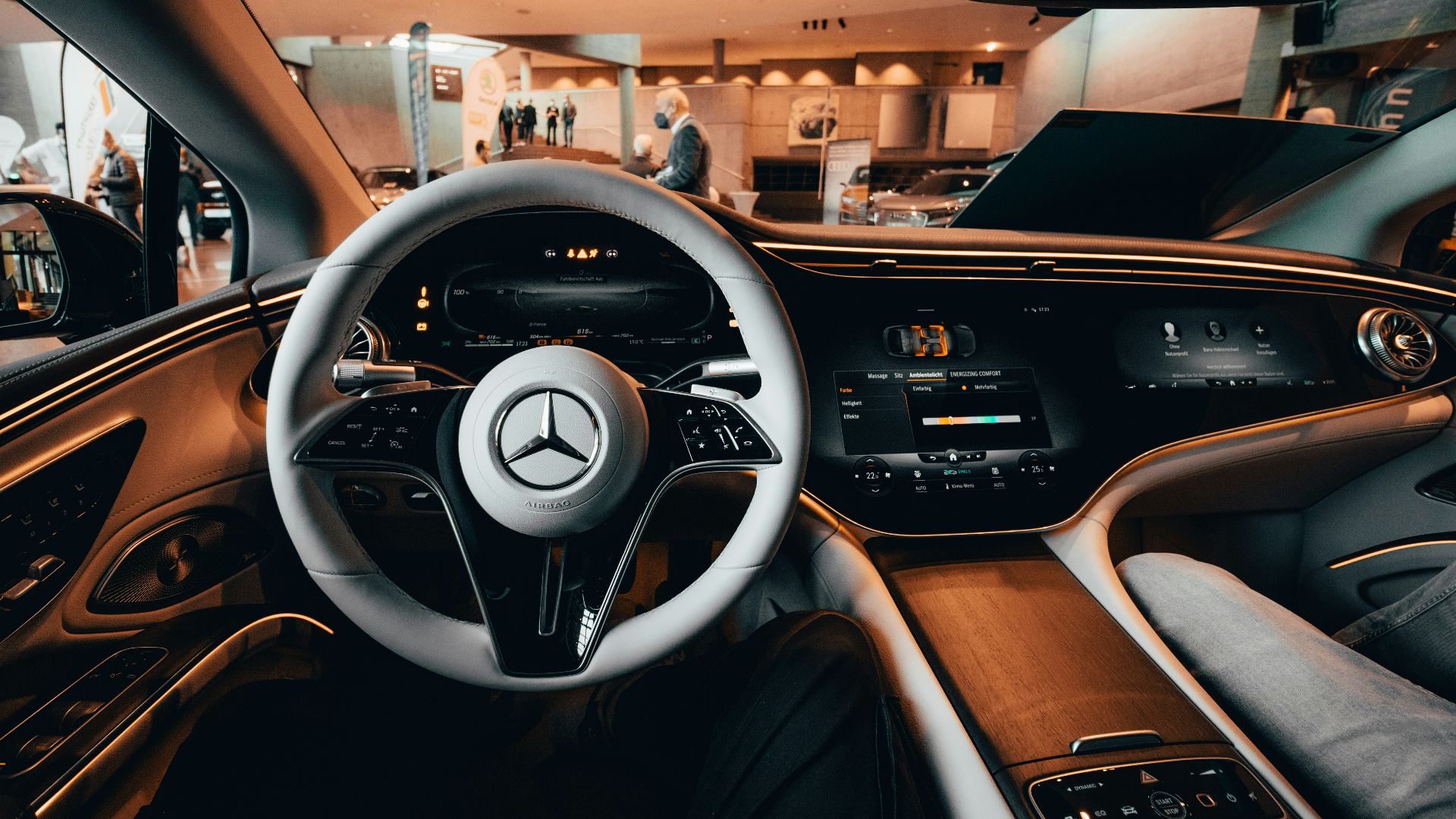
10. Mercedes-Benz EQS
The EQS represents the company's attempt to redefine luxury for the electric era. Advanced technology, a highly digital interior, and impressive refinement have made it one of the most sophisticated electric luxury sedans available. It demonstrates how Mercedes-Benz continues adapting to changing automotive trends.
 Christian Wiediger on Unsplash
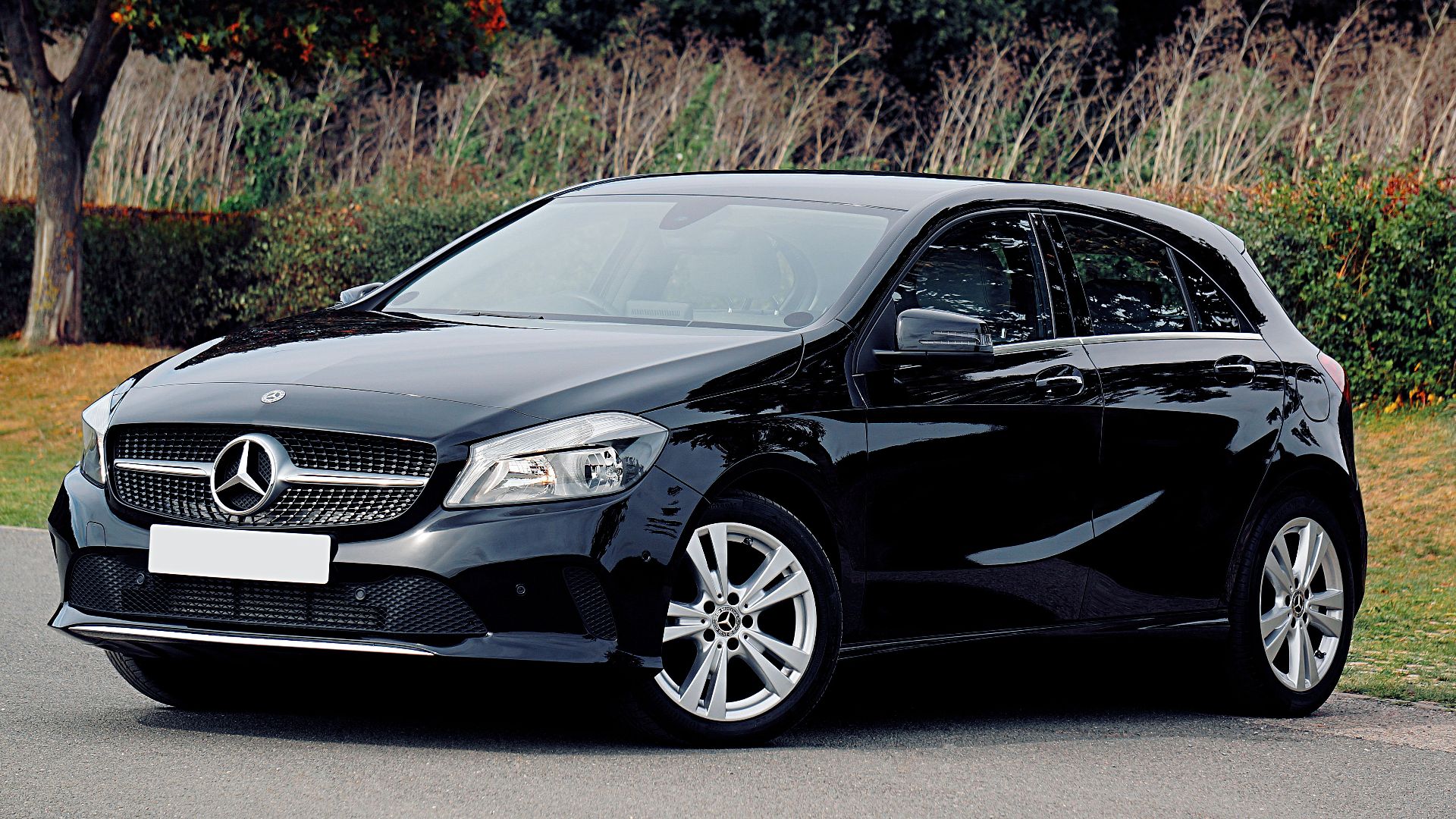
1. Mercedes-Benz A-Class (First Generation)
The original A-Class generated significant negative publicity after failing the famous "moose test" in 1997. Mercedes-Benz responded by redesigning the suspension and adding electronic stability control. While the company corrected the issue, the launch damaged the model's reputation.
2. Mercedes-Benz CLC-Class
The CLC attempted to modernize an aging platform while presenting itself as a fresh product. Many buyers quickly realized it was based heavily on older engineering. As a result, it struggled to generate enthusiasm compared to newer competitors.
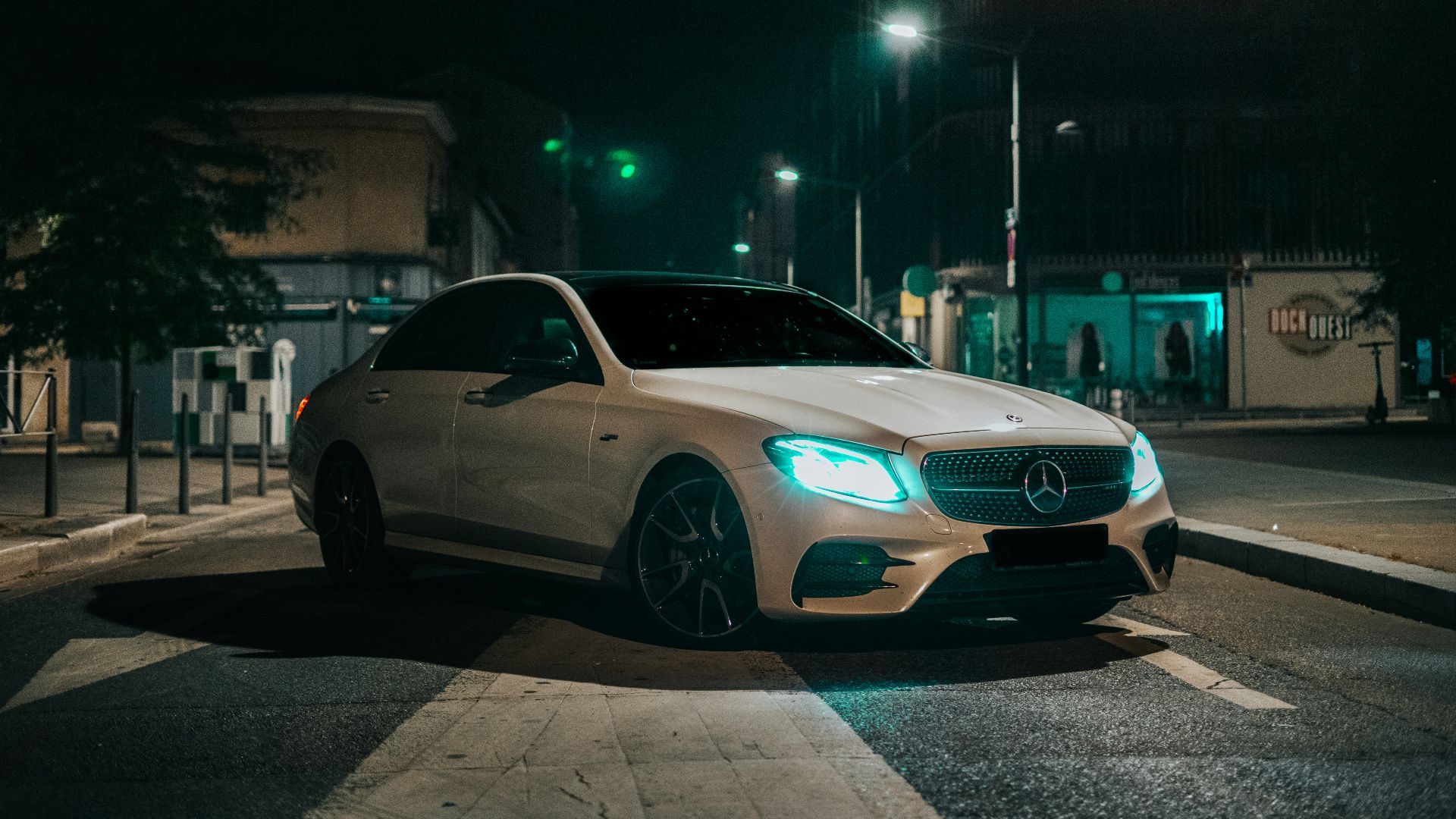
3. Mercedes-Benz R-Class
The R-Class combined elements of a minivan, wagon, crossover, and luxury sedan. While spacious and practical, its unusual design left many consumers unsure of what it was supposed to be. Sales never met expectations despite its strengths.
 Alexis AMZ DA CRUZ on Unsplash
4. Mercedes-Benz X-Class
Mercedes-Benz entered the pickup truck market with the X-Class, hoping to bring luxury to the segment. However, its close relationship with the Nissan Navara led some buyers to question its premium pricing. The model was discontinued after only a few years.
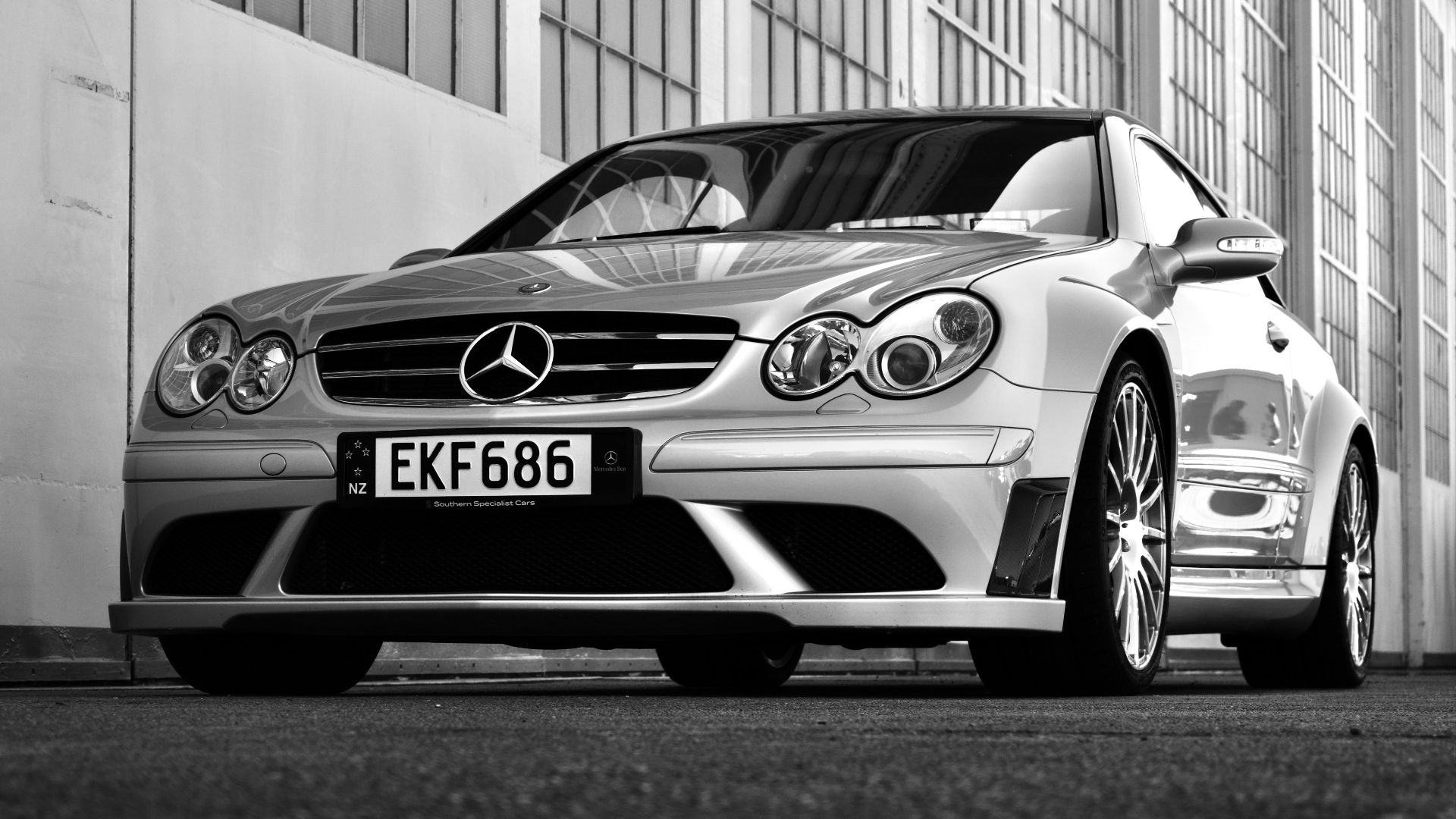
5. Mercedes-Benz C230 Kompressor Sport Coupe
Introduced as a younger and more affordable entry point to the brand, the model struggled to match the refinement buyers expected from Mercedes-Benz. Its interior quality and overall execution received mixed reviews. It never became a standout success.
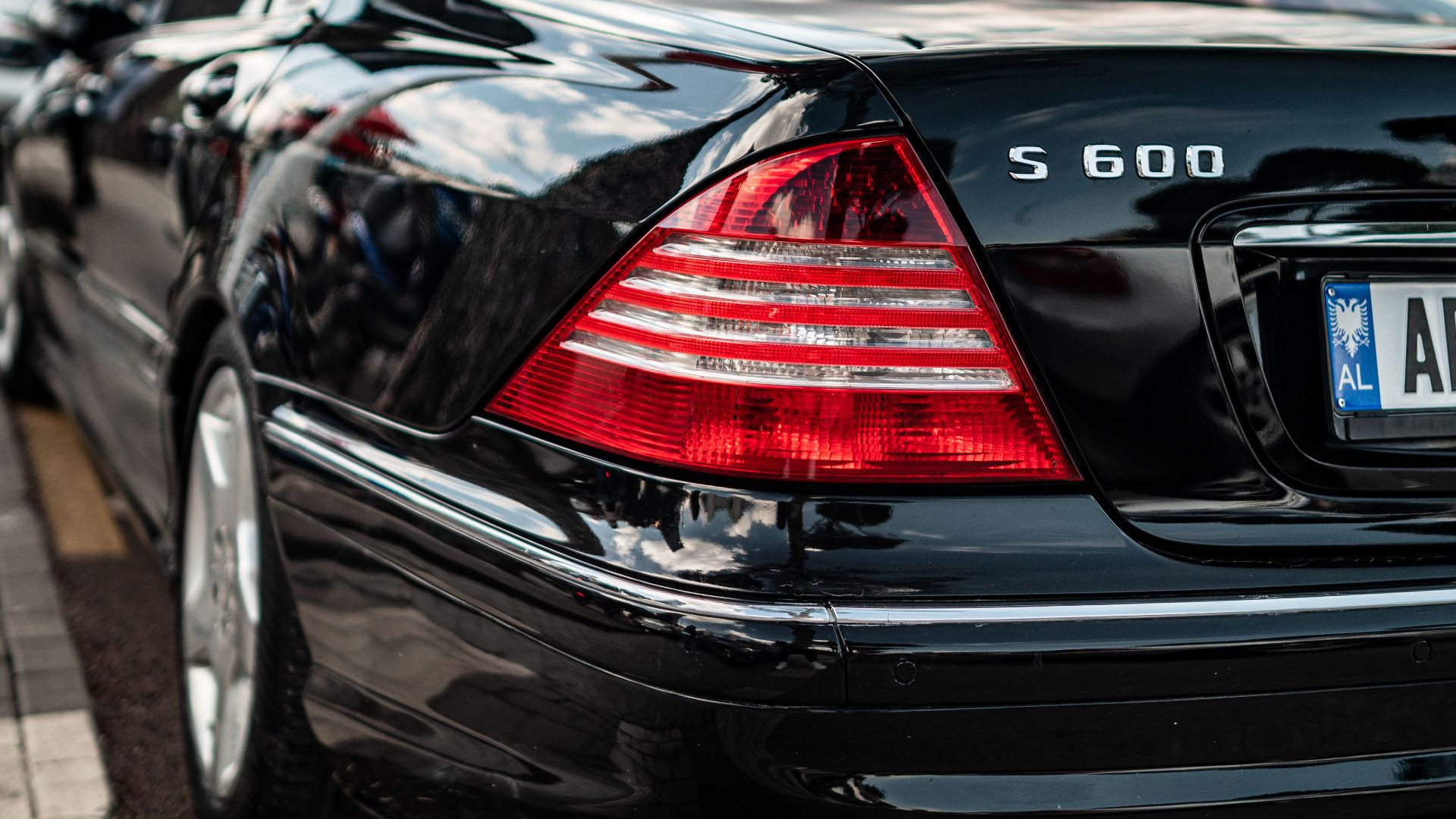
6. Mercedes-Benz W220 S-Class
Although technologically advanced, the W220 developed a reputation for reliability issues and quality concerns. Rust problems and expensive repairs disappointed owners accustomed to the durability of earlier generations.
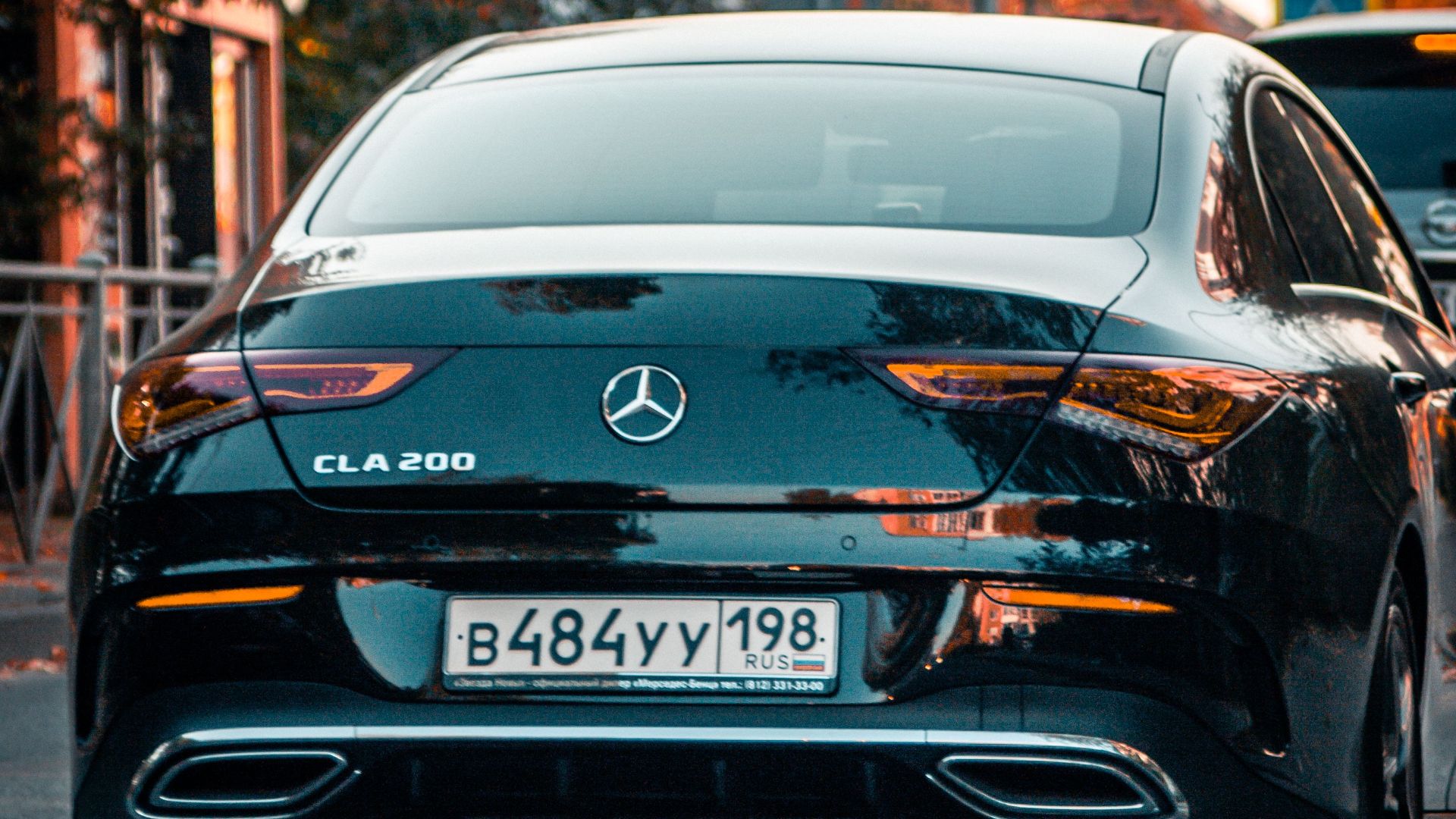
7. Mercedes-Benz CLA (First Generation)
The first CLA attracted buyers with its sleek styling and relatively low price. However, some customers felt the interior materials and ride quality didn't align with the luxury image associated with the brand. Expectations often exceeded what the vehicle delivered.
8. Mercedes-Benz C-Class (Early W203 Models)
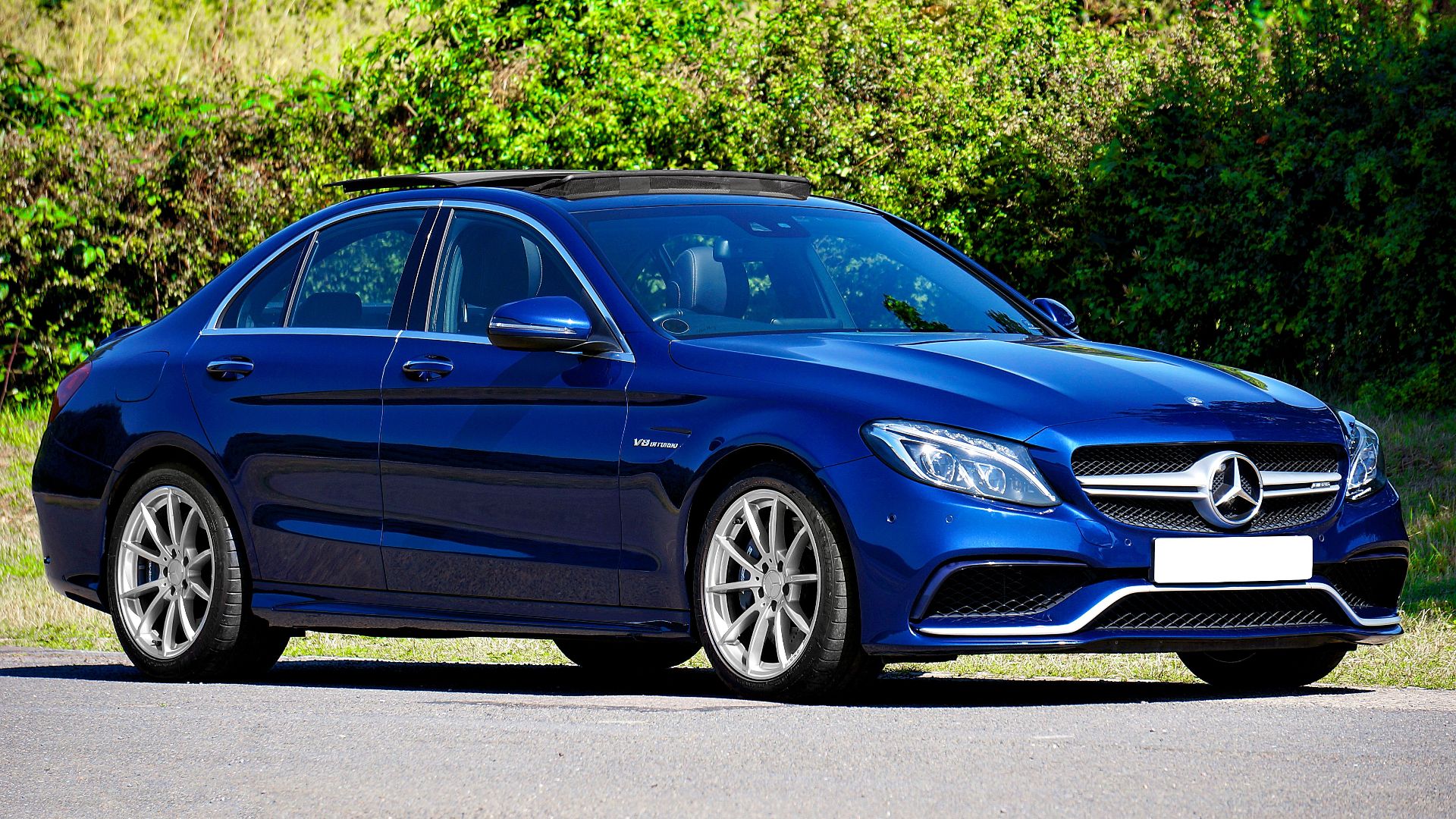
Early versions of the W203 suffered from quality-control concerns that surprised longtime Mercedes-Benz owners. Reliability and material issues contrast with the company's traditional reputation. Later improvements helped address many of the problems.
9. Mercedes-Benz ML-Class (First Generation)
The original ML-Class arrived during the early luxury SUV boom. While commercially successful, it received criticism for build quality and fit-and-finish issues compared to many of the company's passenger cars. Some buyers felt it wasn't fully ready for the premium market.

10. Mercedes-Benz C140 S-Class Coupe
The coupe version of the W140 offered impressive engineering but entered the market with a very high price tag. Its size, cost, and timing limited its appeal to a relatively small audience.