
Cars have a remarkable ability to capture the desires of their time. In one decade, drivers craved the gleam of chrome, raw power, and a healthy amount of driveway allure. In the next, their focus shifted to fuel efficiency, spacious family-friendly designs, and electric crossovers that could effortlessly handle the demands of daily life. The vehicles that truly stand out are those that not only met these needs, but reshaped the expectations of everyday drivers.
While it might seem bold to say that a single car can define an entire decade, these selections highlight their cultural significance, market impact, and the ways they transformed our driving habits for the better. Buckle up as we explore the cars that drove us into new eras.
Style and Identity
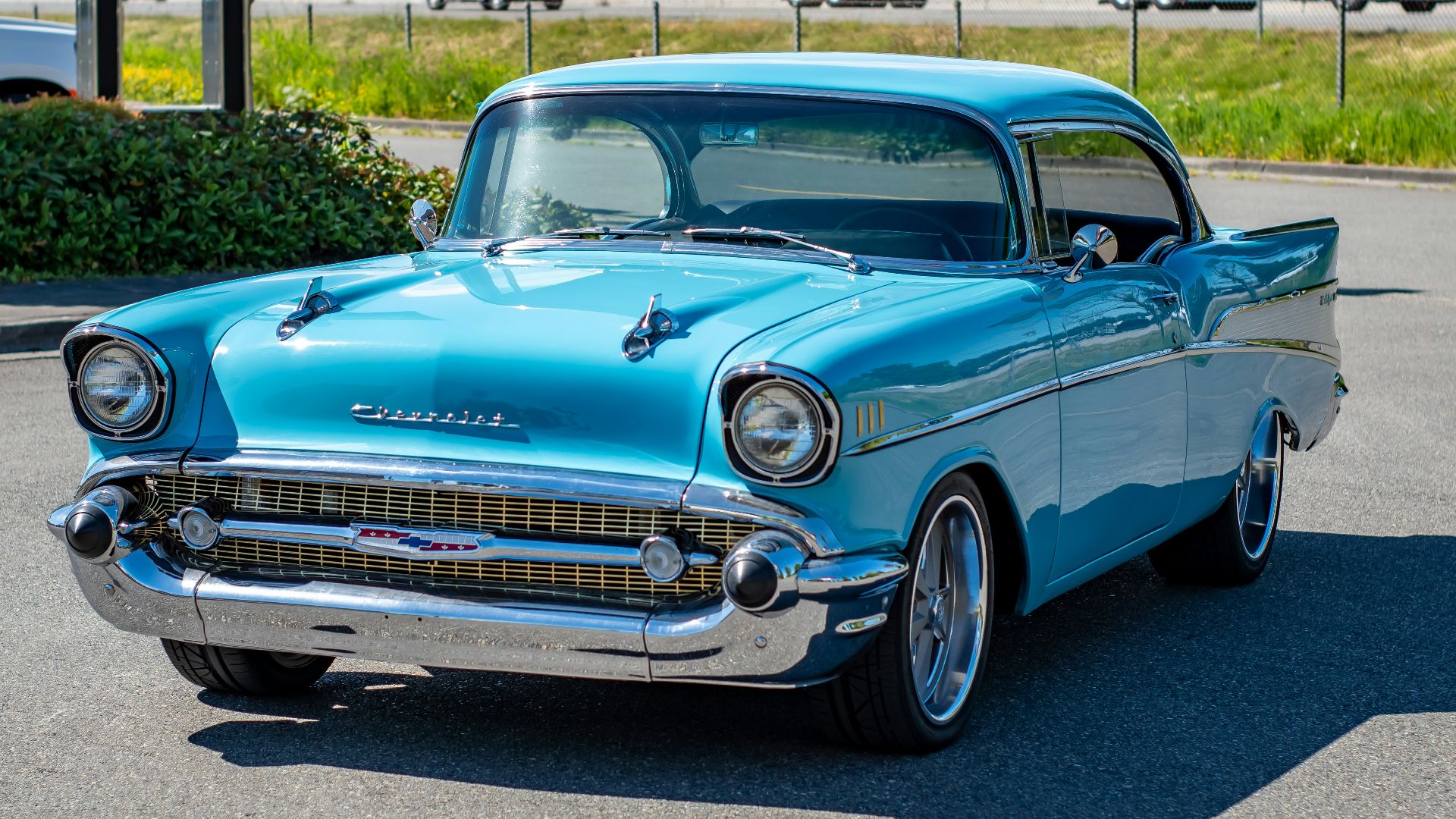
The 1955 Chevrolet Bel Air epitomizes the 1950s. With its bright trim, clean proportions, and polished appearance, it perfectly matched the postwar American confidence. MotorTrend describes Chevrolet’s 1955 lineup, including the Bel Air, as particularly influential, highlighting its new chassis, modern suspension, and the option of a 265-cubic-inch V8 engine. Wired also discusses the enduring legacy of Chevrolet’s small-block V8 family, which became a cornerstone of American performance culture.
The Bel Air was significant because it made stylishness feel accessible. It remained a family-friendly car while offering buyers a taste of modern power and a sharper presence. This combination of everyday functionality and visual appeal is why it is still viewed as a quintessential 1950s automobile.
The Ford Mustang achieved a similar impact in the 1960s, but with a youthful edge. Britannica notes that Ford introduced the Mustang at the New York World’s Fair on April 17, 1964, and that more than 418,000 units were sold in its first year. Its long hood, short deck, and extensive range of options made sporty driving feel personal and accessible. The Mustang provided buyers with a fun, attainable vehicle that truly reflected the spirit of the era.
When Efficiency Became Essential
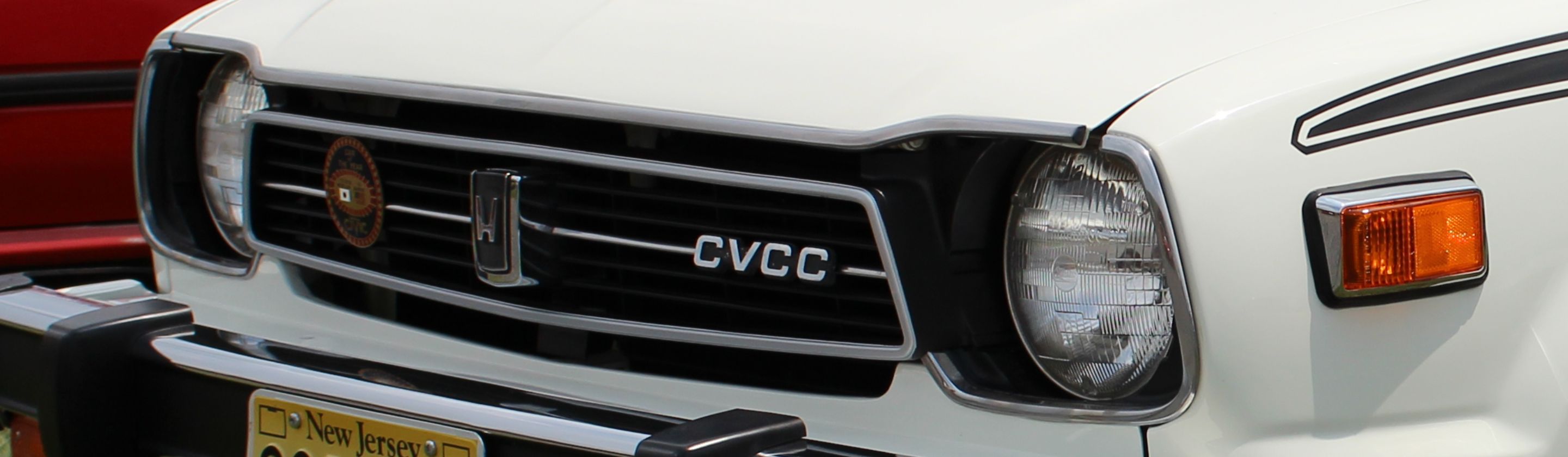
By the 1970s, the previous desire for size and power had given way to a new reality shaped by fuel concerns and emissions regulations. Smaller, more efficient cars became increasingly relevant. The Honda Civic CVCC emerged to meet this shift. It was compact, efficient, and technologically advanced, without requiring drivers to face a steep learning curve. Honda states that the CVCC engine was the first to comply with the stringent 1975 emissions standards set by the U.S. Clean Air Act of 1970.
The Civic’s true value was its ability to make practical restraint feel sensible. It was just smaller; it was engineered to meet the demands of a changing auto landscape defined by fuel and environmental pressures. The Civic offered a cleaner, more pragmatic driving option during this transformative decade.
While we might be getting ahead of ourselves here, we should mention the lasting impact the Prius has had on our roads. While this Japanese staple debuted in 1997 as the world’s first mass-produced hybrid passenger vehicle, it was the second-generation Prius that really popularized hybrid technology. MotorTrend named the 2004 Prius its Car of the Year, helping to elevate hybrid technology from a novelty to a common topic of discussion.
When Practical Cars Changed the Mainstream
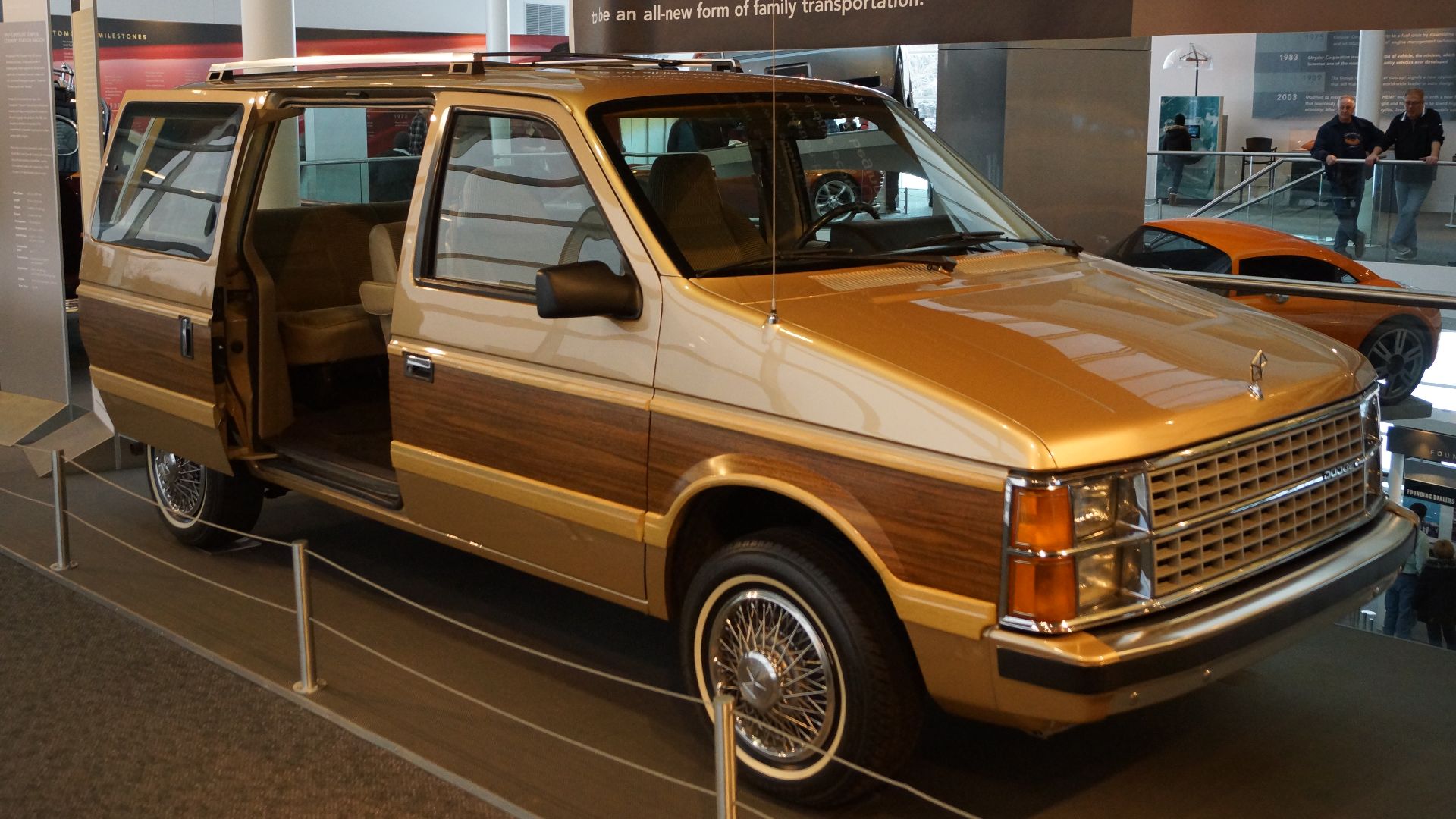 Greg Gjerdingen from Willmar, USA on Wikimedia
The 1984 Dodge Caravan defined the 1980s by subtly understanding family life. Stellantis states that the Dodge Caravan and Plymouth Voyager were the first front-wheel-drive small vans, with 210,000 units sold during their first full year. This rapid adoption highlights what families needed at the time: sliding doors, usable space, and easier daily loading became more important than in traditional sedans.
The Caravan may not have been the iconic car of the decade, but that is precisely why it deserves recognition. It transformed school runs, carpools, road trips, and grocery runs in a substantially impactful way. Families needed vehicles that could simplify the chaos of daily life, and the Caravan delivered on that with practical efficiency.
The Toyota RAV4 played a pivotal role in ushering in the 1990s crossover era. According to Toyota’s vehicle history, the RAV4 debuted in May 1994 and was designed as a compact SUV with passenger-car-based engineering. The company’s U.S. newsroom also highlights the RAV4’s early influence in shaping the compact crossover market, offering buyers an elevated seating position and SUV versatility without the bulkiness of older sport-utility vehicles.
When Electric Cars Became Everyday Contenders
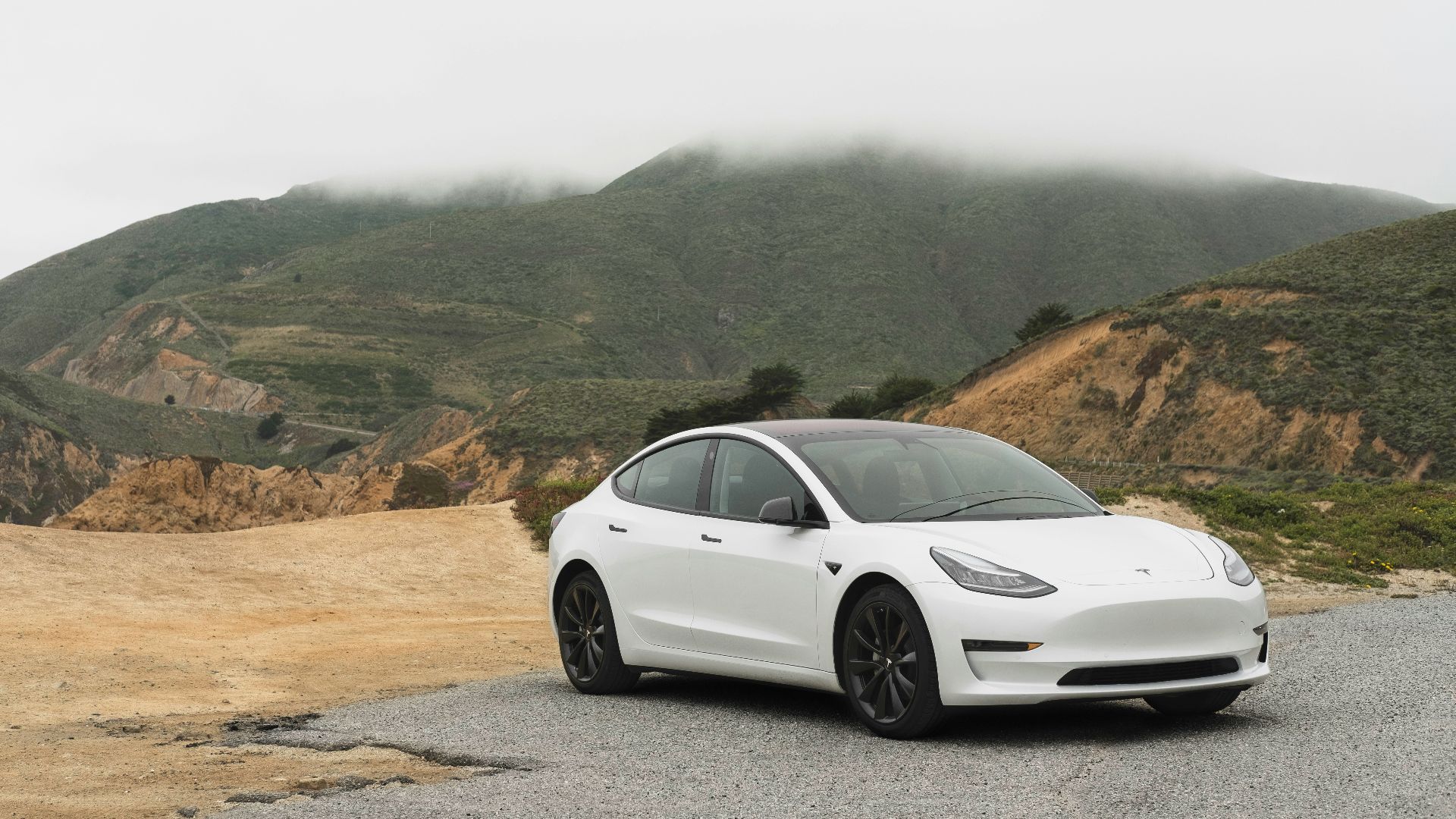
The Tesla Model S shifted the perception of electric cars during the 2010s. Tesla described the Model S as the world’s first premium electric sedan. This positioning was significant; the car was not marketed as merely a small compliance vehicle but as a desirable, high-end sedan that happened to be electric.
The automotive industry took notice as well. MotorTrend named the Model S its 2013 Car of the Year, providing Tesla with a major endorsement at a time when many consumers still viewed electric vehicles as unfamiliar. While the Model S did not make electric cars affordable for everyone, it demonstrated that they could be fast, sleek, and more exciting than many had previously imagined.
The 2020s are still evolving, but the Tesla Model Y already asserts a strong claim on the decade. That said, this decade still has some years left. Who knows - maybe we’ll find an underdog takes the spot as the most iconic car of the 2020s.