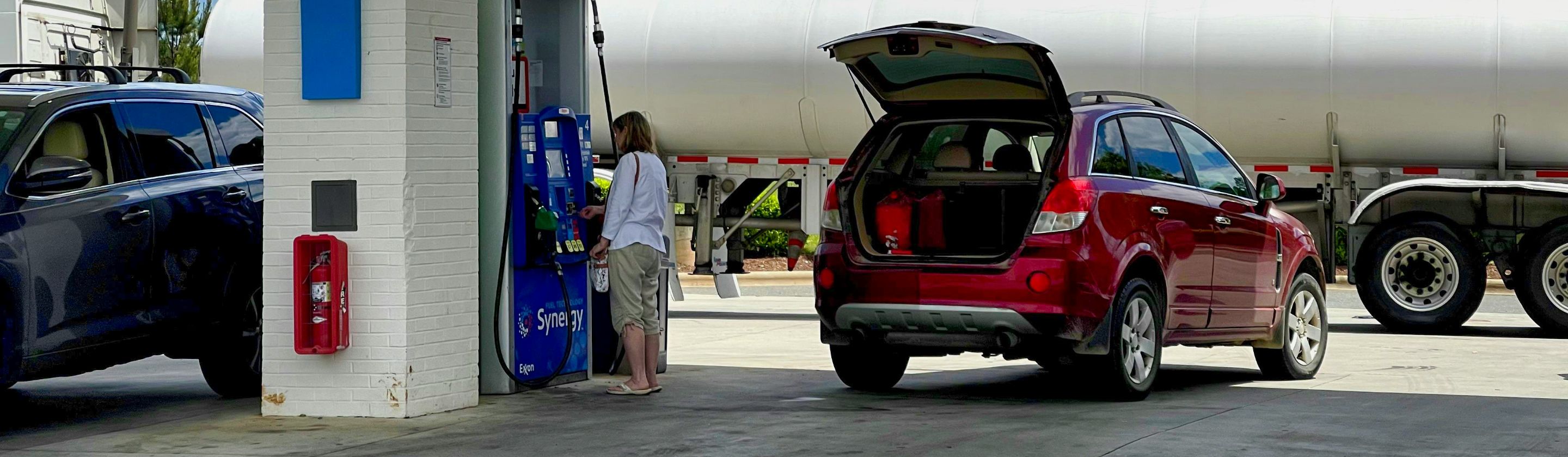
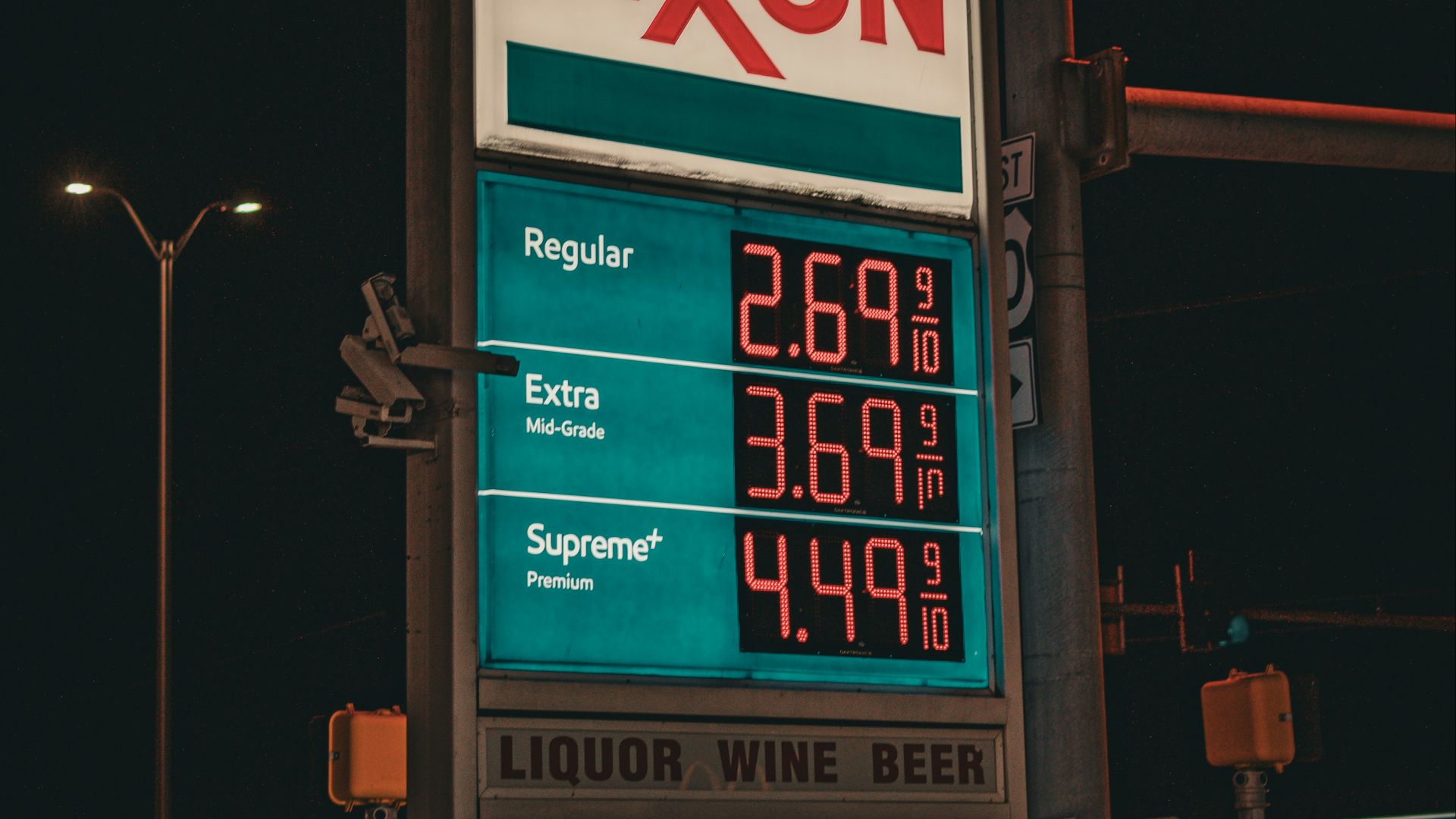
When you're standing at the gas pump and looking at the different fuel grades, it's easy to wonder whether premium gasoline is worth the extra cost. Many drivers assume that paying more automatically means better performance, improved fuel economy, or greater engine protection. Fuel companies certainly don't mind that perception, but the reality is a little more complicated than the marketing often suggests.
The truth is that premium fuel serves a specific purpose, and that purpose doesn't apply to every vehicle on the road. Some engines genuinely benefit from higher-octane gasoline, while others see virtually no advantage at all. Understanding what premium fuel actually does can help you make smarter decisions and avoid spending money where it isn't necessary.
What Makes Premium Fuel Different?
The biggest difference between premium and regular gasoline is the octane rating. In the United States, regular gasoline typically carries an octane rating of 87, while premium fuel usually ranges from 91 to 93 octane. Octane measures a fuel's ability to resist premature combustion inside the engine, not the amount of energy the fuel contains.
Many people mistakenly believe premium gasoline is more powerful because it costs more. In reality, premium fuel doesn't contain significantly more energy than regular gasoline. Its primary purpose is to prevent engine knocking, which occurs when the fuel-air mixture ignites too early during the combustion process.
Modern engines are carefully engineered around specific fuel requirements. Vehicles designed for regular gasoline are calibrated to operate efficiently with 87-octane fuel, while some performance-oriented engines are designed to take advantage of higher-octane gasoline. The fuel itself isn't inherently better; it's simply designed for different operating conditions.
When Premium Fuel Is Actually Necessary
Some vehicles genuinely require premium gasoline, and in those cases, following the manufacturer's recommendation is important. High-performance sports cars, luxury vehicles, and many turbocharged engines often operate with higher compression ratios that increase the risk of engine knock. Premium fuel helps prevent that problem and allows the engine to perform as intended.
If your owner's manual states that premium fuel is required, consistently using lower-octane gasoline can lead to reduced performance and efficiency. Modern vehicles often have knock sensors that can adjust engine timing to compensate, but doing so may reduce horsepower and responsiveness. Over long periods, repeatedly ignoring manufacturer requirements could place additional stress on engine components.
There are also vehicles for which premium fuel is recommended rather than required. In these cases, the engine can usually run safely on regular gasoline, although some performance benefits may be reduced. Drivers might notice slightly less acceleration or modest decreases in fuel economy, but the difference is often smaller than many people expect.
The Myths About Performance and Savings
One of the most persistent myths is that premium fuel automatically improves fuel economy in every vehicle. While some engines designed for premium gasoline may achieve slightly better efficiency with higher octane fuel, vehicles built for regular gasoline generally won't experience meaningful improvements. The small gains, if they exist at all, rarely offset the additional cost of the fuel itself.
Another common belief is that premium gasoline dramatically boosts engine performance regardless of the vehicle. If your car was engineered to run on regular fuel, filling the tank with premium won't suddenly unlock extra horsepower or transform the driving experience. The engine management system can only take advantage of higher octane levels if the engine was designed to do so.
Some drivers also believe premium gasoline is significantly cleaner than regular fuel. Federal regulations require all gasoline grades sold in the United States to meet detergent standards that help prevent deposits from forming inside engines. While certain brands may include additional cleaning additives across their product lines, the octane rating itself isn't what determines how clean the fuel is.
Choosing the Right Fuel for Your Vehicle

The simplest way to choose the correct gasoline is to consult your owner's manual. Automakers spend years testing engines and determining which fuel grade provides the best balance of performance, reliability, and efficiency. Following those recommendations removes much of the guesswork and ensures the vehicle operates as intended.
Drivers sometimes use premium fuel as a form of preventive maintenance, believing it will extend engine life. However, for vehicles designed to use regular gasoline, there's little evidence that routinely purchasing premium fuel provides meaningful long-term benefits. Regular maintenance, quality motor oil, and timely servicing are far more important factors in preserving engine health.
Fuel prices can fluctuate dramatically throughout the year, making the gap between regular and premium gasoline quite significant. For drivers whose vehicles don't require premium fuel, choosing the recommended regular grade can result in substantial savings over time. Those savings often amount to hundreds of dollars annually, depending on driving habits and fuel consumption.
At the end of the day, premium fuel isn't a miracle product, nor is it a waste of money in every situation. It serves an important purpose for engines specifically designed to use higher-octane gasoline, helping prevent knocking and allowing those vehicles to achieve their intended performance levels. For cars designed to run on regular fuel, however, premium gasoline usually offers little measurable benefit beyond a higher bill at the pump.