The Little Mistakes That Can Make a Long Drive Harder
A road trip doesn't usually go wrong because of one major disaster. More often, it's a collection of small oversights that gradually create unnecessary stress, wasted money, and lost time. First-time road trippers often focus on destinations, attractions, and scenic routes while overlooking practical details that experienced travelers handle automatically. If you're planning your next adventure, avoiding these 20 common mistakes can make the entire journey smoother from start to finish.

1. Skipping a Basic Vehicle Check
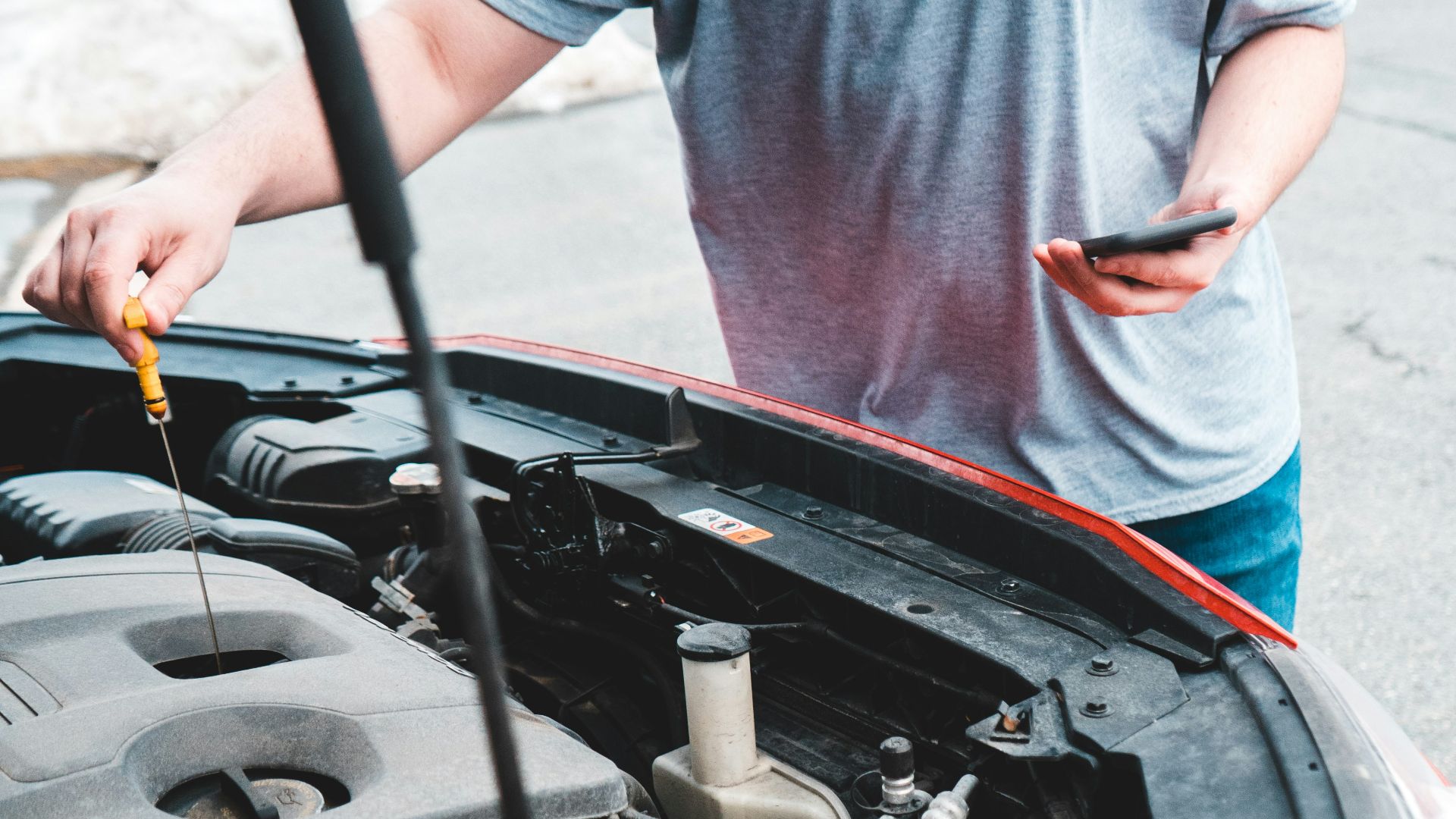
Many new travelers assume their vehicle is ready for hundreds of miles simply because it runs normally around town. A quick inspection of tires, fluids, brakes, and lights can prevent problems that become expensive once you're far from home. Spending a few minutes checking the basics is much easier than waiting for roadside assistance.
2. Not Checking Tire Pressure
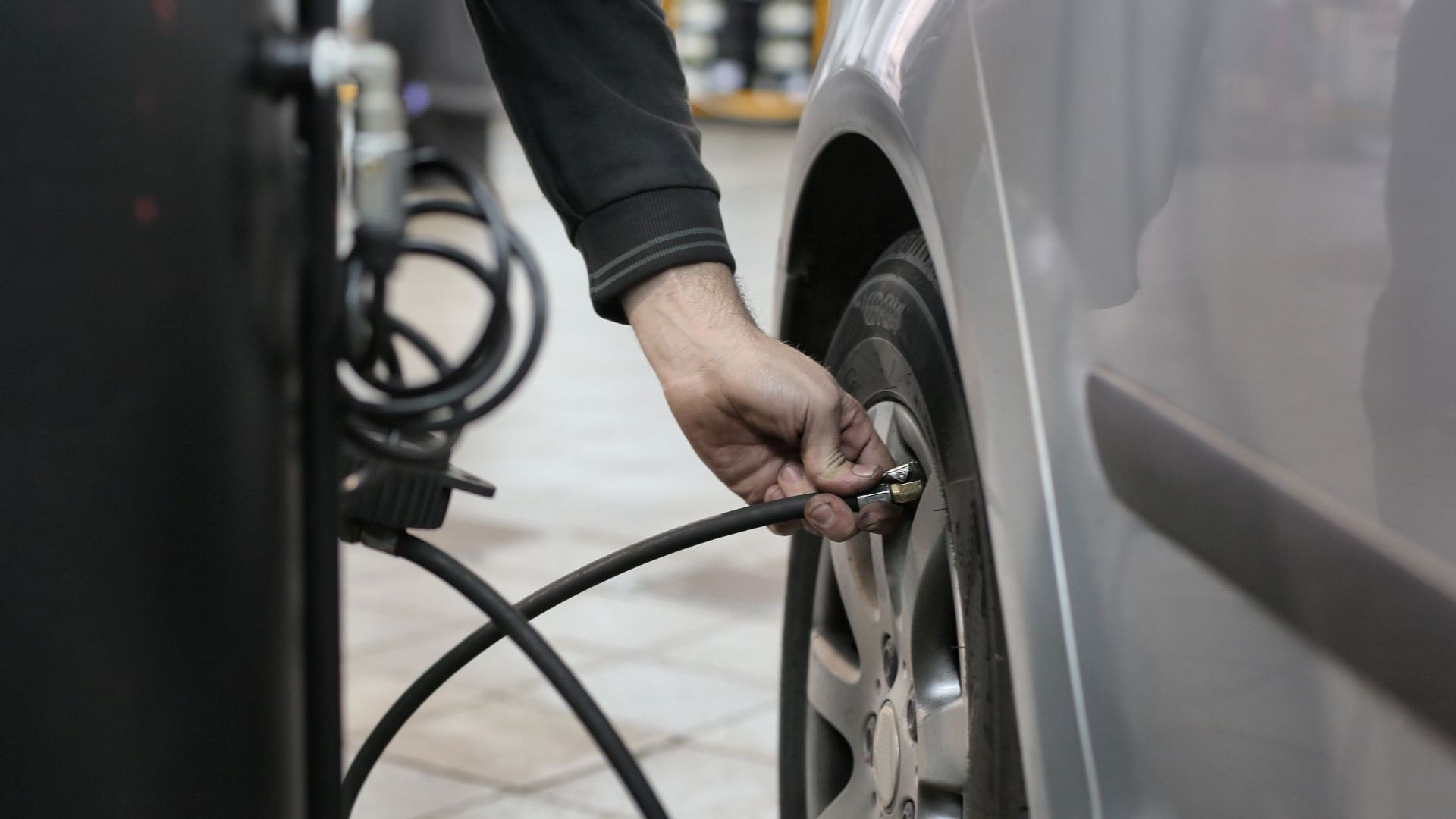
Tires naturally lose air over time, and an underinflated tire can reduce fuel economy while increasing wear. Long highway drives only make the issue more noticeable. You might not realize how much extra money you're spending on fuel until the trip is already over.
3. Leaving Without an Emergency Kit
Breakdowns don't happen only in remote wilderness areas. Even a minor issue can become frustrating if you don't have essentials like a flashlight, jumper cables, water, and a first-aid kit. Having those items available often turns a stressful situation into a manageable inconvenience.
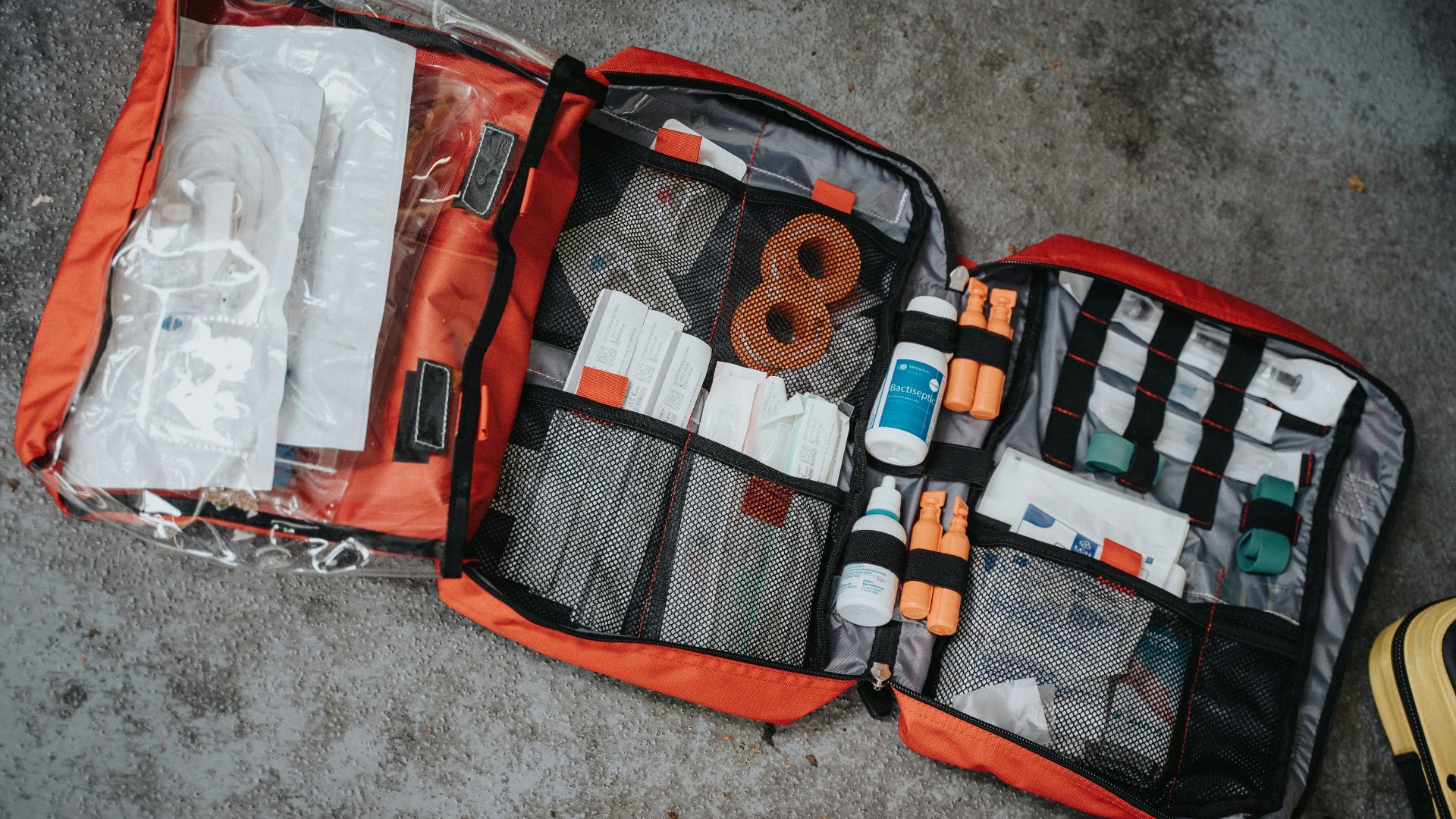 Mathurin NAPOLY / matnapo on Unsplash
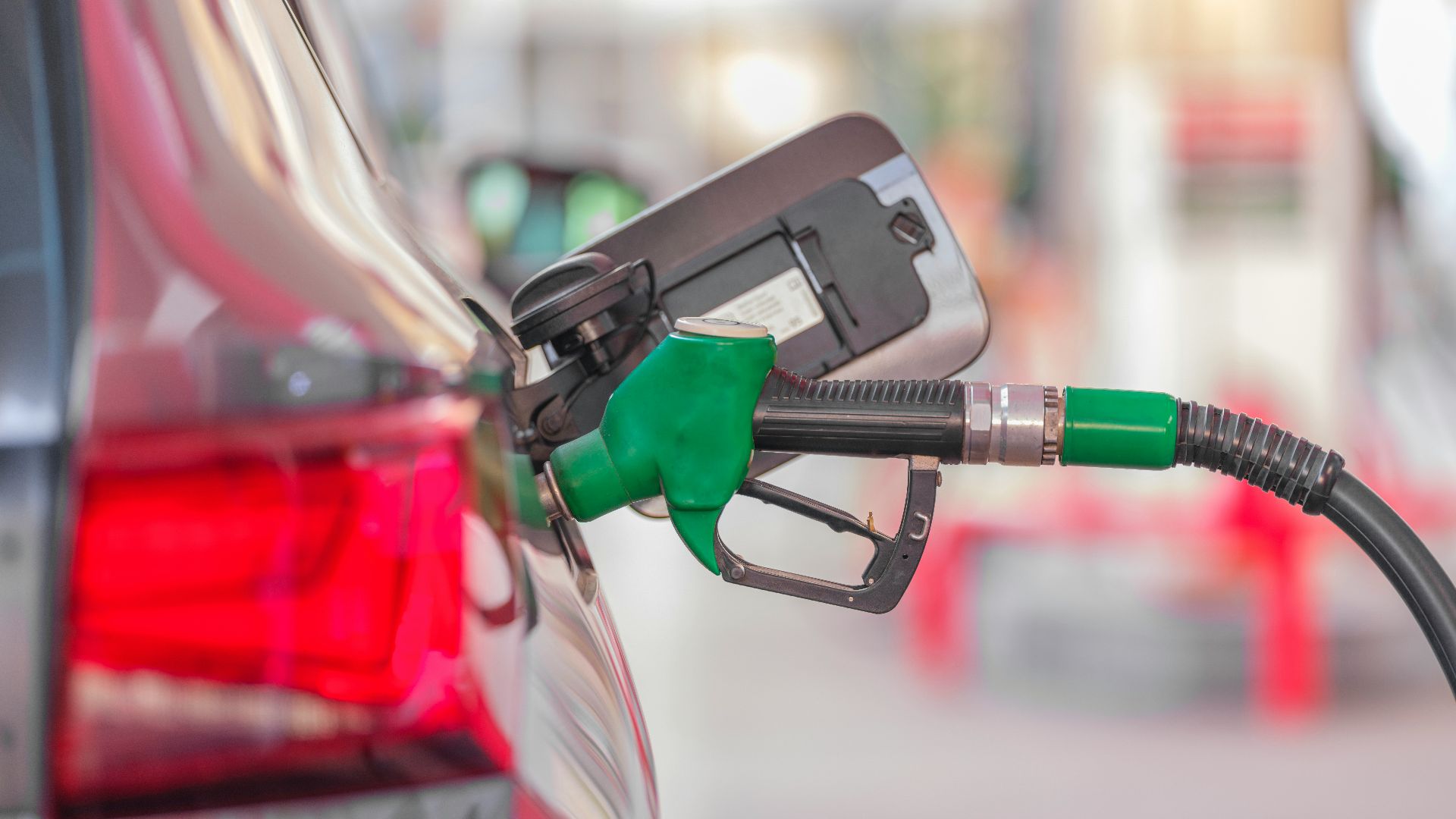
4. Underestimating Fuel Costs
Many first-time road trippers focus on hotel prices and attraction tickets while forgetting how quickly fuel expenses accumulate. Long stretches of highway driving can consume far more gas than expected. A realistic fuel budget helps prevent unpleasant surprises later.
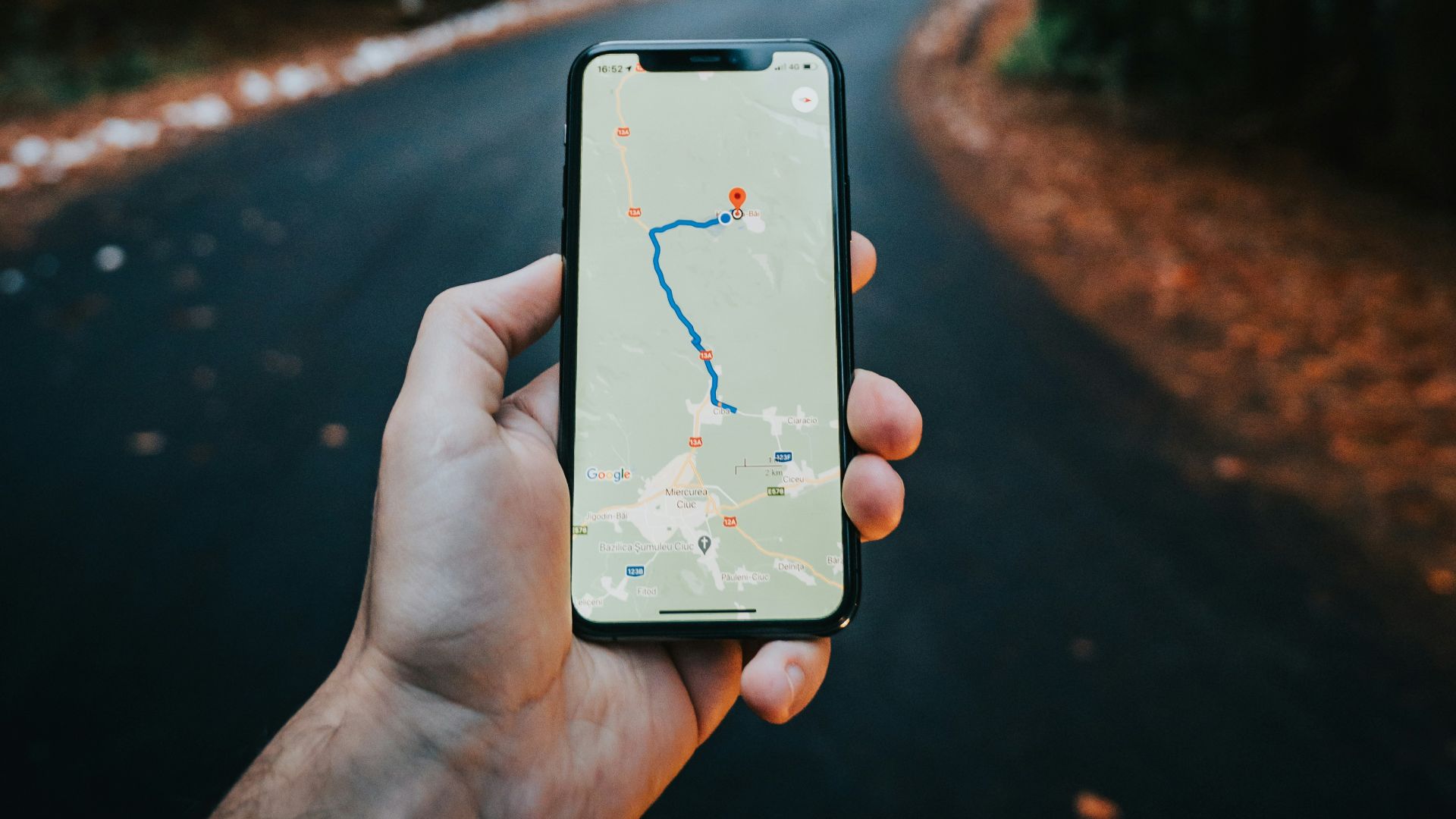
5. Forgetting to Download Maps
Cell service isn't available everywhere, especially in rural regions and mountainous areas. Relying entirely on a data connection can leave you without directions when you need them most. Downloading offline maps beforehand provides an easy backup.
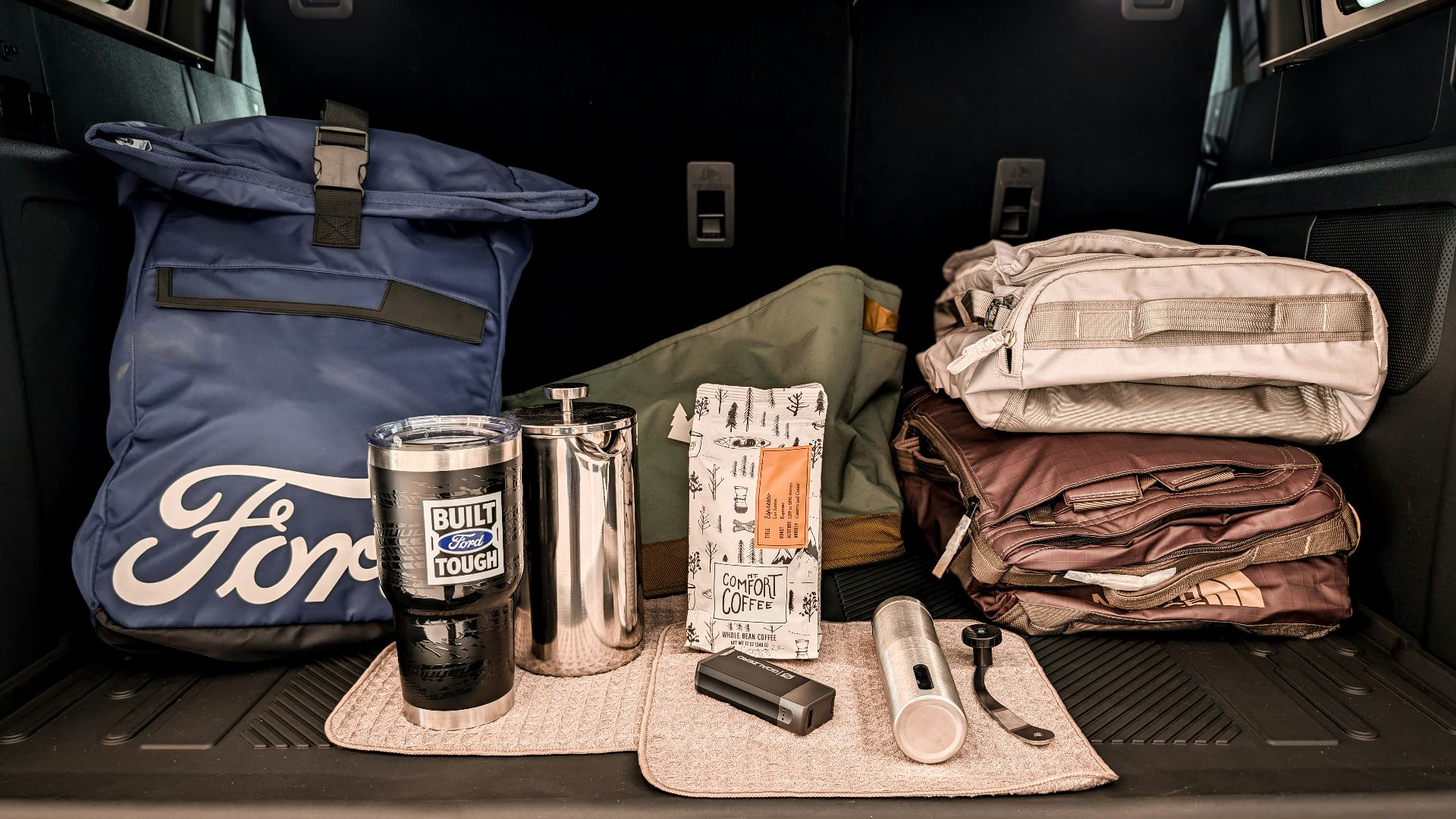
6. Packing Too Much Stuff
New travelers often treat a road trip like an opportunity to bring everything they might need. Excess luggage takes up valuable space and makes it harder to stay organized throughout the journey. Packing only what you'll realistically use creates a much more comfortable experience.
7. Ignoring Weather Forecasts
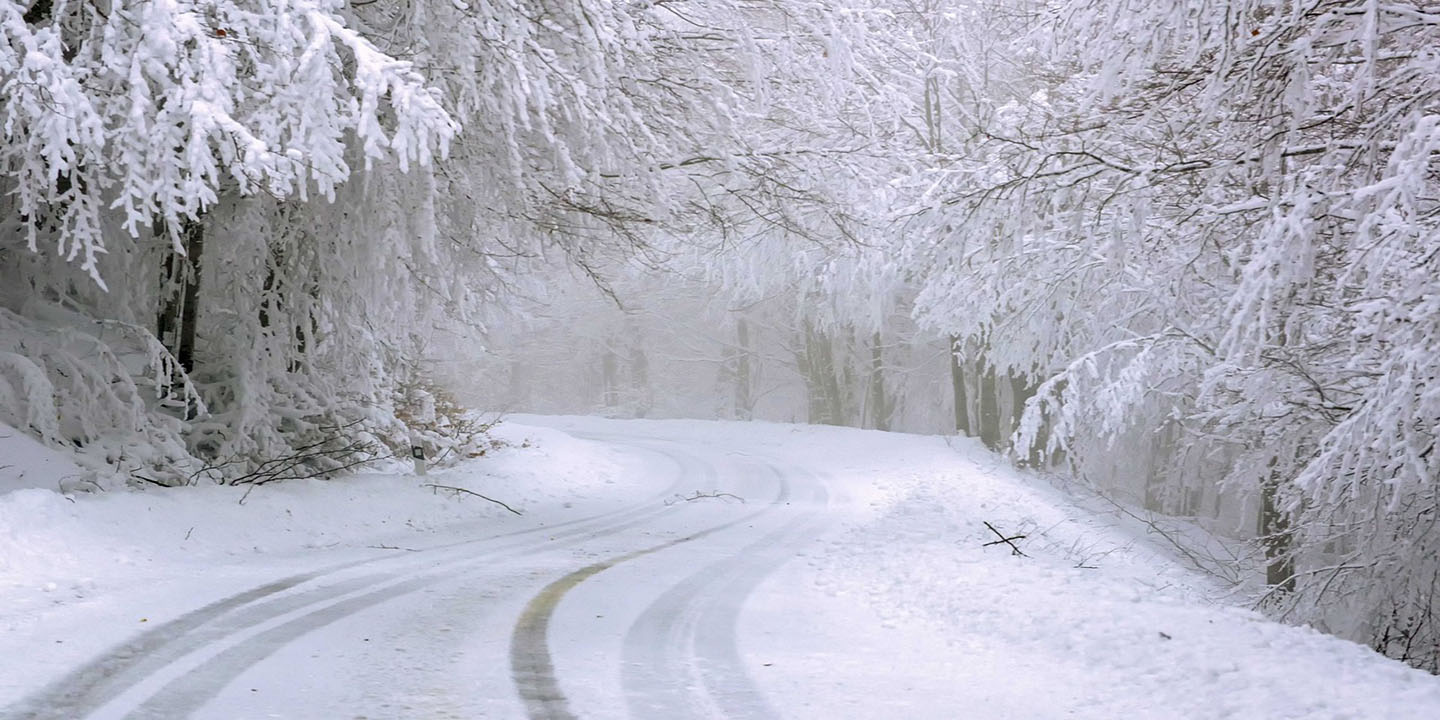
Conditions can change dramatically across different states, provinces, or regions. Leaving without checking forecasts may result in packing the wrong clothing or driving into difficult weather unexpectedly. A few minutes of research can help you prepare appropriately.

8. Driving Too Long Without Breaks
It can be tempting to cover as many miles as possible in a single day. Unfortunately, fatigue reduces attention and reaction times even when you don't feel particularly tired. Regular stops help keep drivers alert and make the trip more enjoyable.

9. Forgetting Charging Cables
Phones often serve as cameras, navigation devices, entertainment systems, and emergency communication tools during road trips. Discovering a missing charger several hours into a drive can quickly become frustrating. Keeping spare cables in the vehicle helps avoid the problem entirely.

10. Not Booking Popular Stops Early
Many rookies assume accommodations will always be available when they arrive. During busy travel seasons, popular hotels and campgrounds can fill up surprisingly fast. Waiting too long can leave you with limited and expensive options.

11. Overplanning Every Minute
A detailed itinerary may sound helpful, but road trips often work best when there's room for flexibility. Traffic delays, weather changes, and unexpected attractions can alter your schedule. Leaving some breathing room makes the entire experience feel less stressful.
12. Forgetting About Parking Costs
Parking fees can quietly add up in cities, tourist destinations, and popular attractions. Travelers sometimes budget carefully for everything else while overlooking this recurring expense. By the end of the trip, the total can be surprisingly high.

13. Neglecting Snacks and Water
Buying food at every stop is convenient, but it can become expensive over the course of several days. Carrying basic snacks and bottled water saves money while reducing unnecessary stops. It also helps when you're traveling through areas with limited services.

14. Assuming Every Gas Station Is Open
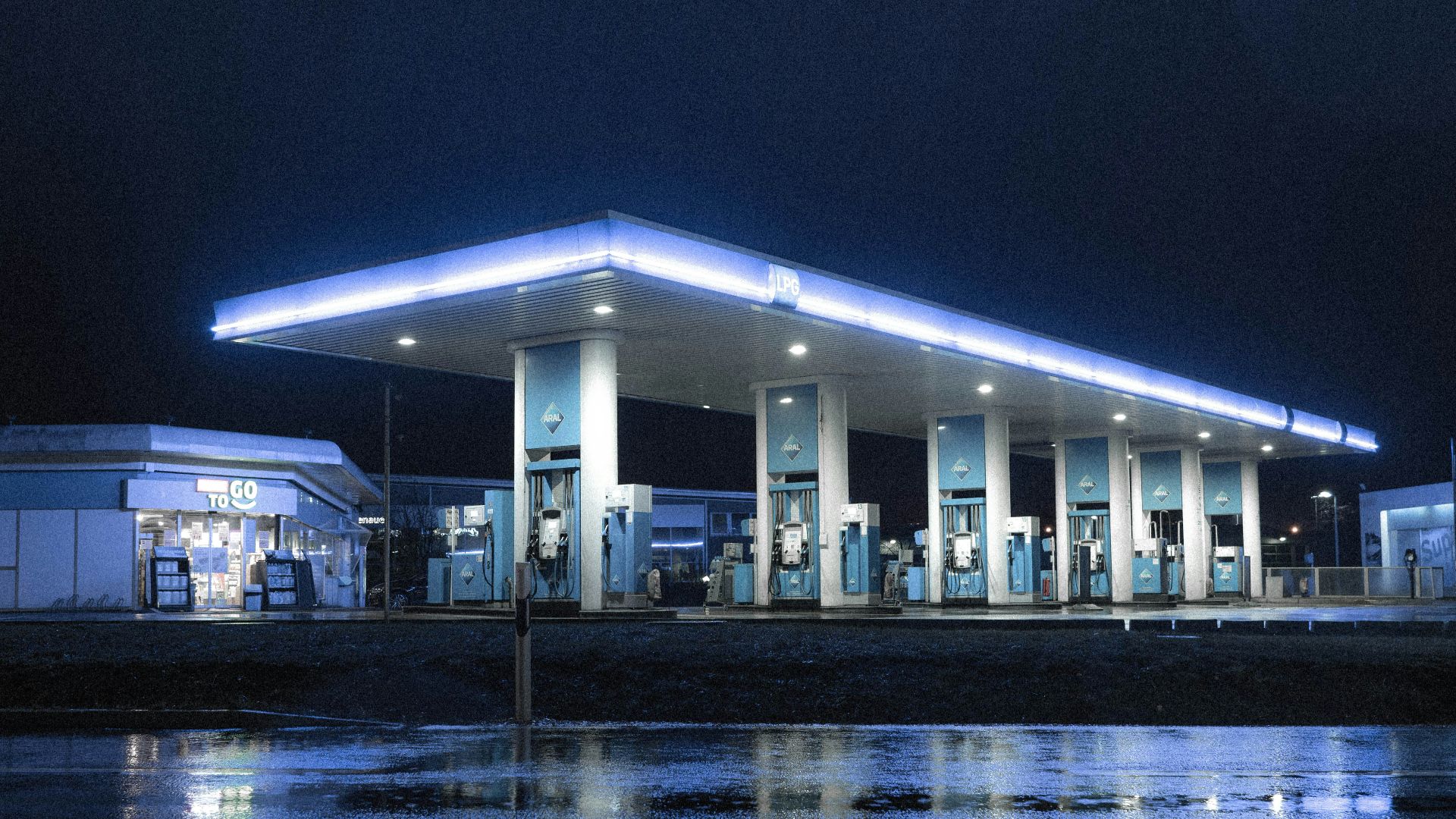
Some travelers become comfortable seeing frequent services near major highways and expect that pattern to continue everywhere. In more remote areas, stations can be much farther apart than expected. Letting the tank get too low can create unnecessary anxiety.
15. Not Sharing the Driving
When multiple licensed drivers are available, one person often ends up handling most of the workload anyway. Long hours behind the wheel can become exhausting regardless of experience level. Rotating drivers helps everyone stay fresher and more focused.

16. Overlooking Toll Roads
Many regions use toll roads extensively, and those costs can add up throughout a lengthy trip. New travelers sometimes fail to account for them when creating a budget.

17. Failing to Check Hotel Policies
Not every property offers the same amenities, parking arrangements, or check-in procedures. Arriving with incorrect assumptions can lead to delays and extra fees.

18. Relying Entirely on One Payment Method
A lost card, technical issue, or banking restriction can create problems if you don't have alternatives available. Carrying multiple payment options provides an extra layer of security. It's a simple precaution that can save a lot of frustration.

19. Starting the Trip Already Tired
Some people try to maximize vacation time by leaving immediately after a full workday. Beginning a long drive while exhausted isn't ideal for safety or enjoyment. Starting well-rested usually makes the first day much smoother.

20. Forgetting to Budget for Unexpected Expenses
Even the best-planned road trips encounter occasional surprises. Extra fuel, emergency purchases, parking fees, or minor vehicle issues can appear without warning.