 Wisconsin Center for Film and Theater Research on Wikimedia
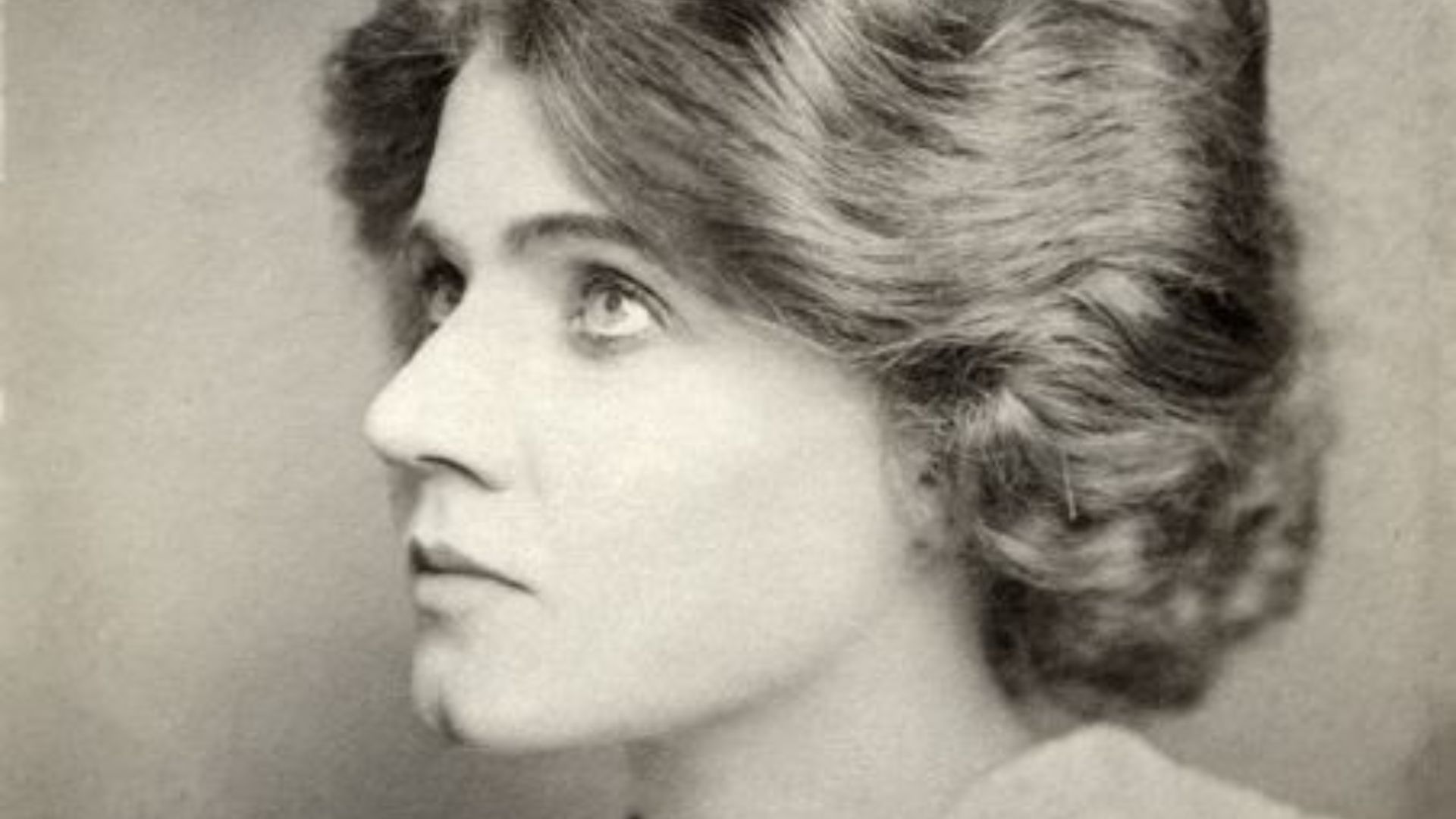
Few drivers ever stop to wonder who came up with the turn signal, a feature so ordinary that it barely registers as an invention at all. Even fewer would guess the earliest version of it traces back to a Hollywood film star from the silent era, a woman better known at the time for her face on screen than for anything mechanical.
That woman was Florence Lawrence, widely credited by film historians as the first performer to become a publicly named movie star, and separately remembered by automotive historians for a home-built mechanical signaling device she designed years before anything like it appeared on production cars. She never patented the idea or profited from it, yet the concept behind it, a visible signal warning other drivers of an upcoming turn, eventually became standard equipment on every car built afterward.
Hollywood's First Movie Star
Lawrence was born in Canada in 1886 and worked in front of audiences from childhood, moving into the fledgling film industry in the mid 1900s with the Biograph Company. Early studios kept actors anonymous on purpose, worried that naming performers would drive up salaries, so audiences simply knew her as the Biograph Girl rather than by an actual name.
That changed in 1910, when producer Carl Laemmle orchestrated one of the earliest publicity stunts in film history, spreading a false rumor of her death before publicly revealing that she was alive, well, and signed to his new studio. The stunt made headlines nationwide, and it effectively launched the star system that would come to define Hollywood, with Lawrence recognized as the first actress marketed to audiences by name.
She spent the following years appearing in hundreds of short films and became one of the highest paid performers of her era, all while pursuing a personal passion that had little to do with acting. Lawrence was an enthusiastic driver at a time when relatively few women were publicly associated with automobiles, and she used that interest to start tinkering with mechanical improvements of her own.
Turning A Passion For Cars Into A Safety Invention
Around 1914, Lawrence designed a mechanical signaling arm for the back of her car, reportedly working alongside her mother, Charlotte Bridgwood, who had her own interest in automotive invention. The device used a flag-like arm mounted near the rear fender that rose when the driver pressed a button, giving other motorists a visible signal of an upcoming turn, along with a separate mechanism some accounts describe as an early stop signal.
Lawrence never filed a patent for the design and never pursued manufacturing it, so it remained a personal project rather than a commercial product. Her mother, notably, did pursue formal recognition for her own automotive idea, patenting an early automatic windshield wiper in 1917, a fact that has occasionally gotten confused with her daughter's unpatented signaling arm in later retellings.
Automotive historians remain genuinely divided on how much direct influence Lawrence's device had on the electric turn signals that automakers eventually patented and installed years later. Without a patent trail or documented connection to the engineers who developed those later systems, her invention is best understood as an early, independently conceived version of the idea rather than a direct ancestor of the modern part.
A Legacy Overshadowed By A Difficult Ending
Lawrence's career took a serious hit in 1915, when a fire during a film shoot left her with facial scarring and a related injury that affected her mobility for a period afterward. As the studio system rapidly evolved through the following decade, opportunities for her grew scarce, and by the 1920s she had largely disappeared from major productions.
Her later years brought real financial hardship, including a stretch working outside the film industry entirely to get by, before MGM eventually brought her back in the 1930s for small, uncredited parts as part of an effort to quietly support forgotten performers from film's early years. Alongside those career struggles, she also dealt with a chronic bone illness that caused significant pain in her final years.
Lawrence died in 1938, a death that reference sources record as a suicide connected to her declining health and career, largely forgotten by the industry she had helped shape. Today she is remembered by film historians as Hollywood's first named star, and by automotive enthusiasts, with some ongoing debate about direct influence, as an early and largely uncredited voice behind one of the most familiar features on every car built since.