There’s a strange moment that happens when you drive exactly 45 in a 45 zone: a car appears behind you, closes the gap, and suddenly flips you off. The flashing headlights don’t help either, but they also don’t change the number on the sign. But why do people get so uppity if you do what you’re supposed to do on the road?
Following the speed limit doesn’t mean you’re nervous. It doesn’t even mean you’re stubborn or trying to inconvenience everyone else. It means you’re leaving yourself enough time to recognize hazards and keep control when traffic changes. That breathing room is useful for everyone, too, and that’s exactly why we need to unpack its importance.
The Limit’s There for a Reason
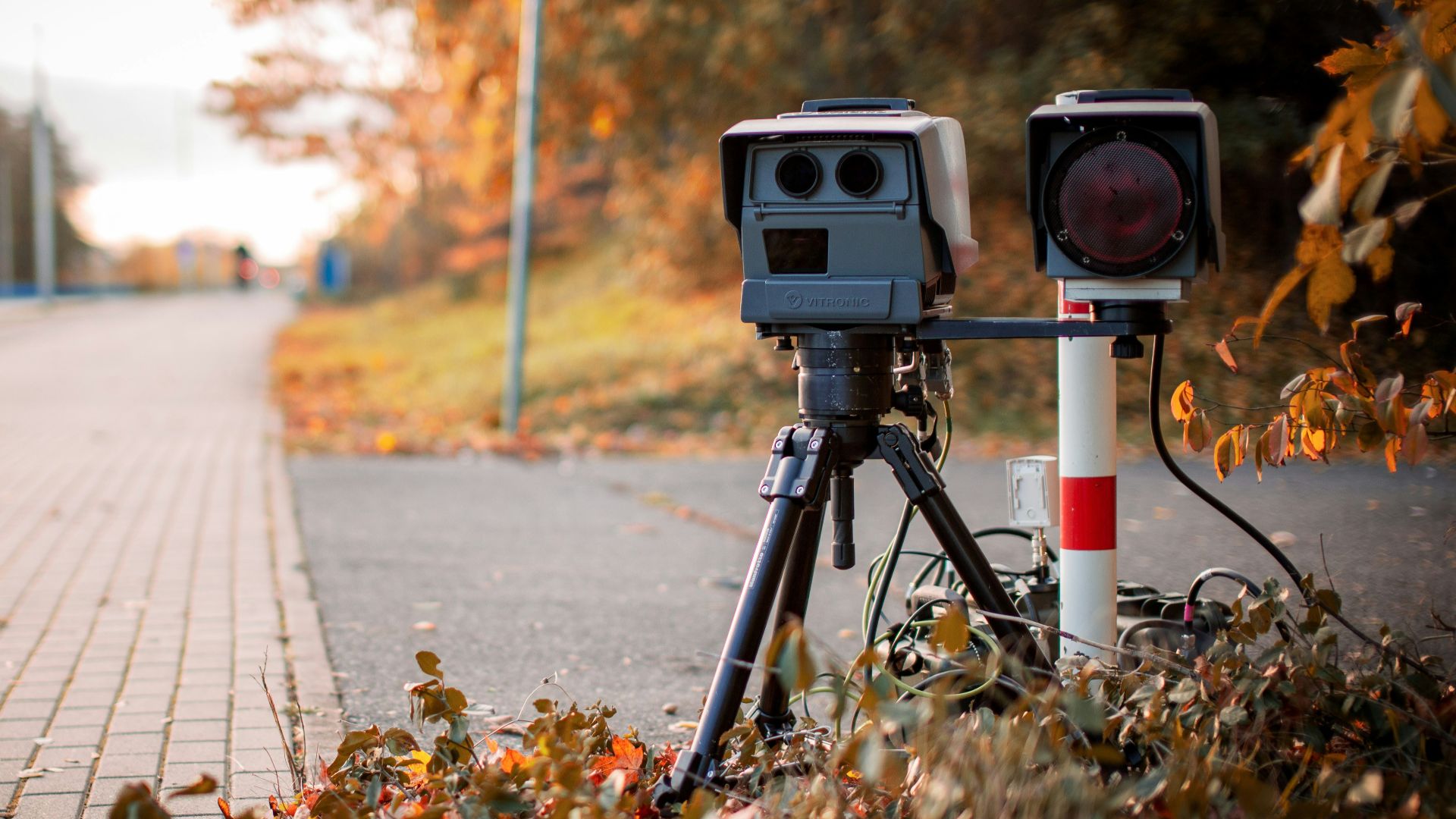
A posted limit is more than a number on a board. The very National Highway Traffic Safety Administration explains that speed limits exist to protect everyone on the road, and speed-management programs involve road design, enforcement, and the setting of reasonable speeds. On a neighborhood street, that means thinking about everything from pedestrians and parked cars to driveways and unpredictable children. The person behind you may only see open pavement, but the road has way more going on.
Speed changes what happens after you notice trouble, too. Higher speeds increase stopping distance, make loss of control more likely, and increase crash impact. Just think about it: a car that suddenly brakes or a pedestrian stepping into view both demand time. Traveling faster doesn’t sharpen your reactions; it just shortens the window in which those reactions can actually do anything.
The sign also shows a maximum for suitable conditions—it’s not a promise that the road is always safe. NHTSA warns that drivers can be moving too fast even while obeying the posted limit, and things only get worse when weather, construction, or poor visibility changes the situation. Sometimes responsible driving means staying at the limit, and other days can mean dropping below it.
New Drivers Need to Think
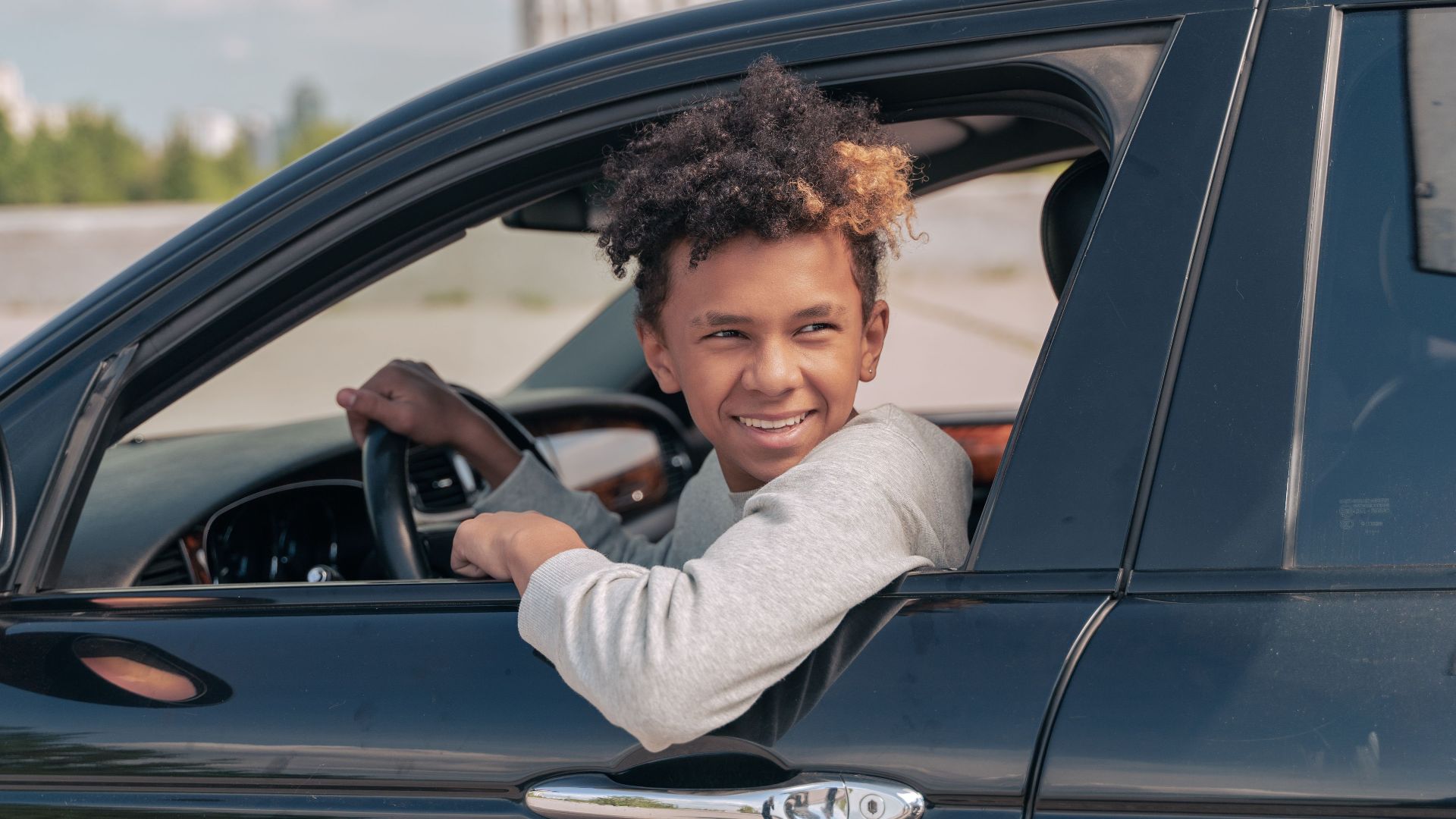
Experienced drivers check mirrors and monitor intersections without narrating every step. Beginners, though, are still turning those actions into routine, which means ordinary traffic needs way more effort. We already know that experienced drivers complain about the newcomers, and it’s not entirely unwarranted, either. Teen drivers have crash rates nearly four times those of drivers 20 and older per mile traveled, partly because inexperience makes hazards harder to recognize and immaturity can encourage risky choices. Extra speed only adds pressure.
The earliest months after scoring your license deserve particular caution, especially because crash risk is especially high during those first months. Don’t forget that a new driver may technically be allowed to travel alone but still lacks broad experience. Not only that, but excessive speed is involved in just over one-quarter of teenagers’ fatal crashes, so staying within the limit gives a beginner more time to read a curve, notice an uncertain pedestrian, or recover from a poor decision before it becomes permanent.
That being said, the issues aren’t limited to a few reckless teenagers. Drivers ages 16 through 19 have a fatal crash rate almost three times that of drivers 20 and older per mile driven. Now, we’re not saying that statistic means every young driver is dangerous; it just shows why patient, predictable practice matters. New drivers don’t need strangers teaching them that acceptance on the road depends on matching the fastest car alongside them.
Tailgaters Don’t Get a Vote
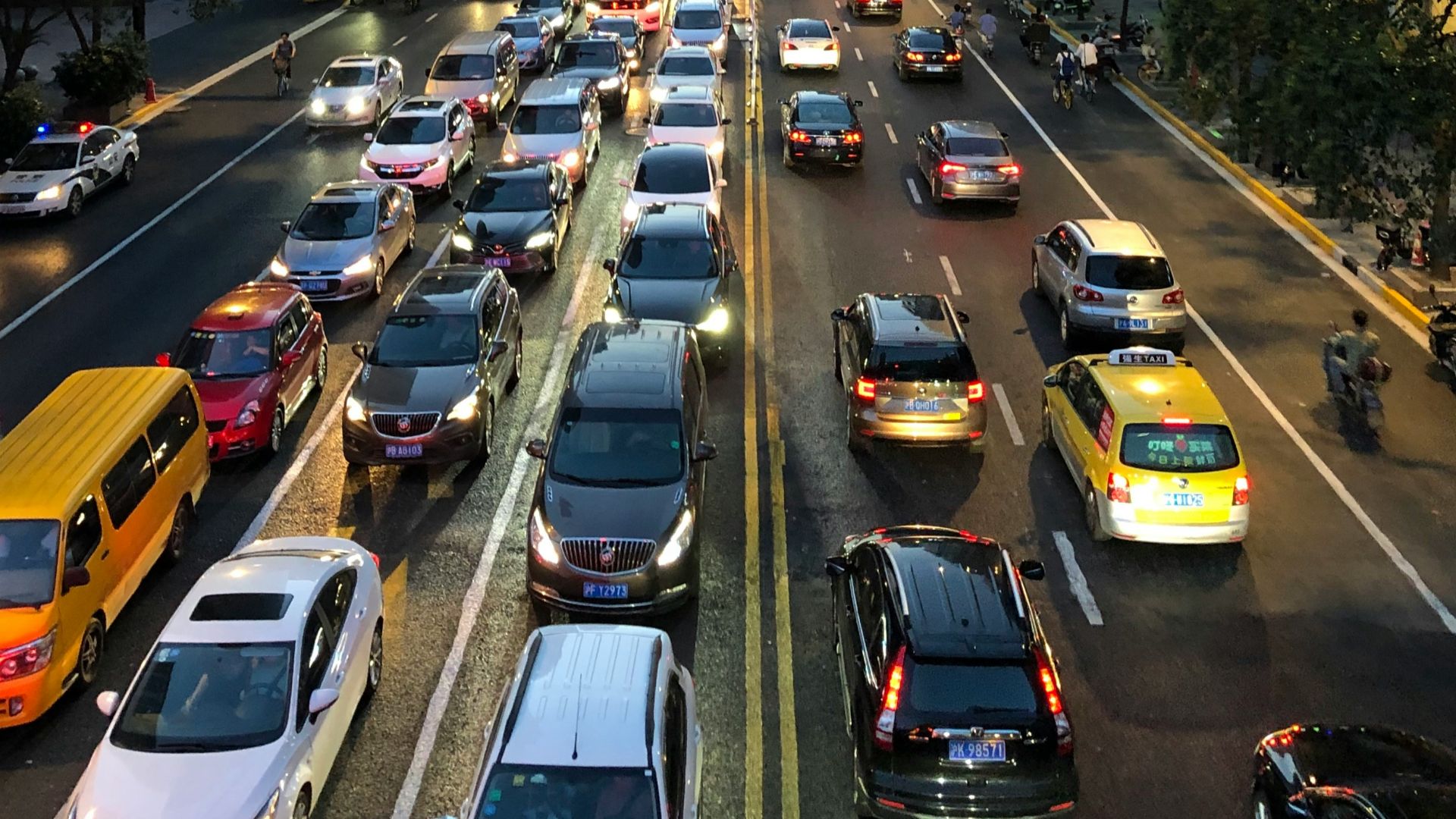
Being followed too closely can make a careful driver feel trapped between safety and intimidation. Accelerating may seem like the quickest way to shut down the road-rager behind you, but in reality, that only gives control of your decisions to someone who has already shown poor judgment. NHTSA recommends giving speeding drivers plenty of space and safely moving out of their way rather than engaging in risky behavior. Calm, predictable driving is less satisfying than revenge, but it’s considerably easier to explain afterward.
Courtesy still has a place here, especially on multilane roads. If you’re in the left lane and another driver wants to pass, NHTSA advises moving over when it’s safe, which lets the faster vehicle continue without getting into any kind of confrontation. That doesn’t mean racing ahead until a gap appears or exceeding the speed limit to keep somebody pleased, either. You can cooperate with traffic while refusing to let a stranger operate your accelerator by remote emotion.
The consequences of speeding are too serious to treat this as a debate about who’s the more confident driver. 11,288 people died in speeding-related traffic incidents in 2024, and speeding contributed to 29 percent of all traffic fatalities that year. So yes, we’ll signal, move right when appropriate, adjust for conditions, and avoid blocking traffic. We’re still going to drive the speed limit, and the road-rager behind us will just have to wait their turn.