Not Every Crest Holds Its Value
A Porsche badge on the trunk doesn't automatically mean the car's going to be worth more in ten years than it is today. Some models turned into blue-chip collector pieces almost by accident, chased hard enough by enthusiasts that used prices now sit well above what they cost new. Others, often from the exact same decade, turned into money pits the moment the warranty ran out. Here's ten Porsches that have actually earned their price tag, and ten that'll drain a bank account no matter how good they look in the driveway.
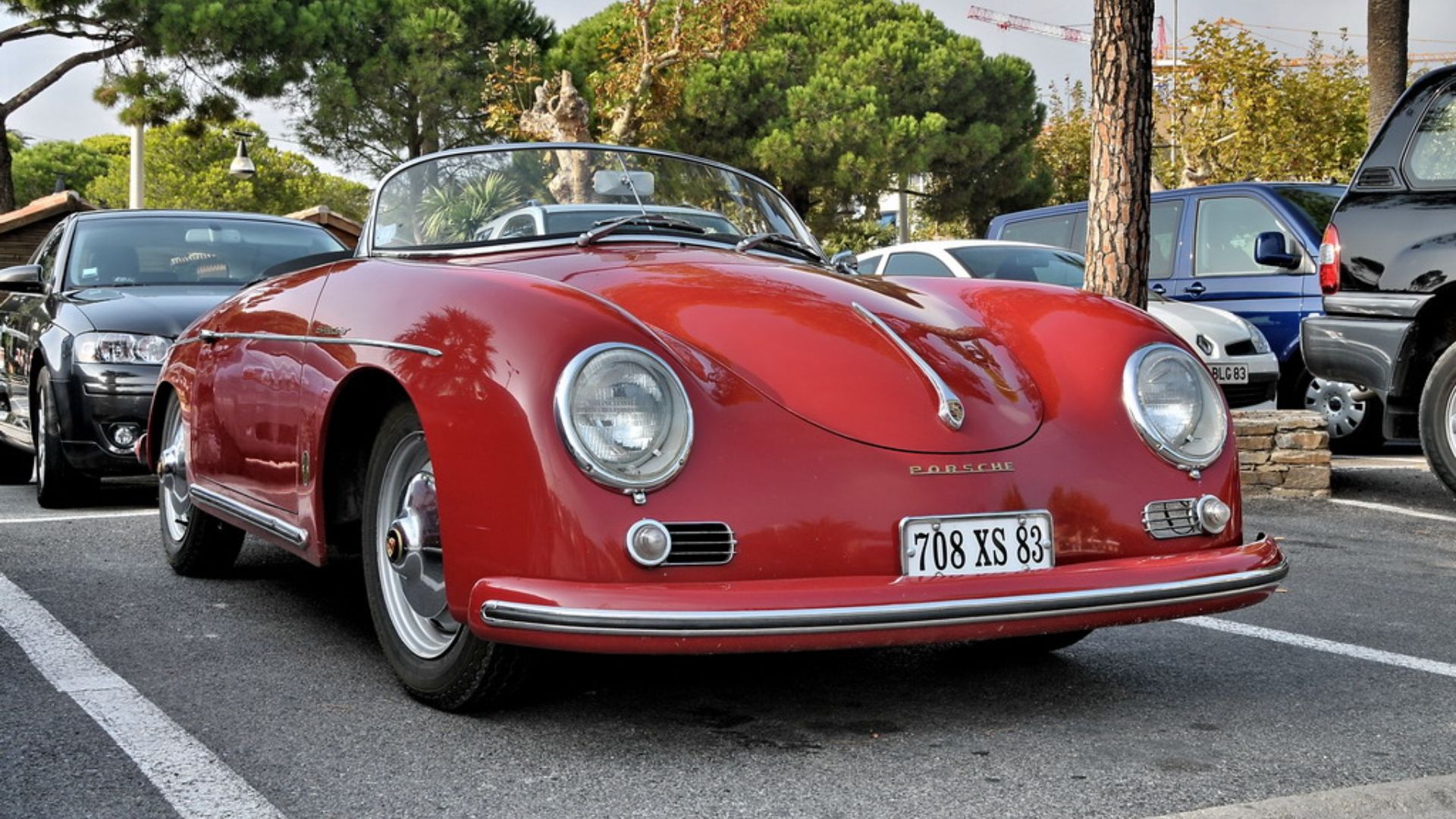
1. 911 (964) Carrera RS
Built in the early '90s as a lightweight, track-focused version of the 964, the Carrera RS was never sold in huge numbers to begin with. Collectors caught on to how good the chassis balance was long after most examples had already been snapped up, and prices have climbed steadily every year since.
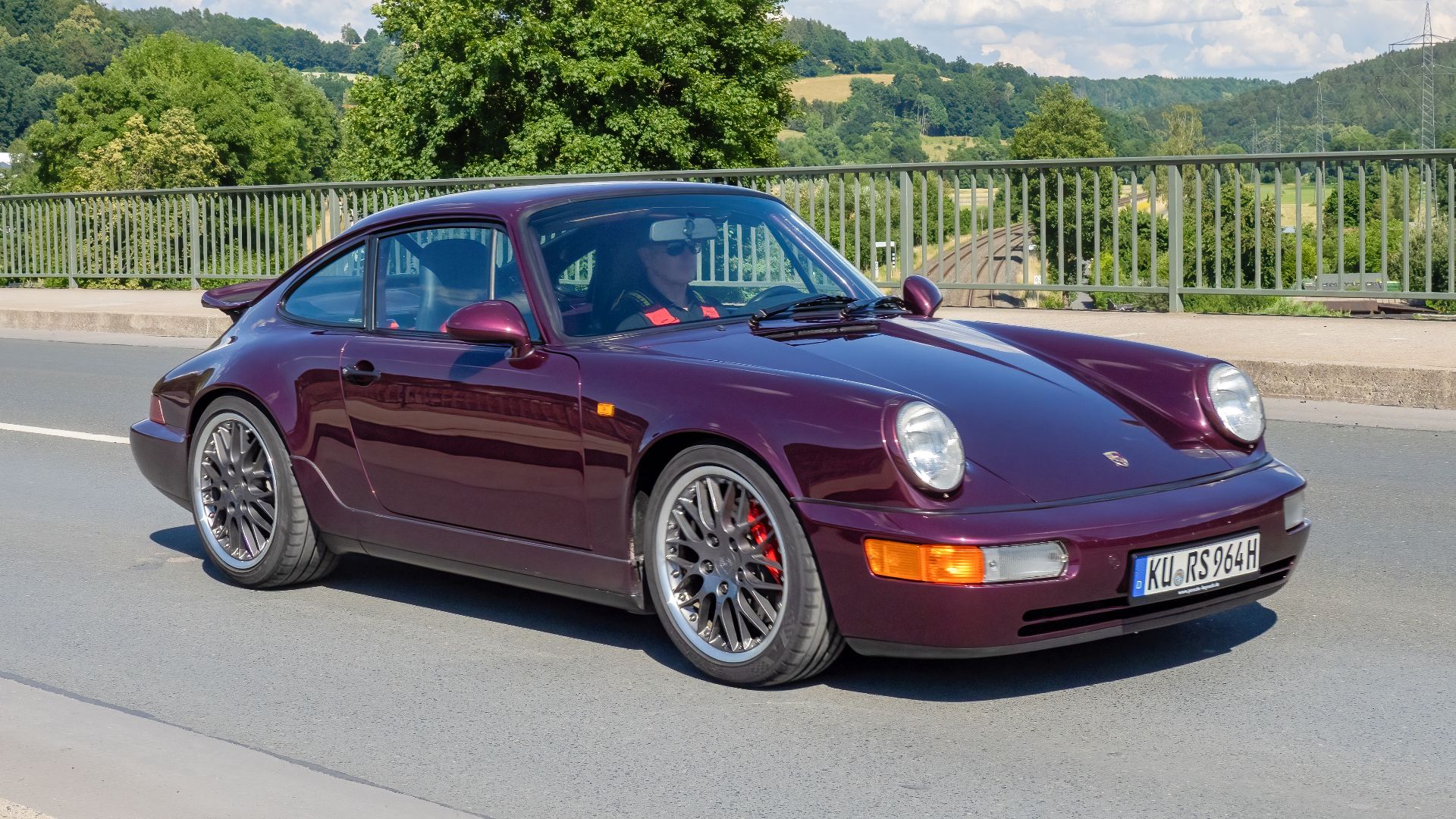
2. 993 Turbo
The 993 was the last air-cooled 911 generation, and the Turbo version combined that engine with all-wheel drive and a level of build quality Porsche wouldn't fully repeat for years. Values have climbed hard as buyers realized air-cooled cars weren't coming back.
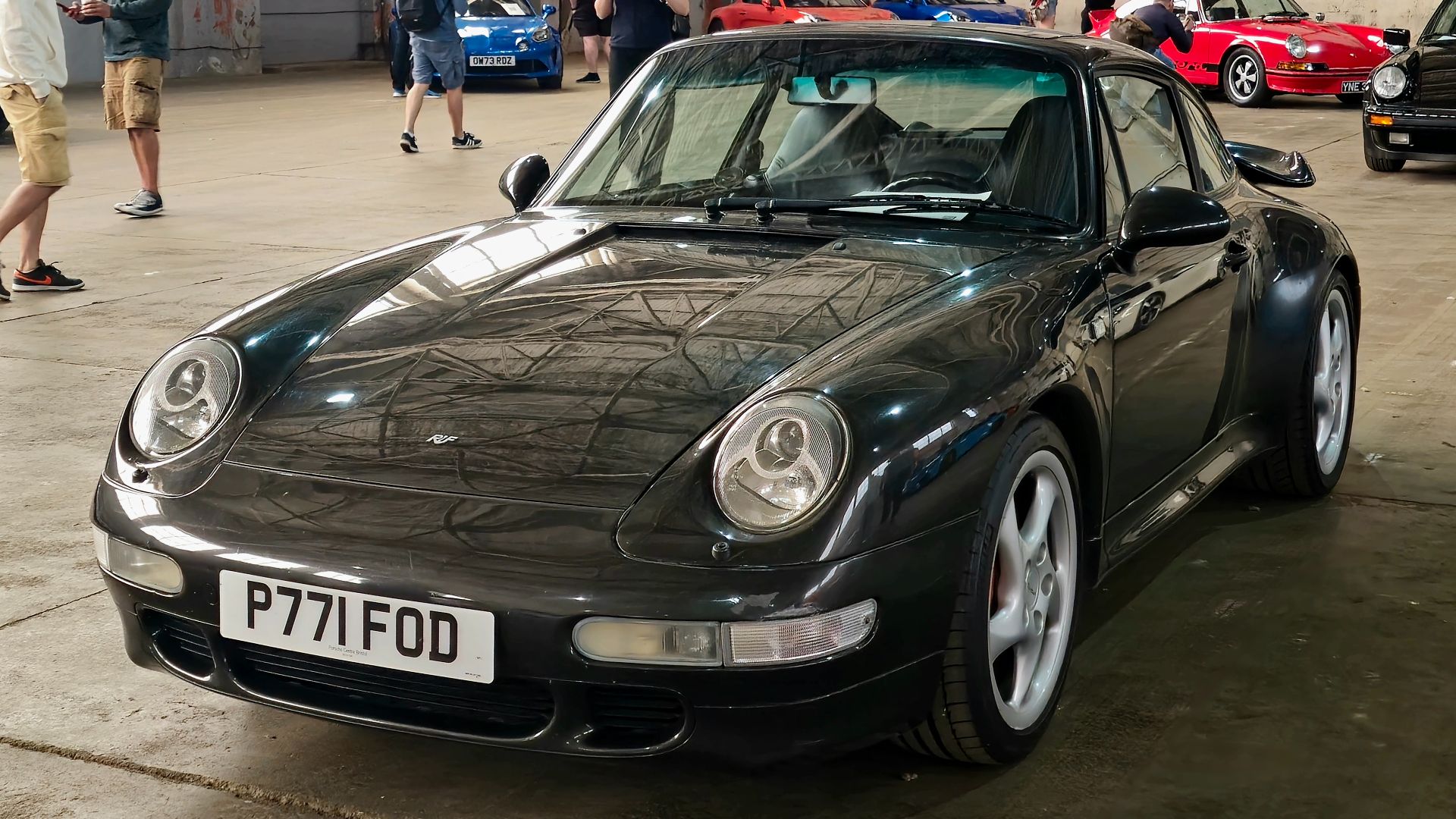
3. Porsche 959
Built in the mid-'80s as a technology showcase, the 959 introduced features that wouldn't become standard on other 911s for another decade. Only a few hundred were ever made, and that scarcity alone keeps values climbing well past what most buyers expect.
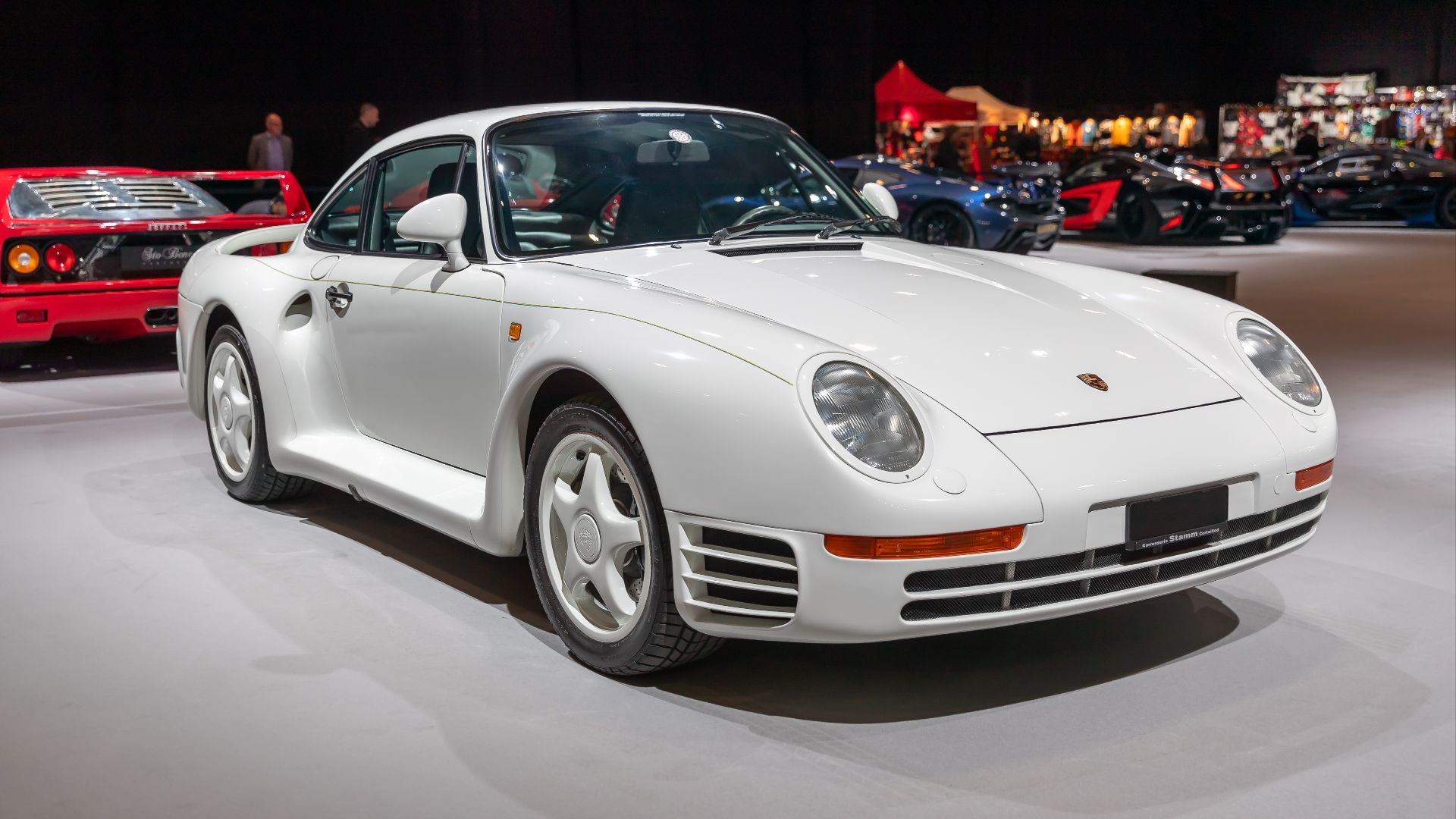
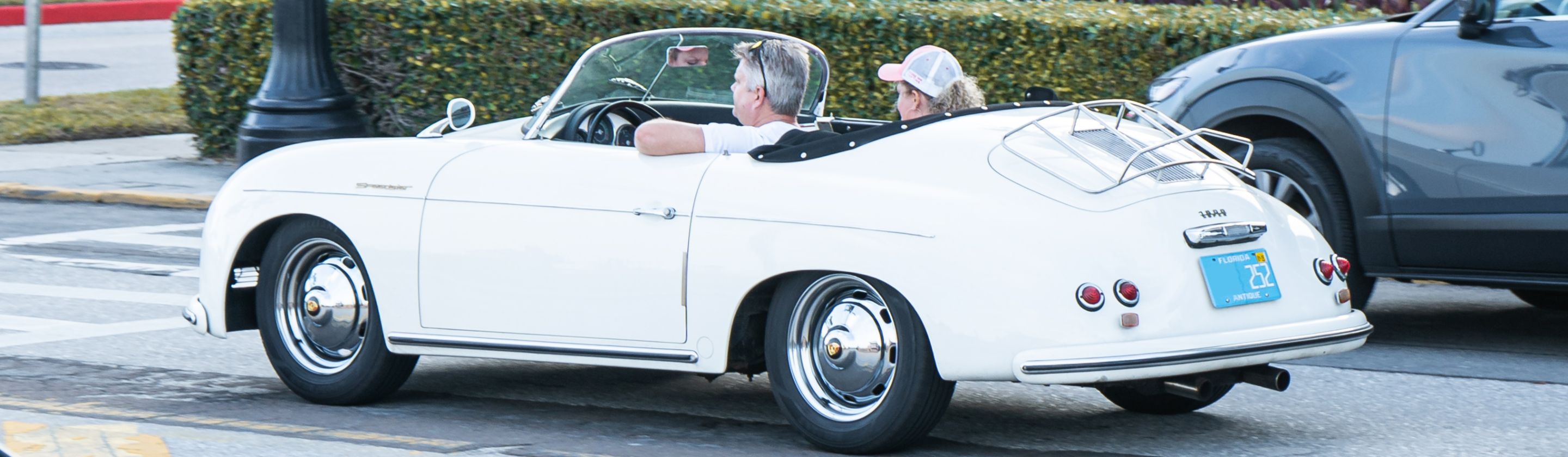
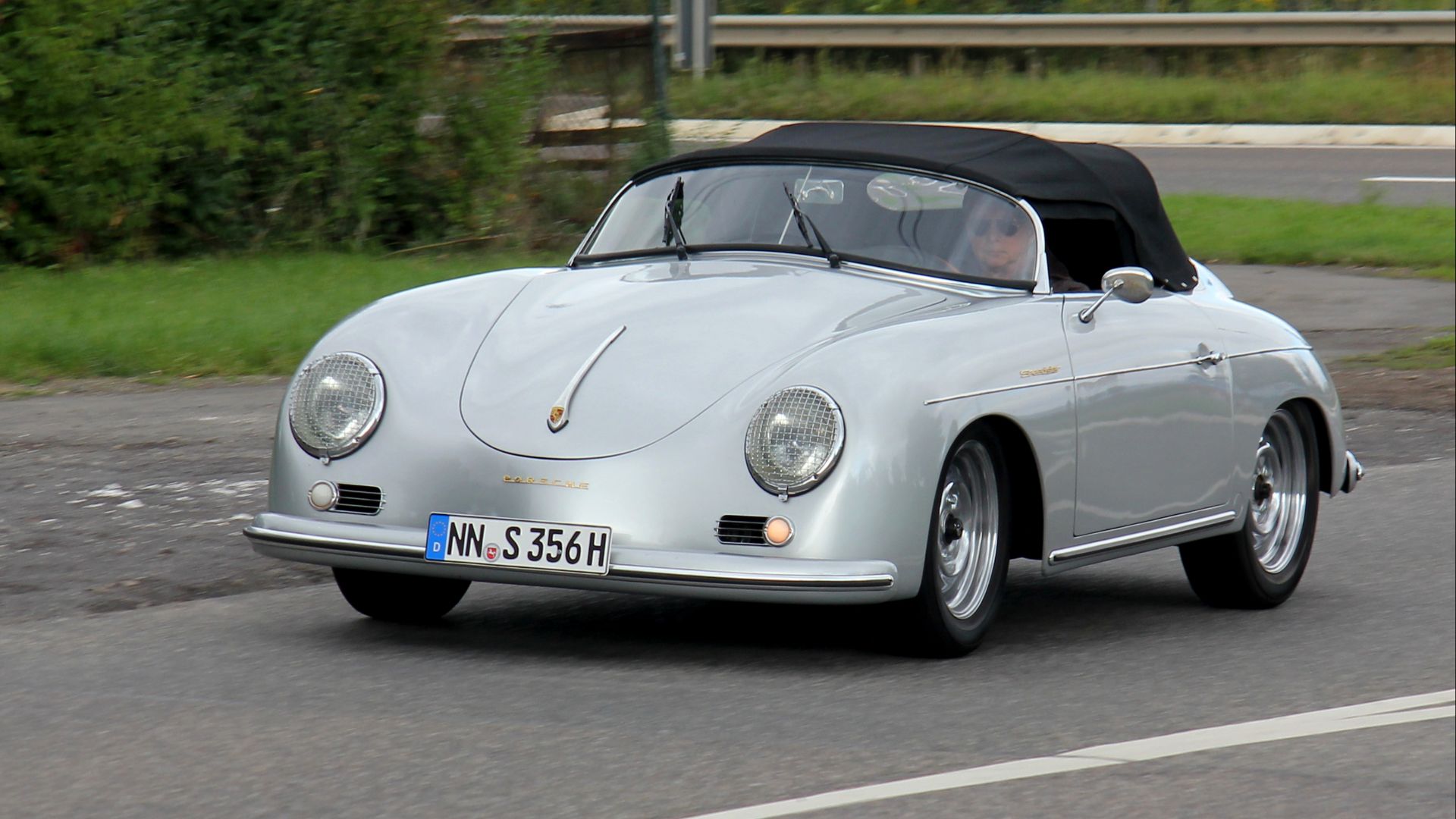
4. 356 Speedster
The 356 predates the 911 entirely and represents Porsche's earliest identity as a company, which matters more to serious collectors than horsepower ever will. A well-preserved Speedster in good condition now sells for many times its original price.
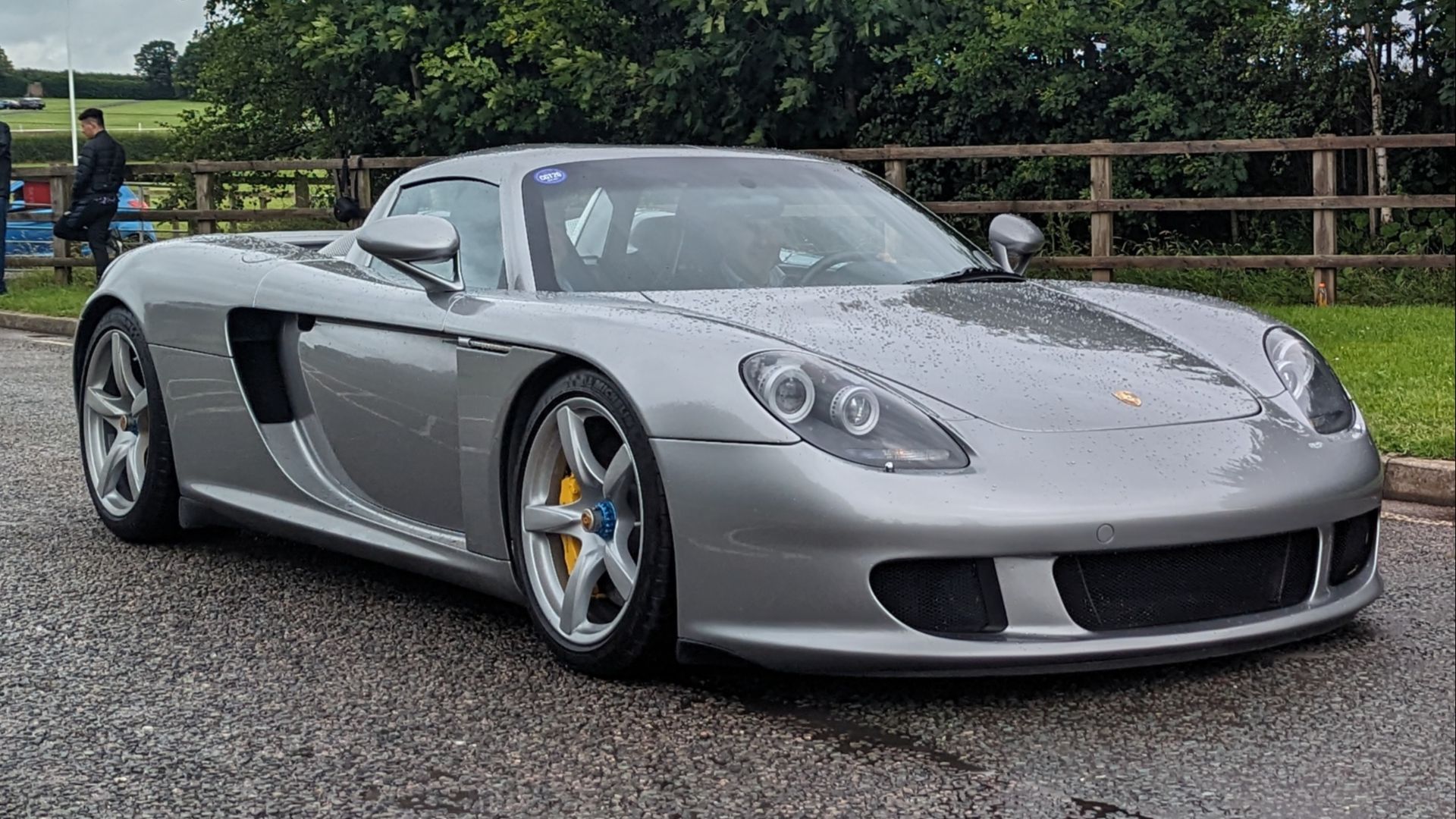
5. Carrera GT
Porsche's V10 supercar from the early 2000s was expensive and difficult to drive fast even when new, which scared off casual buyers and kept the ones who bought it committed. That combination of low production numbers and a driving experience that's hard to replicate has pushed resale value well past its original sticker.
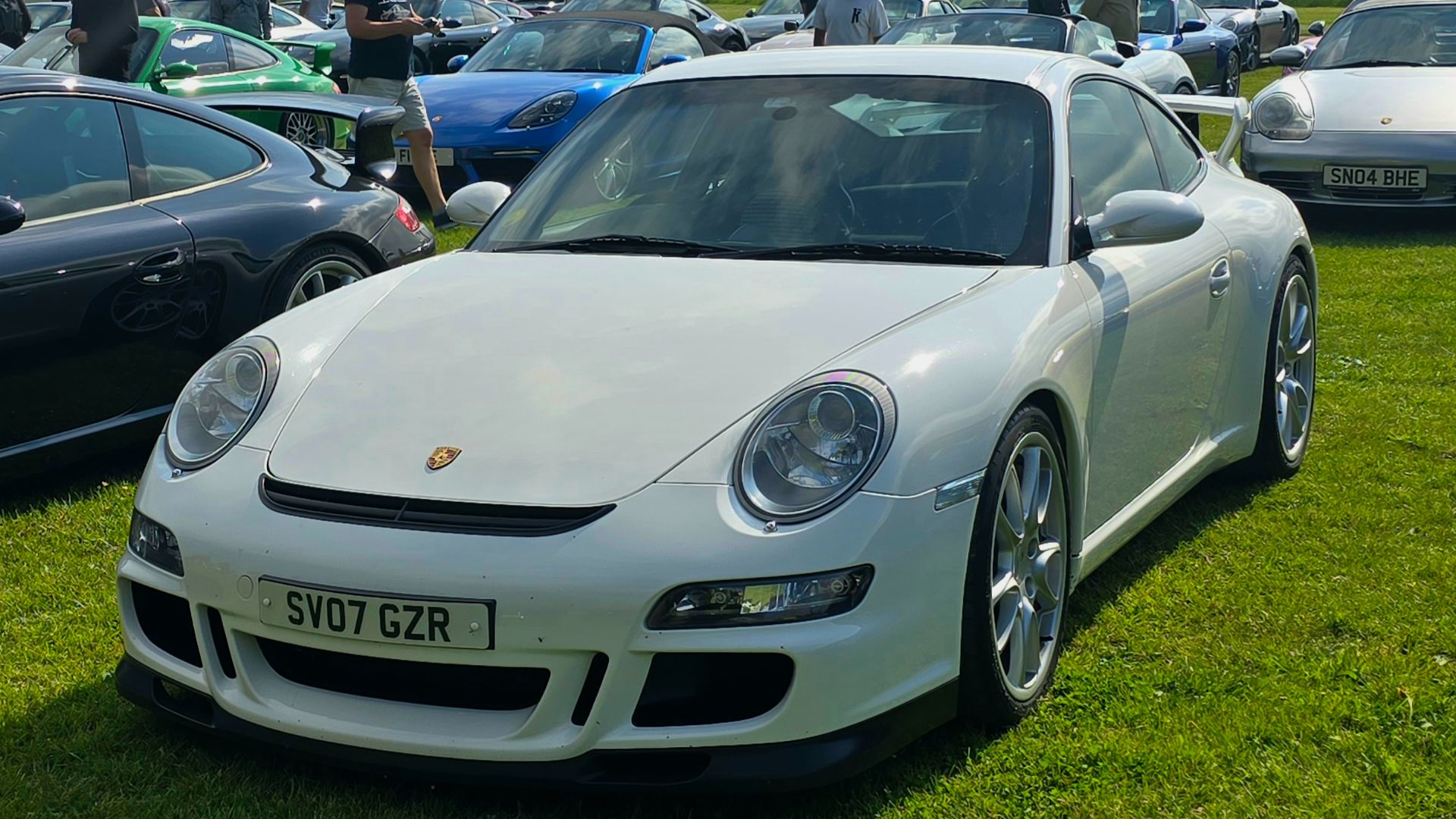
6. 911 (997.2) GT3
The naturally aspirated, manual-transmission GT3 from this generation is often cited by enthusiasts as one of the last pure examples before turbocharging and dual-clutch gearboxes took over the lineup. Values have held firm and climbed slowly as buyers look for that specific combination.
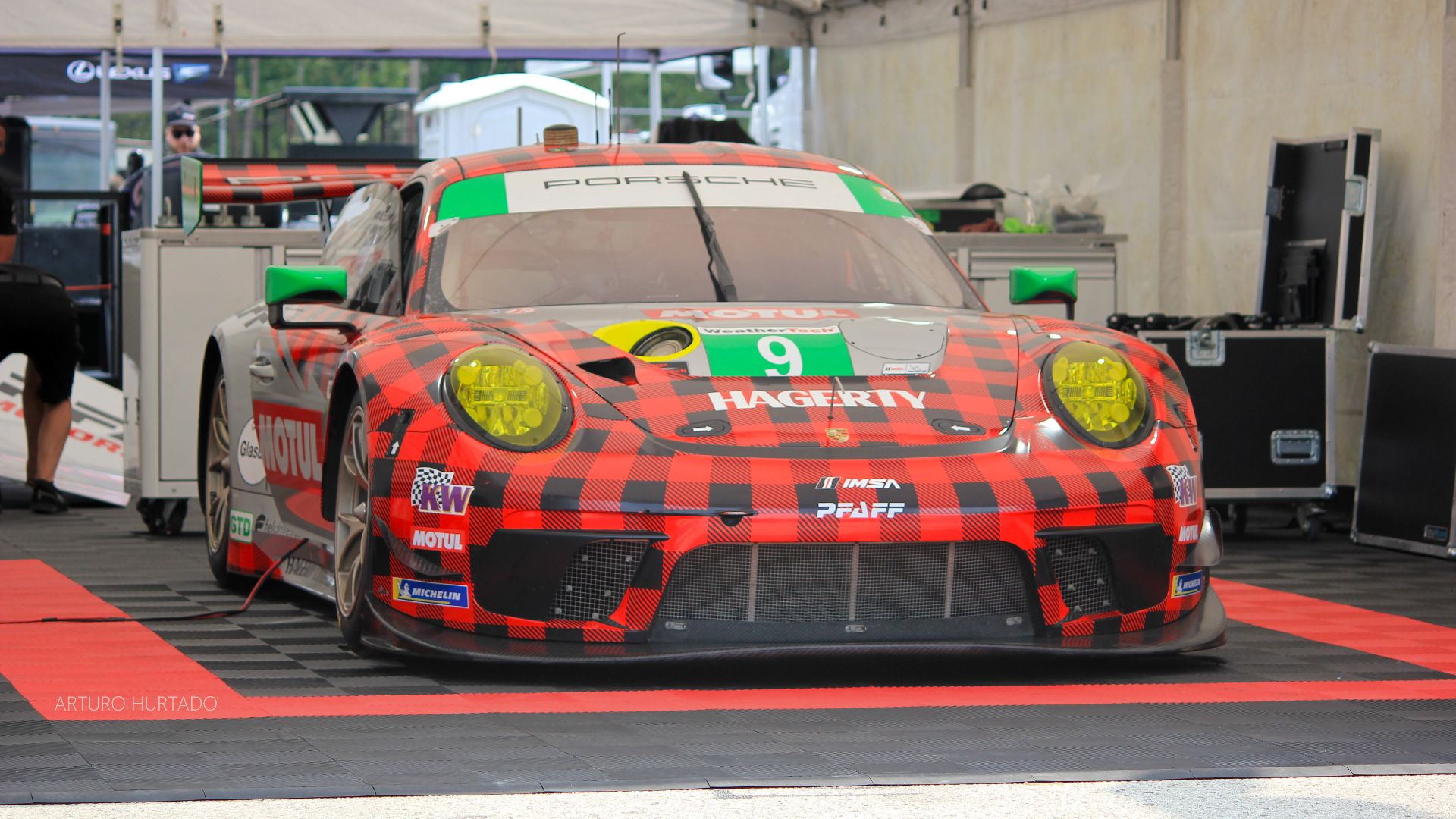
7. 911 R (991)
Porsche built the 911 R as a manual-only, wing-delete version of the GT3 RS, and demand outpaced supply within days of the announcement. Cars that sold near sticker price at launch have since resold for multiples of that number.
8. 918 Spyder
As Porsche's hybrid hypercar, the 918 combined a V8 with electric motors and a production run limited enough to guarantee scarcity from day one. It's held its value well against other hypercars from the same era, partly because Porsche never repeated the formula.
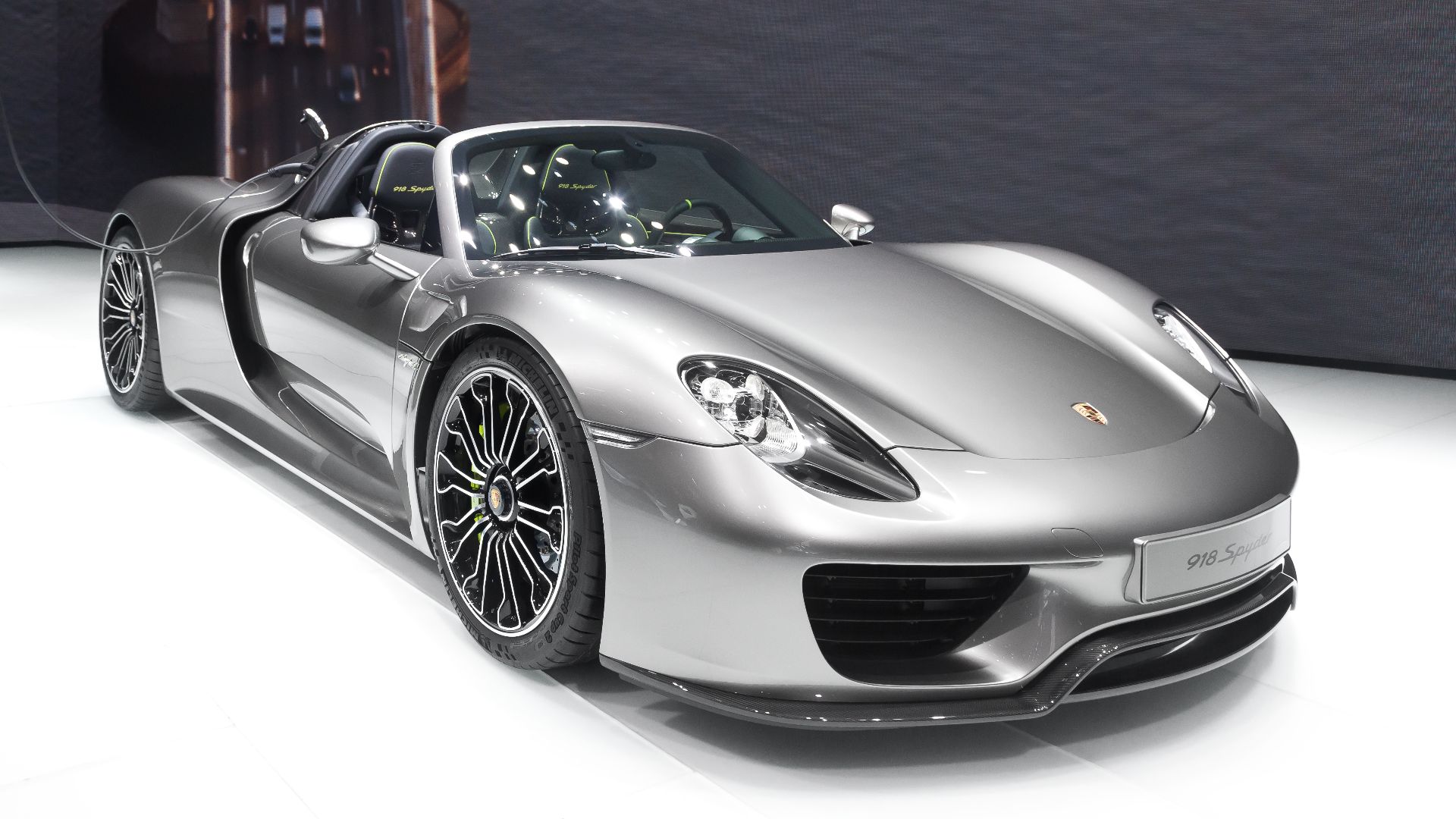 Thomas Wolf, www.foto-tw.de on Wikimedia
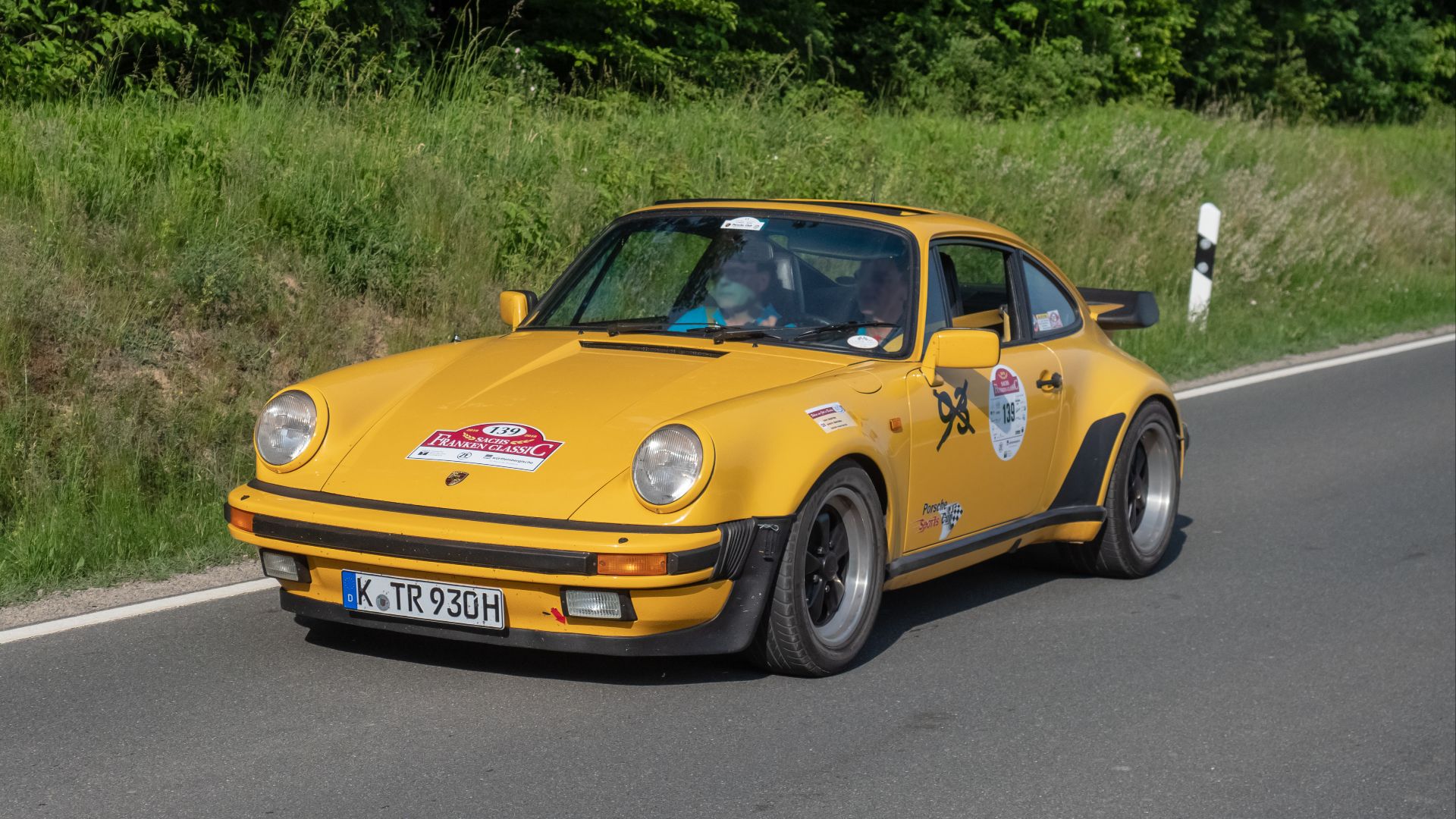
9. 930 Turbo
The original widebody 911 Turbo from the late '70s and '80s introduced an entire generation of drivers to turbo lag and a reputation for snapping into oversteer without much warning. That same unpredictability is part of what collectors now pay a premium for.
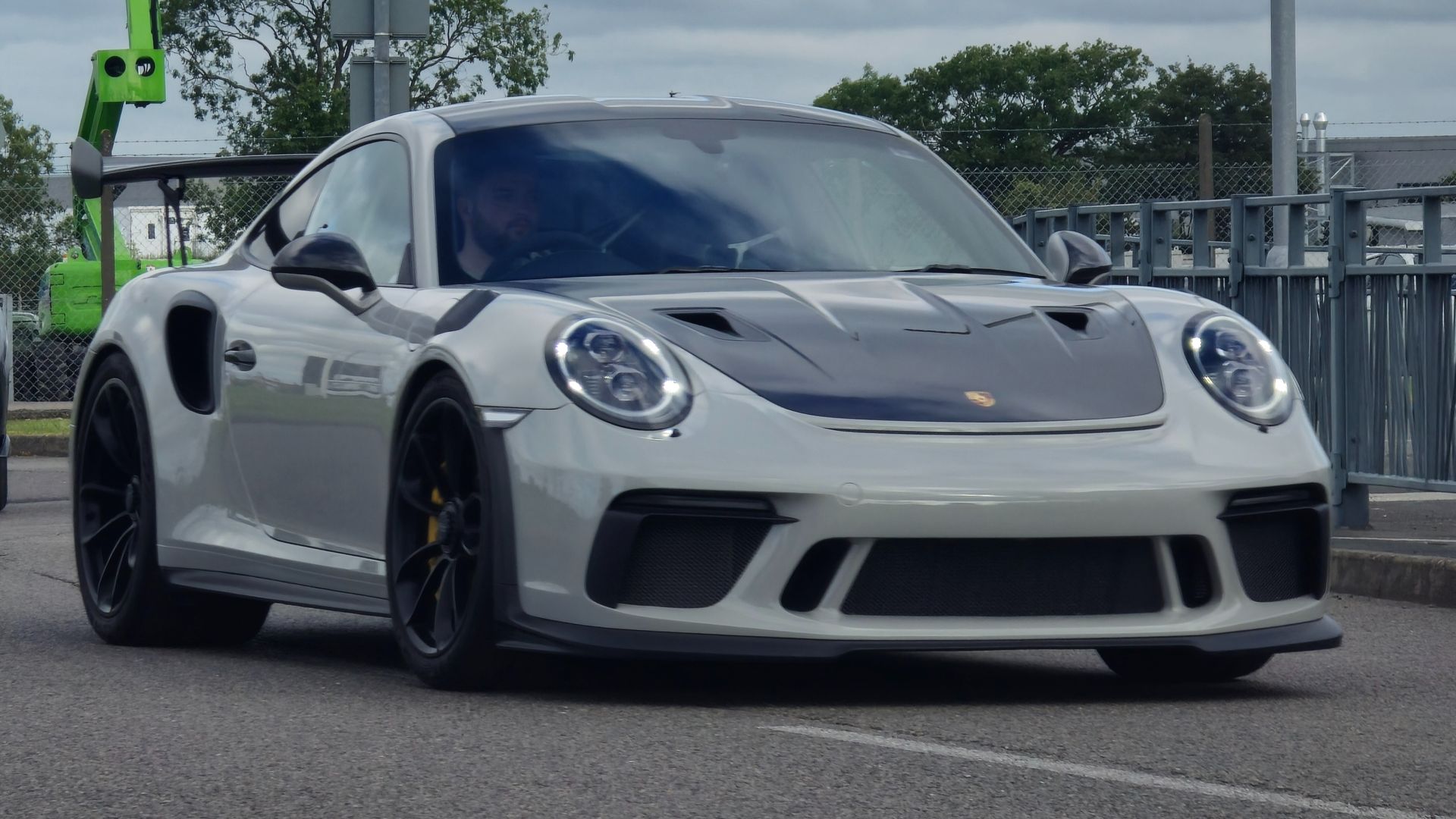
10. 911 (991) GT3 RS
This generation's GT3 RS added a wider body, more aggressive aero, and a naturally aspirated flat-six that Porsche has since moved away from. Buyers who held onto theirs instead of flipping them early have watched values climb well past MSRP.
Now, here's 10 that'll bleed you dry.
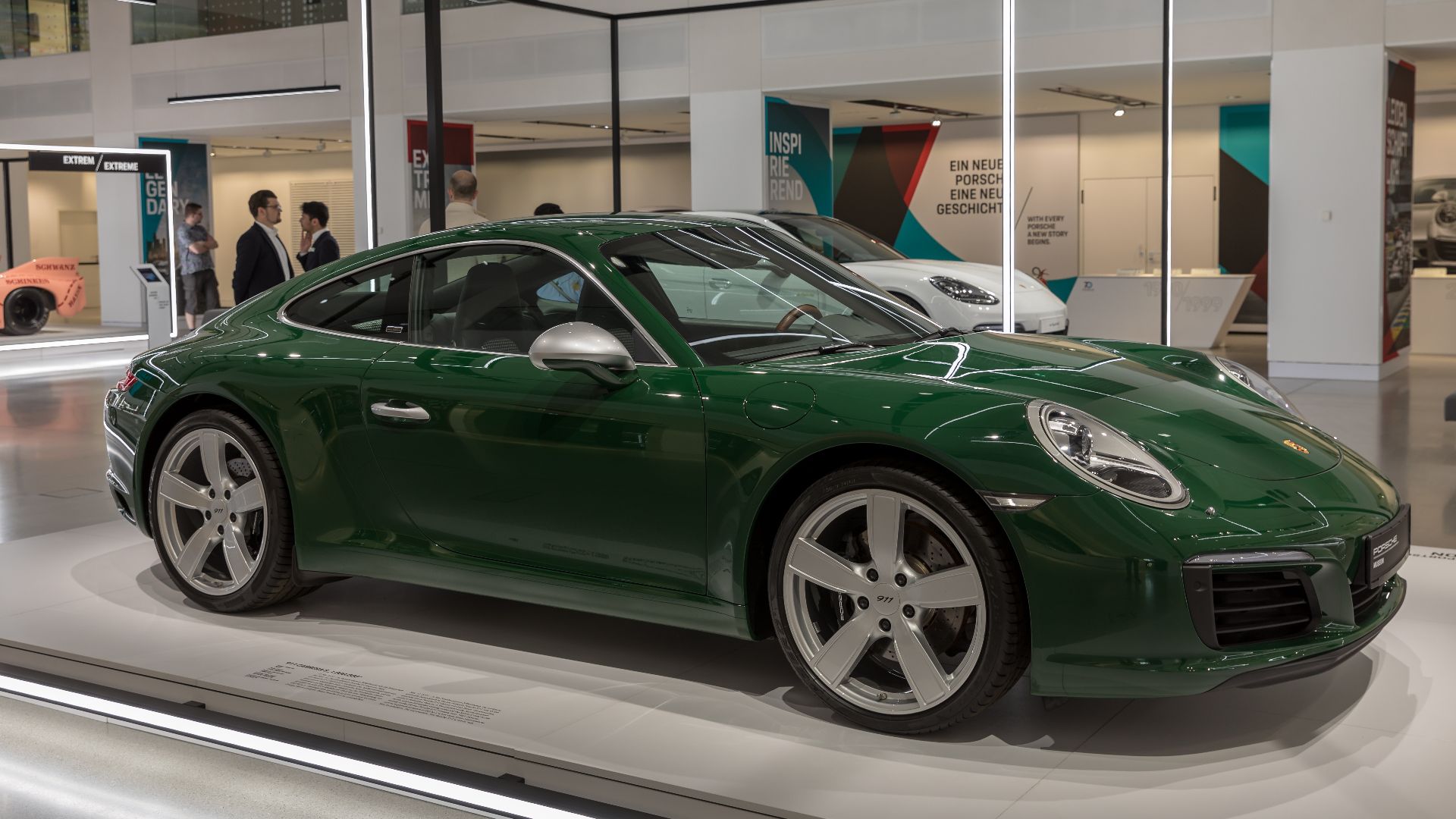
1. 911 (996) Carrera
The 996 was the first water-cooled 911 and shared an engine design prone to a specific bearing failure that can destroy the motor with little warning. Buying one cheap is easy, but a full engine rebuild after that failure can cost more than the car itself.
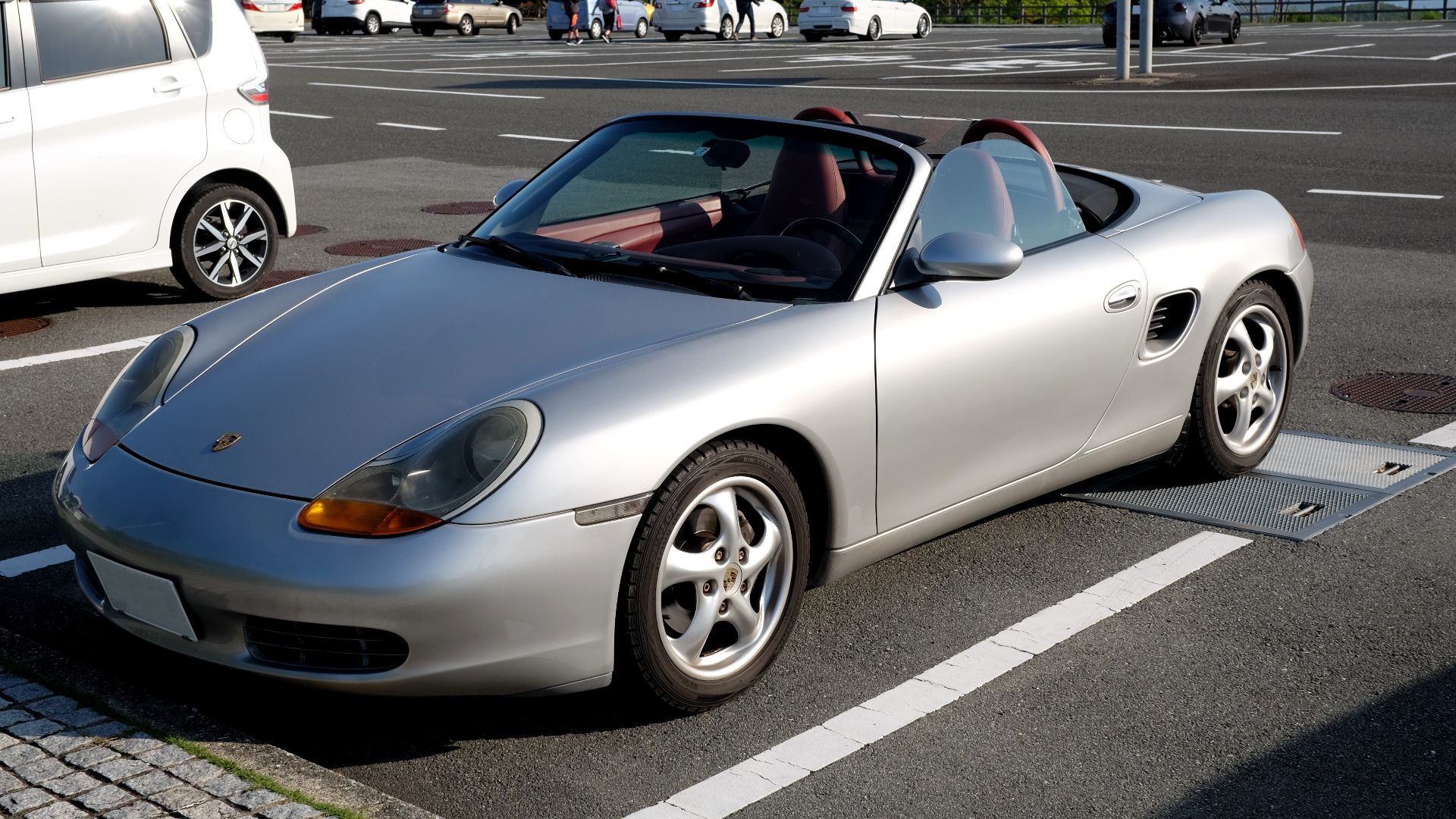
2. Boxster (986)
The 986 Boxster used a version of the same engine family as the early 996, which means it carries the same bearing risk. It's one of the cheapest ways into a Porsche on the used market, and that price often reflects exactly how much risk comes with it.
3. Cayenne (2003–2010)
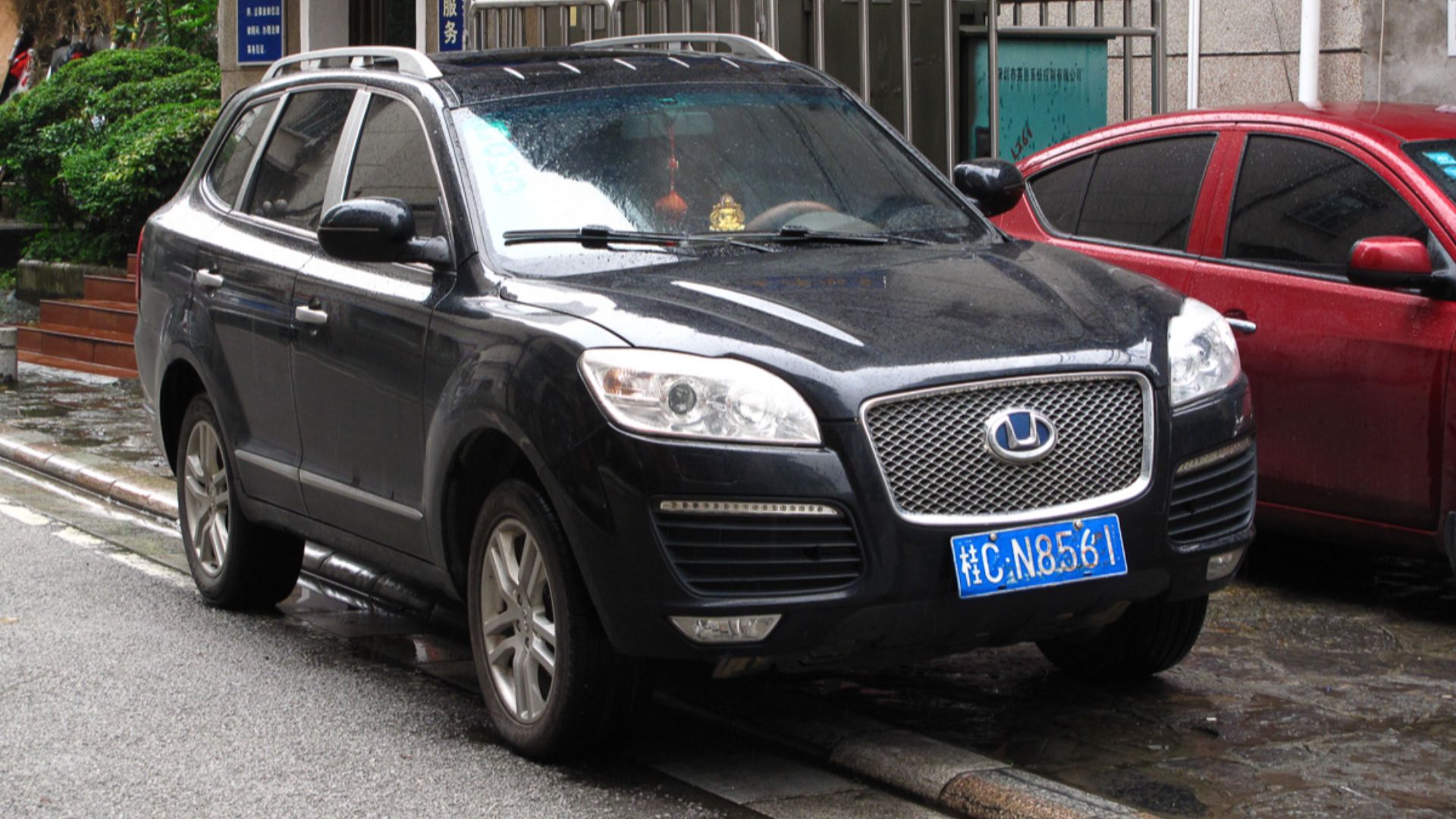
Porsche's first SUV shared a platform with the Volkswagen Touareg and came loaded with complex systems, from air suspension to a V8 that wasn't cheap to service. Depreciation hit hard once the warranty ran out, and repair costs haven't gotten any friendlier since.
 Rutger van der Maar on Wikimedia
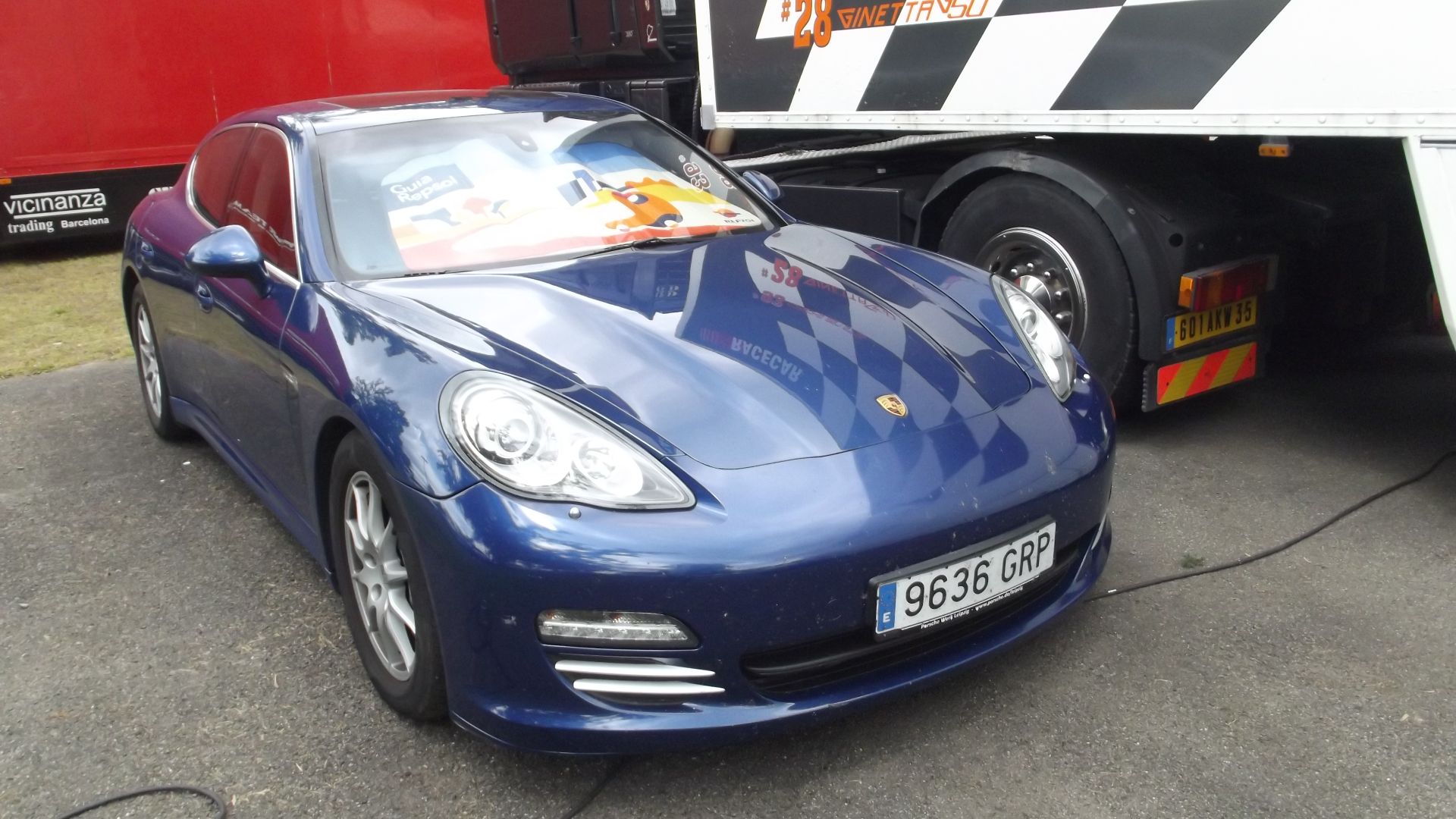
4. Panamera (2010–2016)
The original Panamera depreciated faster than almost anything else in Porsche's lineup, in part because it launched at a price point buyers weren't fully convinced a four-door Porsche deserved. Air suspension failures and electronic issues tend to show up right around the time the car becomes affordable to buy.
 Handelsgeselschaft on Wikimedia
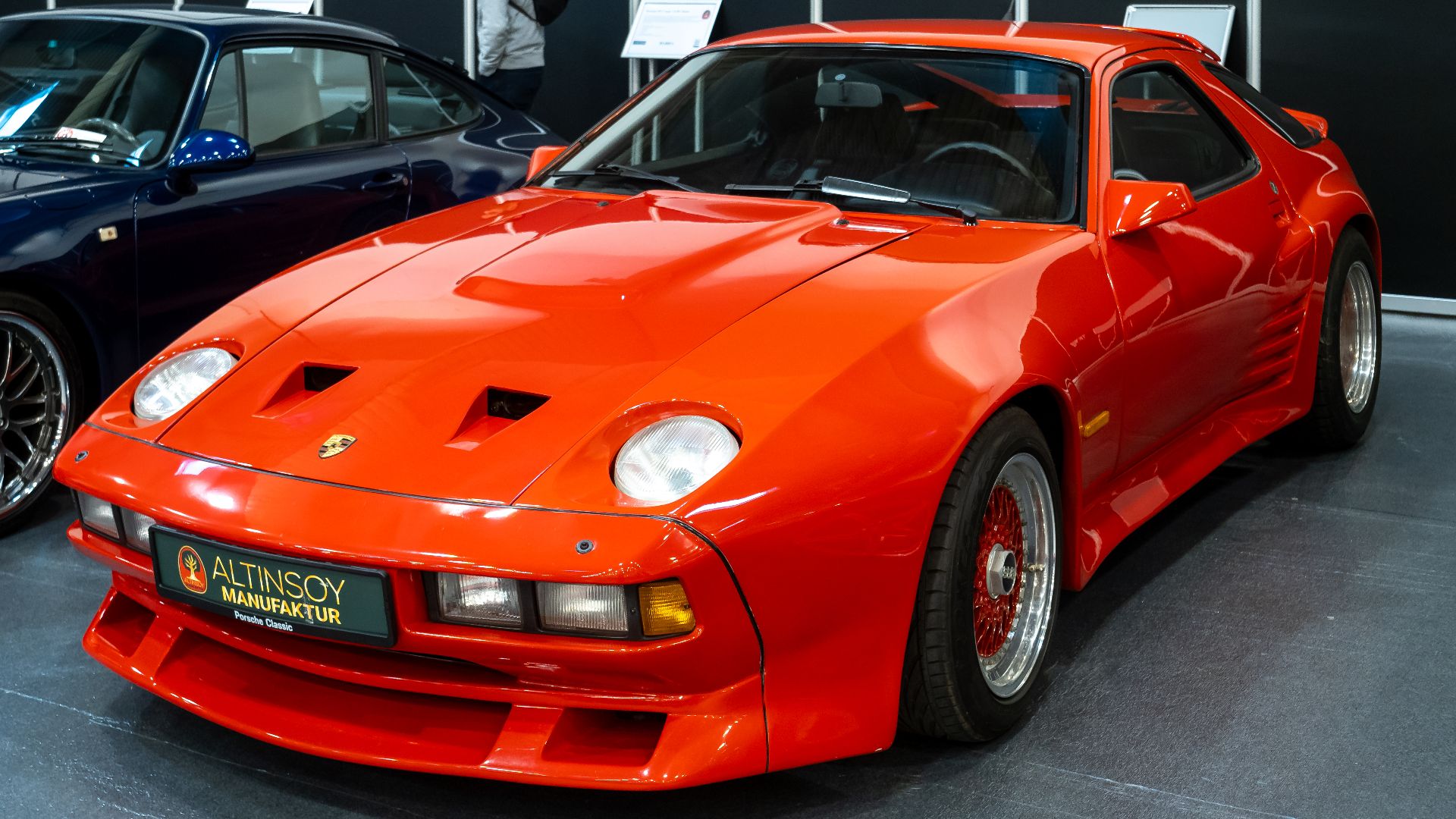
5. 928
The 928 is cheap to buy today largely because nobody wants to deal with its complicated V8 and a timing belt service that requires pulling major components apart. What looks like a bargain grand tourer on paper often turns into an expensive, complicated project car in practice.
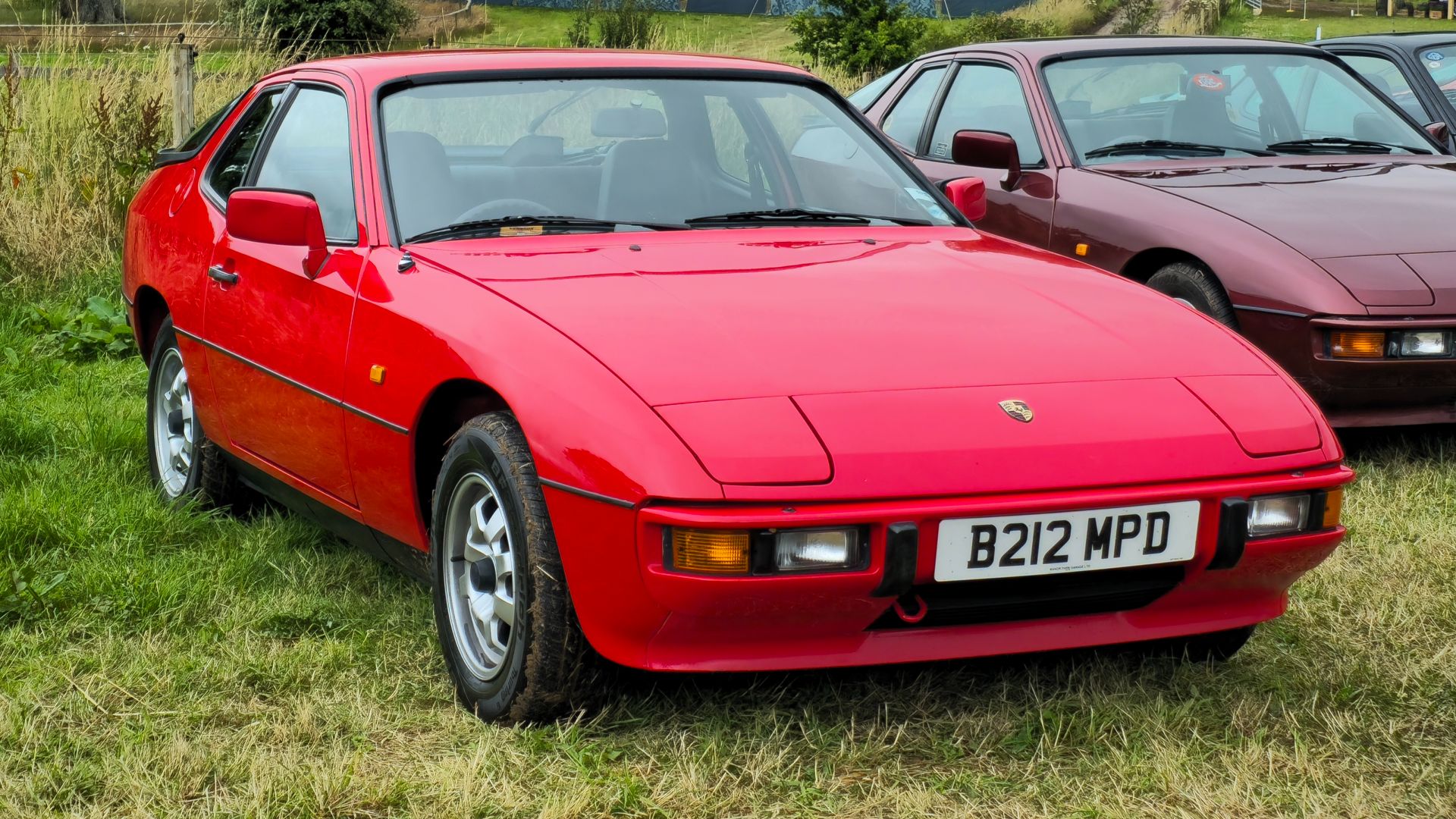
6. 924
Porsche built the 924 as an entry-level model using a Volkswagen-sourced engine, and enthusiasts never fully accepted it as a real Porsche. That reputation has kept resale values low for decades, badge or no badge.
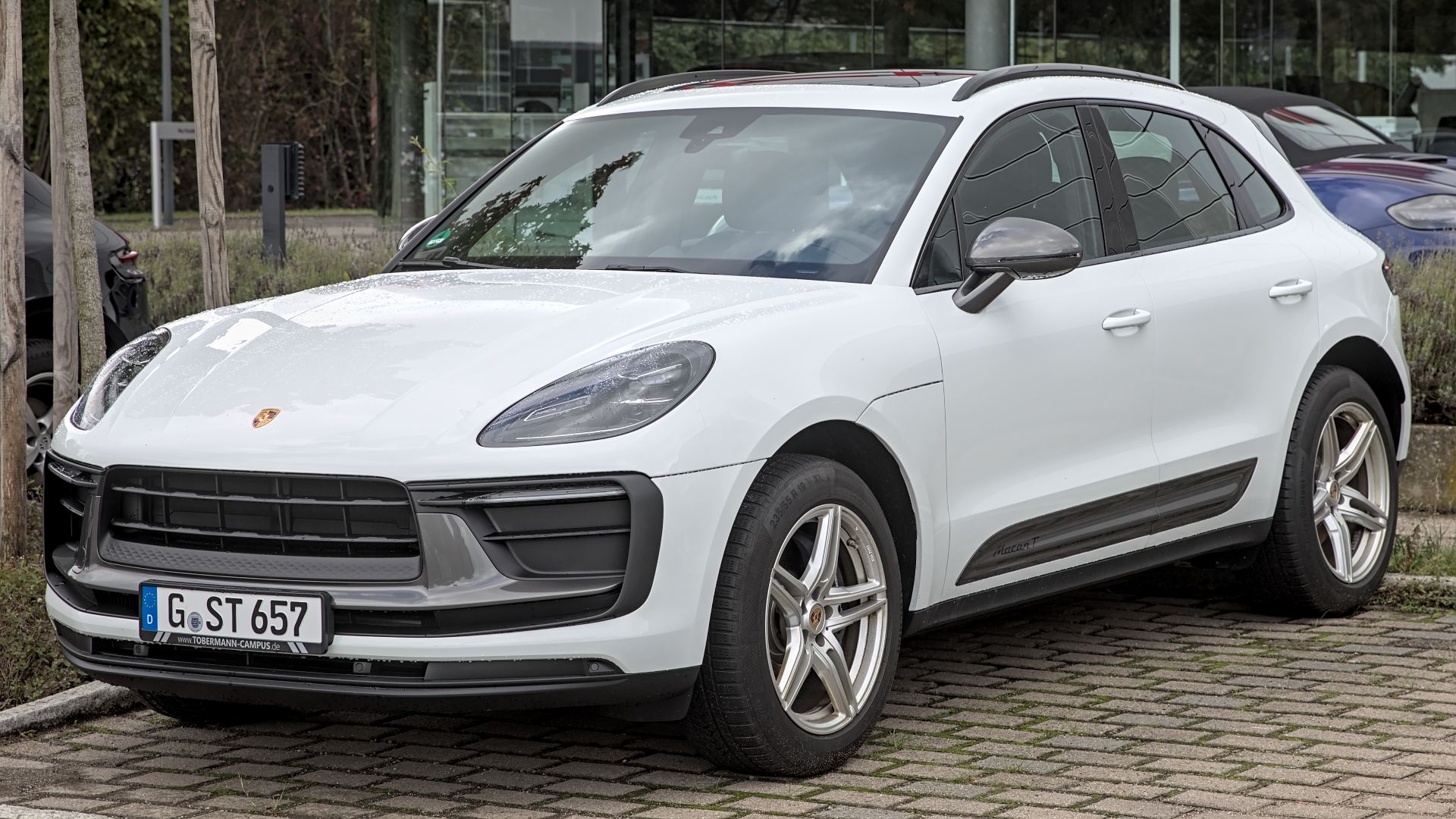
7. Macan (2015–2018)
Early Macans are packed with electronics that often require dealer-specific diagnostic tools to fix properly, which pushes even minor repairs toward luxury-SUV pricing. It depreciates like a normal SUV while costing like a sports car to maintain.
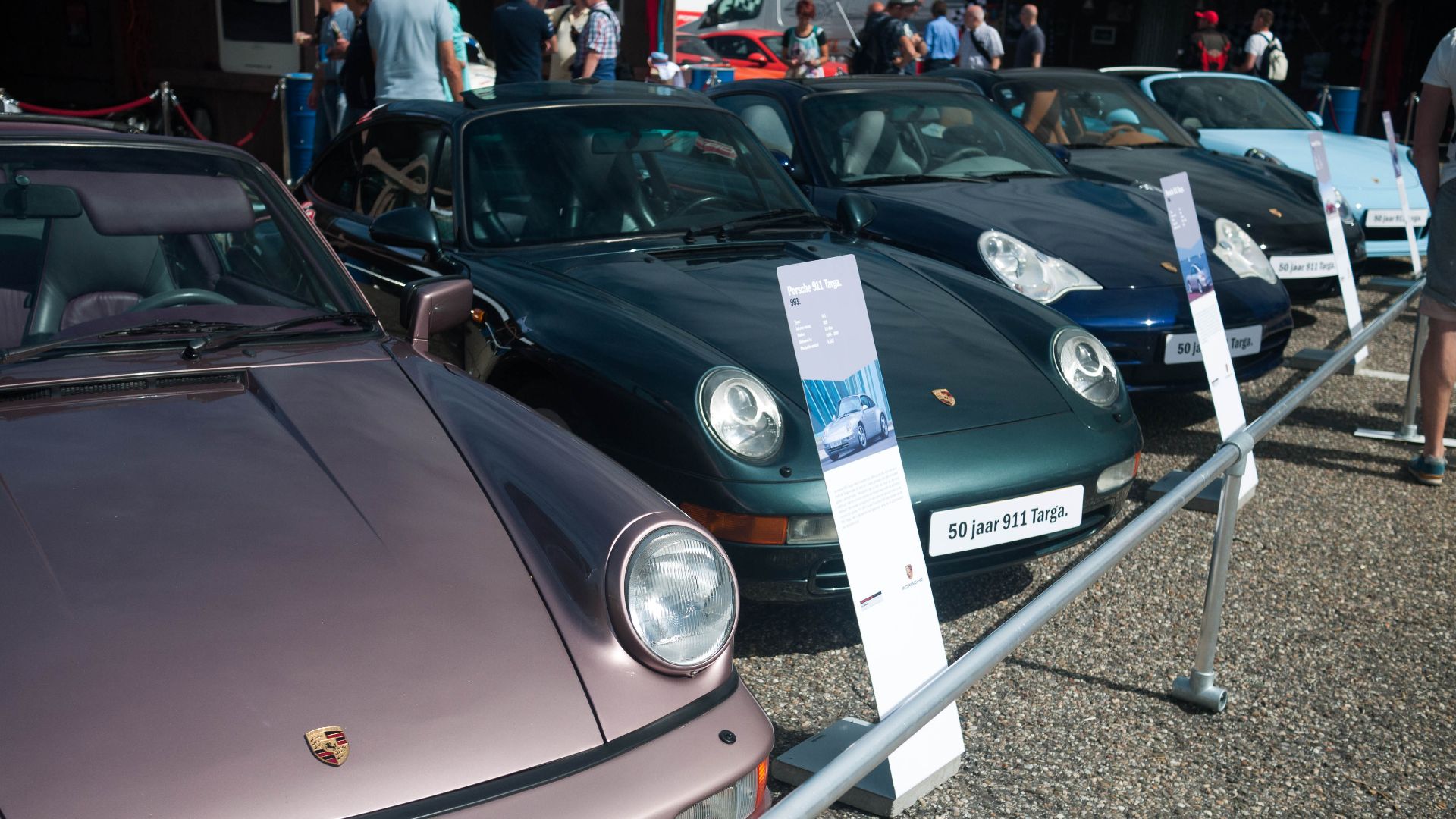
8. 996/997 Targa
The glass roof mechanism on these Targa models is mechanically complex, and when it fails, the repair bill can rival what the car is actually worth on the used market. It's a feature that looks great in photos and causes real headaches in ownership.
 Paul Perreijn from Heerlen, The Netherlands on Wikimedia
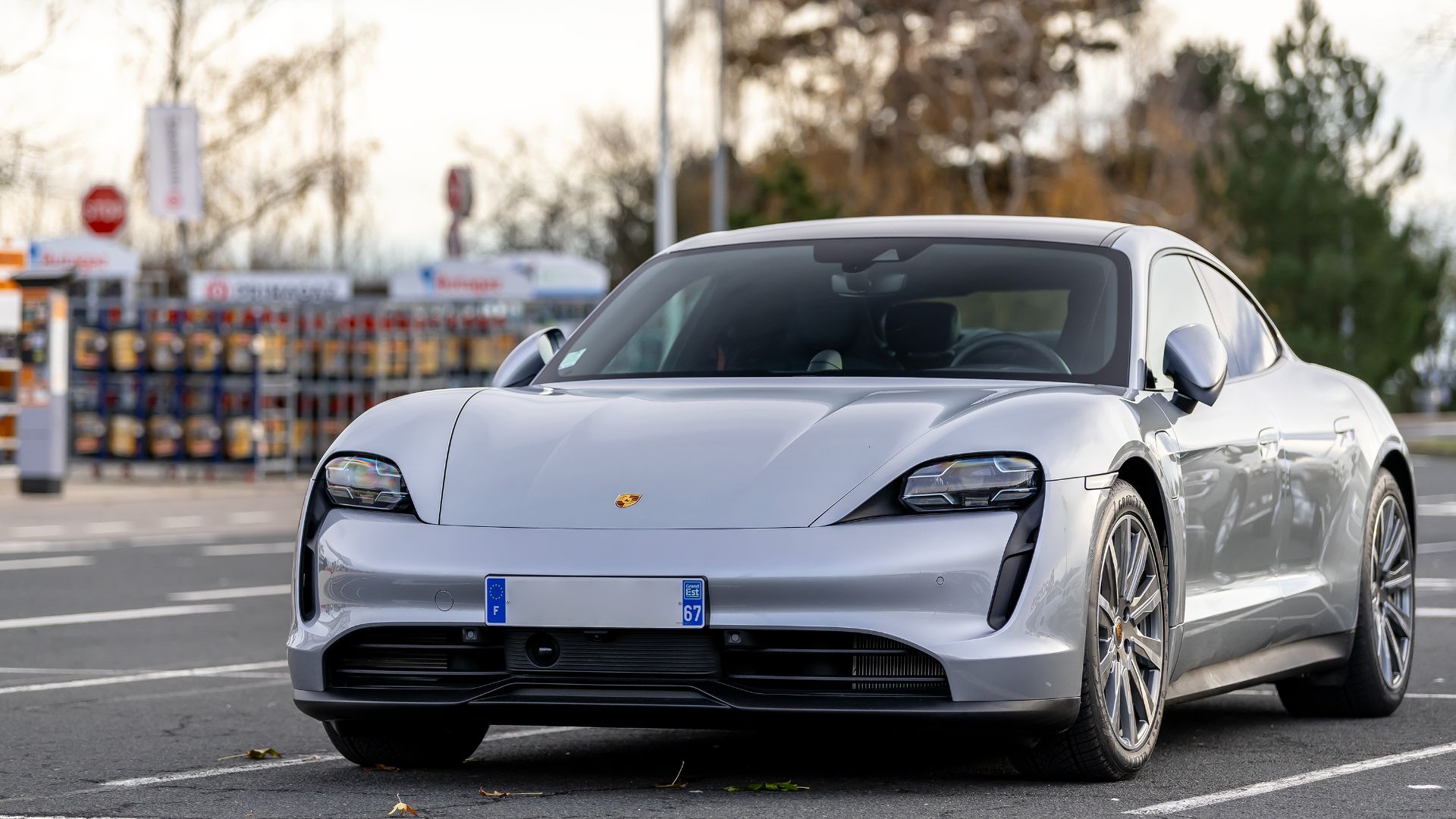
9. Taycan (2020–2021)
As an early entry into Porsche's EV lineup, the first Taycan models have depreciated faster than almost any gas-powered Porsche in recent memory. Battery and software concerns, plus a market still figuring out used EV pricing, haven't helped resale values.
10. Cayman (987.1)
The first-generation Cayman shares its engine family with the early Boxster and 996, and with it the same bearing failure risk. A car that looks like an affordable way into a mid-engine Porsche can turn into a rebuild project without much warning.