Great Ideas and Terrible Timing
Chrysler has produced some of Detroit's smartest cars and some of its worst, occasionally in the same year. The company gave America the minivan and the cab-forward sedan, then spent the following decade selling rental-lot specials with door panels that rattled at 40 mph. Some of its best cars arrived too early for anyone to want them, and a few arrived exactly on time and got starved of development money anyway. The failures tend to be the ones people remember, which is unfair to a handful of very good cars. Here are 10 that deserved a better fate and 10 that doomed the brand.
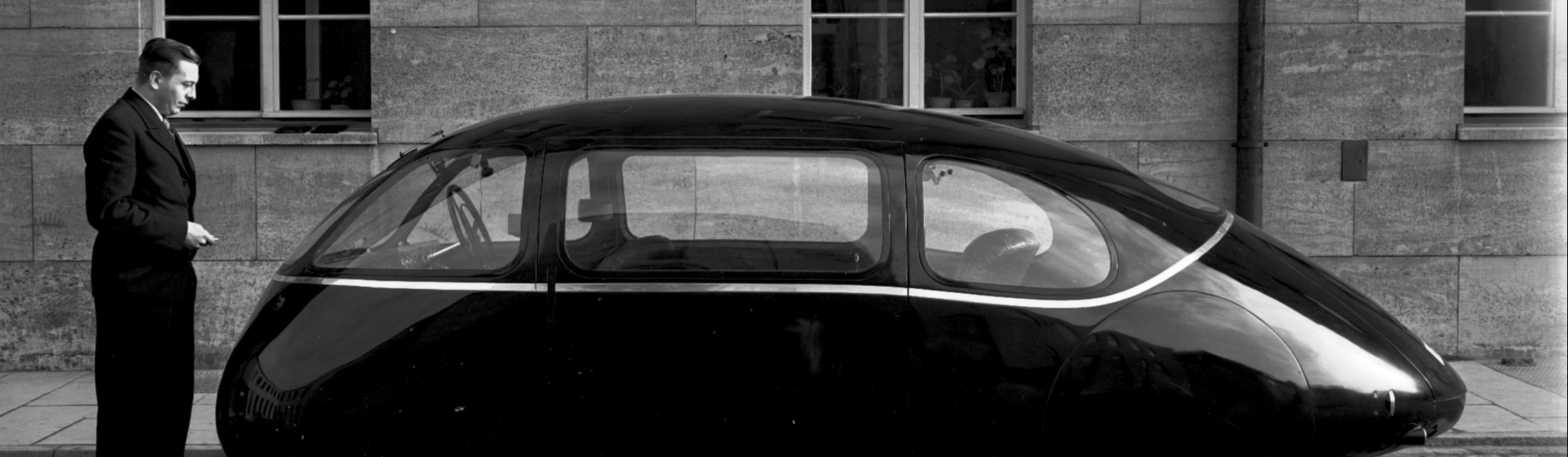
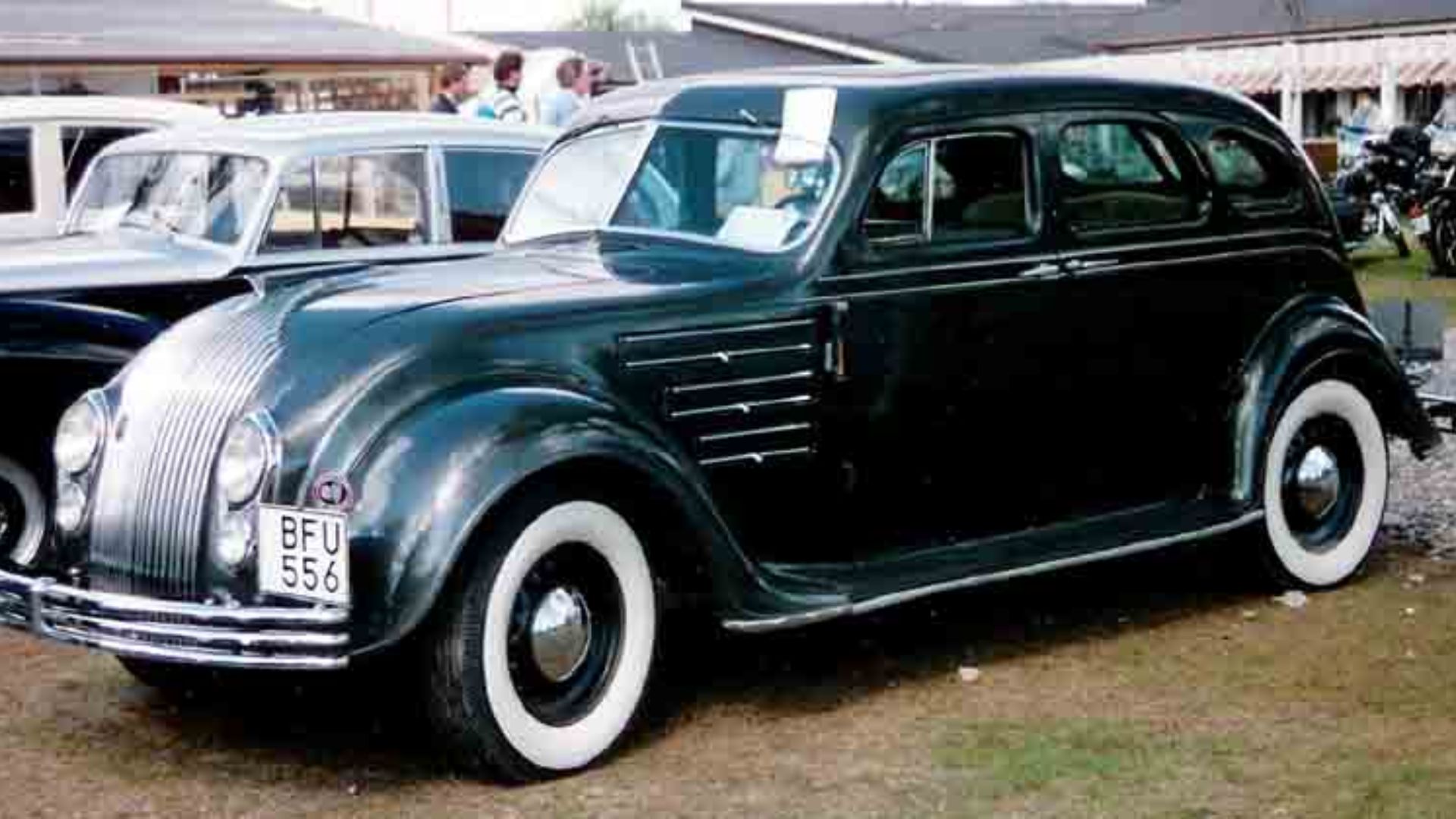
1. Chrysler Airflow (1934)
The Airflow brought wind-tunnel aerodynamics and a near-even weight distribution to a market that wasn't asking for either one. Buyers found the styling strange and stayed away in numbers large enough to scare Chrysler off bold design for years. The shape looks ordinary now because everyone copied it later.
 Lars-Göran Lindgren Sweden on Wikimedia
2. Chrysler Turbine Car (1963)
Chrysler built 55 of these and handed 50 of them to ordinary families across the country, gathering real-world data on an engine that would run on almost any fuel. Drivers loved them, though the engines drank fuel and never came close to passing emissions. Chrysler then crushed 45 of them, leaving nine survivors scattered across museums and two private collections.
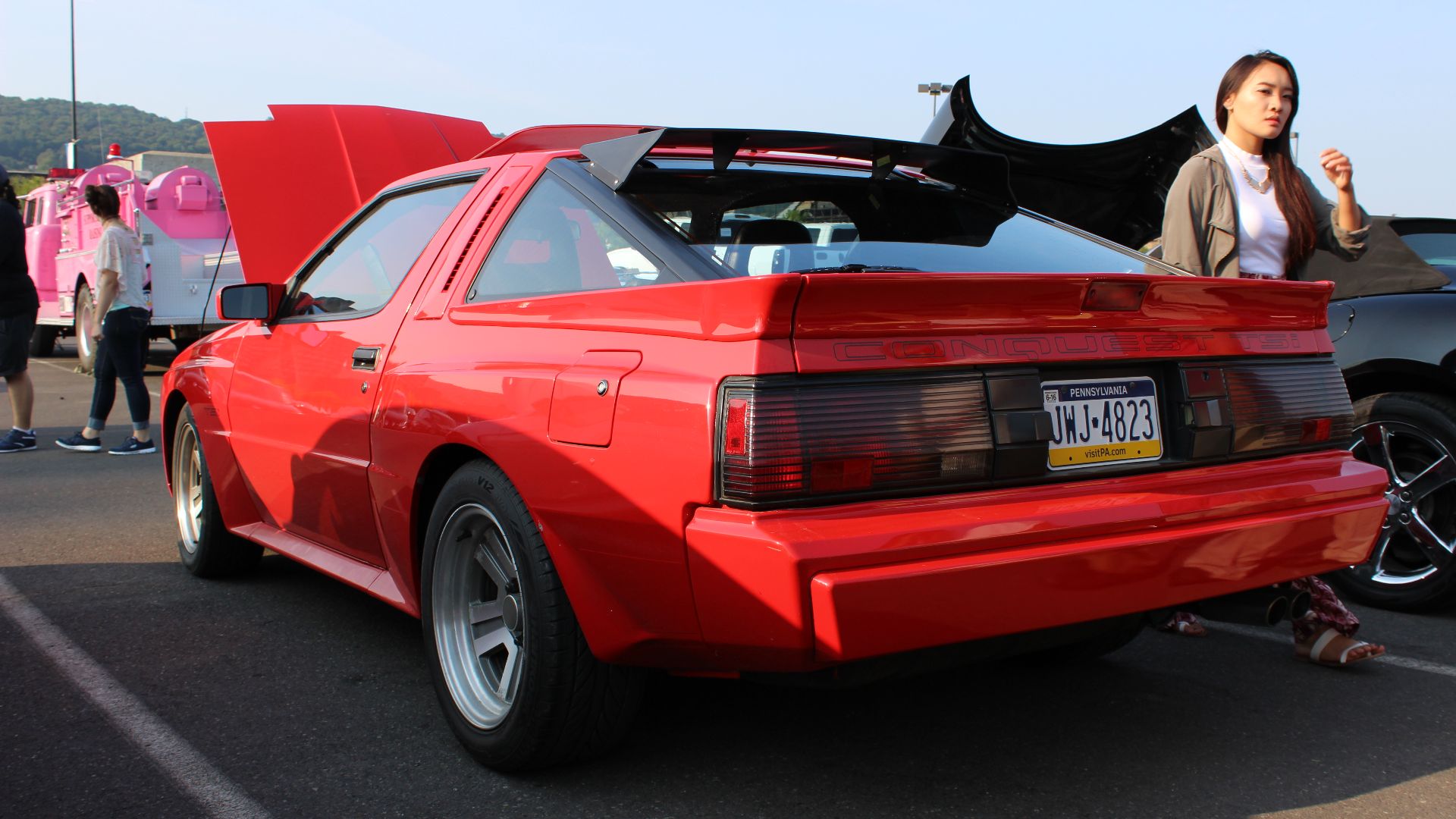
3. Chrysler Conquest TSi (1987)
The Conquest was a rebadged Mitsubishi Starion, a quick rear-drive coupe with flared arches and a turbocharged four. Nobody shopping a Chrysler showroom in 1987 wanted a Japanese sports coupe, so it sold in small numbers and disappeared without much comment.
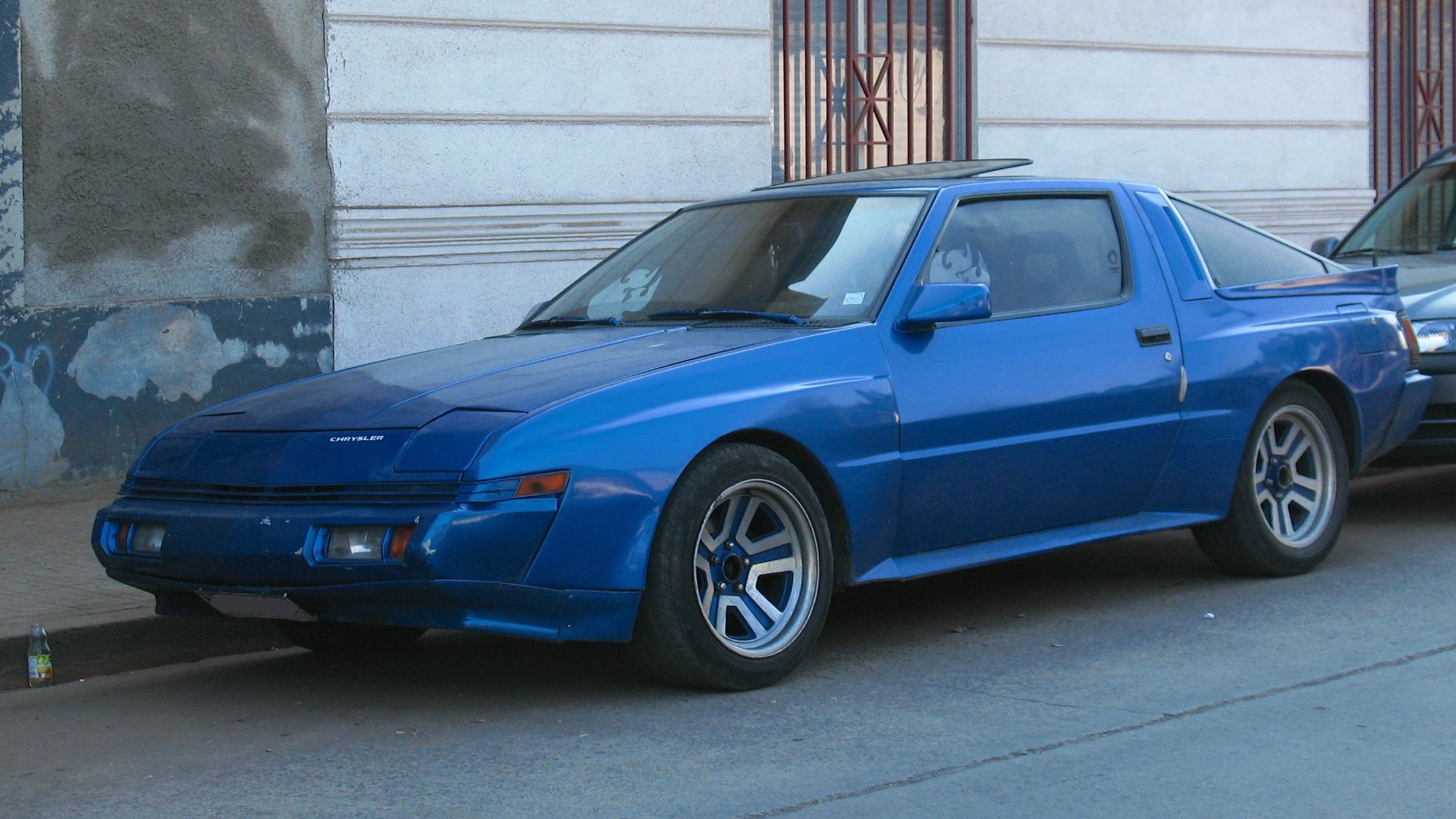 order_242 from Chile on Wikimedia
4. Chrysler Cirrus (1995)
The Cirrus arrived with cab-forward proportions that made every competing midsize sedan look like a shoebox. Reviewers liked the ride, and the back seat was roomier than in cars costing thousands more. Build quality and a thin dealer experience kept it from ever threatening the Accord.
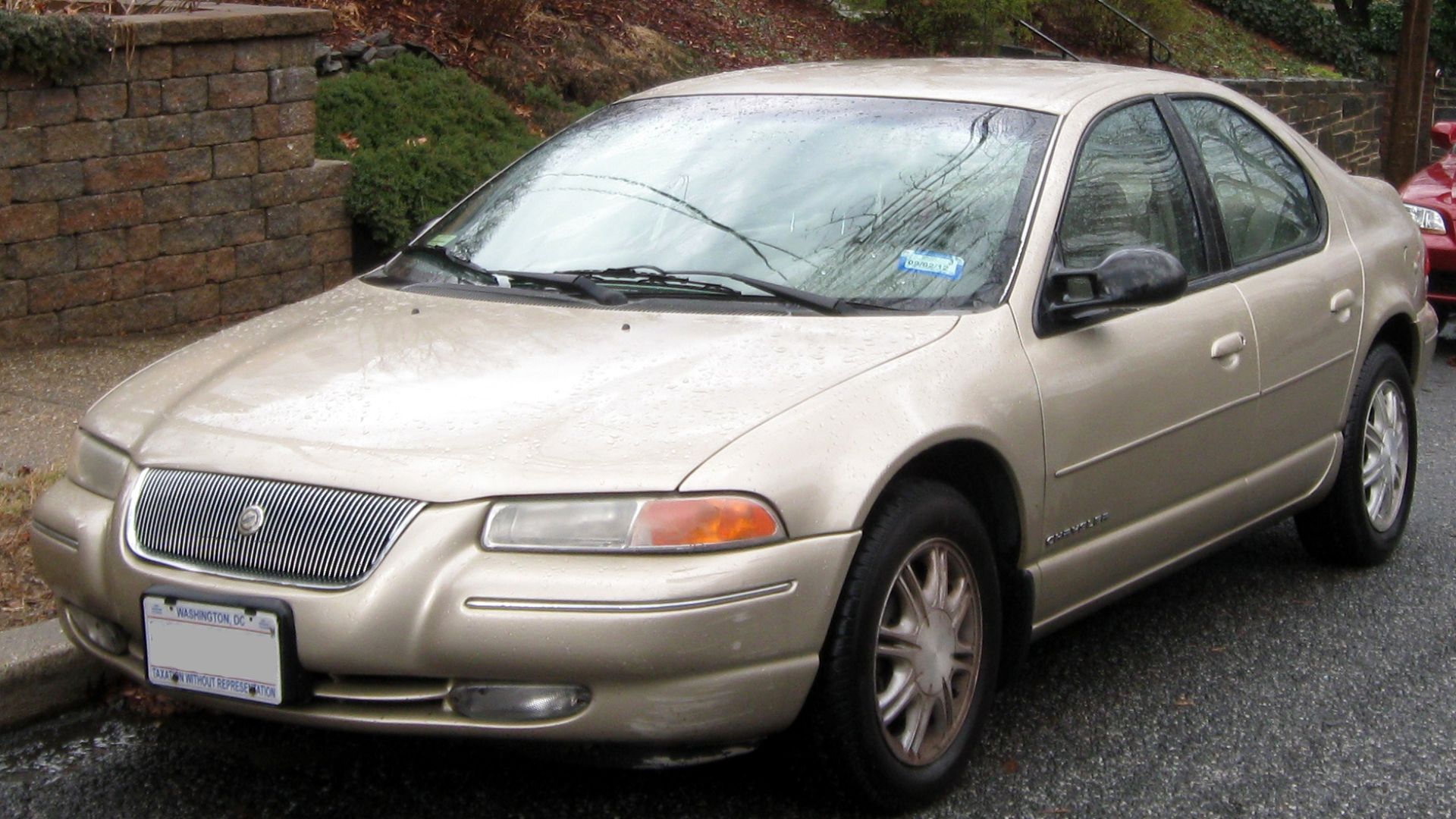
5. Chrysler 300M (1999)
The 300M was shortened specifically to fit European parking spaces, which gave it better proportions than anything else Chrysler was building. It handled well and looked expensive, giving the brand a credible flagship for the first time in years. The follow-up never came, and the nameplate sat idle until the 2005 300 revived it.
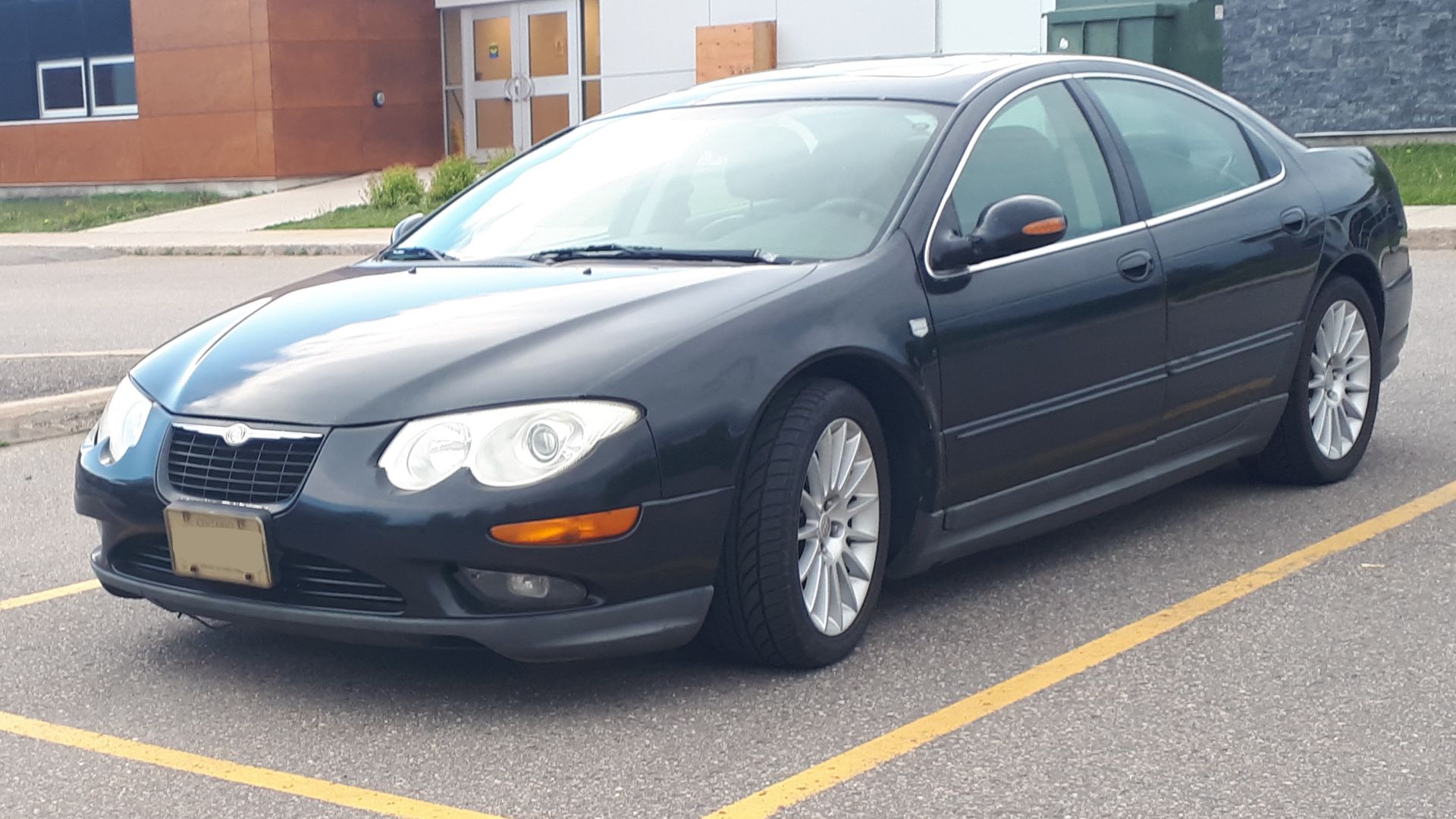
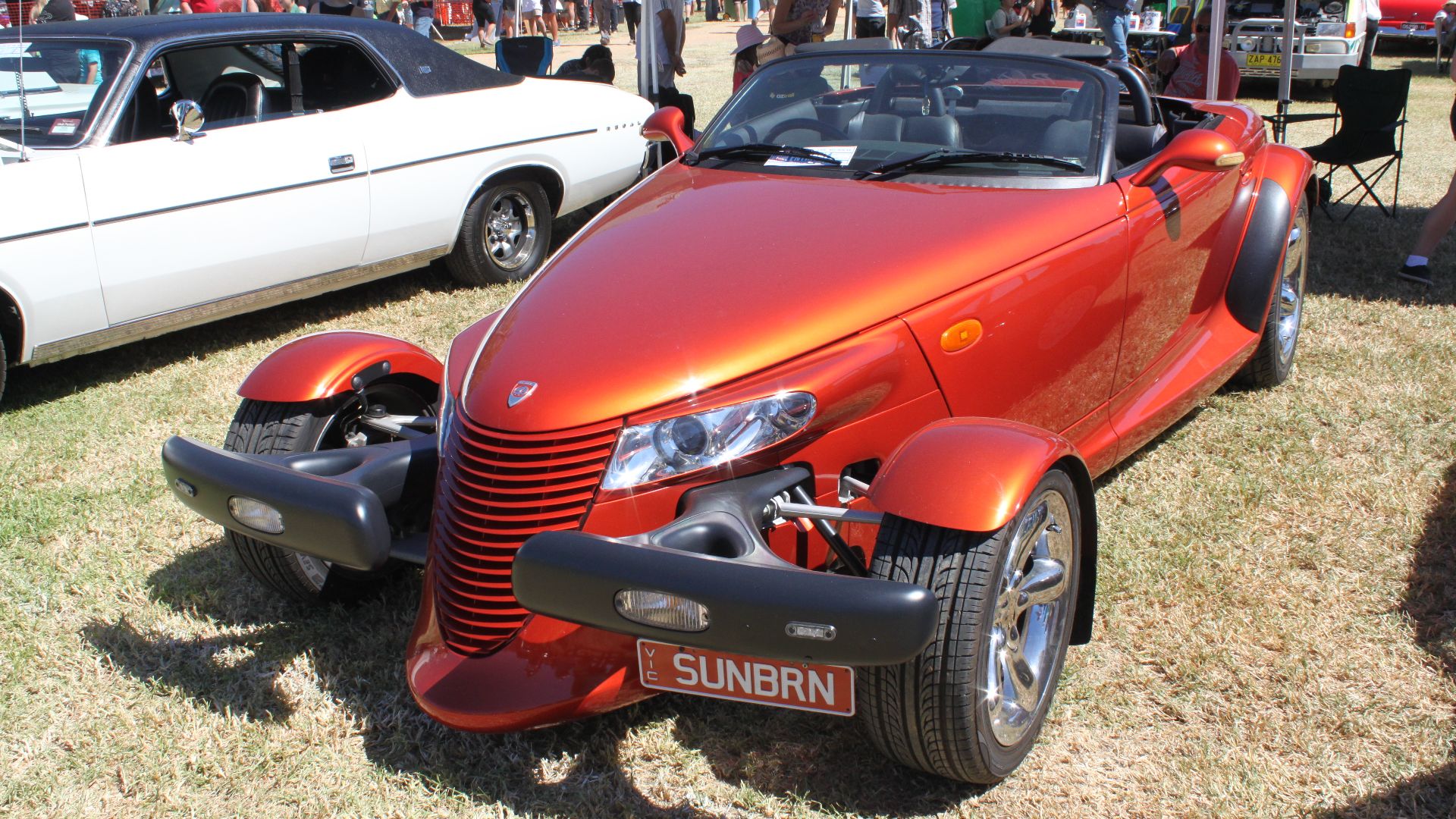
6. Chrysler Prowler (2001)
The Prowler looked like a hot rod that had escaped from a show stand, with exposed front suspension and cycle fenders. Under the hood sat a 3.5-liter V6 and an automatic, which was the one thing nobody wanted to hear. A V8 was the whole point of a car shaped like that.
 Jeremy from Sydney, Australia on Wikimedia
7. Chrysler Crossfire (2004)
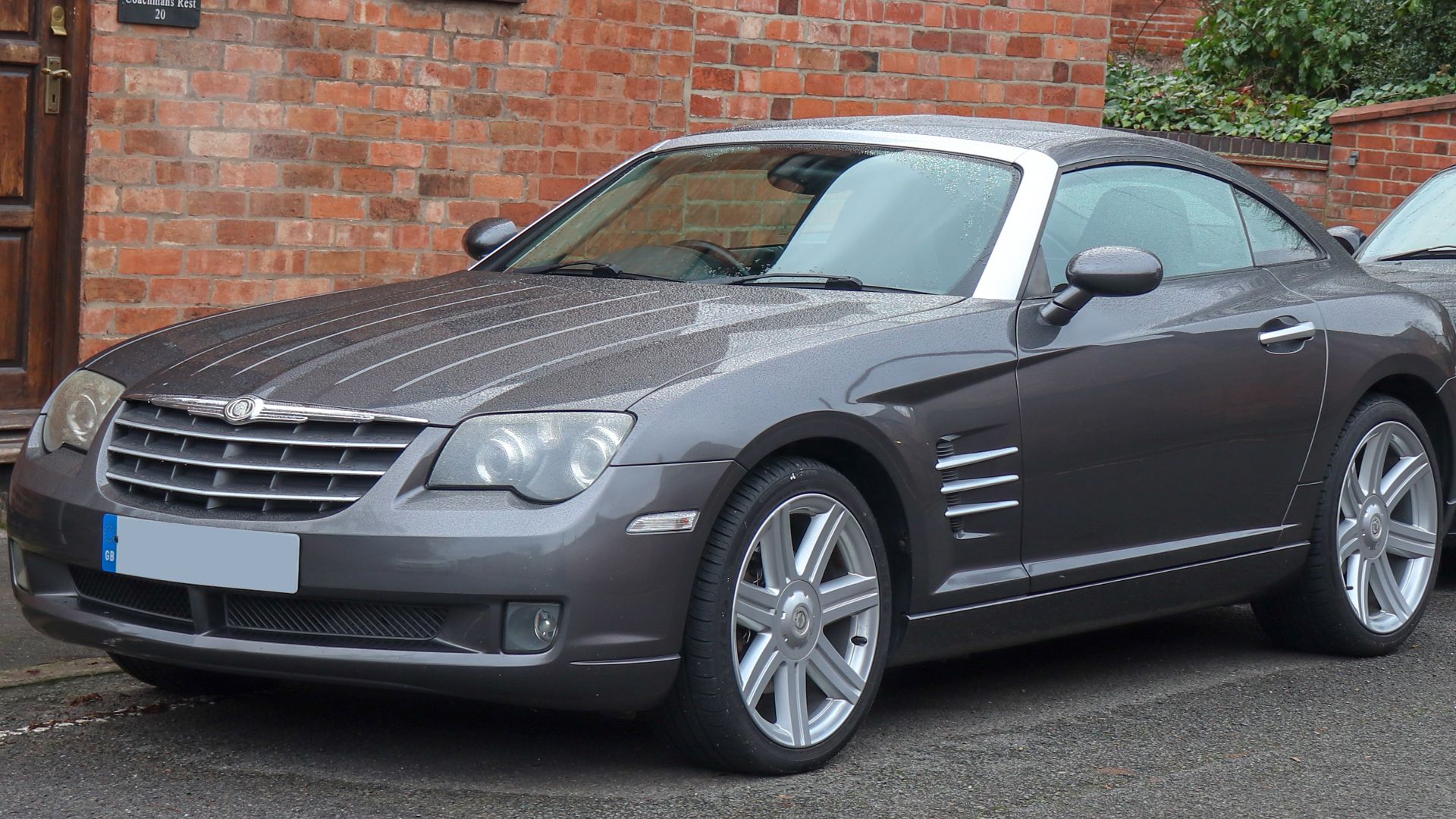
Built on the previous-generation Mercedes SLK platform, the Crossfire had proper German underpinnings and a rear-drive chassis that reviewers respected. The styling divided people, and the boat-tail rear was what most of them argued about. Prices collapsed fast, which is why they're a bargain now.
8. Chrysler Pacifica (2004)
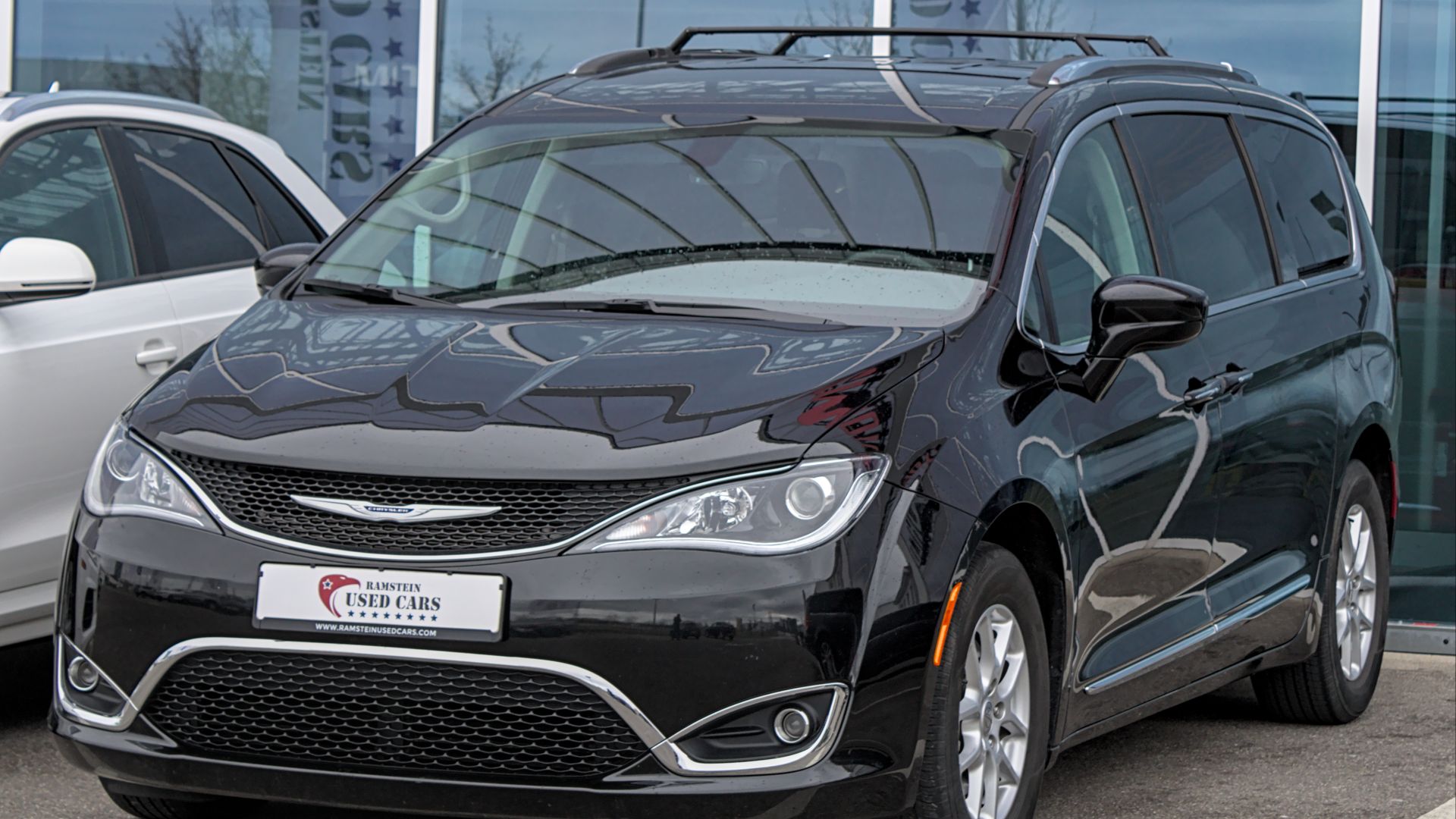
The original Pacifica was a car-based crossover with three rows, arriving several years before that formula became the default for American families. Chrysler priced it high and never quite explained to anyone what it was. Every competitor eventually built the same car and sold hundreds of thousands of them while Chrysler watched.
9. Chrysler ME Four-Twelve (2004)
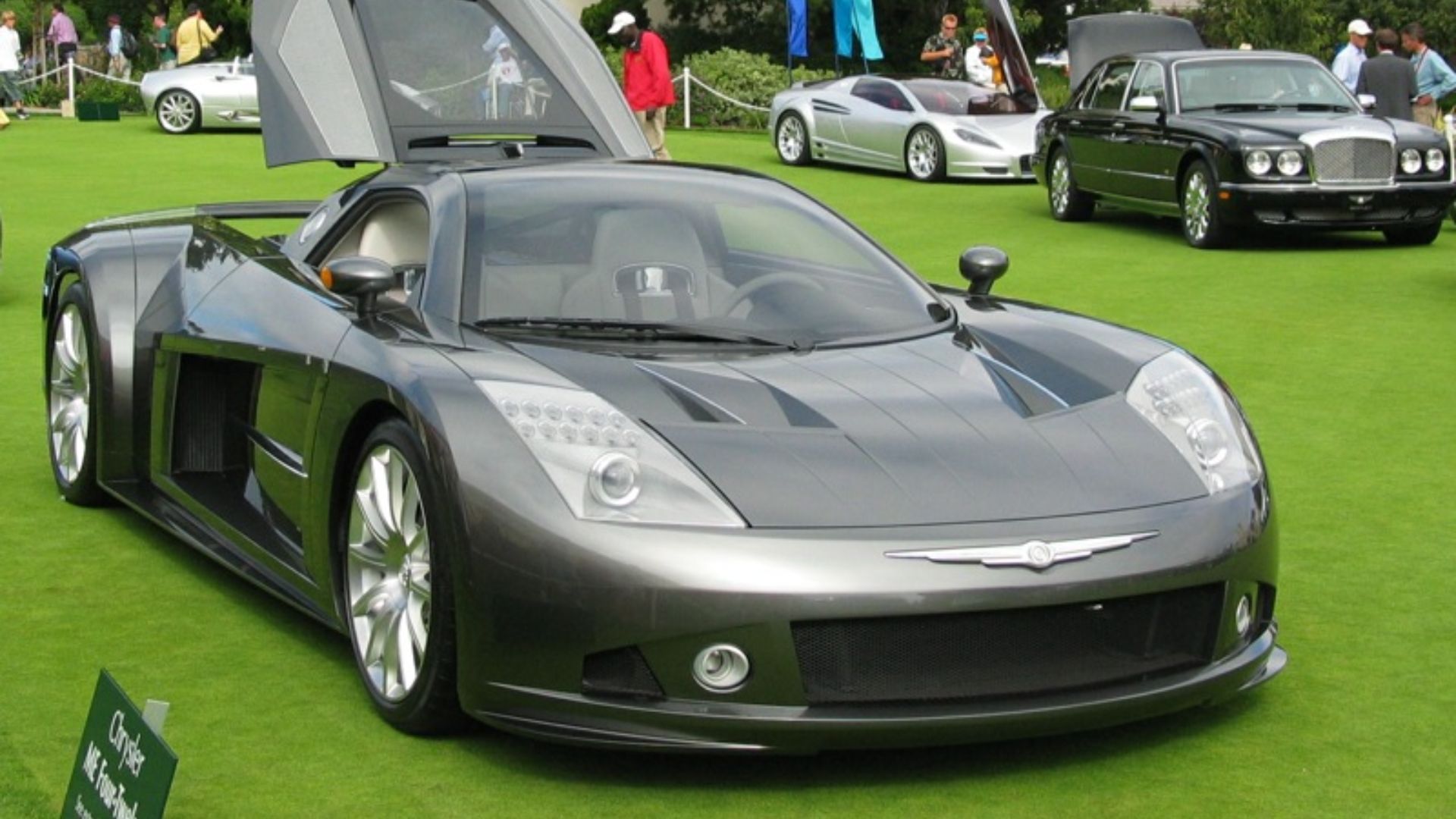
Chrysler bolted four turbochargers onto an AMG-derived 6.0-liter V12 and got 850 horsepower in a carbon-bodied car weighing under 2,900 pounds. The claimed 248 mph top speed would have put it in contention for fastest production car in the world. Two were built, and then it went into a museum instead of a showroom.
 pingping from San Francisco, USA on Wikimedia
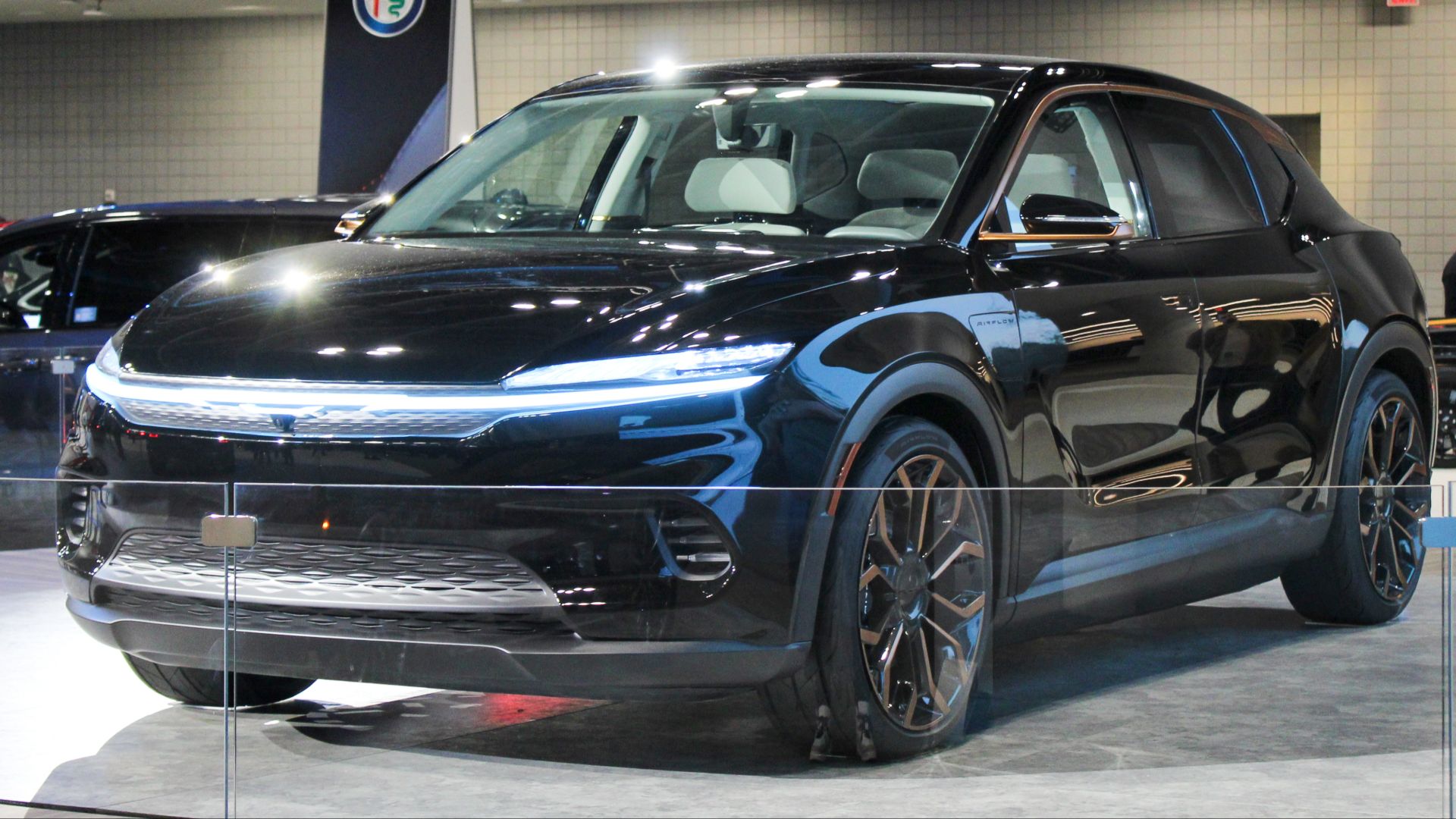
10. Chrysler Airflow Concept (2022)
Chrysler revived the Airflow name for an electric crossover concept, pitched as the car that would rebuild a lineup shrunk to two models. It showed up at auto shows for two years and then got cancelled during a Stellantis product reshuffle. The name has now failed the company twice, ninety years apart.
Now, here's 10 that did permanent damage to the brand.
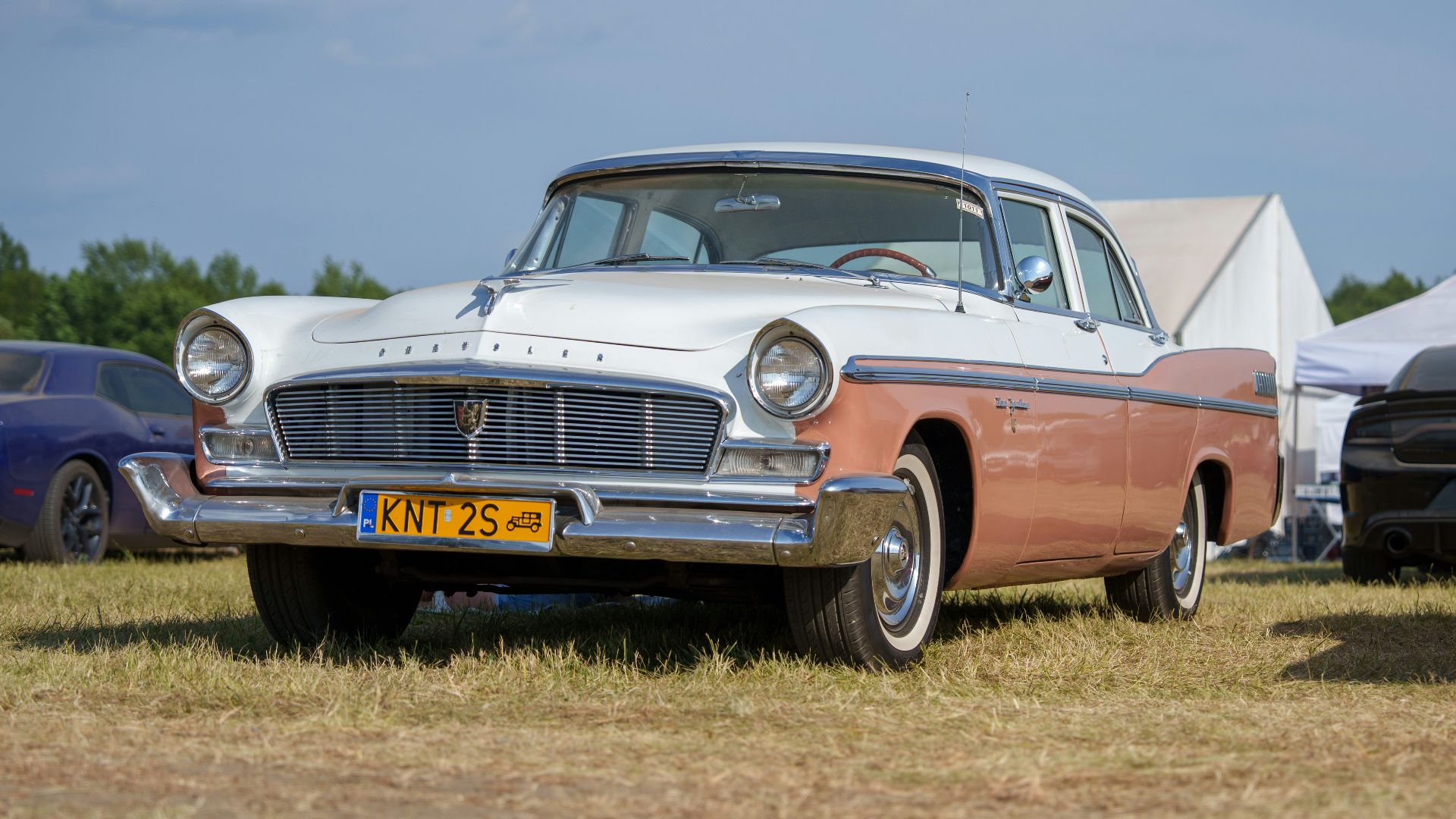
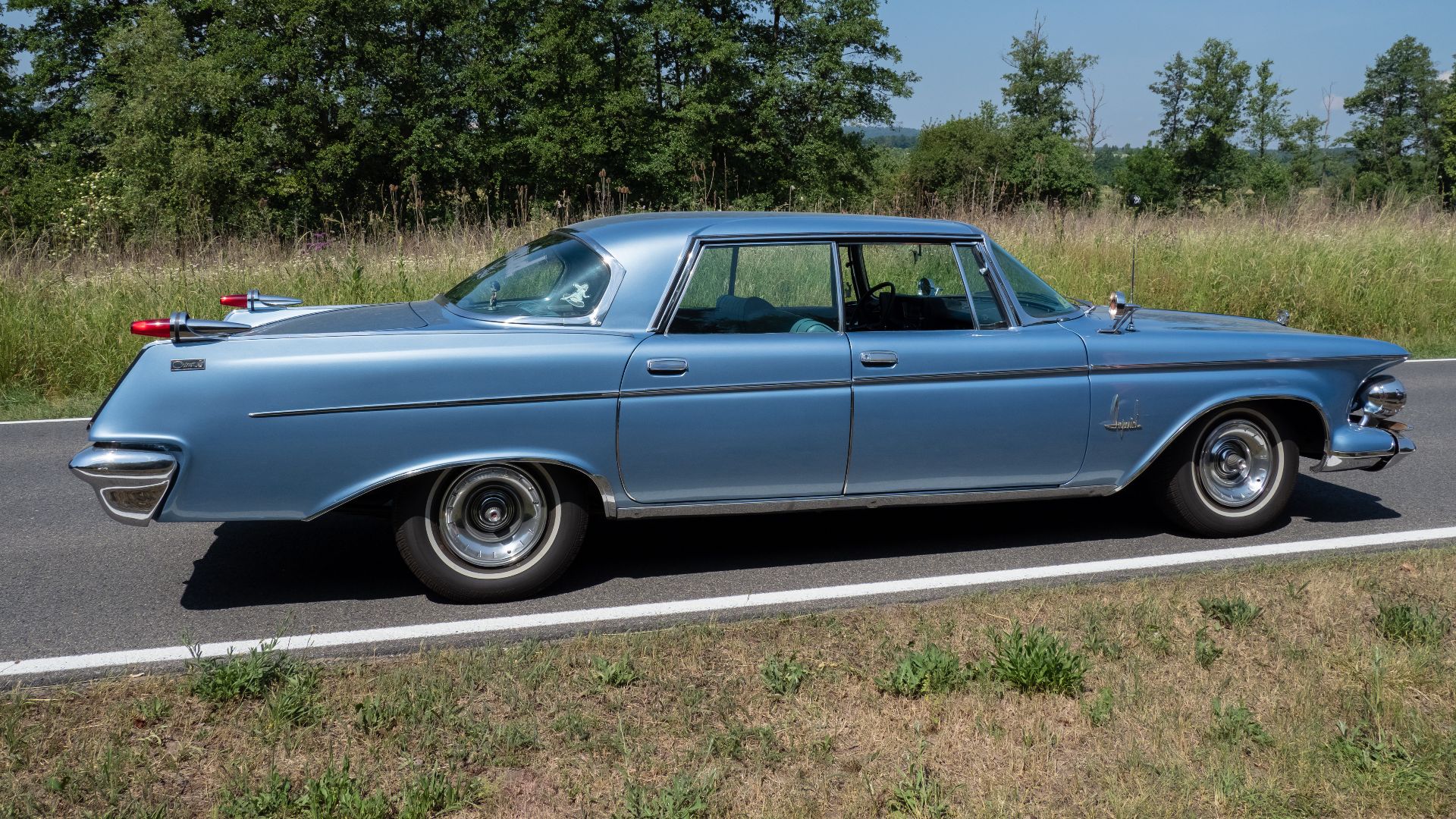
1. Chrysler New Yorker (1957)
The 1957 New Yorker looked spectacular, with Virgil Exner's Forward Look styling, towering fins, and proportions that made much of Detroit seem instantly dated. Unfortunately, Chrysler rushed the new body into production, and buyers encountered problems with leaks, poor fit and finish, and early rust. It was one of Chrysler's best designs undermined by exactly the kind of quality problems that would haunt the company later.
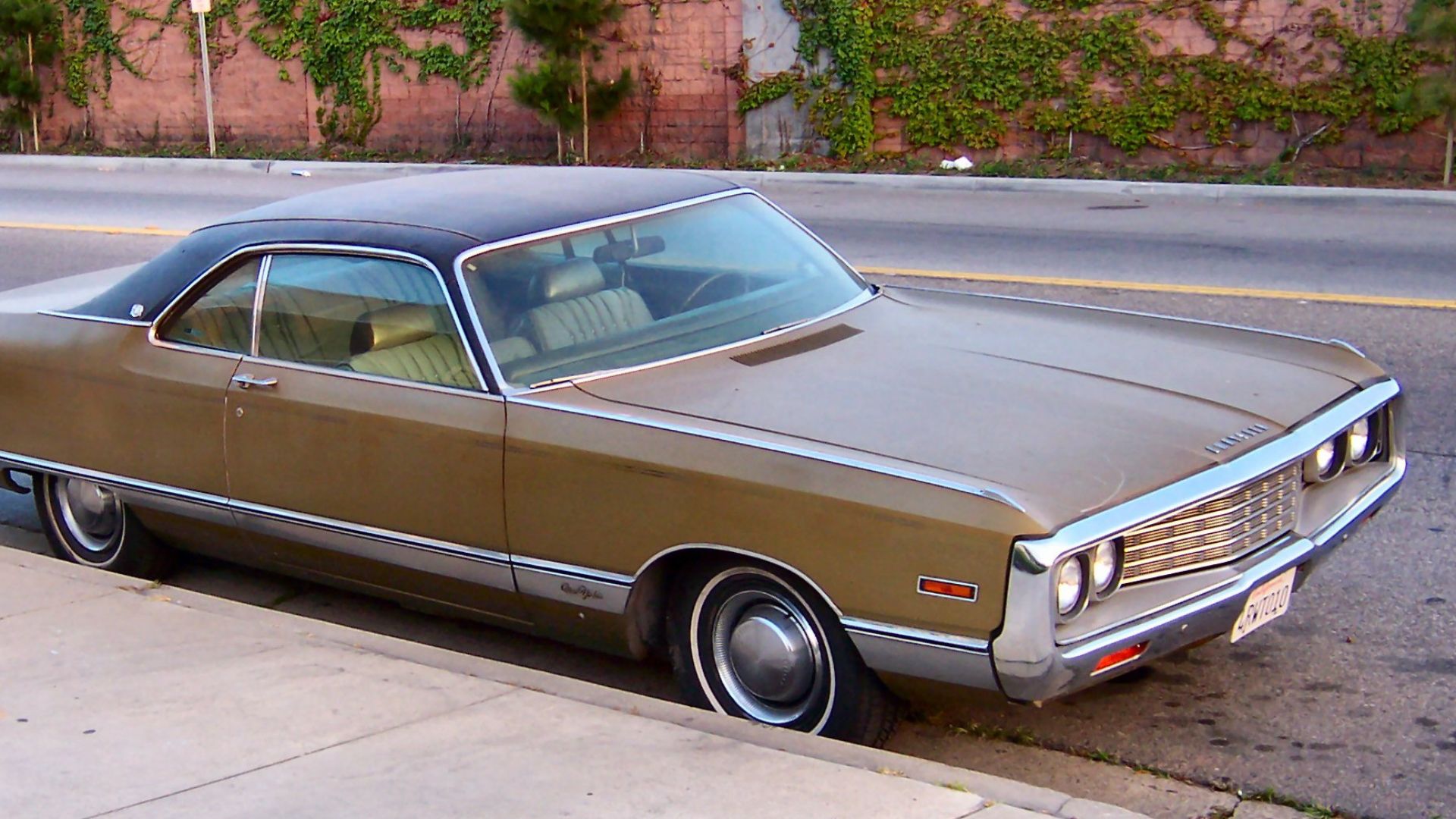
2. Chrysler Imperial (1981)
Reviving Imperial as a personal luxury coupe on a Cordoba platform produced a $20,000 car making 140 horsepower. The electronic fuel injection was so unreliable that dealers replaced it with a carburetor on many cars under warranty. Around 12,000 sold across three years, Frank Sinatra edition included.
3. Chrysler Executive Limousine (1983)
Someone at Chrysler stretched a K-car, dropped in a partition and jump seats, then asked serious money for the result. The wheelbase stayed short enough that the proportions looked wrong from every angle. Chrysler spent the decade badge-engineering K-cars, and this was the strangest one.
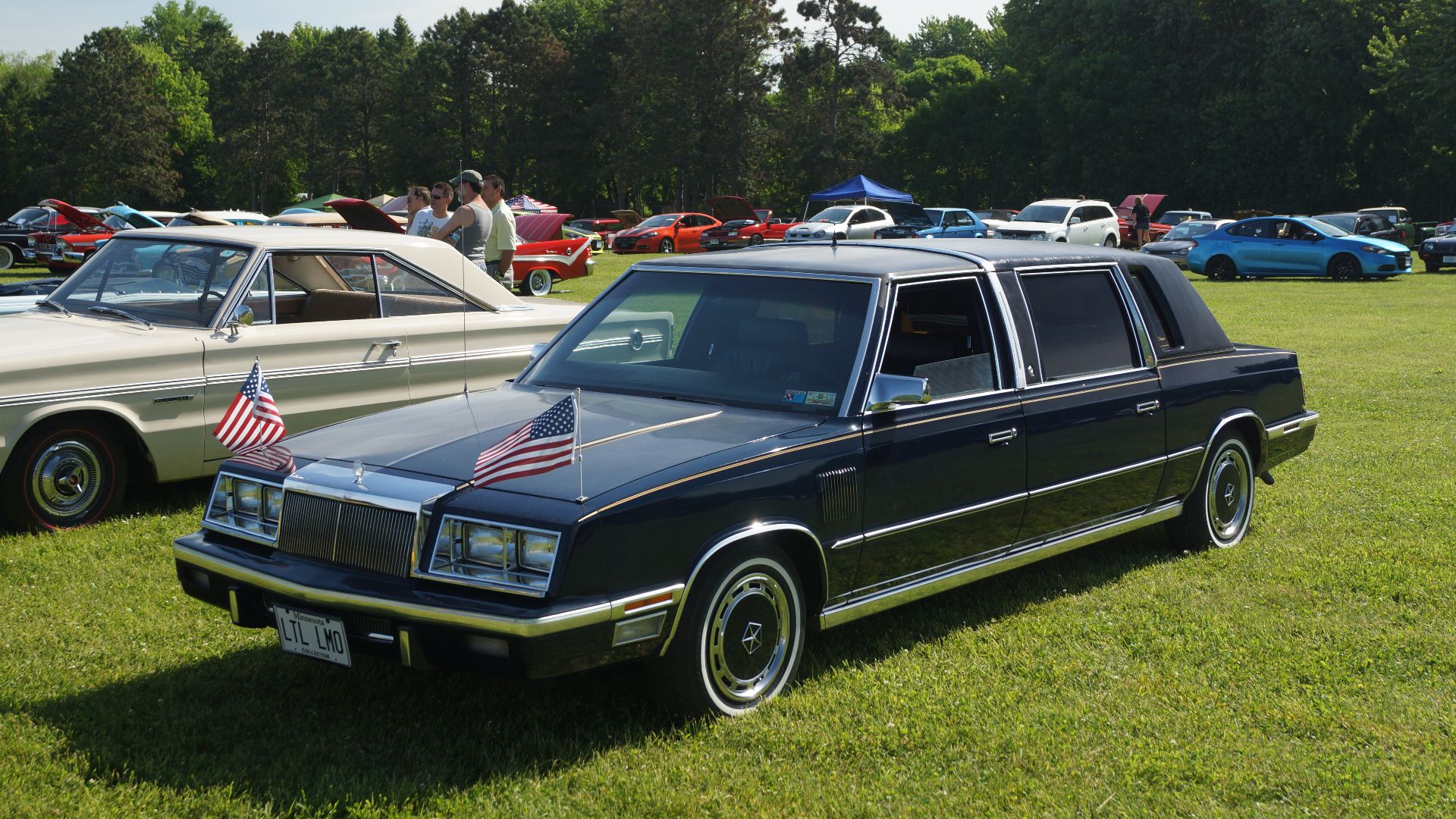 Greg Gjerdingen from Willmar, USA on Wikimedia
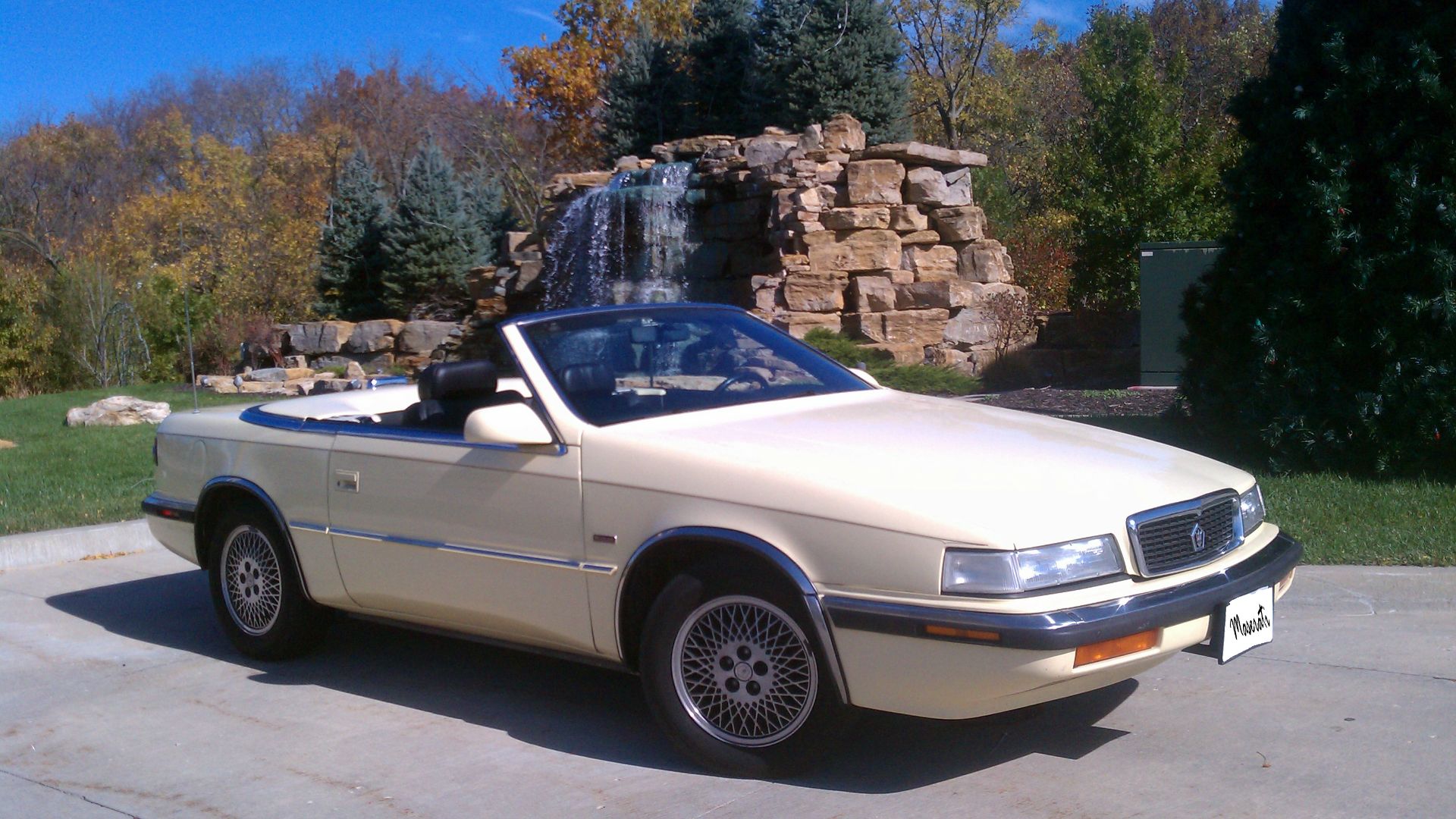
4. Chrysler TC by Maserati (1989)
Five years of development delays meant the TC arrived after the LeBaron it resembled, so buyers saw a $35,000 LeBaron with a trident on it. About 7,300 were built at a reported cost of roughly $80,000 each. The whole exercise is estimated to have cost Chrysler around $600 million.
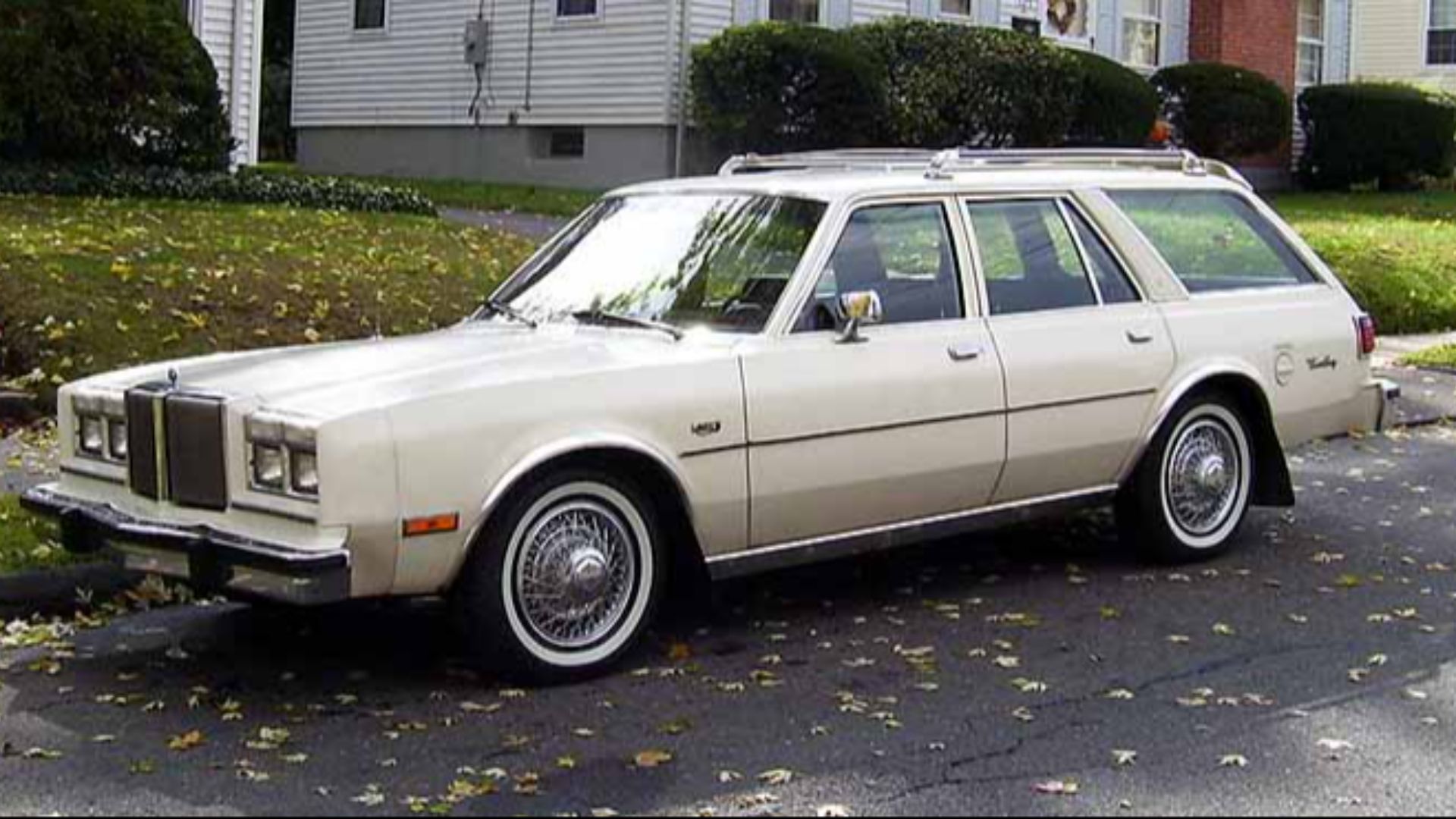
5. Chrysler LeBaron (1989)
The V6 LeBaron received Chrysler's new A604 Ultradrive four-speed automatic, an advanced electronically controlled transmission that quickly earned a reputation for erratic shifting and premature failures. Chrysler made numerous revisions to the early units, but owners were already dealing with expensive repairs and limp-home mode.
 ThatMoparGuy at English Wikipedia on Wikimedia
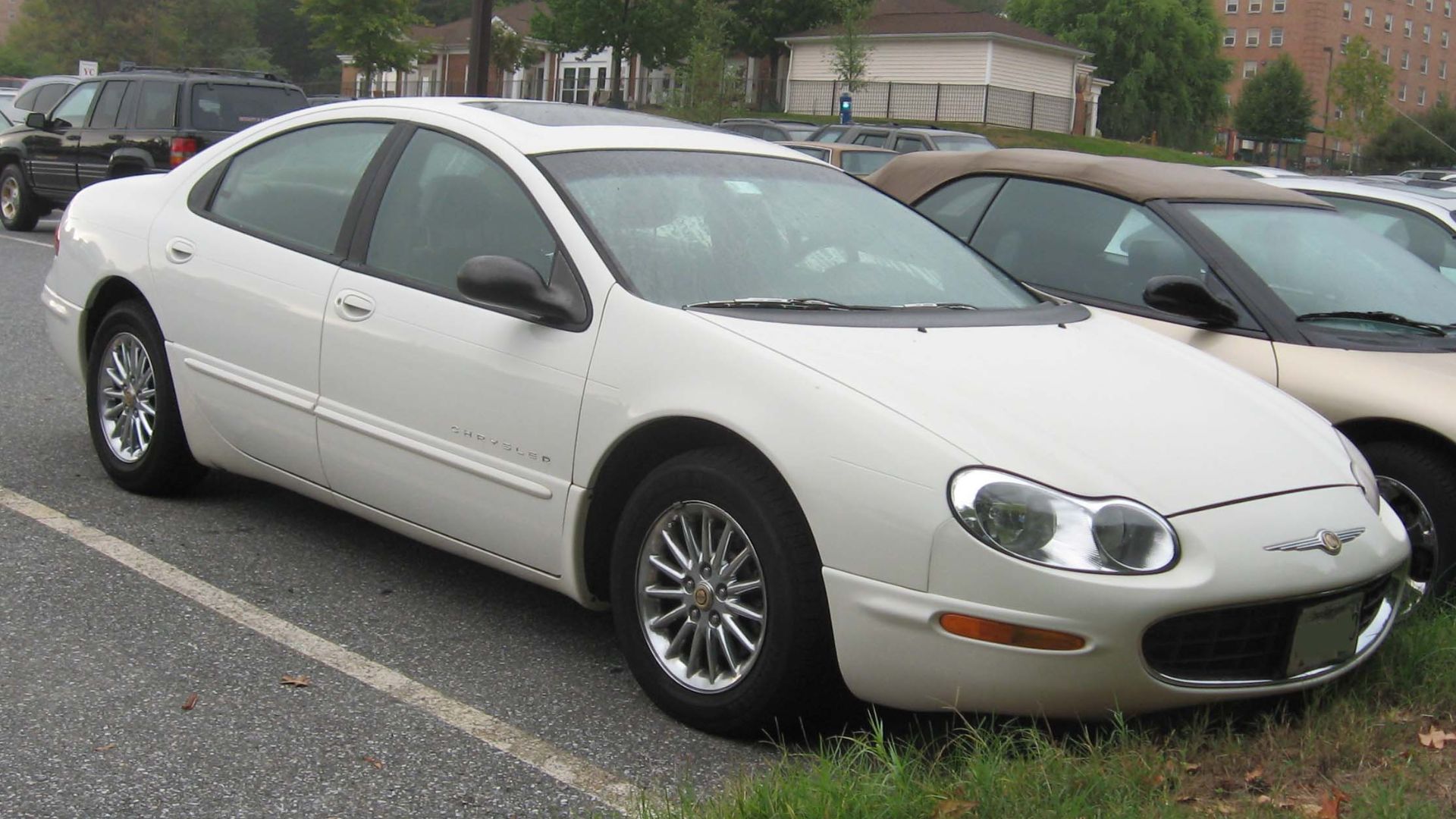
6. Chrysler Concorde (1998)
The redesigned Concorde looked modern and spacious, but its available 2.7-liter V6 developed a notorious reputation for oil sludge and premature engine failure. Some owners suffered catastrophic failures even while reporting regular oil changes, turning what should have been a competitive family sedan into a major reliability liability
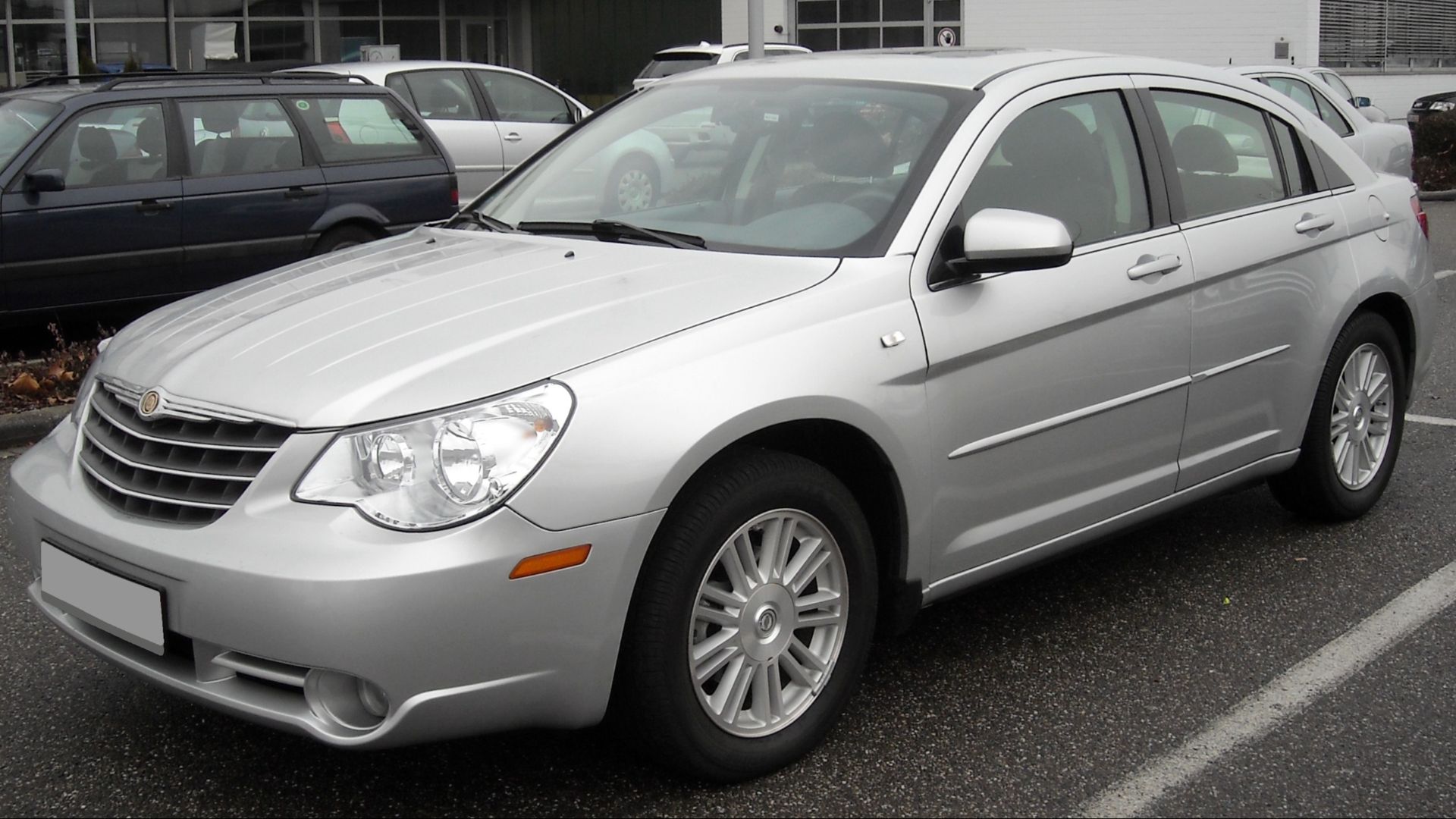
7. Chrysler Sebring (2007)
The Sebring's interior used hard plastics in places where competitors had moved on years earlier, and reviewers were blunt about it. Rental fleets absorbed enormous numbers of them, so most people met the car at an airport counter at eleven at night. A decade of travelers formed their opinion of Chrysler that way.
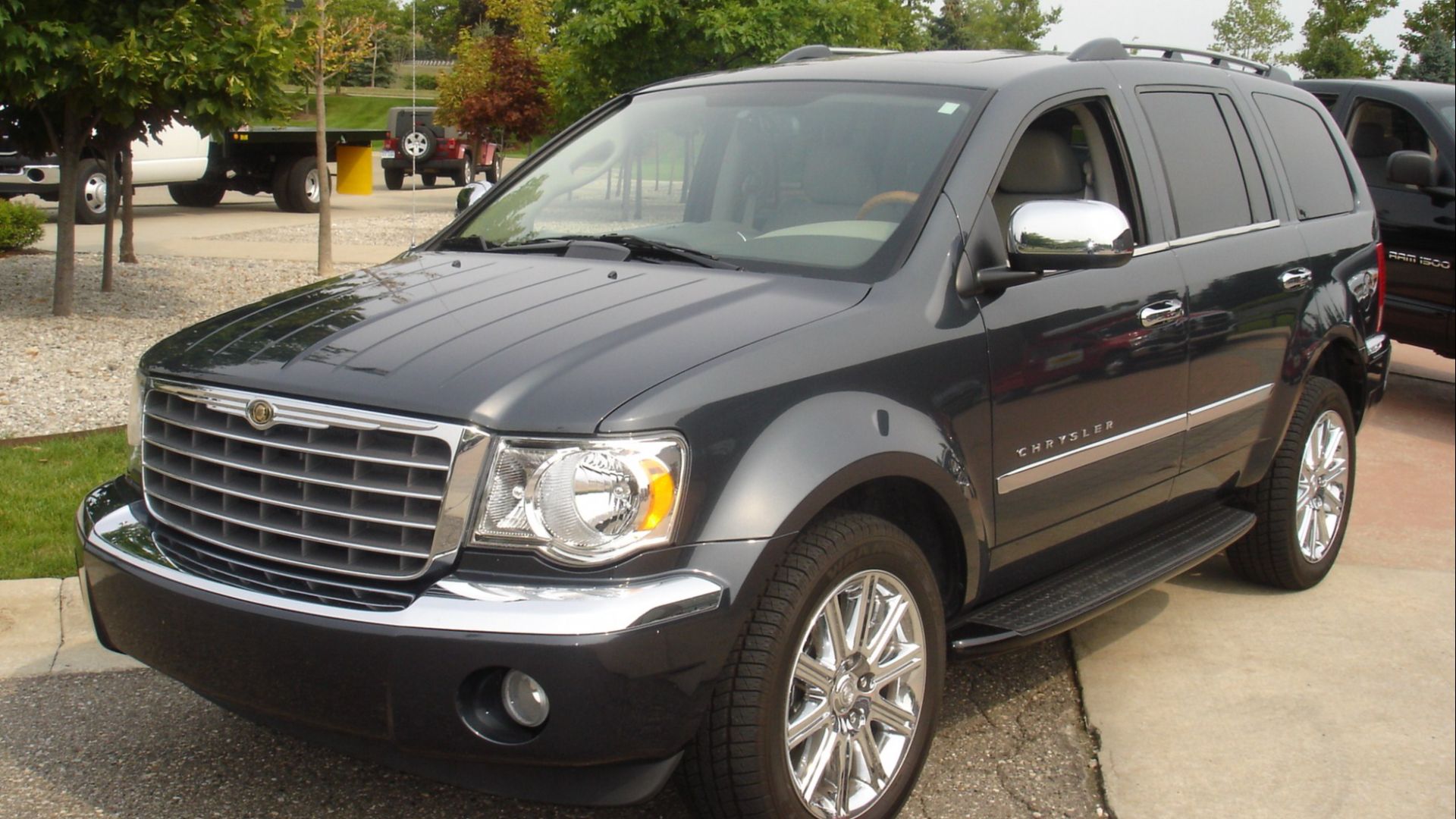
8. Chrysler Aspen (2007)
A badge-engineered Durango with a V8 and a chrome grille went on sale just as gas prices spiked. Chrysler had no fuel-efficient alternative for anyone who walked back out of the showroom. The vehicle was fine and the timing was terrible.
9. Chrysler 200 (2011)
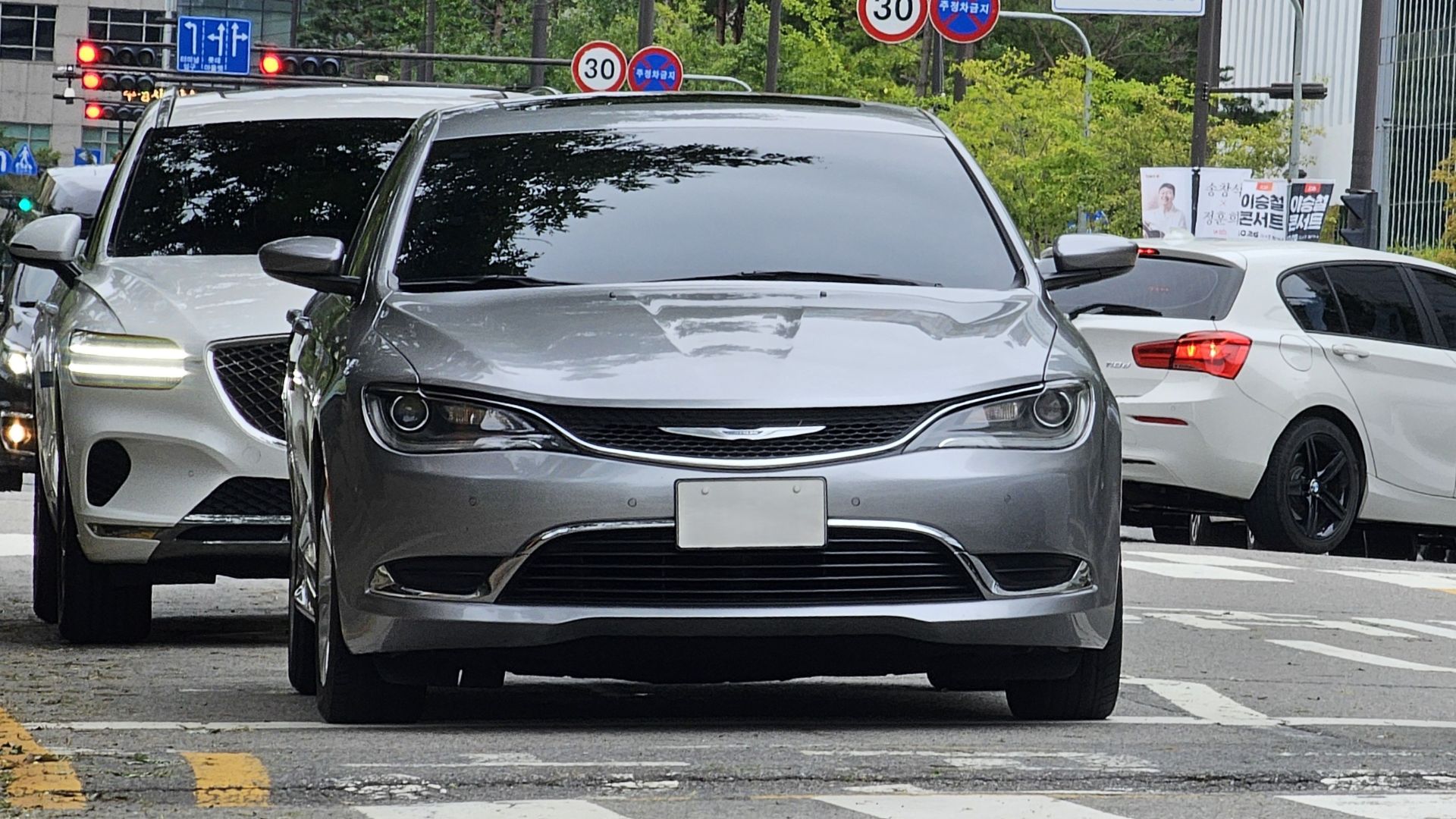
The first 200 was a Sebring with a new grille and revised suspension, wearing a fresh name meant to bury the association. Everyone recognized it immediately, because a facelift does not erase four years of rental-counter memories. The name needed a clean start and got a rebadge.
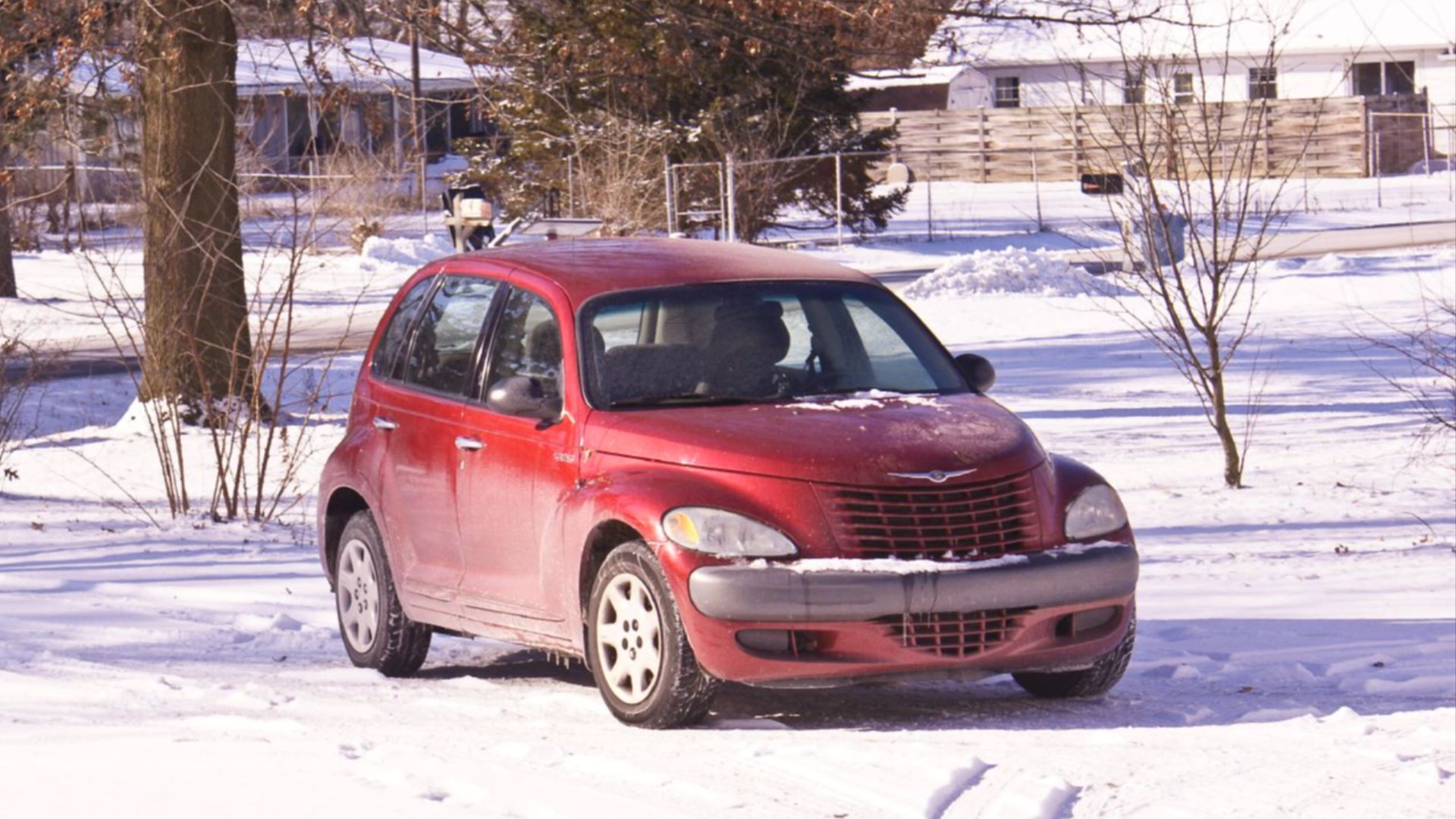
10. The PT Cruiser's Long Goodbye
The PT Cruiser sold well for three or four years on the strength of its retro shape and genuine practicality. Chrysler then left it essentially unchanged until 2010, by which point it had become shorthand for a company with nothing new to sell. Nine years is a long time to sell the same joke.