Racing has always carried an understood level of risk, the kind fans and drivers alike accept as part of the sport's appeal. One afternoon in 1955 pushed that risk past anything the sport had reckoned with before, turning a routine endurance race into the deadliest disaster motorsport has ever seen and nearly shutting the sport down across parts of Europe entirely.
The race was the 24 Hours of Le Mans, and the driver at the center of it was Pierre Levegh, piloting a Mercedes-Benz 300 SLR down the long straight in front of thousands of spectators packed close to a track with almost none of the protective distance modern racing requires. What happened next unfolded in barely a few seconds, yet it reshaped the sport for decades afterward, closing manufacturers out of racing entirely and pushing at least one country toward banning the sport outright.
A Split-Second Chain Of Events
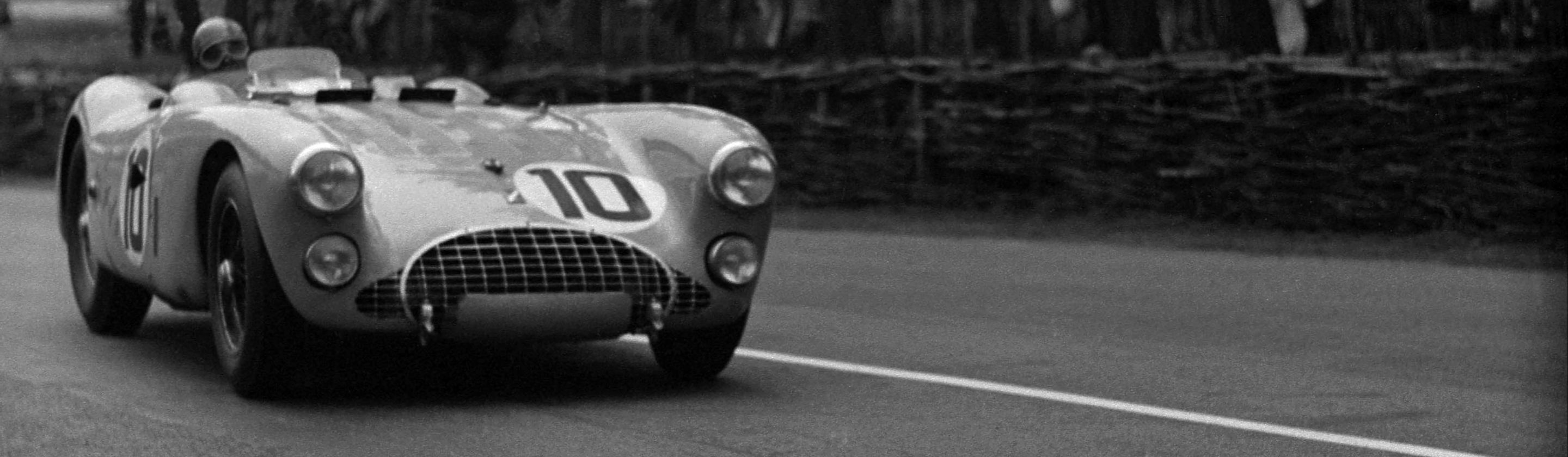
Le Mans in 1955 already ranked among the biggest events on the motorsport calendar, drawing massive crowds who lined the pit straight to watch cars pass at speeds well over one hundred and fifty miles per hour. Safety barriers separating the track from the crowd amounted to little more than low fencing, a standard that felt normal for the era but left almost no margin for error at those speeds.
Early in the race, Mike Hawthorn's Jaguar braked hard and suddenly near the pit entrance, forcing Lance Macklin's Austin-Healey to swerve sharply to avoid a collision. Levegh, closing fast from behind in his Mercedes, had no room left to react and struck the rear of Macklin's car at full speed, launching his own car into the air.
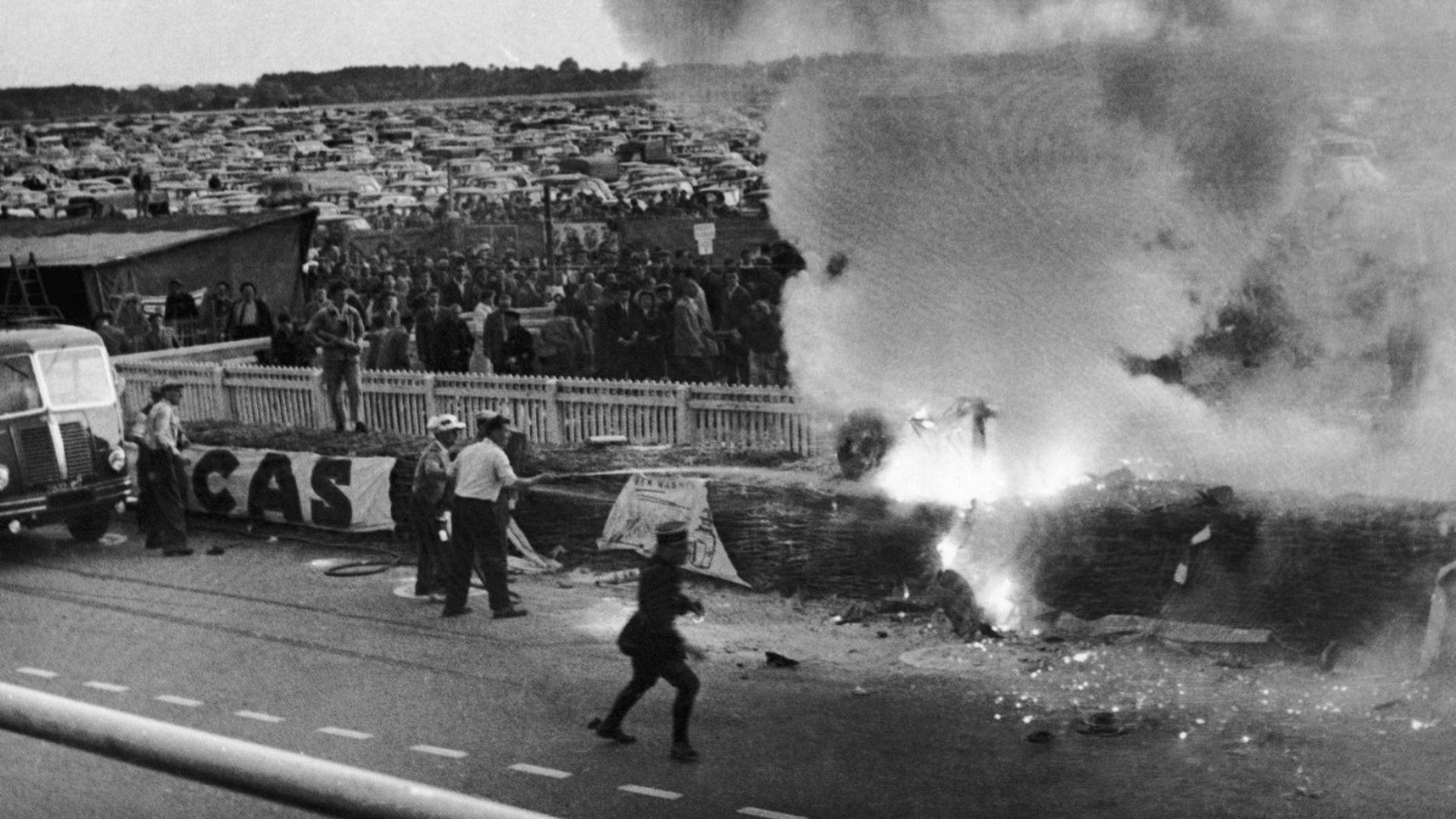
The Mercedes hit an earthen embankment lining the track and disintegrated almost instantly, sending the engine, hood, and other heavy components tearing through the packed crowd on the other side. Levegh died on impact, and the scattered wreckage caused devastation across a stretch of spectators who had no warning and nowhere to go.
The Deadliest Disaster In Motorsport History
When the toll was finally counted, at least 83 spectators had died alongside Levegh, with close to 120 more injured, figures that still make this the deadliest single incident in the history of motorsport. No other crash in the sport's history, before or since, has come close to that scale of loss.
Race organizers made the controversial decision to continue running the event through the night rather than halt it immediately, reasoning that stopping the race could clog access roads needed for ambulances and emergency crews rushing to help the wounded. Mercedes-Benz, whose car had actually been leading at the time, chose to withdraw its remaining entries later that night once the true scale of the tragedy became clear, pulling out of a race it very likely would have won.
News of the disaster spread quickly around the world, and the scale of it shocked a public already familiar with racing's dangers but unprepared for a death toll of that magnitude. Newspapers across Europe and the United States covered it as front-page news for days afterward, and the crash forced immediate, uncomfortable questions about whether motorsport in its current form could continue at all, questions that reached well beyond racing fans and into government offices deciding what came next.
How One Race Changed Motorsport Forever
Mercedes-Benz withdrew from motorsport entirely at the end of that season and stayed away from top-level racing for decades, not returning to a full factory presence in Formula One until many years later. For a manufacturer at the peak of its competitive success, walking away completely sent its own message about how seriously the disaster had been taken.
Several countries responded with outright restrictions on the sport. France temporarily suspended motor racing events in the immediate aftermath, and Switzerland went further, banning circuit motor racing altogether, a prohibition that remained in place for close to seven decades before being partially eased in 2022 to allow certain electric vehicle races.
Longer term, the disaster pushed circuit safety into an entirely new era, prompting wider barriers, greater distance between track and crowd, and a redesigned pit straight at Le Mans that stands to this day. Many of the safety standards racing fans now take for granted trace directly back to lessons paid for that afternoon in 1955.