The Profit Is in What You Avoid
On YouTube, flipping cars looks like easy money. Somebody buys a dusty Camry for $3,000 and sells it a week later for $5,500 after a quick wash and an oil change. Beginners usually learn the real costs the hard way, often after one bad car eats the profit from the last three. Most of that damage comes from a short list of predictable mistakes. Here's 20 car flipping mistakes that cost beginners thousands.
1. Skipping the Pre-Purchase Inspection
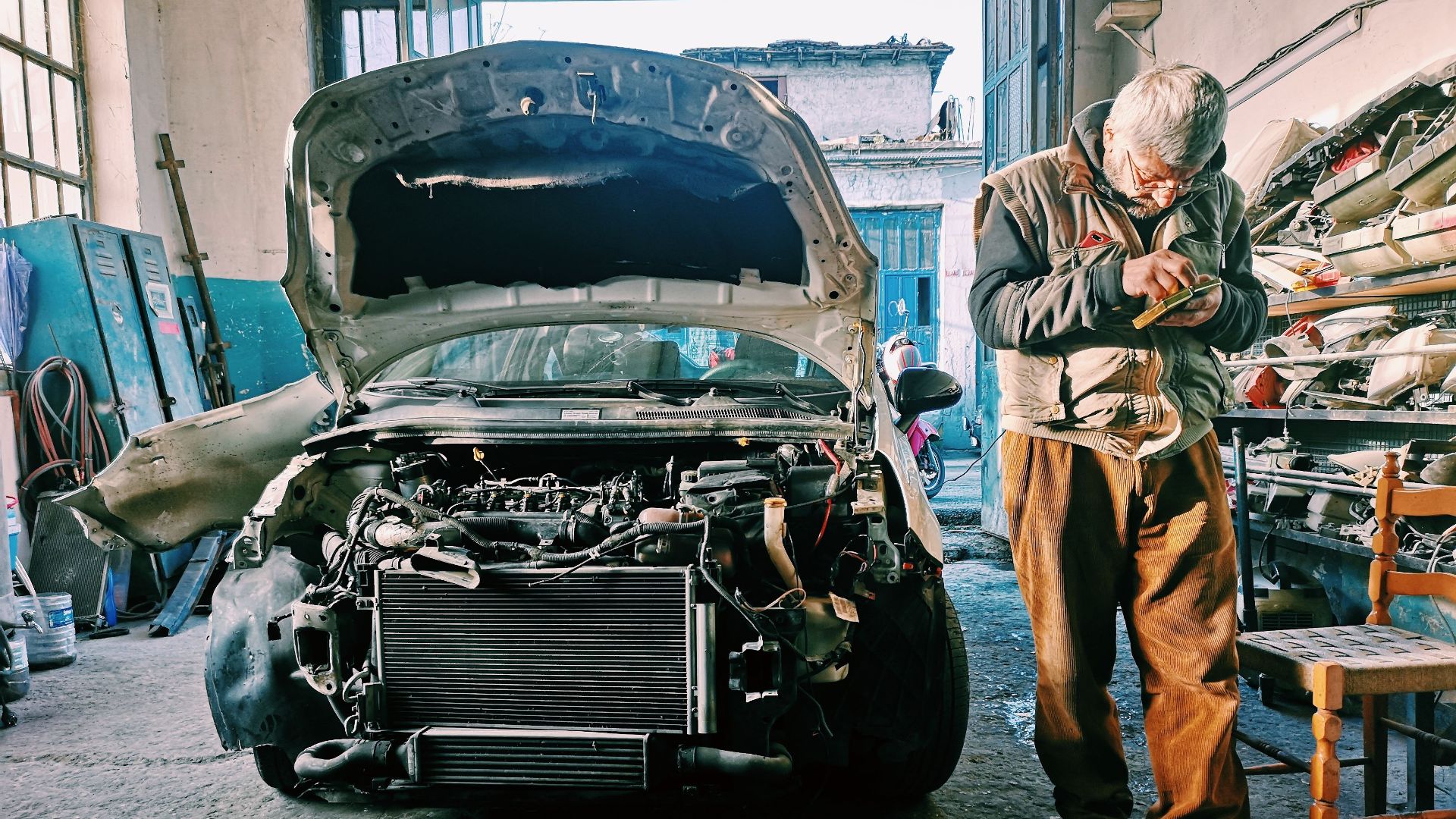
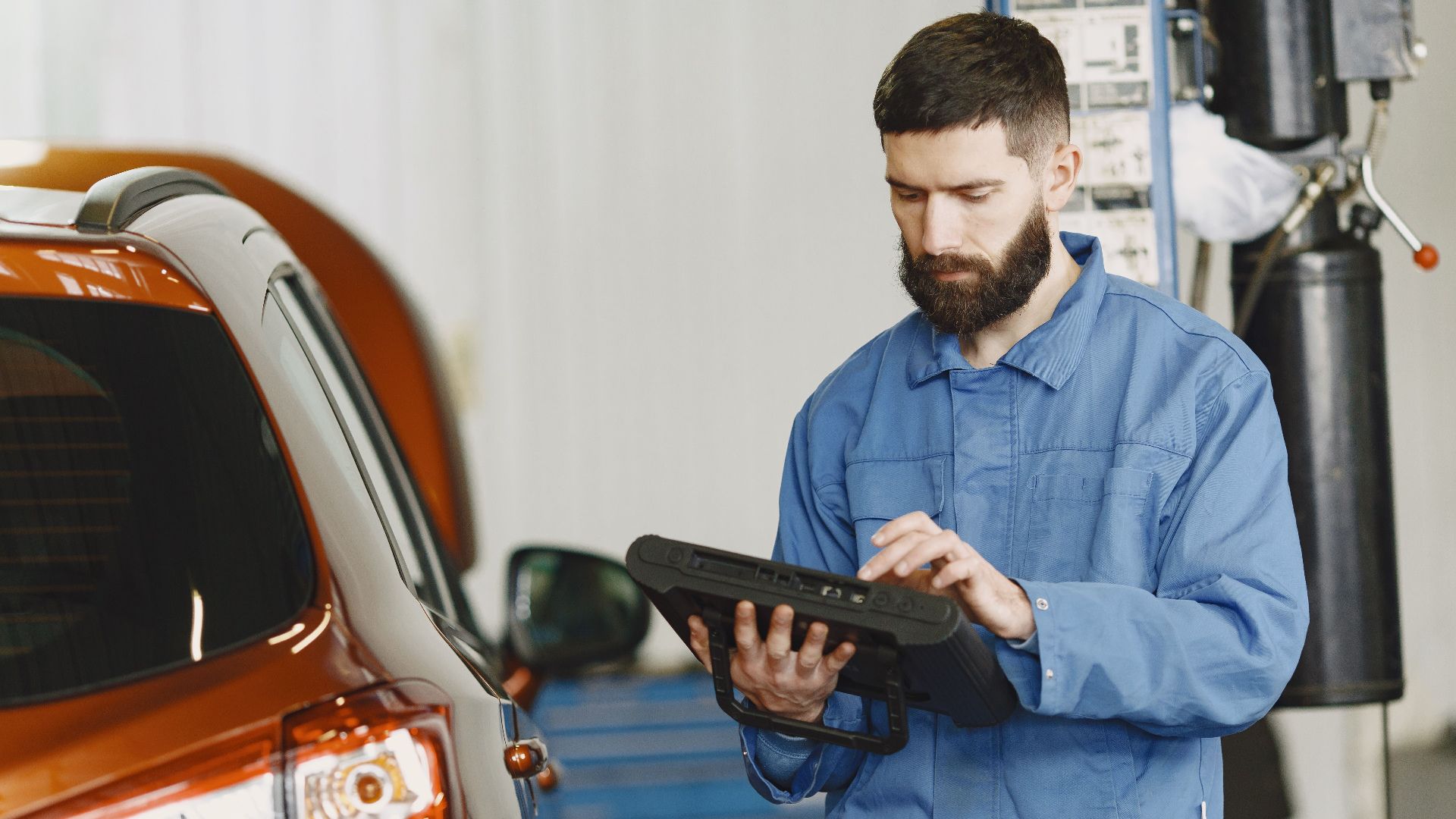
Mechanics can put a car on a lift and spot a leaking rear main seal or a rusted subframe in under an hour. An inspection usually costs a couple hundred dollars or less at an independent shop. On a $6,000 purchase, that's cheap protection against a transmission that's about to quit on the drive home.
2. Trusting a Dark Dashboard
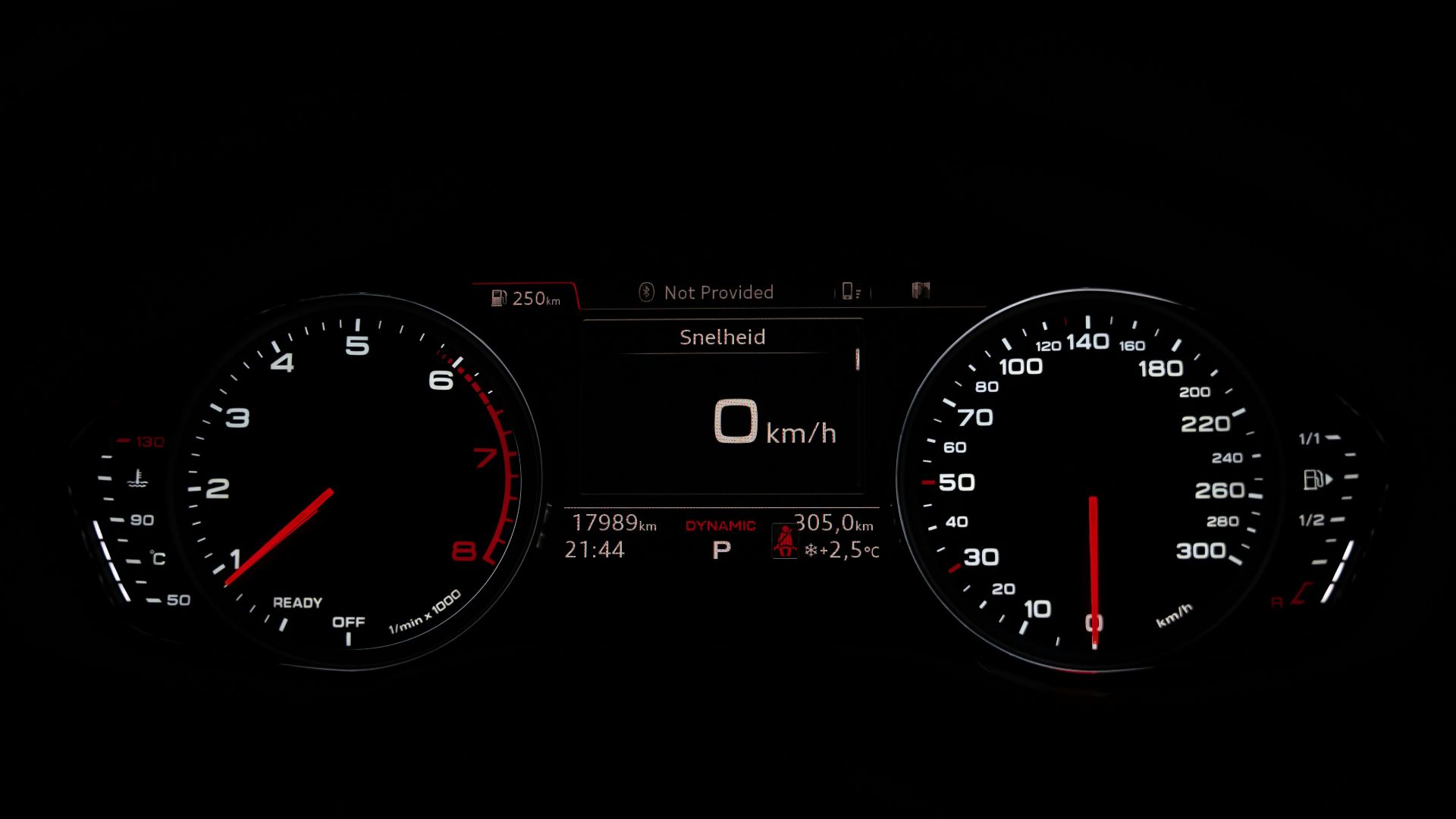
Sellers can clear a check engine light with a cheap scanner the morning you show up. Every car sold in the US since the 1996 model year has an OBD-II port, so a $25 scanner of your own will show whether the readiness monitors have reset. Several monitors marked not ready usually means someone wiped the codes recently.
3. Missing a Branded Title
Salvage and rebuilt brands follow a car from state to state and drag its resale value down hard. The federal National Motor Vehicle Title Information System tracks those brands across state lines, including flood damage. A report from an approved NMVTIS provider costs a few dollars, so run the VIN before you hand over any cash.
4. Buying a Flood Car
Carfax estimated that Hurricane Ian damaged around 358,000 vehicles in 2022, and plenty of flood cars get dried out and put back up for sale. Pull back the carpet under the seats and look for silt or rust on the seat bolts. A musty smell that air freshener can't cover up is its own warning.

5. Believing the Odometer
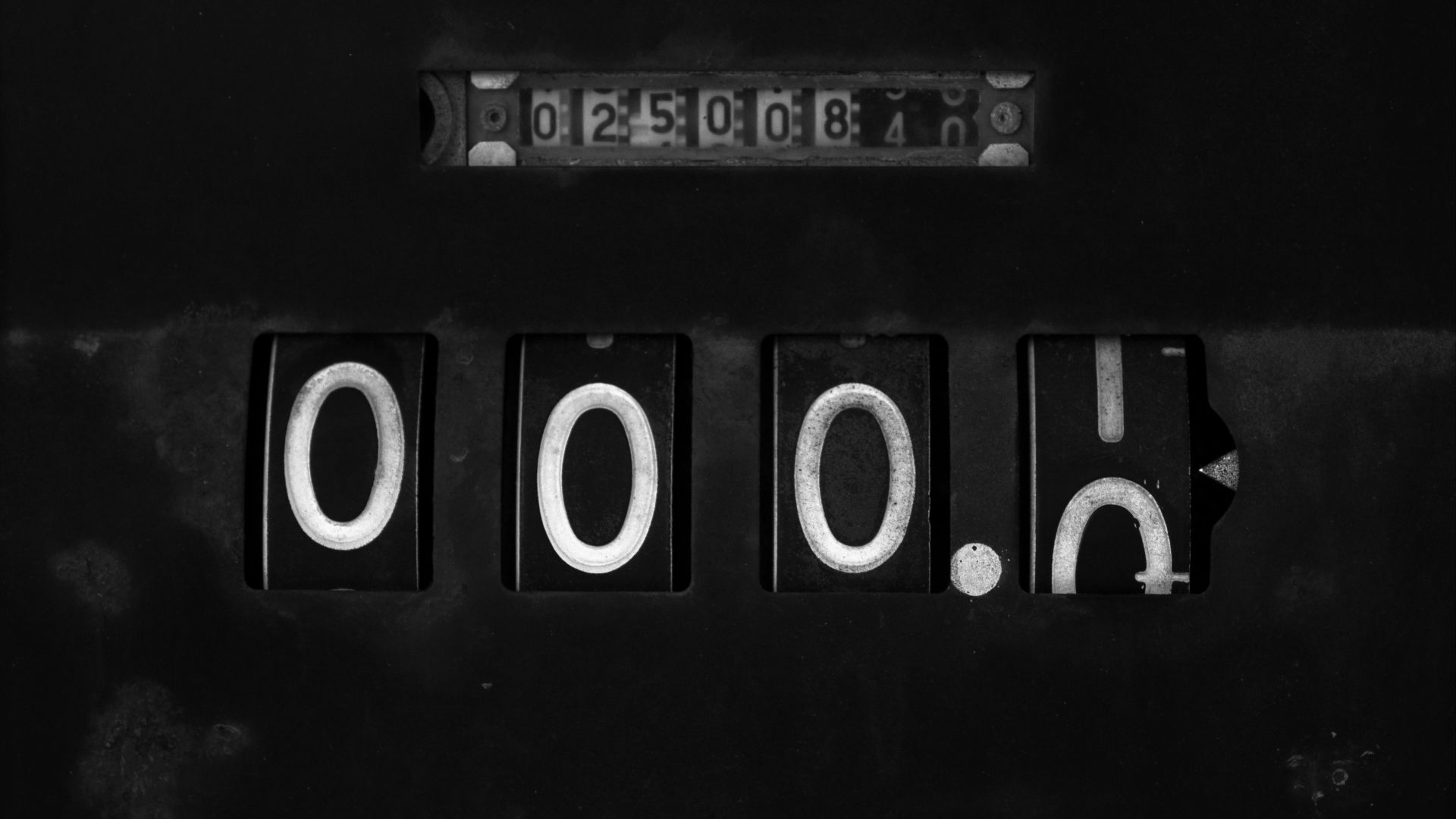
The National Highway Traffic Safety Administration estimates that more than 450,000 vehicles are sold each year with false odometer readings. Digital odometers can be rolled back too, with tools sold openly online. Compare the mileage against service records and the history report, then check how worn the pedals and steering wheel look.
6. Forgetting to Check for a Lien
If a bank still has a lien on the car, the seller can't hand you a clean title. The lienholder's name usually appears right on the title itself, near the owner's name. Call the lender or get a lien release in writing before any money changes hands.

7. Title Jumping
Reselling a car without ever titling it in your name is called title jumping. It's banned in most states and leaves you with no legal proof you owned the car if something goes wrong. Pay the title fee and register it properly every time, even when you plan to sell the car within a week.

8. Ignoring Dealer License Limits
Most states cap how many cars a private person can sell in a year before they need a dealer license. In Texas, selling five or more vehicles in a 12-month period puts you in dealer territory. Regulators call unlicensed dealing curbstoning, and fines can follow.

9. Paying Retail
A car bought at full private-party value leaves almost no room once repairs and fees come out. Check Kelley Blue Book and Edmunds before you make an offer, then start well below the trade-in number. A thin margin at purchase can vanish with one set of brake pads and rotors.

10. Flipping Your Dream Car
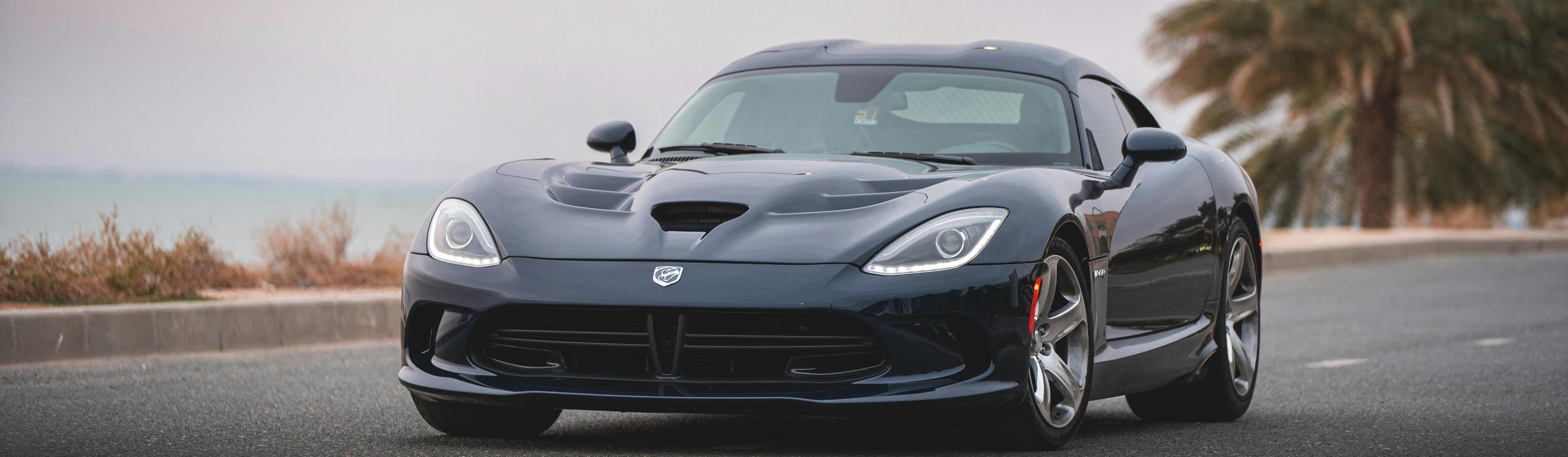
That rare manual wagon might thrill you. The number of local buyers who want one could be close to zero. Common commuter cars like a Corolla or a Civic tend to draw calls the same day you list them, even with a few dings.
11. Fixing What Buyers Don't Notice
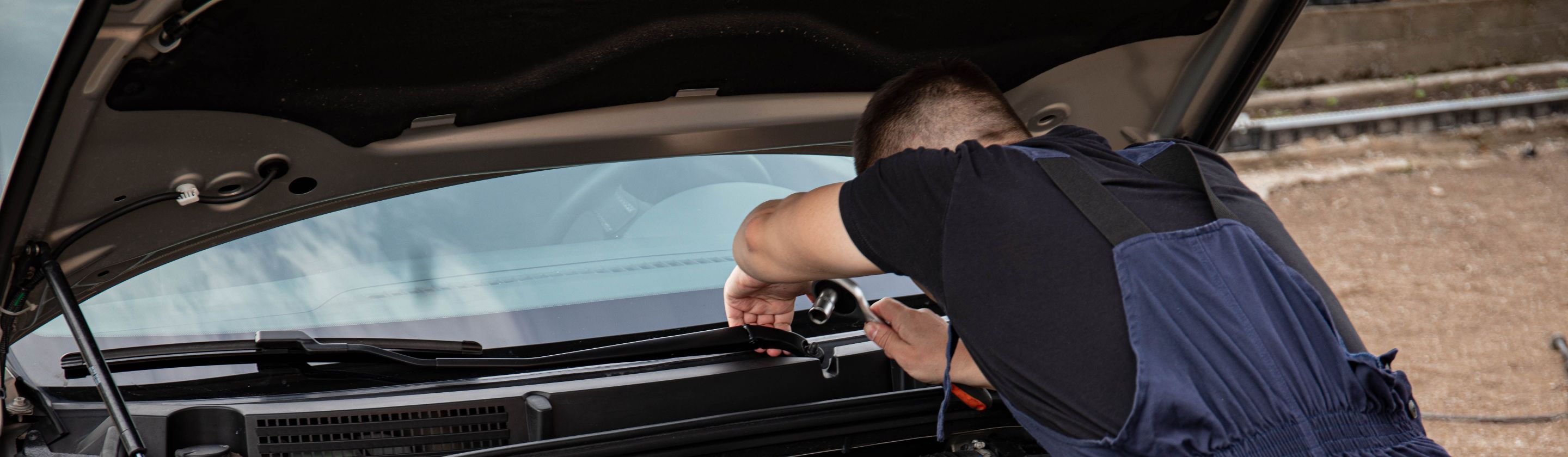
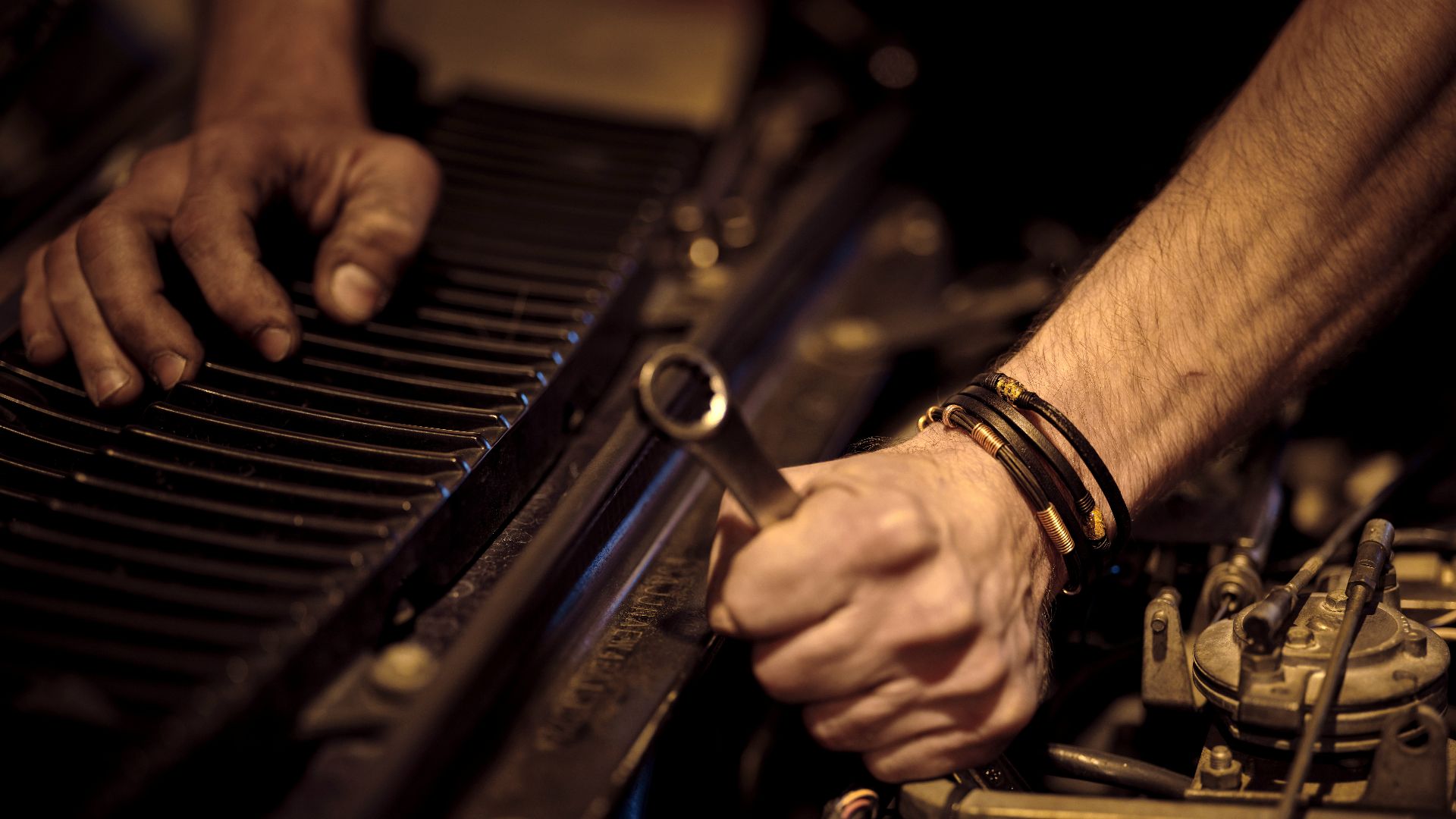
New struts at $900 might make the car ride better. Most buyers won't pay an extra dollar for them after a 10-minute test drive. A check engine light or a cracked windshield matters far more to them, because they can see both from the driver's seat.
12. Skipping the Detail
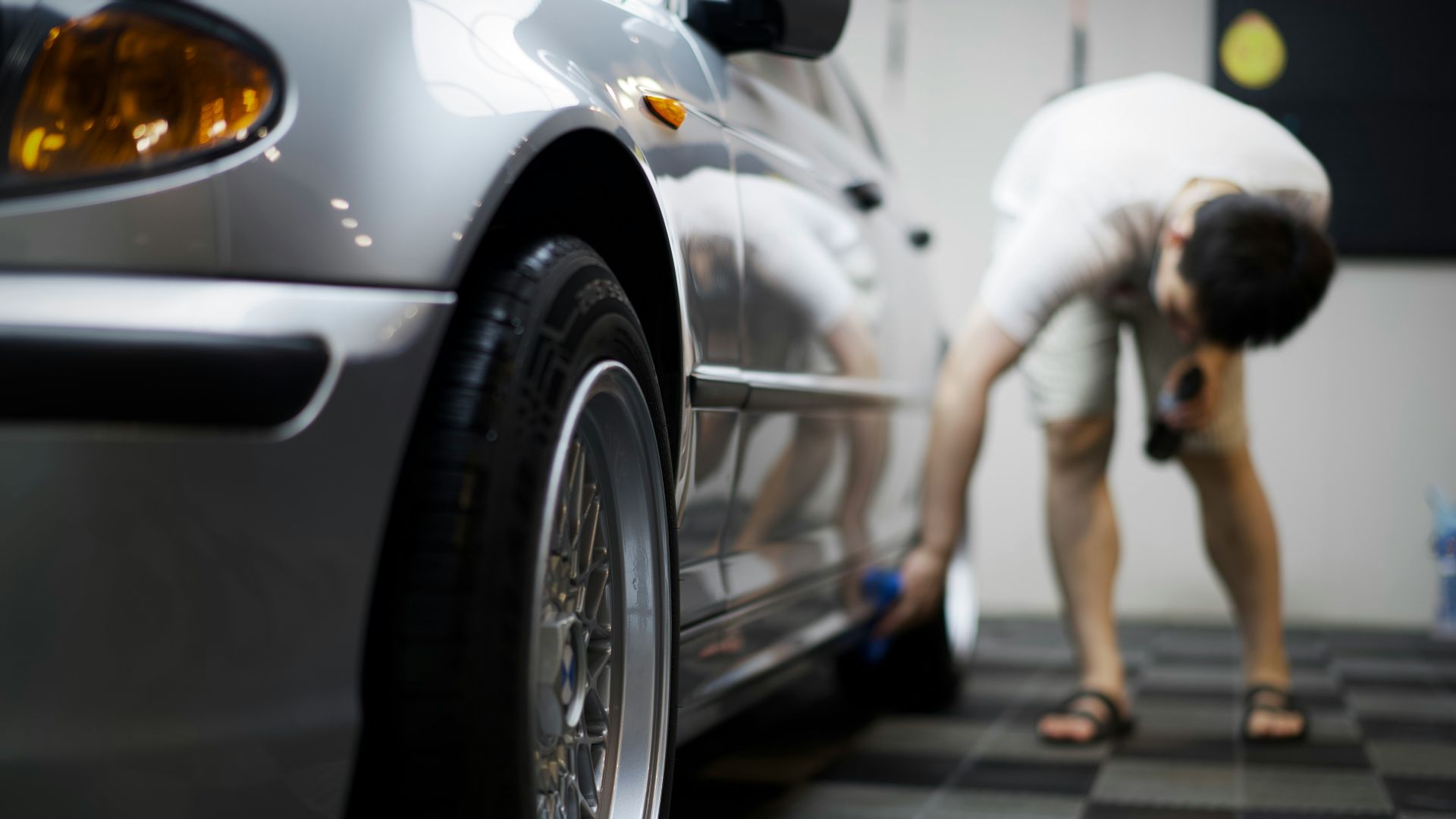
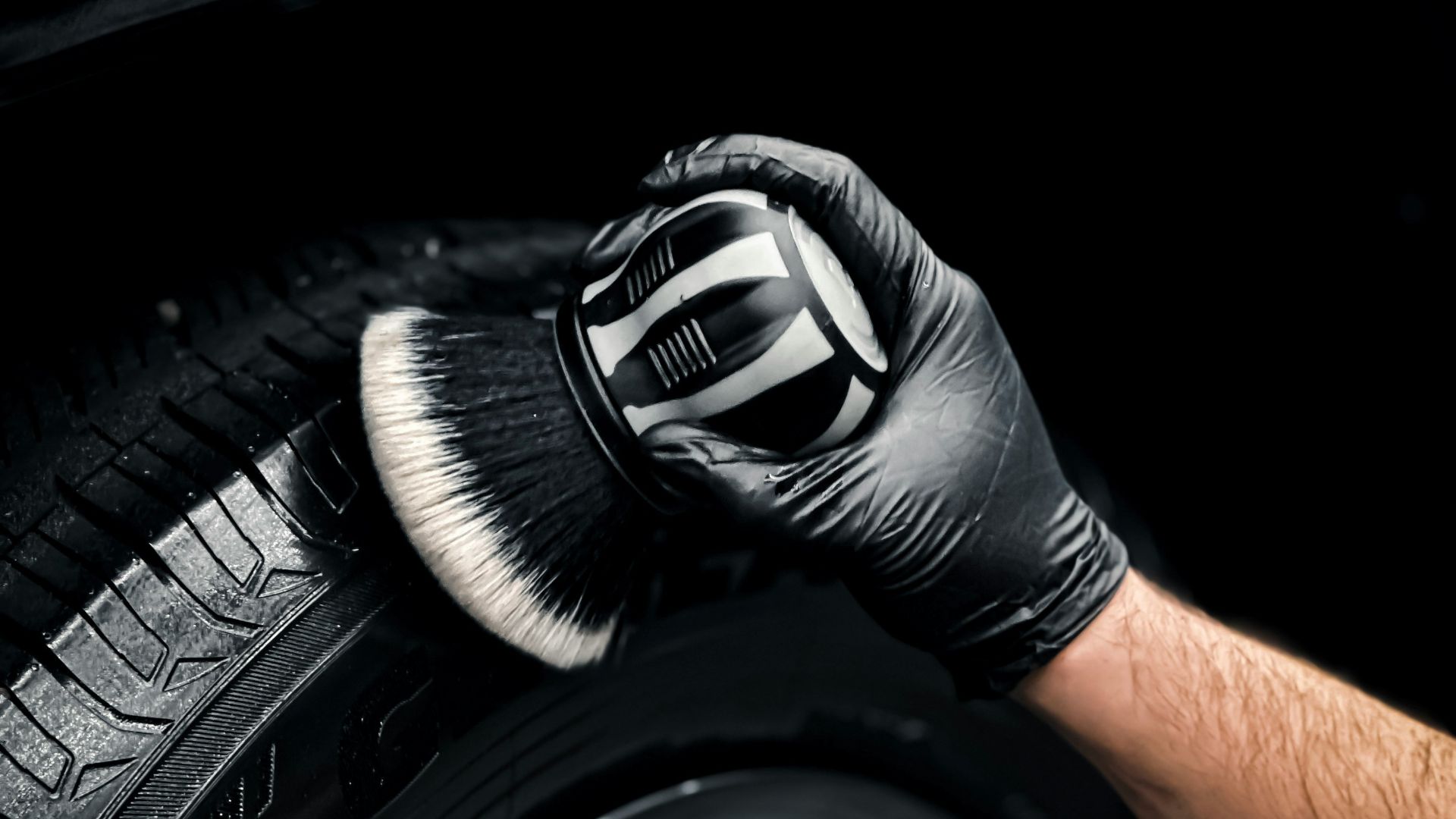
Spending $150 on a professional detail can change how a buyer sees a car in the first 30 seconds. Restored headlights and shampooed seats, both cheap jobs you can do yourself, make a car look cared for. A filthy interior makes buyers wonder what else the owner neglected.
13. Ignoring Old Tires
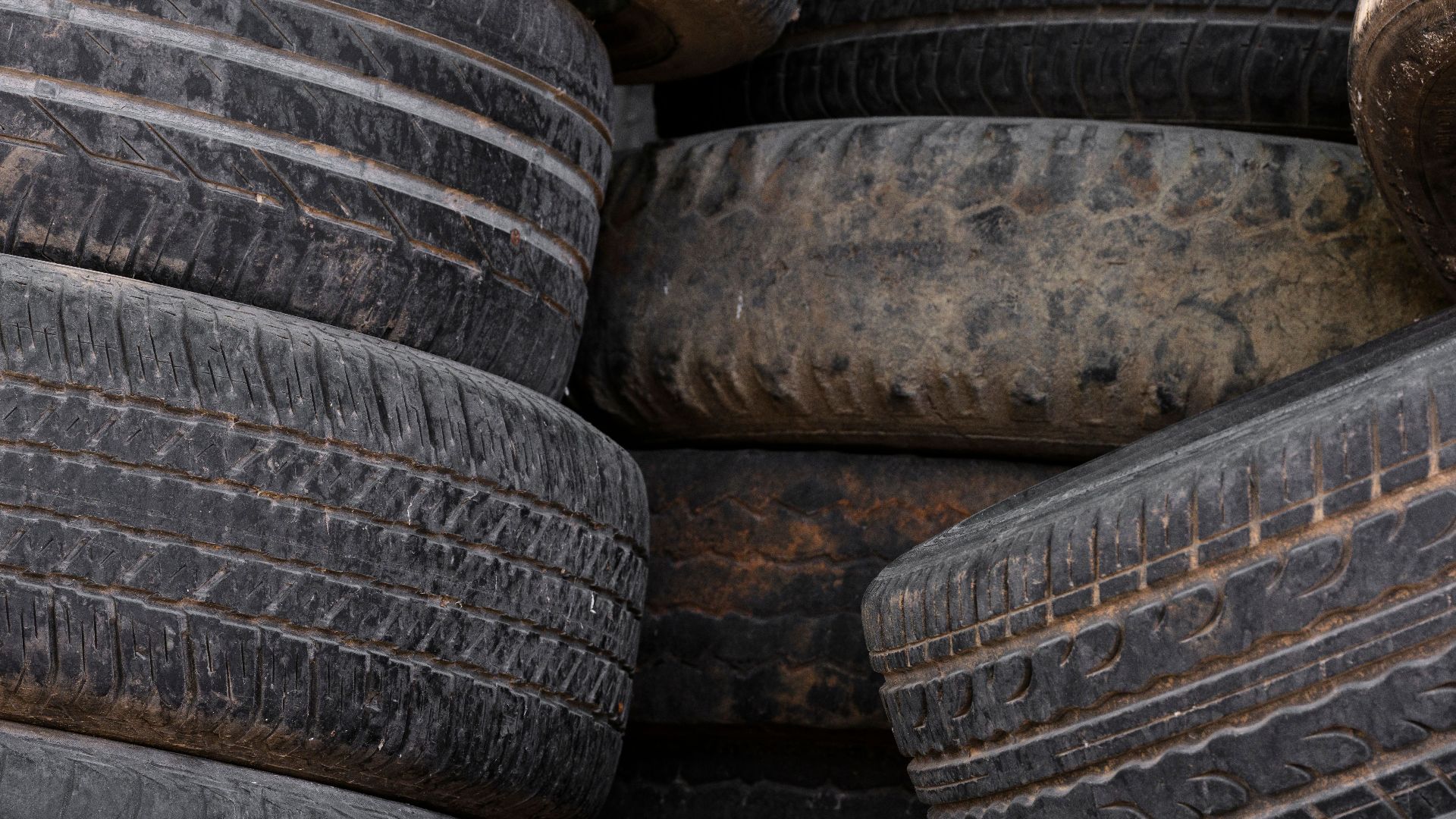
Tread depth tells only part of the story on a used car. The last four digits of the DOT code on the sidewall show the week and year the tire was made. According to NHTSA, some automakers recommend replacing tires after six years regardless of tread, and sharp buyers will knock that cost off your price.
14. Missing the Timing Belt
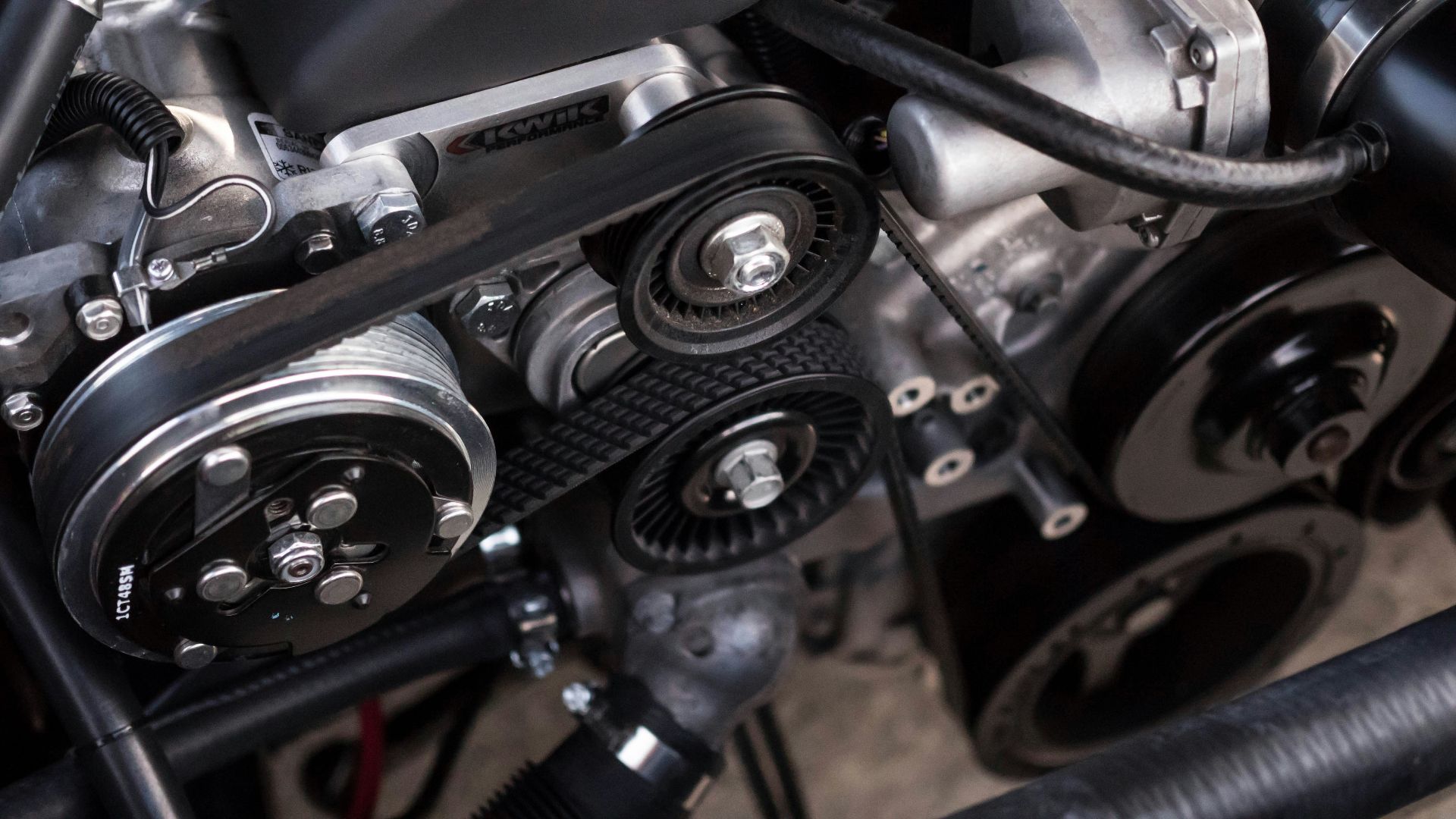
Many engines need a new timing belt somewhere between 60,000 and 100,000 miles, a job that can run close to $1,000 at a shop. On an interference engine, a snapped belt lets the pistons hit the valves and can wreck the engine. Check the service records for proof it was done, and price it in if it wasn't.
15. Overlooking Open Recalls
The Takata airbag recall covered about 67 million inflators in the United States, and some of those cars still haven't been fixed. You can check any VIN for free on the NHTSA website in about a minute. Dealers do recall repairs at no cost, which makes them an easy fix before you list the car.

16. Forgetting the Smog Paperwork
In California, the seller is responsible for providing a valid smog certificate when the car changes hands. A car that fails can need a catalytic converter or an expensive sensor before you're allowed to sell it. Look up your state's rules before you buy anything that might not pass, especially an older car with a lit dash.

17. Holding a Car Too Long
Every week a car sits in your driveway costs you insurance and registration. Used car prices can drift down while you wait for the perfect buyer, and newer model years hitting the lots push them lower. Taking $200 less this week can beat another month of insurance and a slow price slide.
18. Selling in the Wrong Season
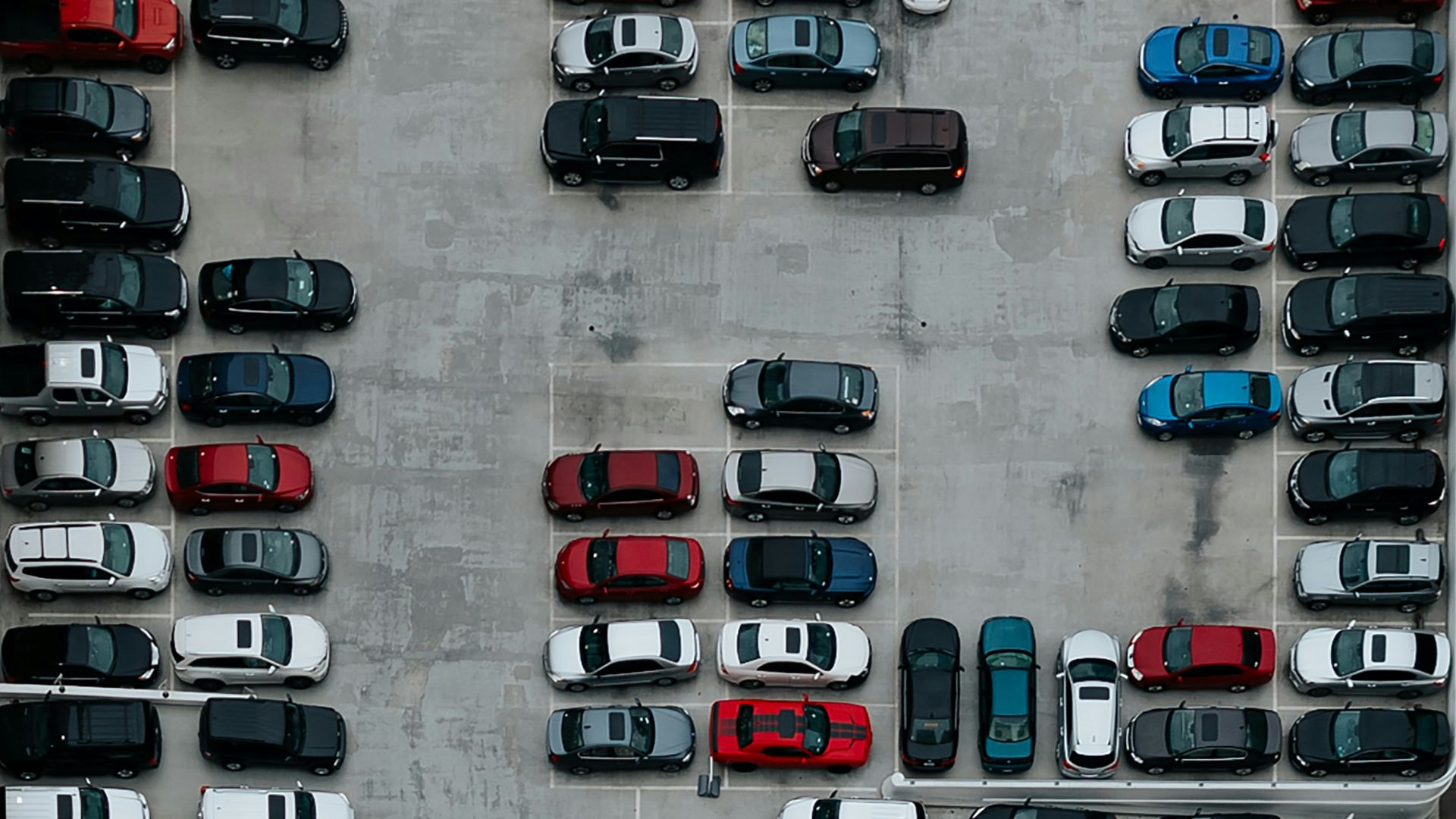
Convertibles move faster in spring. Four-wheel-drive trucks get more calls once the first snow is in the forecast, while a drop-top listed in December can sit for weeks. Buy off-season, when sellers are more willing to deal, and sell into the demand.

19. Falling for a Fake Check
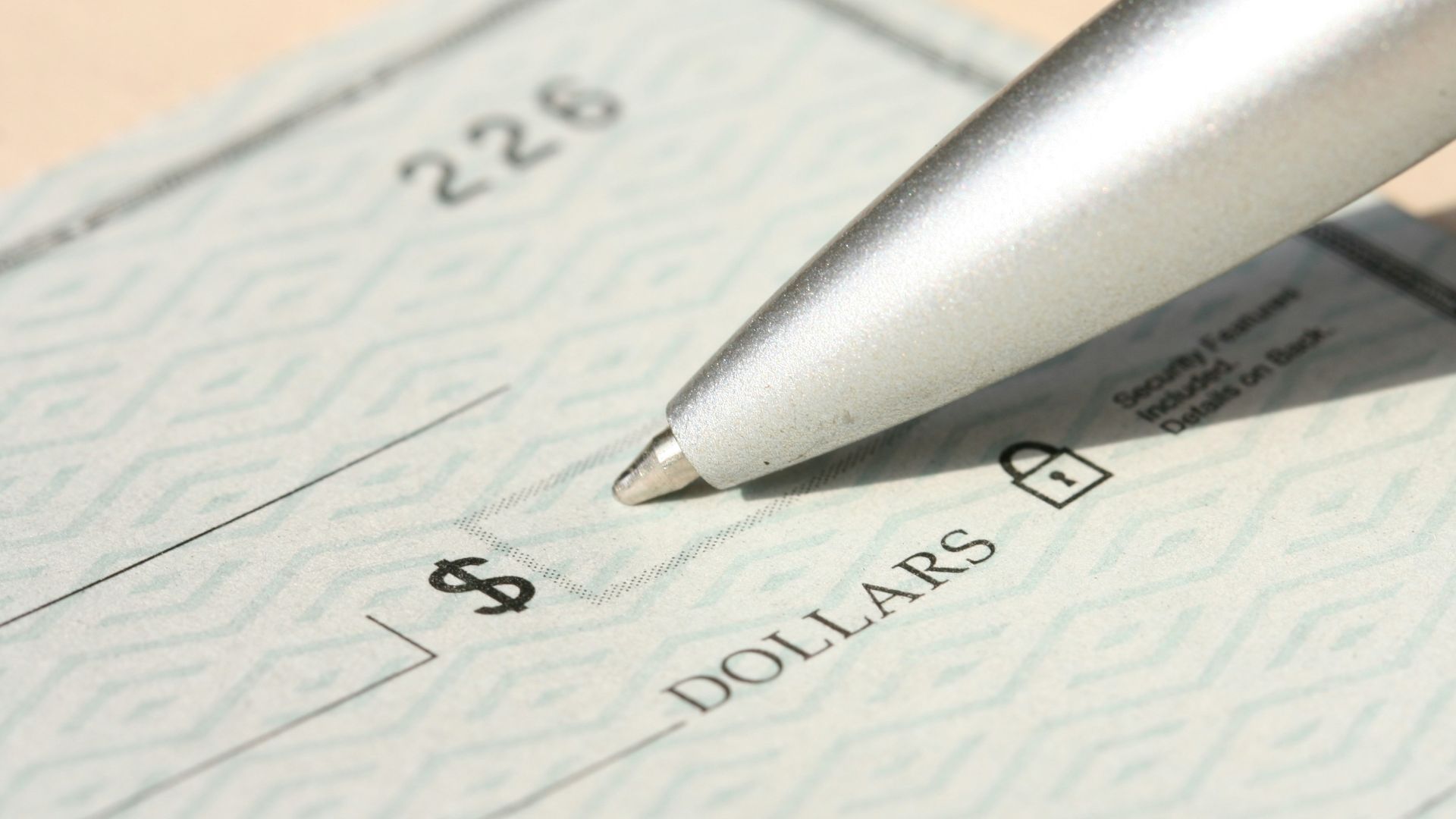
Scammers sometimes pay with a fake cashier's check and drive off before the bank catches it, according to the Federal Trade Commission. Banks can take days or weeks to flag a bad check, by which point the car is long gone. Meet the buyer at their bank and watch the teller issue the check, or take cash you can verify on the spot.
20. Tax Time Surprises
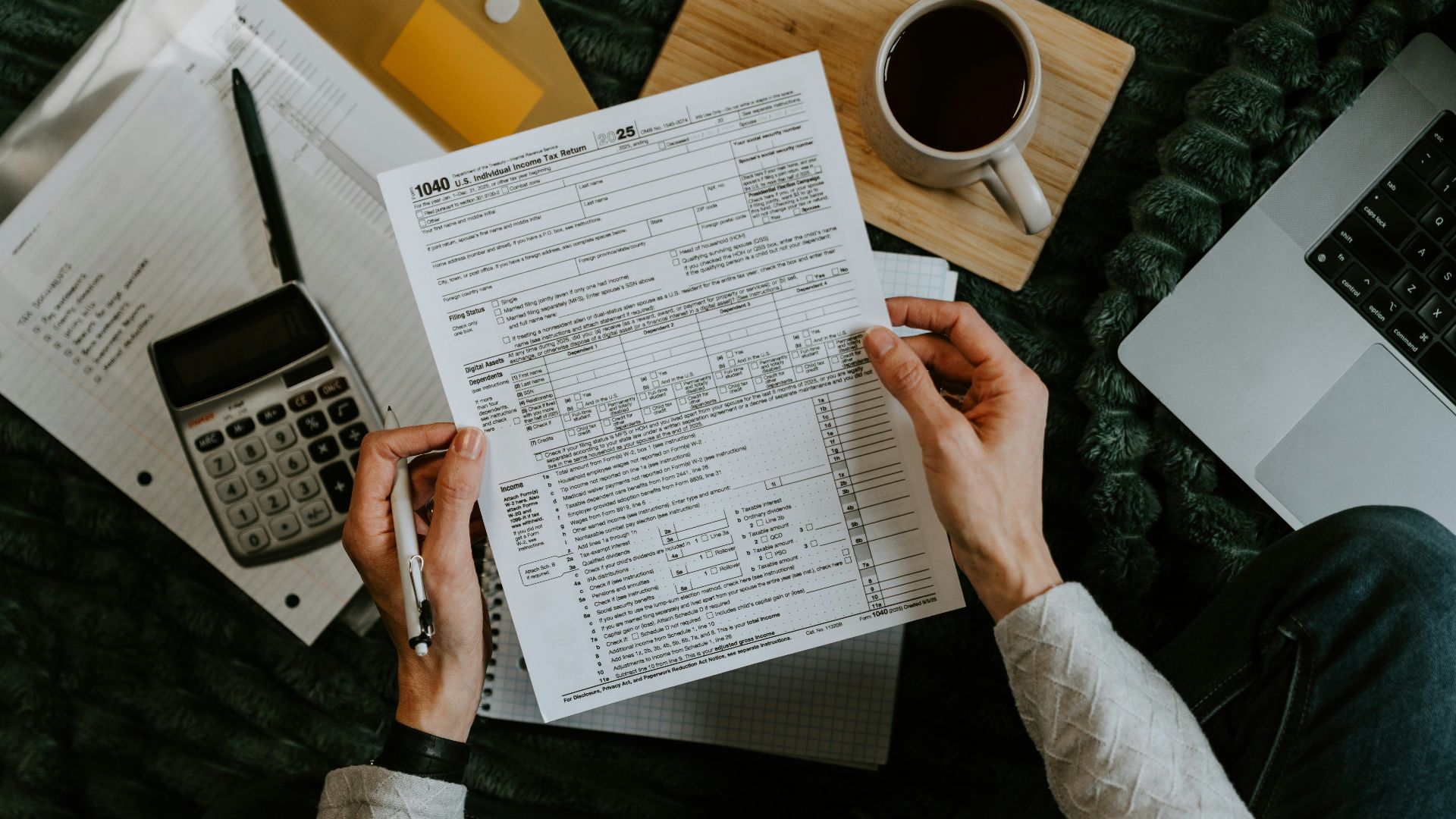
Regular flipping profits count as income to the IRS, and that can include self-employment tax. Receipts for parts and fees reduce what you owe, which makes one folder for all of them worth the effort. A flipper who ignores this until April can hand back a real chunk of the year's profit.