Formula 1 does not check pit lane speed with a radar gun. Two timing loops sit buried in the surface, the system logs how long a car takes to travel between them, and it divides an assumed distance by that time to produce an average speed. Teams calibrate their pit limiters against that benchmark and trust it completely, usually leaving a small margin under the limit to absorb any error. At Monaco the limit is 60 km/h.
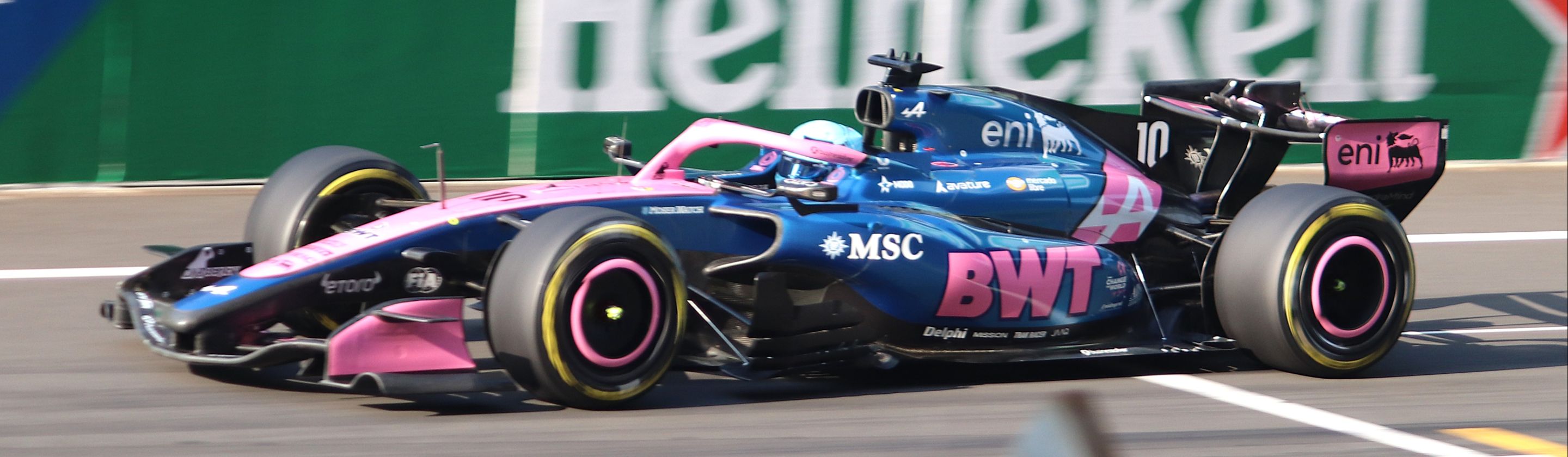
Over the 2026 Monaco Grand Prix weekend, 11 penalties came out of 423 trips down that pit lane. Pierre Gasly collected two of them, finished third on the road, and dropped to seventh once the penalties were applied to his race time. The argument over those two penalties ran on for another three months and finished in a Paris courtroom.
A Race With Eleven Speeding Penalties
Gasly's two five-second penalties went unserved during the race on June 7, which meant they were added after the checkered flag. That dropped him behind four cars and cost Alpine nine championship points. Isack Hadjar inherited the final podium place and celebrated it on the day. Overtaking at Monaco is close to impossible, so a third place there is hard to win and worse to lose on paper afterward.
He was not the only driver caught. Oscar Piastri and Gasly's teammate Franco Colapinto both picked up pit lane speeding penalties in the same race. George Russell served his incorrectly and collected a drive-through on top of it, which dropped him out of the points altogether. Mercedes looked at appealing on his behalf and dropped the idea.
Eleven penalties over one weekend is not normal. Pit lane speeding is usually a once-a-season embarrassment for a single driver, not something that catches four cars in an afternoon. Formula One Management had checked the timing setup on the Thursday and rechecked it the day before the race, finding nothing wrong. Stewards queried the issue again mid-race, after the third penalty of the day, and were told the data were sound. They handed down every penalty that followed on that assurance.
Seventy-Seven Centimeters
The distance between the first two timing loops turned out to be wrong by 77 centimeters. Average speed is distance divided by time, so an overstated distance inflates the calculated speed of every car that passes through. A driver holding steady at exactly 60 km/h could register above the limit without ever having touched it. Most drivers run far enough under 60 to absorb a small error. Anyone hugging the limit got caught.
A right of review is only available when new and relevant information surfaces, and a mismeasured pit lane cleared that bar without much argument. Alpine petitioned on the strength of it, presenting the stewards with something they had not had in June. The review succeeded and both penalties were rescinded. Gasly was restored to third, and Hadjar lost a podium he had already stood on.
The reversal held for a matter of weeks. McLaren and Red Bull appealed it to the FIA's International Court of Appeal, and the hearing took place in Paris on August 25. Teams with no stake in the result sent representatives, because the ruling would decide how any future measurement dispute gets handled. Their case had nothing to do with whether the measurement was accurate.
The Court Kept The Wrong Number
Every competitor had calibrated their limiter against the same flawed benchmark and driven the entire weekend to it. Correcting the number afterward for one car meant judging Gasly by parameters nobody else had raced under, which the two teams argued was the greater unfairness. The court agreed and reinstated both penalties on September 4.
The verdict ran to 101 clauses. It noted that the overwhelming majority of those 423 trips produced no penalty at all, so drivers were plainly able to stay under the benchmark even though the benchmark was wrong. It also found Alpine's counter-evidence amounted to a best estimate rather than proof, since a shorter time between the loops could reflect a shorter path through the pit lane or a higher speed.
The drivers who served their penalties on track were stuck either way, because nothing in the regulations allows time already lost to be handed back. Gasly stands seventh in the official Monaco results, with Hadjar third and Piastri fourth. Liam Lawson and Arvid Lindblad take fifth and sixth for Racing Bulls. Alpine has said it disagrees with the ruling and still maintains that car 10 never exceeded 60 km/h at any point in the race.