The Pit Stop That Got Faster Than Anyone Thought Physically Possible
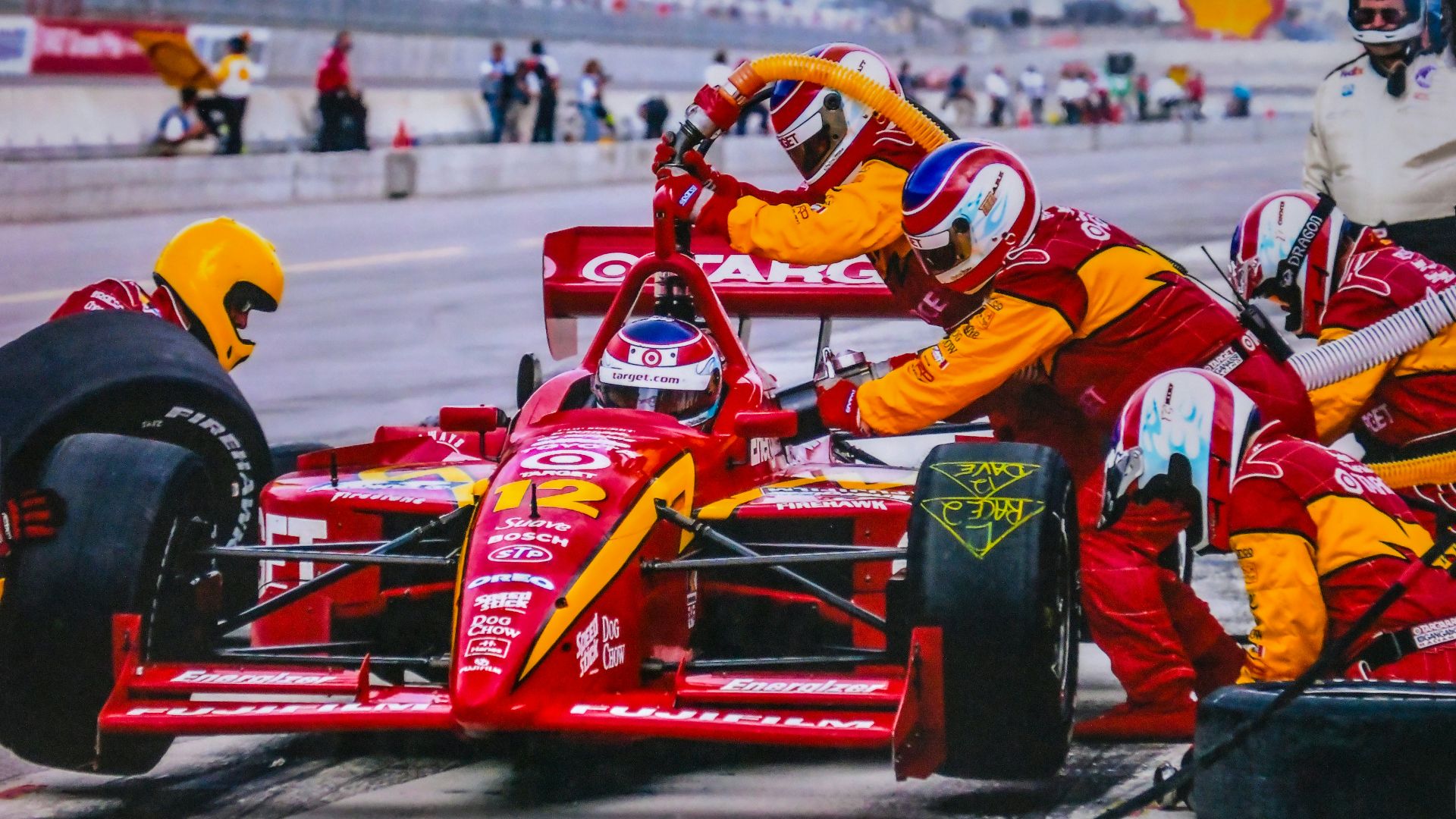
Watch a modern Formula 1 pit stop at full speed and it comes across as a glitch in the broadcast. One frame shows twenty people swarming a car, the next shows an empty box and a car already accelerating toward the pit exit. Nothing about it looks like work being done. It looks like the footage skipped.
In 1950 the same job took most of a minute. Crews knocked hubs loose with mallets and poured fuel from churns, and nobody treated the delay as a strategic variable worth optimizing. The current record is 1.80 seconds, which runs roughly seven human reaction times from start to finish.
Everything That Had To Be Redesigned
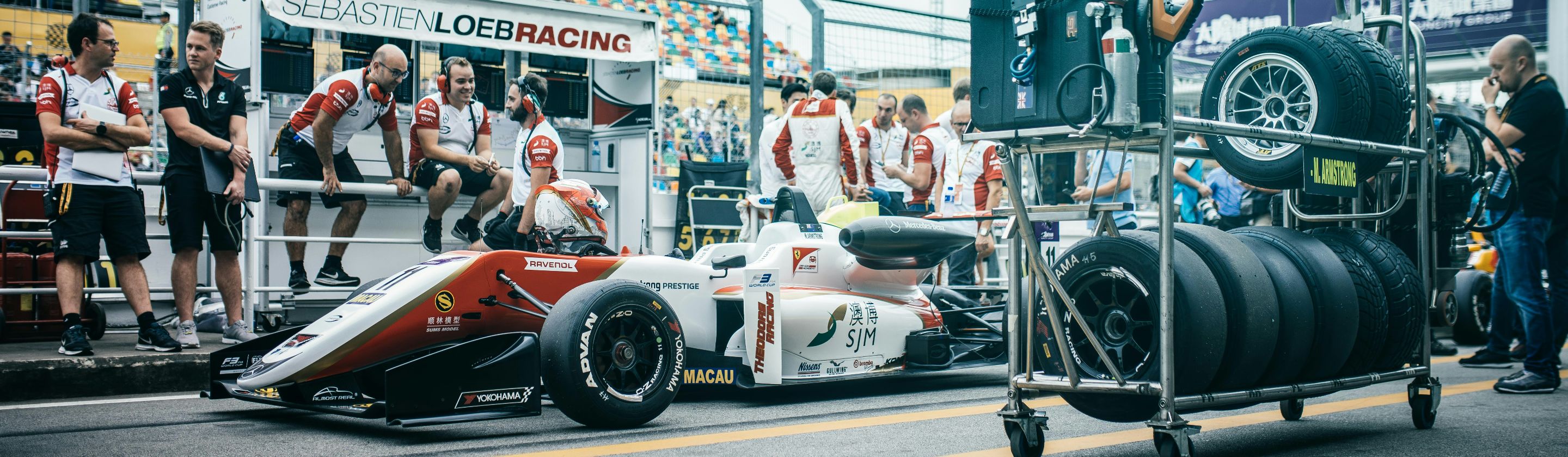
The wheel itself was the first problem. An F1 wheel is held by a single central nut rather than five lugs, and it comes off with a pneumatic gun spinning at thousands of revolutions per minute. Front and rear jacks lift the car in one motion, so both ends come up before the guns have finished their first turn.
Each corner has three people assigned to it. One works the gun while the other two handle the wheel coming off and the wheel going on, and neither of them looks at the other's hands. A release operator watches a gantry light fed by sensors on all four guns, and that light is the only thing standing between a green signal and a car leaving with a loose wheel.
The 2010 ban on refueling stripped out the slowest element and left tires as the only real variable, which is when the times started collapsing. Weight came back in 2022 with the move to 18-inch wheels. A set of modern tires runs around 42 kilograms, all of it lifted and replaced by hand.
The Record Kept Falling
Red Bull broke the record three times in 2019 alone. Pierre Gasly's stop at Silverstone came in at 1.91 seconds, Max Verstappen's in Germany at 1.88, and then a 1.82 at Interlagos in November that most people in the paddock assumed was the practical floor.
It held for almost four years. On lap 27 of the Qatar Grand Prix on October 8, 2023, McLaren serviced Lando Norris in 1.80 seconds, taking two hundredths off a record set with lighter wheels. Four stops went under two seconds across that season.
The margins matter more than they sound like they should. A 2.4-second stop instead of a 1.9 can cost a position, since the car ahead is usually within half a second on the road after the pit lane loss is accounted for. Crews rehearse the sequence repeatedly over a race weekend, chasing hundredths that no spectator can perceive.
Then The Sport Tried To Slow It Down
By mid-2021 the FIA had decided the speed was coming from the wrong place. Teams were using wheel-gun sensors to trigger the release sequence, and the concern was that a gun could signal a nut as tight slightly before it was. The governing body drafted a technical directive imposing minimum reaction times of 0.15 seconds at several stages, plus 0.2 seconds before the light could turn green.
Teams pushed back hard, Red Bull loudest of all. Christian Horner argued that sub-two-second stops were an achievement the sport should be encouraging rather than policing. The FIA consulted the teams and dropped most of the minimum reaction times, keeping software requirements that force an operator to re-check a wheel that signals early. The revised rules took effect at Spa that August.
The thing the directive was built to prevent has kept happening anyway. Norris's record came two years after the clampdown, on heavier wheels, under rules written specifically to put a floor under the process. 0.15 seconds sits at the quick end of human reaction, which is roughly where the whole operation now lives.