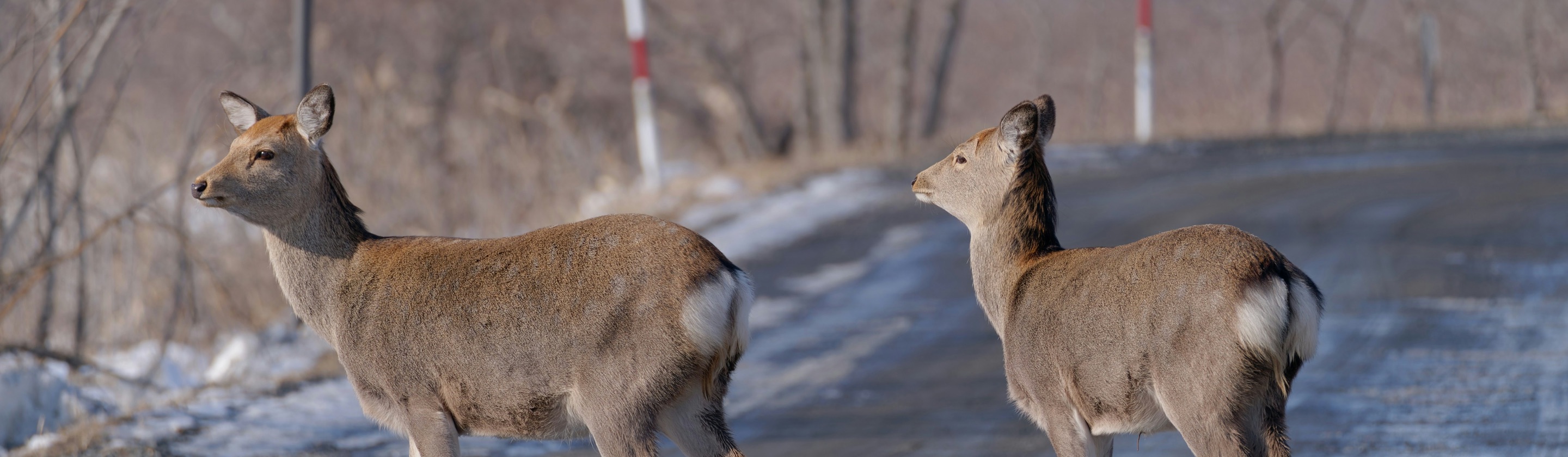
Uh-oh. Is that a deer? If you've even driven through rural areas or even suburban stretches near wooded land, you can probably recall at least one close call with an animal darting into your path. Deer or bear, it's a heart-pounding moment that will always catch you off guard, no matter how many years you've been behind the wheel. And while you can't always avoid wildlife from appearing unexpectedly, it'll help to know what you can do.
Believe it or not, wildlife-vehicle collisions are far more common than you might think. In fact, there are roughly 1.6 million animal-vehicle collisions every year in the United States, which have tragically resulted in around 200 fatalities. So, what should you do the next time an animal darts in front of your headlights? Let's take a deeper dive.
How to Avoid a Collision in the First Place
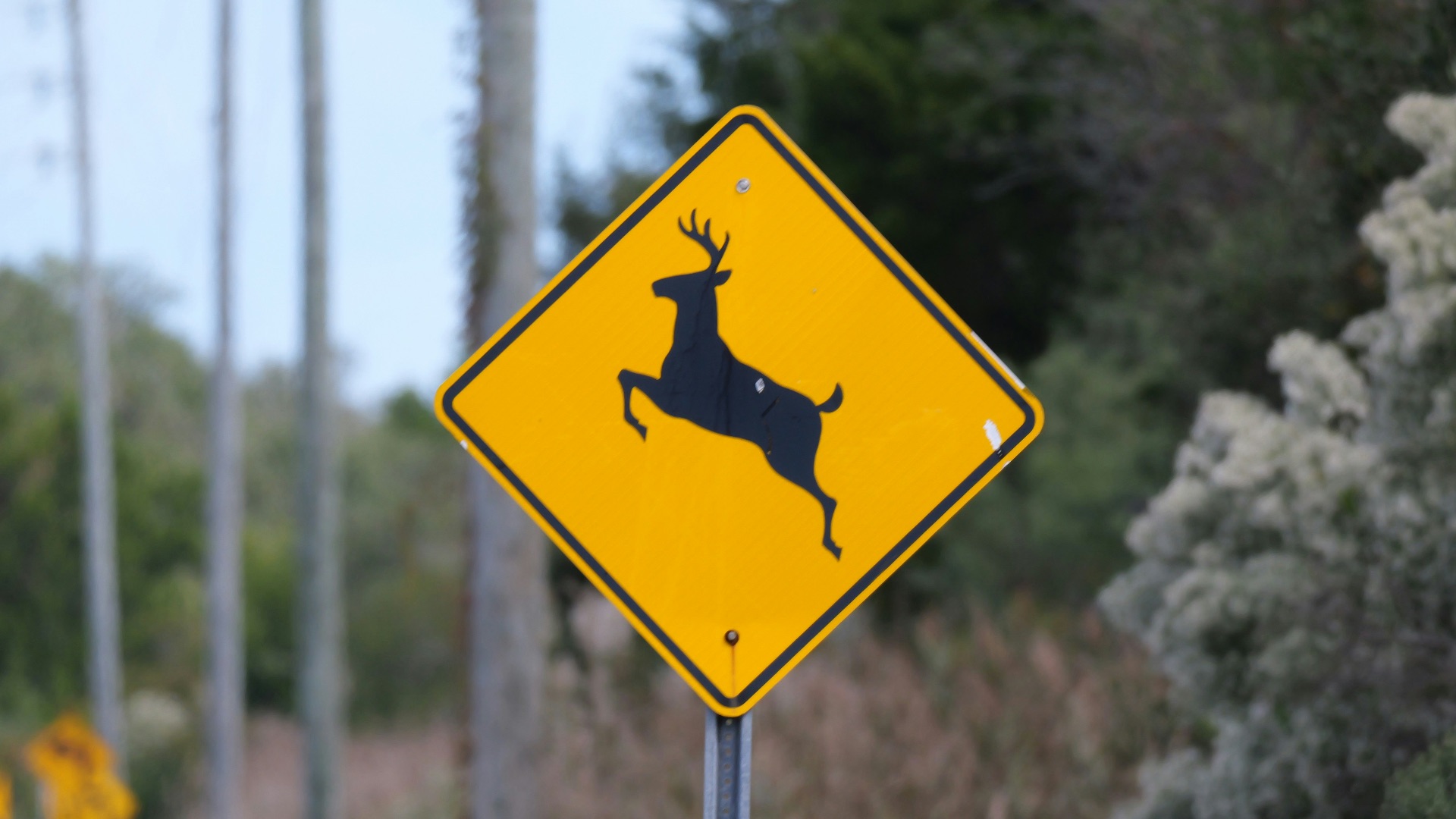
First things first, the best way to prevent a collision from happening is to stay alert at all times, especially if you're driving through stretches known for wildlife activity. All those animal-crossing signs you see? Don't take them lightly; they're not just there for show. So, the moment these cues pop up, slow down and scan the roadside. When it gets dark, make sure you reduce your speed even further.
But staying vigilant isn't the only thing you need to avoid potential collisions, even though it can certainly prevent them. The biggest tip is actually timing when you drive. Deer and similar wildlife tend to be most active during dawn and dusk, conveniently when visibility is at its worst for human eyes. Keeping this in mind, try to drive outside of these windows when you can, and you'll be able to cut down your odds of a sudden encounter considerably.
Another thing: use your headlights. If you're on a quiet rural road with very sparse traffic, feel free to switch on your high beams: they'll help illuminate a much wider stretch of road, and if an animal were to dart in your path, the bright light will catch the glow of an animal's eyes reflecting back at you earlier on. It's also worth remembering that if you see one, you're bound to see more—animals often travel in groups.
What to Do in the Moment
What should you do, then, when an animal is actually in your path? Your instincts might tell you to swerve, but that's usually the wrong move. After all, swerving only increases your risk of losing control, and by doing so, you may not only collide with the animal but throw yourself into oncoming traffic. Instead, the recommended approach is to keep your wheels straight and brake firmly and steadily.
There is one notable exception to this rule, though: for larger animals like moose or elk, a direct collision can send their body weight crashing through the windshield. In that specific situation, and only if you have no other choice and impact is unavoidable, you'll need to aim strategically and graze the animal's flank rather than its center. This will help reduce the severity of the impact.
What about honking your horn, you might ask? You should note that beeping at an animal is a gamble: in some cases, the sudden sound may startle an animal enough to make it bolt directly into your lane. You're better off relying on braking as early as possible.
What to Do After a Collision Occurs
If a collision does happen despite your best efforts, your first priority is to get your vehicle off the road. Pull over where you can, ideally onto the shoulder, and switch on your hazard lights. Do a quick check to make sure everyone in the car is okay before doing anything else. Then call the police or local wildlife services to report the incident. Remember: no matter how the animal appears, and no matter how much you want to help it, it can be extremely dangerous to approach wildlife. An animal in distress can be especially unpredictable and may even charge if it feels cornered, so leave that to trained professionals.
Once you and your passengers are safe and the appropriate authorities have been notified, take photos of any visible damage to your car along with the surrounding scene. Depending on your specific insurance plan, damage from an animal strike can fall under different categories, so keep that in mind as you sort out the rest of the situation.
Ultimately, wildlife encounters on the road are wildly unpredictable, but they don't have to end in disaster either. When driving on quieter roads, always make sure to stay alert in high-risk areas and adjust your driving habits, as well as know what to do when an animal darts in front of you. And if the worst does occur, having a clear plan and handling the aftermath properly will ensure you get through the incident with as little stress—for you and the animal—as possible.