Sliding Doors, Different Outcomes
The minivan solved a problem few other vehicles have handled as well. It could carry seven people and their luggage without making the third row feel like a punishment. Then somewhere along the way, it became shorthand for giving up. A few models were clever and capable enough to escape the stereotype, while others seemed to double down on it. The difference usually came down to what the engineers did, not what the ads promised. Here are 10 that redeemed the poor impression and 10 that reinforced it.

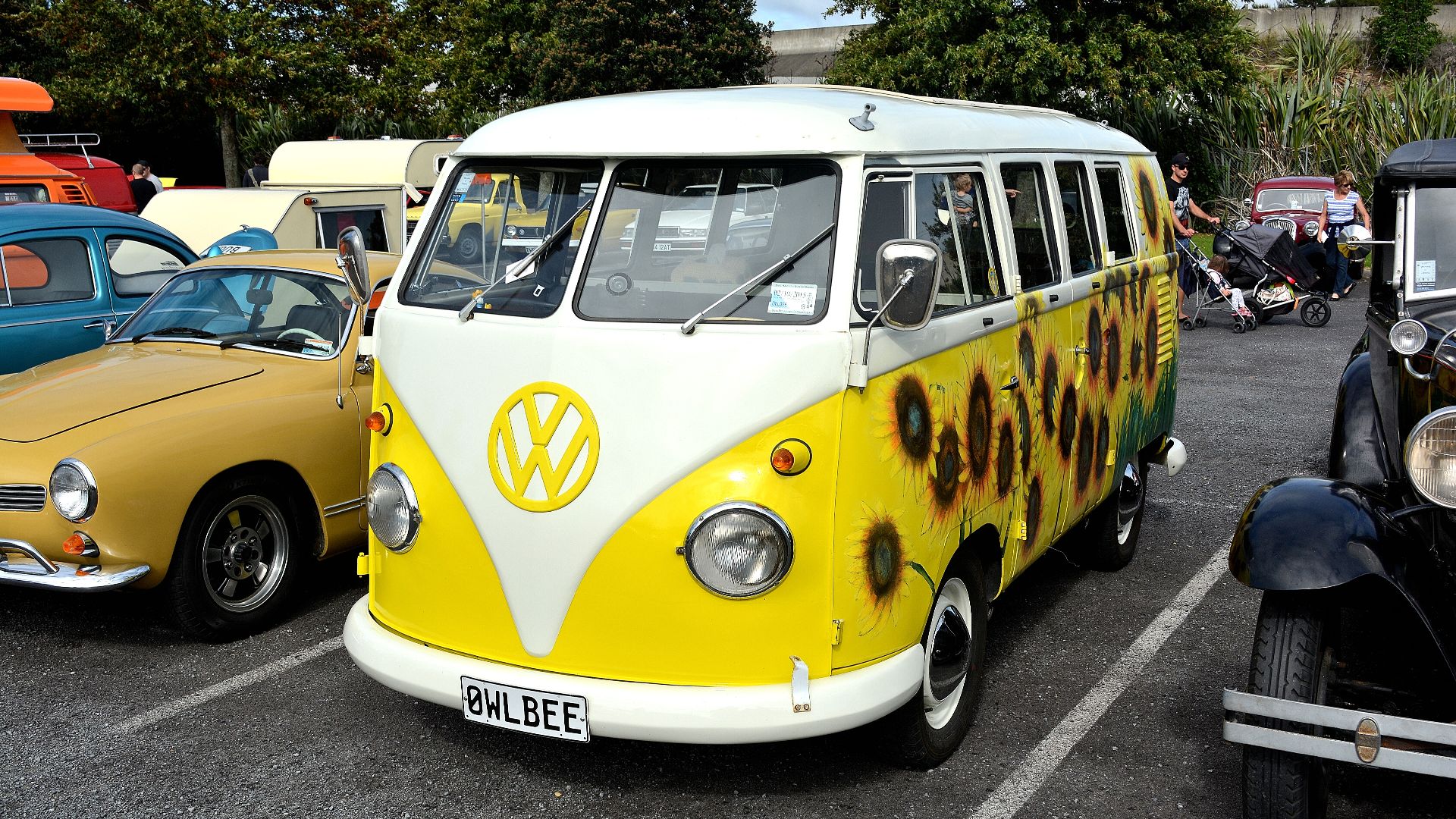
1. Volkswagen Type 2 Microbus
It went on sale in 1950 with 25 horsepower and a top speed that made highway merging a group activity. Nobody ever called it a mom car, because by 1967 it had been adopted by people who were not thinking about carpool lines. A clean 21-window Deluxe now trades for more than a new Porsche 911, which would have astonished anyone who paid $2,000 for one in 1965.
 GPS 56 from New Zealand on Wikimedia
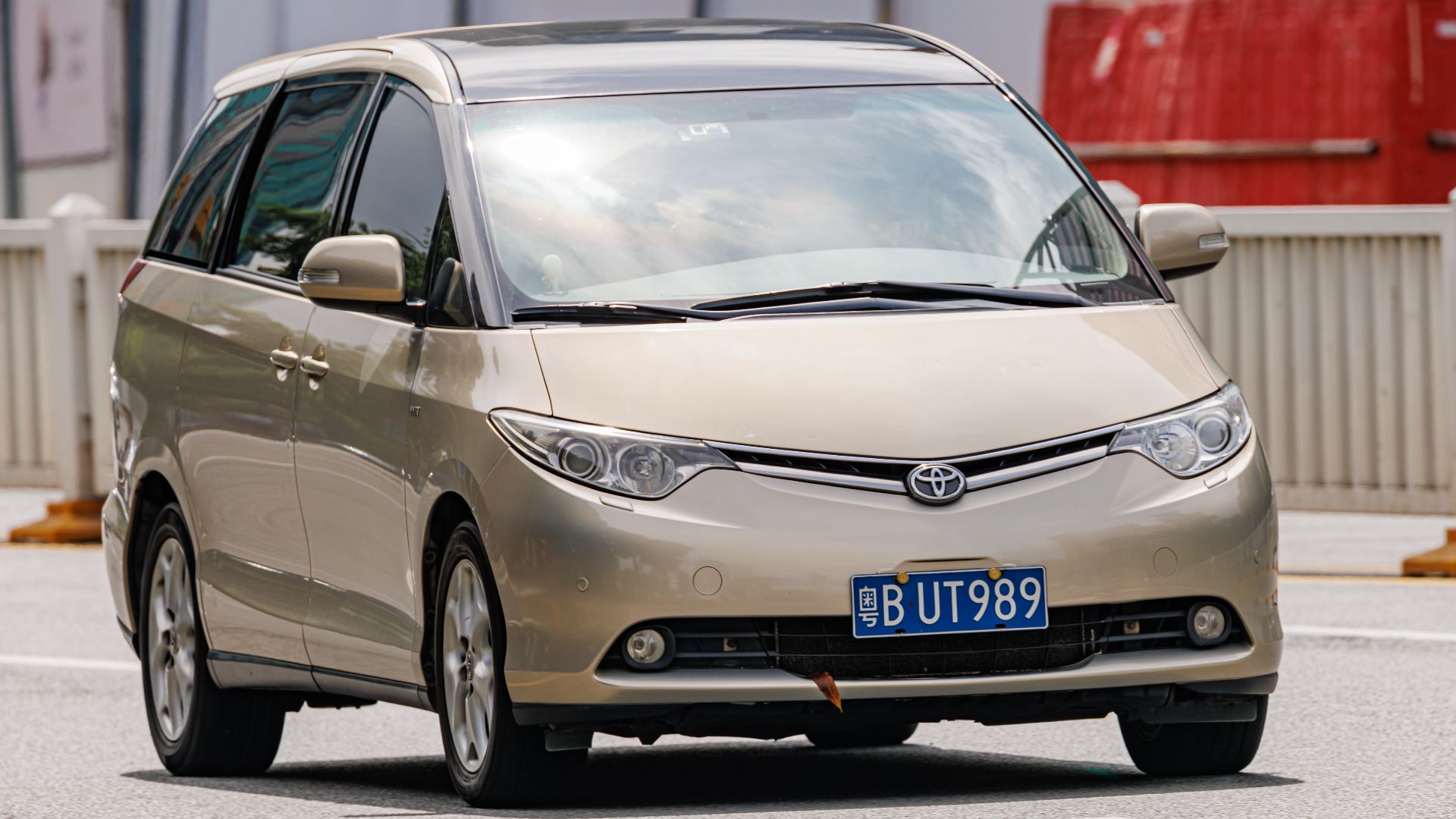
2. Toyota Previa
Toyota put the engine under the front seats at a 75-degree angle and drove the accessories off a shaft running forward to the nose. There is no hood to open, because checking the oil means lifting a panel between the driver and the passenger. A blower was available on later ones and so was all-wheel drive, and owners still trade parts on forums thirty years later.
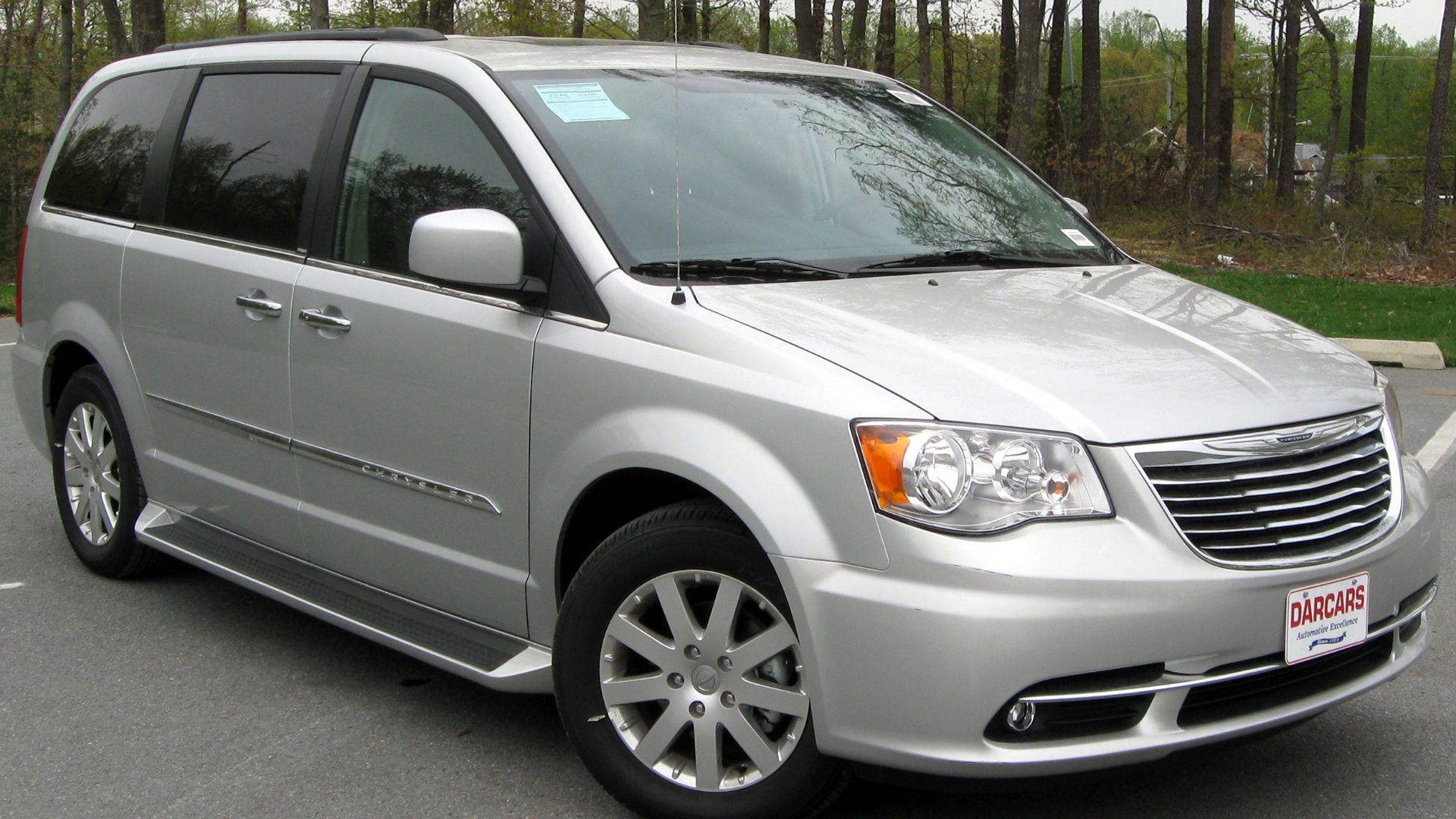
3. Chrysler Town & Country With Stow 'n Go
In 2005 Chrysler worked out how to fold both rear rows flat into the floor, which meant a full cargo van appeared in about forty seconds without removing a single seat. Every competitor spent the next decade trying to answer it, and most of them never did. Anyone who has ever wrestled a bench seat out of a van and left it leaning against a garage wall for six months understands why this mattered.
4. Honda Odyssey
The 2005 version arrived with 255 horsepower and a chassis that would hold a line through a corner better than most crossovers of the era. Honda later built a vacuum cleaner into the cargo area with a hose long enough to reach the front footwells. It remains the only factory answer anyone has offered to the Cheerios problem.

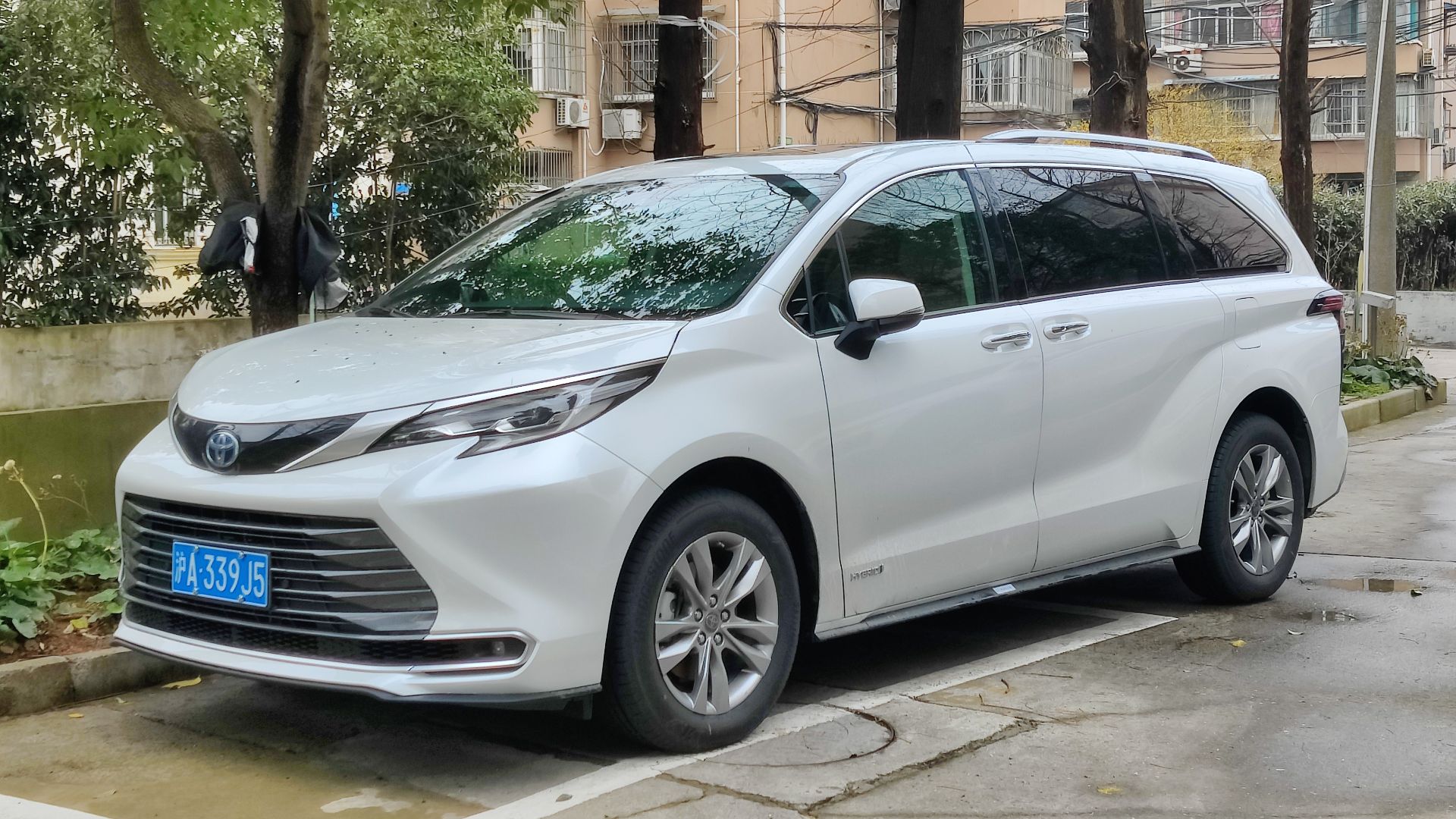
5. Toyota Sienna
The Sienna has offered all-wheel drive since 2004, which is why you see them parked at ski houses in Vermont. The current one comes only as a hybrid and returns about 36 miles per gallon. That beats most compact sedans while carrying eight people and their luggage, which is a strange sentence to be able to write.
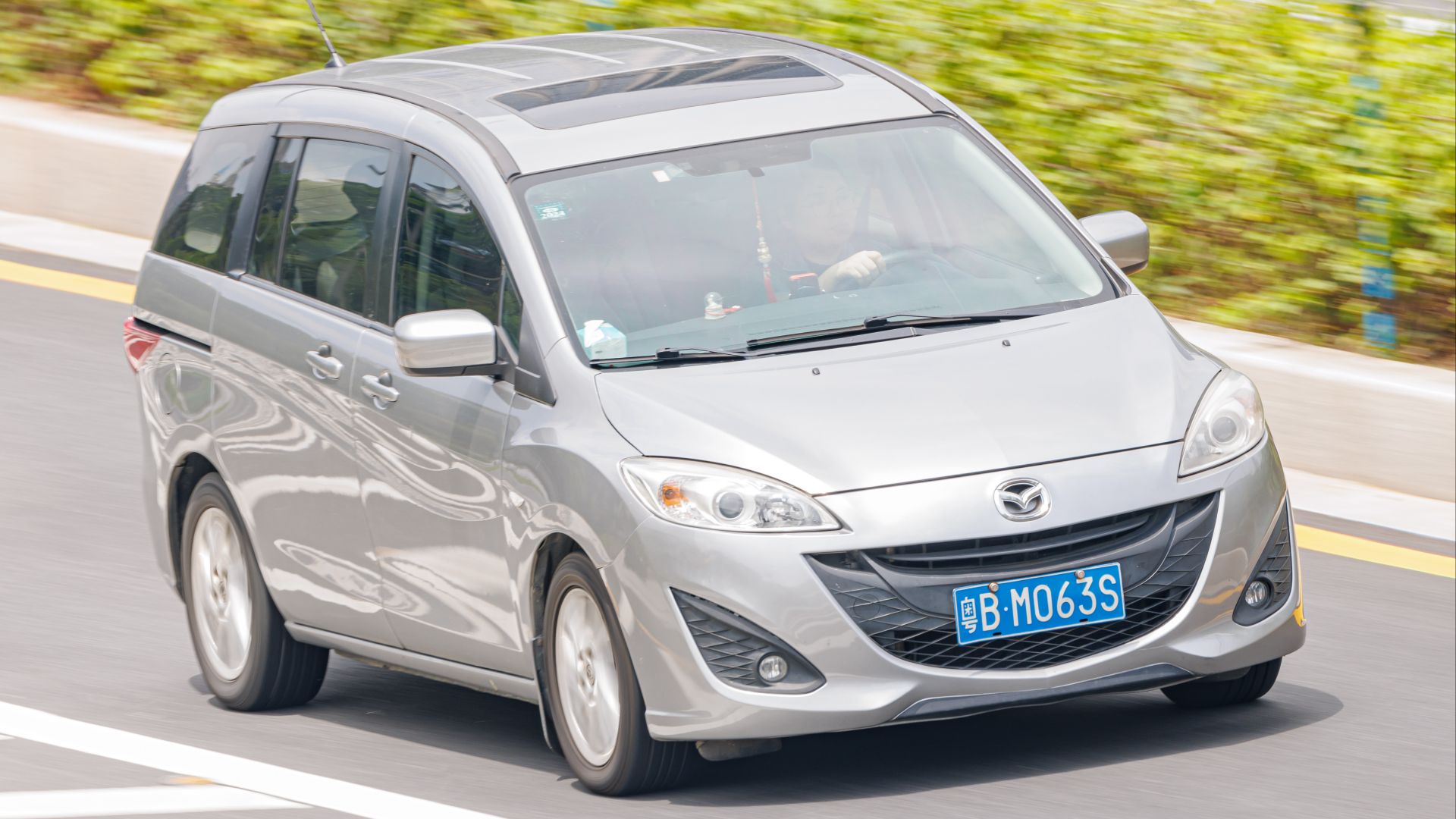
6. Mazda5
It rode on the Mazda3 platform and seated six in a footprint shorter than a Camry, with proper sliding doors on both sides. Early American cars could be ordered with a manual transmission, which enthusiasts bought on purpose. Mazda sold it here for about a decade to almost nobody.
7. Chrysler Pacifica Hybrid
The only plug-in hybrid minivan sold in America, with about 32 miles of electric range before the gas engine wakes up. Most school runs and grocery trips fit inside that number. Plenty of owners go three or four weeks between fill-ups without changing a thing about how they drive.
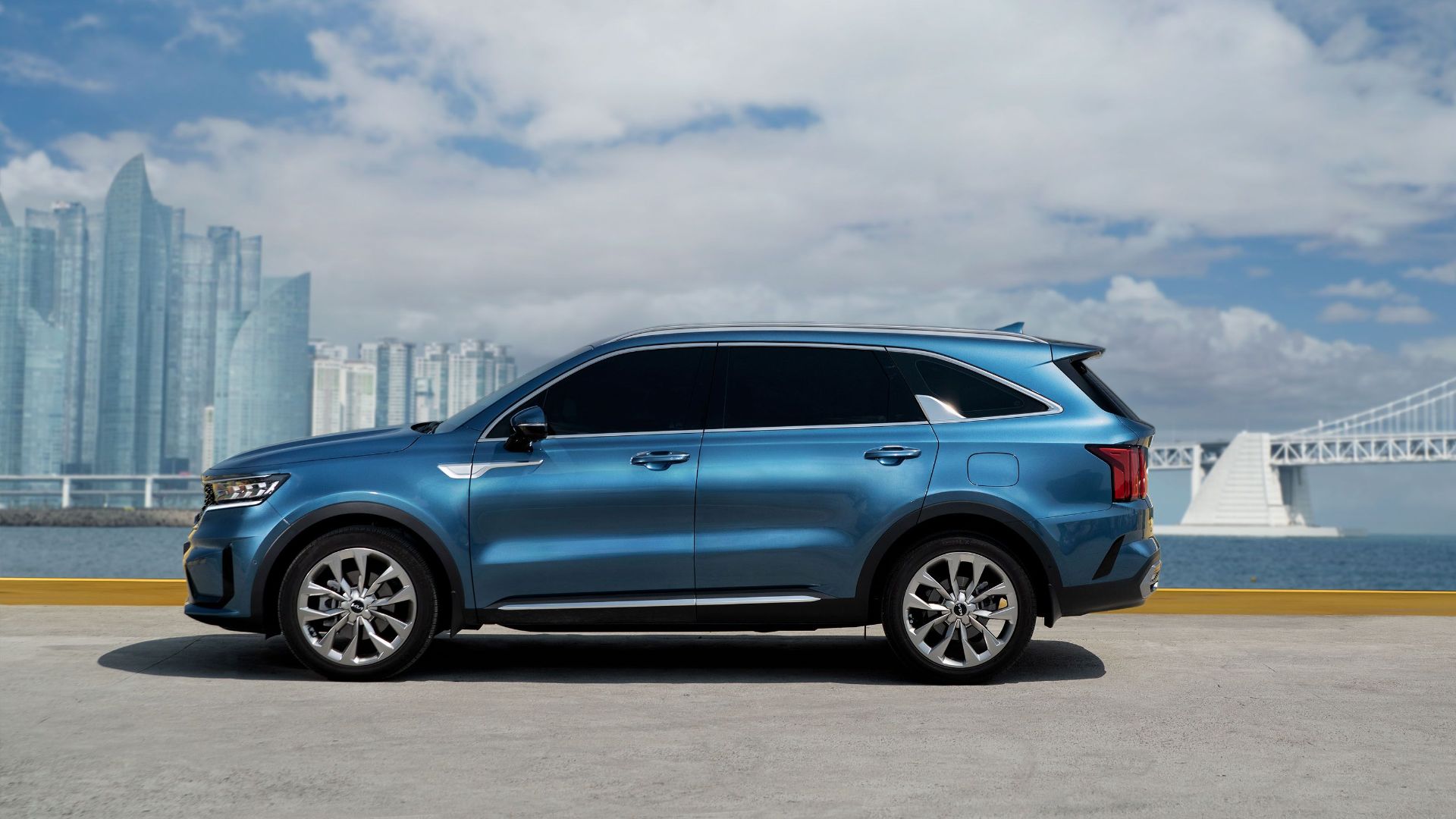
8. Kia Carnival
Kia stopped calling it a minivan and styled the roofline like a large crossover, and buyers who had sworn off vans walked into the showroom. The sliding doors are still right there where they always were. Kia badged it an MPV and sold more of them than the Sedona it replaced.
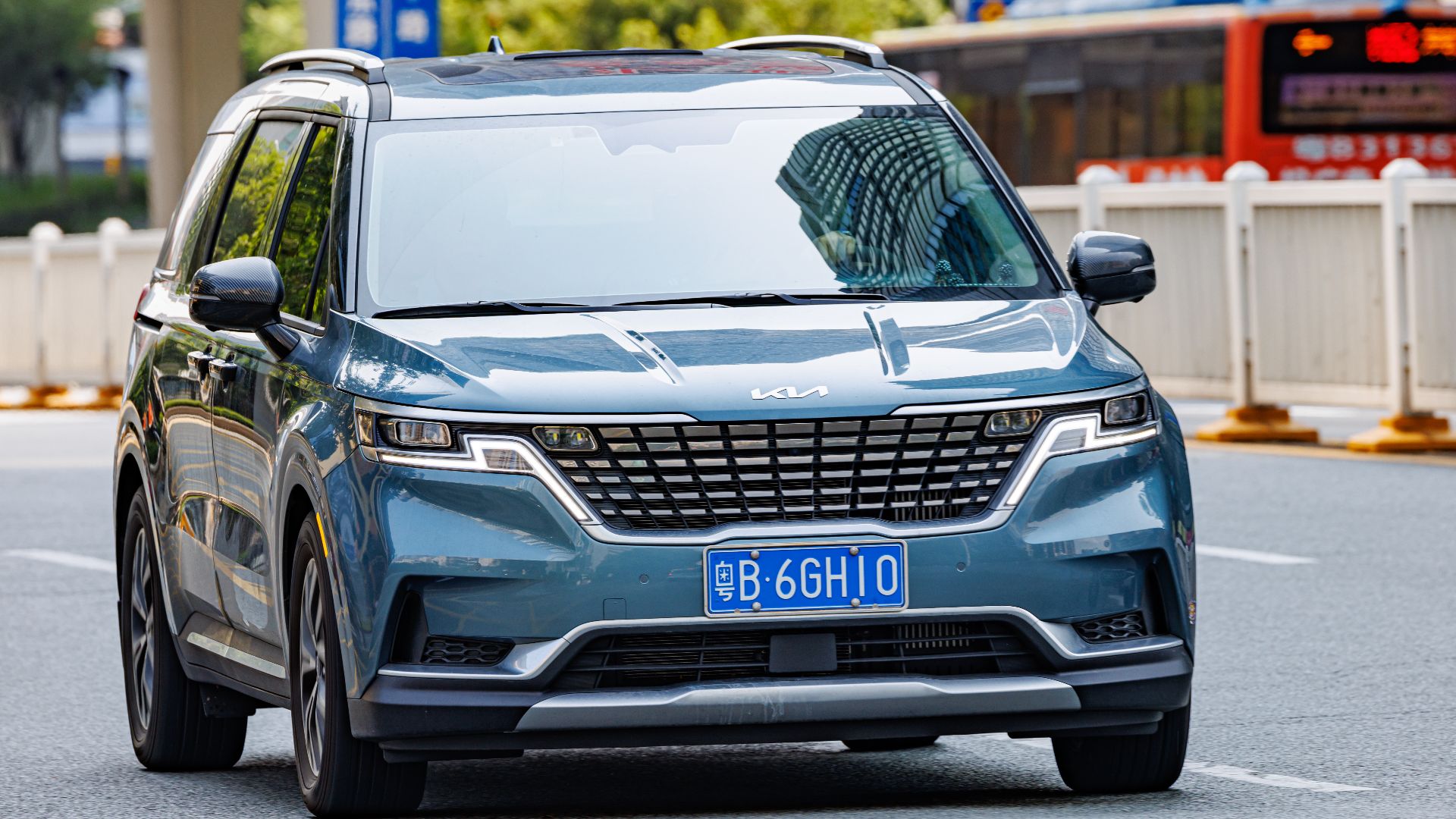
9. Toyota Alphard
In Japan and across much of Asia, the Alphard is what an executive rides in rather than a sedan. The second row has captain's chairs with powered ottomans and enough legroom to straighten a leg completely. Pull up outside a hotel in Hong Kong or Bangkok and the Alphard at the curb is carrying somebody important.
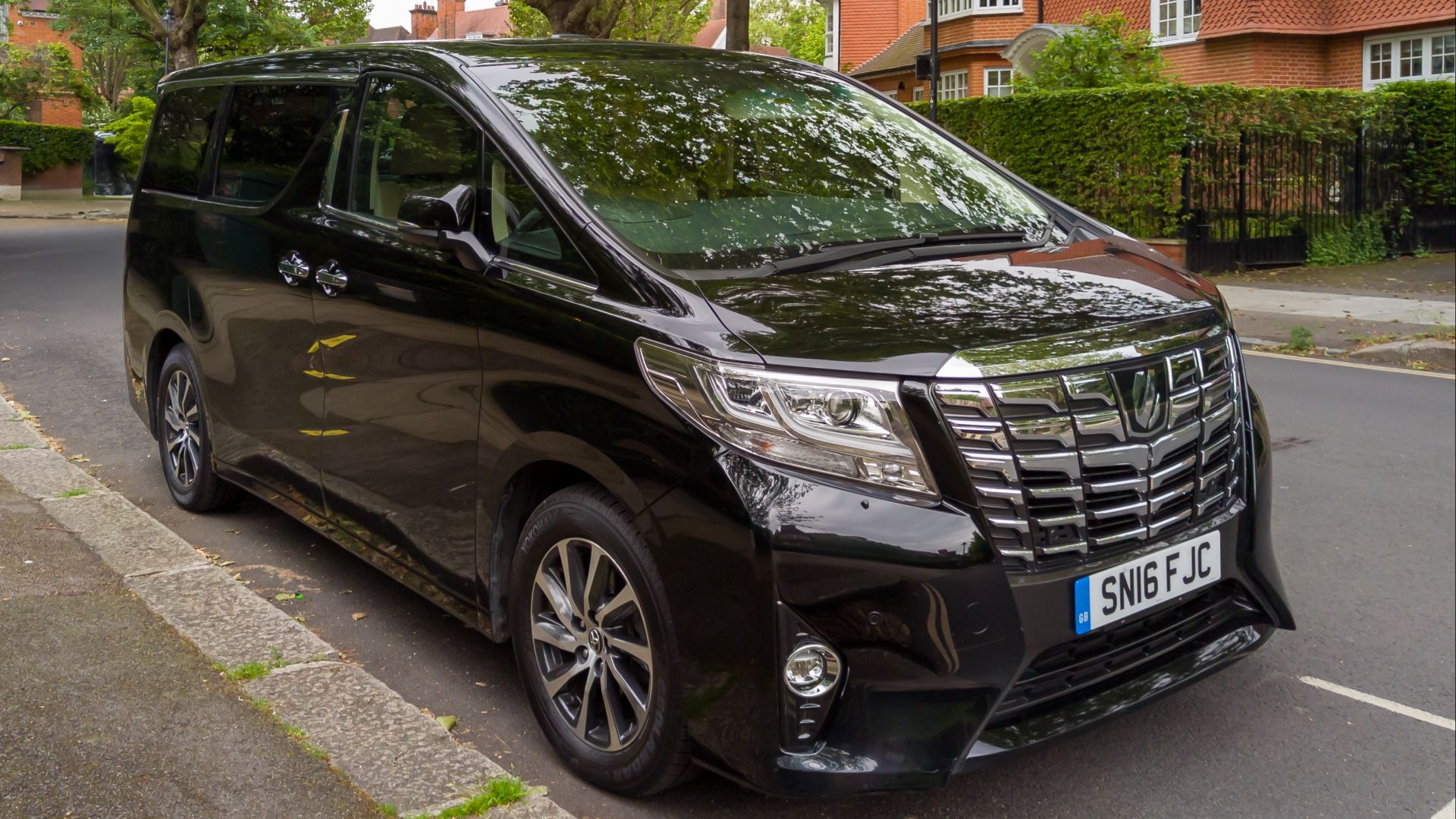
10. Dodge Grand Caravan R/T
In 2011 Dodge fitted the 283-horsepower Pentastar V6 and stiffened the suspension, then blacked out the trim and marketed the result as a Man Van. It was faintly ridiculous and quicker than a good many sports sedans of the period. The R/T stayed in the lineup for several model years, so the joke evidently landed with somebody.
Now, here's 10 that never escaped the stereotype.
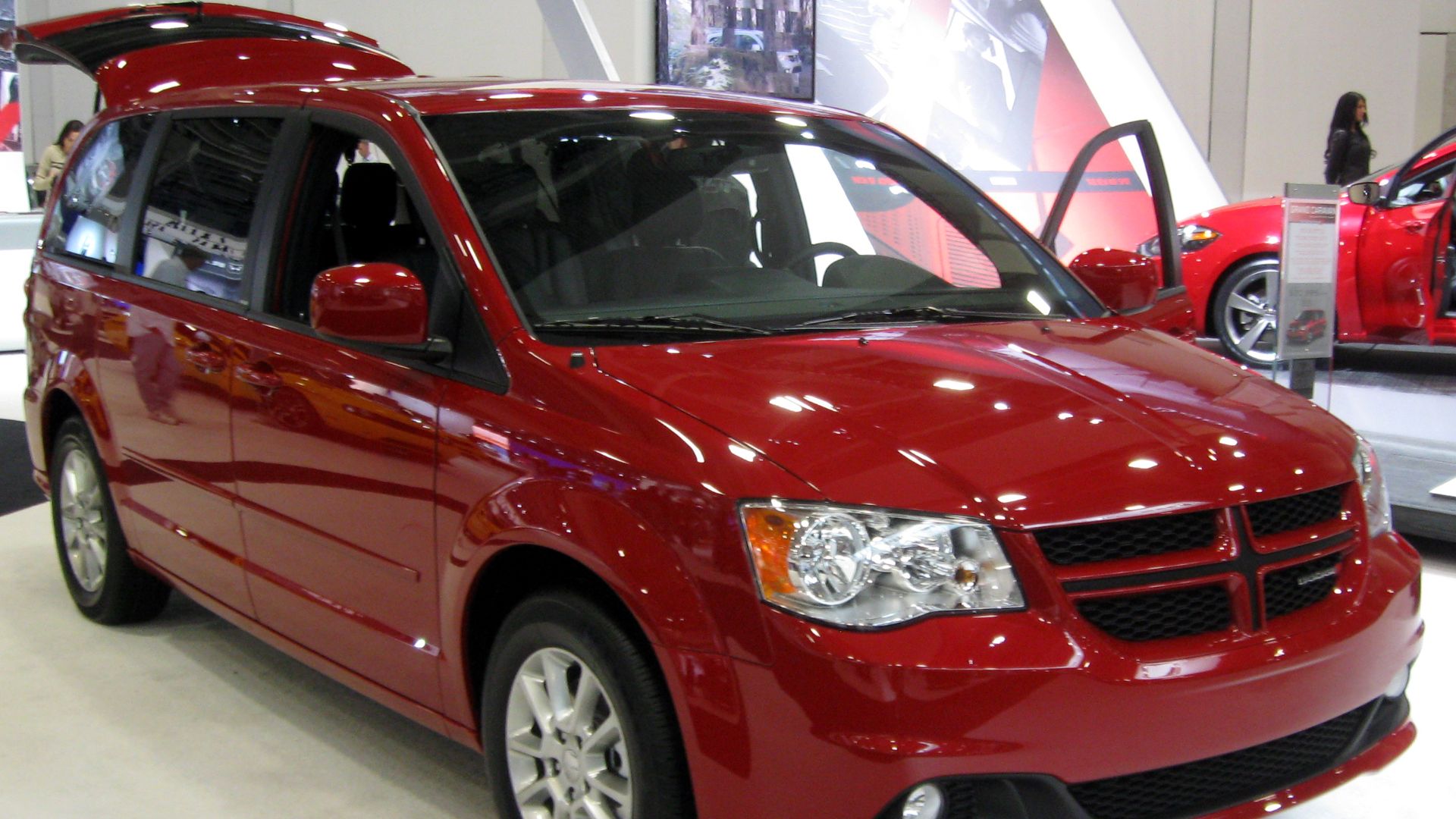
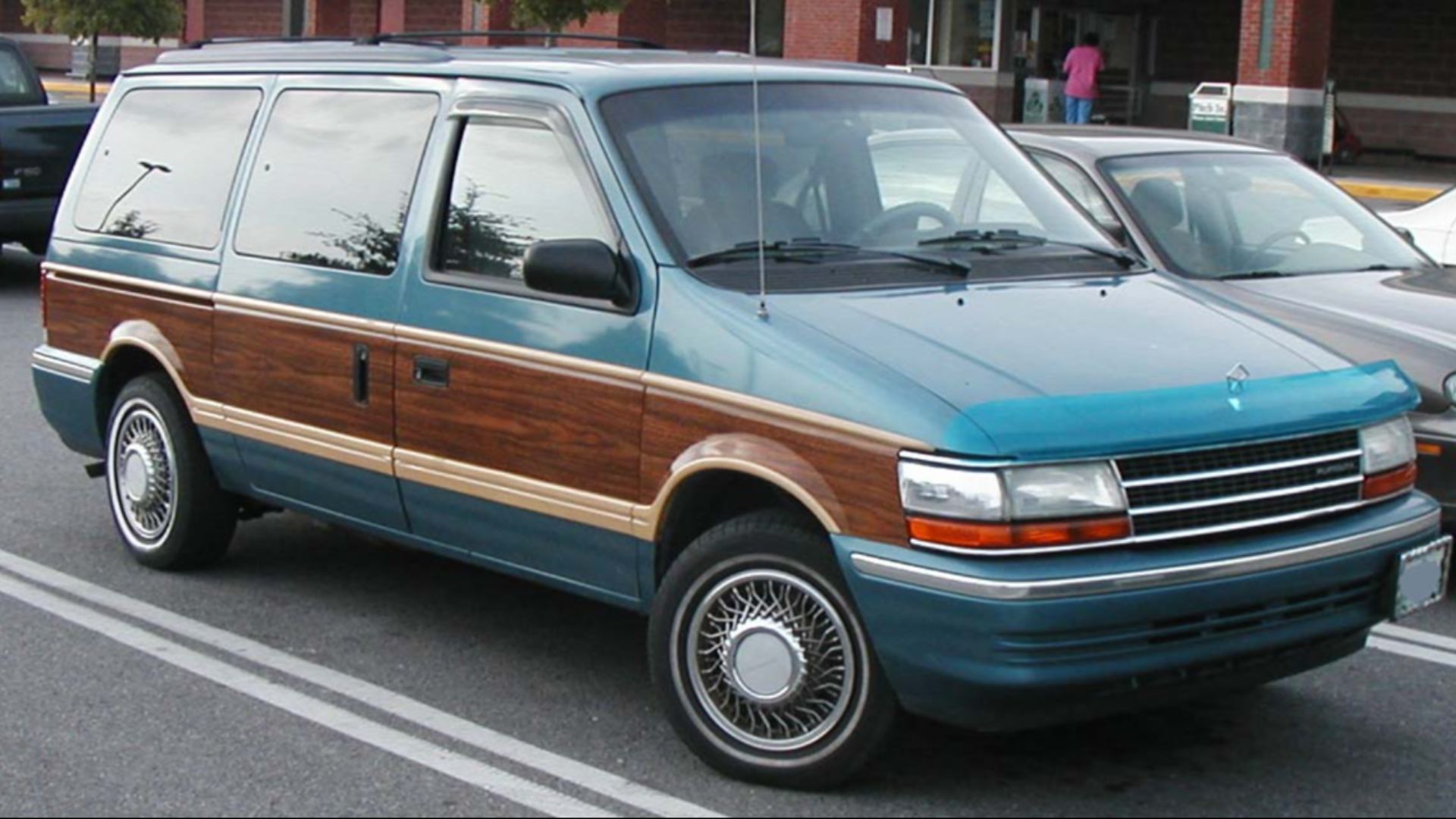
1. Plymouth Voyager With The Woodgrain
The 1984 original created the category and did more damage to its reputation than any vehicle since. The fake wood panel down the side is the exact image people picture when they say mom car. Chrysler sold millions of them and invented the stereotype inside the same decade.
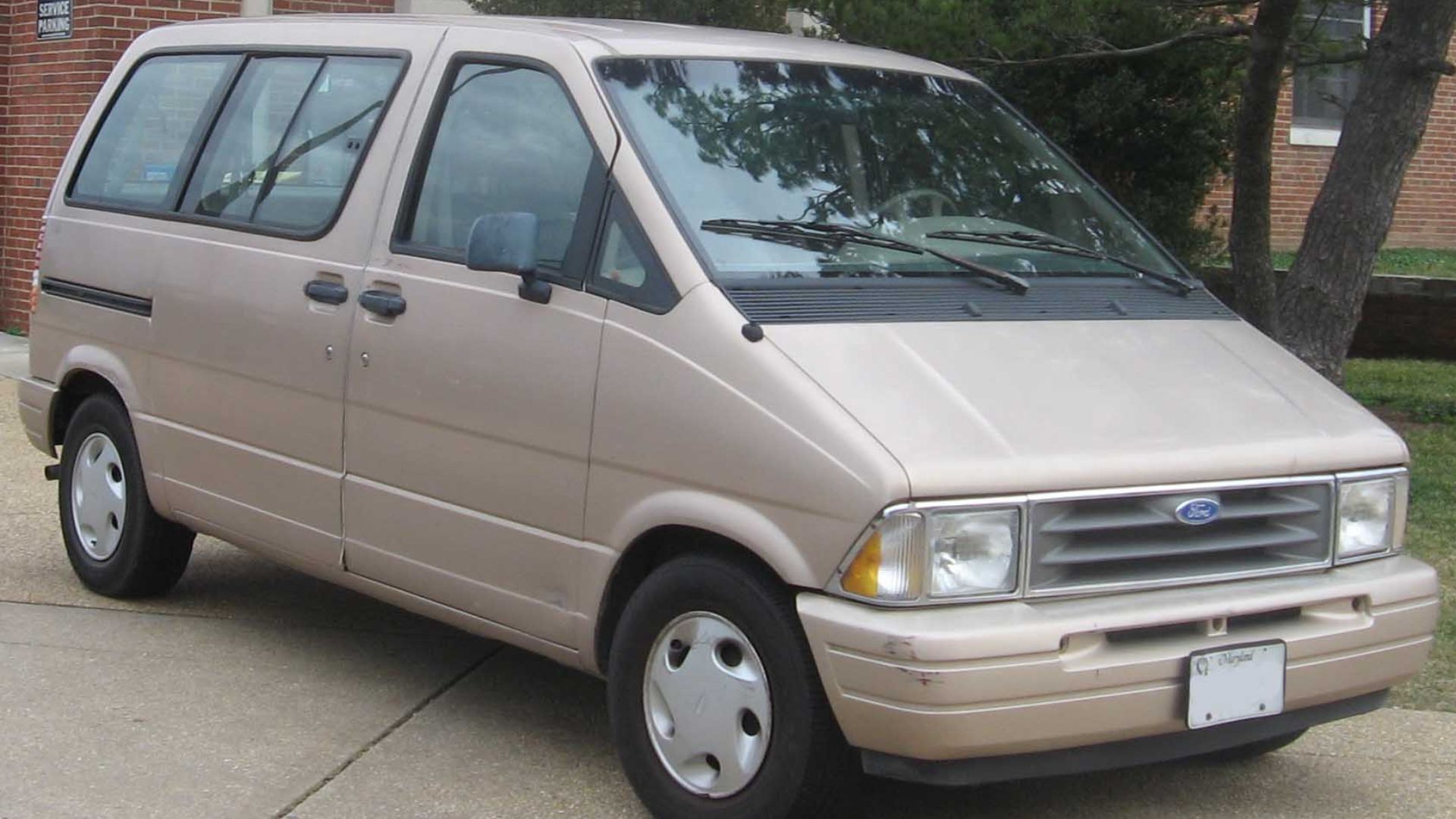
2. Ford Aerostar
Ford built its first van on rear-drive truck underpinnings shared with the Ranger, which gave it a high floor and a nose shaped like a doorstop. The ride quality reflected those origins on anything rougher than a parking lot. By the mid-nineties most surviving examples were carrying plumbing supplies rather than children.
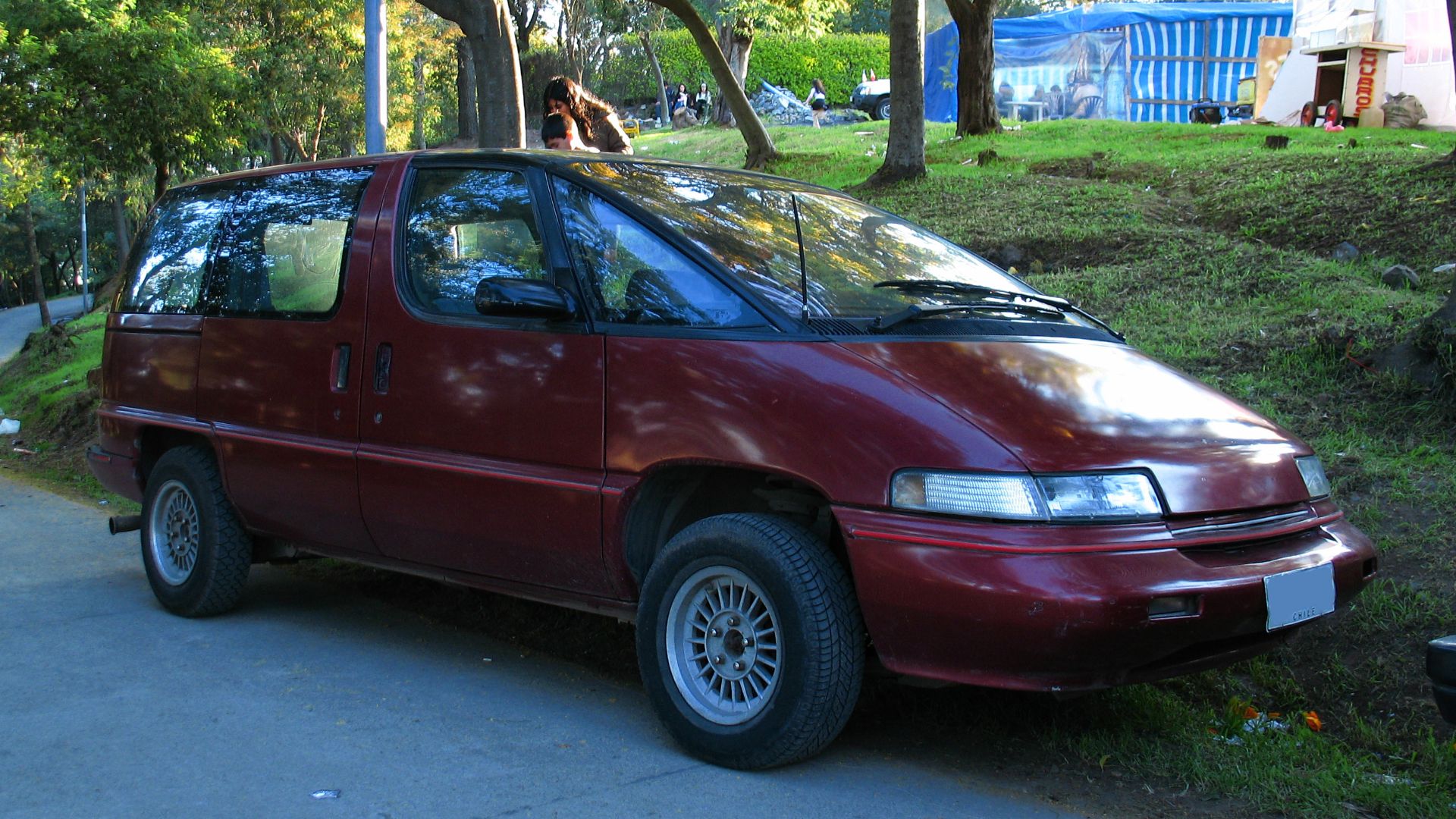
3. Chevrolet Lumina APV
The windshield stretched so far forward that owners nicknamed it the Dustbuster, and the dashboard sat far enough away that short drivers could not reach the far side of it. The plastic body panels resisted dents and attracted ridicule. GM had aimed at futuristic and landed on a small appliance instead.
 order_242 from Chile on Wikimedia
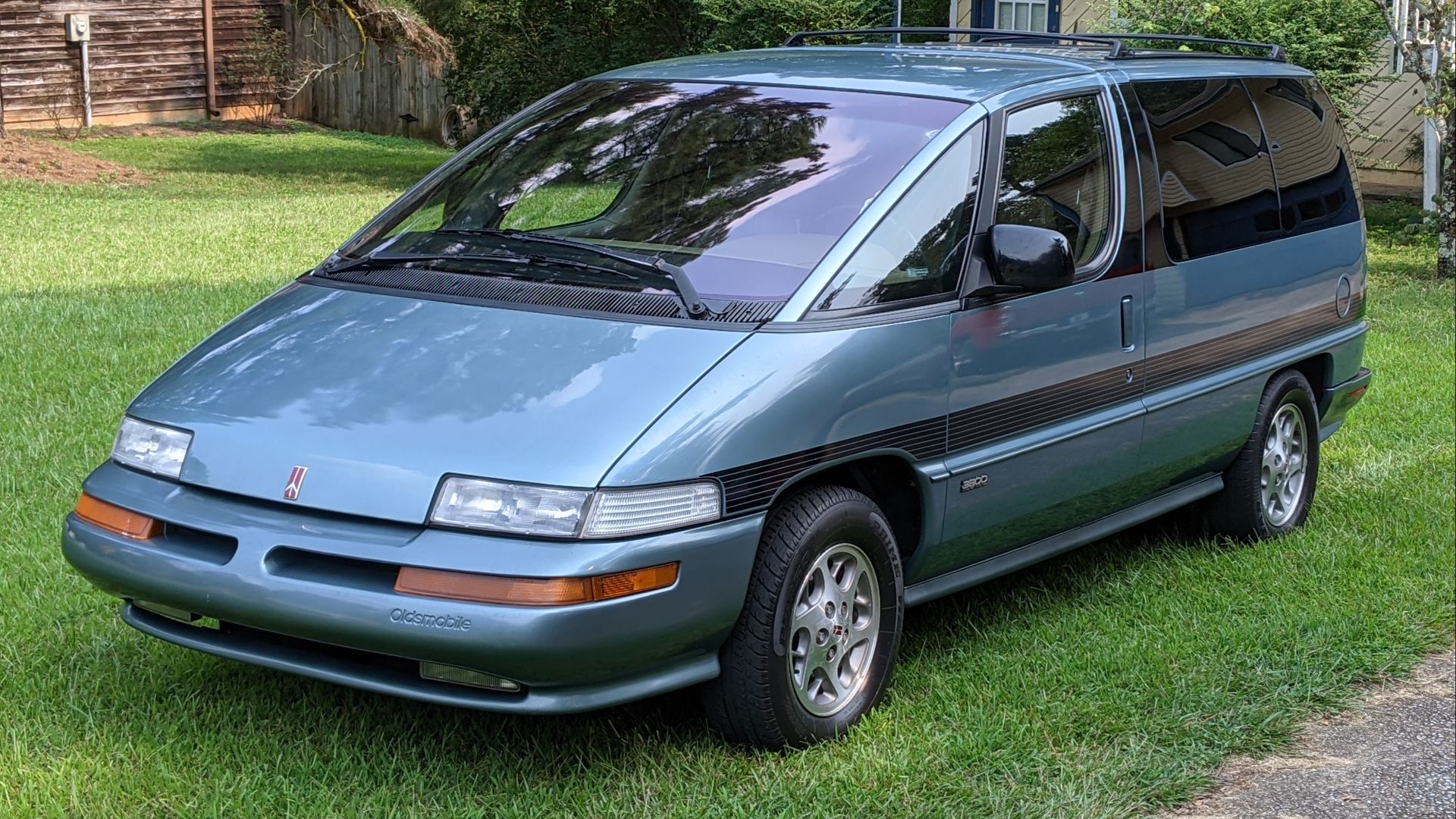
4. Oldsmobile Silhouette
GM marketed the same Dustbuster shape as a luxury van, which is how it ended up being called the Cadillac of minivans in Get Shorty. The line was written as a joke in 1995 and every person in the theater understood it as one. Oldsmobile itself was gone within a decade of that line reaching theaters.
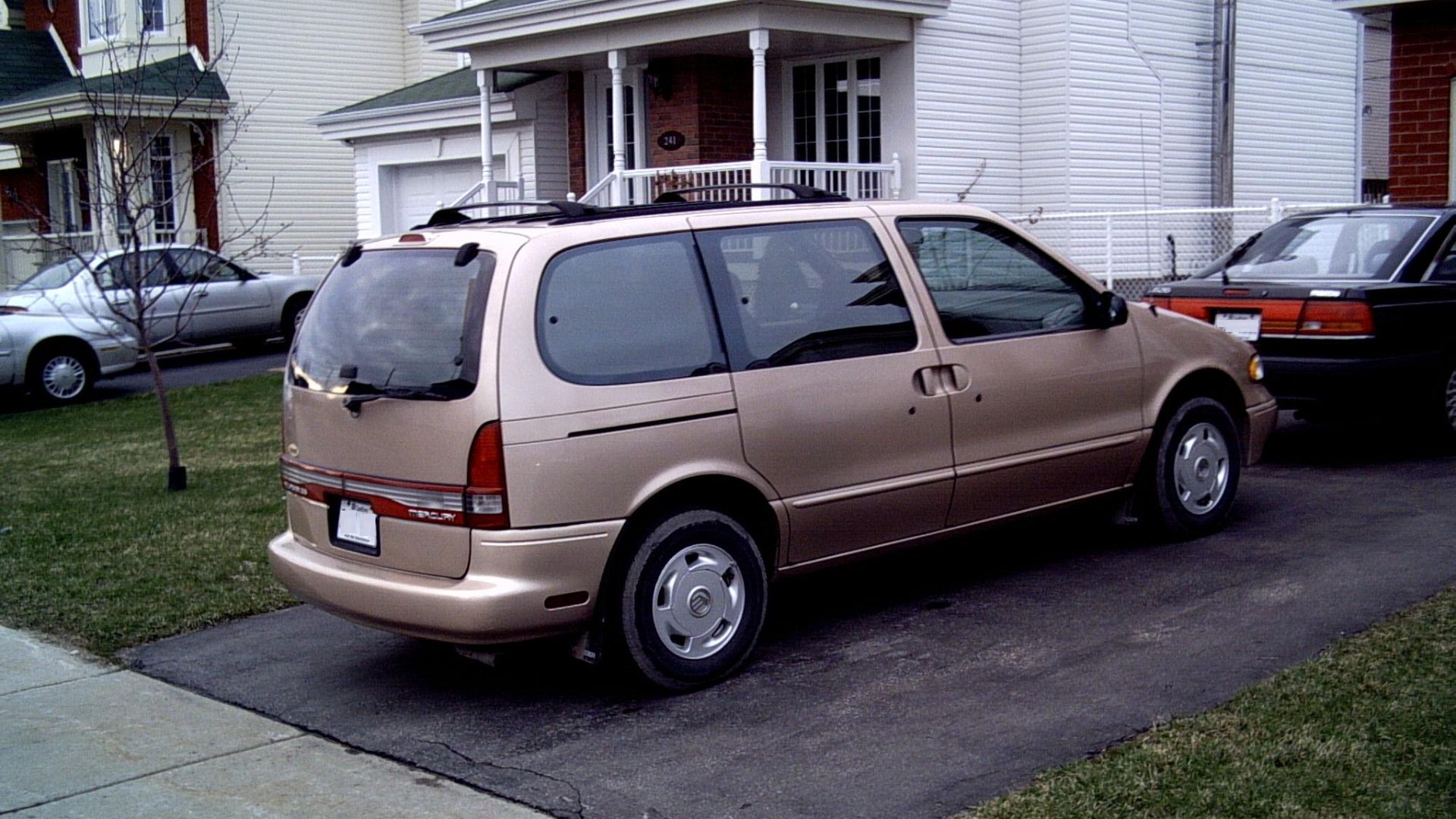
5. Mercury Villager
Built alongside the Nissan Quest in Avon Lake, Ohio and sold with a Mercury badge, it went six model years without a sliding door on the driver's side. The third row slid forward on a track, which was the single feature anyone could name. It disappeared in 2002 and left behind no enthusiast club of any kind.
 Bull-Doser / Take Me Higher at en.wikipedia on Wikimedia
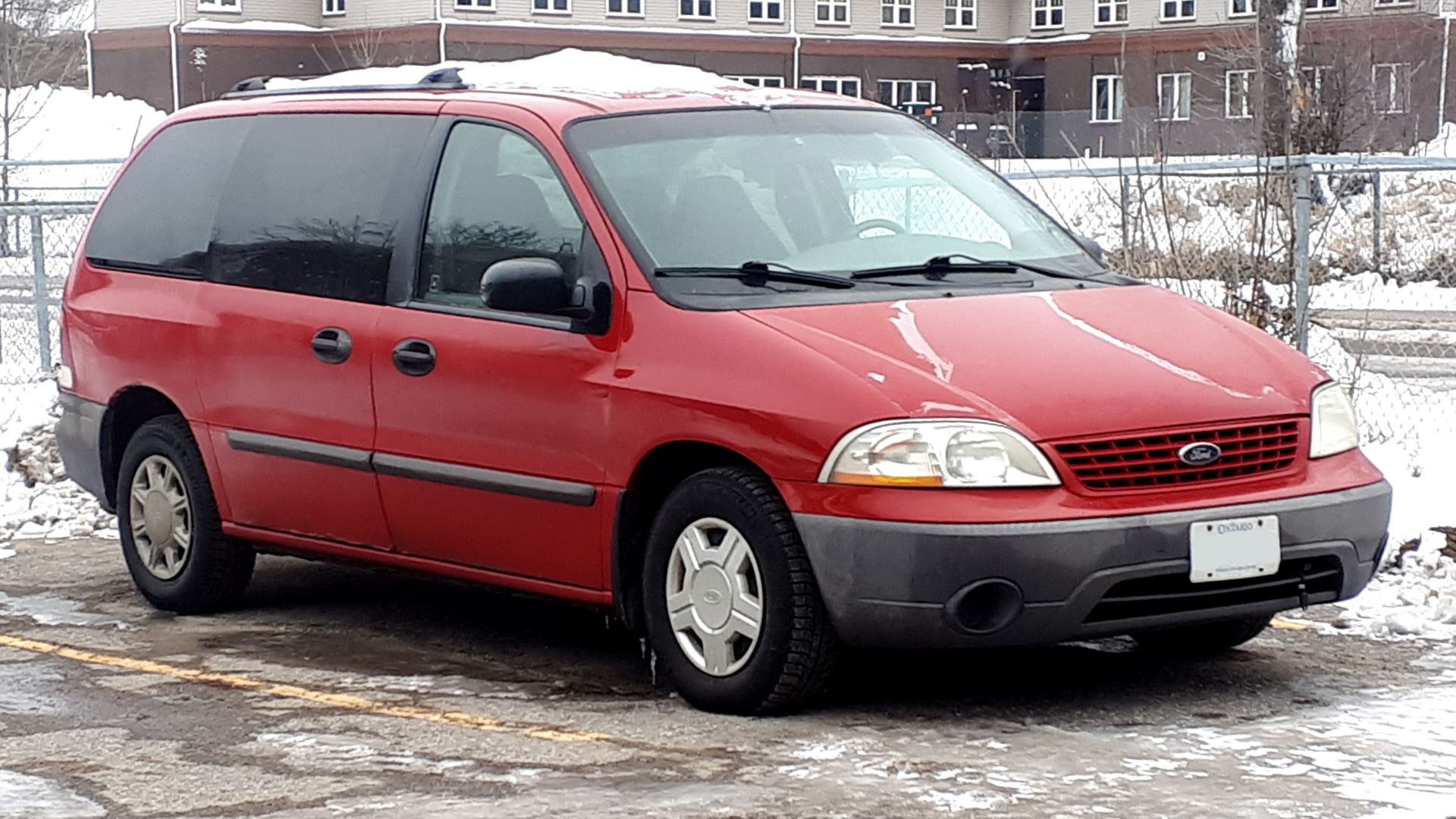
6. Ford Windstar
The 1998 through 2003 models were eventually recalled because the rear axles could corrode badly enough to crack, and Ford extended coverage nationwide. Resale values had been poor for years before that news arrived. The name still works as shorthand among mechanics for a particular era of Ford build quality.
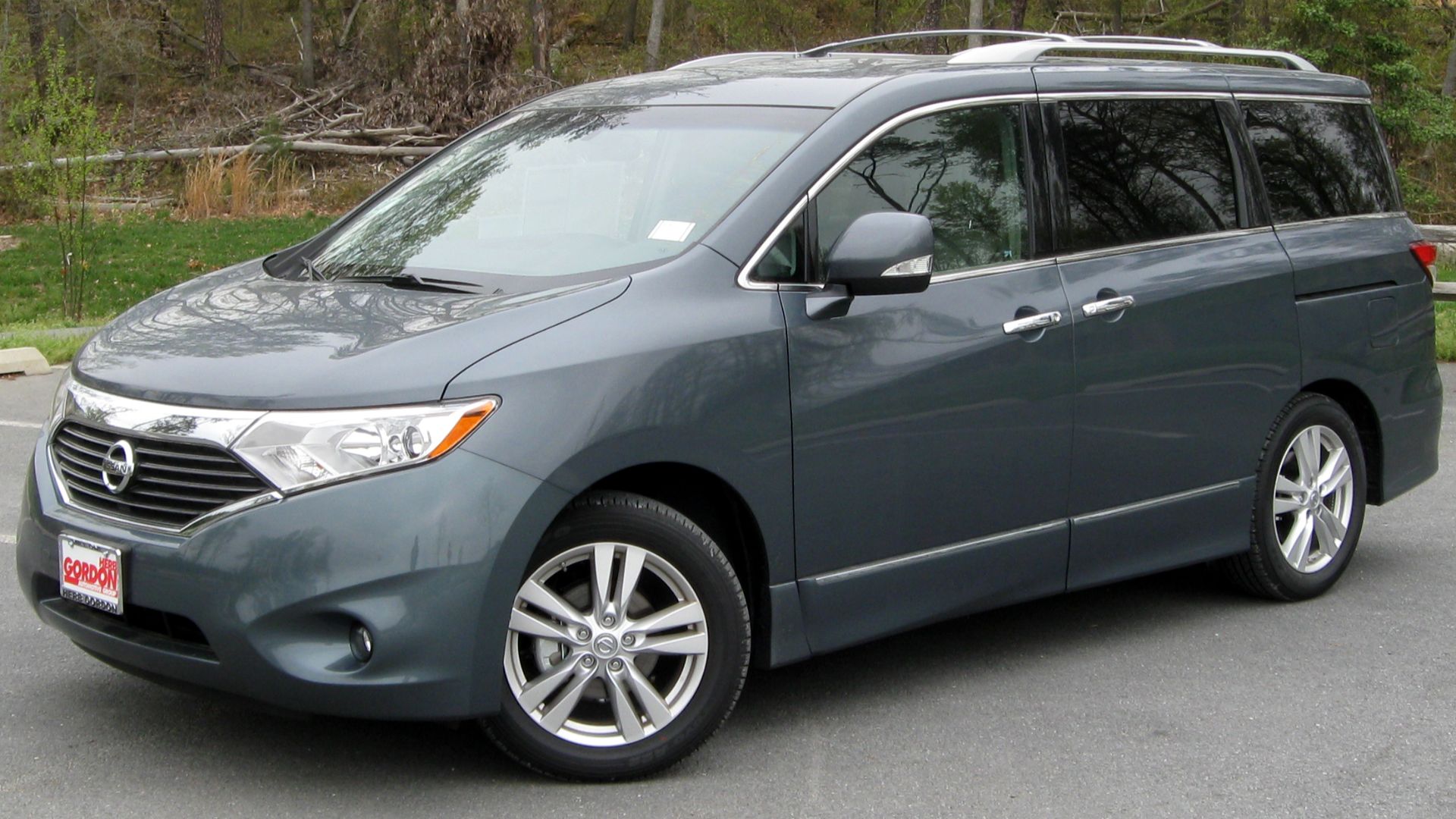
7. Nissan Quest
The 2004 redesign moved the instruments to a pod in the middle of the dashboard and gave the roof a strange stepped shape over the rear seats. Buyers found the interior disorienting and the build quality thin. Nissan sold about half what it had planned and redesigned the thing without drawing attention to it.
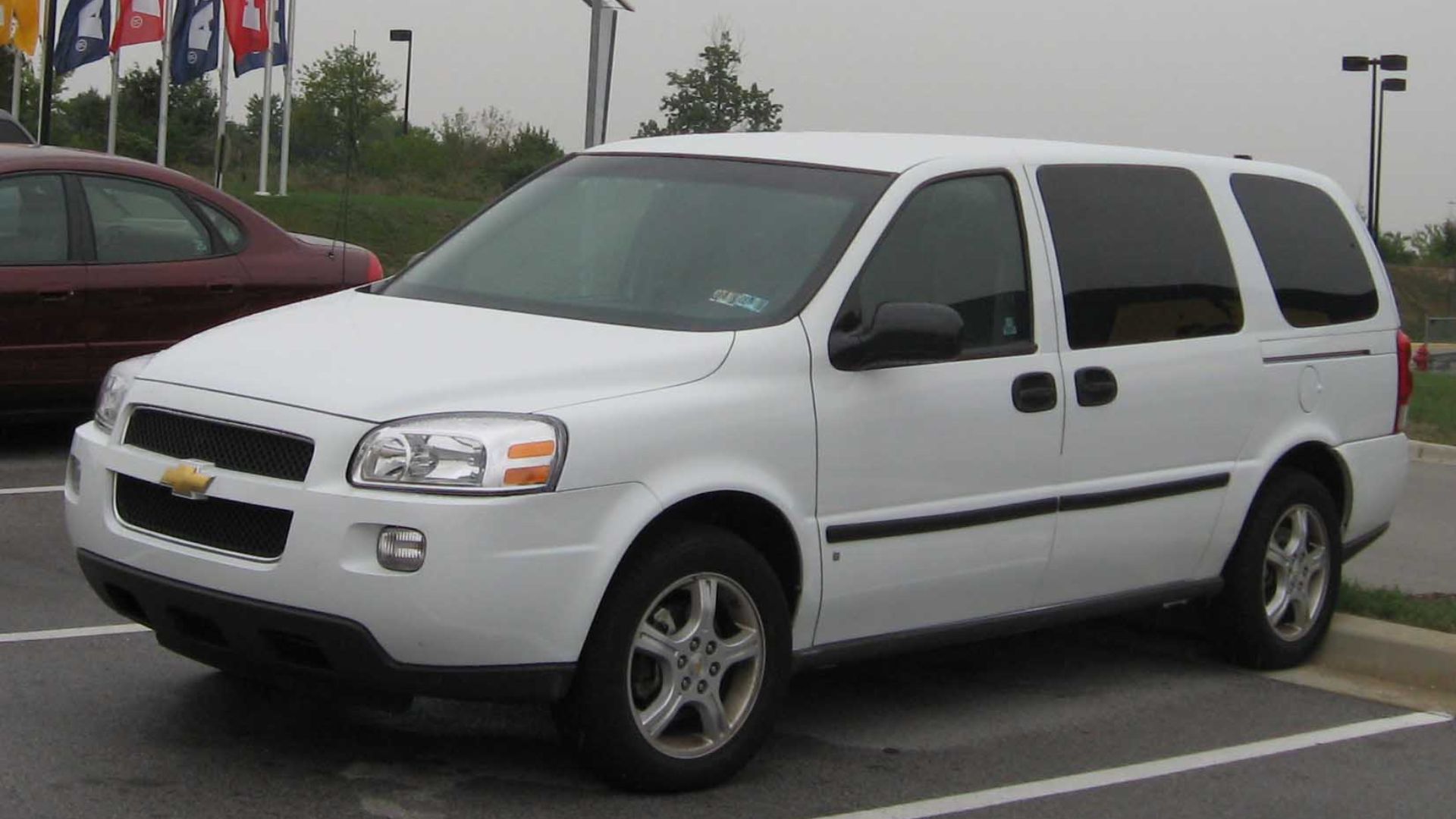
8. Chevrolet Uplander
GM grafted a long truck-style nose onto an aging minivan platform, apparently believing that buyers would mistake it for an SUV. Nobody did. It lasted four model years and survives mostly in the memories of people handed one at a rental counter.
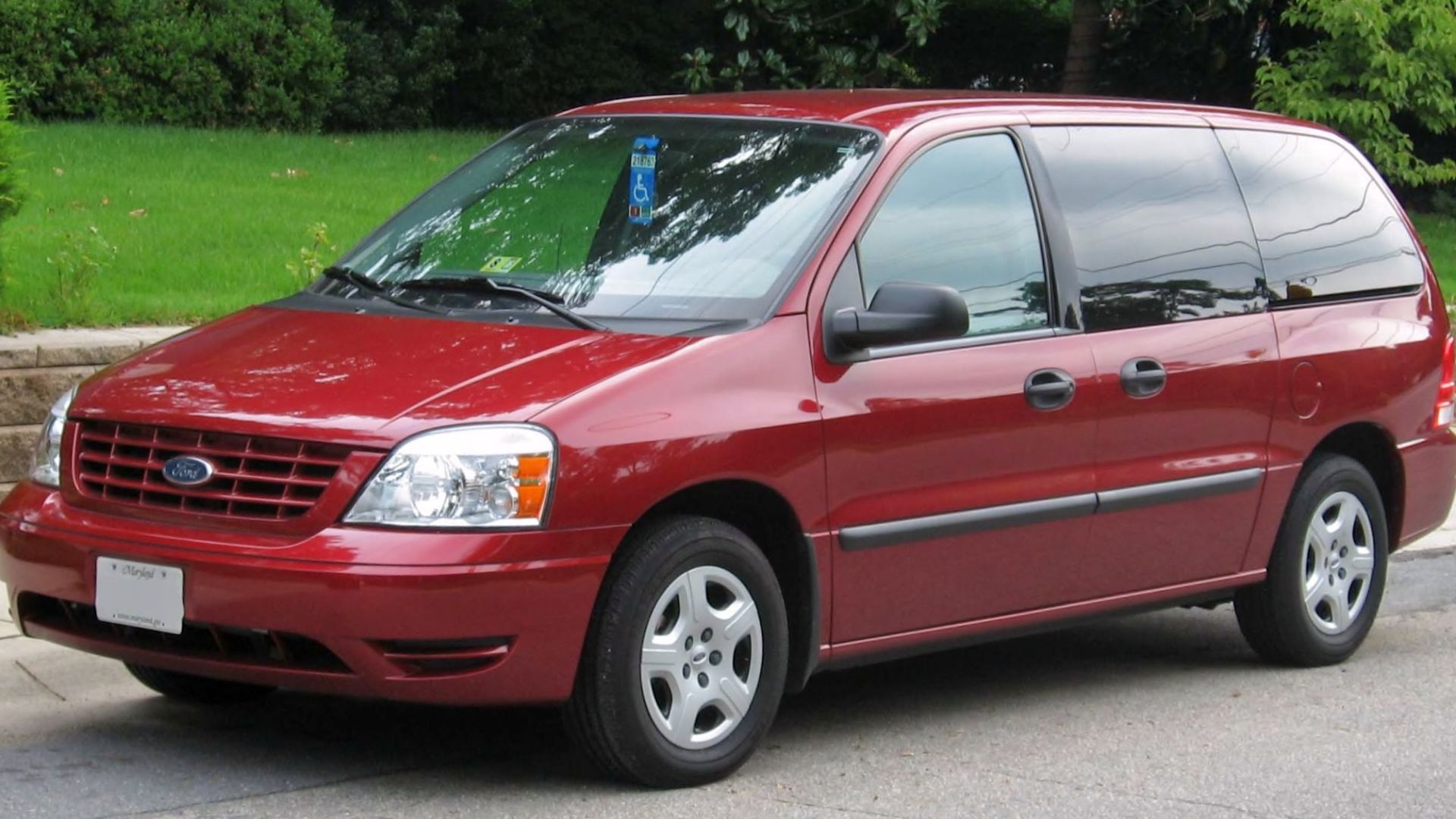
9. Ford Freestar
Ford renamed the Windstar in 2004 and hoped the reputation would not follow it, which it promptly did. Reviewers found the interior plastics cheap even measured against rental fleet expectations. The van was gone by 2007 and Ford has not sold a minivan in America since.
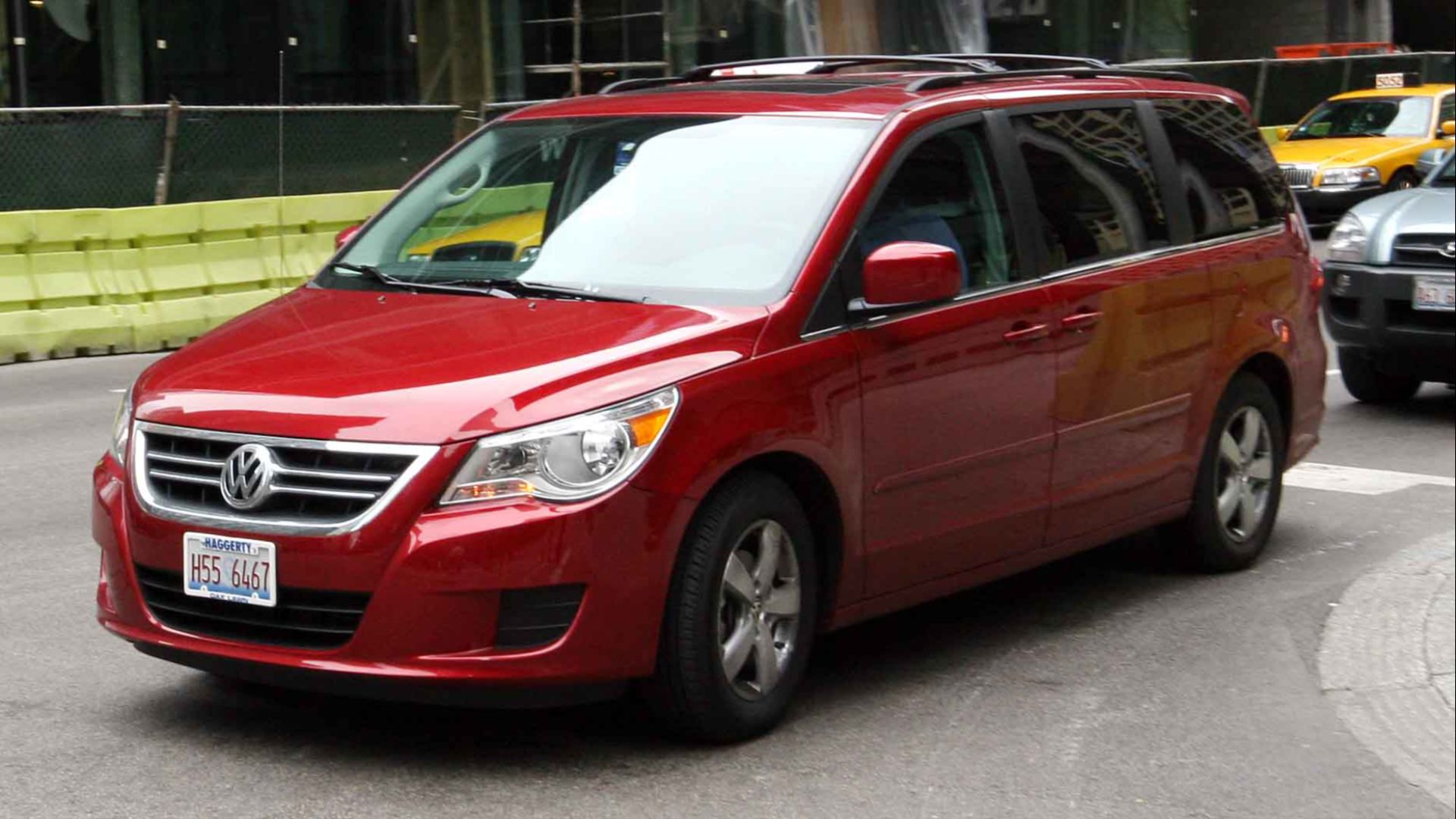
10. Volkswagen Routan
Volkswagen sold a Chrysler minivan built in Windsor, Ontario with a VW badge on it, then ran ads implying German engineering had been involved. Buyers looked at the sliding doors and recognized the Dodge underneath. It lasted four model years, and Volkswagen has gone very quiet about the whole episode since.