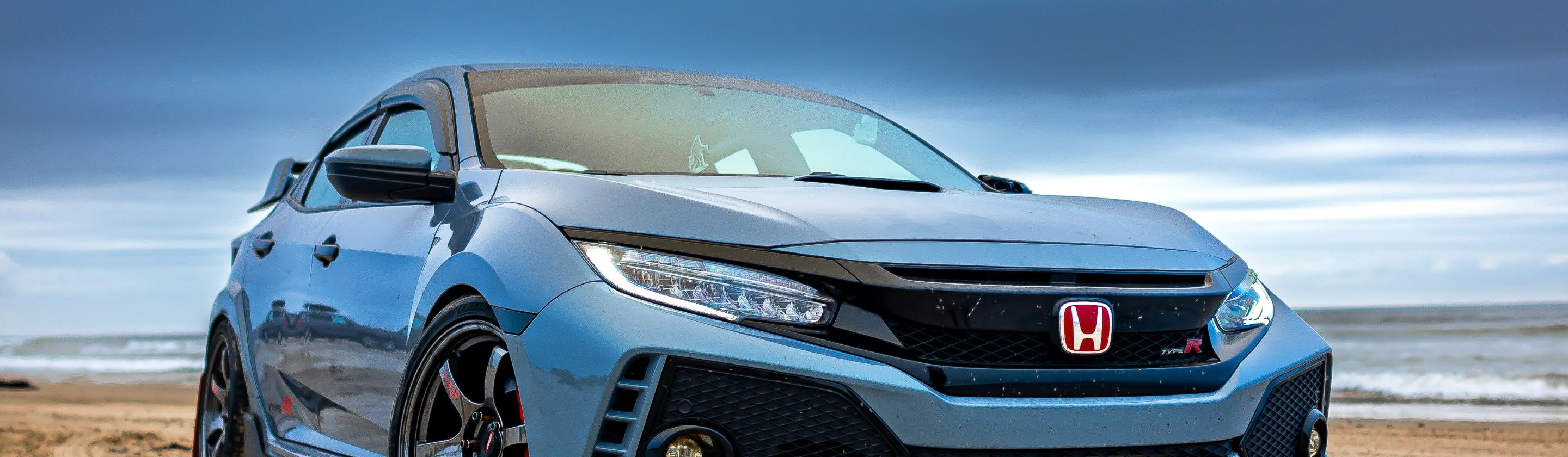
Good Cars, Confusing Sales Pitches
A capable vehicle can disappear quickly when advertising emphasizes the wrong feature, dealers don’t understand the intended customer, or the badge creates misleading expectations. Some models were presented as sports cars when practicality was their real strength, while others were sold as luxury products without the image needed to justify their prices. These 20 cars deserved clearer identities and considerably more attention than they received. Here are 20 cars that were marketed wrong but deserved more attention.
1. Pontiac G8
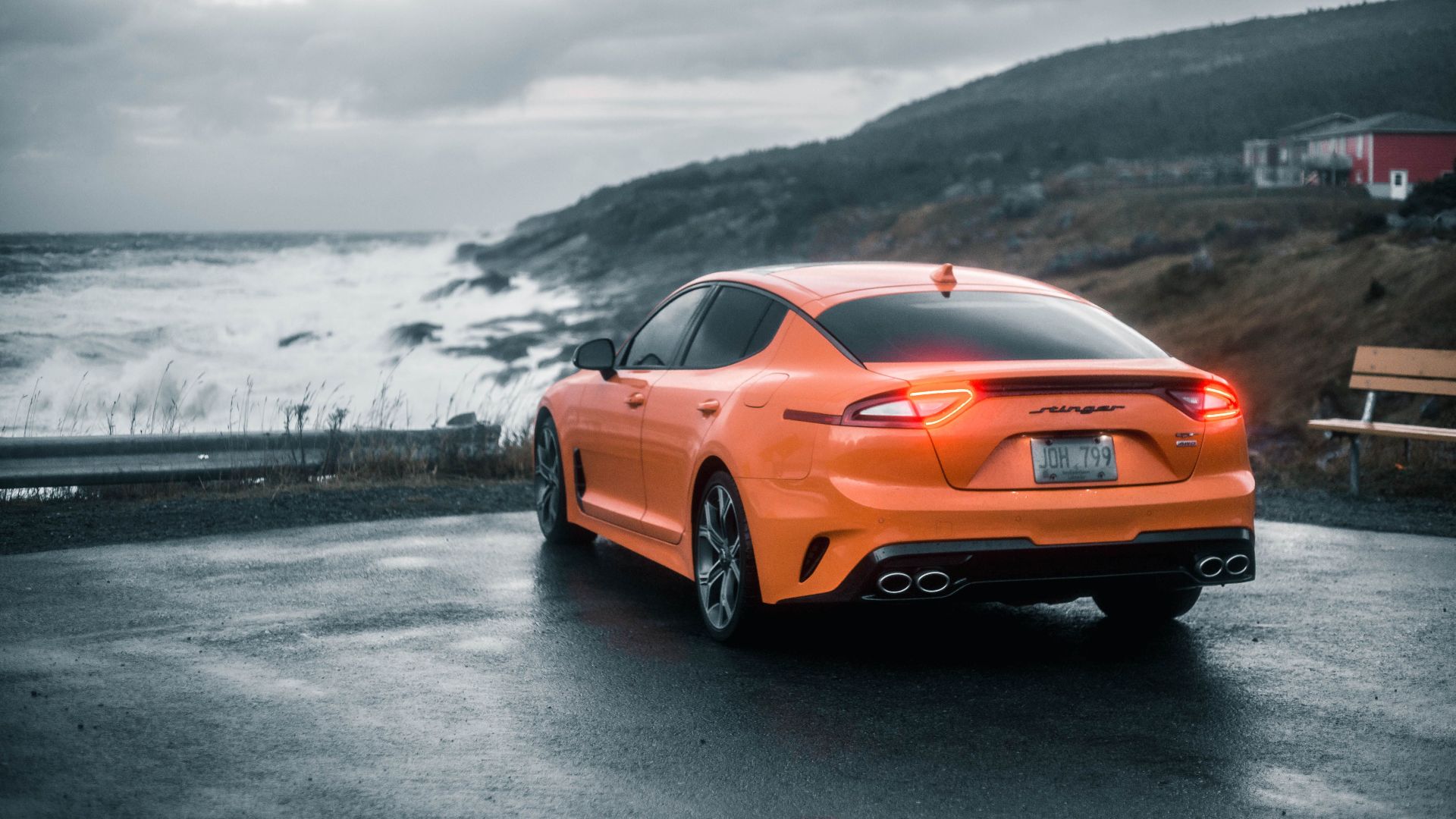
The Pontiac G8 was promoted as another sporty sedan during a period when Pontiac’s brand identity was already uncertain. In reality, its rear-wheel-drive layout, spacious cabin, and available V8 made it a genuine alternative to more expensive performance sedans.
2. Chevrolet SS
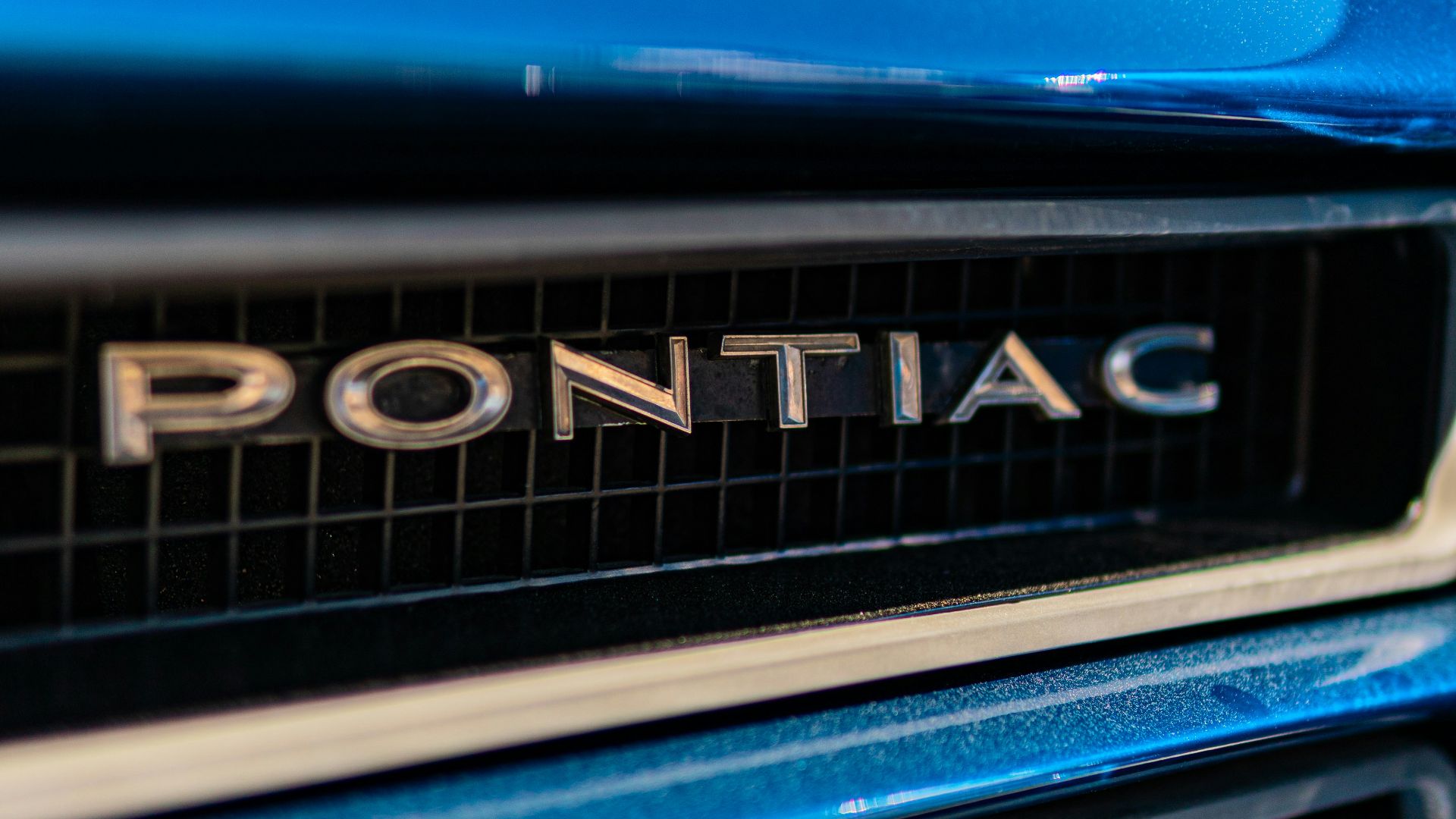
A plain name and conservative appearance made the Chevrolet SS remarkably easy to overlook. Marketing it as a limited enthusiast curiosity prevented many ordinary buyers from discovering how comfortable and practical it also was.
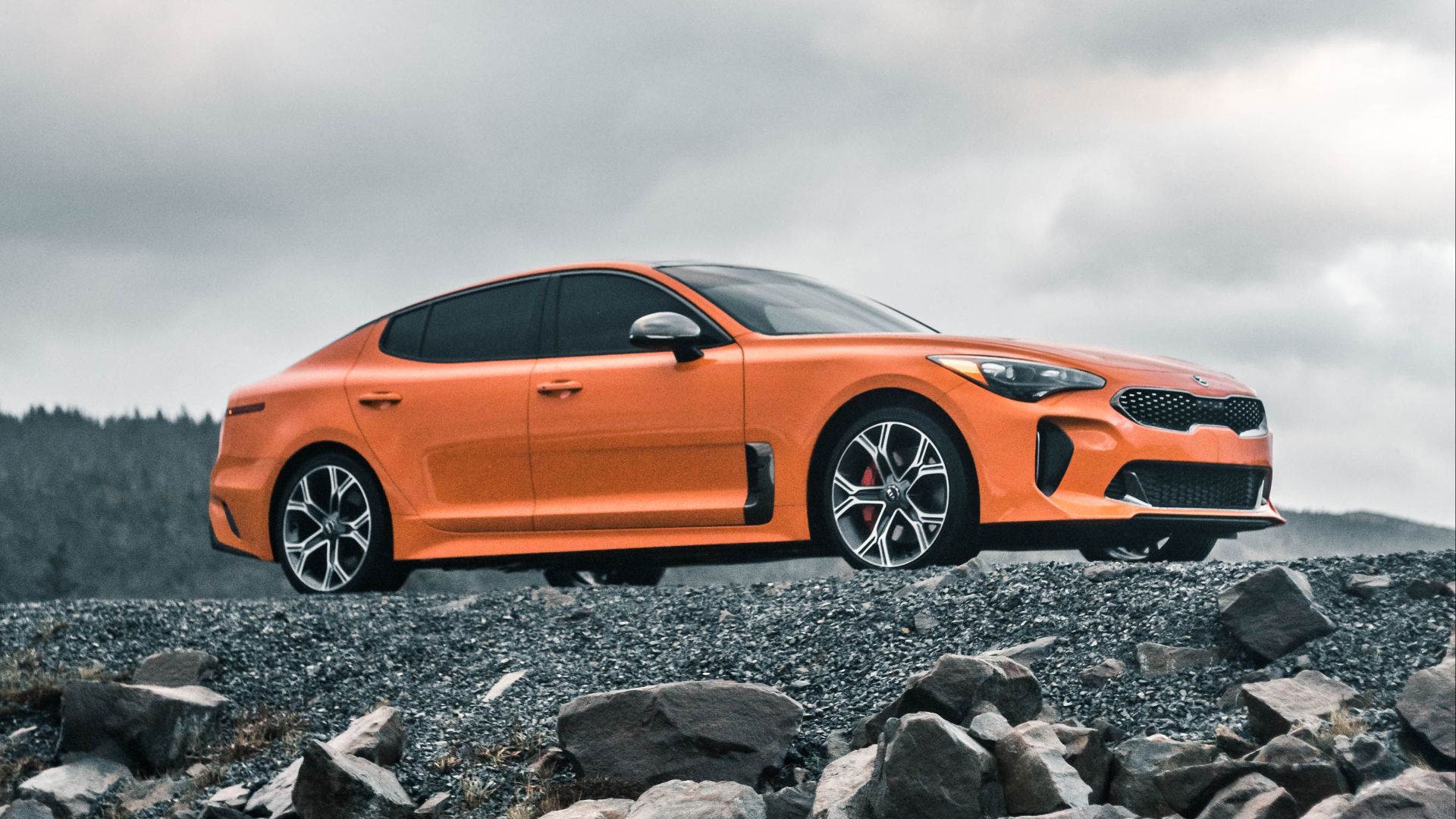
3. Kia Stinger
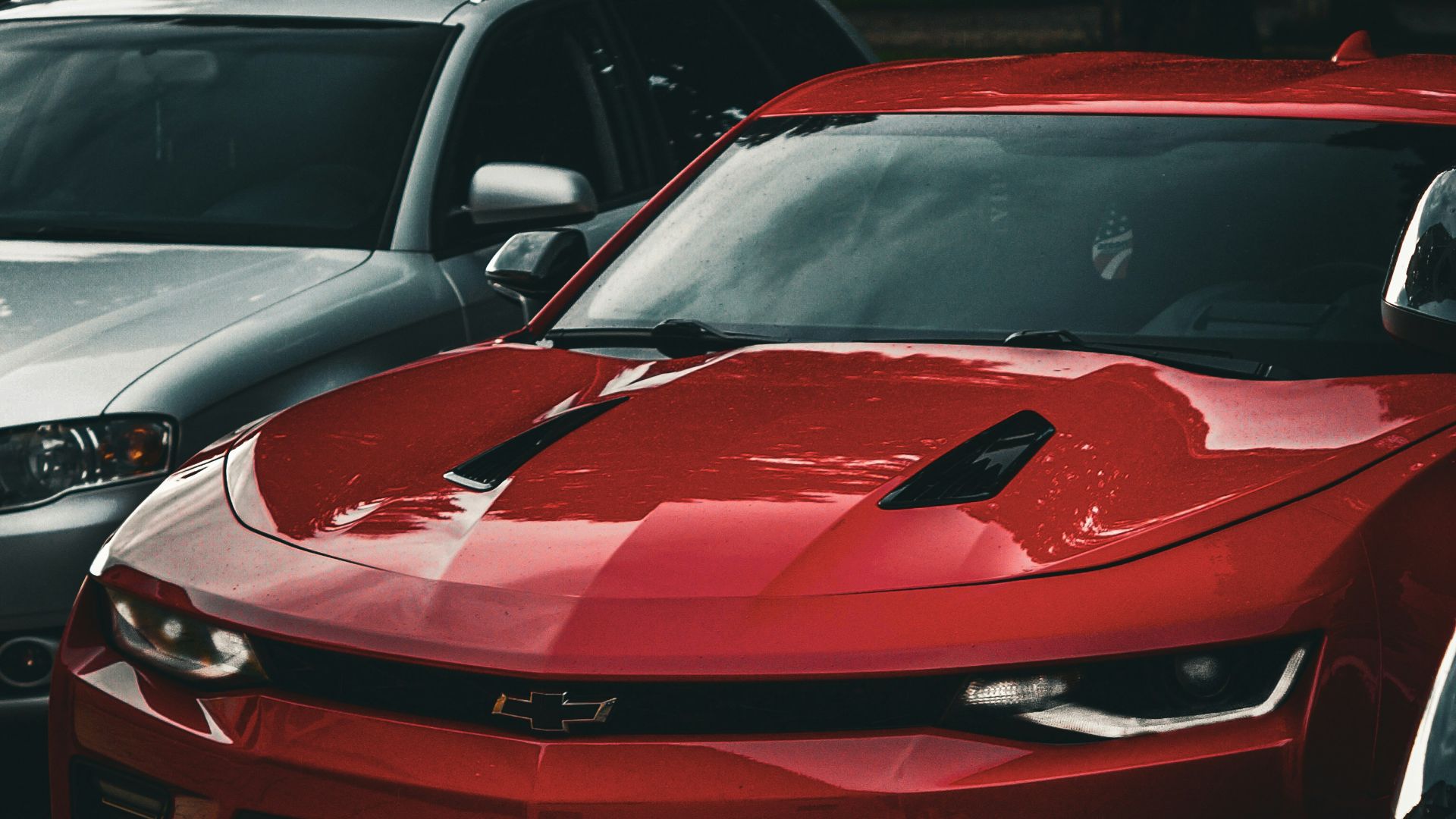
Kia presented the Stinger as a rival to established European sports sedans, inviting direct comparisons with brands carrying decades of prestige. That strategy distracted from the car’s strongest qualities: a useful hatchback, generous equipment, available all-wheel drive, and strong performance for the price.
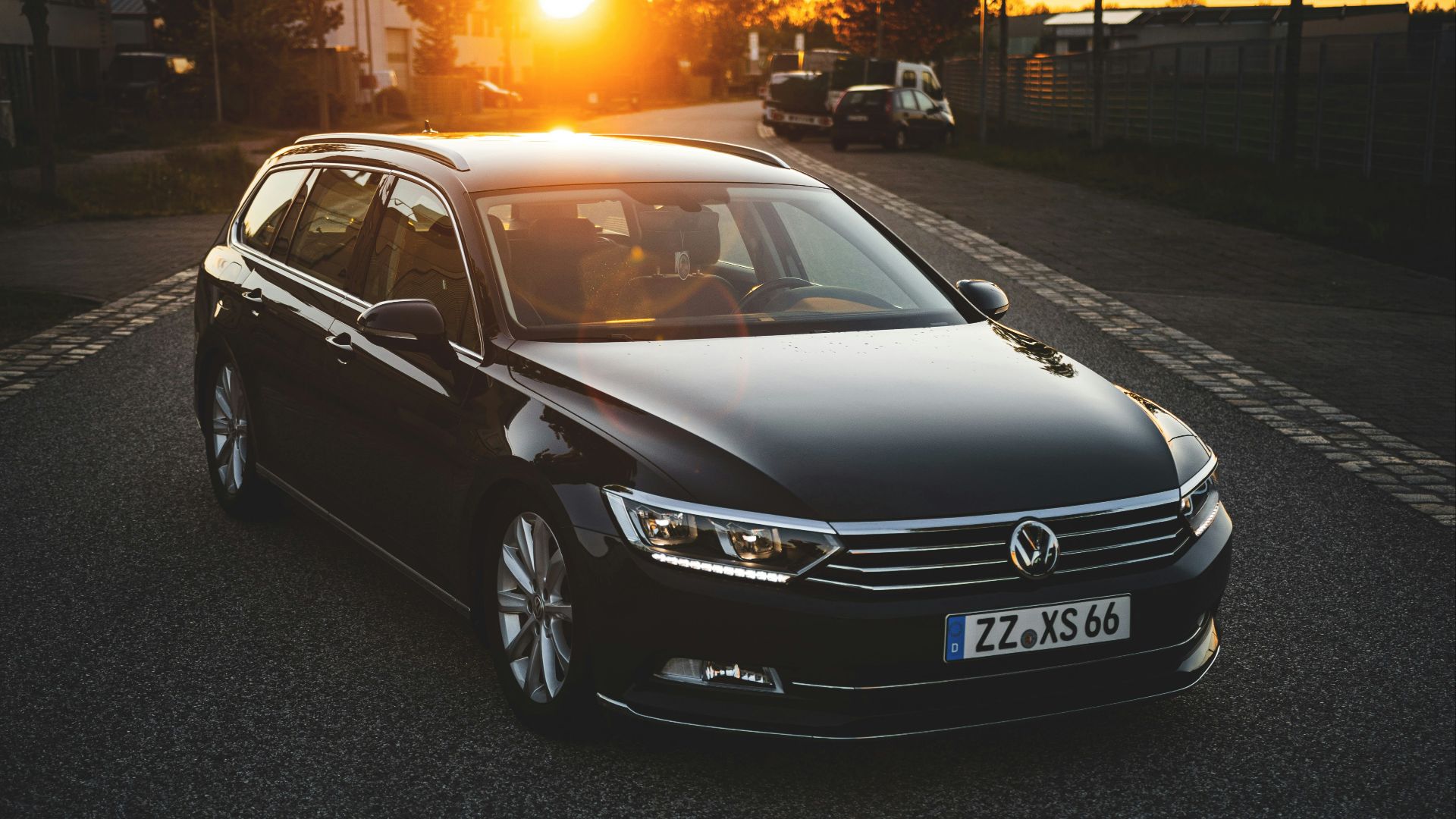
4. Volkswagen Phaeton
Volkswagen tried to place the Phaeton beside premium sedans while keeping the same emblem found on economical hatchbacks. Its beautifully finished interior, sophisticated engineering, and exceptional highway comfort weren’t enough to overcome that branding contradiction.
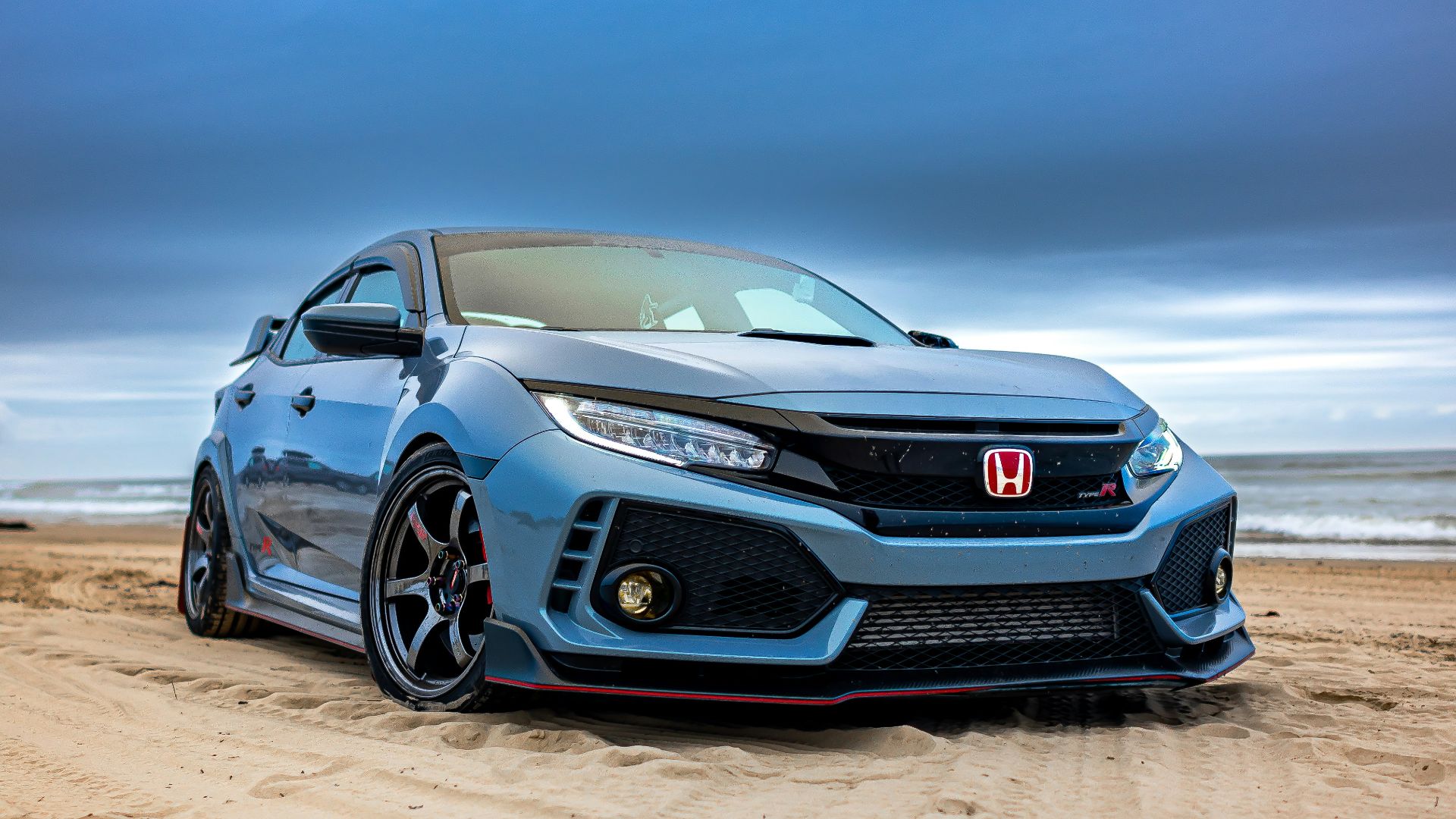
5. Honda CR-Z
The CR-Z was advertised as a sporty hybrid, which encouraged buyers to expect both outstanding speed and exceptional fuel economy. It delivered neither extreme, but it did offer distinctive styling, nimble handling, and an available manual transmission.
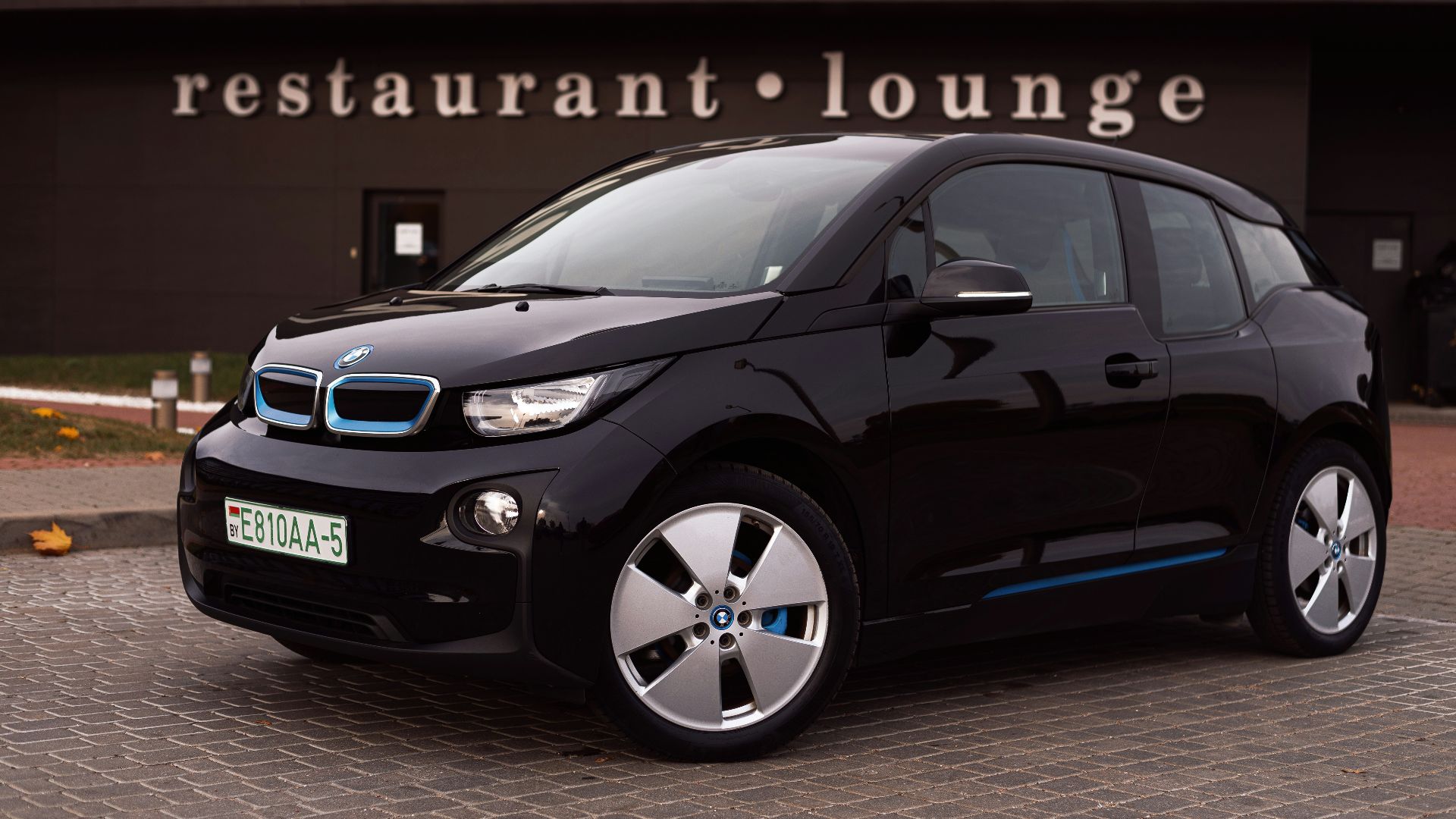
6. BMW i3
Much of the attention surrounding the BMW i3 centered on its unconventional appearance and electric drivetrain. Less emphasis was placed on its lightweight construction, tight turning circle, airy cabin, and usefulness in crowded cities.
 Vitali Adutskevich on Unsplash
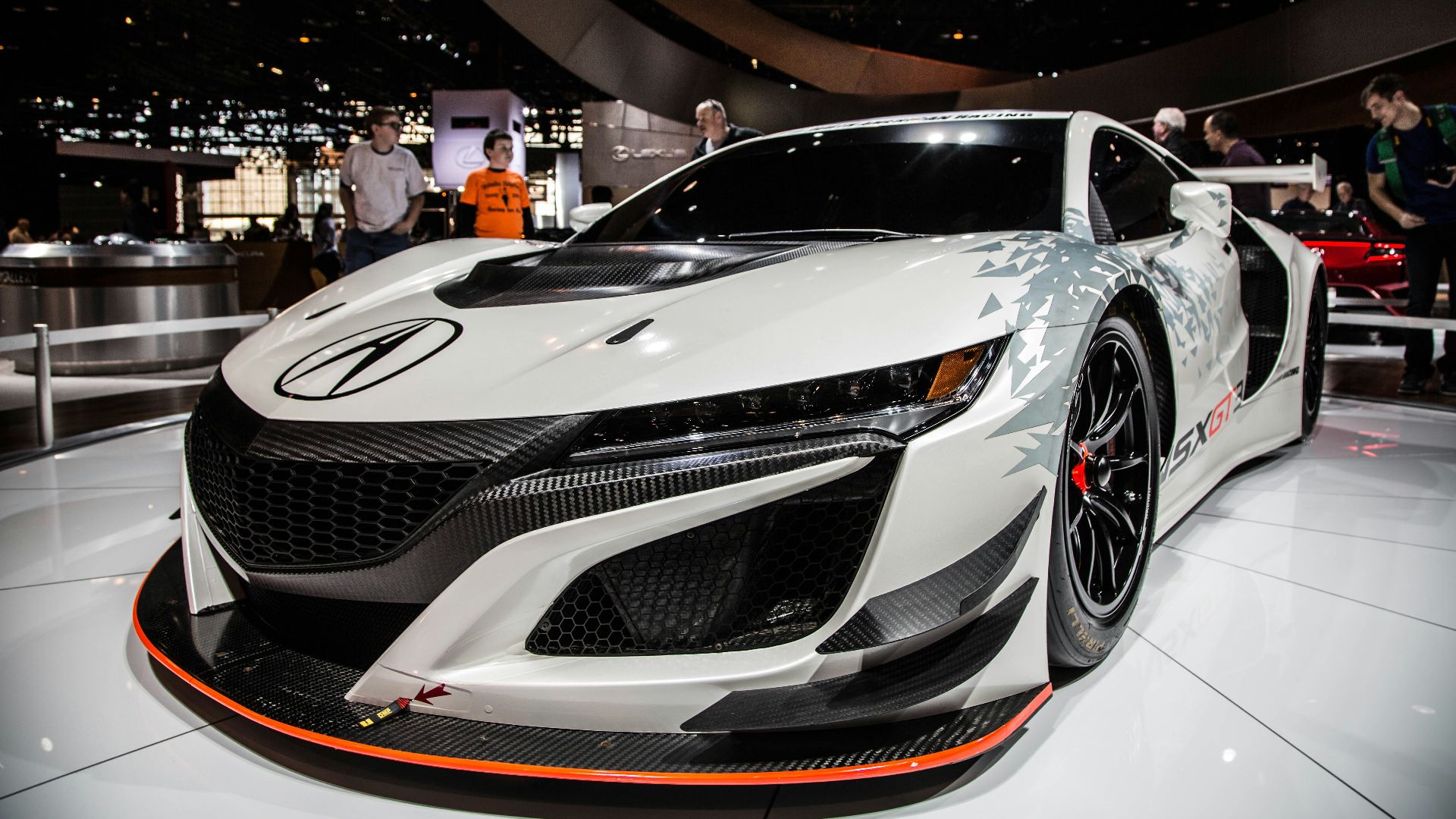
7. Acura ZDX
Acura introduced the ZDX as an emotional, coupe-like luxury crossover, even though its dramatic roofline limited rear visibility and cargo flexibility. Its comfortable interior, all-wheel-drive system, and refined highway manners were stronger selling points than its questionable coupe identity. A touring-focused campaign could have reached buyers seeking something distinctive without promising sports-car behavior.
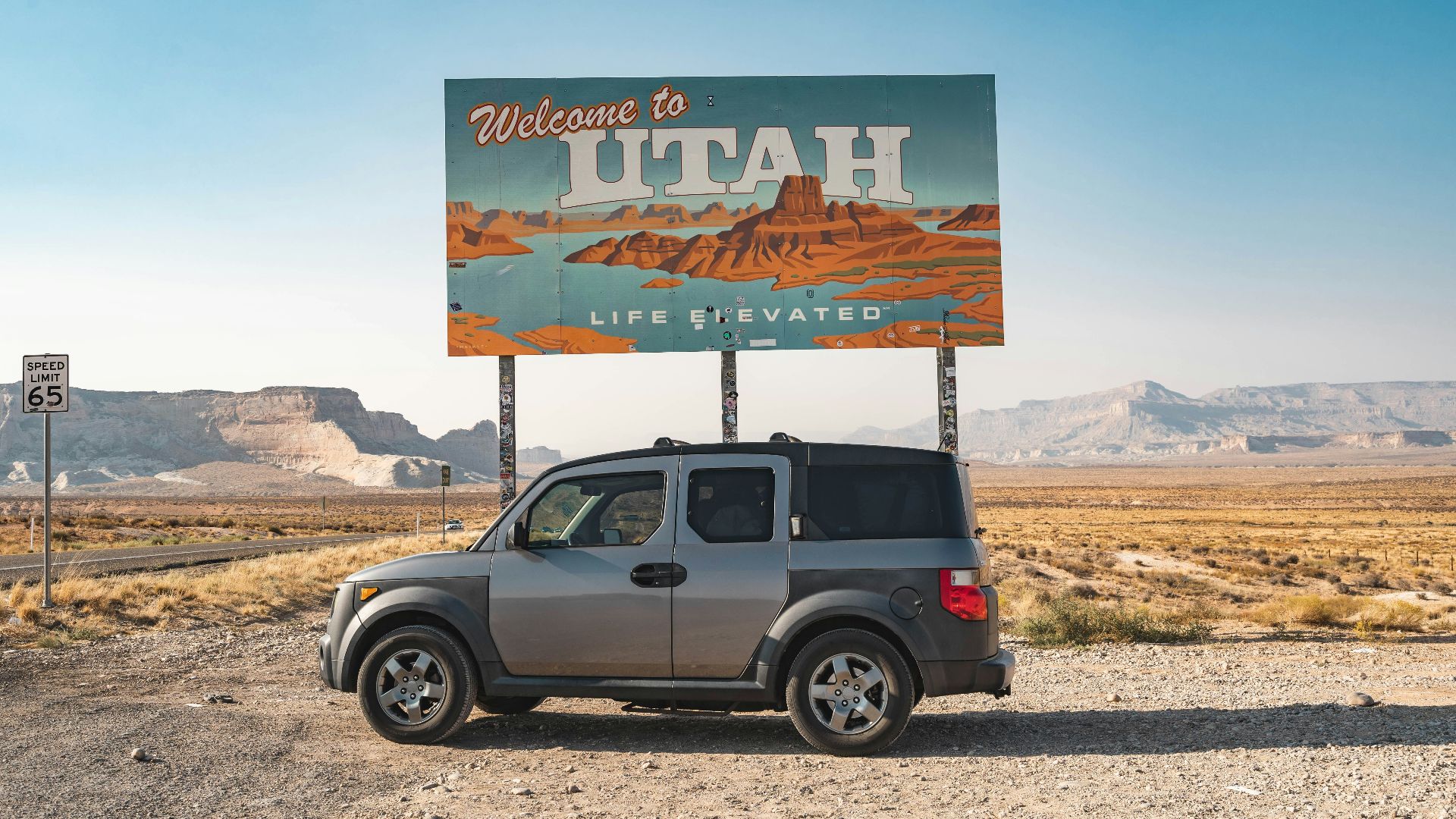
8. Honda Element
The Element’s early advertising leaned heavily toward young, active shoppers carrying bikes, boards, and outdoor gear. Ironically, many buyers who embraced it valued easy entry, excellent visibility, flexible seating, and a washable-looking cabin design.
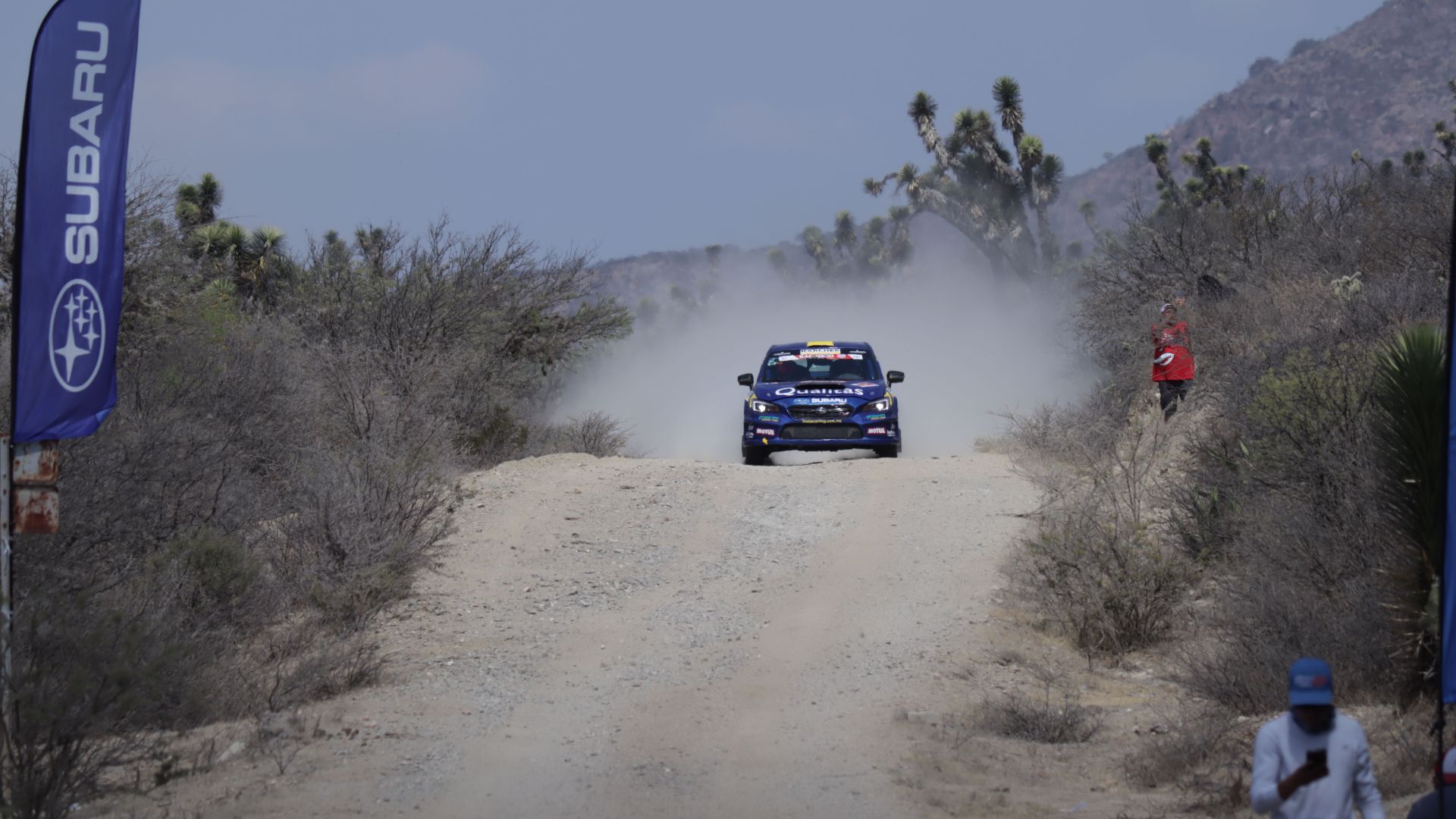
9. Subaru Baja
The Subaru Baja was difficult to categorize because it wasn’t quite a pickup, wagon, or traditional utility vehicle. Advertising emphasized its unusual lifestyle image, while many shoppers simply saw a small bed and questioned its purpose.
10. Mazda5
Mazda sold the Mazda5 as a compact multi-activity vehicle at a time when buyers were already familiar with larger minivans and crossovers. Its sliding doors, three-row seating, manageable dimensions, and carlike handling made it exceptionally useful for smaller families.

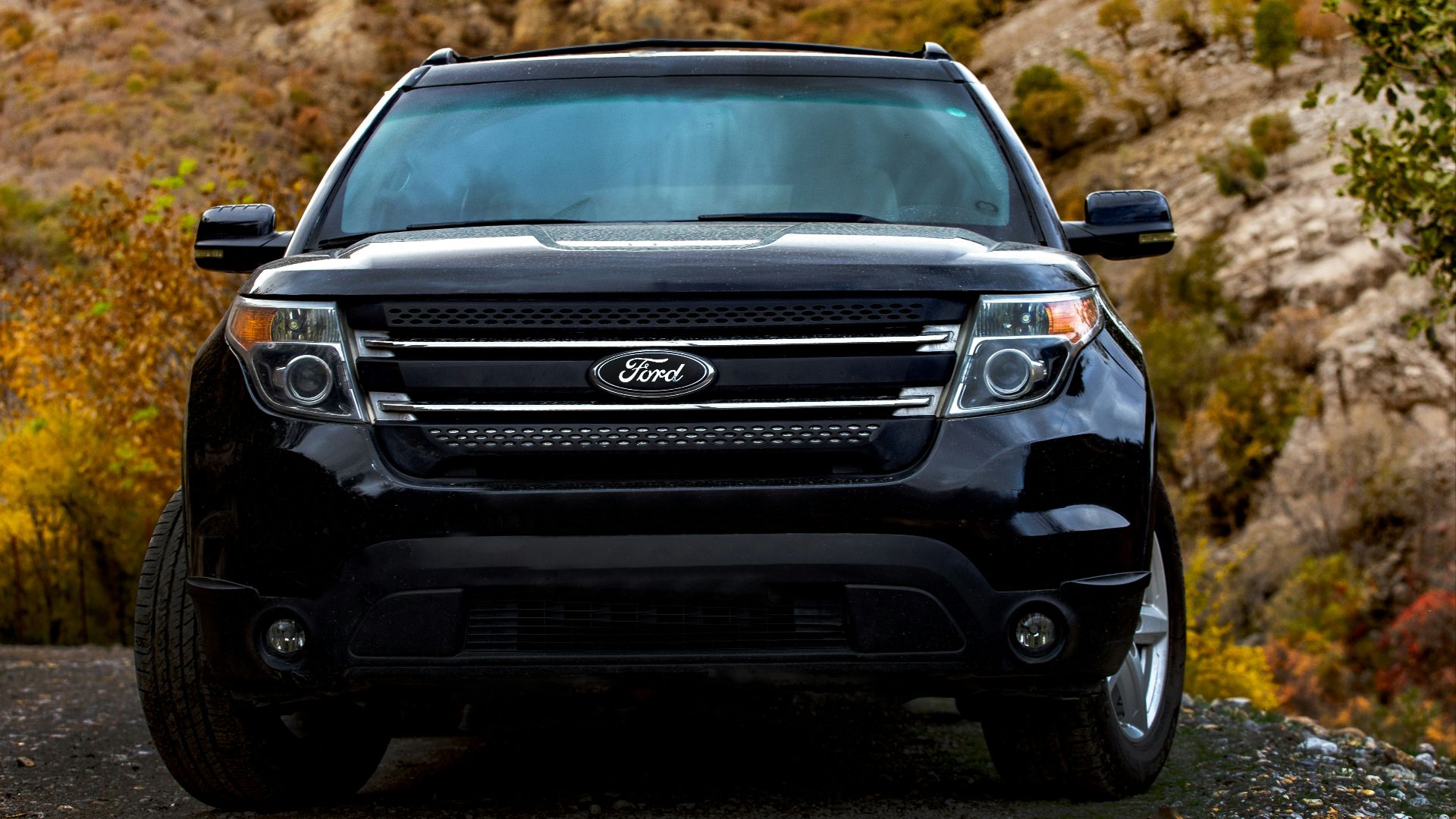
11. Ford Flex
The Ford Flex arrived with retro-inspired styling, but marketing struggled to explain whether it was a wagon, crossover, or minivan alternative. Its boxy shape provided excellent passenger room, while available all-wheel drive and turbocharged power added genuine versatility.
 Haryad photography on Unsplash
12. Suzuki Kizashi
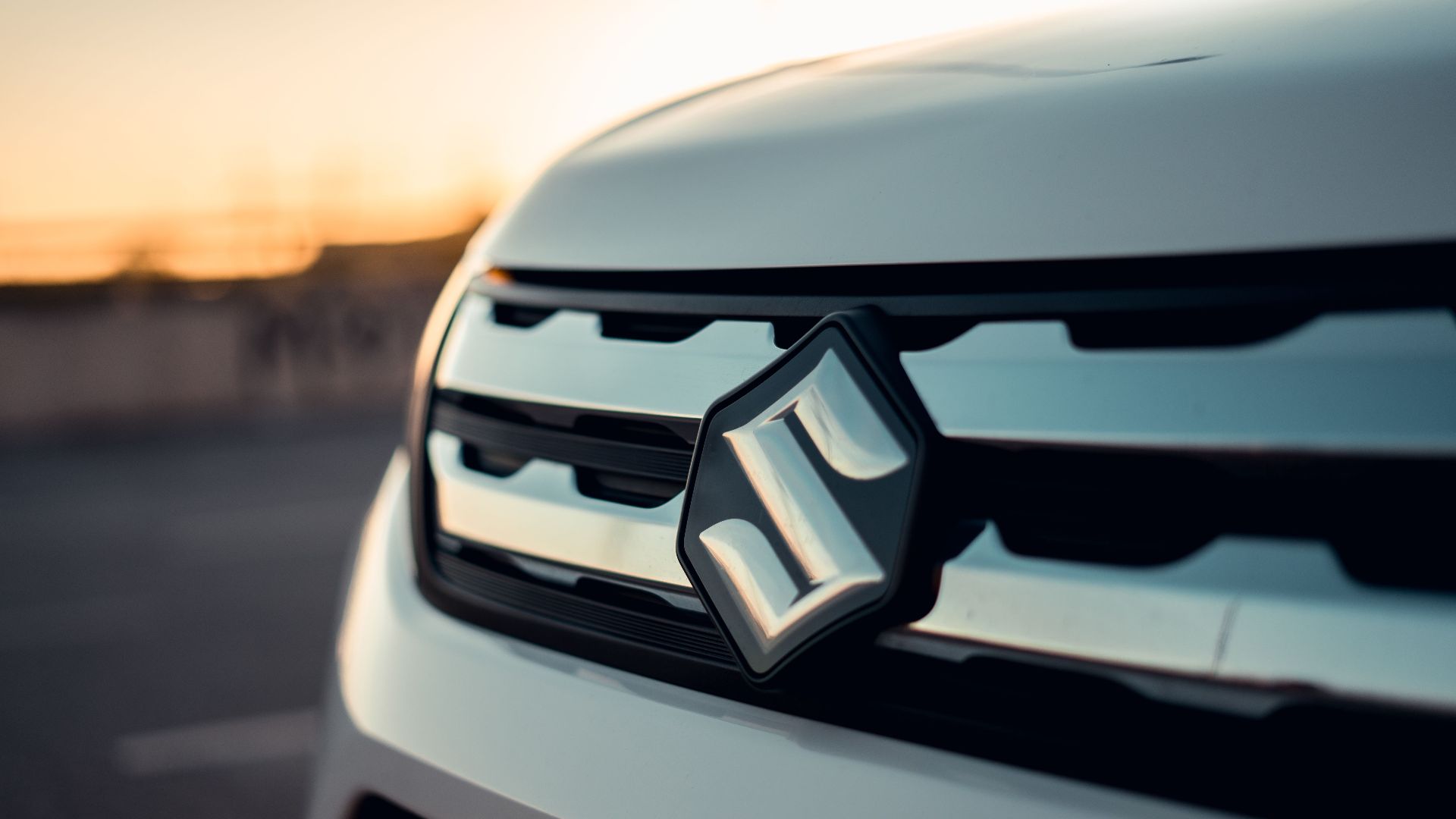
Suzuki attempted to move the Kizashi slightly upscale despite having a limited American dealer network and a reputation centered on inexpensive compact vehicles. The sedan offered composed handling, a well-finished cabin, and available all-wheel drive, yet few shoppers considered the brand when comparing midsize cars.
13. Buick Regal TourX
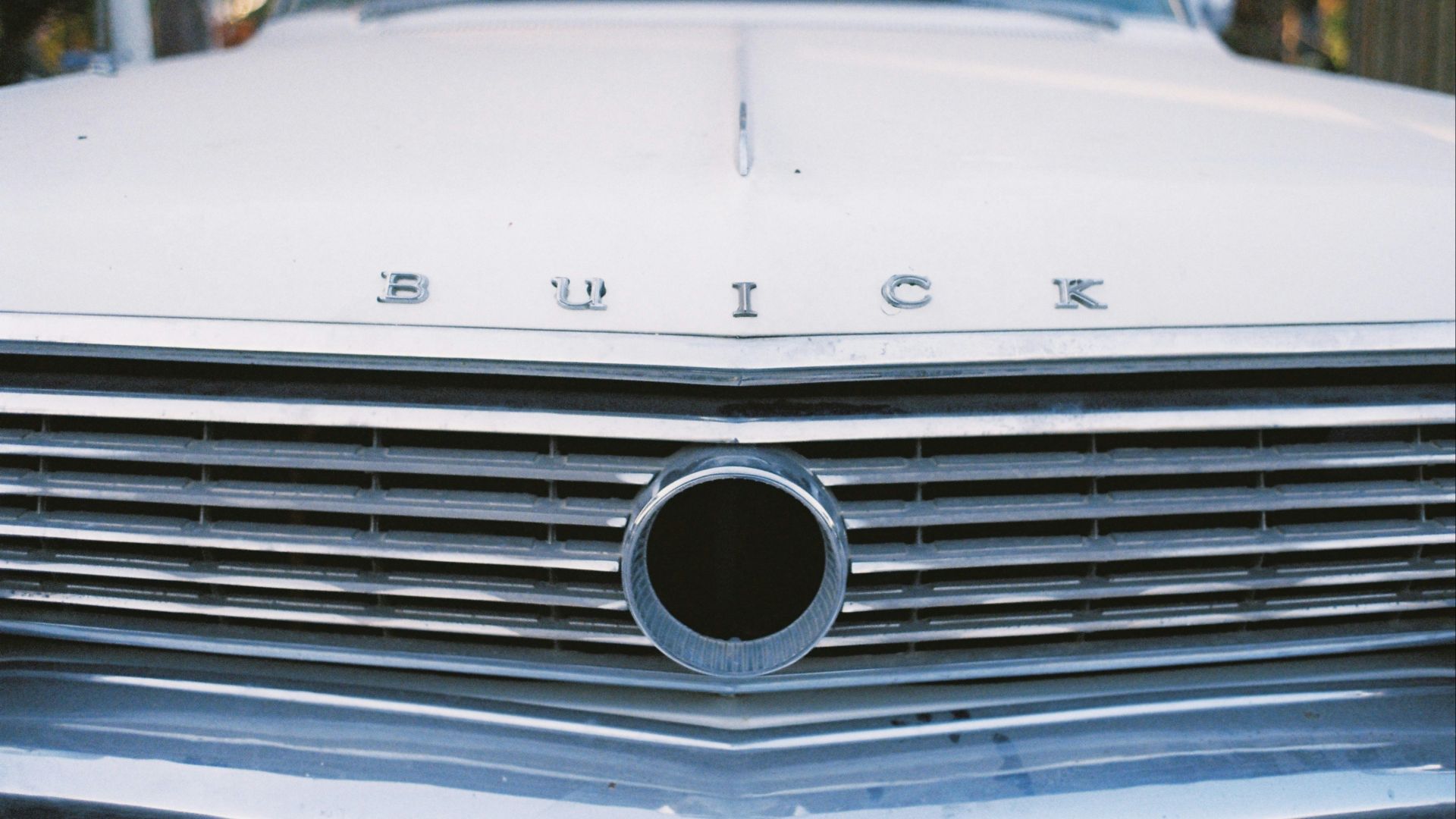
Buick described the Regal TourX using crossover-influenced language, even though it was essentially a stylish all-wheel-drive wagon. That positioning risked disappointing SUV shoppers while failing to reach people who actively appreciated wagons.
14. Volvo C30
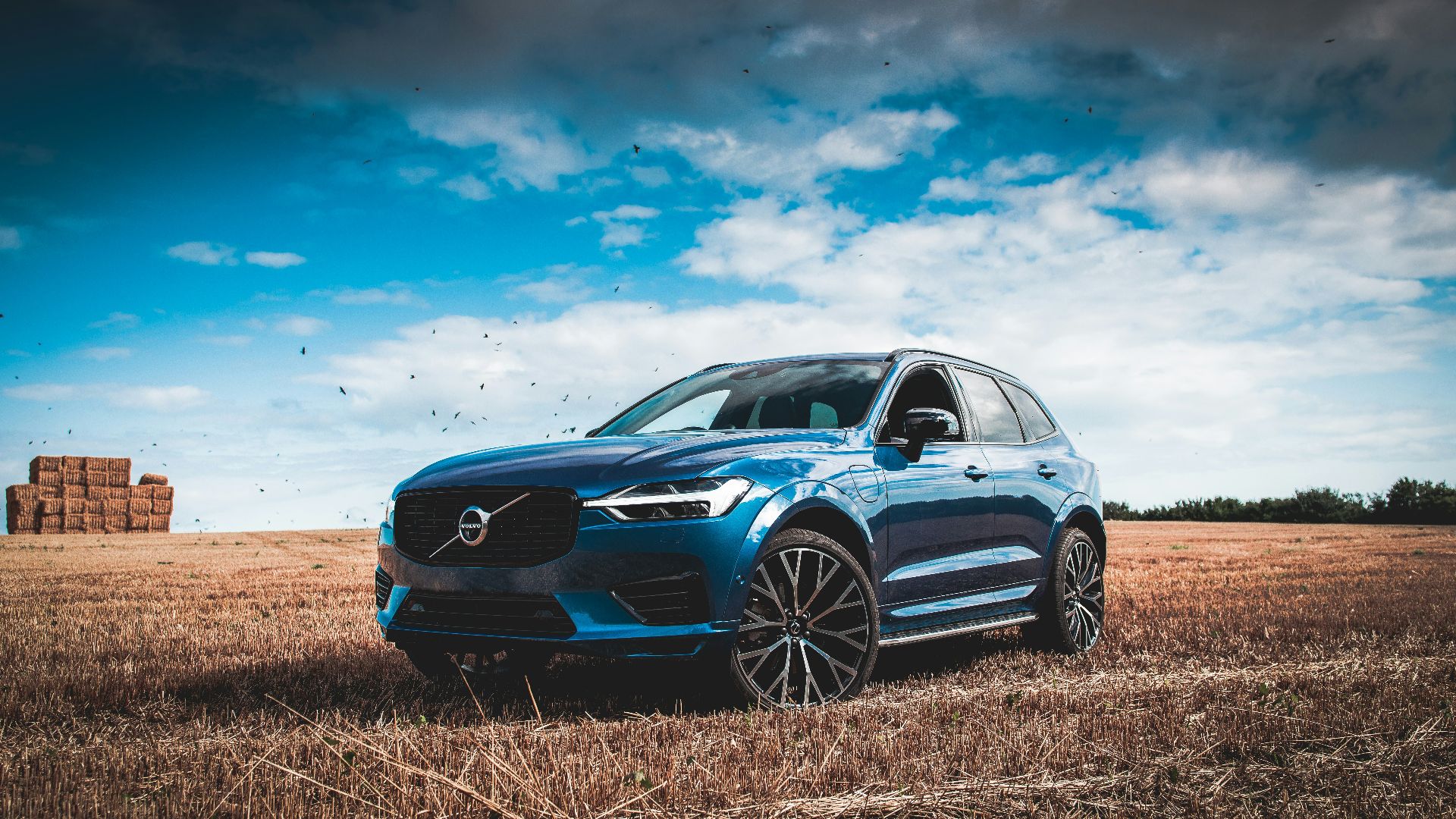
The Volvo C30’s expressive design suggested a fashionable premium hatchback, but its limited body styles and unusual glass tailgate made it a niche proposition. Behind the styling was a comfortable, solidly built car with available turbocharged power and distinctive Scandinavian character.
15. Hyundai Equus
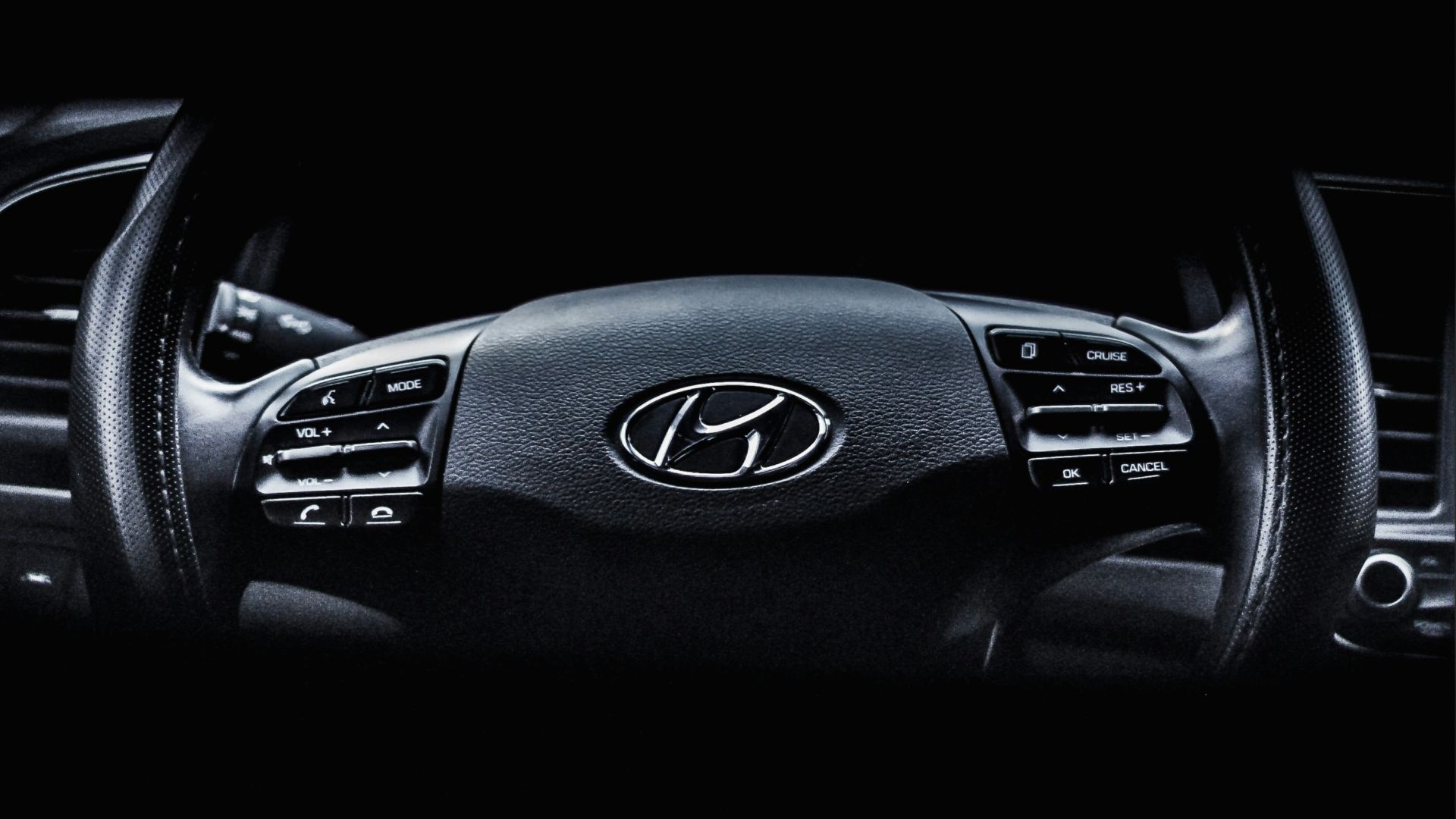
Hyundai marketed the Equus against established flagship luxury sedans, but many buyers weren’t ready to pay premium prices for the company’s badge. A stronger emphasis on discreet comfort and exceptional value could have reduced the importance of brand prestige.
16. Saab 9-2X
The Saab 9-2X was often dismissed as a Subaru wearing Saab styling because it shared much of its engineering with the Impreza. Marketing it honestly as a refined all-wheel-drive compact could have turned its shared foundations into an advantage.

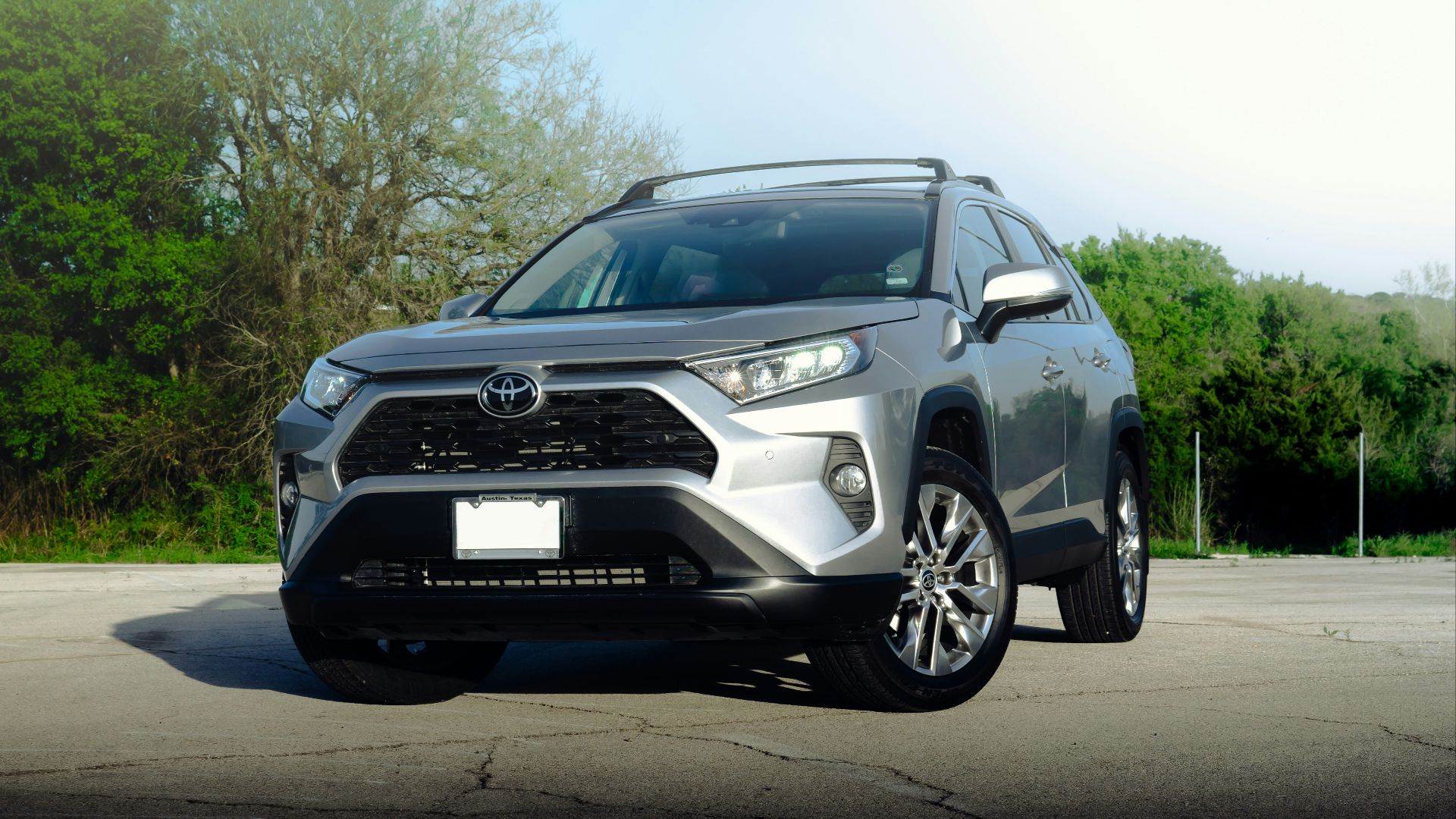
17. Toyota Venza
The original Toyota Venza was promoted as a crossover, yet its low seating position and wagon-like proportions confused shoppers expecting a conventional SUV. Presenting it as a premium family wagon might have connected it with buyers who wanted practicality without bulky dimensions.
18. Cadillac ELR
The Cadillac ELR’s sleek styling and plug-in drivetrain were overshadowed by a launch price that encouraged comparisons with larger, quicker luxury cars. A lower price and efficiency-focused message could have made it an appealing commuter rather than a technological showpiece.
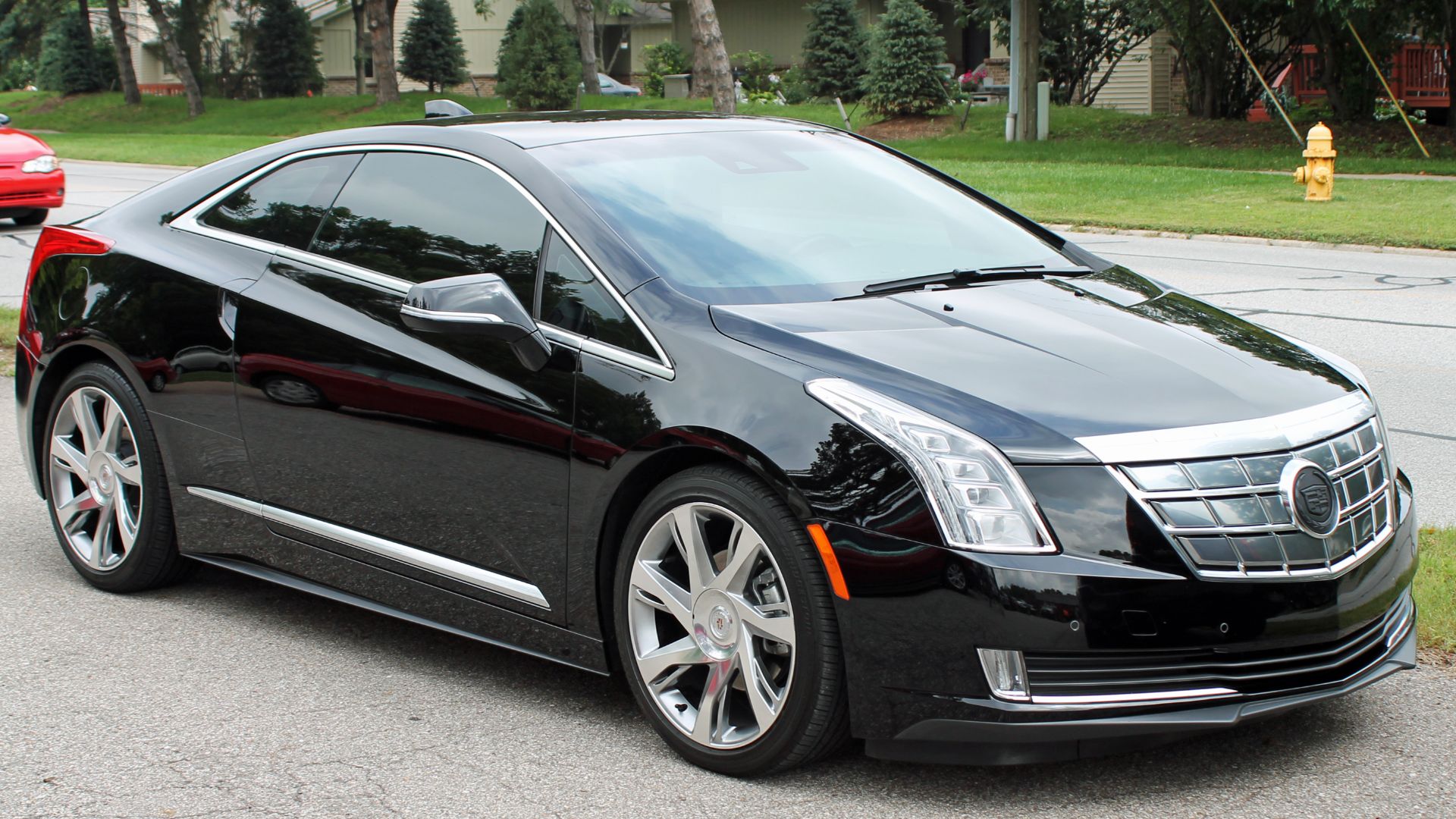 2014 Cadillac ELR.jpg: priceman 141
derivative work: Mariordo on Wikimedia
2014 Cadillac ELR.jpg: priceman 141
derivative work: Mariordo on Wikimedia
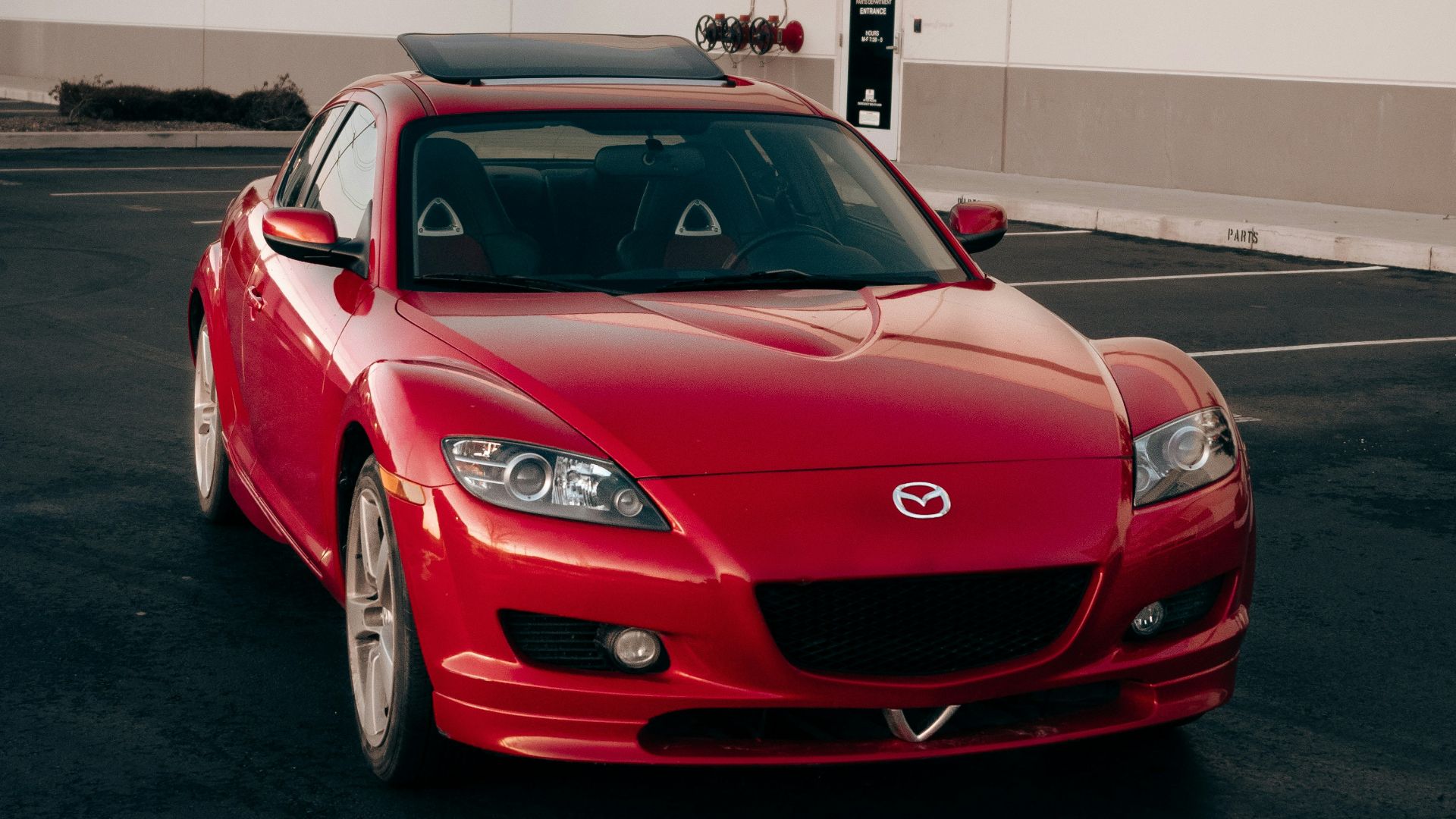
19. Mazda RX-8
Mazda promoted the RX-8 primarily as a sports car, leaving buyers to judge it against faster and more conventional rivals. Its rear-hinged back doors, usable rear seats, balanced handling, and compact rotary engine created a uniquely practical performance package.
20. Chrysler Pacifica
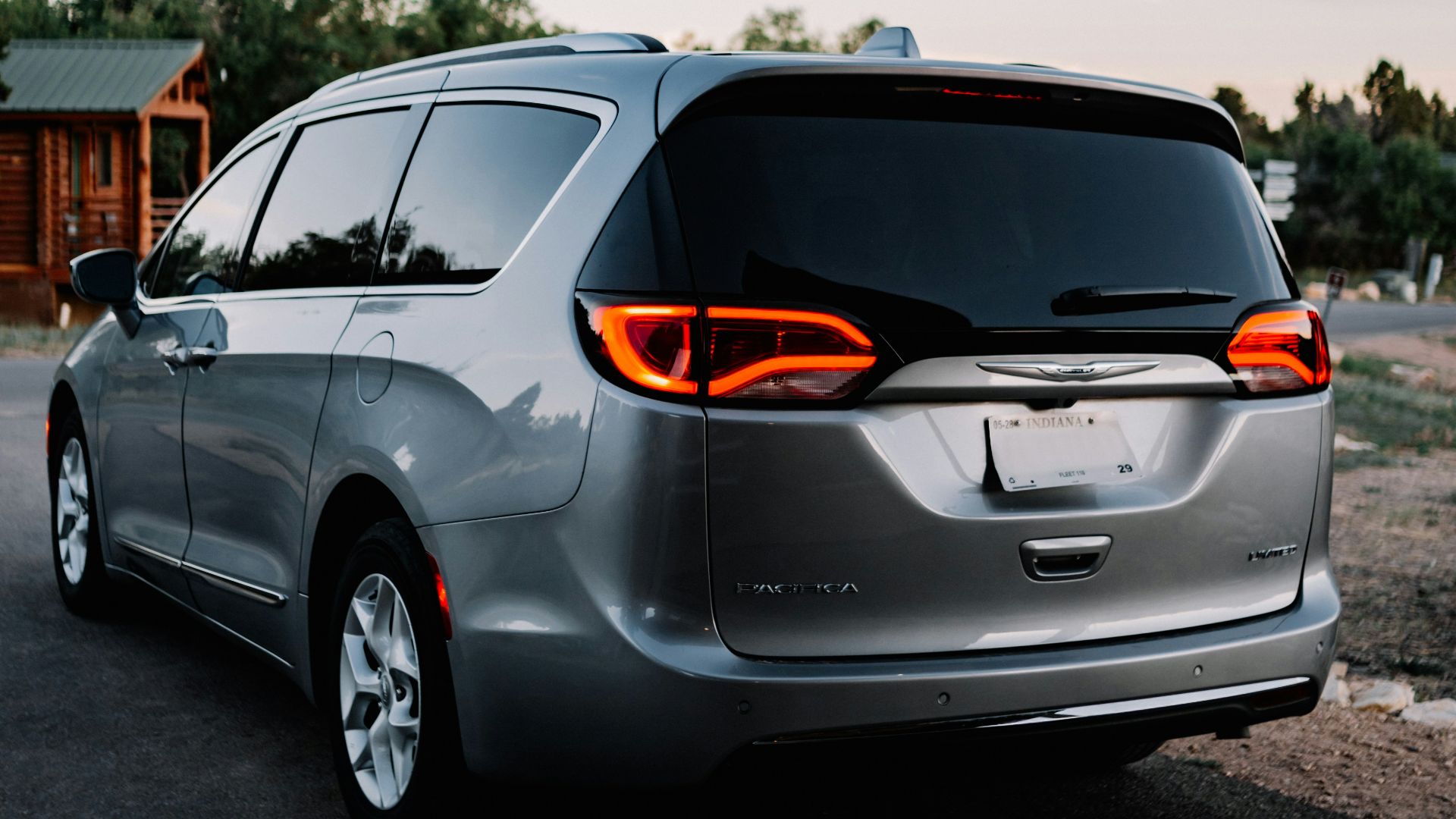
The original Chrysler Pacifica was described as a crossover before that term had a consistent meaning for most shoppers. It combined three-row seating, a relatively low step-in height, and wagon-like road behavior, but its positioning remained vague.