The Car Advice Your Uncle Swears By (And Why It's Probably Wrong)
Every family has one: the relative who insists you must warm up the engine for ten minutes before driving, that red cars are a magnet for higher insurance rates, and that premium gas is basically a magic potion for any engine. This advice usually comes from a good place. The trouble is, a lot of it was true decades ago, back when carburetors, drum brakes, and simple fuel systems worked nothing like the cars in driveways today. Below are 20 pieces of car wisdom that sound convincing, feel like common sense, and turn out to be somewhere between outdated and flat-out false.
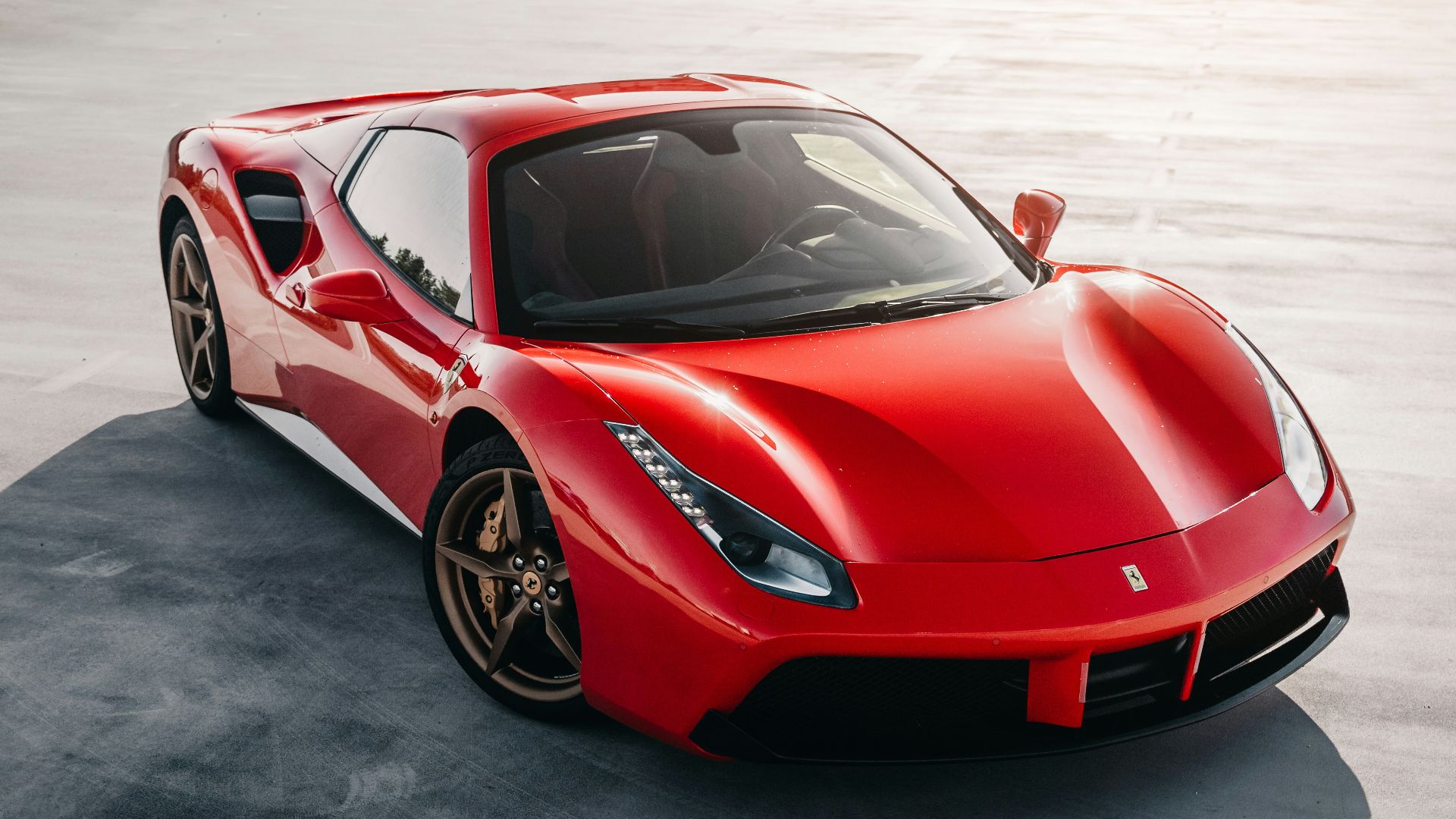
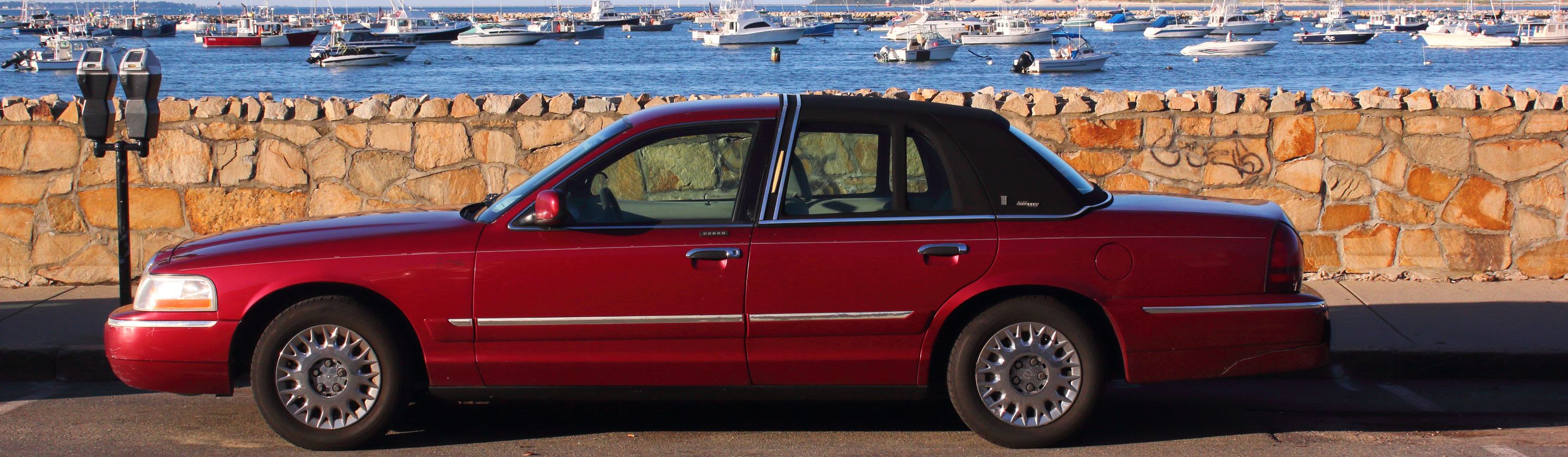
1. Red Cars Cost More to Insure
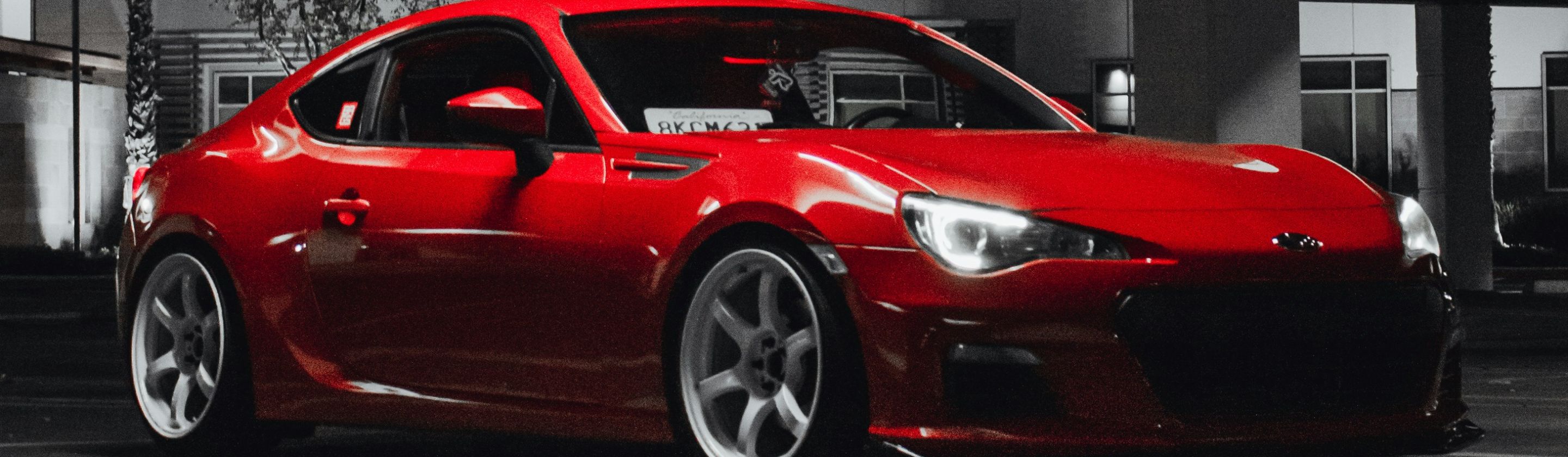
Paint color has never been a line item on an insurance worksheet. What actually drives your premium is the vehicle's make and model, how expensive it is to repair, its safety and theft record, where you live, your driving history, and the coverage you choose. A red sports car might cost more to insure, but blame the "sports car" part, not the "red" part.
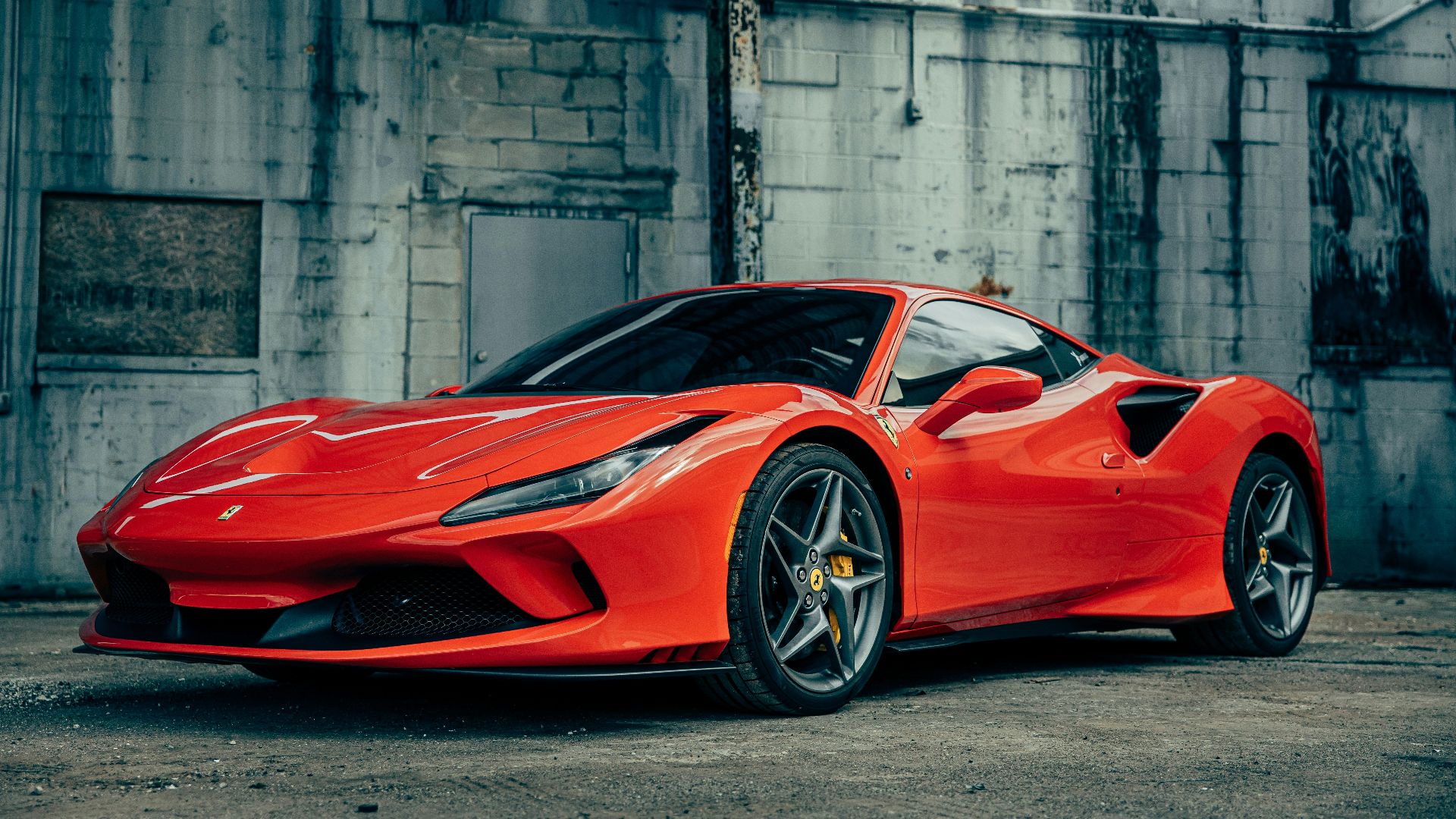
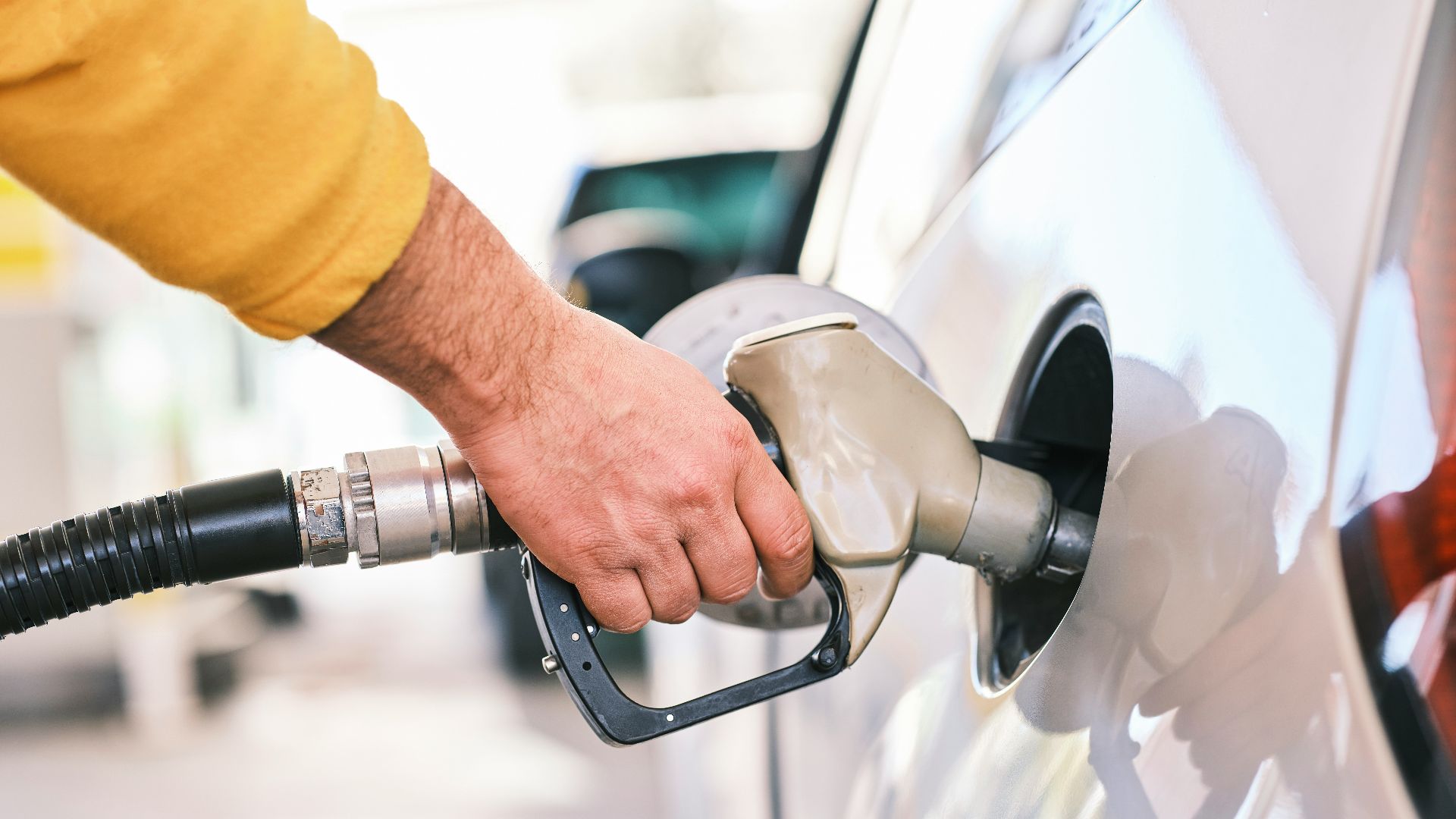
2. Premium Gas
Premium fuel has a higher octane rating, which matters for engines specifically engineered to use it. Pour it into a car designed for regular unleaded, and you're not buying more horsepower, better engine protection, or improved mileage. You're just paying more for the same trip to the grocery store.
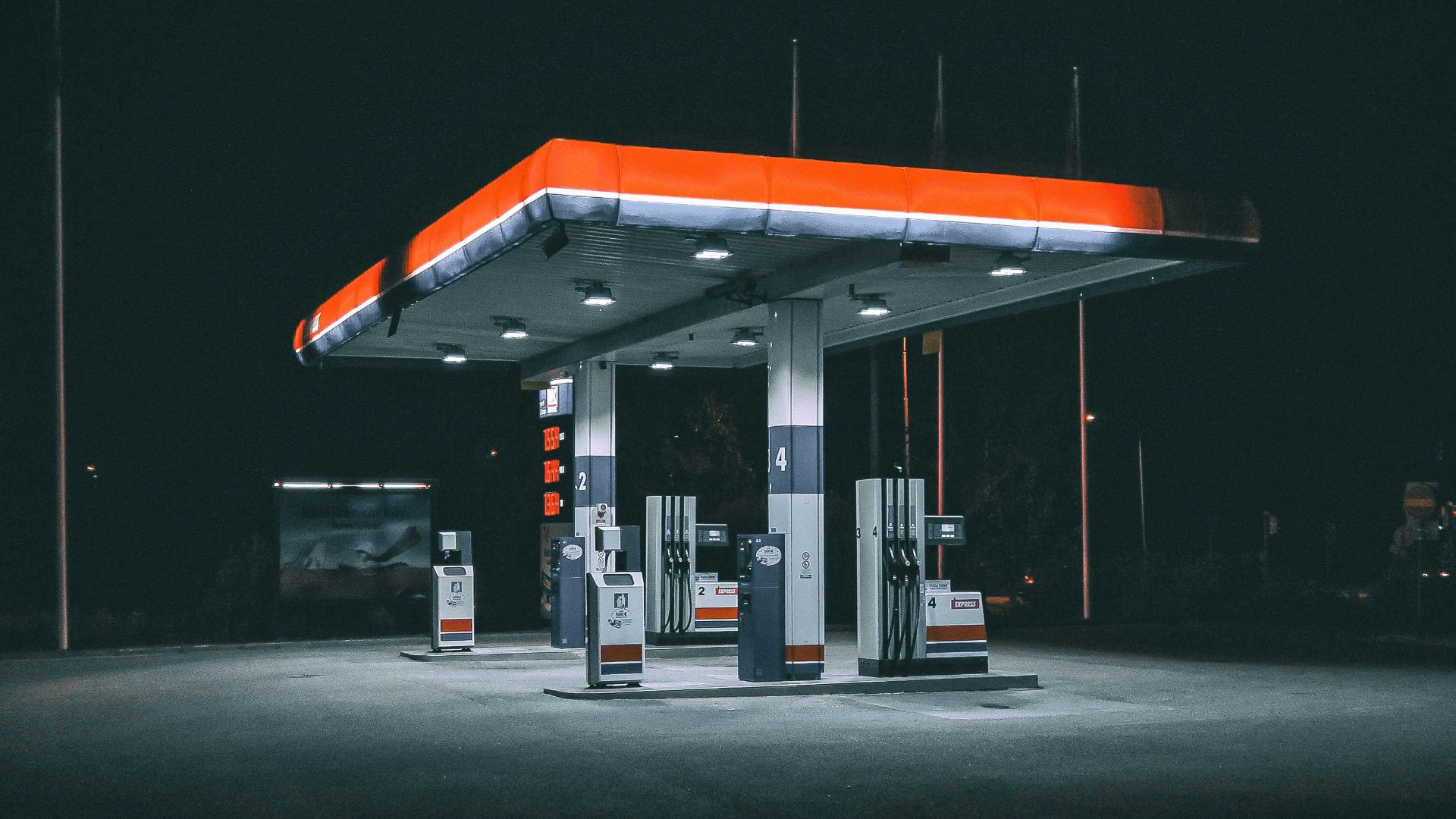
3. A Modern Car Needs a Warm-Up
That five-to-ten-minute driveway idle ritual is largely theater. Most fuel-injected engines are ready to drive almost immediately, as long as you ease into it rather than flooring it right away. Sitting still and idling doesn't actually warm an engine faster than gentle driving does; it just burns fuel while going nowhere.
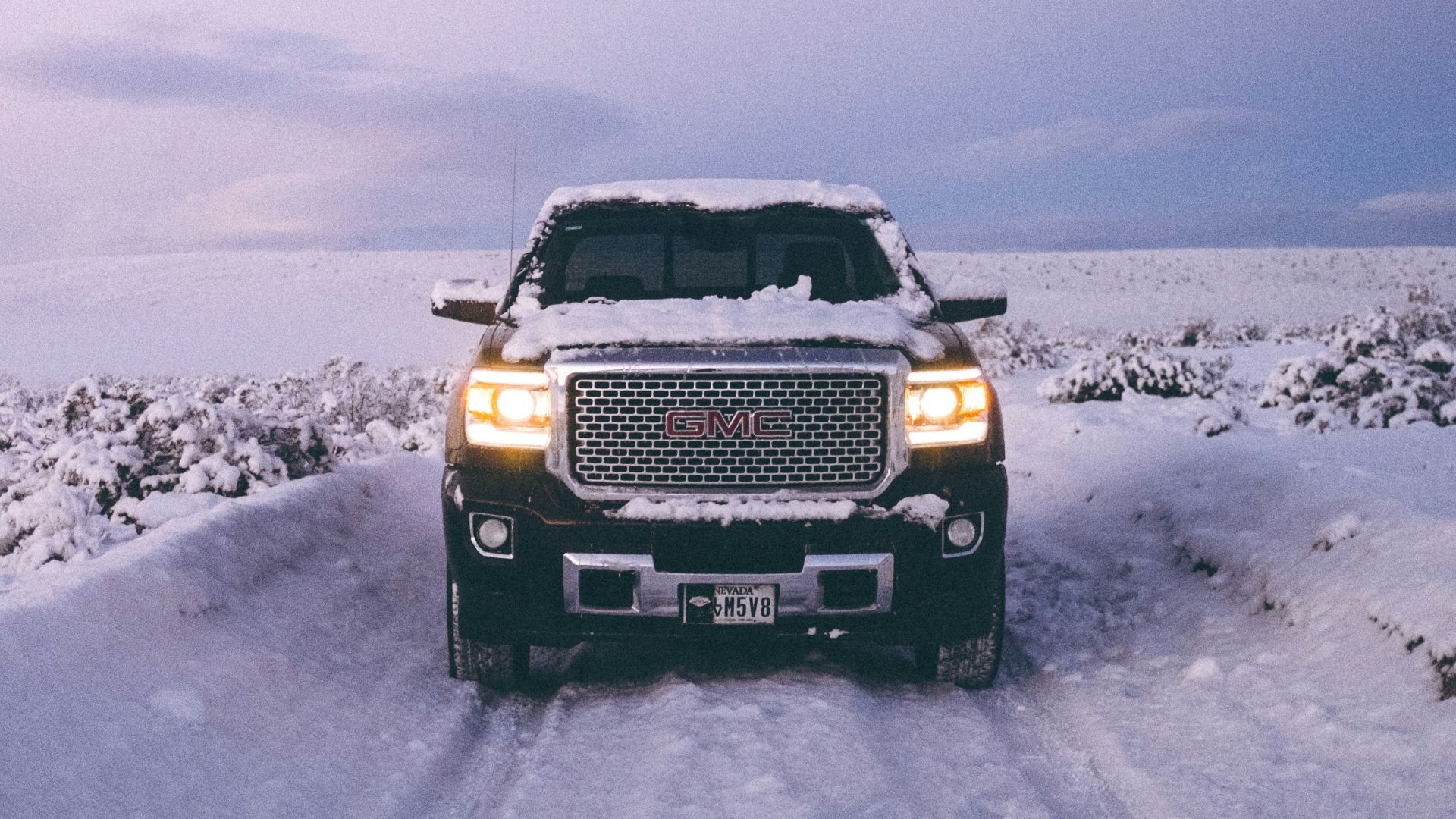
4. Restarting Uses More Fuel Than Idling
This one made sense when starters and carburetors were clunkier. Today, restarting a warmed-up engine sips a trivial amount of fuel, while sitting and idling burns gas for zero miles of progress. If you're waiting somewhere for more than a minute or so, shutting off the engine is almost always the more efficient move.
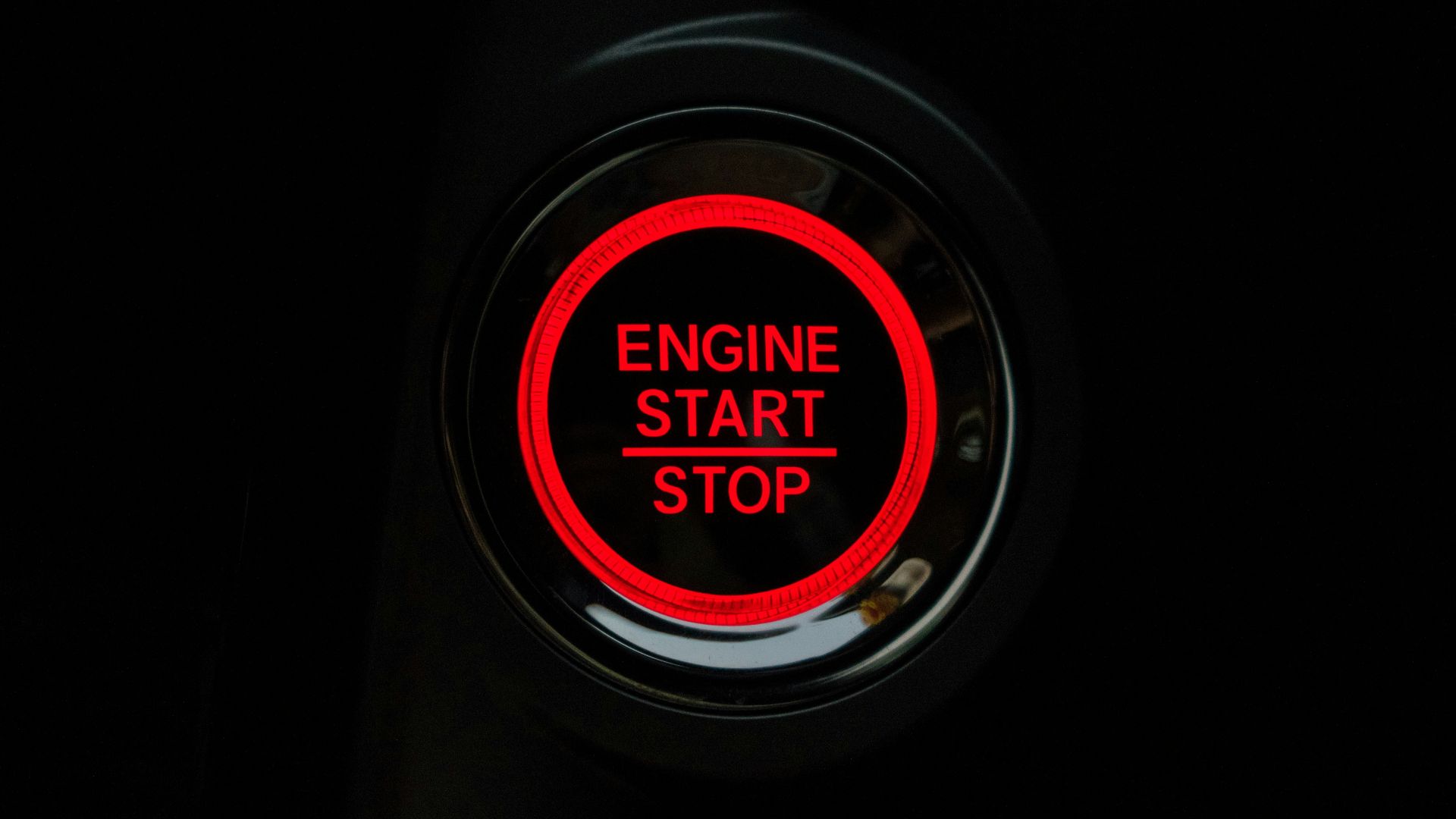
5. Manual Transmissions Save Gas
There was a time when rowing your own gears was the clear fuel-economy winner. That gap has all but closed. Modern automatics, dual-clutch transmissions, and CVTs frequently match or beat their manual counterparts in real-world mileage.
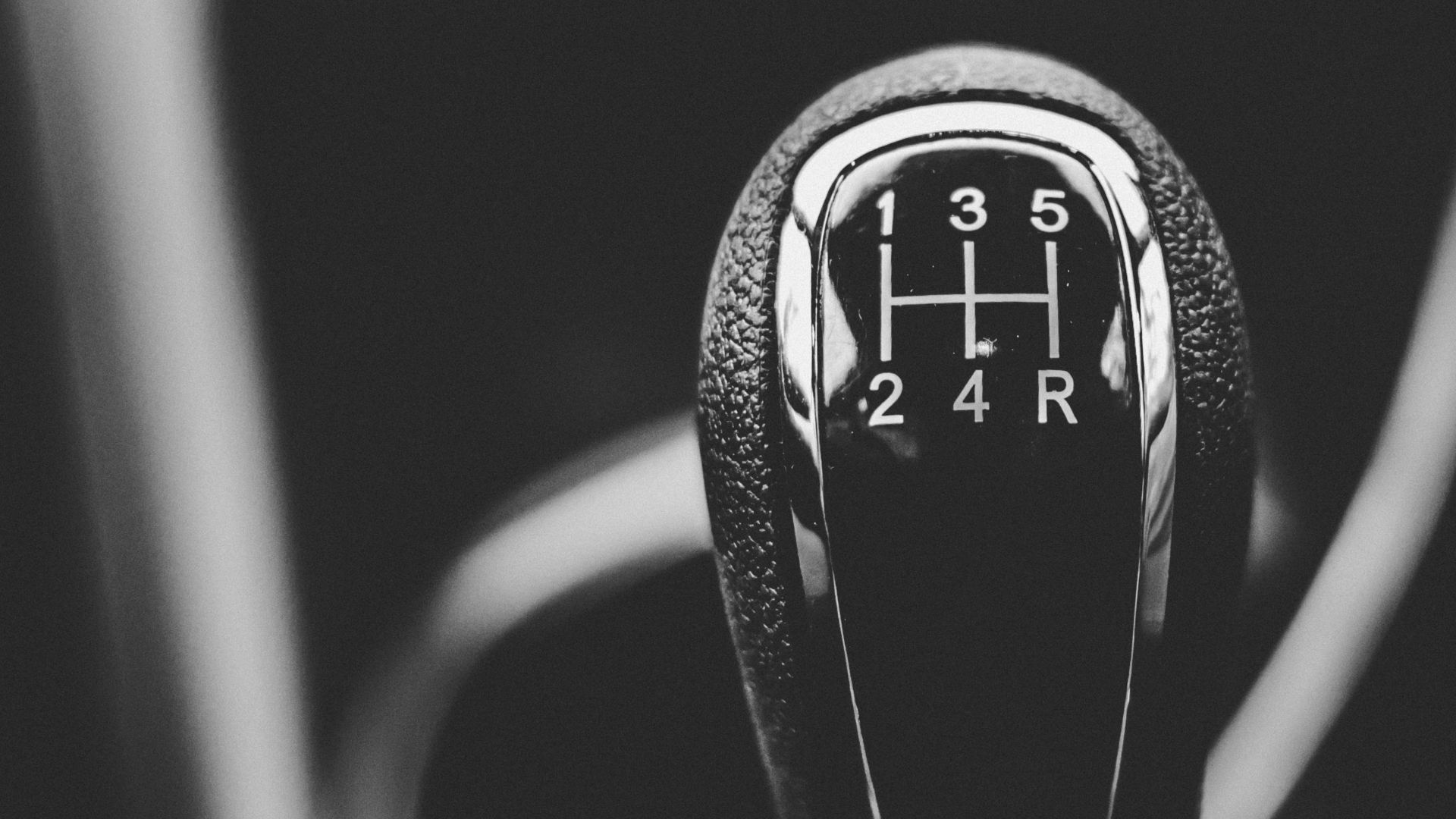
6. A New Air Filter Is an MPG Upgrade
Replacing a dirty air filter helps your engine breathe and can improve acceleration. But don't expect a fuel-economy miracle. In most modern fuel-injected vehicles, a fresh filter is good maintenance, not an upgrade.
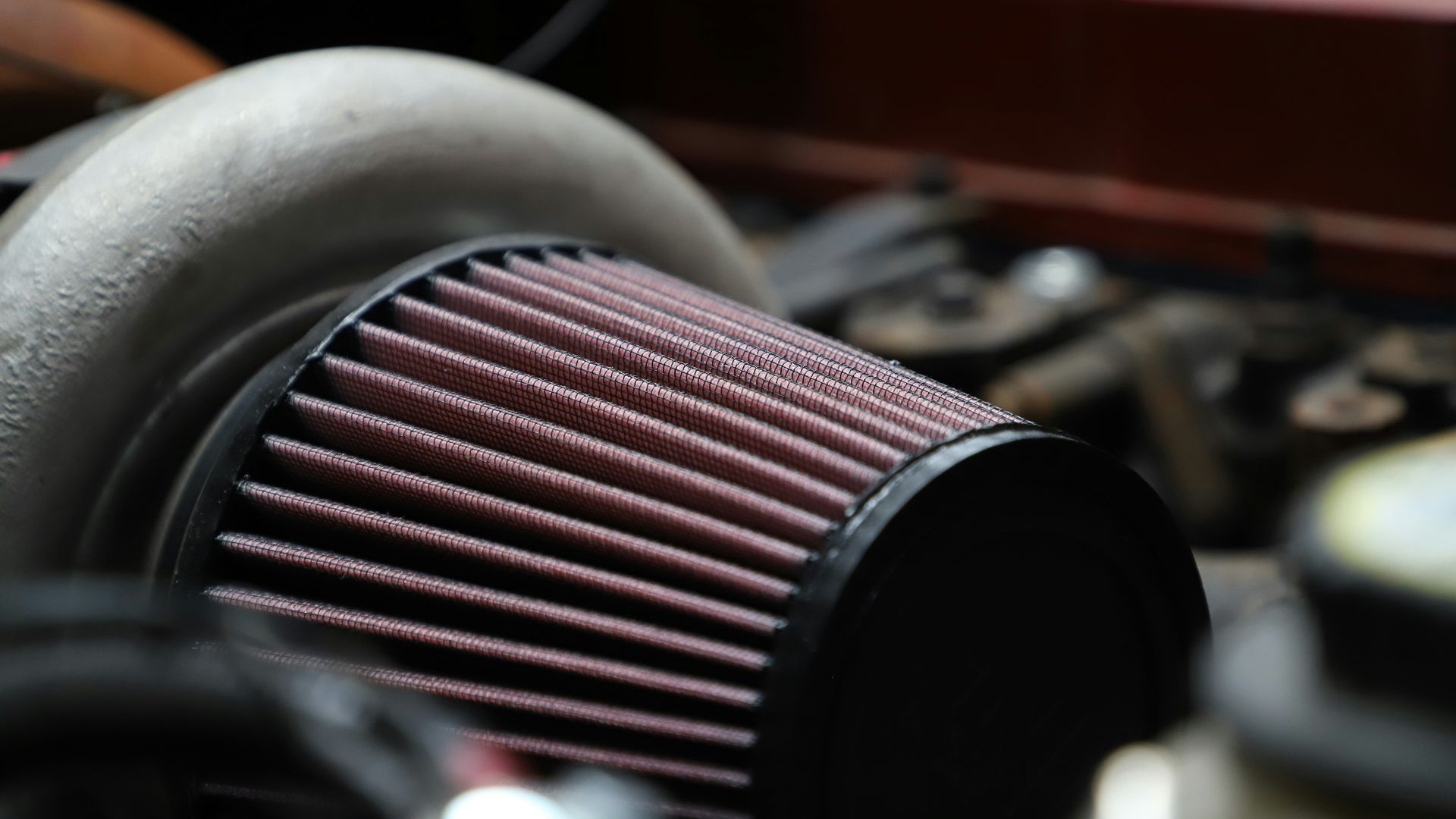
7. Miracle Additives
Magnets that clip onto fuel lines, mystery additives, "engine ionizers"- the promises are bold and the results rarely show up. At best, these products do nothing. At worst, they cause mechanical issues or push emissions in the wrong direction.
8. Gasoline Spoils
Gas has a reputation as a ticking clock, but sealed and stored at typical outdoor temperatures, it can stay within spec for at least a year. What actually matters is contamination and how long a container sits untouched. If you're parking a car, boat, or mower for the season, prep it properly instead of panicking about the calendar.
9. Oil Changes
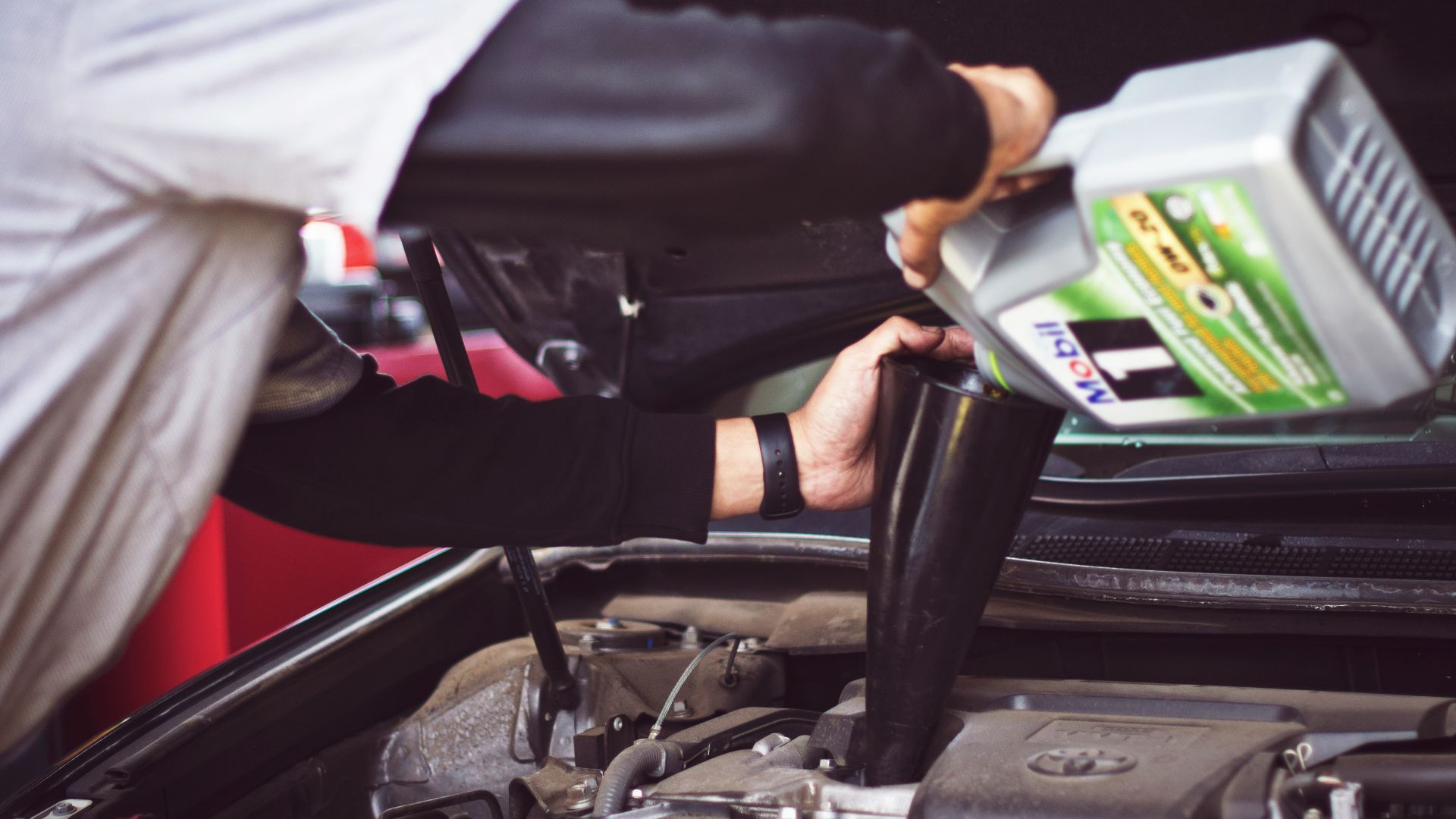
The 3,000-mile rule is a holdover from older engines and older oil formulations. Plenty of modern vehicles stretch well beyond that, sometimes double or triple it, though towing, short trips, and rough conditions can shorten the interval.
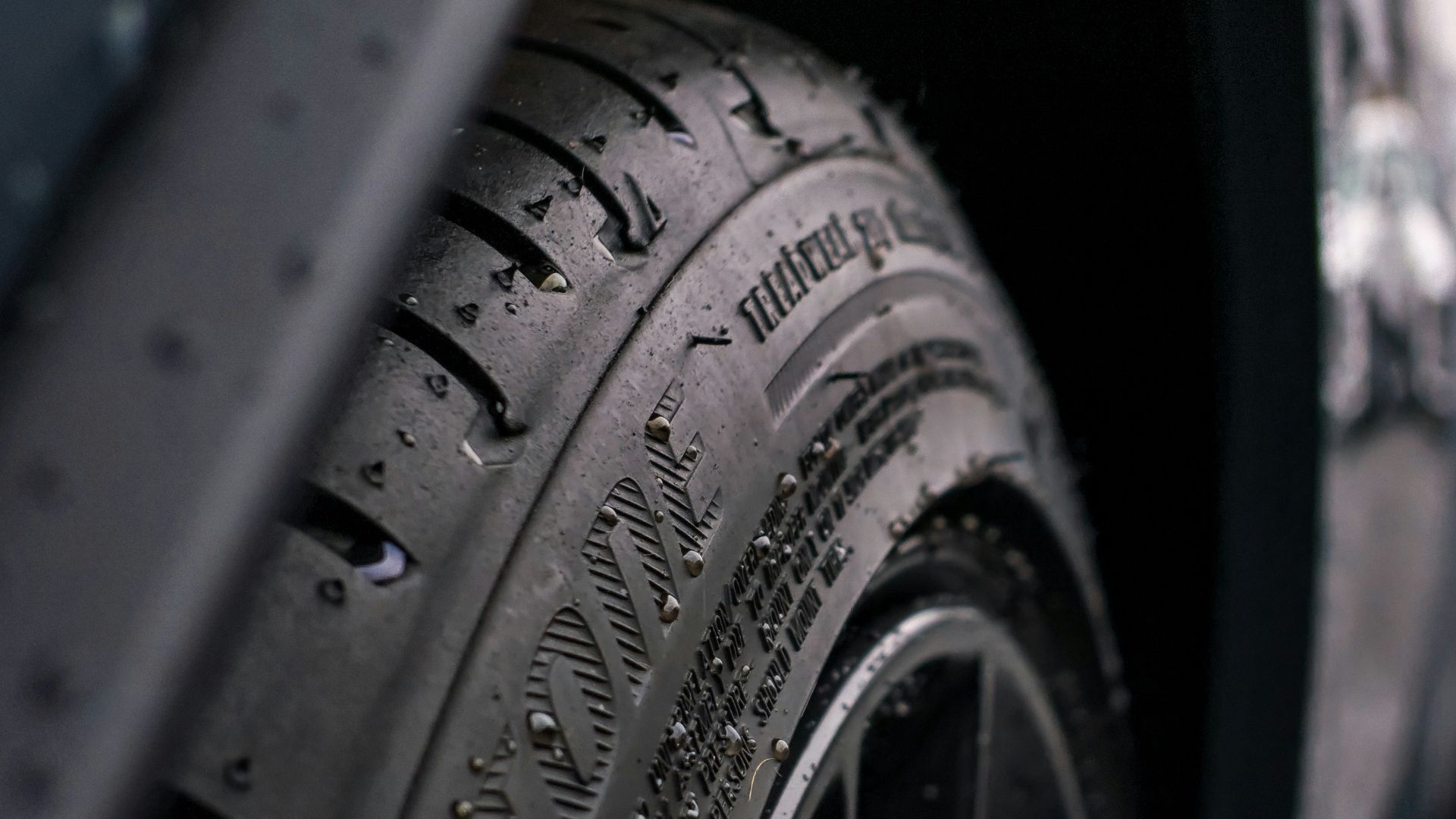
10. The Tire Sidewall Lists the Right PSI
That number stamped on your tire's sidewall isn't a recommendation; it's the tire's maximum allowable pressure. Your vehicle's actual target pressure lives on the door-jamb placard and in the owner's manual, and it's usually lower.
11. The Tire-Pressure Light
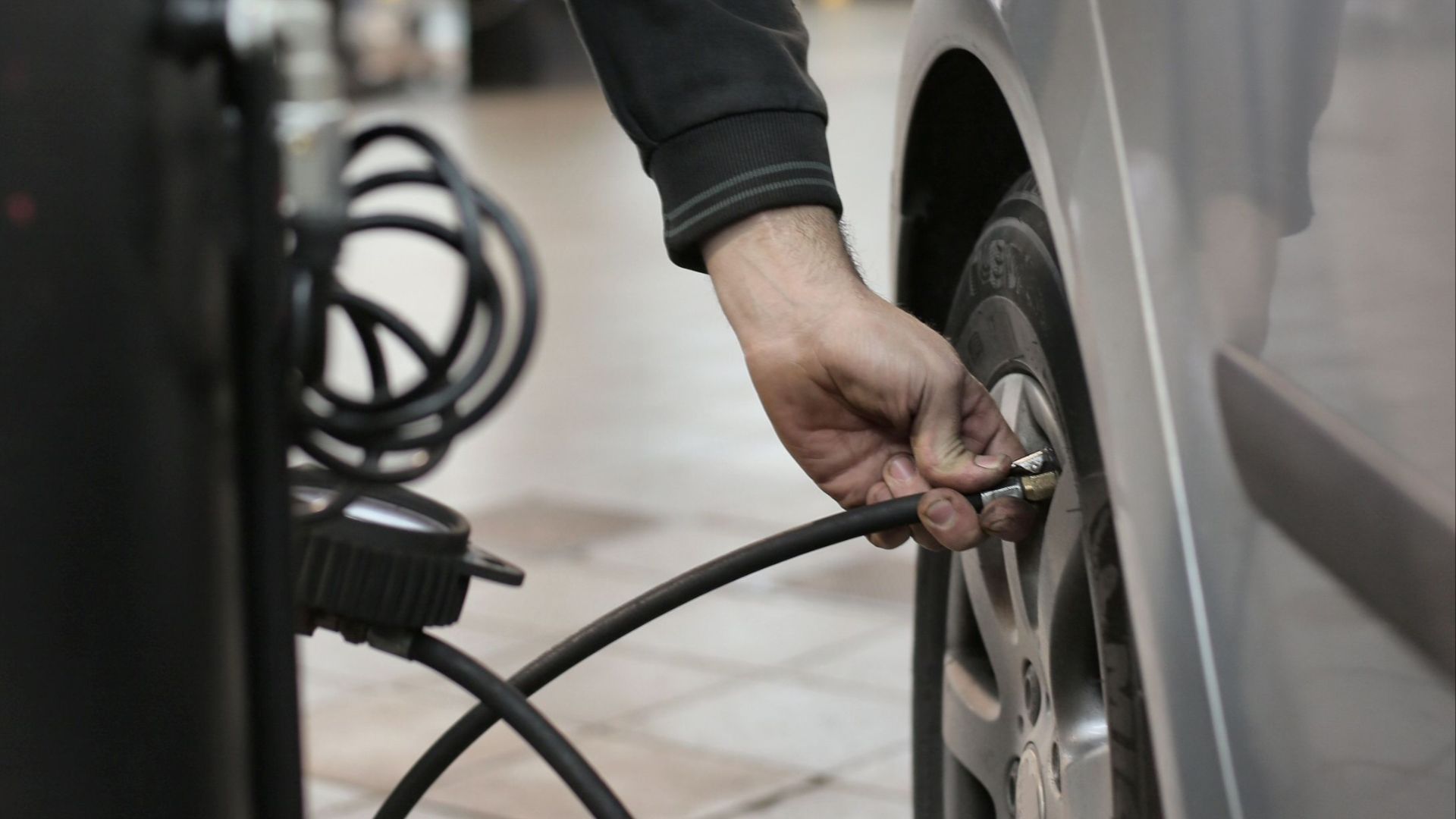
That little dashboard icon is helpful, but it isn't a substitute for actually checking your tires. Most systems only trigger once pressure has dropped significantly, and some can miss a slow, even loss across all four tires simultaneously. A monthly check with an actual gauge still belongs on your to-do list, warning light or not.
12. Nitrogen-Filled Tires Are Maintenance-Free
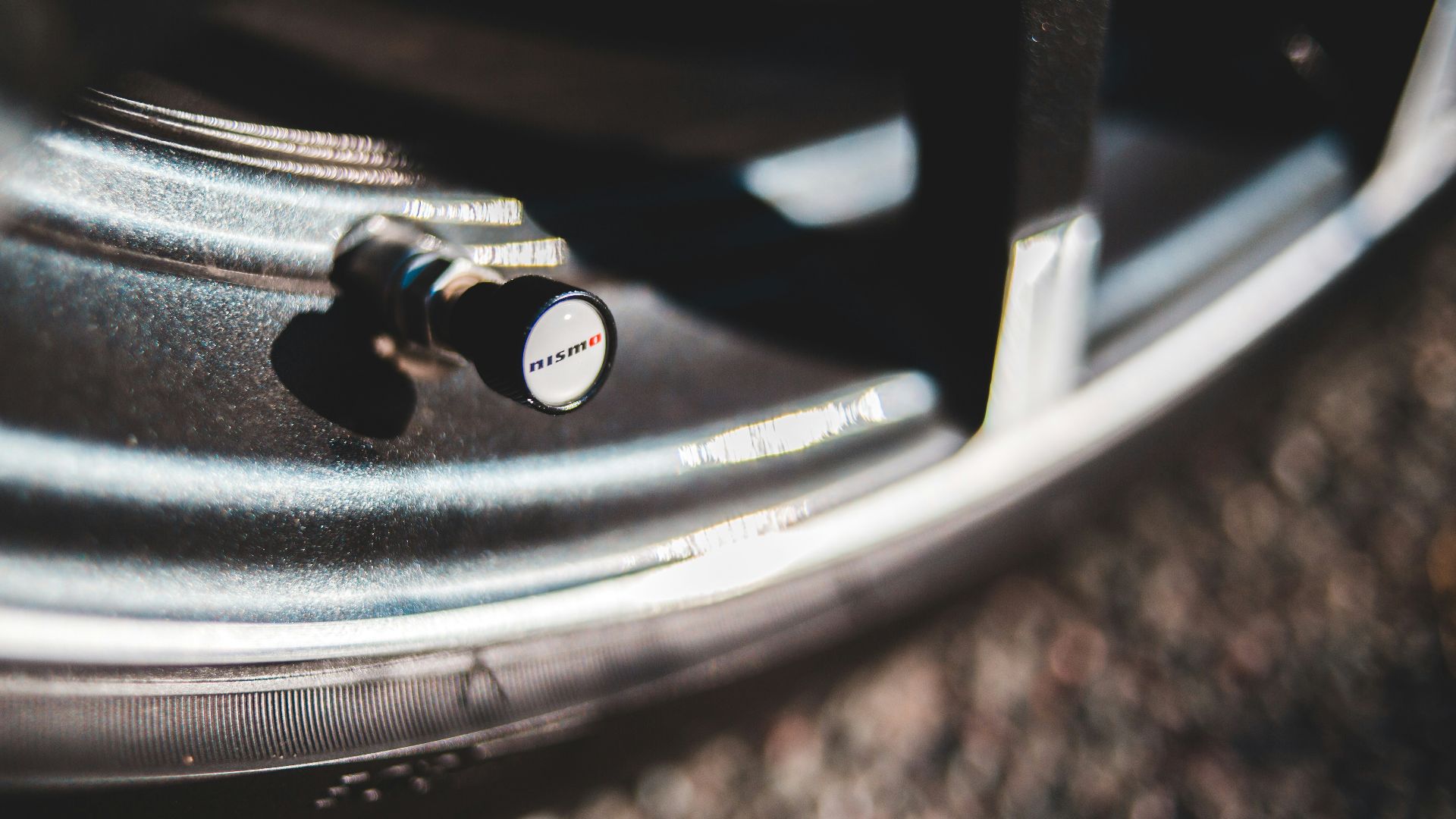
Nitrogen can modestly slow pressure loss in some conditions, but it won't stop a nail from finding your tread, and it won't cancel out temperature swings. Nitrogen-filled tires still need the same regular pressure checks as any other tire.
13. Tire Rotation
Front and rear tires wear differently thanks to steering forces, braking, drivetrain layout, and weight distribution. Rotating them on schedule spreads out that wear and helps you get more miles out of a set before replacement. It's not an auto shop trying to pad the bill.
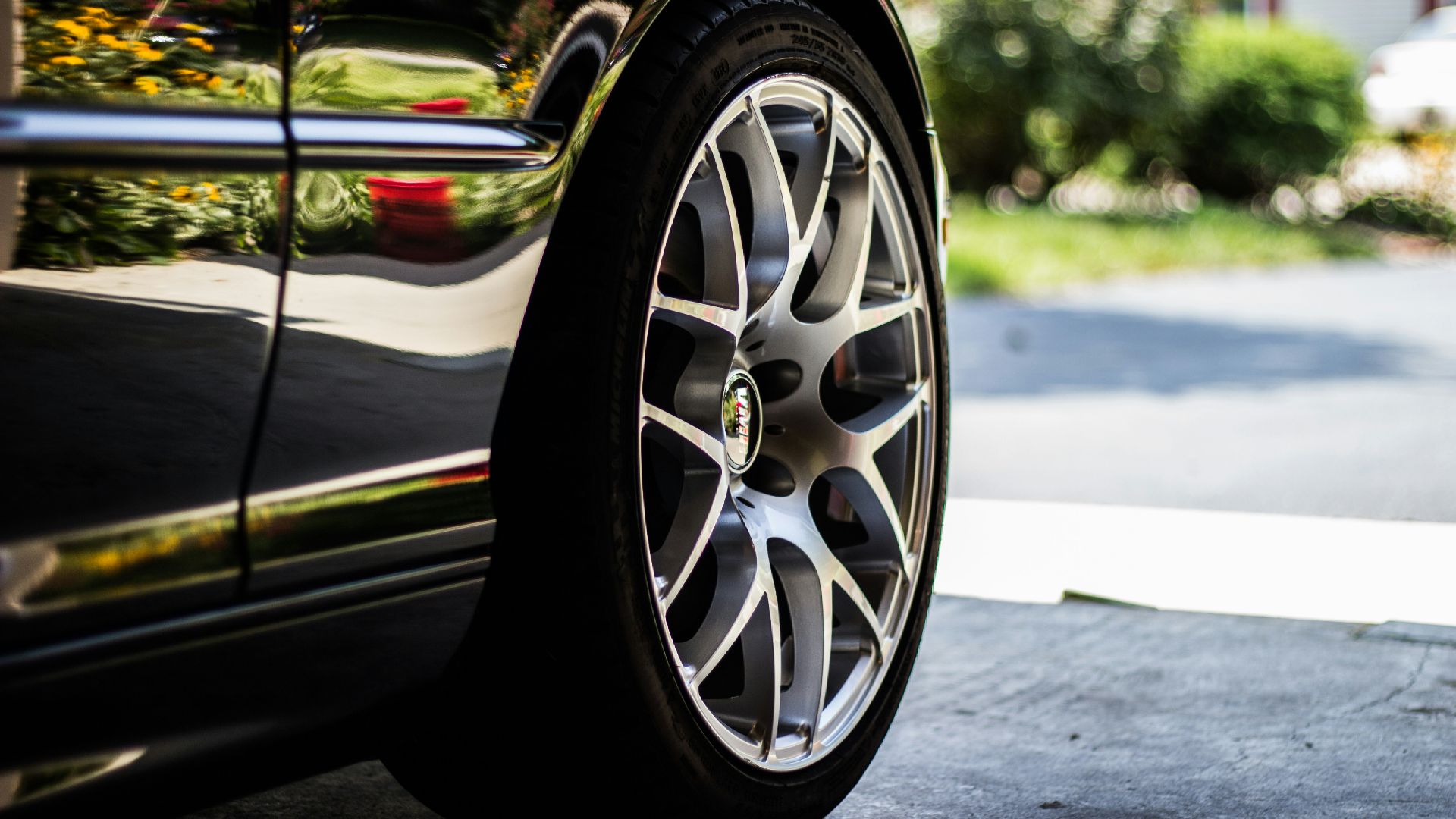
14. All-Season Tires
"All-season" is a more optimistic name than the tires deserve. They're built for a wide range of ordinary conditions, not deep snow or icy roads. Dedicated winter tires grip meaningfully better in those conditions, and summer tires shouldn't be anywhere near freezing temperatures.
15. All-Wheel Drive
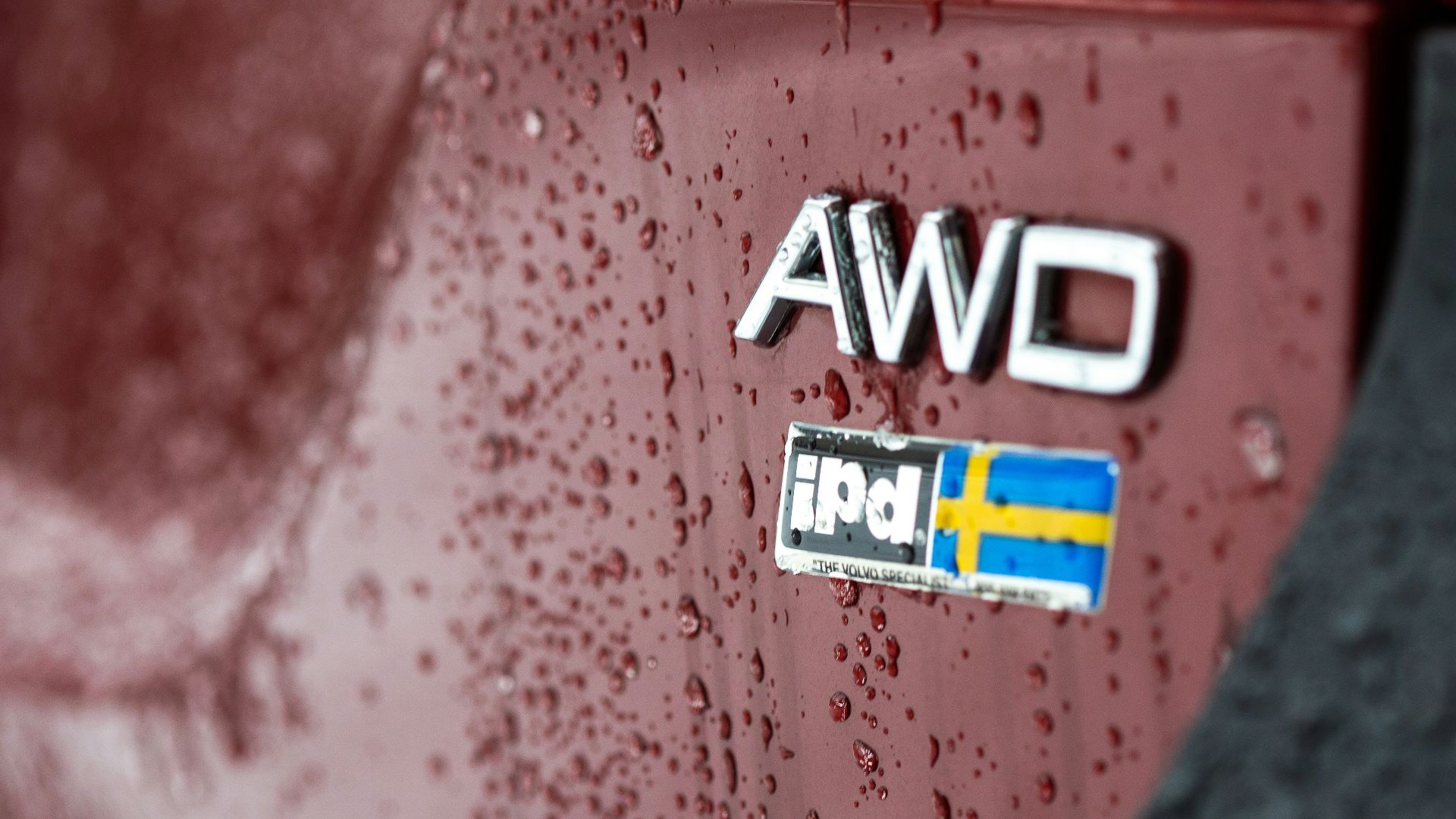
AWD and 4WD are great at putting power down and helping a car get moving on snow or ice. What they can't do is improve your braking or cornering, since stopping and turning are entirely a function of the tires' contact with the road. A capable AWD SUV on worn all-seasons will still slide right through a stop sign in icy conditions.
16. The ABS Brakes
Pumping the brakes was solid advice back when anti-lock braking systems didn't exist. In a car with ABS, the correct move is the opposite: apply firm, steady pressure and let the system handle the wheel-locking prevention on its own. If the pedal pulses underfoot during hard braking, that's the ABS working exactly as intended.
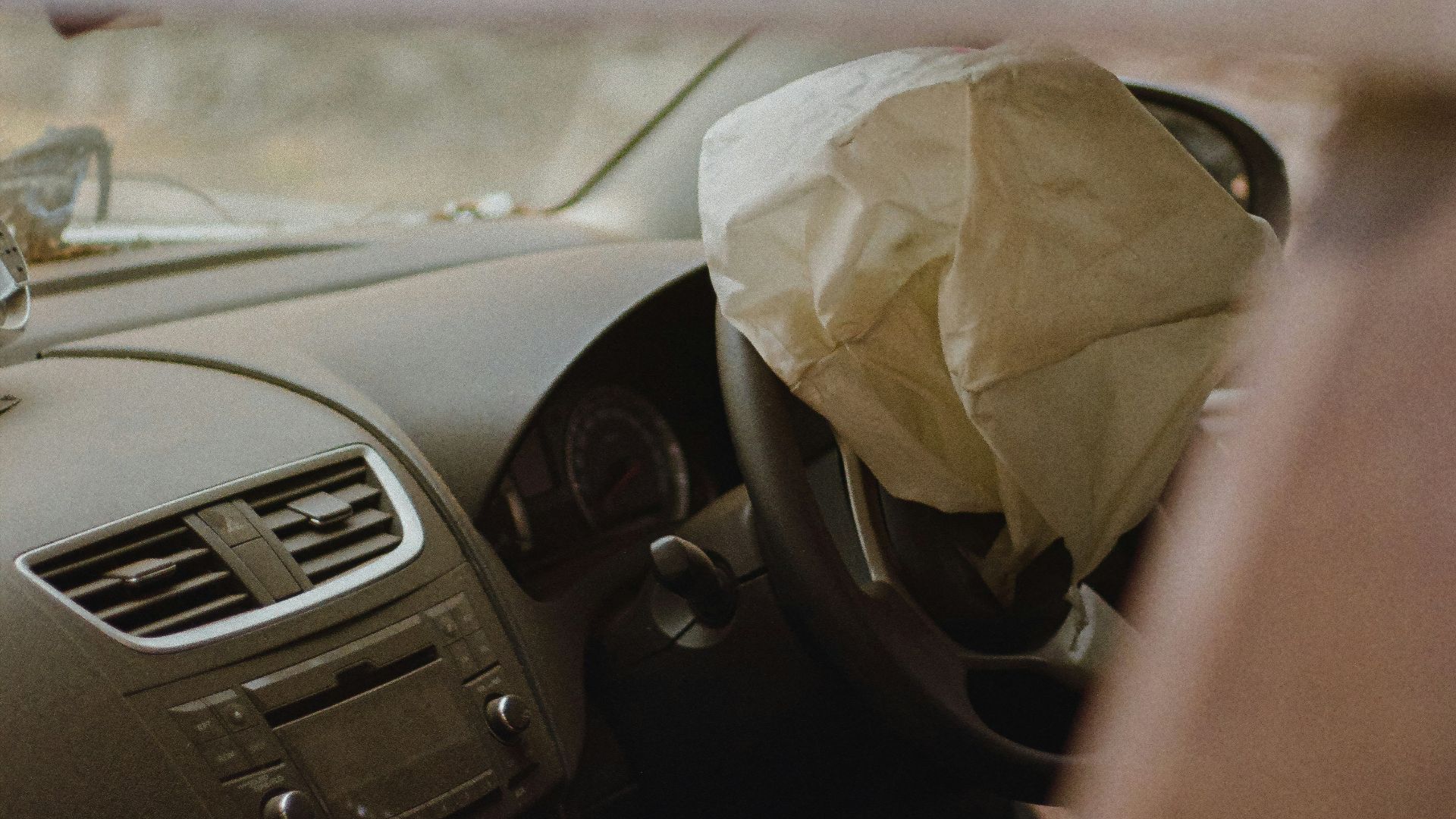
17. Airbags and Seatbelts
Airbags were never designed to work alone. They're "supplemental restraints" by design, meant to team up with seat belts, not replace them. The seat belt keeps you positioned correctly during a crash; the airbag adds cushioning against the interior.
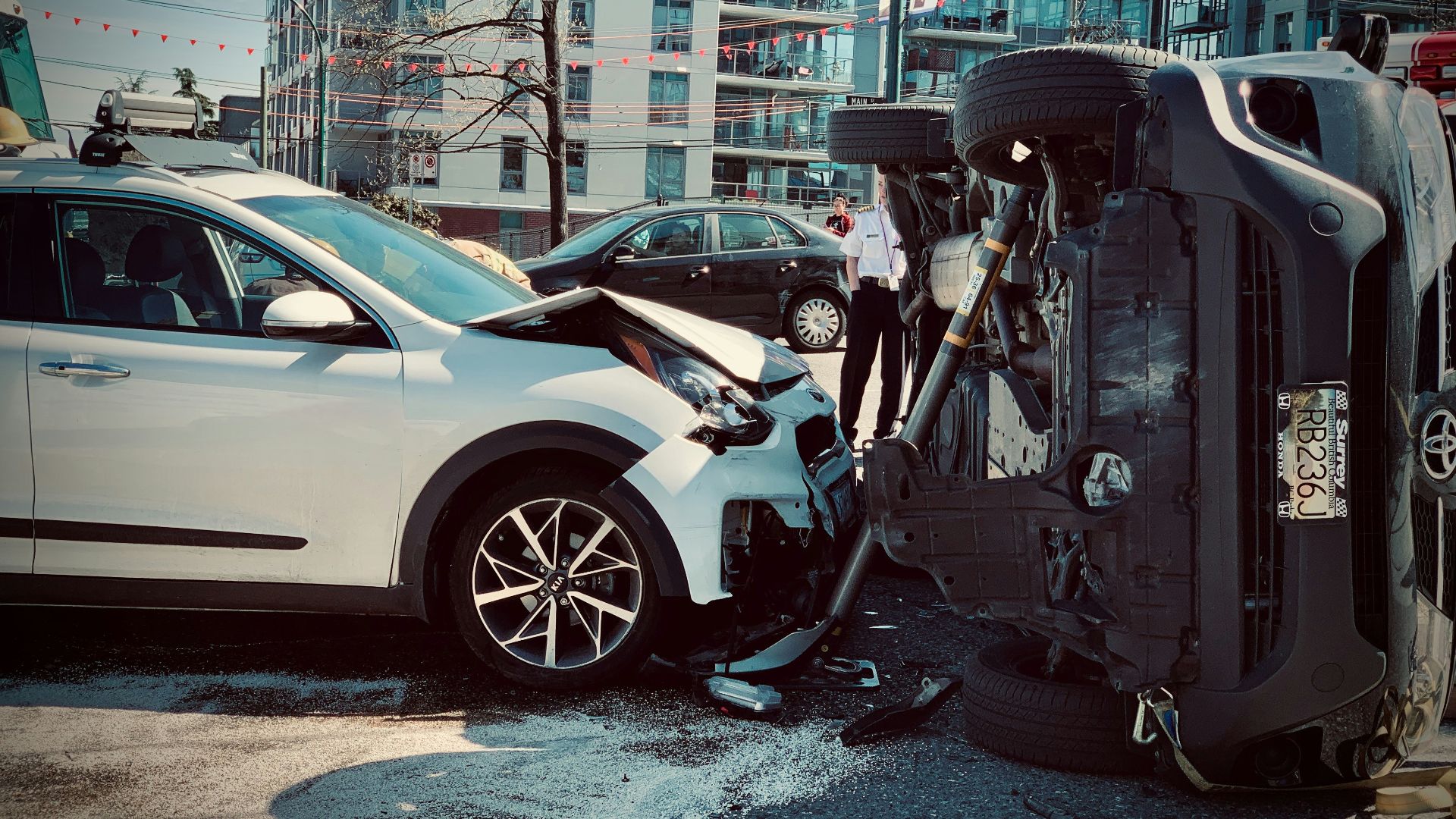
18. Being Thrown Clear Is Safer
This belongs firmly in the realm of action-movie logic. In reality, being ejected from a vehicle during a crash dramatically increases the odds of a fatal injury. Seat belts keep occupants inside the vehicle, where the car's structure and safety systems are actually designed to protect them.
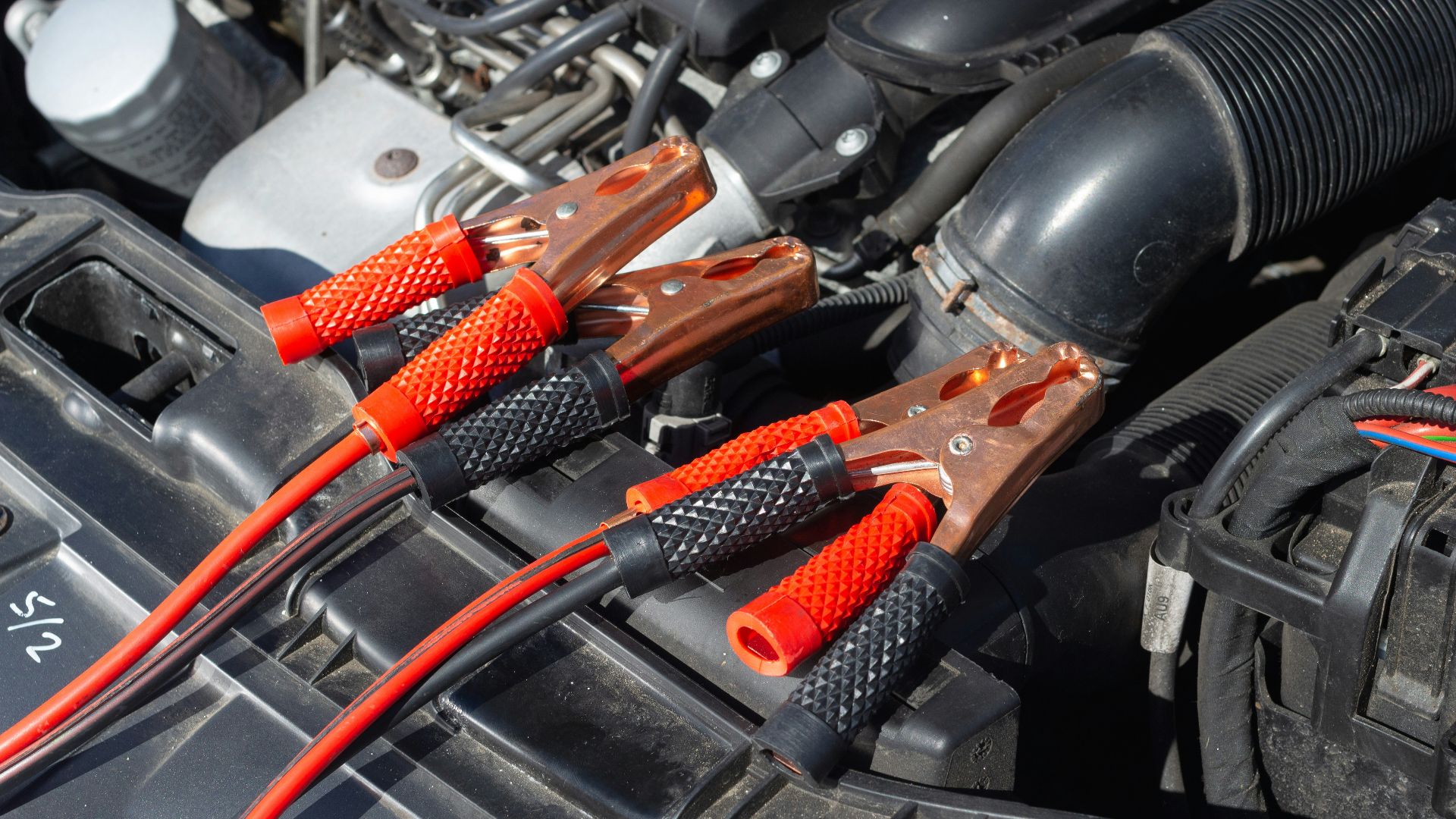
19. Car Batteries
Batteries don't come with a built-in expiration alarm. Heat, vibration, climate, and driving habits all affect how long one actually lasts. Rather than marking a calendar reminder, get your battery tested before a brutal summer or a long road trip. That test tells you far more than counting years ever could.
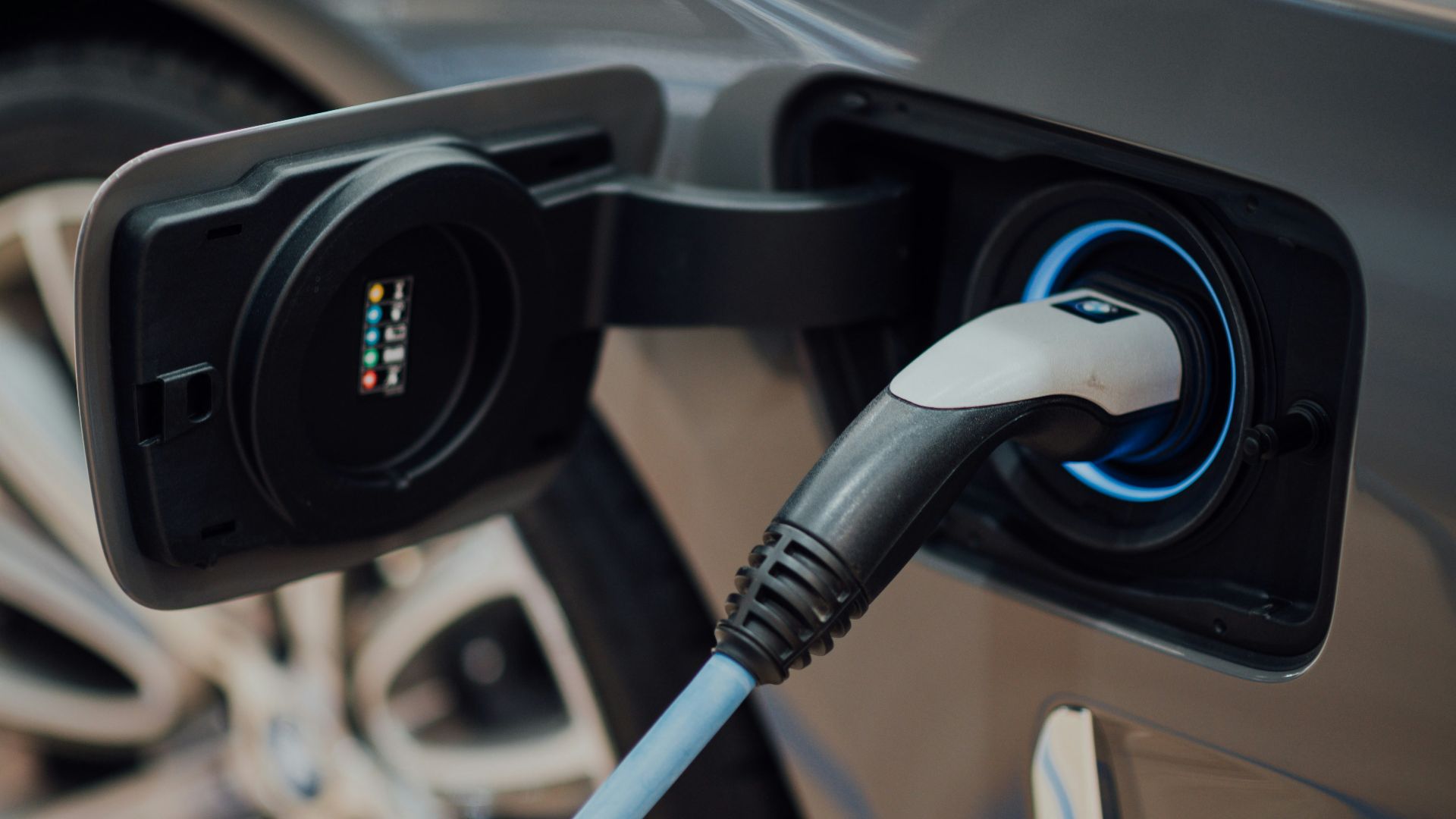
 Daniel @ bestjumpstarterreview.com on Unsplash
20. EV Batteries
This myth has been especially stubborn, but the data doesn't back it up. EV battery packs are engineered for the long haul, and many come with warranties covering eight years or 100,000 miles. Real-world failure-related replacements have been rare among newer plug-in vehicles. Batteries do lose some capacity over time, but "a few years and it's toast" simply isn't how modern EVs behave.